Topics / Cinematography & lighting
Composition & framing
139 commentaries in the archive discuss this, with 726 total mentions and 8 sampled passages on this page.
Filter commentaries
Filter this topic by the film's decade or the type of commentary.
Showing 4 of 139 commentaries
Clear filtersBy decade
Across the archive
ranked by mentions · click any passage for the moment in the transcript
-
multi · 1h 49m 7 mentions
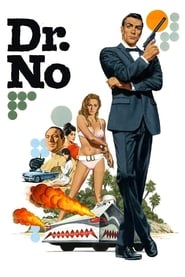
John Cork, Ursula Andress, Eunice Gayson, Margaret LeWars + 20
-
A little background on actor Timothy Moxon, who plays Strangways. At the time of Dr. No, Moxon was making his living as a charter pilot and crop duster in Jamaica. But before he moved to the Caribbean, he had been an actor in London, where he knew director Terrence Young, which led to Moxon being cast in the role of Strangways. Actor Anthony Dawson plays Professor Dent. Dawson appeared in many films for director Young, beginning with They Were Not Divided in 1950 and continuing with Action of the Tiger in 1957.
2:52 · jump to transcript →
-
Lois Maxwell also worked with Terrence Young on 1949's Corridor of Mirrors. She recalls discussing the role of Miss Moneypenny with the director. I said, Terrence, look, if we can give a background to Miss Moneypenny, and I don't have my long hair in a bun, and I don't have to wear glasses, and I don't have a pencil over my ear, I think I'd be more interested in playing Miss Moneypenny. And he said, good girl.
9:21 · jump to transcript →
-
Sean and I and Terrence decided on the background of the relationship between James Bond and Miss Moneypenny. And that was that when he was a tea boy and she was in the secretarial pool, they had gone off together for a lovely bank holiday weekend to a rose-covered cottage.
9:52 · jump to transcript →
-
-
-
Tim Lucas
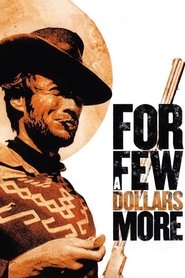
I can't find a distinct identification for the actor playing this ousted hotel guest, addressed as Señor Martinez. Let's appreciate the beautifully layered composition of this shot. For a few dollars more was photographed by Massimo Dallamano, who shot A Fistful of Dollars so brilliantly. He had already photographed close to 40 films, but this was his last major assignment before he graduated to the position of director.
34:15 · jump to transcript →
-
Tim Lucas
For a few dollars more was the first time that Sergio Leone had Ennio Morricone compose and record the film's music before he began filming. And this, I believe, is the reason behind this film's tremendous leap in musical imagination. Morricone was not tailoring his music to the action on screen. Leone was tailoring his images and indeed his actors' performances to Morricone's music, which the maestro could now approach from the purer vantage point of composition.
1:13:30 · jump to transcript →
-
Tim Lucas
He read the script and scored what he experienced in his imagination. Of course, Leone had to be agreeable to the directions he was taking first. They had a simple way of synchronizing themselves. Morricone would play for him, very badly, he said, the basic themes that he had in mind on the piano. And if Leone felt moved by them, even in the context of a poor piano performance, he was told to go ahead with the full composition.
1:14:00 · jump to transcript →
-
-
-
Related topics
Other topics that frequently come up in the same commentaries.