Topics / Cinematography & lighting
Composition & framing
139 commentaries in the archive discuss this, with 726 total mentions and 11 sampled passages on this page.
Filter commentaries
Filter this topic by the film's decade or the type of commentary.
Showing 4 of 139 commentaries
Clear filtersBy decade
Across the archive
ranked by mentions · click any passage for the moment in the transcript
-
scholar · 1h 32m 14 mentions
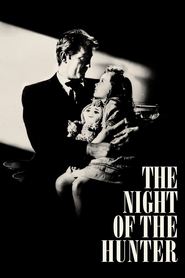
The Night of the Hunter (1955)
Terry Sanders, Robert Gitt, F. X. Feeney, Preston Neal Jones
-
The nice payoff is that Lillian Gish is actually the avenger of these women. Right. I have to say that in this shot, too, the backgrounds are my shots. And this was processed in Hollywood, yeah? Right. And they blend in very well. They're called background plates.
2:52 · jump to transcript →
-
Actually, in some of the outtakes that we found for the film, in this scene, Mitchum at the end of a take just starts giggling and kind of shakes his head like, God, how can I say these lines? But, of course, he does a beautiful job anyway. And this is all your wonderful footage, Terry, in the background. Right, all the background plates. Of the cemetery. Now what's coming up is the...
3:38 · jump to transcript →
-
Now, this is like a lake or a pond at the Rollinvillee Ranch. And you had footage you had shot. That's the Delta Queen, yeah. Yeah. It was very successfully integrated, so it looks like a river. There's a match shot coming up that combines Bertie's wharf boat with the boat in the background. That's it. There it is. And for the period, it's pretty good, at least briefly. Yeah.
15:47 · jump to transcript →
-
-
-
David Kalat
With his background in engineering, he was given to fashion his own equipment and jerry-rigged devices to achieve special pictorial effects impossible otherwise. His colleagues nicknamed him Smoke. But atmospheric effects were but tools in a wider arsenal, and he aspired to improve upon the still primitive art of special effects when he saw a film that shattered him.
20:14 · jump to transcript →
-
David Kalat
although some were at an even smaller scale to create forced perspective effects. So get a load of this. This is an in-camera double exposure in which fleeing extras at the bottom of the frame and the top half is made up of a miniature set and a man in a suit. To get the synchronization between the bits entailed precision timing between two different scenes shot by two completely different production crews months apart. And any mistake would mean starting over from scratch.
45:59 · jump to transcript →
-
David Kalat
Haruo Nakajima had been hired to play Godzilla thanks to his martial arts training, his background in stunt work, and his overall strength. You can imagine how being hired to play a monster in a rubber suit might cause you to maybe not take your job all that seriously. But not Nakajima.
56:42 · jump to transcript →
-
-
-
Alan K. Rode
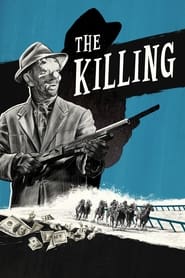
Only this, I went through his clothes while he was showering. I'm quite sure George went there tonight. Kiddo, I think we got something. Nice shot here with a low-key light coming ostensibly from the lamp with both of their faces lit in a dark background. George's cut's going to be peanuts compared to this whole thing. We've got to find out more about the overall plan. You think he'll tell you any more? Not a chance. I could see he was scared stiff because he talked as much as he did.
18:30 · jump to transcript →
-
Alan K. Rode
During shots of other actors, Carey can be seen in the background mugging and making faces. When de Toth was asked about working with Carey, he shook his head and said, what you see is what you get. Early in his career, Carey was reportedly fired off of Ace in the Hole by Billy Wilder for the same type of behavior. Because that's the way he runs. So he goes down, a couple of other horses pile up on top of him. There'd be plenty of confusion, I can guarantee you that.
33:54 · jump to transcript →
-
Alan K. Rode
Today, isn't it? Huh? What makes you think that? Again, Kubrick's composition, the two-shot with both of them at the table, the light coming through the kitchen window that gives you the indication that it's early morning. Even with a limited budget, it's just masterful. I'm in it, Sherry, and I'm getting fed up.
38:21 · jump to transcript →
-
-
-
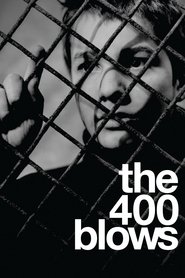
Note that the signature shot, that is, where the director places his own name, occurs at the unique moment of perfect framing by the base of the Eiffel Tower. The film on many levels will seek such a balance of the unsteady handheld look of cinéma vérité, the disorderliness of life itself, and yet the perfection of form, the balance that comes only from art. It's one of the light touches of mastery that gives The 400 Blows its charm. As if it were a novel and he its author, Truffaut dedicates his film to his mentor, André Bazin,
2:35 · jump to transcript →
-
Without denying the imagination, the artistry, and the great filmmaking craft that have gone into the making of The 400 Blows, such biographical background helps us to understand the ways in which the film's story is so deeply felt and so sincere.
1:22:29 · jump to transcript →
-

Related topics
Other topics that frequently come up in the same commentaries.