scholar
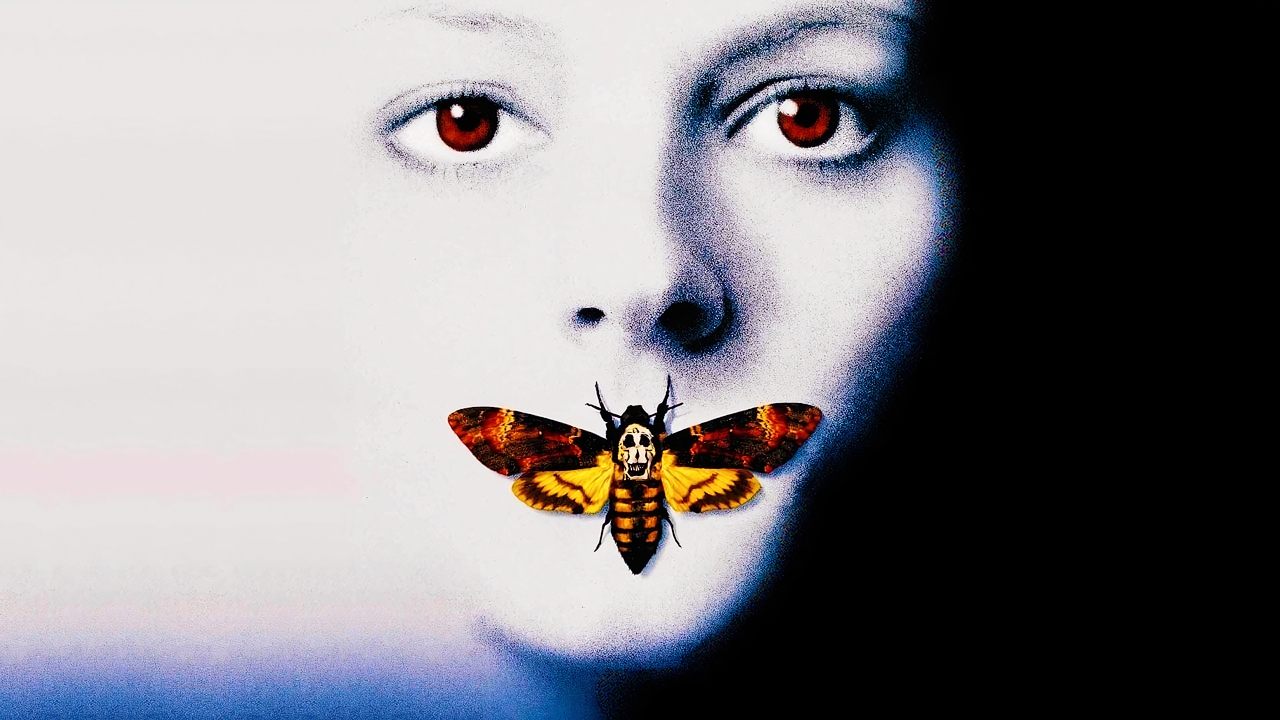
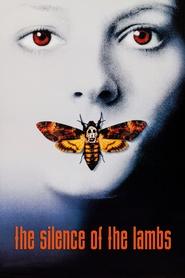
The Silence of the Lambs (1991)
Release The Silence of the Lambs Limited Edition 4K UHD (Arrow Video)
Purchell and Gardner discuss the film as trans critics and historians, considering both its craft and its cultural harm. They examine Demme's direction, Fujimoto's camera work, Tally's focus on Clarice, Hopkins's limited screen time, and the climax's editing. They also discuss the novel, queer and trans-coded horror, medical gatekeeping, protests, later trans responses, and Demme's public statements.
- Duration
- 1h 56m
- Talk coverage
- 97%
- Words
- 15,564
- Speakers
- 2
Commentary density
Highlights
Topics
People mentioned
The film
- Director
- Jonathan Demme
- Cinematographer
- Tak Fujimoto
- Writer
- Ted Tally
- Editor
- Craig McKay
- Runtime
- 119 min
- Also on
- OneSheet ↗ OverBlack ↗
- External
- IMDb ↗ TMDB ↗ Find on Amazon ↗
Transcript
15,564 words
Hi there, I'm Elizabeth Pershell. I'm a queer film historian and film programmer. Hello, I'm Caden Mark Gardner. I am a trans film critic and researcher. And we're both very excited to have this opportunity to get to talk about Jonathan Demme's 1991 film, The Silence of the Lambs. And I'm going to say right off the top, this film is obviously a masterpiece. And because of that, It is a film that is so ubiquitous and that has been, you know, picked apart and talked about, you know, so much for, you know, the past 30 years. So rather than use this commentary to, you know, run through the greatest hits or tell all the behind the scenes stories about the production, I think we're just going to have a nice conversation as to film historians, as to trans film historians, as to trans people.
and see where we get over the next two hours or so. And I guess to start off with, something I always like to do with commentary is ask you, Caden, how did you first see this film? Because we're both around the same age, so we were obviously too young to have seen it when it first came out. If it was 1991, I was a baby when it came out, so I definitely do not have any... sort of idea of what was going on at the sort of height of its release. But even when I was younger, it still had a very large sort of cultural legacy in the mainstream. And so by osmosis, you would hear sort of certain lines from Hannibal Lecter and certain visual cues from the movie. But I would say by the time I officially watched it, I was probably around the age of 12, which even, which I would say is a kind of tough age bracket to be in when you're feeling all these feelings, you're still kind of prepubescent on the verge of puberty, and you're sort of seeing a very sort of adult-oriented psychodrama about something like this, and also something that later on you're like, oh, wow, it has that. And
Everything else is masterful, but this is fascinating. So yeah, that's kind of been like my relationship with the film. It's kind of funny that we both wound up seeing this film for the first time right around the same age. I remember seeing the video box art at Blockbuster and Walmart as a kid, and it kind of freaking me out. But it was right around the same time that the Red Dragon movie, which I guess was like 2002. Yeah. came out that like i convinced my parents to let me rent this from the library and i don't know i i got hooked somehow and that led me to reading thomas harris's books uh the sounds of the lambs hannibal red dragon and um i have distinct memories of freshman year of high school reading the novel silence of the lambs and my biology teacher being so fascinated by the fact that this weird precocious film kid was reading this like very adult novel And she even had me go around and do Hannibal Lecter's Chianti line in front of other teachers just to show off how weird the student was. Oh, wow. First of all, your parents are a lot more laissez-faire than my parents. My parents were fine with me getting Tennessee Williams plays.
and movie adaptations taken out of the library, even if it featured cannibalism, Shadowed Suddenly Last Summer. But no, watching stuff like Silence of the Lambs, I usually watched it without any adult supervision, as is the story of how I watched many R-rated movies as a pre-teen and teen. But yeah, just like you, it wasn't until a number of years later that I was I realized like just how much stuff there was in this movie that my like teenage brain couldn't comprehend at the time. And I mean, also just kind of catching up with the cultural footprint that this film has. I mean, I also have very distinct memories of seeing this on an episode of VH1's I Love the 90s where there are all these like D grade celebrities and comedians, you know, doing their own version of the Buffalo Bill dance scene or the scene in Clerks 2 where Jay, of Jay and Silent Bob fame does the same thing. Even then, like, I was maybe a little too young to understand what exactly, you know, this was supposed to be. Oh, yeah, definitely. Like, its legacy is still very strong in popular culture. Like, even with this... I wouldn't necessarily call it a reckoning about sort of how...
trans media or trans images are often received and put out in the mainstream i wouldn't necessarily say this film has faltered in any sense i would say if anything it's going as strong as ever i think people really appreciate uh this type of movie and this sort of novelty of this r-rated uh movie based on a mass market paperback thriller uh is still this one of the best of its genre and won so many awards and awards is female led and is directed by, to me, one of the great American directors, Jonathan Demme. There's just so much to look into with this film. And I think trying to dismiss either trans concerns or how this film's legacy impacted trans people is dismissive, but also trying to undercut this film and dismiss it would also be very wrongheaded in my opinion. I embrace having a nuanced conversation and a nuanced array of opinions about this movie. Yeah, we'll definitely be getting into all of that as we get deeper into the film, but I thought it might be good to first
kind of just quickly like dive into some of the cast and some of the crew and you'd mentioned Jonathan Demme a few minutes ago. So, you know, why don't we start with him? Um, Caden, what can you tell me about, you know, Jonathan Demme as a filmmaker and where this film kind of sits in his filmography? Well, he is a very sort of fascinating, almost very chameleon like director. He, uh, He has a very sort of relaxed type of filmmaking. I remember Pauline Kael used to be one of his biggest champions in the 80s because she often felt like his films were the perfect sort of type of movies for the mass consumer, but often these films just did not do well at the box office, be it Something Wild or Married to the Mob. And he came out of the Roger Corman school, as I would call it, where... He started sort of making these type of prison movies, women's prison movies, and a lot of sort of exploitation adjacent movies. But then he would just evolve into making a lot of these, to me, like just great American movies. Like, as I said, Something Wild. Some of his films, like Melvin and Howard, got...
Oscar attention. Married to the Mob, even though it wasn't doing great financially, also got nominations. But this kind of undeniably became his sort of major awards attention player. And again, quite shocking. This film came out in the winter of 1991. It's not really a place you would suppose that an Oscar movie would be. And he obviously did bunch of documentaries. I would say his most well-known is the concert movie Stop Making Sense. He's also done music documentaries with Neil Young and Robin Hitchcock. But yeah, just in a wide variety of movies. And I think his adaptation of Toni Morrison's Beloved is an incredibly criminally underrated film. And he has this sort of very humanist touch, which I think also plays a significant role in how you can still not have this harsh opinion about the movie or his intentions with the film. Because there's a lot more to me going on than beyond just the sort of standard post-psycho thriller.
going on here yeah there was something he said on multiple occasions which was um the thing that made him want to make this film and like drew him to this material you know it wasn't the genre element wasn't that it was this like movie about a psycho killer it's that it was this very human story about this woman who is trying to save the life of another woman and it's interesting that you know Despite having come up through the Roger Corman School, through American International and New World Pictures, Jonathan Demme was actually very hesitant to return to genre filmmaking after the failure of his film, The Last Embrace. I almost said Last Seduction, Last Embrace, which was this like Hitchcockian, like paranoid thriller. And, you know, despite that being like actually a really good movie, it just didn't connect with audiences and...
He moved on. In a way, this film feels like the ultimate evolution of his genre work, where really everything is just firing on all cylinders. And I think it says a lot that after the huge success that he had with this film, he didn't return to just making thrillers or horror films. I think the only thing that really came close was the remake of The Manchurian Candidate from the early 2000s, and everything else he did for the rest of his life and his career were these more I don't know if prestigious is the right word, but these more legitimate, humanistic dramas and comedies. Yeah, and I would say even in his films that are kind of promoted for being lighter, like Married to the Mob or Something Wild, there's always an undercurrent of darkness. I would say the first and second halves of Something Wild hit harder.
or comparable to that first and second half of Goodfellas with just how much of an energy switch it is. And also obviously like Married to the Mob also has a lot of sort of Hitchcock touches, especially when you focus on the characters who are in the sort of mob and hitman section. So I always felt like even though he had that terrible experience with The Last Embrace, I think there was always a part of him that wanted to be play with darkness like that again and but obviously this is definitely the one it becomes his calling card not just because he won an oscar but i would just say because it is just again as you said a film that fires on all cylinders i mean this whole sequence is kind of a perfect example of all this this
like descent into hell that Clarice has to undergo in order to, you know, meet Hannibal Lecter for the first time where Jonathan Demme and his cinematographer, Tak Fujimoto and, um, the rest of the crew are just using every trick in the book to kind of create this atmosphere and this mood and this ominous feeling, uh, including like the submarine sound effects and the red gel lighting. And, um, what is really the defining, um, visual style of the film, this subjective POV, this direct address to the camera, which you see a few times in Jonathan Demme's earlier films like Married to the Mob, but in this film, it's almost every single shot. There's an interview he gave once where he said this was something that he and Fujimoto were interested in exploring for a number of years, but because their earlier collaborations were so low budget, they just did not have the time or the money to really explore the use of closeups in dialogue scenes. Oh yeah, it's never more sort of present than in this film. And obviously I would say, I would say that
His sort of style has always kind of been a little jankier, especially at Fujimoto as the DP. But in a way that I always found kind of very appealing, this is a lot more, I would say, it has a certain restraint, but also a very sort of disciplined eye. It's a lot more deliberate. And that is often because it is couched more in sort of genre-filled film terms. Whereas in his other pictures, I would say it kind of has a more scrappier sort of sensibility. And I think that does come from the sort of Corman school sensibility, as you said. That is the Duomo scene from The Belvedere. You know, Florence. All that detail just from memory, sir? Memory agents, darling, is what I have instead of a view. Well, perhaps you'd care to lend us your view. So obviously, this film is famous for sweeping the Oscars, basically being helmed by two very iconic performances between Anthony Hopkins and Jodie Foster. What I found interesting in... sort of recent conversation Foster and Hopkins had in the last couple of years regarding this film is he actually mentioned how he was more inspired by Hal 9000 the computer character so to speak in Stanley Kubrick's 2001 A Space Odyssey and he wasn't really
interested in retreading the sort of ground that Brian Cox had in his performance as Hannibal Lecter in Manhunter, which was released a few years before this. And I actually think that's like a really a sort of perfect sort of inspiration for Hopkins to have couched his performance from. There is something very sort of ritualistic and very wound it up about Hannibal, who seems to be in control and has this sort of omnipresent role in the narrative even when he is not on screen and that the sort of long sort of standing commentary on Hopkins's performance is that he's not in the movie very long and he's not even in it half the time but his presence is just so powerful and makes such an impression and his role in the machinations of the plot are so consequential and crucial that Like, he's obviously the lead character, much like Hal 9000 in 2001. And I thought that was a sort of perfect comparison. Whereas in Manhunter, Brian Cox's Hannibal is a little more desperate, a little more craving of attention. Whereas Hopkins' Hannibal is a lot more stately, a lot more interested in...
exerting his power, not giving an inch or any sort of notion that he is desperate or craving for attention. But of course he is. In many ways, he is a psychotic killer and he wants to get what he wants. So Liz, how was your sort of relationship with these two iconic performances, be it Hopkins or Foster? You know, having revisited the entire Hannibal expanded universe in preparations for this commentary, Silence of the Lambs, Red Dragon, Manhunter, Hannibal, Hannibal the TV show, it's striking just how much of a presence Anthony Hopkins has in this film, despite really not being in it. that much i think his performance only amounts to about 20 minutes of screen time and yet despite this like a thousand percent being jodie foster's movie uh clarice starling's movie whenever you think about the sound solo lamp like your mind instantly goes to anthony hopkins as hannibal lector and jonathan demme and screenwriter ted talley and thomas harris are really smart to understand that this character works best and like a small amount he's kind of like the the sugar on top
If you watch Ridley Scott's Hannibal or Brett Ratner's Red Dragon or Hannibal Lecter is practically in like almost every other scene. He's cracking jokes. He's constantly eating and making food puns. It just doesn't work. But in this one, it like 100% is just like perfect. And I guess what I find interesting too is how this film is in some ways like a reaction to the failure of Michael Mann's Manhunter Um, to the extent that there isn't really draft of Ted Talley's screenplay where they were unsure if they were going to be able to get the rights to the characters from Dino De Laurentiis. Hannibal Lecter almost became Abel Gideon, which if you've seen the TV show Hannibal, you'll know is a separate unrelated character who was created for that show played by Eddie Izzard, who is very heavily inspired by the novels version of Hannibal. And I think the stylistic difference between Manhunter and Silence of the Lambs is never so apparent in these scenes right here. In Manhunter, Hannibal Lecter's jail cell is this austere white room with bars, whereas Jonathan Demme presents this as almost like some gothic sub-dungeon with the submarine sound effects, and it's like this descent into hell. Yeah, subterranean descent.
It's one of those, again, I think this film did not anticipate its success. On average, genre movies do well, but again, this was not at the height of spooky season. This was not released in the fall. This was released in the early winter. It was kind of counting on not really having a lot of films in competition to basically make a mark. And even though they probably saw great things within this film, I think in the making of it, they definitely wanted to avoid having the sort of commercial fate of Manhunter. That's definitely something about this film that's very interesting to consider. I do want to say one of Jonathan Demme's genius moves was suggesting that this film get released on Valentine's Day. You know, perfect date movie, The Silence of the Lambs, but it clearly paid off and worked. Oh, that's so good. Like, there's not even any kind of romantic heat in this film. Like, I know the Ridley Scott Hannibal tried to fanfic Larry Senn Hannibal, but nothing to see here as far as any romantic tension between men and women.
Once Cassie Lemons reappears, I might think differently, but yeah. And it's a testament to this film that certain scenes like the flashbacks of young Clarice are still work. Like it's becomes a cliche now where today we have horror movies that go into it's quote unquote about trauma. and how we have to know the origin story of these characters. But again, we see this young person, she's still in FBI training academy, still relatively young. So her past of adolescence is not that far removed, in my opinion. So to me, it makes perfect sense that we are introduced to this aspect of her where She has this sort of idol in the form of her father, but again, it's not something where it becomes this weird armchair psychology of how something bad happened or how this completely messed with her or altered her state of being. I mean, I do think one of the strengths of this adaptation is how well it stands on its own
as opposed to connected to, or the novel Red Dragon, which of course is the prequel to The Silence of the Lambs. That's the story of Will Graham, who's a retired FBI profiler, who's kind of brought back into the fold to help track down the serial killer. And as part of this, he has to consult Hannibal Lecter, who he put behind bars. And there's this kind of thing going on throughout that of Hannibal Lecter kind of trying to provoke people and corrupt Graham into being the murderer that he thinks he really is. And probably not a spoiler, but by the end of that, Will Graham is basically a broken man. So with this, the follow-up, you have Jack Crawford once again bringing in someone to deal with Hannibal Lecter to try to find this killer. And the question remains, like, is this going to happen again? And at the same time, there's Clarice, who's lost her father when she was a girl. And now she has these two kind of dueling potential stepfathers of Jack Crawford and Hannibal. So with the adaptation, you are losing some of that. But I think the latter part still carries through, even without all of the setup or the previous story to build off of. Yeah, and obviously...
there's shades of gray and one thing I always think Demi excels at is in many ways he's often seen as a humanist filmmaker where he brings humanity to characters you wouldn't necessarily expect that kind of dignification but in also other cases authority figures often have these shades of gray to them and a certain way that Jack Crawford is like filmed and he's played by a strong, square-jawed Scott Lenn, you kind of know he is the good guy, but he kind of has this air of government G-man that is intimidating and isn't necessarily somebody who's this warm, paternal figure. But nonetheless, as you said, he does become this kind of stand-in father figure and authority figure for Clarice because he believes in her and is able to cut through the gender lines and see her sort of tenacity and her willingness to do what's right yeah I mean as much as Jack Crawford is portrayed as being this like warm like caring like teacher or like surrogate father for Clarice
He has sent this unprepared person into the line of duty to catch this killer and had previously sent a mentally damaged Will Graham back into the job to try to track down the Tooth Fairy. Yeah, and I think Demi does sort of more than hint at the ulterior motives. Is he using this uncorruptible figure as bait, ultimately? in this chase for a killer. It should be noted, too, that there's a lot more depth to Crawford's character that's in the original novel. Throughout that, he's kind of dealing with his wife's slow death from cancer, which is something that was worked into the Hannibal TV show. He also is a little more active in helping to push Clarice to... continue the investigation. He helps shield her from the head of the FBI. And a lot of that stuff was shot, and you can see the deleted scenes on this disc probably. But I do want to make the most insane segue as I can, which is to say that Hedwig and the Hangry Inch famously has a wig in a box. And here we are with a head in a jar. That's not even the trans link.
The Silence of the Lambs link to Hedwig I would have made, but good job, Liz. Yeah, I'm not so proud of that segue, but this feels like a pretty good time to maybe just dive into it and start talking about the star of the show, for me at least. And that's Jane Gumm, a. k. a. Buffalo Bill, and the trans aspects of this film. Yeah, obviously, Buffalo Bill, James Dunn, was inspired by the serial killer Ed Gein, who basically skinned his victims and basically used it as furniture, I believe even costumes. And yeah, the public fascination with that has its own very strong cinematic legacy. Alfred Hitchcock's psycho could not exist without Ed Gein. Several Hitchcock psycho rip-offs could not exist without Ed Gein, and that includes this movie. And the sort of snowballing of the sort of trans-identification of the serial killer behind these killings in those movies definitely comes to a head in this, and definitely an unavoidable topic.
this commentary is among two trans film critics and the elephant in the room regarding Buffalo Bill. So we definitely need to talk about it. And of course, another film that was inspired by the Ed Gein case was Toby Hooper's The Texas Chainsaw Massacre, which Jonathan Demi later said was an unconscious inspiration for this film too, especially in that film's use of on-screen violence you know that's a film that has this reputation as being this horrifying disturbing movie but there is so little actual violence in it there's maybe a few drops of blood and that's it and kind of kind of it's the same way in this film you know we never see Buffalo Bill kill any of his victims we never see really all that much gore up until the end when Hannibal makes his like grand escape in probably one of this film's most memorable sequences. It's very operatic, that scene. It's not done with any sort of hint of realism. It's basically like this opera crescendo. There's even a scene of him almost gesturing like a maestro conductor with the way that goes. But yeah, yeah.
this film is very sort of stylized again but also has a very sort of disciplined aspect to it as a genre film which i always find to be very interesting but and obviously it was an adaptation from the thomas harris novel um of the same name and obviously um he wrote it in the 80s it was kind of at the height of this wave of trans panic movies, but also, again, we also have to discuss the fact that even within the book, there is this disagreement about who Buffalo Bill is. And in the adaptation process, they really tried to distance that identity. But again, it's very unavoidable. And I will say, I think that is one of the big strengths of Talley's adaptation of the novel is is that he takes something that is from a couple different POVs and completely centers the film on Clarice. This is her movie. This is her story. Everything we see just about is from her perspective. In the novel, Buffalo Bill is actually kind of a somewhat fleshed-out character. We get in his head. We learn more about him and about his past.
And I just want to read this brief little excerpt from the novel, The Sons of the Lambs, which is, I believe, his introduction into the narrative. It is, quote, Gum used the dish mop to tuck his penis and testicles back between his legs. He whipped the shower curtain aside and stood before the mirror, hitting a hip shot pose despite the grinding it caused in his private parts. Do something for me, honey. Do something for me soon. He used the upper range of his naturally deep voice, and he believed he was getting better at it. The hormones he'd taken, Premarin for a while and then diethylstilbestrol orally, couldn't do anything for his voice, but they had thinned the hair a little across his slightly budding breasts. A lot of electrolysis had removed Gum's beard and shaped his hairline into a widow's peak, but he did not look like a woman. He looked like a man inclined to fight with his nails as well as his fists and feet.
Whether his behavior was an earnest, inept attempt to swish or hateful mocking would be hard to say on short acquaintances, and short acquaintances were the only kind he had. And reading that now, like, from a 2023 perspective, like, it's impossible to look at this character and not say, yeah, that's a trans woman. That is deeply relatable to me. But Thomas Talley's screenplay never really describes this character as anything other than quote-unquote Mr. Gum or quote, a man. Yeah, basically, to use the terms that the dolls are using, a very clocky trans woman, essentially. Like, Thomas Harris is trying to make the call here, and it's like, sit down, sir, at certain points. But, yeah. Taking these hormones and even just the sort of case description that Crawford and Clarice have in the book goes a lot more into detail of sort of criminal records, of talking about gender identity problem. That gender identity is never even uttered once in this screenplay or in the movie as filmed. And it's fascinating to sort of see the sort of distancing.
Tali tries to undergo in basically trying to avoid issues that could arise in making the character's transness so foregrounded. But nevertheless, obviously, people still interpret this character as trans, even though the film tries to go out of its way to indicate that the character is not. And it's a sort of fascinating kind of tension you kind of see happening on screen. I will say, too, the thing that surprised me the most when I was researching this film was that a majority of the outcry that came from the queer community that led to protests and boycotts wasn't because of... this film's depiction of transness or Buffalo Bill as an evil trans character, it was the fact that he was being read as being a self-hating gay. You know, this is a story about a gay man who hates himself, so he begins killing women. The same thing actually happened about a decade earlier in 1980 with the release of Brian De Palma's Dressed to Kill, which is another movie about a killer transsexual, but was protested at the time for its depictions of
Violence Against Women. These are both movies about violence against women, not about killer trans women, which is interesting, too, because, I mean, this film is about someone who's trying to stop violence against women. It is extremely empathetic towards women. There's nothing in this movie that is sensationalistic about violence against women or, you know, eroticizes it or does anything to portray violence against women as being anything other than Yeah, the protest at the Academy Awards, the Year of the Silence of the Lambs, was up for those awards and won. Queer Nation did the protest. There were trans groups at the time, and there were some trans members of organizations, including Queer Nation, including ACT UP, but we were not even the most vocal within these organizations. these public outrages and controversies. I think I even remember once reading a letter between Lou Sullivan and another trans man who they were like, oh, did you hear about this movie Dressed to Kill? It's about this. It's like, oh, I didn't know about that. It was, again, the sort of feedback loop that was happening during these time periods were just not really existing. And they're also at the same time, there was not a strong act
active apparatus against bad trans images at these points. There were not these organizations, there was really nothing. And again, we do see organizations pop up now that are trying to sort of talk about these sort of reckonings about bad trans representation in media, but again, At the times of these films being released, trans people didn't really have any sort of platform to express real outrage. There were some sort of publications, like again, the publication Transgender Tapestry was being published at the time and did have pieces about certain trans movies. But again, these were very small communities and they were not really getting the same sort of mainstream attention. that even the sort of broader gay and lesbian groups were. Yeah, for all the digging I did, the only piece of writing I could find that actually focused on the potentially negative effects that this film could have on the trans community came from the great Leslie Feinberg. And that's something that wasn't even written for a trans publication. It was written for the Workers' World Party newsletter and then did later get republished in, I think, Crosstalk or some other newsletter like that.
Even Vito Russo, the author of The Celluloid Closet, didn't have too much to say about this movie before he passed away from age-related causes. He was passed a copy of the screenplay and wrote about it in one of his advocate columns. And once again, he only really focuses on Buffalo Bill as a gay stereotype and about violence against women. I think, like... For Russo, it was more of films that were grounded in reality, like Cruising and even Dog Day Afternoon, which he actually was critical of. No one actually talks about how much he actually hated Dog Day Afternoon because he actually knew the people involved who inspired that movie. He was always more offended by stuff that tried to be realistic, not genre movies that had these sort of stylizations. necessarily of course he hated uh windows and other movies that were in sort of the genre realm but yeah again at the time there was a lot of sort of choose your battles moments for a lot of people in these communities that were seeing these sort of bad images recirculate like even at the time of the academy awards you were having movies like jfk which people
in the gay community took as homophobic to the point where they actually pushed Oliver Stone to not direct a Harvey Milk biopic that was supposedly in the works at the time. So there was a certain sort of pushback that would happen, but again, it was a very sort of choose your battles. You had to be very arbitrary and have a lot more precision in the battles you took publicly in these sort of fights and controversies of mainstream representation. Yeah, 1991, 1982 is such a fascinating period for the history of queer cinema and also queer activism around cinema. It's only really comparable to 1980, which of course was the year of William Friedkin's Cruising, Paul Schreider's American Gigolo, Brian De Palma's Dressed to Kill, and Gordon Willis's Windows. It's a movie that not enough people know about, and it's so bizarre that i think it kind of has to be seen to be believed um and there's also nancy walker's can't stop the music which is the village people's musical biopic where producer alan carr like had this huge gambit where he was trying to take the village people which are so like total gay icons came out of the gay clubs or gay archetypes and try to like
retconned them into being like these all-American heterosexual icons for families and kids. And that film actually was protested by gay groups in San Francisco for trying to like straight wash the village people. And then 1981, 1982, there's The Sons of the Lambs. There's JFK, like you mentioned. There's the release of the adaptation of Fried Green Tomatoes, which was also very controversial for downplaying or even just like essentially removing the lesbian aspect of that story. There's also the release of Paris is Burning. And then right after Sounds of the Lambs, there's The Crying Game. Yeah, and I would have to say The Crying Game almost immediately because of the sort of sideshow. media campaign the disgraced Weinstein brothers took on and pushing it through Miramax. That always struck me as more of the lightning rod for the trans community than even Silence of the Lambs at the time, because it was kind of incontrovertible who this character was. There was no one denying that this character was trans in The Crying Game, but the fact that the reveal scene
took on this also very strong cultural context. That was another film where even before I saw it, I was aware of this film's existence and specifically about that scene, which is a wild thing to think about, something I would know as a child about such a movie. But yeah, again, the 90s were this sort of wild time where There was transness on talk shows and making newspaper headlines, but people didn't really know what to do with it. And you were seeing these sort of tropes be developed in real time. And in some cases, following sort of a legacy of many films that came years before it. I know we've already mentioned a few specific titles, but... now might be a good time to really dive into the history of quote-unquote trans horror. Yeah, obviously we sort of mentioned this with Ed Gein of how Hitchcock was very much inspired by the sort of true crime details about that story when making Psycho, and how obviously even though at the very end of that movie where...
the doctor character is basically going on this very clinical stilted monologue about what is going on with Norman Bates. And even though he denies that this character is a transvestite, just even bringing the term transvestite into the conversation does invite the sort of power of suggestion that this character has this kind of trans identity. Now, people might think, well, transvestite, it's a very old term why are you saying it's trans it's like it's trans and trans for me as a definition does apply to transgender transsexual transvestites so it is a sort of umbrella term that i like to use just to be clear but again psycho as this sort of commercial hit undeniably one of hitchcock's most popular films and most enduring films uh caused a lot of rip-offs to emerge, and none more so than William Castle's Homicidal, which I believe came out a year before, and I would say even leaned more into this sort of trans identity of this gender-bending serial killer who's played by Joan Marshall, who it's said again in a white jacket doctor monologue at the end,
that the character went to Denmark, which for people who are not into sort of trans history, Denmark is the country where Christine Jorgensen got her sex change operation. So including that definitely has that character, that villain take on a trans identity. And again, the sort of killers with a twist i would say sort of become this sort of trope that these killers have secrets these are villains who are these kind of monstrosities but are in many ways hiding in plain sight um you have um brian de palma's dress to kill which i would say leans even deeper into it uh they have these visual cues and sort of breadcrumbs he gives the audience where there are real life trans people on the Phil Donahue show who are interviewed in these television segments that are played in the background of the film. And it is about a psychologist who has this dual identity crisis where they are
playing a sort of psychologist, played by Michael Caine, but in reality, he is a self-hating trans woman who is killing women. And... And one thing that's interesting about that film, too, that I discovered while researching it is that it originally was meant to go even further. There's this scene where we find out from Bobby, who is the trans side of the character's personality... tried to like cut her dick off because she could not get approved for the surgery. Yeah, I believe in the movie, basically Michael Caine's character becomes his own personal medical gatekeeper where he denies that the character should get surgery. And it's like, okay, that's a kind of level of self-loathing to do. And again, and we kind of see sort of more garish things uh, representations, I would say Sleepaway Camp is probably the most notorious because of just how, um, just how out in the open and explicit it is of who this character is. It is undeniable. Um, like, Norman Bates in his, in a bad wig doesn't, has nothing on Angela in, uh, Sleepaway Camp's reveal scene.
Yeah. Well, Angela also has nothing on at all in her reveals in that movie. I know. I know. And what an ending. It's interesting that the very few trans films that there are from the 70s are, you know, they're quaint, but they're well-meaning and they're sincere. I'm thinking of... I Want What I Want or the Christine Jorgensen story or Cambio di Sexo or even something like Doris Wishman's Let Me Die a Woman. But with the 80s and I would say the slasher boom that was kicked off by Halloween and especially Friday the 13th, these films like take this weird turn where, you know, they have to have a twist at the end and the twist is a ways that the killer is secretly a trans woman. And I could just run through the whole list. There's Terror Train, Fatal Games, Hide and Go Shriek, Too Scared to Scream, Unhinged, Stripped to Kill, A Blade in the Dark. So many of these movies. Yeah. And you mentioned those films from the 70s. Even Dog Day Afternoon, I would say, has a lot more humanity there, even though I would say it's a very sort of compromised image of having...
what is very much a man, Chris Sarandon, play the trans role of a trans woman in real life. But you still have this sort of humanity who is given some sort of characterization, even though the sort of reaction to that character is mixed, I would say, at best. But again, you were having these sort of glimpses of reflecting sort of reality. You were seeing more trans people in public life. You were seeing people who were famous in their own right publicly transition, like Jan Morris or even Wendy Carlos or Angela Morey. You were having these images. Renee Richards. Yeah. And Renee Richards obviously is a major one and definitely politically relevant now. But you were also seeing sort of societal backlash also develop in real time. And by the end of the 1970s, you were dealing with these stories of people like Steve Dane getting fired from their job because it was considered uncouth for him to transition as a physical education teacher in California. Northern California, you were having these terrible things happen, such as the publishing of Janice Raymond's The Transsexual Empire. And that sort of felt like a grenade being launched at the trans community at the time because of just how incendiary it was.
And you were also seeing how these gender clinics that were popping up in the 60s and the 70s were starting to get a lot of political pushback within these sort of medical boards. And people were sometimes looking for a reason to not keep these running. And you were having instances like the Johns Hopkins University gender clinic, which is relevant to Silence of the Lambs. basically close down shop and basically state that they are not going to be performing trans surgeries in 1979, same year that Janice Raymond, Raymond's Transsexual Empire was published. So you definitely see this sort of hard shift and it's hard not to think about this sort of causation and relationship of these real life circumstances and events happening and it being reflected once we get into the 80s and start seeing these movies. I mean, really, it's not that different from what happened about a decade earlier with the beginning of the gay liberation movement in 1969 and the near simultaneous end of the production code, meaning that Hollywood finally could start featuring queer characters in their movies that didn't die at the end.
or were like only characterized as being victims. And instead it started turning them into the villains. And I mean, and the example I always like to pull up is Richard Rush's Freebie and the Bean, which features one of the most outrageous. Oh yeah, that's a big one. Gay slash trans villains of any movie with an unnamed quote unquote transvestite who goes from being like a comedic figure to like having the most horrific, Drawn-out death as the last second villain of the film. Played by Christopher Morley, simply credited as transvestite. Yeah, that is a rough scene to watch. I remember first seeing that scene in the Celluloid Closet documentary. It's a really rough scene that unfurls almost endlessly. It never ends. That's a really rough scene. rough scene to sort of watch and think about as far as the sort of power of a kind of trans-misogynist image, which it was, in my opinion. Well, there was one thing I did want to make sure we talked about, which you'd mentioned the closure of the Johns Hopkins gender clinic. And I was wondering if you can tell me more about that, especially as it relates to this film, because...
both the novel, The Sounds of the Lambs, and the film feature the clinic as part of it, their narrative. In the novel, there are scenes that take place at the clinic, and I know some of those are filmed, but not included in the final edit. Yet the clinic closed, what, like a decade before, right? Yeah. It's kind of interesting that, you know, Tali could have easily just made that... clinic completely fictional uh but instead sticks with using the Johns Hopkins gender clinic and it plays a crucial element in the plot they wouldn't be able to get uh James Gumm's medical file uh to get more information to help find out where the character is so yeah um as far as the gender clinic uh at Johns Hopkins came out in I believe 1966 um It was one of the first known ones in America, like one of the earliest. There were, I believe, one at UCLA maybe beforehand. But again, it was one of the earliest gender clinics. And because of the university's global reputation, it was definitely seen as a significant step. During the time of Christine Jorgensen in the 50s, it was often seen for people to get trans surgeries. It was often this sort of
exoticize, sojourn to another country, be it Denmark, be it Morocco, be it some other part of the world to get medical care and get your surgery. So it is very hazy and very unclear who had the first official post-Jorgensen trans surgery in the United States. But again, gender clinics were popping up from the 60s onward. And there was sort of support through stuff like the Reed Erickson Educational Foundation that definitely helped played a role in funding the research and a lot of these sort of gender clinics. But again, political pushback was happening. There was always this aspect of the American medical field and the American psychology field that was resistant to treating trans people. And you were sort of seeing how there were these instances of political pressures happening, and Johns Hopkins was probably sort of the ground zero of where this pushback ultimately sort of came to roots. There was a study done in 1979. And again, same year, Johns Hopkins closed its doors. Same year as Janice Raymond's Transsexual Empire. I believe the study was called Sexual Reassignment Follow-up. It was published in the Archives of General Psychiatry. And there was even a major press conference, which is a very odd thing you would have for any sort of
scientific psychiatric journal to have a press conference. But it was done by a doctor at Johns Hopkins named John Meyer, and his co-author was not a psychiatrist, not someone in the medical field. It was his own secretary. It was called the Meyer Reader Study, Reader for Secretary named Donna Reader. That study was basically promoting that there shouldn't be any more trans surgeries because based on this study, There was no clear evidence that trans people who were getting these surgeries and going through the process at Johns Hopkins were getting, quote unquote, any better. And then basically the conclusion that Meyer came up with was, well, maybe we shouldn't have surgeries at Johns Hopkins. That was basically the conclusion of that whole study and the whole purpose of that study. Now, there were some notable people at Johns Hopkins University who were part of trans medicine. But because who was heading Johns Hopkins was Dr. Paul McHugh, who actually made it a point that he wanted the gender clinic closed. And he saw this study as a huge opportunity to close the gender clinic. So that's basically what happened, even though...
The moment it was released, Dr. Paul Walker, who was a major psychiatrist at the time and was head of what was now known as WPATH, which deals with trans medicine, immediately called out that this study seemed flawed. There were actually studies put out by other universities that basically contradicted the findings of this study. And Paul Walker himself, again, the psychiatrist, not the actor, pointed out that there were major flaws in this study. However, Dr. Walker at the time noted, to have an institution like Johns Hopkins close its doors might inspire other institutions to do the same. And that's exactly what happened. What happened from that point of when Johns Hopkins closed to I believe over a decade, I believe transgender tapestry the magazine again that was a very sort of scholarly type of trans publication they conducted and they promoted this in their 100th issue that due to after that study happened the amount of gender clinics in north america went from around four dozen to just four so they're
definitely appeared to be, at least for that generation of trans people, there seemed to have been a purpose for that. There were many people who thought that there was a conspiracy afoot. Now maybe they were just being paranoid. However, you were seeing a lot of political pressure happening and how seeing an institution like Johns Hopkins close its doors had a lot of other institutions use it as an excuse to no longer deal with trans people. And it kind of pushed trans people at the time to have to seek other networks or go to the few gender clinics around and sort of be caught in a lot of bureaucratic red tape. Other people sought to do underground hormones, black market hormones, or go to other countries. Or in certain instances, if you did not have that type of privilege of being able to travel out of the country, some people, it has to be said, some people did kill themselves as a result of this. There was a very harmful legacy that happened from this. And this was noted.
when the institution, Johns Hopkins University, reopened its sort of trans care. It returned to surgeries in 2017, a year after Paul McHugh, the guy who closed it, retired essentially, was no longer part of the institution. And again, it's pretty crystal clear, even though Johns Hopkins gets very antsy regarding its relationship to this because they never want to actually say that this is what happened. But it's just clear that Johns Hopkins University closed its doors and was looking for any reason to close its doors. That Myers-Ader study was its excuse, and that's what happened. So Thomas Harris... probably did not know the nuances of that. I doubt he did, but it is very interesting to me that Jane Gunn faced medical gatekeeping from a university that purposely closed its doors to all trans people. Yeah, when you're researching trans history, you come across so many horrifying, depressing stories about the lengths that people had to go
to get the care that they were being denied by the establishment. Surgeons like Dr. Ronald Brown, who operated it out of Mexico and got the nickname Butcher Brown. The way people had to lie to doctors in order to get care, which is something that still happens today. I think in light of that, Jane Gumm is, at least in the novel, like something of a sympathetic character. much in the same way that Frances Dollarhide, the tooth fairy from Red Dragon, is. He's a monster, but he's someone who became a monster because he couldn't get the help that he needed. And it should be noted, too, that in the book, the character is much more overtly inspired by Ed Gein. You know, in the movie, we kind of get the idea that Jane Gumm is building a woman's suit so that he can become a woman. But in the book, it's more of a,
he's building a woman suit so that he can become his mother. He has this VHS tape that he made with this footage of his mother that he watches every day and before he kills a woman. He is also much more old-timey in the book than he is on the film. Unlike the film where he has his nipple pierced and has these tattoos and is listening to the fall and Q Lazarus and has his camcorder, in the book, He's like always listening to like old jazz 78s. And I mean, even everything with the dog Precious, the dog's name, the fact that it's a little poodle, the way he dotes on it, reads much more like an older woman, to me at least, than an effeminate gay man, which is something that gay groups like got extremely up in arms about. Like that was their number one complaint about this movie is that Buffalo Bill was a gay man because he had a dog named Precious.
And as far as the differences, you sort of put it out there, and it kind of could have been an interesting sort of counterpoint. I'm pretty sure this was not in any draft that Ted Talley did, but contrasting point of flashbacks of James Dumb's mother versus flashbacks of Claire Reese's father. They're both these kind of orphaned people who are... impacted by the presence of these people in their lives. Although, obviously, Jim got a lot more of the damaged individual as we clearly have outlined and that the film very much outlines. Yeah, and to go back to the novel, it is a lot more spaced out, sort of going into this kind of tension between the FBI investigation. Clarice gets a lot less into the nitty gritty of James Dunn's gender identity, even though obviously notoriously in the movie, she talks about how he can't be a transsexual. Whereas Crawford is the one who kind of does the dirty work on that. It's a lot more spaced out and there's a lot more tension in many ways in the book.
I would say Crawford meets more of his match with that version of Dr. Danielson versus this, the screens version of Dr. Danielson. Yeah. The scene with this Dr. Danielson was shot, but left out of the final film and it should be in the deleted scenes on this disc. But again, like as much as this material is important in, you know, giving some depth to Buffalo Bill, to James Gunn, I do think the strength of the film and the adaptation is the way that it completely centers Clarice. You know, it's good to have the extra depth for Jack Crawford or Jane gum or Hannibal or the other characters. But I think that stuff would have just kind of bogged the film down. Um, but I do want to read this quote from the novel from the scene with Dr. Daniels. And just to kind of, I guess, show the way that the, the novel tried to, uh,
you know, shield itself from the accusations of transphobia. So, quote, to even mention Buffalo Bill in the same breath with the problems we treat here is ignorant and unfair and dangerous, Mr. Crawford. It makes my hair stand on end. It's taken years. We're not through yet. Showing the public that transsexuals aren't crazing. They aren't perverts. They aren't queers, whatever that is. The incidence of violence among transsexuals is a lot lower than in the general population." These are decent people with a real problem, a famously intransigent problem. They deserve help, and we can give it. I'm not having a witch hunt here. We've never violated a patient's confidence, and we never will. Yeah, again, the decent people with a real problem is in the movie. You kind of wish you did include these aren't perverts. Sorry, Ms. Fowley, but kind of wish you included that. But yeah, it's a lot. I think...
Even Dr. Danielson in the book has a lot more of a personality. He talks about almost having to go undercover and have a change of life by transitioning from Johns Hopkins to Bob Jones University. If the gender clinic is under threat, which Jack Crawford threatens at a certain point. And I thought that was always kind of a funny joke to read in the book. because this guy is very much aware of the circumstances, and he can be both serious, but he can also be very sardonic. But again, he's also kind of upholding this sort of medical gatekeeping idea of what is a true transsexual. It comes up so much, that term, a true transsexual, in the book. And it actually does... does... present the realities for trans people at the time, in the 1980s specifically, how there was this sort of outline standards of care that happened and was being formed, that was being developed over the years. But again, what is now WPATH, which was again called the Harry Benjamin International Gender
disorder association essentially um it was made up primarily of straight white men many of them were dinosaurs at the time so they were like not necessarily the most up-to-date on the modern world at the time like harry benjamin himself was old but what was being presented was a very sort of rigid system of how to care for a trans person with the standard of care. However, it was very much immediately used to gatekeep, essentially, to funnel out as much people as possible and only treat a very certain selection of trans people. But, you know, you read now from people who lived in that time, and it was so arbitrary. people would get different responses from different physicians who were treating this. It was never actually something that actually was effective. It only made people seek out other avenues, seek out going to a different country, or again, seeking out the black market for their care. And ultimately, it actually led to trans people
to take more political action, to take more action within forming actual community. But again, the downside was people were very negatively impacted by this. So it does become kind of interesting to kind of think about of like, in many ways, Thomas Harris might have unconsciously presented the dangers of medical gatekeeping. But, you know, instead he is a little more deferential to the Dr. Danielson character, I would say. And in many ways, I would say Tally and Demi are very deferential to still trying to present Dr. Danielson in the nicest terms for the brief moment we see him, even though he is a lot more nebbish in the movie versus the book. Could you explain what these categories were? Like, what exactly was a true transsexual? Because I know they were very strict. I know you could not be trans and also a lesbian and be able to receive care, right? Oh, yeah, that was a big one. If you were... You had to be... Basically, you had to be attracted to the opposite sex. If you were considered a...
trans a person who was a transvestite as in a man who dressed up as a woman if that was how you were categorized as you couldn't be attracted to a woman and transition you had to basically stay in your category for whatever reason it's again unclear to me why this was such a problem i am not someone who i am only a film critic and a historian but I do not deal with the science of that. That has since changed, obviously. Because, Lord knows, I know so many trans lesbians. But, yeah, the category. And, you know, again, I would actually say it was kind of, in many ways, a farce. If you had money, if you were rich, you could basically jump to the front of the line anyway. Any way you can. It didn't take much to basically have someone sign off if you had the money, if you had the funds and the means. So there was this kind of false, falseness to it that could easily be exploited. It's just that, again,
Most trans people's reality was they weren't all these privileged people. Many of them were dealing with the ramifications of coming out. And, you know, Lee Grant's What Sex Am I? You kind of see this sort of documentary version of sort of the fallout of being trans, publicly transitioning and dealing with issues of employment like Steve Dane. who I mentioned earlier, is interviewed in that, but numerous trans people are interviewed in that, and they can't cow-shawn celebrity in the way a Christine Jorgensen could have, or an Eva Ashley could have. So the sort of realities for trans people at that time was you had to basically be seen fit as a true transsexual and go through this years-long process of numerous contingencies to finally get what you wanted. And again, that was again, contingent on being seen and affirmed by a physician who would be making the call and also a psychologist. So again, it was never really something that could be sustained. In many ways, it kind of essentially
push this, it basically tipped the scales. You basically had people who were not categorized as trans people, but were still living out life in transitioning with, by getting hormones from different avenues or going to a foreign country to get their care. But you know, because you were not going through these channels, you were not seen as a true transsexual. So that's what we mean when we talk about it. Again, this is a very sort of dense topic, but it's not really talked about because mostly because transness was always kind of siloed into these medical establishments and the psychological establishments, which were obviously built on confidentiality. But again, you hear about the sort of history, historical anecdotes. And, you know, you would think if this was happening, where was the outcry? Well, unfortunately, again, it's built on confidentiality. So, most of these are things that only just circulate after the fact. So, again, even though the Hopkins study was publicized, again, it was presented in a bizarre press conference that sort of
the sort of fallout from that years afterwards, it still leaves this sort of smudge on that area and in that era for trans people at the time. And it is, again, so fascinating for Thomas Harris. Again, he could have chose the Mayo Clinic and the University of Minnesota, UCLA, Stanford University, He chose Johns Hopkins. Maybe it's just because it was based in Baltimore and it's just more geographically close to FBI headquarters. But again, so fascinating. Yeah, I guess one last thing I wanted to say before we finally move away from this topic is that even with, you know, all the strides that have been made with the accessibility of trans healthcare, it is still very, very difficult to get say hormones. In most cities, there's a months long waiting list. I just saw that in the UK, there's like a decades long waiting list to be able to be seen at like a gender clinic. Yeah, and again, this was often, trans care was often treated as a specialty. This is not something that was encouraged at medical schools or in schools where they teach psychology. If you wanted to work and focus on this,
You had to basically do it yourself. There weren't these classes or specializations that were always available to the entire field of medicine. So you're kind of dealing with the whole field in the medical community catching up on the demand, so to speak. But again, there are these issues and situations and we come from a country where healthcare is not a universal right. So we also have that issue that's different than say Canada or the United Kingdom or any other Western country with universal healthcare. Yeah, I mean, Just for me personally, like living in Austin, Texas, I had to drive several hours to San Antonio just to be able to get my first appointment to go on hormones because the wait list in Austin was so long. And I'm about to move to New York too, and there's a waiting list there. This stuff is easier to get, but at the same time, it is not really that accessible, sadly. Yep, and we are at Hannibal basically having the most explicit kill in this movie. He made an art installation piece, RIP to that man. But yeah, we are very much frozen in on what becomes the prime focus of the film. I remember Jodie Foster sort of saying the,
movie appeal to her because she instead of being a victim like she was in um the accused where she's a recovering rape victim who wants to take her rapist court or even in taxi driver where she's this underaged teenage prostitute sex worker uh basically being held against her will that she is basically in the role of what in the fairy tales would have the prince or the knight in shining armor be where she actually becomes this sort of hero she's the one who saves the damsel in distress which again the the reason why i think this movie resonates is it is because of this sort of classic female hero but again the movie is very unassuming in the fact that you know uh Clarice doesn't really have this sort of these sort of exclamation point scenes of her badassery she's someone who basically has to deal with being mistreated being the only woman in the room but
She gets to basically grow and mature into this, again, incorruptible FBI agent. And she also has to deal with Hannibal, who, you know, knows the identity of the killer from the very get-go, but deliberately withholds that information from her because he wants her to grow and mature and, you know, solve it for herself. And he likes playing with her, too, and that's part of it. This whole sequence is just so fascinating because it feels so out of place from the rest of the film. It's actually very similar to the beginning of, I think, Halloween 4, The Return of Michael Myers, which opens with a sequence of Michael Myers in the back of an ambulance who wakes up from the dead and destroys everything and escapes. For a film that has such a lurid subject matter, this is the one time where it really just dives into the muck and indulges in it.
It's also interesting because this is one of the very few sequences where Clarice is completely absent from. So, you know, was the escape actually just like we see it in the film? Or is this just kind of like her vision of what it could have been like? And it should be noted, too, that this is the beginning, essentially, of the third act. But there was originally meant to be a fairly lengthy sequence after this. where Crawford is reprimanded by the head of the FBI, played by Roger Corman. He's thrown off the case. Clarice is sent back to the Academy. And then Crawford has to, like, hand her some money so that she can get a flight to go, you know, track her lead to find the killer. And while that scene is important and I think adds some depth to Crawford's character, I'm glad it's not in here because it would have just, like, killed the momentum created by this sequence.
Yeah, and, like, again, like, Hannibal's kind of Stingali-like presence in this movie. He also has his kind of own drive and motives for what he's doing that he is never at all transparent about. He wants to basically get out of this jail cell and basically continue doing what he loves, which is eating people. And I think it's great that the movie never shows its cards with him. It genuinely wants to basically surprise you and basically show this guy is smart and tenacious and audacious. He is basically doing anything necessary to get out of prison. even if it means basically taking down an entire apparatus of law enforcement and the Federal Bureau of Investigation to do so. And it's like, and again, like if, if again, the film showed its cards earlier and how he wanted to do this sort of master plan, I don't think it would be as effective in it, like,
You know, we see in other movies like Seven, for example, with its serial killer, of how you kind of realize how the machinations and the sort of symbolisms of everything and how it all has all this meaning to it. But, you know, Hannibal just does what Hannibal does. There's no real symbol. It's just this urge. There's definitely an artistry to what he's doing, but mostly he just wants to get what he wants in the end. And there's again, Cassie Lemons, who again, I get a very sort of sapphic vibe from these two characters interacting. I love that both of these actresses also ended up being directors in their own right. I always find that to be very interesting. But again, I've, like, talked to various queer people about this movie. Like, Hannibal is definitely sort of coded in a kind of gay way as far as the sort of very sort of dapper, almost George Sanders type of homosexual pre-production code type of queer codedness. But again, to me...
The dynamics of Cassie Lemons and Jodie Foster are just way more interesting. This ain't nothing to the fact that Jodie Foster is now an out gay woman. I always found their scenes to be interesting because obviously it's just so different. There are two female characters just talking to each other. Not to get Bechdel-tessed about this, but I love those two characters and their scenes together. Who knows, maybe that's why straight people find Hannibal to be so scary, because he's extremely gay-coded or just British, but also purely heterosexual. I mean, at the end of Hannibal the novel, he and Clarice run off together and become lovers. I think Hannibal the TV show is the only real piece of media that explores the homoeroticism between him and Will Graham. It's interesting, too, that, you know, speaking of Jodie Foster, I don't think it was until this film was being protested by gay rights groups that people started, like, openly speculating about her sexuality and even using it as ammunition to attack this film. When Queer Nation was protesting the Academy Awards, one of the chants that they used was, "'2468, how do you know your star is straight?'
That is so Queer Nation. A movie like this where, again, as you said, people were interpreting the character as an effeminate sissy gay, not, you know, the quote-unquote true transsexual. Yeah, I can see why they would be mad in that case. Although, again... Queer rumors in the tabloids and the gossip columns, especially when we transition from sort of analog, hard copy media to the internet, has become its own sort of double-edged sword. It's weird that the focus was solely on Jodie Foster, too, because there are openly gay actors who are in this film, like Ron Potter. who would go on to appear in Philadelphia in one of his, like, last screen appearances. Dan Butler is another gay actor who's in this film, and, you know, he didn't catch flack for being in it, but Jodie Foster did. Yeah, and to bring up Philadelphia, like, in many ways, it's, like, known that Jonathan Demme made Philadelphia an AIDS legal drama with a gay screenwriter, Ron Niswainer.
he made it in many ways as an apology to the gay community. And I would have to say it has to be one of the stiffest Jonathan Demme films. It feels very couched in respectability politics. And it feels more like a Stanley Kramer type of movie than a Jonathan Demme movie as a result, even though there are these sort of grace notes and Lord knows I still cry like a baby. when watching that movie, but not my favorite Jonathan Demme movie. And you can kind of tell that this was kind of like that film was at least an overcorrection from the controversy that sort of fomented from this film. Because I think Jonathan Demme was sort of seeing the sort of cultural legacy this film was accruing in the mainstream. I'd say one of the more notable protests of the film was when ACT UP crashed the New York Film Critics Circle Awards at Rockefeller Center and passed out these pamphlets that had a photo of Jane Gumm and the words, the myth on one side, and a photo of Venus Extravaganza from Paris is Burning and the words, the reality on the other. And inside of those pamphlets were statistics about hate crimes against queer people and the text, quote,
how do you respond by honoring a film that feeds the myth that drag queens, since they wear dresses, must be sick? And Jonathan Demme was a total class act about it. In his speech while he was receiving an award for the film, he said, quote, the information contained here is horrifying. It makes me realize the absence of gay characters in American films. We all have to work on that, quote. Yeah, in the later years and the later films, even him having Carmen Carrera in a scene with Meryl Streep and Ricky and the Flash, like a very tertiary role. But, you know, he was someone who always wanted to sort of make a mosaic of people. He sought to kind of show all strands and walks of life interacting with people. He did not want to make movies that just centered whiteness or blackness or anything like that. He wanted to show How a community. And I always felt like it is in some ways a shame that he has bared the brunt of this film's negative reception because I just, I do not see it in him. Later on, Jonathan Demme would put trans people, genderqueer people into his movies. Even just as like,
background players or tertiary characters, it just feels significant that he sees these people and wants to put them in front of a camera. And again, though, for the time period, he is still seeing this character as gay. Not unlike how, like, Sidney LeMay, when he was making Dog Day Afternoon, did see the character of Leon as a gay man, not necessarily as a pre-operative transsexual. City, edge of Chicago. Be on the ground in 45 minutes with HRT. Oh, that's great news, sir, but how... Johns Hopkins came up with some names. We fed them into known offenders. Subject's name is Jamie Gumm, a. k. a. John Grant. Lecture's description was accurate. He just lied about the name. Listen to this. Customs had some paper on it. They stopped a carton two years ago at LAX. Live caterpillars from Suriname. The addressee was a Jamie Gumm.
Well, Chicago's only 400 miles from here. I'll be there in... No, no, no, Starling. There's not enough time. We want him for murder, not kidnapping. I need you to link him to the Bimmel girl before he's indicted. See if we can dredge up in Belvedere. Yes, sir. You bet. I'll do my best. Starling, we wouldn't have found him without you. Nobody's gonna forget that. At least of all me. Thank you, sir. Thank you very much, Mr. Crawford. Mr. Crawford...
so we're now at the scene, which is like easily the most notorious scene in this film, which is funny. Cause it's not even that major of a scene, but I guess I'm mostly just struck by like how different the film's, uh, portrayal of this character, Jane gum is, uh, compared to the novel or even the screenplay, which doesn't really have much detail about like how the character should look. Um, You know, in the novel, as I read earlier, like, Jane Gumm is clearly someone who has, like, tried transitioning, like, on their own, has been taking hormones, has breast buds. But the version of the film is almost kind of like a drag queen. I mean, he's got, like, stubble and, like, the nipple piercing and the tattoos. Kind of had this Rocky Horror sort of close-up shot of the lips, which is, like, the only kind of androgyny. that the film sort of allows, but at the same time, you kind of do see the 5 o'clock shadow start to happen as well. Yeah. Goodbye Horses, the song, the Q Lazarus song, I think it was used in other Jonathan Demme films, and you know, I still think it's hilarious that in Ricky and the Flash, Meryl Streep's character sings American Girl, which is...
the song Brooke Smith as Catherine plays before getting kidnapped. But yeah, again, it's a notorious scene, that scene. And we've referenced Hedwig and the Angry Inch. That character kind of has this sort of spread moment, obviously, in a kind of pose that does give allusions to the Buffalo Bill reveal scene stretched out in the goodbye horses moment. But yeah, it's quite a legacy. And again, I would say we both each sort of had our sort of media consumption and media diet where we've seen this scene and other scenes in the movie that are source back to the puff will bill jane gum character shown in other movies and maybe we we might have even seen them before we even saw silence of the lambs because it was just that culturally relevant and potent i mean i think i mentioned it earlier but the one i always immediately go to is an uh clerks two of all things where there's the scene where jay like does the the dance outside of the quick stop
And maybe I'm only thinking this because I'm trans, but it's so weird to read interviews with Jonathan Demme and Ted Levine where they say how many people have come up to them and told them how uncomfortable this scene made them feel, like how gross it was or how disgusting and how shocking it was to see this man tuck. Cis people may find it disgusting, but what I see here is a moment of someone Truly just, like, feeling themselves and experiencing, like, gender euphoria, to use the proper term. Yeah, it's one of those things where if you didn't have Catherine in the well, we would just not really think much of it. It's just that we know, we saw the head without a body. We see Catherine in the well. And it's like, dang, if you just... didn't do the murder the murder and skinning part we would be with you you would think go off sis have a have a ball work play and it should be noted too like this character has been reclaimed by trans people um i know the band against me when their front woman laura jane grace came out and transitioned their first
Release after that, I think it was what, the True Trans EP has a still of the dance scene on the cover. Yeah, I was an Against Me fan before even Lorde came out. And it's kind of weird to have one of your idols be on the same transition timeline as you, which is what happened to me. But yeah, that was major. And I know there was... initial pushback, but I've, you know, or we've worked with Carter Mornier, and she's also sold shirts with Angela from Sleeveless. There is a sort of reclamation in a way that's both subversive and punkish. I mean, again, Sleeveless is punk. Carter, to me, is punk as hell. And obviously, like, we're not going to pretend that this character... is not without its baggage but again as i said when kind of looking closely ahead sort of the sort of textual elements of this character and what happened to them like i'm sympathetic to every degree and i would say even to some extent that demi is like demi does kind of see a broken bird here
I mean, I will say, too, that I know of multiple trans people who have Buffalo Bills, various tattoos, the love, the little heart, the side wound. But I do want to make sure we say, too, is, like, I think Jonathan Demme really is very sympathetic towards this character. You know, having seen so many of those other trans horror films, like Fatal Games or Hide and Go Shriek or whatever... Like, the trans characters in those movies are just kind of jokes. The reveal at the end is always a punchline, or like when the character's transness is revealed, they lose all sense of humanity and just become essentially beasts or monsters. Contrast that even just to the little moment of peace that Jonathan Demme gives this character when he's killed. The little cutaway to the moth wind chime. It's just... There's a... clear level of sympathy there that the character in other hands probably would not have gotten yeah like i think sometimes the most effective sort of stories and even the sort of fairy tales stories of taking down the monster there is at least some sort of dimension to the monster and i think there that is achieved here in this film
Like, I can see, obviously, the deranged trans monstrosity of this character. But again, I do feel sympathetic, because regardless, even if you accept the film's claim that this character isn't a true transsexual, whatever that means, there is something amiss, and something where this character should have gotten help. There... is something unhealthy to them, but something where it felt like there should have been care and attention paid. And it just doesn't seem this character got it because there was no reference point for them. Which again, on the grounds of being a trans person, like you go through a lot of your life and even into your adult life, not really knowing what is up with you. what is the name of this? And you do kind of feel amiss and you get into unhealthy habits. Like again, obviously this is a character who takes it to the most extreme, but again, would I say there are not moments where, say when the character lets out these sort of feral cries of pain?
And I don't feel like, and I can't act like I wasn't above that, especially when I was in that sort of stressed out period before fully transitioning and going into the other side, this sort of purgatory of unknown, of what is amiss. Again, I do find sympathy and empathy with the character. I mean, there's that line, you don't know what pain is. It's such a cutting, tragic line. And again, it didn't have to be there, but it is. Like, again, compared to Dressed to Kill, I feel like I still don't know anything about Dr. Robert Elliott or Bobby. Even though I hear Bobby's side of it in these deranged video episodes. that videotapes these taped conversations, I don't feel like I know anything about that character. I feel like I know something about the sort of tragedy of this character, even though there are these compulsions to them and their lack of self-control that they cannot keep at bay at all. It's like, I don't...
Obviously, it's unredeemable what this character does in many ways. But again, there's a tragedy in feeling like there was almost something where they never got a fair shot at life. There was something sort of damned to them. And that's really the strength of Thomas Ayers' writing is that he's able to create these very, very sympathetic characters who also just happen to be monsters. Red Dragon is like that as well. The serial killer in that, Francis Dollarhead, the Tooth Fairy, is another person who came from a broken home and had an abusive mother. And you feel so sympathetic for the character that you kind of almost want to overlook the heinous things that they are doing to try to transform and become something different. And it's interesting, too, that both of these villains are... people who are obsessed with this idea of change or transformation. I guess the difference would be, like, for Francis Dollar Hyde, he's someone who wanted to become this, like, hyper-masculine, strong, powerful red dragon, whereas Buffalo Bill just wants to become his mother. I do want to say, too, this is another sequence which is very different and also, I'd say, much more effective than the novel.
In the novel, and I believe an early version of the screenplay, Buffalo Bill is already wearing the night vision goggles and is crawling around in the basement trying to spook Catherine before he kills her when Clarice shows up. Also, the little twist with Clarice and the FBI arriving at their destination at the same time, that was another thing that was created completely during editing. I think both of these just really show how clever the screenplay and Jonathan Demme's intuition. The whole climax of this film is just like this series of like rug pulls, which are really just masterfully done, especially in the Night Fish and Godless one, because by this point in the film, you've completely forgotten about Jame Gumm using them very briefly at like 20 or 30 minutes in. Catherine is blowing up Clarice's spot and always pisses me off. I know like this is often seen as a movie about the way men look at women of how Clarice is looked at as a potential sort of asset for the investigation how she's looked at by Hannibal and forgive my internalized transphobia but how James Gunn looks at Clarice in the night vision goggles scenes because yeah I remember watching actually kind of
supplement but it was on television about the sort of making of this movie and it's like well it's a man who wants to be a woman and he's obsessed with how he looks at clarice or something like that one of those things where it's like oh okay it doesn't sound right even to my teenage years uh but yeah well i mean first off uh clarice is a little too skinny for uh buffalo uses um But that reminds me, I believe in either the book or the early draft of the screenplay, James Gunn was going to be actually wearing the women's suit as he's like chasing her through the basement. And I am so glad that didn't make it into the final film. Though you can see the suit in like one or two shots shot in the basement. So... It basically would have looked like Leatherface when Leatherface was dressed up like Divine, essentially, in the later Texas Chainsaw Massacre film. Yeah, in the Texas Chainsaw Massacre, The Next Generation, which is the only one I would say where Leatherface is canonically trans. That's also the one with Matthew McConaughey and Renee Zellweger.
beautiful beautiful just a beautiful scene and the light comes out we are out of night vision um oh just so effective still plays and clarice is just her eyes are bulging her eyes are on the prize she's essentially killed the monster And it's just an interesting death scene because the way his arms are kind of almost in a clawed type of position also plays into sort of the monstrosity figure that's happening. There's something very wounded animal to him. I mentioned Broken Bird before, but really it's a wounded animal. You don't know what pain is. That is the cry of a wounded animal.
The dog lives, everyone. For the people who, for some insane reason, are listening to the commentary and have never watched this movie, the dog lives. You can open your eyes now. I haven't seen it, but I'm pretty sure the dog is also part of Clarisse, the follow-up series on NBC. I don't want to dwell on it in the closing moments of the movie, but I do think it's funny how the critics from the gay community focus so obsessively on this little dog and the fact that its name was Precious and that it was a poodle and how that was totally a sign that James Gumm was actually a self-hating gay man. I don't get it. Especially since, I mean, the whole thing is that the dog... wasn't originally his the dog was owned by the old woman who he killed so i don't know men taking women's spaces and possessions kiss kiss kiss like again um how it's been classified like there's often jokes about how like even a movie like tootsie didn't have the turfs out in
out in outrage, even though that is about a man who takes up a woman's space and role. But again, even though this film is almost, even though you can argue about this killer of women who wears women's skin could play into the hands of TERFs, it never quite hit at the time. And again, one of those things where it's like, Maybe it's for the best that there wasn't such a quick feedback loop at the time. Because I'm not sure how 1991 Internet could have responded to this. I mean, I guess my final word on all this, and the thing that I still can't understand after heavily researching this film is... book had been out for two years before this film yet no one in the gay community raised an alarm or protested it or uh really reviewed it or say anything bad about it and like this was not like a small book it was a block it was a big success i mean it's the reason why it was made into a movie so it just feels like um the critics seeing an opportunity and just taking it yeah like
I'm pretty sure, like, again, you had, like, the AIDS crisis happening, so that was probably more on top of mind. But also, like, people were more interested in stuff like Tales from the City or stuff like that, that type of literature, not necessarily, again, mass-market paperbacks like Thomas Harris. Harris. So, yeah, the movie ends. Hannibal looking great in that Rutger Hauer wig that he has going on. He's looking for dinner. And yeah, this was an important movie to revisit. Again, I've seen it so many times, but I always feel like there is a lot going on in this film. obviously and also its sort of legacy and adjacencies to the topics it brushes up against even if completely unconsciously are also its own conversation pieces and i will say for all that we've talked about for the past two hours um the controversy surrounding this film the protests that inspired uh is buffalo bill a trans person or not um
Despite all of this, this film is unquestionably a masterpiece. It's unquestionably one of the great American horror films, one of the great thrillers. And it's been a real joy to, you know, be able to have this time to talk to another actual trans person about it, which is something that we don't often get the opportunity to do. yeah we're not wet blankets about this movie that people sometimes seem to assume about us when we talk about these types of films i i am fascinated by this film um it's always been a point of fascination for me uh but yeah it's great to talk to someone else who also is can have the ability to have a nuanced conversation about this type of film and on the sort of cultural relevance and historical context that are a part of this film. Like, people can obviously enjoy this film without that context, but I think this film is worthy of deep conversation of such things.
I just want to say thank you so much for taking the time to listen to this commentary. I'm Elizabeth Pershell, queer film historian and film programmer. And Caden, thank you so much for spending the time with me to talk about this film. Yep, I'm Caden Mark Gardner. And hopefully my sort of deeper relationship and opinion about this movie is fit to print later on. Not to date this, but... In the summer of 2024, I hopefully will have a book called Corpses, Fools, and Monsters with my dear friend Willow McClay, where this movie does come up regarding talking about trans images in cinema. So keep an eye out for that, and thanks again so much for listening. Bye.
Keep exploring
Other commentaries on related filmmaking topics
-
8 shared topics
The Lord of the Rings The Return of the King (2003)
Peter Jackson, Fran Walsh, Philippa Boyens
-
6 shared topics
The Lord of the Rings The Two Towers (2002)
Peter Jackson, Fran Walsh, Philippa Boyens
-
7 shared topics
The Lord of the Rings The Fellowship of the Ring (2001)
Peter Jackson, Fran Walsh, Philippa Boyens
-
7 shared topics
Congo (1995)
Kelly Goodner, Jim Hemphill
-
6 shared topics
All Quiet on the Western Front (2022)
Edward Berger
-
5 shared topics
Les Misérables (2012)
Tom Hooper