Topics / Production
Weather problems
136 commentaries in the archive discuss this, with 697 total mentions and 8 sampled passages on this page.
Filter commentaries
Filter this topic by the film's decade or the type of commentary.
Showing 3 of 136 commentaries
Clear filtersBy decade
Across the archive
ranked by mentions · click any passage for the moment in the transcript
-
multi · 1h 49m 8 mentions
John Cork, Ursula Andress, Eunice Gayson, Margaret LeWars + 20
-
in the Cold War drama, Action of the Tiger, as Terrence Young's daughter, Juliet Neeson, recalls. He'd worked with Sean before, Action of the Tiger, and Sean played a tiny little part in that. And apparently he came to him and said, you know, I think he'd read the script of Terrence's next film, which I can't remember what it was going to be in. Sean said, you know, can I be in it now?
23:42 · jump to transcript →
-
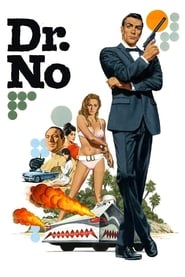
They went to Jamaica at a time when the weather was very inconsistent and they had storms and they had showers and they had rains. And they were on a tight budget, so it wasn't easy for them. They couldn't sit and wait for the weather most of the time. So it was quite varied in many ways. And Terence had a job because he had to manage to get quite a lot done within the period of the time.
59:01 · jump to transcript →
-
And in fact, they didn't. They left a great deal of the film, which they'd planned to shoot there, undone because of the weather situation that they came across. I mean, there were some times when they just couldn't shoot. Being a pilot, Timothy Moxon knows the Jamaican weather all too well. It rains all the time because of the Blue Mountains, the orographic lifting, you know, and it's torrential a lot of the time. So it's very verdant.
59:29 · jump to transcript →
-
-
-
Tim Lucas
A rough sketch, if you will, for the story we're about to be told. But these three are bottom feeders, setting their sights a good deal lower than our heroes will do. This sequence also anticipates the opening of Once Upon a Time in the West, three outlaws on the lookout for a fourth, with no music on the track but the howl of wind and the crunch of boots on gravel.
4:47 · jump to transcript →
-
Tim Lucas
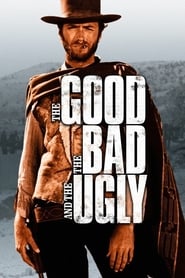
One of Leone's favorite films, a film he sometimes boasted of wanting to remake, was Gone with the Wind, another story that takes place in the Civil War. The war is on its last legs here, with these Confederate troops shown evacuating Santa Fe amid warnings of the imminent arrival of Northern forces. This is the regiment of General Sibley, and you'll remember that in the scene between Angel Eyes and Maria, he learned that the man going by, that the name of Ben Carson, the man who can lead into the treasure, is riding with this regiment.
38:21 · jump to transcript →
-
Tim Lucas
Tuco mistakes the sounds of approaching bombinations for an approaching storm, which coaxes a biblical analogy from him. He's actually a religious sort of fellow. This line lays some groundwork for his later relationship with his brother as well. Tuco is not a godless man so much as a man filled with hate for a god who could have allowed him to be abandoned at such an early age.
42:59 · jump to transcript →
-
-
-
Tim Lucas
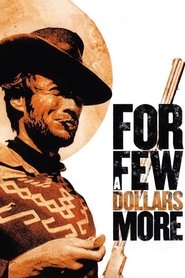
This is a remarkable, half-lurching, half-meowing crime cue by Morricone. I imagine that it had some influence on Quincy Jones' later score for In Cold Blood. Speaking of In Cold Blood, Indio has a parting comment for the warden of this jailhouse.
22:19 · jump to transcript →
-
Tim Lucas
But as I mentioned earlier, Sergio Leone was a raconteur and he loved to inflate the stories he told and retold and retold again until they were at their breaking point. And so it happened as he went about telling people what it was like to work with Clint Eastwood. In the retellings, he began to take more and more credit for his performances for the effect that he had on audiences. Eastwood got wind of this and he was understandably a bit resentful and a little of Sergio Leone began to go a long way.
1:18:59 · jump to transcript →
-
Related topics
Other topics that frequently come up in the same commentaries.