Topics / Writing & development
The screenplay
147 commentaries in the archive discuss this, with 1,188 total mentions and 72 sampled passages on this page.
Filter commentaries
Filter this topic by the film's decade or the type of commentary.
By decade
Across the archive
ranked by mentions · click any passage for the moment in the transcript
-
director · 1h 30m 5 mentions
A Nightmare on Elm Street (1984)
Wes Craven, Heather Langenkamp, John Saxon, Jacques Haitkin
-
especially kids that have come out of relocation camps in the wars. Yeah, I guess it worked, huh? You know, the script itself, the other interesting sidelight is that it went around Hollywood for three years and nobody thought it was scary or worth doing. And Bob Shaye and New Line Cinema were the only ones that really thought that it had something.
21:10 · jump to transcript →
-
she could bring something out. Then she could bring him out before she had to sleep. This scene was, I looked at my script and it was very tightly choreographed. Wes and Ronnie and I really had to work out the movements here. And Ronnie kept slapping me with a ringed finger. How many times? I don't know, 25. It's because you paid me a lot of money to allow that. You'd gotten on her nerves by that time.
51:51 · jump to transcript →
-
famous line right there. There it is, right there. When you write lines like that, Wes, do you even, like, think to yourself, oh, that's a defining line of the script? Yeah, it is. It is the defining line of the script, don't fall asleep. Whatever you do, don't fall asleep. You know, you can take it politically, you can take it philosophically, spiritually, you can take it, you know, just very locally or simply, too.
1:00:51 · jump to transcript →
-
-
-
Roger Moore
technical jargon. And I would go with the script lady and rewrite the whole paragraphs and get her to type it up and then get the director to give it to him just before the take and say, oh, we have these changes. And watch Desmond. So the panic would come into his face. And then we'd have to say quickly, no, no, it's a joke.
14:47 · jump to transcript →
-
Roger Moore
For continuity, which we had a wonderful lady, June Randall, who was continuity lady on this, or this script lady, I think they call them now. Used to be continuity girl. And she was wonderful. And, of course, they have to know where everybody, where everything is, so that you can match when you're cross-cutting. Enjoying our little party, Monsieur...
29:50 · jump to transcript →
-
Roger Moore
I think that you have to have an attitude, you have to set an attitude towards people that sort of amused superiority. And as I've read the script, and I know that I'm going to win, I have to be very amused by it all. I worry sometimes that explosions are going to be a little too close.
37:25 · jump to transcript →
-
-
-
short film, yeah, Sogno, Your Dream. And this is actually the director of that short film presented and in a way produced by Brass. Nicolaj Pennestri is also one of the writers, one of the many writers, it should be noted, of Cheeky. So he obviously managed to slip into the Brass entourage. The other...
23:52 · jump to transcript →
-
Carla Cipriani and we commented obviously on the fact that as most people know she was most often than not this continuity or script supervisor for her husband although we we know that she she was also very much involved in the casting in the pre-production and even in the locations but it is first with the frivolous Lola
24:48 · jump to transcript →
-
It's a comedy, it's light, but it has very different colour scheme compared to previous films. And even the writing is very different. It feels much more like episodes put together. There is something episodic about Cheeky compared to other films where sometimes not exactly narrative heavy, but
25:48 · jump to transcript →
-
-
-
Ron Howard
And I had some cartoon animators come in and do the storyboarding alongside some of the traditional Hollywood storyboard artists. And they came up with a lot of gags. There were many days when I would wander in there and we'd be going over the storyboards and the script would get funnier because of just wisecracks that the storyboard artists were throwing out or visual ideas that were being presented. Very creative, again, a kind of a throwback to old school animation.
5:28 · jump to transcript →
-
Ron Howard
She just seemed to thoroughly enjoy the experience every day that we were filming, and it was a pleasure. I can't underline or emphasize enough Jim Carrey's contribution to the overall tone of the movie and certainly the creation of the Grinch character. I spent one of the most exciting creative weeks of my life sitting with the writers and Jim in an office
11:00 · jump to transcript →
-
Ron Howard
Great ad libs from Jim Carrey. Of course, you know, you'd get the script sort of shot and done in about four or five takes, and then you'd want to do another eight or nine, or Jim would, just to keep trying variations. And I felt like it was sort of like working with a great, great...
13:02 · jump to transcript →
-
-
-
E. Elias Merhige
I don't think we need the writer any longer. And here I wanted John to really pause and say, well, okay, you can have the writer, but just don't touch anybody else. There's a few shots, a few takes that I did where you have John actually considering serving up the writer to Max Schreck, and I just thought that was, let's just put it this way, I got a big kick out of it.
44:25 · jump to transcript →
-
E. Elias Merhige
This is something that I modified from the original script because there isn't an ocean that's anywhere near Luxembourg and there isn't a large enough body of water to put a boat so basically I changed the script and modified it to make him this difficult actor that just doesn't like the water and doesn't want and vampires don't like the water so I had it so Murnau ordered to have the
48:39 · jump to transcript →
-
E. Elias Merhige
What was for you the most wondrous thing you ever saw? I once saw Greta Schröder naked. No. That beats ectoplasm. Jesus, Max. And this is a scene when I first read Stephen Katz's script that I just thought was absolutely something so special and so wonderful that I really wanted to
49:35 · jump to transcript →
-
-
-
I guess we should introduce ourselves, right? Sure. - That seems like a way to start. I'm Jeff Schaffer. - David Mandel. Hi. I'm Alec Berg and this is our commentary. This is actually... If you have the unrated DVD, this is the first of two commentaries. This is a sober commentary. And the second commentary is what we're calling the "Party Along" commentary, which I'm assuming will prove to be considerably sloppier. Which will be more informative is up to you. Here we go. By the way, this excellent title sequence was done by Kyle Cooper and his company Prologue. They did a really great job on this. I think they did the credits to Se7en. That was his, sort of, big... And Panic Room. - Panic Room. He did the Oscars this year. Yeah, really good. So, should we talk about the title? - I suppose we should. First, for all the people who saw the movie in the theaters, thank you. I guess that's our parents. But the original title of this movie was always Ugly Americans. Yeah, we sold the movie as a spec script, and that was the title, Ugly Americans, which I guess we... and I guess everyone we know... thought was a great title. Well, it was like the phrase, you know, the phrase "the ugly American," which is what every American tourist who goes to Europe is called by every European who suffers through every American tourist. But I guess there was some concern that people would think that the movie was either about ugly people or that it was a bad time to be ironic about patriotism and the title wouldn't go over so well. So ultimately it was decided that the movie would be called EuroTrip. And EuroTrip is a fine title, but I guess we always... We always kind of liked Ugly Americans better and... Yeah, I guess we still think of it as Ugly Americans.
0:14 · jump to transcript →
-
One other interesting note about this scene, that is a real keg with real beer, and Jacob Pitts, our delightful Cooper, really liked these scenes a lot. It's what we like to call method acting. That's one of the things we learned. Or simply drinking. - Aren't they the same? I guess we should introduce our cast, now that you've been watching for ten minutes. Scotty Mechlowicz as Scott Thomas. - Which is why we cast him. Make it very easy on ourselves. The beautiful and talented Michelle Trachtenberg as Jenny. And Travis Wester is her twin, Jamie. And that's Jacob Pitts going off to take a leak. And this was another one of our delightful cameos that we got because we were in Prague. Yep, that's Matt Damon, which... Everyone in the theater sort of goes, "It can't be. Is it? Is it really?" Why is his head shaved? He was actually in Prague shooting Brothers Grimm for Terry Gilliam at the time. And we actually went to college with Matt years ago. So we've been sort of friendly ever since. And he was in Prague and we asked him to do a day of work for us, and he agreed. The biggest favor ever. - Thank you, thank you, thank you, Matt. Yeah, Matt's just hilarious here. Matt's not watching this DVD. We're going to make him watch it. That'll be another commentary. That would be the biggest favor he's ever done. But the band was actually started by some other friends of ours from college. I guess this is as good a time as any... A couple of them were of Matt Damon's roommates in college. The band Lustra... - One of them. The band Lustra, good guys. And they wrote the song, which is really fun. We've known each other since college. I'm going to just talk now 'cause no one's listening to what I'm saying, because there's a naked girl on the screen. I wasn't listening. What were you talking about? Now this, in the unrated version that we're watching, she started off topless. In the theatrical release, if you saw it, we actually cut a different version where she started off with her top on and Cooper talks her out of her top. - He convinced her to take it off. And it was very strange, sort of, when you get into this whole nudity thing. Obviously, it's a hot tub scene, but somehow when her top was on and he talked her out of it, while it was a very exciting moment that he talked her out of it, it oddly made her dumber, even though she is sort of a stereotypical dumb blonde. - Right. And we always liked it this way, the way you're seeing it. We liked the scene to answer the question, "What is beyond gratuitous?" That's the answer. - There it is. And there they are. The answers. The other stuff we added back into the scene is just more of him screwing around with her. Because, to us, once you're at the nudity, it's how far he goes. This scene... - It's not about nudity. No, this scene was always about the crazy extent to which he got her to play with herself, as opposed to just getting her to take her top off. By the way, the banner in the background originally... This is what happens when you work in Prague. It's a big congratulations banner. The first day when we got there, it just said "congratulation," like one singular congratulation, which is a word we didn't know existed. Sort of a funny story about this scene, which, hopefully, we can tell. We were actually rewriting another movie, which I guess we'll leave nameless, that had a hot tub scene in it and we came up with this idea, which was the fact that a guy saying, "You have a smudge. You've got something on you." And we were really enjoying what we were doing so much that we didn't put it in that script. And we're like, "We'll use it one day." And here it is. Screw it. The movie was called Out Cold, I think. Yeah, exactly.
7:55 · jump to transcript →
-
The other thing I was gonna mention... We're constantly behind in the mentioning. Part of the reason we ended up in Prague and actually ended up with Allan was because of Neno. - Yeah. Neno Pecur, who was Croatian. We hired him as an art director to scout Prague and to scout the real European locales before we knew we were going to Prague. Basically, he would go to Paris and go, "This is what it really does look like." Then he went to Prague and said, "We could do something like this here." And from his pictures, we used some of his actual locations that he took photos of and made the decision to go to Prague. And then Neno has worked with Allan for many years as his art director, and he helped us get Allan. The two of them, their team... They brought Bill... Cimino. Our set decorator. - Cimino. That's right. Just fantastic and along with the guys from Prague. I think it's now time to mention, though, at the robot scene, which was the first time... We've been writers for a long time and you sort of go, "Look, I think we know what this is gonna be. This is gonna be really funny. It's gonna be a slow-motion kung fu fight scene between two people being robots." You write it and it seems funny. There's the old joke about the writer writes "Rome burns," and the director has to realize that. We were on the spot here because it was easy when we wrote it to just hand it off, but now we handed it off to ourselves. Actually, this is one of the things... - At one point, we cut this, actually. At one point... - We cut it from the script. We talked about cutting it. We were afraid we didn't know how to realize it. We just were like, "What is this? This could be bad." Left it in for a table read. - We left it in for the table read. And it got such huge laughs at the table read that we realized, "We gotta at least try and shoot it." We then initiated a worldwide search for a robot man. This is J.P. Manoux, who's an incredibly talented actor. We found him here in Los Angeles. Yeah. We looked at all these mimes... We looked at real French guys. - ...weird acrobats, and French guys whatever, and, of course, a guy from LA who was actually a friend of a friend and was in the Groundlings, of course, ended up being a really good guy. He is just outstanding. - And he came in with this ability... I mean, a lot of what you're seeing, like him laughing and just his attitude as a French guy, was in his audition. We were also very lucky that Scott... - Scott, exactly. ...knew how to robot. I guess Scott grew up watching Shields and Yarnell... No, no. J.P. - Was that J.P.? Scott had an acting teacher... - Who was in the Barney costume. Yeah. - Okay. And we went there on a Saturday to basically work it out. And we had blocked off an entire Saturday. We choreographed the fight with little bits of Enter the Dragon and some Matrix in about... Twenty minutes. - Yeah, like, 20 minutes. And the first time we did it in Our crazy wide shot... because we knew to get a master... the crew laughed, and we were like, "Oh, okay." It was also-- This was pretty early in the schedule. And I think it was maybe the first time the crew thought, "Okay, these guys actually know what they're doing." Like, "This is something we haven't seen." Wrongly, but they thought that. - But they assumed it.
29:59 · jump to transcript →
-
-
multi · 1h 3m 5 mentions
Star Wars: Clone Wars, Volume Two (2005)
Genndy Tartakovsky, Bryan Andrews, Paul Rudish, Darrick Bachman
-
Hi, my name is Genndy Tartakovsky. I was the director and producer for Star Wars: Clone Wars. This is Bryan Andrews. I was one of the writers and storyboard artists for this show. I'm Paul Rudish, art director and writer and other stuff. I'm Darrick Bachman. I'm one of the writers and I'm also the production manager of Star Wars: Clone Wars. So one of the first things that we started doing for this new set is George definitely wanted to finish the story that we set up in Chapter 20 from the last season.
0:02 · jump to transcript →
-
Shaak Ti. They're stabilized, sir. They just might make it. And the others? Just a quickie, I think that these two characters have a secret love affair. Shaak Ti and Ki-Adi-Mundi, they're very close. It's never talked about. It's very secret. Hush, hush. Before we started this, we took a trip to Lucas and we got a chance to read the script for Revenge of the Sith. And I was trying to think back. I had lunch with George before we started this and he kind of told me what he wanted us to do.
3:50 · jump to transcript →
-
but it ain't gonna be the way that you guys think it's gonna be so he will be tested he will be tested do it in the classic way or not it's gonna happen and so then throughout the story we have right you know him having his tests throughout his journeys throughout the war as opposed to doing it at jedi school and especially the one that happens at the tail end of the show with you know final the nilvans and all that stuff that's a big test so that was one of our first themes that we wanted to do then after reading the script
5:38 · jump to transcript →
-
-
-
Len Wiseman
you know, just analyzing his whole trip and what he was going to go through. And I felt it was also so much like the original. It wasn't the same dialogue, but it was just kind of the same idea of here's what you're going to do on your mission. You're going to, you know, X, Y, Z. You're going to save the girl. You're going to do this. And it kind of maps out what is going to happen. I just was never really into even in the script. I shot it. We're there. You know, it's a great thing about dialogue is that it's unlike, I guess, action set pieces where...
23:00 · jump to transcript →
-
Len Wiseman
Team one, have you secured the suspect? Team one, advise, let me know what's going on in there. This is a scene, I will admit, that I completely stole from myself. This whole idea of being trapped in a room and then these shrapnel cameras that get released into the room. I wrote it into a script that I was developing about four years ago. Similar moment. I thought it would work great in Total Recall as well, to see if he's alone or... And I just love this idea of these shrapnel cameras.
25:29 · jump to transcript →
-
Len Wiseman
Yeah, it's a lot to take. As things actually develop, there are other sides of it that are, that become problematic. And I wondered about it with even in the script phase and when we were shooting it, that will people be able to, will it be too distracting that Jessica Biel's character is, you know, is becoming drawn to and attracted to
59:55 · jump to transcript →
-
-
-
David Kalat
Tsuburaya's monster movie proposal involved a giant octopus, which, of course, he planned to animate with King Kong-style stop motion. Tanaka wasn't so sure and felt it was a better idea to let a professional writer like Shigeru Kayama cook up the script, so Tsuburaya's octopus idea was shelved.
11:42 · jump to transcript →
-
David Kalat
This sequence is as fabulous as it is because Honda and Murata worked so closely with Tsuburaya during the initial planning stages of the project, running script ideas by the special effects team so that they could weed out anything that would have been impossible or just too expensive. Honda and Murata only put in the script things Tsuburaya said he could pull off. Well, in the very earliest stages of that collaboration, when Tsuburaya was first brought on board, before Honda was even a part of this,
44:46 · jump to transcript →
-
David Kalat
Japanese is written using a script of characters that represent phonetic chunks. The problem is those phonetic chunks in Japanese involve sounds so unfamiliar in English they don't have obvious, unambiguous Roman letter equivalents. The process of converting Japanese characters into Roman letters is called transliteration. And there are a number...
1:06:17 · jump to transcript →
-
-
-
as a writer, I just work for the director. And if the director really wants me to say that, unless it is hopelessly ungrammatical or lacking in any form of coherent syntax, and the character I'm playing seems possibly to have gone to college, I won't argue about it. But there are a few places where I or Nick and I played around with some words. But for the most part, I think it's all from the script.
37:01 · jump to transcript →
-
I think there's very little in this that's startling in its material sense. I remember when Paul Mylesburg and I were working on the script, we thought he would be dealing in software to keep undercover, not come up with laser beam eyeballs or some extraordinary way of converting grass into gold, but something that was only a little bit ahead of its time. I remember when they talked about the camera,
1:10:08 · jump to transcript →
-
a period where commercials in England used to be two minutes and a minute and a half. The idea of a 30-second commercial, a tension span in time, has changed. But it's still very much in our life. We have our human clock. So in talking to the artists when Paul and I were working on the script, with that in mind, it was astounding how often mentioning time came up, and I wanted to eliminate that.
1:52:41 · jump to transcript →
-
-
director · 1h 31m 4 mentions
Alex Cox, Michael Nesmith, Victoria Thomas, Sy Richardson + 2
-
This is going to be terrible for the people listening to this DVD because all they're going to hear is us cackling and watching the John Wayne sequence. That doesn't mean he was a homo, Miller. Oh, I thought that was Ferrangi that said that line, but it wasn't. It was... Oh, yeah, Ferrangi says greatest American that ever lived. Yeah. Yeah, it's Oli that says he likes to watch this. Yeah. Remember, you were supposed to, in the script, you were supposed to get a cigar behind the ear.
54:02 · jump to transcript →
-
He does actually have a cigar, but he doesn't actually stamp it on his head. Yeah, he's supposed to stamp out lit cigar on his ear. Is that like a Repo thing? Well, that's actually in the Repo Man song. Using my head for a trash can. That's right. It's interesting that Iggy Pop actually had read the script before he wrote the song and had actually incorporated bits of it into the lyrics.
54:32 · jump to transcript →
-
And I remember in the audition with Fox also, Dick Root, he had a broken wrist, if you remember in the audition. He told us, be careful with him because he has a broken wrist. And the first thing Dick Root does is go over there and just body slam him. And you could see him go, like he really hurt, but then he just kept going. I just thought, wow, this guy's great. That's amazing. I particularly like any script that has the word pernicious in it. Pernicious is a good...
1:08:25 · jump to transcript →
-
-
-
Gary Goddard
the tail end of the schedule, we didn't get everything we wanted, but we did get a lot of use out of it, not as much as I'd wanted, but that's why you see so many levels there. They were designed for what the final battle would be. The eye in the back also, that was a last add in the original script that David O'Dell wrote. There really wasn't a ticking clock. I felt a need to put a ticking clock on this, and we came up with this kind of eye, this door on the universe. The eye opens on the universe. They're coming. Get back there. Keep working.
12:27 · jump to transcript →
-
Gary Goddard
It's a funny way. This was David O'Dell. This wasn't David's script. Of all the complicated things you can do in a movie... Believe it or not, this next shot is one of the toughest. Something's coming. What is it? Big reveal. They don't know what it is. We do. Now, that cow did nothing for about...
18:52 · jump to transcript →
-
Gary Goddard
Behind the scenes, we had Canon Films. And Canon had never done a movie this expensive before, $17 million. We had Mattel. Mattel had to sign off on the script and on the casting, on just about everything we did. And Mattel, I think they were actually fairly workable. But we did have a lot of issues, because they had the ultimate right to approve things. And then we had all the normal involvement of the producer and studio.
1:20:51 · jump to transcript →
-
-
-
Barry Levinson
Originally, in the script, Tom Cruise, I think, had a little boiler room where people made a lot of phone calls and tried to sell things. And I had done a movie called Tin Men, which kind of touched on very the same thing about, you know, canvassing for calls. So I thought we needed to move it into something slightly different. And I thought about, you know, cars and the kind of the gray market of selling them and then try to put Cruise into a situation where he is now...
2:59 · jump to transcript →
-
Barry Levinson
The crossing the desert here to go to Palm Springs, actually we passed these windmills, which will come up in a second. I was actually having a conversation with my wife in the car. I had read the script, not to direct, but actually to offer some suggestions.
5:52 · jump to transcript →
-
Barry Levinson
It had a number of problems that had to be resolved, and the whole autistic issue was very important because Dustin had done a lot of research and really understood what that was all about and the problems of that, and I think we needed to integrate it into the script as much as possible. This scene now, we had to shoot just as the sun was going to hit a certain point on the horizon. Every time I watch it now, I think about the kind of racing across the desert trying to get the cameras in position while you still got the light.
6:45 · jump to transcript →
-
-
multi · 2h 24m 4 mentions
Alex Thomson, Terry Rawlings, Alec Gillis, Tom Woodruff Jr. + 3
-
You notice in these sequences, the camera is near the ground so the ceiling becomes more important than the floor and one is shooting up people's nostrils. This was an approach David Fincher wanted, which I think is terribly effective indeed and makes it more distinctive than the other three, rather, in my opinion. I tried to keep it fairly shadowy, so that it looks moody. Where I could, I brought the light from the top because it's unusual for the light to come from the floor, but one had to be careful about it obviously. The difficulty was getting light into the eyes so we could see what the actors were thinking but not at the expense of the mood. I remember at Pinewood Studios when the sets were going up, Fincher would have us walk through the sets just looking at the scope of them. It was truly amazing to see these things go up. Norman Reynolds is a great production designer. He builds the world. It's very difficult to control him cos George would tell him on Star Wars "Don't build that. We're gonna paint it", and the next day - "It's too late. It's built." When they sent us over, we said "Why are we going to London?" They said "It's the sets, the set design, the artistry and the craftsmanship." And it really was very true. British actors is another good reason to go there. Somehow the British accent does a lot for these movies, I think. Vincent has had a deep, abiding interest in Luddite monks, and had done a great movie called The Navigator, where these monks dig their way through the earth, coming out into the 20th Century. It was a great movie. But, anyway, the original idea was that this was a wooden planet built by the Luddites and in the bottom of the planet, symbolically, the reactor was kind of hell. The technology that kept this thing going was emanating from the bowels of Lucifer. What drew me to the project first was that it wasn't a retread kind of sequel. It was a completely new idea, and some of it survived in the final script. David was entirely in control from the beginning. He put his stamp on it. He was the director and nobody ever questioned it. He was completely in control of the set and everybody hung on his words. He was definitely doing it. There was no weakness in it at all. He was very, very confident in what he was doing and wouldn't be swayed. He had this vision and that was what he was going to do. He came under quite a lot of pressure from 20th Century Fox to hurry up or do it the quickest way or the most expedient way, but he wouldn't listen. He would do what he wanted to do, quite rightly, in my opinion. As I say, his compositions are marvelous and the use of the frame, and so on. David had been a cinematographer before he became a director, so he knew lighting. He knew what was good and what was bad. That's not to take away from David Worley, the operator. His contribution was enormous as well.
10:16 · jump to transcript →
-
And the warden - was that Brian Glover? Is that who that is? - was a wrestler or something? Cos I know all the British guys on the crew were very excited to see him. They loved him cos he was a wrestler. And everybody was excited from him being in American Werewolf in London, and doing his lines over and over. That's right. - "That's enough." "That's enuff." I think by this time I'd said "Why can't we see the lamp, guys?" And we pulled it into the shot. It had a sort of curious bluey-green feel to it, which I kind of re-echoed in the close shots. This is Lance Henriksen. I bought the big winding staircase from this movie. I had it shipped home and I put it in my house. That big cast-iron staircase. That big cast-iron staircase. The decision to go away from the ox as a vehicle for the birth of the alien was, as I recall, in our postproduction phase, because generally it was felt that an ox is sort of a cumbersome, slow, non-threatening animal. And that a faster-moving four-legged animal, more aggressive animal would be a more interesting host for the alien and that if it had picked up any of its host's characteristics it would be better if it came, for instance, from a Rottweiler than from a beast of burden, which was probably a good move. Although all of this stuff with the ox has much more scope to it, which I love. And there's always something about the... When you go back in and retroactively change a script, it's like a house of cards. If you can keep the whole thing from collapsing that's great. But somehow, sometimes little changes make it a difference. And not always for the better. But it's understandable. I think that the creature... You know, an ox... An ox alien... Eh, you know. Not very interesting. But it's actually quite a nice thing and it was weighted very... We built it so that it had an armature in it that we could just add more weight to it. Sandbags and what have you. It really was weighing at probably about 300 pounds for this scene, because it had to... This actor's kicking it. It can't just bounce around like a foam teddy bear.
23:29 · jump to transcript →
-
I liked Sigourney Weaver. She was clever, charming, intelligent. She seemed, um... I even liked the impression that she was, in fact, rather more for theater in New York and literature, than this particular lark. She never said as much, but I always got the impression it was all, not beneath her, but, you know... Movies are OK, but theater's where it's at. I liked that. We had some good conversations and she gave as good as she got, as is well known. She palpably had power, control, but never wielded it or made you feel uncomfortable. No, she seemed charming and good to work with. A fine actor. If she didn't like you, you'd soon find out about it, but then this is a professional scene, a professional outfit. I liked her. She demanded respect, and she got it. And these changes'd come by, these script changes, and we'd hear news from the front, and you'd take it in your stride. Where my character was concerned, Golic, there was this whole other subplot of the story for people who may not have seen it. When we shot the footage, Golic escapes from the sanatorium, from the hospital wing. He kills somebody, breaks out of there and he goes to where the monster is incarcerated and manages to free the monster in order to appeal to the monster, to join forces. A "You and me, monster, can go and kill them all, they all deserve to die" kind of scene. We shot this scene. Again, this is nothing unusual for a picture of this scale. We shot two or three different endings. If you were undecided, you would decide later. This is fairly standard, but it kept you on your toes. And also you could run a sweep as to which ending they were going to use. If you were lucky, it might be yours! It was like a multiple-choice thing. I worked on a Spielberg picture once, and it was exactly the same circumstance. Spielberg is good enough to call on the telephone and say "You know I told you I shoot three pictures at once? You ain't in the final picture." But what can you say? You enjoy the experience. You put it down to experience.
42:46 · jump to transcript →
-
-
-
Richard Schiff. So, Lori, did you ever audition? Oh, yeah. Oh, I have a really good, I have a really great audition story. Because I read the script and I, you've probably heard this story before. I read the script and I said, oh no, I'm Tank Girl, that's it.
15:47 · jump to transcript →
-
And this was actually written in the script that she scrubs her body and it was very abrasive and very hard. And we went against, you and I decided to go against type and make it actually quite romantic and sensual that she could handle this abrasive material and actually turn it into something. And it turned out to me to be one of my favorite scenes as well that managed to make this awful situation into something.
24:27 · jump to transcript →
-
This was everybody's favorite scene before you cut it back. And I put it back, and they said no. So it's one of those lost scenes that I'm sad about. Because there's a lot of really great jokes in it. It's an okay scene now, but it could have been great. That's so sad. When you've got the writers and directors and producers and actors...
32:52 · jump to transcript →
-
-
-
Taylor Hackford
Hello. My name is Taylor Hackford. I'm the director of Devil's Advocate. And. I thought that you might find it interesting for me to give you a little... ...commentary about what went into making this film. The opening credits were particularly important to me... ...because I was not going to have a normal credit sequence... ...meaning two minutes of listing everybody who worked on the film. I wanted to get right into the action, and I asked Richard Greenberg... ...and Lauren Schluter, who are fabulous title designers... ...to come up with something very unique that could speak to the fact that... ...this film is a little extraordinary. It's going to have a little something... ...let's call "supernatural" to it, because we immediately go right into the film... ...which is extremely realistic. It's a courtroom scene. The actress you see in full close-up... ...is named Heather Matarazzo. She is probably known to a general audience as the star of... ...Welcome to the Doll's House. You now see Kevin Lomax, who is the star of the movie played by Keanu Reeves. But you see his boots. I wanted to say, this guy dressed in a wash-and-wear Southern suit... ...has something a little bit wild about him. Tony Gilroy, who is the writer with... ...my collaborator on this piece, we wanted to basically say this guy... ...may look straight on the upper half of his body. But look at those boots! They're $500 boots. They show that he's got a little flair... ...a little wildness to him, and those are little characteristics that one wants to use. You see him just basically doing his job, supporting his client... ...and then, all of a sudden, you want to feel that this man believes in his client. He's there. He's confident. He's about to take this girl apart. And then he discovers something that completely changes the course... ...of one, this trial and two, his life. He realizes that the man next to him, who he thought was innocent is guilty. That revelation, right now, and this moment of decision... ...is what the film is all about, because this is a moral tale. One has to make these choices, professional choices, in your life... ...where you realize your job says: "I must go forward. In this instance, as a lawyer, I have a professional oath." But on the other hand, you have a personal code of morals and ethics. What the entire film is about is this moment of decision, right now... ...where Kevin Lomax has to decide: "Do I go forward? "Do I take this girl apart on the stand, and do I win the case for my client... "...or do I do the right thing?" And he takes a break, and he takes a moment to think. At this point, we go into what the film is truly about... ...which is moral choices. Kevin's client, Lloyd Gettys, is a math teacher at the local high school. He's played by Chris Bauer, who's a fabulous, young actor... ...I discovered in New York. I didn't discover him... ...but I found him in the casting process. He had gone to Yale. He doesn't look like this. It just shows the chameleon quality... ...of what an actor can do. But at this point, you can really see the passion and the anger in Keanu here. I wanted to establish: here is a guy who thought he was on top of the world... ...who had it all basically lined up. He sat there calm and collected at the table. You can tell he's not at all upset. Everyone in the room thinks: "Oh my God, this girl is gonna take him apart." But right here, he's got to look at himself in the mirror... ...and realize, "My God, what do I do? "I've never had to make this choice before." I think that maybe some lawyers never have to make it. But I think this is a moment of truth, where you realize: "What do I do, my professional ethics or my personal ethics?" At this moment of choice, in the bathroom enters a character... ...that you will see later in the film. He's the Southern reporter, newspaper reporter... ...a friend of Kevin Lomax's, a drinking buddy. He's played by Neal Jones... ...who's a wonderful New York actor. You want to feel a sense of familiarity here. These are a couple of cynics who like to get together and drink... ...and laugh about life in the courthouse. But basically, right now, he's setting up the fact that this character, Kevin Lomax... ...is unbeaten, he's a hotshot, he doesn't really take anything too seriously... ...because he's got great confidence. But right now, he's about to lose his first case. While looking in the mirror... ...Keanu has to decide, "What am I gonna do?" I thought particularly interesting, and it was an actor's choice... ...Keanu goes through that whole thing. He has his moment of seriousness. He's looking at himself. And then he checked his teeth. It looks like a smile. It's not a smile. It's a smirk. It basically is saying, and is in the best kind of cynical sense: "Hey, I'm going to do my job. I'm a tough son of a bitch. "And I'm gonna go in that courtroom and I'm gonna take this little girl apart. "Because that's what I do. I'm a lawyer and I'm a winner. "And I'm not about to become a loser here." And I think that choice that Keanu made, it was the only time he did it in a take... ...and I included it in the film. He comes in this courtroom and he starts very nice, very sweet to her... ...and appears to be... You know, she's been warned by the opposition that he's a killer, so be careful. You can tell that Heather is being very wary of him. But she's a little arrogant herself. She tends to feel that she's pretty confident. She's supposed to play a character who's very bright... ...and kind of the leader of her group. I think she feels that she's righteous... ...and in a good position right now. So she challenges him a little bit... ...and then Kevin springs a trap. He has this piece of evidence... ...which is a piece of her homework... ...where she's doodled and made a derogatory comment about Mr. Gettys. The fact is, however, that this is an unscrupulous bit of professional behavior. If you notice at the beginning of the scene, Kevin Lomax goes over. He doesn't know whether the judge will admit this or not. He turns his back to the jury, holds the piece up so that they can see it. If the judge doesn't admit it as evidence, he's already shown it to the jury. And this, actually, is a lawyer's trick. It is a bit of an unscrupulous trick... ...but it shows how far Kevin Lomax will go and how tricky he is... ...in terms of getting what he wants. He does, at the same time, get it in place, because he is also a very good lawyer. He's able to, as you see, he starts very nice and then he gets progressively tougher... ...and he's nice, kind of nice to her for a while. When the attorney objects, immediately you could see... ...Keanu Reeves jump like a cat... ...in terms of qualifying why he wants the objection sustained... ...and why he wants to win over the objection. Pardon me. And in this instance, he starts getting tougher and tougher and tougher... ...with Heather. Barbara is the character's name. He is going to take her apart, and slowly the opposition and everyone... ...in the courtroom starts to realize that this guy is not gonna be Mr. Nice Guy. He is perfectly capable of destroying a 13, 14-year old girl.
0:04 · jump to transcript →
-
Taylor Hackford
At this point, seeing a guy walk up to him in the bar, Keanu is completely convinced... ...that one of his friends has put this guy up to it. And this actor, who is Ruben Santiago Hudson... ...is a fabulous actor. He won the Tony for an August Wilson play, Seven Guitars. I saw him on stage and just felt, "I want to work with this guy." So when the role of Leamon Heath came up, you know, I had Tony Gilroy... ...kind of tailor the role to fit Ruben, and then convinced Ruben to do the film... ...because he has a very unique quality. He's not your totally assimilated black character. He may have gone to Harvard, he may have gone to Yale... ...but he's maintained a lot of his own roots and integrity, and at the same time... ...he's smart like a whip and he knows he's got Kevin hooked. The next scene that you're about to see hot cut to Kevin's roots: A Southern church, and this congregation is real. Judith Ivey, who is being introduced here as Kevin's mother. You know Kevin was raised in this church, he's coming... ...and taking a look back at his past, was totally fundamentalist... ...and deeply, deeply rooted in Jesus and God. Judith Ivey is part of this group. I had to spend a lot of effort convincing Pastor Lovell and his church... ...in Gainesville, Florida to participate in this film, because I feel that... ...you know, the things that they believe in, the things they're after... ...have everything to do with establishing good and evil in the world... ...and fighting the devil, and that's what this film is about. But they were fabulous, and they really got the spirit of God in them. And I thought it was important to see that Judith Ivey is a believer. She is one with her God, she loves Him. And, you know, she's a formidable presence for good in this film. At the same time, she's a tough mother, and you can see that... ...she has raised him in a certain way and she doesn't particularly approve... ...of what he's done with his life. He's a lawyer, and you establish his wife... ...over at the car, Mary Ann, who obviously is a party girl, a liver, and not... Neither one of them are in church this morning, and Mother is not that happy. This sequence is important to understand that Kevin Lomax understands scripture. He may have made a choice at this point to stay outside the church. If you notice, he's half in, half out of the light. Tony Gilroy wrote this in the script. Kevin Lomax stands outside the congregation. He's half in, half out of the light. He is part of it and at the same time... ...he can't bring himself to walk in. There's a dichotomy in him, which you'll discover later. But in this instance, when his mother calls up and says: "Quote the Bible to me and mention scripture," he can quote it back to her. He knows what he's talking about. He was in that church and a devout member at one point. Now you get a sense of Mary Ann. She is a good person. She's trying to help this character. She doesn't want to get the company to repossess her car. But she's tough, and she's a businesswoman. You also have a sense, right here, of the fun that these two people have. Keanu, you know, biting off her earring and handing it back to her... ...that was totally spontaneous. He came in, did that. It was quite wonderful. Now you have a sense of the married couple. They've got Mother-in-law... ...and Mary Ann's no dummy... ...she knows exactly that she's persona non grata in that household. It isn't that she doesn't like her mother-in-law, but she understands... ...what she needs to do, like have a child. And right now you establish another theme of the film: "Let's give her a grandchild and everything will be all right." Mary Ann is ready. She's working. She's professional. But she's ready to start to have a family. But you hot cut to Kevin Lomax who's taken the deal. He's in New York. At the beginning it's just a vacation. He's going to consult on the selection of a jury. You see Foley Square, the seat of judicial power in New York... ...all the Federal buildings, the State buildings, the local... Everything is right there in one space. It's a very, very sobering look at the power of the legal community in New York City. And at the same time, for a guy from Gainesville, Florida, it's very impressive. Kevin's here. He's excited. He is working as a consultant... ...to one of Manhattan's best and most famous criminal trial attorneys. His name is Meisel, played by George Wyner. And in this moment I wanted people to see that Kevin Lomax truly has a talent. When you talk to criminal attorneys, you realize that they say... ...that between So to 95 percent of winning a case is selecting a jury. This is a scene that I think talks about the inside of lawyering... ...and the reality of how you win. You win by psyching-out everyone that's gonna be on that jury. Those are the people that are gonna make the decision of whether you win or lose. This is where Kevin Lomax shines. He has an intuitive spirit. At the end of the scene, you realize he's got something else. He's got a sixth sense. Now, it's important, when we see this courtroom, to understand... ...that I wanted authenticity in this film. You're in New York. You have some of the best looking courtrooms in, I think, the United States. At the beginning, Warner Bros. wanted me to go to Canada and shoot in Toronto... ...which is an entirely different judicial system and the courtrooms... ...don't look the same at all. I fought to shoot this film in New York... ...not only for the fantastic exteriors, but also for these interiors. This is a film about big-time lawyering, and you want to feel, when you see the sets... ...and these aren't sets, they're locations. You want to feel that this guy is in the big time. He's gone from Gainesville, Florida to the top of the food chain. We shot in probably seven or eight of the best courtrooms... ...you could find anywhere in the world. Look at these paintings up on the wall here in New York. You feel that this is the justice system. Now Kevin is exhilarated. He comes out of his first day... ...in the New York courtroom and he knows he's done well. He didn't know how he would measure up, and how he measures up is... ...he's smarter than they are. I mean, he has to feel great. He's walking down the street. He's saying I'm a guy from the hicks, and someone's watching him. This is the introduction of John Milton, who's played by Al Pacino. It was important to me to establish a very nice introduction to him. One thing that Al did, and you'll start to see into this... ...he chews on licorice all the way through this film. You don't explain it. You know he's doing something. And instead of just walking away, getting in a limousine, he goes downstairs... ...into the subway. Why would he do that? He's well dressed. That's it. But immediately I go into a time lapse sequence... ...and I wanted to see day and night change. I wanted it to also say that this trial's been going on for a long time. When Kevin walks in, Mary Ann says, "You're home early for a change." Time has passed here. You've seen it pass. But more importantly, you see Al Pacino going down into the subway... ...and you see that the next images are not real. There is a certain kind of power that this person... ...we don't even know who he is yet, exudes. I thought that the time lapse would be both unique in terms of time passage... ...and, at the same time, extraordinary in terms of the potential power... ...that this man has. Now you've got Wife and Husband in... Mary Ann's got room service all over the room. Clearly, they've been there for a long time. She's watching TV. She's having a good time. She's been shopping. She's been to a lot of things, but her husband's been gone every day. And now you see the way they play. Kevin looks like he's defeated. It looks like he's lost the case. She feels badly for him. You can really see how she would, you know, how warm and wonderful... ...and sweet she is. But he's kidding her. You can really see the slyness, I think, in Keanu Reeves here. And, at the same time, he killed 'em. He actually chose the jury... ...and won the case, almost an impossible case. It was like a savings-and-loan fraud. This is white-collar crime. The guy sitting there in the trial, with his white hair... ...looks extremely legit. But the fact is that, you know, he's like Charles Keating. You know, he stole not millions, but tens of millions of dollars. And in this instance, the next shot is, they are in John Milton's domain. This is Milton, Chadwick and Waters, and I wanted a location that immediately... ...established the power of this law firm. This is a real building. It's the Continental Plaza in Wall Street, in the financial district, Downtown... ...and you see what New York power is all about. That view is a three-bridge view. You're gonna see all the way up the island of Manhattan. But the important thing here was, this location was used before in other films. I didn't want to use that same look. There's a unique design look here. Bruno Rubeo, who is my production designer and my collaborator... ...on the last three films I've done... ...we spent probably six to eight months before this film began... ...talking about what we wanted from this film and the look. Right now you're looking at Christabella, the first time we see her... ...and if you notice as she walks forward, I slowed down. It goes in real time. There's no cut there. We ramped so she starts in real time... ...she slows down... ...and comes back out in real time. And Kevin Lomax, he doesn't know why he's fascinated by her. We'll find out later. But look at the design in this. It's ultra modern. We used both an Italian architect and a Japanese architect. This is the Italian. He used prefab concrete in the walls. Milton's office. You know, the rest of the building is very impressive... ...but this office is something else again. It's cold, it's austere, and it's incredibly impressive. Look at that fireplace in the background. It's set up off the floor. Bruno had a design in mind. The furniture in this place is... You have a big, massive place. But look at the furniture. That little settee in front of the fire: it's delicate, it's small. This whole room exudes taste and a certain stylistic quotient. John Milton, you know, it's a huge room, devoid of furniture, very minimal... ...this is a man who has real taste and real choices that he's made. At the same time, this whole law firm is very, very modern. For the design quotient of this film, I want you to be able to see this sequence... ...and then later on, when you see where Milton lives, see the dichotomy... ...the difference. This is cutting-edge modern architecture to the nth degree. What Bruno wanted to do, and I wanted to do in this instance... ...is establish Milton's environment. Here it's cold, corporate, but, at the same time, undeniably impressive... ...austere, ultra-designed. Milton is very smooth. You know, Al Pacino always gets this rap: "Oh, gee, he's over the top." He's not. Al Pacino can play everything. And everything he did in this film was calculated. I mean, it was one of the great experiences in my life to work with an actor of... ...his deep, deep ability, his deep, deep talent... ...and his uncompromising attitude towards all his work. At the same time, Keanu, who had this... I'm saying this because here's these... ...two actors meeting for the first time. Keanu, who had done a lot of young-man roles, a lot of teenage slackers... ...in this film is anything but that. Kevin Lomax is precise. He is not a Harvard educated, a Yale educated guy. He came from a small school in Florida, went to a small law school. But all criminal attorneys that are really great usually did that. They come from the street. He's street smart. He thinks on his feet. And he's up against a guy, for the first time, that seems to have a little bit more... ...on the ball than even he does. He's never met anybody before that is his equal. And Milton keeps blowing his mind, like he does right now. You see this office. All of a sudden, he goes and taps on the door... ...opens up, and I wanted this sequence to truly be a moment... ...that would blow everybody's mind, not only Kevin Lomax's. He walks out on a roof terrace and, effectively, I'm using... Again, this is from a Japanese design. Bruno and I saw an architect... ...that had a pond on the roof in Japan, and I said that is a perfect idea... ...for what we want to do here. Here is a man who has such a sense of design and such a sense of grandeur... ...that he has created for himself a balcony, if you will, a terrace, a park on top. But does it have greenery on it? No. It has water. He calls it calming, placid. And at the same time, he's going to take Keanu out there... ...and he's going to talk about his past. He's going to find out a little bit more about him. He asks about his father. Keanu says, "I never had one." He asks about his mother. And in this instance he's, you know, if you look at Al's reactions here... ...this is a long, talky sequence. This is what you do sometimes. By the way, this is real. This is not blue screen. We didn't put the artists in a studio. I fought to get this scene. I fought everyone, including Warner Bros. Nobody wanted me to go up and get this shot. It's on the roof of the Continental Tower. They had re-roofed the place. The building didn't want us up there. I just knew that this sequence was going to define this initial relationship... ...between Kevin Lomax and John Milton. And the two actors are basically 50 stories in the air right now. They're standing on an eight-foot platform. No, it's not right on the edge. It's about eight feet from the edge. But the fact is that they're standing there. We had to get this whole thing in one day, and they have to do... ...a very personal scene while they're perched on the top of this building. You can see Al, at that moment, trying to let us know a little bit how precarious it is. But do you notice any kind of nervousness from Pacino? Not at all. He's easy. And the whole essence here is that Keanu's sitting out there. One, his mind is blown... ...at the beginning, and then somehow he finds himself getting into it. And at the same time, he looks right here and says: "My God, John Milton's standing like a foot from the edge of a 50-story precipice. "What kind of guy is this?" He also wears elevator shoes, which I think is interesting. But the fact is, right here is what the film also is about. It's about pressure. It's about professionalism. And what John Milton has done is taken Keanu Reeves... ...or Kevin Lomax, in this case, up to the precipice. He's showing him: "All this can be yours." And what is it? It's Wall Street. It's the seat of capitalistic power in the world. And he's basically saying, you know, I know you're a hotshot... ...but can you take the pressure? Can you sleep at night? That little speech that Tony Gilroy wrote, I think, fits all professionals in this instance. When you have to deliver on a deadline, you know what he's talking about. Basically, Kevin is there. He's ready. He said, "What about money?" Milton laughs. "Money? That's the easy part." Kevin doesn't have any problem. He can sleep at night. He's a lawyer. He knows how to do it. We cut from that to Carnegie Hill, which is Fifth Avenue in the Nineties in New York. It's probably the most exclusive address in New York. Central Park is on one side. You have these beautiful, beautiful buildings with fantastic apartments inside. And the Heaths. You're meeting Jackie Heath for the first time. I reveal her with that wipe from the elevator, you see her in close-up. Leamon Heath and Jackie Heath, they are absolutely New Yorkers. They've maintained their integrity as black people, but at the same time... ...they are not about to resist the temptations of the city. They want it. They know how to deal with it. They're very sophisticated. Look at the clothes that Jackie's wearing. Leamon makes the money and she knows how to spend it... ...and she doesn't have any qualms about it. This apartment, I wanted to basically establish the sense of awe. You know, John Milton owns this building. He has it for his employees. Although it's usually for partners, and for Kevin Lomax to get an apartment first up... ...shows that he's a little special, and you can feel, right here... ...that they're a little jealous. "Took us six years to get in here." Every New Yorker will understand that when they really want to get into... ...a big building. This is a film about New York. Tony Gilroy, who lives in New York and understands it incredibly well... ...is able to put these nuances in here that are maybe not aimed at everyone. But certainly, you know, you make a film in New York... ...it was important to me that you do something real. Now, you know, Kevin has basically been offered the job. He's got to now sell his wife on it. And this is a big test. If she, you know... He says, "I'll take you home if you want." Of course, if she did, God knows what he'd think. She knows him. She knows what he wants. And at the same time, how could you turn this down? It's very important right now, at this moment... ...to understand that Mary Ann wants this as badly as Kevin does. I mean, who would resist? Come on. They're too big for a small pond. They both want this and, my God, she's looking at this and saying: "Hey, I want to have a family." She says right now, you know, she mentioned kids again. She's mentioned it in the back of the apartment... ...and she mentions it again right now, and she's saying, "I'm in. Let's go for it." And that moment is one of the last moments of true happiness... ...you're going to ever see them have. Now you're at the law firm, and I want to be able to show... ...what big time lawyering is about. These are all partners. It's an international law firm. John Milton has called a meeting. From all over the world, these partners have come. There's Eddie Barzoon, played by Jeffrey Jones, who is Milton's chief lieutenant. He's the managing partner of the firm. There are affiliate offices in major capitals all over the world... ...and you get a sense of what law is all about. It's about copyrights. It's about real estate. It's about EEC and EUC and those kinds of relationships.
11:08 · jump to transcript →
-
Taylor Hackford
We rehearsed this scene for about a week. It was the one, I must say... ...for Warner Bros., a great thing they did for me. And although we had our differences, I was able to get my vision on the screen. I have no excuses. So, I do thank them. There was a great thing here in that Warner Bros. allowed us... ...to come back from New York. We built this set in Los Angeles. I had a week to prepare the set, to light it and to rehearse with the actors. Al, Keanu and Connie and myself, worked there alone... ...and really kind of built this scene. Tony Gilroy was there also, pardon me. It is not an easy scene to do when you realize it's basically a monologue. How do you keep it moving? How do you keep it visual? And it's basically a confrontation. And again, as I said... ...I want the devil to be confronting us. We all take credit for the things that we do in life that are good. When it's a good decision, "I made that decision. I'll take credit for that." But when they're wrong, we look for people to blame. That's exactly what Keanu is doing here, and Al won't have any of it. Milton is basically saying to him, "Hey. You made every decision yourself. "In fact, I told you not to. I said take care of your wife." I mean, I love the argument. And this is what we were trying to do. I give a lot of credit to my collaborative partner, Tony Gilroy, on this project... ...because this piece was a script that existed with a lot of special effects... ...and not many ideas, and it wasn't worth making. And every Hollywood star turned it down. Al Pacino turned it down five times. What we did with this script, from a page one rewrite... ...is try to give it some ideas, try to make it about free will. Not make it a special effects piece, a ghoul piece, a monster piece... ...but make it about something. Not just about lawyers... ...because lawyers are convenient and they happen to be a major target... ...and I think are the most pragmatic of all professions. However, all professionals find themselves in a position to blame... ...or be able to use their corporate entity, their boss, their organization... ...their professional oath as a screen against having to confront... ...moral realities, personal choices. If you can say "My personal, professional oath," pardon me, not my... "My professional oath says that I'm absolved from responsibility... "...because I have to represent my client to the best of my ability." Or, "My corporation says I need to do this, pollute this lake, and I'm doing it." It absolves you of your personal, moral responsibility. What this whole scene is about is confronting your own hypocrisy... ...and saying your ambition, your own vanity, in a world that's fiber-optically... ...interconnected to satisfy our every eager impulse, "You," meaning, "You humans"... ...as Milton says, "are exactly... "I've succeeded beyond my wildest dreams just by letting you do what you want. "You're so selfish. You're so self-involved." So that's what this scene is about. Kevin realizes that it's true... ...he was responsible for Mary Ann's demise... ...and when he does, he falls apart. Now watch Milton. He starts picking him up. He starts trying to say: "Hey, you know, think of it in a positive way. You have to think of yourself. "She wasn't up to you. Here's a woman who is. She's fantastic. "She happens to be your sister, but so what? She's beautiful. "She's smart. She's intelligent. You know, there's something more for you." And I think at this point, when confronted with the fact that he knows it's the devil... ...and now what Milton is gonna do, is talk about... You know, remember, Keanu is half and half. He's half Judy Ivey. He's half Al Pacino. He's half Alice Lomax. He's half John Milton. He's half God and half the devil, and this is relating to a lot of us. We all have our good side, our bad side. In this particular instance, this next sequence is, I think, really interesting... ...because Al Pacino is basically talking about his father. He's talking about his former boss. He's his own boss now. But if you think of Lucifer, the fallen angel... ...the brightest, the most honored and the most... ...you know, he was God's favorite... ...being thrown out of heaven because of ego, because he didn't want to take orders. That's what Pacino's doing here. Look. He's angry. He's losing control.
2:00:18 · jump to transcript →
-
-
-
Darren Aronofsky
Hi, my name is Darren Aronofsky and I'm the writer and director of this film. These titles were created by one of my really good friends from undergraduate college, Jeremy Dawson. He did them for about $2,000 on his Macintosh with some simple software.
0:21 · jump to transcript →
-
Darren Aronofsky
We called him the mustache-less man. In fact, I think in the script it was the mustache man, but then I cast Stanley Herman and made it into the mustache-less man. He's always singing in my films also, so. This scene is supposed to be funny, but I think most people just get creeped out.
13:39 · jump to transcript →
-
Darren Aronofsky
remember the ants were one of the last sort of contributions to the script and I think I don't know where the idea came from I was just thinking and one day I walked into the office and I was like Eric Eric he's the producer I was like Eric we need ants we need ants and he was like what are you talking about I was like ants there has to be ants all over Max's apartment he was like well if you deal with it you can have the ants so I went and
20:47 · jump to transcript →
-
-
-
There should have been a sinister laugh there. I love evil, sinister laughs. Those are the best. They're so funny, man. Michael should have belted one out. - If anyone could, it's him. He definitely can. See, we just bashed open one door. I was quite feeble in this one. It took a wee bit. Well, remember you kept locking your wrists? Like a ballerina? - Yeah. Those days are gone. - Gone. What's that? - No idea. Where are we? - This is a movie called Underworld. It's about vampires fighting... I'm glad you didn't make me blow dust off it. Wasn't there a movie we saw where... ...someone blew dust off five things? It irritated me. No, don't say what it was. - Yeah, I won't say the movie. What was it? - I'm not telling. Screw it. It was poor. - It was a poor movie. There was a lot of... - Dust blowing. Dust blowing. - Yeah, that sucks. Did you draw these, babe? - I didn't draw these. No, I didn't. - You can draw? I try. This is an extended scene. Let me talk about this. Okay. I'm not in it, so... - No, this is actually... ... Just goes into depth a little bit more about... ... how the Lycans were taken as slaves, and you see the branding here... ...and how they were all... - Why wasn't this in? It's cool. It's pacing. It was just taking too long... Who's Korgel? - Yeah, who is Korgel? I think he was, like, one of the transportation guys. And it shows that everybody-- Like, with the actual brands that, you know... ...Lucian has the brand of... With a V in it, so he was kind of... as a... Like Viktor's cattle, of sorts, so... I think this should have been in. This is cool. I agree with you. - Yeah. That's helpful. This is an extended version, ithas some stuff... ...that would have been in a director's cut... ...but then also some stuff that's in here that... ...was taken out for good reason. - I really like this. It looks thick for skin. It is, and looks like Play-doh when it's ripped off. Now, who's that? That is Lucian, who's in this movie called Underworld that.... I didn't see his head, man. Did you get a script? - Yeah, I read it. We don't know Lucian, even though we've seen him. It's him. He's got that necklace. So I'm just wondering... I mean, I know... lf you were asking me, I would have said Lucian, but I wanted to know. We're coming out with an animated version for children. You can get that. He only read his bit. You know that. - They only sent me my scenes. This is good. I like this. - This movie? Yeah, it's good. - You should maybe rent it. I should rent it. It's funny now. I get really... - Protective? In Blockbuster, some guy next to me was deciding whether or not he was... ...going to buy Underworld or Pirates of the Caribbean. And it really makes me quite nervous now when I see stuff like that. What did he buy? - I actually had... Pirates of the Caribbean. - I actually had to-- The good thing is... I said, "Oh, I would kind of go for that one right there. That's a good one." You did? - I did. And he said, "You know, I would have bought it... ...but I've rented it three times, and I should've bought it the first time." So that was good. - That's cool. Look at you exposing yourself. There's Forrest going in for the kill. Look, there's, again, there's close, close talking. This is the very first day for me. For everybody. Do you remember the conversation about repeating the lines? Me? - No, just with anybody. Oh, yeah. Yeah. Yeah. And then I did it. Did I do it? You did it once, and I said I liked that. When I do it, it's great. - You can pull it off. No, but I actually like this scene. I actually... No, I think this worked well. It's because I wasn't there. - You can tell it's, like, our first day. We don't look tired and... - I was really stressed. That was stressful. - It was the first scene I've done. lt was a really small set. Everybody was, like, crammed in. lt was a tense day. Everybody was there. That's always a tense day, but, for whatever reason, it was extra tense. Between reels, we were talking a bit about the Internet. And apparently, Kate found a site where it's discussed in a forum... ... that's discussing whether or not Len Wiseman... ...iS the worst person on the planet. - What? Based on what? And I say, "Yes." - Based on what? "He's a liar, a thief, a coward, a highwayman, something." How does he know you so well? Who is it? They're talking about whether-- It's, like, listing about, "He's a coward." Why would they call you a coward? - Because he's a big, old fraidy pants. But no, seriously. Did you read on or just turn it off? We read on. It's actually a bunch of... - They said he poses like a gangster. I pose like a gangster. - That is quite humourous. Sounds like a lot of jealousy to me. - It's a lot of jealous 16, 17 year olds. I thought it was all true. - Did you? This was the day you were mean to me, babe. Why were you mean? Because she was slowing down our day. I was not. - No, I don't even... You slow down your own damn day. - I don't even remember. I think there's a few witnesses to that. - Well, that's true. That's true. I know what it was. - What was it? I had arrived at 6 in the morning, and you wanted me to work through... ... Without lunch until 4, because it was convenient to you. But my child arrived three hours before, and I was... ... feeling a little bit like, you know, "Could I please go see my child... ...for the half-hour I'm promised?" - No, it actually... That's what it was. - I was not aware of that. You may not have been aware, but you were still an asshole about it. Crap. - There's a certain way that a movie... I feel like the child of divorced parents, I really do. I'm not aware when people eat lunch. That's the AD's thing. I wasn't talking about lunch but about parenting. Sometime, I'll take you through how a movie set operates. Oh, like you know, Mr. One-Movie. Oh, crap. This does not fare well.
41:53 · jump to transcript →
-
I remember, this was... You know, stare at this and watch it do absolutely nothing. Yeah. - I think it's cool. Was that when we were up high, and I was gonna push--? Yeah, this was all... Because this had to be... ...eight feet below the ground. This was built up on a stage. I think we were about 17 feet up. - There's always people going: "Only six people are allowed on," making it sound really scary. Yeah, shouting, making everybody really nervous. And you loved your hair this day. lt was a Nancy Reagan do. No, I know what it was. It was the Butterfield 8 head. - Yes. What's Butterfield 8? - I have no idea, but it sounds funny. What is it? - Isn't it that Liz Taylor movie? I don't know. - I don't Know either. Yeah. The man in the booth is saying yes. Thumbs up. Thank God. - Thank God. My gay friends will still soeak to me. To my knowledge, an Awakening has never been attempted.... Looks a bit like a baby crib. Don't really like that shot. - Who is that? Me. - No, I Know that's you. Yeah, she plays Selene in this movie called Underworld. Who's in there? That's-- That would be... Viktor. - Viktor, right. I thought he was in a cage or something. Like, in the glass thing. No? - That's some other film. No, isn't he behind something...? I'm wondering. Right? Your script page had numbers on it? I'm being serious. He goes into the glass thing, right? Yes, eventually. Once he's woken up, then he goes behind the glass cage. I've watched the movie. I Know what's going on. I'm not saying I don't know. - Which is quite clear. I do Know what's going on. I just want to talk about stuff, and what exactly... Remember, this was a... You actually could not stop laughing... ...because they loaded you up with blood.
47:54 · jump to transcript →
-
I really liked that shot for some reason. l've always liked it. I like it too. I think it's just, because It all stays in one... ...and just, the decision is made, and the gun comes out. It's a cool shot. What people don't know is that, I mean, like on this day... ... you guys can barely be able to keep a straight face. Because I had to shout, "Get down!" I expected him to dance. This is when you guys were doing the whole Charlie's Angels business... ...and really taking the day seriously, which I appreciate. I took everything seriously except Speedman. There goes Brad. We thought he was gonna die doing that one... ... falling into those cardboard boxes. That was a dangerous stunt. Yeah, it was, and because the alley was so narrow... ... there was a lot of talk about... I guess there was a fatal accident... ...on Vampire in Brooklyn, where someone did a similar stunt... ...and had more space than what we had there. And slammed into a wall or something. - And hit the other building. This is where Speedman decks Mike. He really punched him right there. That Mike can fall like that... And I would talk to Mike. He wasn't telling Speedman. I don't Know why. I don't know what was going on there. But he said, "He keeps hitting me in the nose." Speedman had already broken one nose so far. That's when I hurt myself the most in the movie. That was my worst injury in the movie. Running to the window. - You hated the two-hand thing. I didn't like it either. - What's it called? Weaver. Yeah. For we had established it in what Nicole had done with the stunt. And so we had to match to that. - I felt a little cheesy, like a Miami cop. But it really hurt. I slammed into the window. I had a huge bruise. You wouldn't believe me. And then I mentioned it to Shane. There's Danny, the writer.
1:19:49 · jump to transcript →
-
-
-
James McTeigue
I was really excited by the idea... ...of having this big, sort of, Hollywood movie... ...with some very provocative political ideas... ...and things that just continually... ... you know, stimulate you. Guy Fawkes was a character... ... who was caught underneath Parliament in 1604... ... trying to blow up Parliament. A thinly, sort of, veiled Catholic plot against the king and the government of the day. He is now a folkloric hero in England. So, even though he tried to blow up the king and the queen and the government... ... he's now celebrated by burning his effigy every November the fifth. It's, I suppose it's... ...a kind of revisionist approach to the Guy Fawkes story... ... which largely, in England, he would be considered an enemy and a devil. And it's interesting to approach it in that way, you know. To look at things from the point of view of the oppressed... ... father than the oppressor. I suppose that's the history of a big empire... ... 1S the story of the victorious. The graphic novel was, like, really rich material... ...written by Alan Moore and David Lloyd. When, you know, the Wachowski's did, like, another version of the script... . like, in the mid-nineties, and then... ... towards the end of the second and third Matrixes... ...we decided to pull it out of the drawer because we thought it was really relevant... ...but we also thought it could be made more relevant by updating the material.
0:31 · jump to transcript →
-
James McTeigue
I'm not a character who is interested... ...in the company of young, pretty ladies. I'd be one of the few people who wouldn't give their eyeteeth... ...to have dinner with Natalie Portman. Though, I like her very much as a person. But that's another thing I have to hide. My character can't parade his sexuality in this brave new Britain... ...because that's outlawed. And so, what with my art and my sexuality... ... that's my little secret world. But I invite women from time to time... ...because that's expected of a successful man. And I've invited her, but she never makes it. But she trusts me. Um, and.... And after a few adventures on her part... ...she ends up at my house and I come out to her... ...in every sense. As an art-lover and as a gay man and everything else. And her bravery, I think, is what pushes me over... ...and makes me think, okay, I'm going to make a stand now and l... ...fip up the censor-approved script of my nightly show... ...and write one which makes vicious fun of the chancellor. The Deitrich show was the homage to Benny Hill, in a lot of ways. And it was also something that would really piss of Sutler... ... you know, in a very short amount of time. Because it was an attack on his personality in a lot of ways. And he's hailed as this icon in the government. And I thought it was a really good way for the audience... ...to see how Deitrich really got underneath his skin. This is Gordon's swan song. I mean, a part of him seems to believe... ... if we're to take him on trust... ... that he's gonna get away with it. That he'll be made to apologize in public... ...and have to sort of work in the salt mines of television for a while... ...before being reinstated. But actually what happens is he that he's beaten to a pulp by... ...oy the brute squad. - To be fair... ...that was one of John Hurt's ideas. I was gonna face-mold him, actually. And I got to talking to him about it one day... ...and he just said, "What about if I did that?" "I'll just play both guys. You know, we'll split them down the middle... ...and we'll see how it goes." I talked to Paul Engelen... ...the makeup designer... ...and he said, "Yeah, I could put, like, big pancake makeup on him"... ...and it looked like he had a mask, almost. And I like that idea that you kind of, "Is it him? Is it not him?" The little glasses girl, she's going, "Oh, it's him! Oh, it's the Chancellor." And he did a great job. And he really has a great physicality too. That's a lot of him rolling around on the floor... ...and falling over and tripping over. Faker! - Fraud! Ready! - Aim! Fire! - Fire!
1:04:47 · jump to transcript →
-
James McTeigue
I know there's no way I can convince you... ... this is not one of their tricks, but I don't care. lam me. My name is Valerie. I don't think I'll lve much longer. I wanted to tell someone about my life. This is the only autobiography that I will ever write and, God... .../'m writing it on toilet paper. There is always that great history of the first people... ...picked on or imprisoned are minorities. And it was important to, you know, show the Valerie character... ...and where she starts off with... ...and where, you know, where her life leads her... ...and then, you know, how the government come in... ...and they sweep up all those people... ...and then... ...and then how it affects Evey... ...and how Evey comes to, like, understand what has happened to those people... ...and how it, I guess it really sparks her political consciousness after her parents. Natasha, who plays Valerie is really, really lovely. And she, I mean, incredible actress. And James had her on set so that when I was reading the letter... ... that she would be reading it live for me... ...Which made it so much more human, instead of... I mean, not to disparage script Supervisors in any way... ...but a lot of times when there's voiceovers that you hear... ...the script supervisor will just read it from the script. And obviously they shouldn't be trying to act it out or anything... ...but that can be a very cold feeling. When you have the actual actor there, that's pretty amazing. For me, it's a point in the film where you're both propelled on... ...and also you're propelled backwards. And so you're going down this fantastic rabbit hole... ...at a point in the film where it expands the film... ...and it expands your mind. And you have to stay on the train you're on, but also at the same time... ...get onto another train. And I love it when films do that. So It's a fantastic thing to do at that point in time. It also is a very important back-story for V as well. Because it's to that note... ...1S something that links all three characters. And, you know, I love that all that... The thing that changes them... ... IS written on a piece of toilet paper. I think that is, like, totally fantastic. You would. I'd always known what I wanted to do with my life... ...and in 2015 I starred in my first film, The Salt Flats. lt was the most important role of my life. Not because of my career... ... but because that was how I met Ruth. The first time we kissed... ...I knew I never wanted to kiss any other lips but hers again.
1:12:51 · jump to transcript →
-
-
-
Joss Whedon
But I think the most important thing about the movie is that it's mine. That it's all me, and that really because I'm the director and the writer, I really created it all myself. I think that's important to bear in mind. Especially because, while I've been talking, you've already seen the work of two other directors, not to mention the insanely large village, possibly a metropolitan area, full of people who are working in every frame to fulfil whatever vision it was I thought I had. One thing about this movie that you're gonna hear a lot is how extraordinary the crew, the post, the pre, uh, the production people, how they not just carried or fulfilled, but inspired this movie, which begins with this rather iconic image. Um... A very deliberate decision on my part was to start off with the hardest thing in the movie from the first one, what we refer to as the "tie-in shot." Rather than getting the Avengers back together, I wanted to say right up front, "No, they're in it. "And here's the very climax of the first film. "Here's the very thing you always showed up for, "all of these guys in one enormous shot "with a big slow-mo, kind of, uh, comic book panel moment." And my original concept had been that the very first frame would be the slow-motion part. Kevin Feige very rightly argued that without some context, people just wouldn't know what they were seeing, um, and wouldn't appreciate it as much as they would at the end of the shot. Which, um, turned out to be very true. When I talk about the other directors... There was a short shot of people running up the stairs that my producer, Jeremy Latcham, went ahead and got with our "C" cameraman, Sam, while we were in Dover Castle, which is right here and played as the interior of the fortress. Um... We were mostly stuck in big, beautiful rooms filled with equipment, and there are so many lovely little spaces. He said, "Shouldn't we go and get soldiers running about, "and show some of the stairwells and the halls, "and all the things that make this space more than just big rooms?" And we ended up using a lot of that footage. It was just grand. And, of course, the other director I'm referring to is John Mahaffie, who is an actual director, um, the second-unit director, who shot so much great footage for this movie. I shot about 100 days, he shot over 50. And some of them are elaborate. That's another, what I was referring to before. Some of the more elaborate stuff inevitably gets shot by second unit because the characters in it are CG, and requires camera setups that take hours and hours. And so on the one hand, I, being the most important director, the director of the first unit, I'm busy getting really the heart of the piece, and he's getting these secondary shots. Except that the "secondary shots" he was getting, I just used air quotes, you cant tell, but I did, were very much some of the most beautiful footage that was shot in the film. And I started to feel like Reaction-Shot Joe. I would just see these glorious things he'd stitch together, and then I'd... There'd be a close-up of somebody reacting to it. I was like, "That's me! I did that. I'm also a part of the team." Um... Because the team is how this gets done. You're gonna find that's also part of what we have to say in the movie. But in the making of the movie, it's very much the same thing. Both of these guys, Thomas Kretschmann and Henry Goodman, extraordinary thespians, who would come in to do smaller roles. I actually said, "If we made a movie with only the day players..." They worked more than that, but just literally people who were there for just a day. "we'd have the most star-studded cast you could work with." It's wonderful. It's probably a terrible thing about the industry that you can get amazing actors to play these smaller roles in franchise films, but it works for me.
0:42 · jump to transcript →
-
Joss Whedon
It was a big decision whether to go off on her smile or this grab. Ultimately, the grab very specifically said, "We have a problem, and the problem is Tony." And, um, one of the things that also sort of hit me late in the game is that you can really look at this film and just straight-up Say, "Tony Stark is the villain." It's not just the beard. He's a good man who is corrupted by his own anxiety, by this vision of a disaster, and makes what is obviously a really bad decision. And I spent so much time in the writing process and during filming trying to protect Tony Stark. Trying to make sure that he was still a heroic figure. And at one point I watched the movie, and I went, "You can just go ahead and lean into this, "that he's now evolved into a villain." Obviously, he's not just that. He's redeemed, and he is a hero in so many ways. But it was very freeing to be able... And I think it's not something you get to do a lot in something like this, narratively. To just go ahead and Say, "Your guy just might not be okay." And again, that's something that, thematically, the entire movie is about. It's been commented on, and it's not by accident that the word "monster" is used by most of the team about either themselves or each other. Feels good, yeah? I have a "Jarvis is my co-pilot" sticker on my laptop. Because how could you not? That's one of those things that I thought of and asked for while we were shooting. "Can we just throw that in?" And the prop guys just disappeared and came back with the perfect one. And, of course, it comes right after he says, "Jarvis, take the wheel," so clearly we're already leaning into the Jesus thing. And that's, um, again, not by accident. We're not saying anything specific about religion, but we are playing on Christian iconography a great deal, partially because both Tony Stark and Ultron have god complexes, and partially because the Vision himself does represent an ideal. And when he picks up the hammer, it's... I don't want to say a miracle, but it's playing on that idea of... When we think of that kind of religious figure, we are thinking of the best idea of ourselves. Of what we wish we could be. And this play is so much about the best and worst. This little bit's a bit of embellishment that Robert and I came up with on the day. The two Enhanced? It's always nice to be able to have people who know their character so well that they can give you what you've asked for, but then make it feel lived in. I love this shot. It is very much of the idiom of the first movie, in the sense of, "Look at this big, expensive space. Isn't it grand?"
12:11 · jump to transcript →
-
Joss Whedon
It's just that I don't understand. I can't say enough about that moment. I was sitting next to Paula, the script supervisor, Paula Casarin, who's the best in the biz, and I looked at her, I was like, "Did he just say 'oh'? "Do you think he'll do that again? "Do you think he'll do it again?" Because James learns everything word-for-word. That's his M.O., like it's a play. And I was like, "You gotta do the 'oh.' You gotta do the 'oh. And then he did it when we rolled. And I went up to him, and the first thing he said was, "I added an 'oh.'I hope that's okay. "Il can do it again without, if you like." I'm like, "No, I love you." I don't think I said that, but you could see it in my eyes. The idea that Ultron is emotionally so capricious is just something I hadn't really seen in an AI movie, particularly one where the robots are going to decide that all humanity must be killed. For him to be the most human, the most temperamental, was very important. And it's why Spader's the only guy. Because he can do that sort of classic Keith David, "You want me to do voiceover "because I make the subwoofer explode "with the gravitas of my basso profundo." But then he can become completely goofy.
45:45 · jump to transcript →
-
-
director · 2h 10m 4 mentions
Mission: Impossible - Rogue Nation (2015)
Tom Cruise, Christopher McQuarrie
-
But it was a little bridge that allowed us to cut a 10-minute chunk out of the movie. Scenes that we really loved. And then here's the entrance of Simon McBurney. Simon's character was not in the script until very late. And what happened was, originally you were chasing the villain in the motorcycle chase. And we had the idea it would be so much more interesting if you were chasing Ilsa.
1:21:46 · jump to transcript →
-
and replace him with Jeremy. Yes. Saying those lines. Saying those lines. So there's actually a really subtle but a very beautiful use of visual effects. I do have to say, look, you have to understand the kind of writing to get this story across. Keep the characters moving and have wit. That's why it's like your casting choices and the writing of this scene. I love this scene. I love reading this scene and all of us acting it. I mean, it's so much fun. And having an audience...
1:42:23 · jump to transcript →
-
And in the middle of a script meeting, just Tom and I, Tom turned to me and he said, you should direct the next Mission: Impossible. And I thought, okay. And I thought, we'll talk about this later. I said, you want to do it? Would you do it? And you were like, would you do it? And I was like, I guess so. And the whole time I'm thinking, I hope this is not a serious conversation because that's going to be a really intense job. I've seen other people direct these movies and I don't know if I can handle that.
2:06:06 · jump to transcript →
-
-
-
You did a brilliant job on this mix, McQ. It just keeps it. And you feel the team I love. Simon did this. It's like looking at him, it's like, okay, he's good. That's Walker. It's all the communication. And a whole thing of the team has been introduced with no waste of time. And this is Alex Benachek, who is just this phenomenal, phenomenal actor. This scene was originally written as you and a man. And you read the script and said, make it a woman. It'll be a lot more impactful if it's a woman. And he made her, she's just a traffic, doing traffic.
1:00:56 · jump to transcript →
-
So we still got the jump, but we got it with character and not spectacle. And not spectacle. And seeing something that... His performance here. Performance is wonderful. And then this, remember, we originally... Dude, I love your design, though. Always, you write it, you're like, okay, no, he's staring at me when I get there. And it's just so funny. Every time, we get a laugh. And I was totally inspired by that, just in the writing of the scene.
1:37:24 · jump to transcript →
-
Yeah. They're so good. And this moment of, what do we do? McQ, elegant. Thank you. Elegant. Necessity. This is in the script, but it's elegant. But it's necessity. You don't need to see me take the thing. It's cut to the white. Yeah. Well, there was no dramatic way to do it. There wasn't a cliffhanger way of you pulling that out with your teeth. Now, here's where we got lucky. We knew all of this in the script. One of the few things we did know in the script.
2:13:52 · jump to transcript →
-
-
-
breaks into the burial mound to get his weapon, like immediately they're affected by the smell. And it's in the script and I totally forgot to mention it. And it really bugs me that I omitted that moment. And it would have been very easy to play physically in that wide shot. This was the first action sequence that we shot in the movie and was good to start with just this duet.
58:34 · jump to transcript →
-
None but me knows who you are. Because a lot of this kind of blocking, like her going on her knees, I think that's probably in the script. And if it wasn't in the script, it was something that I certainly had in my mind. But this stuff was all Nicole. And really, I mean, the strangling him while she's saying this stuff is really smart. She's incredibly smart, I gotta say. Someone tamed us to kill Molly Garner. You would be my new kingdom.
1:32:52 · jump to transcript →
-
That loom gets a lot of play. There is actually a scene that was cut from the movie with a different weaving on there. And, yeah, it was written into the script that, you know, that Fjölnir carries the bodies of Gudrún and Gunnar out.
1:59:16 · jump to transcript →
-
-
-
Tim Burton
The Wolf Jackson character, you know, was written in the script as sort of, you know, because everybody that dies, they become something else in the afterlife. So, you know, he's a cop, but, you know, he used to be an actor or TV show or movie, whatever. So it was just great to work with Willem. I always admired, I always wanted to work with him, but this was a strange one. And I think it was interesting for him to kind of come into this work because it's like...
20:53 · jump to transcript →
-
Tim Burton
Actually, there wasn't that much of him in the original script, but having certain religious experiences growing up in certain types of people is just something I could recognize in a certain kind of talking about something, but not really understanding what they're talking about. But it sounds all very good and spiritual. But then when you analyze it, it's like, what the are you talking about?
22:37 · jump to transcript →
-
Tim Burton
We cannot sincerely celebrate all that was good about our dearly departed, not until we release the horror that they inflicted upon us. When I made Beetlejuice, it was my second film after Pee-Wee's Big Adventure. And I recall it being very special because I remember when I read the script, I thought, well, this is a strange project for a studio to want to make because I'd gotten a lot of scripts for after Pee-Wee's Big Adventure, comedies and...
39:44 · jump to transcript →
-
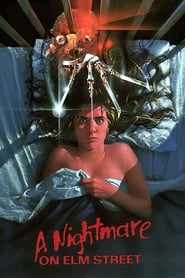
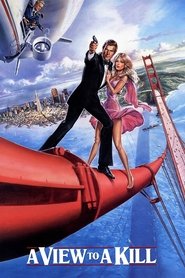

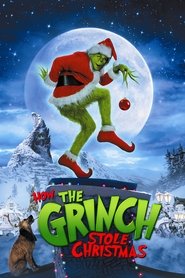
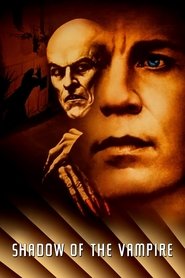


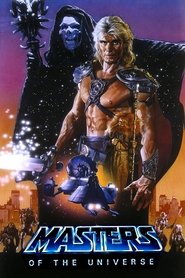
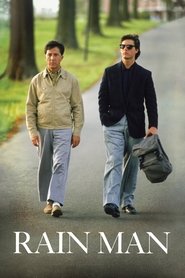


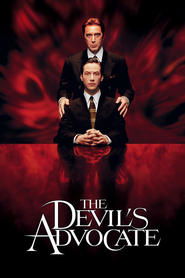
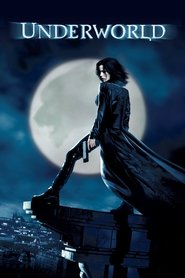
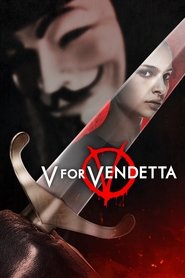
Related topics
Other topics that frequently come up in the same commentaries.