Topics / Writing & development
The screenplay
147 commentaries in the archive discuss this, with 1,188 total mentions and 72 sampled passages on this page.
Filter commentaries
Filter this topic by the film's decade or the type of commentary.
By decade
Across the archive
ranked by mentions · click any passage for the moment in the transcript
-
-
landed gentry, but had to live in the Hollywood Hills for some tax reason. And Rob was living at the L'Hermitage Hotel in Beverly Hills, and we gathered at his hotel room. He'd gotten a deal from Marble Arch Productions, which is Lew Grade's company. He had $50,000 to write a first draft screenplay of the movie, and we gathered in his hotel room for about three days trying to write a screenplay. And just at the end of the...
4:25 · jump to transcript →
-
Actors came in, and since there was no script, we couldn't ask them to read, so we'd talk to them. We couldn't teach them to read. We'd ask them why Johnny couldn't read, but that was merely a conversational tool. And then basically just, you know, saw what kind of ad-libbing or improvisational facility they had in a situation with the four of us. That's not until April. Great! We'll do it! Oh, fucking great, we're...
28:10 · jump to transcript →
-
Because it was in documentary form, if you have a written script, there's no way to really make that seem spontaneous. There's just no way to act that. And we just knew that that was not going to work. And we knew enough people that could improvise convincingly to portray this as a real life experience that we felt confident that this would work. I did go to one screening where they showed the four and a half hour version. There's a bootleg copy of the demo that's around.
32:12 · jump to transcript →
-
-
-
Eleanor Bergstein
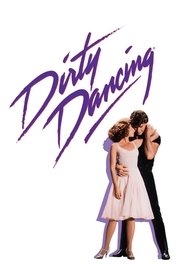
Hi, I'm Eleanor Bergstein, and I'm the writer and co-producer of Dirty Dancing. I'm making the assumption that everybody listening to this has seen the movie probably at least a few times. So if I just refer to scenes, I assume that you'll be able to flesh out what they are. We're starting with Be My Baby, and the music is actually what I started with before I wrote. I went to my old 33s and 45s, and I
0:19 · jump to transcript →
-
Eleanor Bergstein
put together the track of old songs, which is pretty well the track that exists now, and dreamed my way through it and wrote the story against it. And one of the little-known stories is that I sent, it took about 10 years to get the film made, and I would send these cassettes around with the script, and people would say, nobody likes this music, nobody will want to make this, in addition to turning down the film. But then executives would call me years later and say, you know,
0:49 · jump to transcript →
-
Eleanor Bergstein
very sadly dead, my beloved friend and collaborator, and when we finally found somebody to make the film at very little money, years and years and years after I had been taking it around with no success at all, we had been taking it around with no success, I saw He Makes Me Feel Like Dancing, which was Emile's Oscar-winning short, and it was so wonderful, and we met Emile, actually we didn't meet Emile, Emile was on jury duty, and we sent him the script, and he sent
7:09 · jump to transcript →
-
-
director · 1h 24m 7 mentions
The Naked Gun: From the Files of Police Squad! (1988)
David Zucker, Robert K. Weiss, Peter Tilden
-
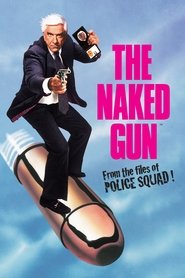
And that's important to future writers? It is. Fluker dialogue? Know your Fluker. How many pages of Fluker dialogue is in a good script? Most of it. That's right, we have the whole glossary of terms. I know. Well, we might talk about some of those. Terms, rules, well, nothing worked. And here comes the joke from the set-up. This actually happened to our rabbi. Was it based on that story or did it happen after the fact? He was with the mayor guarding the queen. Life imitating art.
14:33 · jump to transcript →
-
You know, it's a nice script, but no matter which way you slice it, you got a dead guy at the end. I believe your words were you're walking into an ambush. Yeah, you're walking into an ambush. So we... How many times after that? ...equally dissuaded us from doing our most successful project. Well, yeah, thereafter, anything David hated was immediately put into production. Did Peter call you on this? Oh, this is way before Peter.
19:55 · jump to transcript →
-
There was that possibility. There was that distinct possibility. When there's a huge pause after something I say, I kind of know. No. Didn't he have a bad back, too? Isn't he in pain? On painkillers because of his back? It was the script that put him on painkillers. He had a bad back that day, yes. So you see when he's walking, he's... Ah, Priscilla Presley.
21:10 · jump to transcript →
-
-
-
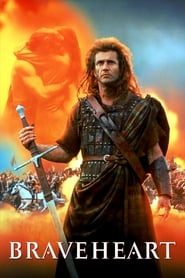
The good thing about Randall Wallace's script is he had scenes like this in it that were kind of fun, and they actually made a point about the difference between strength and brains and were entertaining at the same time. See, he had a lot of whimsy in the writing of this, although it's a pretty hard story. It needed that kind of levity from time to time. Welcome home.
25:18 · jump to transcript →
-
huge pitch battle but I knew that the you know the set piece was yet to come and I didn't want to overdo it here so we found a shortcut we managed to shoot this entire sequence in a day and wherever we got the opportunity to burn a set we simply burnt it whether it was in the script or not
58:20 · jump to transcript →
-
Really good actor, great guy. And this character in particular really tickles me. Randall brought him into the script at this point, I think, really well, to sort of add levity and like a new face and kind of keep things moving along. Insane Irish.
1:09:03 · jump to transcript →
-
-
-
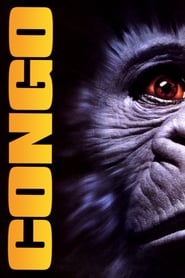
Hi, my name's Jim Hemphill. I am a filmmaker and film historian, and I'm here with... Screenwriter and author Kelly Goodner. And we're here to talk you through Congo, which Paramount released in 1995. It was directed by Frank Marshall, produced by Kathleen Kennedy and Sam Mercer, from a screenplay by John Patrick Shanley, based on a novel by Michael Crichton, all of whom we will talk about in great detail, I'm sure, as this movie progresses. Um...
0:17 · jump to transcript →
-
for a while. And anyway, so he got back to Michael Crichton in a couple of weeks and said, hey, I sold it. And here's a million and a half dollar advance. And Crichton was like, you sold what? You know, I don't have an idea. And he's like, well, I sold it. So that was all he had. And Michael Crichton, he said he had never done a deal like that before. He had always written the book or the script or whatever and then sold it. He had never written for hire before. And it completely froze him up. He
35:04 · jump to transcript →
-
the screenplay and directing the movie got it so it was a love story right it was a whole big um thing but it didn't end up happening because well initially they offered the role um of amy to coco the gorilla that had inspired the whole idea the gorilla who spoke sign language and um her trainer was like she can't be in a movie you know like gorillas don't
36:26 · jump to transcript →
-
-
multi · 1h 54m 7 mentions
Jean-Pierre Jeunet, Hervé Schneid, Alec Gillis, Tom Woodruff Jr. + 5
-
This is an idea of myself. A stupid idea, you know, to open the door. But I am pretty proud about this stupid humor. Jean-Pierre loves little gags and tidbits of funny ideas. I think he dropped quite a lot of them. This was definitely one of his. We will discover the queen. For the queen, I remember, we didn't build the queen. We used the old queen from the second film, and we had to find it. A fan kept it - the queen - in a garage, and we had to bring it to use it. We had borrowed it from Bob Burns. Jim Cameron had given it to Bob Burns - a famous movie memorabilia collector - and Bob was gracious enough to loan it back to Fox. We repainted it, put some iridescence and interesting colors going on in it, and rebuilt it and refurbished it for him. But thank God for Bob Burns. It really saved the day. I love this shot. I love the sound. The sound effects are amazing. Leslie Shatz made the sound of the aliens with sounds of monkeys and lions and something like this. And pigs? - Maybe, yeah. All the crew were French, almost. It is a French film. - It was. Made with American money, but French. - Absolutely. Everybody spoke English except me. Your main worry on the film was not to understand every word that the actor was saying. You were very preoccupied by that. To be sure that... You were happy when you saw the film with subtitles. When I saw it on DVD, at the end, I understood the story. I thought "Oh, it's pretty good." It's a joke but - you remember, Herve - sometimes I asked you: "What does he say?" in the editing. I think that whole kitchen set, if I'm not mistaken, at some point doubles as a basketball court. So in the tradition of good English movies, basically, a lot of stuff is being reutilized. Which is a terrific way to expand your sets. I used, like all my films, very short lens. I love the short lens. And I love to put the camera very close to the floor. Sigourney is a great actress. I remember, when I met her for the first time, I did a stupid suggestion: "Maybe you could act like this." She looked at me and she said "No, Jean-Pierre, I'm going to act like this." She showed me, and I thought "OK. I have to follow her." And all the time I modified the script to help her. It was a good relationship. She helped me all along the shooting. Obviously, she knows Alien by heart, she knows Ripley by heart, because she made the four. I saw JE Freeman, this guy, in a Coen brothers movie, too. I think he was in Miller's Crossing. Before the shooting, we made together a reading, and it was the best lesson in my life. He was so professional. I would like to have a tape today of the reading. He was perfect. The thing about this film, which I found staggering, is the premise - I'm not sure what the point is - the premise is that this is 200 years after we last saw Ripley.
10:53 · jump to transcript →
-
Funny thing about Jean-Pierre is - a lot of directors storyboard - but what struck me about the way he approaches filmmaking, and this was set up right from the beginning, is he storyboards absolutely everything. At the end of the storyboard, Jean-Pierre binds the script into a comic book, where all of the dialogue from the script is lined up with every frame. The storyboard becomes drawings and text, and that's what he gives everybody. Everybody on the set had this document, and that was the script. In the beginning, Jean-Pierre said: "This storyboard is everything that I need to shoot in order to know that I have my film." "If I can't get anything else, these shots are what I must have in order to cut my film." This is with the understanding that on top of that are "B" cameras and pick-ups, little details of... The cameraman basically picking up whatever he can as a scene is being shot. I find that unique, because a lot of directors don't like to be bound by the storyboard. They do it to think about what they'll do, and then on the day they do something entirely or somewhat different. Whereas, I think, Jean-Pierre is very religious about first boarding and then filming. And it's that simple. He would come to meetings with very very crude little sketches and say: "This is how I see it. This is how I want it broken down." As storyboard artists, we took his thumbnails and turned them into more solid drawings, so that the crew would have no trouble seeing what was going on. But, basically, he was very determined. He knew pretty much how the scene unfolded, and there were few corrections. Once he'd decided "This is how I'm gonna do the scene", he just did it, and that was it. So, shot by shot, if you take the storyboard of Alien Resurrection, every take is something that Jean-Pierre intended to direct from the beginning. I don't remember him doing a scene that was storyboarded and saying "Do it differently." We are going to arrive to the clones scene. I remember, Sigourney told me: "I accepted this film because of this scene when she looks at the clones." Tom and Alec made a lot of sketches for these clones, and they built it. You can see on the eyes of Sigourney Weaver some small light points on the eyes. In fact, it was a ringlight we used for the beauty of the skin for Sigourney. That was beautiful, the effect in the eye. It's like a special effect. Some people asked me: "Is it because she is an alien? Is it because she is a little bit like a robot?" No. It was just for the beauty of the skin.
54:27 · jump to transcript →
-
Almost everything was designed to be four, five times bigger than what it ends up being in the film. As budgetary bad news came in everything shrank. Pretty much every set invented in the script is in, with the exception of one or two. But everything is a lot smaller than was intended. What's in-fucking-side me?! A parasite! I love this sentence. It was in the trailer. I worked with Darius on City Of Lost Children. Then he went and did Se7en, which was just spectacular from a cinematographic... How would you say that? - I'd say, uh... "A good picture". Yeah, it was nice to look at. Beautiful film. And then he came and did this with Jean-Pierre again. You were in Alien because you did City of the Lost Children with Jean-Pierre. Correct? - Yeah, probably. I worked with Darius on Se7en. - You worked on Se/7en. You were spectacular in that film. - Thank you.
1:05:40 · jump to transcript →
-
-
director · 1h 31m 7 mentions
David Steinberg, Dave Foley, David Higgins, Jay Kogen
-
Hello, and welcome to... Oh, this is the Hollywood Pictures. Yes. Hollywood Pictures. Hello, and welcome to the Wrong Guy Commentary. Oh, yes. 20th anniversary edition. Yes. You're sitting here with Dave Higgins. Hi. One of the stars and one of the writers. Yeah, that's me. David Steinberg.
0:01 · jump to transcript →
-
The director. Dave Foley, one of the stars and one of the writers, and Jay Kogen, one of the writers. And a big player. And he does play a very important role in the film. And so does David, by the way. I do. No spoilers. Oh, that's Dave's name. That's your name, Dave. Can we get any of the sound in the headsets? Softly. Do you want it brought up a little bit? This is our Lawrence Shragge. Right, Lawrence Shragge's soundtrack and the great sort of...
0:21 · jump to transcript →
-
Now, the level of blood that you have there, quite a reasonable little bit level of blood. Not that bad. Not Hitchcockian by any stretch of the imagination. But much later somehow it becomes much more bloody. Well, it's quite possible. Look how strong he was. He could pull himself up. Well, that becomes a point in the script as well. But even when we were writing it, you and I were saying, like, we couldn't pull ourselves up in this thing.
10:20 · jump to transcript →
-
-
-
Ridley Scott
immediately presents one of the decisions we made later rather than in the screenplay and that Pietro Scalia, my editor, was actually rethinking certain order of things when he was editing and suggested that it actually might be a perfect way to begin the movie was to show
0:47 · jump to transcript →
-
Ridley Scott
The fish market sequence, whilst it reads great in the book... ...and finally reads well in the screenplay... ...and I think comes off very well in the film... ...is kind of really a part of the film that's... I kept asking myself, is it necessary to have this? Why do we have to have a shootout? It doesn't matter how good it is, albeit it's conventional.
6:38 · jump to transcript →
-
Ridley Scott
to have these big shootouts today, which are much overused, much overexposed and essentially become less interesting. But I try to work out in the screenplay form, how could we actually begin the film without having to do this? And we couldn't, we really needed, first of all, it was a great opportunity to see where she is now. She's on the street, she's functioning on the street instead of now after 10 years working
7:07 · jump to transcript →
-
-
-
The other thing I remember, it's always useful to remember the very first time you ever read a script, because that's the last time you're as close to it, you have as close an experience as the audience are going to have, seeing it fresh. And this was the thing that stuck in my mind, the use of the title as a subtitle. There was no title, if you like, I thought was brilliant. I loved that. And so we were determined not to have any names up front or things like that. It's also that that's our Tootsie cut, where I think in Tootsie,
5:25 · jump to transcript →
-
The prosthetics, those two bodies are prosthetics, which are just dazzling. The prosthetic guys, what they're capable of now is incredible, really. They're very unnerving things to be with when you're in the same room as them. They're so real. This was something we invented later. This wasn't in the original script, and Alex wrote this when we inserted it. We wanted to kind of connect with him more emotionally at that point, to feel his loss more, really, so that you're more...
23:56 · jump to transcript →
-
But you just kind of carry on really, you'd never know would you look at them as actors for you. The world was turned upside down but you kind of get on and do the script really. So this is life without water really.
36:32 · jump to transcript →
-
-
-
Andrew Niccol
four months after the main unit was completed, and after we'd already cut the film together. It was always in the script, but I'd run out of money, and I couldn't afford to do it with the main unit. I had to beg my French producer to let me go back to South Africa and do it. To his credit, he eventually agreed. It still had to be done very cheaply, and I had to call in a lot of favors.
1:39 · jump to transcript →
-
Andrew Niccol
I mean, one thing is getting the idea, but executing it's another. Shot required placing a 100-foot crane on a very rickety wooden pier. In the original script, we got to see Yuri's childhood in Ukraine. Ten-year-old Yuri comes up with the idea to pretend to be Jewish to escape the Soviet Union. But that part of the story had to be cut for budget reasons.
4:37 · jump to transcript →
-
Andrew Niccol
The unifying element is actually Donald Sutherland, who provides the Colonel's voice. Originally, I hoped to get Donald to play a role on screen, but the shooting schedule just didn't work out. However, he liked the script, so he wanted to participate in some way, and he generously agreed to lend his voice.
15:35 · jump to transcript →
-
-
director · 1h 26m 7 mentions
Underworld Rise of the Lycans (2009)
Patrick Tatopoulos, Len Wiseman, James McQuaide, Richard Wright + 1
-
That's one of my favourite shots of the film right there. Really beautiful. Steven Mackintosh was in the second film as well... ...playing Tannis, so he reprised his role. I Keep saying I wish Steven had more, more... There was more of him in the movie. Such an incre... I mean, really, I felt that every day. I totally agree with you. I was saying the same thing on Underworld 2. That I didn't have him in enough. And we had a pretty long scene with him on 2, remember? The scene was like.... - Yeah, I Know he's got... And a lot of people don't recognise he's the same character... ...because his look was so different. - True. That's a shot that came at the end, last minute. It would be nice to see the presence of the wolf... ...outside the castle so it's not always disconnected. Thank you, Clint, for coughing up that extra dough for us. And this is one shot, I gotta say, you know... ...when you have, like, a big bad-ass day, and you can't... You just-- One camera and you ba... You know, this is really.... When you feel a little cornered sometime... ...and you're like, "Okay, guys, we have to shoot this." You know, I remember this. This one, and then the scene against the fire... ... Where Rhona's talking to Bill. At the end, there's no time... ...had to kind of stack them up soap-opera style. And actually, it's great. - It worked very well. That scene is great. I love how she never really turns around to see him. That's cool. - Sometimes that works out. I gotta say that people are gonna think this is a set a la Sleepy Hollow thing. This is actually a real forest there. And really weird. The trees look like they're dead. All the foliage is really high in the tree. And we're, like, 200 feet from the water, from the sea. Yeah, there's people surfing 200 yards from... Incredible-looking forest. - Where we're shooting. And that was one of our key locations. All the forest scenes were shot there. I really love that place. It was very cool. lt was strange when we walked in there for the first time, remember? We all sort of looked at each other like, "Whoa, do we have to shoot here?" We're walking there with Richard. And we're looking at the trees, and then we started losing our minds. And we Say, "What if we use the tree?" We will make little miniature... We shoot them green screen people. Horses running through the trees, but the trees would be 50... Giant trees. Because that forest got a weird quality... ... almost like a gigantic forest. lf you're shooting miniature stuff in there.... We were losing-- We were a little... Well, it got to the point about New Zealand too... ...because when we first got the script... ...We Initially thought we were gonna shoot the movie in Romania. And then the idea of shooting a winter film in Romania... ...1S a little bit... - Exteriors. Exteriors was a little daunting. And one day, I had actually seen the making of The Lord of the Rings... ...and I said to Richard, "What about New Zealand?" And he kind of looked at me. "New Zealand?" And then we met this woman, Beth DePatie, who had worked... ... for us before, and she worked on Narnia. She came back with a budget that showed that New Zealand... ...WaS as inexpensive, if not less expensive... ...than Romania. And everybody wanted to go to New Zealand. We were on the plane two days later. I remember calling up Len. I said, "Is there a chance that--?" "What are the chances of you getting to Romania?" A pause. "But what are the chances of you going to New Zealand?" It was a big yes, So.... Have you been to Romania? - Yeah, I have. There was always the Romania discussion... ...and we've gone out there, and.... For the first one, we were almost set on shooting there, weren't we? We were very close, yeah. - Well, there were castles, and.... Transylvania and that. Hungary was a little bit more expensive. You were in love with how Budapest looked that we said the hell with it. We'll figure out some other way to save that money. We shot in Hungary instead. I was the only one that really wanted Romania in the first place on this... ...because I was worried New Zealand would be too pretty for us. I remember... - That was very... I was thinking... - Too green. Yeah, it's too green, it's too beautiful, and then we went there in the forest. But the other key thing was that we had to shoot... .1n January, February and March. And in Romania, that would have been minus 20 degrees. And we thought at that time we'd have to build the castle outside. So 40 pages of the script would have been outside... ...at night, in Romania, freezing to death.
16:25 · jump to transcript →
-
So this is work... I mean, we had two companies doing the CGI werewolf on this movie. I need to mention that. The very first section of the movie, Sonja attacked... ...coming to the castle we saw before and this... ...was done by a French company called Duboi. And later on, the other part of the movie... ... you'll see werewolves again, the same one... ...done by another company called Luma. I need to say something about those guys. When the French started to do the first werewolf... ... they had a way of making those guys look quite elegant and sexy... ...but they were lacking a bit of weight, we felt. So we talked about that. The opposite came from Luma, giving them a lot of weight... ...but they were a little bit too brutal in some ways. And that's a typical example. When we met those guys, we had them looking at each other's work. And at the end, it sort of, like, you know, got better by looking at... Each other's work. - Yeah, covertly, and that really helped. There's a lot of practical wolf there as well, like, this is practical stuff. But there are probably 35 CG wolves in this sequence. Yeah. How many CG shots were in the whole movie, James? About 400. - Four hundred. But not just for the wolf. Everything. There's, like, 80 CG wolves. But this scene in particular, it's mixed from shot to shot to shot. And you really have to look closely now to tell the difference. Yeah, - Even in here, these three, four shots... ... they're back and forth, back and forth. That's a suit. And.... That one's CG. - Yeah. Sonja! Remember it took us, like, three different days to shoot that tunnel? That was such a nuisance, that thing. It was incredible. We really tried to prep ourselves, like great storyboard laid out. It was still a difficult scene to shoot. We're also talking over the appearance of Kevin Grevioux, and.... Fire. Who was obviously Raze in the first film... ...and, you know, a big part of the creation... ...of the writing of the first script. That's a Luma transformation. It was a great transformation. - It looks really good. And Luma's the only visual effects company that has worked in all three. That right? - True. How many visual effects companies ended up on Underworld? Is that 11, was it? Ten. - Ten. There's tons of them. This is one of the latest... - This is Kevin, guys. additions in the script of having Michael... ... actually do this roar that has the others back off. And it kind of.... It really opened up his character, and.... Yeah. Michael was really specific at the beginning. He asked if he could actually be doing the entire transformation... ...and being shot all the way to the end to bring his language. And I thought that helped everybody. CGI looking at him. He basically kept screaming almost like at the end of the transformation. And then he was replaced, but they got a good guideline. I wished we could have done a transformation back-to-human shot. Am I not master of this house? There's another shackle add-on right here. you are forbidden to remove your shackle. lt was added in later. you break my law after I gave you your life. Your days of plush living are over... We were lucky to have Bill Nighy on this movie. I mean, he's just a wonderful actor. He really is. He's fanta... And just a really, really great guy as well. He's always fun to work with and have on set. You couldn't have an Underworld without Viktor, Bill? I doubt it. - God, I don't know. It's tough because, like, you know, you kill these people off. And, you know, we'd always intended to do, you know, kind of a... In hopes and fantasize about doing a trilogy... ...which we've been able to be very lucky to do so now. And then you kill a lot of these great actors off. And, you know, I don't know. Don't know if it would feel the same without him. I mean, he wasn't... You know, it was great that we had him start in Underworld 2. You know, he wasn't in Underworld 2 for the beginning part of the film. Okay, that of... This is the best shot in the movie to see the size of the set. So now, we're in CG world. And we're entering now the practical set. So that's actually the set that Dan Hennah built for us... ...the last 20 feet of that, if you may. And there was this wall across to try to separate.... ...on the different flavours on both side. Yeah, this is one of my favourite shots. When I saw this, I was just... - Gorgeous. That's beautiful. - Thrilled. It looks fantastic. I was worried about that too. When we showed up... ...the sets were amazing, but they weren't very tall... in terms of how grand the space is. You know, to actually capture that on film... ... you're gonna have to see that it stops pretty short. Shoot off the edge. - And so it just meant... Every time you see that, it's a visual effects shot. It was basically the choice for that. Either wide or a little taller. But I felt the wise choice was to be wider for what we... The only other way to build it taller would've been to build it outside. Which would have been a disaster.
20:49 · jump to transcript →
-
In the original draft for this thing, the script... ...Kevin wasn't been bitten in this scene. That's right. Yeah. And would turn into werewolf much later. I mean, would be bitten much later in the movie. So this part of the what you do with ADR... ...changing the moment of camera having him saying... ...basically changing his word and saying: "What happened to them?" to, "What happened to us?" And just realise it would help because people had a hard time... ...understanding when... It just didn't quite work, and if that scene just seems a little odd... . It's because it is. It just a little bit of patchwork to mend something... ... that just wasn't working. This one's gonna be pretty clear scene, though.
42:15 · jump to transcript →
-
-
-
Matthew Vaughn
We did a DI grade, which film can't quite cope with, but HD can, the way of the future. Clark and Evan, who are Marty and Todd, they were in the first ever read-through. Before I go out to the public with a script, when I say the public, Hollywood, I like to do one read-through with the actors. So I actually flew to LA and I said to the casting director, just get me some,
2:48 · jump to transcript →
-
Matthew Vaughn
kids, you know, some American actors, so I wanted to make sure it feels American, so I didn't look like an idiot putting the script into the system. And we ended up casting Clark Duke and Evan as Todd and Marty, Lyndsy Fonseca as Katie, and Omari Hardwick as Marcus, and Garrett Brown as the father of Dave, otherwise known as Kick-Ass. So, yeah, so that was...
3:18 · jump to transcript →
-
Matthew Vaughn
I think, a sign. Everything seemed always to fall into place, but then I sent the script to Hollywood and everyone said no, which wasn't part of the plan, but turned out to be a blessing in disguise, because I could promise you this movie would not be as... be as original and as fun and risqué as it is if Hollywood had their wicked way. Just Mrs. Z. Sorry. But don't get me wrong. I like girls my own age, too.
3:47 · jump to transcript →
-
-
writer · 1h 35m 7 mentions
Simon Barrett, Adam Wingard, Greg Hale, Eduardo Sánchez + 5
-
directing her shoulders while Larry stands behind us reading his lines that Kelsey has something to respond to. So that was much more of a technical challenge than I think I'd anticipated when I wrote this script. So you can see those pictures are of Frank Stack, who's the old man from the first VHS and also has a brief but memorable role in A Horrible Way to Die.
4:20 · jump to transcript →
-
we came to it. Yeah, I mean, it was literally like two days after Simon had delivered the script, and Tom, the production designer, and myself had read it, and we were actually going to just be planning on talking about it while we were at this party, and as soon as we walked into the place, Tom was like,
12:18 · jump to transcript →
-
Why don't we just set it here? And I was like, that's a good point. I mean, even though the script was kind of written as more of a classic kind of older haunted house, when we saw this really cool mansion, basically, that we're in, we were like, this could actually just be more interesting because it's not what you expect in a haunted story situation. And then we were like, wait, how much is this place costing you a night? Like, whoa. Yeah, we got a deal on it. Real quick, let me talk about this effect. The way we did this is there's a hollowed out mattress right there.
12:35 · jump to transcript →
-
-
-
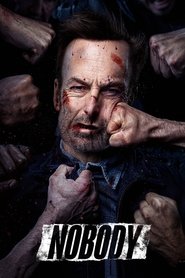
Now, speaking of best idea wins, this little montage that you just saw was completely packaged, not written into the script. We did want a character who was a bit numb from suburban life, from being a dad, and working a steady and difficult job, kind of hiding out in the suburbs, this fellow. So we wanted to start there. But we really just wanted to start with this sequence where there's a break-in in his suburban house, which is the part of this story, one part of this story, that comes from my real life. I have had two break-ins in my house, with people in my house, one of which, I won't go into the details, but was extremely traumatic for my family, and remains that way and will for the rest of our lives. So I had that inside me, and the feelings of... The complicated and difficult feelings that it conjured up inside me are still with me, and were some of the inspiration for even creating this story in the first place. Although, again, I have to give credit for the story to Derek Kolstad. I did share with Derek when we met that I wanted to do an action movie, and I shared that I felt that my time on Better Call Saul, a TV show, had set me up for a potential audience around the world who understood me as an earnest character who was a Striver, maybe willing to reach above his talents and able to get knocked down and get back up. And so this starts with a simple home break-in, and we can see these two criminals are very nervous and seem to be out of their element as well, but also can't quite tell what they're up to. But this character says no to them taking the wedding ring. So there's something more to him. Do you remember the wedding, if I may interject? Yes. - That it was only the watch... I think it was on set that once we put a light, the flashlight onto the ring, it was kind of like, "Wait a minute." Yes. They were just gonna take the watch, which he says "means something to me." But then I think it was Kelly who said, "What about the ring?" I mean, it's gold and it's gleaming in the flashlight. You have to say something about it. And then for the character to push back on that while he's got a gun in his face tells you there's maybe more to this guy besides for the fact that he wants his marriage to work and has committed his full life to being honest and stay married. It tells you maybe there's more to him than he looks like.
3:18 · jump to transcript →
-
Look at this guy. He's not even gonna eat his frigging eggs, he's so frustrated and blue. One of the additions that we wanted in the script is that Hutch doesn't eat until the morning after the fight, when he becomes himself again, the real Hutch. Yeah. Whereas Yulian eats before and doesn' eat after. And we kind of re-cut some of the Yulian stuff, so that doesn't land. But I've always enjoyed the juxtaposition of you chucking the eggs out in the bin here compared to the second act which starts with you biting into a pancake with bacon. That's right. He's got his mojo back. - Which was my everyday breakfast on set.
10:52 · jump to transcript →
-
This is a matter of need, principle of need." Tough guy. And I don't think the slap was written. I think he came up to me between the takes, said, "Ilya, what do you think of... "It feels like Charlie should be more of an asshole and buddy slap on..." Such a condescending slap. But he was so afraid to suggest it to you. And now you look at him and you go, "This guy's messed with guns before, "and he's not sure he wants one in his life again." But look out. Well, hide it in the fridge. That's always a good place for your extra guns. It's almost like he knew it might come in handy in act three. Yeah. - It's Chekhov's fridge, pretty much. What's that? - Chekhov's fridge. You know, the Chekhov's rifle? Chekhov's gun? If you see it on the wall in the first act, and it fires in the third, well, that's our fridge. Yes, that's right. Michael Ironside. - Yay, Michael Ironside. A great, great actor. - The man, the legend. And he's really good in this role. Kind of supportive, kind of friendly, but also hard on Hutch. Everybody's hard on Hutch. Bunch of hard-ons around him. If I'm gonna sell it, I want it to be... But he's a great actor and he delivers here, big time. Ilya, you put together a hell of a cast around me. Boy, the best. The best. I do. Well, it's pretty easy to get a great cast when you say that Bob is the lead. SO... You know, one thing that was concerning to me, and I love seeing Charlie and I love seeing the father-in-law here, is my character is so down for such a huge chunk of this movie. There's a... I mean, he starts to smile when he starts to cut loose and let out all his rage and frustration. But that's a long time in, and we talked a lot about this. This movie has always been... Has an offbeat construction with this long prelude, longer than most, with a lot of hard feeling and kind of... This guy's got an internal struggle that takes over this whole first 40 minutes, half-hour, 40 minutes. I think in the script, the bus fight used to happen around page 30. And I remember we saying, "Whenever... We'll get to it quicker. "It'll be like minute 25 at most." 'Cause I remember looking at several films as examples, and I think my favorite example was Oldboy, where the first real fight happens on minute 41. But there is a little pre-fight around 27. But it's also a much longer film than this was ever intended to be. Right. So it was that balance of, "Yeah, we want to set up the pins "before we shoot the ball," but at the same time, you're also releasing a film in 2020. Well, now it's 2027. But there's a certain expectation, a certain pace that you can't really rely on as a comfortable pace for a bigger audience. Hopefully, we'll have a bigger audience when it does come out. We are recording this six months before the film hits theaters, which is a little early. But you're absolutely right. There was a lot of discussions on how long and what we should spend time on before we hit what everybody paid to see. It's a different kind of action movie. It's trying to be... Just have more story, more character, more complexity, and I think a more delicate kind of complexity to these family relationships. The son's annoyed with the dad, the wife and the husband love each other but are estranged, but in the house, you know, together, they have a past. We don't quite know what it is. The little girl's oblivious and bringing nothing but sunshine into their lives. And then there's a feeling that this guy just has his own issues, his own challenge of being who he is. And all that turns out to be true and comes clearer as the story goes.
13:26 · jump to transcript →
-
-
-
Edward Berger
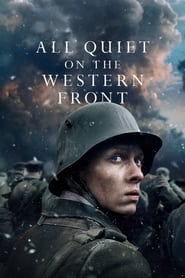
Hi, I'm Edward Berger, the writer, director and producer with my friend Malte Grunert on this movie, All Quiet on the Western Front. I'm so happy that you decided to listen to my commentary of this DVD. I've never done it before, so this is my first DVD commentary, so please bear with me if I make some mistakes or I correct myself.
0:14 · jump to transcript →
-
Edward Berger
give themselves courage, but I'm sure they froze. And Aaron here hurt his finger on the left and really had a hard time, you know, bailing water out of the trench because of his hurt finger. And I love this, by the way. This was in the script. They put their hands down their trousers to keep their hands warm. And you'll notice later, I'll tell you about it, Kat, the actor, Albrecht Schuch, the oldest guy,
20:43 · jump to transcript →
-
Edward Berger
he invented something that I'll show you later that wasn't in the script, but that gave a perfect closure to this, to this theme of keeping your hands warm. This was another miserable night.
21:13 · jump to transcript →
-
-
director · 1h 28m 6 mentions
Don Coscarelli, A. Michael Baldwin, Angus Scrimm, Bill Thornbury
-
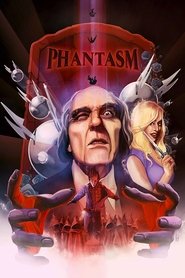
Welcome to our commentary track. I'm Don Coscarelli. I'm the writer-director of Phantasm. And we'll be together for the next 90 minutes. Now, I'd like to welcome a few of my other collaborators and friends in the making of this picture. Michael Baldwin. Hiya, Don. And Angus Scrimm. Hello, Don. Now, let's be quiet. I think it's rude to talk when people are trying to watch a movie. And Bill Thornbury, who played Jody. Hi, Don. How you doing? Well, anyway,
0:46 · jump to transcript →
-
Sphere sequence. I've never spoken with him since. This was a moment that was a little more expanded than the original screenplay about Mike chasing after his brother. It was kind of a subplot, which a lot of people really responded to about these brothers living alone. Well, that's what I meant before when I said that that's the subplot that I always really liked. About the two brothers. When Mike goes to the fortune teller, he goes there to talk to her about his brother leaving. I just always thought that was a pretty interesting...
12:50 · jump to transcript →
-
Here we've got our crew led by Paul Pepperman and S. Tyer, our production designer, and they're actually puppeting those fingers from below the landing. Here's another set of warped creatures. And this was another motion just from the outset that I had in writing the script, because I wanted Mike to go up there and have all these adventures and really escape
38:46 · jump to transcript →
-
-
-
John Mackenzie
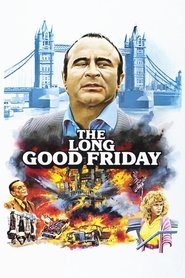
Incidentally, talking about the gangster, one of the other great reasons, main reason why I wanted to make this film was that central character. The way it was written, the way it was eventually played was magnificent by Bob Hoskins, and he was the one person I always saw should play the part. But it was the way that character was constructed was the great central bit of the original script. Although we changed many, many things, but that was the core.
3:03 · jump to transcript →
-
John Mackenzie
this character who was leapt from the page. Barry Kiefernau, who was the writer, we worked through many drafts of this film. In fact, we did eight drafts before we even started filming. There was a lot of stuff there that I wanted to
3:30 · jump to transcript →
-
John Mackenzie
knew how to deal with all these situations. I think I've said, I'll probably say again, you know, Bob was central to this film. He was the only guy I ever saw as Harold Shand. I mean, from the moment I read the script, I said, that's Bob. That must be Bob Hoskinson. He wasn't very well known, but I knew him quite well. And he had done a great Dennis Potter thing on television. He'd done quite a lot of stuff, but he had never done a major movie. But it was like...
38:05 · jump to transcript →
-
-
-
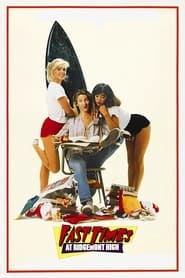
when she read the book and the script of Fast Times that we should consolidate the action in the mall and that the mall should be the centerpiece of the movie. And I have to say thank you, Amy. You're welcome, Cam. Actually, I'm an agoraphobic. I don't like going outside. So the idea of a bunch of fast food places on a strip outside in fresh air was frightening to me. I was just waiting for malls to be invented.
0:48 · jump to transcript →
-
We had to shoot it during the daytime, but we had to shoot the mall overnight, so we had, like, about ten minutes where the mall was still closed, but the kids were allowed to work. You remember this? I do. And the reason I do is because you said, I want the writer on the set, and he should be able to be on the set as much as he wants, so I took you up on that. I was around all the time. You were. We didn't know that writers could sometimes disappear, but...
3:04 · jump to transcript →
-
just like you wouldn't want me to come to your house some evening and discuss U.S. history on your time, understand? Yes, sir. You originally wanted Fred Gwynne, didn't you, for the part of Mr. Hand, and he didn't want to do the script because there was too much nasty stuff? Well, I forgot all about that, but as it was in the book, he was a big, heavy guy, sort of like the Hawaii Five-0 character. And then when we all met Ray Walston, who everybody loves from something, and...
10:37 · jump to transcript →
-
-
-
Peter Greenaway
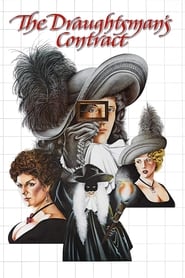
And since my background had been very much about documentary filmmaking, where essentially the address is made from the film directly to an audience, that I should consider probably film narrative conventions, and instead of getting people talking to the microphone, get people to talk to one another. So I went away, and after about six or eight weeks, I came up with a script called The Draftsman's Contract.
1:08 · jump to transcript →
-
Peter Greenaway
since I have lots and lots of, I suppose, ethical problems about the notion of the document or the documentary, that I wanted to put these ideas into a feature film. And I came up and developed the script about a draftsman, and we're talking about the late 17th century, so this would have been possible, who was employed by country house owners in England to draw or paint
3:54 · jump to transcript →
-
Peter Greenaway
Originally, the script was to take place in a completely different milieu and in different circumstances to where it's ended up in southern England in 1694. It actually began because of my enthusiasms for a small village called Wardour, which wasn't very far away from a big...
12:37 · jump to transcript →
-
-
multi · 2h 34m 6 mentions
James Cameron, Gale Anne Hurd, Stan Winston, Robert Skotak + 8
-
James Cameron
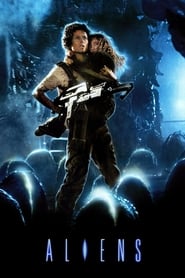
This is Jim Cameron. I wrote and directed this film back in '83, and directed it in '85 through '86. It was released in the summer of '86. July 17th, if I'm not mistaken. It started as a treatment. I was having a meeting with David Giler and Walter Hill, talking about another project, and that pitch was not going very well. I could tell by their sagging expressions that they didn't like any of my ideas. But they had read my 7erminator script and wanted to work with me on something. I was getting up and making my way toward the door and David Giler, one of the producers of the first film, said "We do have this other thing", and I said "What's that?" He said "Alien 2." And all the pinball machine lights and bells went off inside my head but I maintained a straight face and said "That could be interesting." And I suggested that I write a quick treatment, a quick outline, just to give them an idea of what I might do with it. So I raced home and stayed up for three days straight, drank about eight pots of coffee and wrote a 40- or 50-page treatment. Really what I did was I adapted a story I had already written, which was called Mother, which was an "alien on a space station" kind of story. It had the power loader machine in it. I had written this treatment a few months earlier. So I adapted it, dropped Sigourney's character and a bunch of marines into it, and in that one quick stroke created all the character names - Gorman and Hicks and Vasquez and all those folks - and dropped it on them a couple of days later. I think they felt like they'd hit the jackpot. That was the film they wanted to make. So they authorized me to go ahead and start writing the script. The problem was, that day I landed the job to write the script for the second Rambo film. So I called them up and asked David Giler what I should do. And he said "Don't be stupid. Take both jobs." So I took both jobs. I also had to do a rewrite of my 7erminator script to start production in February, so I had a three-month period where I had to write three scripts. So I decided that each script was gonna be two hours long, so it'd be 120 pages. So I figured out the total page count, whatever that is - I guess 360 pages. I divided the total number of waking hours I had during that three-month period by 360 and figured out how many pages per hour I had to write, and then I just wrote that many pages per hour.
0:04 · jump to transcript →
-
Pat McClung
This is Pat McClung. I was the model-shop supervisor on the film. They're wearing modified costumes from Outland, or the basic suit is from Outland and it's been redesigned and they put some stencils on it. This is microglitter and fuller's earth blown on there. I remember in this scene the batteries in the flashlights kept going out. You would think this would be an easy scene to do, but, as with everything in this movie, it was harder than it looked. There are no easy scenes with Jim. There's that nice dissolve, the contour of the earth matching her face. When we shot this, a matte painting combined with miniature and perspective, there are some perspective gags going on there. We used a clip of Sigourney's face in the viewfinder to line up the curvature of the earth, so we had a nice match. I wrote the piece obviously with Sigourney in mind for the character. I was told she was on board and I should just toddle off and write the film when in fact no deal had been made with her whatsoever. So here was a script that was written that everybody wanted to make, in which she was in every scene, and they hadn't made a deal with her yet. That's why she got her first big payday of her acting career. She got a million bucks, which was a big deal. She might have been the first actress to get a million dollars for a movie in movie history. It was all because it was mishandled by the producers. She was the main character and they hadn't made the deal. She was worth every penny of it and more. When people saw the film, they realized that. I Knew what a phenomenal actress she was. I'd never met her. I had her picture up while I was writing the script. I went off the character that had been created in the first film, took her much further. Of course, this is Paul Reiser. I certainly had no idea what a great comic actor he would prove to be, and certainly that's how people think of him, not as a dramatic actor. I just read him in a lineup of actors in the normal casting methodology, and I thought he was really interesting, that he could play this really sincere but slightly smarmy guy who could then turn evil. This is a dream sequence, but you don't know that yet. I remember from the premiere screening of the film that the incomplete chestburster scene here really got people cranked up and on edge, set the tone for the whole movie, that you were here to be messed with, which is a good way to start off, I think. The way you get a cat to hiss like that is you put another cat close to it. I had no idea. I didn't know what you did to make a cat do that. But that's standard procedure. Bring a cat it doesn't know close to it and it'll do that.
4:32 · jump to transcript →
-
Bill Paxton
Bill, isn't there dialogue that you have on this that people have used in video games? Yeah, I think so. "Game over, man" and things like that. You get anything for that? - I don't think so. I'm not even getting anything to sit here and do this commentary. They expect us to do it for no money. You got a beer out of it, though. No, it's just fun. I got a beer out of it, so that's cool. This was an amazing set, this concourse A. And it was long. And later on when all hell's breaking loose, Jim had that little video camera. He had everybody on the crew having coffee while we would run at him and do different things. It was SO amazing to see this gigantic set, one of the biggest sets I'd ever seen, and there's Jim by himself with this little camera. When did the bust-out almost happen? He was gonna move the movie. When did that happen? I remember there were some problems. There were some union problems. The crew weren't used to working the same way. With Jim. They weren't used to working. That's unfair. They were craftsmen, but they had an indentured way of doing everything. Jim needs something, he just grabs it. If he needs a light moved, he'll grab it himself. We punched a hole through somewhere cos he needed to run a line. He didn't wanna wait around. He just said "Give me a hammer." But this was an ambitious schedule. Jim was running from stage to stage. I think we had about three big sound stages with giant sets. And then there were two sound stages with miniatures. And then there was a stage with all those tunnels. I remember them putting you in that damn tunnel. That pipe. We had gone to the power station to shoot the atmosphere-processor scenes and come back to the set after it had been wrecked. So we're into Adrian Biddle's photography here. He was the second DP. I encouraged Adrian, to save time, to use as much built-in lighting as possible. This is lit by the fluorescents in the set, with just a little additional lighting. Adrian liked to work on a raw and edgy look and work with the practical lights a lot more. This is another thing that is important. With a lot of science fiction movies that are all interior, you often lose track geographically of where you are and it becomes incredibly confusing and it's hard to build the tension and the suspense. Jim was aware of this from the script stage and made sure that we established through the helmet cams, through the motion trackers, where they are, and then ultimately, later on, where the aliens are. Even in this version, you're left to fill in what happened. We don't see the baittle. We'll see plenty of battles later and this is promising you that. We have a shot coming up here where there were acid holes - acid... holes... eaten into the floor by these so far unseen aliens. And, of course, these sets were not double-deck sets. Jim wanted a scene where a character looks down through one of these holes. I think Bill spits down into it to give some perspective. So this down-view we shot on our miniature stage. We layered the set and photographed that. This is where you spit and they did it in miniature. They even did a miniature spit. - Is that what that is? To get that spitting effect, it was actually not spit. It didn't work very well, so it was a combination of milk... Milk and water in an eyedropper right underneath the lens. The complaint from the studio was that the film went on too long without anything really happening. I was winding the suspense tighter before you actually saw anything. The studio said we were just jerking around. Too many movies that I see now, it's all upfront. You start seeing stuff right away and there's no sense of a build. So this is the miniature APC that was built by Bob and Denny Skotak. Pretty good size. I remember it being five or six feet long. Most people don't twig that as a miniature. That's the real APC pulling in. They matched the lighting pretty nicely. I think Jim did some of his live-action stuff undercranked. He ran the camera slightly slower on the APC so that it felt slightly more as if it were a miniature but you knew it was real because you could see people interacting with it. So if any of the miniature stuff didn't quite work for whatever reason, it took the curse off that cos it felt that the two were blended together. I think he wound up undercranking because the APC, the full-size one, didn't move as fast as he wanted it. I think it could only go eight or ten miles an hour. One difficult thing about making this movie was 7erminator wasn't out in England and the perception of Jim Cameron, who looked about 20 when he directed this movie, and myself as the directing-producing team was met with a great deal of resistance because back then the system in England was that you had to put in years and years to rise up to the level of being a producer or a director. And we were simply not treated with a great deal of respect and it was very hard every day of the shoot. We were being second-guessed and every decision we made was questioned and the tremendous thing, of course, having Stan on the film was that... I was old. - No. ...was that you were a cheerleader for both of us. By demonstrating the respect and enthusiasm that you did, I think other people gradually relented. I knew it was the best thing for me and for everybody on that set. There are people that you know, no matter how they do it, what they're doing is special. This particular directing-producing team had been a win for me in my career and stayed that way. I never thought our facehuggers looked as good as the one in A/en. We had to make lots of 'em and they had to run around and do things, but, texturally, the one in the first film looked great. It really held up. The bits of oysters and stuff inside it looked great. But I did wanna see the disgusting thing that had been down the inside of Kane's throat in the first film. You never see it in the movie, in A/en, so I figured we'd gross everybody out. All of Giger's designs have a real sexual undercurrent to them. And that's what horrified people about the alien as much as anything, is it worked on a kind of Freudian subconscious level. And Ridley and Giger knew that and they went for that. This film was never intended to be as much of a horror film as the first one. It was working on a different thematic level but I still wanted to be true to some of those ideas, some of those design concepts. It would be natural to assume I'd wanna work with Giger, but it just didn't occur to me at the time. Maybe it was because we really only needed to design one new creature and I had already designed her by the time I wrote the script. The alien queen. I guess maybe it was my own ego as an artist. I just felt like he'd made his stamp and I knew from what I'd read that he had to do everything his way and I had a very specific idea for the alien queen to extrapolate beyond what had been done before. I got the impression from what I read that I wasn't gonna get the dynamic character that I wanted. In a funny way, part of what attracted me to doing this film was the opportunity to do cool design stuff. So maybe I was just a little bit too in love with the idea of designing the creatures and the weapons and doing all that stuff.
47:57 · jump to transcript →
-
-
-
But basically my approach to editing is always to try and interpret the film as the script directs me to. And certainly that's how I approach this. I actually don't like going to set because I sort of don't want to see what's going on. I kind of like the idea of seeing dailies fresh and not having...
40:18 · jump to transcript →
-
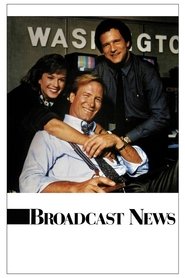
in the writing process or in the beginning of the film when you're laying out the film for shooting, if you can anticipate what you're gonna lose, I think that's really not true. Network news, Washington. I love it. What do you do when your real life exceeds your dreams? Keep it to yourself. I think these guys were so amazing in producing a relationship not unlike friendship.
1:03:36 · jump to transcript →
-
about it in a magazine. That's how you can make sure you don't put on too much perfume. You know what's great? One of the best things when you're working on a screenplay, there's no such thing as an empty fact. No matter what you read, automatically it's like you're supposed to have read it because of the movie you're working on. And it was that way with that perfume piece. I hate missing it. I wish I could be there. Me too.
1:19:08 · jump to transcript →
-
-
-
Ghost Town USA to having a huge football event, like, that was designed in the script? Oh yeah, that's from the script. The whole town is at the game. It didn't, it helped the extras budget though. I didn't have to populate the town at that point. This is a lot, this is really inspired by my life in Park Ridge, Illinois and some of my crazy friends. Honestly, some of these stories are true. Some of the interactions with the kids and all this.
3:43 · jump to transcript →
-
You've already set up that there's a small town, the inhabitants of the small town are all gathered together. Then we're intercutting between that and Brian Flagg, who's gonna be jumping this bridge, which is a nice setup for later on. Was that also installed in the script, that there would be this intercutting back and forth? There's a number of structural things I'd already learned at this point that Frank and I were able to incorporate and have fun with it at the same time. You know, it's a horror film
6:28 · jump to transcript →
-
Chuck, when you and Frank and possibly the rest of the team were coming up with the kind of dynamics of the blob and the rules of the blob, who came up with those? Like the acid for whatever was dripping off of it. I think we all kind of riffed off the script. The script had many of these details. The ones that didn't work, we didn't do. And the ones that did work, we played into.
28:03 · jump to transcript →
-
-
director · 2h 10m 6 mentions
Richard Curtis, Hugh Grant, Bill Nighy, Thomas Sangster
-
In your head as the writer, who do you think she really prefers? Her husband or this bloke, now? No, she's got no time at all. I mean, she likes this guy as a friend. But when she runs out later and kisses him. - That's just being nice. That's my favorite bit of acting. - Well, that's interesting. That wasn't my reading. I thought, "Dirty bitch, she wants them both." Keira looks like to me like a girl who's done that, who's just found a way of being kind to men like Bill who, you know, want more to do with her than that. - But she kisses him on the lips. I never kiss anyone anywhere else except the lips. God. I think Andrew cannot believe this was the take we used. This was like a joke take. I couldn't believe he was gonna go for it the third time. No! Yep, he's done it. Good heavens. - More times than... He Zips... This is the fantastic Dido. She sent us her new aloum and there was one so beautiful, sort of hidden track on it that we wanted to put in the movie. But it's weird how a movie will demand its own songs and you cant just put stuff you adore on it. There was a song by Ron Sexsmith, Gold in Them Hills, I just spent days trying to fit into the film. Just couldn't. Wow. - That's great. He's doing a very good job of walking. Bill, do you find walking very difficult on camera? -/ do. Yeah. - Particularly if you haven't got a prop? Something to do with your hands? - Yeah. Well, that's why he did that thing of scraping along the wall. Yeah, I could see all the tricks. Hands in pockets. She had a little problem there, walking across the room. Colin's a very good walker. Yeah. She was so good. She didn't make a single mistake. Sweet girl. - Attractive, too.
55:33 · jump to transcript →
-
There we go. There's the Four Tops again. The original scene that we did here had those guys the other way round So you could see their penises. - I remember from the script. The head of Universal said she found it distracting in the preview and couldn't concentrate on the scene.
1:04:30 · jump to transcript →
-
Right. So that's the bit where we were So... The audience were so unhappy. People were? - When that happened. Well, I'm not surprised. - High hopes. We had a really strange thing with this, which is that, when we tested the film... I'm a great believer in testing. I come from normal comedy tradition and when you did a sitcom you performed it live, and bits the audience didn't laugh at you cut out. It's the same on stage, you just change things around. But the audience so wanted this to turn out well and kept saying on the cards, "Can't you please write an extra scene "where everything goes okay?" And, "It's not clear what happens." They were saying, "It's not clear what happens" because they wanted something different to happen. So we in fact wrote another scene where it became perfectly clear that it didn't turn out okay. It was one of those "be careful what you wish for 'cause you might get it" ones. But I think it's down to Rodrigo, who's so touching that you instantly want it to go well for the pair of them. It's a case where the acting's better than the writing.
1:11:23 · jump to transcript →
-
-
multi · 1h 39m 6 mentions
The Grand Budapest Hotel (2014)
Wes Anderson, Roman Coppola, Jeff Goldblum, Kent Jones
-
Wes Anderson
Well, I haven't seen this movie in quite a long time, but I'm not really getting a good glimpse of it because I keep looking around the room here and talking to everybody else. Now, this dog... I remember walking in the street and seeing this St. Bernard while we were scouting in Görlitz. We've got a St. Bernard in the script. - [Jones] "I want you for my movie"?
6:06 · jump to transcript →
-
Wes Anderson
I was gonna say, both Jeff and Roman, you-- We-- It had an effect on how we made this movie, Grand Budapest Hotel, because, Jeff, you know, you and Willem both-- I saw that you would stay on the set and you were always watching what's going on. By the time we got to where we're gonna figure out what we're doing next, you already always know everything. You've seen anything that would be happening while other people might be off in a trailer. And on Life Aquatic, there were like 1 1 of them. And starting then, I thought: "I want everybody to stay on the set all the time now as much as we possibly can." And if there's a place to go, it needs to be within range that I can shout to it. If there's some chairs and a thing behind a screen or a greenroom or something, it can't be too far that we can't just shout to it. When we did Darjeeling Limited, as Roman was talking about, Roman in particular had some thoughts such as: "Let's not have... Let's have everyone do their makeup themselves, like a play. Everyone can be responsible for their makeup." In fact, we had then-- We wrote a script where there are different makeups. Owen Wilson's face has been damaged by a motorcycle accident. He's covered with bandages. We needed some makeup. In fact, we have a great makeup artist, Frances Hannon, who was with us. But nevertheless, it was part of our-- Of a new system where we say, "We're gonna keep everything very contained." And especially this thing where we started all living together when we do the movie, and we have-- Someone's gonna cook for us, and when we finish the shooting day, we're all gonna go to the same place. And at the end of the movie, everybody can go off where they would like to go again. But during the movie, let's just stay in this little bubble until we finish the thing. And I have to say, not only has that been wildly more efficient for us in so many different ways, but I find it to be a more fun way to make a movie.
16:30 · jump to transcript →
-
Wes Anderson
You know, this one I remember, Hugo Guinness and I-- So we were working on this script for quite some time.
1:05:33 · jump to transcript →
-

Related topics
Other topics that frequently come up in the same commentaries.