Topics / Writing & development
Adaptation & source material
141 commentaries in the archive discuss this, with 1,321 total mentions and 72 sampled passages on this page.
Filter commentaries
Filter this topic by the film's decade or the type of commentary.
By decade
Across the archive
ranked by mentions · click any passage for the moment in the transcript
-
multi · 2h 24m 8 mentions
Alex Thomson, Terry Rawlings, Alec Gillis, Tom Woodruff Jr. + 3
-
My name is Alec Gillis. I am the co-designer of the creature effects for Alien³ of Amalgamated Dynamics Incorporated. I'm Tom Woodruff, Jr. I'm Alec's partner in Amalgamated Dynamics, co-creator of the Alien effects, and I was in the rubber monster suit. I'm Richard Edlund. I was the visual-effects supervisor on the show. It's the last movie we ever did totally photochemically, actually. Right. This was on the cusp of the digital age. We did have some digital elements. When the alien's head cracks at the end it was a digital shot. That was the only one. Styrofoam floor. - Yes. We had a better Styrofoam floor for that where we'd covered it with metallic dust. It made a more interesting effect. I've always been a little self-conscious of those Styrofoam floors. Plus, that alien juice is pretty mean stuff. I think it's interesting that you can fly through space in a Styrofoam ship! Hey, there's a glimpse... Was that it? That scan, that was a fun scan. There it is - the multilayered sculpture. Are those your star fields too, Richard? - Yeah. I'm Alex Thomson. I was the director of photography on this movie, Alien³. I actually got involved because the original cameraman was Jordan Cronenweth, who did Blade Runner for Ridley Scott, beautifully in my opinion. But Jordan became ill in the first four days of shooting and had to leave the production. I was asked to take over, and I was honored to be able to try and match to his lighting. All I heard, and I wouldn't know if there was any other reason whatsoever, was the fact that Jordan wasn't well. We knew he had got Parkinson's. We knew he had that. You could see he wasn't a fit man obviously when I used to go and talk to him. He was a great character. I liked him very much. I knew him from Blade Runner. I'd met him on Altered States, too, cos Stuart cut that, didn't he? But I'm convinced it was the fact that he wasn't well enough to continue. I know it was a sad loss, but at the same time, I love Alex's work. I did Legend with him. I did Legend with him. Yeah, and I love him anyway. And I did The Saint with him. I love this shot, and I love the fact that it's a model. I just still feel that these miniatures have a quality that CGI spaceships just don't have. Do you think that, Richard, or is that just me? Am I being old-fashioned? Well, it can and it can't. I mean, it depends. On Air Force One I would never have made any models now. It depends on the kind of stuff. This is obviously special effects. These are models shot by the second unit, by Tony Spratling, up in the north of England.
0:59 · jump to transcript →
-
So, yes, this is the footage of Charles Dance's character approaching, finding the Ripley character on the beach. For this scene, we at Amalgamated, with our U.S. and British crew, had to build a replica of Sigourney Weaver. And it was based on a life cast of her, a head cast only. She had just had a baby when we had a chance to do it. That's actually-- I believe that that is an actress, although I can't tell if that's a stand-in or our dummy. But that, of course, is Sigourney Weaver. But she had told us that she would be losing weight, so we had to... She had just had the baby and we had to extrapolate what her body would look like, and so you can see how accurate it looks in these shots. There it is. There. That looks just like Sigourney. It's funny, because we really labor over a lot of these things and that's the real Sigourney. So I think that's about it for the dummy. But it was a beautiful sculpture. Gary Pollard, who is a very talented British sculptor, sculpted that and it was used to save Charles Dance's back. So that he could carry Sigourney. Those are all the little lice. They're actually crickets, I believe, that ended up in Tom's suit. Because the crickets were all over the place and when Tom was wearing the alien suit, he had them crawling down his neck and into his briefs and all that. And in fact, there's a fake ox here, coming up, that was covered with the crickets as well. And even when we shipped all of our stuff back to LA months later, we opened the crate and there were full-grown crickets in the ox's body. So they're very hardy and tenacious little-- Just like the alien, I guess.
5:04 · jump to transcript →
-
You notice in these sequences, the camera is near the ground so the ceiling becomes more important than the floor and one is shooting up people's nostrils. This was an approach David Fincher wanted, which I think is terribly effective indeed and makes it more distinctive than the other three, rather, in my opinion. I tried to keep it fairly shadowy, so that it looks moody. Where I could, I brought the light from the top because it's unusual for the light to come from the floor, but one had to be careful about it obviously. The difficulty was getting light into the eyes so we could see what the actors were thinking but not at the expense of the mood. I remember at Pinewood Studios when the sets were going up, Fincher would have us walk through the sets just looking at the scope of them. It was truly amazing to see these things go up. Norman Reynolds is a great production designer. He builds the world. It's very difficult to control him cos George would tell him on Star Wars "Don't build that. We're gonna paint it", and the next day - "It's too late. It's built." When they sent us over, we said "Why are we going to London?" They said "It's the sets, the set design, the artistry and the craftsmanship." And it really was very true. British actors is another good reason to go there. Somehow the British accent does a lot for these movies, I think. Vincent has had a deep, abiding interest in Luddite monks, and had done a great movie called The Navigator, where these monks dig their way through the earth, coming out into the 20th Century. It was a great movie. But, anyway, the original idea was that this was a wooden planet built by the Luddites and in the bottom of the planet, symbolically, the reactor was kind of hell. The technology that kept this thing going was emanating from the bowels of Lucifer. What drew me to the project first was that it wasn't a retread kind of sequel. It was a completely new idea, and some of it survived in the final script. David was entirely in control from the beginning. He put his stamp on it. He was the director and nobody ever questioned it. He was completely in control of the set and everybody hung on his words. He was definitely doing it. There was no weakness in it at all. He was very, very confident in what he was doing and wouldn't be swayed. He had this vision and that was what he was going to do. He came under quite a lot of pressure from 20th Century Fox to hurry up or do it the quickest way or the most expedient way, but he wouldn't listen. He would do what he wanted to do, quite rightly, in my opinion. As I say, his compositions are marvelous and the use of the frame, and so on. David had been a cinematographer before he became a director, so he knew lighting. He knew what was good and what was bad. That's not to take away from David Worley, the operator. His contribution was enormous as well.
10:16 · jump to transcript →
-
-
-
And this is Bryan Singer's film, as you might have noticed there. That was Chris's idea. The impetus of this film, the original idea behind The Usual Suspects, came from a discussion with a friend of mine, an actor named Dylan Kussman, in the lobby of a movie theater. And he asked me what our next film was after our first film. And I said that I had read an article... Our first film being Public Access. Probably not seen.
0:23 · jump to transcript →
-
Yes. And he asked me what the next film was going to be, and I said that I had been reading a magazine, and the title of the article in this magazine was called The Usual Suspects, and I thought that would be an interesting title for a movie. And from there, it became sort of the natural progression. When he asked me what the film would be about, I said, well, naturally, I assume it's about five criminals who are usually arrested for the same crime, and they're put in a lineup together. And...
0:52 · jump to transcript →
-
Gave you an image to go back to with him making his statement. There's my voice. That's Chris's voice as the arresting officer. The tattoos are here. And a paint can, one of the few shots from the original visual concept. A beloved paint can. Yeah. And this is Kevin Pollak. In his very pink garage. Yes. Which I tried to time as much pink out of as I could, but it was... And, uh...
5:17 · jump to transcript →
-
-
multi · 2h 12m 8 mentions
Andrew Sarris, James Ellroy, Brian Helgeland, Michael Nathanson + 10
-
I read the book shortly after I saw the movie. I marveled at the astuteness of the adaptation. I liked the book. The book was a real page-turner. It dealt with a world that I had only experienced secondhand, and I felt the book captured a great deal of this psychological complexity. It dealt very much with the choices
6:04 · jump to transcript →
-
and then we met at the Formosa Cafe. I found it such an extraordinary screenplay. I hadn't read the novel yet, but I would later read the novel and actually be quite amazed at what they had done structurally to it and how many storylines they had cut out of the book and still made it retain its heart and that incredible noir, complicated storylines, you know, characters coming in and out. Yeah, subtle.
12:27 · jump to transcript →
-
and the whole scandal. James Ellroy wrote the book on which this is based. He doesn't pretend that he's exaggerating for effect. He says this is...
14:50 · jump to transcript →
-
-
multi · 1h 3m 8 mentions
Star Wars: Clone Wars, Volume Two (2005)
Genndy Tartakovsky, Bryan Andrews, Paul Rudish, Darrick Bachman
-
Right on. Let's do the Rancor face. And there it is. One of the things about the pre-production artwork from Lucasfilm was that the clone troopers all had different paint jobs. It was more like a World War II Vietnam where the soldiers would all dress up their helmets and everything like that, and that's one of the inspirations for some of the Clone Wars stuff. Actually, I think the original ARC trooper stuff came from Hasbro, and they did the first idea for that.
1:02 · jump to transcript →
-
It does. Kinda. So in moments like this, we get a little chance to harken back to the original movies by playing on some of the old lines and stuff, you know, like there's, you know, alternatives to fighting,
17:28 · jump to transcript →
-
you know, toe-to-toe, slugging it out. And I think we wanted all this stuff to be longer because we had so many ideas for, you know, big pirate battles between two ships coming together. That was one of the original ideas. Right. And then we finally got a chance to do all boarding parties. Yeah, we got to have two pirate ships with all the guys swinging on ropes across there. But even though we had more time for these episodes, it's still, like... Not enough. It's still not enough. We still want to have so many ideas. Right.
30:44 · jump to transcript →
-
-
-
James McTeigue
I wanted it to be like a fascist state but more about... ... how people live now. About more how... ... society is, and politic is... ...and people are controlled by capitalism. It's not about beating people into submission anymore. I think everyone's worked out that those manifestos don't work. Today, I think a dystopic vision... ...lncludes something more like, you know... ...material comfort, sort of, you know... ...quelling your desire to speak out against injustice, or something. It's more like an Iran totalitarian society... ... than a Soviet Union totalitarian society. You do have the creature comforts. Maybe your choice is limited. But it's not about being beaten into submission. It's about being complicit. He should conclude that the New Bailey will become the symbol of our time... ...and the future that our conviction has rewarded us. Mr. Heyer. Our surveillance cameras captured several images of the terrorist... ... though the mask obviously makes retinal identification impossible. We also managed to get a picture of the girl that Creedy's men were detaining. Who is she, Mr. Finch? - Not sure yet, sir. But we're working on several leads. - Anything else? We located the fireworks launch... ...and found traces of the explosives used at both sites. Unfortunately it appears that despite the heavy level of sophistication... ... these devices were homemade with over-the-counter chemicals... ...making them very difficult to trace. Whoever he is, chancellor, he's very good. Spare us your professional annotations, Mr. Finch. They are irrelevant. Apologies, chancellor. Gentlemen, this is a test. Moments such as these are matters of faith. To fail is to invite doubt into everything we believe... ...everything we have fought for. Doubt will plunge this country back into chaos, and I will not let that happen. Gentlemen, I want this terrorist found... ...and I want him to understand what terror really means. England prevails. England prevails. TV is so ubiquitous, you know. I mean, it's everywhere. You can't escape it. Part of it is a bastardization of what happened in the novel. There is, like, a TV station siege. Then, I think it's pretty obvious... ... that, you know, capitalism has won out, everywhere. Part of your social strata in some countries... ... 1S how big your TV is and how many TVs you've got. That's a way of disseminating information. And whether that information is right or wrong or it's bad or it's good... .or it's true or it's untrue. I think that's what I was trying to get at. It's also a part of the, obviously, part of the system of control. You have a government broadcasting station and it seems to be the only one. I mean, I can't remember. I might be wrong. But it seems like it's the only station that everyone.... And then you see everyone watching that very station... ...and Evey's working at it. And Deitrich is ready for his tea. I don't get it. Why does he wear a Guy Fawkes mask? Didn't Fawkes try to blow up Parliament? It's not too late. He's still got another 16 hours. Maybe he's just getting started. Yeah? Okay. A lead on the girl. Look, don't get me wrong, I love it. A cow getting crucified. It's hysterical. But you'll never get it approved. You've got to rewrite it, okay? Gotta go. I don't recall getting stood up by a more attractive woman. Mr. Deitrich... - Gordon, please. I don't need "mister" to make this body feel any older. Gordon... ...I was on my way last night, but there were Fingermen... ...and I got scared and went home. Sadly, after last night, I think our curfew will only get worse.
11:00 · jump to transcript →
-
James McTeigue
Right there. What's he thinking? Is he considering leaving her? After she just saved him? He's a terrorist. You can't expect him to act like you or me. Some part of him's human. And, for better or worse, she's stuck with him. I wanted the mood to almost stop, like she's being stopped. Or she's being trapped. And so I thought it was, like, good that she wakes up... ...she hears the music and then she comes out and, you know... ... she discovers the reality of her situation. And in some ways, you know, I wanted the music to draw her out. Because that was gonna be used as a recurring motif for later on. I think the Shadow Gallery is a, um.... And V is a custodian of many, many, um... ...art forms that have been either banned, that have been banned by the government. And so he's collected all these things together in this one space. So it's a place of refuge. And it's, in a way, it's a place of refuge for the viewer as well. As a result, because there are only two characters you see in the Shadow Gallery... . It's a place of intimacy. And it's where Evey and V start to connect as human beings, rather than.... You don't see the masked man, although, of course, he's still in a mask. You start to find out about the human being. It's also something that makes her.... It's a place that makes her understand the cause, I think. Because all of this art and literature and music and everything is there. You know, it's like the Churchill thing that he said during World War Il... ...when they asked him to cut arts spending... ...he said, "Well, then what are we fighting this war for?" It's like, you can't sacrifice... ... the very things you're fighting for. My favorite line in the movie... ... which obviously comes later in your chronology. But my favorite line is when V says... ...a revolution without dancing is a revolution not worth, you know, fighting. I think the other thing about the Shadow Gallery that I really liked... ...and it was a really nice part of the book, is... ... the art that they had in there. The books that they chose. The music that they had. And the things that they thought were gonna be banned. Which I thought were very interesting, you know, choices in the graphic novel. And then I just used an extension of that, almost. And it was a really good chance to put a lot of stuff in there that I like. And James won't brag about this, but, like... ... the jukebox... ... had, like, 300 handpicked songs... ...by James of, like, what he would save. It was all written out, like, very specifically. You were unconscious and I had to make a decision. I did have this crazy idea, at one point. I was gonna light the day scenes different to the night scenes. Just because I thought that V wouldn't perpetually live on, like, a... ...some sort of 24-hour clock. So I was gonna do this blue hue at one point... ...and then this, sort of, like, golden hue. But I went for the golden hue in the end. Because I thought the blue thing was a little cold.
25:55 · jump to transcript →
-
James McTeigue
It appears that the original electronic records have all been lost. Probably during the Reclamation. A lot of things went missing back then. But I found this hard copy filed in the cold vault. Everything we've got on Larkhill is In there. Thanks. This is a great help.
43:32 · jump to transcript →
-
-
director · 1h 37m 8 mentions
John Cameron Mitchell, Justin Vivian Bond, Sook-Yin Lee, Paul Dawson + 1
-
It's a secret. Or oysters, which is a natural source of both. PJ, coming in, wondering why his four orgasms that were in the original script were completely eradicated throughout time, and now I'm forever blue-balled. Is that a Neil Diamond song? That's a blue-ball face right there. Aww. This is my favorite moment of Raf's right here, is when he...
7:34 · jump to transcript →
-
It's totally stolen from another part of the scene. Yeah, it looks like it to me. I thought there was some handiwork in the editing. In some ways, this scene had the most editing work on it than any other scene. You're kidding. Because it was our first day, we really didn't quite have our rhythm yet. You guys were nervous. I was nervous. Frank was nervous. And the scene was very long. The original scene was 14 minutes. A lot of the scenes were a lot longer.
11:17 · jump to transcript →
-
So he was the creator of the Real Life Salon. The Real Salon that this was based on, he would show 60mm films. There's Jonathan Couette. Jonathan Couette, who directed Tarnation. He auditioned for Shortbus, and that's how we met him. And he had elements of his film Tarnation in his audition tape for Shortbus, which is how I became aware of it and tried to help him out.
21:27 · jump to transcript →
-
-
-
One was a book by Mrs. Fremont Older. That was the way she signed her name. It was the authorized biography, and it was called William Randolph Hearst, American. And you just saw in the newsreel here, I am only one thing, an American. And the original screenplay for this, the first draft of it, was called American. And the other book was Ferdinand Lundberg's Imperial Hearst, which was a left-wing attack, and that became a foolish lawsuit that Lundberg claimed that they had somehow plagiarized his book.
7:57 · jump to transcript →
-
Whatever her gifts as a writer was not a scholar. And what she had to say about the authorship of the script and everything was not based on any real research. ...attempted to sway, as he once did,
12:09 · jump to transcript →
-
At this time, Joseph Breen was in charge of the censorship agency, and I believe, Jonathan, in the book you edited, this is Orson Welles, Welles says, when I was talking to Joe Breen, I accidentally dropped a rosary out of my pocket. Yes, that's when they were talking about possibly burning all the negatives. Yeah, right, right, right, because Breen was a Catholic. But anyway, a lot of filmmakers at this time, and Welles certainly did this, I think the brothel scene was shot in order to give people
43:20 · jump to transcript →
-
-
-
Jim Piddock
And the interplay of light and shadow, the play betwixt them here, as you see only in movies photographed with distinction. This is the cinematographer's art. Cold light and then warm light. We don't usually mix them, not to this extent, but I don't think we want to quibble, do we? We seem to have settled, I think, here on darkness.
20:59 · jump to transcript →
-
Jim Piddock
replaced the original shot where the engraved lighter had said Todor. So it begins, you see, to make some sense. It's the father's lighter. It's dad's lighter. A family heirloom, presumably. Todor Zhivkov, of course, being the name of the post-war Bulgarian strongman. Not circus strongman, the Bulgarian dictator. Todor Zhivkov. Well, so the plot thickened then. I mean, one was thinking, who is this character, this gruff...
31:44 · jump to transcript →
-
Jim Piddock
Sticking gun, as they say, when you see a gun. And there's the lighter, which, as you know, is engraved Todor, his father's lighter. So in the original version at this point, once again, we're thinking, why is this Bulgarian here in Texas flicking on and off his father's cigarette lighter? And do watch these footsteps, because these are not the actor's feet, if you'll permit me a technical aside about the filming. Oh, rather, excuse me.
34:50 · jump to transcript →
-
-
-
Oliver Stone
Hey, Taylor. Hey, cheese dick, you're up. What? You're up. Keith David is the... Yeah, I'm sure. ...is a king. He was also a fairly new actor. It's just a great Shakespearean baritone voice. He resembled so many guys that I knew that were strong and helpful to me in the field, helped keep me alive. This guy was based on a guy I knew from Texas, was a real badass.
16:57 · jump to transcript →
-
Oliver Stone
That is a point still in debate in the historical texts right up to today, but I think Junior fell asleep. How long? Charlie thinks he's dying, but he's not really. And the other guy, the guy who's really dying is his buddy Gardner, right here. My Gardner is based on a guy who was given me, not quite like this, but the guy that I knew, Gardner, was from the South, and he was smiling as we put him on the chopper.
23:54 · jump to transcript →
-
Oliver Stone
Overt, nothing is easy to see. It's always hard to pick up. We went with that look in the daytime. Nighttime, I think Bob was struggling more with it. I think we have, you know, I think sometimes it was too clear. And, you know, you find that hard, you have that difficulty at night. Sometimes you see too little or do you see too much, you know, and it's a hard margin to work. This is based on the outhouse details I worked on.
27:27 · jump to transcript →
-
-
-
Michael Mann
and one of the films that I saw at a very early and highly impressionable age was the original The Last of the Mohicans from 1936. When I think back on it, it was a black and white print, probably 16 millimeter, and it made a lasting impression on me and kind of occupied some space in very early memories about movement, certain kinds of images, things almost like dreams.
0:43 · jump to transcript →
-
Michael Mann
the British imposed compulsory militias among the colonials to fight in their war against the French. Hawkeye and Shingusko Kononkas are heading to a place called Kentucky, which is the original Indian pronunciation for Kentucky. The colonials, prior to the Revolution, such as the Cameron family here, are living on the frontier. The frontier is the equivalent of the Lower East Side of New York within the 1920s.
5:29 · jump to transcript →
-
Michael Mann
The reason the Iroquois are important is because much of the culture that Hawkeye was raised in, that then created the man he is as we encounter him, is based on Iroquois culture, not Mohican culture. Mohicans lived just east of the Housatonic River and were an Algonquin-speaking people, and there's almost nothing known about them. So we borrowed the forms of the Iroquois. By the forms, I mean the value system, their mores.
16:42 · jump to transcript →
-
-
-
And then he also had been talking about he wanted every episode to have a different style from a different director. That made me feel relaxed. And then he said that this is a completely new story. There's no need to connect with the first one and no need to worry about the original TV series. So I had no worry. I could see it as my own movie. You keep staring at that watch as if your life depended on it, Doctor. Oh, yes.
1:33 · jump to transcript →
-
During concerts, we also using the flamenco dance, guitar music, and the sound of a footstep. And the footstep, and getting stronger and stronger, and the concerts are getting much more crazier, and it feels so much of an energy and romantic, you know? And then I came up with the ideas, you know, of the flamenco dance, and also to make Thandie's character as a thief. In the original script, she was one of the spies or something like that. I think a spy is not interesting.
12:51 · jump to transcript →
-
Whatever it is you're talking about, you couldn't possibly want me off tonight's performance. You didn't do that, Ben. After the party scene, you know, that Tom tried to convince Taney, in the original script, you know, there were only both of them talking in the room. But I just feel it's pretty boring.
17:26 · jump to transcript →
-
-
director · 2h 10m 7 mentions
Richard Curtis, Hugh Grant, Bill Nighy, Thomas Sangster
-
Trouble is, once you've done car scenes, you always know that they're sitting on a trailer. Yeah, I know. - You always think, "Why is the car so high?" I know. And there's a slightly odd squeak and things. We've tried to cover it, but... Clever guys, although I think the original version was by Frankie Valli & the Four Seasons. I think this bit of conversation's a bit obscure for people, apart from you and me. I slightly worry about it. Where do you stand on the Tremeloes? Where do I stand... I could never quite relax around the Tremeloes, but they were... On the other hand, Frankie Valli and the Four Seasons, I think, are... More serious, yeah. - ...a fantastic band. And now Billy Bob Thornton. - Yeah, take a look. Extraordinary human being.
39:17 · jump to transcript →
-
Come on through. I'm sorry your wife couldn't make it, by the way. Billy took the part based on the letter that we sent him. He thought we sounded like a nice bunch of guys. Well... - And he fancied a trip to England. So... And I love him for that. Yeah, well, the difference is you're still sickeningly handsome, Did you feel... - But he does have particular demands. He's a wonderful actor with particular demands. Like the one that he can't be around antique furniture. This scene must have been torture to him. There. - And there on the wall, incredibly, is a picture of Benjamin Disraeli and his biggest phobia of all in life is Benjamin Disraeli, so he's actually being very brave. - It's true. Very sensitive about this. - I know. And I said to him, "You're frightened of Benjamin Disraeli?" He said, "Don't be ridiculous. Who would be frightened of Benjamin Disraeli? "But, on the other hand, his facial hair, terrifying." ls it particularly Benjamin Disraeli? - Yes. Yes, it is. Before he came here to make this film and saw Ben... Absolutely. - He walks around... And in this scene here, just when he's about to do an important close-up, I slipped that picture of Benjamin Disraeli in front of him. And that's why he's looking so distressed. Well, it worked. Wow. Golly. Now he hates you. Yeah. Now he's gonna punish you. There's no point in tiptoeing around today. Glamour. Look at that tie. It's actually made of sheer gold. The costumes were done by Joanna Johnston, and I won't talk about her for 40 minutes, but she was fantastic and did this great thing of always trying to push me a bit further than I wanted to be pushed, particularly with your clothes, Bill. - Well, quite. Yeah. Bit further than I wanted to. -[t made it so much more interesting. She always wanted that third button undone. She also followed the golden rule, which is to spend much more on my suits than Colin Firth. Which is very good. - Yeah.
40:08 · jump to transcript →
-
a relationship based on the President taking exactly what he wants and casually ignoring all those things... Do you know, when I watch this, I feel such deep respect for you as a human being, Hugh. We had a difficult day, this day, because of this moment here, wasn't it? There was an extra thing in the list. Well, you rewrote it at the last moment. - Adding the words... Adding the words, "Catherine Zeta-Jones's breasts." That's right, and Hugh couldn't deliver them. And he kept on breaking and saying, "No
43:17 · jump to transcript →
-
-
-
The original. I mean, that did happen quite a lot. Usually, MGM, when they did Dr. Jekyll and Mr. Hyde in 1941, bought up the Fredric March earlier version and essentially buried it for a couple of decades. Here, they didn't even have to buy up the earlier version. Okay, so Metro-Goldwyn-Mayer made London After Midnight anyway, so they already owned the rights. And there's no sense... In 1935, silent movies must have seemed so old that there would be no commercial value in them ever.
1:08 · jump to transcript →
-
So, I mean, I think it's interesting how they're almost like leapfrogging each other at this point. Yeah, and this is obviously MGM's shot at Dracula. I mean, it's... In all but name. In all but name. I mean, they try and get as many things back. I mean, there are elements from Dracula just tipped back in. But it may be that London After Midnight was originally conceived as an attempt to basically do Dracula without buying the rights to the stage play from Hamilton Deane. So there are elements from the play that are in...
7:26 · jump to transcript →
-
Well, I mean, the interesting thing also, as you know, is that in the original London After Midnight, of course, Chaney played the dual role of both the police inspector and the vampire haunting the Moors. Whereas when it came to this version, the role was split into three, between three actors, between Lionel Barrymore, Lionel Atwill and Bela Lugosi. So it's almost like it took three actors to step into Lon Chaney's senior's shoes, as it were. Yeah, it is even actually, it's even more complicated than that because there is a mystery second actor who in
8:06 · jump to transcript →
-
-
-
David Kalat
grow up, learn their craft, and eventually settle into the film business where they could be exploited to make Kong-alikes a generation later. So you would expect to see Kong knockoff starting to show up in the early 1950s, which is indeed what we find. In 1952, the original King Kong was re-released in the United States. This was back before anything like home video, so all the people who'd thrilled to Kong in 1933
8:04 · jump to transcript →
-
David Kalat
they hadn't had another chance to see the movie for 20 years. That's 20 years of pent-up nostalgia and accumulated word of mouth. An entire generation of kids had arrived and grown accustomed to hearing their parents rave about this awesome movie they'd seen in their youth. So the re-released Kong went absolute gangbusters. It beat the original release's box office figures and finished as one of the top grossing films of 1952. If it had been hard for producers to pass
8:32 · jump to transcript →
-
David Kalat
He was the sole survivor of the second fishing boat destroyed by Godzilla. It's more than a mere ironic death. It's a sign that once you've come into contact with Godzilla, you're doomed. Just like people exposed to radiation, the death sentence follows you even if you appear to survive the original incident. It's akin to Japanese ghost stories where a person becomes cursed by a supernatural contact and can't outrun the avenging spirit.
13:42 · jump to transcript →
-
-
-
Now we're getting into some of Tony's favorite moments of the movie, or possibly least favorite moments if you're having any knee-jerk reactions off of set. Now, the blob was, at least by this point, I remember when Fango started doing like, what, seven or eight articles about this movie, getting people excited about the film, which I was definitely one of them. You know, one of the common jokes about the original blob was, oh, here comes the grape jelly coming out of the strawberry jam. Here it comes after us. That's pretty grody looking right there. How did you guys come up with...
15:37 · jump to transcript →
-
between me and anybody doing marketing. Yeah, the advertising department doesn't listen to filmmakers. They just get some juicy shots, cut them together. And what follows later, well, that's not up to them. Another fun anecdote that no one but my mom will enjoy. I made my mom... I agreed to go see Chorus Line, the Chorus Line, the play in Broadway around this time, right before the movie came out. Because if you remember, or they still do it in L.A., you know, they put...
39:43 · jump to transcript →
-
That's kind of a callback to the original blob where it was massive in scale. Then the tentacles were just that much better. The matte paintings, the fast blob when it's large scale like this, didn't look at that. This is one of those films that you wish that we had all the elements of it so that you could do a true fix-up because...
43:55 · jump to transcript →
-
-
-
the book, the Bible of the film. He's got all the scoring notes. He's got a lot of information. So I'm a little daunted by that. Yeah, it's kind of fun. I keep a binder of every project with everything to do with it, and I throw it in. And I've got my bill from Digital Domain Studios in Bombay here, which looks like it costs 600 rupees per hour.
13:46 · jump to transcript →
-
is based on a response to what you're seeing visually. And it's very specific what you're doing at this point. Parrot. A parrot. That is a parrot, right? Okay, I'll tell you what the parrot is. Is that a budgie? Okay, do you want to know what the parrot idea is? Yeah, can you tell me? Okay, I'll tell you very soon. It's this idea of an animal.
20:28 · jump to transcript →
-
So here, Thomas' world is falling apart. Suddenly, the... And this is... What I really like about this scene is that it's just a comic little piece of misunderstanding. Look what happens with the coffee. He's brought something to be generous. Oh, I fell down the stairs. It's very Egoyan dialogue. It's just so funny. Like, I just love the play here, where...
1:01:41 · jump to transcript →
-
-
-
The way this movie came about was Wendy Finerman saw an idea in this book that she bought back in the 80s. And whatever that was, that I don't know, but when Eric Roth took the assignment to adapt the book, and he was like the last one in a string of writers, and I don't even know how many went before him who weren't able to crack it, he saw that the glue to the story was this
9:24 · jump to transcript →
-
The glue to the movie was this love story. So basically, it's Eric Roth's adaption of the book is what made this movie what it is. That's like the tone. And of course, tone is the key thing. And that's what you do as the director. I don't know. There's no way that you can explain it other than you just know it. It's like the famous definition of pornography. I know it when I see it.
9:53 · jump to transcript →
-
The ceremony was kicked off with... Tinkering with historical footage is just an extension of, you know, tinkering with history, whether it's written or recorded or whatever. I mean, we didn't suggest that the original footage that we used is no longer intact. But, you know, I made a feature movie, which is...
1:02:49 · jump to transcript →
-
-
-
Alexander Payne
So, hi, this is Alexander Payne. I co-wrote and directed this film, and I'm here to talk to you a little bit about it. I had finished making Citizen Ruth and was sent the novel of this book, Election, by two of the producers, Albert Berger and Ron Yerxa. And I actually didn't read it for a while because it was set in a high school. I wasn't too interested in high school stories.
0:45 · jump to transcript →
-
Alexander Payne
who's so sweet in this scene, it's funny, people have seen the film and say, oh, you just, she's the actress you love to hate, and Tracy Flick, oh, she just is so irritating and wonderful as an actress, but irritating as a character. You see a scene like this, and she's just so sweet and innocent. She's much more sexual in the novel, actually. I thought that would not be an interesting choice for the film. I thought it would be more interesting to emphasize her youth and her
10:03 · jump to transcript →
-
Alexander Payne
We put it in as what we thought would be just as a temporary thing, but nothing ever came close, and audiences liked it so much that we just bought it. It's funny what things come from the novel. The fact that she stars her eye with a star instead of a dot comes from the novel. I had to work a little harder, that's all. You see, I believe in the voters. They understand that elections aren't just popularity contests.
24:48 · jump to transcript →
-
-
-
My name is Len Wiseman. I'm the director of the film. I'm sitting here with Kate Beckinsale and Scott Speedman. And Kate plays Selene, obviously. And Speedman, I think you were one of the set PAs. Yeah, set PA. I got promoted. That's Speedman right there. - That's me. That's me. Or Michael. Michael. - Yeah, it's Michael. You've got a lovely young back. - I do, really nice little back. So we're watching... This is an extended cut. This is not a director's cut. What it is, It's a version that's put together... ...to show you what's missing from the original film... ...and what had been cut out and what's been changed. And I'll go into some detail, not too boring... ... about why that happened. I like that type of thing. Do you? - That was Nate, right? That was Nate. That was Nate Robinson.
0:06 · jump to transcript →
-
There should have been a sinister laugh there. I love evil, sinister laughs. Those are the best. They're so funny, man. Michael should have belted one out. - If anyone could, it's him. He definitely can. See, we just bashed open one door. I was quite feeble in this one. It took a wee bit. Well, remember you kept locking your wrists? Like a ballerina? - Yeah. Those days are gone. - Gone. What's that? - No idea. Where are we? - This is a movie called Underworld. It's about vampires fighting... I'm glad you didn't make me blow dust off it. Wasn't there a movie we saw where... ...someone blew dust off five things? It irritated me. No, don't say what it was. - Yeah, I won't say the movie. What was it? - I'm not telling. Screw it. It was poor. - It was a poor movie. There was a lot of... - Dust blowing. Dust blowing. - Yeah, that sucks. Did you draw these, babe? - I didn't draw these. No, I didn't. - You can draw? I try. This is an extended scene. Let me talk about this. Okay. I'm not in it, so... - No, this is actually... ... Just goes into depth a little bit more about... ... how the Lycans were taken as slaves, and you see the branding here... ...and how they were all... - Why wasn't this in? It's cool. It's pacing. It was just taking too long... Who's Korgel? - Yeah, who is Korgel? I think he was, like, one of the transportation guys. And it shows that everybody-- Like, with the actual brands that, you know... ...Lucian has the brand of... With a V in it, so he was kind of... as a... Like Viktor's cattle, of sorts, so... I think this should have been in. This is cool. I agree with you. - Yeah. That's helpful. This is an extended version, ithas some stuff... ...that would have been in a director's cut... ...but then also some stuff that's in here that... ...was taken out for good reason. - I really like this. It looks thick for skin. It is, and looks like Play-doh when it's ripped off. Now, who's that? That is Lucian, who's in this movie called Underworld that.... I didn't see his head, man. Did you get a script? - Yeah, I read it. We don't know Lucian, even though we've seen him. It's him. He's got that necklace. So I'm just wondering... I mean, I know... lf you were asking me, I would have said Lucian, but I wanted to know. We're coming out with an animated version for children. You can get that. He only read his bit. You know that. - They only sent me my scenes. This is good. I like this. - This movie? Yeah, it's good. - You should maybe rent it. I should rent it. It's funny now. I get really... - Protective? In Blockbuster, some guy next to me was deciding whether or not he was... ...going to buy Underworld or Pirates of the Caribbean. And it really makes me quite nervous now when I see stuff like that. What did he buy? - I actually had... Pirates of the Caribbean. - I actually had to-- The good thing is... I said, "Oh, I would kind of go for that one right there. That's a good one." You did? - I did. And he said, "You know, I would have bought it... ...but I've rented it three times, and I should've bought it the first time." So that was good. - That's cool. Look at you exposing yourself. There's Forrest going in for the kill. Look, there's, again, there's close, close talking. This is the very first day for me. For everybody. Do you remember the conversation about repeating the lines? Me? - No, just with anybody. Oh, yeah. Yeah. Yeah. And then I did it. Did I do it? You did it once, and I said I liked that. When I do it, it's great. - You can pull it off. No, but I actually like this scene. I actually... No, I think this worked well. It's because I wasn't there. - You can tell it's, like, our first day. We don't look tired and... - I was really stressed. That was stressful. - It was the first scene I've done. lt was a really small set. Everybody was, like, crammed in. lt was a tense day. Everybody was there. That's always a tense day, but, for whatever reason, it was extra tense. Between reels, we were talking a bit about the Internet. And apparently, Kate found a site where it's discussed in a forum... ... that's discussing whether or not Len Wiseman... ...iS the worst person on the planet. - What? Based on what? And I say, "Yes." - Based on what? "He's a liar, a thief, a coward, a highwayman, something." How does he know you so well? Who is it? They're talking about whether-- It's, like, listing about, "He's a coward." Why would they call you a coward? - Because he's a big, old fraidy pants. But no, seriously. Did you read on or just turn it off? We read on. It's actually a bunch of... - They said he poses like a gangster. I pose like a gangster. - That is quite humourous. Sounds like a lot of jealousy to me. - It's a lot of jealous 16, 17 year olds. I thought it was all true. - Did you? This was the day you were mean to me, babe. Why were you mean? Because she was slowing down our day. I was not. - No, I don't even... You slow down your own damn day. - I don't even remember. I think there's a few witnesses to that. - Well, that's true. That's true. I know what it was. - What was it? I had arrived at 6 in the morning, and you wanted me to work through... ... Without lunch until 4, because it was convenient to you. But my child arrived three hours before, and I was... ... feeling a little bit like, you know, "Could I please go see my child... ...for the half-hour I'm promised?" - No, it actually... That's what it was. - I was not aware of that. You may not have been aware, but you were still an asshole about it. Crap. - There's a certain way that a movie... I feel like the child of divorced parents, I really do. I'm not aware when people eat lunch. That's the AD's thing. I wasn't talking about lunch but about parenting. Sometime, I'll take you through how a movie set operates. Oh, like you know, Mr. One-Movie. Oh, crap. This does not fare well.
41:53 · jump to transcript →
-
Oh, and you weren't here for this whole... Were you very glad, because the other babe was there? Yeah. That helped take some of the pressure off... ...but the-- Well, actually, this whole costume, we had a "wardrobe flaw"... Her whole boob escaping. - ...aS Janet Jackson would say. Poor you. Poor baby. - I rushed in as soon as I heard. Yeah, you're really good like that. How have you done that? That's CG, right? That's CG, which I don't think you've even seen yet. We shot that practically, and it just looked horrendous. It looked like three blind mice kind of popping up. And this was all a reshoot that we did. - Oh, really? Yeah, this was all back in L.A. We had a good time. It was just blood and guts. That's me throwing the paint across the window. Oh, is that you? - Yeah. Can you do a bit, like, when my coat flaps around, you're flapping it? That's the prop guy. - Very hands on. Yeah. What were you thinking right here? - "Is it nearly lunchtime? Should I buff my bottom? Am I gonna worry about my camel toe?" Remember how many people were on camel-toe watch because of that suit? No, it became "CT." I would just yell out, "CT," and, "Okay!" There were four people who made it their mission. This is new. This is a new shot here that's just showing Speedman... ...dreaming about the Olsen twins. And so we had some flashes that were supposed to happen right there. This is in the original. Coming up, there's a section where Viktor takes out some of the implants... ...and you see him unhooking himself from that stuff... ... that we had cut out of the original. This isn't it, right? - Yeah, this is. These shots, though.... These, I did all those in post. None of those shots... We didn't take any of the lights down. lt was something we did as an afterthought... ...and just darkened it to make it look like all the lights went down. It actually worked okay. I was worried I wouldn't catch it. I didn't have my glasses on. I couldn't find the takes to put on the outtake reel, but... There weren't that many, because I'd been practising like crazy. Oh, it didn't show. - Oh, really? Look at that. Yeah, look at that. Look at that now. - I was so proud of that. lf someone throws something at me, I tend to duck and wince. The amount of windowpanes we had to replace in the background.
1:14:38 · jump to transcript →
-
-
-
delivered to New York, brought to set, you know, Damien making adjustments. So for example, even that head being torn apart, Damien and I had discussed many times how we, you know, were planning on seeing it happen and what she was doing. And when the original head showed up, you know, he wanted some adjustments. He wanted it to be bigger. He wanted it to be, you know,
17:33 · jump to transcript →
-
Again, a new prosthetic, because it hadn't been done in the first two films. You know, another thing we had to do in this new one was sort of recreate all the molds and the tools for Art and Victoria and everybody, because Damien, God bless him, made the original molds five years earlier.
18:55 · jump to transcript →
-
something like that, and had used them for both movies time and time again, obviously hundreds of times, and running them for conventions and everything else that they do. And so by the time we got to this movie, I had asked him for the original molds, and he sent them along. And I said, yeah, I don't think we're going to make it through a third movie. So we re-sculpted.
19:21 · jump to transcript →
-
-
multi · 1h 49m 5 mentions
John Cork, Ursula Andress, Eunice Gayson, Margaret LeWars + 20
-
It was only at actor Kirk Douglas' urging that she accepted the role of Honey Rider in Dr. No. It was Ursula's first major film role, and she proved to be perfect for the part. In the novel, Honey Rider's emergence from the sea, nude save for a belt and sheathed knife, is compared to Botticelli's Venus. Ursula Andress was able to create an equally memorable image as she walked onto the beach. Even clothed in a white bikini,
1:01:21 · jump to transcript →
-
fairly affluent past. And as James Bond, as Dr. No was obviously the very first one, and he was the first director, we felt the whole thing was falling into place, quite frankly. The image of James Bond, as in the book, seemed to fit Terrence. And he was fairly cavalier, too. He didn't seem to get uptight. He didn't seem a very intense gentleman. He shot the film, simple as that.
1:30:23 · jump to transcript →
-
When I say rough, I mean he hadn't got the polish that he had now. And it was Terrence Young who spotted his potential. And without Terrence Young spotting that potential and basically giving it to Sean, I don't think there would have been the success of all the Bond films which have followed. So I do think the two people who set it alight were Terrence Young, the original director, and Sean Connery, the original Bond. Spectre?
1:31:20 · jump to transcript →
-
-
-
Peter Greenaway
with enthusiasms for the French Revolution in France's greatest enemy, which had been Great Britain. And William Beckford created this large estate called Fonthill Abbey, which on the opening night he invited Lord Nelson and his mistress Emma Hamilton to come and be the master and mistress of ceremonies. And the original intention was to create a scenario which was very much related to this place,
13:24 · jump to transcript →
-
Peter Greenaway
The front of the house that faces west... We were very lucky to find a Jacobean country house, which already would have been at least 60 or 70 years old in 1694, at a place called Groombridge in Kent. The layout of the house, the original fabric, probably made in the 1650s, maybe even earlier, certainly still exists right at the time of filming in the early 1980s.
16:46 · jump to transcript →
-
Peter Greenaway
creation of picture and creation of music should work together as a very happy balance. And the original proposition was simply rather like the draftsman himself was commissioned to make 12 drawings, so Michael Nyman was commissioned to make 12 pieces of music. The actual correspondence that would exist between each site of the garden and each piece of music was always left a little fluid so that we could manipulate.
42:37 · jump to transcript →
-
-
technical · 1h 35m 5 mentions
Steven Lisberger, Donald Kushner, Harrison Ellenshaw, Richard Taylor
-
This is Richard Taylor, I was one of the special effects directors on Tron, and I was the director of the computer simulation division on Tron. And we're here to provide you with some audio commentary on Tron. The origin of Tron dates back to early work we did in animation experimenting with characters, animated characters who would be made out of light, who would be not rendered in ink and paint and put on cels, but actually only exist as light imagery. And we were looking for a place where characters like that could be part of a Story. And I saw a Pong game, and it reminded me of gladiatorial games. And at the time, I had been trying to keep up to date on what was happening with early computer graphics, 'cause it was part of animation. And so, all of those things came together very nicely, the Pong game, the characters made of light, and the computer animation was the environment. And through computer animation, we got to know computer people and programmers and computer technicians. And the more I got to know them, the more the story accommodated their personas in the electronic world. I think one of the original guys was one of the guys who created... Or one of the creators of the PowerBook, that was... Yeah. - Yeah, Alan Kay. And Alan, the alter ego for the Tron character was called Alan, named after Alan Kay. And what impressed me about these guys was that they were pioneering this new reality. And that with pioneering that world, certain frustrations had taken them over. They felt that they were fighting a losing battle in certain areas. Alan Kay was trying to convince the world that people were going to have small, portable computers that they were going to carry around, and no one would believe him. Other computer programmers I worked with were doing computer graphics, and they thought that their stuff was going to be in movies one day and hold up, and nobody would believe them either. So, I looked upon them as a group of warriors and believers in their own abilities, and fighting and... Characters who were fighting a good fight, and... It's a little difficult for the audience because I think the audience doesn't necessarily relate, didn't relate then, it relates a little more now, to a group of people who speak computer talk, who are interested in computers, and who are fighting to make cyberspace, or the electronic world as we called it, a good place. Basically, Steve and I had worked in developing it for over a year. We had developed the script, and we had done a promo reel for the film of certain computer effects and certain kinds of digitized effects of what the electronic world would look like. And we put together a little booklet, I think, of storyboards, and also photographs, and then went to see Tom Wilhite, who was head of the studio at the time. And in our first pitch meeting, he really got it. You know, say that... When we first pitched it to him, he got the idea right away. We developed this movie before he went to Disney. I think in the back of our minds, we always Said to ourselves, "This would be the perfect Disney movie, "so, therefore, they won't buy it." But I think they got it right away. Yeah, originally it was our dream to try to make this film as our independent film. But it got too big for us and... I think at that time we invested every nickel we had developing the script, the effects techniques... And a couple nickels we borrowed, too. Don't remind me of that. You have in... If I may, a commentary about Donald's influence on the film was that as producer, he and Steven came to the studio. I was brought onto the show because I had been at the studio at Disney before and was, kind of, to be the connection between... To help be the connection between the studio and this new type of filmmaking that was going to take place. And so, a great deal of Donald's input was bridging the gap, and the gap was quite large between a traditional studio used to making either pure animation or live-action films, and doing this film that was... You couldn't describe. It was not a typical film by any means. And everything from the hiring of the people and moving them through a traditional studio system became something that Donald had to deal with on a daily basis. And the producer is as much an enabler as anything. I can remember... I can remember Tom Wilhite calling me into his office and describing this project, this was before I met Steven and Donald, and said that he was going ahead with a film about a video game, about players in the video game, and I thought, "Well, that's going to be great, but how are you going to do it?" And he said, "/ don't know, "I thought you were going to tell me how we were going to do it." And it went from there. And I... You know, we had an idea, and Steven brought the concept of how it would be done, how it would be inked and painted. But we really never sat down and faced the reality of it. And I think if we had, we never would have started it. Now, here we're really getting into the mind of a hacker, of a computer type in the early '80s. He's communicating with the computer, which in this case is anthropomorphisized as an alter ego. What's happened here is that he has an agent program, and agent programs are a technology that's only now really being discussed about, in terms of whether it's going to be used in a mainstream way. And he sent his program in to get information to prove that Dillinger has been stealing things from him through the computer system. So, as a hacker, he's breaking in and trying to prove this in the computer world. And he got caught. The Recognizers are the cops.
0:16 · jump to transcript →
-
When we came to make a decision about what film format to use for Tron, we felt very strongly that we needed to shoot it on a larger negative than traditionally done. And it came down to a choice between 65 millimeter and VistaVision for the whole show. But the availability of 65-millimeter cameras was far better than the availability of VistaVision cameras, so we made the decision to shoot the entire show in 65 millimeter. And to keep a certain consistency, and as long as we had rented the cameras, we felt that we might as well go ahead and shoot the real world in 65 millimeter and not in 35 millimeter. It was kind of one of those nice to have things, and nobody objected strenuously to it, and also it would be the first time since Ryan's Daughter that a film had been shot entirely in 65 millimeter. And I think you can see the results. I mean, it looks wonderful. In the monitors in Lawrence Livermore, one of the things that Triple-/ had to do was create lots of imagery that appeared on monitors, and that imagery had to be shot and created long before we got to production. So, there was a lot of planning in creating all of the monitor imagery, and Triple-I did a great job on that. Spent a Iot of time on this shot. To accomplish the effect, what we did was get a 4-by-5 still camera and photograph Jeff Bridges in his position after he's been zapped, and then immediately moved him out and took another photograph, which was the background by itself. So, as you pull away chunks of Jeff, you see the background behind him, and then to put the laser and the grid and all that on top of him was basically the effects animation of John Van Vliet. When Flynn is de-rezzed and pulled into the computer, we go through one of the most interesting sequences in Tron, which is the real world to electronic world transition. This sequence was created by Robert Abel & Associates, primarily under the direction of Kenny Merman. It was a sequence which I had designed, knowing that the way that Robert Abel & Associates was making these computer graphic images with the Evans & Sutherland computers, and, really, using vector graphics to create this particular look, would give us a look that would be unique just for this transition. The three-space transition, the movement through all these binary bit patterns and this polygonal landscape, was done by making multiple passes through a traditional animation camera that was pointed at a high-resolution, vector graphic, Evans & Sutherland computer screen, and making multiple passes, frame by frame, using different colored filters, coming back, making multiple passes of rewinding other filters, until you finally end up with this, which seems to be solid objects. But it's really made out of lots of tiny, tiny lines put together to make solid blocks of color or objects. Oh, man, this isn't happening. It only thinks it's happening. When Flynn says, "This isn't happening, it just thinks it's happening," it's a key line, because it means that the reality that he finds himself in now, not even he can fully believe exists. And if anyone should appreciate and understand this alternate reality, it's him, and now he finds himself trapped in it. All right, now we see Sark standing on the bridge, and all of a sudden, he is enclosed with these shrouds of light as he begins to have his conversation with the MCP. The database for the MCP was a human figure that we had created at Triple-/ called Adam Powers and was originally on the Information International sample reel. And if you look at that sample reel, you'll see a juggler character who was juggling balls. Well, that face of that character is the face of the MCP. So, the first time that you see him, he is a polygonal drawing of a face. And that's basically the underlying database of the face. So, it's made of polygons. And those polygons, we play them out on the Triple-I computers as the line-drawing polygons, and made 12-and-a-half by 20-inch stills, high-con stills of those. But we created the mouth positions for the vowels and the syllables so that you could take these interchangeable transparencies and lay them down and make him Say, by whatever order you put them in, whatever you wanted him to say. 'Cause he was voicing a lot of different dialogue. Then those were backlit, and then we applied an effect to those line drawings of putting a steel mesh screen over the taking camera, and it made it have that much more, kind of, complex look. And then we also animated the exposure occasionally. Early on in the film when I started working with Steven, we did a lot of experiments to work out how these characters were created. The thing that we finally decided was that the characters needed to have this energy inside themselves. They are obviously in this electronic world. Now, these costumes were unlike any costumes anyone had ever created for a picture before, in that they were costumes designed to have effects treatments done to them. They were white with black drawing or black lines over them. All of the black elements on the costume were turned into circuitry which could be backlit and light could be pushed through there. We originally shot a 65-millimeter image of these people, live-action photography of them on these black sets. Then from that 65-millimeter film, we created some photo-rotoscope machines, which basically could project the 65-millimeter film down to large pieces of film, which were pre-punched with animation punches. This film was created by Kodak for us, and we would project down with these photo-rotoscope machines, which would hold this film into a vacuum frame and make a continuous tone positive print of each frame of the film. Then these continuous tone prints were taken to a light table, it was a vacuum light table, where they were contact printed to high-con film to make a number of high-con positive and negative images. So that you basically have for every character a large cel and you have high-con positives, negatives, and a continuous tone positive. Then these high-con elements were hand-inked and painted to isolate the circuits on the body, the whites of the eyes, the whites of the teeth and any other circuits that we wanted to treat as a separate exposure. The characters are more often than not... The live-action characters are shot on an all black stage. When there is a set, the set is also black, but is measured out to conform with what we're seeing in this artwork. So that if a character appears elevated in a shot, like this shot, there was an elevated platform for him to walk on, but it didn't look at all like the set. Then we would composite these actors over paintings, transparencies, and once that was done, we would add the light and the color separately. And to simplify it, you can describe it as a sort of perfect blend between live action and animation in that we took live-action film, photographed it in a way that we could break it down to individual frames, then blow up those frames into large slides or transparencies. And we had 75,000 of these, which seems like an appallingly large number, but it really isn't if you compare it to an animation film. And because we were at Disney, they were not overly swamped. That's an actual Frisbee, by the way, and those are actual Frisbees on their backs. We had a excellent Frisbee coach, Sam Schaiz. I like the fact that the deadliest weapon in Tron is a Frisbee. A Iot of effects animation in this sequence and in the film. And that is the animation that makes the glows, and as the Frisbee gets brighter, and you see the reflections of it on their costumes, all that has to be done frame by frame. This is hand-drawn animation that, although it is drawn, a negative is made of that, and it is placed over a light source and then re-photographed, and the ability of the effects animators was such that we were never waiting on the effects animation on the show. They always performed very well. It was never a problem. They did very few redos, and that's because they had had experience doing this beforehand, whereas everything else that we were doing, outside of the effects animation, was the first time through. So, that had a much tougher and steeper learning curve. In the holding cells for the game grid, those are backgrounds that are entirely hand-drawn by the background department, again using Rapidographs and line drawing and airbrushing and then turning those into high-cons. But those drawings are all drawn to match the actual physical sets, which were built so that when someone passes behind something, or leans on something, those are actual physical sets that were built. But again, the sets were just black on black. They're as if they were made of black velvet. Part of the interesting thing as a cinemagraphic problem that was presented to Bruce Logan was that he had to shoot, unlike anybody had ever shot before, sets that were entirely black with white line drawings and white characters running around on these sets. Bruce Logan's job in photographing these people was very difficult because, unlike most photography for most films, you try and get as much chiaroscuro in the picture as you can. You let there be a lot of dark and you create shadows and you create this moodiness, which a cinematographer takes great pride in. In this film, during the sequences in the electronic world, basically, he had to light them so that we could see as much of the costume as possible with as little shading as possible because all of the shading and all of that were done by hand by making different masks and airbrush elements that were used under these costumes in post. The ring game was an interesting technical exercise. The set itself, again, was black flock paper with the rings drawn on this paper with tape. The actors had to realize which rings were there and which ones were not as they acted out the sequence, imagining that they were hundreds of feet above the ground. One of the inspirations of Tron is the movie Spartacus. And there's quite a few similarities to the persecuted people who had to fight in the gladiatorial games. This game, of course, was inspired by Pong and jai alai. I think one of the interesting parts of Tron was the synthesis of new games that were created. The design, for example, of the glove that's being worn here, we took a traditional jai alai glove and then rebuilt it and made it out of foam, added other elements to it to give it a more technological quality, and then again, I put the designs over the outside of that to make it blend with the rest of the costumes. Shooting in 65 millimeter, from a director's standpoint, is a lot of trouble. The cameras are huge and bulky. The format requires an enormous amount of light to fill that negative, so if you are shooting Lawrence of Arabia or Doctor Zhivago and you've got lots of snow and big exteriors, it's fine, but in low-light-level situations, it's very troublesome. The depth of field is sometimes as little as a half an inch, and you find your cameraman is asking you, "Now, which part of the eye do you want in focus? "Do you want the front of the eye or the back of the eye in focus?" Or if the head of the actor is not square to the camera, they ask you the really insane question of, "Which eye do you want in focus? "I can give you the front eye in focus or the back, "but the other one's gonna be blurry." Now a lot of these shots where you see actors talking to each other and we're doing over-the-shoulders, the camera couldn't hold focus for the blow-ups to be made, and I had to shoot the actors on separate passes. So, in a shot like this, where you see all three actors talking to each other, it wasnt filmed that way. I filmed them separately and they were composited. And there's quite a few shots like this. Whenever you see them walking around and they're separated by more than a couple feet, those are all separate shots, and then the actors are composited. So, it's very difficult for the actors because not only do they not see the environment they're in when we're filming, all they see is an all black stage, but they don't even see the actor they're talking to. Forming of the Lightcycles, again, is almost entirely done by hand-done animation done by the effects animation department in creating the way that these cycles form around these characters. We built an object that the actor could sit upon, and it was literally a mechanical shape that was the seat and the handlebars, so he could sit down and it would thrust his arms forward and pull him down into that locked position. So that everything that he sits upon and touches, it was, again, drawn by the animation department, and not until you see the final completed cycle, which is actually a CG/ rendering of the cycle, is any of it done by computer. The Lightcycle sequence was done by MAGI. Their way of creating an object were to take basic geometric shapes, cones, cubes, spheres, cylinders, and make an object by collaging those particular pieces together and creating an object. And that's how the Lightcycle was created. All wide shots that you see are computer-simulated. All of the shots, other than the very tight shots of the figures inside the canopies, are computer-simulated. The shots inside the canopies are actually hand-drawn artwork of parts of the Lightcycles, and the animation that's happening over the Lightcycle windshields is hand-done animation to give them a sense of speed. But virtually every scene that you see of the Lightcycles is entirely computer-generated. And there's not even effects animation in those scenes. If there's an explosion when a Lightcycle hits the wall and a tire bounces across, I think those were basically all CGI. Syd Mead worked really hard on designing these motorcycles so that they would incorporate the characters. But if you look closely at them, you'll see that the second half of the bike is flattened and sort of two-dimensional, and that was done because the computers couldn't handle too many compound curved surfaces. So, we restricted those curves to the wheels and the windscreens, and then the rest of the bike was simplified. The ability to move the camera through 3D space with these computer-graphic-looking landscapes is just great. The Recognizers are a sort of King Kong. There's a little head on top of that gate structure... Suggestion of a face, but it, sort of, got lost. The Recognizers were created by MAGI-Synthavision. As I mentioned, there are graphic vector lines, red lines outlining all of these objects, the same way with the tank. The tank was another unique design of Syd Mead, who is a futurist, a fabulous designer. Once Ram, Tron and Flynn have escaped the Lightcycle grid and are off through the canyons being pursued by the tanks, we cut inside the tanks and see another example of a Syd Mead set that was built as a three-dimensional set, again with black background, and all of the elements on there graphically put on so they could later be treated. So the camera, you can see, is moving through scenes in ways that no physical camera or no model shot could possibly do. The animators that I worked with to create the choreography for all of the CG/ sequences were Bill Kroyer and Jerry Rees. But to communicate all this information to the computer technologists, the people that are sitting at monitors at that time, took a new language which we had to create. So, what we did was, first of all, we had to think of each sequence as a real physical reality. Not only would they draw the point of view that they saw as an animator that we would work out together, that was the story point that Steven wanted to make, and also the point of view that we wanted to take. But after we would draw the original storyboards in a traditional, kind of, storyboard manner, we would have to go back and draw a top view, side view and front view of the objects, where they were in time, where the camera was in time, and what the camera's point of view was. So, we really had to define everything to the CG/ technologist in a three-world, three-dimensional space. And that was the first time that that had ever been done. They must've gone right past us. We made it...this far. Now, all of this, this revolt, it's all being led by the user who's gone in the system, Flynn. The Tron character and Ram character, they would have toed the line and gone through the software the way they're supposed to. We'd better, Null Unit. Null Unit. Get the computer dictionary out. Look up "Null Unit." What does that mean? In this sequence, you can really see some of the flaws. I don't really mean the flaws, but the imperfections in the cels, little bits of dirt that pop on and off. Yeah, but they're few and far between considering. Yeah. Come on, you little bugger. Come on. Look at that. A lot of pops and a lot of glitches in there that we would always Say, "Well, that's what happens in an electronic world." When we started there were going to be no differentiations between the flesh tones and the rest of their uniform. But at a certain point they looked, well, not very good. So as a result, that added, approximately, 120,000 extra frames, extra elements to the shot, so it did grow in many aspects. The cave sequence where Flynn, Tron and Ram finally re-energize their selves with this liquid energy was a very interesting technical problem to solve here. In the sequence in the cave when the water is being handled by the actors, literally, frame per frame, rotoscope animation is isolating the water from the body so that it can be treated with a different filter and a different exposure. And again, this is an example of how light is used to portray motion or energy, as Tron drinks and you see his circuits light up and they become energized. The set itself was a complex geometric shape, which was designed by Peter Lloyd, and we built into this set, basically, water channels, and the water itself was reflecting light sources that we put in angle so they would reflect to the camera, and the water was in black tanks so that all we're really seeing are the highlights on the water. Yeah, but the biggest problem at that time was do we fill this with colored water or clear water? Had to do tests, you know. - Right. That was your problem. Do we put milk in there and make it purple? I think that what Flynn is surprised now, ironically, to see that there's parts of this mirror world that are more alive than he anticipated. So, it's not just the harsh computer reality, there's something living about it. It's a very complex shot, again, with all the elements. Probably about 30 different elements, 30 different separate exposures for each frame. Normally in a special effects movie, you get a very bad bottleneck effect in that all these things have to be composited through one or two optical printers. Now we have digital compositing machines. But by putting it into a manufacturing system like this, where it became like an animated film, we could use 14 or 15 animation stands, and we could use a slew of effects animators and ink and paint people to do all of this work simultaneously. As far as I know, we still have more shots with human beings composited into an artificial environment than any other movie. I believe there's 1,100 special effect shots in the film and 900 of which have human beings composited in them. And that number is just very, very large. Just the organizational task alone was monumental, not even considering the creative side of it. For every frame you would have an additional five to 15 cels that isolated the different colors and the different... We had body mattes, we had face masks, continuous tones. You made print backs on top of print backs. So, those 75,000 original cels grew to over half a million. I think we ended up with something like 600,000 cels, all of which had to be kept in order. We had to pull trailers, literally these large house trailers, kind of, industrial trailers onto the lot. We ran out of space and we ended up with 10 trailers that would house all these cels and had to be organized and sent over... 80% of them were sent overseas and had to be numbered and then painted and kept in order. At one point we thought if we had 1,000 scenes, and this was around Christmas time, the film was going to come out later that summer, and we had no idea of how we were going to get it all done in that short a period of time. And we thought, "Well, it's summer vacation. We have two weeks. "We'll get college students, 500 college students in a room." We really believed this might happen. We discussed this for about an hour and we Said, "You'd have 500 students in a room. "We'll teach them how to do inking and painting and rotoscoping, "and they only have to do two scenes each. "And so they do one scene a week. "At the end of that time, we'll be done, "and we'll just go and shoot them on the animation stands." It didn't work out. So, we brought on Arnie Wong, who was an animator. We put him in charge of supervising Cuckoo's Nest, which is a ink and paint service that was in Taiwan. Approximately 80-some employees in a single room. And what we did is we went through and we made a videotape of every situation and what to do in that situation. So that if an inker over there, who didn't even have to understand English to do this, could go to a TV monitor, roll to this particular problem and see exactly what you'd do in that situation. And then he was there to answer questions that were unusual. And the most interesting thing, and one of the things that I'm particularly proud of with this technique is that in spite of what a pyramid it was to build, we managed to get all of this post-production done in six to nine months. And that is using a technology that we had developed. It had never been done before and we developed it and used it on this picture and delivered on time. And that was only possible because of this manufacturing technique. It's interesting the computer animation iS the simpler part of the set. - Yes. Ironically, one of the things that was a creative philosophy that we enjoyed and were proud of was that we were taking computer animation and letting it stand on its own. We weren't trying to make computer animation mimic reality. And the job was then to make reality, the actors and the sets, look like the computer animation. We used to say, "Well, if you've got lemons, make lemonade." Everybody else, and certainly since this point, has been going nuts trying to make computer animation mimic reality perfectly. And I found that the limitations of computer graphics at the time were the most exciting thing. If computer graphics... If computer animation is no longer different from reality, maybe we've lost something in that. Certainly you gain special effects technology and you can do certain things, but it's the limitations, I find, to be the creative challenge. I think at the time we were using four computer animation companies... Yes. -... which were probably the only animation companies that existed in the country at the time. Yeah, I had been visiting some of these companies for two years before we started making the movie. Maybe even longer than that. And I used to show up at their doorstep and Say, "One day I'm gonna make this movie. "You know, we're gonna do this and this is gonna be great." And they'd say, "Yeah, yeah, yeah." I'd come by every six months and say this is really gonna happen, and I think they were more surprised than anybody else when we really did this movie. And they got to show their stuff. The way the de-rezzing effect was created, for example, when Ram passes away and he's in the cabin of the Recognizer, there's a combination of the original photography of the character, and then that is overdrawn with literally hand-done, line-drawing animation done by the animation department. And between that animation and light exposures, you can make it just, basically, run off, dissipate and fade away. Also, upon viewing this again, for so many years, you tend to kind of lump it all together visually in your memory and we forget, I forget, how much detail, how much layering of texture was put into this film. - Mmm-hmm. Ai! these shots are all completely storyboarded. Even the electronic world and all the simulated shots were all on storyboards. There must have been thousands of storyboards. Yeah, it was very detailed. Because rendering times in computer graphic imagery, the time it takes for the computer to draw each frame, are high. They're even high by today's standards. It takes sometimes as long as an hour or more for each frame of film. Probably the most complicated CGI images that were in Tron were done by Information International. The Solar Sailer hangar, the Solar Sailer, its formation, the walls of that environment, that's all CGI. As far as Cindy Morgan's involvement, she was very brave to get involved because a lot of actresses Said, "What am I going to wear? "You're going to put what on my head? "I've got to have a helmet and headgear "and wear all this spandex?" And that scared a lot of actresses away. Yeah, it was very hard to get anyone to take us seriously. You'd call people up, they'd come in for casting sessions, and Steven would do his best to present the film, and they'd look at you askance, think you were crazy. You'd run some video on them, and they just didn't believe it was going to happen. And as a result, it was very, very difficult. And I think that was one of the last major parts that was cast. Yes, it was two or three days before the first shot or something. Yes. - It was very close. And one of the people we tried was Deborah Harry. Right. We screen-tested Deborah Harry. The Bit was created by Digital Effects Incorporated, and we didn't have the time to choreograph a CGI Bit for every scene. So, what we did was created a series of stills that could be cell flopped, and these transparencies were created by Digital Effects so that the Bit could be rotating and have these different pulses in it, and then when it wanted to express itself, we flipped to the next sequence of stills, which would make it become more spiky or change its shape, and literally those were cell flopped and then flown around by moving the animation camera on the object to give it its motion from left to right or up or down or wherever it moved, we got it closer to you. That was all put in by moves on the animation camera, on these stills that were being cell flopped. These characters were very interesting. I especially liked the one that looked like a vacuum tube. Other programs... - Other programs and... ...in the system. The Recognizer sequence is another set that was built based on designs by Syd Mead. The interior of the Recognizer, as the interior of the tanks, was all a physically complex shape that the actors moved around on with white line-drawing vector material over the surface of it, and isolated animation coming back and colorizing and animating those elements. I think one of the most successful pieces of computer choreography in Tron is the whole Recognizer sequence, when the Recognizer hits a bridge and becomes multiple pieces and Flynn pulls them all back together with his energy and the choreography of the way those parts all fall back into place and tumble. The thing that people don't realize about computer simulation, especially at this time, is there were no programs that imitated the effects of nature on choreography. Every piece and every part of every computer-simulated object had to literally be choreographed frame per frame by an animator. When the Recognizer moves along and bounces off the ground floor and the pieces separate and then come closer together and have that real, elastic, rubber-banding kind of quality to them... Simple things in choreography... I mean, when an object goes around a corner, does it just swing around the corner or does it have back animation? Does it weave left and right? Does it back animate before it moves forward? Those are the things that the animators brought to this and that the computer-simulation people did a terrific job of interpreting.
28:30 · jump to transcript →
-
Then the transfer from beam to beam, that's straight CGI, and then we go back to Flynn, who's matted into a CGI transparency. All these pictures of the Solar Sailer you're seeing here were created by the computer as large stills and then augmented with effects animation. The interactive light in this scene is really terrific. The beam itself has that pulse in it. And the beam is not just a single pass to make it one particular color. There's probably four exposures creating that beam. Now, when we go into this rainbow tunnel, that was a idea I had based on some tests we had done at Information International for a commercial we had done years before where we had color fringing radiating through an object. And we thought that would be a really neat transition through that tunnel to create that rainbow effect rolling down the walls. I was very fortunate in that the people that we admired and dreamed of working with wanted to work on the picture. And it was a coup to have, particularly, the juxtaposition of Syd Mead's powerful technical work in opposition to Moebius' soulful, lyrical design work. And Peter Lloyd had worked with Richard and was very familiar with the neon look and the electronic look. He specialized in that. So, I find that what excites artists is the ability to get into an arena that hasn't been handled yet. I think the most complex bit of choreography and animation done by Information International is the whole collision between the Solar Sailer and Sark's carrier. The camera dynamics, moves here, and then just coming up with choreography that really worked, and the way that the Solar Sailer is broken into pieces, sucked down through the carrier, and the scale differences, the camera moves swinging totally around as these two things collide was really unique. This was a tricky one because when he falls, he's hard to see. Right. And, again, this was one of the last sequences that was done.
1:15:57 · jump to transcript →
-
-
multi · 2h 34m 5 mentions
James Cameron, Gale Anne Hurd, Stan Winston, Robert Skotak + 8
-
Pat McClung
This derelict ship had been in Bob Burns' driveway. He'd been given it by Fox and it was starting to fall apart. We had to put it back together and fix it up. Fortunately, though, it existed, so it saved us a lot of model work because it was there and mostly intact, rather than building from scratch. My name's Carrie Henn and I was Newt. My name's Chris Henn and I was Tim Jordan. It's cool to see what James Cameron had in mind, cos at the time we didn't really know what was going on. Little did we know at this time that our life would change when they came back from inside. That was the first time we saw the facehugger, when we opened the door and we saw it on Jay's - who played our dad - neck. I was really sad for my brother that this got cut out, and for everyone watching it, because it shows everyone why I can't stand the aliens, pretty obvious anyway, but you find out that my dad was the one who brought it back to the colony. It shows how Sigourney and Newt get the connection, too, as mother-daughter, and they have the same enemy. This was interesting, cos it wasn't something we saw filmed. When it happened, they just got out of the car and that was it. It ties it to the first one. It's the same place they went in the first movie. We have another one of our first creature effects that is like the introduction of the facehugger. All of these things were so daunting to me psychologically, because these had now become iconic characters, the facehugger and the chestburster and the warrior aliens. Of course, the queen was brand-new, but we also wanted each of these to have their own life in this movie and at the same time be legitimate to the original. So, to the very discerning eye, if you look at the facehugger from the original, from A/en, and you look at the facehugger in Aliens, there are subtle differences in the detail, more attention to detail as far as the creature itself.
18:16 · jump to transcript →
-
Pat McClung
The Sulaco. This was a Syd Mead design that was fiberglass body. Some of the detailing was based on that Syd Mead sketch and then Pat and Dennis and myself did a lot of the fine detailing for the front, the side, the top, all the microscopic detailing. This was not a particularly large model. It was about five or six feet long. The detailing we would do after hours because we had to be on the stage to shoot all this stuff, get everything organized, and once everybody went home, we'd go up to our little effects office and start another shift of microdetailing. It was so cold, we were wearing our winter coats. It was hard to move around and use these tiny little Exacto knives, and these pieces of plastic that were maybe half the size of acomma on a textbook, sticking them on meticulously, one after the other. So this was our biggest set, I guess. Or the biggest volume, I guess. The hanging chains, these little widgets and things, this was all inspired by the tone and feel of the opening scenes of Ridley's film. We were trying to create that same sense of the ship having its own life and being an eerie, interesting place.
25:57 · jump to transcript →
-
Bill Paxton
James Horner came up with this music sting here and I always thought it was totally over the top. When I saw the whole film put together with the score, I thought "No, that's what we need." I thought "How can you sting somebody opening their eyes?" But it works. Oh! Mm-hm. She shouldn't have had the bangers and mash. Kill it. Fry it. Come on. What are you doing, Hicks? Bad-ass nasty shot. That's a nasty shot of that thing. That's a good shot of it there getting fried. Gosh. Here they come. I think our chestburster looks a little cooler than the one in the first film. Stan Winston's guys really did a good job on it. John Rosengrant and Shane Mahan. Look who's back. Another one of our problems to solve for this movie was creating the whole army of warrior aliens and being legitimate to the original movie but having to improve on it for movement and for the look of being able to study them. In the original A/ien they were rubber suits and very difficult for the actor to move around in. And yet he was very tall and very skinny. And Jim wanted to do a lot of very interesting moves with the warrior aliens, so we came up with a technique to create the suit that really involved a lot of spandex and pieces on it. And then we designed the set pieces for the aliens to fit into the walls, like the one that is behind him there, so that the camouflage would work. An enormous amount of wirework for all of these stunt alien performers, which required that the alien costumes be extremely user-friendly. This was inspired by the scene in the first film where Dallas is in the air vents and they see the signal moving and get a little freaked, and Veronica Cartwright says "Get outta there" and he makes the wrong move and gets killed. That's one of the most suspenseful scenes in the first film. I took that idea that they're getting these readings that are getting them spooked and then they make some bad moves. Form follows function. This is a perfect example of it. You start with what it is you wanna achieve, and once you have that, you can design it, so the actions and the performance is consistent with what you want in the finished film. Believe it or not, very few people work that way. They just wanna come up with something that's cool, and then you spend hours and hours trying to get it to work for the ultimate film. I happen to agree with Gale. My background is as an actor. I really come from a place where the creatures and the characters are wonderful to look at, but it's always about their performance. We have to figure out how they're gonna be able to act, and create a good performance, or it's a waste. And so that's really always at the top of the priority list when we're creating any creature - what is it gonna do and how is it gonna do it? What he does is create a character, and that's why I think his work is So unique. When you look at a film, you can always tell who's done the creatures, if they actually have a character. Because he creates a character that can act and perform. The whole film builds to this moment, where the power transfers from the authoritarian structure to the individual who takes action. Ripley's not supposed to do anything. She's just there as an observer. We're coming up to a sequence where Sigourney takes control of the APC and this sequence is comprised of live-action shots, but as it comes down this hallway and is banging into pipes and walls and sparking, that's all done in miniature. In some cases, the cameraman - cos the set was mounted at an angle - was on a cart, a wheeled cart, and was rolling backwards as the radio-controlled APC was coming at camera. There was a point when he was just put into free fall, rolling backwards downhill, photographing what was in front of him as he went backwards. Here we go. - This is the shot. This is also miniatures. There was a shot with the full-size when the brakes didn't work, and took out the camera, and luckily it was a remote-operated camera. It was the shot where we were actually crushing an alien warrior, when it broke through. This is the shot, actually, when it took the camera out. Then there's another shot where it takes down an alien.
1:12:00 · jump to transcript →
-

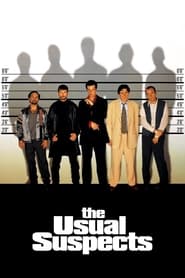
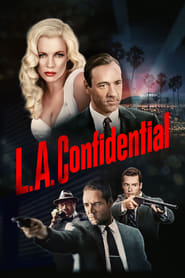

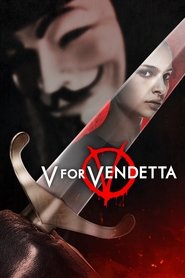
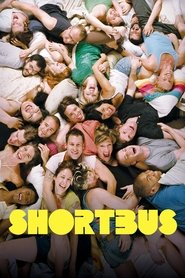
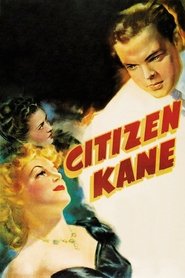
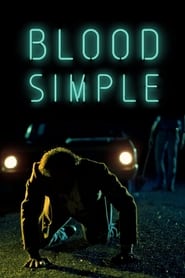
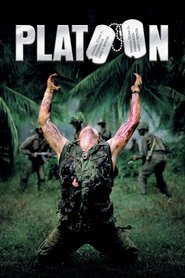
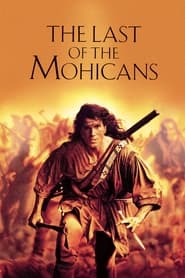


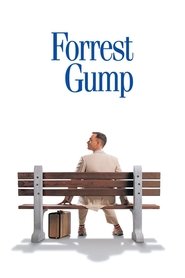
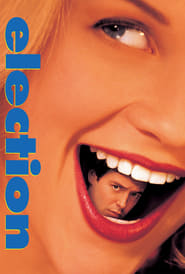
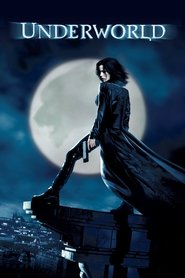

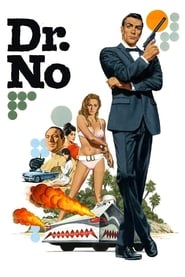
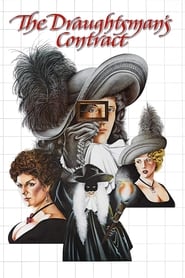
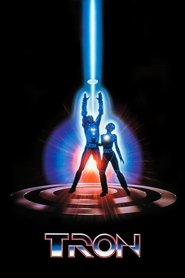
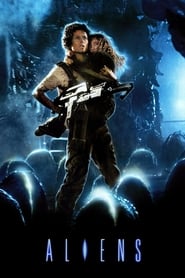
Related topics
Other topics that frequently come up in the same commentaries.