Topics / Writing & development
Adaptation & source material
141 commentaries in the archive discuss this, with 1,321 total mentions and 72 sampled passages on this page.
Filter commentaries
Filter this topic by the film's decade or the type of commentary.
By decade
Across the archive
ranked by mentions · click any passage for the moment in the transcript
-
-
Eleanor Bergstein
and now we're going to see it right now, this set of shots. This, as you will see, is a sequence built from our Dirty Dancers, from our people who we took from place to place, who play chambermaids, who are always there, who play pool boys. We see them every place, so they become people we're used to. That's Heather, that's Amar. And so this opening sequence of what she sees is actually, that's Dorian and Amar, who I love, is based on those people.
14:53 · jump to transcript →
-
Eleanor Bergstein
ice so that in the morning I wouldn't have red eyes and upset everybody and I came out in the morning to meet Emile as I did and the first thing he said to me is your eyes are all red but it's okay I can fix it and we dropped some scenes and he said I'll build a sequence and I didn't know what that meant because I was not experienced in dance shooting the way Emile was and so what we did was is we spent all day shooting our eight couples and we built the sequence based on them
15:52 · jump to transcript →
-
Eleanor Bergstein
why this happened, and that's a scene that we'll be coming up with. And so we wrote a new scene for her, which I think was very important and had not been in the original script. And here is Baby, and this is when they wanted to lose the sweater, which, again, I can understand, though I thought it was a good point. And I think Neal Jones, who plays Billy, does such a good job here. We gave him, I'm afraid, so many expositional lines, I really had to apologize to him. He was always moving the plot forward for scenes that we had to cut.
27:15 · jump to transcript →
-
-
-
And he was right, too. Oh, no, it was perfect. He designed his character. It was interesting, though, because as we were designing the Rippers, I mean, you know, they designed all their look based on the looks of the actors, obviously. So they weren't just, I mean, it was not Teenage Mutant Ninja Turtles where you only couldn't tell the difference and all they had, you know, except for what color they're... Right. Oh, yeah. Yeah.
40:54 · jump to transcript →
-
The awesomely famous, amazing Adam Shankman, who directed The New Hairspray, which comes around in my whole world since I produced the original. And he used, the interesting thing about the Liquid Silver dancers is he used two men among the women. And Sharon Stone, who was visiting because she was going out with one of the crew members, came up to me and said...
49:30 · jump to transcript →
-
Yeah. It's huge. It's from one of the parties. I have it in storage somewhere. Wow. So you've got stuff that I haven't seen in 18 years. Catherine, though, showed me, she showed me some of the, I sent over some of the original designs she did for some of the stuff, and stuff that ended up cutting out. I remember that in Liquid Silver she designed this see-through waterbed which had breasts inside, totally clockwork orange.
1:21:17 · jump to transcript →
-
-
-
Simon West
The original starting point for the story came to me as I was reading a short article in a science magazine about a true life planetary alignment that was due the following year. One of the previous times this had happened was over 4,000 years ago and was such a world-shaking event that the Chinese started their calendar from that day. There was some debate as to whether this new one would cause all manner of natural disasters. This fitted in with my desire for the film to contain ideas of nature still not being tamed, even in our age of technology.
11:10 · jump to transcript →
-
Simon West
This of course is one of the oldest jokes in the book but it always got a great reaction and I did cut it out at one point because I thought it was too cheap a joke but when I put it back in and tried it in front of an audience they liked it so I put it back in because it's just a great old joke about getting caught at an auction buying something. This is Daniel Craig who plays Alex West in the film and he's originally...
18:48 · jump to transcript →
-
Simon West
In the original cut this upcoming scene was very much longer and had a lot of interplay between Powell and his assistant Pimms.
34:06 · jump to transcript →
-
-
-
This is based on... When we first started this, Alex wrote all these images for the beginning, a lot of which were based on Soria Samora's footage from Sierra Leone, and we debated at one point about using the real footage of terrible civil unrest and death and violence, and we decided rightly, I think, that we wouldn't use anything that involved any real deaths, and the footage that is in there...
0:39 · jump to transcript →
-
And we'll be out of there by 7.30 or 8 o'clock in the morning. And they're used to, I think, the bullshit that film people are full of, you know, where actually they end up taking 18 hours to shoot it. But actually we did each day, we kept to our word. This stuff is based on a photograph out of Cambodia after Pol Pot was driven out of Phnom Penh. And there was money all in the streets because it was useless. And there's various kind of...
10:33 · jump to transcript →
-
to make the best of our limited resources always. That's based on a photograph, a famous photograph from Northern Ireland of some people escaping from a bomb blast by just happening to be in the gaps between windows as the bomb goes off inside. This is Canary Wharf tube station on the Docklands Light Railway, which is one of the modern pieces of infrastructure in London.
17:16 · jump to transcript →
-
-
-
I guess we should introduce ourselves, right? Sure. - That seems like a way to start. I'm Jeff Schaffer. - David Mandel. Hi. I'm Alec Berg and this is our commentary. This is actually... If you have the unrated DVD, this is the first of two commentaries. This is a sober commentary. And the second commentary is what we're calling the "Party Along" commentary, which I'm assuming will prove to be considerably sloppier. Which will be more informative is up to you. Here we go. By the way, this excellent title sequence was done by Kyle Cooper and his company Prologue. They did a really great job on this. I think they did the credits to Se7en. That was his, sort of, big... And Panic Room. - Panic Room. He did the Oscars this year. Yeah, really good. So, should we talk about the title? - I suppose we should. First, for all the people who saw the movie in the theaters, thank you. I guess that's our parents. But the original title of this movie was always Ugly Americans. Yeah, we sold the movie as a spec script, and that was the title, Ugly Americans, which I guess we... and I guess everyone we know... thought was a great title. Well, it was like the phrase, you know, the phrase "the ugly American," which is what every American tourist who goes to Europe is called by every European who suffers through every American tourist. But I guess there was some concern that people would think that the movie was either about ugly people or that it was a bad time to be ironic about patriotism and the title wouldn't go over so well. So ultimately it was decided that the movie would be called EuroTrip. And EuroTrip is a fine title, but I guess we always... We always kind of liked Ugly Americans better and... Yeah, I guess we still think of it as Ugly Americans.
0:14 · jump to transcript →
-
We're in the French restaurant. You cannot tell by looking at everybody, but it is over 100 degrees in there. They turned off the air conditioning at this restaurant. No one told them to, but they thought they would help us by turning off the air conditioning. And the kids are just sweating. I mean, you can't even... If a take went wrong, we'd have to stop. You couldn't just keep rolling because they're dripping. And we actually had a guy, this poor English actor that we cast, who was actually really funny, who came in and was so hot and sweating so badly that he just couldn't focus. It's in the deleted scenes. You'll see some very funny scenes with a French waiter and some funny French waiter flashbacks. We just had to cut it, 'cause it wasn't... Featuring Jim Morrison and General Patton. The other thing... It'll come up again later, but them putting the food down leads to the food map joke, which will be coming. I'll tell that story later. It's good to-- We'll earmark it. - A little preview. This is the main Prague train station. And our production... - Again Allan and... Allan and Neno dressed it, so that people actually got off the train, a couple of people, and thought they were in Paris 'cause they saw the signs and they were very weirded out 'cause they had gotten on a train in, like, Hungary somewhere and they thought they were in Paris mistakenly. Michelle being a fantastic sport. The first of many indignities that she was forced to suffer. And Coca-Cola being a great sport. This is what shooting in a train station is about. Another one of these, "We are idiots, we don't know, so we'll set a scene in a train station." If you notice in the background... This is a game Alec likes to play: train, no train. Okay. This is my little game in this scene. Behind him, green train. That train is gone in the next shot. - Okay. No train. But who cares about the train, I mean... Train. - Again, the lesson learned... It's my game, I'll play it. - I know, but look at these backgrounds. No train. - These great, deep backgrounds. We are in a train station in Europe. We are not in Vancouver. No train. Train. - Michelle's scream turn is one that... She's just... - She did it fantastically. Different train. - We caught that attitude a little bit from our own little Seinfeld experience. It's what we like to call a Julia Louis-Dreyfus, Elaine move. The sort of being sweet, screaming and then going back to sweet. And Buffy was a hilarious show. - Can't say enough about Michelle. And I don't know if Michelle always got a chance... You know, she was sort of a supporting character on that show. And on this, she got to really shine with her comedy. Anyway, here's the maps. What I wanted to say is this is a Raiders of the Lost Ark map parody, which is a joke that is about, I don't know, ten years old. It's something we wanted to do a million years ago and again something we saved. There's the Jackie Collins book again. And the headline, "Merde Alors! L'Hooligan! I actually-- I don't know if I even told you guys this, but I was at an Iron Maiden concert about six months ago and I saw a guy wearing that Deep South Monster Truck 1987 shirt. Was that guy you? - Or whatever it is-- Rally '79. No, it wasn't me, but I envied him. Fred Armisen. - As what we... In the script, he's called the Creepy Italian Guy. Not, as some people wrote down in the test screenings, the Train Homo. We actually call him Creepy Italian Guy. And, again, just production-wise, we're shooting on a moving train here, which is yet another of our naive mistakes. - Do not shoot on a moving train. We thought, "Just put them on a train. It'll be easy." Just the most cramped quarters, limited angles. We actually shot this one scene in three different compartments. We had a compartment where we could look one way, a compartment where we could look another way... We pulled out walls so we could shoot different ways. And then we had one compartment where we were shooting in, one that we were shooting out. It was madness. - Plus... Fred, by the way, is just so funny in this. We, last minute... - We also... I'm sorry. I do wanna say that we also then shot it both moving and then did other shots not moving so that we could do the light effects of the tunnel. Which is a poor man's process, because there's no tunnel. This is obviously on a moving train. - 'Cause you can see the window. And then when we do the shots where it goes from light to dark or from dark to light, we pulled the train inside a barn and blacked it all out and then did the lighting effect by hand. So, the Creepy Italian Guy, Fred Armisen from Saturday Night Live... This was another thing where we originally went into this thinking we will find a genuine Italian guy. And, again, we searched the world for a real Italian guy. A lot of Europeans are not funny. They just didn't get the joke. - It's a language problem. They were simply performing the words of the script, but didn't necessarily have any idea what they actually meant. And Fred is someone who's just fantastic on SNL. That little shrug is awesome. So, that shot, for instance, is inside. I think we hired him... - And that's inside. We hired him on a Sunday and he was out there on Tuesday. Yeah. - So, really amazing. And, again, these are all these little touches that he added. I think Travis, who plays Jamie, is fantastic with him. They were a great pair. This was something we never landed on. - I don't think we ever got this right. We had a bunch of different things we shot for this darkness sequence. We had a lot of flashing lights and weird little things of Fred in various stages of undress. - What was going on in the dark. In the end, it was just undercutting... - This end reveal. Which, again... - And, I think, for the unrated version, we put this back. For the theatrical release, we kind of cut right here somewhere. No, exactly. - And then, for this one, we decided to let it roll. - This is something we just enjoyed. It's just that a guy with no pants sees more people and goes in. Actually, that's where we're sitting. That's the compartment where we are sitting with the monitor. To do it all over again, one thing that might've been enjoyable was had we come running out of the compartment. Just, the idea that the man with no pants... This is the very first thing we shot. - First shot ever. It's actually an interesting way to see our cast. The train revealing our cast and us seeing them for the first time. It was a neat experience. - A horrible-looking little train station. The first time we visited it was in winter and just looked awful. And, again, Allan and his guys just came in there... And I think, actually, the manager of the train station asked them to leave everything. Left it all, those flower boxes and the shutters, and just turning it into this beautiful, little French countryside place. That was always a fun shot, where he lays down and jumps back into it. You know, and again, day one, we must've done 30 takes on everything on day one. One of the things about comedy... - We also shot close-ups of everything. Every angle. Everything. - This is more toward the end. This is one of the two days we shot outside of Prague. This is not a great example, because this is more towards the end, but I also think we screwed up here. That's the thing, you look back... - We did it all in one shot. Which I think is the way to do this. We did do it all in one shot, but... One of the things, I think... When I look back at the movie, a lot of our starts of scenes, I find we... Definitely something we were never thinking enough about. So that you're kind of going, "We're going to this beach." And then they're just sort of walking. And maybe had we come off a sign... - That was one of my favorite things. Definitely a fun joke. - Also, it was freezing. You can see Scott... - It's freezing. The gray sky. Wish we'd gone in and maybe colored the sky blue a little more. 'Cause the sun does come out. But just something that maybe... If the camera had moved or something to kind of say "beach," as opposed to that weird stock shot of nothing and then this. And this scene seems to get a lot of people in an uproar. Everyone sort of sees it-- and people... There we are. - Right. This is one of the two days we shot outside of Prague. This is in Rostock, in former East Germany. This was apparently one of Hitler's favorite beach resorts. It's very close to where Wernher von Braun used to develop the V-2 rocket. Wall of cock. - Speaking of V-2 rockets... Everyone seems to laugh at this scene and also go... It is everyone's favorite and least favorite. In all the test screenings we did, it was the most favorite scene and also the least favorite scene. And I think a lot of it had to do with... There were a lot of, like, 18, 19-year-old guys who felt obliged to put it down because they needed to state that they weren't gay. We originally started off shooting it with sort of an idea towards an Austin Powers kind of a thing. You know, you could even see a couple of guys with ridiculously long cameras and stuff trying to cover penises. - Kind of strategically... And once we were there, it just looked dumb and we realized, to some extent... I mean, to us, the only rule is ever: "What's the funniest thing?" And, ultimately, 50 penises was the funniest thing. Everyone goes, "How did you get those guys to take their clothes off?" It's like, "This is Germany. We showed up with a camera. They were already naked." The most surprised people on the set were those 50 naked German guys when they found out they got paid. It was really weird. Like, we'd take a ten-minute break and usually if there's any nudity on an American set, people dive into their robes. These guys were just letting it hang out. If these guys could've taken more clothing off, they would've. We had this amazing German AD that day. Andreas. - Andreas. Who just yelled at them and yelled at their penises. By the way, Michelle, who was very nervous about the bikini scene, couldn't look more beautiful. She was, you know, "The bikini scene, the bikini scene." And it was sort of this big thing in her mind, which... She was nervous about it for no reason 'cause she... But I think also David went out of his way to make her feel comfortable, and also to light her beautifully. Also, again, this was very near the end of the shoot. And I think there was more of a comfort level with the crew, too, and the main camera team. The comfort level was bothered a lot by the fact that Jacob, once he took his pants off for that first naked shot, wouldn't put them back on 'cause he knew it bothered everybody. I think he really enjoyed how nervous he made everyone. And poor Eggby. Poor Eggby had to go up there with the light meter. That guy-- There was a lot of protest, a lot of discussion about the old man yelling, "Chica, chica." Which... For whatever reason, it's one of our favorite things. You get a shot of him. There he is again. "Chica, chica." Which always gets a nice rise out of the crowd. This is the most beautiful shot in the movie. Not shot by us. Shot by... - Gary Wordham. ...Gary Wordham and his unit, his second unit. And it's just absolutely beautiful. And here we are on another train. But, again, we are... Because it's a night shot, we are faking this. It's a poor man's process. Occasional lights moving on the side. Because we could not do a moving train at night. So, we are inside for all of this. SO, this is, like, our fourth version of a train car. And, originally, there was... You'll see in the original script. There was another train in the deleted scene. There was another train scene of them running onto a train. This had happened earlier. It was just too many train scenes and the movie just not moving. That, again, was another one of the lessons we learned. As a writer and then a director, there are lots of things on the page that are really funny, but sometimes, when you're actually then watching the movie, "Why are they still in Paris? Why is it taking so long? Why have they not gotten to the next place?" There were too many train scenes. That one flew out, this one was in. Even if the individual scenes are funny, sometimes the cumulative effect of all these funny things makes it worse. - That's exactly it. This is a joke we created after we had shot what we did. Thanks to our music supervisors extraordinaire, John and Patrick Houlihan, who found this amazing music that was playing under this fantasy. They found this piece of music and said, "What do you think of this?" We thought it was hilarious. We said, "What is it?" And they said, "Well, it's David Hasselhoff." We thought it was so much funnier if you knew that it was David Hasselhoff. So we were like, "Is there a video?" "Yes, there is." And not only is there a video, but this is the video. And it looks something like this. Which is incredible. - That is a real David Hasselhoff video. We're still not sure whether David Hasselhoff knows that his likeness appears in this movie. I think we licensed this... - David Hasselhoff, if you're watching this with Matt Damon, thank you. Thank you both. If the two of you are just hanging out and watching this, you were fantastic. But, yeah, the German company licensed it to us and he may or may not know. And Fred back again. Which makes everybody very happy. When we were cutting the TV spots and stuff, we tried to use this lick. It's one of the things that people felt we couldn't put in television spots. We had a really hard time cutting spots that... Even though it's an R movie, I guess spots for TV need to meet both... They have to be G. - They have to be G. 'Cause trailers need to be G. You can't have anything in the commercial that isn't in the trailer. Plus, you also have to meet network standards. So, we had a really hard time putting things in the commercial. - Showing people what's in the movie. Yeah, telling people this is a good movie. Now we're in Amsterdam. This is interesting... Except we are in Prague. - We're still in Prague. This is... Yeah, it's the Kampa section of Prague. Again, one of these early locations, they found this little canal from the original scouting photos. "My God, we can even do Amsterdam there." This is also-- In Prague, there's a very famous bridge called the Charles Bridge, which is basically right above the kids. There are just hordes and hordes of tourists lined up watching this. Yeah, it was like shooting with bleachers there. This was spring, when it was packed with tourists. And this is an example where on the deleted scenes, originally when they arrive, they go to a youth hostel for a very funny scene that we ended up cutting out because, basically, there was too much Amsterdam. They had an adventure and then they had these separate adventures. It's another one of these tough things, where the scene itself was funny, but its overall effect on the movie was negative. And then actually, oddly, if you go back, originally, Amsterdam was actually very different. Originally, in the script we sold, there was a scene where, instead of going to this sex club... - With Cooper. Instead of going to the sex club with Cooper, there was this whole nother scene. Actually, everything was completely different. The original spec script we sold is on the DVD, so you have to go back and check that out. Definitely worth checking out. - By the way, we should mention her. Lucy Lawless. - Lucy Lawless. Just funny, just hilarious, obviously, and gorgeous. The entire crew was just in love with her. So we shot long on these two days. By the way, when we were shooting on these days, you've never seen more grips and crew members holding lights that used to be held by stands and holding fans that used to be hung. Everyone needed to be in this room at this time for some reason. And she also-- She, being from New Zealand, knew our A camera operator, who we should also mention. - Peter McCaffrey. Peter McCaffrey, who is absolutely fantastic. The whole A camera team, our main guys, were just incredible. Just never a problem, and just really patient and wonderful with us. The brownies. I remember these brownies... Michal, our Czech prop man, would always come in and say, "I've got more brownies for you." He'd show up with these piles of different kinds of brownies from every bakery in Prague. Which, oddly, social decorum dictated that we eat. We didn't want to be rude. So we'd start these meetings looking at all these props with all these brownies and by the end, you had chosen a brownie and also eaten it. You weren't sure which one you actually liked. You were sick to your stomach because of the meeting and how badly it went and also because we'd eaten 50 pounds of Czech brownies. This is the lovely and talented Jana Pallaske who we found in Germany. We did casting in... - London. Here. We started in LA. We did casting in New York. We did casting in Chicago, Vancouver, Atlanta, I believe, Miami, and then we went to London, Munich, Berlin, Prague. We had people in Paris. We had people in Italy. - Rome, Paris. She came out of this, and again, this was another area where things moved around in the script. Originally, this was in London. - In the original script, this was Cooper... This was Cooper in London before they met the hooligans. When Scott and Cooper first got to London, they went to a pub and they met these girls, and this was a Cooper scene. Cooper went out in the alley and was getting blown and got robbed. Which happened to a friend of ours, by the way. And we just decided that there was... - Named Out Cold. There was too much... There was too much stuff going on in London, so we moved it to... You wanted to get to the hooligans. And originally in our script, Jamie was with Scott and Jenny at the brownie bar. While Jacob was at the Anne Frank House. We just decided that they should all split up and have their own stories here. And also, what if Jamie has all their money and all their stuff and he's the one who gets robbed... - It seemed like a good plot point. I mean, it is sort of traditional, but with Jamie playing... I'm sorry, with Travis playing Jamie as sort of the somewhat traditional, you know, stick-in-the-mud, him having a little bit of a sexual escapade as opposed to Cooper, who's more lascivious, it became a funnier scene. It also helped Cooper out because Cooper wants sex and he keeps getting... He gets a version of it in this scene, but not what he wanted. Not quite the version that he wanted. - Not what he was expecting. As opposed to going to London immediately, hooking up with a girl. It oddly felt a little strange that we were going to get him together with Jenny at the end of the movie after he had gotten blown in an alley. Also, he's looking for crazy European sex and he got it right off the boat. That is a crazy outfit. - Yeah, that's the sex superhero. She is the sex superhero. As are these guys. - One of these guys is a Czech policeman. Vilem. Guy on the left. - I can't remember what the other guy does. The other guy is a large Czech clown. They were just sweaty and having a ball. Their names are Hans and Gruber, which is a small inside joke, the name of Alan Rickman's character in Die Hard. Hans Gruber. And this is a very odd scene. Anytime you're not actually seeing our two main actors, a lot of this was done second unit. - Like the shot of his ass, the shot of him with the clamps was second unit. We had a limited amount of time with Lucy. We had two days. - That's second unit, not Jacob's hand. So everything that we had to get done with her and him, we did, and then what was really helpful was we edited it... Not we, our editor edited it. - Roger. Oh, yeah, mention him. The whole editing staff, actually. We had them over in Prague with us for reasons like this. Roger Bondelli and his assistant. Marty Heselov. - Marty Heselov and Davis. Davis Reynolds. And basically, he edited what we shot and it allowed us to go... "We need this, we need that." This is things we're missing which we could instruct the second unit to get, such as guy wheeling in cart, close-up of guy doing the shocking. And it did help having the editor there, which was something originally... The editor was not going to be with us in Prague. Very helpful to have the editor there to be able to look at scenes to know what we wanted to change. That-- We're a little behind. That was Diedrich Bader from The Drew Carey Show, who was hilarious. Really funny in Office Space and in The Drew Carey Show. And flew all the way out to Prague to help us out and did a day of work. He said the last time he was there, he'd actually been here in '89. He'd gotten drunk, climbed up a statue, fallen down and broken his arm, so he was happy to come back. The pot brownie scene-- It's so funny. When you show them in front of an audience, all the sort of younger kids, just the very fact... The mention of Amsterdam got people to go... And then the fact that they're actually doing pot makes them laugh. This, we were writing on the fly. We realized the scene needed something. He needed to say something embarrassing. So he came up with the gay porno stuff. But we tried, like, three or four things. When he was a little kid, he ate dog poo. "They told me it was a candy bar!" - Really high-class stuff. But this guy, who plays the Rasta guy... - Go Go Jean Michel. ...| think we did probably ten takes with him and he got each line right one time and we ended up using it. But he cuts together great. I'm not sure, when we were doing it, I ever actually thought the microphone was picking up a word he said. Yet, oddly, it was there when we got to the edit room. Helder with his walk-off home run right there. "These are not hash branches." Because I think he had been eating hash branches earlier. Yeah, he was not an actor as much as a man who had smoked a lot of pot. And again, ultimately, this was a longer scene. There was more to do about not being able to name the safe word and the monkey was originally brought out and you just start trimming 'cause, again, you're just in Amsterdam too long. We went into this scene... There was another beat where she brought out golf shoes with big spikes and was hitting him in the ass. - We cut that almost immediately. That we cut on the day we never filmed, because we were way over time. And we ended up shooting... - This actually cuts together great. These few moments. It's a huge charge to see this thing. That is a huge charge. - Then to the f#ugelkenhaimler. The flugelkenhaimler. Gotta mention Jeff Jingle real quick. Jeff created that. - Jeff designed and built that and then came over to Prague with it, traveled with it. How he was not arrested and thrown into jail by the customs people, I don't know. - Just did an amazing job on that. There you can see the Charles Bridge. - Yeah, the Charles Bridge is behind him. We lost out. We should be making these Vandersexxx T-shirts. Someone is selling them on eBay, but they're one color. They're wrong. If you're the person who's making them on eBay, just make them the same way. But it's a fun shirt. You can see all the bugs that are flying around there. We did it as a crew shirt, actually. We gave it out to the crew. Well, this is dawn. We shot all night. This is dawn for dawn. No, no. We shot this... This is dusk for dawn? - This is dusk for dawn. This is the first shot. We were shooting nights on the bridge, and that was the first thing we did, because we were shooting that Jamie thing and we ran out of time 'cause It was getting too dark. If you go to your deleted scenes, you will see a scene that sort of happens right about now, which is Jenny... Michelle Trachtenberg-- saying, "Look, boys, I'll take care of it," and she tries to sort of strip to get them to hitchhike on the autobahn, which is impossible. Again, we were out here on this highway way too long. This is the same deserted highway where we shot the bus driving around. Also, it was freezing. - We were here way too long. It was 30 degrees and drizzling. - This was, again, continuing the rule of every time we tried to do a close-up on Michelle, it rained or hailed. She was such a trouper. Cooper's shirt, by the way, says, "I Love Ping-Pong." This phone joke was interesting. We originally had the first one which took place on the bridge in London, and that always got a good laugh. And this one never really gets that good a laugh. But there's a third one later, the comedy rule of threes, that only really works as good as it does because the second one sort of exists. And so we left it in, even though we never loved it. This is Dominic Raacke, who is basically like the Dennis Franz of Germany. He's a big cop show star in Germany. Our casting woman-- What was her name? Risa Kes found him. And actually, there's another... We were talking about the clearance stuff earlier. God, yeah. - We shot about eight takes of this guy and you can see that thing hanging from his rearview mirror. Originally there was a Tweety Bird, a Warner Brothers property, hanging from that thing and we shot about eight takes and we moved on to a different shot and somebody was looking at playback and said, "Is that Tweety?" And we looked at the playback. "We'll never clear that." - And we just decided we'll never clear. So we had to go back and reshoot everything we had done. And the camera guys thought it was so funny that we had screwed up that it became a running joke. They kept the Tweety Bird and they began adding it. Every time we would set up to do a shot, they would roll a little film before we ended up doing the shot and they would put the Tweety Bird in front of the camera, so we have a reel somewhere of that Tweety Bird in every location that we shot. - And it's fantastic. He's wearing a pope hat. He's in the hot tub. We'd love to show it to you, but Tweety doesn't clear, so we can't. So just imagine every shot in the movie with a Tweety in it.
33:13 · jump to transcript →
-
This, by the way, we did not build, we did not dress. I mean, we put some clothes in. There's a little bit we did, but when we showed up, we showed up in winter to scout this location and the trees were all barren and there was dirt and stuff everywhere. Basically looked exactly like this and we said, "This is absolutely perfect." I do think Allan added some of the garbage and some of the cool graffiti. - Yeah, garbage, trees and stuff. But what's funny is our location people didn't quite understand what we were going for, and at one point they cleaned the whole place up. It was like, "No, no, no." They told us, "It's clean." We said, "No, put it back." So they had to spend the money to put all the dirt back. Also, the trees were growing leaves and we had to kill the trees. We basically paid some sort of fee to the government to kill the trees. The dog with the hand we should throw in there. Yeah, that's a highfalutin allusion to Akira Kurosawa's Yojimbo. For those of you who have seen Yojimbo and this movie, all six of you. And there was also another shot that showed the desolation of Eastern Europe. As they're walking, they see the dog. They see the guy bathing. - Horrified. And there was a girl, a little girl who they smile at and wave to who then basically cops a squat and starts peeing, which is in the end credits of the movie, as sort of a little joke, and basically people were just sort of... I don't know. It's one of these things where in the movie... You love it or you hate it. - Yeah. We love it. And apparently more powerful people than us hated it. We wanted it to be in the body of the movie, especially in this unrated cut, and it is not. And I guess we'll just leave it there. I guess we should mention, also, Tibor who you just saw. - Yeah, Rade Šerbedžija. All of our casting in this movie is based on the works of Guy Ritchie, so having cast Vinnie and then needing someone to play Tibor... By the way, that money, $1.83, we actually didn't have... We forgot. - ...61.83 in American money on the day. We had to scrounge up... It ended up being $1.46. I think I had a quarter in my backpack. Just what people had. We didn't have the money. We'd been in Prague for so long. - This, I think, was our second day. Yeah. - No, this was our first day. We shot the train station in the morning. - This was day one. Or at least bits and pieces of it. - And this... This was actually the first thing we ever, ever shot, which we've now added back. - Yeah. Originally, when they're on the side of the road and Michelle is trying to get the cars to stop, Scott mentions that you can't... No one's pulling over 'cause she's showing her bra. - He says, "This is Europe. They have orange juice ads with lesbians and dildos. You gotta give them something they haven't seen before." Then later in Eastern Europe... You see the orange juice ad with lesbians and dildos. And in the theatrical version, we actually cut the orange juice ad completely because it just felt like the joke of the opulent hotel was better if it was just shorter. So we got to this stuff quicker. The guy who just ran out, the waiter, is like... Dustin Hoffman. - ...Jim Carrey. Miroslav Táborský. - He's like the Jim Carrey of Prague, and he's really funny. I'm not sure he ever... He never trusted us. No. We had to explain. He didn't want to slap with the backhand and we had to explain that in America... - We had to lie to him... "In America, it's called a bitch slap, the most degrading thing you can do." - We made up this crazy excuse to get him to do what we wanted to do. He just didn't trust us. Nothing you can do about that. That was something we wanted designed, which was the keyboard in the radioactive box played with gloves. Didn't quite work. - No, I'm not sure anyone cares. But we know it's there. This was a factory... It's a high-voltage testing facility. It's a real, working, high-voltage testing facility. And they have it in the movie XXX, but we shot it very differently. And David really went all out here. I mean, especially those sort of finger lights that you see, he put into the background of every shot and Allan gave a lot of neon. And this is some of the best-looking stuff in the entire film. Michelle does look beautiful. - Michelle looks incredible. Of course, the only problem is this place has a horrible, cavernous echo, and there are things in here we just had to sort of loop. We had no choice. The stuff in that bottle, by the way, is so toxic... Poisonous chemical. ...that when they were dancing with the bottles later and two bottles met and broke, they literally had to clear the floor, scrub it down, decontaminate before we could go again. Anyway, our actors are hovering over the fumes right now. It's fine. Again, look at the lights in the back of all this. That big piece of equipment, that's really there. Michelle's close-up here... That is such a gorgeous shot. - That's incredible. That stupid VIP sign behind him was awful. That was there for all day and we never saw it until too late. Well, you can't, you know... You look at a tiny monitor on the set and you can't see everything that the camera picks up. And then you get in the editing room, you go, "Oh, my God, you can see all that stuff." But also, I don't know if it was us being first-time directors or what. On any given day, there are two or three things you're really obsessing on because you feel that those are the most important things, and you solve those only to realize later that there was one minor thing, like that stupid VIP sign, and there's one of those in every scene where you just go, "What was I thinking?" - Sometimes you're obsessing on something that ultimately turns out to be insanely unimportant, and the massively important thing is sitting right in front of you and you screw it up. - In that scene, we were obsessing on a line when they were flirting. That we ended up just cutting. Yeah, he said he was the black sheep of the family and then she was trying to be witty and she was sort of saying, "That's okay. I have an uncle who 'blank. And we must have done take after take after take. "You think you're the black sheep of the family. My aunt's a female bodybuilder." Just take after take after take of stuff, nothing that was ever used, and it makes the VIP sign all the more, sort of, laughing at us. By the way, the Green Fairy is played by Steve Hytner... So great. - ...who played Bania on Seinfeld. We worked with him also. - A real good friend too. He really did us a huge favor. - Yeah. He was going to a wedding in Italy, I think, and he stopped into Prague on his way to... Here's a little added extra. Yeah, this was just a little something we cooked up. Jacob was really funny doing this. In the theatrical version, we cut it. There's no time for this in the theatrical version, but we felt we'd subject you to it. And he just... He got it, you know, that he was... Again, we're into the production at this point, and his Cooper had become a character. - He was dialed in. Exactly. And here we go. - On the day this happened, Travis comes up to me and says, "I have a cold." I say, "You're not going to tell Michelle you have a cold because your tongue is going to be down her throat." Also on that day, Michelle's mother, sister, and sister's boyfriend... Decided to show up. - ...came to visit. And it was just like, "Oh, God." But ultimately, they went for it. They went for it, and it's all about the tongue. Yeah.
58:03 · jump to transcript →
-
-
-
Noah Baumbach
Let me tell you about my boat. This is something when you first brought the idea of the character and the story to me, this was something you always wanted to include. I remember you said, you know, idea of this character, originally named Steve Cousteau. We later made him Steve Zissou. Oceanographer. He has this show. And then you said, "I want to do this--" Visual. - This visual. So this set, this is sort of inspired by, you know, World Book Encyclopedia, and Time-Life books, and, you know... elementary school books with fold-outs. And so that's kind of where it comes from, but making it in three dimensions. And for me, it was just something that I was inspired by. And it was years and years ago that I was planning to do this. And it was very kind of thrilling to be able to build this set because it was such an unusual one. And so many people-- For us, the movie is about all these characters who we made up, but they relate to people we know and they're characters we really love. We don't really have a lot of bad guys or anything. We just have these people we connect with. And the idea of having them all in there at once in this environment, that sort of encapsulates something about the movie. I think it goes back to what you were saying about your-- That this is also about what you love about making movies, and how you feel, you know, sort of lucky and privileged to be able to do it. And here, you know, in a way, this is like your dream of, "If I could make a movie, I want to do this." I mean, you've had this for so long. - Yes. And we shot it... It was like shooting a play. Explorers Club? - Right. You were on the set. - Yeah. This is-- Yeah, I spilled an entire espresso on my shirt. During the filming of this scene? Yeah. I was so jet-lagged. I was listening with a headset and it somehow disconnected from the headphones, the little mic part, and it knocked the espresso out of my hand and all over my shirt. Yes. You know, I always like paintings. - You do have a lot of paintings in your movies. - Yeah. And those tell about the character of his mentor, Lord Mandrake, and then we have Zissou, and then we have... And this story was actually based on something a friend of ours had been talking loudly in L.A... Chris Eigeman. Chris Eigeman had been talking loudly at an Indian restaurant in L.A. He thought that there was somebody who looked like a famous action hero, and he was talking very loudly about what happened to this guy, and it turned out to actually be the guy, and Chris was humiliated. And we lifted it wholesale and dropped it right into the film. And at one point you were going to have Chris play the guy until then you decided to make him Italian. It seemed nice to be able to put it all in subtitles. The Explorers Club is also-- This place is inspired by a club in New York who actually let us use their flag, which you can see in the background. And it's the Explorers Club on 70th Street, a block away from where I used to live.
14:59 · jump to transcript →
-
Noah Baumbach
Okay, now we'd like to talk a little bit about how Noah and I came to write this movie together. I'd written my previous films working with Owen Wilson, but he was working more as an actor and less and less available. And then how was it that we came to work together on this project? Well, I guess I had shown you a draft of a script I'd written called The Squid and the Whale. I'd shown you a very early draft of it when you were just about to do Tenenbaums. And you gave me Tenenbaums, and I gave you Squid and the Whale. And you were... It was based on a lot of stuff from my real life that you had heard me sort of tell as stories, and you were very encouraging and, you know, offered to become sort of more officially involved as a producer, and sort of help me shape the script and get it made. And I think, you know, working here in Bar Pitti, we sort of discovered we really liked working together. Yeah, the other thing was we had a movie that we sort of started spontaneously inventing together, which we haven't even written. We've just kept it as notes for the moment. But it happened so naturally that I then asked you to work with me on the script for this, and then we began to meet and work on it each day. Yeah, and then, you know, I think what was nice about it is it was... You know, it really came very much out of our social interaction, which is probably why we work in a restaurant. It's a way to kind of pretend we're still just socializing, but call it work. - Right. And it makes it-- It makes it-- Then it makes it fun to-- You know, then we're gonna entertain each other as we're doing this. Right. - And we also feel inspired. It's a really hard thing to come up with a writing partner. I've only had one other writing partner, and that was like, you know, very kind of formative experience for me, for Owen and I to work together. - You grew up together. We grew up together, we learned to be writers together. That's also part of why, even though Owen's not working on the script with us in this, it's very important to me that he's in the movie because... Yeah, we always knew he was gonna be part of it, so he was always a presence. - Yeah, yeah.
49:52 · jump to transcript →
-
Noah Baumbach
We had-- This was actually something we did a little research on was sort of the more modern-day pirate situation, sort of inspired at least the sort of design of these pirates and the vibe that we get from these pirates. Yeah, I know we talked about the pirates being kind of-- Trying to make them feel like documentary style and that the movie would suddenly snap into kind of a William Friedkin-type of very real, very energetic. In the end, however, the pirates arrive while a guy's playing a David Bowie song on the deck of the ship, and Bill's sitting here in a blue-tiled-- There's so many things to undermine it, and it ends up being some-- And also, by the way, my idea of what the pirates would look like is not reflected in the film. This is what we kind of-- This was trying to do, but somehow it ends up being much-- They end up being funny and... We cast people who we had in Rome. They're not real pirates. They're-- And they brought-- You know, there's more about these-- You know, they brought themselves to it and the feeling on the set. And it ends up, I think, being different from what I envisioned and being more like the rest of the movie. I don't know. I think it affects different people in different ways. You're talking about... the editing style of the movie. I was thinking about it there with the quick cuts as the pirates come rushing in. Sort of... Another thing I've sort of thought about, which I didn't mention, is like when he opens the correspondence stock, and then suddenly we just cut right to the-- You know, rather than take the time to show him opening the-- Yeah. - You know, and-- You know, but at the same time, you like to do a lot of long takes and a lot of, you know, let the actors really kind of behave in scenes, and I think it's a-- We've talked about sort of a French New Wave style of editing... Yeah. - ...that we respond to, sort of, you know, just getting the boring parts out of the way, but taking time with the stuff you think needs to take time. And I feel for some people-- A movie like this, for a lot of people, I think it plays as deliberately paced. And then for other people, it seems like breakneck. But I think for a larger number of people, it's slow. But, you know, it's just sort of-- Now, here's something we do here. We go to a very... Very cool timing, in blue, for this section of the film. During this pirate attack thing here. And then it comes back to the warm, because most of the movie's time, very warm, very yellow, a lot of red. And... And in the end, I think the way the movie looks, it's also very saturated colors. The way most of the movie looks is sort of inspired by the way the Ektachrome stuff looks, which was not the original idea. It's just sort of what felt right as we went along. Although this sequence, to me, looks more like... Like Bud Cort looks like the way the photographs look, the way they're printed on the front page of The New York Times. - Right. The way that has some documentary kind of feeling. Yeah, there is that Friedkin feeling of sort of '70s color, or at least '70s color as we now experience it on television. Yeah. These things are filtered through things like that... I like how Bud does the Portuguese. Yes, Bud studied very carefully how to get his dialogue in Tagalog, I think, it's Filipino. He'd originally learned it in Indonesian, but then he had to switch. And he had it very precisely figured out, although we also had his Filipino translator on the set with us, who Bud ruled over and... ...is his sidekick.
59:21 · jump to transcript →
-
-
-
We always had in mind, uh... we are huge fans of submarine films. You know these films where everybody is locked in a very small, tiny place? And we love the idea to start a film doing something... trying to keep the detail of everything. People is... Watching, it's very interesting watching. Where are these people? This scene wasn't in the original script by Rowan Joffe. It's a very strange sequence about surviving. Critics and audience love these scenes. We also love these scenes. In the process of writing, we always thought that was... We wanted to make the film... all the film about this scene. And, uh... it was really a real challenge to... to make the rest of the film better than this. It was, from the very beginning, a real challenge. Especially because, I think, in this moment, we build the movie from probably, to me, the heart of the story which is the family. And how this family, how this husband and wife, are talking naturally about their children, and then we, as we see, we introduce other characters in this house. The story begins with them talking about their children and then we see how now they are not alone, they are living with more people in the house. And these characters now are introduced step by step. We are adding these elements of weirdness and strangeness. We think, at the very beginning, that this couple is alone, then we are introducing all the characters around the table. It's very... We love, Juan Carlos and l, we love, particularly, Luis Buñuel and his sense of humour and surrealism. Obviously, that wasn't about that, but we tried to bring to the horror movie some kind of weirdness in this moment. For example, in the moment when Shahid is reading the newspaper, it would be very, very easy to put a close shot of the windows locked. We prefer the audience notice this naturally, instead of working with them in this... in the sense of trying to give them the elements directly. Especially in this sequence, we can feel somebody who is not in the cottage - the boyfriend of Karen. And then through this conflict about if he's coming or not to the cottage, we see how now somebody is knocking at the door, it's a kid, and then we realise that there is something, something in the exterior, which is a kind of menace.
1:38 · jump to transcript →
-
In this part of the movie, we see London devastated and how now militaries are in control of the city. We introduce the character of Doyle, the sniper. In a way, I think that this beginning with the city, in terms of how we presented the city, we Start from the air with an aerial shot and then we landed on the rooftops with these snipers. And then, later on, we're going to see the city from the ground. This is a kind of trip from the air to the ground to see the effects of the infection, and how now the militaries are trying to rebuild and repopulate the area. This stuff with the militaries talking is inspired from the reality, because we made fantastic research with Alex, Alex Garland, about how soldiers speak in these situations and how the process... how the rebuilding process is absolutely based on real stuff. Yeah. It was really important to imply everything from reality, to move... forward in a situation that never happened, but has something in common with all the situations that happen in wars. In these shots of the airport, I think the work of Sean Mathiesen, the visual effects supervisor, is fantastic because we don't see anything in this airport. Everything is removed from the original shots because, in those shots, the airport was very busy with a lot of planes. And then in these shots, we see how now there is nothing in this airport. In this movie, it is particularly clear that the special effects is something crucial to get this feeling, to get this flavour of the emptiness of London. Yeah, the work of Sean Mathiesen is really notorious in this film. It's probably more difficult to remove than to add, and Sean made a fantastic work in these two ways, in these two senses. Most of the military presence is added visually by Sean and his crew.
12:25 · jump to transcript →
-
And this one was the original idea to show the iconic London through the eyes of the kids in this travel. I think it was important to find the right locations to show this abandoned London, but always from the point of view of the kids, which is a more character-driven style, which is something that we love. And, on the other hand, we can see this fantastic city which is London in an unnatural way. I mean without life, without anybody, which is, I think, one of the big images of this movie. Yeah, Tower of London is always dreamy, no? It reminds us of Peter Pan... Charles Dickens. This cemetery here is absolutely amazing.
32:12 · jump to transcript →
-
-
director · 1h 26m 5 mentions
Underworld Rise of the Lycans (2009)
Patrick Tatopoulos, Len Wiseman, James McQuaide, Richard Wright + 1
-
My name is Patrick Tatopoulos. I'm the director, this one. And I have something to do with the two other ones as well. Hi, Richard Wright, producer of all three. Gary Lucchesi, producer of all three. James McQuaide, VFX supervisor of all three... ...and executive producer of all three. See, we don't stray far from the family. We like to keep this in-house. - That's right. This is the first time you're gonna see a Sketch Films logo. I just want you to know that. - Won't be the last. My family and friends all cheered in the premiere at that. Viktor increased his army, creating... So, Patrick, do you remember the original concept... ... for how far we were gonna start, how far back we were gonna go? We were gonna go to the beginning of the story. I mean, the plague, with Corvinus and everything. But the thing is, we had a plan to actually shoot... ...some little elements of that and get to the little sequence at the beginning. So we'd see actually part of the plague... ...part of the first bite, you know, William. And, yeah, ultimately, we had to concentrate this... ...on something a little tighter, and that's what we got. You know, just ran out of money. And you know, when I first saw that baby right there... ...when I saw the dailies, I thought it was animatronic. When it was next to the werewolf. - It is. Actually, we were watching and... Real werewolf, though. - Yeah. I thought there's no way they're putting a real baby... ...next to a terrifying creature. What price stardom?
0:20 · jump to transcript →
-
Now, there's a very Underworld prop. Yeah, it shows up all over the place. - You know, this was something that.... There's many things to.... Actually, that I can actually address now. I'm hearing questions that are asked, and I don't really get to answer them. The.... The Sonja back-story... You know, Sonja was always the one that.... Well, Selene reminded Viktor of his daughter... ...and there was a similarity between them. And when we actually shot the death scene of Sonja... ... ln Underworld 1, we actually... People talking about, "Why is she blond?" "And now you've got Rhona Mitra, and she's got dark hair." "And couldn't the filmmakers just go back and watch the first film?" Of course we watched the first film. And it really just came down to a budget in the first one. And, Richard, you'd probably remember... ... that we literally, we had... We were given the okay to actually shoot that. One day. We got one day. - That back-story. One day, and no money, and one actress... ... that even remotely had an interesting look, but had blond hair. And at the time... Then we had, like, a day to find her too. And it bugged me at the time, I'm thinking: But it's supposed to be Sonja who reminded... Viktor. - Viktor. And so she has to have dark hair. And we asked the actress to dye her hair... ...she wanted more money. It was one of those things that you just think... And it just couldn't happen. We literally did not have the money to pay to dye her hair... ...and then have it coloured back again. And we didn't have time to build a wig that looked appropriate in one day. And so there we have it. And Sonja was more of a blond girl. And so that's.... I would actually now love to, in some version... ...take the death scene that we have now... ...and put it in Underworld 7. Funny you should say that. That's what I was doing all day today. - What do you mean? Recutting the genetic memories using footage from 3... For fun? - Yeah. For who? For a future... Exactly, just to have it in the bank. Cool. - Yeah. You know, there's a.... You know, I'd love to see this whole series all put together... ...because I think, unlike a lot of series... ... this actually does tie in fairly well, hopefully, to the other films... ...and actually arrange them in a proper timeline. With this one first. - Yeah, it really does. And therefore, kind of swap out... And also, just money-wise, we didn't have the ability... ...to do the kind of set and setting for her death scene in the original one. We had to revamp the crypt, which I never think really sold... There was an interesting thing when I watched it again... ...While we're doing this one, that there was actually Lycans... ...people standing around the room. Yeah. It was interesting. Actually, when you first talked to me about directing this one... ...I was thinking she was gonna be blond... ...because of that, because you had established that. I was not thinking. When I was starting to think about casting... ... I was like, "Oh, so she's Eastern European blond. That's what she's gonna be." - No, not at all. I was actually.... I was amazed at how many people actually, for a scene... ...that shows up for, you know, maybe 30 seconds... ...1n the original film, how much everybody really remembered... ... that she had, you know, blond hair, and.... I guess of course they're going to. For me, it's just... To do an entire film where the whole basis... ...of Viktor saving Selene is that there was such a parallel... ...to his own daughter that she had to be dark hair.
36:47 · jump to transcript →
-
Well, one of the things that makes Underworld so unique... ...1S that it's based on original material. There haven't been that many movies in the last few years... ...that have had two sequels to the original product... ... that weren't based on books or adapted material, you know. This isn't The Lord of the Rings. This is something that Len and, you know, Kevin Grevioux... ... sort of created out of their brains. And Len always had this great desire to make three movies... ...and son of a gun, we were able to. I love this wall. Today, I still get people, you know, say, "I don't get it. How did you go from being a prop guy doing, like, set dressing... ...to somebody handing you a comic book to direct? Like giving you the rights to a book, or giving you rights to a comic book." And I think a lot people just assume that it is developed... ...Off of a comic book already and it was already existing material. I think in fact the only reason I was able to direct it... ...1S because I had written it. Otherwise, I would not be here at all. - Yeah. lt would've gone to some other guy. We all had a good feeling about Len Wiseman when we first met him. I don't know what it was. I think it had a lot to do with your personality and your character. Well, being able to draw certainly helps too. You could show people what it is you wanna do. You'll find out soon enough.
40:45 · jump to transcript →
-
-
-
It's not about perfection. It's about feeling that moment and feeling like you're in there with someone and real. It doesn't matter technically if the stuff's not perfect. It's just there was only one moment when someone captured it and that's what makes it special. Whereas with fiction, often people get obsessed with everything looking and sounding perfect. But it doesn't emotionally engage in a certain way. I love this performance, but I know when we were grading it, the grader, Paul Lensby, wasn't happy with the colour because it was just crazy. The original footage looked a crazy colour, but I love the performance.
15:46 · jump to transcript →
-
Brits I think in 2004 even though she hadn't won so her face had been out there and she'd been mouthy enough in the press to kind of make a few enemies and to kind of attract a bit of attention to herself so yeah she was just snapped but they didn't know anything about Blake or what was going on but I always thought that was a very nice sequence to understand the depth of their relationship that they had a genuine bond and it was a bond based on a sort of mutual sense of loss and damage but it was a real one anyway and it wasn't
34:56 · jump to transcript →
-
wrote the events as they happened down and turned it into a song, and it became her biggest hit. But it was all based on truth and fact, and it's almost reportage. She turned into a seven-year-old child,
40:19 · jump to transcript →
-
-
director · 2h 43m 5 mentions
Mission Impossible Dead Reckoning Part One (2023)
Christopher McQuarrie, Eddie Hamilton
-
was done in the air in Abu Dhabi. So everything you're looking at is, that's all practical. This is like one of the best speeches. It's a classic Macquarie speech. You know, do not consider him secure until you have driven a wooden stake through his open heart. And Shea Whigham delivered it. Oh, it's so good. And here's our introduction to Benji, Simon Pegg, which we did try a version of this scene where we started with Ethan literally holding the key up and getting straight. So what's the play? So what's the play? And it dramatically affected...
29:53 · jump to transcript →
-
was actually not in the original assembly of the film. That was added later. Correct. It was another line. There were a couple of moments in the scene that were off-putting. How I had written Simon, they were lines that were humorous, but they had a negative connotation. Yes. And it was very interesting, the balance of humor, and something I see in a lot of movies, is humor presented in a...
42:38 · jump to transcript →
-
that the actors, that the characters were making it about them and not the mission. Yeah, and the audience is going, the key. Yeah, exactly. You could only spend so much time there before you felt yourself losing the audience. This was a reshoot for Geography. Yeah, we had to explain that. The original was so great, I didn't want to reshoot it. And then we reshot it, and it was so much better. I continually ribbed Tom and said, thank God I had the idea to reshoot this.
2:14:52 · jump to transcript →
-
-
-
Tim Burton
Hello, everybody. I'm Tim Burton, the director of Beetlejuice Beetlejuice. There was a lot of talk about what to call Beetlejuice, and one idea was Beetlejuice Rises Again. That was based on Dr. Phibes Rises Again. And then I thought of Beetlejuice A.D., which is a reference to Dracula 72 A.D., which I love, which is in there a little bit. But then so the thought of just Beetlejuice Beetlejuice sounded just sort of mirror-like and simple. So I thought,
0:21 · jump to transcript →
-
Tim Burton
in stop motion on and off over the years. It's a format I always love. So anytime, you know, if it makes sense to do it in stop motion, that's what we do. So it just felt like that that was the right way to go. And, you know, like I said, going back into the original, where the effects are a bit more handmade, including the stop motion, it's just, again, part of the DNA of the project. So...
9:10 · jump to transcript →
-
Tim Burton
I know I usually find it funny and only fair after the way she treated me when she was your age. The sculptures were a lot based on the ones that we had in the first one. So those were Delia's original sculptures, which were designed by, I don't know what ever happened, a friend of mine, Ed Nunnery, who designed these sculptures, and I designed a couple. So we kind of coexisted that, but those were based on her early work. I can't believe Grandpa is dead.
16:07 · jump to transcript →
-
-
-
Dr. Gerd Naumann
In my opinion, this is based on a biography.
8:01 · jump to transcript →
-
Robert Sommer
I mean, there are films, which are based on books and screenplays.
47:34 · jump to transcript →
-
Dr. Gerd Naumann
In my opinion, it would be enough to let the original Sophie Scholl come to the fore in words and pictures, with original quotes.
1:05:04 · jump to transcript →
-
-
-
Nick Pinkerton
It's based on an essay by Tom Wolfe, originally published in 1965 in Esquire magazine. Earlier, when Clint tells him, Lightfoot, that he's got the makings of a great race car driver, you might even say there's a bit of a nudge nudge there. At any rate, he looks pretty good taking the curves here.
26:40 · jump to transcript →
-
Nick Pinkerton
homage, Douglas Sirk's 1955 film Captain Lightfoot, an adventure movie concerning early 19th century highwaymen in the foothills near Dublin, Ireland, starring Rock Hudson as Michael Martin, a.k.a. Lightfoot, and Jeff Morrow as John Doherty, same name as the Eastwood character here, a.k.a. Captain Thunderbolt. The source material was a book by W.R. Burnett, though Martin lore had a real historical basis. Michael Martin
41:12 · jump to transcript →
-
Nick Pinkerton
is merged with a tearful tribute to lost innocence and youth. The three older men live in the shadow of the past of meaningful actions, the Korean War, the first Montana armored job, which occurred years ago. Thunderbolt tells Lightfoot he appeared 10 years too late. The second Montana armored robbery is a pale copy of the first one. Two of the original gang members have been killed.
1:24:50 · jump to transcript →
-
-
-
If you pay attention, you notice that the film gives this shot a lot of time. Normally you would cut away from this much sooner. Especially nowadays. Especially nowadays. But even back then it was unusual. I always thought that it had to grow out of the music and a certain type of gloominess. This is also the point where the movie changes. One could say this is the mountain pass. A very popular image. - Yes. This is at the height of the mountain pass, the Bârgau Pass. I think now we will hear Wagner. This will continue for a long time, and the way we use time is extraordinary. The passing of time is very atypical here. Our sense of time is rearticulated. This is important for the movie. It is very difficult for me to express why that is the case. But nevertheless, this is a crucial moment. This is the tipping point of the movie, and we enter a new sphere. The land of dreams and the castle. Somewhere completely different. This is one of the very long shots. A question about the historical context. When did Stoker write the novel? Shortly before the turn of the century... To the 20th century? Yes, sorry, to the 20th century. What is also important is that in his book Bram Stoker often wrote about technical progress. Telephones, the first records... No, not records, but they used cylinders to record messages and send telegrams. He anticipated an era of communication. This is Wagner. When did Wagner write this piece? 1790? No, no, that was approximately in 1860. Yes, of course.
22:34 · jump to transcript →
-
This only works because it was done with extreme focus and calmness. Did the audience react differently in different countries? Yes, that is always the case. The DVD we are watching was released in the U.S. three years ago, and it was a huge success. I think 300,000 were sold within a few weeks. It was a surprise that a foreign film which usually doesn't stand a chance in the U.S. was suddenly accepted by the audience, by very young people, too. That was a huge surprise for me. Now we see... Wonderful. - This is the clock. All of this is a mechanism built by Cornelius Siegel. What you hear is the original sound. Now a Grim Reaper comes out, moves the scythe, and disappears again. Well, you can't really see how he moves the scythe. On the right hangs a live bat. The movie was shown in relatively large theaters on big screens? This is a large format, correct? I have to interrupt. This is a vampire movie without blood. This is the only drop of blood in the entire movie. The vampire can't take it. Now you have to watch what Kinski does, how he approaches him. He wants to drink the blood but manages to control himself. Here comes his outburst.
30:03 · jump to transcript →
-
Here the foreshadowing, of course. Everybody knows what will happen and where he has to go next. I think... - Many people laugh at this point. What I find interesting is the connection between Mephisto/Faust that also plays some role in a strange way. Not for me. I ask myself how the kids in the U.S. saw this when it was re-released there three years ago. They laughed during this scene. They recognized the genre and the rules it follows which makes them laugh. We were so successful with this movie that we won out over the two week number one, "Armageddon". We actually made it to the number one in the U.S. charts. That never happened to me again, and to this day, I can hardly believe it. It doesn't surprise me because in contrary to the setting, this is a serious attempt at authenticity... It is based on culture. Yes, and it is also more full of life, if you like, than many things that were produced during that time. This movie was made in 1978. At that point, the German and the European cinema in general was still reminiscent of 1968. They wanted to make message movies. I stuck out like a sore thumb. This was different. Surprisingly, in hindsight, that's recognized today. Did the kids get this Bresson-like pace? I hardly know Bresson. So I don't know whether this is a Bresson-like pace. I believe in this specific movie, it results from a necessary type of storytelling. D'accord, yes.
43:01 · jump to transcript →
-
-
-
It was a surprise, and so we at Embassy... You want copy? Yes, all 15. Everybody you see in the newsroom now was carefully cast. Dissolve to the rifle. Now, should I... Just a two-second dissolve! During the research, I was at the NBC station, and I actually saw somebody run, and I said, thank God, they're still running against deadline. And that's what this was based on. ...well's enduring portrait.
22:10 · jump to transcript →
-
And, you know, we're friends, and we're just thinking about how we're going. By the way, I mean, okay, this is a comic genius of sorts, but look at the actor he is. So this amazing thing happened. I think Sean Connery was picked as the sexiest man of the year by People magazine that year. And in the article, he referred in sort of a positive way to occasionally hitting a woman.
56:11 · jump to transcript →
-
It's a pleasure to read, really. There's water on the set in case I get an attack of cottonmouth. Yeah, sure. You'll be fine. It's really important for me to use all the research, so a lot of the background conversations you hear is sort of based on an enormous time at research. Best severance pay in the business. He was lecturing me. Finally, I just said, I'm sorry. I refuse to look at it as a negative. I'm young, and my news appeals to people my age. And it isn't as if he just didn't hire a 26-year-old producer himself.
1:21:29 · jump to transcript →
-
-
-
John McTiernan
This joke, is Shane's joke. It's entirely Shane's joke. Shane didn't write in an official way but he wrote in an unofficial way like the joke, the pussy joke. He was just there, and he would come up with stuff. Now, the heat vision here, when we first did the heat vision, they had a real heat vision. From the folks in New York City that did the effects stuff. And it was this enormous thing with the umbilical that was six-inches thick and it would, could only get maybe four-feet from the truck. And it really would see someone based on temperature. But there was this little tiny problem, which was the ambient temperature in Mexico was in the 90s. Consequently... People were the same temperatures as the background and they were perfectly camouflaged. So in order to deal with that, the splendid folks in the special effects field said, "Well, it's no problem. "We will put ice water on the jungle. "And we will have the actors stand next to a fire just before their, "the shot," So, they literally were doing that, and they spent about, I don't know, a week getting one shot, maybe two shots. It was just a nightmare, it cost a... Every shot cost a fortune. So, finally, I went off to a video special effects house. They did commercials and things. And I sat down for about three hours, we had to do this in secret. One of the studio...
32:42 · jump to transcript →
-
John McTiernan
We knew we had to rework things the moment the original predator came out of the box. It was clearly ridiculous.
1:16:17 · jump to transcript →
-
John McTiernan
Now this sequence was not in the original script.
1:21:53 · jump to transcript →
-
-
-
He's very complimentary about this movie and about Chuck Farr. And he said that actually all of these guys were based on real guys initially, were inspired by real guys that Chuck Farr knew. And he actually got to meet them and hang out with them at least one night. But something that happened with all the guys in this movie is they were hanging out with Navy SEALs all the time. So whether it was those original guys
14:27 · jump to transcript →
-
That is not the last Carlitos Way reference you'll hear in this commentary, by the way. The original, I mean, you're going to hear more about Fly Robin Fly here than you ever wanted to know, but the original working title of the song I find interesting was Run Rabbit Run. I don't know if that was some kind of John Updike reference or what, but they changed it. Anyway, in the 80s, Sylvester LaVey moved from Europe to Hollywood to focus on film composing.
28:05 · jump to transcript →
-
And one day when they needed an extra body one day, he jumped in and did a stunt. And then he just kept on doing it after that. He did stunts on some great cult movies in the 70s, like Race with the Devil and Hollywood Man. And he was the stunt coordinator on the original Town that Dreaded Sundown, which he also played the killer in. Oh, wow. Some of his major credits... He's the guy with the sack on his head? He's the guy with the sack on his head in Town that Dreaded Sundown. And...
1:29:24 · jump to transcript →
-
-
-
Paul M. Sammon
Now watch the film. You never actually see him get in or out of a car. He's always halfway through. The reason why, it was too complicated. Here comes the RoboGun, which was based on a Beretta. I think it's an A93R. And what was interesting about it was it had a three shot capability and a one shot capability. Now RoboVision here, when you see those lines,
7:21 · jump to transcript →
-
Paul M. Sammon
It went through various changes in the original scripts. Let me give you quickly an idea of what happened with the evolution of Robo. As I said earlier, it started with Paul Verhoeven, Michael Miner, Ed Neumeier. Orion was in trouble. It wanted to film out quickly. They didn't feel that Neumeier and Paul Verhoeven were working quickly enough. So Neumeier and Miner bailed to do the project. And then there was a writer's strike.
38:23 · jump to transcript →
-
Paul M. Sammon
And then they digitized that and put it into a computer and then started to manipulate it. And that was one of the very first what we would now call motion capture type of moments in cinema. And it really was cutting edge. The cartoonish look, by the way, was intentional with all the different colored lights. And incidentally, in the original script of RoboCop 2, there was a character very similar to Dr. Fax called Love.
1:17:15 · jump to transcript →
-
-
-
Tom Tykwer
Kieślowski and his co-writing partner Krzysztof Piesiewicz. Both of them had written an amazing body of work before that. The famous series called Dekalog, based on the Ten Commandments. The trilogy of three colors, blue, white and red. And among others, a film called The Double Life of Véronique.
1:34 · jump to transcript →
-
Tom Tykwer
to say no. Well, I'm really curious to read this, but I'm definitely not the director, the right director for this project because I don't want to mess up the testimony of one of Europe's most amazing filmmaking heroes or legends. So having gotten rid of that pressure, I opened the book and I started to read it.
3:03 · jump to transcript →
-
Tom Tykwer
And actually the book, the screenplay started with the scene we're right now seeing. The very first page opened with this woman who looks pretty tense and obviously creates something that we very easily identify as a bomb. There is an atmosphere of danger and also of despair, but more an aggressive tension in the room that immediately
3:32 · jump to transcript →
-
-
director · 1h 34m 4 mentions
Scott Stewart, Jason Blum, Brian Kavanaugh-Jones, Peter Gvozdas
-
You know, we both really responded to it. I think we were shooting it within, like, what, six months or nine months after that? It was pretty fast. Yeah, I mean, I ended up, you know, we had discussed the concept. I went off and, you know, initially we discussed it as a found footage movie, actually. And, you know, I had developed a treatment based on the found footage idea that, you know, but then at the time, you guys were just about to release Insidious and had a good feeling that the film was going to work and a feeling that...
1:23 · jump to transcript →
-
This was an idea, you know, I'd originally written it that he would walk through the hallway and put this to the wall, and J.K. wanted to. He had made the choice to stand up on that box and pin it to the top. And as soon as I saw it, I just thought, oh, no, no, we should just, it was just such a nice cut to go from scissors to him, you know? And then this is an ending, a second ending that we shot, and you'll see the original ending.
1:29:38 · jump to transcript →
-
probably things haven't gone well financially. But here they are, and she's having this moment of reflection. And this aspect, where she finds the drawings, was the original ending of the movie. But we wanted to continue things just a little bit more than what we did before. And there was a lot of discussion about it. And one day, Pete walked into the cutting room and said. And said? I said, I just spoke to my wife, Olivia, and she had this
1:31:07 · jump to transcript →
-
-
-
Yes, quite, quite, absolutely. Oh, yes, I can see that. And so I'm bluffing my way through. But it was probably the best decision based on absolutely nothing other than a man's previous work that I've probably ever made. It's a wonderful experience. I'm very, very proud of that film.
6:18 · jump to transcript →
-
juvenile to say that, but people do confuse the idea because it's a drama. They have similarities. In fact, they have emotionally completely different effects, basically, because the theater is a state where you have a fixed audience, and the artist and the play is unfolding in front of his fixed audience, and in the cinema, it's a movable audience. You rush the audience outside.
2:04:32 · jump to transcript →
-
I think Paul and I were working on something else at the time when I read the book, and it wasn't as though reading a book and thinking, oh, this is a great job. It touched off, and it seemed to me a great shell for thoughts or attitudes that I held at the time towards so many aspects of life in this film about being, as I say, not necessarily only science fiction, but he's a man away from his family. I mean, there are many things that...
2:05:31 · jump to transcript →
-
-
-
John Mackenzie
Incidentally, talking about the gangster, one of the other great reasons, main reason why I wanted to make this film was that central character. The way it was written, the way it was eventually played was magnificent by Bob Hoskins, and he was the one person I always saw should play the part. But it was the way that character was constructed was the great central bit of the original script. Although we changed many, many things, but that was the core.
3:03 · jump to transcript →
-
John Mackenzie
brought out more than was in the original script. The original script, the IRA were there, but they were sort of in the background.
1:19:18 · jump to transcript →
-
John Mackenzie
Here we are back in Canary Wharf without the skyscraper, just with our little boat. At this point in the original script, there was a very short scene between Bob and Jeff on the boat where he got the information out of Jeff very quickly. And they went to try and search for an IRA guy who had been a contact. This was all written out. And then proceeded with a car chase, the inevitable car chase, which is in every film at that time.
1:26:02 · jump to transcript →
-
-
-
How many times did you have to recut the film to get it down to an hour? Like about five or six times? Yeah, and then it was taken away finally and cut by the projectionist and the company lawyer, as far as I remember. It looked like it, too. So this is the original? This is the original. This is your cut. Gosh, that lighting is good. I'd forgotten how good it was.
14:16 · jump to transcript →
-
The original script, I remember they try to get it on here, and it doesn't work. She just can't bring herself to do it. And then they split up, and they come back, and then the next time they try it. But Ken felt, and I think correctly, that this is where they needed... He just felt instinctively that this is where they...
1:30:43 · jump to transcript →
-
his attitude and his action. Closing the book on the past. Ah, and about to have the final confrontation where these characters rip their souls wide open
1:40:14 · jump to transcript →
-
-
-
was also done in the demo version of the movie, and the girl with the book in the demo was Nina Blackwood, one of the first MTV VJs, who still lists that scene on her resume. Yes, I can. Frank Sinatra says it's okay. This is, of course, Bruno Kirby Jr. In the demo version, yes. In the outline that was written, what was important was the arc of the scene, what was going to happen in the scene, so we all know
8:31 · jump to transcript →
-
What record store is this? It's in the Valley. The original Moby Discs. Long gone. On Ventura. Now called Colors. What are you doing to me here? Chuck? Levine. Chuck Levin. Wonderful actor. He was in a play with you, wasn't he, Harry? Yeah. He was in... Beyond Therapy, I believe. No. This scene is a virtually literal recapitulation of an experience that Michael and I had with the credibility gap in Tucson in front of a convention of audio tape wholesalers, Larry Finley's International Tape Something,
46:43 · jump to transcript →
-
the original songs because we'd written a whole bunch of new songs we said well listen why don't you give us a piece of of these songs it'll be kind of an incentive for us to perform them on the tour their response was we are in the business of acquiring things not giving them away the fact is that we could have probably done all this without them ever knowing that they even owned it because it was just buried you know people buy up
58:56 · jump to transcript →
-
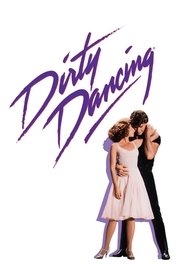

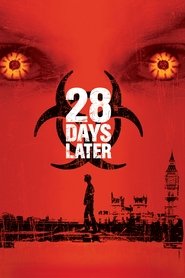
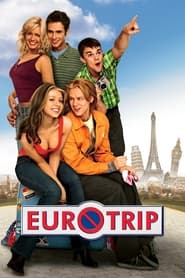
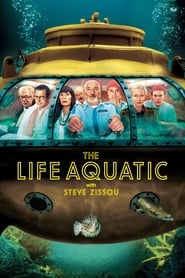

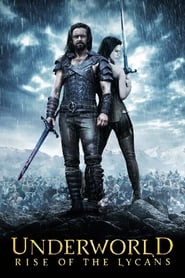

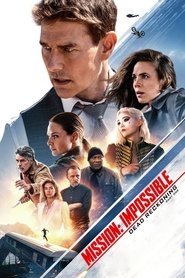
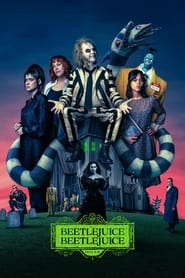
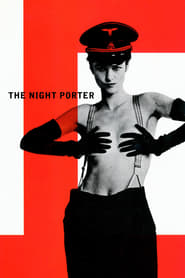

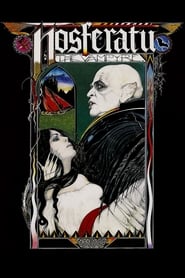
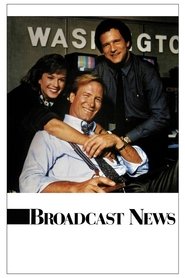
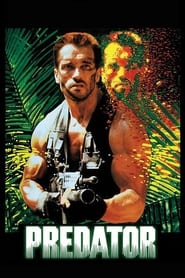

Related topics
Other topics that frequently come up in the same commentaries.