Topics / Production
Weather problems
136 commentaries in the archive discuss this, with 697 total mentions and 72 sampled passages on this page.
Filter commentaries
Filter this topic by the film's decade or the type of commentary.
By decade
Across the archive
ranked by mentions · click any passage for the moment in the transcript
-
-
Tim Burton
about art and make it sound really good. So they all got great ideas. And I noticed the other day, they all got great grades. So it came in very handy, but it was beautiful. The show, the catalog, we could have done more with it, but it was a lot of fun ways to start the film. Rain crash?
8:47 · jump to transcript →
-
Tim Burton
like sign, like church signs that had screening of Beetlejuice. And it was like, Beetlejuice was shot here or whatever. And it was, and it looked like the about, like one of those old road sign tourist attractions where it's like, you drive up and you see this weird sign. It's like, oh my God, there's Lydia and there's Beetlejuice. So it was very strange to go back. It was dead of winter. In fact, going up to the mountain, we had to struggle to get there. It was like three feet of snow.
24:27 · jump to transcript →
-
Tim Burton
That was way too forced. Remember, throw it away. Underplay it. You gotta keep it real. Warning. Olga, what the hell is going on? We got a cold 699 violation. You mean to tell me a live one illegally broke into the afterlife? Time to call the ghoul squad.
1:09:47 · jump to transcript →
-
-
director · 1h 28m 5 mentions
Don Coscarelli, A. Michael Baldwin, Angus Scrimm, Bill Thornbury
-
Or call a kid a retarded kid. Yeah, exactly. Another one. Yeah. Right. Yeah. That's only the wind. We shot this up in Topanga Canyon. We just went up there one night. You know, we're on such a limited budget. Actually, we shot for about 10 days. Tried to shoot like a regular movie, but we were so disorganized that we just shut down. And all the actors were really good about sticking with the project. And we shot it over almost a...
23:20 · jump to transcript →
-
We shot this sequence, I believe, in our warehouse in Chatsworth. Because the fog effect, there was just no way we could make a lot of fog that would stay anywhere outdoors. The wind would take it away. So we made our own little road in this little street and put that little telephone pole there and then flipped the ice cream truck on its side, which was a little problematic because we needed that ice cream truck for a lot more scenes and we were really concerned whether we were going to damage it.
57:30 · jump to transcript →
-
So try and beam poor Kathy in the head with a little pebble. Poor Reggie. There was a huge airplane propeller type fan that was creating this. Yeah, we shot this entire wind sequence. It put out, got a maybe 100 mile an hour wind stream. It was really exciting. This is a nice death scene here by Reggie, I think. It really was. Part of it may have been motivated by that. It was so freezing that night, plus with the wind.
1:16:30 · jump to transcript →
-
-
-
Tim Lucas
These scenes were filmed in the reception studio area at Toronto station CKEY at 1 Yonge Street, slightly redressed by Carol Spier's skilled art department. Debbie Harry enjoyed doing this scene, she told me. It gave her a chance to show something of her chops as a live performer. Born in 1945, Debbie had actually worked at BBC Radio as a secretary in the late 1960s while moonlighting as a background vocalist in a group called The Wind of the Willows.
13:41 · jump to transcript →
-
Tim Lucas
Bianca's office, which occupied the Mezzanine area I spoke of a moment before, was dressed by Carol Spier's team to suggest a similarly old-world sensibility to that of Masha. Bianca's manner toward Max is decidedly cold and harsh. Like that initial civic TV signal, she's a cool medium, to borrow a phrase from Cronenberg's fellow Torontonian Marshall McLuhan, and she speaks in McLuhanisms.
29:21 · jump to transcript →
-
Tim Lucas
and he gives them the most basic logline of the film and stops the show cold with the sheer brilliance of the idea. So it had that effect on people, and the idea had to be carefully protected. I was only permitted to be on set because Cinefantastique guaranteed the production that our coverage would not reveal anything sensitive until after the film had been released. The problem with Videodrome was that its Canadian producers Victor Solnicki and Pierre David evidently made their alliance with Universal with a release date attached,
55:26 · jump to transcript →
-
-
director · 1h 29m 5 mentions
Jeff Kanew, Robert Carradine, Timothy Busfield, Curtis Armstrong
-
president of Lambda Lambda Lambda, played by Bernie Casey, former pro football player, an excellent actor, and a brilliant painter, actually, in real life. And the first night on the set, we were shooting the bonfire scene. It was four in the morning. It was cold in Tucson. And I heard him whisper to somebody, I'm sick of this fucking movie already. But we actually had fun working together after that. But he did scare me.
33:28 · jump to transcript →
-
So the line in the script is, well, all a nerd thinks about from the time he's 10 is sex. It's better the way it is. Yeah, we made it more real. We're always going for real. But I don't think, in all honesty, that Poindexter would be a better lover than any human being on the planet. No. It wouldn't last more than three or four seconds. If that. If that. And it would be painful. I remember this being so cold. Yes.
1:11:46 · jump to transcript →
-
See, what I remember is it was absolutely freezing. It's whatever this is in February or whatever. Yeah, it's February. And it's 3 in the morning. 3 in the morning, and everybody is completely freaked. And they've got me. I've been working. I don't know if you remember this, but the reason I'm in the Elvis Presley outfit is because I was supposed to do this whole Presley routine. Right. You know, where I was lip syncing.
1:13:09 · jump to transcript →
-
-
-
Darren Aronofsky
um this was shot at a construction site up on the 50s on the upper west side freezing cold night with no light no equipment and we were exhausted at this point and uh right in this shot coming up right here uh maddie took a really nasty spill while he was running with the camera and uh we were really really scared for a while and we were so intense that maddie thought i had lost my heart and soul so that when i went to maddie and i said to him is it broken
1:04:11 · jump to transcript →
-
Darren Aronofsky
See, listen closely. That's me. Yeah, that's me. That's my Howard Stern voice telling everyone to sit down. Now, this was actually the coldest night of last winter when we shot this sequence. It was actually only in November, but it turned out to be the coldest night of all winter. It was a really mild winter of 96. But we were freezing. And, I mean, Marcy, thank God it's not a color film because Marcy's lips right here are blue.
1:05:37 · jump to transcript →
-
Darren Aronofsky
Max thinks he breaks through to be with Devi, but in reality, the cold, harsh reality, he's alone. Me and Sean debated a lot of these scenes because Sean felt the film ended three, four times, and there are three or four endings for the film, but I think they all play into the different levels of reality that Max has going on in his head. I remember when we shot that scene, it was...
1:17:18 · jump to transcript →
-
-
-
Jonathan Lynn
in the sort of style of Stephan Grappelli, the great French jazz violinist. And this scene, like every scene in the movie, had to be shot on the day it was scheduled. There's no room for worrying about the weather changes. And David Franco, the director of photography, managed to disguise the fact that in some shots,
6:28 · jump to transcript →
-
Jonathan Lynn
in a bathing suit, one piece bathing suit and a sun hat. And we thought we weren't sure whether people would see the rain or not, so we put her in a dress and in fact it was a good choice anyway. This was a scene that was six pages long and we had to shoot it in one day. And to complicate matters, it was our first day. Normally you
25:14 · jump to transcript →
-
Jonathan Lynn
That doesn't really mean that it's not funny. It means it's just not funny to you. What you can't do is leave the actors hanging out there to twist in the wind because you shot something in such a way that something that they tried and is not getting a laugh can't be removed from the film. You have to be able to remove something that isn't working.
44:45 · jump to transcript →
-
-
technical · 1h 22m 5 mentions
Måns Mårlind, Björn Stein, Gary Lucchesi, Richard Wright + 1
-
Oh, we started watching the movie. - Yeah. This is cool. - Will she make it? Got her clothes on. One of the things that we were very keen on... ... that we wanted, was that we wanted.... We had this ambition... ... that the audience should have their first breath... ...after the first 10 minutes... ...when she gets dropped off the truck... ...which we will see. And when I was watching the premiere yesterday with my wife... ...when she get-- She: At exactly that spot and I felt, "Wow... ... this was exactly what we were aiming for." I think the audience was a little surprised too. We had the premiere last night so we got to watch... ... the movie with a big audience. But they were surprised at the level of violence of the movie. This is a tougher movie than the other movies. Selene is a lot more badass in this movie. She kills a lot of people. - Yeah. Went through a lot more buckets of blood too. A sign of the times, I suppose. Yeah, you'll wish you hadn't done that. This was one of the big scenes in the trailer... ... that we had shown Screen Gems right at the beginning. I love the little splat of blood hitting there. That was sweet. I repeat, full containment... No, there was buckets of blood. I mean, it's.... Violence Is an aesthetic I think that, I mean, goes a hundred years back. Yep. Have we actually done a body count in this? It's a lot. You know what? I did once. Did you? What'd it end up being? - I can't remember. Counting Lycans and humans. Yeah, dead-- Corpses. Now, this moment was an additional shoot moment. It was the first thing we sh... - Wes Bentley, yeah. It's the last and first... - The uncredited Wes Bentley. The first and the last... - This jump was the first thing we shot. First day of shooting. - Look at this boom here. There. That hit in that shot, was Alicia... ...our excellent stunt girl, who just smacked... It sounded like the worst sound I ever heard. It's like, "We killed the stunt double on the first shot." And then you said, "Let's go again." The first day of shooting went so well... ... that I walked away thinking, "God, this is gonna be an easy movie." Oh, my God! - You were wrong. I was wrong. It was so difficult. This was the toughest by far we've done. They're not supposed to be easy. No. - There's a direct correlation... ...between the amount of suffering to do a movie... ...and how well it turns out. We never did a film, like, with this big budget kind of thing... ...but I think you always end up in the same position, you know? You don't have enough money. You always... Imagination can always outrun money. Yeah. - Yeah. The 3D made it more complicated too. Yeah, the 3D really-- You know, nobody had really done it. You know, how to plan it and how to shoot it and.... This is where we want people to breathe. Yeah, here. Here's brutalism again. - Yeah. I was talking with the cinematographer... ...ocott Kevan, last night and... Who did a great job. - He did a great job. And the person... I introduced him to my daughter. My daughter said, "Was this your first 3D movie?" He said, "No, my second. I made all my mistakes on the first one... ...So this one I could get right." Yeah, he was the only guy kind of who had done it. Yes. - And he kept telling us: "It'll take a long time." I remember-- Gary, you said: - It did. "If we go down the Amazonas, it'd be nice... ... to have someone who's been there." Done that trip. That was true. Scott was really there. - Yeah. He was great. But it's also-- It has been very... ...weird. - First shot of Kate. This was the first shot of Kate. Yeah. - First night. That terrible night when it would not stop raining. This was one of those.... - There's a gale right now. When the duck flew into the light? - Yeah. It was a duck who came from the sky... ...and landed in the middle of the set. The camera broke down about four times. Yeah. No, just shooting 3D was a weird experience in that sense... ... that we hadn't done it before and all the rules that you get... ... from various people who has done it... ...Just turn out to be not true or.... - Bullshit. Total bullshit. I don't know if the Red Epic that we used, the camera... ... kind of discarded some of them so it actually works now... ...and it's also.... You have to realize you're telling a story... ... you're not doing a 3D ride. Although this movie is like a ride but... No, but I think what.... True, because... .all these people that we talked about, they were technicians... ...and not filmmakers or storytellers. So they speak about the perfection of everything... ...and that's not really interesting, perfection... ...ecause what you go for is emotion, and emotion is not always perfect. It's also... You know, 3D is in its infancy. People really don't know the rules. When we took those classes... ... there'd been like six movies made and so people didn't know. Half of them were not real 3D, either. - Correct. Where you actually were using binocular cameras... ...to shoot the entire movie, which we did. I don't think any... There wasn't a rule they gave us... ...that we didn't break. - No. I mean, it was... - No. Everything. This is that hybrid POV, as we Call it. It's when Kate starts seeing through.... She thinks she sees through Michael's eyes... ...but it's actually India's. Eve, her daughter. This is so hard, I think, to decide as a filmmaker... ...when you do this. What it should look like? - No. Not technically, but I'm saying the suspension of disbelief... ...of is it Michael or not, and.... We didn't know... All the marketing now you've seen... ... you know, It's all out that she has a daughter in this one... ...which, you know, when we were planning this.... Hopefully that would be the secret. It's gonna be a surprise, yeah. - "Wow, she has a daughter." But.... And I think what helps us Is that we... - Michael Ealy, by the way. Michael Ealy. - Appearance of Michael Ealy. What helps us is the pace that we had to this. You just move so fast that, you know... ... you don't leave time for the mind to think that much. But it's.... Yeah, it's interesting. One of the scenes we shot here is outside in Vancouver. Vancouver-- When we heard we're shooting Underworld... ...and we're shooting it in Vancouver... ...we thought that was pretty strange because it's not gothic. But as Bjorn was talking about... ...when we found the neo-Goth and the brutalism... ...Vancouver Is fantastic. - We'll start counting... ...how many times that word comes. - You do that. It might be even more people than die. Yeah. A couple of words about Kate.... She's a movie star and a really, really good actress. Sometimes that's not the same thing. But she is, and she's very fun to work with. And she... You know, she's British, she always... Theo James. - Theo James. Very witty, yeah. - Young English actor making his... Who's also extremely funny. - Those damn Brits. Yeah. He's so funny. And you're around people who are gorgeous and funny... . It takes its toll on you. Yeah, it doesn't go together usually, yeah. No, and you just stand there in the middle and talking really bad English. I love this shot we did with Stephen. I remember we were shooting it, he was really somewhere else. He was... That was a scene we added after we had started shooting. It was Gary's scene. - That was my idea. We initially had a scene outside of here that l.... I remember seeing this location. I thought it was beautiful... ...but I couldn't wrap my head around a desk being in an exterior atrium... ...so I was struggling with that, but I'm sure glad we did it. I think it looks beautiful. I think you said when you saw it, "It's outside?" It started raining. - "It's outside?" And it was freezing cold. You remember how cold it was? Oh, my God, it was freezing. - God. This is the second... - Then we said: "We have all this concrete and it's freezing cold. Let's get water everywhere. That'll make it really comfortable." This is day one. Day zero, we did the jump we saw before. This is day one where it was full-on, all teams... ...SO this is the first scene that we shot of the whole film. And this shot was actually blown up. We had shot it wider, but we were able to push in on it. We did that with an enormous number.... One of the beauties of using the Red Epic camera... ...was the ability to push in and resize afterwards... ...1N postproduction. That's 175 percent. - Yeah. One of the things I believe that Mans and Bjérn should discuss... ...because we experienced it our first day of shooting... .IS that they are slightly unorthodox in terms of a directorial team. Slightly? They alternate the days they're shooting. So the first day, I believe it was Bjérn, right? You were directing the first day... ...and then Mans would direct the second day. And so, you know, you guys may wanna enlighten the audience... ...as to your procedure. - This was Mans. The prior one in the corridor, I did. I can't remember, but we always have the producer flip a coin... I did. I remember I flipped a coin. Yeah, flipped a coin and whoever gets the tails... ...whatever we decide, begins the day. The thing is, when I'm directing, Bjorn's my best buddy... ...as we Call it, and he doesn't do anything... ...except helping me. Nobody's allowed to talk to him. - Wait. We'll miss Wes getting thrown through the window. This is a totally reshot scene. - Yeah. We had another scene that was... - Just not working. No, it was a bit of a disaster. We got the opportunity to reshoot this, and I love this scene. I love it too. - It's great. This whole spider-webbing window thing.... That was actually Len Wiseman's idea of having him... ...be pushed through the window as it spider-webbed behind him. Yeah, we had.... Yeah. Fantastic idea. - Yeah, great shot. In the background, you see he's got little stuffed animals... ...because we wanted him to be a tinker... ...because he's been tinkering with her... What? I never saw those stuffed animals. I love this shot. I love this. It's too short. - Way too short. Yeah. It's way too short. You know, if you're starting to do movies or anything.... Please listen up, because Bjérn is saying something important. If you get into doing green-screen stuff, stay on it longer... ...because the visual effects will come in and you'll go: "Why the hell didn't we stay longer?" You had 36 frames of tail handle that you didn't use. So it's... So there. - Bollocks. I did not see that. - The famous.... Larz. Thank you, Larz. This is a 300-pound dummy in steel. Oh, God. Nothing.... I mean... Larz is the visual effects... - Special effects. Special effects. We thought, "There's no way. That's not gonna smash the car." Larz was like, "It's gonna smash the car." It did. - It smashed it great. Larz was right. It worked. And I love this shot of the camera pulling up... ...and catching Theo there. - Yeah. SO we are boosting up the mystery here. Theo, who is this guy. - The mystery man. And hopefully you don't know that he's a Vampire yet. He could be anyone, probably a human. Yeah, that was one of the challenges, as well, with the introducing. We introduce Michael Ealy, who plays Sebastian... ...and we have introduced David. We had introductions of a character called Quint, which is... Love this knife. - Yeah. The Uber-- Who was a Lycan, but it was taken out. Because there were too-- Yeah. Kris. - Kris Holden. Brilliant. - Brilliant guy, brilliant actor. It was taken out because there were too many people presented... ...and he gets presented after the car chase... ...and we only see him once. I'm not sure if that was perfect. In hindsight, maybe we should have. - But it's tough. That's... This is a movie where there's only one character... ... left over from other films. Every character has to be introduced. At a certain point, it's a struggle... ...trying to figure out ways to do it without overwhelming the audience. So we just caught a glimpse of the lower Lycans. And one of the things that we really loved in this one... ...was that we could expand the mythology and the universe... ...by inventing new creatures. And we liked the idea that they have been living in the sewers. There's one now. Yeah. And, you know, we thought, you know.... Here we thought Gollum. We thought rabid dog. We thought puss-- Run... Is that what you call it? Puss? Pus. - Pus running. Yeah. Saliva. Fucking crazy in the head. Rabid crazy. That... - Syphilitic. We wanted to because there's... One of the most wonderful lines... .In the history of Underworld is: "You're acting like a pack of rabid dogs! And that, gentlemen, simply won't do." That Michael Sheen says in Underworld 7. And we said, well, let's turn them into those rabid dogs now. They-- You know, they have lived here underground for so long... ... that they actually became these rabid dogs. Yeah, we actually don't see these guys as being human anymore. They're just Lycans. - And they... They turned out beautifully, James. Really beautiful. - These are my favorite Lycans. I think if there is a part five, there should be just these guys. I love them, just those.... The horde. - Yes. Really sick. It was the first time we moved away from suits. We always relied on practical prosthetic suits... ...and this was the first. This and the Uber are the two creatures that are purely CG. The Uber was hard to cast, so we had to go CG. This is an important moment. I loved shooting this. - This is where Selene sees... ...this child for the first moment. Without realizing who it is. - Right. She thinks it's Michael. I remember when shooting it... - She expected to find Michael. Right. Exactly. And she was so beautiful, and she looks so scared. Vulnerable. - Yeah. And the whole thing here we set up, you know.... We're gonna reveal later in the van, when she rips the Lycan's head apart. Hopefully that works, because we set up this girl as weak... ...as we see here, and vulnerable and so on... ...but she is the daughter of Selene, which means the girl's got powers. She's got the kick-ass gene. - Her name is Eve... ...which is never pronounced. - No. It isn't? We never say it? - We never say it. She says, "I'm Subject 2. You're Subject 1." So we might give her another name if we want to for the next one. Eve is perfect, I mean. No, but I think Selene is so beautiful... ...because Selene means moon in Greek. Is that right? - Yeah. Selene means moon in Greek? - Don't you know your Greek? Apparently not. Good Lord. Yeah. So here's the car chase, as we Call it. And it is pretty much... ...on the money on every shot that we storyboarded... ...which is extremely rewarding for a director... ...to see that it pulls off. This is also a triumph of visual effects. Probably half of the scene it was pouring down rain... ...and shooting in 3D, which means you can't really shoot. Shooting in 2D. We shot most of it in 2D. Because you can't shoot in 3D, the rain hits the mirror. The half-silvered mirror that you use in a 3D rig. So this whole thing was pieced together... ... from very, very rudimentary pieces.
10:50 · jump to transcript →
-
I think a lot of all these shots of-- Just of India. lt makes me think of Turner. Like old Pre-Raphaelites, and so on. She looks so beautiful. So perfect. Also very fun with Charles Dance that... When we talked to Len... ...and said we would love to have Charles for this... ...e was our first choice... ...and we were very happy that he could do tt. And Len was like, "Oh, great! I wanted him for the other films as well." Because he's always thought of him as a perfect Underworld... ...actor. - Yeah. I think he's perfect. Now we don't have Bill Nighy anymore... ...because he's dead. - Yeah. We chopped his head off rather thoroughly. And even so, he kept coming back. - Yeah. But he can't come back anymore, I think. No. - No. Not at this time frame. - Never say never. So that's Kate's mother in the background there, which is.... I love the shot of this tic she gets in her face. That's me screaming, "Twitch, twitch! Twitch!" - It was great. It gets cut off a little bit by the wipe... ...but it was such a great detail. And then Selene... ...has an emotional moment. - Is crying. Yeah. And here we had.... There was.... Now we have this, but before, I think, until the very end... ...It was flashbacks more of him. Right. - Their history, kissing and so on. Originally, it wasn't supposed to be that underwater sequence. lt was supposed to be him in all his glory and beauty. But it actually works really well... ...because you've seen that piece before... ...and it works better as a memory. - I think so too. This was a wonderful time in the filming... ...because all of a sudden... ...we went from the cold exteriors of Vancouver... ...where it would rain every day. It continued to rain, but at least we were inside a studio. We were there in this set for... - A while. Yeah, two or three weeks. And I remember Mans said to me, and Bjorn, they said: "This is our favorite point in the movie." I think it was. Yeah. - When I think back to it. Every day you'd go to work, and you'd be in this pretty set. We were doing interesting things. It's actually where most of the performance... ...the acting, took place. - Yeah. Here, we have an actual dramatic scene. Yeah, but also, it felt like we actually controlled the 3D beast here. The camera lived on the crane the whole time. Yeah. It didn't control us. We knew it. We understood it. I can give courses. And we weren't standing around at night in the rain. Right. - Exactly. There's that physical comfort part of it. We had a subway train to contend with a little bit. Every fourth minute or something. The elevated train that went by every 15 minutes. But I mean, I just want to say a couple words about Kate. She's so great here and she's so focused. It's crazy. You talk very little to her. I think good direction is more about being than talking. And with her, knowing the role so well... ... you kind of say, "So this is kind of what we need for the scene." She knows exactly, and then it just happens. This is a beautiful shot. I love that shot. If you want to make a small, small change, it's... You can direct her like a surgeon... ...ecause you can do so small changes. And it's exactly what you're looking for. I'm happy actually that that scene stayed in the movie. Because it's not.... - Me too. Me too. Almost came out, but you're right, it is... This scene almost came out too, but I'm glad-- This was a oner that... Everybody thought this scene would go. I liked it. I really fought for it. I really loved it. - It's so creepy too. Yeah, but I think it's important, because this is about the little girl... ... realizing her new identity. And this is a teenage, you know, coming of age, and so on. This is the creepy stepfather. - This is an incredibly creepy scene. It's a beautifully staged shot. You've gotta have a few of those in the movie, right? He wants to kill her, and here he is being nice and.... He wants to absolutely wipe her off the face of the earth. Yeah. He despises her. I think one of the most common words I used, or we used... ...Was "contempt" and "despise" to actors. Those are two great words for actors. - Yeah. And she nails it. She nails it. - Oh, those eyes. It's funny, because she has to do a lot of acting in this film with her face... ...where she doesn't have a lot of lines to really chew on... ...but she really is able to do a tremendous amount... ... Just with facial expression.
34:30 · jump to transcript →
-
We got so much mileage out of that set too. Yeah. - It just looks like it goes on forever. And most of all, it looks really real. Yeah. The texture-- The scenic painting and the texturing is first-rate. Claude, the production designer, said that he took great pride in detail. He said, "That's my middle name." And also in the wood too. The way they sandblasted the wood... ... to make it look ancient, it's just great. Yeah, I remember I talked to Gary, who was the art director. When they presented to Claude... ...Claude just... Like I said, they were working so hard with the detail... ...and Claude had been doing some other stuff, came back... ...and walked around, and then took Gary's head and kissed it. On the forehead. And he said, "Thank you. It's gorgeous." - Sounds like Claude, yeah. And here we are. - This is a fantastic scene. Yeah. There's a shot coming up that is just... ...beautiful, that Brad Martin, the second-unit director, shot. It's just... This oner. This is one of the things we.... This one. This one here. It's fantastic. There was no way we would have staged this shot as we did... -.../f it wasn't a 3D movie. - Yeah. Yeah. We wanted much more, actually, than we... That's all one shot. - Yeah. All with CG. It's... - That was a blend of CG and suits. Here, it's just CG. In the end of that scene, it was suits as well. Yeah, everything mixed. Like every trick we had In one shot. Here's suits and CG mixed. - That's a suit. Suit, suit. Background guy's CG. - Background guys are CG. That's a real one. Yeah. - If they're moving, they're CG. I remember at a certain point too... I remember at a certain point, for budget reasons, we had to cut... ...a lot of the CG shots of this sequence. You look at the sequence now and you can't imagine.... Well, Clint did give us more money. No. But I remember once we got the rule... James just said, "We can only have--" - There she goes. "We can only have 36 Uber shots in the movie." It's more. - Oh, yeah. There are 275 creature shots in this movie. Is that right? - The other thing is... ... for the audience, we keep using this word Uber because... It's not in the movie. - It's not referred to in the movie... ...but this larger than... This five-times-the-size Lycan. We sort of... - Nine foot tall. We... - We called it the Uber-Lycan. The inner circle called it the Uber-Lycan. He's not 9 foot tall. - Twelve feet tall. Fifteen feet tall or something. Theo, extremely... - Nine hundred pounds. Did all the stunts himself. The Necklace. - Yes, the Necklace. We give all these kind of moves aname. That was the Necklace. You threw that in, the head getting blown off. Had to happen. - Yeah. It's an Underworld movie. I love that when she bites him. - What? Where'd that come from? This one's great too. - Yeah. It's great. Oh, I remember... - The blood spray. We had to fight for that ax in the head, which I don't understand... ...because it's kind of given, I think. Always... - Was that a gibe? That was a gibe. No. And always put people in water. - Oh, this too. Yeah. Because they like it. - Yeah. Actors really like being cold and wet. No. It was freezing cold. Theo was extremely cool. Yeah. Not cold. Cool. - I really hate Theo, actually. I sincerely hate him for being gorgeous... ...and he played me the first two days, and I thought: "Oh, is he slow, this guy?" And he was so much smarter than me. And he was pulling my leg and just, you know, he was.... He's a perfect human being and so kind. So, you know.... I hear he's single. - Yeah. I hope he can't draw. He actually had a very nice... He has a very nice girlfriend. Even the sun has spots, I guess. Anyway, he's just one of those perfect human beings... ... that walk around there which makes you feel not perfect. Yeah. - The weaponry here... ... you saw that little glint there, or what do you call it? The: On her gun. I mean, the weaponry Is real important... ... for the Underworld movies. One of the things that we also love. I don't know how many hours or days we actually talked about what kind of... ...guns shall she have and when and where. It's an enormous amount of research. This was inspired, by the way, to shoot... To have the Uber-Lycan appear... ...and to do his first shots where you didn't see him... ...and then have a second reveal. We actually-- This... That came up because of the set. We didn't plan that. Then we saw the set, and I think... . James, it was your idea that we should have... This is the Uber-Lycan. And this is what we talked about. We really wanted to hurt Selene. We really wanted to, yeah. Although she hurt him, didn't she? Yeah. - That'll teach him. That's a setup for later on. You know, look, the fact of the matter is, when we shot this, we had... ...Kate or her stunt double in the foreground doing all the stunts. That's Kate there. - The Uber-Lycan... ...was placed in afterwards and.... - Yeah. Just brilliant. Just brilliant. - Yeah. Remember the giant to-scale Styrofoam gray Uber head? Which we all laughed at on the set. - No, I remember... Kate doesn't like shooting these kinds of things. She's like-- Because she feels like... You know, she does it perfectly, but it's, you know.... It's not her favorite thing to do. - No. It's hard. Because you look at the Styrofoam thing... ...and it's hard. - Yep. But she does it perfectly. - Yep. There's our dam. The Suede pose. - Yeah. This is beautiful in 3D. Yeah. He looks like Brett Anderson in Suede. Beautiful death. Death position. Yeah. Yeah. He died with style. - Like a dying dandy. One of my favorite Swedish paintings, The Dying Dandy. Yes. Wow, you really snuck that one in, didn't you?
43:18 · jump to transcript →
-
-
-
And I guess one of the songs was Fire and Rain on that album. And while we were on the road, it hit the charts. So he didn't become famous until after we were in the middle of making the movie. So he wasn't cast because he was a name or anything like that. That's amazing. And Dennis Wilson was very, I mean, at the time, if you lived in Los Angeles, you knew that he was part of a scene.
20:46 · jump to transcript →
-
I was convinced I was just going to use professional actors in all the roles, so I never thought that she would wind up in the picture. Well, she's got such an interesting, again, this kind of timeless look because she seems completely contemporary for, you know, the kind of hipster girl, you know, in any scene today. And she's stunningly beautiful, but it's hard to believe she was a model at the time when there was, like,
33:58 · jump to transcript →
-
with the reaction to... There were so many moments when he just did things that you couldn't imagine. No matter what it said on the script, like when he's in the rain, when she's out there dancing in front of the car, and he leans out and he says, hey, sweetheart. I mean, where does that come from? You can't direct that. You can't direct that. Yeah.
53:49 · jump to transcript →
-
-
multi · 1h 43m 4 mentions
The Taking of Pelham One Two Three (1974)
Nathaniel Thompson, Steve Mitchell
-
The subway was mostly reliable and it depended on when and where you rode the subway and at what time. This movie takes place during the middle of the day and this is real everyday New York. Just because Martin Balsam just sneezed, Peter Stone, the screenwriter, came up with Harold Longman having a cold.
2:19 · jump to transcript →
-
There are bacteria down there that haven't been discovered yet and bugs, big, ugly bugs from the planet Uranus. They all settled in the New York City subway tunnels. I saw one bug mug a guy. I wasn't down there a long time, but long enough to develop the strangest cold I ever had. It stayed in my nose for five days, then went to my throat. Finally, I woke up one morning with no voice at all and they had to shut down production for a day or for the day.
37:02 · jump to transcript →
-
hijacking. And then he goes on, he goes, I got to admit the seriousness of Pelham never occurred to me until we got the initial transit authority reaction. They thought it potentially a stimulant, you know, and then Sergeant goes not to harden professional criminals like the ones in our movie, but to kooks. And that's the word you use kooks. You know, he goes on and says, cold professionals can see the absurdities of the plot right off, but kooks don't reason it out. That's why they're kooks.
54:28 · jump to transcript →
-
-
-
This was your first film in English, the first with big stars and a big budget, correct? Well, not really. "Aguirre" is also a big movie with a big star and great effort. But I have to say, we shot "Aguirre" for about 700,000 deutschmark... $360,000. What matters is what you manage to get on screen with the resources you have. To come back to paintings, I like this vase. Yes. Okay. This reminds me of a painting by Seurat. I think the still life-like and emotional atmosphere is phenomenal. But be careful, I always want to show inner landscapes. This was done very quickly, by the way. On that day we happened to have some time and drove to the beach. It was freezing cold, windy. There was foam. We set up the camera in three minutes and sent the two actors, Bruno Ganz and Isabelle Adjani, into the image. We only told them that the music would most likely be slow and solemn. We already had received ideas for the music from Florian Fricke from Popol Vuh. These two, three shots here we did in 15 minutes. We never thought about paintings. It was born out of the situation... - Spontaneously. ...that we found there. Bruno Ganz has tears on his cheek because it was freezing cold. Lotte Eisner came to visit for a few days. We had to wrap her in 20 blankets because it was so cold. I was so proud that she could be there. She was very important for me and maybe for the new German film in general because she bridged the gap to the expressionistic movies back then that she knew very well. She also knew all the representatives of that time. She was friends with Fritz Lang, Murnau, Pabst. She knew them all. For us she was like a bridge to the generation of our grandfathers. We were a generation of orphans who did not have the generation of our fathers. Here I see your wife. Yes, Martje. Martje Herzog on the left. Essentially everyone who was there is in the movie at some point. Later you see the executive producer, the costume designer, the sound technician, and the gaffer. It was also a matter of how quickly can you get something done with very little money. This is the farewell. Bruno Ganz was actually pretty good at riding horses, which was great for me. Now he travels to Transylvania. The choice of the production company... Was this a Century Fox production? No, I produced it myself. Many people believe that 20th Century Fox produced it. But 20th Century Fox only bought an advance guarantee to the U.S. rights for very cheap. They only bought the rights for the U.S. A distribution guarantee. I believe this was... - German Romanticism. Well, you have to be careful. There is a hint of that, but I always try not to be connected with Romanticism because I myself have no real connection with that cultural epoch. Usually I refer to eras before that. The Late Middle Ages speak to me much more. They inspire me. This was shot in Eastern Slovakia. I was not allowed to shoot in Romania where I had scouted locations for months in the Carpathian Mountains. But you also have to see the context. That was when Ceausescu had just been awarded the honorary title of the new Vlad Dracula by the parliament. So he was named the new Count Dracula. That was an honorary title because the historic Count Dracul had been an important figure in the defense against the Turks. This is in the High Tatras, just 1,000 feet to the left was the Polish border. Bohemia? No, Slovakia. - Slovakia? Eastern Slovakia. This is a real group of gypsies that I had brought in from the very East of Slovakia. Among them are a few Czech actors. The gypsies actually speak their own language. Unfortunately I don't remember what it was called. ...my food.
8:53 · jump to transcript →
-
This is also a recurring theme in your movies. The chorale, too. A raft on a river. "Aguirre" and a chorale like this one. I like things like that. I have no idea why it fascinates me so much. People on the road, on a raft... It has something archaic. You are at the mercy of the speed and the flow of the river. Philosophical in a very strange way. Could you...? I keep noticing that I often think that the movie is very close to a silent movie. Interesting is also that the dialogue sometimes sounds like intertitles. Not necessarily, but the observation is weird. I have never heard that before. By the way, on the left here Jacques Dufilho, a great French actor. To the right, Docteur Claude Chiarini, a very close friend of mine. He also took the still photographs. He fought in the Algerian War and switched sides, and he was in the Foreign Legion. Later he became a doctor and worked in an insane asylum. He was an extra for us. That is me, by the way, because none of the extras dared to climb into the box with the rats. In my movies you can often see my hand that holds a burning rocket as a sign of life, or a foot that is being bit. Stuff like that is always me. Here a ship off the Dutch coast. Later, there was a scene where the mate jumps overboard, which was cut. He didn't dare to jump in the water. I told him I would jump five seconds after him. It was so cold and suddenly a wind gust forced the ship away. For a while we were alone in the water and he started to panic. It was difficult. Yes, sometimes you do weird things. We also built that. Henning von Gierke. Again, an inner landscape. You can't overlook the death theme. You can't overlook it, but it is part of a genre film.
52:23 · jump to transcript →
-
Bruno Ganz is really great as well. All of that came together wonderfully. We had an excellent team. I always say that a director is barely needed if you have a good script and solid cast. That makes you largely redundant. But there were precise instructions for this, and it was stylized in detail as well. Naturally, everyone had to follow these instructions. I believe that strength plays a role, too. Someone has the strength and that person is the engine for all those wonderful energies. They would not have that without you. I think they have it, but it has to be channeled productively for the screen. Isabelle Adjani is a somewhat insecure person and Kinski a madman who is almost uncontrollable. You can see here that we made him taller. He is one or two inches taller. We gave him very high shoes so he would look more incorporeal. If you watch it on the big screen and you look closely, you can see that his shoes look weird. And here are the rats again. I always say about this topic that directing is like being a tour guide. Not for me, but I understand what you mean and what you want to say. It is the coordination of individual parts that have to come together at a specific point. And here the rats. Most of the time it was very cold. They just clung together to keep warm. I had to go over and separate them with my hands. On the day we shot this, I was bit 30 times or so. I was constantly being bit by rats. Everybody was kind of afraid of them. I remember we imported the rats to Holland and I had to go to the customs. They opened the trailer of the truck with 6,000 rats in it. The first customs officer passed out right way. For a whole hour we tried to bring him back to life.
1:25:54 · jump to transcript →
-
-
-
predecessor to the House of the Blues, but it was a little shack behind a three-story apartment building on the near north side. It was a private club, so you could go there any time and drink. So it ended up a Saturday night in the cold and the rain. When we had a Saturday night. When we had a Saturday night. It ended. Michael had it figured, so the crew had about an hour and a half of freedom a week. We would head to the Blues Bar. It was just a labor of love. It was kind of...
8:26 · jump to transcript →
-
What kind of steel? Swedish cold rolled, 247. Here, here, here, and here. One inch plates. Copper to bind drills. Titanium alloy here. This is a well made, very expensive, very special vault. English. Richmond would like it. I need a very special piece of equipment. Again, with the knowledge that I had of Zeiss,
50:05 · jump to transcript →
-
Call Joseph, have him fix you one. You go back out there, and you bug off him for the word. Come on. It's getting cold. Oh, uh, this LA move, you know, uh, it's home free for me. After, it's done. You happy? Come on.
55:19 · jump to transcript →
-
-
-
So this was an extremely complicated scene to shoot. Here, we're on the stage doing the actors... ...against rear projection. And now these images here, there was-- It had to be done in a very low-tech way. All the actors were put in white suits and had white makeup on. So we shot them in this room, doing all of this action... ...in their normal wardrobe. And once we had finished shooting the scene, we sent them off... ...where they put on the white suits and the white makeup. They came back and we reshot it... ...on a black stage that duplicated the same office. And now you had these weird images... ...that were run through all kinds of video process... ...to make them look like the way they are... ...reflecting, supposedly, the heat of the bodies. This is in kind of a pre-digital era, too, when we're doing this. We had television effects, but we really didn't have digital technology for film. If I remember right, this was done at Warner Bros... ...in one of their little video studios that the man built... ...who kind of invented 24-frame video for movies.
1:02:38 · jump to transcript →
-
A couple of the shots, I would do down on the ground-- The close-ups in the helicopter-- --But most of them were done up in the air. We had so much work to do that we were spread out... ...sometimes as many as five or six different camera units working... ...you know, getting this footage. And things like this I would give to Jim Gavin and say: "Here, go and get this started." I remember there were very few action scenes that did not have six cameras. Right. Because doing things like this... ...as we go into the Los Angeles riverbed... ...which is actually a big flood-control channel... ...for the occasions when it does rain. This is the only thing that keeps Los Angeles from washing away. And we got permission to fly down inside the flood-control channel... ...for a length of about four miles... ...to go in and shoot this whole chase sequence.
1:22:33 · jump to transcript →
-
This sequence, I was told by the assistant director... ...would never wind up in the movie because it was too silly and too crazy. But it is definitely one of my favourite, favourite scenes in the movie. And, yes, it's silly, but, you know, it's just great fun. This is-- Hoyt, you were there shooting. - That's my first day of shooting. Kind of woke me up, because after the explosion... ...we looked at our matte box and it had melted the front element of it... ...so it got pretty hot.
1:31:49 · jump to transcript →
-
-
-
Roger Moore
And obviously when I was doing this, I wasn't out in the cold. We were shooting this on a soundstage. The close-ups, that is. Willy Bogner did the ski sequence. After finishing Bond, I did a Willy Bogner film. It's called Fire, Ice and Dynamite. Willy Bogner is the most extraordinary skier and director and photographer.
1:52 · jump to transcript →
-
Roger Moore
And Willie's saying, yeah. I mean, you know, he's jumping into death. And I literally had to fall in this helicopter. And we took off the doors wide open. I'm not strapped in or anything else. And the pilot, very smartly, to do a little thing and came down and settled out of the wind so that we could then strap ourselves in. And Willie is on the radio. Come back. I want to do it again.
3:15 · jump to transcript →
-
Roger Moore
Once he had a girl, a big wind machine going, so her hair was blowing. But unfortunately, it was also blowing other parts on the body that had hair on. I saw Maurice with a jar of Vaseline smoothing down. Tough job.
7:39 · jump to transcript →
-
-
multi · 2h 34m 4 mentions
James Cameron, Gale Anne Hurd, Stan Winston, Robert Skotak + 8
-
Pat McClung
The Sulaco. This was a Syd Mead design that was fiberglass body. Some of the detailing was based on that Syd Mead sketch and then Pat and Dennis and myself did a lot of the fine detailing for the front, the side, the top, all the microscopic detailing. This was not a particularly large model. It was about five or six feet long. The detailing we would do after hours because we had to be on the stage to shoot all this stuff, get everything organized, and once everybody went home, we'd go up to our little effects office and start another shift of microdetailing. It was so cold, we were wearing our winter coats. It was hard to move around and use these tiny little Exacto knives, and these pieces of plastic that were maybe half the size of acomma on a textbook, sticking them on meticulously, one after the other. So this was our biggest set, I guess. Or the biggest volume, I guess. The hanging chains, these little widgets and things, this was all inspired by the tone and feel of the opening scenes of Ridley's film. We were trying to create that same sense of the ship having its own life and being an eerie, interesting place.
25:57 · jump to transcript →
-
Bill Paxton
Here's a panning shot of the armored personnel carrier. This was done with the twelfth-scale armored personnel carrier. We had the camera flat on the ground and at the beginning of the shot, behind the APC, is the fiftieth-scale colony complex. Because we're flat on the ground, the audience doesn't see the scale differential that's going on there. Literally, the bumper of a twelfth-scale was next to a fiftieth-scale. The shots of the APC driving into the atmosphere processor were also done as miniatures. There was no full-size entryway that was built for the film. That's why we built one as a miniature. The sequence inside the atmosphere processor is a location that was a decommissioned power station at Acton, inside London or just outside of London. Rather than building a set from scratch, they used what was there and then added the alienesque bits to it. Look at that. - This was my first day. At Acton? - First day ever on a film. You won't see me there. - Ever on any film. I'd no idea what "back to one" meant or anything. What does it mean? 30 years later I'm still trying to figure it out. That's a real gun. That's a German Sten gun. It was cool until we started firing the weapons and then this fine snow started raining down on everybody. I think they checked it out. - It was just asbestos. We had to practice shooting flame-throwers. We did the close-quarter battle stuff. Approaching a building or going down a hallway, you leapfrog along. We did that. Al Matthews who plays Sergeant Apone had some kind of military background. I think he had served in the Vietnam War, and after the war he had come to England, where he'd become a radio disc jockey, I think. He was either really good at bullshitting us, but he seemed to know what he was doing. His orders were so authoritarian that we followed him.
1:04:49 · jump to transcript →
-
Bill Paxton
These shots of the aliens hanging from the ceiling are just shot upside down. It's just guys standing there in an alien suit. And we set up some alien puppets made out of foam and filled them with gak and guts and yellow goo, and blew the hell out of them, as I recall. Made a big mess. Miniscule things we had to do, like creating burn appliance make-up for when the acid would hit. Here's a case right here. Alien comes up, splats, and the blood is right here. Quick cut. Quick cut. But prosthetics used. John Richardson was the physical effects supervisor. I was at his shop on the lot, and they were testing one of these flame-throwers and it was a real flame-thrower that they had built. This thing would go about 20 or 30 feet. So every time you see flames coming out, it's the real thing. It was a little scary. When we did the fire in the APC, there was something used to age the set, some kind of wax-based substance that the art department had dabbed on to make the set look more like a used military vehicle. And the heat caused it to vaporize and the actors got this strong sense that they couldn't breathe. It caused their throats to close up. Bill tells the story Jenette is going "Ugh!" And Bill remembers thinking "She's coming up with some great stuff." And she really couldn't breathe. I don't remember what we did. Probably just kept shooting. I think we just kept the fire out of the inside, kept going. Because the full-size APC was incapable of spinning its wheels, all those shots of Ripley when she hits the gas and you see the wheels spin and smoke are all the miniature, because the full-size vehicle again weighed some 20 or 30 tons. We had put A-B smoke... A solution on the wheel and B on the ground. And as the tire turned, it would mix that A and B together and give the smoke. We had somebody holding back the front of the APC for a moment, so that the tire'd spin, then we'd let it go. That A-B smoke is really toxic. We don't like to breathe that stuff.
1:17:31 · jump to transcript →
-
-
-
One thing everyone should know is that this is related directly to Tabasco sauce because this was all shot in Louisiana, a little town called Abbeville, Louisiana, home of the company that makes Tabasco. So this was supposed to be a New England town on a hot summer night. It was January in Abbeville, Louisiana. We were freezing our asses. It was like 33 degrees everywhere, and everyone was freezing. So these cheerleaders were...
5:03 · jump to transcript →
-
Everyone was freezing, but I did my best to make it look like summer. You never know. Well, you have to because knowing that the payoff in this film is ultimately to have the snow become the hero of the film. You needed that contrast. You needed that kind of flat contrast. Speaking of contrast, this is California with real-life sunshine and in a place called Piru with planted pine trees.
5:31 · jump to transcript →
-
And the fact that he becomes the major threat in the cold clothes is just such a great way to bring it all in. I would say ironic threat. That's not a bad blob right there. That's a miniature. And that's a mat, right? It's a composite of something. Yeah, it's a composite that worked. So this is a miniature street with him? That's a foreground miniature. Did you have any challenges lighting the blob? You were saying before the fact that it's pink.
47:55 · jump to transcript →
-
-
director · 1h 24m 4 mentions
The Naked Gun: From the Files of Police Squad! (1988)
David Zucker, Robert K. Weiss, Peter Tilden
-
That's a snot. Now what did you use for the snot? It was actually snot. Bob had a cold at the time. So it was real snot. It happened to be convenient. They didn't have the technology. Leslie's kind of a method guy and insisted on it. Yeah, there's only three channels and no snot. Today, of course, there's digital mucosas. You don't have to. CGI. Exactly, whatever that means. But I think that's only common sense.
12:03 · jump to transcript →
-
How about a rain check? Well, let's... But we saw a clip of her and she was great. She looked great. Terrific. And then... Did you do a read-through with her to make sure she could play comedy or play it straight? Well, we did. We did a read-through and she... I think she started to read it putting a little comic spin on it and she asked me how I wanted her to play it and I said, just don't try to do the comedy at all. Just play it straight. And she got it? And she got it immediately and...
23:48 · jump to transcript →
-
Exactly. Well, again, people are still kind of laughing. Did you wet down the streets for this? I noticed everything's wet. We always wet down the night shots for the reflection of the lights. And, in fact, every movie you can see, for some curious reason... Everything's wet. It's always just rain. But it never rained. Okay, or it's just finished raining. It's always wet down so that it looks better. There was a hedge against it raining. We had an early MTV joke. Oh, this was, yeah. Willow Records. Willow Records. Willow was my nickname.
42:49 · jump to transcript →
-
-
-
bossing around middle-aged men, older veterans, and what to do. And if James Cameron can't pull that shit off, there's no way David Fincher's going to, let's be honest. Yeah, and they become resentful. And you're making this film at Pinewood Studios during the winter. It's freezing cold. Everyone's getting ill. And you've got all these problems where you haven't got a script finalised. Things are changing every day. I mean, I'm not surprised David Fincher just lashed out. And he does lash out. You see him in the making of. He's just like...
18:59 · jump to transcript →
-
the trailer shot isn't it where just you know the bitch is back and you see you know it was obviously recognizes that she's got an alien inside of her um but people it's so funny like when i've posted stuff on socials about alien 3 people say oh the cgi in the film is terrible like there isn't a cgi there's actually one cg shot yeah you see the the skull go like crack about to break because of the from hot to cold whatever
1:05:02 · jump to transcript →
-
is classic early 90s shit cg you know it's it's it has to be but then doing more and more research either either they've really buried the fact that it is is i know the shot you mean that that is cg with it when it cracks that you know the cranium gets the cold water on it and it
1:05:58 · jump to transcript →
-
-
multi · 2h 24m 4 mentions
Alex Thomson, Terry Rawlings, Alec Gillis, Tom Woodruff Jr. + 3
-
When we finished the body of Newt with that big incision we took the body outside and laid it in the snow and took pictures. And we worked it into a Christmas card for David Fincher. It said something like "Merry Christmas from the victim of a sledding accident." We were very clever! Not like today. Well, this is much more tasteful than what the original plan was. You heard the cracking of bones and that kind of thing. That's a great reaction. I think that eye looks great, that messed-up eye on Sigourney is very effective. Some people think that it takes longer to light because it's a wide screen. Because it's Cinemascope, the lenses are slower than they would be normally, but I don't find it that way at all. I think it's... I generally shoot at about f-4 anyway. A lot of people like to shoot wide open, but I don't. I like the depth of focus that one gets at 4 or 5.6. And I don't like to see two shots where one person is sharp and the other one is blunt. I've never found it a problem to light to the Cinemascope demands. I actually found a fitting which they use in operating theaters for surgery and so on, which I liked the shape of, but unfortunately we don't see it often. I think there's one shot where we do see it. It's a circular thing with, I think, four or five globes in it. I thought the shape was terrific, but, as I say, we only see it once I think. I never got it in the picture unfortunately cos they played it against the board. I think when we cut wider we see it, whenever that happens... There you go. There's the old lamp just for a brief moment. I wish we could have played it more cos it's a beautiful shape. Of course, it's the raison d'être of the light - that's where the light's coming from, so you'd like to see it a bit more. It's always the thing that we're fighting as cameramen, that we have a light source, and when you find the film's edited, you never see where the light is coming from. I did a whole sequence on a picture with firelight, and we never saw the fire. Was it 86, his name? - 85. His 1Q. He's a lot of fun to watch in this movie. - Yeah.
20:19 · jump to transcript →
-
Tom and I were very interested in using materials that were more translucent, and that led us to create a Bishop dummy here that was made out of gelatin. The only problem was that gelatin doesn't do well in steam and rain, and if you'll notice there's steam and rain in this shot, but there wasn't supposed to be. Not at first. We got the go-ahead that it'd be OK. It was gonna be cool and dry. See that little rag around his wrist? We had to wrap that around his wrist cos his wrist just split in half somewhere in this, so we had to kind of dress it around. The whole thing was melting! Take after take, he was losing a layer of skin with each successive take. We should have been warned because Yuri Everson, one of our main guys, was working on that model in the studio, doing some meticulous work with the gelatin, and he had a desk lamp posed right over the head. When he moved the desk lamp, it was a little too close to the face and it all sagged, like it was palsied from a stroke or something. So there was a little bit of a history to that choice of materials.
49:30 · jump to transcript →
-
This is a set that was built on the 007 stage, which is metal clad with concrete floors. It was very cold anyway, even in summer. The actors get a sense of how cold it is because it is cold.
51:21 · jump to transcript →
-
-
-
uh the film kind of chronologically and then we moved into stats so this was all on location and uh yeah i was there on on top of a building nearby watching waiting for the explosion wesley snipes was there his posse was there it was it was a long wait but it was worth it i can still remember have a sense memory of the heat the heat against my face it was a real explosion yeah i was too close i think i had 13
2:44 · jump to transcript →
-
improv into this. Yes. Not a lot of mine lines, a lot of Wesley's lines. Although, is it cold in here or is it just me? That's a piece of foreshadowing because he dies being headed. You can only appreciate it in multiple viewings. I tend to write too much for the third time viewer. Like, oh, now it's funny. And Wesley was...
3:36 · jump to transcript →
-
Stallone uses the water to finally stop Phoenix. That's the first use of computer graphics and one of the first uses of computer graphics in any film. Is it cold in here or is it just me? Good memory. I like that line that I wrote from the start of the movie. And then, of course, this is where multiple time viewers can know that
1:45:45 · jump to transcript →
-
-
-
Taylor Hackford
At this point, seeing a guy walk up to him in the bar, Keanu is completely convinced... ...that one of his friends has put this guy up to it. And this actor, who is Ruben Santiago Hudson... ...is a fabulous actor. He won the Tony for an August Wilson play, Seven Guitars. I saw him on stage and just felt, "I want to work with this guy." So when the role of Leamon Heath came up, you know, I had Tony Gilroy... ...kind of tailor the role to fit Ruben, and then convinced Ruben to do the film... ...because he has a very unique quality. He's not your totally assimilated black character. He may have gone to Harvard, he may have gone to Yale... ...but he's maintained a lot of his own roots and integrity, and at the same time... ...he's smart like a whip and he knows he's got Kevin hooked. The next scene that you're about to see hot cut to Kevin's roots: A Southern church, and this congregation is real. Judith Ivey, who is being introduced here as Kevin's mother. You know Kevin was raised in this church, he's coming... ...and taking a look back at his past, was totally fundamentalist... ...and deeply, deeply rooted in Jesus and God. Judith Ivey is part of this group. I had to spend a lot of effort convincing Pastor Lovell and his church... ...in Gainesville, Florida to participate in this film, because I feel that... ...you know, the things that they believe in, the things they're after... ...have everything to do with establishing good and evil in the world... ...and fighting the devil, and that's what this film is about. But they were fabulous, and they really got the spirit of God in them. And I thought it was important to see that Judith Ivey is a believer. She is one with her God, she loves Him. And, you know, she's a formidable presence for good in this film. At the same time, she's a tough mother, and you can see that... ...she has raised him in a certain way and she doesn't particularly approve... ...of what he's done with his life. He's a lawyer, and you establish his wife... ...over at the car, Mary Ann, who obviously is a party girl, a liver, and not... Neither one of them are in church this morning, and Mother is not that happy. This sequence is important to understand that Kevin Lomax understands scripture. He may have made a choice at this point to stay outside the church. If you notice, he's half in, half out of the light. Tony Gilroy wrote this in the script. Kevin Lomax stands outside the congregation. He's half in, half out of the light. He is part of it and at the same time... ...he can't bring himself to walk in. There's a dichotomy in him, which you'll discover later. But in this instance, when his mother calls up and says: "Quote the Bible to me and mention scripture," he can quote it back to her. He knows what he's talking about. He was in that church and a devout member at one point. Now you get a sense of Mary Ann. She is a good person. She's trying to help this character. She doesn't want to get the company to repossess her car. But she's tough, and she's a businesswoman. You also have a sense, right here, of the fun that these two people have. Keanu, you know, biting off her earring and handing it back to her... ...that was totally spontaneous. He came in, did that. It was quite wonderful. Now you have a sense of the married couple. They've got Mother-in-law... ...and Mary Ann's no dummy... ...she knows exactly that she's persona non grata in that household. It isn't that she doesn't like her mother-in-law, but she understands... ...what she needs to do, like have a child. And right now you establish another theme of the film: "Let's give her a grandchild and everything will be all right." Mary Ann is ready. She's working. She's professional. But she's ready to start to have a family. But you hot cut to Kevin Lomax who's taken the deal. He's in New York. At the beginning it's just a vacation. He's going to consult on the selection of a jury. You see Foley Square, the seat of judicial power in New York... ...all the Federal buildings, the State buildings, the local... Everything is right there in one space. It's a very, very sobering look at the power of the legal community in New York City. And at the same time, for a guy from Gainesville, Florida, it's very impressive. Kevin's here. He's excited. He is working as a consultant... ...to one of Manhattan's best and most famous criminal trial attorneys. His name is Meisel, played by George Wyner. And in this moment I wanted people to see that Kevin Lomax truly has a talent. When you talk to criminal attorneys, you realize that they say... ...that between So to 95 percent of winning a case is selecting a jury. This is a scene that I think talks about the inside of lawyering... ...and the reality of how you win. You win by psyching-out everyone that's gonna be on that jury. Those are the people that are gonna make the decision of whether you win or lose. This is where Kevin Lomax shines. He has an intuitive spirit. At the end of the scene, you realize he's got something else. He's got a sixth sense. Now, it's important, when we see this courtroom, to understand... ...that I wanted authenticity in this film. You're in New York. You have some of the best looking courtrooms in, I think, the United States. At the beginning, Warner Bros. wanted me to go to Canada and shoot in Toronto... ...which is an entirely different judicial system and the courtrooms... ...don't look the same at all. I fought to shoot this film in New York... ...not only for the fantastic exteriors, but also for these interiors. This is a film about big-time lawyering, and you want to feel, when you see the sets... ...and these aren't sets, they're locations. You want to feel that this guy is in the big time. He's gone from Gainesville, Florida to the top of the food chain. We shot in probably seven or eight of the best courtrooms... ...you could find anywhere in the world. Look at these paintings up on the wall here in New York. You feel that this is the justice system. Now Kevin is exhilarated. He comes out of his first day... ...in the New York courtroom and he knows he's done well. He didn't know how he would measure up, and how he measures up is... ...he's smarter than they are. I mean, he has to feel great. He's walking down the street. He's saying I'm a guy from the hicks, and someone's watching him. This is the introduction of John Milton, who's played by Al Pacino. It was important to me to establish a very nice introduction to him. One thing that Al did, and you'll start to see into this... ...he chews on licorice all the way through this film. You don't explain it. You know he's doing something. And instead of just walking away, getting in a limousine, he goes downstairs... ...into the subway. Why would he do that? He's well dressed. That's it. But immediately I go into a time lapse sequence... ...and I wanted to see day and night change. I wanted it to also say that this trial's been going on for a long time. When Kevin walks in, Mary Ann says, "You're home early for a change." Time has passed here. You've seen it pass. But more importantly, you see Al Pacino going down into the subway... ...and you see that the next images are not real. There is a certain kind of power that this person... ...we don't even know who he is yet, exudes. I thought that the time lapse would be both unique in terms of time passage... ...and, at the same time, extraordinary in terms of the potential power... ...that this man has. Now you've got Wife and Husband in... Mary Ann's got room service all over the room. Clearly, they've been there for a long time. She's watching TV. She's having a good time. She's been shopping. She's been to a lot of things, but her husband's been gone every day. And now you see the way they play. Kevin looks like he's defeated. It looks like he's lost the case. She feels badly for him. You can really see how she would, you know, how warm and wonderful... ...and sweet she is. But he's kidding her. You can really see the slyness, I think, in Keanu Reeves here. And, at the same time, he killed 'em. He actually chose the jury... ...and won the case, almost an impossible case. It was like a savings-and-loan fraud. This is white-collar crime. The guy sitting there in the trial, with his white hair... ...looks extremely legit. But the fact is that, you know, he's like Charles Keating. You know, he stole not millions, but tens of millions of dollars. And in this instance, the next shot is, they are in John Milton's domain. This is Milton, Chadwick and Waters, and I wanted a location that immediately... ...established the power of this law firm. This is a real building. It's the Continental Plaza in Wall Street, in the financial district, Downtown... ...and you see what New York power is all about. That view is a three-bridge view. You're gonna see all the way up the island of Manhattan. But the important thing here was, this location was used before in other films. I didn't want to use that same look. There's a unique design look here. Bruno Rubeo, who is my production designer and my collaborator... ...on the last three films I've done... ...we spent probably six to eight months before this film began... ...talking about what we wanted from this film and the look. Right now you're looking at Christabella, the first time we see her... ...and if you notice as she walks forward, I slowed down. It goes in real time. There's no cut there. We ramped so she starts in real time... ...she slows down... ...and comes back out in real time. And Kevin Lomax, he doesn't know why he's fascinated by her. We'll find out later. But look at the design in this. It's ultra modern. We used both an Italian architect and a Japanese architect. This is the Italian. He used prefab concrete in the walls. Milton's office. You know, the rest of the building is very impressive... ...but this office is something else again. It's cold, it's austere, and it's incredibly impressive. Look at that fireplace in the background. It's set up off the floor. Bruno had a design in mind. The furniture in this place is... You have a big, massive place. But look at the furniture. That little settee in front of the fire: it's delicate, it's small. This whole room exudes taste and a certain stylistic quotient. John Milton, you know, it's a huge room, devoid of furniture, very minimal... ...this is a man who has real taste and real choices that he's made. At the same time, this whole law firm is very, very modern. For the design quotient of this film, I want you to be able to see this sequence... ...and then later on, when you see where Milton lives, see the dichotomy... ...the difference. This is cutting-edge modern architecture to the nth degree. What Bruno wanted to do, and I wanted to do in this instance... ...is establish Milton's environment. Here it's cold, corporate, but, at the same time, undeniably impressive... ...austere, ultra-designed. Milton is very smooth. You know, Al Pacino always gets this rap: "Oh, gee, he's over the top." He's not. Al Pacino can play everything. And everything he did in this film was calculated. I mean, it was one of the great experiences in my life to work with an actor of... ...his deep, deep ability, his deep, deep talent... ...and his uncompromising attitude towards all his work. At the same time, Keanu, who had this... I'm saying this because here's these... ...two actors meeting for the first time. Keanu, who had done a lot of young-man roles, a lot of teenage slackers... ...in this film is anything but that. Kevin Lomax is precise. He is not a Harvard educated, a Yale educated guy. He came from a small school in Florida, went to a small law school. But all criminal attorneys that are really great usually did that. They come from the street. He's street smart. He thinks on his feet. And he's up against a guy, for the first time, that seems to have a little bit more... ...on the ball than even he does. He's never met anybody before that is his equal. And Milton keeps blowing his mind, like he does right now. You see this office. All of a sudden, he goes and taps on the door... ...opens up, and I wanted this sequence to truly be a moment... ...that would blow everybody's mind, not only Kevin Lomax's. He walks out on a roof terrace and, effectively, I'm using... Again, this is from a Japanese design. Bruno and I saw an architect... ...that had a pond on the roof in Japan, and I said that is a perfect idea... ...for what we want to do here. Here is a man who has such a sense of design and such a sense of grandeur... ...that he has created for himself a balcony, if you will, a terrace, a park on top. But does it have greenery on it? No. It has water. He calls it calming, placid. And at the same time, he's going to take Keanu out there... ...and he's going to talk about his past. He's going to find out a little bit more about him. He asks about his father. Keanu says, "I never had one." He asks about his mother. And in this instance he's, you know, if you look at Al's reactions here... ...this is a long, talky sequence. This is what you do sometimes. By the way, this is real. This is not blue screen. We didn't put the artists in a studio. I fought to get this scene. I fought everyone, including Warner Bros. Nobody wanted me to go up and get this shot. It's on the roof of the Continental Tower. They had re-roofed the place. The building didn't want us up there. I just knew that this sequence was going to define this initial relationship... ...between Kevin Lomax and John Milton. And the two actors are basically 50 stories in the air right now. They're standing on an eight-foot platform. No, it's not right on the edge. It's about eight feet from the edge. But the fact is that they're standing there. We had to get this whole thing in one day, and they have to do... ...a very personal scene while they're perched on the top of this building. You can see Al, at that moment, trying to let us know a little bit how precarious it is. But do you notice any kind of nervousness from Pacino? Not at all. He's easy. And the whole essence here is that Keanu's sitting out there. One, his mind is blown... ...at the beginning, and then somehow he finds himself getting into it. And at the same time, he looks right here and says: "My God, John Milton's standing like a foot from the edge of a 50-story precipice. "What kind of guy is this?" He also wears elevator shoes, which I think is interesting. But the fact is, right here is what the film also is about. It's about pressure. It's about professionalism. And what John Milton has done is taken Keanu Reeves... ...or Kevin Lomax, in this case, up to the precipice. He's showing him: "All this can be yours." And what is it? It's Wall Street. It's the seat of capitalistic power in the world. And he's basically saying, you know, I know you're a hotshot... ...but can you take the pressure? Can you sleep at night? That little speech that Tony Gilroy wrote, I think, fits all professionals in this instance. When you have to deliver on a deadline, you know what he's talking about. Basically, Kevin is there. He's ready. He said, "What about money?" Milton laughs. "Money? That's the easy part." Kevin doesn't have any problem. He can sleep at night. He's a lawyer. He knows how to do it. We cut from that to Carnegie Hill, which is Fifth Avenue in the Nineties in New York. It's probably the most exclusive address in New York. Central Park is on one side. You have these beautiful, beautiful buildings with fantastic apartments inside. And the Heaths. You're meeting Jackie Heath for the first time. I reveal her with that wipe from the elevator, you see her in close-up. Leamon Heath and Jackie Heath, they are absolutely New Yorkers. They've maintained their integrity as black people, but at the same time... ...they are not about to resist the temptations of the city. They want it. They know how to deal with it. They're very sophisticated. Look at the clothes that Jackie's wearing. Leamon makes the money and she knows how to spend it... ...and she doesn't have any qualms about it. This apartment, I wanted to basically establish the sense of awe. You know, John Milton owns this building. He has it for his employees. Although it's usually for partners, and for Kevin Lomax to get an apartment first up... ...shows that he's a little special, and you can feel, right here... ...that they're a little jealous. "Took us six years to get in here." Every New Yorker will understand that when they really want to get into... ...a big building. This is a film about New York. Tony Gilroy, who lives in New York and understands it incredibly well... ...is able to put these nuances in here that are maybe not aimed at everyone. But certainly, you know, you make a film in New York... ...it was important to me that you do something real. Now, you know, Kevin has basically been offered the job. He's got to now sell his wife on it. And this is a big test. If she, you know... He says, "I'll take you home if you want." Of course, if she did, God knows what he'd think. She knows him. She knows what he wants. And at the same time, how could you turn this down? It's very important right now, at this moment... ...to understand that Mary Ann wants this as badly as Kevin does. I mean, who would resist? Come on. They're too big for a small pond. They both want this and, my God, she's looking at this and saying: "Hey, I want to have a family." She says right now, you know, she mentioned kids again. She's mentioned it in the back of the apartment... ...and she mentions it again right now, and she's saying, "I'm in. Let's go for it." And that moment is one of the last moments of true happiness... ...you're going to ever see them have. Now you're at the law firm, and I want to be able to show... ...what big time lawyering is about. These are all partners. It's an international law firm. John Milton has called a meeting. From all over the world, these partners have come. There's Eddie Barzoon, played by Jeffrey Jones, who is Milton's chief lieutenant. He's the managing partner of the firm. There are affiliate offices in major capitals all over the world... ...and you get a sense of what law is all about. It's about copyrights. It's about real estate. It's about EEC and EUC and those kinds of relationships.
11:08 · jump to transcript →
-
Taylor Hackford
You know, it's wordplay. It's foreplay. And, as every woman knows, the best foreplay is good words to put somebody... ...in the mood, and in this instance... ...it works with Mary Ann, as you can see. Now we cut and we're on the balcony, outside. There is Manhattan, the reservoir which is right across from Carnegie Hill. You see Downtown Manhattan on one view. You see the George Washington Bridge on the other. And in this instance I must admit to the fact that this is a green-screen sequence... ...because it was freezing cold. Connie's wearing no underwear and a beautiful dress with a lot of skin showing. To be able to get the kind of comfort I needed in this scene, we shot plates of... ...meaning views of this actual location, and then did it on a stage. I think the blue-screen work is very good. But it was important to kind of show... ...the grandeur of New York with these two people out here. Meanwhile, inside the party, you have the motto of the law firm: "Let's ride 'em as long as we can and then eat 'em." You get a sense of the ruthlessness of the law firm... ...and in the background you see the ruthlessness represented by that tapestry. Connie Nielsen is a wonderful actress and, as I said before... ...she speaks five, six languages. She is Danish, but lived in Italy for a long time. She is very sophisticated, and I think what Kevin Lomax is coming up against... ...is Christabella, who calls a spade a spade. She asks him if he's alone. He doesn't, he demurs, he kind of comes up with it and she says: "You're married." She basically is not about to play along. And at the same time she flirts. "You like to be on top," an unquestionably sexual innuendo. And he likes it. He's ready to pop, except Milton interrupts. And Milton has a sense of pride here. He's the head of a law firm. He owns a law firm with two really bright, young lawyers in it, but it's more than that. There's something that you'll discover as the film goes on. There's a relationship between these people he's particularly proud of. And I think, in this instance, you know, Al Pacino's smooth, he's walked around. He's spent about an hour at the party. He's talked to Mary Ann. He's talked to the senator. He's talked to the women. He's in no hurry. But in reality, he's got something else on Kevin's agenda.
46:47 · jump to transcript →
-
Taylor Hackford
He's saying what any boss should say, any responsible boss: "Quit the case and deal with your wife." And Kevin can't do it. And he comes up with an amelioration here. He comes up with something that is a justification for him staying there... ...which is complete bullshit. Look at Milton's face. I love Milton's face and what Al did at the very end of this. He is ensnaring Kevin Lomax... ...but at the same time giving him every opportunity to duck out. Right here Milton looks at him and goes... He basically is getting exactly what he wants. Every scene in this film between the two of them is Milton testing Kevin. Is Kevin up to the task? Does he really have the goods? And Kevin graduates from every scene. He delivers in every scene. He is totally ruthless. He is totally professional. He's totally ambitious. These are the things that Milton... ...who is a Nietzschean devil, he's not a religious devil. Nietzsche who talked about humanism, about full potential... ...about Superman, about maximizing your desires, maximizing your potential. That's what Milton's selling. And Kevin absolutely fits. Now, we go to court. We have the opening statements. We realize that they've got all the guns on their side... ...all the evidence against Alex Cullen. I needed to establish right here... ...and Tony Gilroy needed to establish right here... ...that Kevin Lomax needs a bold strategy. He is capable of pulling the rabbit out of the hat. And what he does is absolutely anathema to what most trial lawyers would do. You know, he is not going to try to celebrate his client as a holier-than-thou... ...butter-wouldn't-melt-in-his-mouth good guy. In fact, he's doing the opposite. "He's a son of a bitch." And in this scene Kevin had to, meaning Keanu... ...had to be incredibly strong, articulate, and believable as a lawyer. If he fails in this film... Al can be as wonderful as he wants... ...but Keanu has to really establish that he's most comfortable in the courtroom. That's where he's alive. That's where he thinks on his feet. That's where he really gets turned on. And I think Keanu did more research for this film than he has for any film he's done. I put him through a huge amount, almost a boot camp, both in terms of his accent... He met with the top criminal attorneys in this country... ...I mean, the top guys in New York and L.A. He went down to Florida and met with D.A.s and defense attorneys. These are cynical guys. These are tough guys who are looking at him... ...and putting him through the microscope. You know, Keanu did his homework, and I think in these trial scenes... ...he's very good. And he had to be for this film to work. So this scene I particularly like because it's very interesting lawyering. It's strategy. You know, you can tell, and I do a lot of shots of the jury. I was particularly pleased with the extras in New York. They're really good. And in this, you realize that he does exactly what his client would not expect... ...him to do, which is, is basically indict the moral integrity of his own client. Craig T. Nelson is slapping him up against that wall and sees... ...forces out of him what the strategy is. And now you see who Alex Cullen really is. When he hears the reality, when he sees the kind of bold-faced... ...cold strategy, he loves it. It's just the greatest thing he's ever heard. And he starts to have more and more confidence in Kevin Lomax. So that kind of hard-boiled, cynical attitude, both from the client... ...and the attorney, I think, is... You start to realize you're getting into... You know, Kevin Lomax has got a lot more cards to play than you initially thought. He's not just a hick from Florida. And now he's confronted with Eddie Barzoon on the street... ...and Eddie Barzoon has finally come to. He's started to gather information, not only what Milton's doing... ...but he's also starting to check records and finds that Keanu's name... ...is on the charter of the law firm. How could his name be in the charter? The charter was formed a long time ago. So at this point Barzoon realizes he's being set up, and Barzoon is no dummy. He's an arrogant... You know, I loved Jeffrey Jones in this film because, you know... ...he's much heavier than he used to be. His face is red. He looks like a ripe... He looks like he has overindulged his entire... ...hedonistic existence and is ready to pop. And it worked particularly well for Eddie Barzoon... ...who is a hedonist, who obviously has been through a lot of wives... ...and a lot of coke habits and a lot of excesses. And in reality here, he's reached the end of his wick. He doesn't know it yet, but Milton knows it, and he's just about to find out.
1:25:12 · jump to transcript →
-
-
-
It's a designing abstract kind of art and entertainment form. Yeah. Well, I was about to say, it still doesn't look as realistic as that Hong Kong movie Storm Riders from a couple years ago where all the women were wearing these kind of Tiffany wedding dresses. That, by my standard, had gone a little bit too far. Okay. My kids loved it. My kids loved that movie. Okay. I noticed a little wobbly woo-woo-woo-woo sound here with the sword.
9:48 · jump to transcript →
-
Yeah, how'd you get to go there? That was tough. A lot of the stuff was shot the first month of the shoot. We based out of the way west and boy was that difficult for everybody. Oil plants, that's where we're based now. Not even hotels sometimes. Yeah, that was tough. And the heat. And we begin the movie from here. Yeah.
1:02:22 · jump to transcript →
-
And there's, like, sandstorms. And then remember that night with the freak, freak rainstorm that hit us on the drive back? You ended up driving your van, right? Yes. And then the sound guy, sound guy, I mean, a great sound recorder, Drew Kunin, who was along for the entire shoot in China, he's done, he did Ride With the Devil With You and Ice Storm, ended up driving our van back over the mountain pass, and the trucks were getting blown over. And then you get back to Urumqi, and it's like, and it's Lauren Hutton! She was great.
1:03:19 · jump to transcript →
-
-
-
fantastic style for this shot. Something interesting about Tom's makeup. I was suggesting for Tom's first appearance, he was short hair. It's the same look as the first one. Short hair, clean, and a little cold, and handsome, you know, so that kind of look. And then after he takes his face off, reveal emerald, it's going to be to shock the audience. And then come to the next scene for the rock climbing, he got long hair that make the audience feel
5:47 · jump to transcript →
-
to make it look more warm and passionate. So he came up with the idea of a color. He was suggesting using more of a red, orange, and green as a key color. That will make it totally different from the first one. The first one was a little cold and have a blue lighting, and even though the set is pretty dark, but I want this one a little more charm, more open.
22:03 · jump to transcript →
-
So we just wanted to keep the excitement of the action, you know, and without feeling grossly or too much violence. We have so many problems for shooting this scene. We have the major weather problem, always raining, and we have the continuity problem with the lighting. So sometimes we got a sunny day, sometimes we got rain, sometimes it's pretty dark, so we have to use the...
45:33 · jump to transcript →
-
-
-
Simon West
And as I said, we got through thousands of them. This set was actually freezing cold. Although it was supposed to be set in Cambodia in the height of summer, we shot it in England.
47:55 · jump to transcript →
-
Simon West
on the 007 stage, which is actually more of an aircraft hangar, really, and totally uninsulated. And it was freezing cold every day, and sometimes you could see the breath coming out of the actors' mouths, but everyone is sort of stripped down and constantly being sprayed with fake sweat to try and make them look like they're hot. But actually, the second the camera stops, everyone was throwing on puffer jackets and scarves and hats to try and keep warm.
48:20 · jump to transcript →
-
Simon West
I don't think Angelina or Noah still to this day knew just how close we were to taking a swim in that water. When I scouted the glacier months before it was all covered in beautiful white snow and very easy to get around on skidoos but when we came back months later that had all melted and it was down to the perma-ice which was full of crevasses and very dangerous and treacherous to move about so it was quite hard to
1:13:58 · jump to transcript →
-
-
-
Barry Sonnenfeld
We're about to see Will Smith for the first time at MiB headquarters. You'll notice just then that Rosario, the actress Rosario Dawson... ... Started to cry, and it started to rain. I wonder if that'll be important to us by the end of the movie.
17:02 · jump to transcript →
-
Barry Sonnenfeld
Okay, homey, I keep it downstairs next to the snow blowers.
38:48 · jump to transcript →
-
Barry Sonnenfeld
We had a lot of wind... ...and a lot of hot dogs and hot dog buns being thrown at them.
1:04:25 · jump to transcript →
-
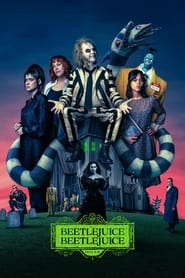
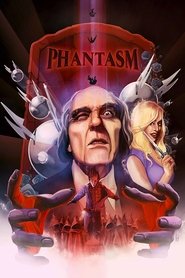
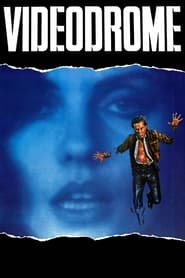

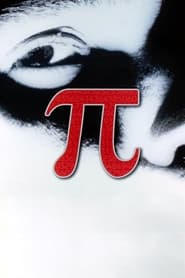

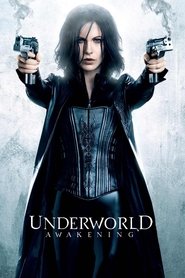
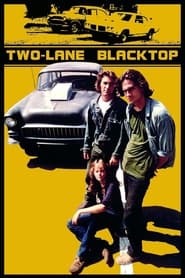
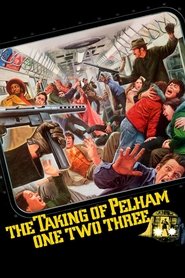
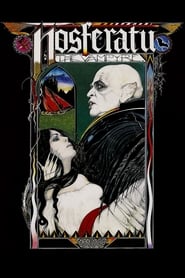
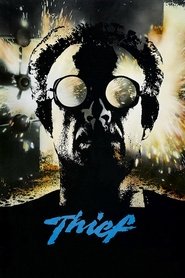
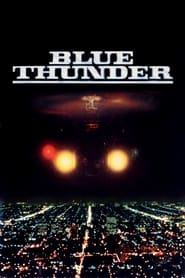
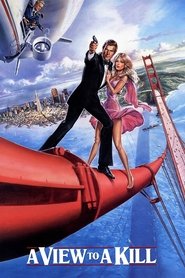
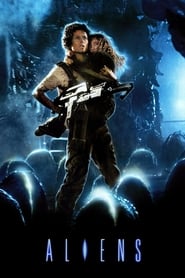



Related topics
Other topics that frequently come up in the same commentaries.