Topics / Editing & post
Visual effects & CGI
77 commentaries in the archive discuss this, with 310 total mentions and 66 sampled passages on this page.
Filter commentaries
Filter this topic by the film's decade or the type of commentary.
By decade
Across the archive
ranked by mentions · click any passage for the moment in the transcript
-
-
I mean, this always unnerved the – especially later on. It just unnerved the – It's immaculate. It's just – I mean, no CGI could be better than that. And I'm really – you know, there's a lot of problems I have with the screenplay. I'm really not proud of a lot of the choices. But one of them is we don't know – spoiler alert – we don't know he's a robot yet. No. And when we find out he is, it actually kind of works because of that.
54:01 · jump to transcript →
-
They did the Delta City commercial at the very beginning of the film, too. PDI was an effects house, and then they went on to start doing animation, CGI animation, and essentially became DreamWorks animation. And there's the morphing. Yeah, so this was new at the time. Right, right. And now you can do it on your laptop. I think you can do it on your iPhone.
57:45 · jump to transcript →
-
We would have digitally put in the sparks at the bottom of the gun so you knew that the bullets were keeping it aloft. But we did that practically. Everything in this movie is analog. It's all practical. So you weren't utilizing any CGI really at this point? Except for the stuff that... The morph stuff. Yeah. And Delta City at the beginning. This is a terrific stunt coming up. Watch this.
1:09:46 · jump to transcript →
-
-
-
do what you tell them all the time. And all these people that she doesn't know are, it's going to be too much for her. That's not possible. And so that, and a couple of other things were like, this just isn't possible to really actually make now. And, um, cause he had tried not to hinder himself when he was writing, just like anything you come up with. He's, you know, he said, I wrote a hundred gorillas. Where am I going to get a hundred gorillas? You know? And so he, he had lots of things. They didn't have digital effects then. So, um,
36:51 · jump to transcript →
-
side of it. You know, the visual effects supervisor after they shot all of this. And he had won the Oscar for Cocoon and was nominated for Backdraft. One of the things you're going to see here, too, that Frank Marshall had asked for is if they could raise the roof on the mine to make it look a little taller. I mean, sound stages are pretty huge, but then you have lights and you have different things. And it was already just a huge, intricate set. So...
1:21:09 · jump to transcript →
-
And they did some of the usual stuff of just shaking the camera for the earthquake. Right. I mean, I think... And weren't you telling me at one point, like, the actual set was kind of built on, I don't know, gimbals or something that would make it kind of... Yeah, like air compressors or something. Yeah, yeah. So that it would kind of rock, you know, back and forth like a... Not a bounce house, but a lowrider maybe. Yeah. Yeah. So it's one of those cases where it's, you know, it's like a combination of the practical stuff and the digital. You know, again, you've talked about how this...
1:23:30 · jump to transcript →
-
-
multi · 1h 54m 4 mentions
Jean-Pierre Jeunet, Hervé Schneid, Alec Gillis, Tom Woodruff Jr. + 5
-
Hello. My name is Jean-Pierre Jeunet. I'm the director of Alien Resurrection. Hi. I'm Dominique Pinon. I played Vriess, the guy on the wheelchair. And I'm Hervé Schneid, the editor. My name is Sylvain. I was a storyboard artist and a concept artist on Alien Resurrection. This was designed, composed, shot almost entirely and never used, because we couldn't complete it for budgetary reasons. But initially, in the first opening of the film, we looked at the mouth. The mouth of an insect. Except we didn't know it was an insect. We mistake it for an alien creature. And the camera backs out and actually reveals a little bug. And in one camera move, as it keeps on backing up, we see a finger crushing that insect and sticking the insect into a straw. And splattering that insect against the glass as we recede... And we go all the way back into outer space and actually reveal a giant spaceship, which is where the story begins. I remember especially about the main credit. When I arrived in LA, I was waiting for an offer from the studio. You can imagine - a poor French guy like me, I was very scared. I was in a hotel, waiting for the answer, and I didn't sleep because of jet lag and because I was scared. I thought "OK. To prove to myself I am able to make this film, I have to find a good idea for the main credit, for the first shot." Immediately, I found the story of the guy alone in a big spaceship, with the milk shake and the pipe. He scratches insects, he puts them in the pipe, he blows the insect on the camera. I was very happy about this idea. I told this idea to the studio and they were happy, too. We began to work on it, but it was very very very expensive. One day, my line producer told me, if you could find another idea, because we have not enough money to finish this idea. This is a secret - I was pretty relieved. In fact, I think it was a little bit too funny for the beginning of Alien. I didn't say anything to the people. I said "You want to cut my idea?!" But, in fact, I was very happy, and I prefer the credit we have now. This is a model, and at this time, we hesitated about to use CGI or models for the spaceships. And Pitof preferred to use models. Maybe it was one of the last films with spaceship in model. That was very impressive. I came once on the set while you shot the models, and it was really big. - Yeah. Not really big. It's never enough big. And Pitof made a lot of parts, and he mixed the different parts.
0:03 · jump to transcript →
-
Dominique Pinon plays in all my films, and for me he is the perfect actor. He's so inventive, so nice, so perfect. It was amazing for me to bring this actor to the States, because Sigourney Weaver and the studio asked me to have Dominique Pinon. I told this story a lot of times, Dominique, but it's true: I didn't hire you, the studio wanted to work with you. I was very happy, obviously, but, I remember, when Sigourney wanted to call you by phone, and we called you in Paris and you didn't believe me. You said... "No. It's a joke." I remember very well that call, actually. The studio were a little bit worried about Ron Perlman. They appreciated the guy, but they weren't sure it was the right guy for the character. By luck, it was the first day of shooting and they saw the dailies. They came to see me on the stage and they told me "You're right. He is perfect." The set is basically what we call the Betty cargo bay, which is just a lovely, beautiful industrial piece of design. All the rust in the back of it. It's hard to convey just how incredible it was in real life, when you walk through it. It was just absolutely staggeringly detailed and gorgeous. Pitof, none of the ships were digital. That's all models? Pitof, none of the ships were digital. That's all models? I would like to make more digital stuff, but Nigel really wanted to have the real texture. I guess he was right because... They're beautiful. They are gorgeous. Is that background digital? Or was that a model also? The background is a mix with the digital and models. We had a model, but the size had been enhanced in postproduction. Also, it's a lot of layers of small things to make the texture real. So it's not just shooting the miniature as it is. There's a lot of work after that - to have the texture, to get the smoke, to give the depth, and all these things. Is shooting miniatures more time-consuming than doing it digitally? It was more efficient to shoot miniatures because the technology of digi was not as flexible as today. The idea about this film is that these guys are a bunch of hoodilums that are smuggling weapons on board a military ship. The thought was: they'll get strip-searched, and they have to have weapons at some point, so Jean-Pierre's take was that the only way you could bring weapons is by hiding them in plain sight. The two places where he thought you could hide them was a Thermos - which somebody is carrying, which turns out to be a gun - and the wheelchair. The thing about the wheelchair was designing it as a breakaway piece of technology, where every piece could reassemble itself into a weapon. Although the idea's really good, at some point the focus on that was a bit lost - you see all the characters breaking out weapons. I'm not sure how clear it is that they're recombining the wheelchair. But that's the way it was designed, as you could actually take pieces of it apart and snap them into weapons when the scene demanded it at some point. That little wheelchair was built on a structure which we called a mule, which is a six-wheeled radio-controlled robot which is a six-wheeled radio-controlled robot that's designed to lift enormous pieces of equipment in industrial settings. That mule was available to us, so Fox said: "If you can design the wheelchair around this, it'll save us money." So that's what we did.
17:58 · jump to transcript →
-
I remember, I had to fight against the studio to get the smoke on the knife, because it wasn't on the budget. Here, same thing, it's for real. Sigourney gets it through the hand. No. Of course it's a cheat. On one side it's a retractable blade and on the other side it's a real one. A CG blade. So we CG-ed the second part of the blade. And the smoke is CGI? - The smoke is CGI, too. Lot of times, those little effects - like that - are the ones that have the most effect. Yeah, because it seems to be normal. It would be possible to have a fake hand... They talked to us about that, and it was impractical and too costly, because to give the hand enough life so it didn't look artificial was a lot of work. And to make it move, then stop... Too limiting in your shot. That was a great approach. On the shooting, it didn't take a longer time than just to play it. So it was very cost-effective. Tom, didn't you get together with Sigourney about the style of her movements? Yeah, right, because of her alien heritage now as a clone. We talked a little bit about movements that she saw me doing in the alien suit. We tried to find a way to integrate some of those into her performance. There's some later where she's swimming, there were some movements we worked out. Also when she escapes from her cell, there's an element where we were figuring out: "What is it about the alien when it's retreating that's the most noticeable feature?" The tail. And without a tail, we ended up doing something where she kicks her leg out as she's moving into the chamber and escaping from her cell. In the preproduction, I did some research for Jean-Pierre on animals, to find out the way for the alien to move, to find a halfway between feline and insects. So we did a lot of research on footage, to have an idea of this hybrid between feline and insect. It was cool. I met Ron Perlman in The City of Lost Children - he played One. I love him. I can't wait to work with him again. This isn't a modest thing to say, but I like the way the guns look in the film. Jean-Pierre's idea was: he'd seen the guns get bigger - especially in the second film - and he thought it can get quite absurd if we go too far, so it'd be a nice idea to shrink the sizes again and have guns that are more about efficiency. He wanted guns that snapped when they fired. He wanted to feel and hear every bullet as it ricocheted and hit the floor. He wanted something that was a bit more credible than the giant "Rambo" guns. So we designed with that in mind. It was something that felt very basic.
35:17 · jump to transcript →
-
-
-
Ron Howard
I wasn't trying to ever let the special effects dominate the live on-screen performances, but it was so important to create the world, and the only way to do it was using digital effects.
15:25 · jump to transcript →
-
Ron Howard
The Grinch Baby, of course, is a tremendous work of just sort of old-fashioned Hollywood puppetry. Nothing computer-generated about that character.
25:16 · jump to transcript →
-
Ron Howard
Nothing very tricky about this. Kelley can really get up and dance. No wires. No magic. Just a happy-go-lucky dog. Computer-generated dog. We don't throw dogs.
1:01:13 · jump to transcript →
-
-
director · 4h 13m 4 mentions
The Lord of the Rings The Return of the King (2003)
Peter Jackson, Fran Walsh, Philippa Boyens
-
Jeff Murphy shot a lot of this fireball stuff, didn't he? The fireballs landing in the city. Yes, it was. Done in our set. Is that all CGI then? That's all CGI? That's all CGI, yeah. Even I think Minas Tirith itself is CGI. We often shot the miniature of Minas Tirith and then we projected the miniature footage onto a computer model of the city so we could get some different angles and slightly different camera moves if we had to. Grond is a big miniature. It was about eight,
2:19:42 · jump to transcript →
-
Yeah, this was the scene that I was really looking forward to doing. I've got to admit that if there was one visual effects sequence in the entire Lord of the Rings that I've been waiting to do for years and years and years, it was the mummicle was this scene. Because I, you know, right at the beginning when we first came up with the idea of doing Lord of the Rings, I just was waiting to do this. And I had to wait till the very end because we didn't really put the scene together properly until the beginning of 2003 when we were in our post-production.
2:39:25 · jump to transcript →
-
The lava's all computer-generated. I think it's a combination, actually, computer-generated and sort of a milk and syrup mixture that they blast in the air. This scene wasn't so difficult to shoot, really. These scenes are sometimes a bit easier, because I had a fairly clear idea in my mind about what I wanted this scene to feel like and to look like.
3:37:50 · jump to transcript →
-
-
-
Len Wiseman
God, we kept running back and forth on this set. It's the same set over and over and over that I redressed. There's one balcony in this whole entire thing. They're running over the same balcony here. And this is, of course, a massive visual effects shot down below, but where they're running is a section that we built out. And it's the same section. Boom, he's landing in it again. That's the same balcony that he comes out of with his cup of coffee. This is the same balcony where he comes out of with his cup of coffee in the beginning.
33:36 · jump to transcript →
-
Len Wiseman
very painstakingly just trace out all of these cars and paint out the the chassis that are underneath because we built all these hover cars on these um these race car chassis and so the actors were in the actual cars that we would drive around and smash them and we just shot it you know they're going a good like 40 or 50 miles an hour and shot it like a car chase i wanted to do it you know again practically and have the visual effects be a slave to the
47:50 · jump to transcript →
-
Len Wiseman
Some of the most difficult comps or visual effects sometimes are just traveling inside cars and just doing the green screen outside, like here. I don't know why, but you'll see it in many movies where all of a sudden when they're talking and they're on the road, it just looks so fake. I think one of the reasons is because we're so familiar with it that we know what it looks like that it draws our attention. So I put a lot of layers in there of putting reflections that are continuing to go by and again, shooting that practically so that
48:46 · jump to transcript →
-
-
technical · 1h 22m 4 mentions
Måns Mårlind, Björn Stein, Gary Lucchesi, Richard Wright + 1
-
Richard Wright, producer. Mans, director. Bjorn Stein, director. Gary Lucchesi, producer. James McQuaide, executive producer and visual effects supervisor. What, you get two titles? - Well, you know. Big shot. So here we are... ...at the beginning of the fourth Underworld movie. That's right. Been a lot of them. The first appearance of Len Wiseman's... ...new logo. - New logo. The world premiere. - In 3D, no less. Oh, my God. It's like our life flashing before our eyes. Yeah. We've lived through these. Exactly. I think it's fun to say that... ...I think we cut the... Edited the whole film for eight weeks... ...and then we spent three weeks editing the first three minutes. That's exactly right. - It was crazy how to get it... And it was, "Shall we do a recap or shall we not? Does it feel cheesy with a recap or is it good?" But I think that everybody agreed in the end... ... that we have this wonderful library or cupboard of wonderful images... ...SO let's use it. And it's a wonderful way to get into the mood... ...and this is the world. lt has been a while too, since Underworld 2... ...where this one picks up from. We're reminding ourselves of all the characters. It's not cool, but in the end it... Wow, it really works. Yeah, I had a friend-- We had a premiere yesterday, actually... ...and I had a friend who hasn't seen the prior ones... ...and she said it was helpful... ...to just get into the soul of what this is, so.... And it's so nice to see Michael Sheen... ...and Scott Speedman and Bill Nighy. Yeah. - Losing their heads. killed the elders.... Yeah. One of the things we really liked when we got the script... ...was that number four... That it was the beginning of something new. That it was not just number 17 or something. It was.... The trilogy was done... ...and now we got into something new... ...which is exactly what we're watching right now. And this was a big thing how... That we wanted it to be brutal... ...and hand-held and gritty, using a camera language... ... that hasn't been used in Underworld before. Yeah. To turn everything upside down. This is another part of the film where we did... ...a tremendous amount of work trying to figure out... ... how to frame the fact that we're 15 years in the future... ...and the world has changed... ...and how you do that economically... ...In a different camera style than the rest of the film. Because this is in 2D, not in 3D as the rest of the film is. One of the biggest inspirations for this intro... ...Was actually the Gavras video, the M.I.A. video. What's the name of that? "Born Free." - "Born Free." Oh, that guy. - He's great. This guy, he's just at casting... ...and we realized that we need something... ...and we cut this rollout and then suddenly we needed him... ...SO this is his casting tape. - His audition tape, yeah. Yeah. - Yep. Used it in the film. I love that head shot. James really enhanced this with the visual effects he put into it. These creatures, yeah. The creature shots. Because they weren't shot that way. Yes. They're hard to come by, these creatures. That one was a real one. That's a real one. - Yeah. A real Werewolf. Yeah, we had a few. - Yeah. We can cast them in the forests of Vancouver. What we just saw... That girl on the wall... ...IS Kate's stunt double. - Yeah. She did... - Alicia. Alicia Vela-Bailey, yeah. She took iPhotos of her body for each bruise she got. She was black and blue, this girl... ...and she's the toughest girl I've ever met. Went to the hospital more than once too. Yeah. - Yeah. But as he said, the toughest girl I ever met. Yeah, always with a smile. Always with a smile. And you will see her getting thrown around a lot in this one. All of those flying-into-the-wall sort of things... . It's actually a person, Alicia, getting thrown in. Or Kate sometimes, as well. - Yeah. So we wanted to start off in 2D, gritty... ...and then since this is 3D movie... ...we wanted it to... Really make it big... ...when we see Kate for the first time, and that's when we switch to 3D. This shot was actually planned to start inside the fire... .In the beginning, inside a skull... ...and then going through the flames... ...a Vampire skull, but it became too tedious. That was the four-hour version. Yeah, this... We're very European. European version. Very... It was also a shot that we fought to keep in... ...and there was some obstacle to that... ...but we succeeded in keeping it in. Obstacle being money. - I love the way you say that. We ran out of money. And you see the surroundings here is-- We tried to create... Since this is the first time we introduce a man really... ...In the Underworld franchise... ...we wanted to find architecture... ... for the city that wasn't, you know, just another city. And after a lot of thinking and looking.... You know, we were thinking the first film was shot in Budapest... ...and it had that gothic feel to it and... By the way, great blood splatter there. - I love it. That was beautiful. And then we found something-- If you haven't been to Eastern Europe... ... you see all these beautiful houses... ...but next to them you have these concrete, hard, depressing buildings. And there's something called brutalism. You mean brutalism? - Brutalism, yes. A word we've heard 700,000 times during the making of this film. You were insanely annoying by just trying to put brutalism in... ...brutalism in, put brutalism in... ...to find what we call neo-Goth. Which is a new Goth. - Neo-Goth, yeah. This plate's actually from Underworld 2. This was.... We were doing tests for that boat that exploded... ...and we went back and found the footage... ...and stole that plate and revamped it here for what you see. Yeah. The secret of every great artist is knowing where to steal. Where stuff is hidden, in this case. - Yeah. It was one of the biggest challenges that we didn't have Scott Speedman. So that was a face replacement of a stuntman... ...and I think that was the trickiest part to pull off, I think, in the movie... ...because we're setting up this love story. She's running for her love and we don't have the real guy. Yeah. - But I think because of the recap... ...we do get that.... Do you see that city in--? That city is all CG behind her that's burning. And I remember James had said, "What do you think?" And I remember we asked about that, like, months ago... ...or half a year ago, and I forgot about it... ...and then you just come up with this. It was like a birthday present. I was so happy. All these backgrounds in it... ...makes It so much richer. And remember this next shot coming up too of Kate swimming... ...was really the last footage that we shot on the movie. Yeah. In the tank. We all had this great concern that, you know... ...can Kate swim or not? She ended up being a fantastic swimmer. She was great. She was.... This is more than swimming. It's performing underwater. She held her breath so well. lt was unbelievable. We were.... - Yeah. Well, that's typical Kate, you know. Everything she does, when she does it is, like, perfect. Yeah. - Yeah. But filmmaking's about being afraid... ...things aren't gonna work. - Right. We had anticipated the worst and we were wrong. And this is-- Originally the Underworld title was here. This is our homage to Tree of Life. - Yes. We had the title here at one point... ...and this is a transition... ...which is very abstract and weird, actually. But I'm happy with it. These were the things... ...that I remember it was hard to describe. We were very sure exactly how we wanted it... ...but we couldn't really say "this is how to do it"... ...because we'd never seen it before. But now when I see it... James, who did this? - Celluloid. Fucking great. - It's great. Yeah. It's great too, because we added the spin... ... sort of late in the equation. This may be an intellectual idea. Hopefully it works. To sort of make the audience... ...particularly when you see it in 3D, disoriented. Kind of like Kate was as a result of being underwater... ...being Knocked out and waking up 12 years later. There's something about spinning... ... that sort of makes you visually confused. Also, not only the spinning, but also the kind of... ...stop and motion feel to it, that it's... - Time passing? lt has a time-lapse feel to it... ...which, you know, was a subtle way of saying time has passed... ...actually, 12 years. - It's one of my favorite shots. Yes. - This is beautiful. Another very disorienting shot, though. So this is actually Alicia hanging here... ...and it's Kate's face replacement on her. Yeah. And the ice is CG. - Yeah. Smoke is CG. I am glad that we put the name on the glass there, "Subject 1." Yeah. So nobody would get into the wrong tank. No, but the thing is, I don't think it's just for like: "Oh, it's for the idiots." But I think it looks good. Subject 1 sounds brutal, I think, in a very good way. There's that word again. - Yeah. And remember that set initially... ...when we first saw it, had all these shower curtains in front of it... ...and we asked Claude to remove them. Yeah. - Oh, right, yeah. One thing that we really wanted to do in this movie was that... And we told Brad, who was the excellent second-unit director... ...and stunt coordinator, we said that we very.... We want to hurt Selene a lot. "Could you find somebody we can do that to?" Yeah. Because she wasn't that hurt in the other movies. We said, "We really want to--" Do you think anybody's listening to you right now? The naked girl, I'm watching that instead. Everybody's so nervous when you shoot something like this... ...but Kate was so cool. She was. Yeah. - Yeah. It was nothing. - Here we have Stephen Rea. Yep, there he is. Our Irish. - Yeah. I think, yeah... I really liked working with him. He was... Stephen is a handful, but he's also.... He gives you what you need. Is there anybody in this film that ended up doing their native accent? The North Americans were doing English... Kate. - Yeah, Kate, that's true. Everybody else was doing a different accent. Sandrine Holt there. - Sandrine Holt. Hurry. Releasing... ...maximum dose of fentanyl.
0:10 · jump to transcript →
-
Oh, we started watching the movie. - Yeah. This is cool. - Will she make it? Got her clothes on. One of the things that we were very keen on... ... that we wanted, was that we wanted.... We had this ambition... ... that the audience should have their first breath... ...after the first 10 minutes... ...when she gets dropped off the truck... ...which we will see. And when I was watching the premiere yesterday with my wife... ...when she get-- She: At exactly that spot and I felt, "Wow... ... this was exactly what we were aiming for." I think the audience was a little surprised too. We had the premiere last night so we got to watch... ... the movie with a big audience. But they were surprised at the level of violence of the movie. This is a tougher movie than the other movies. Selene is a lot more badass in this movie. She kills a lot of people. - Yeah. Went through a lot more buckets of blood too. A sign of the times, I suppose. Yeah, you'll wish you hadn't done that. This was one of the big scenes in the trailer... ... that we had shown Screen Gems right at the beginning. I love the little splat of blood hitting there. That was sweet. I repeat, full containment... No, there was buckets of blood. I mean, it's.... Violence Is an aesthetic I think that, I mean, goes a hundred years back. Yep. Have we actually done a body count in this? It's a lot. You know what? I did once. Did you? What'd it end up being? - I can't remember. Counting Lycans and humans. Yeah, dead-- Corpses. Now, this moment was an additional shoot moment. It was the first thing we sh... - Wes Bentley, yeah. It's the last and first... - The uncredited Wes Bentley. The first and the last... - This jump was the first thing we shot. First day of shooting. - Look at this boom here. There. That hit in that shot, was Alicia... ...our excellent stunt girl, who just smacked... It sounded like the worst sound I ever heard. It's like, "We killed the stunt double on the first shot." And then you said, "Let's go again." The first day of shooting went so well... ... that I walked away thinking, "God, this is gonna be an easy movie." Oh, my God! - You were wrong. I was wrong. It was so difficult. This was the toughest by far we've done. They're not supposed to be easy. No. - There's a direct correlation... ...between the amount of suffering to do a movie... ...and how well it turns out. We never did a film, like, with this big budget kind of thing... ...but I think you always end up in the same position, you know? You don't have enough money. You always... Imagination can always outrun money. Yeah. - Yeah. The 3D made it more complicated too. Yeah, the 3D really-- You know, nobody had really done it. You know, how to plan it and how to shoot it and.... This is where we want people to breathe. Yeah, here. Here's brutalism again. - Yeah. I was talking with the cinematographer... ...ocott Kevan, last night and... Who did a great job. - He did a great job. And the person... I introduced him to my daughter. My daughter said, "Was this your first 3D movie?" He said, "No, my second. I made all my mistakes on the first one... ...So this one I could get right." Yeah, he was the only guy kind of who had done it. Yes. - And he kept telling us: "It'll take a long time." I remember-- Gary, you said: - It did. "If we go down the Amazonas, it'd be nice... ... to have someone who's been there." Done that trip. That was true. Scott was really there. - Yeah. He was great. But it's also-- It has been very... ...weird. - First shot of Kate. This was the first shot of Kate. Yeah. - First night. That terrible night when it would not stop raining. This was one of those.... - There's a gale right now. When the duck flew into the light? - Yeah. It was a duck who came from the sky... ...and landed in the middle of the set. The camera broke down about four times. Yeah. No, just shooting 3D was a weird experience in that sense... ... that we hadn't done it before and all the rules that you get... ... from various people who has done it... ...Just turn out to be not true or.... - Bullshit. Total bullshit. I don't know if the Red Epic that we used, the camera... ... kind of discarded some of them so it actually works now... ...and it's also.... You have to realize you're telling a story... ... you're not doing a 3D ride. Although this movie is like a ride but... No, but I think what.... True, because... .all these people that we talked about, they were technicians... ...and not filmmakers or storytellers. So they speak about the perfection of everything... ...and that's not really interesting, perfection... ...ecause what you go for is emotion, and emotion is not always perfect. It's also... You know, 3D is in its infancy. People really don't know the rules. When we took those classes... ... there'd been like six movies made and so people didn't know. Half of them were not real 3D, either. - Correct. Where you actually were using binocular cameras... ...to shoot the entire movie, which we did. I don't think any... There wasn't a rule they gave us... ...that we didn't break. - No. I mean, it was... - No. Everything. This is that hybrid POV, as we Call it. It's when Kate starts seeing through.... She thinks she sees through Michael's eyes... ...but it's actually India's. Eve, her daughter. This is so hard, I think, to decide as a filmmaker... ...when you do this. What it should look like? - No. Not technically, but I'm saying the suspension of disbelief... ...of is it Michael or not, and.... We didn't know... All the marketing now you've seen... ... you know, It's all out that she has a daughter in this one... ...which, you know, when we were planning this.... Hopefully that would be the secret. It's gonna be a surprise, yeah. - "Wow, she has a daughter." But.... And I think what helps us Is that we... - Michael Ealy, by the way. Michael Ealy. - Appearance of Michael Ealy. What helps us is the pace that we had to this. You just move so fast that, you know... ... you don't leave time for the mind to think that much. But it's.... Yeah, it's interesting. One of the scenes we shot here is outside in Vancouver. Vancouver-- When we heard we're shooting Underworld... ...and we're shooting it in Vancouver... ...we thought that was pretty strange because it's not gothic. But as Bjorn was talking about... ...when we found the neo-Goth and the brutalism... ...Vancouver Is fantastic. - We'll start counting... ...how many times that word comes. - You do that. It might be even more people than die. Yeah. A couple of words about Kate.... She's a movie star and a really, really good actress. Sometimes that's not the same thing. But she is, and she's very fun to work with. And she... You know, she's British, she always... Theo James. - Theo James. Very witty, yeah. - Young English actor making his... Who's also extremely funny. - Those damn Brits. Yeah. He's so funny. And you're around people who are gorgeous and funny... . It takes its toll on you. Yeah, it doesn't go together usually, yeah. No, and you just stand there in the middle and talking really bad English. I love this shot we did with Stephen. I remember we were shooting it, he was really somewhere else. He was... That was a scene we added after we had started shooting. It was Gary's scene. - That was my idea. We initially had a scene outside of here that l.... I remember seeing this location. I thought it was beautiful... ...but I couldn't wrap my head around a desk being in an exterior atrium... ...so I was struggling with that, but I'm sure glad we did it. I think it looks beautiful. I think you said when you saw it, "It's outside?" It started raining. - "It's outside?" And it was freezing cold. You remember how cold it was? Oh, my God, it was freezing. - God. This is the second... - Then we said: "We have all this concrete and it's freezing cold. Let's get water everywhere. That'll make it really comfortable." This is day one. Day zero, we did the jump we saw before. This is day one where it was full-on, all teams... ...SO this is the first scene that we shot of the whole film. And this shot was actually blown up. We had shot it wider, but we were able to push in on it. We did that with an enormous number.... One of the beauties of using the Red Epic camera... ...was the ability to push in and resize afterwards... ...1N postproduction. That's 175 percent. - Yeah. One of the things I believe that Mans and Bjérn should discuss... ...because we experienced it our first day of shooting... .IS that they are slightly unorthodox in terms of a directorial team. Slightly? They alternate the days they're shooting. So the first day, I believe it was Bjérn, right? You were directing the first day... ...and then Mans would direct the second day. And so, you know, you guys may wanna enlighten the audience... ...as to your procedure. - This was Mans. The prior one in the corridor, I did. I can't remember, but we always have the producer flip a coin... I did. I remember I flipped a coin. Yeah, flipped a coin and whoever gets the tails... ...whatever we decide, begins the day. The thing is, when I'm directing, Bjorn's my best buddy... ...as we Call it, and he doesn't do anything... ...except helping me. Nobody's allowed to talk to him. - Wait. We'll miss Wes getting thrown through the window. This is a totally reshot scene. - Yeah. We had another scene that was... - Just not working. No, it was a bit of a disaster. We got the opportunity to reshoot this, and I love this scene. I love it too. - It's great. This whole spider-webbing window thing.... That was actually Len Wiseman's idea of having him... ...be pushed through the window as it spider-webbed behind him. Yeah, we had.... Yeah. Fantastic idea. - Yeah, great shot. In the background, you see he's got little stuffed animals... ...because we wanted him to be a tinker... ...because he's been tinkering with her... What? I never saw those stuffed animals. I love this shot. I love this. It's too short. - Way too short. Yeah. It's way too short. You know, if you're starting to do movies or anything.... Please listen up, because Bjérn is saying something important. If you get into doing green-screen stuff, stay on it longer... ...because the visual effects will come in and you'll go: "Why the hell didn't we stay longer?" You had 36 frames of tail handle that you didn't use. So it's... So there. - Bollocks. I did not see that. - The famous.... Larz. Thank you, Larz. This is a 300-pound dummy in steel. Oh, God. Nothing.... I mean... Larz is the visual effects... - Special effects. Special effects. We thought, "There's no way. That's not gonna smash the car." Larz was like, "It's gonna smash the car." It did. - It smashed it great. Larz was right. It worked. And I love this shot of the camera pulling up... ...and catching Theo there. - Yeah. SO we are boosting up the mystery here. Theo, who is this guy. - The mystery man. And hopefully you don't know that he's a Vampire yet. He could be anyone, probably a human. Yeah, that was one of the challenges, as well, with the introducing. We introduce Michael Ealy, who plays Sebastian... ...and we have introduced David. We had introductions of a character called Quint, which is... Love this knife. - Yeah. The Uber-- Who was a Lycan, but it was taken out. Because there were too-- Yeah. Kris. - Kris Holden. Brilliant. - Brilliant guy, brilliant actor. It was taken out because there were too many people presented... ...and he gets presented after the car chase... ...and we only see him once. I'm not sure if that was perfect. In hindsight, maybe we should have. - But it's tough. That's... This is a movie where there's only one character... ... left over from other films. Every character has to be introduced. At a certain point, it's a struggle... ...trying to figure out ways to do it without overwhelming the audience. So we just caught a glimpse of the lower Lycans. And one of the things that we really loved in this one... ...was that we could expand the mythology and the universe... ...by inventing new creatures. And we liked the idea that they have been living in the sewers. There's one now. Yeah. And, you know, we thought, you know.... Here we thought Gollum. We thought rabid dog. We thought puss-- Run... Is that what you call it? Puss? Pus. - Pus running. Yeah. Saliva. Fucking crazy in the head. Rabid crazy. That... - Syphilitic. We wanted to because there's... One of the most wonderful lines... .In the history of Underworld is: "You're acting like a pack of rabid dogs! And that, gentlemen, simply won't do." That Michael Sheen says in Underworld 7. And we said, well, let's turn them into those rabid dogs now. They-- You know, they have lived here underground for so long... ... that they actually became these rabid dogs. Yeah, we actually don't see these guys as being human anymore. They're just Lycans. - And they... They turned out beautifully, James. Really beautiful. - These are my favorite Lycans. I think if there is a part five, there should be just these guys. I love them, just those.... The horde. - Yes. Really sick. It was the first time we moved away from suits. We always relied on practical prosthetic suits... ...and this was the first. This and the Uber are the two creatures that are purely CG. The Uber was hard to cast, so we had to go CG. This is an important moment. I loved shooting this. - This is where Selene sees... ...this child for the first moment. Without realizing who it is. - Right. She thinks it's Michael. I remember when shooting it... - She expected to find Michael. Right. Exactly. And she was so beautiful, and she looks so scared. Vulnerable. - Yeah. And the whole thing here we set up, you know.... We're gonna reveal later in the van, when she rips the Lycan's head apart. Hopefully that works, because we set up this girl as weak... ...as we see here, and vulnerable and so on... ...but she is the daughter of Selene, which means the girl's got powers. She's got the kick-ass gene. - Her name is Eve... ...which is never pronounced. - No. It isn't? We never say it? - We never say it. She says, "I'm Subject 2. You're Subject 1." So we might give her another name if we want to for the next one. Eve is perfect, I mean. No, but I think Selene is so beautiful... ...because Selene means moon in Greek. Is that right? - Yeah. Selene means moon in Greek? - Don't you know your Greek? Apparently not. Good Lord. Yeah. So here's the car chase, as we Call it. And it is pretty much... ...on the money on every shot that we storyboarded... ...which is extremely rewarding for a director... ...to see that it pulls off. This is also a triumph of visual effects. Probably half of the scene it was pouring down rain... ...and shooting in 3D, which means you can't really shoot. Shooting in 2D. We shot most of it in 2D. Because you can't shoot in 3D, the rain hits the mirror. The half-silvered mirror that you use in a 3D rig. So this whole thing was pieced together... ... from very, very rudimentary pieces.
10:50 · jump to transcript →
-
I think in the very early draft... ...we actually started cutting her up. Yeah. And then we realized, but she's healing instantly... ...SO actually that will just be a problem. It'd be kind of comical. Cut, cut, cut. - "She's healing!" Also here we.... I remember we just had scrubs on them, but Monique... ...who did the costume, she made this Antigen Labs.... The scrubs. Yeah. - Yeah. They were special. Michael Ealy's big moment. The blooper gun. This is the first time that this gun is used on film actually. Is it? - Yeah. We're trendsetters. Yep. Yep. This big black one. - Yep. Parking Level 3. Doesn't sound menacing, though. Blooper gun. No. It sounds like a joke. - Yeah. But the gun guys, who are really cool guys in Vancouver... ...when they were talking about... ... there had been this convention in Las Vegas. A gun convention in Vegas, and I said, "I actually wanna go there." God bless America. Yeah. God bless America. Here's a shot while we're in... While editing... - Great shot. While editing, everybody hated this because it looked so silly. And James, when you came in, "I think it looks pretty bitchen." And it does. - I know. It's funny when you go through all editorial with gray-scale animation... ... approximating what people are gonna look like... ...and then you finally see it done... ... it transforms the movie. It goes from being really bad to go to very exciting. It's... Yeah. - That's a huge step. That's a nice step, though. I like it when that happens. I remember shooting this. Kate was like, "Where's the camera?" "It's right behind here." "Naughty. Naughty." And also, you know, seeing all the gray scale and stuff... That's why we didn't test the film because it's pointless. You can't see what it looks like. It does look silly and just like a bad cartoon... ...So there's no point in testing it. Because, you know, even we, who are supposed to be really good at this... ...when you see it all together... ... you know, the final product, so much happens... -.,.be@Cause... - Let's be honest. And James can speak to this better than anybody... ...but my recollection was that in the last week prior to delivery... ... there were still 200 shots you hadn't received. Easily. - Yeah. I'd walk into his office every morning and it was like... These are things... - "How is it?" What's it like?" "A hundred and forty shots left." It was Wednesday and we had to deliver it Friday. The studio was saying, "You have to deliver the film three weeks earlier... ...than you thought you had." - That was a blow. There are versions of the visual effects that are different in the IMAX version... ...to the theatrical 2D to theatrical 3D, the video master. It was all depending on what the schedule would allow for. We kept working until... ...we couldn't do any more. I'm very happy here. We never shot the reverse of the guy getting shot. And people were angry at me because I was directing this day. But it's because the effect is there. When the effect wasn't there, it didn't work. I Know. But I think that's cool. Because I think it looks very '70Os. - It's like, "Shut up. Just get out of my way." - Yeah. Yeah. Yeah. Shaft kind of cool. Then this is one of my favorite blood splatters. That one. - That's real, actually. That was beautiful. Real? Did we shoot those guys? - Yes. Yeah. I love them. I will now resign. Did we kill people? - They meant they had squibs. Selene has to make the choice, does she go back to her husband or lover? Or does she go after her daughter? - Yep. Or does she try to have both? - The dilemma. One of the things that we were struggling with... ...In this script was that we thought, "Can we have a good third act?" Because the second movie, it's... The setting is so beautiful... ... with its old castle and underwater and so on. And, I mean, we scouted so many parking lots, it was obscene. Yep. Another example of how we wanted to hurt her so much. Yeah, that was Alicia, our stunt double, taking that hit. She landed on it. She's insane. - Yeah, well... Here's a shot that we don't think Is silly. No. No. It works. - Works. At least we think so. I hope you guys watching this think so as well. But it was always like: "Oh, so only his hand will grow very, very large and hairy. This will look so extremely silly." But it actually worked. This is when I think homage is really in a good way. Yeah. - It's not a fucking steal. It's you take something from 7... ...and you do it... - Underworld 7. The drop through the floor, right? - Yeah. And you update it. - Invert it. It's inverted. So I think that that's... That works really good. Len's-- That was Len's idea. The whole-- It's very scripted... ...how he shoots it.
1:04:06 · jump to transcript →
-
-
-
breakdown on the visual effects with Richard Edlund but the City Fantastic article had basically spoiled the movie they'd even reviewed basically the rough cut of it and talked about and they mentioned Hicks wasn't in it and all this stuff and people were furious that this magazine had basically spoiled it for everyone but yeah it's interesting reading it now because you know in hindsight what happens but at the time it must have been
24:28 · jump to transcript →
-
the trailer shot isn't it where just you know the bitch is back and you see you know it was obviously recognizes that she's got an alien inside of her um but people it's so funny like when i've posted stuff on socials about alien 3 people say oh the cgi in the film is terrible like there isn't a cgi there's actually one cg shot yeah you see the the skull go like crack about to break because of the from hot to cold whatever
1:05:02 · jump to transcript →
-
It's funny, isn't it? The Alien movies are such a great example of a series where all the ideas came from different places. That... When it jumps out there, the molten stuff looked like it was CG. But we're only told it's only this bit coming up when they drop the sprinklers, isn't it? Yeah, that's what they claim. That's it. But I never believe them when they say there's no VFX, there's no CG. It's in Cinefix they talk about that. There's a great book, actually, on Cinefix put all the Alien...
2:09:39 · jump to transcript →
-
-
-
At a party, after a few drinks, I told him I'm gonna direct a movie and you're gonna do the music and he said, sure, how many times have I heard that? And by next year, I made the movie and I called Kevin and I think his music is terrific and he still works and does great stuff. And those gunshots were not CGI as we do now. Well, there's Michael Prescott, my producing partner who came with me with the script and David Price.
7:46 · jump to transcript →
-
who I'm still friends with, who directed Children of the Corn 2. And matter of fact, I'm gonna have a barbecue at his house tonight. Excellent. And there's, I know that guy. I know that guy as well. So what I was gonna say, we actually did practical gunshots with blanks, and the last movie I did, we don't do that anymore. It's all CGI. So I miss being able to really shoot a blank.
8:12 · jump to transcript →
-
they'll say, no, he never did. But yeah, listen, the bottom line is they obviously had the power and they did let me keep it in. And here's Warwick going through the disintegration prosthetic makeup effects. There's the puppet stage. Yes. And the special effects for its day were good. But remember, this was 91, 92, and they didn't have the great CGI that we do now. Right. The optical effects were doing what they could. But they were very, very good for its day.
1:26:00 · jump to transcript →
-
-
-
Simon West
this plastic effigy of a man. So I thought up the big mechanical robot. And of course, it can climb walls, it has weapons, it has killing devices. And it was a much more advanced version of this very simple kind of boxing training device. Most of the shots in this sequence were done with a computer-generated robot.
1:36 · jump to transcript →
-
Simon West
that I would love to go back and shoot there again. Now, when Lara falls through the hole in the ground and she's tumbling through the earth, I shot this in one of the oldest techniques possible. It's not blue screen or green screen. It's not CGI. It's literally her standing on the ground with a rolling background
44:51 · jump to transcript →
-
Simon West
that was built to this kind of scale and this standard. It was just incredible. I also wanted to do everything for real as much as possible. So instead of doing a lot of green screen or blue screen work or computer generated stuff, almost everything in the film happens in front of the camera. So as well as this set being on a gigantic scale, it's also a mechanical set. You'll see later in the scene that, of course, the log gets released and flies across the...
46:17 · jump to transcript →
-
-
-
And here we had sort of a challenge as we were working over the script and getting ready to make the movie, because we're going here to a second house of murder victims. You don't want it to be repetitive, and you've got to find a way to make it quite different and move more quickly. Mark Helfrich, the editor, had some wonderful ideas for increasing the pace of this, which was a little bit longer. In the script, initially, I believe Graham goes into the house and has a few moments in it. Anything repetitive will never be in the film with Mark's editing. So we eliminated a couple of brief moments of him going into the house because it was too much like the other house he went into. And you try to move ahead to what's really new, dramatically, in the story. I love this shot. Jimmy Muro, my Steadicam and first camera operator, did this as one. A lot of good shots in this movie are in one, which I love, you feel like you're with him. And this was built. It's like the most incredible tree house in the world. It took about a week to build it. -/t looks pretty real. The tree is real, but we built the tree house. A platform, so that we didn't have to have Edward climbing up there. And it was awesome. It was so much fun that it was scary. Now he's looking from the killer's point of view at the murder victims' house and figuring out that the killer must have sat in the same place. But you cut the shot where he imagines the killer's point of view here. Yes. - Why was that? I cut it because I didn't want people to think he was psychic. I was worried that the audience... No. It was scripted that he would see in a sort of flashback what the killer saw, which was the woman walking past the window. I was really worried about it. I mean, it worked. I was worried that some people might be confused about his visions. I only wanted the visions when he was drinking in his hotel room alone. Where people sometimes have visions, you know? This was a great location. There was a real house here that was from 1770, that was the home of two congressmen. This is outside Baltimore, I guess. - Yeah. And here's the house that we built that we transitioned here... To a house built. ... that was inspired by the house from 1770 that they wouldn't let us use because... This entire house was built just for the movie outside of Los Angeles. - On the Disney Ranch. And here we have Kristi Zea in full-blown design glory. This is the voice of Ellen Burstyn, believe it or not, uncredited. That's interesting. You didn't know that? -/ did know that. I had Kristi do the still photographs because she's so great. In every single shot here, you see hundreds of separate decisions made by Kristi Zea and her team. Take off your nightshirt, and wipe yourself... I love this upstairs kind of lair of Dolarhyde. This was a big debate about the voice and... Now! - Please! Yeah. Should we... What are these voices? ls it Grandma's voice that has been transitioned into the Dragon's... Is it the imaginary voice of the Red Dragon? Originally, it was scripted that we heard the Red Dragon's voice in Dolarhyde's head. I got great actors reading the Dragon's voice, but I just could never make it work. I just felt it became hokey. It was a potential for people laughing where you didn't want them to. This is a CGI shot where we erased his teeth. So that you just see gums. - Yes, you just see gums.
39:12 · jump to transcript →
-
I've always tried to hang on to what that cougar looked like. But by now, to tell the truth... This was made-up stuff that was not in the book. But I knew that they were going to have that scene later with the tiger, the sedated tiger, and I wanted to set up some deeper meaning to that scene for her. So I added this little section. You don't say much, do you? There was actually a scene that was left out. That was his arrival, but Mark thought it was unnecessary and Nis... - When they first arrived and walked into the apartment for the first time here. One of the things that amazes me about Ralph is that he... The script so often gives him so little to work with. The character is painfully shy, he speaks in monosyllables. This was a scene that I used to test the actors. - I remember seeing the test at the auditions. This is the scene that helped me decide that the actors that we tested werent right for the role because they can get the Dolarhyde torturing Freddy Lounds scene, but to have a vulnerability here... But you still have to fear this guy. It's a tremendous feat of acting to accomplish as much as he does with so little to say. My biggest worry going into production was that we would not be able to find an actor who could do everything that this part needed. This is a part where the actor has to bring so much, and the script doesn't help him as much as it does other actors. This is really where you see his imperfection, which is his cleft lip, which Matthew Mungle, who is a brilliant make-up artist and effects make-up artist did such a realistic job of. I tend to do a Iot of tests for hair and make-up and the tattoo. We spend a Iot of time. When you work with Dino and Martha, do they want input into those kind of choices or is that left mostly to you? I love working with Dino. Not only is the guy a legendary producer, but it's great working with Dino and Martha together because... It's a whole other energy. - Each one has their own opinion of things. Right. They are a great producing team. -/ never work with a producing team. - They are very shrewd about script. You did a lot of work with Dino and Martha before I even came on board and you delivered a first draft, basically, that was shootable. - The first draft was green-lit by the studio and it had a lot to do with Dino and Martha's notes because they are very shrewd about what the audience needs to know, and when they need to know it. The sense of the rhythms of the story, and the rhythms of the acts, they have a really good grasp. This is my favorite section of the film. This is where the pace really... It seems like it really takes off here. This is Run from Run-D.W.C. who unfortunately, I cut out of the film, not completely, but... That was him. - That was the top of his head? That was a wonderful appearance. The story really takes off here. The pacing of this section, to me, is very exciting. The music and the editing. This is where I was telling Harvey, "Can you do it twice as fast?" Harvey tends to pause in the strangest places. But it always comes out very natural. He's a brilliant actor. You had always wanted to work with him? - Always, yeah. You had always wanted to work with Harvey. Ever since I was a kid, I was just... I grew up on him. ... possibly from the Tooth Fairy. This was a Dante shot. - It's a spin. "Let's go around him." I said, "I don't want to get dizzy." He said, "No, it's an urgent scene." It does create the urgency of what's going on here, that events were spinning out of control as suggested by that. Because of 9/11 we couldn't fly a helicopter through the Washington skyline. So that was one of our few CGI shots. It's really called a composite, because we shot a plate and then we took a shot of a real helicopter. This was done on the set. Ralph read this on the set. - Standing next to them? Not when we were doing the scene, but he just read it once and this was the take we ended up using. This is a one-take performance. He was just so in the mode. He reads this letter very well. I love all this sort of hi-tech, FBI forensic stuff, and it's something that we couldn't get a whole lot of into the script because of just sheer space considerations. So where we could do these kinds of things, it was really fun. I love that shot, and that shot... All the shots of Lecter in this... Brett, you love all your shots. - I know, not all of them, but those specific ones. I like all the lighting changes through this. This is Tony Hopkins' stand-in. This is the only... I wondered why he had a British accent. I wondered why the superintendent of a hospital in Baltimore had a British accent. He migrated. This is Ken Leung who's been in three of my other movies. On the right? He's a great stage actor from Broadway, and he was the villain in the first Rush Hour, and he was in Family Man. He's just a... He's very good with this part. - He's excellent. He's really very real. ...are transparent to infrared. These could be the tips of "T's" here... This whole sequence is quite close to the book. Tom Harris is very well-grounded in all of these procedures. It's just a real gift to the screenwriter to have an author have done so much research, and be so on top of these things. ...they made that up. Three "T's" and an "R" in "Tattler." How do you communicate through a tabloid? You got what? News stories. This scene was much longer really, but we realized in the playing of this scene that the audience... This is an example where the audience was ahead of everybody. We shortened it because the characters just seemed like they were... The audience already knows who Dolarhyde is at this point. We held him back for as long as we could, but once we've shown him, the audience is just getting ahead of you. - That's my favorite shot!
55:10 · jump to transcript →
-
That was a little storytelling thing, you know, helping, because you really couldn't hear her lines. Of course. There goes Grandma. There was a very complicated lighting set up for this. I read a cinematography article where Dante talked about how many different kinds of banks of lights that he had to set up for this one shot, right here. This is a real fire, but we enhanced it with CGI. This is a real fire. He's got this fire, but he's got to light the actors with extra instruments that are hidden out of shot. He's got the natural light of the cars. The lights flashing around. Francis Dolarhyde! Where is he? Look how many things are happening with light in this one nighttime shot. I put my hand in it. He set fire to the house. It's all justified because the headlights of the... It's red, it's blue, it's yellow. That was such a big explosion. You had to be half a mile away from it. All these stuntmen... I guess some people are wondering, "Why is there such a big explosion?" Actually, in the book, Dolarhyde has dynamite stored in this house for some unspecified future project. And you'd written a shot when we looked in the safe... I'd written a shot where we saw the dynamite, it didn't end up in the movie. We finally just decided, it's an old house, it's got... Let's lose the dynamite and keep... It's got oil tanks in it and the tanks blow up. I love this close-up of Emily. She just... What a face. Who could resist a charmer like me? You know, whatever part of him was still human... We really wanted that hair job to work, so we went crazy. You didn't draw a freak. Okay? It's a good scene for Edward, too. ...with a freak on his back. I should have known. No, sometimes you don't. Trust me... Initially, this scene was written as a sort of voiceover. Actually, it was one of Brett's, you know. Brett is very, very good on text, too. Just like Dino and Martha. And Brett said, "The audience loves this character "and we have to honor her by having a farewell with her." We have to see her. We have to give her some closure with him. They have to have a real scene together. The last time we saw her she was crying outside the house. And it was one of the best ideas that Brett had as the script was being revised, before we even started shooting. Dr. Voss, please call Pharmacy 4421. I love this scene that we came up with. This helped pay off the end. This is setting up the ending in a way that's not really in the book, I don't think. We needed for him to have knowledge of Dolarhyde that he could only have if he'd seen this big journal. So we went back and forth about how could he find this journal if that house blew up. Finally we thought, if we put the journal in the safe, it could conceivably have withstood that explosion. We were torn between, do we do a kid's drawing or a picture?
1:49:42 · jump to transcript →
-
-
-
James McTeigue
The way we shot that was Natalie standing on a dry stage. And then... - Um, excuse me. I sort of remember an extremely rainy, freezing stage for many days. I do too because I was lucky I was out of it. And I was like.... Well, the visual effects part of it. - There was a visual effects part, yes. But, yes, she was subject to a lot of rain. That is true. But... Which, with no hair, becomes extremely, extremely cold.
1:25:30 · jump to transcript →
-
We did concept-design work with an artist called George Hull... ...Who Larry, Andy and James all Know from Matrix. And he drew up the initial sketches that we approved... ...and put into the digital pipeline. When we were shooting it, we didn't actually do a great deal different. We kind of left them to it. We ended up having some rig removal. And the way the blood was done was very crude, if you like. We literally taped plastic bags of stage blood... ...to the costumes of the S.W.A.T. members. And V's stunt double, Dave Leitch... ...used a real knife. And he just had to be very precise to cut the bags... ... Just at the right level so that the blood would splurt out. There are some shots when the knife is in the air... ...where we have got digital knives. CG knives that we put in there. And then, throughout the sequence we had tracked V's motions... ...and rendered in the trails that you see. It's the final confrontation... ... sort of ideological confrontation... ... between Creedy, who represents the administration... ...and V, the independent-minded terrorist. The great line at the end of it is that, you know... ...when Creedy can't shoot him. And he says, "You can't kill me because an idea cannot be killed."
1:55:24 · jump to transcript →
-
For three nights we closed down Trafalgar Square... ...1N Whitehall and outside the Houses of Parliament. And logistically it was really tough. We could only shoot from 12 a.m. to 4 a.m. We had, probably, between the cast and the crew members, 1000 people... ...every night to move around in a very concise and succinct manner... ...and Terry Needham, who was the first A.D... ...I think he did an incredible job on that. When you do crowd replications... ... you know, the traditional way, and people will have seen... ... you shoot various passes and versions with the crowd standing in different places... ...and then you can add all those layers together to create your final shot. The shooting restrictions we had when we were on location... ...at Trafalgar Square and down at Parliament... ...Was SO, SO tight, that the amount of time we had... ...there was no opportunity to do anything special for visual effects. It was literally, try to get what they could for the main photography. What it does is you also have to be very concise... ...about your storytelling. We were able to use a lot of alternate takes, different angles... ...to build up the crowds. And the digital V figures were mainly used for the overheads. Obviously, a normal film day is 12 hours. And when you're condensed down into a 4-hour period... ... your appetite is always bigger than what you can ever achieve. That was a microcosm of that kind of, you know, filmmaking.
1:59:35 · jump to transcript →
-
-
director · 1h 42m 3 mentions
Len Wiseman, Patrick Tatopoulos, Brad Martin, Nicolas de Toth
-
He affected all the flashbacks. It actually takes a very long time to do all that. It does. It goes by really fast, but it's a lot of tweaking in the edit. Right, yeah. Actually, that chopping off of the head right there, and then also the chopping off of the head at the village right there, I know that you and Gary, the visual effects on-set supervisor, were at odds for a while saying that, well, he was thinking that it's not going to look good in 2D, and you're saying, well, no, it's going to look fine. And it ends up looking great in both shots where it takes his head right off.
15:29 · jump to transcript →
-
And we had a lot of mobility with him. Yeah, I got worried. I didn't want people to lose the fact that all this was done practically and the only thing CG in this is the wire removal and the wings. That's it. So the actual crane has been removed. And the crane removed. We haven't even mentioned Pyme and the guys at Luma who did the bulk of all the visual effects on this film and all the CG wings and the CG werewolves and everything.
32:48 · jump to transcript →
-
there in post so we could pick up some POV shots. This is my favorite shot of the dungeon right here. I thought Simon did an amazing job on just, you know, you need to see it, you need to light it. Same time you want to keep it very dark and creepy and it's not an easy thing to do. So I thought he did a really fantastic job at it. Another thing too is that Simon was really good in the digital intermediate.
1:26:05 · jump to transcript →
-
-
-
Matthew Vaughn
Hopefully you don't notice the visual effects in this film, because this is, um, you know, we didn't shoot it in New York. I mean, these are all sound stages, and we put New York in in the background and stuff, and, you know, DNEG did the work, and I think they did a fantastic job. We had hardly any money. I mean, I think we ended up, I think we budgeted for 100 visual effects shots. We ended up doing 820 and, uh, around 820, and, um,
42:24 · jump to transcript →
-
Matthew Vaughn
That's a real sunset, no digital enhancement. No visual effects. I remember just screaming, get the camera up there, we're gonna miss it.
1:16:07 · jump to transcript →
-
Matthew Vaughn
That's just them standing in a green screen room. I think the guys, the visual effects did a great job because I really feel that does look like they're in New York. I think this is fabulous acting. I mean, two kids standing in a green room wearing superhero costumes and they put emotion into it.
1:48:46 · jump to transcript →
-
-
multi · 1h 33m 3 mentions
Wes Anderson, Peter Becker, Roman Coppola, Jake Ryan + 3
-
Wes Anderson
Exactly. The thing I love working with digital effects and things is compositing things. It's the ability we now have to take something and replace it, or reposition it, or change text, or modify things in the frame that are absolutely indistinguishable from if we had filmed it that way. All the time we rewrite text and it disappears. But that's a different kind of effects work, I guess. You know, it's often the signage. Probably, I would say, 80% of the shots in the movie have some kind of visual effect. And that all happened in postproduction.
6:42 · jump to transcript →
-
Peter Becker
And do you have to light specially for that? Or do you get to change the light in the digital space?
1:03:49 · jump to transcript →
-
Wes Anderson
You can change the light in the digital space, but there are things you're doing on the set that are different too, like practical lights that you're absolutely blasting because you know you're gonna bring the whole thing down so much.
1:03:54 · jump to transcript →
-
-
-
But yeah, we ended up doing it with a real ladybug. We laugh now about this. We'll hear about it. This is Detroit, the family of Alex. Actually, you were saying there's no CGI in this, and we never, I don't recall any green screen either, did we? No, no, no, no. It's just... It's a rarity these days, my friend. Yeah.
4:55 · jump to transcript →
-
But I guess, you know, I'd like one. If we can pull it off, I think it's good. Yeah, make it more classy. But that was the whole approach of this movie. Like, since day one, it's trying to do this, you know, in a very classy way, not doing anything that was, you know, top-of-the-line CG or visual effects or anything like that, because stuff like that gets old, and a good story, I think, will never get old. Was this script inspired by...
5:21 · jump to transcript →
-
that he maintains in his life. Yeah. That was CGI, right? That was CG, yeah. That was the only, well, not the only, I think there's a couple of CG moments in the movie and that was, that's probably the fanciest CG effect in the whole movie, ironically, is the piece of treat of hot dog that is thrown to the dog that had to fly over the fence and land. All that was done actually in Uruguay, in our country.
15:08 · jump to transcript →
-
-
-
Let that come out. Let's get to that. This shot is awesome. Entirely CG? I can't believe it. It was like the first time I've seen an entirely CG shot where I don't want to shoot myself. I know. Great work of Jody Johnson and all the people at D-Net. Great, great job. I have a real problem with CG shots, especially when the subject of the shot is CG. You can put computer-generated backgrounds all you want as long as what the eye is looking at is real, and that's
20:58 · jump to transcript →
-
And so here's a shot done in camera. Yes. We used a motion control camera so that you could do the same shot two times. And we are always trying to find a fun way to do the mask gags that isn't CG. And none of this required any CGI whatsoever. That shot's all done practically. And it's just a simple split screen. It's one of the oldest techniques there is.
1:23:29 · jump to transcript →
-
We shot in a day and a half. It's incredible. A day and a half. And then other pieces we shot, little tight things, all the tighter stuff, we shot at Leavesden. Again, great visual effects work, great production design. This is a moment we came up with. Later. Later. Look at that. Smudge. I like the Walker smudge.
2:12:10 · jump to transcript →
-
-
-
She's actually a hair person. She did most of the hair work on this show as far as, like, for the fake bodies and, you know, all the eyebrows and eyelashes and beards and things that go on a fake body. That's what she did. She's sleeping. But, yeah, it takes a team. You know, the great thing about the digital, which there are a lot of effects in this film that we did digitally, and when I mean digitally, meaning we scanned...
1:25:11 · jump to transcript →
-
We sculpted, we digitally printed the molds, and then we did traditional casting from all the digital work. I would say about 35% of the effects that we did for this film, we did digitally. And again, I just explained what I meant by that, but they are practical effects. But because we did them digitally, it really gave me the ability
1:25:39 · jump to transcript →
-
a few digital effects. So we applied the wounds and, you know, basically did like a reverse heal and reveal effect. Applied the pieces and then they digitally close them up.
1:58:17 · jump to transcript →
-
-
-
Hi, I'm Hoyt Yeatman. I was the Visual Effects Supervisor for Blue Thunder. And this was the very first film that Dream Quest Images... ...the company I founded a number of years ago, worked on. So it was our big break. And John was so nice... ...giving a chance to show what we could do. Does Cochrane drive a grey Corvette? Yeah. Why? Check 9:00. At the time... ...the shots that we needed done-- And there were many shots needed for this movie. --Were very expensive. And when we got a quote on them... ...they were in the area of $25,000 a shot. And a shot may only last for two seconds or something. So Columbia said, "Oh, that will never work." And... And so the Columbia guys went out and they found some guys that said: "We can do this for $5000 a shot." And that particular group, that will remain nameless... ...came and did some test shots, and when they finally came back to us... ...they were unwatchable. And the producer, Phil Feldman... ...would not even show them to me. I said: "Well, Phil, I can see it. I'm a big boy. I know what stuff looks like." He says, "I'm not showing you these shots." So at this point, we discovered Hoyt. And Hoyt, if I remember right, you, or you and your company... ...was working in kind of a garage in Culver City. That's right. It was a very small little room where we had built... ...our first motion-control system. And on this show, what we did, instead of building exotic models... ...we went down to the hobby store, basically, and bought a Tamiya... ...a very finely made, you know, model of an F-16... ...and Greg Jean, a renowned model maker, built it for us. And so that was the first real model shop that we had. It was Greg building a standard, off-the-shelf model. And that's what we used for the model work in Blue Thunder. So the shots that came in from Hoyt were just fabulous... ...and at an amount that we could afford... ...a little bit more than the $5000 that Columbia wanted to spend. But on the other hand, thank goodness we were backed by Ray Stark... ...who was powerful enough to tell Columbia... ...that we had to have the thing look right... ...and not cheesy-- - Right. --like some old horror movie. Right. Believability, I think, in this picture, was of prime importance. Yes, we always wanted to have things very, very believable. And with the helicopter... ...to do as much real stuff with the helicopter as possible. But then when we get into areas with F-16s... ...and some trick things the helicopter did... ...we would have to rely on, you know, some new technology. Right.
58:30 · jump to transcript →
-
Now, we're looking at a lot of stunt people running around... ...because they all participated in this sequence that came up... ...as the F-16s lock in on the heat source... ...of our Blue Thunder helicopter. And Scheider gets his plane where it's up against the sun reflection. He's hoping to decoy the helicopter into this. That was the miniature helicopter, too, going across right there. There's the miniature helicopter. Certainly the idea of it going into a building like this... ...was viewed by us as complete fantasy. And it never, ever occurred to us... ...that somebody would actually do something like that, you know. It's just beyond the range of thinking. At the time of 9/11, you couldn't have shown an image like this. Everybody got so sensitive. And then, suddenly, they realised... ...that people weren't as terrified of it... ...as we were saying they were going to be. Remember, people were saying, "We'll have nothing but Doris Day movies." Or, you know, whatever today's version of Doris Day movies is. But then, suddenly, the video stores started telling us... ...that every terrorist movie they had was gone from the shelves... ...that everybody was suddenly fascinated... ...with the very thing we said they wouldn't be... ...which proves William Goldman's old adage of, "Nobody knows anything." And you'll remember, when I talked about the first shot... ...with Malcolm McDowell. Well, here it is. This is the one where he comes... ...and has to jump inside the helicopter and take off. We probably won't be able to get permission... ...to do practical work like was done on Blue Thunder. In other words, I think the laws have changed... ...and people's concern for safety has increased. So we won't be seeing the same kind of amazing, live stunt work... ...which is really, you know, just some of the best ever done. They would depend on visual effects, other methods, to achieve the look... ...but it wouldn't be the real thing, which is what we got here... ...which is a real treat. So he didn't know he had the option of-- No option here. No, no option. But it looks really good. I mean, it looks like he's taking that helicopter off. And the pilot, Karl Wickman, was-- I don't know where Karl was, but I couldn't see him. At that point in Los Angeles, in the early 1980s... ...lots of new, giant structures were being built... ...and here we got to use one where we could shoot through it. And this is where we lost this helicopter... ...this little Hughes 500 helicopter. Its engine blew up. And the helicopter auto-rotated down to the ground... ...onto those parking lots that you see. And only because we had cleared the lots out... ...and had no traffic down there and no cars, no people, was it safe. And we thought we had killed Karl Wickman... ...because the engine blew up. But he was a Vietnam helicopter pilot... ...and he had rehearsed auto-rotating to the ground hundreds of times... ...and he took his helicopter down to the ground... ...and it only bent a couple of skids. And as it hit the ground, he actually was jumping out of it... ...right simultaneously backwards with a fire extinguisher... ...in his hand to put out the flame. But now you can see, we're down 40, 50 feet... ...above the Music Center in Los Angeles. That was not Bill Ryusaki. Good for him.
1:34:03 · jump to transcript →
-
-
-
Again, we don't have CGI. This is a real reality thing that we built the other side of the mirror. So you're looking through a window. So there's no special effects in terms of CGI. It's just practical. And there were, I think, three different mirror gags in this. This is the second one. And all of them were real rather than special effects.
39:00 · jump to transcript →
-
Well, I mean, your love of it definitely shows on film, because again, I love the car gags in this are just so much fun. And again, it's just the fact that it's all practical, that you don't have, you know, CGI cars and all that kind of stuff. Exactly. I mean, so it's, on the one hand, it doesn't compare to the big things, but it was an honest effort for time and budget. That's part of the
1:14:33 · jump to transcript →
-
-
-
actual computer generated effect so um this is uh based this was inspired by a kurt vonnegut novel where uh i think it was a sirens of titan where there's a substance called ice ice nine that that's cat's cradle buddy okay it's cat's cradle okay don't try to try not don't try to out vonnegut me stay in your lane buddy
9:54 · jump to transcript →
-
the kind of computer-generated action films, you can really see the difference in terms of the practical effects and the fact that that's really happening in front of the camera. But that explosion is computer, right? No, not at all. Oh, wow. No, the exterior is a fireball that was comped in in film, and the interior was all done practical. Oh, wow. This is a very abbreviated epilogue.
1:48:32 · jump to transcript →
-
-
-
But that was nothing with, I mean, visual effects, the cost of visual effects. Yeah, yeah, yeah, for what you got, no. I mean, because we did have to cut out a lot of things that we wanted to do. And now I look at things and think, oh, I can see, I'm just inside the tank and all the ad-libs you did, Lori, that were so brilliant. I was just a goofball. Yeah, but what joy is that?
27:22 · jump to transcript →
-
I had to use all my superpowers and all my meditation and all that shit because that was real. That wasn't CGI, you know? Yeah, exactly. Now, there was some tough stuff in that piece. Yeah. In that tube bit, yeah. I'm in the baseball bat bag. I'm going in the thing. That was horrible. Yeah, that was not fun.
33:46 · jump to transcript →
-
-
-
Jonathan Lynn
Or when we zoomed in or zoomed out, that's the camera moving, and there's a newspaper just spinning on a piece of black velvet. So we were able to do that sequence for about $1,000 instead of vastly more if we'd done it computer-generated or optically. And it was beautifully cut by my editor, Tom Lewis. That was an ad lib by Bruce, which is pretty funny, I thought. He just improvised that on that take, and only that take.
8:20 · jump to transcript →
-
Jonathan Lynn
Unfortunately, this was the best take and it didn't have the sign. So... I contemplated putting it in with CGI, but no one in the audience has ever raised a question about it. Jimmy, you were right about him. This is one exceedingly sweet man, wife like he got, and still he believes in wet and foul. So do I, especially till death do us part. Oh, quite deep, right? I gotta go to the office. The day at the jazz club was, as I've already said, very tight.
45:44 · jump to transcript →
-
-
-
not take advantage and not do what on some of the other pictures that have been made have done things slightly over scale to accommodate cameras. We kept true to the scope of those submarines and tried to promise ourselves that we would never put a camera in a position that we couldn't actually get it in into the submarine. And we stayed pretty true to that. There's a couple, you know, effect shots in the movie that obviously, you know, visual effects where we go from inside the sub out of the sub where we, you know, cross that line. But that was...
15:05 · jump to transcript →
-
We were fortunate enough to be able to work with Eric Brevik on the visual effects. Eric works with ILM. And with Eric, we came up with the idea of moving from inside the submarine to outside or from outside the submarine to inside. So in other words, piercing that kind of fourth wall, if you will, in order to better understand what it might be like to be floating in this giant,
1:31:11 · jump to transcript →
-
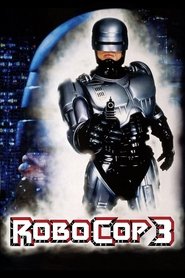
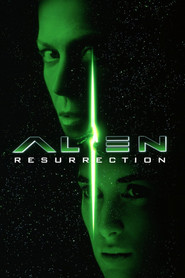
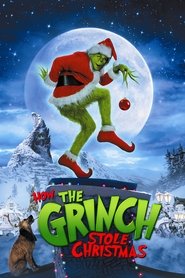
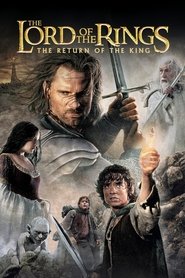
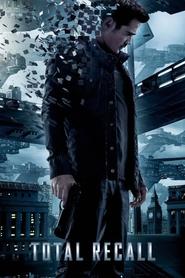
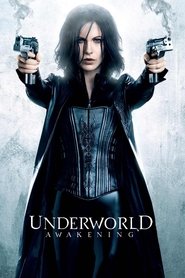


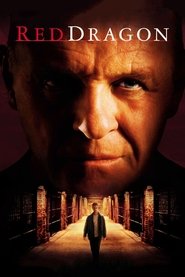
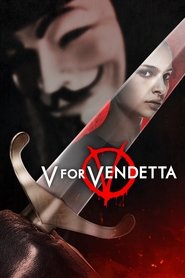
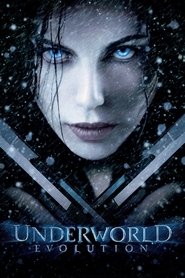
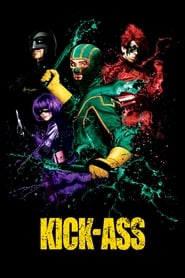
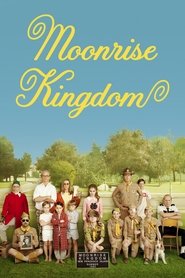

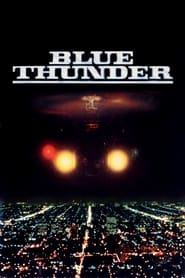


Related topics
Other topics that frequently come up in the same commentaries.