Topics / Cinematography & lighting
Lighting
110 commentaries in the archive discuss this, with 371 total mentions and 6 sampled passages on this page.
Filter commentaries
Filter this topic by the film's decade or the type of commentary.
Showing 2 of 110 commentaries
Clear filtersBy decade
Across the archive
ranked by mentions · click any passage for the moment in the transcript
-
scholar · 1h 32m 6 mentions
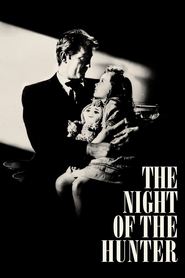
The Night of the Hunter (1955)
Terry Sanders, Robert Gitt, F. X. Feeney, Preston Neal Jones
-
Expressionistic, non-set set. I love the way Cortez lit this. It's like you're peeping through a keyhole at her. That's an uncredited lady named Gloria Paul. And this is the first of many sets which really is no set. It's just the chairs and the gentleman sitting there and the lighting.
4:01 · jump to transcript →
-
And it was beautiful, too, the way they were both facing in the same direction, you know, to show the inner divorce. Now, this is an interesting scene, I think, from a rear projection point of view, because originally a lot of this was shot with Emmett Lynn and then thrown away. Instead of going back to the lake again, this is done with rear projection, and it's extremely well lit by Stanley Cortez. You wouldn't really know it, I think, that it wasn't made on location. Absolutely right. You mind my cussing, boy? No.
31:10 · jump to transcript →
-
Now, this is a set that's not a set. It's just all background. The bed is in the foreground, but there are no other walls except the background wall, which, as you can see, is designed and lit sort of like a chapel for this human sacrifice. Answer me. It's a very ritualistic scene. And doesn't some of the scene remind you of Cabinet of Dr. Caligari, too? Absolutely. Expressionistic. Again, it's a silent, expressionistic influence.
38:34 · jump to transcript →
-
-
-
Alan K. Rode
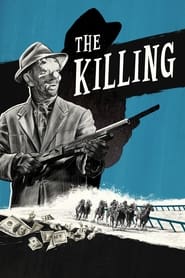
Lucien Ballard was a legendary Hollywood cameraman who began with Joseph von Sternberg, who was probably the only director before Kubrick who could light a set by himself. Kubrick himself literally knew everything about lighting and photography, beginning with working as a photographer for Look magazine for four years before he embarked on a career as a filmmaker. British cinematographer Jeffrey Unsworth, who shot 2001,
7:13 · jump to transcript →
-
Alan K. Rode
him to shoot the scene with a certain lens and a certain track and Ballard changed it without telling him. When Kubrick called him on it, Ballard downplayed it saying, hey, don't worry about it. No one will know the difference. Now, Stanley Kubrick was not a screamer or temperamental, but he quietly told Ballard that he would either accept his direction or have to leave the set permanently. Ballard acquiesced and as Kubrick became granularly involved in the staging and lighting of every shot in the movie,
8:18 · jump to transcript →
-
Alan K. Rode
Only this, I went through his clothes while he was showering. I'm quite sure George went there tonight. Kiddo, I think we got something. Nice shot here with a low-key light coming ostensibly from the lamp with both of their faces lit in a dark background. George's cut's going to be peanuts compared to this whole thing. We've got to find out more about the overall plan. You think he'll tell you any more? Not a chance. I could see he was scared stiff because he talked as much as he did.
18:30 · jump to transcript →
-
Related topics
Other topics that frequently come up in the same commentaries.