Topics / Cinematography & lighting
The cinematographer
95 commentaries in the archive discuss this, with 192 total mentions and 49 sampled passages on this page.
Shape this trail
Narrow the evidence by film decade or commentary type without losing the topic's full archive context.
By decade
Across the archive
ranked by mentions · click any passage for the moment in the transcript
-
-
Nia DaCosta
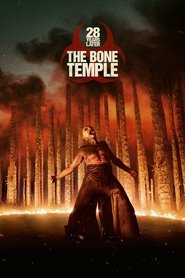
So here you can see a bit, 'cause of the way Jimmima was moving just then in that scene, that the shutter angle is changed. It's not sort of a standard angle. And that's something that Danny did in the first film. Whenever the infected were attacking, the shutter angle would change, the image would appear more choppy to the human eye. And... Sean Bobbitt, my DP, and I, we really wanted to use that, in a way. It was really the only visual reference from the other films that we took. But because, again, we're starting this film with the Jimmies as the real mortal threat, we thought the Jimmies and the infected should have the shutter angle change when violence happens. And this is the first infected of the film coming up, which, again, wasn't written in, but we added, 'cause we were like, "We need infected." And I like infected scenes and things like that, so, yeah.
6:42 · jump to transcript →
-
Nia DaCosta
I really love the way Sean Bobbitt, the DP, does moonlight, and it really speaks to me as someone who loves mercury vapor lighting. I just think it's really beautiful. So, you have this mix of this, like, greeny light and this orange firelight, which I think is really beautiful. Here's the sound of the train over the moon.
39:03 · jump to transcript →
-
Nia DaCosta
I see. When I watch this scene, I just think about Sean Bobbitt, my cinematographer, really intensely focusing on the grass and, like, wanting, like, singular blades of grass to be removed or added to the foreground, which I really enjoyed.
1:10:17 · jump to transcript →
-
-
-
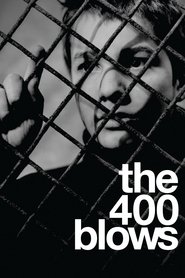
As the family leaves the film, we get actual night shots of the Champs-Élysées, Paris' grandest street, particularly at night at Christmas time. The Doinelves own a modest little Renault, and as Truffaut's own low-budget production could not afford the usual studio's process shot, in which rear projection is traditionally used to simulate a car ride, Truffaut actually had cinematographer Henri Decas mount the camera on the hood of the car while Albert Rémy really drove through the streets.
52:09 · jump to transcript →
-
The questions were actually put to Jean-Pierre Léo by Jacqueline Descartes, the cinematographer's wife, who was perched beside the camera as it was being operated by Jean Rabier.
1:29:10 · jump to transcript →
-
-
-
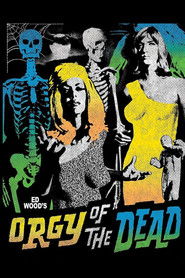
we should mention some of the people that worked on this. Bob Caramico was the director of photography. He directed one film that I had the pleasure of seeing theatrically and something we had sold for years. It's called Sex Ritual of the Occult. Oh yeah, I heard about that for years. Yeah, and it's 1970 was released and it has a lot in common with this. It's all on one stage. One central stage. I never saw that. A fog machine.
53:13 · jump to transcript →
-
Now, Apostolof says this is a real skeleton. That's what he told me. Yeah. He's got some nice camera work on this. Well, I think... I think Caramico knew his stuff. You know, what's interesting about Caramico, he did all these number of low-budget films. Guess what happened to Count Dracula? Stuff on that level. And then, years later, he's shooting Dallas. He became a big TV DP. You know? He's passed away now, but...
1:08:27 · jump to transcript →
-
-
-
Tim Lucas
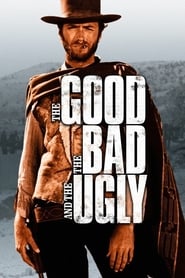
ducked down to clear themselves from flying debris and suddenly come face to fuse with the truth about where they've been standing. The Good, the Bad, and the Ugly was Sergio Leone's first collaboration with director of photography Tonino Delli Colli, replacing Massimo Dallamano, who had just been promoted to the ranks of directors, with the 1967 film Bandidos, starring Enrico Maria Salerno.
2:06:09 · jump to transcript →
-
Tim Lucas
Once we get under the bridge, Delli Colli's camerawork becomes masterfully sinuous as it navigates these wooden supports. The camera operator on this film, worthy of a separate hand of applause, was Franco Di Giacomo. He would graduate to director of photography in 1970, and his credits would include such titles as Bernardo Bertolucci's The Spider's Stratagem, Dario Argento's Four Flies on Gray Velvet, Aldo Lado's Who Saw Her Die,
2:09:41 · jump to transcript →
-
-
-
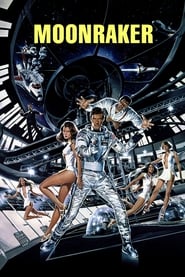
Roger Moore
You know, Chunky Huse, who was a camera grip... ...Was the sailor at the table at Piazza San Marco. Practically every Bond film that I made has a man with a wine bottle... ...being absolutely amazed at what is happening, always doing a double take. And, of course, the man doing the painting was our DOP, Jean Tournier.
40:52 · jump to transcript →
-
Roger Moore
Jean Tournier, of course, was the director of photography, the DOP.
49:27 · jump to transcript →
-
-
-
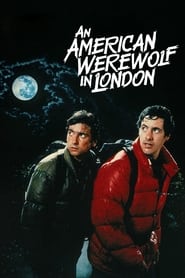
Paul Davis
the book and the documentary, I found out that it was actually minus, it was recorded as minus 11 degrees on the 28th of February in London, where they filmed that night. So it was cold. And those poor guys, they were the only two that had to get wet under those, under the rain trees. And the scene was lit by the DP Bob Paynter,
13:38 · jump to transcript →
-
Paul Davis
shortly before the movie, he actually imposed a smoking ban on the set. Much to the behest of a lot of the British crew, because a lot of them were chain smokers, especially Bob Paynter, who was the DP. He was a big smoker, and John would not let any of them smoke. And Bob actually confided. He said he actually quit smoking on this movie. So, you know, all worked out.
54:42 · jump to transcript →
-
-
-
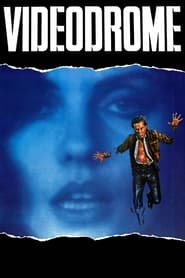
Tim Lucas
This was the first experience that David Cronenberg and his DP, Mark Irwin, had of shooting on video, and they both told me they were very uncomfortable working with the medium, and they were very relieved to move on to 35mm about a week later. A $20,000 Barco monitor allowed Mark to light his shots for video with greater precision, and I know he was very proud of the end result. The name of the actress has not been passed down to us. The shot revealing the wooden dildo was cut from the initial theatrical release.
4:16 · jump to transcript →
-
Tim Lucas
But let's take a moment to admire the production design of Carol Spier, who is working here like DP Mark Irwin and editor Ron Sanders on her third Cronenberg picture. The glass blocks suggest television screens and the open slats of the Venetian blinds emitting blue light evoke the resolution lines that were present on all analog TV picture tubes. You may note in this scene that Max's preferred format is Betamax, which video insiders of the day considered a far superior format to VHS.
15:07 · jump to transcript →
-
-
-
Michael Bolhaus was such an important part of the spirit of this picture. His gifts are all over the place. And in those days, it wasn't quite legal for the cinematographer to hold the camera himself.
1:19:38 · jump to transcript →
-
but he did frequently, and it was always so great when he did. And one of the things that happens when you hold the camera yourself is that you're not just trying to hold the frame. You're not just trying to keep everything. His wife was an actress. Michael's wife was an actress. And so that when a cinematographer with that kind of sophistication, that kind of feeling for actors puts his eye to it, he'll go wherever his instinct takes them because of feeling what they're doing.
1:19:59 · jump to transcript →
-
-
-
Paul M. Sammon
And by the way, Belinda Bauer always saw me with a recorder, tape recorder, when I wasn't shooting film because I was writing a lot about this film. As some of you may know, I did a lot of journalism for magazines like Cinefix, Cinefantastique, American Cinematographer, and so on. And she actually asked to borrow my tape recorder. So that's my tape recorder, my audio tape recorder right there that she's using. And here we are in L.A. again. And...
1:07:38 · jump to transcript →
-
Paul M. Sammon
I have to admit that, you know, basically it just, of course, does not hold up to the first one. However, the first one is a completely different kettle of fish, not done under the extreme pressure and circumstances of this particular film. And considering everything that happened on this movie, I think that it has aged fairly well. I'm amazed that the new Mark Irwin, by the way, the director of photography,
1:51:26 · jump to transcript →
-
-
-
like descent into hell that Clarice has to undergo in order to, you know, meet Hannibal Lecter for the first time where Jonathan Demme and his cinematographer, Tak Fujimoto and, um, the rest of the crew are just using every trick in the book to kind of create this atmosphere and this mood and this ominous feeling, uh, including like the submarine sound effects and the red gel lighting. And, um, what is really the defining, um,
12:27 · jump to transcript →
-
His sort of style has always kind of been a little jankier, especially at Fujimoto as the DP. But in a way that I always found kind of very appealing, this is a lot more, I would say, it has a certain restraint, but also a very sort of disciplined eye. It's a lot more deliberate.
13:50 · jump to transcript →
-
-
-
This is sort of my homage to it, but if you notice, there's a lot of bold colors that probably somewhat are cartoony colors, especially when we get into the house, and that was by design. And I did have a terrific DP, Levi Isaac, who obviously gets credit for shooting this and making it look like a great movie.
2:25 · jump to transcript →
-
And it's funny, I look at, there's Levi, Levi Isaacs, who really, this is my first directing ever. I had written and produced a lot of television, but this is my, you know, my intro into directing, and Levi was terrific because your DP, as everyone knows, is your right-hand person. And he was, he taught me a lot, actually. Ah, that was our...
5:01 · jump to transcript →
-
-
-
This here is a second unit shot in Moscow, Red Square, done by Michael Ballhaus, the cinematographer's son, Sebastian Ballhaus. And he did much more there in Russia and Moscow. We will come later back to that. This, of course, is back in Los Angeles in reality, even if it's meant to be in Russia. But it's a big, I don't know, banquet room somewhere here in Los Angeles where we did that.
5:36 · jump to transcript →
-
He has such a dry sense of humor. It's amazing. We were cracking up. We called the whole shoot Air Force Fun because we had so much fun. We had a lot of jokes. Maybe it had also to do with, first of all, the personalities was great. I mean, Harrison Ford, myself, and Michael Ballhaus, the cinematographer, a great guy from Germany also, Gary Oldman. We just...
31:48 · jump to transcript →
-
-
multi · 1h 54m 2 mentions
Jean-Pierre Jeunet, Hervé Schneid, Alec Gillis, Tom Woodruff Jr. + 5
-
We had a larger size for this close-up. They ended up making some oversize pinchers to hold it as well. But it gave us the detail we needed to articulate the face and have the head extrude from that silicone sheath. Nigel Phelps the production designer worked with Darius Khondji the DP. They worked during the preparation. It was very important for Darius to have some sets with the light included in the set, because there's some small corridor - it's very very small, very tight - and it was very important to include the light.
5:28 · jump to transcript →
-
I remember these signs - this is the psychological tests - and Jean-Pierre had something specific in mind, in terms of the primitive drawings of apples and pears and cows and cherries and things. He went through an amazing amount of artists trying to get primitive-looking drawings of fruits and little tidbits. It turned into such an assignment. He couldn't find anybody who could nail that style. Which had something to do with what he had seen as a Child - basic, primitive illustrations, which actually come back in his film Amélie. We get a sense of that naive, childlike graphic thing, which comes from a children's book, which, I think, is a really big deal in Jean-Pierre's imagery. I love Dan Hedaya. I love the Coen brothers' movies. You remember, he played in Blood Simple, the first movie of the Coen brothers. Interesting casting. I wondered if Jean-Pierre would have picked Dan Hedaya had Jean-Pierre grown up in America and seen Cheers. I love the lighting. You had a lot of lights coming up from the floor. Exactly. We used an optical process, and the folks were very nice with me because they made all the prints in the world with the process. And it was very expensive. And they made maybe 3000 prints with the process. The name of the process is ENR. It was invented by Storaro, the Italian DP.
8:49 · jump to transcript →
-
-
-
Darren Aronofsky
Brooklyn in the mid-80s, I was really a product of hip-hop culture. Matty, too, the DP, was from Queens, and Eric was from Oakland. And, you know, there's always been hip-hop music, rap and hip-hop dance, breakdancing, hip-hop art, graffiti, but hip-hop techniques haven't really quite made it into film. And so the idea was to sort of, you know, just sample different types of shots and create some type of story element out of it. So we sort of wanted this repetition of the film montage through the film
25:04 · jump to transcript →
-
Darren Aronofsky
This bodega we shot in is actually the bodega beneath the building where me and Eric shared an apartment while filming the film. Actually, while we were there, Matthew Libetique, the DP, who lives in L.A., as well as Laura Zuckerman, the first AD, and occasionally some other people lived in that apartment. It was five or six filmmakers living there, working 24 hours a day to get the film done.
27:19 · jump to transcript →
-
-
-
Alexander Payne
I used many, many, many of the same people between Citizen Ruth and Election. The production designer, Jane Stewart, and the DP, Jim Glennon, and the editor, Kevin Tent, and the composer, Rolf Kent, and even the same assistant cameraman, and the same prop master, and a lot of the same grips and electricians, and Omaha crew people, a lot of the same actors. In a way, Citizen Ruth was something of a dry run for Election.
13:48 · jump to transcript →
-
Alexander Payne
like the school mascot. So that's the one visual reference we have to George Washington Carver. I have exactly 48 minutes to make all the arrangements. You finish early, just sit quietly and check your work. I'll be right back. Jim Glennon, the cinematographer, is very proud of this shot because it involved a, I think a seven stop
59:30 · jump to transcript →
-
-
-
And Adrian and I, my cinematographer, had gone over it and discussed it, and when I arrived, the lights were... He had already pre-rigged the whole thing, but unfortunately the lights were at the top on the ceiling, and I realized once we got there that we were going to see them. And Adrian tried to talk me into doing a 180 camera move instead of a 360-degree camera move. And I kind of held out, and he and everyone else was very pleased when it worked.
14:00 · jump to transcript →
-
Now, this scene, I was running out of time. I shot this entire sequence in one day, the whole camel race, and with my cinematographer on his back in a truck. Very, very sick. I think almost every member of the crew got sick at some point. I, however, did not. I learned in India making The Jungle Book that when I was in Morocco, every day all I eat is mashed potatoes and chicken. I don't know what it is, but in India I almost died from being...
38:03 · jump to transcript →
-
-
director · 4h 13m 2 mentions
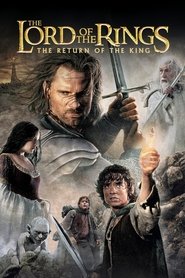
The Lord of the Rings The Return of the King (2003)
Peter Jackson, Fran Walsh, Philippa Boyens
-
We flew around in the helicopter and shot it being set on fire. But what you see here is real. None of this is a special effect apart from the distant beacon that lights at the very end. But the hills are real. Those beautiful clouds that are in the valley were all real. It was all just absolutely the way it was in the morning that we shot it. And then we just added in those distant flames. This is a helicopter sequence that David Knoll, wonderful aerial DP, shot for us. Obviously, none of these fires are actually there. We added the flames in later on the computer.
1:06:15 · jump to transcript →
-
One or two shots. So here we are at the beginning of the second disc. We're only halfway through. And I can't believe that some of you are still listening to this. Shouldn't you get some sleep or something and maybe come back tomorrow? This was the cameo scene, wasn't it? Where everybody thought it would be fun to dress up as a pirate for the day. We've got Andrew Lesney, our DP, Rick Porius, co-producer. Richard Taylor and Gino from Winter Workshop are there.
2:07:32 · jump to transcript →
-
-
-
Noah Baumbach
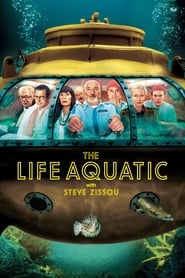
This actually was filmed in Rome. You know, the whole film was shot in Italy. The Explorers Club was at a palazzo in Rome, and Zissou has taken to wearing an earring at the beginning of the film. Here's where he decides he's humiliated out of-- He loses his confidence. Did you place a second earring there that Owen knew where it was? I don't quite remember. - Probably. I think it was more Owen just went over and acted like he was picking something up because he could never quite find it. This is revealing some of the secrets of the trade. The deliberately low-tech effects. Yes, yes. Something I was thinking about this ship, which we didn't say in the cross-section area, but I do think is definitely another thing about the film, is the sort of deliberately artificial and sort of the things that are invented, certainly the fish and the cross section of the boat, sort of living in the same world with stuff that's very real. You know what? Okay, so this is one of the big concerns for me. How-- We want to make, you know... Most of our time is spent in how do we bring our characters to life. That's what we're inspired by, that's what we spend all our time with as writers. And then as a director, I'm working with actors, and those are my actors, and then the cinematographer, the production designer... And how can we have them come to life and have a feel for them in an environment that is so strange and unreal? Well, and I think what's sort of interesting about that too is that Zissou is somebody who, you know, makes his living sort of, you know, in some ways... - Making fake documentaries. Making fake documentaries or documentaries that are highly indulged or embellished upon. And, you know, so, you know... Yeah, so the artifice of it, for me, it doesn't actually-- This is like intellectualizing something, but for me, part of the inspiration of the movie is to create this world that's going to be set, and they're gonna wear these crazy outfits, which comes out of his character, and he's going to fly for Air Kentucky, and, you know, we're going to make these animals. But the hope is that through the fact that we've made so much, and invented so much, and through the artificial feeling, that it would make it interesting enough or have enough excitement in just the fact we're trying to create so many things. That's basically what I feel like. We're just trying to try as hard as we can to put as much life into it as we can and as many ideas into it as we can. And there's even something that you were saying, which was that the fact that the animals being this sort of handmade, stop-motion, old-fashioned style, and how it's not very real, is related to the whole concept of a movie being about people who make things and create their own world. That's what the movie's kind of about, some sort of self-invention, and making their own art and all those things. Which in this instance, there's a bunch of plastic domes with light bulbs blinking inside them on a beach in the south of Italy.
18:16 · jump to transcript →
-
Noah Baumbach
And Bill's reading one of your actual notebooks. Yes, the notebooks in this-- Jane's notebooks are modeled on the notebooks that these movies are written in. So The Life Aquatic is-- Originally, while we would sit here talking, I would write everything down in longhand in these notebooks like this, then take it home and type it up, then bring in the pages next day, then we'd write more in the notebook, more on the pages. That's what the notebook-- I mean, I guess it's worth noting that the way we write these things or not, we don't both do separate scenes and then bring them in together and try and sort of edit them or anything. We actually come up with everything together in the room. I mean, stuff is done later in rewriting or when you're directing and stuff, but... You know, it is a... We make the story sitting here together. Yeah, in Jane's notebooks. - Yeah, in Jane's notebooks. Why don't we talk about some of the people who work on these films? Maybe we start with Robert Yeoman, the cinematographer. He shot all my films, Bottle Rocket, Rushmore, and Royal Tenenbaums, as well as your most recent film. The Squid and the Whale, yeah. Yeah, from my perspective, I tried to hire Bob for the first movie I did, Kicking & Screaming, and... Only to hear later that he was shooting a movie called Bottle Rocket by some neophyte Texan writer, director, actors. Yeah, I think we both probably responded strongly to Drugstore Cowboy, which was a film Bob had shot. - Right. And, you know, Bob, he lights his movies, he's drawn to very natural lighting, and I feel like he's sort of a Nestor Almendros kind of... His style of director of photography. He's also a very good operator, camera operator. He's great at hand-holding and he knows how to get the image. And he's tireless too. This is probably a good-- Now we're underwater, in the underwater forest, a good time to talk about Mark Friedberg. And you did this in a tank in Cinecittà? Yes, this is in a tank, where we built this undersea forest, and it was very difficult to do. It's hard to keep the water clean, hard to get the temperature right. You've got to build the whole thing, and the set starts to disintegrate. It's very complicated, but a bizarrely exciting thing to film. You know, it's just a crazy experience. And, you know, it's very-- It's-- You know, it looks fake and... It's fake to X degree, and not fake to some other degree, although it's pretty fake. And the thing we liked the most here was we took a scene that could be staged in a broom closet somewhere or in somebody's living room, but we just put the scene at the bottom of the ocean, where they have to push buttons to say each sentence. It's just really a scene about, "Can I call you 'Dad'?" And, "No, you can't." Yeah, I think maybe we'd initially written this scene on deck-- - On land. Yeah. - And then... Then we decided to go underwater with it. It's also a scene where we sort of, you know, where Zissou manipulates-- We get to see Zissou sort of first-hand manipulate the reality of his film. Yes, we see how it works. We're restaging.
52:14 · jump to transcript →
-
-
-
He's a New Zealand production designer who did such amazing films as The Piano. And we did have a limited budget, and I don't think that you would guess that, given what he was able to do. And also, I think it's interesting that Stuart Dryburgh, who was our director of photography, and Andrew had worked together before. They're both from New Zealand.
11:53 · jump to transcript →
-
It's a great example of Stuart Dryburgh, our cinematographer, and Andrew McAlpine, just working so well together.
34:45 · jump to transcript →
-
-
technical · 1h 22m 2 mentions
Måns Mårlind, Björn Stein, Gary Lucchesi, Richard Wright + 1
-
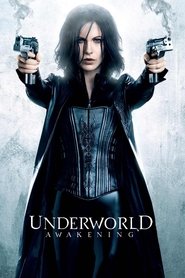
Oh, we started watching the movie. - Yeah. This is cool. - Will she make it? Got her clothes on. One of the things that we were very keen on... ... that we wanted, was that we wanted.... We had this ambition... ... that the audience should have their first breath... ...after the first 10 minutes... ...when she gets dropped off the truck... ...which we will see. And when I was watching the premiere yesterday with my wife... ...when she get-- She: At exactly that spot and I felt, "Wow... ... this was exactly what we were aiming for." I think the audience was a little surprised too. We had the premiere last night so we got to watch... ... the movie with a big audience. But they were surprised at the level of violence of the movie. This is a tougher movie than the other movies. Selene is a lot more badass in this movie. She kills a lot of people. - Yeah. Went through a lot more buckets of blood too. A sign of the times, I suppose. Yeah, you'll wish you hadn't done that. This was one of the big scenes in the trailer... ... that we had shown Screen Gems right at the beginning. I love the little splat of blood hitting there. That was sweet. I repeat, full containment... No, there was buckets of blood. I mean, it's.... Violence Is an aesthetic I think that, I mean, goes a hundred years back. Yep. Have we actually done a body count in this? It's a lot. You know what? I did once. Did you? What'd it end up being? - I can't remember. Counting Lycans and humans. Yeah, dead-- Corpses. Now, this moment was an additional shoot moment. It was the first thing we sh... - Wes Bentley, yeah. It's the last and first... - The uncredited Wes Bentley. The first and the last... - This jump was the first thing we shot. First day of shooting. - Look at this boom here. There. That hit in that shot, was Alicia... ...our excellent stunt girl, who just smacked... It sounded like the worst sound I ever heard. It's like, "We killed the stunt double on the first shot." And then you said, "Let's go again." The first day of shooting went so well... ... that I walked away thinking, "God, this is gonna be an easy movie." Oh, my God! - You were wrong. I was wrong. It was so difficult. This was the toughest by far we've done. They're not supposed to be easy. No. - There's a direct correlation... ...between the amount of suffering to do a movie... ...and how well it turns out. We never did a film, like, with this big budget kind of thing... ...but I think you always end up in the same position, you know? You don't have enough money. You always... Imagination can always outrun money. Yeah. - Yeah. The 3D made it more complicated too. Yeah, the 3D really-- You know, nobody had really done it. You know, how to plan it and how to shoot it and.... This is where we want people to breathe. Yeah, here. Here's brutalism again. - Yeah. I was talking with the cinematographer... ...ocott Kevan, last night and... Who did a great job. - He did a great job. And the person... I introduced him to my daughter. My daughter said, "Was this your first 3D movie?" He said, "No, my second. I made all my mistakes on the first one... ...So this one I could get right." Yeah, he was the only guy kind of who had done it. Yes. - And he kept telling us: "It'll take a long time." I remember-- Gary, you said: - It did. "If we go down the Amazonas, it'd be nice... ... to have someone who's been there." Done that trip. That was true. Scott was really there. - Yeah. He was great. But it's also-- It has been very... ...weird. - First shot of Kate. This was the first shot of Kate. Yeah. - First night. That terrible night when it would not stop raining. This was one of those.... - There's a gale right now. When the duck flew into the light? - Yeah. It was a duck who came from the sky... ...and landed in the middle of the set. The camera broke down about four times. Yeah. No, just shooting 3D was a weird experience in that sense... ... that we hadn't done it before and all the rules that you get... ... from various people who has done it... ...Just turn out to be not true or.... - Bullshit. Total bullshit. I don't know if the Red Epic that we used, the camera... ... kind of discarded some of them so it actually works now... ...and it's also.... You have to realize you're telling a story... ... you're not doing a 3D ride. Although this movie is like a ride but... No, but I think what.... True, because... .all these people that we talked about, they were technicians... ...and not filmmakers or storytellers. So they speak about the perfection of everything... ...and that's not really interesting, perfection... ...ecause what you go for is emotion, and emotion is not always perfect. It's also... You know, 3D is in its infancy. People really don't know the rules. When we took those classes... ... there'd been like six movies made and so people didn't know. Half of them were not real 3D, either. - Correct. Where you actually were using binocular cameras... ...to shoot the entire movie, which we did. I don't think any... There wasn't a rule they gave us... ...that we didn't break. - No. I mean, it was... - No. Everything. This is that hybrid POV, as we Call it. It's when Kate starts seeing through.... She thinks she sees through Michael's eyes... ...but it's actually India's. Eve, her daughter. This is so hard, I think, to decide as a filmmaker... ...when you do this. What it should look like? - No. Not technically, but I'm saying the suspension of disbelief... ...of is it Michael or not, and.... We didn't know... All the marketing now you've seen... ... you know, It's all out that she has a daughter in this one... ...which, you know, when we were planning this.... Hopefully that would be the secret. It's gonna be a surprise, yeah. - "Wow, she has a daughter." But.... And I think what helps us Is that we... - Michael Ealy, by the way. Michael Ealy. - Appearance of Michael Ealy. What helps us is the pace that we had to this. You just move so fast that, you know... ... you don't leave time for the mind to think that much. But it's.... Yeah, it's interesting. One of the scenes we shot here is outside in Vancouver. Vancouver-- When we heard we're shooting Underworld... ...and we're shooting it in Vancouver... ...we thought that was pretty strange because it's not gothic. But as Bjorn was talking about... ...when we found the neo-Goth and the brutalism... ...Vancouver Is fantastic. - We'll start counting... ...how many times that word comes. - You do that. It might be even more people than die. Yeah. A couple of words about Kate.... She's a movie star and a really, really good actress. Sometimes that's not the same thing. But she is, and she's very fun to work with. And she... You know, she's British, she always... Theo James. - Theo James. Very witty, yeah. - Young English actor making his... Who's also extremely funny. - Those damn Brits. Yeah. He's so funny. And you're around people who are gorgeous and funny... . It takes its toll on you. Yeah, it doesn't go together usually, yeah. No, and you just stand there in the middle and talking really bad English. I love this shot we did with Stephen. I remember we were shooting it, he was really somewhere else. He was... That was a scene we added after we had started shooting. It was Gary's scene. - That was my idea. We initially had a scene outside of here that l.... I remember seeing this location. I thought it was beautiful... ...but I couldn't wrap my head around a desk being in an exterior atrium... ...so I was struggling with that, but I'm sure glad we did it. I think it looks beautiful. I think you said when you saw it, "It's outside?" It started raining. - "It's outside?" And it was freezing cold. You remember how cold it was? Oh, my God, it was freezing. - God. This is the second... - Then we said: "We have all this concrete and it's freezing cold. Let's get water everywhere. That'll make it really comfortable." This is day one. Day zero, we did the jump we saw before. This is day one where it was full-on, all teams... ...SO this is the first scene that we shot of the whole film. And this shot was actually blown up. We had shot it wider, but we were able to push in on it. We did that with an enormous number.... One of the beauties of using the Red Epic camera... ...was the ability to push in and resize afterwards... ...1N postproduction. That's 175 percent. - Yeah. One of the things I believe that Mans and Bjérn should discuss... ...because we experienced it our first day of shooting... .IS that they are slightly unorthodox in terms of a directorial team. Slightly? They alternate the days they're shooting. So the first day, I believe it was Bjérn, right? You were directing the first day... ...and then Mans would direct the second day. And so, you know, you guys may wanna enlighten the audience... ...as to your procedure. - This was Mans. The prior one in the corridor, I did. I can't remember, but we always have the producer flip a coin... I did. I remember I flipped a coin. Yeah, flipped a coin and whoever gets the tails... ...whatever we decide, begins the day. The thing is, when I'm directing, Bjorn's my best buddy... ...as we Call it, and he doesn't do anything... ...except helping me. Nobody's allowed to talk to him. - Wait. We'll miss Wes getting thrown through the window. This is a totally reshot scene. - Yeah. We had another scene that was... - Just not working. No, it was a bit of a disaster. We got the opportunity to reshoot this, and I love this scene. I love it too. - It's great. This whole spider-webbing window thing.... That was actually Len Wiseman's idea of having him... ...be pushed through the window as it spider-webbed behind him. Yeah, we had.... Yeah. Fantastic idea. - Yeah, great shot. In the background, you see he's got little stuffed animals... ...because we wanted him to be a tinker... ...because he's been tinkering with her... What? I never saw those stuffed animals. I love this shot. I love this. It's too short. - Way too short. Yeah. It's way too short. You know, if you're starting to do movies or anything.... Please listen up, because Bjérn is saying something important. If you get into doing green-screen stuff, stay on it longer... ...because the visual effects will come in and you'll go: "Why the hell didn't we stay longer?" You had 36 frames of tail handle that you didn't use. So it's... So there. - Bollocks. I did not see that. - The famous.... Larz. Thank you, Larz. This is a 300-pound dummy in steel. Oh, God. Nothing.... I mean... Larz is the visual effects... - Special effects. Special effects. We thought, "There's no way. That's not gonna smash the car." Larz was like, "It's gonna smash the car." It did. - It smashed it great. Larz was right. It worked. And I love this shot of the camera pulling up... ...and catching Theo there. - Yeah. SO we are boosting up the mystery here. Theo, who is this guy. - The mystery man. And hopefully you don't know that he's a Vampire yet. He could be anyone, probably a human. Yeah, that was one of the challenges, as well, with the introducing. We introduce Michael Ealy, who plays Sebastian... ...and we have introduced David. We had introductions of a character called Quint, which is... Love this knife. - Yeah. The Uber-- Who was a Lycan, but it was taken out. Because there were too-- Yeah. Kris. - Kris Holden. Brilliant. - Brilliant guy, brilliant actor. It was taken out because there were too many people presented... ...and he gets presented after the car chase... ...and we only see him once. I'm not sure if that was perfect. In hindsight, maybe we should have. - But it's tough. That's... This is a movie where there's only one character... ... left over from other films. Every character has to be introduced. At a certain point, it's a struggle... ...trying to figure out ways to do it without overwhelming the audience. So we just caught a glimpse of the lower Lycans. And one of the things that we really loved in this one... ...was that we could expand the mythology and the universe... ...by inventing new creatures. And we liked the idea that they have been living in the sewers. There's one now. Yeah. And, you know, we thought, you know.... Here we thought Gollum. We thought rabid dog. We thought puss-- Run... Is that what you call it? Puss? Pus. - Pus running. Yeah. Saliva. Fucking crazy in the head. Rabid crazy. That... - Syphilitic. We wanted to because there's... One of the most wonderful lines... .In the history of Underworld is: "You're acting like a pack of rabid dogs! And that, gentlemen, simply won't do." That Michael Sheen says in Underworld 7. And we said, well, let's turn them into those rabid dogs now. They-- You know, they have lived here underground for so long... ... that they actually became these rabid dogs. Yeah, we actually don't see these guys as being human anymore. They're just Lycans. - And they... They turned out beautifully, James. Really beautiful. - These are my favorite Lycans. I think if there is a part five, there should be just these guys. I love them, just those.... The horde. - Yes. Really sick. It was the first time we moved away from suits. We always relied on practical prosthetic suits... ...and this was the first. This and the Uber are the two creatures that are purely CG. The Uber was hard to cast, so we had to go CG. This is an important moment. I loved shooting this. - This is where Selene sees... ...this child for the first moment. Without realizing who it is. - Right. She thinks it's Michael. I remember when shooting it... - She expected to find Michael. Right. Exactly. And she was so beautiful, and she looks so scared. Vulnerable. - Yeah. And the whole thing here we set up, you know.... We're gonna reveal later in the van, when she rips the Lycan's head apart. Hopefully that works, because we set up this girl as weak... ...as we see here, and vulnerable and so on... ...but she is the daughter of Selene, which means the girl's got powers. She's got the kick-ass gene. - Her name is Eve... ...which is never pronounced. - No. It isn't? We never say it? - We never say it. She says, "I'm Subject 2. You're Subject 1." So we might give her another name if we want to for the next one. Eve is perfect, I mean. No, but I think Selene is so beautiful... ...because Selene means moon in Greek. Is that right? - Yeah. Selene means moon in Greek? - Don't you know your Greek? Apparently not. Good Lord. Yeah. So here's the car chase, as we Call it. And it is pretty much... ...on the money on every shot that we storyboarded... ...which is extremely rewarding for a director... ...to see that it pulls off. This is also a triumph of visual effects. Probably half of the scene it was pouring down rain... ...and shooting in 3D, which means you can't really shoot. Shooting in 2D. We shot most of it in 2D. Because you can't shoot in 3D, the rain hits the mirror. The half-silvered mirror that you use in a 3D rig. So this whole thing was pieced together... ... from very, very rudimentary pieces.
10:50 · jump to transcript →
-
Now you got it, right? - This is what I love. Once the gre... That's it going off. Okay. - Yeah. Well, I didn't know. Last night was the first time I had seen this shot finished. The MPAA, remember, was really worried... ...we were gonna put a giant set of genitalia on him. Oh, they did. - Oh, they did. Yeah, that's the director's cut version. This was hard, I think. Because we had just been in this violent extravaganza. And now for emotions. But I think it works. - It works great. Because Kate is good and India is good. "You came back for me." - Yeah. And I remem-- This-- All... The tears and so on on Kate is completely real. Yeah. - But this is why she is, you know... This is why Kate is a movie star. She times it so the tear comes exactly where you want it. And I remember.... You only get that from professional actors. They know their body like, you know, true musicians. Go. I'll send them... ...on a different path, buy you some time. This is a part of the movie where we struggled... ...tried to figure out what to do now. How do we end the movie? - Yeah. We went through so many different permutations. We did film Michael watching them. - Yep. From the roof. - Yep. This scene was always in the film. - Yeah. That she comes back and finds the.... There was a period where we weren't. No. This was actually decided... It was not in the script. This was halfway through the shoot, we realized we needed this scene. We didn't wanna end on a rooftop... ...because it's kind of cliché a little bit. We did it in our Swedish film, Storm, actually... So then we ended it on a rooftop. - So-- But, you Know.... Sometimes cliches work. - Yeah. I think it's better than a forest. lt worked for the voiceover. Yeah, it was in a forest. Yeah. That was-- Yeah. But you want a nice wide shot. - Right. You see the city, see the world. And.... - The close-ups. I remember waiting for Len to write this voiceover, it took forever. But then he got it, and it was great. - Then he delivers. Because you get this "fuck, yeah" feeling. I've always thought that it's Kate that writes them... ...but Len actually does write them. Well, we'll never know, will we? I like those guys. That's those Swedish guys, isn't it? Yeah, yeah. Wonderful writers, John Hlavin... ...Michael Straczynski, Allison Burnett. Yep. There's Len again. - Len and John Hlavin. Kevin Grevioux, shout-out to Kevin. - That's right. Anyone fancy a pint? - We have to trash everyone. We have to trash those guys for sure. - Producers. David Kern, there he is. - And David Coatsworth. Good on you, mate. Yeah, that's it. - That's it. Scott Kevan, DP. Excellent. Yep. - In the house. Claude Pare. - Yes. Award-winning production designer. Jeff McEvoy, the gentleman. - Yes. He was there the whole time. - Monique Prudhomme, costumes. Paul Haslinger, Underworld veteran. Are you gonna go through all of these? I'm just reading. It's not that hard. Tricia and Deb did all of the Underworlds too. Couple of small words here. - Needs no introduction. India, she was the third girl or second girl in the room. Remember that? - Yes, absolutely. And we just looked at each other. "This is the girl." "This is the girl." In, like, five seconds. Me and Bjérn never did big Hollywood movies. But you sure as hell had before. - Yes. "Does it work like this? Can we say yes?" You were like, "Yeah, yeah. I think we should go." That was amazing. That'll be the last time that ever happens in your career. When we saw Theo, we all liked him... ...from the very beginning too. - Yeah. But India was... She was the first day of casting. But Theo we cast in London, though. Yeah, but the moment we saw the tape, it was done. But that was after going through a lot of people in L.A. Yeah. A lot. - Yeah. Richard Wright. - Yeah, how about that? Yeah. Love that guy. Yeah. - Yeah. Paul Barry. I Know it sounds funny but... We forgot to shout-out to Paul Barry. Paul and Nee Nee. - Best first AD ever. And here it says.... - Brad Martin. Gets his own card, damn it. - Yes. As he should. You should work with him if you wanna do good action. Oh, you know-- I actually am right now. How about that? Good for you. I thought this Evanescence song worked too, quite frankly. Yep. America's biggest Goth band. They're Americans? Yeah. - Yeah. Dude. - Yeah. "Dude." - What? But there's-- It's... When you sit here... ...and look at the names of all the people that worked on the movie... ... you realize what a collaborative effort these things always are. The fact that the five of us can sit in a room... ...and talk about it is one thing... ...but the filmmakers are really everybody on this list. Well, but the other.... I agree, but at the same time l.... After we finished shooting the film, which was a very difficult shoot... ...we came back to Los Angeles and we cut at the Lakeshore offices... ...and Mans and Bjérn were there religiously every day... ...putting their heart and soul into the movie. And I think they were... They put their heart and soul into the movie... ...from the moment we met them to the moment the movie was finished. So as producers, I think we have to really thank them. Thank you very much. - Yeah. That was very nice words, Gary. Thank you. - You're welcome. We are as tall as we are... ...because we stand on the shoulders of giants. Yeah. - And I kept saying to myself... And this is the part where everybody turns this stuff off. Nobody's listening right now. - We worked our asses off. But James McQuaide delivered on those visual effects. I Know. I gotta tell you, man.... It only took five years off the end of his life. Oh, jeez. The best he's ever done. lt was fantastic. It is very therapeutic to watch this. It is, isn't it? Yeah. - Now it is done. We can move on. - It's done. Yep. And it's Friday night at 6:20 p.m. And.... Film's opening tonight. - Yeah. Have we got numbers back? Have we got numbers about how it's doing? Yeah, very good so far. The advance New York early-screening report... Excellent. Didn't you say that it did great in Thailand? Taiwan. - Taiwan. Thank you, people of Taiwan. - Yeah, thank you, Taiwan. Shout-out to Taiwan. All right, so this is pretty much it. Thanks, everybody, for listening to our babbling. And have a good night or a good day or whatever. Are you gonna say something in Swedish?
1:16:16 · jump to transcript →
-
-
director · 1h 34m 2 mentions
Scott Stewart, Jason Blum, Brian Kavanaugh-Jones, Peter Gvozdas
-
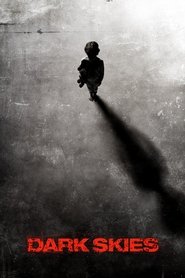
And then we introduced some of their friends. And the idea here, we had David Boyd was our cinematographer on the movie, and one of the reasons why I wanted to work with David is he'd shot the pilots for Friday Night Lights. And one of the things we had talked about early on in this process was...
5:14 · jump to transcript →
-
also from a practical point of view no one really wants to you know night shooting is hell and a cinematographer friend of mine on my first movie described it as akin to waterboarding and said never make any major decisions in your life while shooting nights don't refinance the house don't buy a car don't have an affair don't do any of these things because you're under tremendous emotional and physical distress um
20:48 · jump to transcript →
-
-
multi · 1h 39m 2 mentions
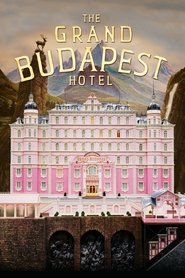
The Grand Budapest Hotel (2014)
Wes Anderson, Roman Coppola, Jeff Goldblum, Kent Jones
-
-
Joss Whedon
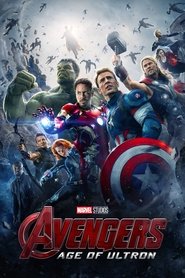
Cap is the guy who can't stop seeing war, even at a party for the end of the war. Who, when asked to imagine a life of normalcy, comes up with nothing. Which, by the way, was Drew Goddard's idea. I was asking him about Cap and fretting over the dreams, and... We call them dreams, by the way, simply because we can't call them visions, because it was too confusing with having a character called the Vision. But this moment where he turns around, yeah, Drew pitched it, and it ended up being the central moment. I don't know when I'm gonna get to the part where I start talking about Ben Davis, the DP, because I'm not sure I can ever stop. The work in this movie is the most beautiful that's ever had my name on it. By the way, those three guys in animal masks standing in the arches there, they represent something I have never done before, which is an absolute balls-out Easter egg, which I will discuss later on. And not just a Marvel Easter egg, an actual... Having to do with my work.
50:31 · jump to transcript →
-
Joss Whedon
But inevitably you end up reorganising certain things and repurposing them, so we had to go in and kind of recolour certain things. Make certain things more pre-dawn purple, and then brighten up some other things. Occasionally the seams show, but, in general, they did a really good job of keeping it all together. And the main plot points were all where they were supposed to be, so most of the footage we were able to use intact. And, again, Ben Davis, our DP, who is just a phenomenal master, really leaned into the difficulty of what it was he was going to have to accomplish. And there was so much to get, and so much footage, and so much epic stuff. And then I started putting restrictions of time and when we could shoot, and he just worked it all out. Just one of those guys who does not ever remark upon the fact that his job is impossible, and I'm grateful for it.
1:41:12 · jump to transcript →
-
-
-
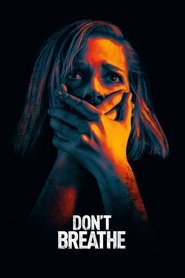
goes off or whatever, so it's a nice piece of suspense. And here for me, it's one of the, it's the first time that, I think in the movies, when Pedro Luque, the DP, starts showing off. He's showing off big time here, it's beautiful. In good ways, because it's one of the most beautiful shots, and how the light from the street hits her eyes as she's realizing that, oh, there's something in this house that's a bit more than what they might think. This is a really, really interesting beat. Oh, I love that beat. The picture upside down.
19:20 · jump to transcript →
-
pretty quick we knew that we were going to have this full dark scene this this took so much uh preparing thinking like it's just in the early stages of pre-production like with uh with pedro the dp we were like okay there's many things we need to solve here but the main one is how are we gonna do the darkness scene like there on the page it says well he flips the switch and everything goes
50:06 · jump to transcript →
-
Related topics
Other topics that frequently come up in the same commentaries.