Topics / Cinematography & lighting
The cinematographer
95 commentaries in the archive discuss this, with 192 total mentions and 6 sampled passages on this page.
Filter commentaries
Filter this topic by the film's decade or the type of commentary.
Showing 3 of 95 commentaries
Clear filtersBy decade
Across the archive
ranked by mentions · click any passage for the moment in the transcript
-
-
Alan K. Rode
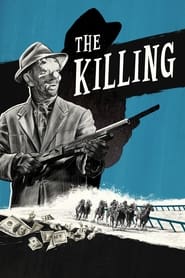
Another main attribute of The Killing is a cast of legendary character actors that I'll be discussing as the movie proceeds. The great Lucien Ballard was the director of photography, but it was Kubrick who chose every lens, arranged every setup, and every shot. More about that later. The art director was Ruth Sobotka, who was married to Kubrick during the production of The Killing, and more about that later as well.
0:32 · jump to transcript →
-
Alan K. Rode
And as Sterling Hayden grabs a bottle of suds, check out this tracking shot following him through the apartment. The design of this shot, using the lens and other aspects of the photography, created tension between Kubrick and his DOP, Lucien Ballard. Second build, Coleen Gray, is getting dressed. Since the production code couldn't show them in bed together, this shot of her finishing dressing with an assist from Hayden establishes the intimacy of their relationship.
6:44 · jump to transcript →
-
Alan K. Rode
Lucien Ballard was a legendary Hollywood cameraman who began with Joseph von Sternberg, who was probably the only director before Kubrick who could light a set by himself. Kubrick himself literally knew everything about lighting and photography, beginning with working as a photographer for Look magazine for four years before he embarked on a career as a filmmaker. British cinematographer Jeffrey Unsworth, who shot 2001,
7:13 · jump to transcript →
-
-
-
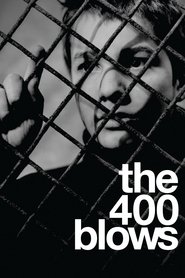
As the family leaves the film, we get actual night shots of the Champs-Élysées, Paris' grandest street, particularly at night at Christmas time. The Doinelves own a modest little Renault, and as Truffaut's own low-budget production could not afford the usual studio's process shot, in which rear projection is traditionally used to simulate a car ride, Truffaut actually had cinematographer Henri Decas mount the camera on the hood of the car while Albert Rémy really drove through the streets.
52:09 · jump to transcript →
-
The questions were actually put to Jean-Pierre Léo by Jacqueline Descartes, the cinematographer's wife, who was perched beside the camera as it was being operated by Jean Rabier.
1:29:10 · jump to transcript →
-
-

Related topics
Other topics that frequently come up in the same commentaries.