director
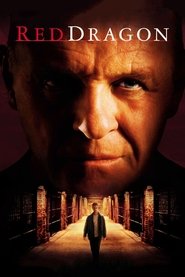
Red Dragon (2002)
Ratner and Tally discuss adapting Thomas Harris while relying on implication and character tension rather than explicit gore. They connect that approach to production design, cinematography, music, and performances. They also explain revisions during blocking, editing, and pickups, including moving the climax from an open beach to a house.
- Duration
- 2h 4m
- Talk coverage
- 96%
- Words
- 19,800
- Speakers
- 2
Commentary density
Highlights
Topics
People mentioned
The film
- Director
- Brett Ratner
- Cinematographer
- Dante Spinotti
- Writer
- Ted Tally
- Editor
- Mark Helfrich
- Runtime
- 124 min
- Also on
- OneSheet ↗ OverBlack ↗
- External
- IMDb ↗ TMDB ↗ Find on Amazon ↗
Transcript
19,800 words
Hello, I'm Brett Ratner, the director of this major motion picture.
And I'm Ted Tally, the screenwriter of this motion picture. Thanks for watching our DVD. I got a call from my agent who said Stacey Snider wanted to send me a script. Stacey called me directly. Stacey is the chairman of Universal for those of you who don't know. It said Red Dragon, and I said, "Red Dragon. Is this "the prequel to Silence of the Lambs?" I was familiar with the book but hadn't read it. At first, I was very insecure and said, "Am I like the 'Go-to' guy on sequels? "Why is she sending this to me? 'Cause no one can mess this one up?" And then, I saw Ted's name on it and said, "This is the guy who wrote Silence of the Lambs, "but didn't write Hannibal. "So, this must be special. "Why are they sending this to me? I'm not a dark guy. "I don't make dark movies. I do comedy." -/ think they sent it because you're cheap. - Exactly. So I read it, and I was completely blown away. Not to blow any smoke up anybody's butt in my presence, but the truth is the script was amazing. I called up Stacey and I said, "I want to do this." She said, "Now you get to meet Dino De Laurentiis."
And I said, "Dino De Laurentiis "of Fellini fame?" - Scary thought! So I went to his house and first thing he says to me is, "Why do they like you? Who are you? "I never heard of you. What is Family Man, Rush Hour? I don't know these movies." I said, "Dino, I'm a talented guy. Trust me." And thank God, Ted had seen Family Man and Rush Hour, and his kids or someone in his family was a fan. Brett might not have been an obvious choice but Brett is an incredibly talented director and clearly ready to try something new that he'd never done before. He is a great fan of Hitchcock and of thrillers, and brings a tremendous energy and confidence to his work. I was such a big fan of Silence of the Lambs. You know what I was excited about? Most people asked, "Weren't you scared "of following in those footsteps?" First of all, I had three brilliant directors Michael Mann, Jonathan Demme, and Ridley Scott, who made three movies in the exact genre, but completely different. I was excited about it because, by watching those films, I knew what not to do or what I didn't want to do.
I was able to decide on the type of movie that I wanted to make. And it helped me choose the tone of the movie. I realized I wanted to make a movie more like Silence of the Lambs. More Hitchcock-inspired. A movie that scared you by what you didn't see more than what you did see. I've read that the most important single decision you make in directing a movie is tone. - Absolutely. Because it's the direction of the film. It helps you with every choice that you make as far as the wardrobe, the production design, the music. The tone, to me, is really everything. Dante calls it, "The language of the film." We have to integrate what we're seeing now, Kristi Zea's set design with its dark, rich color in Dante's cinematography. The choice is even of the props. The integration of all of that, the wardrobe. It's sort of overlooked by people and it should be something that doesn't call attention to itself. But when all of those elements are integrated... Look at this moment here. You get a much more powerful movie if nothing sticks out. If everything is consistent in tone. Special Agent Graham. What an unexpected pleasure. I'm sorry to bother you again...
If you see on the left-hand side over there, a little detail, I found this book of Sigmund Freud's office in, was it Vienna? That's where I kind of modeled Hannibal's office. I modeled the tchotchkes, the details.
If you had to design the office of Hannibal Lecter, V. D. , what kinds of things were on his desk and on his bookshelf? What curios does he collect? The script suggested some of them. But a great designer like Kristi Zea has a field day with this kind of opportunity. I was very lucky. Once I got the movie officially and I started going after the people who created Silence, I went after Kristi who I'd worked with in Family Man, so I had a prior relationship. I felt I was born to make this movie because ironically, I'd worked with Dante before. Even though he'd done Manhunter, I said, "I'm gonna send you the script. "I know you'll not wanna do it because you've done it before." Dante read it and said, "I want to do this." I said, "Come on, you've done this movie before." He said, "Monet painted the cathedral 13 times, what's the difference? "And this is a totally different movie." I also wanted to help myself with some of the credibility. Get some Academy Award-winning or nominated people aside from Ted who can be a part of this. The script to me, honestly, I'm not saying this 'cause Ted's here, but the script is everything.
It allowed me to get the crew that I wanted because of the material, and especially the actors. I basically went after all the actors that everybody said I couldn't get. The first actor I had to get was Anthony Hopkins, and I didn't know this. I thought I was signing on to a Ted Tally script with Anthony Hopkins as Hannibal Lecter. But Dino, after he says, "You got the job, Brett," he said, "Go to New York and convince Anthony Hopkins to do the movie." After having already played the part twice, Tony needed a little bit of coaxing to do it the third time. He wanted to be convinced that he could find something new and different in this.
I went to New York with Dino, and I was very nervous. This was Tony, Anthony Hopkins. The thing I did know and what I was confident about was the type of movie I wanted to make. Like I said, I went in there knowing the tone of the movie, my approach to the movie, how I wanted to not show any of the gore. I didn't want to make a horror film. I wanted to make a film that was psychological, emotional, and smart. That was what was on the page. And the only scene that Tony had a concern with when I sat with him was this scene right here. Tony was concerned that as originally written, his attack on Graham here was too graphic. By the way, it's an interpretation because 10 directors would direct a scene in 10 different ways and show various degrees of violence. It's about showing the details of the guts falling out of his stomach, or the blood, how much blood to show. And I chose to play it mostly on their faces. Once the attack happens... Here's my little homage to Silence. You see the... - I see the bug. You like that. So I chose to play the violence part of this scene on their faces. I love this book.
This is an original. My prop guy, Brad, found this original book from France, Larousse... When I read it, I had no idea what the hell it was. It's the bible of cookbooks. - Yes, I learned that quickly. He found this real old French cookbook. There was a lot of dialogue about how do we sell his moment? It's really just a subliminal thing. It wasn't really supposed to be so pointed where it was like, "Oh, sweetbreads." I thought sweetbreads was brains but it's not. It's actually... Thyroid. -... thymus. I learned so much about anatomy on this film. If you work on a Lecter movie, you learn a lot about cooking. I thought Edward was fantastic. There is a tremendous intensity of performances in this movie. And really a dream cast as Brett already said. If you could have anybody in the world for these parts and be lucky enough to get them. It's pretty much what happened to us. Great actors want to play good characters. They want to play great characters and all of these characters, down to Freddy Lounds, and other smaller roles, were just written so well. They were interesting and dynamic. And these actors were interested in playing this.
To convince these actors to do a third in the series, all that went out the window when they read the script. Certainly once they started working. There's our cold opening. I'm very proud of this title sequence because it was actually done two days before we had to lock picture. My editor, Mark Helfrich actually was the brainchild behind this because... You re-shot the journal here in a very interesting way. Initially, this was done in a much more straightforward way with the images very flat against the screen. Yes, a lot of times. Mark is kind of... Everybody on my team, from my AD to my production designer, are filmmakers. Mark is a filmmaker in his own right and he just understands the visuals and storytelling. I love how, you know... But this was written. - Yes, it was. But the way that the camera roams over these pages and when we go in very close and it gets grainy, the camera movement left to right, up and down, is all not scripted, of course. This is something I don't really have the patience for. Mark kind of took this book that he was fascinated by. I think he has a copy of it in his closet at home.
He just knew every page, every frame and went with Dante and literally just shot. This is a wonderful opportunity. This kind of title sequence is sort of old-fashioned in a way. But it's a wonderful opportunity for a screenwriter to get information in quickly to cover a lot of ground between the arrest of Lecter and where we are when the movie is going to start. Covering a period of several years, you are doing that without any dialogue just by these images. It's a very useful shorthand. Danny did the same thing that Ted did with the script in this sequence that Mark did with the visuals in this sequence. Danny did the same thing with the music. I think the music here is so fantastic. It's very much like a Bernard Hermann score, which I knew was a big inspiration for Danny. Danny is a big fan of Bernard, and this was his chance. He's done darker scores, but they've had a kind of lightness, or comedic darkness to it. Danny did something here that kind of made people's skin crawl in the theater, like, "You're in for it. "If you're gonna sit through this movie, you'll experience some stuff. "Shit's gonna go down."
So that sequence, those two minutes of the movie, which could have been a very boring, dull sequence. I had a long conversation with Kristi Zea. It was wonderful. She called me up and said, "This book of Dolarhyde's. "What does it look like? What's in it? "How is the handwriting? What kind of photograph?" We had a long conversation which for a screenwriter... You don't often get a call from the production designer to talk about a prop. It was a wonderful opportunity to be part of the design of the movie in that little section. You've got a beautiful setup here, Will. This was actually in the Florida Keys. You know why I'm here? Was it Marathon? Yeah, I can guess. The location is meant to be Marathon, Florida. Dino wanted us to shoot in North Carolina because he had studios there and a house on the beach or Malibu because it's close to his house in Beverly Hills. But the truth is, I wanted to stay true. When I said I chose the tone, I'd really chosen the tone of the book, going back to the book. Everybody here was honoring the book. We really gave a lot of respect to Thomas' book. Tom Harris is a wonderful writer.
When you're doing an adaptation like this, it's a great resource to everybody to be able to pick up the book, as you can go into more details than the screenplay. It's a help to both the production design and the actors, who can go back and find out details of motivation. It's helpful to everybody to have that bible to refer to. So when it said Marathon, Florida, I tried to stay true to that and actually go to the location in Marathon, Florida. It just felt like it was the tone and even the location, like Grandma's house in the same description of the rural area where it was, and the type of house it was. It was an old-age home once, which is really back-story, but Kristi incorporated that into the design. I was so happy that she and Ted really stayed true to the tone of the book visually as well when it described the locations. This was so much fun being down here, by the way. It was the end of the shoot, and we were just down there on the beach. This was probably the hardest scene I shot with these two guys. In what way? Because it's exposition? Anything with exposition... -/s tough. It's tough to make it sound like real conversation.
But honestly, there's not a line in this movie that I'm not proud of. I mean I can't say there's a line... It was a tight script. We did cut a few lines and a few parts from scenes but Brett and I actually worked quite a bit on the script before the production started, and we had it pretty tight. And the shooting stayed quite faithful to the script. I have to say that every scene was hard for me because I'm used to scenes with not much dialogue. I, unfortunately, am a very talky screenwriter. So it was a clash of cultures. Coming from being a playwright, I guess. There is a lot of dialogue in this movie, I tell you. And it was not a single-spaced script. It's a long script, and I kept saying, "Make them talk faster. "Don't cut the thing, just make them talk faster." Ted's advice to me was, "Brett, when you're happy, "ask the actors for a take where they talk double speed." And I did that. Probably that's all the takes that Mark ended up using in the editor's room. He kept calling me, saying, "This movie will be four hours long "If you do not get them to speak faster."
The thing you run into as a screenwriter, even with the best actors, is that you try to pace a scene to fit within an act structure and fit within the entire screenplay. But then actors wanna take very long, dramatic pauses. Actors want to look down and up, across the room, at each other, and finally say the line. - A lot of pausing. And that's what you're up against when trying to time out the length of the scene or act. I wanna say something about these actors. Once I got Edward Norton, I used Edward to get another actor. Once I got Ralph Fiennes, I used him, I got Emily Watson. - You parlayed them into each other. I said, "Philip Seymour Hoffman, I'm getting Mary-Louise Parker." I knew each one, who they were a fan of. I used them against each other to get them in the movie. I literally thought I'd be able to walk onto the set, and it would be the easiest movie I'd ever made because I had these brilliant actors. I could just say, "Action." I read one article or something about this movie that said this was the most distinguished cast that's been assembled in any movie in the last 20 years.
But the truth is, it was probably the hardest movie I'd ever made because the smarter the actor, the more experience they have. It's a myth that these great actors don't need direction. They want direction more than any other actor. They want direction, but they have ideas of their own because in the end, it's up to them. They are the ones whose face is filling that whole screen. And they have to absolutely believe what they are doing, or they can't convince an audience of it. What I'm trying to say is, there was a lot of dialogue going on. A lot of intellectual discussions. And each of these actors are not only smart actors, but they're highly intelligent, all smarter than myself and... A lot of them have also directed or even written as well. They all had an opinion. And my job, I felt like it was my job to save the script. This was a script that worked to me. We had a table reading of it. It was fantastic. And Ted was
whispering in my ear, "Dude, don't let these actors do this." He was right. The truth is, the words, the scenes, and the story work, which is why I was able to concentrate on my storytelling, my craft as a storyteller. If I had these great actors saying what was on the page, then I could work on telling the story, moving the camera, picking the lenses, and a lot of other aspects which I don't really get the time to focus on when I'm doing a movie like Rush Hour, which has 10,000 times more shots. The kind of scene that we're watching right now with Edward Norton investigating the home where the family was murdered. Is this a harder scene to do than other kinds of scenes? There's no dialogue here, so that the storytelling is purely visual. -/s that harder or easier for you? - I think it's easier for me. When there's a lot of dialogue, I'm used to Jackie and Chris who, God bless them, are so much fun to work with. They do two or three words at a time and then I cut. And then I pick up like one sentence. These actors can do five pages without stopping. So I have to remember all the...
Any notes that I want, I have to remember. It's a huge amount of thinking. I was physically exhausted making a movie like Rush Hour at the end of every day. In this movie, I was mentally exhausted, which is more exhausting. And these actors demand my attention, my focus, and they want to have dialogue, sometimes after every take about, you know, what they did. "Why would I say that?" - "Why would they do that?" It's always "why?" That is the big question. Sometimes I'd say, "I really don't know. "Can you just say what's on the page? "Because it's gonna sound good if what you Say is on the page." I allowed the actors to experiment with stuff, but the truth is, I always got them to do exactly as it was on the page. And 97 percent of the stuff that's in the movie was on the page. Maybe even more. There were little moments like this added line here that Edward added about the way the kids were shot and stuff. Which indicated he might have used a silencer. I think it's probably in the book. Edward does a Iot of research and has a photographic... Is it "-graphic" or "-genic"? Photographic memory. He memorizes not only his lines but everybody else's lines.
So he is very well-prepared, and really puts a lot of thought, like all the actors into what he is saying in every moment. It's very striking with Edward, as with other great actors, how much they can achieve while appearing to do little. It's very internalized. I think Edward is very concerned to not have a single false moment. And I respect that integrity in him.
It's funny, all that blood and the way the mirror's broken... We had these experts from the FBI on the set. Blood splat experts.
They would ask me which way the guy was shot. I'd say, "He was shot in this direction." They'd Say, "The blood should go in this direction." The prop guy would throw paint on the wall and say, "Okay, that looks good." You had spatter wranglers. - Spatter wranglers. And the way this glass was broken like a punch... I just wanted to say, here's a moment where Edward is speaking to himself, to the killer, in effect. But he is speaking out loud. He's an actor alone on the set. Voicing his thought out loud. That's something that some actors will... I've had actors refuse to do that. Because they think it's so stagy, theatrical, and false, and they won't do it. It was important here, because I don't know how to show, as a screenwriter, exactly the sequence of his thinking through this scene unless the actor voices his thoughts out loud. And Edward is particularly good in this scene. It's a difficult scene for an actor to play. He's alone and has nobody else to bounce ideas off of. He has to show a mental process and he has to show a leap of imagination.
It's hard to pull off this stunt with rising excitement, meanwhile. I'm amazed by him in this scene. It is a very hard thing to pull off. This is an example of a scene that my editor, Mark, was particular about, collaborating with me and telling me, "Brett, how are you gonna pull this off?" I said, "I don't know, I'll just shoot it." He had me bring Edward to the edit room and took a video camera and shot the scene for me, before showing the way it might intercut since there are devices in here which are the flashes, and you've seen it in hundreds of films and I didn't want it to be false. He said, "I have an idea of how to do this." He shot the scene for me before I shot it. It was a great reference. We adjusted and tweaked things, but this is all protecting the cliché. You can see the power that editing brings to a sequence like this. It startles you and moves the story forward in a way that the story is always a leap or two ahead of the audience. And pulling them along behind it. That's a function of great editing.
It is important here because once the audience is ahead of you, you're in trouble, they are sleeping. It's the same thing on The Silence of the Lambs, I used to worry that we were cutting so many tiny beats that the audience would be confused. And Jonathan Demme said, "Better if they're confused "for five minutes than bored for five seconds." And this film is very tightly edited. Gentlemen. Ladies. This is what the subject's teeth look like. The impressions came from bite marks on Mrs. Leeds. This degree of crookedness... Here we... Where was this? - This was shot in LA. This is shot in LA in a government building that the city gave us. Here's Bill Duke. - He's one of my favorite actors. Again, an example of the meticulousness that Brett brings to casting. These wonderful actors who could be the stars of their own movies, who are playing supporting parts in this. I literally called them and begged them to be in the movie. I love actors. I love great actors. I spend as much time on the smaller roles as I do on the bigger roles. It's important because an actor who has one line can take you out of the movie and hurt it in my opinion.
It goes back to the whole question of tone. A single wrong note will make an audience self-conscious, and pull them out of the movie. This film is the opposite of any of the films I've ever done. Family Man, that had dramatic moments, was still a comedy. So you can go farther with realism, but this especially, when it's dealing with the FBI, forensics, and scientific... -[t has to be grounded in reality. - Very grounded. In order for the audience to accept the extravagant parts of the movie, the more baroque characters in the movie like Dolarhyde and Lecter, scenes like this have to be very credibly rooted in police reality, in procedural reality. Would you give that up? The other thing also is, when we're talking about the tone, the choice... I was thinking about It, why I really chose not to show, not only because of Silence, because even Silence might've shown more violence than this film. Really, because the only scene we have is the biting of the lips. We certainly tried to hold it down. But I think the reason was because when I went to the FBI at Quantico and started looking at all these visuals of serial killers' work, it was so disturbing to me. It really bothered me.
I said, "Why do I want to do this to audiences? "It'll completely turn them off." As with Silence, what you really want to do with this movie is a detective story. You really want to do a psychological thriller, a detective story. You're not trying to make a horror movie at all. Sometimes they're referred to as horror movies. I've never understood that. To me, these are thrillers, detective movies. In this scene, Harvey's Jewishness really comes out. "You're the light of my life." He sounds like my grandmother. I love that line. I can't answer more questions. Here's Philip Seymour Hoffman, a great actor. Who we should not have been lucky enough to get for this small part. Yeah. He actually wanted to play Dolarhyde, and I wanted Ralph to do it. I had dinner with him, and then called them back a week later. He wanted to play Dolarhyde, and his schedule wouldn't let him do a bigger part anyway. And then I called him and said, "I think you should do Freddy Lounds." He said, "Let me read it again." Then he called and said, "I'll do it." He would've been good as Dolarhyde, in a different way. He would've been amazing. - I mean, a great actor is a chameleon. Remember?
With the tubes hanging out of me? Forget that prick. This was a very difficult scene, too. This was difficult because... And this was a scene where Edward had a Iot of input as we were revising the script before we shot. Edward said, "This is a difficult transition for this character to make." Here he's out of the loop, he doesn't want to be involved in the investigation. He's sort of done a favor for his friend and mentor, Jack Crawford, but he doesn't want to get deeper into this 'cause of psychological and physical scars. Because of his commitment to his family, he doesn't want to do this. Now he has to do the most difficult thing he could possibly do, which is to confront Lecter again. There was a lot of back-and-forth and a lot of revision, and a lot of talk about how we might credibly motivate this transition in the story. Edward was actually very helpful here with his thoughts. I think it works. Because it's not the cliché of the guy jumping back... Getting back on the horse and showing off. I'm proud of how it turned out. Again, it was really Mark's editing of the scene. It's also Harvey's matter-of-fact performance here. It could, potentially, have been a real glitch in the story.
Where the audience says, "He wouldn't go back to see Lecter again. "He's scared to death of Lecter."
But I think the actors and Brett were able to sell that scene. Everyone asks me about this shot, 'cause it's in the credits that we used this shot from Silence. That's literally the shot. - Because when we went back to shoot it, that building wasn't there. Half of it was gone. Torn down? - Yeah, half of it. And people are confused as to why there's a mention. Here is Anthony Heald, everybody's favorite slimeball in this movie. He's a wonderful man. - Wonderful guy. He's a great actor. I wanted to make his hair match like it did in Silence, so I put him in a wig. Writing this stuff was a lot of fun for me, because it was revisiting a character I'd already killed off in the other movie. He's someone the audience loves to hate and an actor who's just funny to me. Kristi kind of duplicated... For example, starting from this cell block. See, I had to duplicate Lecter's asylum and the cell block. She no longer had her original design. She had to get the plans from MGM, which is why MGM's name is on the movie. Not only MGM, she had to go to the American Museum of the Moving Image. To get the plans.
Because her plan for Lecter's cell is already part of film history. She had already done what was asked for. And there's Frankie Faison... - Playing Barney again. It was so nice of him to do this for us. The only actor who's been in all of them. - Including Manhunter. He's the only actor to be in all of the Hannibal Lecter movies. I didn't realize Frankie'd be in this movie, or I'd have made Barney a bigger part. Last minute I called up Ted... - We only got him at the last minute. I felt terrible when I knew Frankie was to be in this movie, because I would've given him two or three real scenes if I had known it. This was interesting. This was the thing I was most scared of, because this to me was the most powerful part of Silence. These scenes with Tony Hopkins. Well, and you've got to work on this tiny little set. There's not a lot of options as far as angles go. As far as the body movement of the actors and the angles, it's a very difficult thing to shoot multiple scenes. Pretty straightforward. Behind Edward there's light on the wall, that was Dante. I was very resistant to it because I said, "This is, like, underground."
And I do want to make it look just like Silence. But there's a stairwell there or something. - There's a stairwell. There is some daylight coming in, but I said, "You've got to justify it for me." He goes, "Brett, there's these little slits on top of..." The bars, the gratings. And the daylight is kind of seeping in. It looks really beautiful. I like the way you've staged Tony Hopkins' re-entrance into the story here. Of course, in the book, this is the first time we meet the character. There has been no preliminary scene and this is his first meeting. This is the first appearance of Hannibal Lecter in literature or in film. This moment. And we did a Iot of tests with his wardrobe because... This is actually, I think it's a green jumpsuit but it photographs blue. I wanted all the elements to stay true to Silence as far as the set, the art on the wall, which we couldn't get all of it, but we got most of it back. It was also before, so he could have had other drawings up. All the details here are very... You know, that sink. Like I said, the art and the wardrobe. lt was a strange feeling to see this set.
- It was like déja vu. It was déja vu for me and I wasn't even there. The last time I saw this set had been 12 years ago in Pittsburgh. And now it's actually in a Hollywood museum. The whole set. What Hollywood museum? - Isn't it in... Mark, isn't it in the Hollywood museum? We can go down and check it out. We should go see it. They have pictures from Silence. This stuff... Tony did a great job here. When I met with him, he said something great to me. He said, "I've done this shock already." I said, "Your relationship with Edward's character "is much different with Will Graham than it is with Clarice Starling "because this is the guy that put you away, that captured you. "And you can't be your old, charming, regular self here." It's strange to play a monster that the world has fallen in love with. And one of the challenges in this movie for Tony and for us was to sort of put the teeth back into this character. It's easy to make this character baroque because this character's so loved. Tony does incredibly well in this scene. If you watch the close-up here, on the big screen, he's literally tearing here, he's so angry.
The fire's coming out of his eyes. He's really... There's tears in his eyes, his anger's so intense here. And Edward, I got to be honest, I was a little nervous, I had a lot of discussions with him, I said,
"Let's discuss something. Edward, you're afraid of this guy, correct?" He says, "Yes, but I won't show it to him. My character wouldn't. "I'm not a novice, I'm not an FBI student." Student of the FBI. "I have history with him. We've done a lot together, "had years of experience in the FBI. I wouldn't show him fear." I said, "But inside you are afraid, correct? "Well, then can you at least show that you're hiding fear?" He goes, "How will I do that?" That's what acting is. He was very resistant to it. He has a very naturalistic way of acting and he really was very resistant. I was afraid that it wouldn't work. And then I came up with this scene right here. I've always thought the key to great acting is not just the emotion you show, but the emotion you show yourself trying to conceal. And here, this moment, see the sweat under his armpits, and he loved it. So it's a way of getting what you wanted in a sort of compromise with the actor's style. Just in case the audience felt like it was, he wasnt afraid, because I wanted them to know that he was afraid. And I said, "If we had sweat under his arms..."
I really got the idea because of the line in this scene which is, "You stink of fear, Will." Lecter was saying it, but I wasn't sure. I wasn't secure enough. Did you notice that Tony Hopkins never blinks while playing this character. He had some strange physiological ability to keep himself from blinking. And it's part of what makes this character so hypnotic. When he does finally blink in one of these movies, it's a very deliberately chosen moment. It's like somebody clashed cymbals together because it's so unusual.
He's also, like Edward Norton, an actor who can accomplish incredible things with stiliness. He's hardly moving here. But his intensity is like a laser beam. If one were nude, say, it'd be better to have outdoor privacy for that sort of thing. You think the yards are a factor when he selects victims? Yes. And there will be more of them, of course. Victims. You'll be wanting lots of these little chinwags... I love that line. "lots of little chinwags, I take it." I need your opinion now. Then here's one, You stink of fear under that cheap lotion. You stink of fear, Will, but you're not a coward! That's a nice shot. Yeah, this is my editor's favorite shot in the movie. Mark said this was his favorite shot. And I held on it, which I was... You could've cut away from it, but it's very powertul. Edward was very good here. The lighting was great and it just worked. ... poor dullards.
We lost a great line at the end of this. Do you remember it? After this he said, "Are you not afraid of anything?" Oh, yes. And Lecter says, "I fear being bored. "And you're not as frightening as I thought you'd be." Something like that. It's probably true of Lecter. He actually only fears boredom. Because he wants to amuse himself at all times. You sure you're okay? Yeah, I'm okay. This is actually at a real hospital for the criminally insane. This location here. I think it's outside of Baltimore. This is a practical location. This was not a Set. This is a house. - This is actually a house? All the houses were... The hotel rooms were sets. Except for Grandma's house. We built the exterior and the interior.
I was a little upset because I wanted to put my favorite movies in here, but we could only keep Universal films in there. Jaws? How did that get in there?
I love this. You did this kind of stuff in Family Man as well. I love doing it. Doing home videos within a movie. It must be fun for you as a director. It is. It's a lot of fun. I love the kitsch kind of... And Kristi has an unerring eye for this kind of middle-class Americana. She has a lot of fun with these designs. And the casting of this is very important. You don't ever really get to know these people. They're dead before the movie starts. But it's important for them to seem like a family and to be real, and to be someone that we feel we could've gotten to know and care about. And this dialogue was great. These little lines. I literally read, like, 300 women for this part, because I was like, "I want her to be the all-American, real, likeable..." Yeah, she's wonderful. It's such a small part, but I couldn't... It was the last thing I cast. Marguerite Macintyre. Great actress. All right, you want a kiss? - I want one. The big romantic kind.
And here we had sort of a challenge as we were working over the script and getting ready to make the movie, because we're going here to a second house of murder victims. You don't want it to be repetitive, and you've got to find a way to make it quite different and move more quickly. Mark Helfrich, the editor, had some wonderful ideas for increasing the pace of this, which was a little bit longer. In the script, initially, I believe Graham goes into the house and has a few moments in it. Anything repetitive will never be in the film with Mark's editing. So we eliminated a couple of brief moments of him going into the house because it was too much like the other house he went into. And you try to move ahead to what's really new, dramatically, in the story. I love this shot. Jimmy Muro, my Steadicam and first camera operator, did this as one. A lot of good shots in this movie are in one, which I love, you feel like you're with him. And this was built. It's like the most incredible tree house in the world. It took about a week to build it. -/t looks pretty real. The tree is real, but we built the tree house.
A platform, so that we didn't have to have Edward climbing up there. And it was awesome. It was so much fun that it was scary. Now he's looking from the killer's point of view at the murder victims' house and figuring out that the killer must have sat in the same place. But you cut the shot where he imagines the killer's point of view here. Yes. - Why was that? I cut it because I didn't want people to think he was psychic. I was worried that the audience... No. It was scripted that he would see in a sort of flashback what the killer saw, which was the woman walking past the window. I was really worried about it. I mean, it worked. I was worried that some people might be confused about his visions. I only wanted the visions when he was drinking in his hotel room alone. Where people sometimes have visions, you know? This was a great location. There was a real house here that was from 1770, that was the home of two congressmen. This is outside Baltimore, I guess. - Yeah. And here's the house that we built that we transitioned here... To a house built. ... that was inspired by the house from 1770 that they wouldn't let us use because...
This entire house was built just for the movie outside of Los Angeles. - On the Disney Ranch. And here we have Kristi Zea in full-blown design glory. This is the voice of Ellen Burstyn, believe it or not, uncredited. That's interesting. You didn't know that? -/ did know that. I had Kristi do the still photographs because she's so great. In every single shot here, you see hundreds of separate decisions made by Kristi Zea and her team. Take off your nightshirt, and wipe yourself... I love this upstairs kind of lair of Dolarhyde. This was a big debate about the voice and... Now! - Please! Yeah. Should we... What are these voices? ls it Grandma's voice that has been transitioned into the Dragon's... Is it the imaginary voice of the Red Dragon? Originally, it was scripted that we heard the Red Dragon's voice in Dolarhyde's head. I got great actors reading the Dragon's voice, but I just could never make it work. I just felt it became hokey. It was a potential for people laughing where you didn't want them to. This is a CGI shot where we erased his teeth. So that you just see gums. - Yes, you just see gums.
I have a screenwriter friend who said, "What has become of this prop?" I think the editor has it. I'm sure Dino has one. This book? - Yeah, there are two of them. Universal maybe has one. I should have one. - Yeah, and I should have one. You and I should have one. Why don't we have one? We could auction it in 20 years. Anyway, talk a little bit about how you got Ralph Fiennes into this cast. Like I said, I went after the actors that everyone told me I couldn't get. "Ralph's never going to do a movie like this, he's a Shakespearean actor." Basically, I sent him the script. And he loved it so much he agreed to fly in and meet with me. I gave him my vision of it. I told him he was not going to live in a haunted house. He told me he was very attracted to the idea of playing a monster who had a soul. That he had some kind of inner life and was not just a bogeyman. He loved the relationship between him and Reba, Emily Watson's character. He loved that there was humanity in this horrible person doing horrible things, but there was humanity in him. Here's a great sequence.
We should talk about the way you staged it. This was originally written, if you remember, as an outdoor exercise scene. I said to Ted, "I can't see Hannibal Lecter "even if there were guards all around and they cleared the whole yard, "I can't see him in an exterior location, out of prison." The scene was originally through a fence. A sort of dog run or something, or a big mesh fence. And the dialogue between Will Graham and Hannibal was through a fence. It was an electrified fence. But I said, "Then there's no threat." There's no real threat. And I said, "Why don't we put him on a dog leash?" And I found this location, which is in an actual location for the mentally disturbed. There are mental patients all over this building. This was another case where Kristi would talk to Brett, and then she would send me drawings for the design for this knowing that it might help me as I thought about the scene and wrote it. Kristi had a lot of fun with the look of this scene and so did Dante. Dante did an amazing job because his interpretation put a lot of smoke in here so that the white lights would...
Dante liked the way Lecter goes in and out of the brightness so that he almost seems to be a ghost. Which is like evil light as well. He said, "Evil light doesn't only have to be dark. It can be white as well." This leash thing, I love. He meant to use the bolt cutter to enter the house, but he didn't. That shot I did earlier, where you see the line saying, "Do not cross." It was the last shot of the night, and I almost forgot it, but I said, "In this whole scene, when I shot it, I don't remember seeing the floor. "I have to establish it so that the audience knows there's a do-not-cross line." Why is he standing there? The original idea for the scene was that you'd think it was a dream sequence. If you look, it's shot very close. The way you shot Edward's entrance into the room, we don't know at first where he is or whether it's a dream. And here comes Lecter walking towards him with no bars between them. Then we pop out and reveal that he's on a leash. It's a great moment in the film. When I was working on the first draft, I just thought, "This is a scene that's not in the book."
Most of these Lecter scenes are not. I thought, "If I were directing this movie, I'd like to get away from that cell for once. "And give the actor a chance to use his whole body. "And have nothing between the two actors." To me, it was really the parallel of the scene with Jodie and Tony at the museum in Memphis, in that big cell that Kristi designed, which was amazing. I needed a set piece as magnificent as that, 'cause that really opened up the movie. I thought you'd be very grateful not to have the Plexiglass between them for once. And to have them be able to move together, walk together. Sometimes just the technical challenges you face force more creativity. It was only his first time. Already in Atlanta he did much better. Rest assured, my dear Will, this one will give you plenty of exercise. I love Will's reaction to that line. Edward's great when he's not saying lines, actually. You know, the mark of great acting is: How interesting is an actor when he's only listening? He's a very good listener. - Jodie Foster is a great listener. She listens with such intelligence and such engagement, and Edward can do the same thing, and so can Tony.
It really is a hallmark of great acting. You see that a lot with Ralph Fiennes here. He doesnt have a lot of dialogue. He's listening, thinking and reacting. It's a very poignant performance by Ralph. It's easy to play the monster. It's hard to be the guy who's a horrible monster... It's hard to make the audience care about the character instead of just dismissing them. This is Azura Skye who is one of my favorite young actresses, who was in 28 Days. She had a small part in Bandits and she was awesome. Again, the importance that Brett gives to casting every part, even if it's an actor who only has a one-page scene. You want somebody who looks like they could star in their own movie. If this movie suddenly became about this bookstore, it would be interesting for the next 90 minutes. Even the voice of the girl on the phone, I cast the voice very specifically. Did you drive the studio crazy by waiting to cast some of these parts for so long? Till the last minute, yeah. ... darn it, she never did. I'm just a temp. Linda will be in on Monday. I have to catch FedEx in about five minutes. I hate to bother Dr.
Bloom about it because he told Linda to send it and I don't want to get her into trouble. This was hard for timing because it's one shot and it's a lot of dialogue, and I wanted the camera to land at the right place. The camera and the lens that you pick help with the emotion, intensity, and realness of the scene. Is it hard to move in like this without changing lenses and keep the focus? Yeah. Especially anamorphic. The focus on this move is impossible. Mike Weldon was the AC on this movie. He's a genius. Anamorphic is the wide screen? Anamorphic is wide screen, but there's not a lot of depth of field at all. So it's impossible to focus when you're moving into a subject. It's just the hardest thing ever.
We spent three days shooting these inserts. No, I'm kidding. But Edward wanted to start looking at the book from the beginning. He said, "! gotta get into it." I think his method is pretty interesting and it works to some extent because in this type of movie, the script was so tight I don't think you needed it, but for his process he always wanted to go back to what he was doing 20 minutes before we started the scene. So that he could hit the ground running in the parts that would be on the screen.
This is my least favorite shot in the whole movie only because it felt like the camera was attached to his back. Maybe I should've scripted it so that there were more specific reactions to him there. No, there was. I shortened it, actually. I love the lighting in here because it's an infrared lab. It's supposed to be black, but how do we see if... It's supposed to be pitch dark. And Dante just... The highlights. Here was a moment that I was sort of proud of as a screenwriter. We've never got a really good look at Dolarhyde's face in this movie. We've seen him from behind, in the stocking mask, in the shadow. We've held him back like the shark in Jaws. We havent really seen the killer. And now, we're going to see him for the first time as a blind woman can't see him. That's the kind of effect that you love to make happen as a screenwriter. I'm very proud of the fact that we didn't know she was blind here until this moment, which is written so beautifully. It's held back. She's moving around like she's seeing. You don't notice it unless you know the Story. And then this little moment and then his reaction to it.
To me, the relationship between these two characters was always the heart of this movie. It was a huge emotional part of the book. It had not been really dramatized to this extent in Manhunter, which had other concerns like the police procedural main plot. It was really Will Graham's Story. I thought, "Well, the book is "almost as much Dolarhyde's story as it is Will Graham's story." I was fascinated by this kind of Beauty and the Beast Iove story and the idea that he feels something very close to a strange love for this woman because she is not judging him, because she can't see the ugliness inside him, that he feels everyone can see. This is kind of the beginning of the relationship between Reba and... This shot coming up is my favorite shot with the people with the umbrellas, kind of silhouette in the background. This is a huge step for this character to take. He's scared she's... She has no reason to be scared, but he's terrified. This is actually the first thing -/ shot with Ralph and Emily. - Really? Yeah.
Emily came really prepared with that blind... People have actually asked me if she was blind. Really? - A sophisticated moviegoer, but, I guess, had not seen Emily's other work. Mandy is a fool. Ride with me for my pleasure.
You want to come in? I'll fix us a drink.
Remember, this was in Baltimore.
This set is Baltimore? - No, this is LA, actually. This is a practical location as well. It was a lot harder to move the cameras and stuff around a real house. Actually, we had to come back here a second day. This is where I fell really behind, on this day. Such a small location, getting the lights... I love this scene. It was very hard to decide... How much to make of things. - Like this knife thing. It was really difficult.
I love that knife, it's a beautiful knife. The details, the props...
I've always tried to hang on to what that cougar looked like. But by now, to tell the truth... This was made-up stuff that was not in the book. But I knew that they were going to have that scene later with the tiger, the sedated tiger, and I wanted to set up some deeper meaning to that scene for her. So I added this little section. You don't say much, do you? There was actually a scene that was left out. That was his arrival, but Mark thought it was unnecessary and Nis... - When they first arrived and walked into the apartment for the first time here. One of the things that amazes me about Ralph is that he... The script so often gives him so little to work with. The character is painfully shy, he speaks in monosyllables. This was a scene that I used to test the actors. - I remember seeing the test at the auditions. This is the scene that helped me decide that the actors that we tested werent right for the role because they can get the Dolarhyde torturing Freddy Lounds scene, but to have a vulnerability here... But you still have to fear this guy.
It's a tremendous feat of acting to accomplish as much as he does with so little to say. My biggest worry going into production was that we would not be able to find an actor who could do everything that this part needed. This is a part where the actor has to bring so much, and the script doesn't help him as much as it does other actors. This is really where you see his imperfection, which is his cleft lip, which Matthew Mungle, who is a brilliant make-up artist and effects make-up artist did such a realistic job of. I tend to do a Iot of tests for hair and make-up and the tattoo. We spend a Iot of time. When you work with Dino and Martha, do they want input into those kind of choices or is that left mostly to you? I love working with Dino. Not only is the guy a legendary producer, but it's great working with Dino and Martha together because... It's a whole other energy. - Each one has their own opinion of things. Right. They are a great producing team. -/ never work with a producing team. - They are very shrewd about script.
You did a lot of work with Dino and Martha before I even came on board and you delivered a first draft, basically, that was shootable. - The first draft was green-lit by the studio and it had a lot to do with Dino and Martha's notes because they are very shrewd about what the audience needs to know, and when they need to know it. The sense of the rhythms of the story, and the rhythms of the acts, they have a really good grasp. This is my favorite section of the film. This is where the pace really... It seems like it really takes off here. This is Run from Run-D. W. C. who unfortunately, I cut out of the film, not completely, but... That was him. - That was the top of his head? That was a wonderful appearance. The story really takes off here. The pacing of this section, to me, is very exciting. The music and the editing. This is where I was telling Harvey, "Can you do it twice as fast?" Harvey tends to pause in the strangest places. But it always comes out very natural. He's a brilliant actor. You had always wanted to work with him? - Always, yeah. You had always wanted to work with Harvey.
Ever since I was a kid, I was just... I grew up on him. ... possibly from the Tooth Fairy. This was a Dante shot. - It's a spin. "Let's go around him." I said, "I don't want to get dizzy." He said, "No, it's an urgent scene." It does create the urgency of what's going on here, that events were spinning out of control as suggested by that. Because of 9/11 we couldn't fly a helicopter through the Washington skyline. So that was one of our few CGI shots. It's really called a composite, because we shot a plate and then we took a shot of a real helicopter. This was done on the set. Ralph read this on the set. - Standing next to them? Not when we were doing the scene, but he just read it once and this was the take we ended up using. This is a one-take performance. He was just so in the mode. He reads this letter very well. I love all this sort of hi-tech, FBI forensic stuff, and it's something that we couldn't get a whole lot of into the script because of just sheer space considerations. So where we could do these kinds of things, it was really fun. I love that shot, and that shot...
All the shots of Lecter in this... Brett, you love all your shots. - I know, not all of them, but those specific ones. I like all the lighting changes through this. This is Tony Hopkins' stand-in. This is the only... I wondered why he had a British accent. I wondered why the superintendent of a hospital in Baltimore had a British accent. He migrated. This is Ken Leung who's been in three of my other movies. On the right? He's a great stage actor from Broadway, and he was the villain in the first Rush Hour, and he was in Family Man. He's just a... He's very good with this part. - He's excellent. He's really very real. ... are transparent to infrared. These could be the tips of "T's" here... This whole sequence is quite close to the book. Tom Harris is very well-grounded in all of these procedures. It's just a real gift to the screenwriter to have an author have done so much research, and be so on top of these things. ... they made that up. Three "T's" and an "R" in "Tattler." How do you communicate through a tabloid? You got what? News stories. This scene was much longer really, but we realized in the playing of this scene that the audience...
This is an example where the audience was ahead of everybody. We shortened it because the characters just seemed like they were... The audience already knows who Dolarhyde is at this point. We held him back for as long as we could, but once we've shown him, the audience is just getting ahead of you. - That's my favorite shot!
This is an example of great operating. You go from his face down to that anamorphic... Camera operation? - Camera operation, yeah. We were back and forth about this, remember? My editor fought me on this. I thought, "Let the glove be hanging out of his pocket." When Lecter sees it, then perhaps Lecter starts to think, "Something's up." It doesn't really pay off. It doesn't pay off, but I just thought it would be intriguing. It does in a subtle way. He says, "Nice..." "Nice work with that blackout." So that's what you think tips it off. I think that's what Mark wanted. I'll have to say this. This next cut is my favorite cut in the movie. Not my favorite shot, but my favorite cut. - Going from this scene? Going from this shot, once the camera lands to when he hands him the paper. It's just my favorite edit. It's the most seamless edit in the film. Watch this. It's very subtle, but you might catch it. "_... Luke 1:7." - Code. Watch this. I love that. Only a director could get excited about that. I have to tell you... It's exciting. - lt is a great passing of a piece of paper. It's just cut beautifully. I'm thinking it's a book code. - Code?
I like the pace of this. It reminds me of old films with Sterling Hayden in it. Lot of quick talking here. You need to go quickly through this. People do normally talk over each other, like we're doing now... But in a movie it's confusing, unless it's an Altman movie. But in the movies in the '40s, they would have... His Girl Friday. That movie, the script was probably 300 pages long. They got it all in in an hour-and-a-half because they were talking so quickly. Shakespeare, this is a lot like Shakespeare, you have to race through it. If we sweat him, we lose the connection. If the Tooth Fairy picked the book, he knew Lecter would have it in his cell. Can we get a list of his books? - From Chilton, maybe. No! Wait! Rankin and Willingham, when they tossed his cell took Polaroids so they could put everything back in place. Ask them to meet me with pictures of his bookshelves! Where? - The Library!
I'm leery of letting Lecter's message run without Knowing what it says. The movie's really cooking now for me, at this point. You hope it has a continuous build. You introduce all the characters, you introduce, you know, the potential danger to Reba, you've got the FBI hot on the scent. I sent Kristi down here. I was unavailable to shoot this shot and she just did a fantastic job. - Kristi was the second unit director on this? Yeah, she did a great job on that. Very simple one shot, telling the whole story, cut into the insert, and then we're off to the races. You can feel the whole story shift gears here. This was another digital shot. He actually had a phone at his ear and we erased it. Amazing! That is amazing. This is another thing that Mark pointed out about the story. I didn't shoot this correctly, so you didn't know it was a cookbook. But you can tell it's a cookbook. - Now you do, but when I shot it, you didn't know it was a cookbook because the shot was on his face. So we did an insert. Okay, Lloyd. This is an example of Dino's and Martha's kind of shrewdness about storytelling. I wanted Mark and Mark wanted to lose...
And myself and Andy Davis, kind of my creative producer, as well, and part producing partner came up with the idea of just cutting to the chase, and not hearing the message. Not hearing Lecter's message about "Marathon, Florida, kill them all." I am sure I asked you. - We talked about it again and again. Dino says, "Yeah, but the audience needs to know. "It's more frightening." It's more frightening for them if they've heard Lecter's entire message. This is another example of a scene that wasn't in the script, but after I saw the movie with an audience, forget about what they write... This was actually the last scene shot. This was added later. It was added later because I thought... Originally, it just cut to this next shot, where the helicopter arrives. He gets the phone call, cut, and they're safe. They were too safe, too quickly. -/ called Ted, I said, "Maybe we can put some suspense in here. "This is a psychological thriller that has suspense in it." The studio loved the cut of the movie so much that they gave me the money to go back to do it. Sometimes you don't know until it's assembled. You say, "Something's missing here."
We had an opportunity that we didn't take advantage of to have a little more tension. I had food poisoning on this shot, I remember. On this shot? - I was So Sick. -/ did not feel good. - This is a great location. This was originally written to be at the... - This is where I am gonna shoot Superman. It's Smallville. I'm gonna just... - That's Smallville? I'm sorry. Mary-Louise is very, very good in this movie. Mary-Louise Parker, and again, is not really given that much to work with by the script. So she's got to make the most of every moment. Actually, in the first draft, the draft I read... Once I got Mary-Louise, I said to Ted, "Let's give something for women to really..." Let's give her a really dramatic moment that began the evolution of the ending of the movie as we revised it where she ends up shooting Dolarhyde herself. There's Barney, we had to get him in there. - That's Frankie again. ... your latest rejection slip from the archives. It was brought... I love this scene. It goes over a lot of people's heads. I don't know why. Sorry.
I think we'll remove Dr. Lecter's toilet seat.
This is one of my favorites. This was, like you said, is it easier to do the visuals? Not a word in this scene. Originally, there was dialogue. I said, "Let's just try to sell it in their faces." Now she's having to defend herself. He's brought this horror into his family. - And she totally sold it. Atlanta P. D. nailed him. Phil Seymour Hoffman has nothing to do. He's just being slimy. He's just dropping cigarette ashes everywhere and slumped in the chair and... I'd like nothing better than to see the dirt sandwich pulling five at Leavenworth. But maybe there's a better way to handle this. Yeah? What's that? I think we ought to give him a story. The Tooth Fairy's ugly, and he's impotent with members of the opposite sex. This guy on the left is Alex Berliner. He's a real paparazzi from all the premieres, everyone recognizes... This is the one guy that takes everyone in Hollywood out of the movie when they see him. He's a real paparazzi who harasses them at every premiere. That's a tip we got from Dr. Lecter, by the way. So it's true that Lecter's helping with your investigation? Anthony Hopkins actually came down to the set on this day. I'm like, "What are you doing here today?"
He's like, "I just wanted to see Philip Seymour Hoffman work." He's such a big fan of Philip Seymour Hoffman's, that Tony came down just to watch him work. Actually, Philip reminds me of a young Tony. Same kind of discipline, same kind of focus, same kind of preparation. I found out later that Tony reads the script like 250 times before he shoots. I feel like Philip does the same thing. I didn't ask him, but it seems that way. He's so prepared. He comes knowing... He comes with his character kind of in his bones. If my story draws the Fairy in an attack on Graham and you nail the scumbag, I get an exclusive. Fuck you, Lounds. I think that's Philip's own wardrobe. It's very distinctive. All right, it was a pleasure doing business with you, chumps.
This is a great editorial thing. This line... I feel like I need a shower. ...' I need a shower" was on camera. Some lines you don't need to see the actor Say. No, of course not. So, yeah, I'm okay with it. I wish we had something better, but there's only ten days till the next full moon. We've got to rattle his cage. For me, the next shot coming up Is... This is one of the most beautiful shots, with this golden light on the street here. - We talked about cutting this at one point, but I like this little scene with the newsie here. I'm not sure that the audience can really follow exactly what's going on here, which is that this is a place where you can get a newspaper before anybody else can get it, which turns out to be important to the plot. I'm not sure they can follow that. Originally, it was written in an airport. - At an airport terminal. I just like the moment he gets here to be menacing. You told me what? It's another guy, part of the Ratner ensemble of actors, Gianni Russo, who was actually Carlo in the Godfather, who was married to Sonny's wife. I love this car. The Hoffman mobile. It scrapes the bottom.
This is fun because it played in one. I shot coverage of it, but it just... Camera moves in... It's more of a surprise. This is great. His getting knocked out. Look how much acting went into that arm. This is just a fantastic set. Here's a chance to see more of the set, and a very difficult scene for the two actors. Difficult to play. It's very stressful and emotional, and to get the intensity they need for it, it took take after take probably. I got yelled at at least four times by Philip during this scene because he was in his underwear, glued to this chair. He wasn't actually glued. - Some kind of glue. Not stuff that ripped his hair out. - It's not much fun to sit there. It was uncomfortable, I can tell you that. It's not fun for Ralph, who had to be naked in so many of these scenes.
By the way, this is the only scene I showed to any actor. I showed it to Phil because I made him do so many variations of it. Not that he was nervous about it, but I wanted him to see it. He said, "This scene is fantastic. I love it." It made me really happy. I showed it to him before I locked the picture. This was a scene that we had to shorten a good deal. It's quite long in the book and the script. It would pay a big reward for me. It's a question, with this kind of scene, of... You don't want to put the audience through more than they're willing to bear. This kind of horrific... It's funny because Ralph came with this real brilliant way that he was going to play this. He basically said, "I don't want to indicate that I'm crazy. "These words are insane already, I'm just saying them." So he did it a bunch of times in the most subtle but brilliant performance. I said, "Ralph, we're here. Can you just do me a favor? "Can you just go over the top for me, and just show me "the most insane version of this?" And he does it. And it's like stentorian. It's like, "I am the Dragon!"
Like he's on stage. - Right. He came to me after and goes, "Brett! You're not going to use that take, are you?" I look at him and I go, "No shit, Ralph." But it was great. I think the takes that we end up using in that line of "I am the Dragon" was the one we used after he did that over-the-top performance. And probably informed it in some way. - Yeah. I think Ralph felt really comfortable with me because he wasnt afraid to show me his fears or insecurities. Actors can be unsure of things, and this is... The scary thing is that there are people really like this. That exist. - It's hard to believe that there are. But we can't really talk to those people. They're not willing to be consultants on the movie.
This tattoo, I thought, if this didn't work, it would have been a problem. - Didn't it take like five hours every day? He would come in at 2:00 in the morning. 00 in the morning? - We would be shooting at 8:00. Six hours on this table naked while he was being painted. He had no qualms about being naked. - Would it wash off? They would have to redo it every day. - He couldn't wear it for two or three days? -/t would be redone every time. - Yeah. He was this guy, I gotta tell you, Ralph embodied this character and brought life to it. He's talked about how difficult it was to play this part. But he was not afraid of it.
He didn't take this character for granted in any way. He tried to find every possible nuance within him. Mrs. Jacobi in human form. Do you see? - Yes. I love the William Blake stuff. The painting and the inspiration for him. It goes much deeper in the book. Personally, I always thought we shouldn't see any more photographs here. I would not have shown these photographs. I would have only shown reactions on their faces, but it's the kind of thing you go back and forth on forever in postproduction. No what? Not me. Philip was really terrified here. Both these guys together, the excitement of having two great actors in the room. Ralph talks about how when you're working with great actors, it raises your game. You give a performance you didn't even know that was in you for that day. Yeah. I am the Dragon... This is the performance. You are privy to a great becoming... It's his monologue. ... and you recognize nothing. You are an ant... Is he saying this right into the camera, or is he saying it to Philip on the set? Philip's there. It is a little close to eye line, because I feel like... The camera is pushed almost into his face. He has to ignore it while performing.
And then I love this move, which comes around. I like the light on his eye. You owe me awe.
There is a whole discussion here about the recording of this.
Really, in the next scene, about how to link these together. It's amazing when you're pressed for time, how you come up with creative ideas, and I end up shooting this in one. This camera just moving around, building tension, and it worked so well. I didn't originally intend on doing this, but I had no time, so I couldn't do the coverage. I had to figure out how to do this in one, tell the whole story, then I went back, and shot the overhead shot later. The overhead shot is actually two extras, right? These are body doubles. That's one double. Mark really wanted it. He said, "You gotta show this tattoo. "You gotta go back and..." I was against this whole thing, even the spit. Here we are again with something we went back and forth on, whether it's necessary or useful to show that.
That was not easy, by the way, because that's a real person on fire. That's not true. - No, it is! lt was a stuntman? - Yeah.
-/ thought it was a dummy. - No, it was a real person. ... and now I want to serve him.
There was a whole discussion, too, about... Whether we should hear Lounds screaming or not. The fact that... - Because we'd already heard it, and again into the repetition. -[t doesn't link up to what we heard, because there's a missing section, but in the end... I thought it was more effective. - ... the emotional effect on these hardened FBI agents was worth keeping it in there. The whole idea about Harvey Keitel came because when I went down to the FBI, I met all these profilers and they were all tough New York cops. They said something similar to what you wrote in the script, which was, "It's not the dead people that bother me, it's the living." It's the survivors talking to them. It's very difficult. I think it's important to show that these characters are meant to be rounded human beings. They're not just functionaries filling a role in the plot. They have their own feelings, and they have their own vulnerabilities. That was my attraction to the script because I had never done a psychological thriller before or a movie like this, but what it had, which is what I knew, was I think what Stacey saw in me and Mary Parent... And Dino and Martha.
- They saw that I had the capability of handling the heart and the emotion. These are not just plot functionaries. They're fumbling... They're not supermen. They're fumbling towards answers, but, imperfectly. They make mistakes and they're slow and they... But they're dogged. The relationship between Francis and Reba, to me, was very touching. As I was reading, I was like, "I'm scared for her, but somehow I want them to get together." In some impossible way, right? No, but you should feel that way. I said, "If I can capture this on film, "then I think it's a movie that's worthy of getting made." If I, as a filmmaker, could do this, because I've read great scripts and said, "I don't know how to do this." - You always look for the heart of a story. It has to work on a physical level, it has to be suspenseful and engaging and funny. - It's also very touching. It's always finally about character. So you're looking for where the heart of the movie is, emotionally. I think I should go back to Baltimore. After what he tried to pull? Lecter picked up on something in the missing part of the note. Not a name, but something...
This is where I'm trying to justify another visit to Tony Hopkins with the screenplay. This is something that's not in the book. And I think what you do fantastically is capture Lecter's voice. It felt so organic to the... I could not have done that if I had not already done one of these movies. It would have been hard just from a dead start. A mimic, the way Thomas Harris writes Lecter, because Lecter is so smart, and he's always three jumps ahead of everybody, and he's crazy. I'm not as smart as him, or as crazy as him. ... on the heads of 34 of his worshippers as they were groveling through a hymn. He wouldn't begrudge you one journalist. I love the lighting there. You and some SWAT team? Oh, Will. Where's the fun in that? He'll have to take his chances, too. A roof can fall on anybody. "But not on Molly and Josh." But not on Molly and Josh, I take it. Not yet, anyway. First he kills the pet, then the family. Freddy was your pet. They're safe now. No one will ever be safe around you, Will. I just love the light. Dante really paints with light. - Yeah.
Clever work on his note, by the way. This mirror was kind of really disturbing, looking at it. It had this weird distortion. Put me next to him! That was tricky. It's similar to that shot in their first scene together. Where the character in the background is out of focus. Go on, then. I love that one. "Seduce me with your wares." It's not in the book, but it's the kind of thing that you figure out... He never says anything in the most simple and obvious way. There's always some kind of game going on where he's amusing himself with his word choice, too. Bit measly, don't you think? Tony did not change a word of this. I love this. He's an actor who does every line as written.
A little sample, then. Why not? His eyes are ice blue. They're such a strange color. Transformation is the key. The man-dragon, his ugliness transformed by power. Look for a military record with combat training. Look for extensive tattooing and corrective surgery, most likely to the face. I love his "No!" here. Give me what I need. How is he choosing the women? I've already suggested how. The answer was in front of you. You looked but didn't see. - Bullshit! No riddles! Just tell me. No! It's your turn. I asked you before for a small courtesy... This is honestly my favorite moment of lighting when he walks into this light here. It's just really special. Oh, nothing much. Shall we say dinner and a show?
I was amazed to see the dailies. This is a scene you sent me dailies of. I was amazed to realize that the adult male tiger in this scene is not even sedated. - I called up Mark and I said, "I think we're gonna have to re-shoot this." There's a new law that you're not allowed to sedate the animals because there's been a lot of deaths from sedation. You can't see it as you watch the movie, but just to the left of this tiger, near its head, is its trainer sitting there, trying to coax it into being still, while this terrified actress... When you saw the dailies, did you think we didn't have a scene? Also, the real-life tiger is roaring like crazy. You can hear some of it. In the dailies he's roaring so loud sometimes you can't hear the dialogue. Every once in a while, he starts to... We actually adjusted the scene on the set, where he said, "He's a bit noisy." Of course, Emily has to reach out and start stroking this unsedated tiger that's probably 10 feet long and weighs 800 pounds with all of its teeth, and the trainer is at the other end of the tiger, just to the left there holding out little tidbits to feed it.
I thought, "The audience will never understand the courage it took to have the concentration that these actors had..." The only thing that we wouldn't let her do for insurance purposes was this shot right here. This had to be another trainer. She's actually fondling the testicles of the tiger. She couldn't even be with a male in the room, the one that she is petting is a female because they seem to be calmer than the males. In the dailies of this scene, what you see again and again, is the tiger start to get up and the actors take three or four very quick steps back. But Ralph never moved. - Everybody else clears away very quickly. Ralph remained very still. And I couldn't believe that the animal was not sedated for this scene. I went in without the tiger and did all these emotional things. I love this, where she hears the tiger's heart beating. It's in the novel and it's a wonderful moment. What was the meaning of that scene, can you articulate that? That scene is about... - The parallel of The Beauty and the Beast? It's about him trying to give her something that she has never experienced.
She's never seen a tiger, and she had the whole story about the cougar she saw as a Child. It's one of her last visual memories. It's his way of trying to give her something in this strange... It's also a foreshadowing of what she'll be fondling... Yes, it also is very sexual. They're becoming more sexually interested in each other. That scene's a brilliant invention by Thomas Harris. It's from the book. What a weird kind of date. If you're going on a date with Francis Dolarhyde, what would it look like? You're at a Zoo, and a tiger is lying on a table. What do they want to know? I love both performances in this scene. I really can't take my eyes off of these two actors. I think they're hypnotic. It's strange, if you notice in this, she's looking directly into the lens, the angle is straight on, not really a standard kind of... You totally believe that she's... You feel her blindness. I just looked at the lens and found the right position for her. She asked, "Am I looking in the right direction?" I said, "You're blind. There's no really right direction. "Why don't you look right into the lens?" It really worked.
This was very strange, because I couldn't figure out how to not make people feel... Some people felt that they were gonna get up and dance. I love this moment. Because you go to a wide shot here, as the music starts again, it looks to me like they're gonna do a "Fred and Ginger" here, which was not the intention. -/ couldn't figure it out. - lt's the choice of going to the wide shot. But he's stopping because... He's stopping because he doesn't want to run into her. Where the hell are you, D? It's creepy. I love this. It is a kind of dance, isn't it? There is a kind of very strange dance of seduction going on here. Do you want to know what I think about it? Very kind of romantic, as well. Well, in a strange way.
He's breathing heavy. It's probably the first time he's ever kissed a woman, or a living woman. Now, would you show me where the bathroom is? Then we went back and re-shot this. Why? For this insert. And that's digital blood in the water, believe it or not. It's done by the computer. It's just a wonderful little moment, because she can't see the teeth in the jar, or the shattered mirror. She doesn't realize the increasing danger she is in. Again, you're telling a story with visuals and not with dialogue, that really means very much. I have to do a little work. If I'm keeping you from work... - No. ... I'll go. - I want you to be here. I do. It's just a tape I need to watch. It won't take long. This is similar to my scene in Family Man, where he's watching the videotape. Another family movie, right! - Another family movie. I did the same thing with Danny, where he transitioned the recorded music on the tape into score. So now, this music in the background... - Right. Which is Duke Ellington. - Duke Ellington transitioning into the score. Right. No, it's great.
I love this. Breast shots in movies are just... This is just the most bizarre seduction scene. That's what we liked about it. - This is the editor's daughter, by the way. Really? That's Mark's daughter? - She's so cute. Here we are with another family movie. You shot hundreds of feet of family videos. And this is the girl from Family Man, who played the neighbor. Oh, I didn't remember. - Yeah. Very talented and sexy woman, who I knew would help in arousing Ralph Fiennes. Lisa Thornhill. She's a great actress. I just love how many different things are going on here. He's aroused by seeing his next set of victims, as well as by the proximity of Reba. What's it about? She assumes he's watching some kind of business promotional video or something. She has no idea what he's watching. She's excited because she's rarely dated in recent years. And they're both so unsure of themselves. Emily is really a sexy woman. - Yeah, she is. Tremendous amount of sex appeal. It's homework. Yeah. There's nothing like this in any of Thomas Harris' other books. There's nothing quite so strange and wonderful as this kind of scene. It's so bold. - Yes, it's very bold.
It was always one of the most powerful scenes in the book, to me. Francis Dolarhyde is so scared that he will hurt this woman, that he is falling in love with. And she is still unaware of how dangerous he is. See how the music transitions with the score. I'm good at shooting monitors, TV sets. Yes, I think you should only shoot TV sets and family videos. Will there be family videos in your next film? Absolutely. I love this shot. I like a lot of my shots, huh? This is... - A lot of great camera work. It lasts for about one second. It's already over. That's Francis Dolarhyde"s happiest moment of his life. Then immediately... - Paranoia sets in. Paranoia sets in, the fear, the anger... But notice the camera hasn't cut and it's going to go with him. This is Jimmy Muro, our Steadicam operator. He's unbelievably talented. It's very hard to operate because of the sheer weight and bulkiness of it, right? Also the distance showing, and then going in... The camera movement is also to hide his private parts. Well, of course. But it's very hard to hold this huge camera and move behind the actor. I love this with the blown-out windows.
This is the scene where, as scripted, we began to hear the Dragon's voice. We dropped it because... We dropped it because it turned out that it's much more effective to just see Ralph hearing it without the audience hearing it. In a performance, a voiceover is used when you need to help tell a story... In fact his performance is telling the story, there are voices in his head. In a way, it might have just detracted from his performance. It's a great shot. It's actually on a stage. The character is in so much pain. He's very tormented. It's not something you usually see in the bad guy in one of these movies. He's fighting it. He doesn't want to be the bad guy. He likes her actually, he's fond of her. He is. And this is a great scene that really expresses that. I think this is where the audience Starts to go in... Usually, this kind of character in this kind of movie is just a sort of sadist. - Bad guy! He's a bad guy, a sadist, who really enjoys the things he does. The audience has to get empathy for him at this point. This character really doesn't enjoy what he does. He feels driven to do it.
He feels that he's forced to do it by the Red Dragon. He would almost rather kill himself than go on in torment. It's an amazing thing for the bad guy in a thriller to be seen in that kind of light.
I had a really terrific time last night. But this morning you seem like a different person. Is something wrong? - I have to go now. I have to go away. - Where? On a trip.
When will I see you again? - Reba, you have to get out. Now.
Dear Mr. Graham, Here are the Jacobis' personal effects, as discussed. I hope these things might help you. Good hunting. Byron Metcalf.
There's our famous drawing from Silence. Yes, of the Belvedere. The duomo. - Duomo. This scene reminds me of the wonderful dinners we had with Martha and Dino. Martha and Dino's house. I wonder if this scene was suggested by her. And that's Dino's favorite scene... - Dish? No, scene. - Well, he loved it. We got a lot of great food working with the De Laurentiises. It's the best Italian restaurant in Los Angeles. No. Again.
More home video. More home video. My specialty.
This is actually the Baltimore Museum, for those who are not from Brooklyn. Everyone from Brooklyn must have been quite startled to see that was the Brooklyn Museum. This is Mary Beth Hurt who was in Family Man, who I'm a big fan of. Different. We changed that line, I'm sorry. What was it before? "Older." - Yeah.
A great moment invented by Brett. It's not in the script. It was a wonderful moment and always gets a huge reaction from the audience. That's what he wanted the bolt cutter for. To cut that padlock and go in through the basement. This is hard, this stuff. I'm just thinking back to when we were shooting this. It's a lot of exposition. It's a lot of story. Even this late in the story, you're having to deal with all kinds of exposition. Unfolding the investigation, you know. It's not easy to make these scenes work. Seeing the actors, once you kind of know who the killer is, you have a lot of information. Watching these guys struggle with it can be frustrating, especially at this point in the movie. You have to hope that you can get some energy out of that, that helps you. You can't have them jump too easily to these conclusions. This was the main reason I said... When I read this part, I said, "I've got to do this movie." I had to look in the book immediately to see if it was in it. This is such a strange sequence. It is in the book as I understood it. It was mind-blowing to me that it was not in the movie Manhunter.
I understand, because it wasn't really Dolarhyde's Story. I didn't understand. This is one of the greatest scenes... What I liked about it was the courage that it takes for that character to go there and destroy that painting. He thinks if he consumes the painting it will remove the voice from his head or somehow take the power of the Dragon away. Of course, that doesn't happen. But still, it's a selfless, courageous kind of thing for this character to do. This is where the heart comes in really, because, you know, you see him really wanting to... That's another thing we were... It wasn't really explained, but if you ask 100 people, 50 of them will say he's trying to stop. Others'll say he's trying to get the strength... He's trying to assume the strength of the Dragon to be more powerful. I'm happy with not explaining it. -/t could read either way. - Yeah. And either way is okay. It's better, it's more poignant when he's trying to stop. I thought he's trying to stop, but sometimes the ambiguity works for you.
This is such a Startling image. This fabulously expensive, rare painting... - 200-year-old. ... disappearing down his throat. This is the actual copy that he is eating. We had a candy version that he didn't wanna eat. - He's eating paper. He's actually eating paper, and I said, "Ralph, you're gonna be sick. You know how many takes I like to shoot." He said, "It's okay, it's okay." He literally devoured this paper. This is another example of no dialogue. Just the expression on his face was like, he's a new man. He's a new man. He's happy. He's off to his home life again.
Mr. Metcalf, do you still have the Jacobis' check stubs and credit card statements? We're looking for any kind of service call or purchase that might've required a stranger to enter the house. A repairman or a delivery guy. When you would watch these dailies with Dino and Martha, I was only there once or twice, but again, it seemed to me like they had a very shrewd sense of where the best takes were. Their shrewdness came in length. Dino is very sensitive to pace, I think. - Right. He, like myself, likes to get on with things. Not just within an act or within the whole movie, within a scene. Within a scene, yeah. - A true sense of what you can do without. Yeah, exactly. Sometimes you get lost. When you're making it, you get too close... Where I got the most out of Dino was right before we wrapped the shoot. He started going through the script with me, he started pulling pages out. Remember we... - He would say, "We already know this. "We'll understand this without it being said." I guess if you've made as many movies... - Making 600 movies, you Kind of... ... aS Dino and Martha you really begin to learn something about storytelling.
They were a huge help in that way. It's Chromalux. This was a great stock shot. We just got a fax. This is the first thing I shot. First day of shooting. It wasn't in my first cut. I ended up putting it back. Because it helped explain that... - That Dolarhyde is in some transition. Or, maybe, he's trying to stop. - Maybe. Which helps us explain the story of why he's eating that painting. But, unfortunately, which comes later. If it came before or while seeing the scene it would have helped more. But here... - You weren't happy with the way that scene came out in some versions. It seemed like very important information, emotionally. I love this location. This is a real photo lab that we just took over and... This is a long nighttime shoot. - Yeah. This exterior and the interior of this location are two different places. This is why I wish she was hurrying more, so that it would catch his interest more. Why is she running into the office? - That was my fault. That was one of the days we didn't talk on the cell phone. I would usually call Ted and say, "Ted, this is what I'm doing." Pick his brain.
It's in the book, of course. I just love the gathering forces here. It's all colliding. They're finally starting to collide and really build up heat among all of these plotlines. This is the first time that they have come together into one location. The two antagonists.
Of course the score takes off. This is something that Dino said, "You gotta shoot this, Brett." I was gonna leave this out because we didn't need it. Leave out him in his van. - He runs out the next time we see him. This is the only scene I re-shot. I made a mistake when I shot the first scene. Goes to show you the importance of blocking. I shot them all sitting down. There was no urgency. I shot it so soon in the schedule I didn't realize at this time in the movie, at the end of it, you need to have the energy... The only scene that was totally re-shot. - Totally re-shot. You got them overlapping their lines, which they were not doing originally. I got the pace up. I got the energy up. The truth is because this scene is a type of scene that at this point, you want to get to the end. And this is kind of... This scene was originally written in two parts with something else in between. You and Mark ran it together as one scene and made it shorter. He maintains the equipment for tape transfers. Would he have access to people's home videotapes? He has access to every tape that comes through here.
Thanks for dinner, and thanks for letting me vent. Look, no problemo. Reba, listen, I Know it's not my place to say this... That's Frank Whaley, who I loved in Pulp Fiction and I'm a fan of. I've seen Swimming with Sharks that he was great in. This is the last character I cast. Yes, he was the last we cast. You had a hard time deciding how much we should like this guy and how much he should be a buffoon. And finally, of course, it was decided he should be a real regular guy. A regular guy trying to sleep with a blind woman. Who just was attracted to her. But not a jerk, not a fool, not somebody that you can just simply, easily dismiss. Again, it's wonderful casting for a very small part. It's a very small part that he made stand out. I don't know if you really felt for him when he got killed. Well, I did. I liked him. I liked the character. I heard some sighs in the audience. He's brash and everything, but he's not without feeling. You see in that scene he's concerned for Reba beyond being attracted to her. I remember calling you and saying, "You think he's sincere here?" I love calling Ted, because Ted, you know...
It's very unusual for a screenwriter to be called on his cell phone from the director on set, I don't know if it's happened to me before, maybe once. Ted is my partner. You know, this came from Ted and also Thomas Harris. I went down and saw Thomas because I was worried. I said, "Ralph Fiennes is gonna Say, "What is Dolarhyde thinking here?' I don't know what a killer is thinking." But it was really all in the book. All the answers were there. That's the benefit of having a novel. It's going back and referring to that stuff and staying true to it. It was really helpful. You wandered around in the house while I was asleep, didn't you? What? The other night, did you find something odd? Did you take it and show it to somebody? Did you do that? D? What is it? What's happening? Sit still or he'll hear us! - Who will? He's upstairs.
He wants you, Reba. The intensity of these scenes, emotionally, is almost operatic. D, you're scaring me. It's so highly pitched that it's a huge challenge to the actors to maintain the intensity over a long day of shooting. ... so he couldn't have you. I was wrong. You made me weak and then you hurt me.
This next sequence, with this thing on fire... Ken Pepiot was our special effects coordinator and... These are real flames. This is real fire. I couldn't even walk into this room. You could only shoot for 10 seconds. Ten seconds and then the actors' clothes would start smoking. Then the technicians would have to rush in with fire extinguishers and shut everything down. The flames are gas, they're controlled. They're controlled, but it's hot. - They're real flames and smoke. Take me with you. And, actually, quite dangerous to shoot. Take you with me? This was probably the hardest stuff for the actors in the movie, especially with the fire, once we're in it. And they've got to stay in character. It's kind of like the scene with the live tiger. You've got to stay in character while everything's going crazy around you with flames and smoke and technicians and fire marshals. And she's blind. She's blind so she's not supposed to be able to see the flames. He lights it. She knows there's a gun being pointed at her face. She sees the gun being pointed at her, which is hard enough. She feels the heat. She has to be in a highly emotional state.
And she could only shoot 10 seconds at a time before they cleared the set again. And she can't blink... - Right, she can't blink. ... when the gunshot goes off because she can't anticipate it. She wouldn't see it coming, So... If you know a gun will be shot in front of you, you'll blink. She can't blink even though she'll be splattered in the face. In the face with blood, which is right below the frame line. When she did this, it was mind-blowing. I think it was one take. I think she did it in one take. And when she did this, and had to scream at such a feverish pitch... It's incredibly hard to do that just... And you couldn't imagine how hot it was, because the fire was 360 degrees, you know, around. We had multiple cameras because we didn't want to shoot... We had another camera shooting the reverse. It was...
That was a little storytelling thing, you know, helping, because you really couldn't hear her lines. Of course. There goes Grandma. There was a very complicated lighting set up for this. I read a cinematography article where Dante talked about how many different kinds of banks of lights that he had to set up for this one shot, right here. This is a real fire, but we enhanced it with CGI. This is a real fire. He's got this fire, but he's got to light the actors with extra instruments that are hidden out of shot. He's got the natural light of the cars. The lights flashing around. Francis Dolarhyde! Where is he? Look how many things are happening with light in this one nighttime shot. I put my hand in it. He set fire to the house. It's all justified because the headlights of the... It's red, it's blue, it's yellow. That was such a big explosion. You had to be half a mile away from it. All these stuntmen... I guess some people are wondering, "Why is there such a big explosion?" Actually, in the book, Dolarhyde has dynamite stored in this house for some unspecified future project. And you'd written a shot when we looked in the safe...
I'd written a shot where we saw the dynamite, it didn't end up in the movie. We finally just decided, it's an old house, it's got... Let's lose the dynamite and keep... It's got oil tanks in it and the tanks blow up. I love this close-up of Emily. She just... What a face. Who could resist a charmer like me? You know, whatever part of him was still human... We really wanted that hair job to work, so we went crazy. You didn't draw a freak. Okay? It's a good scene for Edward, too. ... with a freak on his back. I should have known. No, sometimes you don't. Trust me... Initially, this scene was written as a sort of voiceover. Actually, it was one of Brett's, you know. Brett is very, very good on text, too. Just like Dino and Martha. And Brett said, "The audience loves this character "and we have to honor her by having a farewell with her." We have to see her. We have to give her some closure with him. They have to have a real scene together. The last time we saw her she was crying outside the house. And it was one of the best ideas that Brett had as the script was being revised, before we even started shooting. Dr.
Voss, please call Pharmacy 4421. I love this scene that we came up with. This helped pay off the end. This is setting up the ending in a way that's not really in the book, I don't think. We needed for him to have knowledge of Dolarhyde that he could only have if he'd seen this big journal. So we went back and forth about how could he find this journal if that house blew up. Finally we thought, if we put the journal in the safe, it could conceivably have withstood that explosion. We were torn between, do we do a kid's drawing or a picture?
I love this location. I mean, it's just... It's so wonderful that they're on the end of a dock and yet they have a fire. And it says the Keys. I mean, this is definitely not Malibu. This guy was made one through years of abuse. Tyler Patrick Jones. - Who found all these locations for you? Kristi went down and scouted them and then brought me down there. That's a hard trip. That's hard duty. To go to the Florida Keys and find beautiful places.
This whole thing was in the script. The first shot was exactly the way it was in the book, which was, it took place on an open beach. Right. I said, "Ted, I just feel like... "I don't know how to shoot suspense on an open beach. I just don't know." We changed the ending of the book, and everybody had a contribution. Dino and Martha said, "The boy has to be in more jeopardy. "The son has to be in more jeopardy, that's what will make this work." Brett said, "It has to be more claustrophobic. "Interiors are scarier than exteriors. "We have to have hallways with doors where he could appear from anywhere." And then this great, great moment with the mirror which is pure Brett Ratner. It was not in the screenplay originally. It was Brett's idea that the reveal to this character should be the broken mirror. It was wonderful. This sequence is an excellent example of how a screenplay evolves from the producers, from the director, and from the writer. And what I wanted, which was not in the original ending of the book, was for Will Graham to be more heroic. And then we added... In the ending of the book, he's injured by Dolarhyde on the beach.
The kid hooks Dolarhyde with a fishing rod. Graham Is injured on the beach and runs away and hides, leaving his family to deal with the bad guy. And I wanted Graham to be more heroic at the end here. So we each had a shopping list for this sequence and got what we wanted. I also wanted Graham to show cleverness here. He can't overwhelm Dolarhyde physically. But he can outthink him. That's what he's good at. And taking all this, because Ted even said to me, "Brett, I don't write action. I don't really do that." And so I said, "Okay." I sat down with my stunt coordinator, Conny Palmisano. We went through beat by beat of what could possibly happen physically. We called Ted and went through it, and he came up with this whole thing... Where he stabs his leg with a... He's got a second knife hidden. But the whole thing about him using what he saw in the book, which is much more heroic than anything else he could do physically. This was where we took quite a leap. And tried to use things that the book suggested but didn't actually dramatize. And it really worked. And Tyler Patrick Jones who's... Wonderful little boy.
Who did an amazing job and went through hours and hours of being thrown to the ground and being yelled at, berated. And very smart and... He's the sweetest little boy. We should have put at the end, "No children were harmed during the making of this." It's not his first movie. - Yeah. He actually worked with Spielberg on Minority Report. He had a small part. He said he actually liked me more than he did Spielberg. So I was happy about that. Don't cry at me, you little faggot! He said my beard wasn't as big as Spielberg's. Nor your bank account. "I'm a freak." Say it! No. - Say it! Dad! - Say it, or I will cut it off! "I'm a dirty little beast." Ralph did a great job here, and he was nervous about this. "Is this gonna work, Brett?" That was his question. And I said, "Let's shoot it and find out." - We won't know until we finish. Sound Dogs did a great job on the sound design here. They did Family Man with me, and they work... I love how you drove this whole sequence. This just goes like a freight train, this sequence. It's a classic. It's like the end of Psycho or something. It's just a great, great suspense sequence.
Every shot selection and the pauses. Josh? - Mom? Will? Where are you guys? I thought I heard some kind of... Will? Great set. It was great. It was modeled after a real house that we saw in the Keys. It had very narrow hallways. These types of doors. Rattan louvered doors. We needed the doors to be louvered, because Molly has to be able to reach through the door here in order to unlock it.
I thought Mary-Louise was amazing. - She was incredible in this. And she gets to be the final good guy here. The whole shooting, the target's set up. Whether she could hit him point-blank in the head, right there. Great death. Great. And her reaction here Is... It's incredible. It just sort of has the rawness. It feels real. Doesn't feel like a movie. It feels sort of raw and ugly and awkward.
My dear Will: You must be healed by now. The movie could've ended here, which would've been bold. You didn't know if he was dead or alive. It could've ended here, but then... The movie could've ended in two or three places. In the end, we decided it would end three times. The audience loves this stuff, and they love Chilton. That ending you came up with was amazing. You couldn't go out of this movie without letting Hannibal Lecter have the last word. He always gets the last word in these movies. The problem we faced was, we couldn't have him get away as he did at the end of Silence of the Lambs. We couldn't have him running all over the world like in Hannibal. By the way, what Danny did was, he gave it a Silence of the Lambs ending, where this music here Is saying, Hannibal won. It's not like they'll live happily ever after. This is the natural ending of the movie. This is the sort of poetic or clichéd final shot of the movie, The boat sailing into the sunset. But the music is saying Hannibal's won. But I always wanted there to be one more little beat, so it wasn't quite such a tidy ending, so that it linked up with Silence.
A young woman. Says she's from the FBI. This, for me, is such an audience pleaser. It makes me smile every time it comes on, because it's such a great call-back. The only mistake is the wardrobe isn't the same for him. that it is in Silence. I wish I would've got that same wardrobe. It's the only mistake I made. And this music is just like... This family is going to need a lot of therapy. What you don't see after this movie, is the years and years of therapy that the whole family goes through. Danny Elfman is just an amazing composer. I love how the music really becomes more and more assertive. And by two-thirds of the way through the movie, it feels like it's driving the movie to its conclusion. I just want to give some special thanks to Andy Davis... Who was there from the beginning and through every moment through all the shooting, through all the editing. And James Freitag, my associate producer and assistant director.
Without these two guys, I don't think I would have been able to make this film, because Andy is not only a great producer but is a creative thinker when it comes to line producing a movie and shooting things, and organizing and hiring the best people that money can buy as far as crews. My special thanks to Dino and Martha who set the tone for the entire production and took a little bit of a gamble on Brett, which paid off brilliantly. And also Mark Helfrich, the editor, because the last draft of any screenplay is written in the editing room. I've not very often been as lucky as I was this time to have an editor who is so sensitive to the script as well as to the performances. And Landaker and Maslow, my sound mixers, who I thought did an amazing job. Hearing this movie and seeing the movie in New York City for the premiere at the Ziegfeld Theater with that sound mix was just a great experience. That's why I dreamed about making movies. Seeing it in a theater like that, in a wide-screen format, anamorphic, it's like a dream come true for me. That, for me, is a defining moment. Seeing my work. That's the best I'll ever see my work.
Yeah, with a giant screen. - A giant, giant screen. With a big audience. - 1,500, 1,600 people. I don't know how many seats, but a huge theater with the score and the mix, and the quality and the energy, especially with a New York crowd, you know. - Right. When they're laughing in the right places, they're scared in the right places, screaming in the right places. It was a very exciting project. It was a good experience. Somehow the darkest subjects sometimes turn out to be the most fun to work on. If you have the right kind of atmosphere on the set. I know you, Ted. You and I worked together for about a year. You are not a dark person. You do some decadent stuff occasionally. I don't think either one of us are, but somehow, maybe that's the only way you can get through making a movie like this. A dark director or a dark writer would've gone too far with this movie and made something that was maybe hard for an audience to bear. 'Cause the scary thing about this is that, there really are people out there like this, and there's a lot of... I wanted to tell a story. I wanted to make a film about a guy who...
The films I want to make really are about that I enjoy making... Because my favorite director is Hal Ashby... His movies had great relationships. Harold and Maude, Being There, and those movies... This movie has fantastic relationships. And a tremendous amount of heart and emotion. Even though it is a psychological thriller, the relationships in this film are why I'm so attracted to it, why I felt like I had to make it. I think it is unexpectedly moving for a thriller. It's really not just a scare machine. It actually is a movie about characters and relationships and it's moving in a surprising way to me.
Keep exploring
Other commentaries on related filmmaking topics
-
8 shared topics
The Godfather (1972)
Francis Ford Coppola
-
8 shared topics
RoboCop (1987)
Paul Verhoeven, Jon Davison, Edward Neumeier
-
7 shared topics
Congo (1995)
Kelly Goodner, Jim Hemphill
-
7 shared topics
The Lord of the Rings The Two Towers (2002)
Peter Jackson, Fran Walsh, Philippa Boyens
-
7 shared topics
The Lord of the Rings The Fellowship of the Ring (2001)
Peter Jackson, Fran Walsh, Philippa Boyens
-
7 shared topics
The Lord of the Rings The Return of the King (2003)
Peter Jackson, Fran Walsh, Philippa Boyens