director
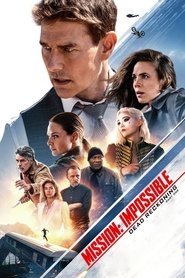
Mission Impossible Dead Reckoning Part One (2023)
McQuarrie and Hamilton explain how blocking, coverage, and editing changed the film during production. They discuss revisions caused by pandemic interruptions and the development of the characters. Their accounts of Rome, Venice, and the train sequences cover practical rigs, locations, sound, editing, and the performers' physical work.
- Duration
- 2h 43m
- Talk coverage
- 99%
- Words
- 27,926
- Speakers
- 2
Guided collection
The McQuarrie Mission: Impossible commentaries
Tom Cruise and Christopher McQuarrie discuss filming and revising Rogue Nation and Fallout. McQuarrie and Eddie Hamilton then describe production interruptions and editing on Dead Reckoning Part One. The guide follows the three films in release order.
Part 3 of 3
- 01 Rogue Nation 2015
- 02 Fallout 2018
- 03 Dead Reckoning Part One Now reading
Commentary density
Highlights
Featured in
Topics
People mentioned
The film
- Director
- Christopher McQuarrie
- Cinematographer
- Fraser Taggart
- Writer
- Christopher McQuarrie , Erik Jendresen
- Editor
- Eddie Hamilton
- Runtime
- 164 min
- Also on
- OneSheet ↗
- External
- IMDb ↗ TMDB ↗ Find on Amazon ↗
Transcript
27,926 words
I am writer, producer, director Christopher McQuarrie. Hi, my name is Eddie Hamilton. I'm the film editor on Mission Impossible Dead Reckoning Part 1. The extraordinary editor on Mission Impossible Dead Reckoning Part 1. Chris hates it. Chris knows that I'm very embarrassed when he says things like that. Eddie doesn't like compliments. Yeah, exactly. That's not the reason why I do it, but it's the reason why I enjoy doing it. Yeah. This sequence... Let's dive right in. No pun intended. The Sevastopol. Notice it says 29th of February there for very astute eagle-eyed people. That's a touch by co-writer Eric Jenderson, who is not here with us. Eric is a nautical genius, I guess we would say. He's a lover of the sea, lives on a boat, and was having the time of his life working on this sequence. It's virtually everything Eric and I have ever wanted to do in a movie. We love submarine sequences. We love the Arctic. We're fascinated with extreme environments. And there is no more literal or figurative high-pressure environment than a nuclear submarine. And this was kind of our opportunity to be kids in a candy store, doing everything we wanted to do and compacting it all
into the tightest sequence possible. This sequence was actually originally conceived as something completely different in tone. It started originally as a suspense sequence, almost a ghost story. There's still little elements of that in here, but when we took the movie in as a whole, it really wasn't landing with people what the full purpose of the sequence was. The most important part of this sequence was communicating to the audience the introduction of our villain, really, which is the entity. That's the sonar sphere, which late in the game started to become its own visual similarity to what the entity was. All of these actors that are in the sequence were all extraordinary. Many of them did not have a great deal of experience, with the exception of the three officers, Marcin, Ivan, and Zachary. Some of them are stuntmen that were recruited to fill in the seats. We had more seats than we had actors. And a lot of them were cast based solely on their faces. I had about 200 recruits of different levels of acting experience.
I sent the faces to Eric, who really had the world of submarines in his head. I said, just from these, pick the ones that you feel are of the appropriate age and bearing for their different positions on the boat. And Eric sent me his selections of all of these actors. And regardless of their level of acting experience, I cast them for the simple thing that Eric said. Each one of these guys has a face that says... I want to see this guy live. And you'll see in all these compositions, everything we're doing is creating a sense of a crew. We're creating a sense of camaraderie among them. All the compositions are meant to constantly bond you to these characters as quickly and as succinctly as you can so that you feel affinity for them. It was very, very important that you cared about these characters as human beings. That says, good luck, by the way. That's Russian graffiti there. And Eddie can expound a little bit on the challenges of editing this. Yeah, this was, the coverage, the raw footage was extraordinarily good. And it's beautifully lit. It was quite an easy sequence to build an assembly of because there was just so many great options and great angles.
All the faces are great. And I remember what Chris likes to do when he's editing is work on a scene almost completely silent. And when I sketched out an assembly of this scene, I remember we used to watch it silent just to enjoy the feeling of pressure that we were getting from the cast. You should talk about the sweat con levels as well. Yeah, talk about the sweat con levels. So throughout the script of this scene, Chris would mark where we moved from SweatCon 1 to SweatCon 2. There were levels of sweat. The levels of sweat in true Tony Scott fashion. So you would reach a certain line of dialogue and Mary Boulding, our fabulous assistant director, would cut and say, OK, it's time to move to SweatCon 2. Yeah.
And then we come in and redress whatever actors were in that coverage. Yeah, you can see here. Was it SweatCon 4, the highest? I think SweatCon 3 was the highest. Right now we are in SweatCon 3. Yeah, there we go. And that should give you a sense, by the way, of the atmosphere on this set. As much as this is a scene about extraordinary pressure and tension, it was a lot of fun. They really quickly became a crew. They were all enjoying this work enormously. Yeah. And we're about to get into probably the most critical point of this scene, which is we start to reveal the entity. This really came together in layers. It's one of my favorite cues, music cues, in the entire movie, by the way. This all really came together in layers. When we first presented it without the graphics and without the sounds of the entity, people didn't really understand
that there was this other being in the boat. And because it's mission, people are always trying to outsmart it. They were looking for the plot in the sequence and kept thinking that one of the sailors had sabotaged the boat. Yes. And it was only when we came up with this graphic and that sound that the intent of the scene really became abundantly clear. One little editing Easter egg is if you go back and you want to step through some of the transitions from the entity to the crew, we did these little two frame dissolves to kind of soften the dissolves a little bit. So there's a couple in there and you'll see a couple later on. Yeah, it creates kind of a dreamy state. You'll see them later in the film. All of these shots of the exterior were CGI shots. Yeah, done by a VFX company called Bello. By Bello. That was very, very, very trepidatious about the notion of doing CG shots, entirely CG shots.
And we talked about doing these practically. And I was very pleased with the work that they did. I mean, we did shoot real elements of the bodies floating. Yeah, all the bodies, the real bubbles, the real things like that. And all the ice is taken from elements and things like that. It's an extraordinary job of compositing all of those elements together to create this very real environment of the Arctic. And here's our key. This was the very last day of shooting on our movie. This was the last scene we shot. This is Alex James Phelps, and for fans of the Mission Impossible franchise, you'll get a kick out of the fact that his last name is James Phelps, a character in Mission Impossible 1 and, of course, in the TV series. He was cast a week before we shot it, and he came to work that day, the day before, actually, to walk the set.
and learn what scene he would be shooting. And this was, after we had finished the entire film, we were finally able to figure out what was the best way to introduce Ethan. How do we introduce this character in the most efficient way possible? And also introducing the notion of the oath, which was actually something that was not supposed to show up until the second movie. But I love the fact that we do, plant the seed of the oath here and it will it will pay off dramatically well it'll pay off very satisfyingly later on yes and it actually resonates why we do where we don't draw a circle around it it resonates through actions that characters take in this movie into the next movie um the set that they're on right now is a is actually the repurposed and rebuilt venice safe house set we've just taken out certain walls and if you look at some of the
architectural elements in here. You can see the Venice safe houses in there. That's Gary Freeman. He's a brilliant, brilliant production designer. Great working on a budget. And when we said, hey, we need some sort of a safe house for Ethan, that's where we ended up. And yeah, Alex just got a fantastic face. And he tells you an entire story about some kid who's just beginning his life. Yeah. In the IMF. And we picked Amsterdam. Originally, there was an exterior scene, which you might see, or you will see in the deleted shots reel. And you'll see some shots of Ethan walking through an Amsterdam market. But in the end, we decided to get straight into the introduction inside. That was Ethan's dossier photo from mission one. and his hair from Days of Thunder. And that's how you create a 1989 version of Tom. So here we've got these little two-frame dissolves just to soften these edits, which is quite fun. That's a slower dissolve, but you'll see a two-frame dissolve. Right. And that's Mariela Garriga, obviously. Mariela Garriga's absolutely sensational actor. We have plans for her. And you can see these transitions when we go back to Ethan. That's a hard...
That was a soft, I think that was a two-frame dissolve. Was that a two-frame dissolve? I think it looked like it, but there was a reason that we went kind of very analog and straightforward with this mission briefing because we did originally have one which was a little more sort of graphical and it just, the film, it didn't sort of stick on the movie very well. Well, we also tried to be too clever by half in terms of how we parsed out the information. I'm always struggling with straight information. That was a two-frame dissolve, by the way. Yeah. And was trying to weave it into the story in a more elegant way. And what happened was you just weren't listening. And one of the rules of Mission Impossible, and there are very few, is Ethan must get a mission. This is part of the contract you signed with the audience. This is what makes mission, mission. And so we, as much as we, as much as I wanted to reinvent this idea, they're just, mission has a mind of its own. And this is...
This is part of what makes Mission Mission. And it turned out to be... It turned out to fix a lot of things we were struggling with in terms of people understanding things like the Mariola backstory. It just laid it all out there. And it helps enormously. You have an actor like Henry Cerny, who is so good taking exposition and turning it into something very, very lyrical. Tom, all of this acting that he's doing, he's... reacting to dialogue that we hadn't written yet. Yeah, exactly. So I was giving Tom more or less emotional cues and what is Ethan's emotional state. We did know one thing, which was obviously that find the bounty hunters and you may find her. That was always a constant through any mission briefing. This shot took four days to get. We had one hour every day at magic hour. And...
So we would be shooting the desert gunfight about a mile away from here. And as the sun started to get late in the sky, we'd pick everything up and run out and make an attempt at shooting this, which is obviously, it's all a water, lots of moving parts, horses and whatnot. And there were only so many times the horse could get up and there were only so many times that the horses could run past. And you had to be very careful with the horses, didn't want them to get injured. And so we had about an hour every day at Magic Hour to attempt to get that shot. And on the fourth day, we got it. And this is Abu Dhabi, the empty quarter in Abu Dhabi. And here, of course, is Rebecca Ferguson. This, we went back and reshot, gave her more of a prominent introduction. I had shot it originally in this set and just wasn't satisfied with it. It just wasn't.
a strong enough introduction, and we have a real particular fixation in terms of how to introduce characters. Yeah. So all of this in an earlier sequence involved a much longer journey for Ethan. Yeah, so you got to see a lot more of the horse. Yeah. He was called Zeus, I remember. Zeus, the horse, is a champion horse, and... Has an enormous ego. Zeus knew right away that he was in a movie. And when the camera started rolling, Zeus just took on a mind of his own. And would walk when you wanted him to run, run when you wanted him to walk. And there's a shot coming up where Zeus is supposed to stop. Right here. And blew right past camera, which actually... which actually turned out to be useful and extended some of the geography. So for a lot of this, you did have these gigantic jet engines blowing sand around the set. Yes. And sometimes it's augmented by ILM. Yes. Like the sandstorm, as Ethan's running, racing towards the town there, was sort of built by industrializing. Yeah, there are just times for safety or when we're covering so much distance that you couldn't blow enough sand over it. And there are times when the actors' faces are uncovered, like here with Ilsa.
There's some wind going, but if you had sand going, her eyes would be filled with sand. So we had her acting that she was getting particulates in her eyes. This is a wonderful shot. I absolutely love the composition and the way the camera moves to introduce that character. To introduce this character we refer to as Braid. Yeah. Who's actually played by, I believe, five different women throughout the sequence because of the places where we shot it. Yeah. and any number of people, including Rebecca. We should talk about the sound mix here because it's just extraordinary. It kind of rocks the theater when you're inside a cinema watching. Yeah, our sound team, this actually, there was a lot of time and effort that went into this, and then it was really only on the very last day when we took the sound design apart and put it back together again. There had been a lot of notes and thoughts and rules, and we finally just went down and picked specific sounds
And then the most important part was to mix in a level of bass so that you actually feel the storm. Yeah, so if you're watching this at home, your subwoofer will be getting a very good workout in this little bit of the movie. Although we now go into much more subjective, dreamy sound design here. And we played with the end of this sequence, how it would end and where the credits would fall in the beginning of the movie many, many times. And finally settled on this. I love the dissolve here as well because... It's interesting. When you're watching this, it doesn't feel like a new chapter in a way. It feels like a continuation of the story. And you've dissolved from your protagonist to your antagonist. Exactly. And so your hand is being held through this whole opening of the movie so it feels continuous because we're well aware that the opening titles are coming quite late into the film. Some people are going, wait, we haven't had the opening titles yet. Yeah. Here's an extraordinary...
assemblage of people. This was a very challenging scene to shoot. It was our first day on stage after coming back from working on location. And it's a very challenging set to shoot in. And all the compositions are more or less the same. I love how you're introducing the geography with a big close-up of Carrie in the foreground. I love the way the camera inches around. Well, and that was the beginning of the visual language of our film. We didn't come to this movie with a specific sense of this is how we want to shoot it. that tends to paint you into corners. I really wanted the movie to tell me what its look was, and obviously I want every mission to feel different. And Chunky Richmond, our camera operator, Fraser Taggart, cinematographer, Martin Smith, our gaffer, we were finding the look of the movie, of the sets, here on day one, and this was the first shot, was Carrie's close coverage. And what you're seeing
By putting Kerry where I am, I'm showing you the room without doing a classic establishing shot. I'm also, there's Henry Cerny, and I'm not, I'm deliberately not introducing him. I'm showing everybody else in the room, and I'm showing you Henry, but I'm not pointing him out. This shot was done. Yeah, I mean, this was done at XL, right? XL, the same place where we did the train station. Yeah, and you, there were, I don't know, several hundred typists? Yes, yeah, at the height of COVID. I think we had I think we had 200 extras. So ILM extended all the people in the background, but there were a lot of people there to make it feel as real as possible. Just extraordinary, extraordinary actor. Rob Delaney, Mark Gatiss, Charles Parnell, who came back from Top Gun for us. And here's Marcello, our man of mystery. Marcello, it was all about movement. Marcello and I spent a lot of time just working on movement, not blinking, and the longer we could stay on him and feel his thoughts, the better. And you're looking again at all of these compositions. This is all about compositions that are creating geography in the room without using a traditional wide master shot. And there's Henry Cerny, very carefully placing him
as the only person we're not putting in closeup. So he's always in the shot, but we're never deliberately showing him. In fact, look at this wide shot. Right at the moment where you're about to see Henry, the pillar blocks him and we cut so that this was always intended to be his introduction. It creates a sense of prominence for this character. And then we discovered this, which is the first shot that shows him is actually in a wide. He's quite small. And he gets bigger and closer as he's telling us the story. He's growing in prominence across the shot. We're not just introducing exposition. With everything we're doing here, we're introducing character, suspense, story. We're creating a sense of atmosphere around the entity. So while some people are taking this scene quite literally as a lot of dialogue and a lot of talk, there's actually a lot of story going on.
including a photograph behind Cary Elwes. That's true, if you pay attention. Almost no one on the planet has noticed, and I've been enjoying, while everybody is picking out Easter eggs in this movie that aren't Easter eggs and references to other movies that aren't references to other movies. They're missing the fact that Angela Bassett's photograph is on the wall directly behind Cary Elwes. And that was one of your wide shots there. As Henry walks over to reveal the room, you get... Yes, and that was discovered as a matter of necessity in just getting the coverage and following the blocking, all of which we discovered with the actors, how everybody was composed in the scene. The wide master presented itself rather than us adhering to it. And it occurred much more organically. And as a result, we never shot the whole scene in a wide master, which is what you tend to do. And then you only use...
eight seconds of it. It's an enormous waste of time. It was much more interesting to us and useful to us to find character instead of spending time on information and blocking. All of these, everything you're seeing is coverage that's telling story as opposed to point to camera at an actor and just have them say all this information. This was something we discovered quite late. Very late. Recapping the desert so people understood that they were referring to what you had literally just seen. And also to establish in the audience's mind the notion of intercutting so that when you did it later, it's not jarring. It doesn't come out of nowhere. Gary Freeman's choice of that painting in the background keeps a little sense of the desert in the room. You know, the scene that they would be talking about. So that's another visual connection. There's Angela again, and I like the little visual of the two of them. Symmetry, yeah. So this is where Chunky, our camera operator, and I were figuring out what's the visual language of our movie, and how are we gonna compose shots? How are we gonna create character and pressure? And you can see that by doing that, Marcello is present throughout. So even when you're not...
In the same way that Kittredge was present throughout the beginning of the scene, Marcello is present throughout the second half. And a very tough balance we were trying to figure out. There's drama and suspense and a spooky story we're telling about the entity with music. Then you have to get out of the way so that you can enjoy the humor of this stuff. Exactly. I love that in the IMF. I love the way you re-mythologized it. And it's one of the first proper laughs in the movie when... When we're working on these, you're always kind of gauging how engaged the audience is if you're sitting with them by how much they laugh. And they laugh on Rob Delaney's delivery. Yeah, should he choose to accept it. I love that. We felt the whole audience laugh. Yeah, you know that they're in. They pay attention. Yeah. We have one of those on every movie. Yeah, we do. The first laugh is like the on-ramp to the movie. Correct. Exactly.
So in editing this entire sequence, the challenge of editing this entire sequence was not only the information, but all of the tonal shifts. So you're actually having multiple scenes within a scene. And we treated it that way very specifically so that over the course of, I think, what was 14 pages of dialogue, you felt an evolution. And a lot of that came from things we learned on Top Gun. Yeah, very much so. Top Gun Maverick. in the bar scene, some massive introduction of lots of characters and lots of information. And how do you do it in a way that the audience can feel it and not have to concentrate on it? They're absorbing what matters, but they don't have to keep track of all of it. The more you watch the movie, the more you return to the scene, the more information you'll glean out of it. So the editing of this scene was very precise. The way that we chose to cut on certain lines of dialogue
The way that we choose to cross the line. You know, we're keeping Ilsa alive in the story, obviously, at this point, deliberately with the compositions. And every time we cut, it's on a very specific idea shift or we're... A subject change. Yeah, we're subject change. We're forcing the audience to move their eyes from one side of the screen to the other so that you are forced to keep engaged with the... the story. Not letting you drift. This flashback, we really put in almost in the last week of editing, after two and a half years, we figured out that this was a great place. Initially, the reveal of... Well, yes. This was after Rome. Well, yeah, this whole idea that we were holding back on the supposed death of Ilsa was originally... We had thrown that idea out. We had...
Yeah, because we wanted the desert to have a win in it. Yes, well, we knew that if you went into the credits believing that she had died and withheld it all the way to Rome, which is what we originally did. Yeah, a good hour into the movie, yeah. It affected the entire tone of the airport. Yeah. So we knew you had to reveal this somewhere else. Yeah. And we went full circle. We threw the idea out, and in the very last week of editing, the idea came back. And a lot of this is told through sound design. This is actually shot on the back lot. at Long Cross Studios, shot much later. And yes, and so here we come back and you see us again crossing the line. And we've now shifted the audience's context because now we know that Ilsa's alive and therefore we know that Kittredge has had the wool pulled over his eyes about the fact that she's dead and Ethan has outsmarted him and how he's got the key. It's just so, it's great.
And how all of this serves to lay up the cut to credits. We were always struggling with where do the credits go? Yes. And once we built this structure and presented it to Tom, we had the credits in a different place. Tom was very happy with the structure and the only note he had was the credits are in the wrong place. He says the credits have to come after a cake. Come after a win. They should come after, you should have a lift when you go into the music. Correct. You want to feel a cheer. And we said, yes, but that's 28 minutes into the movie. I know. Nobody does that. And he said, yeah, but. But it's in the right place. It's in the right place. It just feels right. And that's one of the things I love about working with Tom is there are very few rules. These are line crosses that people are like, why are you line crossing? And it's literally to make your eyes move. Part of it is to keep you alert and make you refocus on Kittredge on the left-hand side. It's so that you don't tune out. We're escaping. We're actually directing your eye and your ear and cutting on key words, cutting on key subjects. Yeah.
And these, you know, when we're on this side of Tom, we can be more internal with him, you know, for these moments. Yeah, so all of these line crosses are actually deliberate. I love Henry's acting. Look at his eye muscles. Oh, I know. It's just, it's so good. He's really phenomenal. And he very, very carefully rewrites specific lines, chooses additional words, willingly whispered one word. And when he adds the word willingly, he implies they're spying on everybody. And he brings these elegant little flourishes to everything. He's such an elegant actor. The word I use often is just very lyrical in this communication. There's one shot that I really love in the film, the energy of this shot and the motion. And again, you're bringing in the geography of the room when it matters. Exactly. And not in a way that's sort of arbitrary. I love here because...
The first time you see this, you're not really paying attention to what Ethan is doing in the background. And then the second time you see it, you know what's coming. And so you're like, wait, what was he doing back there? And it was so, we had to be so particular of when we cut to that side of the line. Exactly. So you see there's multiple angles covering Henry. And all of that is to give us the space so we could control when to cut to Ethan and when not to. And we shot two cameras on this side of Henry so that you have some variety. And that was a big deal throughout most of the movie, knowing that some of these scenes were longer, to always cover them from multiple angles on multiple sides so that there's always a visual variety. Yeah, this is so satisfying. Here's Henry having the time of his life playing Tom, playing Henry. I know, it's so good. He's playing Ethan Hunt. It's awesome. And there's our dart gun from Rogue Nation. Yeah.
And these are the titles by Filmograph LA. This is always a challenge, designing titles, A, to be different from other movies and what shots to put in them. And you can see that we've done something conceptually here. I'm often having, there's often a splinter of the audience that's complaining about how the title sequence is filled with spoilers. Yes. And because we have the entity running through it and corrupting the credits. We included shots that actually aren't in the movie. Yeah, there aren't many, but there are a couple in there. Yeah. And you get to see that they're tearing the image, you know, to show that the entity is distorting. I love this. I love these tiny little shortcuts. Yes, that's how it's... And then we changed the palette to blue. Well, that was actually you. We'd originally done it all in blue. Originally, the entity was red. Correct. And suddenly it felt very familiar to Hal and to Sauron. Yes. And so we finally decided to make it blue and realized the graphics in the nightclub were blue. Correct. And that the movie had been sort of telling us that all along. And that's why the credits are blue on the desert here. But they were originally... All the credits were blue, and Eddie...
very astutely pointed out. It has a cold feel, it's not warm. Yeah, exactly. It's just easier to look at, actually. One of my favorite inserts in the movie. Fantastic insert. Beautiful hand acting, great flair in the background. All these things coming together in a very elegant way. It's a very tricky shot to get. These are all shot practically. This is all inside an Osprey. That's really an Osprey flying behind them. And all of this stuff was done in the air in Abu Dhabi. So everything you're looking at is, that's all practical. This is like one of the best speeches. It's a classic Macquarie speech. You know, do not consider him secure until you have driven a wooden stake through his open heart. And Shea Whigham delivered it. Oh, it's so good. And here's our introduction to Benji, Simon Pegg, which we did try a version of this scene where we started with Ethan literally holding the key up and getting straight. So what's the play? So what's the play? And it dramatically affected...
Yeah. Benji. It affected our connection to Benji. So we left this in so that he cracks a joke. And you're introducing, again, you're introducing character. And this is such great team banter. Yes. Or as we like to call it. Monday. Monday. And as only Simon can do. And so what you might be perceiving as a repetition of information is actually... We're introducing the characters and we're also taking into account that people don't absorb the very important information. There's so much going on visually. There's so many things happening in the scene that if you're perceiving repetition, it's because you're way ahead on the bell curve. And here's another example of one of your wides, which hinges around an object so that you get like common geography, but it's always based around an important prop or object.
Yes, that it's a geography shot, but it's one that's hidden in there and it's motivated by, instead of just cutting out to an establishing shot. They were all very carefully considered and they were all things that were found on the day. So you're keeping geography in there. You're not stuck in these tight close-ups all the time. You have to be very, very careful with that. We're actually cutting to close-ups of actors very specifically to make sure that you are gathering that information. And... I remember seeing these dailies and just thinking this was totally dope. It's just like, oh my word, the scale of this, I love all the cast there, all the extras, the characters behind them, it's so good. Yeah, most of them, most of them are actually stunts, loved working with these two and their first day on the movie. Yeah. When they showed up, I handed them a couple of pages of dialogue and said, don't worry,
There's going to be no sound. We're probably going to replace a lot of this. Just go up and have fun. They were in an osprey doing it for real. They were in an osprey. They got in an osprey with Eric Jenderson and were shooting their dialogue in the osprey. And we knew we would be picking up a lot of the stuff with the graphics back on stage. So all the pressure was off. They could just go up and have fun. This sequence represents what has to be... probably one of the hardest sequences we've ever done. This was like the opera from Rogue Nation. The amount of intercutting and the way you have to balance the amount of time the characters get and when you intercut from one character to another and how you keep all the stories alive. And how it was developing on the fly. So for instance, when Tom is walking through the airport here, we knew we'd be shooting this scene back on a stage months later.
this, you couldn't go back and reshoot. So I just had Tom walk through the airport saying adverbs, probably, maybe, definitely, permanently. And knowing that I could then write the rest of their... And you have to remember, this was filmed at the height of the pandemic. And so... When I was getting these dailies, everyone had masks on and then you'd hear Mary Balding shout, action. All the masks would come off and they would do the scene and then they would all go straight back on. And they were all in pods. They were all in the pods of 10. Now was this Shea Whigham's idea? No, this was an idea that came prior, but Shay's performance. Yeah, yeah, yeah. And this idea. And he asked, he said, can I do this? Asked the actor. Yeah, it's so good. It's so fun. And then this is such a great nod to current deep fake artificial intelligence technology, which is evolving week by week and is terrifyingly real.
And the notion of- That always gets a great laugh as well. No one is safe from Phineas Free. Oh, it's lovely. And Ving, it's so funny because Ving, when you feed him those- I remember this, I remember this. He'd always look at me and go, really, brother? I was like, yeah, just do it if it doesn't work. And he's always uncertain about the humor. And then he just loves it when he watches it pay off. I remember seeing these dailies and just think they were fantastic. Oh, and we- How you did this with, you know, oh, it's so elegant and- there's sometimes here, because he's not actually saying any lines and we added in Benji get me on that flight to Venice. Yes, exactly. Because we knew the sequence was developing and we knew things were going to evolve because you're into plot and whenever you're into plot and here's this shot. That was very challenging because almost exclusively you're in Ethan's point of view and that one shot of Hayley, you are not in his point of view. Yes, he has to miss it. So we have to kind of break our own editorial rule there a little bit.
And now we're into what is really a critical essence of this movie and how it is shot, how it is edited, movement. Yeah. And you'll watch the way that Hayley and Tom move. You'll watch the way that the camera moves. Everything in their relationship is a dance. You have two characters who don't want to be together, who are opposed to one another. Actually, from the outset, are... don't necessarily like one another. And yet everything we're doing with their physicality is telling you they actually work together. They belong together. And everything that we're doing in the movie is to create a sense of affinity. I love the shot. That's so good. And that's movement. Oh, it's so good. Yeah, that's where all of the coverage is being motivated by action. None of it is for show. It's all there to create a sense of geography, a sense of space, and to eliminate...
traditional coverage whenever possible. All these graphics, let's talk about the graphics. Yeah, the graphics from Blind. Blind, and all of which was extraordinarily, extraordinarily complex and complicated. You've got such a tiny amount of time to draw the audience's eye to what you need them to see. And it's really important that we don't trust that you're doing the work. We're trying to bring it to you so that you don't have to work. This was all shot months later. maybe even longer, maybe like a year or so later, in England. It was a train station. In Birmingham, wasn't it? Yeah, Birmingham New Street Station, upstairs. And this is one of the few times in the movie where we're using longer lenses, and it's an introduction to the sensational Hayley Atwell. And the editing of this scene, the coverage back and forth, the choice of performances, in every instance, they gave us a different energy.
Haley gave us a whole cornucopia of different emotional. Yeah, versions where, and there's versions where Tom is charming and there's versions where, and what was nice. This was all done in camera, the magic tricks all in camera, just in case you're wondering. And we had to do it so many times to get it just right. I think that was like take 17 that you did. Yes, and you can feel Tom getting a little frustrated with the magic trick. What I love here is I remember when you pitched me the idea that you're not gonna see any of the pink pocketing. And I was really unsure if that would work. And it works brilliantly because people pay attention when he lifts up that thing and he goes, so why was this in your pocket? And everyone understands immediately that they've just been- Well, the whole idea is it's an invisible art. It's so good. You're not supposed to see it. Although we do then show it one time in the story. What, on the train? On the train, yes. Exactly, which again is so great because you can hear the penny dropping for the audience at that point.
But I love how these characters play. I love the air we left in this scene. And here's a move motivated by? By this prop in the foreground. It's motivated by a prop, but it's also motivated by a turn. Oh, a turn emotionally. She has just made a choice. Exactly. And these movies are obviously, these two chapters are about choice and acceptance. In that moment, she's made a choice and her life has changed. She's simply not aware of it. Yeah. Eric Jenderson's choice of the Zippo, that was his. So good. When they presented me with the possible props that could be a Geiger counter, he looked at it first and said, slip a Zippo in there. And without my knowing it, when I walked up to the table, of course, it's right where my eye went. It was a great choice on Eric's part. All of this stuff with being around... I will say that the amount of CCTV footage that you shot, like every single setup, they had four little tiny cameras filming.
And you had to. And we used every tiny, every single angle was in this. And it was hours and hours of it. This shot, we had 15 minutes at the end of the day. Look at that beautiful backlight there, the sunset. You just nailed it. It's a beautiful one-er again. It was dictated entirely by necessity. I had no time. And Tarzan is so good. Everything he's doing is so active in these scenes. He's phenomenal. Greg Tarzan Davis, who plays the character of Degau behind Briggs. And here, we had a different line originally, when we were still finding Hayley's character. That's right. And it was just too frivolous, and so we slipped this other line in, basically turned the sound off, read her lips, and said, what other words can I slip in there? This is getting exciting, is what you put in there. This is, now what you're gonna see here, the camera that we're using, we're using a combination of, that's a Rialto, it's a small handheld camera.
There's Steadicam, and then there's a camera called a Stableye. We're gonna get real nerdy. We're talking about editorial. Exactly. Everyone loves this stuff, Chris. Stableye is like a handheld remote head. So you have somebody sitting at wheels operating the camera, and you have a camera operator who's carrying it, and the person operating the wheels, Chunky, is talking to Ross, the operator, who's moving the camera around while Chunky is panning and tilting the head. And you'll see there's some extraordinary camera work that you can't do with a Steadicam. Graphics on the bomb, again, very specific graphics that are exhaustive and really, you have so few frames to communicate so much information and you always want it to be fluid. And here comes one hell of a shot. This is done with a stable eye. Couldn't do that with a Steadicam. Yeah, going all the way down to the floor. To be able to jib down like that.
And this was us discovering the uses of this equipment and figuring out how can it serve us best. There's a great kind of dance shot with them together. Yeah, this is, again, the movement. See them doing a do-si-do here as they... And again, the graphics, you know, that's telling you that Hayley has seen them when you don't really see Hayley see them. Again, all of this, you're seeing how the graphics are three-dimensional. that everything feels tactile and it gives you a sense of Luther having an overview and a three-dimensional God's eye view of this airport. But it's all done very subtly. We're not trying to overdo it. This is a, that was a push in with the stable eye. And again, it's all character and it's character and camera working together. And Simon selling this whole moment. fantastically well. Really, really well. He's an astonishing actor, Simon. It's like he understands the genre and he can switch modes emotionally, effortlessly. Well, his secret mojo is that while we think of Benji as the humor, it's a backdoor to incredible drama. He has amazing dramatic chops. And it's interesting how Benji and Ethan are two sides of the same coin.
Benji tends to be the funny guy, but then he has moments of genuine drama. Ethan is the dramatic guy. Yes. Who then has genuine moments of humor. Yeah, yeah, yeah. And they each compliment one another and they don't step on one another's space. That's correct. And we really discovered that as we were able to articulate that only very recently when we were lining up stuff that's going to show up in part two. And are you afraid of death? was actually not in the original assembly of the film. That was added later. Correct. It was another line. There were a couple of moments in the scene that were off-putting. How I had written Simon, they were lines that were humorous, but they had a negative connotation. Yes. And it was very interesting, the balance of humor, and something I see in a lot of movies, is humor presented in a... in a negative way, a negativity between characters. It's meant to be them either busting on each other or in tension yelling at one another. It actually has, it's counterintentional. It actually alienates you from the character. And there were about four lines of dialogue and after the first test screening, Tom picked them out. We noticed that Benji wasn't resonating the way he usually does.
in these movies, and Tom flagged it. And that was the most important thing for you. That was always there, but it was in a different place. Correct. And we rearranged these riddles, and that's why you're seeing the dials are going in a different order. They used to go left to right. This is another amazing shot. I love this. This was, again, in Birmingham, and all of these, again, you're feeling movement with these characters. That was a very challenging shot. Intercutting all this stuff with the riddles, You know, making sure that the rhythms of the sequence are getting kind of faster and faster. And the camera moving, and having to be aware of where everything was in the order in which it was happening, so you're feeling a visual progression. And the music is building, it's building. And then right here, the cue just takes a moment to breathe coming up. I love this. Speaking of music and speaking of war. 45 seconds. Yeah. Yeah, these are... Here we go, music stops now. Yeah, I love it. This is a sequence that really didn't come together
until the music came together. Correct, yeah, Lorne and his team, yeah. It's as much as the other work that went into it, it's almost one continuous piece of music from the moment the key comes up and not a short one. And it's where the music starts and also when the music stops, it's all designed to create a sense of momentum and lift. And we had watched the scene numerous times and were really struggling with it. And when the music came on, we knew, Now we know it's going to work. And again, you're feeling the team. It's all about creating a bond between the team. When you took out the scene in the lounge, or when we cut it shorter, you lost any sense of their bond. Another reference to good luck there. Good luck, yeah. Which you'll see.
So Operation Podkova as well is Operation Horseshoe right at the beginning. The Podkova is a horseshoe and a horseshoe is a symbol for good luck. So there's a theme here. And that's a motif that's going to pay off in part two. CCTV turned out to be the one effective shot we had to show that. Again, because we're shooting everything quickly. And that shop, the handbag shop, was the one piece of gear that I brought back from the set knowing that If I get them in this corner, I can then reshoot any coverage I need. And a lot of this is, oh, by the way, that camera move. The camera move around Hayley. Going around Hayley. That's Chunky and Hayley working together. She actually is walking at multiple speeds. She feels like she's walking at one continuous speed, but she's actually working with Chunky to give him the time to get around. And it's extremely delicate, delicate dance. The graphics of the sunglasses, by the way, we worked on those for...
a long, long time. This is all happening, so Shea Whigham is wearing a wig here, because he was playing G. Gordon Liddy. I didn't even realize that until you said it. It's the most terrible. It's one of those things where people just don't notice. Yeah, and they had the hair and makeup, this is not to make very clear, they had three days to get a wig ready, and they were mortified, and I said, don't worry, we'll fix it. This was an interesting thing, where you added the Rome really at the end, because. Just so that you, well, we originally had a shot that showed it. Yes. But we stopped, the whole scene stopped so you could read Rome. So instead, we went through here and planted Rome there. Those are all added later in CG. Just so that you subconsciously realize that she's on her way to Rome and then when they turn up in Rome, you're not. And again, Tom giving this energy, he gave us different performances of the glass, different reactions to Hayley, which we could then shape later. And there was a moment where Hayley
She kind of spiked the football. She smiles and she did the nose thing. She tapped the side of her nose like the sting. We played with all these different ideas. And what happened was you rejected the character. Correct. You felt a sense that she was celebrating beating Ethan. And we dialed all that back and it changed your affinity. And also, it certainly made her feel more like she was a little nervous and in over her head a little bit of what she got into. rather than just being in control. Oh, this is amazing. You absolutely shot this for real. And this was all for real. This was all for real. Although a lot of the people in the background there, anybody in the background there, they weren't there. Yeah. Look, this is real. That was, again, this was a lot of fun. It was amazing that you got that timed out. Oh, it's a real challenge getting all of these elements to line up and doing it in a very limited time and, again, doing it during COVID.
And that was the airport. My God, I'm glad that's over. Our graphics here. More beautiful graphics from Andrew and the team at Blind. And this was really evolved over time to include more and more. And you did actually build this. This was full of monitors. They got like 300 monitors from a museum in Cambridge. All of that's practical. What's fun about this is there actually is no set. You're looking at a soundstage. That's right, the walls of the soundstage. We realized if we did it this way, shot it in darkness, and you'll notice I'm pointing a lot of source lights at the camera, there are no walls to the set. That's in the corner of a soundstage. This scene used to be quite a bit longer, and you'll see a little section of it in the deleted shots reel. It was exposition where they were explaining
what the entity was doing and how the government was reacting to it. It was all to keep the notion of the entity alive and to create that pressure. And we just, we had it in our pocket, but we also... What's weird about this is Rome is never this empty. Yes. These aerial shots were done when everyone was in lockdown. Yeah, we had to add a lot of the life in Rome. There's a few people, yeah, on the streets, really. I love this. I love the way you covered this scene as well. These are terrific actors from Italy that you... Oh, these guys are absolutely sensational. I love the fact that you only reveal the two people behind her in the reflection. When we're on her coverage, all you see are these two uniforms. And if you're paying close attention, which most people aren't, to the people in the background, you can see where we shot in Italy and where we shot in the UK because the cops change several times throughout.
And that was a challenge because this scene was broken up over so many locations because of... Love the reveal of the handcuffs there. It's beautiful directing. Thank you. Yeah. And then it's so satisfying here in the audience when she takes the paperclip because everyone's like, oh, she's got the paperclip. And I love the fact that it doesn't pay off for another 20 minutes. And that was really interesting. That was... Tom was really, really particular about... setting it up early and then letting them forget about it. Yes, yes, I love it. Yeah, and I had had it, I was subtler in the reveal of the paperclip. And then we just pushed it real hard. Some of these Dutch angles. I love the way Hayden's eyes move there at the end when she's thinking. And again, you remember, she gave us. So many options for that line about my lawyer. So many options, ones where she was bluffing. This is an awesome shot of Pomme Clemente if he was playing Paris.
I love the nose sniff. It's so good. She's wonderful. Palm delivers such a... So you see here, this is the stuff I shot in Italy. Yeah. And all of that was my paperclip story. Then when we went back to do the inserts, we really pushed it. We just underlined it. And that was the thing. Sometimes you're just being too subtle and too clever by half. And we were always checking one another to say, you know what, just say it. And there were times I was being subtle, Tom was being subtle. And... We were just always there giving ourselves the options. I love this shot of Isai. So good. The light in this scene, all of this stuff. Again, another set designed by Gary Freeman. Yeah. And lit by... What's interesting is, watching this, you're not aware of the fact that that establishing shot of Gabriel walking in, or Isai walking in past Grace, was shot over a year before we shot this scene. Yes.
Well, Isai was on the movie. Isai and Hayley were both on the movie well over 100 days each before they had a substantial dialogue. That's true, yeah. And it was always in the schedule, but then there would be some sort of disruption because of COVID and things were constantly moving around. And so a lot of what they were doing on the movie was their action and not their character work. I love the music cue here as well. The snake-charmory vibe. Yeah, the vibraphone flute, which was the entity cue for us. We really believed that was telling the story of the entity. And Edgar Wright came to a screening early on, and he said, could there be a sound or a musical cue for the entity? I said, what, are you kidding me? Are you kidding me? It's right there. And when we went back and watched the movie with that filter, we realized it was everywhere but...
on the entity. Exactly, exactly. And that's when we brought in a sound design element. It was James Mather. That's right. And James Mather, when I described what I was looking for, some kind of bassy sound with vibration, he brought up an early version of that sound. That's right. And it was his broken Sonos soundbar. Broken Sonos soundbar. And when we get to Venice, we'll talk more about that. I do remember when you shot this, this introduction to Hayley, it took you, this moment of... connecting the two characters took quite a long time to film. This was in Senate House in London, wasn't it? Yes, and as a result, we ran out of time. You did all of, you did this? All of Ethan's coverage and this is on a stage a year later. I know, I know. So poor Hayley, we got to the point where we were about to turn the camera around on her and she could shoot her first dialogue scene. All her characterization, all her backstory, everything is in this scene. And this we shot, you remember, this was all,
It was dialogue in the scene. Ethan's saying it. And we kept feeling like we have to shoot this. We actually have to show it. And we finally did. This Barnaby, he was just sensational. Came out for a day and we just had such a great time with him. So yes, everything you're looking at with Hayley, her coverage, we just built a little three-wall set with a carpet. And I remember doing an edit of this scene where I just had literally Tom's side and then just... Either using or blank, you know, slates to say. Her off-camera dialogue. Yeah, exactly. But yeah, look at this. Again, this is just so well composed. And here's a line improvised by Hayley. It's really wonderful. She was sitting on the steps of her trailer. This one. We were talking about her character. Can't blame a girl for making an honest living. Yeah. And that was one of the key understandings of Grace. That was kind of the beginning of that.
And Grace was somebody who was developing over time based entirely on one essential element, which was we had to have affinity for this character. No matter how much she might be betraying the team and out on her own, you had to be rooting for her. It was a very, very delicate dance. Very few actors could pull it off as elegantly as Hayley. She was fearless as well because... She really gave us so many options and trusted you and me to find the best version of her character editorially. It was, yes. This was a very tricky scene. I remember this took us almost two days to build. Oh, yes, it took a long time. Because each line delivery, you've got maybe 50 different options. Something like that. You can see there's a subtle shift in the camera there. So when Tom is reacting...
You just feel the camera jib up a little bit and create pressure. The rest of the scene is relying really on them. And it's just, it's feeling their chemistry. And so much of what we're doing here in these compositions and cuts, the bouncing back and forth, it's all meant to create the energy of what the characters are feeling. That's not Shea Whigham. He was not available to us that day. And that is Shea Whigham. There's a lot of use of body doubles in the making of these two films. Tom, insert king, that's a very tricky insert to get to tell that story on the fly. I love the way she looks at him like, what am I going to do? What have I gotten myself into? And it allows this. That little piece of behavior allows the shift. And I love these supporting players here. All these faces are so great. And the affinity I have for them is...
Because every single one of these men stands up believing they're protecting her. And I like all of these guys. And it puts Ethan in a very uncomfortable position. And Tom plays it so well. That was a big techno crane to get that shot. We had half a day to shoot all of this business out. It was very challenging. Placing the bike in a way that it became foreground, created energy. And watch Hayley's expressions. Just watch Hayley. When she's doing these... The character she's giving you, the activity, the animation in her face is really extraordinary. All the way through this chase scene, yeah. This used to be twice as long as it is in the movie now. This is awesome. There's a cut right there. There's a tiny dissolve to get from one take to another there. That's brilliant Eddie Hamilton editing. We loved her delivery in one scene, in one shot. The impact. The impact in another. And it actually looks like a one-er, and there's actually a dissolve in there. It's quite spectacular. I remember watching all these dailies, and it was such fun to put all this together. This was. And the chaotic nature. What's she doing? The streets of Venice.
or of Rome rather, the streets of Rome, the cobblestones, everything's uneven. It creates a really particular energy to the camera. And what you're seeing is Rome is really, is really participating in the camera work here. You wouldn't get the same, quite the same energy. This was all shot in a backlog for the simple reason that if we tried to shoot it in Rome, it would have taken us a day just to install everything. And we only had two days on this location, on Imperiali. I love this point of view that you're in here, directorially. You know, the sound design is all going very subjective. All dictated by practicality. Yeah, I love it. All dictated by the fact that if I stayed in the car, I didn't have to shoot it. Yeah, I love it. And then this slow motion bike knocking the two guys down coming up. I never thought we would pull this off. No, and it always gets a great reaction. It's just so elegantly done. It tells you when, because I look at it and I still struggle with the animation of the bike. What it tells you is...
Technical excellence only gets you so far. You've got to invest them in the story and that'll carry you. This shot was, Chunky was not available that day and Sean, our other camera operator was there. This is an extremely complicated shot. Again, I remember seeing this in the dailies and thinking, oh, just another, it's so elegant. It's like the story's building each, everything's motivated. We've just had a very cutty sequence with the cars. So you're allowing the audience just to change gear, you know, visually. All dictated by practicality. Practicality. Because by doing this, I've eliminated coverage. And even though we shot this 18 times. But this is very hard to do this stuff. It's like, it's advanced filmmaking, you know. Well, it's a gamble. It's an enormous gamble because if you don't get it. Yes, yes, yes. You know, you're buying yourself the time to shoot it, provided you get it. So we went to a racetrack, you remember.
and we lined up all the cars and the actors and we figured out the shot and rehearsed it and then went to the location to get it. So we were very well prepared. I love Tarzan. Tarzan's so energetic. He's so good. So great. And Tarzan is just, a lot of what you're seeing is just his natural instinct as an actor. That moment with Shay. Yeah. That was Shay on set feeling that moment and creating energy between him and Ethan because we were still, We knew what we wanted their story to be, but how do you tell it? How do you tell it through behavior? And Shay suggested that idea. He's a brilliant actor. I love the fact that this is totally visual and the audience completely understands why they have to switch seats. Well, it's vital. When we're making these movies, we are making films for an international audience. And we don't want you to have to read the subtitles to be able to follow the story. We want you to watch it as a silent movie.
And whether or not you're listening to the dialogue is really quite frankly trivial to me. Well, we always edit. When we're watching these scenes back, we watch them with no sound and no music. When we're working on these sequences, they have to work completely visually first. And then we know that the sound design and the music will just elevate it. Now, this shot with the Humvee coming up, well, you saw it hit those cars. When it did that, it destroyed... the steering in the car, and now the stunt driver is trying to control the car. And it just had a mind of its own. And we added the bus later and just used the shot. You'll see this was a little bit longer. They used to spin around in front of the wedding cake monument. Well, that was it. We were getting a lot of notes about length in the car chase and in the train, and we just kept pulling out shots one at a time. And in the end... There was also, there was a sense that the...
the chase stopped, started, and then stopped again, like 15 seconds later. Yeah, and that's the lesson we learn every time we make a chase scene. There's always a shot in there somewhere that, just an individual shot. I love this. I remember seeing, oh, it's such fun. The way that these shots are so dynamic. Well, you're editing in this, too. It's just extraordinary punch-ins, and it's all very chaotic. Behind Tom here, when you see all the bikes just... Oh, my God. This, it made modern art out of those things. It was a... There was an eight-foot-high sculpture of smashed scooters. And here we are. This is the essence of this chase. For all the energy and all the resources that go into it, the cops, the stunt performers, the street closures, none of it would work without the performance of these two actors. And speaking editorially... And always covering them, almost always, in a two-shot. There were very few single shots. And that means that
It's not that, you're not able to create performance the way we do in other scenes where we get to pick and choose takes. Exactly. They both have to be in the moment at every moment. And look at the skill of Tom's driving there to knock the scooters. That's all real, that's all practical. It's incredibly difficult. Tom is one of the best stunt drivers in the world and we all kind of slightly take it for granted. I know, we do. We're like, Tom will get us out of this. And of course, what do I do? I handcuff him to his coaster. He's driving with one hand. We're into dance. Oh, I love this. We're now into Fred Astaire and Ginger Rogers. You've watched this. Everything about their behavior from this moment on throughout the film, it becomes a dance. And this is, of course, the introduction of the third character in the car chase, which is the Fiat. This idea of Fiat 500 occurred to me. I don't know if you and I have ever talked about this. No, go on. When I was location scouting Fallout.
And I was walking along the Seine River and I found a little Fiat 500 and thought, wouldn't it be funny if Tom drove this car? Oh my word, back then, like 2017. Yeah, yeah, yeah. I was already thinking about it. Now watch the performances. Oh, the behavior here is so good. Watch Hayley's behavior, her eyes, the expressions, and most critically, she's underplaying all of it. It's all internal and it's... But it's all very, very active right here. This is a perfect example of Tom leaning into just the gentle humor of this moment. Well, as the strength of Tom as Ethan Hunt. Correct. And really the strength of Tom as an actor. He's not afraid to look afraid. Edge of Tomorrow, even in Top Gun Maverick, he shows his character's vulnerability, his character's weaknesses. He allows his character to be taken down a peg. And it's what he's giving to the actor's in the scene with him. And Pom is just- That was interesting. This little moment here we created out of B-roll of her sitting. Yes, of her sitting in the car waiting for us to call action. Pom is always so active.
And we needed this tiny little beat to explain. Yeah, that was just Palm not acting. Exactly. We were trying to explain the fact that the police are back on their trail and we decided to do it with the police. Here comes the other character in the scene, Hayley's hair. Hayley's hair. And you wanted me to cut the second one and I was like, no, it's too cool. It's a gravity-defying shot. Yeah. Here we go to the Spanish steps. Oh, my God. This was hard. Again, you never thought this was going to work, and yet it plays so well for the audience. Well, when you invest this much, we built the Spanish Steps, sections of the Spanish Steps, and it took so much time and so much energy. And ultimately, in the end, after you've spent so much time doing it, I just ended up feeling like this was all an elaborate way to just get the people to switch places. I no longer saw the forest for the trees.
And it was only when it played for an audience the first time and their reaction that I realized, oh, it works. I remember you had previous this back in like February 20th. Oh, yeah. No, there's not a reference to Battleship Potemkin. I just needed the card. It's amazing how many non-references are in the movie. I guess they're subconscious. So all of that was done without ever physically touching the Spanish steps. And then... So here we're still in London, and then this was in London. I remember you lining up this shot of the Hummer, and the compositions are so strong. And then here, from this point on, we're basically, from here we're back in... We're back in Rome. And this, again, was not intended. They were just supposed to drive away. When we got to the bottom of the stairs, we found this little moment of character. But of course, we hadn't planned for it. So we were not very popular with the neighbors.
But it turned out to be absolutely phenomenal. It really made the sequence. You know, I mean, this is... It is so wonderful when you see an audience crying with laughter at this point because you don't know. You have no idea when you've been working on the movie for two and a half years if it's going to play. And it's just so... You hope it will. Yeah, you hope it... But it's so... It just works. It absolutely works. It's so satisfying to watch. It's a real long game. And again, look, always in a two-shot. Always in a two-shot, you're seeing the two of them together. It's so hard to do that. You take it for granted watching the movie, but really... It's hard to do sitting in a booth in a restaurant, let alone handcuffed to your co-star who's actually driving the car. Yeah, yeah.
I love this shot. There's just such great story in that shot. And you left all the tire marks from the previous takes. Yeah, that's our little nod to Smokey and the Bandit. When you watch that movie, there's tire tracks everywhere. I know. Yeah. It's stuff like that where I just went, no, let's show the work. Exactly. Yeah. And again, all of this was kind of an embarrassment of riches. We were really, we kept cutting this down more and more. And you're starting to feel it right here. But we were still holding on because what you're feeling is you're feeling character. You're feeling these two working together. They're starting to communicate. And that's really what the sequence is about in the end. It's all about creating a team between these two characters who, like it or not, they are a team. They don't want to be together, but they belong. And this was my visual idea that they'd come back where they started. Correct.
way too subtle and this two shot of them we shot much much later and it was all to solve a geography problem looking at the car but when they turned around and looked back through the window I thought oh my god those shots by the way looking up through the pedals again are really difficult because you have to cut the front of the car off put a camera there elevate the car six feet off the ground and I blame James Mangold I gotta tip my hat to James Mangold I watched Ford vs Ferrari and he put the Camera behind the pedals. I remember Anthony Dodd-Mantle, and they did that in Rush as well. Oh, did they? Oh, good. So everybody's taking from everybody. Exactly. But I remember seeing those shots in Rush that they did and thinking... Watch this performance. This behavior. First of all, blowing her hair out of her face. But her eye movement there. You can already see her thinking, this is going to be bad.
There's such great behavior between them. And again, she's not celebrating. She's not rubbing it in. And it was very, very important that as far as she pushed us, she never pushed us too far. This was on a set we built on the back lot. It was also the set that we reconverted for... The shot of Ilsa taking the key off of the... That's correct. Yeah, yeah. The rainy shot from the beginning of the mission briefing. We moved some walls around, added some rain. All of that in the background is a set extension. It's a fantastic work from both Gary Freeman and his team and also ILM did a phenomenal job. The question here was, we left this shot longer originally. So how long do you stay in it?
And you had to cut to this shot sooner before you started to realize, wait, what happened? Yeah, I love Tom's behavior here. Look with the steering wheel. It's just so good. And you're looking at a very deceptively complex Warner that's all to hide the stuff you don't want to look at in Rome. There are big electrical boxes and all these things. And everything, that shot in England a year later. That was a year later, that shot, I know. And all of this was designed to just celebrate Rome. and the very most beautiful parts of Rome. This is shot on a back lot some long time later. I've lost track of how long some of the gaps were. And this was the idea. We were originally, this is where we were gonna flash back to the desert and show that. But we realized very early on, if you wait that long, it's gonna- This is another genius music cue, which I remember you discovered because it starts as Tom walks out.
of the subway and takes us all the way through to Venice. It's one of the places where people might feel that they can take a break. That's right. But the way that you developed the music cue with Lorne and Cecile Tornesac, our music editor, meant that we just keep our foot on the gas here so that you... Well, we are at the point in the movie where everybody, when they feel the energy stop in the first test screening, they all got up to go pee. Exactly. And that is something we were very conscious of. Yes, exactly. We watch how many people go to the bathroom, when they go to the bathroom. And that tells us that something in the story is, that was a little punch in by Annie Hamilton. Yeah, I love that punch in. But also, this was a scene that was shot quite late in the day when we realized we need to recontextualize the white widow and the fact that, you know,
She refers to him as John Lark. Well, we made the same mistake we did on Fallout. We took for granted how much you knew and whether or not you needed to properly introduce the character. Yeah. So we reshot the scene. And of course, it's in the safe house. Anything in the safe house, we know we're going to end up reshooting because it's always a setup. It's always the reasons for why the action is about to happen in a much bigger location. There's all our CCTV footage. And what's really interesting is because we shot this scene a number of times, you'll notice that in one shot that's coming up, Rebecca's in the background, but it's not Rebecca. Right. Because she was off shooting something else. All of these things, these inserts and these graphics, everything, you have to account for all of this. It's an enormous...
Enormous amount of work to keep track of, especially when it's a shot from a location you can't go back and get. Also, look at the windows and the architecture. That's all Tom's safe house in Amsterdam. Right there, that's not Rebecca. Oh, yeah, that's right. That's somebody standing in for Rebecca because we had to reshoot elements of Tom. And then we realized later we had to reshoot Rebecca's backstory. We had a completely different backstory for why she knew what she knew. Two frame dissolve. Yeah. And of course, matching their eyes in the frame. We reposition the shot so that their frames matched. And all of this is to create just a slight sense of dreaminess. I remember cutting to Tom specifically before the IMF so that that landed for the audience. That's right. Again, shaping every single cut in the scene is landing on the dialogue we want you listening to.
with the assumption that you probably weren't listening to the dialogue just before it. And it's all very carefully directed to keep you listening, keep you engaged, because we know it's a lot of information. And then this was a reshoot. We had a completely different story with Ilsa and a backstory that really, it was too coincidental, didn't work. She had actually had a backstory involving Gabriel. Mm-hmm. It all felt too convenient. And the reason we rewrote this, why we didn't write this in the first place is we never wanted to hand exposition to Ilsa. We didn't wanna give her the job of telling the story. And what happened was it actually came around full circle and it served it immensely because what happens now is Ilsa and Ethan are on the same footing. They're both on the same kind of mission.
Each one is trying to stop their government from getting the key. And we also changed the blocking and we put Ethan in the center of the room. Do you remember? Yeah, yeah. That originally Ethan and Ilsa were on their own plane and Benji and Luther were on a different plane. What we've done now in our blocking is strictly necessitated by practicality. We've put Ethan in the center of the things he cares about most, which is... his friends. Also, one of the things I like here is the crosses on the window. None of it was intentional. It's the key. And it's also crosshairs. It's sort of, you're seeing Ethan being caught in this window. And the Dutch angles in this scene, you see there's a lot of- Yeah, here, there's a big, there you go. There. The first one. The simple reason why there's a Dutch angle in the scene, it's purely practical. It's not a reference to anything. You're low, so you can give Ethan-
power, you have to Dutch it or else you'd have cut Rebecca off in the frame. And what we were doing with each one of these frames is finding the emotionality, finding the feeling of the frame, and letting that be what dictated where we put the camera, how we positioned everything. They were all dictated by the emotions within the lines that these characters were... When you reshot this, you were able to make a callback to who or what is the most important thing to you as well, which I love. Yes, that's right. And that brought that whole thing full circle, brought the entity back in. And I remember you had asked me at one point, I really wish the entity said something that Benji said in the airport. And I said, he does. He says, you are done. Yes, yes, yes. Yeah.
But again, that's something we run into all the time. Even when something is that overt, it tends to be overlooked. There's a lot of things in this movie that people get the second time and even the third time that they watch the movie. It's why we encourage everybody to watch it again and again. And more importantly, it's why we try to make a movie that you want to watch again. Yeah, exactly. Just talking very quickly about Backlight. in a lot of these scenes. Yeah, Venice, especially later on at night, you'll see the way that the scenes are lit incorporate a lot of backlight. This roof deck was built on top of the gritty palace, specifically so that we could get the most spectacular view of Venice. So my apologies to anybody going to Venice and hoping to recreate the scene, you can't. But this is because we were shooting nights, we had the opportunity
to go up here right before, we'd start an hour early and shoot these scenes at magic hour. And over the course of two nights, we found the scene, we found the behavior, we found the dialogue. And we really, we really decided. I love the simplicity of it. That's what it is. It's their relationship is about their chemistry and their behavior and not about their dialogue. Here's another one. I mean, I remember seeing this and just... This was extremely complicated. But look how beautiful this is. My sympathies go out to everybody who worked on Jaws. Working on water is extremely complicated. And again, just their rhythm and their energy together and creating that relationship between those two people, obviously, in preparation for what was coming. This, we had done months of testing, you remember? Yes. Trying to create... these images that were just pushing the envelope, but were always at the same time, very, very, very, it all had to be tasteful and finding a way to shape light and create, and that's where the body paint came from. It was a way that everything was always created in silhouette and everything was implied. These graphics that Gary Freeman found that are all being projected all over it,
ultimately were incorporated into the design of the entity. And here's Haley and the 100mm lens working together to create a sense of her energy. And this was Isai Morales' first day of dialogue on the movie, after he'd been on the movie for a long, long time. And I loved the lighting in here. I loved what they had done with what... Hair and makeup are done with Hayley, all of which is very subtle. And the wardrobe on Hayley. The wardrobe is sensational. And all of it is just playing to her strengths. And it wasn't until much, much, much later that we found the music. Do you remember? Oh, my word. The music in the nightclub. Yeah. We originally had a track which the dancers had choreographed their movements to. Yes. And it stayed on the movie for two years. Yes. Longer even. And then right at the end, the Paramount Music Department helped us find around 200 different dance tracks. Yes. And Cecile Tornesac, our music editor, worked with Chris to identify three and then spent a couple of days cutting all these tracks with stems so that every piece, every transition and every character...
interaction was underscored with this music so elegantly. And I remember walking into her room and you played it to me and I was just mesmerized by it. I thought it was so good. And I loved the kind of retro feel of it. There was something, I felt like I was watching a movie from another era. It really, it harkened back to, I don't know what. something phenomenal about these shots. There's Palm in the background. And these were some of the shots where we went, man, you just can't take your eyes off of Palm no matter where she is. You had to be very careful how you compose those things because you didn't want to take away from other people and their power. And it helped that, you know, Palm is very much in the story. But again, we pushed her way back because she's just simply so dynamic and so powerful. when you found yourself looking at her when you were supposed to be looking other places. All of this, all of this back and forth, there was originally a little more dialogue, a little more history, and we just ultimately boiled it down to behavior and character dynamics through composition. It was just much more effective. And then here is the sensational Vanessa Kirby.
This shot was done, you remember we went back and reshot this? Yeah. So this was done, God, a year and a half later. All of this, the phenomenal set that was built by Gary Freeman. Again, when you shoot a big sequence like this, you go to a location and you shoot all of your practical stuff. And then when it gets down to the nitty gritty, the plot, the story, the reasons, things that'll change a lot, you do that on a set where you have a lot more control, a little more time. And here's another stable eye camera move. Just these elegant moves. And what I like about the stable eye versus the steady cam, it's not as precise. There's a little bit of float in it. Exactly. It creates a slightly odd background. You feel a background shift throughout the shot. It's a little bit of instability. Here we are with more sleight of hand. All of this stuff done practically. And finding ways to line up these shots. Oh, my word. And also, keep everyone alive in the scene. And when do you cut to Gabriel and...
how long can you be away from this or that and how to get through this quickly. You reach a point in the long movie where you're going through trying to take every single tiny moment of air out of a film. And air is where you can feel the audience is given a tiny bit of time for their attention to drift ever so slightly. And so we're constantly compressing and compressing and compressing. And at the same time doing everything we can to avoid Always, yeah. And we feel ourselves saying, oh, we've overcooked it here. Yeah, and quite often we will over-tighten the seam and put air back in, but then we know that it's as tight as a drum. Yes. This was terrific behaviour from them. Again, Tarzan and Shay, they are just... They were an effortless double act. They required very, very little... They had fantastic behavior. Here you are, you've got a few wide shots. Yeah, exactly. The widows started talking already. And we're just trying to get through the scene. We're compressing time. We're folding images on top of one another to get to this moment where she's talking. So one of the things that you talked to me about, Chris, is...
the intimacy of a lens, like the longer the lens is, the more intimate you are with the character. Well, yes, the higher the number on the lens, the more intimacy that lens contains as a general rule of thumb. Yeah, and you kind of really leaned into it with a scene like this, where there are, I mean, there are no wide shots in this, you know, there were at the beginning. Well, there's pressure. But now it's all common geography. Whenever we would try to go wider, the pressure would just dissolve. You were no longer connected to the characters, you were outside of the scene. Correct. And I always imagine the camera to be the audience, and the audience is an invisible presence in the scene. You're a ghost watching the scene. And that's why it's always so disturbing when an actor looks right at the lens as you've sort of suddenly been caught out. And you get the common geography there. When you're on a profile of the widow, you see Ilsa. Well, that's just it. It was constantly keeping you aware of where people were in relation to one another. Correct.
it was decided very early on to put Gabriel at the center of the scene. Now, this is where we leaned into the sound design and the score, but you really hear James Mather's malfunctioning Sonos soundbar here. And he had recorded it on his phone and he played it to us and he just said, how about this? And we leaned into it. He recorded about five minutes of it. And there was a point where he was playing bits of fallout through his soundbar and recording it, but it's so distorted you can't tell. With... the phenomenal camera operating of Chunky. Oh, and the timing of that lens flare and everything. So we really found the sonic identity of the entity at that point, which was, again, very late in the day in our sound mix. And one of the sensational things that's happening in the story, these graphics that are playing on the screen...
There are many times when you feel them sync with the dialogue. I know, extraordinary. It's all coincidental. It's all so, it's all just kind of the magic of being there and being in the moment. And the actors are just playing and watch this, keep the key. When she says keep the key, that's like the- Yeah, all the light. The lights go off with her. You can feel, it's this almost oddly synchronous, all of these little moments that are happening. And as a result, that's why we chose some of those takes. But in many cases, the best take happened to have the right vibe going on behind it. There was something ethereal happening in this scene beyond anything we had really anticipated. When you're an editor and you read the pages for a scene like this, you are so anxious about how to keep the scene vibrant and dynamic and alive. And when I saw all these dailies coming in, it was... I mean, everything is just so well... You've got actors firing on all cylinders, but the compositions and the lighting and the dynamic choice of angles, it's just a joy to put this stuff together. And we work on it for days. I mean, this scene...
took us several days to put together. And then we refined it in the weeks and months that followed many, many times to get the tonal shifts right and each little beat with each character correct. It was painstaking. It really was. And who to be on and when. We rearranged the dialogue many times. Endlessly. And it really did evolve throughout the course of the entire process. make the entire editing of the film. We went back to the scene many times, never satisfied. Tom had phenomenal notes on the scene. He had a phenomenal sense of presence in the scene and feeling connected to the protagonist in the scene. So it's such a juggling act. You have so many characters you have to create presence for. but you can never lose whose point of view the scene is. And point of view is something we haven't really talked about. Yeah, it's something which we lean into. I mean, obviously, protagonist-driven films like this, where Ethan is, we're in his point of view almost all the time, whenever we're with the characters. Same with Maverick, in Top Gun Maverick. You know, you rarely leave his point of view.
So you're experiencing the emotions of the scene through the character. And point of view is a very, it's a simple and yet very complex thing to identify. And again, a lot of it has to do with blocking, a lot of it has to do with editing and the structuring of the scene, but always remembering whose point of view you're in and how quickly you can lose it, how quickly you can step out of a character's point of view. unconsciously. And Tom was very good at coming in at key moments and looking at it and just saying, I've lost the point of view of this scene. He's also the only actor I've ever worked with who says, don't cut to me there. Yes, yes, yes. So it's not to say that he's coming in and going, cut to Ethan. He's just, he's very astute at understanding when to reconnect the audience to the protagonist. And that's...
That is the challenge of these movies. They are protagonist-driven movies, but with these large ensemble casts, and you can never lose that point of view. And here's the fabulous Paul Clementeau, which is her second line in the movie. I know, the speaking French was something you discovered. I remember watching her screen test. Yes. And the moment she spoke French, was she slightly off camera when she did that? Like it was a... No, I was off set and I was over by the monitor. And she mentioned casually as she was running lines with Tom that English wasn't her first language. And I said, wait, what's your first language? She said French. Yeah. And Tom, who was on the set, just said, McHugh? Yes. And I said, I'm way ahead of you. I said, Pom, just throw out all your dialogue. Just speak frankly. This is sensational. Oh, look at Vanessa here. Vanessa, her performance in this movie, I can't get enough of it. She gave us such an embarrassment of riches, and it's really been sensational watching. She's extremely humble about it as well. Yes, she really is. But she has such, such command and is a lovely person to boot. This, all of this stuff kicking off, all of this coverage...
very, very challenging, very little time, and designing all this fight sequence. And then you remember how we were struggling to cut this stuff together and get this shot in the story to see her leaving. It was extremely, extremely challenging. And you were telling me, you were just like, I can't get it in there. I know. It doesn't matter, we have to get it in. Yeah, yeah, yeah. Again, a little more sleight of hand. This is, again, amazing sleight of hand here. Again, all in camera. This shot coming up now where the key disappears, All in camera, it's so good. And again, her performance, the subtleties in her expressions. There's ten emotions happening in that moment. And now we're into, again, another significantly challenging sequence, which is the foot chase in Venice. There are no easy sequences in this movie. No, I would say there are no easy shots. No, exactly. Again, all of this, shot at the height of COVID, all the dancers were in one pod, all the extras were in another.
So there's our little nod to Michael Curtiz. I saw when Hayley walked by that light the first time, she cast a little shadow, and so we moved the light together. Oh, fantastic. Much more of a dramatic shadow thing we found in the day. This was a fight scene we developed the night before. This is all done when we found this location and started to find the... the scale of this location and what we could do there in the time we had. Because we shot the courtyard so quickly, we bought ourselves the time to shoot this. And the actress did a phenomenal, phenomenal job. But this was all developed in the days before we shot it. This music cue, by the way, this was a... This was a slam dunk from... Yeah, this was one that was presented to us and when we dropped it on the scene the first time, it was just...
We edit without music. Yeah, and the way Lorne works is he will write suites of music, not to picture. Just he'll get a vibe from some of the dailies that he might have seen or with conversations with Chris and then write like an eight-minute suite. And then we'll build, we'll dive into the suites after we've cut the scene and see what lands. But this was always... And because we don't cut with... Talk about Raffaella. Oh, go ahead. Yes, this is Raffaella Giovannetti. I asked her to shape a few candles just to create the sense of direction going down this corridor. And the next night when I got there, she, in Venice, had managed to get more candles. I know. I don't know how she got them overnight. She's a set decorator, amazing set decorator. I never asked for that whole thing. Actually, the voice of the police radio in Italy is Raffaella's voice because she's Italian. And I spent the next several years talking about it.
Look at the projections on the wall there. I think they're just stunning. Gary Freeman again designing. He did a phenomenal job of finding the designers for those graphics. There's a stable eye shot. These are really, really challenging running in Venice. I love this. You can't have vehicles in Venice. That's true. So everything you're seeing is being operated by hand by Ross Shepherd and Chunky Richmond. Ross is carrying this stable eye. Chunky's operating the wheels. Yeah. And of course, you're shooting all in these tight alleys with an entire crew, hundreds of people during COVID. That was really, really challenging. And all the little source lights there you've added. Yes. Well, the interesting thing about Venice, if you try to shoot in Venice with practical light, it looks like a set. It's lit very expressly. And so all of the source lights you're seeing in this sequence were brought in, carried in by hand.
and they were all there to create backlight, to get rid of the sort of, everything looks a little bit like Disney World, because it's all top-lit, it's just, there is no mystery, there's no shadow, and we had to create all of that. Which, when you're in Venice, everything has to be carried to set by hand, brought in by boat. Setting up your power is very difficult, because you need to have a nearby square. Every single location was dictated by its proximity to our ability to add power. Martin Smith's lighting, even in this boat, his choice to add these tubes and just to give everything a sense of light. And then this, we shot back on a set much, much later. So we would have control. And the thought was, because we had walls, we'd be able to cut holes to get the camera in. And we discovered, you don't need to.
The way this was all intercut was quite a challenge because we wanted both fights to kind of kick off at the same time. And so originally we had a version where Ethan started first and then we cut to Hayley or Grace, I should say. But this way we get to find an elegant build so that you're with Ethan and you're seeing his predicament and you're with Grace and you're seeing her predicament. Pom had the best time filming this. I mean, she worked insanely hard. But then the music cue, you get that, so be it. And then the music cue starts here and we're off with the fight. And we're off again. And again, another sensational cue, which was a lot of, it was a real challenge. And this is Gabriel's theme, essentially. A variation of it. came in very late. What you're seeing here is the camera operating of Chunky Richmond in sync with the unbelievable physicality of the actors. This is all very, very physically punishing. But you can see the camera Chunky's using, which is a Rialto, a very small handheld unit, which creates a real energy. Whereas here, we're being much more presentational. It's a different kind of energy. It's also a different stage of the shooting of the movie.
And so you can see our visual style and our understanding of the equipment we're using is evolving. We're being very particular as to when to use certain cameras and communicate certain energies. This was something I was excited about, was the notion of bringing in a sword fight into all the different, bringing in deserts and horses and swords. It was all these things which are the iconography of adventure. they all subtly kind of bring in that sense of adventure. Even Hayley's costume, the wardrobe she's wearing, has a slightly pirate feel to it. Same with Rebecca. God, I remember when you were shooting this and how dynamic all these different moves were and these moments with Pom. And the intercutting that we then had to do. And also, I feel for Hayley, because the fight with Gabriel was originally quite a bit longer.
Yes. And we cut it down to the bones because you're focused more on Ethan and parents. Well, it just, yeah, you felt, you just felt an imbalance. This was a very challenging scene to create the balance between the three fights that are happening. We tried this endless different ways, intercutting it so many different ways before we landed on this version of. Yes, and it also, the really important thing for us is grace had to have she had to have ability but she doesn't have honed skill yes what you're doing is you're seeing the development of a character over the course of these two movies and she enters into it as raw material and so you you had to give her space to grow that was shot much much later on a on a green screen you remember yes i hoped it would be you yeah yeah um all of that and then this uh this we had i
I think, I seem to remember, we only had one night to shoot all of the coverage of their fight, the two of them. This was really, really challenging stuff to do. Lots of rehearsal went into it. And Tom's running. When to cut to Tom. And again, that's point of view. Keeping that character in there, keeping that point of view alive. This is a drone. It was the only... kind of camera you could use that was a vehicle. It was a drone. We used it very sparingly in Venice. And you can also see all the backlight we put in and all the atmosphere. All that fog you're seeing, that's ours. We brought it in and pumped in tons of this water-based mist. And the knife changed, you remember? Yes, that's right. I mean, some of you may have picked up on the fact that the knife here is the one that
Gabriel puts down on the table in the nightclub, which Grace then picks up and then uses to fight Gabriel on the bridge. The journey of the knife and the journey of Pom's sword. Yes, exactly. The Pom's sword is the one that she shows the widow earlier in the film. This was a shot Tom said, you know what, just in case, let's just get this. Oh, wow. Just get this shot. We were getting ready to go and he... And we just had a little time left. We were getting really close to the end of the day. And he goes, I just have a feeling, let's just get this shot. We really hadn't settled on how we were going to play this reveal. And we also were dealing with the fact that there were paparazzi watching us. And some of it we couldn't shoot on location because we didn't want to give any of this away. So it created a lot of technical challenges for us. We shot this a long time later on a stage.
And we actually had to, you remember, we had to digitally remove her pulse. You could see her pulse on her neck. She's doing a phenomenal job, by the way. You can't see her eyes moving. Yeah, I mean, this was also another music cue which was so difficult to get the balance right and yet works so well. Oh, and it's the same cue that's playing when they're in the gondola. And it's something I love about... when you can take a piece of music and it can actually convey two completely separate emotions. It's very romantic and then suddenly very tragic with very little variation. One of the reasons that that works, again, here's sensational camera operating by Chunky Richmond. This was shot at like 4 a. m. This was shot, yeah, like 5 a. m. , yes, the following morning. But one of the things I love about the music is that
because we cut with no temp. Yes. The movie develops its own internal rhythm. Yes. And we find ourselves very often taking the same piece of music and it lays almost cut for cut in multiple scenes in the movie. And then here we are. This was kind of a revelation to us, this scene. You remember, we started shooting this. I remember this. We shot completely different coverage of Haley. And the camera was front on. And her hair was down. And her hair was down and nothing about it worked. Yeah. It was the same dialogue. But when we pulled her hair back and when we shot over her shoulder and kept the audience, we had the audience kind of peering around. It created a completely different energy, a way into the scene. I love Ving and her together. And then this is very, very critical, the recognition that this person has... This person has sacrificed their life for her, and the feeling that it creates, that's gonna resonate all the way into chapter two. But here, we now start playing with, there's gotta be a tonal shift. It's a real challenge. Yeah, we've allowed the audience to have a moment of grief. Yeah, and the story can't stop. That's the real challenge.
And so you have to create all that space, Tom up on the roof, Benji's behavior there. And because of who they are and what they do, they have to keep going. And that was a real challenge. We talked about this at length. And of course, we know that the ambition is that these unresolved emotions, they end up resonating into the second chapter. You remember, we compressed this scene. We had it. playing much longer. Yeah. And we started to play with the idea that we were just lingering on people too long. And we started to accelerate, or actually not accelerate, but overlap. Yeah, exactly. A little bit more. Another great music cue here. And then I remember seeing these dailies come in. This was all, we had a completely different concept for the reveal. And it didn't work. It was absolutely terrible. And we...
completely constructed this shot on the day. And what's amazing is this shot here, Vanessa's actually lying. Vanessa's lying there and we just painted out her body. Yeah, so that's why it looks absolutely real. There's a wipe behind Benji's back. Yeah. And then a second one. I love this moment of behavior here. It's so human. It's like, oh my God, here I go, I'm gonna do this. Yes, and that's, again, those are the things that Tom is always keenly aware of. Yeah. And that was one where... I was looking at it and just saying, just take a moment. Just take a moment, kind of show her. I love the first time people see this. They're just like, wait a second. What? How did you do that? Where was the switch? Yeah, how did you do that? Yeah. And again, you're looking at, you know, Vanessa just doing such an amazing job. She's so sensational. And the work that we did with visual effects to keep her eyes brown. You don't see her put in contact lenses. And we just ran with that idea. We left her eyes brown through...
the sequence so you could see what we call the white widow and the gray widow. It got too confusing talking about Grace and the widow. And one of the amazing things, the incredible things here is that Vanessa Kirby, who delivers such a sensational performance, Is overlooked for her sensational performance. Exactly. Because you're thinking about another actor the entire time you're doing it. Exactly, you think it's Hayatwal in there. It's very, very generous. This is always a great payoff. I remember reading this in the script and thinking this was a terrific. This was really fun the first time the audience saw it. Yeah. And again, you've managed to transition past an emotion, but Tom hangs on to it. Yeah. The whole idea is that Ethan is hanging on to that emotion because again, we don't, We can't accelerate past what's happened. So you're feeling an emotional transition happening here. That was another, that was all originally one move with Chunky. It's really phenomenal the way Haley and Chunky particular really worked well together. They really just, it's another person with whom she is dancing and all this coverage.
And you also notice that when you cut to Ethan throughout this scene, you're cutting to him on the first part of somebody else's line. Yes. So that the person is saying what Ethan is thinking. Correct. And sometimes you're on a profile like there, Benji's talking and that's what he's saying. Yes, and what you're feeling now is the relationship between these three characters, they are all of the same mind. That's all intentional, it's all by design. And it's all created to constantly create a sense of affinity without the kind of stale idea of, you know, actors just talking about their, busting each other's chops and creating, it's creating friendship. It's like, how do you create friendship and keep the story moving? And you do it through composition. Tom here, this was really phenomenal. It was delivery of that. And Hayley's reaction, the subtlety of it. I love this.
I saw your first assembly of this scene. Yeah. This always worked. This always worked, this moment. This really, really worked. It was so effective. It's like what she's wanted to hear someone say to her her entire life. Yes. And how do you write that? I know. And the idea of understanding what that is and communicating it, and communicating it to such an extent that she can then pull it back. Yeah. That is an extraordinary, extraordinary performance. all four of these actors working together, really, really carrying one another through the scene. And then here, this was, boy, this was a challenge to edit. And we knew we had to get into the third act, but we also knew we had to tell this very important story, which is Luther's departure. Luther has to leave the story. This was twofold. One, really wasn't anything for Luther to be doing in the third act of the movie.
There's a very important element in chapter two that is coming and where Luther's going and where they will find him in the second story. It was important to begin creating the threads that were setting up part two. I love these scenes when you have the history between these two characters resonating through the decades of watching these movies and seeing the two of them together. And that is both the characters and the actors. 100%. The idea that these are the two guys who've been together since the very first mission. And here we are again, crossing the line. I just look at the 75, it's 135, sorry, this one, isn't it? I think this is a 135. Yeah, it's so internal with Ethan. Yes, and it's very rare we use it in this movie. We used it quite a lot more in Fallout. Chunky came to me in the first Cary Elwes scene.
and said, you know, you want to use this 60 millimeter lens. And I was like, and I, Robert Ellsworth had kind of discouraged me from using a 60 for a lot of Rogue Nation. And I had just developed the habit of not using it. And the 60 mil that Chunky liked was a close focus 60 mil. So it was a slightly wider lens, but it allowed you to get closer without it being unflattering. And we went from using a variety of lenses to primarily using two. We used a 40 and a 60 for much of the movie. It's very granular, dorky stuff. But yeah, the... This was... Listen, you just have to imagine me listening to this stuff when I was 12 years old. I know. Listening to my DVD commentaries, and this is where I have my film skills. So honestly, dive in and be... All the dorky stuff is what people want to hear. I love it. That's why we're... Okay, so I can do some dorky editorial stuff real quick. So if you want... So the Sony Venice camera shoots at 6K, and in the Avid Media Composer timeline, we're actually using ultra-high-definition...
resolution which is 3840 by 2160 and we're using an offline resolution called avid dnx hr lb which allows us to edit in ultra high definition quality and allows us to screen and create trailers and promo reels and you know so we're just working with like phenomenal um resolution and color from the word go which is great and also it means we all our visual effects come in at at Ultra HD and 4K and we can review them without having to compromise. Now this was a- And the reason I work with Eddie Hamilton is so I don't have to understand any of that. All that nonsense, but there's people out there who will hear it and enjoy it. Now what were you gonna say about the training? Well, this whole scene was interesting because we had a different setup for the third act. Yes. And we leaned into this slightly different
where Grace is forced to go on her own. But that shot of her assembling the key, by the way, was one of the last shots of principal photography. Yeah, that was one of the last shots, yeah. And this scene, in fact, was we built this set later, realizing we needed a different transition into the third act. Yeah. Grace needed to join the team. She was really... We had a completely different construct for... how and why they ended up on the train. And this really brought them together as a team. And Tom's wearing a wig there, because he was already in his... That's right. Part two. Part two hairstyle. Yeah. There are a couple of shots throughout the movie like that. This, I remember, this was one of our first days on the train, and I remember walking in here as Gary had designed the set. As soon as I walked on the set, I said, my God, there's only one character.
that can be in this car. What's so great about that moment there with the widow is that you think it's Grace. The audience is going, oh, Grace is right there. We hope you think it's Grace. I think there's a percentage of the audience. Now, this was done for real. Like, Pom just lost her mind doing all these stunts on the actual roof of the train. She's tied on with cables, which we remove with VFX, and this is completely her, this little moment. Yes, this was all Pom just doing her thing. And in fact, every actor in the movie has some flourish, some great little bit of behavior that's entirely improvised. How to get backlot in a shot and knock a lamp on the floor. And this... We should give credit to Mark Taylor, our sound mixer, for coming up with this idea of having the entity on this mask. That was added in post. Yeah, because people were... Asking, how does he communicate? And so Mark said, when we were mixing the sound, he said, maybe you should add something there. He was actually a little nervous. Oh yeah, this was... The last shot of the first phase of principal photography. That's right, a beautiful shot. There were many phases of principal photography.
Mark was worried about telling you, and I said, no, it's a genius idea. Go tell Chris. That's what I was so shocked by. It's a great idea. How many other great ideas were people afraid to tell me? Sound mixers never, you know, they don't feel it's appropriate to say that kind of stuff. The internet doesn't have any problem telling me how to do my job. Why shouldn't the crew? You should talk about Rocky on the right there. Rocky is a legend. This guy driving the train there. He was in Goldfinger, for goodness sake. Amazing. He's been around for a million years. He's the loveliest guy. Love that cut. This was great directing, I swear. This was you coming up with this idea of knocking the wine glass. Oh, I don't know about that. And then all these phenomenal shots of the train. I love them. I love the moving Dutch. That's Chunky working with Isai. It was really lovely. All of this.
We had very little time shooting in the locomotive. All these shots on the wheels were done in Yorkshire, I remember. Yeah, we never had time to get them in Norway. You had incredible luck with the weather that one week you shot in Yorkshire. We did. We shot in four days. We shot everything that we shot in Yorkshire, which is the majority of Hayley and Tom's business on the train together. It's quite a lot of coverage. This is for real, you know, in Norway. Yeah. That's in Yorkshire. And here's the... This scene came in and out, didn't it? This whole idea of the two of them. It wasn't in the first cut of the film. We were looking at length and we left it out. We really debated with all the momentum we were creating, could we stop and have a moment with these two characters? And there's two things happening here. One, it's setting up the development of...
these two characters for where they go in the second story, that's not as critical. What it's really doing is it's reminding you of the importance of the key, but also why it matters to Ethan. Yeah. And it's really contextualizing for you the stakes of what's to come. And those are things that you're not necessarily aware of, but it's all working to create a feeling. And this sequence, was very, very particular in creating the balance that if you didn't get enough of the information, the action didn't matter. If you spent too much time on the information, the action was exhausting. And it was like an accordion, this scene. We kept squeezing and pulling in different directions, trying to find the right balance of information and emotion so that you had the maximum effect at the end. And that's why I recommend everybody when they watch this movie, just let the movie take you. The reason you're feeling certain things is because of the presentation of others. This is a really fun camera move by virtue of the fact that a camera could never physically do that. And there's a little trickery in that we removed one window that allowed Chunky to step out of the way and then step back in. And it's again, it's these,
these shots that don't call attention to themselves. Great visual effects work, all those reflections on the brass, all of that, that's all green screen. This is all on a set, on a soundstage. Phenomenal lighting by Martin Smith and Fraser that creates this very subtle interactive feeling. It's always creating a sense of movement. The train very, very much feels alive. But again, never gets in the way of the story. Sound design as well. And this we shot a long time later, the shots looking up at Vanessa when we tweaked the story a little bit. But again, because you have these tiny little sets, you can go back and shape character, create moments of tension and suspense. And all of that is about creating reasons, things that motivate characters. This is the best bit. This is lovely. Blowing the hair. It's just a fun bit. Exactly what she does in the theater. And it's Vanessa. She's such a brilliant study and is doing such a phenomenal job. You can see her. You're absolutely connected to Grace through her performance. Oh, director, sorry. Sorry. Sorry. Somebody will have found it by now. Somebody will have found it by now. Okay, I won't say anymore. All right.
This was, God, there was so, we had so much fun with Vanessa. She spent a lot of time playing with the comedy and finding the right balance. And again, here are the brown eyes. This is, and here's Jonathan, the guy standing behind Henry Cerny. The bodyguard. Who was, he was cast as, we just, we needed another, another of the widow's, henchman and jonathan was only supposed to be on the movie for a day and by circumstances the story evolved and he turned into the guy who picked up the key he ended up working on the movie for months it was really a lovely a lovely opportunity uh and all of that was shot on a track much much later in the uk all of benji's work in the car all because of again astonishing shots done on helicopters this is yeah that was that was in norway that was really great work by uh Will and Phil, our camera operator and pilot, Will Banks and Phil Arntz. That's right. Really extraordinary. Collectively known as Phil. An extraordinary camera team. And who's real moment to sing. Tour de Force is coming in part two. Amazing work in part two. And I love this as we see
The old Kittredge. Yes. Enter into the story. You realize he's still Kittredge. And he brings the heat. And Henry does it so effectively. Henry and Vanessa together, working with them together, they had such an affinity for one another. They were really enjoying working together. And you can feel it in this scene. The actors are really playing together and exploring and finding. You know, Vanessa mixing up her... her pronouns of she and I. Yes, yes. That was the one wide shot in the scene as well. And the only one that was necessary. There you go. Again, when you jumped out to a wide, you just felt yourself. And I was very careful to hide Grace's name. I wanted to keep that air of mystery, so we went back and reshot that. Eric Jenderson had suggested another name that was in the passport.
And I saw it a hundred times before I finally went, where did he get the name Rose Fleming? Yes. And I went, I know where he got it. And I looked up Ian Fleming and of course it was his mother. I was like, we're not putting a James Bond reference in there. Oh boy. In the past, I don't want to hear about that forever. So yes, I changed her name and only Hayley and I know her real name. And Vanessa here is just sensational. Twice, here she is. Again, coming from a character who's- Totally unafraid to play as well and just- All the, from broad comedy to dark and sinister. Exactly. She did it all and was really never, never had an issue. Very, very fearless. Just gave us lots and lots of options. Did you direct this on Zoom? I was directing this on Zoom. Oh my word. I had my contact traced. Yeah. And had to direct all, everything in this car had to be directed on Zoom. Very, very frustrating.
This was a really fun couple of days in the train. We had very little time to shoot. We had to be very surgical in terms of how we planned all of this. We designed these fights so that they could be covered with minimum coverage and maximum speed. We knew there was a lot going on in this train. They couldn't be involved. And again, movement, behavior, all of which is telling a story and introducing characters, reintroducing characters. There was a great shot of Esai Morales walking on the roof of the train. It's a train. Which explained how he got from one end of the train to the other, but in the end we cut it out. But he did do it for real, walked on the roof of the moving train. He did, and he looked great doing it. It just, it removed an air of mystery to what he was doing. Again, Dutch angles. The Dutch angle is just there to your and Carrie's point of view.
You have to touch the camera in order to keep Pom in it. This is also one of the rare instances of Pom and Isai in the same frame. And it was really about the power that we were giving each character individually. And it was all about keeping a balance between the two of them. We never wanted Pom to feel like a subordinate. We wanted Pom to feel very much like a character who was on a level with Gabriel. And if you put them together in the frame too much, it started to disrupt that. Now what you feel, he's seated, she's standing. There's an equality in all of their framing. There's an equality to all their power. Never wanted one character to take away from another. And this, the notion of bringing back the flashbacks is a very late development. And also, you know, one of those things that was so obvious we were... Yeah, exactly. Originally it just played as... And originally the scene was much shorter.
And, uh, and in our first test, one of the guys in the focus group said, what was it that scene? He said, either, either make it longer or cut it out. Yeah. We were, we were again being subtle and we were alluding to things that were going to show up in part two and really what the audience wanted at this point. And what we really, what we really realized we were obligated to do is let's clear all this up. Yeah. And explain what happened with the keys and. Yep. Yeah. And, and of course the journey of the keys is. to feature in part two or at least that's the plan today here we are again moving back and forth to other sides of the line and doing a high and low pass with each side so essentially what you do is you just shoot two cameras you shoot one one pass where the cameras are low one pass with their high and now you've got four different angles to cut from each one conveying a different sense of emotional pressure
Some of which are giving a sense of control and power, like this angle. And then other angles, when you go high on him, you're creating pressure, looking down on him. And all of this is very carefully assembled in such a way that we understand it's a dialogue scene. You're probably not listening to everything. You're tuning in and out of the scene. And so what we're doing with each and every cut, each and every shift in the angle, is keeping you alert, keeping you on your toes, and doing it in a way that you don't have to concentrate on the scene. And then at key moments like this, just a little push in, that's Chunky operating a Steadicam in an extremely confined space, extremely precise measurements, very, very difficult to do. Focus pulling in this, Paul Wielden, our focus puller, Polysharps we call him, very difficult job. And one that's very particular because in certain instances,
We're using focus to edit, to shift between two characters. And Paul had to really develop a sense of our storytelling in order to be able to catch that in real time. And then here we go. We've got a deceptive power angle. So this one. This is one shot we did later on in front of a green screen. Yeah, this was a pistol. We stole a shot. Suggested by Tom, wasn't it? It was just, yes, it was Tom just being that much more specific, that much clearer about why Carrie was on that train. And the specificity of things is something you can never, ever, ever be too specific. You can always take it out. Just explain and over-explain. You can always pull it back. And it's a lesson we have to learn over and over again. And here's Pom. This shot, she really connected.
And Isai, I have to say, was a great sport about it. He thanked her. He was like, that was great. I looked awesome. I remember this shot you took. It was very, very hard. We had a very different idea for it. That was the one that we actually settled on. It's a really great, you know, in order to do the inserts where you have the object in the foreground and the character behind. Yes, that's the whole idea that we don't shoot at an object and shoot across it. That's a very rare instance of shooting at it, and it's because it's so important. You also saw, watch the push-ins that are happening. The Steadicam is very low. It's on a bazooka. It's mounted on a base, but it's still being held by hand. And Chunky is pushing in to create this sense of emotion. Again, low angle, it's conveying power. We originally had done pressure angles on her.
We didn't really use any of them, really. They didn't communicate the right emotion. It's sometimes counterintuitive. There's a pressure angle. But the camera moves, everything that's happening between this, the pull back to the reveal, these moves, which are kind of imperceptible, are extraordinarily challenging and precise to do. And all because we made a decision very early on. to use Steadicam and never put the camera on rails, that it would always leave the coverage feeling alive. And when we did put the camera on rails, whenever we would lock it down for any reason, you feel it immediately. There's another push in. I will say the little Easter egg for you, the lights flashing on the key. are actually flashing in the rhythm of the mission theme. That was you. That was your note to them. So that's just, if you're paying attention, you can hum that to yourself. That was Eddie's nerdy little note. I was like, yeah, let's just do it in the rhythm of the mission theme, just for fun. This was... I remember Tom shot that for real in Norway. Incredibly dangerous. This was the first day of dialogue on the movie. And Simon Pegg came to Norway and sat on a...
on an apple box, just out of frame and was yelling his dialogue for Tom in the wind, very cold and all shot on the edge of this cliff. And again, this was the first test of our camera philosophy, which was cranes, steady cam, stable eye, no dolly, no rails, no locked off cameras. The only time cameras locked off is when it's on vehicles like this. and the vehicle itself is moving. Correct. And what you end up with over the course of the movie is a very specific visual texture, very specific visual energy that's different from Fallout, which is in turn different from... This is a terrific piece of directing, just revealing the ramp behind him there. I always felt like this was too subtle, and I feel like I'm the only person seeing it. No, no, I think it definitely works. It's so satisfying. It's just so...
Every time I'm watching it with an audience, I can feel them not getting it. Okay. It's so funny you say that. That was shot in a back lot. It was just a little piece of ridge. All those mountains were added later. There was no way to get that on the internet. The train whistle. Should we talk about the train whistle? Oh, my God, the whistle. The shrill whistle. John Frankenheimer's The Train. You want to talk about movies that are inspiring. almost none of the films that people pick out as inspirations or references are in fact inspirations or references. If you haven't seen it, it's what, 1964? I think it's 64. It is the granddaddy of all action films, practical action films. It's an extraordinary, extraordinary piece of cinema, a piece of logistics, action. Many, many, many trains gave their lives. And it's... It's a logistical and technical masterpiece. It's also actually substantial. It's about something. It's a really, really phenomenal film. And in it, the train whistles are extremely shrill and urgent sounding. And all the whistles that we kept hearing in our sound design were just, they were quaint. They were Thomas the Tank Engine.
And we needed that pitch. We've got to talk about this stuff. Surely. Hang on. Do we? Oh, my word. Oh, my word. We were all there on day one of principal photography. Day one of principal photography. Oh, my word. Yeah, we... Tom Cruise. Yeah, this is... We were all just heart and mouth watching this. Six times. And look, he's doing this for real. He jumped out of a helicopter. Well, see, this to me is... This to me is more impressive than the stunt. This is insane. He's in free fall. He's falling at 240 miles an hour. He's acting in free fall. And let's not forget the cameraman. The cameraman is also... John DeVore, who has a camera on his head and has to be looking at Tom while in free fall. So he can't watch where he's going. Yeah, yeah, yeah. I love the rhythms that you came up with here into cutting the... The way you came up with the idea of this phone decoding.
in order to buy us time. To buy us time. Yeah, it's so elegant. To extend time. We were really feeling our way through these scenes and had to figure out how to intercut them later. And, you know, there was so much story that had to be feathered in together. And yes, ultimately, the idea of an upload gave us a ticking clock. It created space for us. But then even then, this intercutting was extraordinarily challenging. Here's our little tiny, tiny nod to the pickpocket coming up. And Vanessa's performance is just sensational. This was really just to get the insert of him putting the key in his pocket. And we just stayed there. And I love this here. You watch what she does with her right hand, just there. Just slides the key in her pocket. It's very subtle. It's so good. It's really great. She's just sensational. Anyway, back to the whistle. So the whistle is almost identical to the one in the train. I kept pointing them to the train saying, nope, it's not urgent enough. But...
If it was too shrill, it became punishing. Correct. And a big thing that we had, and it was a big note Tom had, many, many, many notes throughout the movie, that sounds that were meant to be urgent or actually explosions that you felt, but they were also punishing. And what Tom really insisted upon in the mix was that the mix always be pleasant, even when the sounds weren't. He said, make it satisfying. Yes. He said the explosions need to be satisfying, not punishing. Well, and his note was fireworks. Yeah. Yes, yes, yes, yes. And if you look here, you see it for the blink of an eye, the name of the train. Oh, yeah. It's the General Reeve Wren. That is a... The General is obviously... Buster Keaton's the General, and Reeve Wren is the train station in... The train. The train. Yeah. And Reeve means... I think it means riverbank. So that was a subtle nod to Bridge on the River Kwai. Oh, I love it. The three train wreck movies that were...
that were huge, huge influences on me, just in terms of filmmaking, not so much in terms of a train sequence. And what started this whole movie for me, when Tom said, what do you want to do? I said, I want to wreck a train. And he said, why? And I said, Frankenheimer and Buster Keaton and David Lean all did, and I'd really like to try one. And boy, I paid the price for that. Because this sequence just took on a life of its own. Shooting on a train is extremely difficult. This is all on a set, but as you can see, the train is moving. It's on a gimbal. It's on a system of airbags. And of course, as the train is a runaway, we started turning up the heat on those. And only in very few shots do we stabilize the train.
just so that the camera... This editorially is a challenge, getting the balance of these cuts right and building the suspense. And ultimately it was the music there. Having the music end right before you were anticipating the gunshot, the music was actually playing through the smash. And when we changed the music, the audience's reaction shifted immediately. And it's a delicate balance of editing, tension, performance, music. It's an extraordinarily, extraordinarily delicate balance. all of this getting freddy lifting the gun and how all of these all of these elements play and then the editing of these emotions the actors gave us so much and we wanted to stay with them and originally they had a hug at the end of this moment they hugged each other it was very short it was only you know we're talking seven seconds maybe but it it it contributed right here i know and and we had to save the hug till later and also you felt
that the actors, that the characters were making it about them and not the mission. Yeah, and the audience is going, the key. Yeah, exactly. You could only spend so much time there before you felt yourself losing the audience. This was a reshoot for Geography. Yeah, we had to explain that. The original was so great, I didn't want to reshoot it. And then we reshot it, and it was so much better. I continually ribbed Tom and said, thank God I had the idea to reshoot this. And this is, this is one of my favorite compositions in the film. And this is where I really developed an addiction to extreme and punishing conditions. I just, I started to realize that the drama that came with, you know, adding really miserable elements. Yes, yes, yes. Wind and sand and water and everything. And if you just, having them and not confronting them, not turning them up to 11, if you're not going to go for it, don't.
Don't bother going. Tom really did climb up onto the roof of a train, of course. He really did. This is a very elegant setup for what's to come. Seeing Grace run through the kitchen car. It's a shot in Yorkshire. They absolutely are. Norway. Stood on a train. Yep. For real. And just all of these little, all of these little pieces. The backlight again. Oh, it's so... Backlight is something we could do a whole commentary about. It's an essential part of texture in the photography of of this movie and in Fallout. Fallout is backlight-a-palooza. But all of these, you know, where they're going right through the sun. A lot of these shots, you can see how foggy and misty it is in Norway. The weather was very temperamental. And when you got the sun, you were very, very lucky to get it. And we were. You did shoot a version of this scene where Ethan and Grace both went through the luggage car.
I did. That was very early on. Yes, they went through the luggage car together. Yeah, we're still figuring out all of these many pieces and how it all played. All of this stuff is very physically challenging. It's extremely, extremely physically difficult. Even with a train that isn't moving 200 miles an hour. This is a sensational water operated by Ross Shepard and Chunky Richmond. using the stable eye. That is a lot of storytelling in one very quick camera move. Really did a sensational job. And again, these are shots that are not, they're all just telling story. They're not calling attention to themselves. And her performance. Oh, Shea Whigham, that was an improv. Yes. When he grabbed Henry's face. And that little beat was a pickup. Mm-hmm. And it was based on all the energy we had learned with the Rialto. Yeah. And again, these shots all were much longer. It was a phenomenal performance. Yes, yes, yes. And you really didn't want to cut it down. And you felt the movie just waiting and getting frustrated. And the more we cut it, the more you connected to the characters. The more urgency you felt for them. Grace on that train. Yeah, story is king. Yeah.
And then this was an idea that developed as we were rehearsing the fight and suddenly came up with the idea of 18 inches of clearance and what kind of complication that would present for the characters, but also for the camera. Because suddenly we realized the camera could at no time be higher than the actors or you'd be disconnected from the reality of the scene when you suddenly realized the camera was... looking through the roof of the tunnel. Yeah, we're down to the bone. All these scenes, we're down to the absolute bone. All of these sequences were much longer. You interrogate every shot, every frame of every shot. And many of these shots were pulled out and then later put back in. They all really had to have their day in court. They all had to fight for their existence. And all of it was because if you took too much time in any one moment...
the time you got to the most important part of the sequence, you were already worn out. Yeah, Tom would always say, leave them wanting more. That was his mantra. It's like, you never want any one course of this movie to fill you up. You always want to be thinking, oh, I could have just had a little bit more of that and then move on. We're very, very sensitive. And we can assure everybody who's saying, but why didn't you? Because the movie was really, you were worn out. The movie is not better. It wasn't better. And we had the same thing with Fallout. We did cut Fallout five minutes shorter than its final running time. And when we did that, the movie didn't work. People out there listening may think five minutes doesn't sound like a lot, but it's actually a huge amount of screen time if you're trying to... Well, and the last cuts we did to this movie...
amounted to about 90 seconds. Yes, exactly. Throughout the course of the entire film. I know, and you're constantly looking at the running time. Yeah, it really is. You really can't, you just can't believe what it does. And we'll talk about a scene later, the scene with Ethan and Paris, where we did a really short version, and it was just information, had no emotion at all. You just felt no emotional connection to it. Yeah. A lot of these were pickups we did later. Just the intimacy of it, it was too difficult to do on a train. You really had to get the performance I mean, I will say, though, Shay and Tarzan were on that train. Tarzan's first time on a train. And I don't mean on top of it. He'd never been in or on a train. I know. Amazing. Extraordinary. It was his first time out of the country. They all actually stood on the roof of that train. It's just extraordinary. Yeah. The crew were all underneath them, inside, where we were monitoring what you were doing. I was there that day. And we were all just...
Spellbound by what was going on. It was hard. It was very hard. That was a really tough environment. But look at what a tough environment gives you. You can't... You just can't fake it. And it's really... The energy that it gives you, the presence that it gives you, it's something sensational. And... And Shay and Tom, they're... The whole story being communicated through these two characters... Over the course of about three lines of dialogue and some behavior in the film. And all of that is going to be followed up in part two. Design of Gabriel's watch. This was interesting because we originally scored this. We had music running throughout. In our second preview, we did not have score. And it played better. It played better because there was music running through this whole sequence. Correct. You were exhausted. You were exhausted, 100%.
And you could feel right where the music was wearing out its welcome. And you wanted sound design. The design is so sensational. And you remember there was that time where we were playing with the mix and trying to do both, have our cake and eat it too. And it just, it was mud. It's very difficult to do that. One truly has to bow for the other. And then this is so satisfying, this moment he got the key. Then we have the hug. And then we have this immensely satisfying tale. Which wasn't in earlier cuts. Yes, but this was always something that Tom said, no, no, no, we need to have this moment where Gabriel finds the lighting. I know, he was very specific about the timing and he was driving us crazy. Yeah, and he was right. He was right. He's always right. He absolutely was. And it's so much fun. You can hear the audience reacting to this. Well, the satisfaction again, you get a win. Yeah. Because of what's going to happen. That is the victory of the movie. Yeah. He's got the key and the villain's out of the story. Mm-hmm.
But he's not home and dry yet. Another one-er. It's fabulous. This is another great moment of humour which works so well. People love to see the boss get... Yes, they love to see it when the boss is humiliated. I know, it's just so much fun. Look at this! For real! This is real. Real, real, real. Amazing. Two actors, smoke, backlight. It's just an extraordinary miracle. All those things... working together and just a lot of really, I say a miracle, it's a lot of hard work. It's a lot of hard work. And Hayley and Tom trained. I mean, they are in incredible physical condition, both of them, in order to do this over and over again. It's punishing. And in such amazing sync with one another. And also, never losing the sense of adventure. There's a lightness to it. As much as they're playing the urgency in the drama,
There's huge props to the sound design crew here. This is the amount of detail in the clanking. And let's talk about the special effects crew who built this rig. Oh, yes, yes. Yeah, who built it. All of the work in special effects going into building these rigs, which are all being pushed on real train tracks by diesel trains. Amazing. It's really quite extraordinary. There's the General Reeve Wren on the side there. The General Reeve Wren. Leaster egg nobody's caught yet. And... And then, of course, this was a 70-ton train. And tossed it off a cliff. And you couldn't get that. Those things where we attached the cameras to the train and discovered the physics of it only when it went off the track. And we only had one take together. The cameras did not survive, but the tiny little memory cards did. No, the cameras did survive. Oh, they did? Oh, yeah, every camera survived. One camera took a direct hit from the locomotive. And was still fine. And it survived. Amazing. But you get the little cards out and send them off and get this amazing footage. Now, the structure of this sequence is... It has to be the most complicated...
that we, beyond the opera, beyond anything we've ever had to execute in terms of, well, the logistics of shooting it. Yes. But then getting the sequence to actually work as a climax to a movie. There's so much sensational photography, so many sensational stunts, things going on, just amazing shots that were the work of so many people. And yet, we just kept hearing the sequence was too long. Yeah, too long. One car too many. Yeah, we originally pre-vis this. over three years ago from when we're talking now. Yes, February 2020. And the scene, the previous evolved over that summer while we were finishing Top Gun Maverick. And then I remember thinking we may have action fatigue here, Chris. But we kept working at this scene and we are literally down to the bone. Every shot is the absolute minimum length it can be.
And we cut out pieces of action from each car. I mean, this, I remember just when I saw these dailies, it was amazing. The zero G, everyone loves the zero G. But there was a whole extra section here. Where the furniture was blocking the door. And we just cut straight to this so that they get out. And we just cut this out. There's actually a leap in geography. It's a huge crossing away. And we used to wait and see this whole car fall. And we were like, no, let's get them inside. But when you did that, when we took it out, that was the one that... Yeah, the momentum was so much better. And this is for real. They did this... This is a giant vertical set built on a back lot. A giant set that's kind of moving from 45 degrees to 90 degrees. And, yeah, very difficult. The piano. Oh, my word. This was the piano, shooting the piano and getting the instruments... I remember when you originally told me that this is what was going to happen at the end, I remember thinking what a genius idea it was and if we could pull it off. And it's incredible how...
how successfully it works, this vertical set. This piece of behavior here is just utterly marvelous. Well, it's like the car chase. Yeah. This, when she grabs it, it's so good. It's great. I've always reminded people of you. This is our favorite. This is the biggest laugh in the movie, this, when she goes, do you trust me? No. And she shakes her head. Well, what's great is there's enormous humor in what's happening, but they don't stop acting dramatically. No, no. They're not playing it for laughs. And that was Tom. That's a testament to Tom. It was really him finding those flourishes with Hayley. And her performance, look here, just the last split second cut to her. The performance is telling me she's not gonna go. She's doing such a great job of building tension. The reaction from the audience at this moment is just bewildered astonishment. The months and the physical exertion
all the energy that went into this, the hard work of so many amazing, amazing people. Yeah. For all the physical exertion you're seeing going on. I'm getting all my Poseidon Adventure flashbacks as well. Oh, and it really, none of this would work for all of its spectacle. It wouldn't work if not for your connection to these two performers. It really is, none of it works, none of it. It's just a sensational... Sensational amount of strength. They are hanging vertically. They were there for hours and hours. His shoulders were killing him. And then, hallelujah. And this, where we played with the music, Tom had a really great note on the music here, shifted the cue, and it made all the difference. Just a few, like one second to the right, and it changed it all. Look at this little look that Paris gives Ethan here.
It's a sensation. It's so good. And it wasn't the take we originally had because we cut out of this shot at a different time. And when we changed that, we were able to use the take that was right. Again, it was just not being precious, just obeying the story, following the stuff that connects you emotionally, the characters, not the technical excellence of a given shot. And this was, this scene, another scene I directed over Zoom. Yeah, another scene, though, which even in its earliest iterations was just absolutely firing. One of my favorite shots. I love this shot. And the connection between these two characters. Another thing I really like about working with this cast is just momentary connections between characters who don't otherwise really interact with one another. They all have a feeling to them. And this... because I was directing over Zoom and in low resolution, I didn't see Palm's tears. And I was really taken with her performance, not seeing so much of the subtlety of it. Yeah, look at it, that tear. It's months later. It's amazing. It's sensational. It's really, and that, of course, came later when I realized I should...
I just asked Haley very quickly. I said, just give me a moment. Just give me a beat here. She conjured that up. It was the kind of thing that she could just turn on like a switch. Really, three sensational actors here. And Tom, when we cut the scene shorter. Yeah. Everything was about time. I did a brutally short version, which you have to do. You have to try it. And we both looked at it. There was just nothing there. We both felt the same thing. It ceased to be emotional. It was a conversation. We put back all the air. We barely trimmed this down. Well, this is a scene in which the air is earned. And it mattered more that you connected emotionally to this character than... The information in the scene, which is, hey, information we all know. We're just seeing Ethan learn it. Chunky, that push in. Again, camera and actor working together. Really sensational work from everybody here. And Palm describing to me kind of her mental process and how she prepared for this was really something else.
taking on the idea of a character who was dying and her interpretation of death was really quite, something quite beautiful. Wow. It was all about letting go. And so she's in the state of letting go throughout the scene. Really, really. I'm not remotely articulating. Yes, yes, I understand. And then here's a moment coming up that we reshot. This little exchange between them, which... is remarkably simple in this finished version of the movie. We experimented with and iterated many times because... Yeah, but just the goodbye, just how they leave each other. Yeah. Everything else was from the original coverage, but how they left one another. Here, this moment here was reshot. Yes, this is two years later. Tom's wearing a wig. And then you're back in real time. Chunky, terrified of heights, by the way. It's 150.
some feet in the air operating off of that platform with nothing but a little rope standing on an 18-inch-wide piece of wood. Exquisite. Extraordinary. Bit of Shea Whigham thought. Yeah, Shea, what he's able to deliver. Yeah. And really, again, it's in moments, these actors who are fully developed characters. I remember one time you asked Tarzan to say, I don't feel a pulse. I don't feel a pulse. And Pom said, what? Pom woke up and was like, no, no, no, no, no. Pom was so terrified we were going to kill her. Yeah. This, here's another... elegant rewrite from Henry Cerny, just adding the word authentic. Yes. Face. That's better, isn't it? Yeah. Face to authentic face. So good. And the first time we watched this in a theater, in a cut much longer, no music in the third act, no visual effects. And Hayley said her line and what was really sensational.
the audience cheered. And that's how we knew, okay, we might actually get away with this. We still have a lot of work to do. We can still do better. Now the speed flying, this is extremely dangerous. While it may look delicate, it may look peaceful. Any gust of wind can drive you right into those rocks. Any gust of wind can invert Tom and the speed wings so that it can just collapse on him. And you can go on YouTube and watch a lot of really terrifying malfunctions of speed wings. And then this landing, you couldn't predict your trajectory. You approximate your trajectory. But a crosswind could blow you in either direction. And we're in a vehicle driving towards him. He's just gone by the crane by just a few feet. If the wind had just pushed him just a little bit to his left, there was no way for him to stop. And he would have wrapped himself right around our crane.
But I got the shot. And again, all of this, the language of our film, these 180 degree hinges, all telling you in cover, you know, just eliminating coverage and focusing on character. That was all, that all just became the bread and butter of our film. This was shot many months later than this, when we changed the context of the end scene. And we realized we had a different idea for how we were gonna take the audience out of the movie. And then this is a practical shot, shot in Svalbard. That's it. While we were shooting pieces of part two, while we were on hiatus from part one. And then this, of course, is a sequence. Mark Bristol, by the way, our storyboard artist, is the guy who had the concept of starting upside down under the ice. Thank you, Mark. And that was to match the dunes in the desert for...
for a match cut that never was. And then, of course, here is our promise for what's coming in part two. More great graphics and film graph. Yes. In part one, to remind the audience that, you know, it is a part one. It's our sensational crew. Chris Brock, our unit production manager, the hardest working man in show business, assistant director. Mary. Tommy Gormley. And then, of course, Mary Boulding, who took over for Tommy. And Nick Deegan, yeah. And Wade. Yes, Wade Eastwood, who's been with us for many, many years. But Mary Boulding is somebody that I don't talk about nearly enough. A director is nothing without a great first AD. And Mary is somebody who we've known since Edge of Tomorrow. Yeah. where she was working as a... Accidentally credited as Mark... Mark Boulding. She was credited as Mark Boulding. It's absolutely terrible. I know. Terrible. And now finds herself, or rather, worked very, very hard and at the age of 30 was working as a first AD on this movie and really did an unbelievably...
Phenomenal job and you look at all of the the people in these credits there they're all people that are being managed and wrangled by by Chris Brock Tommy Gormley Mary Really an extraordinary extraordinary team you you can't make even the smallest movie Cecile Tornesack Yeah, supervising music editor who cut together all of these extraordinary cues and editor that my my team just went past and Thank you to Tom Koop and Chris Frith. Ben Pills, production manager, all of our locations. When you talk about different departments, it's really interesting to listen to people talking about so-and-so's work, isolating it by department. Yes. The truth of the matter is, there went Martin Smith, our gaffer, the truth of the matter is no one department makes any movie look like it does. And... Great cinematography is relying on great production design, and great production design is relying on great locations. And costume design, hair and makeup, it's all working together to make the image you see. And it's a really important thing to remember that when you're looking at the work of one sensational person, one sensational performance, one sensational credit,
on the movie, it's actually the work of so many other people supporting that person. And I say all of this because all of it applies to my job. You know, you're the last name in the opening credits and you get a lot of credit and you get a lot of glory and the truth of the matter is that I'm here because of all these people. There's Will Banks and Phil Lawrence. helicopter, our aerial unit. And then, of course, all the countries that we shot in, Abu Dhabi, Italy, Norway, United Kingdom, extraordinary. Local crew in all of those places. Amazing people and really amazing cultures. And one of the true privileges of this job is being able to travel the world, go places that many people will never go, see things that other people are never have access to. Just going on the roof of the airport in Abu Dhabi. And you find yourself there going, this is my office. It's all again the work. The roof of a train driving at high speed through Norway. Driving at high speed through Norway. Norway, who lent us a railroad that allowed us to take over and do that. The extraordinary resources and goodwill from all of these people
And it's something we take very, very seriously. We go to all these countries and we go there to celebrate those cultures and celebrate those countries and hopefully inspire people to go there. And then for anybody who can't go there, we want to bring it to you. That is, again, all of the hard work of all of these people bringing it to you. And in this case, and I get somewhat emotional thinking about it, These are all people, every single one of these people who were away from their families for sometimes months at a time, all during very, very difficult times of making this particular film. Not a single name that you're looking at. Yeah, we should probably, given that we're looking at industrial light and magic, we should give enormous credit to Robin Saxon, who was a VFX producer. A VFX producer. Alex Wutka. Alex Wutka. Who was our visual effects...
supervisor and the whole team, the whole VFX team who just worked miracles. And at a department that in the circumstances, you would think that because they're not on all of these locations, they're back at home and shots are being shipped to them. The extreme difficulties of this production trickled down to them. And they were under enormous pressure right up until the day before the premiere. I remember we were still tweaking shots and Getting things done. The work that they do, the unsung work that they do, and the extraordinary pressure of it is something that cannot be overstated. Very much so. So we edited this movie over a period of about two and a half years, from September 2020 until pretty much June 2023. Mm-hmm. Yeah, and... Yeah, it was, you know, quite an intense experience for everybody. And, but we love it. And I love, I'm very privileged to work with Chris McCrory and Tom Cruise on these films. We are the ones who are privileged. I speak for Tom without hesitation. Thank you, but terrific leaders to collaborate with and great, great filmmakers who really understand, you know, in detail how to make,
really entertaining movies that work for worldwide audiences. Well, as this is the editorial commentary, I'm gonna cut you off and talk about you, Eddie Hamilton. The number of times on a movie where I will turn to Eddie and say, does this work? And is this gonna work? Is this too long? And is an audience gonna understand this? And you're always the one to say, that doesn't matter now. Yeah. It doesn't matter now. The audience will tell us. And you never, ever, ever lose your positive spirit, your amazing attention to detail, the way you manage your team, the way you manage the crew, how, in a very high-pressure environment, I have never once seen you lose your shit. Very kind of you to say that. I gotta say that. You are a gentleman, and it infuriates me, because you're, frankly, it's an admonishment to everybody else. It's a great privilege to be
on these journeys with you. We really are the ones who are privileged. We're thinking of you all out there watching the movie. I say this without hyperbole. You are the ballast that holds this whole thing together, man. We all face a lot of pressure and a lot of difficulty and a lot of strife, and it all comes down to you. Thank you, Chris. We really appreciate it. And, of course, we appreciate you, the audience. Thank you for watching. Everyone out there at home, great to talk to you. Bye-bye.
Keep exploring
Other commentaries on related filmmaking topics
-
8 shared topics
Mission: Impossible - Fallout (2018)
Tom Cruise, Christopher McQuarrie
-
8 shared topics
The Mummy Returns (2001)
Stephen Sommers, Bob Ducsay
-
8 shared topics
The Lord of the Rings The Return of the King (2003)
Peter Jackson, Fran Walsh, Philippa Boyens
-
7 shared topics
The Lord of the Rings The Two Towers (2002)
Peter Jackson, Fran Walsh, Philippa Boyens
-
5 shared topics
K-19 The Widowmaker (2002)
Kathryn Bigelow, Jeff Cronenweth
-
7 shared topics
Mission: Impossible - Rogue Nation (2015)
Tom Cruise, Christopher McQuarrie