director
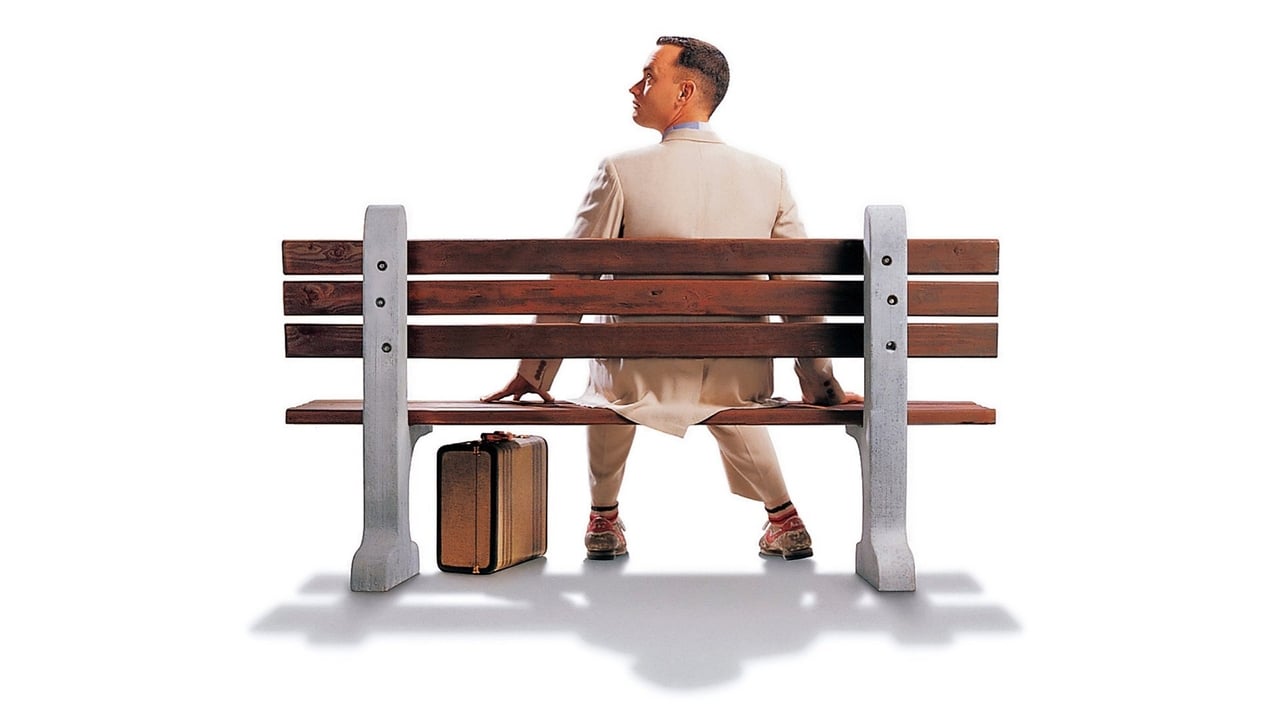
Forrest Gump (1994)
Release Forrest Gump Special Collector's Edition DVD (Paramount Home Entertainment, 2001)
Robert Zemeckis, Steve Starkey, and Rick Carter discuss maintaining the film's tone without making it overly sentimental or grotesque. Their separate recordings cover performances, South Carolina locations, photography, editing, sound, music, and combining Forrest with historical footage. They also explain the bench narration's eventual arrival at the present and reflect on finishing a two-year production.
- Duration
- 2h 17m
- Talk coverage
- 83%
- Words
- 18,374
- Speakers
- 3
Guided collection
Avoiding excessive sentiment
Barry Levinson discusses music, performance, and the ending of Rain Man. Robert Zemeckis and his collaborators describe maintaining Forrest Gump's tone. Compare their decisions about point of view, pacing, and how directly to express the characters' feelings.
Part 2 of 2
- 01 Rain Man 1988
- 02 Forrest Gump Now reading
Commentary density
Highlights
Topics
People mentioned
The film
- Director
- Robert Zemeckis
- Cinematographer
- Don Burgess
- Writer
- Eric Roth
- Editor
- Arthur Schmidt
- Runtime
- 142 min
- Also on
- OneSheet ↗
- External
- IMDb ↗ TMDB ↗ Find on Amazon ↗
Transcript
18,374 words · 92 flagged as film dialogue
when I read the screenplay, the very first draft of the screenplay, and this is the Eric Roth screenplay, because there were many screenplays prior to that that were done over many years. I just kept turning the page to see what was gonna happen next. I mean, I had no real desire or compulsion to make a movie about a guy with a low IQ. It seemed to be the right character, and I kept wanting to know what was gonna happen to this character. And this strange story, you know, just kept wanting to know what was going to happen. How's this going to end? What was going to happen? And whenever you get a screenplay and that happens, as crippled as it was very early on, you know, that's always a good sign. The Feather always started the movie in the screenplay. It wasn't at the end, though. That we put in later. I mean, in later drafts of the script.
But, you know, the feather was always sort of, you know, for me, it was this metaphor for sort of the randomness of life and sort of the destiny of life. I mean, the destiny in that it lands at Forrest's foot and sort of the randomness that it could have landed anywhere, like it almost lands on that other guy's shoulder. So to me, it was sort of always a metaphor for us to sort of float around on a breeze. And I think it's the true nature of the story of Forrest is that, and what's wonderful about the tale we're about to tell is that you really don't know what direction it's going to take until it takes it. You know, I can't imagine any other actor doing it. You know, Tom was perfect for this part. It was something that he really wanted to do. I completely trust him. He didn't show me anything until the day. I mean, I was, you know, he wasn't like...
He didn't say, no, Bob, let me show you the Forrest I'm going to do. It wasn't a situation like that. It was all mutual trust. I knew on the day that he would rise to the occasion. We were very fortunate that, you know, Tom actually didn't work for the first couple of weeks of shooting. I did all this stuff with the little kid. And then I think Tom just did Vietnam or something, and he did some... early, early Forrest stuff, like, you know, running up and down the oak alley of the house and that sort of thing. So we were very blessed in how we scheduled the movie for the character to, for Tom to really get immersed in the character. And then when we finally got to the bench in Savannah, which was actually a little more than halfway through the schedule,
You know, Tom said, this is like, he said, this is like taking a warm bath. It's like, I'm so comfortable in this character. He was at a point where he got the character, he narrated the entire movie, and I shot every line of narration on film because we were there for, I think, three days, just doing him narrate, doing the bench. And, of course, those big shots and stuff. But I knew that if we didn't shoot every line on film, it would sound more read than performed. It would sound narrated. So he performed every line of narration. And then after that, we just, you know, completely powered through Forrest. He just had it down for the rest of the movie. And then, of course, those were all the heavy scenes we had to do came after we were done. When we were on the stages here, we were done with On Location. I think the other thing that happened on this movie as a process was...
whenever we would try to force something, it would never actually work out. And we always had to allow the gump part of it to come through. And that even happened in the picking of locations, because this location, for instance, takes up two-thirds of the movie, and it just... It just felt like this is where it wanted to be and yet there was no park bench there and there was no place to sit. So we just had to make that work just as we finally found the place to build Forrest's house. It was a place that Bob could actually come and finally say, you know, this is talking to me. We wanted all of the early parts of Forrest's childhood to almost seem like they were out of a Norman Rockwell illustration. So we actually took colors and in fact the outside of the school scene that's coming up was taken literally from a composition of his. Looking at Sally Field now, I recall that Bob saying that for the first, you know, 20 minutes of the movie or so, the whole movie is
it will be riding on the acting prowess of the mother of Forrest Gump. Not only is that going to continue until she finally dies in the film, but it was really critical to find a very strong actress to carry this film until Tom Hanks came into the picture. And Sally was certainly an actress of stature that could carry it. I always saw Sally in this part. I don't know why. You know, Wendy Finerman, the producer, suggested her in, like, the first day or first week that I, you know, signed on to do the movie. And it's just like, wow, yeah, Sally. And I sent Sally the script, and I was very worried about it because, you know, she has to play, you know, ultimately Tom. I mean, when you say it, it's not really that way. Say, Sally, why don't you play Tom Hanks' mother? But that's not what it really is. She ages with makeup. And so she read the script, and she was signed on in a second. She just completely got it. Now, it's interesting that the character of young Forrest came to us very serendipitously in that this young boy saw an open casting call.
that was taking place i believe in memphis tennessee and he lived in northern mississippi and uh... his mom encouraged him to go ahead up and and try out for the film ellen lewis our casting director brought this tape out to us in los angeles and we were all i mean you had a big smile on your face because you had just seen this unique character that so far you hadn't seen anywhere and so we invited a number of boys out for uh... uh... actually to read in front of the camera because sometimes these children will just freeze up and won't be able to perform at all. So this young boy, Michael Conner Humphreys, I think is his name, you know, came out and he was as natural as ever. He didn't have any fear at all. All he wanted was a peanut butter sandwich off the catering table. This scene has in it, this is that Rockwell sort of point of view outside the principal's office, but
I think there's an element in this scene that I've always loved, which is this chart. Because this was Bob's way of showing what Forrest's IQ was. And what's wonderful about this chart is that if this didn't exist, if Forrest didn't have an IQ that was below normal, you couldn't tell this story. In other words, Bob was able to isolate this boy and this character as a simpleton. that had, and then you learn who has an innocence, that you're able to take him through all the events of the movie without having a point of view that would destroy these scenes. The only reason he could have an effect on the world that he did is because of his innocence and because of his simplicity. And I think the other thing that was fun about this was that even though Forrest was supposed to be stupid, It was stupid is as stupid does, because he really never did anything stupid. His heart always took him in the right direction. That always makes you wonder how a kid like this can have such a great understanding of the humor in this scene.
The way this movie came about was Wendy Finerman saw an idea in this book that she bought back in the 80s. And whatever that was, that I don't know, but when Eric Roth took the assignment to adapt the book, and he was like the last one in a string of writers, and I don't even know how many went before him who weren't able to crack it, he saw that the glue to the story was this The glue to the movie was this love story. So basically, it's Eric Roth's adaption of the book is what made this movie what it is. That's like the tone. And of course, tone is the key thing. And that's what you do as the director. I don't know. There's no way that you can explain it other than you just know it. It's like the famous definition of pornography. I know it when I see it.
You just have to feel it. You're just there on the set. You know, that's not working. It's got to be like this. You're doing that too self-consciously. You've got to do that straighter. The humor comes from the fact that you don't understand you're being funny. It's all inspired by the screenplay, definitely. It's inspired by the screenplay, but then I think what the director does is he has to hold on to it and keep it from falling off. Of course, the movies that work best are the ones that work best when you're totally on the razor's edge with that tone. Because in a movie like this, I could have fallen off the fence and it would have been really corny and stupid. Or I would have fallen off the other side and it would have been really grotesque. So it's like just that fine, fine line. And that, of course, is very nerve-wracking when you're doing it. It's just really hard. Slow it down some.
There's something interesting about Elvis. I mean, we worked with Peter Dobson on the Johnny Bago series, and we knew that Peter was an Elvis fan deep down in his heart. And he really knew his moves, and it was perfect to play the young Elvis. And then Bob also recalled that Kurt Russell had done an Elvis movie in his youth. and had probably done the best job of depicting Elvis on film. So Bob recruited Kurt Russell to put the voice in for Elvis in the film.
Some years later, that handsome young man who they called the king, well, he'd sung too many songs, had himself a heart attack or something. Must be hard being a king.
You know,
it's funny how you remember some things, but some things you can't. You do your very best now, Forrest. I sure will, Mama. I remember the bus ride on the first day of school very well. Are you coming along?
Mama said not to be taking rides from strangers. This is the bus to the school. I'm Forrest, Forrest Gump. I'm Dorothy Harris.
Well, now we ain't strangers anymore.
Now, the sort of lyrical way that this child speaks, of course, is his natural way of speaking. And Tom was searching for a voice for Forrest. And when he heard this young boy speak, it clicked. And I think he matched that rhythm as the older Forrest.
You can't sit here.
Now, I knew that this scene was going to stay in the movie because Bob's son, Tom's daughter, Don Burgess' son, and my nephew were all on that bus and all had speaking lines. I don't know when I went on my first outdoor picnic. I do remember the first time I heard
the sweetest voice in the wide world. You can sit here if you want.
I had never seen anything so beautiful in my life. She was like an angel.
The young Hannah had come from Colorado, I believe. I think she lived in Aspen. And she hadn't ever worked in a film workforce. It's interesting that she had the same unique sort of damaged interior that in the way she played the character that Robin brought to the role, even though she was beautiful.
I'm as stupid as a stupid does. I'm Jenny. I'm Forrest, Forrest Gump. From that day on, we was always together. Jenny and me was like peas and carrots. She taught me how to climb.
This tree was... just right across the street from the house, which was right across from the farm where Jenny grew up, as well as Vietnam. Yeah, I think the breakthrough that you had when you found Oak Alley was the place where you set for his house was that not could we just shoot that section of the movie where his house was, and of course where you found this beautiful oak tree and Jenny's farm. but also the whole Vietnam section could be shot just going down a dirt road on the same plantation. And then also in nearby Beaufort, we could stage the other Vietnam scenes and the shrimping. And all of a sudden, this production, which seemed incredibly unwieldy, started to kind of come together in such a way that you could shoot it all in one place and base the company in one place, but take the viewer all over the South. And I think the other aspect is that we never did anything with this Oak Alley. We just let it stay as it was over all the years because this was the deep-rooted part of Forrest that never really changed. It was his heart, even though everything else changed. And I love the fact that we actually didn't apply any kind of...
embellishments or shtick. And then this sequence here is really, I just think, magical when I think about it. Just seeing what actually happens with these braces and how Forrest transforms. A really great movie is a perfect blend of truth and spectacle. And, you know, when you can deliver spectacle on the screen in terms of performance or action or special effects or, you know, recreating ancient Rome, whatever you're going to be doing. And at the same time, blend a story about human truth. If you look back at all your favorite movies, those are the ones that work. That's different than two people in a room, you know, talking about their emotional issues and it's just completely boring. So you can't do it without spectacle. and you can't just have spectacle. So when you can blend the two, if you look back in your own library of movies that you like, I would think that you'll find that most of them have that combination. Now, that's actually a running double. After a while, Michael Conner Humphreys didn't like to run very much, so... I had to give him a little help.
He takes to running as though it were learning. You know how people say somebody took to learning? Right. And this is a house that we built and planted the whole field. Yeah, the field must have looked like how it looks at the end of the movie when you first arrived on the plantation. without any crop there at all, any greenery. But this shack was there, wasn't it? No. Oh, you built the entire thing? I thought there was a shape of a shack there. You're right. There was the shape of that shack over somewhere, and we brought it over there, and then we added the side to it. Right.
In order to make the movie, you know, I think that you just have to, you know, have a compelling story, and I look for characters who have to go through a character arc because that's what, as I was explaining earlier on, that's what all those pivotal characters in the movie do, and I think that that's what, you know, Western dramatic storytelling is about, is about characters who undergo a change, and therefore that character proves the premise of your movie, and then you know what your movie's about. And I think that whether it's done in a melodramatic way, where it's the old gunfighter who hung up his guns, but he's got to put them on one more time to save the town, or whether it's a more subtle story that's all about human emotions, it's all about a character who has to go through some sort of test and undergo some sort of...
you know, character change. And those are the ones that I find to be the most compelling stories to make movies. So I guess that's what I look for. And I think if you look at all my movies, you'll find it in there, even in the, in the comedies and even in, and even in like a, even in What Lies Beneath, you know, I mean that, you know, it's like, you know, for me, I had to hang the whole movie on whether or not Michelle Pfeiffer was going to deny the truth or not, you know, and that to me, at least I know where the movie's going to go when I have that. It's interesting, we had a much more elaborate transition from Forrest as a young boy to Forrest growing up as the Tom Hanks character, but Bob decided this was a much more expeditious way of taking the audience right into our story, and I think he was right.
Now, it used to be I ran to get where I was going. I never thought it would take me anywhere.
What I said to the sound team and to Alan and the editors is that we should use the records as if there was a radio on in these scenes, you know, because one of the things that did happen, I don't know if it happens now in your generation, but in my generation, You know, I think it's different now because there's such a diversity of music. But in my generation, everybody always listened to the same music. Everybody always had the same records. You could go into any 16-year-old's house, and he would have the exact same records as every other 16-year-old in America. It was just one of those phenomenon. So we could use that as signposts to history. When Al and I got together, And we said, okay, now how are we going to do this blend of score and records? It came down to this wonderful kind of template, which is, Alan said, I'll underscore all the emotion and the records can play the landscape. And that's what we did with the music. The records play the action, like when Forrest is running and stuff like that. And Alan comes in when...
You know, so, you know, like Vietnam is basically all scored by records until the guys start dying. Then Al starts, you know, sneaking in. And so that's how, you know, that's how we did the movie. And when he's running across America, it's all records. So the records played the landscape as if it was part of set design. And then Alan just played all the emotional underpinning of the characters. We were just out there hanging out there. I just... had no idea that any of this would work. You know, when you get down on yourself, it all, you know, it's all about how you look at everything. You know, you could look at it, it was all very melodramatic. It was all very, even all, you know, soap opera-ish. And there was no convention, storytelling convention. There were no bad guys. There was no ticking time bomb or anything in the movie to keep the plot going.
And I wasn't sure, you know, I wasn't sure. Now, after the fact, I understand that, you know, Forrest was, you know, an innocent. So what he said to everyone was always presumed as the truth. That's what makes his character work because, you know, he's like a baby. So he has no agenda. So you take what he says at face value, which is what allows the story to work. All of the sequences that were historic in context required a tremendous amount of research because we reenacted these perfectly, which required finding cast members that looked exactly like the people who were in the real live footage and recreating portions of the event so it looked like at one time you could be watching the real event and another one a recreation of it and not be able to tell the difference between the two. In some cases, we'd put Forrest into a real event. In other cases, we would reenact the same event and put Forrest in it, and you wouldn't know which you were watching. It was very clever and really, really difficult. You know, I thought it was kind of, I thought it was very ironic that so many presidents in my lifetime were shot at
And, you know, when you put them all together in a two-hour movie, it's actually pretty amazing. Or not all presidents, but, you know, famous people and politicians and whatever. So I thought that that would be kind of a humorous way and a black sort of way and a dark sort of way to sort of just give us these milestones in modern American history. One of the things I think that I always... What I really enjoyed about the movie also was that being set in the South, that so much of the history of that period really revolved around the South. And so it was a real journey through our time, specifically our times with a Southern perspective. The other thing I think that when I look out and see these cars, that these were our times, so that we actually grew up, a lot of us, during these times. So when we were recreating these scenes, or creating the scenes, we were recreating our own adolescences. I understand why I love this movie.
I understand. I mean, even while we were making it, I knew I loved it because I was recreating sections of my own life. And I really thought when it was done that all of my friends were going to love it, too, for the same reasons. But I had no idea that somebody who didn't live through these times was going to find this so fascinating. But obviously, the character transcended the time. And it became, in a sense, a period movie that happened to be our period. Mm-hmm.
Also, Forrest walked that typer right in the middle where he never got hung up on all the things that we all did. So the rights and the wrongs that we might have been defending... You didn't have a perspective on them. Forrest Gump, his heart just let him through. No, and once again, if he had had a perspective on them and had an opinion when he got into a situation, then the movie wouldn't have worked. He couldn't have done the scene with Wallace if he didn't misunderstand the situation. And many of the scenes to come, if he, in fact, didn't under... Bringing his innocence into all these scenes is what makes him so effective.
Who I'm going to be. Aren't I going to be me?
And as I watch all these scenes unfold, it's amazing that every single scene is a revelation to Forrest. Nothing to him... He doesn't understand anything in his life until he experiences it. But I've just never seen someone experience so much knowing so little. Yeah, I think at this part of the movie, you still think you're much smarter than him. Yeah. And by the end of the movie, he surpassed you. No, he actually has a much greater understanding of mankind and humanity than I think any of us do. And he knows it himself. Mm-hmm.
I sit next to them in my home economics class all the time.
Yeah, Forrest is like a little boy in this scene.
But the great thing that Bob always does in scenes that are extremely sensitive is he takes the mickey off of them by having just a little taste of humor so that you can sort of, you know, takes the pressure off of, you know, the tenseness of the moment. Like having the girl witness for us with Jenny here in the dorm.
No.
I think I ruined your roommate's bathrobe.
So this is really technologically one of the two breakthroughs on Forrest Gump, I think. Actually taking historic footage and recreating it to tell a story and manipulating archival footage and putting new words into the mouths of the historic characters was something, of course, that had never been done before. And I think it sort of opened up a whole new avenue in storytelling. I must have drank maybe about 15 Dr. Pebbles. But basically the process was that there's a scene, okay, he's going to meet Kennedy, and then we had, you know, our two... post-production supervisors who started I think a year and a half ahead of production or a year ahead and they just went to all the archives all over the country in New York all over the place Washington and they just they had the guideline of the script the guideline of what I needed and they just came back with miles and miles of film which they honed down to what they thought was usable and then I looked at everything and
You know, like, for example, when Kennedy's got the football at the very first shot, that was actually in Rose Garden. But we found that image of him and we put him in the Oval Office with our, you know, background plate. Stuff like that. So we just looked at everything. And then when we found the bits of film, we went back, revised the script to try to weave the story into what we had. And I know the joke of, like, when Kennedy says, I believe he said he has to go pee. That was inspired by finding this piece of footage where he turned around in the Oval Office and looked back at the camera. And so we said, okay, that's where we could put the punchline of a joke. And then we figured out this whole peeing thing, which backed into that piece of film. So it was a very complicated process, constantly changing, going back and forth.
Hello, I'm Forrest, Forrest Gump.
How many gives a hoes you said who you are, post-ball? You're not even low-life scum-sucking maggots. Get your faggoty ass on the bus! You're in the army now! Say it's tight. Tight.
At first, it seemed like I made a mistake,
seeing how it was only my induction day and I was already getting yelled at. You can
sit down if you want to. I didn't know who I might meet or what they might ask.
The narration worked like this. There were obvious pieces of it that were scripted very early on. They were always in the script. We recorded all the narration that was scripted ahead of time before we shot the movie. And I had it with me on a little cassette player that I gave to the script supervisor. Because I had to build these pauses into... The scene, like, you know, Mama always had a way of explaining things, you know, in between lines of dialogue. So I had to get a rough idea of how Tom was going to do that. And I had those with me, and we tried our best during the shooting to build in those pauses. Then, like I said, I had Tom perform on film because, see, I was inspired by Amadeus. Because Amadeus, what I loved about that movie was it was up until Forrest Gump, I always thought it was the most beautifully narrated movie because usually when you see a movie that's narrated, it's an excuse for bad plotting. But when I saw Amadeus, what I loved about it is that you would cut to the narrator to react to the scene you just saw. And I thought, now that works.
So I used that in Forrest Gump. So I never knew what pieces of Tom I was going to need on film when he was narrating until I assembled the whole movie. So I shot it all, which did two things. It gave me all the pieces, and it allowed me to have Tom perform the narration, which is the way I wanted him to do it. So we did all that. And then we cut the movie with all that film narration that we had. And then once we had to really start to fine cut the movie and hone it all down, then Tom went back again and we wrote new narration to link scenes, take things out, tighten things up, you know, weave in and out of scenes. There's a scene in there where he's talking about Bubba's mama not ever having to work in anybody's kitchen anymore. And the joke just wasn't working. And in one of these takes, Tom just went off and did an off-color joke on camera. But in the setup, he looked at the other actor and said, and you know what? And then he told this really dirty joke. So I took the and you know what out, and I dropped it in the movie.
And if you look at that really, really, if you look at that piece of film really, really closely, Tom's a little bit out of character in there. So it was a lot of fun to ultimately edit. So I was able to decide where I was going to weave back and where we were going to come back to the narrator. And a lot of times I come back to him where he's just reacting or is going to start telling a story and it's all... And I cut back to him and he doesn't say anything. He just sort of is kind of winding up for the next little chapter. Hey, come. Get a load of the tits on her. Turns out, Jenny had gotten into some trouble
over some photos of her in her college sweater, and she was thrown out of school.
My baby does the hanky-panky.
But that wasn't a bad thing,
because a man who owns a theater in Memphis, Tennessee,
saw those photos and offered Jenny a job singing in a show. The first chance I got, I took the bus up to Memphis to see her perform in that show.
That was Amber!
And now, for your listening and viewing pleasure, direct from Hollywood, California, our very own Beatnik Beauty...
I think it was an inspired choice of a song to choose to have Jenny singing as a naked folk singer here in this... Bobby Dylan. Yeah, Bob Dylan. Rose must a man walk down Before you can call him a man Her idol was Joan Baez. Right. I don't know if the audience picked up that Joan Baez poster in the dorm room with that acoustic guitar leaning against the wall. That's a great shot. I think... When Robin had to learn to do the few songs that she does play in the movie, for some reason or another, I was called on to give her guitar instructions. Now, I think I can play about six or eight chords on the guitar, but I can play the chords of the couple of songs she had to play. So I taught her this and how to play the song on the sidewalk.
You can't keep doing this, Forrest. You can't keep trying to rescue me
all the time.
They was trying to grab you. A lot of people try to grab me. You can't keep doing this all the time.
Like you say, Forrest just follows his heart everywhere he goes. He just can't help himself. And he always does the right thing as not only a character but a man. And I think that's the part that was really difficult because there was a lot of questions in and around Going to Vietnam in the service and not going and fighting the war and what made you a man of that generation? And Forrest just kind of was able to do all the right things. And right here, I mean, you know and you just feel how much he really, really cares. Now, this was on a bridge outside of Savannah, wasn't it? Yeah. Where we shot this? Yeah, and then we put in all the lights in the background. Right, for the club. The exterior of the club. The interior was back in Los Angeles. The Jenny character, I thought, you know, sort of represented the unfulfilled, the hole in the soul part of, you know, an American generation of, you know, not being able to find fulfillment in anything other than sex, drugs, rock and roll, whatever was going on at the time.
And Forrest was, you know, he was sort of this, he represented the, you know, the ideal of what, you know, America was supposed to be. You know, mom, God, and apple pie, right? And Jenny was the, you know, the reciprocal of that in her character. So what you have is that wonderful unity of opposites kind of. So you have two people who are totally polarized in their culture who are romantically attracted. That's great movie stuff. I think for those of us who live through these times, this is where it started to really become very personal and kick in, the whole idea of what it meant to go to Vietnam in those days. No, and of course, we all have our own feelings about how we felt about the war, and of course, Forrest is going to a place that he doesn't have any idea about at all. And so we're bringing to...
to the party all of our own understanding and feelings about it. And once again, Forrest, in his innocence, doesn't have any of those feelings. I remember very early on, Bob was talking about that scene with Mama there by the river, hugging Forrest and hearing this Creedence Clearwater song and hearing the flapping of those helicopter blades while he heard the song blaring. And I think he could hear while he was shooting the end of that scene, he could hear him kicking in before you came to this shot. Now this terrified me when we shot it, because this was actually a tidal flat. The water would come in, seep into this area, and then drain out. And of course, when we shot in this area, we had to pick the time of day when the water wasn't there. But in fact, what you can't see is that that helicopter isn't quite touching the ground.
That helicopter pilot was able to bring that helicopter in just above the ground for our huge movie star to step off and come into the scene. And I said, oh, God, when we had to do a second take, my heart nearly dropped. But this pilot, who had piloted helicopters in Vietnam, hit the mark exactly right every single time he flew that helicopter in. Right side there.
You must be my FNGs. Morning, sir. Get your hands down. Do not salute me.
They're goddamn snipers. Michael T. Williamson was the actor. He came in at an audition, and he read with Tom. And both Michael T. , when they came in and when Gary came in, they both auditioned for the part. As soon as I saw them, I knew they were the guys. And Michael T. came up with the lip. He did it. He said, I want to have this big, thick, what we call them in the movie business is called a plumper. So he had one built, and he put it in there. And when he showed it to me, I thought it was great. And then Gary came up with that line, you know, that, you know, you better tuck that thing in line. So we put all that stuff in there, and it worked great. And Michael T. , when he was designing the character, he always just wanted to have that kind of lip... and his mouth like open a lot like that, you know? So that was his, I can't take credit for that. Lieutenant Dan sure knew his stuff. I felt real lucky he was my lieutenant.
He was from a long, great military tradition. Somebody in his family had fought and died
in every battle. I think we shot these scenes on the last day of shooting, didn't we? That's right. Some of them on that rooftop. Yeah, we recreated in little sandboxes all the different forefathers of Gary Sinise's character and shot them all in succession on the rooftop of a hotel on Wilshire Boulevard. Right. Yeah, this is one of those movies where you went from thing to thing to thing and they were always different. I think it was right next to where Jenny was doing her suicide. That's right. One, take good care of your feet. Two, try not to do anything stupid. Lieutenant Dan was so difficult to cast, in a sense, because we had to depict a character who went through an incredible transformation. He had to be very hard and not in touch with himself and really harsh on our main character.
And by the end of the movie, develops an incredible understanding and compassion and had to have a lot of likability. And so, and Gary Sinise could embody all the facets of this character. And he had to be willing to let them take his legs off. Yeah, that's true. You know, there were some people who thought we had cast a legless person in that role and thought we had put fake legs on in the other scene. That's like... Wow, that's really a stretch. As I remember, Dale Dye put these guys through a whole boot camp to get them ready, right? Yeah, he did. As a matter of fact, when we were casting everybody who was to participate in this scene, we warned them before they were going to be cast in the movie that they had to go attend this boot camp with this real lieutenant, Dale Dye.
who had served in Vietnam and has become one of the leading consultants in Army films. And, boy, I've got to tell you, these actors would come back to me with these harrowing stories of their experience they had to spend with Dale because he wanted them to really understand what it was like to be an infantryman. You know, he was firing real—you know, he had real guns, and he was blowing things up and making them sleep there overnight and trying to scare them and make them understand what it was really like to be there. Now some of the actors loved it, and others were terrified. I've actually spoken to Vietnam veterans who, and Dale Dye actually, our consultant on the film, who said that the terrain that we found in South Carolina is the closest to the terrain in Vietnam that he's ever seen depicted in a motion picture.
It always makes you feel great when you know that you haven't just created a setting that doesn't look like the real thing. And also in this area here, there were actual water moccasins that had to be cleared out before these guys went in there. Yeah, I think we put some charges in there to wake them up and scare them off, didn't we? The day we shot. That's right. And also some chain link down. so they could walk in there. And Tom Hanks was wearing protective garb on his legs in case he got bitten. They couldn't penetrate and actually bite him in the leg. It even rained at night.
Hey, Forrest. Hey, Bubba.
I'm going to lean up against you. You just lean right back against me.
This way we don't have to sleep with our heads in the mud. You know why we're a good partnership, Forrest?
One of the things that you begin to notice here, actually, I think it's subconscious, but Bob's choice to not ever show the enemy. Something I've been thinking about. Yeah, I remember when we scouted the location where the big battle was going to take place. I thought, what a brilliant idea to never actually see the enemy there. Got it all figured out, too. So many pounds of shrimp to pay off the boat. I think it's something that Bob is very aware of, is how to keep the intimacy of the point of view of a scene so that you actually stay with the characters and you don't go outside of whatever that space is that they would be perceiving. Yeah, I mean, we most recently worked on Castaway, and when he did the plane crash, he only allowed the viewer to see that crash from the point of view of the main character. And once again,
when we witnessed this terrifying gun battle that takes place in Forrest Gump. Since it's from his point of view, it's even more terrifying because you don't know what the heck's going on. And the more you actually know about the situation, actually, the less terrifying it is. The other aspect is this breaks the rule entirely because these are Forrest's telling the story about Jenny but they're not things that he ever actually could know. So we see those throughout, but that was one of the ways that Jenny stayed alive throughout the film. Yeah, that was a rule that Bob broke, his own point of view rule, which was never to leave the point of view of his main character. But it was the only way that he could figure out to keep her going throughout this movie. And there's only a few times, though, in the film that we actually leave Forrest and go and pick up Jenny's story. This one shot, if you... It's all one shot. You know, we had the famous, infamous Dale Dye as our military consultant. You know, I asked him...
what would happen in Vietnam when you were involved in these firefights? And he said it was just mass confusion. He said that's all, guys are just screaming and there's stuff flying, and it's just confusion. And I said, well, that's what we have to do. And then the only other thing I did was I wanted it to only be from Forrest's point of view. So in other words, you never cut to the VC line and wait You know, it's just like you see muzzle flashes of their weapons and things like that. It's just all about these guys who've just been, who just stepped into hell. So that was the idea of it, just to make it crazy. And so the sound went along with that. And that is that this was one of those situations where, you know, we had this chance to really do, and it's like so nice to do, this is like one of the first movies I did that was all digital like this. So it's great to have that spectacular,
low end frequency stuff come in and all these huge explosions, but it was pretty much just layering this wall of sound in the battle sequence. So it just went from this kind of, it's one of those things where you're just having just a little bit too much fun in Vietnam. So it was time to bring in the ugliness and it worked pretty great.
Bubba was my best good friend. I had to make sure that he was okay.
I think here's where the score by Alan starts to bring us into a level that just becomes more and more throughout the movie from here on out. The first time I ever watched the movie from beginning to end, I had Alan there. I had Alan there, I had my editor there, I had my assistants there, and I had... Randy Thom, the sound designer there. And just this handful of people, we put the movie up on the, because actually this movie was edited on film. This is the last movie I edited on film, actually. So we actually had film. So we projected the movie from beginning to end. And it was like Alan went home that night and started writing. And it was interesting, because I put temp music in when I show the movie to Alan. you know, some of his old stuff or other composers' stuff, you know, just to fill the scene out. But when I ran the movie for Alan, like the whole first scene with the feather was silent. And the only music that I put in were the records. When I ran it for Alan, I didn't have any temp music in the movie at all. And he literally came home on the synthesizer and he wrote that opening theme
uh... fight that night because we were going out to a preview or something and i said i can't think of what to put in the beginning of this movie and he went he wrote any and was something that he and we've had this kind of scratch track out of the out of the synthesizer that we previewed with on you know and early previews so you know that was one of those things where the movie was definitely talking now i think is some of his greatest work that he that he had that he had in the movie you know he just went away and And a couple of months after I ran the movie for him, I went up to where he lives up north, and he just started playing me temp cues, and it was just sketches on the piano. And it was just great. I mean, we didn't change a thing. This guy is so complex, Gary Sinise, because he wants to die just so that he can be a part of his own heritage, which is that
He wants to die with dignity. Well, and that he had a relative who died in every war. And he thought that his destiny was to die in the war like his forefathers. And he didn't want Forrest to, you know, to interfere with that. And here's where Forrest is smart. And Captain Dan is not. Because he knows how to survive. I always thought it was sort of like a Hitchcock MacGuffin or something. that Forrest was dumb. Because it's something that everybody followed as though it were true, but in fact, it actually had no real meaning in the sense that I think he was actually smart.
I'm OK, Forrest. I'm OK.
But see, his heart was true. You hear the enemy here. Now this was very, very complicated, the strafing by these planes had to be shot in two parts. One where we actually had Forrest or Tom Hanks running carrying Michael T. And then we cleared everybody out of the set and set off these explosions here on this island in South Carolina. And then blended the two parts of the shot together to look like he was actually running through the scene with the real explosions. And isn't there a rig also helping him carry Bubba? Yeah, we had an overhead crane that took the weight of Michael T off of Tom so that he could, in fact, appear as if he was lifting him and got it set to a weight that he could hold. And it would actually track with him so he could run carrying Bubba. And then, of course, we removed the wire later. You got shot.
Then Bubba said something I won't ever forget. I want to go home. Bubba was my best good friend. And even I know that ain't something you can find just around the corner.
You want a cameraman who understands the story, understands the style of what it is that you're doing with the camera. And the big controversy that we had at the beginning of the movie is when I announced that I thought the movie should be made in widescreen. And everyone said, everyone, meaning my producers, my cameraman, and my editor, said, widescreen? This isn't Spartacus. This is a story about this guy with a low IQ. And this is when I started talking about it with Don. And we started realizing that it was a widescreen story because it was about a guy who's running. It's about a guy who kept going across the screen. The only thing that wasn't compatible with the format of the movie was the Washington Monument. And the Washington Monument probably isn't compatible in 185 either. But the movie laid out beautifully in widescreen. The thing that was great about it being an intimate
story in widescreen is that in widescreen you can do close ups that are also over the shoulders at the same time so you get the power of having both characters in the same frame and you get to get real close on the actors and as Don Burgess said to me he said well here's the thing with widescreen he said the trade off of widescreen is every shot is really hard to compose takes a lot of time and a lot of effort but when you get it just about every shot is great. And he was absolutely right. So you have to force yourself into really, really doing the composition, you know, beautifully.
Gump. I'm Forrest Gump.
Tuttle. Nickel.
In the ping-pong scenes, they all look natural, but there's so much of Bob's trickery in them. And I think this is where his sense of humor comes out. You know how to play this?
Come on, let me show you.
It's also a testament to Tom's abilities, not just as an actor, but... shows his talents in so many different ways. The way he could just pick up ping pong. I don't know if he played ping pong hardly at all in his life, but just after no time at all, he was playing like an expert. I remember we were in the editing room and we were playing with the three songs here that make up this sequence, these three Doors songs. And we tried all kinds of different songs, not thinking we should have Three Doors songs. But we just couldn't do any better than the songs that Bob initially chose to accompany Forrest becoming this great ping pong player. Come and watch me play.
I played ping pong so much, I even played it in my sleep.
Gary understood that character. I mean, he just absolutely immersed himself. He's like the metaphor for the crippled part of America. Like, you know, the America that, you know, got blood on its hands. The Vietnam America, you know, the... You know, his character has to confront the, you know, the fact that, you know, we were involved in this illegal war of aggression and all this, you know, stuff. He speaks for America in that scene where he says this wasn't supposed to happen. You know, this isn't how it was supposed to ever happen. So, you know, his character is probably the one that makes the most spiritual transformation, where he has to accept the fate that was dealt to him, then he has to go through this period of anger, then he has to go through this period of acceptance, and finally he has to, you know, he has to grieve it, and then he comes out okay on the other side, which is an absolute spiritual journey. See, I think that's the next...
point of reference is that this wasn't supposed to happen. And that there was a plan that's gone wrong. Gone awry. And I think that's how a lot of us felt from that generation. No matter what side of the war you were on, this is where it starts to become bigger than just about the Vietnam War or the 60s. And it's interesting that the two elements that he finally talks about at the end of the film is where we did feel like we had a destiny. But at the same time, we were floating like feathers on a breeze. And just whatever came into our lives at that moment, we allowed that to take us down different paths. But at the same time, we had this inherent feeling that You know, there was a purpose. And these two are in conflict with one another and constantly are in the movie. The Medal of Honor. Guess what, Lieutenant Dan? They want to give me a... Ma'am? What'd they do with Lieutenant Dan?
They sent him home.
Two weeks later, I left Vietnam.
The ceremony was kicked off with... Tinkering with historical footage is just an extension of, you know, tinkering with history, whether it's written or recorded or whatever. I mean, we didn't suggest that the original footage that we used is no longer intact. But, you know, I made a feature movie, which is... of fictional entertainment. I mean, everybody knows that. I think the ethical question comes mainly to journalists. And you've seen it happen in the last couple of years in political campaigns where politicians have been grafting themselves into scenes with other, you know, politicians or famous people that they want to be associated with. I think that's where the real ethical question comes. I think, you know, a movie is just a movie. Well, my favorite story, the one that I like to tell, is that this question probably came up when they invented the printing press. When they invented the printing press in the 13th century or whatever it was, and someone probably said, hey, this is great, we can print the Bible. And then somebody probably said, yeah, we can also print lies with this thing. This will be great. So, you know, nobody believes what they read in the newspaper, right?
That's just a common, you know, everybody says, well, I'm not going to believe that just because somebody wrote it. Well, now you have to just say, well, I'm not going to believe that just because that image is moving. Just because an image is moving doesn't mean it's truth anymore. And that's just sadly what, you know, we have to, sadly, or maybe it's a good thing. It's probably good to question everything, but you can create digitally a flawless, perfect, moving lie. And probably somebody with the money somewhere is going to do it, and it's going to be a big scandal. And then everyone will say, oh, just because I saw that on the TV news doesn't mean he really said that. I had a couple of guys come up to me while we were filming this scene here at the Lincoln Memorial. were from, had gone to school at Columbia University and had gone to a march that they thought we were depicting here and said this looked and felt exactly as they remembered it from the time. And once again, that just makes you feel so proud of everything that went into stage an event like this in a movie. Of course, historically, this was
a demonstration that would have taken place in our movie in the year 1968, and there was not a demonstration in 1968. It was 1967 and 1969. Right, so we blended the two events together and created this one big event that Forrest attended. Right. I remember at this time, I went to this similar demonstration in San Francisco, being on the West Coast. And this actually resonated quite a bit for me because it really did feel like, even though we were on the East Coast, it felt like a very similar situation. You know, when I came up from L. A. to San Francisco and marched to Golden Gate Park,
Anytime we do anything with a special effect, it's always storyboarded. But the thing about storyboards that you have to be careful with is that you have to have the storyboards, but then you have to be able to revise them. You can't just insist that. A lot of directors say, it's got to look exactly like this. And then, of course, you physically can't do that sometimes. But storyboards are important for communicating an idea to a large amount of people. Like, we storyboarded Vietnam. We storyboarded anything that had to do with a visual effect. Because it's so much easier to say to, like, 15 people, it's going to look something like this, rather than to, like, try to explain the shot to people because everyone sees it. When you put a storyboard in front of them, they go, oh, okay, okay, now we know where you're getting at. So that's what I use storyboards for. I never storyboard, like, you know, scenes between two actors or, like...
Any of the scenes like with Tom and Gary in his apartment or anything like that, I would never waste an artist's time to draw coverage and over the shoulders and things like that. But whenever you have to do something that you have an army of people that have to work on the shot, it's always a good idea to have storyboards. Being there and seeing these actors pull this stuff off was really a lot of fun. But I'm like one of these weird, you know, I don't really have a lot of fun when I'm making the movie because it's just like, it's just too much hard work. And the reason that, you know, people will look at movies and say, oh, that must have been fun. And you go, that was really not fun because the movie's fun to watch, but the making of the movie was really, really miserable for a lot of reasons. And the main one was.
My ultimate vision for everything is ultimately compromised. And I think that that's what you have to do as a filmmaker. You have to just turn it over. You have to give up. Because in the morning, you're going to the set, and you've got this long list of 20 setups to do this sequence really great and get all the coverage you need and have everything you need. And then by lunch, you haven't gotten one single shot yet. And you just start crossing them all off. And at the end of the day, you've been able to scramble and get four setups. that you can scrape the thing together and make it work. So it's like, damn. I could have really done this better. But everybody was too slow, and it took too long. And somebody didn't realize that, oh, we didn't put gravel over there, so the camera truck got stuck. And that cost you an hour. And it's like, oh, man. There's all these things that really make making movies
me not fun the fun part for me is in the editing room because that's where i have the most fun because it's just me and my film and my editor and you know all the you know the actual shooting of a movie is always just surviving just getting getting through the day and getting enough in the can so you can make it work somehow
he doesn't mean it when he does things like this
it doesn't
i would never hurt you jenny
I know you wouldn't, Forrest. I'll tell you where the luxury came with this movie is that, and it's been in all my movies actually for the last 10 years, 15 years, is that you get to a point where you work with such good people, both in the cast and in your crew, that when you get in the editing room, you don't have to do things like edit around. bad performances or they're screwing up their lines or focus buzzes and things like that because you do end up at the end of the day with really good film and your choices can be made based on the artistry of the performance you don't have to cut around you know glitches so once you get to that point where you can work with really professional people both in front behind the camera you end up with pretty good film
She told me about all the traveling she'd done. So once again, this is a series of shots that take us through a journey that Jenny went on where Forrest wasn't there. And the camera leaves Forrest and his point of view in order to fill in Jenny's story to the audience. But it's the only way that Bob thought that he could actually keep you current with where her character was going in the movie.
I didn't want it to end.
Wish you wouldn't go, Jenny. I have to, boys.
Jenny? Things got a little out of hand.
It's just this war and that lion son of a bitch Johnson. It would never hurt you. You know that. You
know what I think. I think you should go home to Greenbow, Alabama.
I think that's the only time in the movie that Forrest actually shows his anger. Mm-hmm. Over this person that's actually physically assaulted, Jenny. That's so right. Very different lives, you know.
See, you look at a scene like this, and how as an art director are you supposed to comment on putting a bunch of buses around and a giant hippie camp with tons of props in the background as though that has any real meaning? And yet, that's the only thing that makes it different than if you were a tourist in Washington, D. C. today as far as the staging. But that's not something that you're really even going to look at. You absorb it, but... It's just to try to be a natural way of saying that you're in this time period with those demonstrators. And yet, it's all just thrown away. And rightfully so.
And so after all of this, what I thought was interesting for me was to be able to not only have the moon landing, but actually to sort of reclaim the American flag by putting it in the background. It was interesting when we did this scene that we actually had one of the leading, I think, ping pong players from Taiwan And this was a scene that we shot without a ping-pong ball, in fact. We just went through the motions of hitting the ball and then put the ball in later. But this guy, who is one of the best players in the world, couldn't hit a ball that wasn't there. Of course, none of us can, but he couldn't even swing at a ball that wasn't there. Now, I know, Rick, this is a scene that's true to your heart because I think you are John Lennon. Well, I'm a disciple, and to be involved with a movie that had John in it and to actually see that John got his inspiration from Forrest for the song Imagine.
Can you tell us what was China like?
In the land of China, people hardly got nothing at all. No possessions?
And in China, they never— No, what's so wonderful is that there's nothing sacred. There's truly nothing sacred in this movie. And everything, the source of meaning for everything can be tampered with, manipulated and had fun with. And it's really one of the charms of the movie is you just don't stop at anything. You can't hold anything too close to your heart and think you have the answers or the greatest understanding for anything. because there's always some shading of it that maybe you didn't look at. Lieutenant Dan! They gave you. Well, the key to working with the editor is you've got to get an editor who you really enjoy being with, who you respect, you have to have mutual respect, and you can't be in an antagonistic situation with your editor. Like, you know, that is the worst. Because editing is true collaboration.
when it really works great. You know, the whole thing about making movies is collaborating, but it really, really comes focused in the editing room where you have to, you know, you have to let the editor take your film and try it and then be open-minded and say, well, that, you know, the way you put that together isn't the way I intended it, but it works pretty good. Or that you have to say, no, you know, I try it the way I, you know, envisioned it. My editor works... from day one of shooting. He's editing. I don't look at it, but he's there cutting because, you know, there always comes that moment where you got to like maybe see something and see how the movie's coming together to see where you are. So my endless conversation with my editor in dailies is, oh, you know, don't throw that out. Don't use that. That's never going to work. You know, it's like just cut it all out. But there's also that's
conversation one, and then the other conversation I'm always having with my editor is, oh, I'm glad, I'm glad you explained that to me, because I didn't understand what I was supposed to do with this film, you know. So it's like, you know, you're shooting all this stuff, and he's like, how's this supposed to go together? So, you know, you kind of like walk him through it. And then the real editing comes, you know, when you have to finally form the final movie. And that's when you need that sounding board and that second, you know, and you need somebody... And you really need somebody who looks at the film objectively. The director's downfall is having the inability to kill his darlings. You do this great, big, remote headshot with all this stuff. You've got it all in one. And you're so proud. And everybody hits their marks. And everything's in focus. And everybody's great. And the editor says, it's boring. I'm going to need an insert to cut this thing in half. So you gotta have somebody who's objective enough to be able to help you collaborate, make the movie as best as you can. I have to help myself.
Now if I accept Jesus into my heart, I'll get to walk beside him in the kingdom of heaven. Did you hear what I said? Walk beside him in the kingdom of heaven.
Well, kiss my crippled ass. God is listening. What a crock of shit.
I'm going to heaven, Lieutenant Dan.
Oh? The cinematography and the way this movie is being shot is... I think it's deceptively simple, but I think that it emotionally just felt right, and it created this... sort of rhythm of storytelling that allows you to actually go from scene to scene and always just feel like you're focusing on the right thing. Bob moves the camera a lot when he shoots his movies, but he's always moving it toward the focus of the scene. And so that's why It always feels natural because you're always watching what you want to watch because he directs your eye to what you should be watching. And that seems simple, but it's in fact very, very difficult. I defy anyone to try it. And I think Don Burgess gets it so well that it's like a... a wonderful shorthand to watch between the two of them sometimes in terms of how they find the honesty of the scene and exactly where they want to have the camera to tell the story at that moment. And it's a real collaboration between the two of them. You choose a cinematographer by looking at his work and looking at his artistry and how he's able to light and how he's able to compose
You look at that first. Then the other thing that you have to do is, again, interview someone and make sure that their personality is like the same type of personality, someone you're going to be able to collaborate with. I love working with Don because he really likes to prepare. I'll tell you a perfect example of the genius of Don Burgess is that when we built the house and we went out to the location where we were on the – on the river in South Carolina. And Rick Carter, my production designer, had the house kind of like with these sticks, like he put up these posts just to give us a sense of the shape of the house, the scale of what it was gonna be. And he did it with basically stakes and tape. And he showed us where the house was gonna be on the river where he wanted it. So we were there like staking this house out like in March.
of the year that we were going to shoot. And Don pulled out the GPS and he pulled out, you know, the compass and he said, well, when are we going to be shooting here? And we said, well, we're going to be shooting here at the end of April, first two weeks of September. And he said, I think we should tilt the house about 20 degrees like that. What that allowed is it allowed for the sun to just hit the house absolutely perfectly on the weeks that we were there to shoot the house and make it look so beautiful. So that's like a cameraman who's really working and showing up and working on the movie and not just showing up on the day and saying, is this day or night today? If you ever have a cameraman who shows up on the day and says, is this day or is this night? You know you got the wrong cameraman because he hasn't been reading the script. What's your problem? What's your problem? Did you lose your packet in the war or something? Of course, just to reinforce the difficulty of shooting a shot,
with a man who has legs, but in the movie doesn't. Bob had to put obstacles on the set to make it look even more difficult to do such a thing. But you don't even think about it. And that's the part that I think is interesting and almost magical, is the suspension of disbelief that you don't want to know. And I think that when film spaces create that space where you don't want to know anything other than what you're watching, and you're not drawn to see anything but the story and the characters, that's when movies take on the most magical elements that they have. And I think that they touch us the most deeply. But that's not to say that the other things don't matter. You have to accomplish those in order to create that illusion.
He didn't want to be called crippled.
Just like I didn't want to be called stupid.
Happy New Year, Gump. The U. S. ping-pong team met with President Nixon today
at an Oval Office ceremony. And
wouldn't you know it, a few months later,
they invited me and the ping-pong team to visit the Y. Now this is, for me, emotionally where when I... I could have gotten hung up. in Vietnam and the post-Vietnam syndrome, but then to be kind of yanked out of it into Watergate and actually get to go to the Watergate Hotel to find the place where you could actually view the break-in. Oh, no, no, no, no. I know the much nicer hotel. It's brand new, very modern. No, we were actually able, in that unique place in the movie, to tell a part of history that people have never seen before. But to walk into that hotel room and say, somebody could have been watching this, and to know the implications of it later, I love that. Good night. Therefore, I shall resolve... Again, the use of the television and the media to move ahead in time and in space. ... be sworn in as president at that hour in this office. I think Bob enjoys, in these sequences, moving in and out of the public perception and back to the personal as a way of kind of defining how a lot of us perceive the disparity between what our social lives are and what we really think on the inside. And just like that,
My service in the United States Army was over.
So I went home.
You know, there's something about the Gothic South that we depict in the movie that, you know, the South is... in a strange way, the most sort of patriotic, you know, segment of America in that it's slow to change and it's, you know, the South, as far as I was concerned, was something that was always in the script and the place that it always had to be set. And it's where these characters came from. I mean, it was like that was, you know, those are the guys who fought in the war in Vietnam. That's where... you know, characters like Jenny, you know, left and traveled around the world. And I think that the thing that the South does more than anything is it evokes, I mean, the one constant that we had in the movie that worked really well emotionally was the idea that characters kept coming home. And the South has that going for it, I think, more than any other region of the nation. You get the sense that it's,
It's constant. Those oak trees are 150, 200 years old. So that was like one of the things that was great about the South being the place where it's set, because it gives you that sense of coming home to something that doesn't change when the world around does. But that sort of stays constant.
I remember everything you said, and I got it all figured out.
I'm taking the $24,562. 47 that I got
that's left after a new haircut and a new suit,
and I took Mom out to a real fancy dinner,
and I bought a bus ticket and three Dr. Peppers.
Tell me something. This sequence always fascinated me. If you actually look at it, not just for the emotional quality, which is, I think, wonderful, but where we go as we cut away and how we tell this part of the story. Again, you know, just the staging, it's very simple, but later on in the movie, we're going to be by the tree with Jenny, but there we were still knowing that we're in the South because of the Spanish moss and the old oak trees.
You know, one of the great things of working on movies like this is not just taking a trip down memory lane, if you will, or being able to reexamine, you know, sort of our recent past, you know, our own lives, but you get to learn so much about so many unique things in the world, like, for example, shrimping. You know, I came into this movie, I didn't know the first thing about shrimping. Experiences like that, when you make movies, open up to you and present a whole new world, you know, that you really wouldn't have known existed. You ever think about naming a boat?
It's bad luck to have a boat without a name. I'd never named a boat before, but there was only one I could think of. The most beautiful name in the wide world.
Again, here we're now into the full throttle of the cocaine 70s.
I hadn't heard from Jenny in a long while, but I thought about her a lot,
and I hoped that whatever she was doing made her happy.
I think Don Burgess did a wonderful job here. If you notice the color palette he's dealing with and how you really can almost feel the harshness of the drug and what that's leading this character to experience. Yeah, I think if I recall, he changed the color palette to a much cooler sort of blue-green color palette and really desaturated it. So it made you sort of feel all the lack of warmth and anything of that nature in the scenes that make you feel like everything's been drained out of her life, just like he did with his color palette.
You know, it's just amazing how far you can stray from the path, but you can still come back home. And, you know, it's staggering to think how much experimentation and, you know, and wanderlust exists in so many people's lives, certainly mine and I think a lot of people of our generation, you know, before they can find, you know, come back to the things that have the most meaning. And this movie certainly, through the character of Jenny Ann, the character of Lieutenant Dan, takes you into some of the most harrowing experiences that you think are what you should be experiencing. And you need to experience those in order to discover what really does have meaning. Now, I remember when Bob presented us with this dilemma on this day.
We went and scouted this location, and he said, yeah, I'm going to stage this reunion between Lieutenant Dan and Forrest, and he's going to crawl up onto this pier, and it's going to be exhilarating. But you know what would really be great is, unbeknownst to Forrest, who's jumped off of his boat with no one navigating it, what if it crashes into the pier and it kind of, in the background, and it blows up? Now, this was like on a Friday, and I think we had to shoot it either in a day or two. So you somehow had to pull that gag together. Get that pier out there, for one thing, and make sure that it would detonate on cue. And also not hurt the boat when it actually crashes into it, and that the boat would stop in time not to actually, in fact, run around. Ground itself. Yeah.
I told you, if you were ever a shrimp boat captain, that I'd be your first mate. Well, here I am.
I am a man of my word. Now, in those days, you did that the old-fashioned way. For real. I like to compare this whole debate, I guess, or question about digital effects to the microphone. You know, nobody says... Gosh, you know, there was probably a microphone there the whole time. You know, there was. Nobody talks about it anymore. You know, but 100, you know, what was it, 90, you know, 70 years ago? That was like what everybody talked about. What do you think the microphone was? Was it in the flower pot? Was it in the thing? You know, because that was the new, that was the new tail wagging the dog. And so. There'll be some new thing that everybody's obsessed about and worried about and the idea that you'll be able to change the tie or even not, change the inflection of an actor's performance or change the way he might edit. You could probably edit lines in and out of his mouth without there being a problem. You'll probably be able to do that with your editing package in another couple of years and no one will question it because it'll just be another tool.
So the trick, of course, to all this stuff is to make it invisible, to make all technique invisible. The reason people say that is because you can't see the effects is because we weren't creating alien landscapes. We weren't creating weird creatures. And that's when people say, oh, that's an effect. But what we did is we would change the sky, and we would put birds in, and we would do things like that. And that just makes the movie better, I think. But those are all that, you know, it's the same technology that used to do creatures. So, you know, the trick is to take all this digital imagery and make it as invisible of a tool as, you know, the long lens is. Now me, I was scared, but Lieutenant Dan, He was mad. Come on! You call this a storm? Oh, you son of a bitch! It's going to take a force of God to strike Lieutenant Dan down. That's right. This is all or nothing. This is all or nothing.
Now here's a good example of saving a lot of money because that's stock footage. And now this is back into what we created. And in fact, there was a hurricane that blew through there and there were still minor remnants of that hurricane that we used as a backdrop to shoot that scene. That's right. Only one shrimping boat actually survived the storm. And this digital thing is going to happen once it becomes cheaper and once you can move faster because, you know, time is money. So it's all about the money. At the end of the day, it doesn't really matter. I mean, if this movie, exactly this way, with all these characters, were shot on 8mm, it would be just as compelling. It wouldn't be technically as beautiful, but it would be just as compelling. So the thing about whatever the format of the moving image is has never been of any consequence. It's all about the script. It's all about the script and the story, and the technical stuff is always changing, and it's always just going to be there as a tool. So...
You know, whatever's going to happen is going to happen, and the audience will accept. They'll tell us what they like to see. ... offers in my time, but that tops them all.
We were sitting next to a millionaire. Well, I thought it was a very lovely story, and you tell it so well with such enthusiasm. Would you like to see what Lieutenant Dan looks like?
Well, yes, I would.
That's him right there.
And
let me tell you something about Lieutenant Dan.
Forrest.
I never thanked you for saving my life.
Forrest obviously never changes. He's this guy who just wanders through life telling the truth as he sees it. And everybody around him has to, everyone's lives around him are touched in a way. The dynamic starts to disintegrate like a house of cards because he calls everybody on their stuff. So everybody around him changes. And some people are destroyed, like Bubba. They die. But, you know, Forrest just goes through. So the two pivotal characters in the movie for me are the Jenny character and the Lieutenant Dan character, and they represent sort of like the human growth. They're like a metaphor for, you know, emotional growth in any human being, you know, where you have to go through these different stages of different pain to come out better on the other end.
Where's Mama? She's upstairs.
Hi, Forrest. I'll see you tomorrow. Oh, all right. We
sure got you straightened out, didn't we, boy?
I don't like any improv when the camera's rolling. because I don't like to watch actors on the screen thinking up lines. When we're working things out, when we're in what I call rehearsal, which are just these large table readings with the cast, and when we're blocking the scene out, if an actor wants to try something or he has an idea and we can make it work or I think it's right, we'll design it into the scene and we'll write it down because it's just not fair to other actors for actors to start saying lines that... And it's not fair to the camera operator or anybody who's working, you know, because they don't know what to do. So I like to have everything scripted out, but that doesn't mean that things can't be changed. And I never would beat up on an actor, you know, to say the word specifically unless it was crucial to the plot or the character. So if an actor wants to change words that are easier for him to say, as long as the intention of the line is correct.
and doesn't destroy, you know, the most, you know, if the actor wants to cut out the key plot word of the entire movie, you know, we're not going to let them do that. But what a director basically does, I don't like to put my actors in psychotherapy. I think what they want a director to do is just tell them how the character is feeling in the scene. And where they go for that, you don't have to tell them, now remember when your dog died when you were six years old and how sad you were? They don't need to hear all that. They just want to know, well, you know, this is like, you're really sad here. And then they go off and they find that. And then you're like the throttle, not that sad. And you have to just keep their performance in mind.
in perspective so that you know they're not going to be playing the character you know uh... over the top in the beginning of the movie and not say something for the end as what director i think does in regards to talking to actors just talk about the characters feelings at the time national celebrity and a shrimping boat captain and a college graduate from the city falls of greenbow alabama
decided to get together and offered me a fine job
so at this point as he starts saying all the things that he's been, you realize somebody must have been actually putting all of this together and all that documentary footage and everything that we came in and out of all of this in a very simple manner. And so the editing process here is something that I think is worth noting just because you can't see it.
And the rest is just for showing off.
So I gave a whole bunch of it to the Four Square Gospel Church. But really that all comes down to the script. It was so cleverly scripted that the pieces fell together seemingly so naturally.
Mama said I was nuts. I gave Bubba's mama Bubba's share.
I think it's something that Arthur Schmidt in particular brings to the mix, which is having a sense of exactly what the right thing to do is in relationship to the story that bob's telling so that he's he's like an anchor
i cut that grass for free but at night time when there was nothing to do and the house was all empty i'd always think of jenny
Robin, uh... brought so much to this character that you really could feel the distance she's traveled.
Hello, Forrest. Hello, Jenny.
And the authenticity, I think, of her character. Yeah, there's no doubt that in casting her, you really had to find someone who, deep inside of themselves, could show the emotion of a damaged and truly deeply hurt individual. And Robin somehow was able to depict that throughout the entire movie. That somehow beneath the surface of her beauty was this hurt in herself. And she was the only person that we actually read for the character of Jenny for the movie. She came and screen tested with Tom and everybody came back to a meeting and Bob said, she's the one. Casting that character was over. I just think she approached it from a very real deep place and she wasn't sentimental about it at all. This really was what her life had been.
And it really came through, I think. In a lot of ways, Lieutenant Dan and Jenny were similar in that they had these very... these destinies that they thought they needed to... I mean, I think that Lieutenant Dan thought he was more aware of what his destiny was, and Jenny was searching for hers, but at the same time, they had to explore to the greatest extreme something in order to, you know, heal themselves. In a way, though, being, I guess, damaged to start off with, trying to just go like the feather... was not the answer for her. And just the way trying to stick with a preordained destiny was not Lieutenant Dan's answer. So they were like flip sides of the same coin, I think. And this part, you know, is the healing that could take place, you know, at home. This is them creating a home. She even showed me how to dance.
And again, Bob's choice of where to be in order to tell this part of the story. When to be intimate, and yet when to take a step back, and yet maybe you're even more intimate because of that. And it was the happiest time of my life. I don't know if I have a favorite particular shot. It's probably something that's pretty simple and doesn't involve any special effect or anything like that, but... I guess my favorite shots, if I were to answer the question perfectly honestly, are the ones that are completely invisible. To me, those are the ones that I'm always the most proud of, is that if you say, oh, what a great shot, then I haven't done my job really that well because you're able to see the shot. And that means that I've jarred you out of the experience of seeing the movie, and I've sort of hung a little flag on the movie and said, don't forget, there's a director here. So, you know, the ones that I'm the most proud of and the ones that work the best are the ones that you can't see.
You would, Forrest. But you won't marry me. You don't want to marry me. Why don't you love me, Jenny?
I'm not a smart man, but I know what love is.
So just like earlier, you're talking about where Don and Bob decide to place the camera in telling the story. And here, at a very intimate moment, the camera starts here with them. But just like in the scene where they're dancing just a little bit earlier, they decide to move the camera outside and let them have this moment, this very intimate moment together themselves.
are by themselves. Where are you running off to? Not running.
He actually decided at this section of the movie to have absolute silence. And I think the audience needs it. They need silence to feel this pain or these few moments with Forrest.
For a particular reason, I decided to go for a little run.
So I ran to the end of the road. And when I got there, I thought maybe I'd run to the end of town.
President Carter, suffering from speed exhaustion, fell into the arms of...
And when I got there, I thought maybe I'd just run across Greenbow County.
And I figured since I run this far,
maybe I'd just run across the great state of Alabama. And that's what I did. I ran clear across Alabama. No particular reason, I just kept on going.
The running sequence was really the most complicated sequence to incorporate to shooting this movie because we had to create a timeline for Forrest taking this extraordinary run, crisscrossing the country a number of times. And he went through a whole evolution of his hair and makeup and wardrobe and found characters along the way that followed him. And we shot these completely out of order. Whenever, in fact, we had the opportunity, we would shoot a running shot. And you'd just refer to this very elaborate booklet that would tell you what he looked like and who was with him at the time. So, you just ran. Well, the largest challenge in this movie was how many sets we had to open. I mean, we had... I forget the number now. I think it was in the 70s. I think the two biggest challenges were...
opening a new set every day because that meant you had to go into something new. You had to light it. You were, you know, you had a whole new group of atmosphere people. You had a whole new group of costumes. We had so many different periods of time that the movie wove through. That was hard. And the other thing that was hard was designing the run at the end in terms of beard continuity and disintegration of closed continuity and where we were going to be able to shoot and how we were going to put those pieces together, that was an absolute nightmare because there was no form to that. And that was something where we just went and shot forests and the photo double and whatever, just running across America, but we couldn't just do it in real time. It was a real, that to me, I remember that very, that was really hard to design because I knew I couldn't switch those shots around later. I couldn't say, oh, this shot should go later in the thing because his beard would be too short. Running for women's rights. Or for the environment. Or for animals. They just couldn't believe that somebody would do all that running for no particular reason.
Why are you doing this? I just felt like running.
I just felt like running. Shoot. I can't believe it's really you. Yeah. For some reason, when I was doing the scene... It's interesting that all of the historic characters that we've had in the movie has now sort of turned around on itself, and the main character in our movie has become as famous in our story as the characters in the scenes that we were reenacting, whether they're presidents or John Lennon. And so he's almost gotten as big, in a sense, as, you know, all these other famous people. I guess at this point in the movie, it's like he's incorporated all of them into him, too. So as you're watching, that's why you can feel what he's added up to. And then to have these scenes thrown in, I think is fantastic. Yeah, I remember when Bob called me in and had me read these two scenes that he had written, both this happy face and shit happens joke. I read them. I said...
He said, the darndest things, Bob. And I said, you've got to be kidding me. He said, oh, no, we've got to have these scenes. You know, and my God, this is just what the audience needs at this moment in the movie. Well, this is what it all adds up to. Yeah. Philosophically, that's where we are. Somebody who lost all his money in the T-shirt business.
He wanted to put my face on a T-shirt,
but he couldn't draw that well. And he didn't have a camera. I love the justification, the rationale as to how this happened. Because he couldn't draw that well and didn't have a camera. But he wanted to put his face on it.
Some years later, I found out that that man did come up with an idea for a t-shirt. He made a lot of money
off of it.
Anyway, like I was saying, I had a lot of company.
My mom always said, you got to put the past behind you before you can move on. In a sense, by incorporating all these experiences in Forrest's life into where he is today and what we've all experienced in this movie so far is propelling us directly ahead to this moment on the bench when he discovers that, in fact, he's within running distance or walking distance of his destiny. And it's kind of like the momentum of the movie is carrying us to that point where we're now going to take off in real time with him. But what's also true to Forrest is that just when it's its most serious, it also means that the entire story you've heard until now did not have to happen because he didn't have to be waiting for that bus at all. So you just were in the hands of an idiot.
Now what are we supposed to do?
And just like that, my running days was over.
So I went home to Alabama.
Moments ago, at 2. 25 p. m. , as President Reagan was leaving... I think when we got the first screenplay for the movie, in fact, the film ended on the bench. And it was strange. It was almost like waiting for Godot, where you spent this entire movie on this bench, and then at the end, how do you end this movie where there's somebody just sitting there? And Bob came up with this breakthrough of actually propelling us into real time to tell the end of the story. And I think that that was key to taking this movie to a new level. The original script that Eric wrote was all narrated and it was all after the fact. And then the idea came up. came about and I really don't remember how of the narration catching up to real time and then the movie taking on a life of its own and the only dilemma was was we couldn't figure out how to do the one line when Jenny dies which is you died on a Tuesday or whatever he says because that was just such an important line and then so we just ended up doing it and we rolled it into his scene at the graveside and
That became that one line which we were able to save. So it was an important idea that the narration stopped and we caught up to the real film. And that ended up working great for the movie. It's a very simple place that she has, but I like that it's in keeping with her. And the scene here is just so...
touching.
I ran a long way for a long time.
So wonderful that they were connected so closely connected during this run where he was trying to run because he couldn't understand or deal with the pain of losing Jenny and there she was watching his run and You know, and really, Forrest was in her mind all the time. And of course, the two of them were separate from one another and didn't know that. And there's the introduction of someone who people recognize. Yeah, little Haley Joel Osment was a young boy at that time and had never been in a movie. I cast him as young Forrest, and he was an intelligent actor then, and of course he's gone on to become like a young movie star.
His name's Forrest. Like me. I named him after his daddy. He got a daddy named Forrest, too? You're his daddy, Forrest.
Forrest, look at me. Look at me, Forrest. There's nothing you need to do, okay? You didn't do anything wrong. Okay? Isn't he beautiful? He's the most beautiful thing I've ever seen.
But...
Is he smart?
He's very smart. He's one of the smartest in his class.
Yeah, it's okay. Go talk to him. What are you watching?
What, do you have a cough due to cold? I have some kind of virus. And the doctors don't, they don't know what it is.
And there isn't anything they can do about it. You could come home with me.
Jenny, you and little Forrest could come stay. at my house in Greenbow.
I'll take care of you if you're sick. Would you marry me, Forrest?
OK.
Forrest, it's time to start.
Nancy Haigh, the set decorator in this film, I say in this film almost, because it was like she was in the film. She just kind of permeated all the settings. She just seemed to really know the right level to bring to all the environments, whether it's this wedding or the last scene in the apartment. I think she just did so much research in the area and lived, in a sense, in the area. And every thing that she did that Nancy did in the movie seems so naturalistic.
Lieutenant Dan. Hello, Forrest. You got new legs. New legs.
Yeah, I got new legs. Custom-made
titanium alloy. It's what they use on the space shuttle.
For Lieutenant Dan to now come around and you realize that he's now in the position sort of that Forrest was in relationship to his legs at this setting, it's just, I think that's the structure of the story, how it resolves the different... the storylines of the other characters is incredible, because they all kind of fold into Forrest, ultimately. And even just looking at this scene where the wedding takes place, and it's just a few intimate friends. He's a very famous person, actually. But it's just an intimate moment.
This is a very magical shot in the film, sort of depicting time passing. And the three of them finally together as a family.
Were you scared in Vietnam?
Yes. Why? I don't know.
Sometimes it would stop raining long enough for the stars to come out.
Then it was nice.
It was like just before the sun goes to bed down on the bayou.
There was over a million sparkles on the water. Like that mountain lake that was so clear, Jenny. It looked like there were two skies. A lot of the magical shots that you see in the movie, like when Forrest is reminiscing to Jenny, were real. And they were... depicted in the way that we were blessed when we went to film them. In a certain way, the experience of making the movie was really blessed, because we really could have had insurmountable problems in trying to tell a story like this, but I felt that by the end of this process, everything went right, and we would show up to a setting and... I was just so thrilled about the material that we would get or we would go to Monument Valley and we'd have the beautiful sunset or wherever we went. Characters that we got to be in the movie and it's truly remarkable and how some movies just seem to fall together, fall into place just right. And I had that house of your father bulldozed to the ground
You know, when I really think about it, what I found compelling about the story was it was this story about all different types of love. It was, you know, like, you know, love between friends, between mother and son, son and mother, romantic love, friendship. You know, it's just all this stuff and grieving. It was like this, I mean, it had all this great stuff in there. You know, it was like this... Which is why I think the film was very popular, because I think it's kind of a good thing and a bad thing to think about it, because the bad thing is that we have to go to movie theaters to get in touch with grief in our society nowadays, but it's a good thing because people can do that, and I think that's what attracted a lot of the huge audience to the movie. When the movie was done, we thought, well, no one under the age of 35 is gonna understand this movie.
you know, before we released it. We thought, you know, this is all about people who are the, you know, baby boom generation, the Vietnam War, the, you know, the hippie peace movement. And then all, you know, all of America came to see the movie, which was great. So then we figured, well, then no one in the international market is going to get this movie because... You know, it's all about American history, and it's got American colloquial, you know, humor in it. And then it became this huge movie all over the world. So it must have touched some nerve that's beyond the historical part of America. And it was all about, I guess, the real human story and, you know, all the life metaphors that are in the film.
I don't know if Mama was right or if it's Lieutenant Dan. I don't know if we each have a destiny
or if we're all just floating around accidentally like on a breeze.
But I think maybe it's both. Maybe both is happening at the same time.
I miss you, Jenny. If there's anything you need, I won't be far away.
The good news is if we ever do the sequel to Forrest Gump, Haley's turned into this big star actor now. When he was that little and that young, he was a great actor. He just always had the fire, so it was fun to see him go. And Hannah too, little Hannah. She just showed up in Virgin Suicides. I love to see these young actors mature and become good adult actors.
I want to tell you I love you. I love you too, Daddy. I'll be right here when you get back.
You understand this is the bust of the school now, don't you? Of course.
You're Dorothy Harris, and I'm Forrest Gump.
You know, I think there's a real comfort to having these bookends on a movie. You know, where you start, get to see this feather float down and begin the story and place you in this fable. And then at the end, you brought so much in your experience that it's wonderful to allow you just to begin to think about the journey with the feather sort of closing the book for you. So many filmmakers constantly work because they never want to deal with the letdown. But you always go through withdrawal when you finish a project, especially when it's something where everyone, you know, is a joy to work with and everyone is doing such great work. And where the emptiness comes from is that, you know, all this passion goes away. You know, it's like everyone was so passionate about this movie.
And you want that with you all the time. I mean, if you talk to people who knew me, I mean, after this, I mean, the year after this movie was done, I went into a, you know, severe depression. And it's funny, everyone thought, oh, it's because it's so successful, right? Naturally, you're depressed. And it wasn't. It had nothing to do with the success of the movie. It was about, you know, it was just about being depressed because, you know, this wonderful experience in your professional life was over. That's the good news and the bad news about making movies. They end. They always end. You're always going to be done with them. That's nice because at least you're not in one of those jobs like Jack Lemmon in The Apartment where your job never ends and you don't know what it is and you just keep moving a piece of paper from here to there. But the price you pay for doing these projects that actually must be finished
is that you have to then deal with the emptiness that comes along with it being over. And everybody deals with it a different way. I personally now choose to go through that letdown period and not sign on for another project because I know that I would be reacting to the wrong thing and I would end up doing a project that wasn't good. I would be choosing the project for the wrong reason rather than having a clear mind and saying, this is what I like to do. I'd be choosing a project to do as a reaction to the one I was just finishing. So my advice is to just deal with it and know that it's going to happen. You're going to have these, you know. And what happens is when you're doing a giant feature film, it literally comes to a screeching halt in less than 12 hours. I mean...
For the two years you're making this movie, through the marketing, through the advertising, through the publicity, to the release schedule, you're running in front of this locomotive and you've got a call sheet that's as long as your arm. And the day that movie opens, nobody needs you for anything. It happens in 12 hours. Boom. That's it. Your agent calls you and says, hey, did you see the grosses? And that's the only call you get because the movie's over. So you've done your job and it just comes to a screeching halt and you have to learn to live with that because it just completely is over.
Keep exploring
Other commentaries on related filmmaking topics
-
8 shared topics
Goodfellas (1990)
Martin Scorsese, Nicholas Pileggi, Ray Liotta
-
8 shared topics
Red Dragon (2002)
Brett Ratner, Ted Tally
-
8 shared topics
Navy Seals (1990)
Jim Hemphill, Kelly Goodner
-
8 shared topics
The Usual Suspects (1995)
Bryan Singer, Christopher McQuarrie
-
8 shared topics
The Lord of the Rings The Two Towers (2002)
Peter Jackson, Fran Walsh, Philippa Boyens
-
7 shared topics
Congo (1995)
Kelly Goodner, Jim Hemphill