director
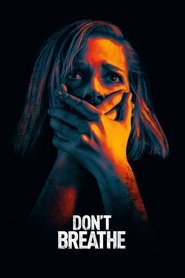
Don't Breathe (2016)
Release Don't Breathe Blu-ray (Sony Pictures Home Entertainment, 2016)
Fede Álvarez, Rodo Sayagues, and Stephen Lang explain how they establish the house's layout before using darkness and restricted visibility to create suspense. They discuss the long take showing doors, tools, locks, and the cellar, practical lighting, performances, and combining Detroit and Budapest locations. They also examine how changes in the story affect the audience's sympathies for Rocky and the blind man.
- Duration
- 1h 23m
- Talk coverage
- 96%
- Words
- 13,823
- Speakers
- 3
Guided collection
Using locations to create suspense
Juan Carlos Fresnadillo and Enrique López Lavigne describe camera movement and London locations in 28 Weeks Later. Fede Álvarez, Rodo Sayagues, and Stephen Lang explain establishing the house's layout before restricting visibility in Don't Breathe. Compare suspense created across a city with suspense inside one building.
Part 2 of 2
- 01 28 Weeks Later 2007
- 02 Don't Breathe Now reading
Commentary density
Highlights
Topics
People mentioned
The film
- Director
- Fede Álvarez
- Cinematographer
- Pedro Luque
- Writer
- Fede Álvarez , Rodo Sayagues
- Editor
- Eric L. Beason , Louise Ford , Gardner Gould
- Runtime
- 89 min
- Also on
- OneSheet ↗
- External
- IMDb ↗ TMDB ↗ Find on Amazon ↗
Transcript
13,823 words · 18 flagged as film dialogue
Hey, I'm Fede Álvarez. I'm the director and the writer of this film. Hello, this is Rodo Sayagues. I'm the writer. And this is Stephen Lang, and I play the blind man in this film. And we've gathered to a screening of the film with our commentary. It's a bunch of logos, but there's definitely something that I think it's... The only interesting part, I guess, about the logos is the movie starts right away. The soundtrack, that eerie soundtrack, starts in the first image of the movie. That's hopefully when the audience gets hooked, and we never really let them go until the end. Detroit. And there you are, Lang. I know. Dragging that poor girl down the street for real. That was a day. It doesn't look like she's too big, but she got real heavy that day somehow. Well, we did this shot, I think, two or three times. And I demand you to do the whole dragging.
There was no help. It was just you, old muscle, dragging her like three times down the street. And this one is the third shot. I remember it was like, at the end of this one, you were like, okay, hope you got it. Well, that's a beauty. You got it good. Yeah. Yeah, it works pretty well. Like the whole, you know, you think you're just suburbia America and bit by bit, As you get closer to the characters, you realize there's a lot more, you know. Totally. You see it. Don't breathe. I've come to really like the title of this film. Cool. It used to be called Men in the Dark. At the time, I was so wedded to that title. Me too. I mean, Rodo and I, we love Men in the Dark because it's a name that we stamp on the script when we finish it, but... But we got to love Don't Breathe as well. Yeah, actually, I think it changed names more than twice. Really? Yeah. What were the other titles? There were a lot of them. Don't Breathe, Man in the Dark. The Blind Man was something that we actually were very keen to title at some point. Just Blind Man. Uh-huh.
I love Danny's character, you know, just sort of the cavalier nature of it. He's swag. Most of the movie was shot in, you know, we did Detroit and we did Budapest, and this is actually in Budapest, like a house outside a city. I think it's the only location stuff within the city, and then the rest of Budapest was all inside a studio. Except, remember, we did shoot the train station. Oh, it's true, the train station, yeah. Which I thought was just great. Yeah, it used to be an old airport, I think. But here we're definitely in Detroit, back flying with the drone around the city. How many days did we shoot in Detroit? It's been like a week there, but we shot like a couple of days, I guess. And this was an entire day of just, you know. Is that ladybug real?
yes it is and do you get do you have like a ladybug wrangler when you're doing we did yeah we don't we had an animal wrangler that took care of from you know from everything from the dogs to to the ladybug but that was uh you know one of those strange things of filmmaking that of course everybody wouldn't when when the page says ladybug everybody goes for cg ladybug right away and and it didn't want to use cg if i forgot to help it because it's a movie that doesn't needed, doesn't have it, so just to have suddenly a CG ladybug couldn't be a problem. And we really went for it, and we had a couple of them. It was very, very hot, so ladybugs don't survive until, you know, under extreme heat. So you cannot, you actually can't put the disclaimer that no ladybugs were harmed during the film? Well, none of them were harmed. It was just the fact that we couldn't find them. Some of them just died before they arrived on set.
But yeah, we ended up doing it with a real ladybug. We laugh now about this. We'll hear about it. This is Detroit, the family of Alex. Actually, you were saying there's no CGI in this, and we never, I don't recall any green screen either, did we? No, no, no, no. It's just... It's a rarity these days, my friend. Yeah. But I guess, you know, I'd like one. If we can pull it off, I think it's good. Yeah, make it more classy. But that was the whole approach of this movie. Like, since day one, it's trying to do this, you know, in a very classy way, not doing anything that was, you know, top-of-the-line CG or visual effects or anything like that, because stuff like that gets old, and a good story, I think, will never get old. Was this script inspired by...
by any events you read about in the paper? I think it was life, right? I mean, Rodo and I were actually driving back from San Diego one day, and we thought we'd kind of create the character of the blind man, and all the story kind of came out of that. But, yeah, there was stories, right? Yeah, with that case, I don't remember exactly where it happened, but this guy that kept a girl in a basement... for many, many years. Yeah, there was one in Switzerland, I think, ages ago. And unfortunately, there's been many others. And probably there's others that we don't know about. Those are the scary ones. So we thought, what if burglars break into that guy's house and find this crime going on? We thought that would be cool. Which is kind of the fun of this movie. Nobody is good.
So you were in the car and you just sort of spun the story out to each other? Yeah, I guess so. Something like that, yeah. Something like that. I mean, we knew that we wanted to... Because the whole girl in the cellar thing kind of came later. I think the first spark of the idea was to tell the story from the point of view of robbers because it's something that you don't see often. And, you know, as far as real life goes, Like, House Robert, they do have the scariest and very particular adventures every day. Like, you know, regardless of the judgment of what they're doing, that they're doing a bad thing, at the end of the day, there's kids that they enter a house and they try to get away with things and they might get shot and might get killed. And that happens every day. And it's kind of a strange world that we don't really see often in movies. Like, this kind of down and dirty, greedy group of kids that are just...
breaking into people's houses and taking stuff. And the challenge was obviously getting the audience to care about them. So that's why once we learn more about what's going on in the house, it becomes that thing of, yeah, there might be bad, but perhaps there's even more evil stuff happening inside the house. But at that point, I mean, that comes, you know, we've gone a substantial way in the film at that point. And before you turn everything on, it's here. Because, you know, to have these kids be the perpetrators and my character essentially be a victim, you know, you establish that. And it works beautifully. I mean, and then the way you just kind of turn that on its ear is pretty fascinating, I think. It's good to see how the audience's empathy switches
from one side to the other, and kind of constantly does that throughout the movie, but was just really fascinated about it. It's just, there I am. I don't know if you've spotted me there. That was me in the newspaper. It was illegal immigrant. You're a Hitchcock moment. He said something like, illegal immigrant was blamed for two murders, something like that. That's my face in there, blurred out. The scene is all about that, right? The empathy, trying to understand what she does. Sure. I remember this scene used to be different. She used to live with his father. His father was an abusive father, a violent guy. But then we thought that it would have been even better if she lived with a mother just negligent. And then we added that character sitting next to her. doing nothing, just being very menacing. He's got a swastika on his right. Yeah. So if it's not clear enough. And she's such a sweet, you know, little charming little beauty. Yeah, she doesn't do a lot in the movie, but she does everything she needs to do just like by being there and showing someone that really represents innocence and that environment that you know that that's not going to last long.
And so we felt it was a good clock ticking for her life. Everything is a little bit extreme in this scene, but I think it works. We needed to set this up in two minutes, and I think it worked. I don't know. I don't know that I would have called it extreme. I mean, I think everything is on the nose, but it kind of has to be. It's a way of delivering exposition quickly. Yeah, which is the thing with TV, you know, the difference between TV and films, and TV you have a lot of time to develop these things, and this kind of movie you really have to hit it hard, and the audience to get it right away, and you have those few minutes to get a point across. I think it helped, I mean, at least then from that point on, and the audience hopefully would understand that it's very unlikely that she's going to back away from her goal, which is obviously take the money.
And I think it's a real interesting choice that you've made because we're kind of approaching the end of when we're going to be outside. And we have not encountered one other person. Yeah, it's true. No one on the streets at all. It was kind of to give that sense of desolation that Detroit might have in some places, in particular this kind of neighborhood. Yeah, it is true that you don't really see anybody else, except from the characters. Even when they're at the restaurant, there's nobody there. It's just that sense of, okay, they have to get out of here. They have to go to someplace else.
Is that in your tattoo? Yeah. I got it last night. Is it a ladybug?
A ladybug again. Of course, it's the... I don't know what we thought it was, but I think it was always representing that idea that it's kind of the freedom that she's, you know... looking for and she's desperate to get.
My mom started drinking and she told me that...
Also there, I've always associated them with luck. Yeah, in the folklore, I think it's ladybug, you know, you see a ladybug, it's always a happy moment. Oh, look, a ladybug. So it's good. Yeah, and I think in worldwide folklore, it's always something I associate with good fortune. Which is not really coming her way now, but I think eventually in the movie it comes around when she sees it at the right moment. I think this backstory as well used to be longer in the script, right? Yeah.
When I reach California, I'm going to color this tat, and that's the last time I will mark my body.
Yeah, and this is the last time in the movie that they will have a moment of peace. I think from this point on, it's going to be nonstop. There used to be actually a shot here, a short insert that you'll find on the extras of the DVD on the deleted scenes. But I love it. You should check it out, which is when we get a glimpse of what the blind man is doing. Not right at this moment, but right before this moment, right? We get to know that he's a gardener, that he does gardening. The gardening scene. I enjoyed shooting the gardening scenes. I saw it. I saw the deleted scene. Boom. Yeah. Oh, that dog. The dog... The dog gets an award. Oh, yeah. Yeah. Particularly for the one that we were on set and we know that he wasn't hitting his marks all the time. But in the movie, really, you know, he does what he has to do. He's very menacing. It's that extension of the will of the bloke, right? Yeah, I think the first draft that we wrote didn't have the dog. Mm-mm.
And I think it was Fede's idea, like, this guy should have a dog. How come he doesn't have a dog? Right. And the dog turned out to be one of the, a really important element in the movie. That's it. That's it for daytime. I go into nighttime for good. I love this shot here. almost look like they're in space. And it says something very strange about it. I just read the silhouettes. It looked like three cosmonauts somewhere. And then we don't know where. Which is what I love about that house, that it's usually on a scary movie or every time you want to portray that house as creepy, you have a bunch of...
nice houses and you have a scary house in the middle and you know the one that is run down and not well kept in and that's a scary one and here's the it's completely the other way around it's the house that is in in in good shape in a bad neighborhood and end up for that reason being the one that is unsettling now we're in studio here yeah just like that and and the fact that the house is well maintained that was an important thing you know for my character it says an awful lot about the uh you know the order that he maintains in his life. Yeah. That was CGI, right? That was CG, yeah. That was the only, well, not the only, I think there's a couple of CG moments in the movie and that was, that's probably the fanciest CG effect in the whole movie, ironically, is the piece of treat of hot dog that is thrown to the dog that had to fly over the fence and land. All that was done actually in Uruguay, in our country.
Because the money's in there and the paranoid fuck doesn't trust nobody. Let's check for a side door.
All this, like here, I think this is the moment when they cross that gate is when the real tension starts. And it's really what inspired the whole movie, I guess, was that idea that there's something very scary about not just having people, you know, seeing scenes about people bringing it in someone's house, but even if you're with them and you're with the housebreaker, like it's... it's always something very tense because for us, I think for everybody, the private space and the private property is something that we value so much and the idea that we feel safe inside our house and there's a common agreement in society that you don't walk into someone else's property. And so when you see it happen, it's fascinating how we all collectively in theaters and everybody watching the scenes, as soon as they cross that line they shoot in and they walk into space that is not theirs, it puts everybody in a very, very tense mode. And that's something that we knew and that's actually what started the conversation when we started talking about this movie, when we were thinking about what we're going to write next after Evil Dead. And based on that feeling is that we thought, okay, what will be a story
that would take place in that space, and that could have you on that edge all the time. And that's when I thought about this group of kids and who they were gonna break into, and the character of the blind man came out. They're both, they're all, in their own way, extremely likable kids, I think. I mean, you kind of get the, you understand Where they're coming from, their needs and everything. But when they go over that fence, they kind of, you know, it's all bets are off in a way. They put themselves in a morally indefensible position, it seems to me. So, in other words, well, you're going to get what you deserve, even though you like them. Yeah. Yeah, that's...
That's what is strange and fascinating about the film as well. And so far, you know, today we're doing this commentary and the movie hasn't come out yet, but it's so far just a reaction of the world based on trailers and what the concept of the movie is. It's very interesting to see how much debate it caused exactly based on what you were saying. Like, they're going to get what they deserve and a lot of people see the trailer and they go like, well, they get what they deserve. And now the people said, well, but... You know, the blind man was doing his own things as well there, but that doesn't mean it's illegal for him to chase them and kill them if he feels threatened. And he definitely feels threatened, particularly because, as we're going to see now, they brought a gun into the house, which, you know, the blind man's not going to stop to argue with them and ask them if they're planning to shoot him with that gun. I mean, so that's why we think it makes for...
or very morally conflictive story to see, which is the kind of story that we like. We don't like to spoon-feed the audience with the answer, the moral answer. This sequence here is like, it's kind of classic, almost James Bond stuff. You know, you have to kind of, the clock is ticking down before the bomb goes off, before the alarm. goes off or whatever, so it's a nice piece of suspense. And here for me, it's one of the, it's the first time that, I think in the movies, when Pedro Luque, the DP, starts showing off. He's showing off big time here, it's beautiful. In good ways, because it's one of the most beautiful shots, and how the light from the street hits her eyes as she's realizing that, oh, there's something in this house that's a bit more than what they might think. This is a really, really interesting beat. Oh, I love that beat. The picture upside down.
It really tells you, like, yeah, the guy is really, really, really blind, for sure. But it's also heartbreaking in its way, too, because, you know, in some weird way it makes him vulnerable. Yeah, you think, like, oh, he did that. It also tells you that he doesn't have many friends. Like, there's no people coming to the house and telling him, hey, you put that picture upside down, you should fix that. Like, he's a very lonely man by now. Right, right. Yeah, I found that shot, when I saw the film, to be really moving. here of course is our long hero shot that's gonna basically the goal obviously to get from the start it's basically the shot that switches points of view in the movie that shows you the story from their point of view and it's gonna end up over the shoulder of the blind man showing how how scary is for him to be home invaded without him knowing it
And as well, obviously, he's showing all the pieces that are going to play a part in the movie, right? But, I mean, you know, it's fascinating because what you just showed there was a tool room, an orderly tool room. And there's nothing intrinsically threatening about that, you know? I mean, it's tools that he's laid out to do jobs around the house. But the audience knows. Of course, in context. I think the audience sees that hammer. We push in into that hammer that we did. These are all pieces that are going to come back, right? The bell that is going to be, that is the alarm system that the blind man has for what's happening on the cellar. We're still in one shot here, aren't we? Yeah, it's one single shot that starts at the door and ends up upstairs. Of course, we'll know that the money is right somewhere there. Closet. And the door to the cellar.
All the pieces that, you know, like we always talk, remember that we always talk about this movie being kind of a chess game between these two parts. And so this is a moment where we show the kind of the rules and who are the players, you know, what door is locked, what door is not locked. Right. Before kind of the game starts. Right. Stick out the terrain a little bit. Also here, like you start. I think also the first time that you start feeling Roque Baños, a magnificent soundtrack, which is, like he said, it was, you know, the whole music was actually done through not classical instruments, but mostly pipes and weird instruments that he found made by a guy in Tucson that created his own instruments in his backyard called Anorchestra. And And then this whole shot, you really get to enjoy that soundtrack. And like Roque said, it's like if the house was singing this unsettling song. Right. Here we get a glimpse of the daughter. She's curious. Of course, the TV is there, but he doesn't watch the TV. So I thought it was interesting to have it pointed in a strange way, not towards the house, not towards the bed.
He used it just to fall asleep to the sound of his daughter. Sure, it just provides a soundtrack for his life, I think. It's like a lullaby for him. Here we are. Just like that, we switch point of view now with him. As he's the main character of his movie, right? He's the hero of his movie. He's just sleeping, not bothering anybody. And there's a guy walking into his room, right?
Very cocky guy. I love what Danny does there. He just stops and enjoys his moment of bravery. That was an interesting and cool cut you did there. He's so fast. Rather than seeing the rise up. I think this moment is setting the tone and the dynamics of the whole movie. Yeah, the idea that he really can hear anything. He has a good, well-trained ear. And the detail of the cross in the wall, which is an amazing job of Naaman Marshall, the production designer. There's so many little details here and there, and you see the cross. It used to be a cross on the wall. If you take a look above the bed, you see the shape of the cross, but the cross is not there anymore. So it tells a little bit of the fate loss of this guy.
Done. What the fuck, dude? Guy's gassed out. He's out.
I think the fact that the dog went down the same way, got neutralized, I think it makes the guy getting neutralized almost a complete immediate buy as well. I mean, if you think about it, you know he's going to wake up, but somehow it's very helpful. First the dog and then him. It supplies them with the feeling of confidence that they can make noise if they have to. We're looking at the movie now, like I'm realizing all the little details that we had to do research on, you know, experts on how to do all these crimes, right? How do you put someone to sleep? I mean, the whole gas thing, the gas bottle, actually, we never really got to the bottom of it if it was a myth or reality. But there's a lot of that myth running around in Europe that they say, people say that if you take a train, a night train in certain parts of Europe,
People walk into the train and they, you know, just robbers may go into your wagon and put some, basically smoke you while you're sleeping and you just fall into a deeper sleep and they, you know, they will rob whatever you have with you. And then we read that it was actually a myth that nothing can actually do that to you, but we prefer to believe that it works. But the cool thing is that we may think that maybe they thought it was true, but it clearly didn't work. Yeah. Right. And there's another one, like the silencer made with a bottle, which, again, I never saw it in a movie before. But we read about it and we heard about it with a lot of people. And the gun experts in this movie actually told us about it. So there's a way to do a homemade silencer, which is just with a bottle. And then, of course, like the YouTube, you have a lot of videos of people shooting guns inside bottles just to show how it works. And it definitely works. It muffles the gunfire. But obviously he didn't muffle that enough, because here we are.
Who's there?
This is definitely one of those moments that when we were writing the script, you knew there was going to be an intense scene, right? Yeah, this was always my favorite scene. This is the first time the Stephen Lang character speaks, and he sounds like a normal, harmless, man he's scared right he's scared yeah we we talked about this a lot remember when we were shooting this and and did it quite a number of times trying to modulate you know the amount of fear with strength but that that's what i love about your work in this scene i can see how i mean knowing what i know about his about the character no no and all his secrets like right there i can see how he's like At first, his reaction, of course, he doesn't know how much they know. Maybe they took her away already. Maybe she's gone. Maybe she's that precious cargo he has in the cellar. Maybe she's not there anymore. And I guess by this point, I can see how you start realizing that they haven't opened the door yet. Well, they did, but they're not down there yet. They don't sound like they know what's going on and how you go from...
being startled and scared too, suddenly, you know, I can see, I can hear your thoughts as you go, okay, I gotta do this, like I have to. It's interesting to see how he made a choice in a second. It was like, okay, I have to take care of this guy. There's no way around it. Yeah. It was a point that we actually... We never really seriously thought about doing it, but I fantasized about the idea of making this movie black and white because there's something so classic film noir of Hollywood. You have a section coming up that is total noir. I mean, you did it. And the colors are so rich, I think, that it's... it makes it a pleasure to watch even when you're watching what you're watching is not all that pleasurable in a way this is this is a very important moment for money's character because at the end he is he redeems himself right it's saying that that is just him in the house when when the blind man asks
how many of you are there
so before he dies he's doing something at least something Yeah, he's doing good for her. Like, he might have cowered up and asked for help or tell his witness there as well. Maybe that perhaps, you know, he might have thought that that was going to save him. I don't think it would have, but... Poor Danny, you really roughed him up there. I think I told you about this story, like when... First, I think the first kind of really rough encounter that we shot was actually later on the movie was you against Alex, right? Played by Dylan Minnette. And after that day, Dylan was like, oh, man, like he went to Danny, Daniel Zovatto, who plays Money, and warned him about that. He warned him like, look, he... If you ask Lang to bring it, he will bring it. So you better be ready because it's going to be a tough scene. Your body is going to be in pain for the rest of the week. You know, I've heard that. And the thing is I take Lang exception to it because we were pretty careful. The fact is it's rugged stuff.
You know what I mean? There's no way to fake that. There's no way to fake that. And me as a director, the last thing I want is to see a lot of that thing be faked too much. And actually, remember that Danny always tells the story that he actually asked you, like, you got to bring it, like, just bring it, like, I'll take it. But then at the end of that day, he was, I remember coming back to me, like, oh, man, he was terrified. But that's a great thing. I think that's something that you really brought to the film and the set that... And every time we walk on set, I could feel these kids, you know, because, you know, they're just, a lot of them, they're just making their second, third movies. Except for Dylan over there, who makes like 20 movies by this point. He's been working since he was five. But, uh...
But there was a sense of respect and fear that I enjoy so much watching. I think a lot of that fear, because as a rule, I was just pretty quiet in between takes, just kind of sitting there quietly. I think that it was them doing their work, that they were projecting an awful lot of intimidation from me, that I was just sitting there. They were doing my work for me. They were just wonderful, I thought. So game, so canny, each one of them. I think the physicality in the way that you guys play those scenes is very, very important. One of the things that we were kind of nervous about when we came up with the idea is that if this guy is a blind guy and there's three kids, people are going to be thinking, why don't they
take on him. Why don't you fight him? Yeah, why don't you just jump on him and that's it. Yeah, but in that scene where you fight money and then you start punching the wall, and it's clear that it's not an easy task. So that makes the whole premise work. Otherwise, I think it would have collapsed. Yeah, there's not a single moment in this movie when you feel, when you think as an audience, oh, they should just jump on him. There's no way. Like the, you know, like this kind of shot stuff, like it established dominance. Like even though he doesn't know he's here, like he's dominating the house in a way. And they're like just cowering in corners. Look at that, how small he is right there. And also, let's not forget that I think part of the thing that made your presence so menacing and made all this so real, I guess,
Remember that with the context lenses that you were wearing, how much you could see? You couldn't really see a lot, right? So remember that somebody would bring you to the set and you were really becoming that character in so many levels. It's just the fact that you got to know that house pretty well and you really... I don't remember seeing you bumping against anything during the making of the movie. You could barely see with those. Right, right. I mean, you know, the lenses were extremely helpful because there are... you know, they're a constant obstacle and a constant reminder because it cuts your vision down by somewhere by 70%. And the rest of it, that other 30%, you kind of just let go. You know, you just sort of glaze out, I think. So it was extremely helpful. But so much of the blindness when I watched the film
is really sold by the direction that you would give me when you would say Lang, look, you know, just tilt your head that way more. And it all had to do with how the camera was perceiving me, you know, perceiving my relationship with whoever else was in the room or what I was listening to. So that was a good duet, I thought, between actor and director, or trio, really, between actor, director, and the camera itself. One of the things that I love that you brought is the idea of those marks in the wall that was not on the script, obviously. The fact that the guy, he gets around the house touching the wall, so there should be those stains in the wall, those marks. It's been happening for a long, long time. It's production design as well. Naaman Marshall had so many details like that that you can really believe that
this house is a place that he has lived for a long time. I like this one, like it's the last one with Alex trying to do the right thing, right? He believes he should call the cops and if they do that, perhaps, you know, they might hear their, I mean, they might go to jail perhaps, but at least they're not going to die. And Alex is really trying to get her alive out of here yeah she has different plans she's the boss she really is the boss and it's really cool how you know like things uh went south money got shot but at the same time they find the money and it's even a lot more money than they thought it was going to be so that races it's because they would not show it like watching it realize that there's no The camera never shows you the money. Like, look, the money. It never pushes inside the box. It never shows you the back. You just see them. You see the blocks of money. They're even blurry in most of the shots. Because the story was never really about the cash, but you know they have something that they want. Her movie is about the money.
Yeah, of course. Yeah, but it's in a way, like, I don't know, the way it's played over there, like, it's so much more about what she wants to do against what he wants to do at some point. That was... Why did you go outside there? Why were we on that floor? Oh, because he said... I love this one. He says out loud that that's the way out, and he says the storm door seller, and just to remind... It's a brief reminder to the audience that what was that door? I think it really helps to... It's just the audience to know where we're going and what they're trying to achieve. I don't like when in stories like this, the audience get confused about where they're really heading, where they're going, what's their plan. I'd like to be very clear and precise, but what's the plan here for these kids? That makes a lot of sense. I think this scene is kind of like the spirit of the whole movie. This is where we wanted to get with the idea of the guy being blind.
It's really when we start thinking about the movie and the idea of the movie, thinking about those moments is when we thought, oh, it's going to be special. It's worth making. It's just I never see this scene before. Right here is almost like a ghost story. It's almost like... For you, right, for the blind man, it's a ghost story. There's a presence in his house that, even though he can see it, he suspects it might be there, but it's such a strange thing, and it works so well for me. It's ghosts that you can shoot. Yeah. Here's when the title really comes back to you. I'm really waiting for the end to hear. And the breathing that you hear is actually the blind man breathing heavier than anybody else. That's great. I can see that he's worried and he suspect that might be someone. This is so fast. And also like I hear, I guess this moment is very important. I mean, that already happened before, but...
Something that we really want to get out of the way, that we want to make sure that the audience didn't suspect that the big twist of this movie was going to be, oh, he can actually see, right? That would have been terrible. So we really, with scenes like this one, it's when you know that we're not hiding anything from the audience. And also how dangerous he is, right? He hears the cell phone and reacts in a fraction of a second and shoots spot on. Yeah. Yeah, like, it's, yeah, this is a time, by this moment, the movie, you know, has introduced, like, this is them against him, and this is how good they are, and this is how good he is. Right. So we'll see if they manage to get away with the money, right? That could happen right now. Yeah. From a point of view. Yeah. I guess, yeah, I'm curious, I don't know if the audience expected it or not, if
and know what's coming. I'm sure the audience knows there's something more to it. But I don't think, at least in the first screens that we had of this movie, you realize, because people were coming in without seeing any trailers or anything, they didn't know anything about it. And the moment is coming right now. It's such a huge surprise for everybody. That's a great moment as well. We're exploring all his senses. We already explore how he can hear anything. And now we're going to explore how he can smell anything. Which again, I think people tend to believe that blind people actually have better smell. But it's not really that. It's just that they pay more attention to it. They have developed that more just by using it more than we do. But it's not a super sense. We never went too far in that aspect. Anybody can smell a pair of smelly shoes. And Money's shoes are the first ones he found. I'm sure they're quite smelly. Yeah, things are going to turn upside down pretty fast.
Yeah, it's like I love how vulnerable you are there, like how the audience will feel, oh, man, he was, they fooled him. They made a fool out of him by looking over his shoulder and seeing the coat, and that's what's going through his mind, I guess. It's so frustrating. At the same time, that's the moment that And the whole movie, I think, it's just that moment there when the blind man realized he's being, you know, he's just being fooled by these kids. Like, it's when your empathy is really with him. It's like so strongly with him. I think most of the audience at this point is like, why they did that to him? Right. And at that moment, we changed everything around by showing this girl.
That was the piano moment there. Remember the sitting on the piano? Yeah, I remember. I loved that. I think he actually can hear some of that. But it's... And also, like, there's... There's a great job of Gardner Gould, the editor, when he... Who basically decided... Let's not show her right away. We see a jump. We see that someone shows up. But instead of staying there and showing the audience what was that, we just cut back upstairs to the blind man and stay with him and basically get the audience to be desperate to go back in there and find out what that was and who was that girl.
Rocky. Rocky.
He did a good job there. Like the blind man did a great job taking care of her with the cushions and the plants to have oxygen. Yeah, kind of gives new meaning to the term man cave, doesn't it? Completely. So that first, that short glimpse of the newspaper is like basically when they find out that she was solved the crime, that she actually did something terrible, but she was found innocent. But that doesn't mean she was innocent. I believe she was very, very guilty. But the law found her innocent. And we'll find out more about that eventually when the blind man talks about it. This is actually the first... Yeah, this is actually probably the first or second shot you did, actually, in character as a blind man. This is the first day on set, I believe.
I hang off the thing. Yeah. I mislead the audience to believe that you're going after them.
2978. 2978.
Which is something that we, during the writing and not just the writing and the making, we always try to keep close attention to those details and... and make sure that every movement they made made sense. And I think here it wasn't just for the value of the shock of what's going to happen next, but I think, I don't know if you agree, Lang, but I think it made complete sense that if he went after them, that may have gone wrong, because he will suspect that's how smart he is. He knows that if they took the money out of his... safe upstairs that means they know the code if they know the code he knows that this is the same code from the same downstairs which means they might have them the keys are ready which means if he decides to go after them and maybe he doesn't he doesn't manage to get to them maybe they block a door or something they will get to this door before he does and they will be out and that's not good for him so that's why i think he very quickly put all that together turns around and decides to
to wait for them on the other side, right? Absolutely. Since they've gone down the rabbit hole, he knows they're coming out. There's only one way for them to come out now. And he's doing more than that, actually. At this point, he already... We'll find out later, but at this point, he already took the dog, he put him inside the house, and he went after them, probably. Because now he's going to go... He's gonna go after them, but we'll see eventually that the dog is already inside the house. So he done all that very quickly. Like he ran out, took the dog inside, closed the door and went after them. So it's incredible. I would love to see this movie all over again, just from the point of view of the blind man and realizing all the clever things just doing one after the other. I think this is an interesting twist. We just introduced this girl and she's dying already. Yeah.
Everybody thinks it's going to be about, okay, now it's all going to be about, are they going to be able to save the girl? But very quickly, she's gone. Well, you've already established your credentials as somewhat merciless, you know, and I mean that in a very good way. Because money, you know, the dispatching of money is quick and it's early. And he's a substantial character. He cuts a wide swath while he's there. But if you can kill him off well, then you dudes are capable of anything. I think that was one of the first ideas that we got. Like, this guy's breaking into this blind man's house, and one of them dies right away. That will make you nervous, intense, throughout the whole movie. Yeah, you would know that he doesn't hesitate. Like, no, the boy didn't even... I mean, he asked one question, the only relevant question was how many people is in the house and, you know, hoping that I might not be honest to maybe help him. I can't have him lying. I love this scene too. This raises a lot of questions as well, right? Like, why is he feeling this so much? Wow, yeah. Did an amazing job here, Lang. I was so... He's one of those that...
When you're shooting, it's always hard to get into the scene. For the director, it's hard to get in the emotion of the movie. So there's so many things you're paying attention. I remember this was one of those that while I was watching the shot and what was happening, I felt like I was in the theater watching the movie. I was so excited. It's there, just the emotional transformation from being in hunter mode and realize what they just did. Oh man, now it's personal. Before it wasn't personal. It was like, I don't care who you are, you're just going to die because you know my secret and I cannot let you go. Now I think it's personal. Right. I mean, the prevailing thing that goes on when he knows who it is is this feeling of being bereft immediately, you know. But there's no time for that. There's no time for grief.
at all because he's in a war zone here you know yeah i mean because his feelings about that girl are rather complex yeah they are but it's because mostly but it's not but i mean he definitely has i'm sure he has feelings and and and he doesn't he's not he's not a guy that is taken by hate i think he's in that place right now he's past that probably but he he definitely you know we'll find out later she's She was pregnant. That scene there is his daughter dying again. That's why I think it's so powerful because he's been through that already probably when he finds out about his daughter dying. We always imagine that he was actually on that day when his daughter got run over. He was right there in his house and ran to her body. I think that for him is just going through that pain again. That's why he makes it so determined because From this point on, there's no hesitation, there's no fear whatsoever from the point of view of the byman. He's like completely full on in hunter mode, right? But you know, if he had the moment to think about it,
he wouldn't have been surprised because everything that life has given him has just been a kick in the ass. I love that fan thing, by the way. How he knows every detail. And of course, all this scene, it's one of my favorites in the movie. It's sort of whimsical in a way because, I mean, you know, he could just touch the fan, but he's a little spin. This scene was also one of the earliest ideas that we got. We knew that we were going to kill one of them pretty quick we knew that we were going to have this full dark scene this this took so much uh preparing thinking like it's just in the early stages of pre-production like with uh with pedro the dp we were like okay there's many things we need to solve here but the main one is how are we gonna do the darkness scene like there on the page it says well he flips the switch and everything goes
completely dark, which, of course, gives us moments like this one we're looking at right now, which are unique. Look at the way she's just selling it so beautifully right there, isn't she? Totally. You really believe what she's doing. You see, I don't know if you noticed, but every time you shoot the gun, there's color pumping into the shot. Of course, the logic is if there's no light, there's no color, right? So that's why I think the audience buys it so well that the black and white and the no shadows, that indicates that there's no light. But every time you shoot the gun, there's a muzzle flash. By the way, for anybody that is thinking, oh, conveniently he ran out of bullets, we actually count all the bullets, and it's exactly precisely how many bullets there is in that gun, and the ones that he shots are exactly the bullets that you have on that gun. I remember that discussion as well.
We counted all of them, and particularly when we were editing, because you might have shot more shots like in the shooting itself, but then when we cut the movie, we made sure that we have the exact amount of bullets that is on that gun. And as well, this was a combination of the light coming from the camera and the whole treatment, but as well, they had contact lenses like making their eyes look... dilated, the pupils dilated. But, of course, Jane Levy and Dylan Minnette did an amazing job selling the full darkness. They did, and it's not just the eyes also. It's sort of the open mouth, you know, in a way. This is a great shot. When you think it's over, it's just beginning. That's what happens constantly in this movie.
Try the blue keys.
There's actually three dogs in this movie. Three different dogs that you see in the movie. I'm trying to remember the names. Oh, gosh. I can't say that. There's Athos. Athos. Athos. There was the other one. I don't think there was. I love this twist as well, when suddenly... He decided to sit down, which obviously wasn't in the script or wasn't on the plan. It was just we were shooting the moment, and when the dog was supposed to be looking fierce, he decided to just sit down. But I ended up keeping it in the editing, and I thought it was a really good twist for the scene that he actually talks to him, and maybe he talked him down. Like some dogs, if you talk to them calmly, they might respond to that. He's also a little hungover. Yeah, yeah. And this is, I mean, the dog was actually chasing them, so... So there was no fake in there as well. I mean, we were guaranteeing them that the dog wasn't going to attack them, but they weren't counting on it, on the promise. They were just running like maniacs, trying to get in the room before the dog got to his mark. You're back.
Well, they felt the same way about the dog that they did about me. These sort of slavering, you know, maniacs. And the dog was a sweetheart just like me. That's the thing here. It's like it's one of those stories where... Regardless of what the blind man says, there's no question in any moment, everything he's doing, if you were him, you would be doing the same thing. There's nothing to talk about with them, there's nothing to, you know, there's no conversation that we have. I mean, the blind man has to get rid of them because there's no way he can let them go and trust that they're not going to tell his secret or anything like that. There's no way around that. Remember that we talk about this many times. His goal is not to make them suffer. He really doesn't want to punish them or make them suffer. It's not about that. He just has to kill them. To me, there's this sense of outrage in this film. This outrage was perpetrated against him, against his life. He's going to talk about it a little bit in terms of God and everything.
And it's just, he just will not allow that. He becomes proactive. It's almost, it's everything he's doing. Yeah, it's against these kids, but it's really against the world. It's against the cosmos. It's against God. It's against this, everything that has just destroyed his being. I think that what you're saying is really spot on, and that is a common thing for all the characters in the movie. Rocky's character kind of feels the same way. She feels like life hasn't given her anything. In fact, she's been very unlucky with the life that she got, and she's in a way trying to bring justice on her own terms. She feels entitled to do this, to go get that money. She feels like she deserves that. I think all the characters are trying to bring justice in their own way. That's kind of the moral of the story, I think. It's like if all of us just decide to violate all the rules and just go and get whatever we want or feel we deserve, you get these kind of scenarios, right? Because she will find out. She basically finds someone that thinks ironically just like her.
Like, the blind man and Rocky have a lot in common. Just the blind man's been through a lot more than she did. But they both believe that they have the right to break the rules just to get what they feel they deserve. And I believe to the audience, I believe that's right or not. But that was definitely, thematically, was a strong... I just want to cut in. So the way that the dog, Athos, the way he kind of has to crouch his way through there and everything like that, just that in and of itself, it's in two shots, it's just so alarming. He sort of looks like a gigantic rat in a way. I remember when we were writing the script, we had this experience in Evil Dead with the dog that we used in that movie, and it was so hard to get that dog to do it.
anything like the smallest things like just like hey come here he wouldn't do it and and then we we want to unroad all the scenes with the dog and we're like we're never going to find a dog that's going to do that and fortunately this amazing dogs yeah the hungarian dogs are very very yeah they're the best the best that's a great twist as well like how Do you think the blind man's gone and actually went upstairs and fooled him again? Like, he's always showing up in the places that you don't think he will. Oh, it's great, because you're just exploiting the geography of this house, you know, to almost to the max. But about what you were saying, you know, both for Jane and the blind man... They're taking responsibility for their lives as well. I mean, it's kind of... They're making the existential choice. They're not going to, you know... Yeah, they're not going to go quietly into the dark. They're not just going to let life... They're not going to accept that, well, that was just bad luck, and that's the life they got. They're going to take matters into their own hands and change faith. It's almost like they know they might take a path that is just going to be...
constant darkness and they're just trying to find a way to break out of out of there right by all means necessary that's that's what they're all doing it's again a beautiful moment of mixing a lot of the new beautiful techniques of cinema it's just the silence the camera work the light everything works so well for me in this in this yeah and the title comes in, right? Comes to you again, like the don't breathe, it's like mix it, and that he made a mistake, he breathed in. Here we'll fool the audience with the montage a little bit. They don't know it, but it's been a time jump there. That was definitely fun to shoot. This was a rugged set to be on, right? Oh, yeah. This was all real. It's not like there was a lot of rubber stuff going on. Ah, that hurt. I remember that. That hurt. Yeah, because I think he missed the countdown or something. He surprised you with it, like, out of time. I like that this is the first hint that we give that if there's a sound... uh loud sound in the place then his powers disappear like that his weakness too much too much noise and eventually there will be some sort of demise for him
Yeah, but even, like, when you're watching the movie, like, I get this moment, do I really want him to grab the gun and shoot the blind man in the head? Like, I don't really know if I want that. I don't think the audience wants that. They want them to live, but that's what makes it... I think that that's what makes the movie effective, is that you understand that at the end of the day, even though he's doing something terrible, he's in his house, and a lot of things he's doing, he has the right to do them, and that makes it so complicated and so complex on that level. Like, you don't...
if Alex would have reached out gun and shoot the blind man in the head and leave, I don't think the audience would have been satisfied. It will be like, yeah, like he just, they bring it to this guy, how they murdered him and take his money away. Like, yes, he was like, it would be a terrible ending. So that's why it puts the audience in a place that they want them to leave, but they don't want them to shoot the blind man. It's, it makes it so complex and, and puts the audience in a great place, I guess, to be because they want to know how it's going to end up. Yeah. Yeah, well, I mean, the blind man, from my point of view, has at this point earned, he's earned a lot of points. I mean, there's reasons for his sickness, his, you know, his pathology, but there's also a lot about him that, you know, he's got his own integrity, it seems to me, and I think people respond to that to an extent. Yeah, well, and obviously just the fact that he's
He's a blind character that first we all see kind of almost, you know, the audience look at the movie and when he gets introduced, you kind of look down on him. Like, oh, poor guy. We kind of feel pity for him. And you realize now that, you know, you should feel pity for the kids and not for him. So it's such a... And I think that's quality, guys. And regardless of what he's doing and the terrible thing he's doing, like, the audience admires that, the fact that... a character that was introduced in a way that made them feel pity for him because he was just blind and he was living by himself and all this tragedy. And I realize how capable it is and how he doesn't let something like blindness stop him. It's fully functional. No, I mean, the first time you see him, he's walking the dog. He's doing kind of an all-American activity. Here again, I think as soon as she's hearing that, the audience knows she shouldn't be making that sound.
And that's a CG hand. That's actually the only CG hand. They're one of the biggest CG elements, and that's something actually I personally did on my computer when I realized I didn't get the shot, because originally you grab her hair, but it wasn't on the shot, and it wasn't so effective. And I remember, like, in the movie, I just opened my laptop, and I was like, let me put something together. And I did the shot that I thought it was going to be a mock-up, and it ended up in the movie. It ended up being that shot over there. I love this moment. Something that I stole from Hitchcock who said that he shot love scenes like dead scenes and dead scenes like love scenes. This definitely looks more like a love scene on the set in and there's no cuts. It's just like this long agony. I particularly like using those short punches.
You know, there's nothing... Many times in movies, you see kind of these long, loping punches. Those are just little three short punches. Yeah, they look so painful. What's interesting about that moment is that I'm not exactly sure when he realized that there was a girl in this pack of thieves, and he made the choice, okay, this is actually good. I might need that girl. I don't know when exactly that happens, but it could have happened also when he finds the shoes. When he smells her shoes, I think he knows. Like we were joking, he knows it's a girl. He knows that. Maybe he even knows that she's having her period. Stuff like that. I don't think she has her period. That would have saved her, actually. Yeah, but I mean the idea that he can use her because the other girl is dead. When does that happen? I mean, I think if you want to project it into the kind of weird love scene upstairs that we just saw, you can do that.
Please let me go.
I think dialogue's come back here, which is the funny and interesting thing about the movie. Nobody said anything. It's 40 minutes.
I wanted her to pay. I understand that. I won't tell anyone. You understand nothing.
And the audience doesn't understand. It's one of those moments that you'll find out the truth about who he is.
Between a father and his child.
I love this speech. It used to be longer. They wind up going a little bit down. And I think on the deleted scenes, you hear more about it. Which it was, of course, not because it wasn't great. I think it was amazing. But it was one of the things that less was more... the more mystery we could keep around him. And again, we'd never want to do the villain that just over-explained his life and his plans. So I think we don't have the exact amount that we needed there, I guess, to know his feelings. That's what I thought when I saw it. I couldn't remember exactly what was not there, but I knew there was something. But it didn't seem that I was missing anything. And then I saw the deleted scene. I went, oh, yeah, that stuff. That was good, too. Yeah, it was great. But at the end of the day, it's like that thing. He doesn't...
he doesn't have, he doesn't need to talk with her. He's past all that, like he explained himself or like, I think part of him wants to feel human and less evil about what he's doing, that deep inside he knows that is a bad thing, but he's trying to be, he's just, of course, turning a blind eye on what he's doing. And that's why I think he explained himself a little bit, like, hey, I'm not a monster. If you could see the ways, the things that happened to me, like you'll understand, right? I love Jane's reaction, her acting here, when she kind of starts putting the pieces together and realizing what's coming. It's really good. I like this reveal as well. That's almost kind of silly, but it kind of makes sense, right? He was laying right on top of the body, and the vitamin just struck down. And actually, there was a longer version of the shot where you could see that the...
the blade actually scratched his cheek and his ear, and so he missed by nothing. Here's the moment of obviously Alex, starting to turn into, you know, the different person, like really starting so, doubting himself so much and being so scared of everything, and now he's like, he's been through so much that again, like most of these characters, he's like ready to, to do something about it and not just being cowered in behind shelves. But he takes a hammer and he's going to do something about it. Ah, yes. Oh, the tar. This famous scene. Franciska Töröcsik, the girl that played that character, she really took it. She had to stay there still. It was really like a black, thick paint. It was harmless, but it still was... It was terrible. He had to just stay there and let the pain go up and not breathe. Because if she blew it, doing the whole thing again, it was impossible. Yeah, she did a yeoman job. Yeah. I love that the blind man has everything kind of planned ahead of. Like he knew that if she died, he wasn't going to go and bury her in the backyard and risking someone seeing him doing that. So he had this plan to bury her.
Or maybe you can even think that once she gave birth to the child... Yeah, he was going to get rid of the body. That's kind of what I thought it was going to be because he really couldn't release her. But you never know what would happen by then, you know? Probably he didn't know. I think in that aspect, I think because he's such a... Emotionally, it's so complex for him. I think he was trying, you know, on the plan that had to do with her, trying to figure out, like, you know, he will cross that bridge when he gets there.
It's a joke. It's a bad joke. You tell me what God would allow.
It's, again, one of those that the audience thinks they know what's going to happen. Like, they think it's going to be a rape scene of some sort of. It's just going to be there and... And the whole motivation behind everything, all the weirdness that was going to follow it was that it was all for the sake of the character. Like we knew that the blind man being who he was and having the codes that he had, like he says now, I love the line that
I'm not a rapist.
And really good things get you thinking about what he's going to do now.
Like I said, what followed that really was for the sake of not just being perverted or like doing something super twisty. It was just that being who he was, we need to protect him. And we didn't want to have a scene where he puts his pants down. He's gotta be an animal. He was still have his morals and he was gonna do it in a way that didn't require that. And again, for people that are thinking this is some twisted movie thing, We came up with turkey baster and the sperm. It's actually the way you do it. It's actually medically accurate. If a single mom was to have kids at home and we go to the sperm bank... It's still pretty twisted. It is, but at home insemination is the way you do it. You take a turkey baster and that's the way you do it. It was a twisted idea, very twisted. But it happened to be that... then it was something that occurs. That may be the single most disgusting moment in the film, right there. That's so weird. At the end, it's what we thought is fascinating about it. If that was blood and that was a knife...
nobody will even flinch. They go like, oh, whatever. Oh, but it's sperm in a turkey baster, and everybody loses their minds. And that I don't get. I believe there was a hair in it. Yeah, there was a hair in it. And I remember seeing it with the audience, and the audience was covering their mouth and getting all grossed out, and I was like, if it was guts and blood, nobody cares. It is sperm, and everybody freaks out. I think that's fascinating. It tells a lot about who we are as a society. There's something strange about that. And nothing actually happened. Like, it's... We leave... everything for the audience's imagination. Really, nothing gets to happen there. He doesn't really get to do anything. You know, I saw it with a room full of journalists, and they were reacting just like a normal audience. They were reacting the way you described. I love this beat. I remember this was not in the script, and Fede called me during the shooting and said, hey, I added this small beat. Oh, the one, the upcoming one? Yeah, where she grabs the turkey baster and sticks it into his mouth. Yeah.
See, I'll tell you what, baby. This is all you, Lang. Because I don't even know how I dared to ask you to do that. But I did, and I was 100%. I had so many answers prepared for when you were going to say no to me. I was like, okay, I know he's going to say no way. I'm not going to do that because it was in the script. And then suddenly out of nowhere when I'm about to roll out my list of answers why you should do it, as soon as I told you, you go like, yeah, bring it. Let's do it. Which I thought it was funny. You didn't even answer. It's like that old saying, you know, suck one turkey baster. But I guess it is her revenge, and she deserves it. I think, like when watching it with a female audience, they definitely, after suffering that moment of just pain, and then nothing that happened with what they thought was going to happen, I think it's a great payback and deserved payback on her side. Totally. To give it to him and see him doing that, as much as hilarious and weird and funny it is, I think it's a deserved moment for the audience just to...
to get that payback is so refreshing. It's totally earned is what it is, I think. That makes it just fine.
Let's get out of here.
I think here again, one moment. You suspect that it may be over, but again, because the music is not giving you anything, the audience knows that this is not over. If the music was playing... a refreshing, you know, conclusive tune, you might think is gone, but it's not. You know, something's going to happen. I think it's just amazing that you take him out. Yes, the audience thinks it's going to be her, ironically. I think a lot of people, they know someone's going to die because the music is not playing and they're just at the door, you know, just looking over their shoulder and they have spent enough time with the movie to know that something's going to happen, but they don't know who's going to die, who's going to come down. All right, here's one of those moments that you're begging for her to run as fast as she can. And this is, you can see it in her eyes, this is really the end of the shooting, and this is probably the last two days of shooting, and she's exhausted, and she's been through so much. It really reflects what's going on in the story. And here comes the dog.
Again, this is another nice transition between Detroit and this is Budapest, actually. Is it? Yeah, we changed countries just like that. That's the beginning of the shooting. That's Detroit. That's Budapest, sorry. Of course. She goes over the fence, and we had the same fence in one country and the other, and we managed to do that stitch. I know it's completely different, right, on the script? Originally on the script, this wasn't like this. This came out later. I think this might have been my first... Actually, yeah, you're completely right. This is actually the first moment you showed up on set.
This scene, it was definitely the most complex scene for me to shoot in the movie. It was an ongoing thing. Basically, every week of the shooting of this movie, out of the 45 days of shooting, there was every five days, something like that, we were coming back to this car to pick something up because it was so complex and so tricky to get to move around the car. And most importantly, it was so tricky to get the dog to do the things he had to do because Jane was doing her job fantastically, as you can see right here. But the dog was so, it was so demanding for the dog. And so we were constantly coming back and during the whole making of the movie, there was always a second unit like, adding shots to this sequence, which I think makes it so complete at the end. It works so well for me, but it's very, very demanding. Actually, two cars, one of the cars was cut in half and unable to get the camera in there. This is actually the half car.
You know the blind man is coming. The audience knows the blind man is coming. Whatever she's going to do, she better be fast. Yeah, but she's so intrepid. Yeah. The dog is around, so there's no way to come out. And one of those tricky puzzles. And this is actually... We were trying to figure out how she was going to come out of the car and what was the thing she was going to do. Because we changed this from original what was in the script and pre-production. And I remember it was Mathew Hart, the line producer on this movie, looking at the car and all of us scratching our heads and looking at the car and trying to figure out how to come out of this situation if we were Rocky. And he said... And Matthew came out with the idea of, what about this cord? Basically, the whole idea of, like, at the end, using the cord to trap the dog inside the house, inside the car. Oh. Oh, this was insane. This is where the scene gets really gnarly. Oh, yeah. Because that was all real. Like, it was all real. Like, it was so tricky to do, the punching, the fake, the click. Did the dog actually get that close to her?
No, no. I think the side shot is a composition of shots. But yes, there was a stunt double, which was actually the owner of the dog. And it was this woman and some other shots. That's the one. There's a combination of many things. And actually, if you take a close look... Oh, there you go. That's your first moment, yes, in the movie. I think this one here is actually the punch. And the cut to this moment here. And... Back in the beginning. Back at the beginning of the film. Which is one of those strange things where, you know, even though you star there, the audience tends to forget about those openings. But they've been through so much by this point. You know, the ones that are overthinking it, maybe they do remember it, but a lot of people just forget. And then suddenly you're back there and you go, oh, yeah, that was... They told me about it. I should have known better. She was going to get caught. It's elegant.
And this is definitely one of those moments that we got so lucky on the shooting. Like again, very hot day, the wrangler showed up and he had just one ladybug, just literally one ladybug. And I'm completely determined to not do a CG ladybug because I didn't do it at the beginning, I wasn't gonna do it now. And he puts the ladybug on her hand and does the perfect thing that spread the wings. and flies away like right in front of us. But the first time he did it, the ladybug did it, we weren't rolling, it did so fast and we didn't roll on it and we lost the ladybug. And then it was everybody in the room trying to find the ladybug. And someone finds it on the drapes, takes it, put it back in the hand and it happens. And we managed to get that beautiful shot.
I can't help but feel pity for the violin now. It's one of those, you know he's done. If he can't hear anything, it's going to be very hard for him to get her. And Roque Baños's score starts. It's not just the sounds, the music comes in. This was all pretty freewheeling here. This was all... Remember the camera? We didn't have a... We had a blueprint, but... Kind of making it up. Yeah. As we went into shooting. There she comes. Yeah. And there was, again, I think on the script there was so many versions of this ending. Because it was hard for us morally to understand what was, to really find an answer to what was the right thing to do and how the movie should end. Because we thought that he died, the audience might feel bad about it, like strangely, being such a
You know, being a guy that did something so terrible, like still just dying like that in his house was something that felt wrong. But most importantly, what was the thing that we really changed in the script many times, and it was if she was going to get away with it or not. I don't know if you noticed that, but I love how you can see the glare in his eyes. You can see a couple of little spots of light that kind of tells you that he might not be dead. It's gorgeous. Little pinpricks of light. Yeah. And here in this moment, there used to be... One of the endings that I still like was that she... That wasn't the script that we never shot, that she heard the sirens of the cars, of the cops, but they were going to be closer. You're going to see the lights coming through the windows. I mean, not the lights. You will notice the cars outside.
And what she would do, she would take the money and put it back in the safe. And that was the only way to get saved. Basically, if she wasn't taking the money, there was no way to prove that she was trying to steal anything. And she was trying to get away with that. But it was one of those that we felt it wasn't realistic. And even if that happened, it would have been very complicated. So at the end, we said, like, OK, she's going to... We're not going to do a Hollywood ending where she does the right thing and gives back the money, which actually wasn't the script. There was a version where she actually went to the police and gave back the money at the end. I think at the end we decided that this was going to be some sort of pact between criminals. When she learns that the guy, the blind man, is still alive and the blind man is not saying anything about the money. She got away with the money. It's a pact between them. They're going to keep that secret and they're going to be...
save both of them. Well, it would be a huge disappointment if she didn't keep the money. Yeah, of course, if she gave it back. I mean, for everyone, I mean, including the viewer, I think. Yeah. You know, yeah, the money, I mean, everything would have been completely meaningless if she didn't have the money because it becomes about her sister. It becomes about the dream of California. Yeah. And it becomes now, it becomes about the possibility of the sequel. Yeah, but I love this moment. It's so eerie. Even though it looks like a happy ending story-wise, it definitely doesn't look like a happy ending. We thought that she... She's living with the money and with her sister and everything seems to go well, but you know she's never going to sleep well anymore. Yeah, she knows she's a criminal from now on. Remember when we shot the...
The blind man in the train station? Yeah, yeah. Actually, that shot, if that continued, you were going to show up in there, and then you were actually going to see the blind man behind her, which you're never going to see the face, so it was one of the things that you might think it was him or not. But I'm happy with the way it is, that you know there's a price she's going to pay, that she's never going to be at peace, and she knows that that guy is alive, and who knows, you might go after her someday. Yeah. This is a title sequence I personally designed. I love it. I did it. I didn't want to have just black titles against white titles against black. And I created this sequence just to revisit the places in the house that I spent so much time in. Well, and that concludes this commentary. Thank you so much, guys. Thanks for watching.
Keep exploring
Other commentaries on related filmmaking topics
-
7 shared topics
The Way of the Gun (2000)
Christopher McQuarrie, Joe Kraemer
-
7 shared topics
Leprechaun (1993)
Mark Jones, Gabe Bartalos
-
8 shared topics
Kick-Ass (2010)
Matthew Vaughn
-
8 shared topics
The Lord of the Rings The Fellowship of the Ring (2001)
Peter Jackson, Fran Walsh, Philippa Boyens
-
8 shared topics
RoboCop 3 (1993)
Fred Dekker, Michael Felsher
-
8 shared topics
The Mummy Returns (2001)
Stephen Sommers, Bob Ducsay