writer
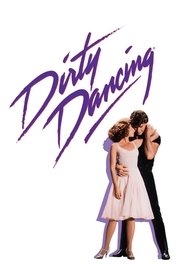
Dirty Dancing (1987)
Release Dirty Dancing Collector's Edition DVD (Artisan Entertainment, 2001)
Writer and co-producer Eleanor Bergstein explains how Dirty Dancing grew from music, memory, politics, and a production forced to turn constraints into form. She began with her old records and wrote the story against their rhythms, then worked with Emile Ardolino, Kenny Ortega, Miranda Garrison, and editor Girish Bhargava to make every dance advance character rather than pause the drama. Her anecdotes connect color timing to point of view, repeated rehearsal motifs to the payoff of the finale, actor behavior to rewritten scenes, song licensing to editorial survival, and production design to budget-saving transformations. The track is also a record of conviction: protecting the female gaze, the film's class structure, the abortion plot, and the precise language and music that let Baby's physical education become emotional change.
- Duration
- 1h 39m
- Talk coverage
- 95%
- Words
- 18,504
- Speaker
- 1
Guided collection
Letting movement and music carry the story
Eleanor Bergstein traces how old records, choreographed repetition, camera choices, and the decision to keep the finale inside steps the audience already learned make Dirty Dancing's physical storytelling legible. Atom Egoyan and Mychael Danna describe a parallel musical architecture for Exotica: colliding shehnai with piano, leaving visual gestures spacious enough to be unified by score, and withholding music so silence can expose the characters. Together, the tracks show rhythm functioning not as decoration, but as narrative structure.
Part 1 of 2
- 01 Dirty Dancing Now reading
- 02 Exotica 1994
Commentary density
Highlights
Featured in
Topics
People mentioned
The film
- Director
- Emile Ardolino
- Cinematographer
- Jeffrey Jur
- Writer
- Eleanor Bergstein
- Editor
- Peter C. Frank
- Runtime
- 100 min
- Also on
- OneSheet ↗
- External
- IMDb ↗ TMDB ↗ Find on Amazon ↗
Transcript
18,504 words · 24 flagged as film dialogue
Hi, I'm Eleanor Bergstein, and I'm the writer and co-producer of Dirty Dancing. I'm making the assumption that everybody listening to this has seen the movie probably at least a few times. So if I just refer to scenes, I assume that you'll be able to flesh out what they are. We're starting with Be My Baby, and the music is actually what I started with before I wrote. I went to my old 33s and 45s, and I put together the track of old songs, which is pretty well the track that exists now, and dreamed my way through it and wrote the story against it. And one of the little-known stories is that I sent, it took about 10 years to get the film made, and I would send these cassettes around with the script, and people would say, nobody likes this music, nobody will want to make this, in addition to turning down the film. But then executives would call me years later and say, you know,
I play the tape in my car and it's run out. Could you make me another one? And now that tape, which has on it E. B.' s Dirty Dancing as a kind of collector's item in L. A. , but nobody seems to realize that what it means is you turn down this film, which to our great joy has turned out to be very widely seen. Now this beginning is really wonderful and the film did not work until we came up with it and it was Richard Greenberg who did these titles. The reason for that is that I had divided the music into clean teen and dirty dancing. Clean teen was the kind of music that Baby was listening to until she found her own rhythm, which was the dirty dancing rhythm. And when we started with the clean teen and the first place we got into the dirty dancing was partly into the movie, it was too big a shock. So we needed a kind of presentiment that it was coming.
And so this, by the way, I'm going to stop to say that this book says Plight of the Peasant. Unfortunately, we can't see it clearly. And so the, as now this is Big Girls Don't Cry, this was clean teen music, and we needed to let everybody know that the other kind of music was in some way in the future, and as it was historically, in fact, but we'll get into that later. And we built this footage from our eight Dirty Dancers, and that's something I want to talk about later, too. And I would like to point out here that the car of the Housemans has my father's license plate on it, which all the years that I was growing up, we always sent for MD-601, which was our...
address on day hill road and we could not get it because somebody else had it first so all these years later there you can see it the art department said what should his license plate be and though my parents sadly were long dead i said md-601 and then the art department gave it to me and it's on my bookcase as we now speak the reveal of kellerman's as we came up was very important to us because we wanted to show the scope of this movie The movie was shot in two places, in North Carolina and Virginia. This is Virginia, the big front reveal that shows how big and beautiful this world seemed. Very important was that, and we carried fences. You'll see these white fences. We carried these fences from North Carolina to Virginia, so it's really quite seamless. The actors walk two inches, and they're from Virginia to North Carolina. We made up Kellerman's. It exists in no geographical place, only in...
my mind and in the movies. Jack Weston is supposed to come here and Jack I would like to say who is again I'm so sad to say dead was wonderful in this and the day we were he was starting to shoot he was sitting there and Jack had such an amazing range as an actor he was going over the lines in a slightly sing-song way and I remember walking over to him and saying Jack This is a man who has a post office named after him, who is a king in his world, because I had based him in some way on these kings I had met, like Paul Grossinger and Murray Posner from Brickman's. And Jack listened to me very carefully. And you had a postage stamp, really, that would say Kellerman's or Grossinger's, as it were. And he said, I wouldn't wear this tie. And he pulled off the bow tie he was wearing and raced to wardrobe. And he came back.
With such majesty and such wonder, a man who was a king and picked up scraps on the lawn as he walked by and whose eyes were always looking around to see if any adjustment needed to be made in the place, he gives such a brilliant and wonderful performance as he does in all his movies. So I would just like to acknowledge Jack. Here we are obviously doing our merengue. We did shoot this in Virginia. These were the first shots that we did because, as I said, we wanted to show the lake. I had originally designed it for a swimming pool, but we couldn't find a place with a swimming pool. And one of the reasons I'd wanted to do that was that it was one of the first places where blacks and whites were swimming together in pools in the Catskills. And I really wanted to show that with a lake. We had to lose that, though we do indicate that a lot of the busboys are going freedom marching when it's over. This was, as I've often said, the last summer of liberalism and very important.
Now we have Magic Hour, which is something I love very much. This was, again, Virginia, and this run across the lawn coming up was very important to me. This is the beginning of our Time of My Life theme, which was one of our new songs, which were wonderful, which we got at the very, very end. Jimmy Ienner helped us get all, and this was written by my friends Franke Previte and John DeNicola, and I think it's just a brilliant song.
When we were in previews, I remember a friend of mine was explaining that one of the scenes didn't make sense, that Penny was too upset. And I said, why don't you understand? And then I realized that nobody understood about the different kinds of help that they had there. They just thought it was the staff and the help. So here we have Jack saying
there are two kinds of help here.
And so we put this over as a voiceover line so that then everybody understood the class structure within the staff. And without understanding that, you didn't understand most of the story. That's the kind of line that you later realize is so important and only when you consult people. Here, of course, is our wonderful Patrick. I should talk a little bit about casting and how we first found Patrick, but first I'd like to talk about Emile Ardolino, also... very sadly dead, my beloved friend and collaborator, and when we finally found somebody to make the film at very little money, years and years and years after I had been taking it around with no success at all, we had been taking it around with no success, I saw He Makes Me Feel Like Dancing, which was Emile's Oscar-winning short, and it was so wonderful, and we met Emile, actually we didn't meet Emile, Emile was on jury duty, and we sent him the script, and he sent
out a message where he was sequestered in his jury saying, please don't choose anybody else until I can talk to you. I'm the best person in the world for this. So unlike Emile to say something like that, that every time I reminded him of it, he blushed. But he was exactly right because he was a brilliant director of dance and just a brilliant and wonderful man. And at first, the studio was not sure that they wanted him because he had this huge ballet background and they wanted the film to have that famous word, edge. And I remember Emile going to breakfast with them all in Beverly Hills, and I gave him instructions. I said, order something that crackles like bacon and he so then they'll know that you have edge and he called me after the meeting and he said I think it went well there wasn't bacon but I ordered granola and it made a lot of noise and clearly it did work because we did give him the job and he just did the most brilliant and wonderful wonderful job I can't
I can't say enough about the wonderful, wonderful work he did. He made you understand what it felt like to be dancing. And that was always very important to me because I care less about watching dancing than having ordinary people understand what it's like to be dancing. Now here is something very interesting because we had all these dancing scenes. but we wanted them to move the story forward. They couldn't just stop and be a number. On the other hand, we didn't want to cut away, and we had a lot of discussions of this in the editing room, trying to figure out exactly where to cut away. Now here, when we first saw it, by the way, in the color timing, that's why I tend to think everything is a story decision, we had to decide when we first see Johnny and Penny whether we see Johnny's eyes or his knees. So did Baby remember
Was Baby first struck by his eyes, which she remembered, or did she first see the way he danced? Because we couldn't do both. The blacks got milky if we saw his eyes, and if we saw his eyes, we couldn't see his knee. Now, here has to be a scene that is, yes, about Penny and Johnny dancing very brilliantly, but it's all through Baby's gaze, and I was always very pleased when... Feminist scholars like Elaine Showalter said this was a movie through the female gaze because it's what baby sees when she looks at Johnny. And because the dance thing is so wonderful, it was always hard for us to find the moment to cut away to baby watching. And so we did it very, very carefully and went back over it a hundred times.
They're the dance people.
They're here to keep the guests happy.
Costume designer took my memories from the Catskills, and I had described seeing when I was a little girl a woman in a pink backless dress. So she made this and called this Eleanor's dress. And every time I look at this, I think of it as Eleanor's dress. You see how brilliantly they're dancing and how they absolutely look like the kings of their domain. And then you will see how... again everything is undercut so it's both about baby watching them and it's also about the fact that they have this total sexual and brilliant power of the brilliant entertainers but how as employees they are totally undercut in the class system there. So you will see in a minute what happens and how that spins into the next things that are going on.
And this was actually shot in North Carolina. There is Jack. As you see, what a king he looks like. And then he does this gesture. About to come up. And watching, you see how magisterial he looks. Just at the moment when you just long to be them. And you think how beautiful. And watch these two women because we see them later in the finale. So we couldn't bring ourselves to cut away here. There. Now they have lost all their power. You see they're looking at each other. They are rushing a little hurriedly to dance with clients. And what this does is it sets up what will happen later when they explode into the dance quarters. Because you see, it's not only that they're dancing with their friends, but the explosion of dancing the way they want in their place to their music with nobody telling them what to do is extremely important. I guess at this point we should get to how much this is and is not my story, which is the first thing people ask me. I was called Baby until I was 19. I went to the Catskills with my parents as a little girl.
I worked my way through college as an Arthur Murray teacher. I went to dirty dancing contests all through junior high and high school, and I have trophies that would turn your hands green if you touched them. There's as much of Johnny as a baby in me. Oh, there's Wayne Knight from Seinfeld. And so it both is and is not my story. Certainly I used every part of my experience and of Johnny's, and the music came from my old 45s. Ah, now, here we are in North Carolina. The crew, which was just fantastic, stayed up all night to light it so that you had the echoes of Virginia. And as you were walking in North Carolina, you thought you were still in Virginia, as you see the way they've done these kind of echoes with the lights. This was the most important scene in the movie for me when we started. It shows how brilliant Emile was and how disaster can strike without your meaning.
We spent days and days rehearsing the dirty dancing steps, and we had a theory. We had eight dirty dancers who we had cast in New York, and Kenny Ortega, our wonderful choreographer, and I had danced for them, and we'd hired these kind of gypsy dancers who were great, who you will see. And then we had a whole crew of dancers here in North Carolina, and we, for three days, shot the dirty dancing sequence. When... We spent the days shooting it. When we were finished after, I think it was the first two days, Emile and Kenny said, well, do we have it? Because they'd been running around taking care of it. And actually, we didn't. It wasn't specific enough. It wasn't sharp enough. It was nobody's fault. There was terrible smoke in the room. The dancers were wonderful but inexperienced. But this shot here, this shot, which is in a way the heart of what propels Baby into
and now we're going to see it right now, this set of shots. This, as you will see, is a sequence built from our Dirty Dancers, from our people who we took from place to place, who play chambermaids, who are always there, who play pool boys. We see them every place, so they become people we're used to. That's Heather, that's Amar. And so this opening sequence of what she sees is actually, that's Dorian and Amar, who I love, is based on those people. So at the end of that night, I said to Emile, we don't have it. It's not shocking and specific enough. It's just like a bunch of kids bopping around. And we had no time or money to go back. We were on such a low budget. And he said, are you sure? And I was sure. And as I said, it was nobody's fault. Sometimes these things just happen. And I remember calling my husband and telling him, he remembers this very vividly because I thought it was all lost. And I stayed up all night crying. And Lisa, my assistant, bathed my eyes with
ice so that in the morning I wouldn't have red eyes and upset everybody and I came out in the morning to meet Emile as I did and the first thing he said to me is your eyes are all red but it's okay I can fix it and we dropped some scenes and he said I'll build a sequence and I didn't know what that meant because I was not experienced in dance shooting the way Emile was and so what we did was is we spent all day shooting our eight couples and we built the sequence based on them So you see, if you see it, you're really seeing people around, but you're seeing eight couples. And of course, it is a wonderful sequence which propels everything else forward. So this came from Emile's brilliance and experience, and it works just wonderfully. Here is the moment that I was telling you about when
Johnny and Penny explode into a place where nobody can tell them what to do. So it's not only that they're great dancers here too, it's also that no one can tell them what to do. Now you see ringing around them are our eight dancers. Now our other kids, I should say, were really wonderful and terrific dancers and in the bigger scenes they were just great. We just needed a very sharp, specific thing and we were having these guys grinding into these girls and I remember at some point to make the girls feel more comfortable grinding with these guys they just met, said there was a rule that said the guys couldn't contact the girls for six months after film and the guys I remember came up to us and said is this six months after we've started rehearsing or six months after the film comes out and of course we had no right to enforce any of these things but it was really rather sweet that they were trying to be this careful and specific about it. I think
Jennifer is absolutely wonderful. We had had a camera running in the dance department all the time that we were doing rehearsals, which was very useful, because when Jennifer went back to dance, she said, I was never that bad, and we had to show her the early sequences to show her. There is Cynthia, who is so beautiful. I think it's just wonderful. And now comes the sequence that I think everybody remembers so well, when a baby comes up. Now, we were talking about casting earlier, When I had had in my mind a little dark girl with little curly hair all over, a little skinny girl, and Jennifer came in the first day of casting, and she danced, and then we had everybody dance, because I said, if they don't move the way I want, it won't make any difference. And so Jennifer came in and danced, and then she finished, and she said, I know I can do it better. Please let me do it again. And she just closed the baby space in our minds. And after that, though, we saw a lot of other people. It was just done. I mean, we just couldn't imagine anybody but Jennifer, and I think she...
does an absolutely beautiful job. And as I said, the conditions were very, very, very hard to make this. This is the famous watermelon line. And they worked very, very, very hard. And she's in almost every scene. And it was exhausting. And she was a real trooper. She was absolutely wonderful. Make up to you every night. Make up to you when you think about it. I want a picture of everything. All right, cause, cause, cause, cause, cause I'm a love man.
Emile brought a set of pictures and he said, let's start having a shared vocabulary about what you have in mind. And I said, I want someone with hooded eyes who seems very other so that you worry. You know that he'll be the main man if he takes over when you have a father. You know, not the kind of love me eyes which John Travolta had at that point. And Emile was flipping the pictures. I said, oh, like that. And he said... Oh, as a matter of fact, he's a dancer, and it was Patrick's picture, and Emile had known him as a dancer in New York. And once we found Patrick, I remember meeting him at the airport when he came to New York, and I said... Oh, here, this is so wonderful. I'm going to stop over this, because soon one of my favorite moments is going to come up where Jennifer just bops back and forth, which is so terrific when she does that. I think it's just wonderful. I love this. And I said to Patrick, you know...
When I wrote this movie, I had no idea you existed. But now that I have found you and seen you, it's hard for me to imagine how I would make the movie without you. And everyone told him not to do it, his advisors, his agents. And before he left New York, he said, you know, everyone's going to be down on me, but I promise you, I'm going to tell you now, I'm going to do this. And he gave us everything. He was sensational. I have only... the most respect and love and gratitude for Patrick and Jennifer. I love the way she pulls her dress down. That was just wonderful. The first day Patrick came in that day, he and Jennifer had worked together on Red Dawn. Then they came out and did a dance, and I told Jennifer just to circle around behind him and put her hand down on his rear, as finally she does in the cry to me scene. And we were all standing around, everybody from the studio, everyone,
And we had not seen them together. And they stood up and did that dance. And she walked around behind him. And you just couldn't miss it. It was so breathtaking. I mean, Emile and I just held on to each other not to fall down because there was the movie right in front of us. And at that moment, we felt all we can do is spoil it. It was totally wonderful. When we were shooting this Cry to Me scene later, and it was very late in the movie and everyone was exhausted and there were wasps and everyone was very, very tired, Emile and I took out that first audition tape and we played it for them by the fire outside in North Carolina where we were, and we said, look, this is the kind of dancing we want. And I remember they stood there looking at it and Jennifer said, no wonder we got the jobs, because it was so extraordinary and so...
unturned wayable and I still think is the heart of this movie is the way they are together just something extraordinary happens and I should say that we got a steady stream of concerned notes from the studio which was pretty supportive in fact they had found Virginia from us two of the executives on the plane had found the Virginia place but they kept saying Johnny and Penny look so great together who will ever believe that he's going to go off with Jennifer and we sat down and we talked about it and we said no we push the envelope then? You know, make this as sexual and wonderful as possible, but it will be better with Jennifer. And Patrick said, I can do it, and Jennifer said, I can't. And we did. So instead of pulling back, I think that's very important, we just plunged forward. Is she dancing back? We're waiting for our waltz. This is Miranda, who had been our assistant choreographer, and was wonderful. And when Baby's mother fell out, we moved Vivian, Kelly Bishop in to be Baby's mother, Marjorie, and we moved Miranda in to be Vivian. And she's, as you see, just glorious in this. She's absolutely wonderful. He's a big card player. He'll join our game.
Moe coming up on Friday? Friday.
He's away a lot. I know. And soon we're going to see Neil. Neil, who plays the son, grandson Neil, who is actually Lonny Price. And Lonny was so wonderful in this that sometime after the movie was over, I had seen it and so I was going from theater to theater to theater. And I called Lonny and I said, Lonny, I hope you're going to lots of theaters to see how wonderfully the audiences respond to you. And he said, no, actually, I haven't. So I said, well, you must promise me to go. And he, about a week later, I called him and I said, Lonny, did you go? Did you go? And he said, well, yeah. And I said, well, what happened? And he said, well, I was sitting there and when I said, sometimes in this world you see things you don't want to see, a girl in front of me said, like your face. And he said, it just made me feel bad. And I explained to him over and over again that it was because he was a wonderful actor. But it's interesting how these lines cross. Now, Lonny is so wonderful that what he plays is...
someone who is really a decent, rather touching guy. He's just not Johnny for baby, but he's not a fool, and he's not a buffoon, and he's going to Freedom March, and he's afraid that people like him only for the fact that he owns two hotels. He plays him as a full character, and I have always loved his performance. I think it's just wonderful. Now, originally, we had to cut down on things because of the budget, And we had had a long search in the woods for Penny. Oh, it had been a long thing, and Baby used her Girl Scout training. We couldn't do it, so we cut it down to Penny hiding in the kitchen because I've always loved hotel kitchens. I have a real softness for them. And I must confess, we didn't need the search in the woods. Now I'm embarrassed to think of how long it took me to cut it out. It's just fine to find her in the kitchen. It's, if anything, better. And I think sometimes when you have those budget constraints, sometimes it's really just hard.
but sometimes you do find that you didn't need the things that you were clinging onto. Here is Cynthia, who I think is giving a beautiful performance. And at some point the studio wrote and said, please, could you lose that blue sweater? They just really hated that blue sweater, but you know, we served its character purpose. And now we are coming up to my cameo. I am dancing with Patrick when he dumps me on the floor. And it was a much longer sequence, and at some point, Emile called me at midnight when we'd been in the editing room all day, and he said, I didn't want to ask you in front of anybody else, but if we cut down that turn and the dip down to the floor and that beautiful smile you give Patrick, we could save about 70 seconds, which we could use for. And I said, well, of course, cut it. Why didn't you just do it? And he said, well, I thought you'd be upset.
So I wasn't until the movie became this great hit. And then Emile swore that he went into theater after theater shouting, who is that woman? Let's see more of her. And when we were in Deauville, I was sitting between Patrick and Emile at the Deauville Film Festival. He had not seen the final cut. And when this part came up, he said in this loud voice, Eleanor, what happened to our turn? What happened to our dip down to the floor? So small as it is, we do feel that it is probably one of the reasons the movie has been a hit.
There is Baby watching, and we soon do lose the blue sweater. And there's Penny. She's a wonderful actress, and she had asked me for all kinds of things, including... I don't mean that she asked for too many things, but she very much got into the character, as all the actors did. They were just wonderful, and she said, I think I want to explain to Baby... why this happened, and that's a scene that we'll be coming up with. And so we wrote a new scene for her, which I think was very important and had not been in the original script. And here is Baby, and this is when they wanted to lose the sweater, which, again, I can understand, though I thought it was a good point. And I think Neal Jones, who plays Billy, does such a good job here. We gave him, I'm afraid, so many expositional lines, I really had to apologize to him. He was always moving the plot forward for scenes that we had to cut.
Oh, God, it's hopeless.
Don't say that.
There's gotta be a way to work it out. Baby? Is that your name?
Well,
you know what, baby? You don't know shit about my problems.
I told her. Jesus, Billy, now she's gonna run and tell her little management boyfriend and we all get fired. Why not Skywriter? Penny got knocked up by Robbie the Creep. Robbie? Look, no, no, baby, baby. One of the counselors knows a doctor, a real MD, just traveling to New Paltz for one day next week. We can get him an appointment, but it costs $250.
But if it's Robbie, there's no problem. I know he has the money.
To get back to the music, when I first was taking it around, no one, as I said, wanted the music, and everyone told me they would take... Eventually, we would have a... brand new track of other music or new music or I think one suggestion might have been the Fine Young Cannibals and so I walked around the set with an apron that had all the cassettes of the original songs and we played all the original songs behind the scenes and as I said to the sound men, play them on another track just to inspire the actors and what we thought this would do finally was just make the dailies sound better but To my great joy, it paid off because as one after another song got removed from the dailies, the scenes just fell down. And I said, look, I mean, I wrote these scenes, but I rhythmed every line of dialogue against the music, against the line of lyrics. I mean, if you take the music out, you really are just, you know, ruining this. So one by one by one, I got my songs back. And as I said, one of the people who was just, the person who was really the most instrumental for this was Jimmy Ienner.
This shot Jerry did make. So we left it because he was so proud and understandably so, and something changed, which I would like to take this occasion to say, which is we changed something in the character, because originally the mother was a championship golfer, and my mother was a great golfer. And the only criticism from my beloved extended family was that they did not show that my mother was a great golfer. But that was to accommodate Jerry's unexpected great putt. So for all eternity, I would like to say that my mother was a great golfer and not the character who missed here.
It's hard for me to say that to you, but I can't. You always said you could tell me anything. I can't tell you
this.
It's not illegal, is it?
The next song coming up, it was one of the songs that I did lose. We had done the next sequence to Stubborn Kind of Fellow, the Marvin Gaye. We couldn't get the rights for various reasons. So we did go back to other songs that we had lost for... I had had a few more dirty dancing scenes in the movie, and we took another one, Stay by Maurice Williams, which I also love very much, and we moved the dancing around so that it could fit that, and that took a lot of very, very careful... manipulating and but I did get that song in which I had really loved but this was originally shot to stubborn kind of fella and now we see our dirty dancers we see some of the others we have a traveling shot where we see some of our other really good extras this day I remember there was so much smoke that extras were falling down and being carried out because we made this an especially smoky place
are kids you've seen all around. And you got to really get used to them because you saw them around in their chambermaid things. And so you just got used to them as part of the scenery there. And we gave them little stories for each other. You know, you were with him at the beginning of the summer. Now you're interested in him. So they had whole personalities and stories. And they therefore did relate as real people. Something else which you'll see is they're often practicing the step they do at the end, which is the Cuban rhythm thing that Johnny refers to later on. So you see them at various places and sides of the frame practicing it so that when they come down the aisle at the end, it doesn't come out of nowhere if you look very closely. You see that all along they've been practicing it, and that's what at some point Johnny says to Neil, oh, you know, we've been practicing this Cuban rhythm kind of thing, and Neil says, no, do the pachanga. So they really have their own story, their own kind of dancing that they want to do, and at the end they're really totally confirmed with this, and this is the place that starts the...
the thing that kicks everything into motion. I'm here as Ms. Neal doing more exposition, which she had to do, because this comes when you're trying to make a film for very, very little money because they're the only people who will give you any money to make it. And as I said, it took many, many, many years before my colleagues and I could find anybody who would make this. And something that I should say, too, is sometimes I speak to film students and they tell stories of the indignities of... pitching a film project when somebody else is on the phone with somebody else, and I clear the field by saying, listen, you know, I had a stand-up and dirty dance in front of 20 men, and I did this again and again, but what had happened was is that I had 50 pages of dance description in the script, and they would say, well, it's hard to tell, and finally I would get up and just go through the moves, so don't talk to me about phone calls while you're pitching. Okay, now here is...
Now, a lot of this dance sequence came from, some from my being an Arthur Murray teacher, a lot from Miranda. The ga-gunk comes from Miranda. The dancing on the two comes from people like Michael Terrace and then Jackie Horner, who had helped me when I went to research this in the Catskills. And the dancing on the two came from my old teaching and dancing. And this is Jennifer. We had to show her the original... because she kept saying, I've never been that bad, because by the time she came to do this, she was so well-trained that she didn't believe she had ever not had a perfect frame. This is interesting. We didn't have enough to shoot these. Here are fences, by the way. This was North Carolina, though we took them from Virginia.
The last morning after the wrap party, Emile said, we don't have enough for the teaching sequence. And we woke Jennifer up, and she was such a trooper. She came out. She did these things. It was just Emile, Kenny, Jennifer, and the camera. Even the makeup department wasn't up yet, which is why we have some sequences from the back, because I was standing behind her holding the makeup case. And Emile was absolutely right. We didn't have enough, though. It's so hard to tell. And I remember waking Jennifer up. And she just came down, even though she'd been sick all night. Now here, this is when we were shooting this very, very late at night. This, remember, is after night when Jennifer had been sick all night. And we thought the filming was over. And she just said, do you really need it, Eleanor? And I said, I wouldn't ask you if I didn't. And so she did it. And I think all these people deserve so much credit, because you can't imagine the exhaustion that we had. We were so tired.
cried ourselves to sleep every night, but we also tried to get sleep, and the actors also had to have their eyes clear in the morning because we were getting no support, and it was just exhausting for us. Okay, here's the ga-gunk thing, which came from Miranda, which was wonderful, I thought. And now, I believe, though I can't, I think we start with Hungry Eyes. And here, this is another song by Frankie and Johnny. And when we first heard it, Emile and I, in the editing room, then Emile and I put it in here, and then we said... Oh, no, no. We have a bad record here. And everyone said, how wonderful. And we said, no, no, no. It gives the whole thing away. No, it's too soon. Too soon. Can't do it. Then it gives the whole thing away. And we talked everybody down. They said, oh, yeah, sure. It's too soon. It gives it away. And one day we just looked at each other and we said, are we crazy? And we put it back in because clearly it is wonderful here. And besides, everybody knows already what's happening. Look, spaghetti on.
This is my dance space. This is your dance space.
I don't go into yours, you don't go into mine. You've got to hold the fray. Again. Fray. This is a scene that Emile and I walked in to the dance studio and we saw, I think it was Miranda and Kenny and Jennifer doing this. And we just thought, oh! oh my god and i still think this is one of the most extraordinary and sexual scenes in the movie i love this i love this this trio and so we set that up but we just came upon it by accident and we just thought oh it's just wonderful now this this was shot very very late at night and we were trying to pick up some stuff
That absolutely happened, the crashing of the head. That was totally accidental, and we left it in. Now this, we had a wonderful editor, Peter Frank, but we were in such a short schedule, but we also had Girish Bhargava doing digital editing of our dance things, and it was Girish Bhargava who did this montage and did the finale. Girish Bhargava had worked with Emile on other dance things and did a brilliant, wonderful job on it, and I'll show you in a minute. Yeah, here, this was one of the places that the studio said, oh, my God, look at Cynthia. But, of course, you understand why he would fall in love with Jennifer, too. Cynthia makes you just sigh when she walked out, I remember, in this outfit. We just all thought, oh, my God, she looks so beautiful. And the iridescent lipstick you will see comes up later. We reversed those scenes, but it's your sister's iridescent lipstick.
And this was all that stuff done very, very late at night one night with just us and the camera and very little lighting just to kind of pick up some more stuff and the actors were exhausted. And Jennifer always used to giggle by the way. It used to tickle her and annoy everybody else in the dance rehearsal room because some of the She's very ticklish, and some of the steps made her laugh. So this is where that came from, this sequence that you know. And yes, we were changing their shoes back and forth and figuring out at which moment she would be moving to the high heels. And I remember all the charts we made in the editing room of at which point she'd be moving to the other things. This was exactly what Jennifer always did. And we always saw this in the editing room. So we had her do it over and over again. But it was Grish. who put this all together, which I think is so terrific, you know, over and over again until it moves into this immensely erotic moment. So I just love this. I think this is really, really terrific. Back.
We didn't have enough rain, and the first days, we had a rain machine, I think something like one day, and so we took every shot we could find in Virginia so that we'd be able to use it. You see there we have what is presumably rain. This is, now again, as I said, we had the most brilliant production designer, David Chapman, who is one of the unsung geniuses of this, who made it look so wonderful. and you can see life in every corner of the frame here. This will later be where Johnny comes to find Baby. Here we are in the rain. One day the camera crew came to me and said, Eleanor, we see that you have a camera instruction here which says the air is hung with silver. Do you mind telling us how you plan for us to do that? And I said,
Well, you know, the air is hung with silver. You know what I mean. And they laughed and laughed at me. And I said, OK, if you can get the air hung with silver, I will buy champagne for the camera crew. So we will be coming up to the scene in a little while. Let's see. Always be careful what you owe. This is in North Carolina. These are the staff quarters. And this is one of the few times we had a rain machine. And this is in Virginia. We carried the car all the way here after we got this old. Was it a Chevy, I think? And here we were with our video taps in the car. And here we come to Hey Baby, a song that I was so thrilled when we got back. Because just absolutely nothing else worked under it but that. Which is the way I felt really about every song. I mean, if you would...
written a scene and rhythmed it against that and always imagined it in your heart and soul to that, it just is not going to work when you do something else. And so, as I said, as we took the songs out and tried to replace them with new songs, the scenes just didn't work. Okay, here's this nice scene where Patrick does his own stunts to everyone's terror. But he insisted on doing them and does them quite brilliantly. And Jennifer was also very brave.
Well, this guy came into this luncheonette one day and,
you know, we were... And as I said, we had this, we had Hey Baby blaring while they were doing it. So even if you put something else in with exactly the same rhythm pattern, the scene just didn't make the kind of emotional sense that it did. And soon we're going to come up with Lifts in the Lake, and Michael Terrace, who was a wonderful dance instructor in the Catskills for years, had... told me about how they used to practice lifts in the lake and that's where I got that whole idea of what we were going to do with it. As you see in all these motifs of teaching come in again and again and then pay off at the end. You know, look in my eyes, everything. I wanted to use the same things again and again and again so that by the time we saw brilliant dancing, you knew what it was like to learn, and you knew what it was like to teach, and I think teaching is a very erotic thing. I think Johnny as teacher is a wonderful side of his character. He's not just a big hunk. He also is not only a very dear and honorable person, but he is a born teacher, and he loves to teach, and...
I think the notion of making you understand in your body that you can do something you didn't think you could do is about as central and erotic an exchange as you can get. So anyway, we finished this, and they said, we were packing up our trucks, and the camera crew yelled, Eleanor, the air is hung with silver, and we raced down from our trucks, and I'm over on the left, though you can't see that. I raced out in the grass with Patrick and Jennifer, and I'm right to the left of the frame shouting, you will hurt me if you don't trust me. Run toward her, down. The only place to practice lift is in the water. And we got this shot in about as long as it takes to see it. And when we got it in the dailies two days later, we were just ecstatic. I think it's one of the prettiest shots. And I did buy champagne for the camera crew. Now here is where we bring up the theme again of, and the water was so cold, so cold. And when we started, Jennifer and I had had a deal, and I said,
I will never make you do anything that I won't do. And so I agreed to do lifts and all kinds of things, but I at the moment had a sequence with a whip, a dance routine with a whip, which we then dropped, and I did not go in the water that day, though I was dressed to. It was very, very cold, and they were incredibly great troopers. Oh, so now I'm saying that... Cynthia sat with me one day and she said, I think I want to explain to baby that I don't sleep around, that I really was serious about Robbie. And I said, okay, I think that makes sense. And I wrote the scene and I said to, we said to David, where can we do this? It would be nice to have a different place. And he said, go to sleep. You and Emile will need your sleep. I will surprise you in the morning.
And in the morning, he surprised us with this locker room, which was a brand new scene and a new place to look because we were seeing, oh, this is the very important thing with the two wallets, very important plot point. And Paula Trueman, very charming lady. They were sweet. Honi Coles, who is also dead, I'm afraid, taught. That man had a cha-cha with me as the prototype. Okay, so here is the scene, which I think is wonderful, where David just suddenly, we came in the morning and there was a locker room, and so we got Jennifer in this dress with her bra showing, and it's just, I think, a lovely scene. This is a scene that I think is very important in the movie and comes from... Cynthia having understood that her character needed it, and David coming up with this wonderful scene, and Hilary making this charming costume which showed process. I guess you've probably figured by now that the thing that interests me the most, and that was one of the places also that Emile and I joined so sweetly, is process interests me much more than performance. What you need to do to get there is so fascinating, and that's why I loved He Makes Me Feel Like Dancing, Emile's...
Emile's documentary and why we understood each other so well. And I think when people first talked to Emile, they said, gee, he sounds like you, which was not meant as a compliment because I seemed like the brat in the corner banging my rattle saying I won't double the dancers, I won't do this, I won't do that. And Emile and I really totally shared this aesthetic of what we cared about and what we didn't. And also he came from theater where he felt that the text was everything. So it was as... sweet and wonderful collaboration and a friendship as I will ever dream to have. And obviously I miss him very much. Could be. Who knows? You just gotta do something for me. I don't just gotta do anything. Just tell Mommy and Daddy I've got a terrible headache and I'm in bed and check on me once, okay? Bye. We went all over looking for the Sheldrake.
a place to shoot it. And that was originally, by the way, four places that they went to dance, because when I was in the Catskills, they would go from place to place to place. And we couldn't find it. Then we, because of economy, reduced it to one place, which again was all we needed, even though they changed in the car between shows. You see them change once. We don't need those places. But we really could not come up with another place. And through this, David Chapman was doodling and doodling, and one day he just put out his sketch pad, and he said, I can change the Kellerman's a playhouse so that you will never recognize it. So the Sheldrake is the Kellerman's Playhouse. David just redesigned it and turned it around and saved us a lot of money and time, and I don't think you would ever, ever think that it was the Kellerman's Playhouse. This was complicated in terms of story because what it could not be was in the middle of the film suddenly a triumph. She tried to learn how to dance, she danced, and where do we go from here?
So she dances just well enough to make it, even though she doesn't do the lift and she's kind of clumsy and she makes some little mistakes, but enough so that the audience doesn't see that something weird is happening. Jennifer, by the way, came out surprising us with this hairdo. We didn't expect it. She said, I always loved Audrey Hepburn, and she came out with this. But what it is about, really, is in dramatic terms, it's about Johnny starting to recognize that he's in love with her. He loves her spunk. We put those reaction shots of his watching her, especially when she misses the turn we're going to see. Come on. And she manages to do it. And as you see, he is most amused with her and is, for the first time, acknowledging how terrific she is and drawn to her. So it's about Johnny...
becoming aware that he really cares about this girl rather than a false triumph in the middle of it, which is she tried, she rehearsed for this, then she did it, great, where do we go from here? And I think it's very important with these dance things, again, that none of them could just be dance numbers. They had to serve every kind of dramatic purpose. This is De Todo un Poco, which I like a lot. Now a song that I was so happy when I got when this was over was some kind of Wonderful in the Car, a scene that we... pushed in in the last few days, but I think is very, very important because, again, it is a sign of what's happening with them. Now, the scene coming up, actually, when they get to the hotel, I call Doro's scene because Doro Bachrach, while we were doing some dancing in a cabin, lit this so that we would have it. And this was an education for me as a filmmaker because I didn't understand why it was so important. I really wanted to spend some more time with the dancing to make sure that we got it right. And she said, we don't have enough ratio of inside to outside. And it wasn't
And we did get the dancing anyway, but it wasn't until we were in the editing room that I realized she was exactly right, that it was very, very important to have that scene, because otherwise it would start to feel very airless. So that was part of my education as a filmmaker, and thank you, Doro, we're just coming up there. I mean, it was so quick, and we raced down, and we got it right before the dawn, but it does make a difference in terms of the way the film feels.
In terms of villains, I'd like again to talk about Max Cantor, who is also dead now, who plays Robbie. And I remember coming across him when he was folding napkins to get the napkin folding right. And when one Sunday afternoon when everyone was off working, everyone was off relaxing, Emile and I were on the main, on the porch at North Carolina working, getting some scenes in order. and we heard the most beautiful Chopin on the piano played, and we said, oh, there's a better sound system here than we understood. And finally we went inside, and it was Max playing the piano, who was a brilliant pianist in addition to having done a wonderful job. I thought you said he was a real MD. The guy had a dirty knife and a folding table. One of the things that's lovely here is Penny's room, which David put together, which is the room of a little girl with...
such care. Now, I sent Cynthia back to makeup four or five times in this because I said, remember, she has just come from really serious, annihilating surgery. And finally, you've got to get the makeup off her. And finally, they said, that's what she looks like without makeup, Eleanor. And the fact is, Cynthia with no makeup at all looks so radiant that she looks like she's going to a ball. So we finally had to paste her face down.
These running shots are always so hard to do. It's, again, those famous fences to connect one state with another, literally one state with another. And there is the room of this hopeful young girl of Penny. And I had a doctor there because I wanted to get it right. Doro got me a doctor to, my father was a doctor, as I said, and I wanted to make sure that we did this right, that everything he did with her was exactly right and that nobody could ever quarrel with what we were. what we were doing, and later we'll talk about this in terms of subtitles. The subtitles said, a good doctor, a fine doctor, and I wanted to say, no, a real MD. And everyone quotes saying, a real MD. That's the point, a real doctor or not a real doctor. That's very important, not a good doctor or a bad doctor, but a real doctor as opposed to not a real doctor. And here are our dirty dancing kids again on this porch, the people we've seen. They're the people, you can see them in the corner, MR and...
You see Dorian behind there, she's the girl who does that wonderful dip both in the titles and when Baby first comes into the Dirty Dancing Room when she's running in to help Penny. So you see they make a kind of coherent world.
I don't want you to have anything to do with those people
again. Nothing. You would have nothing to do with any of them ever again.
I won't tell your mother about this. Right now I'm going to bed. And take that stuff off your face before your mother sees you.
Now we come to this really important scene that I think everybody remembers. And I had everybody in the cast and crew had a copy of the Wallace Stevens lines, the greatest poverty is not to live in a physical world, to feel that one's desire is too difficult to tell from despair. And I explained to everybody that this was the story of people moving from outside to inside the physical world. And this, of course, was the center of it. This is very interesting, I think, from a filmmaking point of view because I fought very, very hard to have these arms of mine playing in Johnny's room when Baby walked in. And I was told over and over again that it was horribly expensive and that we didn't need it and it was a throwaway. And I fought and fought, I mean, a real brat in the corner until finally I got it. So now a long time passes and we're in the sound mixing studio. And this scene, which is all important to me, which...
means the world to me which is one that I get the most letters for people saying most of all I'm afraid of walking out of this room you know all those and it's not working and it's not working because the Otis Redding timbre is fighting against the lyrics the lyrics are fighting against the words I mean his voice is going up with you know these arms of mine which he's saying mostly my father and it just it just is distracting so we try to pull it down and then you think what is he saying what is he saying and if you pull it too far up, it intersects, and I had not had this happen with anything since I had written the language against it. It just had to do with vibrancy of sounds, and I have to say that the sound mixers and everybody were just great. They tried everything they could imagine. We tried it from, and I like things from source, which is to say from a radio or a phonograph playing, not from surround as if there's a heavenly choir, so we had it coming from source. We did everything we could, and
Finally, I just said, listen, guys, I fought for this. Obviously, I still feel it was the right song, but you can't make it work. Let's just take it down. And I was just heart sick. And they said, no, wait a minute. We'll try something else. And here is a place that Jimmy Ienner was really a great hero of mine because he said, let's squeeze the vocals, which is still something that I don't totally understand. Technically, I understand it enough to understand what happened, but not enough to explain it here without making a jerk of myself. So I would... like to say that what they did was is they changed the timbre, I believe, and took some air inside the vocals so that you hear the voice of Otis Redding, but the particular words don't intrude on you so that you can't hear what Baby is saying. And that just, for me, saved the scene because it needed this song, and obviously this language was so important to me. And then we came to Cry to Me.
which I also had to fight to keep. But now I would like to say again something about the way I use music. The reason that I'm so concerned about it being exactly the music that I wrote to is that I always want the music to have a spin, never to underline what's happening. So cry to me was so important here because it's full of, you know, can't you hear me crying? It's so full of sorrow of what's about to happen and joy that you're here, but enormous sorrow about what's to come. And considering what they've seen and where they've been, there was no other song that could work for this. So no matter how many songs people tried to convince me to use because they didn't think Cry To Me was well enough known, I just couldn't do it without this. And there's this lovely Traveling Dolly shot. And it wasn't on the first record, though it was on the second record that RCA put out, and people went into the...
theaters with little tape recorders to take it down, to record it so that they could have it, and I think it's a wonderful song by Solomon Burke, and as I said, nothing else worked. Now when we get to what we used to call the penetration shot, there was more nude footage, less nude footage, and at some point there was more nude footage, and I remember at some point Jennifer called me long when we were already in previews and said oh Eleanor I just saw a Betty Davis movie last night and it ended with don't let's ask for the moon we have the stars couldn't just the language do it and actually it was very interesting the way we finally ended up cutting the nudity the audiences didn't want it though they never said too much nudity Jennifer was too much like somebody's daughter for you really to want to see too much nudity with her
So the scenes just played much better when we took some frames out, and that was so interesting. I learned so much from that, though I do think that previews are very complicated in terms of what people say, and I'll get into that later, but in terms of what you can feel around you, I think they're very, very, very interesting. So we ended up not having very much nudity, and I think we earned the better for it. There's all this received opinion about what you need to get the kids in and all kinds of things, but I think finally audiences enter into... The spirits of the characters and certainly through our wonderful actors who would just stay up all night doing improvs with us and talking to me for hours and hours and hours about the characters, they were just wonderful. And I think finally that is what audiences responded to here. And I still get wonderful, wonderful, wonderful mail from people responding to the language in this scene, to that most of all, I'm afraid of walking out of this room because I think there's a time like that in everybody's life. And either...
to come or has come when they have to examine what they've done. We call this the tense family breakfast. And I should say a little word now about the fact that I was down on the set all the time, obviously, and very... serious about my responsibilities as co-producer and wanted to have good lines with our wonderful, wonderful crew as a producer. My name was on the call sheet. And one day about here when we were shooting this, somebody on the crew said to me, Eleanor, I just realized that you weren't only the producer, but you wrote this. And I said, oh, yeah. And I just kind of smiled and dimpled. And he said, honey, you don't have to do that. You can pay somebody to do that. And I think that's a wonderful story about how important a writer seems in movie lexicon compared to a producer. But in any case, here we have the tense family breakfast, which I really have always enjoyed. And I think Jerry is very good in this. And Jane Brucker, who was a stand-up comedian when we found her, is so great in this whole thing. I feel pretty... Now here are the staff quarters and...
Here you will see some of the kids in the staff quarters. In this particular scene, because so much of it comes from glances a little later, what I did was is I wrote long... Here, now you see Penny's room. I wrote long subtext for all the actors about what was really going on in their minds when they were saying the things that they wanted to say, especially outside when... Johnny is saying, oh, I wish you weren't here. I wish this hadn't happened last night. I wish this had never gone on. I wish you would disappear. And Baby is saying, there you are, and I have broken with my parents, and now you don't want me either, and I'm all alone. And I wrote out pages and pages for them so that they would be able to understand what I had in mind behind all the awkward silences and the words like, the Kramers will kill each other if I'm not there.
And as I said, the actors were always just wonderful and responsive and entered into everything that we were doing. And if our mandate seemed to be to have sexy dancing, certainly we were there trying to make the relationships work and the characters work. And one of the joys that I think we all have, and we've all stayed good friends, is that the world has seemed to respond to all that. care and precision that we were putting into making that work with the characters. So we're all very beholden to the public that understood that. So he says you're gonna be fine, right? Johnny, what are you doing? Don't worry about Max. I'll tell him your grandmother died or something. How many times do you tell me never get mixed up with him?
I know what I'm doing,
Penny. You listen to me. You gotta stop it now.
Here is this scene with all the subtext with the Kramers and what's going on. And there you see they're practicing behind there that Cuban step, which they do at the end. You see there, small little note, but important to us because we wanted very much to make clear that that... dance number at the end didn't come out of nowhere and we had had some scenes where we showed them practicing but in terms of story we really didn't have time to use them so we we snuck them in corners like that so that it would be perfectly justifiable and then Johnny refers to it with Neil when he thinks Neil is giving him the opening for how to do it and he says oh yeah yeah we're working on this
Now, this was one of our few rain shots. That was North Carolina. This is Virginia. And we turned the rain machine around, saying, maybe we can use this shot. Now, here is very important. Jane Brucker, who was a stand-up comedian, had said, and I had turned away, had said, I hate the rain. And I said, no, Jane, you have to say. I came tearing onto the set and said, no, you have to say, I'm so sick of the rain. And she said, I hate the rain. It sounds more comfortable. And I said, no. I'm So Sick of the Rain has to stand for all the days that we couldn't have a rain machine and all the shots of the rain that we wanted to have. So, of course, Jane went right back to it. Oh, Johnny's Cabin, which was something that we found by accident that we loved. Now, here, song, let me explain what I mean by spin. This is a little girl's song with a woman's question. And this song, again, was expensive, and it was taken away up until the last minute. And Emile finally said, as we tried many, many songs, he finally said...
let's go back to what Eleanor used in the script. And so we put up on the screen, Will You Love Me Tomorrow? And again, the scene just worked. And I think maybe it was probably Jimmy who just said, oh, damn, and walked out because it was going to cost us so much money. But it was unmistakable he went out and got it for us because it just made the scene work. And it is, as I said, is this spin of Will You Love Me Tomorrow with this girl group and this... trying to be a woman question. So the songs always have to spin out in a kind of subtextual juxtaposition with what's really going on. And this was a period of time for me, the 60s, when you couldn't separate what was going on in your head and what was a song lyric you were hearing around. The songs were so pervasive that you couldn't separate what you were saying to someone with what was going on in the back of your head, which is the lyrics that you were hearing.
though they were from source, which means a radio or a phonograph or whatever, but they seemed like surround. I mean, it broke down the line between source and surround in those years, and that's what I wanted to do with this. There were wasps in the room this day, and I should point out that the cast was really very gallant. Was this the day? I think this was the day I was hiding under the bed to see that we got the right light, what you do. Francis. You're the first woman in the cabinet. And I should say, for all those people who are always asking which part... I do have a sister named Francis who was named for the first woman in the cabinet. I was named for Eleanor Roosevelt. But my sister would never dream of getting up to Dirty Dance. She's a mathematician and wonderful. And I would...
I wanted to save the world, but in a matched sweater set. So I just used all kinds of details from all of us and all our lives. And there's the sister scene. And I have a wonderful sister, but if you try to divide baby and her sister into my sister and me, you'll just get horribly confused, except for the name of Frances. And then the next scene that's coming up is going to be on one that we originally had in the first reveal of Virginia. And then to... again remind us of the scope of the main house we put it in here so this is North Carolina and then we're going to go to the main lawn in Virginia and the song that is coming up now was a song that Kenny came into my room when we were practicing we were finding some songs and we started lip syncing and climbing over the beds to this and then we brought it onto the set and it turned out that Jennifer and Patrick loved it and so we did this
And they started crawling around, and we did this wonderful scene. Now, I don't know how film-aware the people are who are listening to this, but there's something called video taps. And that is something that shows you what's going on by your camera, what's going on in a room. There's a Steadicam here, which is a man with a camera strapped to his shoulders. So he is the camera. Our video taps were of such poor quality, because we had no money, that all we could see was bodies in terms of whether they were in frame or not when they were dancing, and Emile and I wanted to see the faces. So Emile sent me inside to be in the room to report back to him by walkie-talkie about what the expressions on the faces were and whether we needed any modification. So I asked how to be sure that I would not be in the camera range, and I was told just to stay behind the camera and it would be all right.
So I followed the man with the Steadicam, which is a man. As I said, it's a man who is a camera. And I followed him around and reported back to Emile. And when it was all over, I looked back and realized it was an entire mirrored room. So my terror was that when the dailies came, which would be two days later and there was no way to go back to this scene, that you would see the little picture of me huddled behind the camera and it would ruin the set. So I remember when we saw the dailies... I think it was my husband sitting next to me who was visiting, and he said, why were you so tense? It's a wonderful scene. And I said, I thought you were going to see me in my red sweater crawling along behind the camera. So happily one did not. Now here is the scene with the, here you'll see the Cuban mambo thing. Yeah, where he says, yeah, we got this idea. And this prefigures the ending.
Yeah, and this is a shot with all the mirrors that we got. I believe it was from Carlos Saura's Carmen, which we all watched and thought was great. So this mirror scene came from that. And I think Lonny's so good in this. To the pachanga. Right. And then I should talk about our extras, who were so wonderful. And we had so little money for them in such crappy conditions. And it would rain and rain, but we couldn't let them leave because they'd run away and of course never come back as anyone with a brain would. So they would send me in to stand up on a chair and tell them how they were the heart and soul of the production. And then get down in the water and walk away and try to bring them some food from craft services. But they were wonderful, our extras. Now I think it's probably a kick for them because they can see themselves in the movie, but at the time it was so hard and they were so brave. That little wimp, he would know a new idea if it hit him in the pachanga. He wanted some new ideas,
I could have told him some new ideas.
This we shot at the very beginning in Virginia, and then North Carolina's below, and then I think at the last, we were up on the set, I remember, and they decided they wanted some sound, so they wanted Lisa's line, so that's when I remember scribbling on a piece of yellow paper, Vietnam Falls is China next, and they brought it down on a piece of yellow paper, and Jane, who was so wonderful, said it, and I remember Max and Jerry just kind of hit their foreheads together. It was very funny that we didn't film that. Johnny's very good in this, too. This was actually one of the first scenes we shot, maybe the first or second that we shot, and here is that line, which we kept deciding whether to make louder or softer, whether it would spoil the mood or not, but it's always been a line that I've been very fond of.
Fight harder, huh? I don't see you fighting so hard, baby. I don't see you running up to daddy telling him I'm your guy.
I will. With my father, it's complicated.
I will tell him I... I don't believe you, baby. Through all this, I'd like to make clear that while we were making it, we had no thought in this world that many people were going to see it, that it was going to be a movie that years later people would see repeatedly. We just really were trying very hard to have it be honest and honorable and have it reflect truths of the human heart. Our crew, I can't tell you how wonderful they were and how much they wanted to do what had been in my heart and spirit when I wrote it. They just were so concerned to have all the values in it that we wanted, and it is such a... such a tribute to all of them that what the world has responded to is the real emotional precision of their work, which was so careful. And everyone in the crew would come up to me, which I invited, with ideas about what they thought about the characters or what was happening or who was doing what. And you know that wonderful line in Renoir, in this world there is one thing that is terrible, and that is that everyone has his own good reasons. And I wanted...
everyone to have his own good reasons for everything that he did. And see, and there are the Dirty Dancing Kids behind us. You see the people watching are all those great dancers who we saw in the first Black and White, and in the first scene when Baby goes in, who we'll see in the finale. And just in a kind of subtle way, you sort of recognize them, and they become part of a climate that makes you believe that Kellerman's really does exist. And now there are Dirty Dancing Weekends at those two hotels that we took in both North Carolina and Virginia. But as I said, the real Kellerman's doesn't exist. They were bridges that we built. They were a construct of two states. But people do come, and the mimeographed sheets are given out and guided tours and things. And that's only a pleasure, really. We are going to get to...
a particular thing of mine, which is studio previews. And when we had a studio preview, I love this song. Kenny and Jane wrote this, this hula. And in front of me were three rows of kids, maybe from high school or something. And when she sang the hula song, they laughed and laughed and laughed. And it said, oh, she's so terrible. This is so great. And they laughed and laughed. And at the end, you have to fill out forms of Things like, what's the worst scene? The best scene and the worst scene. And when they were filling it out, they were laughing, and they said, oh, her hula, her hula. So when we got our notes back, they said, cut this scene because some portion of the audience didn't like it. And I got a hold of the report, and it did say that some portion of the audience had said it was the worst scene. And I said, but I know who that portion was. It was three rows of high school girls who loved that scene. So I think you just have to be so...
careful with those those studio previews they can be so misleading and they can you know when people are asked suddenly to fill out forms they don't really I mean you get a lot by sensing the audience but you don't really from those forms that they fill out and they can they can just be so misleading and just just hurt I mean I'd be so sad if this song wasn't and I mean wouldn't you it's just so dear and wonderful I am mad for magic hour. And that's the time either between late afternoon and dark or dark and dawn. And so since it's so expensive to shoot that way because it goes so fast... What I try to do is write in scenes that I can do three things for one scene. So do a twilight, redress people, put them in dawn, and that's what you'll see is coming up now. We have a twilight and two dawns, which we did very fast, turning the camera around and dressing people, and that's how we can come up. Because basically in some deep part of my soul, I think everything important happens at magic hours. So we're going to see now three quick magic hours scenes.
And this is so wonderful. And at the time we were shooting it, we thought we wouldn't have room for all of this, but finally we did.
I've decided tonight's the night with Robbie. He doesn't even know yet.
Oh, hey, Lisa. Here's one of our new songs, which I like very much, which is Yes. sung by Mary Clayton. And so here is Twilight, which is just the end of Magic Hour. And then we're going to have two Magic Hour scenes, which are... This might even have been at night. I might be wrong about this. Here's the towel on the door, which someone took off at the last minute, and I went running. They thought it was there by mistake, and I went running to put it back because, of course, it's the signal. that you were there with a girl. But lots of people from the Catskills called me. As a matter of fact, Mrs. Grossinger would say, when we saw that, we knew you really had been to the Catskills. Because that's the real sign that anybody but Lisa would know. And there is Miranda, of course. And then I think maybe we did shoot this at night. I think I'm wrong. And then we're going to have the two magic hour scenes, which I will show you. Shut up, show me no. Shut up, show.
This was in the still of the night which again was very important to me because it was an earlier song of the period so it was something that they would remember from years before and I call this scene Johnny's dream and it was always very important to me because I I woke up one morning while I was putting the script together and I had dreamed Johnny's dream and I woke up and I wrote it down and I called the scene Johnny's Dream, and it was always very, very important to me. And, I mean, I dreamt it myself, you know, that I, you know, dreamt your father, you know, with the father with his arm around Johnny, and I said, and I woke up, and I said, and I dreamt Jerry with his arm around Johnny, and I said, oh, I dreamt Johnny's Dream, and then I wrote it in. So here is Miranda in the dawn, and then we shoved the camera around, and there is, um...
Jennifer and Patrick in The Dawn, and I think I'm probably confusing the characters and the actors' names, but that's because you just get that way, so there is, again, another magic hour. You know how you feel when you see a patient and... Here's something interesting. I had a series of five scenes where Jennifer tries to cover and finally has to reveal that she has been with Johnny to save him, where she goes from one person to another, and When we were in rehearsal and trying to cut scenes, Jennifer came to me and said, I think I can do this faster. And I said, you can? She said, I think I can do it in one scene. I think I can get there and understand that that's the only way out for me. So I wrote it up as one scene, and she could do it faster. I mean, it was absolutely right. So it not only saved us a lot of time and effort, but I think it's a better scene for it. And you see her darting around and trying to figure out her mind working and trying to figure out what she can do and realizing there's no other way out.
So this is another example of how less money and trying to work within the confines of less money makes you do better work. I think she's so good. And here again is Jack as master of his domain. I know Johnny didn't take Moe's wallet. I know.
Oh, how do you know? I can't tell you. Just please trust me, Daddy. I'm sorry, baby, I can't. This Danish is pure protein.
This line actually came from Buddy Hackett, who was a patient of my father's. When we were at Grossinger's one day, he came up holding a huge tray of food, and he said to my father, protein, doc, protein. But this way, we just did it with a Danish. Sylvia and Sydney? Baby, you don't go around... And she can. You see, look at that. She really can do it in one scene. And that's, I think, an actress's intuition of what she can and can't do. Come on, Neil. Another thing about our absolute disbelief that many people were going to see this film is when it came out, Emile already had his cheap ticket to go back to California, and he had to go back. So I went out to buy a camera because for the two days we thought it would be in theaters, he wanted...
to see it on a marquee in New York, which was his town, so that we would know even for two days it had played in New York. So I went to 47th Street Photo and I bought a camera and I took pictures of Dirty Dancing on the marquee. But then, of course, it played for months and months. But I cannot point out enough that we did not know. And, you know, to give heart to all you young filmmakers out there or, you know, filmmakers in general, I just want to say that Late on in the process, somebody came to see it. This cut, somebody came to a screening, and studio people said, what do you think? And I will never forget walking up to him and hearing this big producer say, burn the negative and take the insurance. And they said, what? What can we do? And he said, no, burn the negative and take the insurance. It's hopeless. So I would say, yes, we didn't go in feeling enormously optimistic. We just believed in each other and knew we had done the best we could.
We could, and I'm going to get to that in a minute because we really did try very hard. And we were really good with each other. And sometimes it works out well, and sometimes it doesn't. And it doesn't mean sometimes that the work wasn't really very good. So this is a very happy story because the work got out. But take heart, all of you who have good work that hasn't yet seen the light of day because, you know, the breaks may come the other way.
But you let me down, too.
We decided to use this room again because to see it in the daylight when we'd seen this room. I like the echoes of different things happening in the same room. This is the room where we'd first seen everybody dirty dancing at night. This is the room where we'd seen them rehearsing. And this is the scene where we find her. So we have some memory that we've seen this... place before. And again, one might say it was because we didn't have enough money and couldn't have that many locations. But I really like the idea of completely different moods taking place in the same place. This is where they decided to go and go to the log and then the lifts in the lake. And now here they are and so much has happened and they're in a different place. And I think in some way you feel the echo of a location where you have been happy and now you're sad. And I think that's important, the way you walk down one street when you're happy and another day you walk down the same street and it really does seem different because you're sad. I hurt my family. You lost your job. Anyway, I get it for nothing. No,
no, not for nothing,
baby.
This is the seed of Johnny understanding that what he wanted for baby was to... For her to keep believing in what she believed in, that you could change the world, that the world could be better, where before he had said, oh, I've never known anybody like you. You look at the world, you think you can make it better. Here he's saying, I still want you to believe that. You know, I don't want to be the one who changed that for you. And what has happened is they have understood each other and they have crossed so that he still wants to believe the world is good. And she has come around to his cynical view that it isn't.
Johnny and Jake, I had some scenes that I, you know, that finally we couldn't get in and I'm sorry because Jake is a street kid and there was a scene where he talks about how he'd been a street kid and he'd grown up in a neighborhood like Johnny's and there are two guys who really understand each other and in a way, one can look at this film in many ways and it could be about baby coming up and her father's her main man and she leaves and Johnny's her main man and, you know, it's a duel between the two men and it can be about
a girl who comes with her parents and she sees a guy across the room and she gets to meet him and she gets to dance with him and she gets to make love with him and she gets to dance with him in front of her parents you know I mean it's every little girl's dream I mean there are so many things to do now she's like the wind Patrick played for me on the plane coming to the set and he gave it to me on he took out a Walkman and he said here I want you to hear this and I said oh it's wonderful what is it and he said that's me singing and I wrote it
And just then the stewardess poured hot coffee all over my lap. And I went into the other room and she said, how do you know Patrick Swayze? Apparently he was very famous already in the South from North and South. And I said, oh, he's going to be in my movie. And she poured cold water all over my lap. And I said, you know, Patrick, I don't think I want to travel with you if this happens. But in any case, the song was wonderful. And later we found a place to use it. I should point out two things here. One is that when the car drives away, we wanted this to feel like a real goodbye.
so that it didn't seem like a false ending. You really thought it was over from here on, and then the girl grows up, she becomes a screenwriter, she writes about her first romance with a street guy, and yadda-da-yadda-da, and you think it's over. Now, I held the sound boom for this gravel. If you have ever heard better gravel in your life, you can write me a letter. I'm very proud of it, though the song kind of overlays it. But I'd always wanted to hold a big sound boom, and for this shot, they let me do it. So I think Patrick's song then went up on the charts. It was really, really wonderful. Here again, we're in Virginia. That was in North Carolina, obviously, so we're going back and forth.
Now we move to actually an interesting story. We start the Kellerman's Anthem, which we decided we wanted an anthem. And at the last minute, we decided we couldn't have the whole talent show. We just wanted one anthem going through the whole thing. And I called my husband in the middle of the night. He is a poet, a professor at Princeton, and said, we need an anthem and you have to have it in the next two hours. And I think we paid him something like a dollar, which I don't think we ever paid him. And he wrote all the words to the anthem. And he remembers that I
sent him back for draft after draft, and he wrote all these words. We didn't think we'd use them all. And then when we saw the movie in New York, we were going to every show because we thought it would only run for a few days. About the fourth day, we were sitting in, I think, the 84th Street Theater it was, and in front of us, a row of young women were singing along with the words to the Kellerman's Anthem. You see, Lonny has such a lovely voice with this. And my husband said, listen to that. Do you see what that means? Do you see what that means? And I said, yeah, yeah, yeah.
And he said, do you see what that means? Do you see what that means? And I thought, what a jerk. And when we walked out, I said, yeah, honey, they're really wonderful words. And he said, no, that means it's only the fourth day, and they have already had to have seen the film at least three times to know the words by heart. And that, of course, was exactly right. That was the real clue, though I didn't know it at the time, of what was going to happen. People walked out of the movie and walked right back in and saw it again. That was what was so extraordinary. I remember there were exit polls from Entertainment Tonight, and I remember we'd gone around to theaters because all the ushers knew me, and one of the ushers said, oh, I'm so sorry, everybody loved it, but Entertainment Tonight was here, and they got somebody really sour who was talking about how they hadn't liked it. So when the Entertainment Tonight poll came on that Friday, I think it was on television, I...
just put my head under the covers because I knew it would be bad, but in fact it said that I think nine out of ten people walking out said not only would they recommend it to their friends, but they would go in to see it again. This scene got explosive reactions in things like inner cities, in a Tuscan farmhouse where I saw it, in places like that, in other places, you know, it was just another scene. And I sent my staff at my building on Riverside Drive to see it, and I remember, and you know, those men are my friends, and they came back and they liked it, but I remember talking to my doorman, Gabe Guzman, and I said, what did you, really elegant man now on the school board, and I said, what did you like about the film? And he said, my favorite scene was when Johnny went away and he came back, he drove away, he was a little man, and her father saw that the bad guy was the good guy, and the good guy was the bad guy, and he came back
And he went up on stage in front of her parents and he was a big man again. And I thought that's what that scene represented when Jerry, about whom Johnny has had that dream, snatches the money back. And that's why it gets these explosive reactions. In some places, a wonderful moment where I so wished Emile had been with me was two years ago when I saw it in a Tuscan farmhouse. We had rented a villa that didn't have a TV set, and so the people next door who were the caretakers of the village invited us, and people from all over the village came who knew the film by heart in Italian. And when this scene came, all the workers in the area just erupted. It was wonderful. You know, again, something that's beyond one's wildest dreams as a filmmaker.
What we've shared won't be forgotten
Here is our famous baby in a corner. And as Johnny has said, as Patrick has said, when he came in, here he is coming back. And I always like to think that this is a surprise. It's not what you expected. And it makes you think life can be this way because you assumed it was all over. And this is a film about a a summer romance, and life's like that, and you'll never see him again, and suddenly he comes back. And when we shot this, as everyone has documented, people said, Eleanor, you really expect us to say nobody puts baby in a corner, and how am I supposed to make sense of this? And Patrick has talked to this. This is one of the famous stories, along with my teaching the dirty dancing moves. And we're demonstrating them with Kenny in front of Emile, who said, before we started, and saying these are all my high school steps, and Emile being... rather embarrassed and saying, maybe I should leave. And I said, no, you don't understand. If there isn't a third person here, it's not dirty dancing. Okay, so here is Patrick doing this in one take.
Sorry about the disruption, folks. But I always do the last dance of the season. This year, somebody told me not to.
And now here is a very important thing that really speaks very well also for Kenny. At some point, Kenny had prepared a glorious dance for the finale dance. And at some point, Emile and I were sitting, and we realized that it just wasn't right. What we needed to do was exactly the dance they had done before, but only better. The way you can do something that you've done before, but do it more brilliantly if it is the most important moment of your life, and your heart is high, and the stakes are higher than they've ever been before. So I remember late at night, we called Kenny to come sit in the car with us, and we said, you know, Kenny, we're going to have to scrap that last dance because the audience has got to be in those steps. They saw them rehearse and do all this, and he was great. I mean, he just, you know, said, okay, I understand, though I'm sure it was a disappointment for him. Because as a choreographer, you want to show off a new dance that you've done, and so this is...
Again, the steps that you've seen them do over and over again. The steps that you first saw him do with Cynthia. You saw the steps that you saw him teach Jennifer. This is the thing that made her laugh when he tickled her. This is the dance that she did not too well at the Sheldrake. And this is what she's doing brilliantly now because it's that time of your life when you do something so incredibly better than you've ever done it ever before and maybe never will again. Though we don't want to say that. We want to say, actually, the point of the movie is you will forever do it if you reach this height. You just set the bar higher and higher and higher. And this song, which Jimmy Ienner found for us with Franke Previte and John DeNicola, we had heard song after song after song to find this final song. And we would all get, Jennifer and Cynthia and I would get up, and Miranda would get up and dance to all the songs. And when we heard this, we just instantly knew this was the song we wanted. And it was a song originally in a demo with Franke Previte, I believe, singing.
And we loved that. And so when we shot this scene for four days or five days and nights, we just played it over and over again with Frankie singing. So later when we got it with Bill Medley and Jennifer Warnes, as wonderful as it was, we couldn't hear it because it wasn't what we were used to hearing. And I remember Jimmy said, you guys have the worst case of demo lock I've ever heard in my life. That means people who are so attached to a demo that they can't do it. And still when I hear that demo, though I obviously adore the record... My heart starts to pound because it reflects those four days when we worked and worked and it played from early morning to late at night and our hearts were so high and we were doing our best and there are our dirty dancing kits as you see, that core of dancers that we brought, which I think was such a good idea. And there was Jennifer dancing better than she ever has before in the dress that Hilary made for her. And now, Girish Bhargava edited this. Peter Frank did a wonderful editing of the other things in Girish Bhargava
did this fabulous job for us and we changed it because he was a video editor and Peter was editing on film we had to change it back into film and it was a mathematical conversion and Emile and I kept saying it's wrong and people kept saying to us no no the numbers work it's right and we knew in our hearts that it was wrong and finally we got to this scene where Patrick jumped down and jumped up again without his feet hitting the floor And though mathematically it seemed to be right, finally we were vindicated. And we said, you see, and so we did it by eye instead of by number. And here is this scene, as I said, this step, which we've seen them practicing throughout the movie. And here are all our extras who are all dressed up. And finding the costumes for them was so interesting because we didn't have enough money to build costumes, and so therefore we didn't have doubles. So the few costumes we had for doubles, we had to put numbers on so that we could put them on the people
who would be around our principals when they were talking so that they wouldn't have sweat under their arms. So we had to have those people have numbers to have the only costumes that would have two copies and give them to the AD so that they would be placed around our principals when they were there. When you don't have any money, you have to do so much extra stuff. It's... It's amazing, but we did manage, and we did manage those extras to have their doubles of costumes and be in a tighter shot around our principals. And these are the extras, remember, who were standing with water up to their calves for days before they had to come in and look as if they were having a wonderful time. And it is true, they are the heart and soul of the movie, as I told them, and I love all these little cameos here. These are the two people. When Penny and Johnny were dancing first, they almost...
crash into them in the first dance, and later they throw off their stoles, which is so charming. And there is Miranda leaving, and I can't say enough how she contributed to this movie as a dancer, as a choreographer. Now this scene is very interesting. When we were in Deauville, I saw the first subtitled version, and we heard, it wasn't subtitled, I'm sorry, it was dubbed, And we said to the subtitler who was there, why does the father say to Jennifer, you looked wonderful out there, and use vous, which is the impersonal third person. And he said, well, because he's saying it to Johnny. And I said, no, no. And I looked at the list that the subtitlers had had, and it had Jake to Johnny, you looked wonderful out there. So all over the world, it would have ended with,
with Jake never reconciling the baby but telling Johnny that he loved him. So I made them send, I looked at all the things, I made them send telegrams to every subtitler in the world to change it and look through all the subtitling things. And there were many things that were not right. I think subtitlers like to show that they, or translators, that they know a lot of words. So things like, it's a great room, you have a great room, I thought you had a great room. were changed to, it's a great room, you have a fine room, no, it's a pretty room, you know, and I do repetition, so I wrote all that down, and I made clear that it was, you know, again, as I said, a real doctor, not just a fine doctor, and I think you really have to check these things, I think it's so important, but I'm very concerned to tell two stories before this is over, and one is, as we were finishing, as we were about to come out, Kenny, Emile, and I had dinner one night, and we said,
Okay, we don't know what's going to happen with this, but we've all been down before, and we've had to start out all over again, and we've been down on the floor and had to kind of pick ourselves up again. And we know that we did the best work we could, and we're proud of ourselves, and we did everything that we possibly could to make this work. And so we're okay no matter what happens. And we walked out on the street. It was on Columbus Avenue at night, and there was a little store there, and I went and I bought three yo-yos. And the three of us, Kenny, Emile, and I, walked up and down Columbus Avenue until the dawn, just playing our yo-yos back and forth and back and forth. And I always think about that. And then right before it came out, Emile called me and told me that it was going to be shown at a big class in California, a big adult film class, and that he had been invited to speak on the stage. And he said, it's not fair. We did this movie together, and I want you to come out and be here with me.
And I said, no, no, no, it's your town. You should do it. And he said, no. And then I investigated and found out that it was really a killer class. It was so mean that it made directors cry. And I called Emile and I said, yeah, I'm coming out. And he said, no, no, I don't want you to. It's my town and I want to be here by myself. And I said, no, I'm coming. And he said, no. And I said, you've heard it's a bad class. And he said, yeah, I don't want to put you through that. And I said, okay, I'm coming. And he met me at the airport and on the way into the hotel. We went over every awful...
question anybody could ask about what wasn't right about Dirty Dancing, and we would try to give each other answers, but the final answer was always, well, I don't like it anyway. And by the time we got to the hotel, which was the Beverly Hills Hotel, we were just so sad. And we went in for a drink, and we tried to smell the roses, but we were just so sad. And we said, okay, we'll have lunch tomorrow, and it will be better. But we had lunch the next day, and we did the same thing to each other. We asked terrible questions. So by the time we got to the screening, we were really like wet bananas. And Then the focus wasn't right and they were people who were the wrong age, who we had been told would never like the movie. And when it was over, we got a standing ovation, but we thought, oh, that was just to kind of butter us up. And we went out on the stage and the first person said, I love this movie for all kinds of reasons. And we thought...
oh, right, that's how they get you to let your guard down. And then the second person said, I love this movie in another way. And we thought, right, right, that's what they're doing. And then the third person said, the last two people are crazy. And we thought, oh, okay, yeah. He said, the movie's wonderful in a completely different way. And it was just a... A wonderful love fest. One person after another just stood up and said wonderful things about the six social classes in the movie, all the things that were my heart's desire. And it was really just an extraordinary, wonderful evening. And Emile and I thought it was probably the only time we'd ever hear an audience that loved the movie. And we looked at each other when it was over and we said, well, we'll always have Paris. And so what I would like to say to Emile, wherever you are, We have had Paris over and over with this movie. And thank you, my dear.
Keep exploring
Other tracks with shared craft concerns
-
8 shared topics
All Quiet on the Western Front (2022)
Edward Berger
-
8 shared topics
The Godfather (1972)
Francis Ford Coppola
-
8 shared topics
The Lord of the Rings The Return of the King (2003)
Peter Jackson, Fran Walsh, Philippa Boyens
-
8 shared topics
The Lord of the Rings The Fellowship of the Ring (2001)
Peter Jackson, Fran Walsh, Philippa Boyens
-
7 shared topics
The Lord of the Rings The Two Towers (2002)
Peter Jackson, Fran Walsh, Philippa Boyens
-
8 shared topics
True Romance (1993)
Tony Scott