Topics / Cinematography & lighting
Lighting
110 commentaries in the archive discuss this, with 371 total mentions and 52 sampled passages on this page.
Filter commentaries
Filter this topic by the film's decade or the type of commentary.
By decade
Across the archive
ranked by mentions · click any passage for the moment in the transcript
-
director · 1h 34m 3 mentions
Scott Stewart, Jason Blum, Brian Kavanaugh-Jones, Peter Gvozdas
-
look good and seem like bigger movies and without a lot of resources. One of the big resources in the cinematography department are big lights. When you shoot a lot of a movie at night, if you're lighting up outside, you need big lights. Big lights are very expensive and we couldn't afford them. Boyd was very clever and what he did is he used the sun as a big light.
20:20 · jump to transcript →
-
This is actually lit for day, but this is actually exterior night. We're actually shooting this. And the other magic of movies is we're always only shooting in one direction, but we make it look like it was two. It's called the French reverse. And, you know, and here was an interesting thing. Once again, it was just, you know,
1:15:13 · jump to transcript →
-
The idea that we wanted to make the feeling that the family was still, they hadn't given up, although they lost. They lost their son. They're now under a cloud of, you know, there's a cloud of, you know, a legal cloud over their heads. You heard Josh was talking to their lawyer. He's got missing kids photos pinned up to the wall. He's sort of on his way to becoming Pollard. And here, you know, and they're keeping the candle lit. You know, now they're in a little apartment instead of a big house.
1:30:37 · jump to transcript →
-
-
director · 2h 10m 3 mentions
Mission: Impossible - Rogue Nation (2015)
Tom Cruise, Christopher McQuarrie
-
I love playing the other characters, so I get to read your dialogue. So you get to do your Alec. I get to do my Alec, I get to do my Renner. And you're quite good at doing those guys, too. Less than perfect, absolutely. But without the IMF... There will be order and stability. Without the IMF... This courtroom is beautifully lit by Robert Elswit. Here's a shot inspired by The Parallax View, one of the many movies that we drew from for inspiration for this movie. I'm a huge fan of Gordon Willis and his cinematography.
11:05 · jump to transcript →
-
Where do we have, two days to shoot this whole thing? We had four days to shoot all of it. That means, no, the garage, everything. The parking garage and everything. And then we ended up, you remember, we didn't get the parking garage. But the important thing when we say four days, this is four days in London in the winter. This entire set is lit by giant silks in these huge skylights above. So we really only have half a day. Again, the crew did an incredible job pulling this together because, remember, we...
1:29:37 · jump to transcript →
-
I love this scene. I love the way you directed it. The way Bob lit it. The way they acted it. The way it's choreography. And this was on the night, just figuring out how do we tell the story? How do we get this to happen? And we finally stepped outside of the three-dimensional space. And Elswit's always so great at just giving me the freedom to do what I want and saying, don't worry about the camera and how it's going to work. I'll figure it out. And he just put it on a crane, on a piece of track, and it was really, really something lovely.
1:57:38 · jump to transcript →
-
-
-
You can't photograph drizzle unless it's backlit and it's mostly gloomy. You can't tell that it's raining, but it was pretty much always raining while we were shooting this. And, you know, this location is very dramatic and very windy and a pretty brutal place. King Fjölnir has found himself a queen.
20:32 · jump to transcript →
-
Nicole, in the beginning of this scene, she's front-lit and looks very vulnerable as she's making this discovery about the fact that her son's alive, and we don't know what's going on with her, but we just have this kind of harsh, vulnerable light. And then as she steps forward towards him and crosses the fire, she becomes more and more underlit, like...
1:29:24 · jump to transcript →
-
backlit and becomes very, very beautiful lighting, which is, of course, on her, which is what we need for this part of the scene. I think, you know, we talked about this film as Viking Hamlet, but at one point it was said, you know, it's Viking Hamlet, but...
1:31:23 · jump to transcript →
-
-
-
when they're building toys and other things, because, you know, he's solid white with tracings of black around the eyes and mouth. And so, it's really hard to see the forms, unless you get in lighting like what we just saw there, because, you know, light bounces off of that white, and it actually takes away from the forms in an image. And so, when people are trying to recreate it,
20:17 · jump to transcript →
-
And of course, it adjusts depending on the scene and what he's looking for and the dynamics of the lighting and everything else. And so this was a combination of blood that we produced for the film from our studio, as well as K and B blood, which, you know, the combination of the two made for a lot of different variations of blood in this film. And you can notice from the first scene where the blood's much more red,
23:37 · jump to transcript →
-
So I'm imagining this sequence, this big demon, bigger than life, and I'm doing all, you know, in my head, I'm thinking all this stuff, and this statue that's gotta move, and then you give it to an old pro like John Caglione, who, you know, fucking knocks it out of the ballpark with, you know, some simple pieces, great paint job, and again, you know, hands down to Damien for lighting and shooting it in such a way that just makes it just really cool.
1:36:30 · jump to transcript →
-
-
-
Tim Lucas
This is a very nice example of Massimo Dallamano's colored lighting gels helping to tell the story. He gives us warm amber light for the living and blue light for the dead in the foreground. And that same blue surrounds Indio's little bubble of warmth, implying that he's surrounded by death. Cucilio is awakened and brought in, and we think Indio and Niño will misinform him about Mortimer and Manco and claim that they committed the murder.
1:47:49 · jump to transcript →
-
Tim Lucas
The castanets in Morricone's orchestra provide his death rattle. This diagonal slash across the screen dividing the frame between the inhabited interior and the ascent into exterior evening, an ascent into the next life for Cacilio, adds a great deal to the scene. The lighting makes an eloquent comment about what it means to be under El Indio's protection and without it.
1:49:18 · jump to transcript →
-
-
-
like Fuad Said was a guy who had a little compact kind of van that was so well organized where a lot of equipment was like really, really packed into a small space. And a lot of little movies were made with his unit at that time. But we had, you know, the big studio trucks with, you know, all the grip equipment and all the lighting equipment and all of that.
1:07:23 · jump to transcript →
-
I don't know about you, but sometimes you just find that the lighting or exposure or something makes it very difficult for the flesh tones. But nobody wore makeup in the picture. I think that pancake makeup stands as a barrier between the actor and the audience. And so I got everybody to get a little bit of a tan, and we didn't have any makeup.
1:31:49 · jump to transcript →
-
-
-
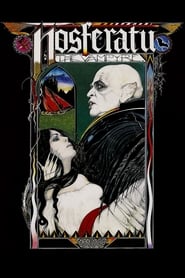
My name is Laurens Straub. I'm sitting here with Werner Herzog, writer, director and producer of the movie "Nosferatu" that you are currently watching. And we now want to talk about that movie. Werner Herzog and I have known each other for about 20 years and have worked together on many different projects. What do we see here? These are actual mummies in the Mexican city of Guanajuato. You have to realize that Guanajuato is located in a gorge. Because of that the cemetery was very narrow and there was no space. So they dug up the bodies every eight years or so, and because of different climatic conditions and the soil, they mummified without human preparation. They leaned them against the walls on both sides in a long underground hall and a hallway. I saw them there many, many years ago in the early 1960s. The story behind this is that I was in the U.S. on a scholarship but I resigned from it a few days in and gave up my legal status in the US because I had to earn some money. Out of desperation I went to Mexico because otherwise they would have returned me to Germany. I went to Central Mexico and Guanajuato and lived there for a while. I did all kinds of crazy things. For example, at rodeos, the so-called charreadas, I rode on wild bulls. Like a complete idiot because I don't even know how to ride a horse, but with the money I could live one week at a time. And there I saw these mummies. Are they similar to the ones at the volcano Vesuvius and formed from lava? No, those are real dried human beings. They barely weigh anything. They were in display cases so we had to take them out and carry them somewhere else. They weigh very little... 10, 12 pounds maybe. Is this something like a culture of death? No, it's completely normal. Isabelle Adjani. She is great at acting scared. That was a real and very large bat we brought in for this. The bat you saw earlier I could not shoot myself. The footage came out of a science documentary because bat's flapping motions are extremely fast, and this was shot with 500 or 800 frames per second. The bats had to be trained with food for that because it took very strong lighting, and normally they would not move under those conditions and not leave their hideout. Here we see Delft. In the Netherlands. That's my city. And I know when Jörg Schmidt-Reitwein teaches students cinematography he first introduces them to Flemish and Dutch painters. Why was Delft chosen as an alternative to Wismar where Murnau shot? Yes, but Wismar was not Murnau's location. I believe that was Lübeck. There is one single shot later in the movie where you see a few buildings that Murnau actually used and that are still standing. I used those as well. We chose Delft because the continuity of the architecture was uninterrupted and we only had to make very few changes in order to shoot there. We took down some antennas and moved a few cars. Other than that it was very easy to shoot there. The concept of "Nosferatu" was definitely to do a variation on Murnau's movie, not a remake in the classical sense. A Biedermeier image like this, for example, is unthinkable in a Murnau film. Moreover, this is in color and the movie's character is completely different. We had to show a very secure bourgeois world. We deliberately planned this, especially the furniture. That was done very thoughtfully by Henning von Gierke who is a painter by trade. With the furniture and the lighting, you can tell that a painter was involved. It reminds me of "Kaspar Hauser" which was done by Henning as well. What era are we in here? That is the Biedermeier era as you can see clearly by the costumes. We researched how to best do the building arrangement and the urban landscapes. Schmidt-Reitwein and I wracked our brains over that. I didn't simply want to recreate paintings. That was never planned. With one exception because we knew we had to work a lot in darkness with nothing but candlelight. Therefore, we studied the painter de La Tour and thought about how to do it if we only had one or a few candles. How do we light that? And Schmidt-Reitwein is exceptionally good at working with light and darkness. This is Roland Topor. - Yes. The famous illustrator, poet, and crazy man. Unfortunately he is already dead, I believe. Yes. - How did you find Roland? I coincidentally saw him in debate on French television. And he laughs in such a mad way. He laughs after every sentence he says. But in such a desperate and strange way that it impressed me deeply. Afterwards I contacted him I told him I was going to shoot a vampire movie and asked if he would play Renfield. Roland Topor immediately agreed. Unfortunately his voice is dubbed in some versions. And it is impossible to fully recreate his laughter. It was his strangest characteristic. What I love about this... I recently saw an exhibition with English surrealistic works from the 19th century. It reminds me of an old office, the cloth, and this blue. It was very carefully lit, and the costumes had to match. Bruno Ganz. And also the faces we chose. Those are not faces that fit into the 20th century. You have to carefully select actors who match. So Bruno Ganz is a great fit for this. The beautiful paper. - Yes. That was so much work, and it was prepared very, very thoughtfully. A beautiful country. Here I see a recurring theme of yours... maps. I already know that from "Aguirre" and other movies. In "Fitzcarraldo" geography is a crucial dramaturgic element. I'm a map fanatic. Oddly, I'm pretty good at determining locations ahead of time, too, because I understand maps. I know which formations you should find in a certain area. I was rarely wrong. It is always about uncharted territory, the Dorado, or doom. Yes, at home I don't have pictures on the wall. A few photographs every now and then, but generally, I can't stand my walls being covered in pictures. If there is anything on my walls of my home it's maps.
0:04 · jump to transcript →
-
And now the hands. I told Kinski back then that his hands had to become spiders when he reaches for her, and he does it wonderfully. Lucy is sleepwalking. Also beautifully lit. Wonderful. Beautiful. The angel theme.
46:22 · jump to transcript →
-
-
director · 1h 30m 2 mentions
A Nightmare on Elm Street (1984)
Wes Craven, Heather Langenkamp, John Saxon, Jacques Haitkin
-
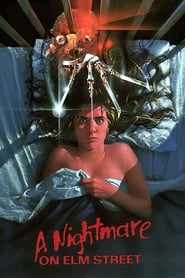
stuffed animals. It just shows you how beautiful a boiler room can be. I mean, just the shadows it creates. I mean, I haven't seen this in a while. Well, again, it's beautifully shot, too. It's just the lighting shot that you did.
1:17:21 · jump to transcript →
-
Tony getting hit over the head again. Was that you, John? Did you actually put that? I think that was you doing that. Geez, I don't remember. This is a great gag. We used an arc welder instead of a lighting effect. It's just a great look to it. And locked off that shot for the bed. For the healing.
1:24:48 · jump to transcript →
-
-
-
Jim Piddock
And now what's this? Some very elaborate lighting effects, once again, from moving lights simulating headlights. And here we have the sex scene, I'm afraid. But these are the realities of the motion picture business, you know. I really must have the sex scene. Leave your Aunt Mabel at home, by all means. And here we are, the proverbial morning after. The coitus finito, or what you will. And he's...
5:02 · jump to transcript →
-
Jim Piddock
This character was introduced lighting himself a hand-rolled cigarette with an engraved cigarette lighter, and he puts the lighter down on the desktop in a close insert. Well, I'd urge you to go back and examine that insert carefully, because, you see, it's not the actor's hand depositing it on the desktop. It's someone else's hand. For that insert was shot well after the movie was finished, after the studio preview. That insert showing a cigarette lighter engraved Lauren, presumably the character's name.
31:15 · jump to transcript →
-
-
multi · 2h 34m 2 mentions
James Cameron, Gale Anne Hurd, Stan Winston, Robert Skotak + 8
-
Stan Winston
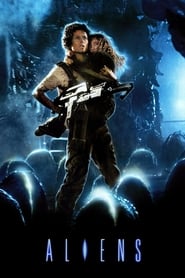
I'm Stan Winston. I created the creature effects and the alien effects for A/ens. I remember Jim trying to figure out how he could make the beginning of this movie impressive. He said he wanted to use a robotic laser. It was an afterthought and it wasn't in the budget and I remember having the gall to say to him "If you wanna use it, you have to pay for it." And he did. - Is that right? This robotic arm and the laser came out of his pocket. I wanted a seamless blend from the end of the first film into the beginning of the second film. I certainly wanted to honor all the things that were good about the first film. So I went to school on Ridley's style of photography, which was quite different from mine, cos he used a lot of long lenses, much more so than I was used to working with. But the smoke, the backlight, the textures, the way he forces the frame by putting a lot of equipment, machinery and foreground pieces, I really studied all that. I wanted there to be a stylistic continuity. I also wanted to have my own style grafted onto that so that I felt enough of a sense of authorship to make it worth doing.
2:51 · jump to transcript →
-
Bill Paxton
Bill, isn't there dialogue that you have on this that people have used in video games? Yeah, I think so. "Game over, man" and things like that. You get anything for that? - I don't think so. I'm not even getting anything to sit here and do this commentary. They expect us to do it for no money. You got a beer out of it, though. No, it's just fun. I got a beer out of it, so that's cool. This was an amazing set, this concourse A. And it was long. And later on when all hell's breaking loose, Jim had that little video camera. He had everybody on the crew having coffee while we would run at him and do different things. It was SO amazing to see this gigantic set, one of the biggest sets I'd ever seen, and there's Jim by himself with this little camera. When did the bust-out almost happen? He was gonna move the movie. When did that happen? I remember there were some problems. There were some union problems. The crew weren't used to working the same way. With Jim. They weren't used to working. That's unfair. They were craftsmen, but they had an indentured way of doing everything. Jim needs something, he just grabs it. If he needs a light moved, he'll grab it himself. We punched a hole through somewhere cos he needed to run a line. He didn't wanna wait around. He just said "Give me a hammer." But this was an ambitious schedule. Jim was running from stage to stage. I think we had about three big sound stages with giant sets. And then there were two sound stages with miniatures. And then there was a stage with all those tunnels. I remember them putting you in that damn tunnel. That pipe. We had gone to the power station to shoot the atmosphere-processor scenes and come back to the set after it had been wrecked. So we're into Adrian Biddle's photography here. He was the second DP. I encouraged Adrian, to save time, to use as much built-in lighting as possible. This is lit by the fluorescents in the set, with just a little additional lighting. Adrian liked to work on a raw and edgy look and work with the practical lights a lot more. This is another thing that is important. With a lot of science fiction movies that are all interior, you often lose track geographically of where you are and it becomes incredibly confusing and it's hard to build the tension and the suspense. Jim was aware of this from the script stage and made sure that we established through the helmet cams, through the motion trackers, where they are, and then ultimately, later on, where the aliens are. Even in this version, you're left to fill in what happened. We don't see the baittle. We'll see plenty of battles later and this is promising you that. We have a shot coming up here where there were acid holes - acid... holes... eaten into the floor by these so far unseen aliens. And, of course, these sets were not double-deck sets. Jim wanted a scene where a character looks down through one of these holes. I think Bill spits down into it to give some perspective. So this down-view we shot on our miniature stage. We layered the set and photographed that. This is where you spit and they did it in miniature. They even did a miniature spit. - Is that what that is? To get that spitting effect, it was actually not spit. It didn't work very well, so it was a combination of milk... Milk and water in an eyedropper right underneath the lens. The complaint from the studio was that the film went on too long without anything really happening. I was winding the suspense tighter before you actually saw anything. The studio said we were just jerking around. Too many movies that I see now, it's all upfront. You start seeing stuff right away and there's no sense of a build. So this is the miniature APC that was built by Bob and Denny Skotak. Pretty good size. I remember it being five or six feet long. Most people don't twig that as a miniature. That's the real APC pulling in. They matched the lighting pretty nicely. I think Jim did some of his live-action stuff undercranked. He ran the camera slightly slower on the APC so that it felt slightly more as if it were a miniature but you knew it was real because you could see people interacting with it. So if any of the miniature stuff didn't quite work for whatever reason, it took the curse off that cos it felt that the two were blended together. I think he wound up undercranking because the APC, the full-size one, didn't move as fast as he wanted it. I think it could only go eight or ten miles an hour. One difficult thing about making this movie was 7erminator wasn't out in England and the perception of Jim Cameron, who looked about 20 when he directed this movie, and myself as the directing-producing team was met with a great deal of resistance because back then the system in England was that you had to put in years and years to rise up to the level of being a producer or a director. And we were simply not treated with a great deal of respect and it was very hard every day of the shoot. We were being second-guessed and every decision we made was questioned and the tremendous thing, of course, having Stan on the film was that... I was old. - No. ...was that you were a cheerleader for both of us. By demonstrating the respect and enthusiasm that you did, I think other people gradually relented. I knew it was the best thing for me and for everybody on that set. There are people that you know, no matter how they do it, what they're doing is special. This particular directing-producing team had been a win for me in my career and stayed that way. I never thought our facehuggers looked as good as the one in A/en. We had to make lots of 'em and they had to run around and do things, but, texturally, the one in the first film looked great. It really held up. The bits of oysters and stuff inside it looked great. But I did wanna see the disgusting thing that had been down the inside of Kane's throat in the first film. You never see it in the movie, in A/en, so I figured we'd gross everybody out. All of Giger's designs have a real sexual undercurrent to them. And that's what horrified people about the alien as much as anything, is it worked on a kind of Freudian subconscious level. And Ridley and Giger knew that and they went for that. This film was never intended to be as much of a horror film as the first one. It was working on a different thematic level but I still wanted to be true to some of those ideas, some of those design concepts. It would be natural to assume I'd wanna work with Giger, but it just didn't occur to me at the time. Maybe it was because we really only needed to design one new creature and I had already designed her by the time I wrote the script. The alien queen. I guess maybe it was my own ego as an artist. I just felt like he'd made his stamp and I knew from what I'd read that he had to do everything his way and I had a very specific idea for the alien queen to extrapolate beyond what had been done before. I got the impression from what I read that I wasn't gonna get the dynamic character that I wanted. In a funny way, part of what attracted me to doing this film was the opportunity to do cool design stuff. So maybe I was just a little bit too in love with the idea of designing the creatures and the weapons and doing all that stuff.
47:57 · jump to transcript →
-
-
-
Eleanor Bergstein
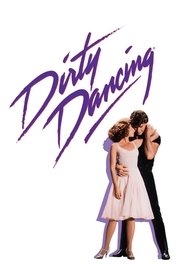
And this was all that stuff done very, very late at night one night with just us and the camera and very little lighting just to kind of pick up some more stuff and the actors were exhausted. And Jennifer always used to giggle by the way. It used to tickle her and annoy everybody else in the dance rehearsal room because some of the
38:20 · jump to transcript →
-
Eleanor Bergstein
pushed in in the last few days, but I think is very, very important because, again, it is a sign of what's happening with them. Now, the scene coming up, actually, when they get to the hotel, I call Doro's scene because Doro Bachrach, while we were doing some dancing in a cabin, lit this so that we would have it. And this was an education for me as a filmmaker because I didn't understand why it was so important. I really wanted to spend some more time with the dancing to make sure that we got it right. And she said, we don't have enough ratio of inside to outside. And it wasn't
49:29 · jump to transcript →
-
-
-
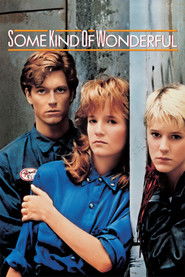
Just feels like she's not acting. The door, by the way, I love that door, and that design was done by Linda Spheeris who was the set decorator. So here we have the first family scene... Which, by the way, Jan Kiesser, I feel when I look at it now after all these years and see the kind of lighting he did, but as you go... As you look at Some Kind of Wonderful, you can see the kind of camera moves and lighting that I think sets it apart from the usual teen genre movie that someone like Jan Kiesser shot. But I think John Hughes, in having this scene coming off the opening montage, it's a pretty interesting counterpoint where you've seen him out in the world and seen a montage of what he's dealing with and then you go back to this kind of typical family conflict. It kind of is an interesting dichotomy so early in the movie to me, having a look at it now after all this time. Anyway, John Ashton, who we meet here, who, I think, managed to pull off a great performance as Keith's dad, and the conflict and tension that a lot of sons have with their fathers is set up right here.
5:24 · jump to transcript →
-
This is funny. You can see the colors... Jan Kiesser... Just the way, how rich they are in this... Of that car. I mean, the way he lit this is amazing. That's a great shot. - Looks like a Fellini movie. That's a great shot. It's interesting you got away with her smoking cigarettes. It's hard to get away with that anymore.
38:55 · jump to transcript →
-
-
-
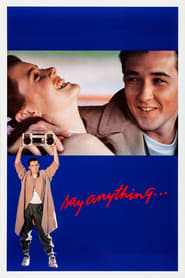
terminate with extreme prejudice in Apocalypse Now. He's also an actor. I'm like, please let me have him. This is a great scene. I remember I was watching that off camera when it was being shot. Wow. John Mahoney cowering in the bathtub. And we were just watching, and it's one of those things where they're sitting there and lighting and setting up. Got an Omni magazine there in the trash. I know, we all watched scenes. I remember watching him prepare.
1:15:29 · jump to transcript →
-
That's a great next scene to go to. I was completely hungover that day. Because we're both fighting. You were hungover? Absolutely. If you would have lit a match around me, I would have exploded. Who's that? I went out with Piven and... Ah, yes. Gerald. Nick Carlson. Good actor. Wanted to work with him. Said he'd do that part. Mm-hmm. Lloyd, I'm sorry.
1:24:40 · jump to transcript →
-
-
-
Stephen Prince
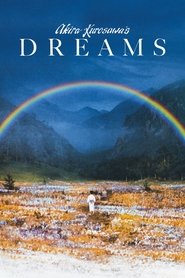
These two episodes bookending the film offer a rounded view of existence. This is exquisitely lit and staged as the fox procession comes out of the mist, accompanied by music on traditional instruments. There is a very elaborate folklore in Japan about foxes. They can be benevolent spirits if they are messengers of Inari, a kami or deity found in Shinto, Japan's oldest indigenous religion.
5:26 · jump to transcript →
-
Stephen Prince
So he goes to look for her and Kurosawa keeps the vase of peach blossoms in the frame. There it is again. And when he gazes around the corner, there she is, strikingly framed in the open doorway at the center of the screen and brightly lit in comparison to the darkened interior.
15:06 · jump to transcript →
-
-
-
Michael Mann
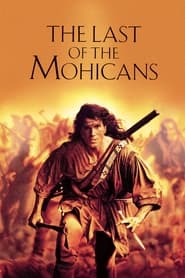
Dante Spinotti's lighting in all of these scenes is something I haven't talked about, but it's quite extraordinary. It's incredibly difficult to get enough illumination to expose film and have it appear as the very diminished and very kind of saucy light of fires and flame, as well as the warmth. And he did a
54:35 · jump to transcript →
-
Michael Mann
This is another wonderful piece of lighting by Dante Spinotti. It's moonlight over the water, and it seems to be generating enough illumination to shoot film by, and yet it feels totally natural. It's extremely hard to do. And I have been ordered to drive off the English squatters. They have consented to go. So now I call them enemies no longer. Magua took the hatchet to color with blood. Simon Schama, the British historian, wrote a...
1:08:05 · jump to transcript →
-
-
-
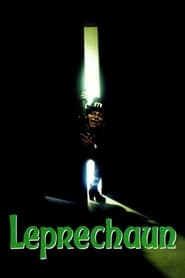
on some of the later leprechauns. But yeah, I have a thing about shoes, obviously. And there you go. That was a nice location and it was actually fun to shoot. There's our colors again. This location where when we get to the night shoots was really amazing how when it was lit up, it was pretty spectacular.
20:01 · jump to transcript →
-
It was nice. I was actually, after the fact, I was very impressed that I actually got through it, and it actually looked pretty good. There's the shoes. See, again, nice lighting by Levy with the light through the window, and, you know, the set looks good. Yeah, it's a very nice scene to introduce him in contemporary times. Yes. Here you go.
22:29 · jump to transcript →
-
-
-
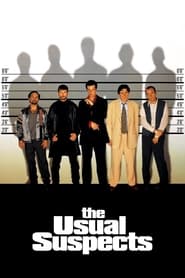
City Hall. Los Angeles City Hall. And I want you to watch Gabriel Byrne's cigarette during this entire scene. And watch the smoke coming out of his mouth. This is the magic cigarette and the dragon exhale from Gabriel Byrne. Now it's not lit. Now he's exhaling. Well, let's talk about something else while we watch this sort of
25:58 · jump to transcript →
-
So it was real tough. And Ken Kokin did a lot of really good second unit stuff inside the boat, which we incorporated in the scene. It was tough because the boat, again, was much larger than we anticipated, so it filled our whole location, so we ended up literally lighting the entire harbor, which was great for depth, and Tom did a great job. And if you notice, you can see signs all the way across the harbor and read them perfectly clearly.
1:16:23 · jump to transcript →
-
-
multi · 2h 12m 2 mentions
Andrew Sarris, James Ellroy, Brian Helgeland, Michael Nathanson + 10
-
to imagine that we have a still camera in our hands, you know, like a Leica or Nikon. And once the scene are set, we turn around and we click in this direction, we click in that direction. We spent quite a bit of time going through the whole screenplay and discussing, you know, the way of lighting the movie. But basically it's sort of a routine that happens in other films too, except that each film has its own outcome.
1:23:10 · jump to transcript →
-
The scene between Guy and myself was a very long scene, and it went all night. It was a very powerful scene. There was a lot to be said, a lot of dialogue. I just remember cinematographer. I mean, the light that you walk into, and that's a lot 40s lighting and your beauty light and the way a lot of things are not done anymore. So that's so specific and so...
1:34:28 · jump to transcript →
-
-
-
Taylor Hackford
Again, we're back in Milton's apartment. There's another view. You get a real sense of the size and scope of this that Bruno Rubeo built. I think Bruno's design for this apartment is larger than life and... ...at the same time, it fits. Milton's apartment has to be. That bas-relief there and the way Andrzej Bartkowiak lit it... Andrzej, I think he's best known for his work with Sidney Lumet. But Andrzej is a fabulous collaborator. He understood the look that I wanted in this film. It's a very dark look, but a rich look, and he just came on the film... ...and gave me exactly what I wanted and I was deeply, deeply grateful. I think his lighting of this set is spectacular. Meanwhile, also, in the courtrooms, you get a sense of that deep, rich wood... ...and at the same time, everybody is visible. It's very nice work. The intercut between the office and the reservoir and the sense that... ...when you realize how many thousands of people run around this reservoir... ...in New York, it's a way of life. Eddie Barzoon lives there. As overweight as he might be, he still is out there. He's still a warrior. He still needs to have his stamina and he's out there working. But at the same time, what Milton is doing is basically showing a guy past his prime... ...out there still trying to be young and then we introduce the special effects. We introduce the supernatural. In this process, Milton is going through a sermon, a righteous sermon... ...a moralistic sermon about the way the world is today, about human beings... ...about the Eddie Barzoons of the world who, in fact, consume, consume, consume. Now, in the guise of criticism, Milton is celebrating the people that he... You know, he wants Barzoon to do this. He's encouraged Barzoon. He created an environment for Barzoon. But in reality, he is giving a very moralistic sermon here about the environment... ...about human beings being selfish and ultimately not caring about things. And then what I did with Richard Greenberg and Stephanie Powell... ...we basically worked with various special-effects houses in town. This sequence is very... It's in the daylight. It's a very real sequence. He's running, and the whole concept is: is this in his head or are these people... ...really disappearing in front of his eyes? Are they running towards him? You know, perhaps, Barzoon is going through some sort of hallucination. Actually, there are those girls. They're just girls running around the park. And meanwhile, Milton is building into crescendo and Eddie Barzoon... ...is accosted by some homeless men in the park. Now the key to this is important. If Eddie Barzoon just gave them his watch... ...if he just gave it up, but he's not. He's arrogant. He fights them. And, of course, they destroy him. And the question is: Are they real... ...or, in fact, are they messengers from Milton? You see those little looks on their faces and Barzoon looks up and sees that. It's a subliminal look, just a split second that Rick Baker... ...was able to do these masks that we then digitally seamed on their faces. They're really animated, and I think they did some fabulous special effects there. But, in essence: Did Barzoon just get killed in the park... ...or in fact, were those messengers of Milton? Again, the time lapse and the park and where this all happened, you just get... ...a sense that things are starting to move faster and faster and faster. Kevin is having less and less time. He's got to prepare a witness. He's going to trial. This is his key witness, who will prove the innocence of his client. He feels confident that she, in fact, is telling the truth up 'til now. That, in fact, they were having an affair. As difficult as that would be to admit to the public, it's a great alibi. The fact that she's having an affair with Alex Cullen... ...a man of questionable morals, it's clear. So Kevin is trying, at this point, to prepare his client... ...and let her know how difficult it's going to be with the opposition. They will try to trip her up. This is the preparation. When you go into a trial, a trial lawyer must spend hours and hours and hours... ...with a witness, preparing them. That's what's going on here. And, again, I thought Keanu was very good. He is basically setting her up and then he's springing on her surprise questions. I don't think he has any inkling that she's lying to him. He's just springing questions, at this point, that he thinks... ...the D.A. might ask. And he asks the question.
1:30:13 · jump to transcript →
-
Taylor Hackford
Now he realizes he's got no one. His own wife, who he needs to confide in right now, he finally is ready... ...to come home and talk, she's not there. She's vacant. She's gone. And at this point, the whole idea of this is to take Kevin inexorably towards... ...a decision. In this horrible moment here, of looking at her body... ...completely ripped open, you know, he's thinking she did this to herself... ...she is really crazy. And that was not an easy scene for Charlize to do, obviously... ...but I believed it was an important scene. I don't believe it's exploitative. I think it was important to kind of see that she has been ultimately raped by Milton... ...and finally by her husband. She's got nothing left. And now, in this terrific scene in the hallway at the hospital. She now has a moment of clarity. She's sedated, but somehow there's clarity that comes through. He's putting her into a psychiatric ward, and she's defining why... ...in a moment of lucidity, why this is happening. The fact that, "We both went after it." She's not saying, "You went after it. "We both went after it. Blood money. We drank it on down." That sense of a contract that was made, and a pragmatism, and a sense that... ..."We want success and what we give up for it doesn't matter. We want... "We have no social conscience. We have no moralistic conscience. "We have materialism as our God." I think in this instance, she's admitting it and Kevin still doesn't want to hear it. He doesn't want to hear it to the point where he's putting her in and... ...putting her in the ice box, as it were. You see the psychiatric ward there, he's gonna have her sedated. She is crazy, but ultimately, he doesn't opt to take her home and deal with her. Instead, he goes to Barzoon's funeral, which is filled with all the power players... ...and all the people from his law firm. Diana Barzoon... ...again, Judianna dressed her in this fabulous outfit, short skirt, hat. "Doesn't Diana look wonderful?" Jackie says. And, Alex Cullen comes with Alessandra, and, lo and behold, Alessandra is... ...no longer that little girl, that little, vulnerable thing. She's quite a dish. And Alex Cullen has been able to seduce the social worker... ...who before was very much against him. Now, Alessandra's sitting between them. And Kevin is looking at this shot. I think, Andrzej's lighting on Alessandra's back is fantastic... ...and there is a sense here that Kevin is starting to see for the first time... ...what was right in front of his eyes all along. Mary Ann, is just, she's beyond help, all right? Jackie's sitting there listening, and then... ...he's sandwiched in between these two... ...members of the law firm's female side. And, you know, I think that the words were particularly apropos here. Looking at the cleavage, looking at that look on Christabella's face... ...realizing this is the allure, this is what you get. You can have all the flesh you want. And he's in God's house. He's listening to this man eulogize Eddie Barzoon... ...and I think Tony wrote a fantastic eulogy here. If you listen to the words of the eulogy, it's very funny... ...because obviously this is a man that did not know Eddie Barzoon. And in the process of Kevin kind of being lulled into thinking... ...and looking at her back and seeing this unseemly hand of Cullen... ...on his stepdaughter's back, he comes up and, lo and behold, he sees Gettys. No special effects here. This is just cutting. You know, he has an apparition. Mary Ann's had all the apparitions 'til now. Now Kevin has one and he realizes, "Oh, my God, what's going on?" Again, is it psychological or is it meant to be happening? Milton's standing in the back of the church... ...and looking at all the iconography... ...around him of the angels. Of course, he's a fallen angel. And this scene, again, out in the street, on Park Avenue... ...is a scene that I particularly like, because when you have expository scenes... ...when you have to get a lot of information out... ...you try to shoot them in ways that are interesting and exciting... ...and not just have two people sitting there. In the scene with Milton and Kevin at the beginning of the film on the rooftop... ...it's of an expository scene, but it's done in such a way... ...you can't take your eyes off of the surroundings and the art direction. In this instance we're on the street and we start moving. Kevin wants to get away. He's panicked. He wants to run as fast as he can from that image of Gettys in the church. And meanwhile, you see Milton, he's in complete control. Vyto Ruginis, who's playing the federal attorney here, is a fabulous actor... ...again, from Yale, and, he was saddled with the horrible task of... ...having to give all this exposition in this scene. But the fact is, by intercutting it and intercutting it with Milton... ...you're getting these pieces of information about the law firm... ...and what Milton's really into, and then intercutting it with... ...Milton's delight at being in church with his former brethren, the angels... ...and playing with them, enjoying it. And in the process of Kevin discovering what's really going on... ...what Barzoon was trying to hide, why Barzoon was possibly killed... ...and inevitably not wanting to hear it, he's a lawyer. "What do you want from me?" He's just a lawyer. All this can be explained by the fact that he's just a lawyer. He's a businessman. He's doing his work. And then what happens in this instance is the federal attorney uses... ...a piece of information that he knows will stop Kevin. He's basically going to lower the hammer right now. He talks about Gettys, the fact that he got Gettys off... ...and now Gettys has killed a young girl. And he knows that will get to Kevin. Look at him. There's a little smile on his face. We're all capable of ego, and as he walks across the street... ...ready to lower the boom on Kevin, he doesn't look. Now how's that for a stunt? That's a real stunt. That isn't special effects. That's a real stuntman taking a hit. And it's one of the best I've ever seen, and I included it in the film without a cut. Basically at this point you can explain this death two ways. You can say that Milton stuck his finger in holy water and caused the accident... ...but I have a certain belief that Milton doesn't kill anyone... ...until they ask for it. Barzoon, if he'd given the watch up, maybe those guys wouldn't have killed him. In this instance, when Peter O'Guiness smiles and walks across, he's guilty of ego. We're all guilty of the ego of sin, the sin of vanity and ego. He has Kevin where he wants and he goes to reel him in... ...and he doesn't look left or right. Kevin goes to see his wife. He wants, again, to try to see Mary Ann, to connect... ...with the person that he can really care about, and what he finds is Judy Ivey. Judith Ivey, Alice Lomax, his mother, has come calling, trying to find him... ...finding out that Mary Ann's in the hospital. He's completely... She's thinking, "Why aren't you there? "Why aren't you at the hospital? What are you doing, Kevin? "This isn't the son I raised." And he comes and sees that his wife is so sedated on Prolixin. Prolixin is the kind of thing that they give to mental patients... ...to just completely knock them down. She's just incapable of communicating with him, or doesn't want to. You can see in Mary Ann's eyes that she really hates him for what he's done to her. And he's now gonna come into the hallway. And, again, these are moments that... ...we're trying, at the end of the film, to explain to you. You've watched the film almost for two hours now, and it's been... ...hopefully, intriguing, certainly mysterious. Now we have to come clear with what the film is really about... ...and who these characters really are. And the characters are not complete strangers to each other. They have had a past. Alice Lomax is explaining to her son that she isn't just the woman... ...that she is purported to be, that she has a past, that his father is not dead... ...that she didn't tell the truth about that. And, in fact, when she walked into that lobby of the apartment building... ...at the beginning and saw Al Pacino, she had an apparition. She saw the man that fathered her child, and she was looking right at him. I think Kevin's reaction here, I think Keanu's acting is wonderful. I think it's very real and I think you realize the pressure this guy's under... ...what he's been through, and everything that's now coming down on his head. I think he did a great job.
1:41:31 · jump to transcript →
-
-
director · 3h 43m 2 mentions
The Lord of the Rings The Two Towers (2002)
Peter Jackson, Fran Walsh, Philippa Boyens
-
We had to use our computer to recolour his nose because for some reason the lighting that we were using didn't bounce too well off the rubber and it made his nose look black. No, we had nose rot problems. Did you have nose rot? There was a tense week where we were waiting on the verdict from Weta as to whether they could recolourise his nose or we had to reshoot. Right.
1:02:32 · jump to transcript →
-
And the concept of lighting the Iterus set for night shooting was just beyond anybody's comprehension of having to drag huge, big dinos and 10K lights and stuff up there to light this thing at night in those strong winds. That's why Iterus is only ever seen in the daytime. We don't have any night scenes there because we just couldn't light it. Now, the shot of Legolas jumping on the horse has obviously become quite a favorite with people. It was a complete accident because Orlando Bloom had fallen
1:56:55 · jump to transcript →
-
-
director · 2h 10m 2 mentions
Richard Curtis, Hugh Grant, Bill Nighy, Thomas Sangster
-
Colin was responsible for remembering that he had a Stutter in this role. Oh, God. - And often we'd do a whole scene and then he'd say, "Oh, Ch-Christ. I've got a stutter. "We'd better go back and do it again." -/ love this girl in this film. - Yeah, she is so wonderful. We got a bunch of audition tapes from Portugal, about 50 people and it looked as though it had been done in a sort of meat-packing house or a slaughterhouse, so depressing. And there were about 50 of them and she just had this particular quality of... You mean depressingly lit? - Yeah. They were good actors and actresses. - Lots of good actors and actresses, but depressingly lit. - Yeah. But she had this fantastic quality of this absolute simplicity which you see here and then the moment that she smiled, this radiant personality. 'Cause we had to be careful that she didnt, in this first scene, you didn't instantly go, "For heaven's sake. We're definitely going to have a love story here." You had to not think it at first.
38:05 · jump to transcript →
-
There's Monty Python's book there, dropped in. She's not a very good cook. She may be a nice girl. We had long discussions, Joanna and I, about what Keira should be wearing. about what Keira should be wearing. I said no one would be wearing something as attractive as this just casually at home, and she said, "] promise you, it's the right decision." I think she was right. Look how much trouble Mickey Coulter has taken lighting her face in this scene. And look how much trouble he took lighting my face. Or, indeed, Andrew's, but we were all so enjoying Keira's shot that we did 17 takes of Keira, and then Andrew had a couple of stabs at it.
1:36:34 · jump to transcript →
-
-
-
You got off lightly with the costumes. - Me? Yeah, you. - I had one. Well, then I got screwed. Why? - With my second costume. I remember some producer trying to get him into a beige cardigan. What was it? - Yeah. Yeah. That was the first time I ever met you. That's right. Horrifying. - Yeah, I think Richard had brought in.... We were talking about how much rain there was going to be... ...and all of that. And so he comes in with a... I think it was a beige sweater from... I think it was, like, a Gap sweater. I wasn't liking it. No offence to Richard. That was quite funny. We used to have meetings about whether we should shave you or not. We still do. - Oh, we did. What, shaving my face, my head? Do you know we had conversations about that? We did the test. We did a test, you still had the scruff... But it looked stupid. With the lighting, it didn't look right. I agree. No, actually, I remember, because we... - You couldn't decide. You were so damned attractive. Because we went up to my room, and we checked oult.... We checked out that tape. And there was some younger pictures of you. Oh, yeah, those horrifying... - No, you looked nice. I think I didn't decide to actually shave your beard until the day... ...of the first-- The first day. - Pretty much. Who's that? What's going... - That's your best friend. Have you seen this movie, Scott? - Who is that guy? What was his name? - Oh, him. Erwin. Erwin. - Erwin Leder. Loved him. - Erwin, the set poet. How do you pronounce his name? - Leder. Yeah, it is, right? - Yeah, I guess. He wrote, like, three poems a day. He did? - Yeah, he did. Did you read them, ever? Well, a lot of them were in German, so I had a good try.
17:50 · jump to transcript →
-
Just telling him that-- Just knowing that things are kind of screwing up... ...and he has to put... Because we had to explain... ...Why Singe was following you to the mansion. And why was he, again? - I don't remember. What's that? - Oh, shut up. Okay. - So this is-- Here we go. This is.... This is the new scene, here. - This is one we only got two takes... ...and you liked the first, and I made you do another. You were a pain in the ass about that. I remember. I think you were like, "This is cut." You did that with a lot of things. - I know, but I only did one take on this. I would be completely happy and say, "Okay, this is good." And Scott would just be torturing himself. I just like to do... - Drive me crazy. Well, sometimes that's the best one. You say you got it, and you have one just to do. Not with you. - Not with me, obviously. As much as it makes you feel good, I used take one of everything you did. No, you didn't. - No. No, you didn't. - Actually, in all seriousness... ...I did love this scene. I thought you did a great job. And I fought for quite a long time to keep it in... ...and the biggest reason was pacing, because it is the longest scene we cult. Your chin looks fabulous. - Because the lighting is good. And it was great hair. - Good harr. I was sad to see it go. - It's good to have you back, Scotty. No problem. - Now it makes sense why you got... ...an American in Budapest. - Oh, yeah. But we never said it was Budapest. You're right. It's not supposed to be Budapest. What did you say? "I just came here." You just keep it ambiguous, right? Yeah. He's non-specific. We were having a discussion about whether Scott is throaty. Oh, please. - I am throaty. I'm not saying I'm mad. I'm not terrible in this movie. I've been worse in other things, throaty-wise.
1:02:38 · jump to transcript →
-
-
-
Noah Baumbach
And Bill's reading one of your actual notebooks. Yes, the notebooks in this-- Jane's notebooks are modeled on the notebooks that these movies are written in. So The Life Aquatic is-- Originally, while we would sit here talking, I would write everything down in longhand in these notebooks like this, then take it home and type it up, then bring in the pages next day, then we'd write more in the notebook, more on the pages. That's what the notebook-- I mean, I guess it's worth noting that the way we write these things or not, we don't both do separate scenes and then bring them in together and try and sort of edit them or anything. We actually come up with everything together in the room. I mean, stuff is done later in rewriting or when you're directing and stuff, but... You know, it is a... We make the story sitting here together. Yeah, in Jane's notebooks. - Yeah, in Jane's notebooks. Why don't we talk about some of the people who work on these films? Maybe we start with Robert Yeoman, the cinematographer. He shot all my films, Bottle Rocket, Rushmore, and Royal Tenenbaums, as well as your most recent film. The Squid and the Whale, yeah. Yeah, from my perspective, I tried to hire Bob for the first movie I did, Kicking & Screaming, and... Only to hear later that he was shooting a movie called Bottle Rocket by some neophyte Texan writer, director, actors. Yeah, I think we both probably responded strongly to Drugstore Cowboy, which was a film Bob had shot. - Right. And, you know, Bob, he lights his movies, he's drawn to very natural lighting, and I feel like he's sort of a Nestor Almendros kind of... His style of director of photography. He's also a very good operator, camera operator. He's great at hand-holding and he knows how to get the image. And he's tireless too. This is probably a good-- Now we're underwater, in the underwater forest, a good time to talk about Mark Friedberg. And you did this in a tank in Cinecittà? Yes, this is in a tank, where we built this undersea forest, and it was very difficult to do. It's hard to keep the water clean, hard to get the temperature right. You've got to build the whole thing, and the set starts to disintegrate. It's very complicated, but a bizarrely exciting thing to film. You know, it's just a crazy experience. And, you know, it's very-- It's-- You know, it looks fake and... It's fake to X degree, and not fake to some other degree, although it's pretty fake. And the thing we liked the most here was we took a scene that could be staged in a broom closet somewhere or in somebody's living room, but we just put the scene at the bottom of the ocean, where they have to push buttons to say each sentence. It's just really a scene about, "Can I call you 'Dad'?" And, "No, you can't." Yeah, I think maybe we'd initially written this scene on deck-- - On land. Yeah. - And then... Then we decided to go underwater with it. It's also a scene where we sort of, you know, where Zissou manipulates-- We get to see Zissou sort of first-hand manipulate the reality of his film. Yes, we see how it works. We're restaging.
52:14 · jump to transcript →
-
Noah Baumbach
Willem is very touching here. Yeah, Willem brings something to it. Now, I mentioned Noah Taylor. Noah has obviously played a lot of much bigger, fuller roles. And he's a really wonderful actor. In our movie, he has a line here, a line there. But his presence on the set was quite strong and he was very-- He was really valuable to the movie in ways that you wouldn't know. He was sort of the one who-- There are a lot of non-actors in Team Zissou and he was the one-- A lot of people who had never been on movie sets and certainly a lot of people who had never been sent away to location for periods of time, and he was their guide for that, and he was kind of their acting coach too. And he was-- He was a great person to have on the set. Well, pretty much everyone... Cast and crew really committed to, you know, be sort of immersed in this for months. There wasn't-- I guess some actors came in and out a little bit, but certainly most of Team Zissou had to be there for the whole shoot. Yeah. See, in the background here is a cane with a dolphin, albino dolphin handle. Zissou has albino dolphins, but it's-- What you can't see is engraved in it is "T.E. Mandrake," Zissou's mentor. Right, we saw in-- The picture was behind Hennessey, when they were on the boat, in the background. Right. And actually the person who sort of plays that part in the photographs is Jacques Henri Lartigue, a French photographer who I've always admired. But the person we wanted to use was Nic Roeg, the director Nic Roeg, who we weren't able to get over to Italy. It was all kind of last minute, and he-- But you were always gonna pose him in the same position that Lartigue is in that picture, right? Holding the... Well, yeah, we were gonna pose him-- No, I mean, we were gonna pose him in the water... standing in the water with a fishing net and a kid running behind him, something like that. What the painting is, when you see the painting. Now, this shot in the hallway, by the way, is the only shot in the movie where we actually use the camera to suggest that the boat is moving. It kind of rocks back and forth, which is funny because we watched a lot of different movies that are about-- Set on boats and set underwater, those things, and they all use a different technique. There are lots of different-- They gimbal the whole set, or they make the camera move. The Black Stallion was one of the ones we liked, and those scenes on that one, they don't do anything to suggest. They just trust that you know we're on a boat, and it works the same way as any of the others, except for one shot where they look down a hallway when they rock the camera. I don't know why they had one shot to do that. I think because the boat is sinking, and they wanted to just get that feeling. But we did the same thing. We never did anything to suggest we were on a boat in terms of movement. But for one shot, we made it rock back and forth. I remember when we were looking at some of those undersea movies or movies-- People on boats, The Abyss commentary taught us the term "dry for wet." Yes, yes. The Abyss taught us dry for wet. The other person I learned dry for wet from was Roman Coppola. Who, Roman, early on I asked his advice about some of the things, and Roman was very excited about the movie. Roman knows a lot about things like stop-motion and dry for wet, which is shooting underwater without water, using smoke and lighting to suggest that you're underwater. Which you can only do with miniatures, you can't use actors. You can't use people, although it's been done. In wet-- In crazy suits. - Really? The way you'd shoot, like, the moon.
1:09:43 · jump to transcript →
-
-
-
James Mangold
One of the struggles you have when you're making a film that is 95% outdoors is just the weather, the sun. We shot this in the winter. We started in October, so the days were extremely short. And on one side, it made the lighting really beautiful because the sun is always very long and casting long shadows. But on another side makes it extremely challenging because I only had about six hours a day that I could actually shoot.
13:56 · jump to transcript →
-
James Mangold
And if you wonder the kind of problems that directors of photography get thrown and thrown at them, look at this. This is a structure with slits and cracks in every piece of wood, and somehow he's got to put every lighting element he's got around it to make it look like daylight is pouring in from every angle. Out that door where you see that ladder, it's literally pitch black night.
1:44:28 · jump to transcript →
-

Related topics
Other topics that frequently come up in the same commentaries.