Topics / Cinematography & lighting
Camera movement
102 commentaries in the archive discuss this, with 295 total mentions and 43 sampled passages on this page.
Filter commentaries
Filter this topic by the film's decade or the type of commentary.
By decade
Across the archive
ranked by mentions · click any passage for the moment in the transcript
-
multi · 1h 59m 2 mentions
David Naylor, Guy Hamilton, Tom Mankiewicz, John Barry + 14
-
They had these great pieces, and we had it down in the studios. I remember we had to get the damn thing into the set with a crane. You know, it was one of those things you'd never, ever move.
1:18:05 · jump to transcript →
-
proved a challenge for Elaine Schreyeck as she remembers here. We used to go out each day either by helicopter or I have been out by sea and then got lifted up on that crane thing and dumped on the oil rig. It was fascinating. I had to sort of keep out of the way but the thing was that every time they were on the oil rig it was there but every time they went through a door it was going to be at Pinewood. So of course I was making them quite mad. Obviously I would see the film when I got back to England
1:44:34 · jump to transcript →
-
-
-
Nick Pinkerton
brought home the half-completed screenplay for Magnum Force to be eventually directed by Ted Post. We've got Thunderbolt and Red mixing it up on screen with some nice handheld work here.
47:34 · jump to transcript →
-
Nick Pinkerton
Next day, they went straight through from 7.30 a.m. to 7.30 p.m. Cimino says, all day long, all you heard was cut, print, next setup, cut, print, next setup. The minute the camera was on the head, on the floor, on the dolly, wherever the hell it was, we would do the shot. So, able to bang it out when called on. And now we've just cut from a bit of ribbing of Lightfoot to Mr. Warmth himself, Don Rickles, the ne plus ultra of insult comics.
1:14:53 · jump to transcript →
-
-
-
in a different form, but it is all happening at once. You can come in, Tommy. Don't be embarrassed. We did a lot of handheld work. We were shooting in natural locations, and they were virtually motel. A lot of them were just motel rooms. And the question of fitting people in, we just had no space for dollies. It was before the Steadicam.
43:17 · jump to transcript →
-
The operator was a wonderful man, Gordon Heyman. There's an extraordinary relationship between director and the operator. He is the eye, he's your eye, and I was very lucky. I've enjoyed working with him many, many times. He's an extraordinary operator, but on many occasions, even he couldn't get into the room with me at the same time and the actors. I had to operate myself on a lot of that handheld stuff.
43:45 · jump to transcript →
-
-
-
Paul Davis
He did a tremendous job. So this shot was originally conceived to be a Steadicam shot but for some reason they couldn't get the Steadicam so they opted to do a soft dolly with a Citroen Jeep of some kind that
4:28 · jump to transcript →
-
Paul Davis
And they became longtime friends after that. George edited The Blues Brothers, and it was while they were working on that that he asked him if he would produce An American Werewolf in London with him. That scene in Trafalgar Square apparently was one of the longest dolly shots that had ever been shot in London at the time.
1:18:03 · jump to transcript →
-
-
-
Terrific shooting, colonel. It was beautiful. Beautiful, was it? Goddamn it! I had another stoppage. Interesting that... This is in the early days of Steadicam, which was being used a lot. But John Alonzo felt that he could operate hand-held... ...better than any Steadicam. And so what we're watching here, for the next several minutes... ...is all completely hand-held by John Alonzo, out in the desert. It no more looks like hand-held than something on a dolly... ...but he always felt that he had a flexibility to it... ...and he was able to manoeuvre quickly. So I would just turn him loose on these scenes. Stage the scene and say, "John, you shoot it." And he would go along and shoot the scene beautifully... ...get all the coverage. I almost could've gone home or taken a nap... ...while he was doing this. John said he was built for hand-held. Because he was not very tall... ...and he said his centre of gravity is low to the ground. And a taller person has real trouble staying as steady and stable... ...as he could do. But this is-- It's just wonderful, as I'm watching here... ...how steady the hand-held is and how manoeuvrable it is. We're on a rough desert floor... ...and no special kind of plywood floor laid down for him... Twelve sharp. On a hard surface, he had his little apple-box dolly too... ...that he would scoot around like a monkey with. Yes, apple boxes are kind of hard wooden boxes... ...that we'll use on a movie set for all kinds of things: For people to sit up higher or prop something up. And they're used all the time. And John attached casters to an apple box... ...and he would sit-- if it was on a concrete floor or a hard surface... ...he would sit on what he called his "silly dolly"... ...and push himself around with his feet. And it was another kind of wonderful operating trick that he had.
35:07 · jump to transcript →
-
But getting these helicopters down in the streets-- It's so exciting. Now, those are all our cars, our traffic. And we've got at least eight cameras up in the air... ...photographing these as they go by... ...and do these various tricky, tricky manoeuvres. And nobody had ever tried anything this dangerous. It's amazing. And I don't think they'd let us do it nowadays... ...because of the accident that happened on the Twilight Zone movie. You had to cut down wires, too, didn't you, to clear areas to fly? Yes, absolutely. Because wires are the enemy of a helicopter. I mean, that will ruin a helicopter quicker than anything. I wanted to have a big camera crane inside this parking lot... ...but Jim Gavin would not let me bring one in... ...because he said if I hit the building with these rotor blades... ...you'll kill everybody on the camera crane. So we had to back off down the street, and... While they're doing these tricky manoeuvres... ...you know, we're blowing up the building across the way.
1:39:01 · jump to transcript →
-
-
-
And so we were impressed. We cast him, and it was a really good decision. He had a lot of, for somebody his age, he had a lot of just understanding of how to be practical about stepping through dolly tracks and hitting his marks in front of the lights while still trying to carry the scene.
3:05 · jump to transcript →
-
And I remember at one point sitting on the dolly and just this madness going on and thinking, what am I doing? Why am I here? Do I really want to be doing this? It was a grueling day.
1:04:06 · jump to transcript →
-
-
-
Marilyn Vance did a great job on Mary Stuart's look with those red fringe gloves, which John wrote. But, I mean, it all came together when she executed that look. She put me in miniskirts and cowboy boots, which is now back in. Look at the clothes. Now this shot, by the way, if you watch, for that time, starting now is a pretty elaborate dolly shot. At least, it was for this location. We're not on a Steadicam. We just have track going for about a half a mile. Did they even have Steadicam back then? Yeah.
7:27 · jump to transcript →
-
So, here, yeah, this push-in on Mary Stuart was... Always got me.
1:17:02 · jump to transcript →
-
-
-
Some great work by Tony. That's the real guy's head. No, no, it's real, but it's still all the additions, the pumping and the gooey. Was that a Steadicam shot of that spinning around? Because I don't remember there being a lot of Steadicam shots in the film. It does have a very particular style to it. I'm not a Steadicam guy. This was one of the reasons I... Really? Well, because it's a lot of swim. You can see the horizon. I love it. I love what happened here. A hand injury? So this reveal...
25:03 · jump to transcript →
-
Shots, not with elegant, long, three-minute steadicam. You're not covering it. You're getting these guys. You're shooting the boards. Building a brick wall. It'll fall down if you don't have all the pieces. Was there ever a board that felt unachievable? There were boards that became unachievable. So, yeah. I'm sure everyone felt unachievable at one point in the day. No, no, no. I was, again, probably overconfident, but I know when to quit. You know, when something's...
1:15:35 · jump to transcript →
-
-
director · 1h 31m 2 mentions
David Steinberg, Dave Foley, David Higgins, Jay Kogen
-
Nice little push in there, David.
9:59 · jump to transcript →
-
With Kevin. Oh, I didn't know that. Yeah. I did not know that. Life was real. You know, I felt for the first time that I belonged somewhere. This was the reshoot? No, not yet, because I'm still there. Only on the high angle shot. We do this high angle crane shot that we couldn't afford on the first run. Cleveland sounds good to me. But we get married. Right. This is the reshoot. Yeah. This was reshoot. Oh, right, because Dave, the first time he kissed her...
1:27:48 · jump to transcript →
-
-
-
Darren Aronofsky
Mark and Sean would begin ready, and Sean would be quiet and meditating on it, and Mark would just sort of mumble underneath his breath all these sort of curse words that would sort of motivate him to sort of get into the scene. I'm sick of you following me. I'm not interested in your money. I'm looking for a way to understand our world. So this scene was a very, very difficult day to shoot. It was the one day I got a Steadicam to shoot, and it was actually one of the first times I've worked with a Steadicam.
32:43 · jump to transcript →
-
Darren Aronofsky
Now this shot that starts right there is handheld by Matty Libetique, one of the great operators and DPs on the planet. But this is literally handheld. He's on a apple box, on a half apple to get as tall. He's a little bit shorter than Sean. So he's standing on a half apple to give him a little bit height. He's actually spinning around in turns. We wrap the cables around him the opposite direction.
50:48 · jump to transcript →
-
-
-
Yeah, I like this shot. Yeah, when did you get into that whole reverse dolly thing? Just kind of Hong Kong, my take on the Hong Kong kind of. I think in a tranquil scene like this, a day scene like this, you give a little twist on the temple. A little camera work. It's exciting. I would almost call it cinematic. I think by doing that, it shows the opposite side of repression, I think.
41:38 · jump to transcript →
-
That's a typical Yuen Woo-ping shot. Dolly. Yeah, Dolly. You really hate to be like a waiter who pissed off Michelle at a restaurant. You can imagine getting that look with the bill. I think avoiding hitting, you've got a couple shots like that and you have to...
1:30:06 · jump to transcript →
-
-
-
Barry Sonnenfeld
There was no coma. It was a cover. Who are you? - Who are you? I had this set built with a big, fake wall coming up... ...so the camera could dolly straight through... ...and go from one side of the set to the other. Full perimeter wipe-down, right here, right now. Get a mop and escort all civilian personnel from this site immediately. Will has a lot of energy on the set. I used to listen to Will... ...when he had nothing to do, make these weird sounds.
27:53 · jump to transcript →
-
Barry Sonnenfeld
He calls it a human beatbox. And his buddy Biz Markie is one of the best at it. We did not treat his voice... ...nor did we change the sync of Biz Markie's sound. I love the push-in off of Will onto Tommy's reaction. Watch his mouth and listen to the sound. That's totally done by Biz Markie. Danny's score here is just beautiful. That guy looks like Howard Stern or Joey Ramone. I don't know which.
28:32 · jump to transcript →
-
-
-
And here we had sort of a challenge as we were working over the script and getting ready to make the movie, because we're going here to a second house of murder victims. You don't want it to be repetitive, and you've got to find a way to make it quite different and move more quickly. Mark Helfrich, the editor, had some wonderful ideas for increasing the pace of this, which was a little bit longer. In the script, initially, I believe Graham goes into the house and has a few moments in it. Anything repetitive will never be in the film with Mark's editing. So we eliminated a couple of brief moments of him going into the house because it was too much like the other house he went into. And you try to move ahead to what's really new, dramatically, in the story. I love this shot. Jimmy Muro, my Steadicam and first camera operator, did this as one. A lot of good shots in this movie are in one, which I love, you feel like you're with him. And this was built. It's like the most incredible tree house in the world. It took about a week to build it. -/t looks pretty real. The tree is real, but we built the tree house. A platform, so that we didn't have to have Edward climbing up there. And it was awesome. It was so much fun that it was scary. Now he's looking from the killer's point of view at the murder victims' house and figuring out that the killer must have sat in the same place. But you cut the shot where he imagines the killer's point of view here. Yes. - Why was that? I cut it because I didn't want people to think he was psychic. I was worried that the audience... No. It was scripted that he would see in a sort of flashback what the killer saw, which was the woman walking past the window. I was really worried about it. I mean, it worked. I was worried that some people might be confused about his visions. I only wanted the visions when he was drinking in his hotel room alone. Where people sometimes have visions, you know? This was a great location. There was a real house here that was from 1770, that was the home of two congressmen. This is outside Baltimore, I guess. - Yeah. And here's the house that we built that we transitioned here... To a house built. ... that was inspired by the house from 1770 that they wouldn't let us use because... This entire house was built just for the movie outside of Los Angeles. - On the Disney Ranch. And here we have Kristi Zea in full-blown design glory. This is the voice of Ellen Burstyn, believe it or not, uncredited. That's interesting. You didn't know that? -/ did know that. I had Kristi do the still photographs because she's so great. In every single shot here, you see hundreds of separate decisions made by Kristi Zea and her team. Take off your nightshirt, and wipe yourself... I love this upstairs kind of lair of Dolarhyde. This was a big debate about the voice and... Now! - Please! Yeah. Should we... What are these voices? ls it Grandma's voice that has been transitioned into the Dragon's... Is it the imaginary voice of the Red Dragon? Originally, it was scripted that we heard the Red Dragon's voice in Dolarhyde's head. I got great actors reading the Dragon's voice, but I just could never make it work. I just felt it became hokey. It was a potential for people laughing where you didn't want them to. This is a CGI shot where we erased his teeth. So that you just see gums. - Yes, you just see gums.
39:12 · jump to transcript →
-
I love this. Breast shots in movies are just... This is just the most bizarre seduction scene. That's what we liked about it. - This is the editor's daughter, by the way. Really? That's Mark's daughter? - She's so cute. Here we are with another family movie. You shot hundreds of feet of family videos. And this is the girl from Family Man, who played the neighbor. Oh, I didn't remember. - Yeah. Very talented and sexy woman, who I knew would help in arousing Ralph Fiennes. Lisa Thornhill. She's a great actress. I just love how many different things are going on here. He's aroused by seeing his next set of victims, as well as by the proximity of Reba. What's it about? She assumes he's watching some kind of business promotional video or something. She has no idea what he's watching. She's excited because she's rarely dated in recent years. And they're both so unsure of themselves. Emily is really a sexy woman. - Yeah, she is. Tremendous amount of sex appeal. It's homework. Yeah. There's nothing like this in any of Thomas Harris' other books. There's nothing quite so strange and wonderful as this kind of scene. It's so bold. - Yes, it's very bold. It was always one of the most powerful scenes in the book, to me. Francis Dolarhyde is so scared that he will hurt this woman, that he is falling in love with. And she is still unaware of how dangerous he is. See how the music transitions with the score. I'm good at shooting monitors, TV sets. Yes, I think you should only shoot TV sets and family videos. Will there be family videos in your next film? Absolutely. I love this shot. I like a lot of my shots, huh? This is... - A lot of great camera work. It lasts for about one second. It's already over. That's Francis Dolarhyde"s happiest moment of his life. Then immediately... - Paranoia sets in. Paranoia sets in, the fear, the anger... But notice the camera hasn't cut and it's going to go with him. This is Jimmy Muro, our Steadicam operator. He's unbelievably talented. It's very hard to operate because of the sheer weight and bulkiness of it, right? Also the distance showing, and then going in... The camera movement is also to hide his private parts. Well, of course. But it's very hard to hold this huge camera and move behind the actor. I love this with the blown-out windows.
1:30:49 · jump to transcript →
-
-
-
That's-- I believe that's... - Cranberry. IIdiko. It might be. Or it's the other stand-in. What's he doing there? - Who is that? He just showed up to visit one day. But he's checking you out. - Who is that? Is that Scott McElroy? - Yeah. I always want to call him a friend from Toronto, Scott McCord. It's McElroy. Scott McElroy. - He goes by Forrest too. Forrest McElroy. I still don't believe I actually broke his nose. You did. - You did, actually. Did I really? - Yes, you did. The first week of training. He didn't tell you in case itt made you gun-shy. You broke his nose, and then you.... - Really upset me. You kept hitting... - What? I did not. No, you didn't. - You kept hitting... Yeah. I did hit those guys. - Gunther. But those guys are... lt wasn't Gunther. Irritating? - No, they're not irritating. Asking for it? - It was like, they never said... They're so great, they just don't ask you to pull back a bit. So I'm not good at that, pulling back. We're cold. - What the hell is going on? It's so cold, and my hair is wet again. - And the scary dogs. This is a new shot. - It is? Yeah. - Shiny, shiny, shiny bottom. That was a new shot, but this is all... - This is the same movie. It's the same one, called Underworld. - I know what movie it is. This has been rearranged just a little bit. There's a few more shots of Erika here. Kind of building up that she's a part of putting this whole... ...you know, this... - You look like one of the Monkees. I really do. It's a little... Just kind of a scary shot. You loved this shot, right? Who? - Kate did. No, because of the Butterfield 8 hair again, right? Yeah, we had that whole hair thing.
51:17 · jump to transcript →
-
I did think I was gonna die that day. This day? The jump? The flip, yeah, because you left it to the second-to-last week of shooting. I thought that you'd done it on purpose in case I did die. Remember how close the camera actually was to me... ...and that doodad, what do you call it? And I had no idea that you were nearly as nervous as you were. I don't think I would have been if I hadn't felt it was purposely left... ...because I'd shot most of my stuff, and it didn't matter if I dropped dead. You always do that. As a safety, you put all your risky stuff at the end... ...IN case your actors die, of course. - I know. I'm on to you. I think you all learned that lesson. I practised that thing for so many months, and then what? Did we have four takes, that was it? It was a huge anticlimax. You were like, "I'm good." But it was great. I mean, you did it perfectly. Yeah, it was shocking. I expect you liked me whizzing about all day. Little things like this... - Hang on. Wasn't this when I shot the camera guy? Yes. - It was, right? You shot the matte box off the camera. - Yeah, oh, God. You said, "Don't fire," and I go, "Okay." But I was so used to the fact that I had been, I forgot. And you freaked them out from that point on. I was actually... Then, remember, the next day, the Steadicam operator and everybody... ...came in, like, full-blown, you know, hockey gear. He was very pink in the face after I did that. He was very... He got practically British about it. After that, he'd wear that welding mask. That was all because of you. That is actually true, isn't it?
1:46:32 · jump to transcript →
-
-
director · 1h 37m 2 mentions
John Cameron Mitchell, Justin Vivian Bond, Sook-Yin Lee, Paul Dawson + 1
-
Oh, Jay Brennan. How cute is he? So adorable. The Yenta was something that was based on something in reality. I'd heard about a handheld device to help you date. I think it was called Gaydar originally in the U.S., but it sort of collapsed. But I thought it was a great idea.
21:53 · jump to transcript →
-
in this film. That's Staten Island. And the lamppost, John, where did that, like, come from? It came out of desperation. Remember Howard? We didn't have it, like, six hours before we were shooting. Oh, this was a difficult day, too, because we wanted that to be a crane shot, and the crane operator got wind of what the film was about and didn't show up because he was a Christian fundamentalist and took exception to what we were doing. We had to get another...
1:21:27 · jump to transcript →
-
-
director · 1h 42m 2 mentions
Len Wiseman, Patrick Tatopoulos, Brad Martin, Nicolas de Toth
-
this is and this is practical this is practical yeah this is actually with with a stunt player um being suspended by a crane that's actually attached to the back of this of the stake bed of the truck props out to my boy joel wist yeah the man yeah that was i was we we actually we use that rig quite a bit and it makes the sequence it really does joel did a fantastic job with that because the guy could just right right here flying right alongside the truck
32:19 · jump to transcript →
-
And we had a lot of mobility with him. Yeah, I got worried. I didn't want people to lose the fact that all this was done practically and the only thing CG in this is the wire removal and the wings. That's it. So the actual crane has been removed. And the crane removed. We haven't even mentioned Pyme and the guys at Luma who did the bulk of all the visual effects on this film and all the CG wings and the CG werewolves and everything.
32:48 · jump to transcript →
-
-
-
James Mangold
And that was something we were very, very conscious about. Also, we were very conscious about using handheld camera, keeping the thing alive, and also trying to lose some of that musty, kind of formalized feeling that recent westerns had. Very often you'll think about sequences like that opening stagecoach as the toughest that a director will face, and certainly that's a real challenge. But I'll tell you, a scene like this with this many characters,
35:38 · jump to transcript →
-
James Mangold
Three quarters of this film is handheld, and it's very hard to hold a widescreen frame, especially as close as we are sometimes, and keep these compositions with the kind of integrity that they have. Also, the kind of handheld work that I prefer isn't so shaky that it's kind of in your face or reminding you all the time that it's handheld. It just has a kind of intimacy to it. You feel the camera is right in there with the actors instead of locked down on something.
1:38:40 · jump to transcript →
-
-
multi · 1h 33m 2 mentions
Wes Anderson, Peter Becker, Roman Coppola, Jake Ryan + 3
-
Wes Anderson
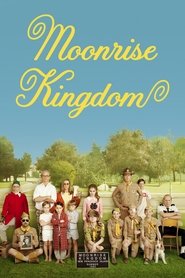
Well, the cameras we had, we used these Aaton cameras, which are Swiss, I think, and one very small camera in particular, the A-Minima, it's called. I mean, these are now all kind of, even now, these are sort of obsolete. But the A-Minimas, I think, were developed with the input of Jean-Luc Godard. And maybe they weren't finished in time for Godard to want to use them anymore. But I believe they come out of a collaborative process that was happening with the guy who owns Aatan. The way these cameras are operated, you don't put them on your shoulder, these little ones, they're underslung. You know, you hold them in your hand like a video camera. You hold them at chest level or even waist level, and you look down through the top of them like a Rolleiflex. Rolodex is another thing. And this was very good because many of the characters in our movie were short. They were 12-year-olds or younger, and it's hard to handhold scenes with someone who's down below you like that. But with this, it was at their eye level. We didn't do the whole movie with these cameras, but we used the Aaton system and it was great. And also, the slow-stock film that we used-- Slow-- The slow-speed Kodak film that we were using, in 16 mm, looks very, very close, almost identical to the fast 35 mm stock. And since we now do the transfers digitally, there's not like a blow-up where you get extra grain. It can look very-- You can get the real feeling of 16 mm, and you don't feel like you're kind of compromising it as you make it into a bigger projection. So anyway-- And that was all part of what went into the-- One aside, when you look at one of the little handheld films I shot on Moonrise, we're about to all get on a boat and go out. There's a moment at which Fran McDormand realizes that the boat is taking on some water, and she starts saying, "We're taking on water, we're taking on water. Does that matter?" And then Nate, our first AD, starts telling people to get out of the boat and try to sort it out. If you watch Wes in that moment, he's not only unconcerned about the safety of the children on the boat or anything like that, he immediately uses it as an opportunity to throw more crew off. As soon as he realizes, you can literally see the moment that a light bulb goes off in his brain and he realizes, "I now have a rationale for getting rid of more people." And he immediately starts saying, "Okay, so who can we lose?"
17:07 · jump to transcript →
-
Wes Anderson
Well, we're talking about doing something hard. Doing something like a 180-degree whip pan on a moving dolly, for instance, is a hard thing. - Bob's specialty. Operating is a complicated and performative kind of action. You take it for granted. That, you know, after a few years, you don't even realize how hard some of the things that I'm asking him to do might be. But sometimes when you operate a shot, you suddenly become aware that if I mess this up, I've messed up all these different people's work all at once. There's so many people doing things at once. But, you know, most of Bob's job is about lighting. It's the balance of making a circumstance where you can get everything to happen together. And he's in tune with all of that. One big thing about the photography you probably talked about already is the choice to shoot it in 16 mm, which had a lot of effect on the look in terms of the weight of the cameras, the portability, and so on.
1:00:42 · jump to transcript →
-
-
technical · 1h 22m 2 mentions
Måns Mårlind, Björn Stein, Gary Lucchesi, Richard Wright + 1
-
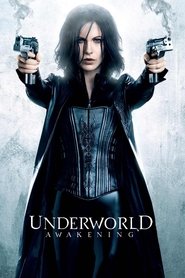
Oh, we started watching the movie. - Yeah. This is cool. - Will she make it? Got her clothes on. One of the things that we were very keen on... ... that we wanted, was that we wanted.... We had this ambition... ... that the audience should have their first breath... ...after the first 10 minutes... ...when she gets dropped off the truck... ...which we will see. And when I was watching the premiere yesterday with my wife... ...when she get-- She: At exactly that spot and I felt, "Wow... ... this was exactly what we were aiming for." I think the audience was a little surprised too. We had the premiere last night so we got to watch... ... the movie with a big audience. But they were surprised at the level of violence of the movie. This is a tougher movie than the other movies. Selene is a lot more badass in this movie. She kills a lot of people. - Yeah. Went through a lot more buckets of blood too. A sign of the times, I suppose. Yeah, you'll wish you hadn't done that. This was one of the big scenes in the trailer... ... that we had shown Screen Gems right at the beginning. I love the little splat of blood hitting there. That was sweet. I repeat, full containment... No, there was buckets of blood. I mean, it's.... Violence Is an aesthetic I think that, I mean, goes a hundred years back. Yep. Have we actually done a body count in this? It's a lot. You know what? I did once. Did you? What'd it end up being? - I can't remember. Counting Lycans and humans. Yeah, dead-- Corpses. Now, this moment was an additional shoot moment. It was the first thing we sh... - Wes Bentley, yeah. It's the last and first... - The uncredited Wes Bentley. The first and the last... - This jump was the first thing we shot. First day of shooting. - Look at this boom here. There. That hit in that shot, was Alicia... ...our excellent stunt girl, who just smacked... It sounded like the worst sound I ever heard. It's like, "We killed the stunt double on the first shot." And then you said, "Let's go again." The first day of shooting went so well... ... that I walked away thinking, "God, this is gonna be an easy movie." Oh, my God! - You were wrong. I was wrong. It was so difficult. This was the toughest by far we've done. They're not supposed to be easy. No. - There's a direct correlation... ...between the amount of suffering to do a movie... ...and how well it turns out. We never did a film, like, with this big budget kind of thing... ...but I think you always end up in the same position, you know? You don't have enough money. You always... Imagination can always outrun money. Yeah. - Yeah. The 3D made it more complicated too. Yeah, the 3D really-- You know, nobody had really done it. You know, how to plan it and how to shoot it and.... This is where we want people to breathe. Yeah, here. Here's brutalism again. - Yeah. I was talking with the cinematographer... ...ocott Kevan, last night and... Who did a great job. - He did a great job. And the person... I introduced him to my daughter. My daughter said, "Was this your first 3D movie?" He said, "No, my second. I made all my mistakes on the first one... ...So this one I could get right." Yeah, he was the only guy kind of who had done it. Yes. - And he kept telling us: "It'll take a long time." I remember-- Gary, you said: - It did. "If we go down the Amazonas, it'd be nice... ... to have someone who's been there." Done that trip. That was true. Scott was really there. - Yeah. He was great. But it's also-- It has been very... ...weird. - First shot of Kate. This was the first shot of Kate. Yeah. - First night. That terrible night when it would not stop raining. This was one of those.... - There's a gale right now. When the duck flew into the light? - Yeah. It was a duck who came from the sky... ...and landed in the middle of the set. The camera broke down about four times. Yeah. No, just shooting 3D was a weird experience in that sense... ... that we hadn't done it before and all the rules that you get... ... from various people who has done it... ...Just turn out to be not true or.... - Bullshit. Total bullshit. I don't know if the Red Epic that we used, the camera... ... kind of discarded some of them so it actually works now... ...and it's also.... You have to realize you're telling a story... ... you're not doing a 3D ride. Although this movie is like a ride but... No, but I think what.... True, because... .all these people that we talked about, they were technicians... ...and not filmmakers or storytellers. So they speak about the perfection of everything... ...and that's not really interesting, perfection... ...ecause what you go for is emotion, and emotion is not always perfect. It's also... You know, 3D is in its infancy. People really don't know the rules. When we took those classes... ... there'd been like six movies made and so people didn't know. Half of them were not real 3D, either. - Correct. Where you actually were using binocular cameras... ...to shoot the entire movie, which we did. I don't think any... There wasn't a rule they gave us... ...that we didn't break. - No. I mean, it was... - No. Everything. This is that hybrid POV, as we Call it. It's when Kate starts seeing through.... She thinks she sees through Michael's eyes... ...but it's actually India's. Eve, her daughter. This is so hard, I think, to decide as a filmmaker... ...when you do this. What it should look like? - No. Not technically, but I'm saying the suspension of disbelief... ...of is it Michael or not, and.... We didn't know... All the marketing now you've seen... ... you know, It's all out that she has a daughter in this one... ...which, you know, when we were planning this.... Hopefully that would be the secret. It's gonna be a surprise, yeah. - "Wow, she has a daughter." But.... And I think what helps us Is that we... - Michael Ealy, by the way. Michael Ealy. - Appearance of Michael Ealy. What helps us is the pace that we had to this. You just move so fast that, you know... ... you don't leave time for the mind to think that much. But it's.... Yeah, it's interesting. One of the scenes we shot here is outside in Vancouver. Vancouver-- When we heard we're shooting Underworld... ...and we're shooting it in Vancouver... ...we thought that was pretty strange because it's not gothic. But as Bjorn was talking about... ...when we found the neo-Goth and the brutalism... ...Vancouver Is fantastic. - We'll start counting... ...how many times that word comes. - You do that. It might be even more people than die. Yeah. A couple of words about Kate.... She's a movie star and a really, really good actress. Sometimes that's not the same thing. But she is, and she's very fun to work with. And she... You know, she's British, she always... Theo James. - Theo James. Very witty, yeah. - Young English actor making his... Who's also extremely funny. - Those damn Brits. Yeah. He's so funny. And you're around people who are gorgeous and funny... . It takes its toll on you. Yeah, it doesn't go together usually, yeah. No, and you just stand there in the middle and talking really bad English. I love this shot we did with Stephen. I remember we were shooting it, he was really somewhere else. He was... That was a scene we added after we had started shooting. It was Gary's scene. - That was my idea. We initially had a scene outside of here that l.... I remember seeing this location. I thought it was beautiful... ...but I couldn't wrap my head around a desk being in an exterior atrium... ...so I was struggling with that, but I'm sure glad we did it. I think it looks beautiful. I think you said when you saw it, "It's outside?" It started raining. - "It's outside?" And it was freezing cold. You remember how cold it was? Oh, my God, it was freezing. - God. This is the second... - Then we said: "We have all this concrete and it's freezing cold. Let's get water everywhere. That'll make it really comfortable." This is day one. Day zero, we did the jump we saw before. This is day one where it was full-on, all teams... ...SO this is the first scene that we shot of the whole film. And this shot was actually blown up. We had shot it wider, but we were able to push in on it. We did that with an enormous number.... One of the beauties of using the Red Epic camera... ...was the ability to push in and resize afterwards... ...1N postproduction. That's 175 percent. - Yeah. One of the things I believe that Mans and Bjérn should discuss... ...because we experienced it our first day of shooting... .IS that they are slightly unorthodox in terms of a directorial team. Slightly? They alternate the days they're shooting. So the first day, I believe it was Bjérn, right? You were directing the first day... ...and then Mans would direct the second day. And so, you know, you guys may wanna enlighten the audience... ...as to your procedure. - This was Mans. The prior one in the corridor, I did. I can't remember, but we always have the producer flip a coin... I did. I remember I flipped a coin. Yeah, flipped a coin and whoever gets the tails... ...whatever we decide, begins the day. The thing is, when I'm directing, Bjorn's my best buddy... ...as we Call it, and he doesn't do anything... ...except helping me. Nobody's allowed to talk to him. - Wait. We'll miss Wes getting thrown through the window. This is a totally reshot scene. - Yeah. We had another scene that was... - Just not working. No, it was a bit of a disaster. We got the opportunity to reshoot this, and I love this scene. I love it too. - It's great. This whole spider-webbing window thing.... That was actually Len Wiseman's idea of having him... ...be pushed through the window as it spider-webbed behind him. Yeah, we had.... Yeah. Fantastic idea. - Yeah, great shot. In the background, you see he's got little stuffed animals... ...because we wanted him to be a tinker... ...because he's been tinkering with her... What? I never saw those stuffed animals. I love this shot. I love this. It's too short. - Way too short. Yeah. It's way too short. You know, if you're starting to do movies or anything.... Please listen up, because Bjérn is saying something important. If you get into doing green-screen stuff, stay on it longer... ...because the visual effects will come in and you'll go: "Why the hell didn't we stay longer?" You had 36 frames of tail handle that you didn't use. So it's... So there. - Bollocks. I did not see that. - The famous.... Larz. Thank you, Larz. This is a 300-pound dummy in steel. Oh, God. Nothing.... I mean... Larz is the visual effects... - Special effects. Special effects. We thought, "There's no way. That's not gonna smash the car." Larz was like, "It's gonna smash the car." It did. - It smashed it great. Larz was right. It worked. And I love this shot of the camera pulling up... ...and catching Theo there. - Yeah. SO we are boosting up the mystery here. Theo, who is this guy. - The mystery man. And hopefully you don't know that he's a Vampire yet. He could be anyone, probably a human. Yeah, that was one of the challenges, as well, with the introducing. We introduce Michael Ealy, who plays Sebastian... ...and we have introduced David. We had introductions of a character called Quint, which is... Love this knife. - Yeah. The Uber-- Who was a Lycan, but it was taken out. Because there were too-- Yeah. Kris. - Kris Holden. Brilliant. - Brilliant guy, brilliant actor. It was taken out because there were too many people presented... ...and he gets presented after the car chase... ...and we only see him once. I'm not sure if that was perfect. In hindsight, maybe we should have. - But it's tough. That's... This is a movie where there's only one character... ... left over from other films. Every character has to be introduced. At a certain point, it's a struggle... ...trying to figure out ways to do it without overwhelming the audience. So we just caught a glimpse of the lower Lycans. And one of the things that we really loved in this one... ...was that we could expand the mythology and the universe... ...by inventing new creatures. And we liked the idea that they have been living in the sewers. There's one now. Yeah. And, you know, we thought, you know.... Here we thought Gollum. We thought rabid dog. We thought puss-- Run... Is that what you call it? Puss? Pus. - Pus running. Yeah. Saliva. Fucking crazy in the head. Rabid crazy. That... - Syphilitic. We wanted to because there's... One of the most wonderful lines... .In the history of Underworld is: "You're acting like a pack of rabid dogs! And that, gentlemen, simply won't do." That Michael Sheen says in Underworld 7. And we said, well, let's turn them into those rabid dogs now. They-- You know, they have lived here underground for so long... ... that they actually became these rabid dogs. Yeah, we actually don't see these guys as being human anymore. They're just Lycans. - And they... They turned out beautifully, James. Really beautiful. - These are my favorite Lycans. I think if there is a part five, there should be just these guys. I love them, just those.... The horde. - Yes. Really sick. It was the first time we moved away from suits. We always relied on practical prosthetic suits... ...and this was the first. This and the Uber are the two creatures that are purely CG. The Uber was hard to cast, so we had to go CG. This is an important moment. I loved shooting this. - This is where Selene sees... ...this child for the first moment. Without realizing who it is. - Right. She thinks it's Michael. I remember when shooting it... - She expected to find Michael. Right. Exactly. And she was so beautiful, and she looks so scared. Vulnerable. - Yeah. And the whole thing here we set up, you know.... We're gonna reveal later in the van, when she rips the Lycan's head apart. Hopefully that works, because we set up this girl as weak... ...as we see here, and vulnerable and so on... ...but she is the daughter of Selene, which means the girl's got powers. She's got the kick-ass gene. - Her name is Eve... ...which is never pronounced. - No. It isn't? We never say it? - We never say it. She says, "I'm Subject 2. You're Subject 1." So we might give her another name if we want to for the next one. Eve is perfect, I mean. No, but I think Selene is so beautiful... ...because Selene means moon in Greek. Is that right? - Yeah. Selene means moon in Greek? - Don't you know your Greek? Apparently not. Good Lord. Yeah. So here's the car chase, as we Call it. And it is pretty much... ...on the money on every shot that we storyboarded... ...which is extremely rewarding for a director... ...to see that it pulls off. This is also a triumph of visual effects. Probably half of the scene it was pouring down rain... ...and shooting in 3D, which means you can't really shoot. Shooting in 2D. We shot most of it in 2D. Because you can't shoot in 3D, the rain hits the mirror. The half-silvered mirror that you use in a 3D rig. So this whole thing was pieced together... ... from very, very rudimentary pieces.
10:50 · jump to transcript →
-
I think a lot of all these shots of-- Just of India. lt makes me think of Turner. Like old Pre-Raphaelites, and so on. She looks so beautiful. So perfect. Also very fun with Charles Dance that... When we talked to Len... ...and said we would love to have Charles for this... ...e was our first choice... ...and we were very happy that he could do tt. And Len was like, "Oh, great! I wanted him for the other films as well." Because he's always thought of him as a perfect Underworld... ...actor. - Yeah. I think he's perfect. Now we don't have Bill Nighy anymore... ...because he's dead. - Yeah. We chopped his head off rather thoroughly. And even so, he kept coming back. - Yeah. But he can't come back anymore, I think. No. - No. Not at this time frame. - Never say never. So that's Kate's mother in the background there, which is.... I love the shot of this tic she gets in her face. That's me screaming, "Twitch, twitch! Twitch!" - It was great. It gets cut off a little bit by the wipe... ...but it was such a great detail. And then Selene... ...has an emotional moment. - Is crying. Yeah. And here we had.... There was.... Now we have this, but before, I think, until the very end... ...It was flashbacks more of him. Right. - Their history, kissing and so on. Originally, it wasn't supposed to be that underwater sequence. lt was supposed to be him in all his glory and beauty. But it actually works really well... ...because you've seen that piece before... ...and it works better as a memory. - I think so too. This was a wonderful time in the filming... ...because all of a sudden... ...we went from the cold exteriors of Vancouver... ...where it would rain every day. It continued to rain, but at least we were inside a studio. We were there in this set for... - A while. Yeah, two or three weeks. And I remember Mans said to me, and Bjorn, they said: "This is our favorite point in the movie." I think it was. Yeah. - When I think back to it. Every day you'd go to work, and you'd be in this pretty set. We were doing interesting things. It's actually where most of the performance... ...the acting, took place. - Yeah. Here, we have an actual dramatic scene. Yeah, but also, it felt like we actually controlled the 3D beast here. The camera lived on the crane the whole time. Yeah. It didn't control us. We knew it. We understood it. I can give courses. And we weren't standing around at night in the rain. Right. - Exactly. There's that physical comfort part of it. We had a subway train to contend with a little bit. Every fourth minute or something. The elevated train that went by every 15 minutes. But I mean, I just want to say a couple words about Kate. She's so great here and she's so focused. It's crazy. You talk very little to her. I think good direction is more about being than talking. And with her, knowing the role so well... ... you kind of say, "So this is kind of what we need for the scene." She knows exactly, and then it just happens. This is a beautiful shot. I love that shot. If you want to make a small, small change, it's... You can direct her like a surgeon... ...ecause you can do so small changes. And it's exactly what you're looking for. I'm happy actually that that scene stayed in the movie. Because it's not.... - Me too. Me too. Almost came out, but you're right, it is... This scene almost came out too, but I'm glad-- This was a oner that... Everybody thought this scene would go. I liked it. I really fought for it. I really loved it. - It's so creepy too. Yeah, but I think it's important, because this is about the little girl... ... realizing her new identity. And this is a teenage, you know, coming of age, and so on. This is the creepy stepfather. - This is an incredibly creepy scene. It's a beautifully staged shot. You've gotta have a few of those in the movie, right? He wants to kill her, and here he is being nice and.... He wants to absolutely wipe her off the face of the earth. Yeah. He despises her. I think one of the most common words I used, or we used... ...Was "contempt" and "despise" to actors. Those are two great words for actors. - Yeah. And she nails it. She nails it. - Oh, those eyes. It's funny, because she has to do a lot of acting in this film with her face... ...where she doesn't have a lot of lines to really chew on... ...but she really is able to do a tremendous amount... ... Just with facial expression.
34:30 · jump to transcript →
-
-
-
-
-
-
multi · 1h 43m 1 mention
The Taking of Pelham One Two Three (1974)
Nathaniel Thompson, Steve Mitchell

Related topics
Other topics that frequently come up in the same commentaries.