Topics / Studio & business
Budget
118 commentaries in the archive discuss this, with 429 total mentions and 42 sampled passages on this page.
Filter commentaries
Filter this topic by the film's decade or the type of commentary.
By decade
Across the archive
ranked by mentions · click any passage for the moment in the transcript
-
-
Richard Donner
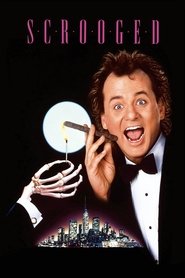
My name is Dick Donner, and I directed this wonderful film Scrooged. And Danny Elfman did the music. Paramount put up the money. A lot of great actors, a lot of great fun. And Scrooged was supposed to be advertised as, "You've been Scrooged." But, you know, people are chicken, and they were worried about the, you know, the right. You know which right I'm talking about. And, so we never said, "Scrooge," but I'm saying it now. And if you guys don't want to buy it, then go Scrooged yourself. How's that? Now, okay, this is a great little set. A wonderful little set. I have a lot of this at home. I know I shouldn't, but... And these are all the little people. We got little people from all over to come, and some of them turned out to really be Santa's helper. We didn't realize it and... But they showed up, because they heard about the casting and figured it would work. That... Last time a star appeared like that, it was Joel Silver. You should pardon the expression.
0:21 · jump to transcript →
-
Richard Donner
Now, this was tough. 'Cause how long could he hold it, without smiling or breathing or breaking it? So we were forced to cut away, as you see. We didn't have the money to make an artificial face.
1:09:32 · jump to transcript →
-
-
director · 1h 24m 2 mentions
The Naked Gun: From the Files of Police Squad! (1988)
David Zucker, Robert K. Weiss, Peter Tilden
-
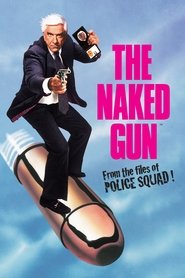
Mel Allen, his last movie. Yeah, that was a big... Another one. Wasn't that a big budget for one joke? Also buried in a dress. Big budget for one joke, correct? You had to get all those people? Well, some jokes are worth the bucks. Yeah. You have to have the courage to spend. Complete bullshit. Now, some of these scenes of Leslie and George we did on the Paramount lot later. With people just... People behind him. A section behind him and a section... You'll see that some of them were pretty close on...
1:00:14 · jump to transcript →
-
If you went over budget, if the movie is a hit, or I don't know. Probably not the same. Let me tell you, that's not true. Yeah, Bob didn't work for years after this. Yeah, exactly. After which? Yeah, the movie's a hit. Ah, another semaphore joke. Never miss with those. Yeah. Another night shot. This is what I'd call off-message to Dave. Oh, a corking the bat reference for your true love. Yeah, nobody got this.
1:10:40 · jump to transcript →
-
-
-
Paul M. Sammon
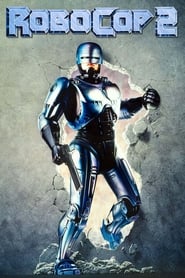
Peter was a very great choice to play Robocop in the first two films, as was, you know, Mr. Burke in Robo 3, who's also a fine actor. And talk about sentimental. I mean, oy. Oh, well, I would have taken the money, but that's just me. Robo Thief.
1:29:44 · jump to transcript →
-
Paul M. Sammon
Well, there was. The computers we gave the local company that I got the computer material from a credit as part of the deal. So in any event, here we go. Tobor picture, by the way. Tobor is robot spelled backwards. And, of course, Tobor the Great was a very low-budget film in the 1950s that John Davison loved and has upgraded with Robo and RoboCop 2. This is Paul Salmon signing out.
1:56:02 · jump to transcript →
-
-
-
because their earlier collaborations were so low budget, they just did not have the time or the money to really explore the use of closeups in dialogue scenes. Oh yeah, it's never more sort of present than in this film. And obviously I would say, I would say that
13:21 · jump to transcript →
-
you could basically jump to the front of the line anyway. Any way you can. It didn't take much to basically have someone sign off if you had the money, if you had the funds and the means. So there was this kind of false, falseness to it that could easily be exploited. It's just that, again,
1:13:19 · jump to transcript →
-
-
-
And probably somebody with the money somewhere is going to do it, and it's going to be a big scandal. And then everyone will say, oh, just because I saw that on the TV news doesn't mean he really said that. I had a couple of guys come up to me while we were filming this scene here at the Lincoln Memorial.
1:04:43 · jump to transcript →
-
Now here's a good example of saving a lot of money because that's stock footage. And now this is back into what we created. And in fact, there was a hurricane that blew through there and there were still minor remnants of that hurricane that we used as a backdrop to shoot that scene. That's right. Only one shrimping boat actually survived the storm. And this digital thing is going to happen once it becomes cheaper and once you can move faster because, you know, time is money. So it's all about the money.
1:35:52 · jump to transcript →
-
-
multi · 1h 54m 2 mentions
Jean-Pierre Jeunet, Hervé Schneid, Alec Gillis, Tom Woodruff Jr. + 5
-
I remember, I had to fight against the studio to get the smoke on the knife, because it wasn't on the budget. Here, same thing, it's for real. Sigourney gets it through the hand. No. Of course it's a cheat. On one side it's a retractable blade and on the other side it's a real one. A CG blade. So we CG-ed the second part of the blade. And the smoke is CGI? - The smoke is CGI, too. Lot of times, those little effects - like that - are the ones that have the most effect. Yeah, because it seems to be normal. It would be possible to have a fake hand... They talked to us about that, and it was impractical and too costly, because to give the hand enough life so it didn't look artificial was a lot of work. And to make it move, then stop... Too limiting in your shot. That was a great approach. On the shooting, it didn't take a longer time than just to play it. So it was very cost-effective. Tom, didn't you get together with Sigourney about the style of her movements? Yeah, right, because of her alien heritage now as a clone. We talked a little bit about movements that she saw me doing in the alien suit. We tried to find a way to integrate some of those into her performance. There's some later where she's swimming, there were some movements we worked out. Also when she escapes from her cell, there's an element where we were figuring out: "What is it about the alien when it's retreating that's the most noticeable feature?" The tail. And without a tail, we ended up doing something where she kicks her leg out as she's moving into the chamber and escaping from her cell. In the preproduction, I did some research for Jean-Pierre on animals, to find out the way for the alien to move, to find a halfway between feline and insects. So we did a lot of research on footage, to have an idea of this hybrid between feline and insect. It was cool. I met Ron Perlman in The City of Lost Children - he played One. I love him. I can't wait to work with him again. This isn't a modest thing to say, but I like the way the guns look in the film. Jean-Pierre's idea was: he'd seen the guns get bigger - especially in the second film - and he thought it can get quite absurd if we go too far, so it'd be a nice idea to shrink the sizes again and have guns that are more about efficiency. He wanted guns that snapped when they fired. He wanted to feel and hear every bullet as it ricocheted and hit the floor. He wanted something that was a bit more credible than the giant "Rambo" guns. So we designed with that in mind. It was something that felt very basic.
35:17 · jump to transcript →
-
We built a miniature version of the newborn as well that we never photographed. We didn't have the time or the money, I think. There was a lot of hard choices being made. Jean-Pierre's idea for the newborn was that he wanted it to be like a toddler that was curious and prone to tantrums and completely unaware of its own strength. And, like toddlers, eat people's heads. I remember at the beginning we thought about Sigourney inside a cocoon, but when we arrived on set in the morning, she told me "No, it's a mistake. I can't stay in a cocoon. It's a mistake." We had to improvise something. We had to improvise something. It's not easy for a director to change their mind when you have a lot of special effects and these kind of sets. It's pretty difficult. But she was right. We had all these technical words to say in English, which is very difficult for a French actor.
1:38:13 · jump to transcript →
-
-
-
which was a pretty good idea. And then we do some animation on the sunglass and also make the sunglass more computerized. We almost lose the scene because of the budget time concern. We did try to shoot it in a simple way, but we were so lucky and never give it up. So I'm so glad that we got a scene and also got a pretty good impact about the sunglass. We had decided this is the love story.
10:32 · jump to transcript →
-
Sign effect is very important. Sign effect, sometimes you make the scenes look so much different. And on the set, you could never get a perfect shot. You could never get a perfect scene. Sometimes because of the time or because of the budget, you only could get the major shot done. And then you have to put everything together very cleverly. Time, Mr. McCloy.
1:34:35 · jump to transcript →
-
-
-
Ridley Scott
He's in. Now he's in. But I think he's very insecure about what he's done. I don't think he's happy, even though he has the money. Very thoughtful. But he loves his wife.
1:02:45 · jump to transcript →
-
Ridley Scott
The Third Man, that's one of my favorite films. And I kind of would like this to have been at night. Would have been more dramatic. And I liked it to have been lit so I could control the lighting with such dramatic scale like The Third Man. But we couldn't do that either. We couldn't control it. We couldn't afford to do that. And the amount of lighting it would require to light at night would have been enormous. So that went out the window. But basically, I think it works out fine.
1:36:31 · jump to transcript →
-
-
director · 4h 13m 2 mentions
The Lord of the Rings The Return of the King (2003)
Peter Jackson, Fran Walsh, Philippa Boyens
-
you use for beer because obviously you can't use real beer because otherwise you'd have actors rolling around on the floor. And sometimes you do have actors rolling around on the floor anyway. In the movies we use a low alcohol beer. It's real beer, it's brewed with hops and it tastes pretty much like beer but it's very low alcoholic. We had a brewery in Nelson actually create a special low alcohol Hobbit beer for us to use in the film. Well that's why our budget went through the roof. So where did that drinking song come from? Phil wrote it.
21:44 · jump to transcript →
-
In terms of the narrative momentum, it sort of slowed things down at a time when we couldn't afford to have it in the theatrical. No. It's really nice. Yeah, it was great. And it was written again to get that bond between her and Mary. Yeah. It's also when she says, courage, Mary, for our friends before she rides into battle, she's actually referencing this moment.
2:18:23 · jump to transcript →
-
-
-
The shot just before this, the one outside, we actually shot at the Prague airport, which is another advantage to shooting in Prague. I don't think there's any way you could get a camera crew right on the departure gate of an American airport anymore because of security. Of course, one of the downsides of shooting at the real airport in Prague is that we had our day curtailed by a bomb threat. Bomb threat, which I still maintain... - Potato, potato. I maintain may have been because of us, and there was no bomb. There was no bomb. - I'm sure some... A grip left a bag of clamps somewhere and... But that was another scene, too, where, when we look at it, there was sort of a way of shooting it, two different ways of... We started shooting them sort of looking out where we were shooting into those boring offices, and obviously the prettier shot... I know I'm talking backwards... In hindsight, we should've shot the other direction. We should've shot in the other direction, because when they do turn around, you see that background. And again, these are lessons that were sort of both imparted to us as we were going along by our wonderful DP, who we should mention, David Eggby. - David Eggby, who saved us from ourselves every day. And there's a certain amount he can tell us, which he certainly did, and there's a certain number of times where we have to be wrong before you learn and certainly that was an example again, something we did where... The other thing in the deleted... - He warned us and we didn't. In between the courier counter and this scene, there's some fun stuff in the deleted scenes, which is they realize that they're gonna have to take all these courier packages, so they don't know what to do with all their clothes. They have to wear all of them onto the plane and through the airport. There was about 15 minutes of stuff which... Decide for yourself whether it works or not. It didn't work in the movie, but it's fun to look at. And by the way, Jacob's T-shirt says, "I'm rocking on your dime." Travis owned that T-shirt and we thought it was funny, so we put it on Jacob in the movie. These transitions-- That's my dog. These transitions were... That's my queen of England. - That's your beaded London flag. Yeah, it goes on the back of my cab seat. These transitions were also done by Kyle Cooper at Prologue. There's a few more of them coming up. You'll see. And this is our first big visual effects shot. Yeah, this was an amazing debate. That's not the real Jacob Pitts. That's a robot. This was shot in Prague by... There's a big river in Prague and that's all real. That's real. And we put a little British flag there, and basically the background was replaced. Not in these shots. In that shot. - In that shot, the background is replaced because on that side, I think, was... Is that where our hotel was? I don't remember. No, we were further down. - Further down, okay. And I guess we should mention Kevin Blank, who was our visual effects guru supervisor, who we found from the TV show Alias, where each week they do a lot of really amazing things like this. Right. If you look in the background, you see the buses on the bridge. The bridge is real and the buses are real, but the stuff behind that is not real. But the flag, for example, I don't think that's real. They added that. If you look at the clouds move... - There's cars moving on the side. The clouds are moving. They put those clouds in. And what Kevin allowed us to do, besides being a really good guy, as everyone on this movie was, he let us do a lot of big effects like that on sort of a TV budget which allowed... This was a "smaller budgeted movie," and it let us do some special effects without bringing in these, like, big effects companies where it would cost a lot of money. By the way, this is about the time that we should mention the Feisty Goat. This is the Feisty Goat pub. And we saw the sign out in front, which we misspelled. I think this is the right time to say that Alec, David and I went to Harvard and we didn't know how to spell "feisty." We spelled it wrong in the stage directions. Spelled it "fiesty." - The guys who made the sign just took our spelling. We showed up on the day and the crew was laughing and we couldn't figure out what they were laughing at. We shot an entire day without anyone noticing and on day two, people realized. - No, they knew. Did they know? Okay. - Oh, yeah. They were laughing their asses off at us. And then finally, it was like, "Did you guys know?" And they're like, "Yeah." - And this is the incomparable Vinnie Jones who, when we wrote the part of Mad Maynard, the chief hooligan, we hoped that maybe we could get Vinnie Jones. We wrote it with Vinnie Jones or a Vinnie Jones-type in mind, never thinking that we would get the real Vinnie Jones. The dream being Vinnie Jones or someone that would rip Vinnie off. And the pleasure of getting him was just so great. It was amazing. He scared the living daylights out of these two. They're not... This is, again, method acting. We told Vinnie that they were really... that the kids were really scared of him, and he did nothing to make them feel at home for this scene.
18:35 · jump to transcript →
-
This, by the way, we did not build, we did not dress. I mean, we put some clothes in. There's a little bit we did, but when we showed up, we showed up in winter to scout this location and the trees were all barren and there was dirt and stuff everywhere. Basically looked exactly like this and we said, "This is absolutely perfect." I do think Allan added some of the garbage and some of the cool graffiti. - Yeah, garbage, trees and stuff. But what's funny is our location people didn't quite understand what we were going for, and at one point they cleaned the whole place up. It was like, "No, no, no." They told us, "It's clean." We said, "No, put it back." So they had to spend the money to put all the dirt back. Also, the trees were growing leaves and we had to kill the trees. We basically paid some sort of fee to the government to kill the trees. The dog with the hand we should throw in there. Yeah, that's a highfalutin allusion to Akira Kurosawa's Yojimbo. For those of you who have seen Yojimbo and this movie, all six of you. And there was also another shot that showed the desolation of Eastern Europe. As they're walking, they see the dog. They see the guy bathing. - Horrified. And there was a girl, a little girl who they smile at and wave to who then basically cops a squat and starts peeing, which is in the end credits of the movie, as sort of a little joke, and basically people were just sort of... I don't know. It's one of these things where in the movie... You love it or you hate it. - Yeah. We love it. And apparently more powerful people than us hated it. We wanted it to be in the body of the movie, especially in this unrated cut, and it is not. And I guess we'll just leave it there. I guess we should mention, also, Tibor who you just saw. - Yeah, Rade Šerbedžija. All of our casting in this movie is based on the works of Guy Ritchie, so having cast Vinnie and then needing someone to play Tibor... By the way, that money, $1.83, we actually didn't have... We forgot. - ...61.83 in American money on the day. We had to scrounge up... It ended up being $1.46. I think I had a quarter in my backpack. Just what people had. We didn't have the money. We'd been in Prague for so long. - This, I think, was our second day. Yeah. - No, this was our first day. We shot the train station in the morning. - This was day one. Or at least bits and pieces of it. - And this... This was actually the first thing we ever, ever shot, which we've now added back. - Yeah. Originally, when they're on the side of the road and Michelle is trying to get the cars to stop, Scott mentions that you can't... No one's pulling over 'cause she's showing her bra. - He says, "This is Europe. They have orange juice ads with lesbians and dildos. You gotta give them something they haven't seen before." Then later in Eastern Europe... You see the orange juice ad with lesbians and dildos. And in the theatrical version, we actually cut the orange juice ad completely because it just felt like the joke of the opulent hotel was better if it was just shorter. So we got to this stuff quicker. The guy who just ran out, the waiter, is like... Dustin Hoffman. - ...Jim Carrey. Miroslav Táborský. - He's like the Jim Carrey of Prague, and he's really funny. I'm not sure he ever... He never trusted us. No. We had to explain. He didn't want to slap with the backhand and we had to explain that in America... - We had to lie to him... "In America, it's called a bitch slap, the most degrading thing you can do." - We made up this crazy excuse to get him to do what we wanted to do. He just didn't trust us. Nothing you can do about that. That was something we wanted designed, which was the keyboard in the radioactive box played with gloves. Didn't quite work. - No, I'm not sure anyone cares. But we know it's there. This was a factory... It's a high-voltage testing facility. It's a real, working, high-voltage testing facility. And they have it in the movie XXX, but we shot it very differently. And David really went all out here. I mean, especially those sort of finger lights that you see, he put into the background of every shot and Allan gave a lot of neon. And this is some of the best-looking stuff in the entire film. Michelle does look beautiful. - Michelle looks incredible. Of course, the only problem is this place has a horrible, cavernous echo, and there are things in here we just had to sort of loop. We had no choice. The stuff in that bottle, by the way, is so toxic... Poisonous chemical. ...that when they were dancing with the bottles later and two bottles met and broke, they literally had to clear the floor, scrub it down, decontaminate before we could go again. Anyway, our actors are hovering over the fumes right now. It's fine. Again, look at the lights in the back of all this. That big piece of equipment, that's really there. Michelle's close-up here... That is such a gorgeous shot. - That's incredible. That stupid VIP sign behind him was awful. That was there for all day and we never saw it until too late. Well, you can't, you know... You look at a tiny monitor on the set and you can't see everything that the camera picks up. And then you get in the editing room, you go, "Oh, my God, you can see all that stuff." But also, I don't know if it was us being first-time directors or what. On any given day, there are two or three things you're really obsessing on because you feel that those are the most important things, and you solve those only to realize later that there was one minor thing, like that stupid VIP sign, and there's one of those in every scene where you just go, "What was I thinking?" - Sometimes you're obsessing on something that ultimately turns out to be insanely unimportant, and the massively important thing is sitting right in front of you and you screw it up. - In that scene, we were obsessing on a line when they were flirting. That we ended up just cutting. Yeah, he said he was the black sheep of the family and then she was trying to be witty and she was sort of saying, "That's okay. I have an uncle who 'blank. And we must have done take after take after take. "You think you're the black sheep of the family. My aunt's a female bodybuilder." Just take after take after take of stuff, nothing that was ever used, and it makes the VIP sign all the more, sort of, laughing at us. By the way, the Green Fairy is played by Steve Hytner... So great. - ...who played Bania on Seinfeld. We worked with him also. - A real good friend too. He really did us a huge favor. - Yeah. He was going to a wedding in Italy, I think, and he stopped into Prague on his way to... Here's a little added extra. Yeah, this was just a little something we cooked up. Jacob was really funny doing this. In the theatrical version, we cut it. There's no time for this in the theatrical version, but we felt we'd subject you to it. And he just... He got it, you know, that he was... Again, we're into the production at this point, and his Cooper had become a character. - He was dialed in. Exactly. And here we go. - On the day this happened, Travis comes up to me and says, "I have a cold." I say, "You're not going to tell Michelle you have a cold because your tongue is going to be down her throat." Also on that day, Michelle's mother, sister, and sister's boyfriend... Decided to show up. - ...came to visit. And it was just like, "Oh, God." But ultimately, they went for it. They went for it, and it's all about the tongue. Yeah.
58:03 · jump to transcript →
-
-
-
Noah Baumbach
One of the main things we were kind of wanting to write about was about a guy whose family is really his collaborators. So I feel like for Zissou and for all these guys, they were people who were looking for something to plug into in their lives, and they found this. They found somebody who wanted to lead them and who was excited to do that. And I think Zissou, he just needs that in his life. And I think anybody who makes movies is kind of familiar with that because you end up becoming very intimate and close with a group of people for this short period of time that you're working with them, and then you go away. But it sort of heightens the awareness of how connected you get with them. Yeah. Is this actual rain or fake rain? That's fake rain that's made by Renato and Daniel, the effects guys at Cinecittà. Two great guys who did all our explosions and guns and fire and rain and snow, and everything else. And Renato is Italian, and his brother-in-law, Tonino, took us on a lot of scouts, when we went out in boats and scouted on ships and things, and he would make what I called spaghetti al Tonino, which is spaghetti with a can of tuna fish and tomato sauce. We'd make it on the boat and we'd eat that. And Daniel is American. He's an Italian-American from Brooklyn, and they work together. Daniel translates for Renato, and Renato's kind of a great sort of... prince at Cinecittà. They're going together in the revolving door. The "I'm a Pepper" T-shirt, whose idea was that? That was, when we made our Bottle Rocket short, a 16 mm thing we'd made years and years ago, there was a man who was a security guard that we had gotten to know, that really Owen somehow managed to entangle us with. And then we put him in the movie, and Temple had taken us out to shoot pistols. None of us were real hunters. But Temple, the security guard we met, took us out to shoot these guns. And Temple had this shirt, "I'm a Pepper" shirt, that he would wear. And when we made our short, we put him in the movie in his "I'm a Pepper" shirt, and they talked to him, and he takes them shooting. In fact, when we filmed the scene, Bob Musgrave shot-- One of the actors, his gun went off pointed at his foot, and the bullet grazed his shoe. He almost shot off his foot. Because, of course, in most movies, we use blanks. When we were making our short, we used live rounds because we didn't have any blanks. - It's just easier to get real. We would've had to buy blanks, and we really had no budget. But Temple had a lot of bullets in his trunk. But so then we then worked that into the script for the feature film. When they do this big robbery, Bob's character kind of almost shoots himself in the foot in the middle of the robbery, which actually... It seems to cause another one of the characters to have a heart attack and the whole thing begins to go wrong. But back to The Life Aquatic. And so the "I'm a Pepper" shirt, you hadn't used since Temple. We didn't get to use it in the real movie of Bottle Rocket because we couldn't get it cleared. We managed to get it cleared. - Now you had the muscle. Yes, now we can get an "I'm a Pepper" shirt at will.
1:30:18 · jump to transcript →
-
Noah Baumbach
So now they're on their way out of Ping Island. Bill Murray's running to the safe, this yellow safe with Ned's inheritance in it. I always wonder if we're clear about things like the issues with Ned's money and all that kind of stuff, but I guess it's all in there. Yeah. I always like what Scott Rudin, the producer, does. Scott said about... I remember when he read the draft of the script, where we had come up with that idea of the hole in the back of the safe, and he said, "Well, he's looking for the money, but he finds Ned." And I always thought, wasn't that a touching idea, you know? I hadn't consciously thought of it. - He had a real way with words. Cody is left behind. I think you came up with the name Cody. Cody was... Well, there's some debate about who came up with the name Cody, but as we alluded to and as, I guess, basically suggested by the fact we're doing this commentary at the restaurant that we wrote it in, Cody's a regular here who we run into, and so... And at one point, I think it was literally like, I said to Noah, "What's your dog's name?" Doing Jeff's dialogue, and Noah thought for a moment and responded, "Cody." Cody. As he stared at Cody through the front window. It was the summer. I feel like I've said enough... What's that stand for over there? That's Esteban. It was working okay until late last night, but now the whole tracking system's gone completely on the fritz. Screw it. We'll sell it for scrap, along with the boat and the submarines. I'm going home. One thing about Willem is, Willem was always on the set. You know, he was there for the whole movie, and he doesn't like to hang around in his trailers. So he weaves himself into scenes, such as this one, where Owen says, "Ho," and Willem is standing in the background there. And you'll see, when they do the Team Zissou "ho" with the hands thing, Willem does it out of focus deep in the background. Did he do it in rehearsal then you included it? I don't remember. You know what? I think he was back there and I may have mentioned one thing to him. Well, it adds this whole other thing. And it's also, we know that Klaus feels left out, so at this point, though, it's almost a little bit of menace in the background, even though he's... This, again, also is something you do a lot, which I like, is this-- But he's also been touched by Ned, including him already. That's true. He hasn't saluted him yet. - He hasn't acknowledged it. I was gonna say, the thing I like that you do a lot, that I mentioned earlier, but this very deliberate cut to an insert of a written note, which it sort of has a... It has a kind of energy. It sort of brings energy to something that would be normally just static and feel like just, you know, information. Well, you know, one thing I always think of is, I remember reading Pauline Kael somewhere, Kael who really brought me into a certain kind of movie watching. You, your parents were well-versed in films and introduced you to all kinds of films, and your mother was a critic, and your father had done some film criticism as well, right? But I kind of got that stuff from reading Pauline Kael, some of the same kind of, you know, somebody's gotta tell you about it. Right. - And I got so many things from her. And I remember, you know, she certainly made me interested in Godard. We seemed to keep talking about him. And she talks about how Godard's movies are filled with... They're literary. They're filled with words. There's titles on the screen and there's letters and there's writing everywhere. And there's people quoting, people just reciting from books. And, you know, this movie here, now we're looking at another letter. It's filled with writing, something... And I like the-- I mean, it's sort of, again, something maybe, you know, he might do, but is... I mean, we see Ned reading a crumpled-up letter that's obviously been around for a long time, but then when we go to the insert, we go to the original letter in a very formal way, with the pencil above it and-- In fact, I think... One of the letters is situated in the environment where Zissou would have written it, and Ned's is situated in this place where Ned would have written it. Like his desk when he was 11 and a half. And it brings-- I mean, it's something that we've talked about, I mean, sort of how you use words and letter writing, and, you know, we were talking about, how in Adele H, when people write letters, they actually speak to the camera and they're often superimposed over other images. We should probably be talking about this scene. Well, actually, that shot of the feet falling was something I had thought of a long time ago, and Roman shot it for me. It was shot a couple of times by different people, and then when Roman got there, we talked about it, and Roman went out and shot it perfectly. And then we do this odd effect of, you know, the red and the thing-- I don't know what I was really thinking of, but something going into silence and, you know, trying to prepare the audience for the fact that we're gonna kill him, which is hard to do, actually. For me, I mean, I feel like I get so attached to these characters, and, you know, we're not really working from something that begins with a plot. It's more like, you know, trying to bring these people together, and I may be, you know what, probably overly sentimental about it, and probably indulgent about it, but it's hard for me to get to separate-- I feel like they're real people to me. So it's hard to kill them. But it was one of the ideas. We talked about people who read the script. Peter Bogdanovich, our friend, he was upset that we killed Ned. I think my brother Nico, who the intern is named after, also felt sort of... Was unsure about it, and I think, you know, it is a choice. That scene where he's in the water was crazy because the sea was rough, and we had this fire in the water, and we're all standing out there, and underwater are all these tubes with gas to make these fires and things, with hunks of cement and wire. But it was fun, and it brought this crazy energy to it.
1:33:50 · jump to transcript →
-
-
-
He's a New Zealand production designer who did such amazing films as The Piano. And we did have a limited budget, and I don't think that you would guess that, given what he was able to do. And also, I think it's interesting that Stuart Dryburgh, who was our director of photography, and Andrew had worked together before. They're both from New Zealand.
11:53 · jump to transcript →
-
Which is fine when you're dealing with an animated character, but a little less comfortable if you're... See, I said let's go for it, but then Gale was like, no. We just didn't have enough of a body makeup budget to cover the bruises. Yeah, no, that would have just been really impossible.
12:48 · jump to transcript →
-
-
director · 1h 36m 2 mentions
Aliens vs. Predator - Requiem (2007)
Colin Strause, Greg Strause, John Davis
-
And that's the real address. That's the real address, yeah. We were shooting it. It was the one thing we didn't look at when we were prepping the house. And that door opened, and we're like, oh, that's really long. And then we're thinking about, should we digitally paint that out so it doesn't look so crazy? And we're like, yeah, we'll just better put the money somewhere else. Exactly. Now, this is the part where Brian Tyler called originally. I don't think he made it on the CD with this name, but he called the score in this section...
17:32 · jump to transcript →
-
Again, I felt really lucky that we ended up with the young girl that we did because I think she really pulled it off for us. She did a good job. And we knew that we had to find her in Canada because of our budget parameters and shooting in Canada and the actors we could take and not. But there was a nice pool of actors for us. It's the first time we see a Claymore mine deployed. Basically, he sets these things in a passive mode and then...
39:52 · jump to transcript →
-
-
technical · 1h 22m 2 mentions
Måns Mårlind, Björn Stein, Gary Lucchesi, Richard Wright + 1
-
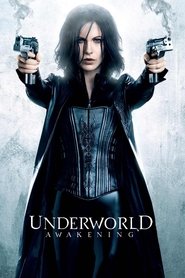
Oh, we started watching the movie. - Yeah. This is cool. - Will she make it? Got her clothes on. One of the things that we were very keen on... ... that we wanted, was that we wanted.... We had this ambition... ... that the audience should have their first breath... ...after the first 10 minutes... ...when she gets dropped off the truck... ...which we will see. And when I was watching the premiere yesterday with my wife... ...when she get-- She: At exactly that spot and I felt, "Wow... ... this was exactly what we were aiming for." I think the audience was a little surprised too. We had the premiere last night so we got to watch... ... the movie with a big audience. But they were surprised at the level of violence of the movie. This is a tougher movie than the other movies. Selene is a lot more badass in this movie. She kills a lot of people. - Yeah. Went through a lot more buckets of blood too. A sign of the times, I suppose. Yeah, you'll wish you hadn't done that. This was one of the big scenes in the trailer... ... that we had shown Screen Gems right at the beginning. I love the little splat of blood hitting there. That was sweet. I repeat, full containment... No, there was buckets of blood. I mean, it's.... Violence Is an aesthetic I think that, I mean, goes a hundred years back. Yep. Have we actually done a body count in this? It's a lot. You know what? I did once. Did you? What'd it end up being? - I can't remember. Counting Lycans and humans. Yeah, dead-- Corpses. Now, this moment was an additional shoot moment. It was the first thing we sh... - Wes Bentley, yeah. It's the last and first... - The uncredited Wes Bentley. The first and the last... - This jump was the first thing we shot. First day of shooting. - Look at this boom here. There. That hit in that shot, was Alicia... ...our excellent stunt girl, who just smacked... It sounded like the worst sound I ever heard. It's like, "We killed the stunt double on the first shot." And then you said, "Let's go again." The first day of shooting went so well... ... that I walked away thinking, "God, this is gonna be an easy movie." Oh, my God! - You were wrong. I was wrong. It was so difficult. This was the toughest by far we've done. They're not supposed to be easy. No. - There's a direct correlation... ...between the amount of suffering to do a movie... ...and how well it turns out. We never did a film, like, with this big budget kind of thing... ...but I think you always end up in the same position, you know? You don't have enough money. You always... Imagination can always outrun money. Yeah. - Yeah. The 3D made it more complicated too. Yeah, the 3D really-- You know, nobody had really done it. You know, how to plan it and how to shoot it and.... This is where we want people to breathe. Yeah, here. Here's brutalism again. - Yeah. I was talking with the cinematographer... ...ocott Kevan, last night and... Who did a great job. - He did a great job. And the person... I introduced him to my daughter. My daughter said, "Was this your first 3D movie?" He said, "No, my second. I made all my mistakes on the first one... ...So this one I could get right." Yeah, he was the only guy kind of who had done it. Yes. - And he kept telling us: "It'll take a long time." I remember-- Gary, you said: - It did. "If we go down the Amazonas, it'd be nice... ... to have someone who's been there." Done that trip. That was true. Scott was really there. - Yeah. He was great. But it's also-- It has been very... ...weird. - First shot of Kate. This was the first shot of Kate. Yeah. - First night. That terrible night when it would not stop raining. This was one of those.... - There's a gale right now. When the duck flew into the light? - Yeah. It was a duck who came from the sky... ...and landed in the middle of the set. The camera broke down about four times. Yeah. No, just shooting 3D was a weird experience in that sense... ... that we hadn't done it before and all the rules that you get... ... from various people who has done it... ...Just turn out to be not true or.... - Bullshit. Total bullshit. I don't know if the Red Epic that we used, the camera... ... kind of discarded some of them so it actually works now... ...and it's also.... You have to realize you're telling a story... ... you're not doing a 3D ride. Although this movie is like a ride but... No, but I think what.... True, because... .all these people that we talked about, they were technicians... ...and not filmmakers or storytellers. So they speak about the perfection of everything... ...and that's not really interesting, perfection... ...ecause what you go for is emotion, and emotion is not always perfect. It's also... You know, 3D is in its infancy. People really don't know the rules. When we took those classes... ... there'd been like six movies made and so people didn't know. Half of them were not real 3D, either. - Correct. Where you actually were using binocular cameras... ...to shoot the entire movie, which we did. I don't think any... There wasn't a rule they gave us... ...that we didn't break. - No. I mean, it was... - No. Everything. This is that hybrid POV, as we Call it. It's when Kate starts seeing through.... She thinks she sees through Michael's eyes... ...but it's actually India's. Eve, her daughter. This is so hard, I think, to decide as a filmmaker... ...when you do this. What it should look like? - No. Not technically, but I'm saying the suspension of disbelief... ...of is it Michael or not, and.... We didn't know... All the marketing now you've seen... ... you know, It's all out that she has a daughter in this one... ...which, you know, when we were planning this.... Hopefully that would be the secret. It's gonna be a surprise, yeah. - "Wow, she has a daughter." But.... And I think what helps us Is that we... - Michael Ealy, by the way. Michael Ealy. - Appearance of Michael Ealy. What helps us is the pace that we had to this. You just move so fast that, you know... ... you don't leave time for the mind to think that much. But it's.... Yeah, it's interesting. One of the scenes we shot here is outside in Vancouver. Vancouver-- When we heard we're shooting Underworld... ...and we're shooting it in Vancouver... ...we thought that was pretty strange because it's not gothic. But as Bjorn was talking about... ...when we found the neo-Goth and the brutalism... ...Vancouver Is fantastic. - We'll start counting... ...how many times that word comes. - You do that. It might be even more people than die. Yeah. A couple of words about Kate.... She's a movie star and a really, really good actress. Sometimes that's not the same thing. But she is, and she's very fun to work with. And she... You know, she's British, she always... Theo James. - Theo James. Very witty, yeah. - Young English actor making his... Who's also extremely funny. - Those damn Brits. Yeah. He's so funny. And you're around people who are gorgeous and funny... . It takes its toll on you. Yeah, it doesn't go together usually, yeah. No, and you just stand there in the middle and talking really bad English. I love this shot we did with Stephen. I remember we were shooting it, he was really somewhere else. He was... That was a scene we added after we had started shooting. It was Gary's scene. - That was my idea. We initially had a scene outside of here that l.... I remember seeing this location. I thought it was beautiful... ...but I couldn't wrap my head around a desk being in an exterior atrium... ...so I was struggling with that, but I'm sure glad we did it. I think it looks beautiful. I think you said when you saw it, "It's outside?" It started raining. - "It's outside?" And it was freezing cold. You remember how cold it was? Oh, my God, it was freezing. - God. This is the second... - Then we said: "We have all this concrete and it's freezing cold. Let's get water everywhere. That'll make it really comfortable." This is day one. Day zero, we did the jump we saw before. This is day one where it was full-on, all teams... ...SO this is the first scene that we shot of the whole film. And this shot was actually blown up. We had shot it wider, but we were able to push in on it. We did that with an enormous number.... One of the beauties of using the Red Epic camera... ...was the ability to push in and resize afterwards... ...1N postproduction. That's 175 percent. - Yeah. One of the things I believe that Mans and Bjérn should discuss... ...because we experienced it our first day of shooting... .IS that they are slightly unorthodox in terms of a directorial team. Slightly? They alternate the days they're shooting. So the first day, I believe it was Bjérn, right? You were directing the first day... ...and then Mans would direct the second day. And so, you know, you guys may wanna enlighten the audience... ...as to your procedure. - This was Mans. The prior one in the corridor, I did. I can't remember, but we always have the producer flip a coin... I did. I remember I flipped a coin. Yeah, flipped a coin and whoever gets the tails... ...whatever we decide, begins the day. The thing is, when I'm directing, Bjorn's my best buddy... ...as we Call it, and he doesn't do anything... ...except helping me. Nobody's allowed to talk to him. - Wait. We'll miss Wes getting thrown through the window. This is a totally reshot scene. - Yeah. We had another scene that was... - Just not working. No, it was a bit of a disaster. We got the opportunity to reshoot this, and I love this scene. I love it too. - It's great. This whole spider-webbing window thing.... That was actually Len Wiseman's idea of having him... ...be pushed through the window as it spider-webbed behind him. Yeah, we had.... Yeah. Fantastic idea. - Yeah, great shot. In the background, you see he's got little stuffed animals... ...because we wanted him to be a tinker... ...because he's been tinkering with her... What? I never saw those stuffed animals. I love this shot. I love this. It's too short. - Way too short. Yeah. It's way too short. You know, if you're starting to do movies or anything.... Please listen up, because Bjérn is saying something important. If you get into doing green-screen stuff, stay on it longer... ...because the visual effects will come in and you'll go: "Why the hell didn't we stay longer?" You had 36 frames of tail handle that you didn't use. So it's... So there. - Bollocks. I did not see that. - The famous.... Larz. Thank you, Larz. This is a 300-pound dummy in steel. Oh, God. Nothing.... I mean... Larz is the visual effects... - Special effects. Special effects. We thought, "There's no way. That's not gonna smash the car." Larz was like, "It's gonna smash the car." It did. - It smashed it great. Larz was right. It worked. And I love this shot of the camera pulling up... ...and catching Theo there. - Yeah. SO we are boosting up the mystery here. Theo, who is this guy. - The mystery man. And hopefully you don't know that he's a Vampire yet. He could be anyone, probably a human. Yeah, that was one of the challenges, as well, with the introducing. We introduce Michael Ealy, who plays Sebastian... ...and we have introduced David. We had introductions of a character called Quint, which is... Love this knife. - Yeah. The Uber-- Who was a Lycan, but it was taken out. Because there were too-- Yeah. Kris. - Kris Holden. Brilliant. - Brilliant guy, brilliant actor. It was taken out because there were too many people presented... ...and he gets presented after the car chase... ...and we only see him once. I'm not sure if that was perfect. In hindsight, maybe we should have. - But it's tough. That's... This is a movie where there's only one character... ... left over from other films. Every character has to be introduced. At a certain point, it's a struggle... ...trying to figure out ways to do it without overwhelming the audience. So we just caught a glimpse of the lower Lycans. And one of the things that we really loved in this one... ...was that we could expand the mythology and the universe... ...by inventing new creatures. And we liked the idea that they have been living in the sewers. There's one now. Yeah. And, you know, we thought, you know.... Here we thought Gollum. We thought rabid dog. We thought puss-- Run... Is that what you call it? Puss? Pus. - Pus running. Yeah. Saliva. Fucking crazy in the head. Rabid crazy. That... - Syphilitic. We wanted to because there's... One of the most wonderful lines... .In the history of Underworld is: "You're acting like a pack of rabid dogs! And that, gentlemen, simply won't do." That Michael Sheen says in Underworld 7. And we said, well, let's turn them into those rabid dogs now. They-- You know, they have lived here underground for so long... ... that they actually became these rabid dogs. Yeah, we actually don't see these guys as being human anymore. They're just Lycans. - And they... They turned out beautifully, James. Really beautiful. - These are my favorite Lycans. I think if there is a part five, there should be just these guys. I love them, just those.... The horde. - Yes. Really sick. It was the first time we moved away from suits. We always relied on practical prosthetic suits... ...and this was the first. This and the Uber are the two creatures that are purely CG. The Uber was hard to cast, so we had to go CG. This is an important moment. I loved shooting this. - This is where Selene sees... ...this child for the first moment. Without realizing who it is. - Right. She thinks it's Michael. I remember when shooting it... - She expected to find Michael. Right. Exactly. And she was so beautiful, and she looks so scared. Vulnerable. - Yeah. And the whole thing here we set up, you know.... We're gonna reveal later in the van, when she rips the Lycan's head apart. Hopefully that works, because we set up this girl as weak... ...as we see here, and vulnerable and so on... ...but she is the daughter of Selene, which means the girl's got powers. She's got the kick-ass gene. - Her name is Eve... ...which is never pronounced. - No. It isn't? We never say it? - We never say it. She says, "I'm Subject 2. You're Subject 1." So we might give her another name if we want to for the next one. Eve is perfect, I mean. No, but I think Selene is so beautiful... ...because Selene means moon in Greek. Is that right? - Yeah. Selene means moon in Greek? - Don't you know your Greek? Apparently not. Good Lord. Yeah. So here's the car chase, as we Call it. And it is pretty much... ...on the money on every shot that we storyboarded... ...which is extremely rewarding for a director... ...to see that it pulls off. This is also a triumph of visual effects. Probably half of the scene it was pouring down rain... ...and shooting in 3D, which means you can't really shoot. Shooting in 2D. We shot most of it in 2D. Because you can't shoot in 3D, the rain hits the mirror. The half-silvered mirror that you use in a 3D rig. So this whole thing was pieced together... ... from very, very rudimentary pieces.
10:50 · jump to transcript →
-
We got so much mileage out of that set too. Yeah. - It just looks like it goes on forever. And most of all, it looks really real. Yeah. The texture-- The scenic painting and the texturing is first-rate. Claude, the production designer, said that he took great pride in detail. He said, "That's my middle name." And also in the wood too. The way they sandblasted the wood... ... to make it look ancient, it's just great. Yeah, I remember I talked to Gary, who was the art director. When they presented to Claude... ...Claude just... Like I said, they were working so hard with the detail... ...and Claude had been doing some other stuff, came back... ...and walked around, and then took Gary's head and kissed it. On the forehead. And he said, "Thank you. It's gorgeous." - Sounds like Claude, yeah. And here we are. - This is a fantastic scene. Yeah. There's a shot coming up that is just... ...beautiful, that Brad Martin, the second-unit director, shot. It's just... This oner. This is one of the things we.... This one. This one here. It's fantastic. There was no way we would have staged this shot as we did... -.../f it wasn't a 3D movie. - Yeah. Yeah. We wanted much more, actually, than we... That's all one shot. - Yeah. All with CG. It's... - That was a blend of CG and suits. Here, it's just CG. In the end of that scene, it was suits as well. Yeah, everything mixed. Like every trick we had In one shot. Here's suits and CG mixed. - That's a suit. Suit, suit. Background guy's CG. - Background guys are CG. That's a real one. Yeah. - If they're moving, they're CG. I remember at a certain point too... I remember at a certain point, for budget reasons, we had to cut... ...a lot of the CG shots of this sequence. You look at the sequence now and you can't imagine.... Well, Clint did give us more money. No. But I remember once we got the rule... James just said, "We can only have--" - There she goes. "We can only have 36 Uber shots in the movie." It's more. - Oh, yeah. There are 275 creature shots in this movie. Is that right? - The other thing is... ... for the audience, we keep using this word Uber because... It's not in the movie. - It's not referred to in the movie... ...but this larger than... This five-times-the-size Lycan. We sort of... - Nine foot tall. We... - We called it the Uber-Lycan. The inner circle called it the Uber-Lycan. He's not 9 foot tall. - Twelve feet tall. Fifteen feet tall or something. Theo, extremely... - Nine hundred pounds. Did all the stunts himself. The Necklace. - Yes, the Necklace. We give all these kind of moves aname. That was the Necklace. You threw that in, the head getting blown off. Had to happen. - Yeah. It's an Underworld movie. I love that when she bites him. - What? Where'd that come from? This one's great too. - Yeah. It's great. Oh, I remember... - The blood spray. We had to fight for that ax in the head, which I don't understand... ...because it's kind of given, I think. Always... - Was that a gibe? That was a gibe. No. And always put people in water. - Oh, this too. Yeah. Because they like it. - Yeah. Actors really like being cold and wet. No. It was freezing cold. Theo was extremely cool. Yeah. Not cold. Cool. - I really hate Theo, actually. I sincerely hate him for being gorgeous... ...and he played me the first two days, and I thought: "Oh, is he slow, this guy?" And he was so much smarter than me. And he was pulling my leg and just, you know, he was.... He's a perfect human being and so kind. So, you know.... I hear he's single. - Yeah. I hope he can't draw. He actually had a very nice... He has a very nice girlfriend. Even the sun has spots, I guess. Anyway, he's just one of those perfect human beings... ... that walk around there which makes you feel not perfect. Yeah. - The weaponry here... ... you saw that little glint there, or what do you call it? The: On her gun. I mean, the weaponry Is real important... ... for the Underworld movies. One of the things that we also love. I don't know how many hours or days we actually talked about what kind of... ...guns shall she have and when and where. It's an enormous amount of research. This was inspired, by the way, to shoot... To have the Uber-Lycan appear... ...and to do his first shots where you didn't see him... ...and then have a second reveal. We actually-- This... That came up because of the set. We didn't plan that. Then we saw the set, and I think... . James, it was your idea that we should have... This is the Uber-Lycan. And this is what we talked about. We really wanted to hurt Selene. We really wanted to, yeah. Although she hurt him, didn't she? Yeah. - That'll teach him. That's a setup for later on. You know, look, the fact of the matter is, when we shot this, we had... ...Kate or her stunt double in the foreground doing all the stunts. That's Kate there. - The Uber-Lycan... ...was placed in afterwards and.... - Yeah. Just brilliant. Just brilliant. - Yeah. Remember the giant to-scale Styrofoam gray Uber head? Which we all laughed at on the set. - No, I remember... Kate doesn't like shooting these kinds of things. She's like-- Because she feels like... You know, she does it perfectly, but it's, you know.... It's not her favorite thing to do. - No. It's hard. Because you look at the Styrofoam thing... ...and it's hard. - Yep. But she does it perfectly. - Yep. There's our dam. The Suede pose. - Yeah. This is beautiful in 3D. Yeah. He looks like Brett Anderson in Suede. Beautiful death. Death position. Yeah. Yeah. He died with style. - Like a dying dandy. One of my favorite Swedish paintings, The Dying Dandy. Yes. Wow, you really snuck that one in, didn't you?
43:18 · jump to transcript →
-
-
writer · 1h 35m 2 mentions
Simon Barrett, Adam Wingard, Greg Hale, Eduardo Sánchez + 5
-
practices lines well it was a crazy shoot though and we were we were up against him this was a very very low budget film i mean we were doing this uh... a lot of stuff here on a small budget in about eight days and we had eight days of shooting for the entire thing and we were just supposed to be seven days supposed to be seven yeah but we we were running around just grabbing shots all over the place uh... but yeah epi was great i mean
51:53 · jump to transcript →
-
Okay, so let's talk about our cast, like our main cast actually, our journalists. So this is Hanna and obviously she's talking to Fahri. When we approached Fahri, Hanna, Oka and Andrew, playing the four journalists, we told them like, guys, this is going to be something that is very low budget and most likely you guys won't get paid. But through some miracle, of course, we managed to convince them that this is going to be something fun.
55:02 · jump to transcript →
-
-
-
At all. And as soon as you said it, then everybody we showed it to was, without being able to articulate it, was feeling the same thing. We just weren't in it, and we were able to go back. Look at these guys. Yes. I mean, great actors. And you remember, one of the last cuts we made to the movie, we moved that moment to after the guy pointing the gun at you. That was awesome what you did. Showing the money, doing it. So now we know...
6:10 · jump to transcript →
-
before wrap on the last day. 15 minutes to midnight. That was it. And I put three cameras. I put a camera between their feet and I put a camera pointed at each of them. And all the energy you're feeling in this scene is the actors knowing that if we go one minute over, it'll cost us hundreds of thousands of dollars that we don't have in the budget. We can't go one more day. We pushed it to the absolute limit. And the crew was amazing by, you know,
2:09:26 · jump to transcript →
-
-
-
Tim Burton
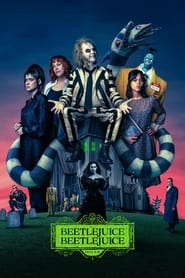
old and new quality to it that made it kind of feel very interesting. And, you know, we just shot it very simply. Certain small camera mounts in the bars and next to the bike. You know, because we shot this thing, again, very quickly. So everything we did, we tried to do kind of like a low-budget movie in a way. It wasn't low-budget, but it felt like one. And I was shocked when we went back there
23:32 · jump to transcript →
-
Tim Burton
talking horse films and things like that but then i got beetlejuice and it just it just hit me as a strange project for a studio you want to do and so you know it was kind of low budget under the radar and uh it was it felt kind of experimental in in a sense and i was lucky enough to work with people who are really good at improv like catherine o'hara and michael keaton and so there was a real kind of
40:09 · jump to transcript →
-
-
-
And again, it's a very tight schedule with a lot of work having to be crammed into every day. On a somewhat limited crew, it's still a low-budget movie. Damien does a very good job of making it not feel that way, but very low-budget movie. So you have limited staff, limited crew, really tight time frames, getting actors in and out of there. And then you'd be inspired, and he'd want adjustments made on the day, so...
32:24 · jump to transcript →
-
put this sequence together with a couple of his students out in New York and did a fantastic, really cool job with those two characters, the Mother Mary statue and the demon there. When we originally broke down the budget and talked with Damien about all the effects in the movie, you know, it's huge if you really think about
1:35:01 · jump to transcript →
-
-
-
-
-
-
-


Related topics
Other topics that frequently come up in the same commentaries.