director
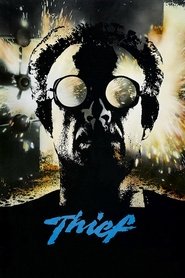
Thief (1981)
Release Thief Director-Approved 4K UHD + Blu-ray Special Edition (Criterion Collection)
Mann and Caan discuss research with Chicago thieves and police, burglary equipment, weapons training, and Caan's preparation. They connect Frank's speech and history to the photography, music, traffic sounds, and locations. They also examine his attachment to family, Leo's control over him, and the destruction of his life in the ending.
- Duration
- 2h 3m
- Talk coverage
- 74%
- Words
- 12,964
- Speakers
- 2
Commentary density
Highlights
Topics
People mentioned
The film
- Director
- Michael Mann
- Cinematographer
- Donald E. Thorin
- Writer
- Michael Mann
- Editor
- Dov Hoenig
- Runtime
- 123 min
- Also on
- OneSheet ↗
- External
- IMDb ↗ TMDB ↗ Find on Amazon ↗
Transcript
12,964 words
The first day of shooting was we drove through the mud to go to Nate and get the tool made to cut the safe in Los Angeles. The Burning Bar. Which was the Burning Bar, yeah. The infamous Burning Bar. Actually, Nathan Davis is Andrew Davis's dad. He's an old Chicago actor. This is Robert Prosky's first film performance.
How'd you do that, Mike? Make it look like it was raining. How'd you do that? You're a genius. This place was nicknamed Rat Alley for a real obvious reason. You could put saddles on a rat and ride him in a rodeo. What are you talking about? This was a highline neighborhood and where I came from. We used to sunbathe in there. Oh, you and Tangerine Dream. Oh, boy. Headache.
You could hear Mel Wilson-Levitt, you could hear Chuck Adamson's voice cutting through. Got him. Got him. Distinctively Chicago. I think clearly your name was there many more times than mine. I worked harder than you. Yes, you did. There's a Ronnie card. There you go. Do you remember this night? This was one of the great nights. This thing weighs about 200 pounds. It's a magnetic drill. We had all the real guys there. And you came in and you went, Jimmy, bust the beat. Where's the props? They had no props, you remember? And that thing bucked in the middle of it. And when I did it, I got a round of applause from the guys. That was terrific. What Jimmy's talking about is there were no props on the film. There's no reason to have props. There was a reason, Michael. We didn't do it that way because it kind of limited the authenticity.
I knew that Jimmy really needed the totality of his performance. Absolutely. So we just got actual safes, and we got one of the technical advisors. Technical advisor, that's a fancy name. It's the thief. Some of the thieves working on the film, we got their burglary tools that they had in their drops, and we bought safes, and we just opened the safes and used the little tools. This is absolutely amazing. 100% legitimate what we're doing here. And all I remember was after the film, one of our technical advisors was asked on, I think it was Good Morning America, how good did Jimmy get? And he said, I don't know what we're doing, wasting our time here. Which I thanked him very much for. My mother was happy to hear that.
I was strong then, Michael. Oh, I remember. This was great. I remember when this thing opened, and I had no knowledge whatsoever that there were two more locked doors inside. Do you remember? Yeah. This part I knew. This is what I'm talking about here. Frank is conceived of as an independent thief in Chicago with his own crew. And in those years, in the 40s, 50s, 60s, and in the 70s, there were a lot of crews like Frank's crew working the city. They were very high-line thieves. They did industrial-level burglaries, These were not burglars who would do home invasions. And this here is what they're doing. They're so high-line, I mean, there's never any cut stuff. He's looking for the high-line, uncut diamonds. Better unmounted. He wouldn't waste time with stones mounted in settings. Or waste time with stuff that's inferior. You know, DEF diamonds.
That has to do with color and flawlessness. And some of the best crews that operated nationally all came out of Chicago, and they all came out of one particular neighborhood called Apache, which is around Grand and Ogden. And we're very proud to say that the crew that we were with reputedly was the best crew in the country. Are you clear? We've got a burst that we just... Technical advisors, excuse me, Michael.
This was Jim Belushi's first movie as well, wasn't it? Yeah. And John, who had shot the Blues Brothers in Chicago, was around the set quite a bit, and... god bless them and they had uh they'd set up a kind of a private club as a as a bar primarily called the blues bar and i never went there michael i'm telling you that as a fact after we'd wrap at three four in the morning everybody would head for the blues bar which was a uh maybe it's a predecessor to the House of the Blues, but it was a little shack behind a three-story apartment building on the near north side. It was a private club, so you could go there any time and drink. So it ended up a Saturday night in the cold and the rain. When we had a Saturday night. When we had a Saturday night. It ended. Michael had it figured, so the crew had about an hour and a half of freedom a week. We would head to the Blues Bar. It was just a labor of love. It was kind of...
What was the name of this place here? This was underneath the what? This is underneath Wacker Drive. Wacker Drive. This is one of the drops that Frank and his crew have around the city where they store tools and work cars. And what they're doing is they're separating themselves from anything that would be contaminated by proximity to the score. They dump their clothes when they come out because it could be metal filings and that saves them better themselves in the clothes. And they're distancing themselves from any forensics investigation that would link them to the score. That's why they drop their clothes in the alley. That's why they have separate cars. So by the time these guys get out of their work car, the blue car on the right, and jump into the private cars and take off, they could be stopped for popping a red light and there's nothing on them that could tie them to the robbery that they've just done.
You know what I remember is one of my great nights is before we started the film, we had all the cops and thieves together. Where was that? Remember at the 747 Club out there where that was? Out in the airport. And since the Statue of Limitations, I guess it's set in already, the captains and lieutenants and some of these great thieves who acted as our technical advisors. Let me interrupt you one second. They all grew up in the same neighborhood. Right, right, right. And a lot of them had... One thief's cousin had married this detective's wife. Well, it's just like in my neighborhood, people don't realize, or don't come from, Michael does come from the neighborhood, and I come from the neighborhood in, you know, Brooklyn and Queens, where it was not uncommon for one brother to be a thief and another brother to be a policeman. And what you were saying, everybody was sitting around. We were sitting around, and they started talking about these old scores, a score being a robbery.
And I remember Big Joe was a captain. What was it, another 300-pound big captain? Anyway, one of the big captains had said, you know what? He said, that one cigarette that they, apparently there was a trailer load of cigarettes that were stolen one night. And he asked. It was a cartage theft. Yeah. And he asked one of the guys, he said, you know, I never could understand what the heck. Do you remember that? And he goes, I remember better than anybody. And he wanted to strangle him across the table because he confessed to it. Of course, it was seven years later. But we had many instances like that. I thought it was terrific.
That's magic. That's what that is, man. That's the sky chief. Ain't that sky chief something? Huh? You bet. Yo, Ruth. When I finish cleaning up that LTD, move it up to the front line. Get rid of this green mark. Hey, Ruth. Park the Mark IV into the lights. Hey, John! Spot this cougar on the corn for me, will ya? Hey, sugar. Those, uh, transfer titles come in from the vehicle, people? Nope. Ralph got tied up on the Chrysler with the cracked block. Um, get Barry for me, will ya? Okay, he also had to drop some parts, and you wanted him to stop by and make a laundromat collection? Yeah. Yeah, Barry, hold on. You got him? Yeah, 232? Hey, listen, I don't know how long I'm gonna be with the man, so do me a favor and swing by the vehicle bureau and pick up some transfer titles in my name, all right? Sam Cerrone. It was Sam. It was Sam, Chuck Adams. Sam was in the CIU at the time. Chuck Adamson had already left. I remember this guy. It's been a while. Noticed the manicure. I'll get you some coffee, thanks.
I'm a nice guy. The rapid intake of breath might be sexual. Take a breath, rapid in. You've got one and a half to three carats spread. 560,000 wholesale, I'll take 185,000.
I see something I like. This was great. The computer guy. Fine. Have someone swing around tomorrow morning. Look, these people want to meet you. What? They're stand-up guys. What do I want to meet? I want to meet people. I'll go to a fucking country club. OK, OK. By the way, you want me to put some of your end out on the street? Barry will collect it. Down the breadth in three this afternoon. I'm not shitting you. You'll double your money in three months. My money goes in the bank. You put your money on the street. Hey, give me the check. Yeah. I don't know if anybody ever got that. Yeah. Give me the check. Yeah. Big spender. Listen, we having dinner tonight? Yeah. One of Mike's great masters. Master like works. He's a master cutter, a master thief. This scene, by the way, was juxtaposed, twisted. I mean, reworked. This never took place where it was. Where was that exactly? It was another trip, another time, remember? We got a bunch of cigarettes in Los Angeles as a pickup, yeah. Yeah, sure out. It was the whole thing. When Michael decided that...
that they had a relationship before. I'll pick you up for dinner tonight. Everything was practical. It was really nice. Yeah, it was nice working there. All the tools were real. You picked up, if you're an actor, you picked up a lockpull that lockpull had been on scores. Lyman bypasses were Lyman bypasses. They had taken down scores. Half the guns we had were used. The shotguns had been used. If they could talk, they had histories. They were quite incredible. Why don't you talk about some of the preparation we did for you to get into character and stuff? Well, I mean, basically, I hung around. I think I was there. a good four weeks before we shot. And I hung around with a lot of the thieves, a lot of the guys in Chicago. This, for example, Willie and I are in real life real good friends. I love the guy. By the time we got ready to shoot, I was like, Michael had to keep me in a cage, quite honestly, and throw raw meat into the locker room. I got to handle these tools that Michael talked about. I got to handle my gun. Oh, that was another great thing. We went to Jeff Cooper in Gunsite, Arizona, and went through a...
the course that what is it with cia guys and fbi guys yeah and the seals go through uh we shot for two days so that the weapon that i used was you know became my right hand pretty much and learned a special way how to how to go through it you know go through rooms uh through houses uh how to draw on fire and uh until it became second nature i mean i know i didn't have to think about it but There was a lot of really worthy, really valuable preparation that we did. I actually did a lot of practical handgun combat techniques that were derived not as isolated theory, but from people who had had a lot of experience. So they work in close quarter combat situations. And that's where the regiment that Jimmy was trained with came from. And the handling of all the tools is something that I discovered feeds into an actor who's as good as Jimmy is when you actually do honestly know how to use a tool when you can open a safe. Well, you just saw that right there where, you know, just that very easel casual way of checking the chamber. Yeah. L&A plating. Yeah.
And then, of course, I hung around Michael, didn't have to worry about my Chicago accent. All of that stuff. There's two Chicago cops in this scene. One is Nick Nickeas, who was just against the back wall, who was the partner of another Chicago detective. We're going to see in a minute. There he is, Dennis Farina. That's Dennis Farina. That was his first job. Who was skinnier. She had no gray hair and was still a detective. She wasn't skinny. She wasn't making the kind of money. This is Tom Signorelli. Frank is a bad hombre. Mr. Tiger, you didn't get a delivery or something? Sit down. Think what? My name is Frank, and that was bullshit.
What is it? This is Joe Gags. $185,000 of my money. We have this problem. What problem? What are you talking about? He was moving my merchandise. So the money in his pocket when he went out the window is my money. This is a plating company. What are you telling me to shit? Shit? I want my money. Hey, I don't know what you're talking about, Mr. Frank Lala. Whatever. Some guy died? Yes. Your estate goes to probate. Take it to probate court. What do you bug me with this? I come here to discuss a piece of business with you. And what are you going to do? You going to tell me fairy tales? Hey, who the fuck are you, slick? Somebody knows you? What, are you crazy or what? I don't know you. I don't know some clown named Gags. Go ahead. Go see what you got to do. Get out of here. Carl. Go ahead. Get the fuck out of here.
Hold it. All right, all right. Jesus Christ. All right, do what he says. Do what he says. Lay down. Go ahead. Put your hands on your head. Spread your legs. Now. Hey, you, you goof, look at the wall. I am the last guy in the world that you want to fuck with. You found my money on gags. Let us pretend. You don't know whose money it is. You know, as far as the speech pattern that I developed, or that we chose to develop, obviously before shooting, if you'll notice that there isn't one contraction in the entire picture. And Michael and I had discussed it. First, Michael said, well, why would you speak slowly or why would you... Well, later on you find out that this is a guy who says that he's lost all his time. So if you look at the problem being a guy or this paradox of a guy who is trying to make up for lost time, it doesn't really make sense that a guy would talk slowly, a guy who's basically in a big hurry. But my reason was that if you talk distinctly and clearly and slowly and have no contractions, that you never have to repeat yourself and therefore you would
indeed, you know, pick up time. So that's the reason for this. I mean, everything we did was not, like, haphazard. I mean, there's a reason for everything. There's also a prison thing. Someone in a prison would say, I'll tell you what's up. Or they'll come up to you and say, I will tell you what is up. You know, there's two. The second one means something really important is going down, that there's danger. Well, this guy was very, very dangerous. I think... by his beach band, you knew that he didn't say anything he didn't mean. Right. It was also kind of a prison convention. This is a beautiful, this was really a beautiful scene. I was very happy for Willie. At first I was concerned because it was a smaller role for Willie. He had already starred in a couple of pictures, hadn't he? It was small, but he hasn't got a guitar.
He had a really wonderful sensitivity and the genuineness in that. And in truth, it seems as if he's in the picture throughout. Right, his presence is there. His omnipresent, yeah. The rocket scientist that she is, she figures out that I am having affairs with fancy ladies. Anyway, it gets all screwy and twisted. Willie's eyes, that's great. I want to put it back. It's kind of one of the components of Frank's life is that the pieces he's trying to assemble into a vision that he invented when he was in prison. All these pieces are ersatz, and they're strange to us, his take on them, because there's a... He seems to be mechanical in the way he's going to put them together like a construction set, just going to make it all be there. And that is because in our understanding of his backstory, Frank, all his development years were in prison. So Frank probably went into the state systems from when he was 14 or 15 or 16. Maybe he was on the street 12, 13 days between then and when he was 30.
then got busted back again. So he never had a teenagehood. He never courted women. He made up an idea of what life ought to be like from clipping pictures out of magazines, hence the collage. That was also a further example as to how these guys speak. So he says, so you're going to marry her and put kids back. There's really none of that gibberish that goes between, you know, this common conversations that people have. It's very matter of fact. Yeah, he's not sitting there with paragraphs about, well, we stopped relating and a relationship cut. But Willie's answer, so you're going to marry her and put it together. It's just a matter of going to remove her, get rid of her, she'll marry her and that's good. Yeah, she'll be the one. Yeah, this is the piece, yeah. John merged the gags with what he said. I'm telling you, this cocksucker's trouble. We whack him out.
Mr. Prowler, the guy gags head, has to be the one. My name's Leo. Of course, I had my helping of raw meat that night and it didn't bother me. This is so beautiful. Here's your money. Jesus Christ. There's two inches of money out there. This is John Santucci, who is one of our chief technical advisors. In fact, most of the tools were his. And quite a few of the events taken in the picture are anecdotes of his own. Yeah, I hung around with him quite a bit. But if I did him in the movie, people would think it was a cartoon. So I had to tone him down. On my maddest moments. Where am I going? I'm late. Come on. Come on, I thought we'd talk a little business. Get to know each other. No offense. You want to get to meet people, join a lonely hearts club. I know you already. Yeah? Yeah. How you know me? That merch you put down, the gags.
Max Sherman. I must say, with all the movies I've done, I don't remember being as prepared vis-a-vis the details of the movie, the backstory. It was just wonderful. I mean, the shooting was like the easiest part because all the work was done up front. You know, I believe as much as an actor can be. I mean, I was... I just came on the set and was frank, you know? Which is a reason I should always do that kind of work, but I don't. This was truly a labor of love, I think. I don't think, I know. We worked real hard, but... Yeah, by the time we started shooting, you were frank. I remember losing about 20 pounds of weight. The pants in my pocket in the back end were meeting each other by the time we finished. There wasn't a gesture you did or a tool you used or an attitude you had that wasn't anchored in some history or some experience. Michael, for example, Michael had gotten...
some bizarre surreal letter from an 18 a guy who had been in jail what was it 18 years that guy that julia and joliet that was god we'd read that and then all kinds of stuff we had to play with how to work for you i'm pulling a lot of exposure not protection traits at all yeah take a bust turn around there's going to be a lawyer bondsman right there you never spend a night in jail guys still ice No furs, no coin collections, no stock certificates, no cottage, no treasury bonds, no nothing. Just diamonds or cash. Fine. No cowboy shit, no home invasions. I work with a partner. We take care of you. See, to me, again, when I met Michael and I read this at first, there's a basic, beautiful simplicity to this movie that really attracted me. I remember when I went to the neighborhood playhouse, we had to study dance, and
And, for example, in the minuet, there's an A, B, A form. And that means that there's eight bars as A. B is the refrain. Not the refrain, excuse me, the bridge. So it's the bridge of 16 bars. And then A, again, which is a repetitiveness of the A form. So it's eight bars, 16 bars. And, again, eight bars. And I likened... Michael's script to that dance form and its simplicity in that this story is a story of a guy who has lost his time, who, like in this scene, he says he doesn't work with partners. He's a burnt-out freak, you know, meaning that, you know, if you're prepared, if you're going to go with him, you're better prepared to go all the way. He doesn't care about anything. Doesn't care about anything. And that suggests a very dangerous man. The B part is that he falls in love. And as a child, now he has something. He cannot afford to be this burnt-out, non-caring guy. And that starts to become his demise. So he has to rid himself in the 16-bar section.
of what he loves so he can become the A part again. And to me, that's the simplicity and the beauty of this movie. Yeah, there's a tragic irony in it. I always refer to it as ABA, you know, and I like it. So it's a refrain, you know. It's got a tragic irony in that, in order to aggress back against Leo, who was absolutely exploiting him, in the classic definition of the word, to exploit he frank who now has things to lose was made vulnerable ironically by accruing into his life everything he does everything he desired in order to aggress back against leo which he should do and what she must do he is only because he's a delimited man given his history the only
The only thing he can see for himself to do is to rid himself of everything he cares about so that he's reduced to that nihilistic state in which there is no meaning in his life. And then he's that dangerous guy. Which is what he was when we meet him in the very beginning. Right. And which is what he was in prison. It was made him dangerous in prison. He didn't give a shit about what happened to himself. Well, that's... He didn't have anybody else. That would be coming up and is made, I think, hopefully very clear in that scene in the diner with Tuesday. Here's Tuesday. Mighty Joe Young. This guy was great. This is still a blues bar in Chicago to this day, and it was... Was it? Yeah, it was in the late 60s, and it's still there. I remember I talked about being flanked. That guy I shoved, he went, ow, he went to you. I said, don't shove him, that guy outside. You remember all that stuff? Don't let him hit me again. I was just shoving. The guy was like 50 pounds bigger than me.
Lifting Tuesday off his chair. You had me crazy, Michael. Maybe there is a reason. Did you ever think of that? Hey, I'm talking to you. Hey, take a long flash, all right? Go on. Not that man. That's Philly Peterson. I don't know the reason. I don't want to hear the reason. There is no reason. That's all. That's it. You're a big goddamn looker. You were looking forward to this, all right? Come on. That makes sense. Thank you.
In what I do, there are sometimes pressures. What the hell do you think that I do? Come on. Every morning I walk in for five months, say hi. What the hell do you think that I do? You sell little fucking cars. That's what you do. I wear $150 slacks. I wear silk shirts. I wear $800 suits. I wear a gold watch. I wear a perfect D, flawless, three-carat ring. I change cars like other guys change their fucking shoes. I'm a thief. I've been in prison, all right? So what? I don't care. So what? Don't tell me. So what? I never even told my wife that. I don't care. Who is now gone? Did I ever come on to you? No. What'd you see? See? See what? See I am a straight arrow. I am a true blue kind of a guy. I've been cool. I am now unmarried. So let's cut the mini moves and the bullshit. And I think aside from Godfather, this picture, and some of your other great performances, your work as a comedian, I'm serious, your work as a comedian is sort of the best. This is my favorite. We just changed this. I love it.
This scene had originally gone on. We really get romantic, you know? We want to fly to the moon and this and that. Cut the mini moves and let's get on with this romance. This is probably the scene that I'm most proud of in my entire career, by the way. I want to let Michael know that for the first time. It only took 20 years for me to tell him. No, not 20, but 12. There's been six movies I've never even watched that I did, but that's true. So what was it like? And the writing of this is brilliant. You know, a lot of money, Tucson, Mexico City, Bogota, drifting, you know? Okay? Okay. It got twisted and ugly and empty. It was over already, but we kept moving through the moves. It ended very badly.
Now I get up in the morning, I take a shower, I go to work, I have a job, I have a social security card, and my life is very ordinary, very boring, which is good, because it's solid. You're marking time is what you are. You're backing off, you're hiding out, you're waiting for a bus that you hope never comes because you don't want to get on it anyway because you don't want to go anywhere, all right? Do you have a license for this? All right, how much was he moving?
Nothing till the end. And then Kilo amounts. I don't know. Well, then what? He's dead. He is dead. That is good, because he's an asshole. There was a lot of love in the beginning. The guy was an asshole. There was love in the beginning. Big asshole.
I mean, he put you in a box. You know the kind of things they do to you 10 times a day if you do a bit in Colombia? Do you? Jesus Christ. Don't shout in here. I was alone. I had no money, no clothes, no visa, standing on the corner of Bogota and Colombia. Things did happen. Where were you in prison? Would you pass the cream, please? We only had the water bowl. God. Hey, can we have some new cream here? What's wrong with it? What's wrong with it? It's cottage cheese. The warden there was Joe Regan. It's a lot of difficulty in having a dialogue scene like this in the middle of a movie that goes on for about 10 minutes. They require a lot of structure built in. Oh, it was wonderful.
Uh, including interruptions, very careful. Yeah, this lighter just, this happened. Stuff like this happened. That was so, so great. And the story. This is the real, this was the one of the stories that I told you about that Michael had researched and gotten from this guy. This is really a true story. I got into this problem with these two guys. They tried to turn me out. So I picked up, uh, nine more on, on manslaughter beef, some other things. It was 20 when I went in, 31 when I come out. You don't count months and years. You don't do time that way. What do you mean? Why? Why? You gotta forget time. You gotta not give a fuck if you live or die. You gotta get to where nothing means nothing. This now is the... pretty much what... what... made the character come clear to me in this scene right here that Michael wrote. 16 or 17 guards and cons, prison groups, you know, crews. They would go into these cells and grab these young guys and bring them up to hydrotherapy in a mental gangbang. If a guy puts up a struggle, they beat him half to death and he winds up in a funny farm
Anyway, word comes down that I am next. And I do not know what I am supposed to do. I, uh... I'm scared. Quite honestly, when Michael first came to me, I was doing chapter two, I think. And this scene was, without a doubt, the most brilliant scene I'd ever... had ever read, uh, I mean, written. And, uh... And this absolutely convinced me that I just had to do this picture, so... Convict and another convict, and... Anyway, I get to Morpheus and I whack him across the head twice. Boom. And then they jump all over me, do a bunch of things. You couldn't come and play this character. You couldn't grow up on a farm and play this guy. No. And you couldn't grow up in the suburbs and play this guy. You couldn't get off a reaper and... No. You had to have grown up in the city and had an interesting experience in every day of your life as a teenager and who the wise guys were driving down the street and...
Which was a great loss to the planet Earth. And... Let me see what happens. This is it right here. Nothing. I mean, nothing happens. This is what Frank's talking about going. Well, this is where he says, going through this part right here. This is, I achieved that mental attitude. I mean, that's the character, you know.
It's a mental attitude, meaning that I don't care about me, I don't care about you, I don't care about nothing. So what can they do? How can I possibly lose? You know? Yeah, and from achieving that state of rage that's available to Frank when he's in that nihilistic state, that's when Frank is totally dangerous. So this is the survival mechanism that he evolved. In a stone cell, I mean... What is this? That is my life. And nothing, nobody can stop me from making that happen. And right there, that would be you. Ironically, what he hasn't figured out is that when he climbs that mountain, when he's accrued all these things into his life, that at one and the same time, after having accrued them, he also suddenly has value. He's injected into his life value. And value, you can lose what you value, and that suddenly makes him vulnerable, which Leo knows.
He says, when I achieve that, that's when I quit, you know? I mean, that's the flaw in his plan, actually. He doesn't look at it as seeing that, in fact, as downfall. Why do you have all of these dead people? Inside, you are on ice from time. You can't even die right, you know? And here, here, people grow. They get old, they die, children come after. Just a cycle, you know? I don't know. I. Yes, you do. You do. You don't know. You don't know from one day to the next whether you're going to be killed, go home, or get busted. Look, I have run out of time. I have lost it all. And so I can't work fast enough to catch up. And I can't run fast enough to catch up. And the only thing that catches me up is doing my magic act. But it ends, you know? It will end. When I got this right there, it ends. It's over. And so I'm just asking you to be with me. I can't. I can't.
I don't get into this. We adopt. He's thoughtless, I think. He's thoughtless, and in a way, he's tracking with the true meaningfulness of having a child. In other words, a child does not have to be biologically theirs to be raising life. And that's by design that all these things are totally meaningful. What kind of parents do you have as a state-raised kid? Yeah, you're also saving a kid from the same fate. But all of these... The meaningfulness is in the emotional relationships. So it's designed that nothing is, in fact, organically generated by their union. It's just as strong as if it had been. Simplicity of everything. Fathering and mothering a child, the simplicity of love, the simplicity of what he wants out of life. I've got to tell you, the true thrill of directing, which makes it all worth it, is when you're operating the camera and you're sitting there and you're concentrating the deepest mode of concentration. And you're seeing coming through the lens a performance like your performance here. I mean, that's a thrill that makes it all worthwhile that money can't buy. I mean, there's nothing that makes most other things you accomplish trivial by comparison.
I wish I could do it more than once or twice. Thank you. So do I. It's an election. You win with one vote. You're on. They gotta be big scores, they gotta be fast. One, two, tops. Right. There's some technical stuff here. There's been a subtle playing of... sound effects of traffic, all of which... builds as the intimacy builds and as the angles become more acute and as you get more into their face throughout the whole of the ten-minute sequence, because it was fairly difficult to figure out a way to put a ten-minute dialogue sequence in the middle of a movie. We are now in our California garb. California, yeah. It's supposed to be California in case you can't hear it. It is. I know it is, but you gotta... Of course, every day we're outside, it looks like Chicago out there. No, not with you, Michael. A day in California, we go to California. Yeah, but look at the skies. I try to find as much as I could. There's no sun, so I put the sun on people's backs. Everybody's wearing yellow shirts, trying to make it look sunny. Belushi is subtly dressed in flowers. No way to drill? Drill? Yeah. Drill what?
Anyway, at the end of the previous scenes, the trucks all make kind of a sonic envelope to it, and the sound effects are processed in the same key as the music. There's an accent as one truck goes through, just as he makes kind of a warning horn sound, just as he makes it approach the telephone and picks it up and calls Leo and makes his Faustian bargain, which he doesn't realize is a Faustian bargain at the time. What's the fifth alarm? We cannot run it down. Why? Because it does not go out over the phone lines. Michael let him talk like me. I don't like that, Michael. I'm sorry. You're not the only guy from Chicago. Everybody heard it. He said, I'm sorry. I was on it.
No, I don't believe him. Well, he actually said I meant that he had no contractions. Well, yeah, well, Leo got to come. It was kind of like, it was sort of like a music. It was like after a while, you know, it was catching. Well, Jimmy, there's who breathes, then there's who breathes. I mean, Leo got to come from Chicago, too. You're not the only guy who gets to come from Chicago. Oh, this is nice. We had our first home. This was sweet, kind of like. You know, the guy's so concerned that she likes it. He's been in a little joint in a cell for half his life.
What are you looking at? Tuesday's wonderful, by the way. You, that's all.
I mean, everything. I mean, the beauty of working with practicals is, I mean, this was the plan. I mean, we were in California. We were on a roof in the middle of the night, looking down an elevator shaft, half scared out of my mind. There wasn't, you didn't have to act. Right. Oh boy, it's rainy and it's muddy. How do you do this? You walk carefully, I guess. It's like, how do I walk through the door? You open the door and you walk through the door.
This is a man named Nathan Davis, who's Andy Davis, the director's father, who's an old theater actor in Chicago. He hadn't worked for many years, partially because of blacklisting. Michael's poeticism there is another... a mannerism. Scientist? It's actually based on a friend I grew up with, my friend's grandfather, who was in the scrap business, who said exactly those lines. And he was able to just pick the stuff up and smell it and taste it and tell you what the metal was composed of.
What kind of steel? Swedish cold rolled, 247. Here, here, here, and here. One inch plates. Copper to bind drills. Titanium alloy here. This is a well made, very expensive, very special vault. English. Richmond would like it. I need a very special piece of equipment. Again, with the knowledge that I had of Zeiss, Usually the fence or the drop is in almost every safe other than the Richmond-Lockett. If you drew a line between the tumbler and the handle, if you dissected that, right dead in the center would, if you drilled it, that would be. And the reason that Richmond-Lockett's were so valuable is that they would hand make them and they would place these drops or fences, whatever you want to call them. They'd place a lockbox in a different place and each individual safe. So you couldn't just, you'd be there all day, you didn't have to make 3,000 holes to get lucky. So that's what this scene is about, getting a tool to cut a door and walk in.
The other thing is the value of this kind of detail to a fine actor when you're working with them. There's lines that are dropped here about copper and titanium. Copper's obviously a very soft metal. Titanium's a very hard metal. Those layers of hard and soft are sandwiched. They're interleaved in a... in a very expensive vault door so that when you drill it, if you have a hard bit to cut through the titanium, it hits the copper, it's going to bind up. And it doesn't matter whether or not the audience actually picks up on the significance of that. The point is that Nathan Davis knows what that is. James Caan knows what it is. and they understand what they're talking about and they get into character and the depth that manifests itself in all kinds of little details. Oh, that's what you were doing. That's what I was doing. I get it. I get it now. You knew what you were talking about. Oh, my God. I did from that first scene where we drilled it because the guys told me to wait for that copper, feel it, and come off the pressure. That's right. I love this for some reason.
This is, uh... How long was it after we did this, Michael? We flew back to Chicago. This is the last scene in Chicago. We flew back. Don't you remember we had bagels at 3 in the morning? We flew back to Chicago to do this. That's right. Yeah. This is called our legal system. Right. I don't know. I remain unconvinced. What, are they picking the noses up there? I want to hear this. However, upon consideration, I will issue a writ of habeas corpus. Chicago's kind of a unique city. It was, particularly in those days. The corruption was kind of populist and democratic. Everybody had an inalienable right to buy some, as opposed to other big cities where You can't buy anything unless you're a large petroleum company. When I was growing up in the inner city of Chicago around in the 50s and 60s, Mayor Daley of Chicago, who was still very much the Chicago Manhattan front page, institutions like Mike Royko. Who lives here? Come on, who lives here? Hi. It's got to be some millionaire guy, huh? Hey, look at this. Tree. Bush? Pink tree. Hello. Pink? Hey, it's a real nice shirt.
Hi, Frank. How you doing, Marie? This is beautiful, man. When did you get back? Oh, uh, last night, late. You, uh, you make that fifth alarm? I made the fifth alarm. Here. So, uh, what's to it? Alarm system number five is a one-channel radio transmitter. How's it triggered? All right, there's a sonic detector off the ceiling. All right, now, they set off the alarm every morning when they walk in. Ring, ring, ring. It's tripped. They have 10 seconds to transmit a code word to the alarm company to cancel it. Now, the code word goes over the radio. That's why there's no phone lines. I tell you what, you bug it. Call Joseph, have him fix you one. You go back out there, and you bug off him for the word. Come on. It's getting cold. Oh, uh, this LA move, you know, uh, it's home free for me. After, it's done. You happy? Come on.
I see on your application here, by the way misspelled mail, it's M-A-L-E. The others will be put in post boxes. I see you put under employer 1959 to 1956, Joliet State Penitentiary. Yes. You work for the state, I take it? After a fashion. What did you do at the prison? Desks. I, uh, I spot welded desks, and then I got promoted to shoes. You were in charge of the shop? Lady, I was a convict. I was doing time. You were what? Frank, let's go. Um, you have to understand, we have more applicants than children. Then why do you still have kids here? As a kid, I would not be falling all over myself to stay in one of these places. I mean, we will relieve you of some of the burden. The point is we established criteria for parenting and an ex-convict compared to other desirable. Wait, so we'll take a kid that's not so desirable. You got a black kid? We'll take a black kid. You got a chink kid? You don't seem to understand. No one likes older kids. You got an eight-year-old black chink kid? We'll take him. Frank. Wait, if it's a matter of, you know, here. What is that? What is that? That is the flawless.
3. 2 carats, emerald cut. This is not a marketplace. Right. You're not smart enough to take this any more than you are to recognize good parents. Get out of my office. You did not ask about us. You didn't ask what kind of people we are. There is a child waiting, and you are denying us him and him us. Who the hell are you? Don't make a scene. Our criteria. Your criteria? Your criteria are so far up your ass they can't see daylight. This is bullshit. It's not happening. Let's go. Look, I got some ABC-type information for you, lady. I was state-raised, and this is a dead place. A child in eight by four green walls. After a while, you tell the walls my life is yours. Well, did you grow up in the suburbs? Yes. Right. Right. What are you looking at? Huh? God, it's, you know, you laugh, but it's so sad. And it shows a part of, like, you know, it's like the return to nature. Rousseau's return to that whole basic simplicity of just wanting a child. And what we go through today, you know, the bureaucracy of all these things, you know. There's so much truth in that scene. The thing that...
that really impresses me about the movie and that sticks out in the movie for me as an actor, and as a theater-goer, is that the characters in this movie, unlike almost every other picture that I see, solely drive this movie. Their unpredictability. You know, as they say, the ways of many and the end is one. And even in the storytelling, The end is not won. It is not that the good guy wins and the bad guy loses. The good guy gets the girl because, in fact, Frank wins and loses in this picture. In order to win, he must lose.
How you doing? Here we have a question of the clap patient running the clinic. This is John Santucci, the thief playing a cop. You're busy. Why is that? Because I'm going to do good things for you. What, for a good conduct medal? I'm here to make life easy for you. Smooth out the bumps and the humps. You know, your relationship with us. John Santucci was... Here's a guy who pulled off jobs in the face of cops and probably squad teams. And he was so frightened. It was as if he was going to lose his life because for two days I had to do this scene with him. It was like the most difficult, most horrifying thing he's ever done in his life. The scariest thing in his life. The camera's going to run. Get this. What's with you? Listen. R. N. goes with the territory.
Don't you know you gotta come up? I am a car salesman. See that look in his eye right there is so legit. It is so totally authentic. Don't you know you gotta come up because I want you to go to World's Round? What's wrong with you? If you want to pinch me, you pinch me. I'll be out in ten minutes. If not, get the fuck off my car. John had a habit of looking at your forehead. In the middle of your forehead. It drove me crazy. You'd raise your body, you'd lower your body just to get eye contact. John later had a career as Pauly Taglia on a television series called Crime Story. Mike took all the boys with him. He had such a good time. Chuck Adamson wrote. Chuck Adamson wrote. Farina became a star. We put Bill Anhart, who at the time... The only guy he left behind is me. LAUGHTER I don't know why I've got a particular affection for this moment. It's weird the thing you get attached to. Just the whole idea that they talk. You all right? What does this mean? It means heat, police. I think there's an austerity to the elements that make up the suspenseful tension that I like as more of a critique of
Some of my other work that I really appreciate right here. This is a local character, a guy dancing to polka. We found him in a bar. Again, authentic. This bar as well. Hey, Jose Greco, sit down. Jose Greco was a flamenco dancer who was big in the 50s. I got this business deal from your end of the L. A. score. Want me to put some of it to work for you? Street juice? Five. It's yours. You couldn't get me out of bed for that. We're not cutting up nickels here. Shopping centers. Fort Worth, Davenport, Jackson. Strictly legit. My money goes in my pocket. Yours if you want in. Gonna give you everything you need, kid. Do you remember... Now, it's funny how, like, outside influences help performances. Do you absolutely remember? I got one of the worst phone calls I'd ever gotten in my life.
I could have whipped the entire Chicago Police Department single-handed that night. So Michael wanted me very angry. And then he said, maybe not this angry. Wheelwell is supposed to fool me. What the hell is this? I mean, I had gotten a call from back home that... And Michael was just absolutely mystified how this person could have known that I was doing this scene at that moment. It was really unreal, wasn't it? Yes, but a couple of Chicago's finest, as a result of that... No, that person had gone home prior, and then I got the call from home. Well, anyway, we had a lot of that going, which in a sense, you know, I must thank that person for making amends just to help me through, you know, helping me, you know, with the character. How do you know that?
I'd like to recall having said something as intelligent as, well, Jimmy, why don't you take all this anger and rage you've got that's motivating me to have these two large-type Chicago policemen accompany you wherever you go for the next 36 hours, and why don't you channel that into the scene? I would have liked to have recalled something specifically that intelligent. I don't know that I did. No, I know exactly what you said. You said, Jimmy, don't eat the table. Please don't eat the table.
Now, ironically, what he's saying right here is what you believe. Leo's attitude about children. Yeah. And as a matter of fact, the call... Listen, how about this? The ironicism of this. In other words, the call was about... Was about my children, yeah. My son, who was three at the time, who was my eyes and is my eyes. Black, brown, yellow, and white. Boy or girl. Where from? Couple of ladies. They got babies. To sell. Their own. They sell them. It's not the kid's fault that his mother's an asshole. When you're not buying the mother, you're not going to get a kid on the street.
You want a boy? Done. Hmm? Done. You got a boy. Yeah? Yeah. A boy? Yeah. What else you want? To me, in the working out of this story, the inner working out of this story, this is actually, you don't know it at the time in this part of the film, but this is the most evil and sinister of seductions. Oh, my God. The most evil, you know? The payoff and realization doesn't occur until later on, of course, but... Yeah. This is the lifelong dream of not only this character, but Tuesday. Yeah, but how Leo postures himself as this benevolent, paternal figure who's gonna give him what he can't get elsewhere.
I got three chicks waiting for you on the street. You're gonna get hurt.
That's a great gesture there. You hear him and your head just drops. Cold blue. You'll have to leave. No. You'll have to leave. Right. Willie couldn't sing for a week. This was my favorite. Staring this poor guy down. Do you remember? Yeah. This actor. You just let it go. Again, you were great with letting things happen. Yeah. This guy got so scared. He was so frightened. The moments in cinema of meaningfulness goes beyond what you can actually rationally explain. I remember I said to myself, I'm not moving my eyes till he moves. Remember? This guy is terrific. It's hard to put a label on exactly what it means to stare afterwards. It's like blame, but it's not blame. It's the fact of it. If there's anything I can do, are you okay?
You want to sit down? The guy was really good. The look in Jimmy's eyes right there is one of those, for directors, one of those poetic moments.
You're lucky you got such a nice baby, huh? Thank you. Thank you very much. Can you warm this up? No problem. What is his name, huh? No name. Not yet. So, here we are. Are you okay?
and our baby is born. Do you want to name him after Oakla? The guy says, long, long, long time, Oakla dies, baby is born. One of the... This is so sweet, too. One of the... startling things about the existence in prison for people who are doing their own time. is the awareness that they're locked out of the most profound, poetic, and powerful of life's processes, which is just a simple biology of a man, a woman, giving birth, birth out of blood, a new life. That's being locked out of the realm of time and life flowing through it, and that's what he's talking about. He's done it a long, long, long time. That's just what it meant to me. And he names a baby after Oprah.
We're doing all this. The interesting thing, and this is called a burning bar, which these guys would use. It's very difficult to use. What it is, is it's magnesium rods inside of a pipe, and then oxygen under pressure is piped through it, so it immediately heats up to about 8,000 to 9,000 degrees. And what's difficult about using it, aside from its weight, is that it'll absolutely set everything around it on fire. I see you, kid.
Frank there? Wait a minute. Frank? Oscar, get Frank. That's really Oscar? These are Oscar. These are all locals from the Greenville Bar and Broadway in Chicago. Yeah. Is that you? Yeah, hold on. Do me a favor. Psst, move back. Here, go ahead. We are on. You understand? Yes. I understand. That's Walter Scott. Oh, what a beating I took here. Wait a minute. Michael's lust for enthusiasm is coming up.
Actually, you know, Johnny's walking dead right. I mean, he's never crossed his legs one in front of the other. He's really handling that shotgun like he knows what he's doing. For what? Ah! Ah!
A man on the right is a detective named Sam Lewis. Yeah, that's it. Fat Sam. That was a nice kick. Walter kept apologizing to me. Sorry, Jimmy. The man who's going to walk in the room, Chuck Adamson, was a sergeant in a criminal intelligence unit which was characterized on Crime Story. Chuck introduced me to John Santucci. I had a date after this, by the way. Let's get to that, Michael. Thank you very much.
Hey, car salesman. You're ritzy. You remember my name now? How can I not? Since the police department does not hide too many Puerto Ricans. Hey, asshole, I'm Italian. I'm pleased to meet you, ugly wop son of a bitch. You motherfucker. You're a stand-up guy. This is Chuck. You're a real stand-up guy. You got a mouth. You can take a trimmin'. And he made this speech, he told us many times in reality. You gotta be a goof. You're real good. No violence, strictly professional. I'd probably like you. Like to go to the track, ball games, stuff like that, you know? Frank, there's ways of doing things that round off the court. Chuck explained to me that there were guys that they'd beat or frightened, or throw down stairs and sacks to get confessions, and other guys, they realized it did absolutely no good, and in fact, he'd take them to a ball game, or take them to a dinner, and the results were much better. You gotta come on like a stiff prick! Who the fuck do you think you are? What's the matter with you? You got something to say, or you waiting for me to ask you to dance? It ever occurred to you to try to work for a living?
take down your own scores. OK, fuck this guy. I'll tell you something. I'm going to be on your ass so much, you're going to get careless. And on that day, I'm going to be in that place. And that is the last place that you want to be. Because no matter what happens, I will never, ever take a pinch from a greasy motherfucker like you. Get this asshole out of here. Cut him loose. Yeah. You got eyes? You got him? Yeah, he's beeping in good. Okay. I don't remember my back. Sam was a great guy. The lieutenant in Chicago, the guy in the other car. The guy in the Ford right here, I don't know if he's still with us anymore. He's Bill Brown. He was reputedly the number one lock man in the country. Yeah. He's on your left right now.
Now, what they were doing in the last scene is the Chicago police were trying to extort from Frank a payoff. That's Sam right there. And he wasn't coming across, and that's why they beat him up. They're not trying to serve and protect in any sense. That's Sam's. Yeah, this is Brian left. Now, what they've done is they, which is, you know, they put a honing device like a transponder and... They're tailing the cars, and Frank has obviously put a package on somewhere. We don't know where yet. Bill Brown is in the car with Frank. Hit it! Hit it! He's moving!
Relax and fall back. We got him. We're right with you. What do you think he's going to put down? I don't know. I'm going to be right on this guy's ass. This guy's going to be history. Give me some coffee.
Again, we're back in L. A. Back in L. A. on the roof. Anyway, so the idea of the colors was to have this world that he's in be like a three-dimensional place, like a rat in a maze, so it's not a street so much as it is a tunnel that Frank's moving through. And also to have metallic colors mostly, so consequently there's very few primaries. And that's also why the music is electronic as opposed to what actually would have which is Chicago blues, but it's too ethnic and specific, so it has electronic score. We're now drilling through it or cutting through it. Again, these are real tools. I remember hurting my hand very badly here because being extremely macho. That one bar didn't break. You remember? I slammed it with my hand. Oh, man, that hurt. And this made me nauseous. Up here, I think I slammed it with my hand. I don't remember when, but I remember hurting my hand badly. Right here. Bam! That came back to me. A fortuitous accident. A piece of flesh was all that it was.
Oh, she got a phone line.
Right on the side. Any searches on the line? They held.
the sound effects of the fire extinguisher have changed now in anticipation of a cue that's incoming. A what? In anticipation of the cue that will have a reverb on the sound effects of the fire extinguisher.
Get rid of the smoke first.
Michael had borrowed all my muscles. We were on the beach. There were young girls there. Belushi took some of my weight. Hey. You should come in. The water's great. Yeah. Enjoy it now. We're going home. Tomorrow we collect. Just talk to Leo. That's great, man. Actually, I think we should reintroduce this as concepts of physical beauty. I think people are too cut out. That kind of skinny look and the kind of overweight, you know, it's like real personality. Everybody looks like male models now. Well, I like this thin look. Those arms are extremely powerful, Michael. Actually, I was... I remember doing push-ups before this scene. Thank you for not showing my skinny legs, Mike. We found twins, by the way, for the baby. He was such a cute baby.
I feel like this cue starts over the diamonds and anticipates the diamonds coming out of the drawer, then continues over that hole real subtly, you can barely hear it, then becomes the one on the beach, then drives you into this. It goes from the diamonds all the way into, I feel this love making and then drops you into the beginning of the Leo scene. I was not aware of that. Well. That's why I was the lesbian. I mean the thesbian.
Edgar Froese, who was the lead guitarist for Tangerine Dream. First music he played was blues, so in a funny way, it kind of fit into the picture. Yeah. By the way, I lived below Michael in real life when we lived there in Lakeshore Towers. And the music was always this loud 24 hours a day. Not this loud. I don't mean it was this loud, but it was loud. You like loud music. Come on in, Frank. Thank you. Like this? Good, good. Yeah, that's great. Good, good. Yeah, couldn't be better. I know this is what you're here for, kid. That's it. Mitch, what's to it? Your tan is great. How long are we in San Diego? A few days, you know. Mitch told me all about the score. Said that you were a doctor of the wizard. Yeah. Hello, Mark. Oh, Frank, Frank Lala. Where's the rest? Don't worry about it. What is this? This is the cash pocket. Well, you're light. 830,000 supposed to be here in, I count what, 70, 80, 90? That's because I put you into the Jacksonville, the Fort Worth, and the Davenport shopping centers with the rest. I take care of my people. You can ask these guys. Papers are at your house. It's set up as a limited partnership.
General Partners is a subchapter S corporation. You got equity with me in that. Leo's being beneficent to Frank in ways that Frank didn't ask for and doesn't want, and it's a control device to tie Frank in deeper and deeper. Frank's money probably really is invested in these places. But that's not the narrow... that Frank moves down. You know, when you have trouble with the cops, you pay them off like everybody else because that's the way things are done. Frank has extreme clarity in his perspective on the way the world works. I give you houses, I give you a car, you're a family. I thought you'd come around. What the hell is this? Where is gratitude? Where is my end? You can't see day from night. I can see my money is still in your pocket, which is from the yield of my labor. What gratitude? You're making big profits from my work, my risk, my sweat. But that is OK, because I elected it to make that deal. But now the deal is over.
Now, there's a word in there that I snuck past Michael this one day, which is elected it, because it was my theory that these guys always have $4 words, you know, that they use. Well, I think Frank's autodidactic. Frank is a self-taught guy. Typically, when guys go into joint, they work out in their bodies and they work out in their minds, and Frank did that, too. So he really is self-taught, and he's sophisticated. What you're hearing here is the labor theory, you know, Marx's labor theory of value applied to his life. Yeah. But, you know, every once in a while, it's that one... I mean, I meant that one word, which was, you know, I mean, was said with all the sincerity and said it so that people really don't hear it. I mean, they haven't, you know, if you don't point it out, they really don't hear it. I elected it to do that. And again, one thing you don't do is, you know, bring a gun to a guy like Leo's house, you know.
This is Dennis Farina and his real-life detective partner, Nick Nickeas. And that's a real-life questioning assessment. Doing some serving and protecting. Fuck!
We're coming to what I call the culmination, pretty much. Well, it ends actually with a scene on Tuesday of what I refer to as the B, you know, the 16 bars. Talk to him. Answer him.
The idea behind this was to descend through into kind of a hellish place through more and more metallic environments and sounds and glare and reflections off metal. He's talking to you. Answer him. Answer him. Mike! You son of a...
I said fucking look at him. Look at what happened to your friend because you gotta go against the way things go down. You treat what I tried to do for you like shit? You don't want to work for me? What's wrong with you? And then you carry a piece in my house. You one of those burned out, demolished wackos in the joint? You're scary because you don't give a fuck. But don't come on to me now with your jailhouse bullshit because you are not that guy. Don't you get it, you prick? You got a home, car, businesses, family, and I own a paper on your whole fucking life. I'll put your cunt wife on the street to be fucked in the ass by niggers and Puerto Ricans. Your kid's mine because I bought it. You got him on loan. He is leased. You are renting him. You know, again, you know, I am very much opposed to gratuitous language, gratuitous nudity in every film. But I remember Sheila Benson talking to Sheila that without this language, this picture would have absolutely lost all its authenticity. And, you know, you're not...
in the least offended by, you know, taken out of context. It's like, God, it's just horrendous dialogue. But without it, it really, it's not, you know, it becomes, you know, you're in a movie. You're not really lost in the story. So... Back to work, Frank. This is Metal Planning Company. Um... There's another irony here. What Leo was telling Frank is Frank's condition is, in fact, ironically very accurate. He is not that guy anymore. And what Leo has done is he has seduced Frank into a Faustian bargain that Frank did not know he was making. And he does on a paper on his whole fucking life, exactly as he says it. This is now... And so Frank is a wage slave, and that's what he's been reduced to, and that's what he wanted to be. the least. This is, again, this is the first note, again, of the A-form, because when I hit my head into this thing, it's like the downbeat of the realization of I have to be that burnt-out freak that he referred to, because everything that Leo said was true, that he does own the paper in my life, and that I can't act the way I want to act.
Boom. That to me was boom. Yeah, yeah. You just look at yourself in the mirror and hear, you know, what's my state? What's the state I'm in? Boy, this is... This is hard. Get over here right away. You going on a trip?
Frank? And he loves this woman to death. He loves the woman to death. And he knows he can't exist in the state and in the condition that Leo would have him in. Because Leo would do exactly what he says. He would send him on scores. Frank would be paid less and less and less. He would be burned out. And when he was completely burned out and busted, Leo would just dispose of him. like taking out the trash and move on to somebody else and move on with some other people. So we know there's no viable way for him to be in that relationship with Leona. But it's terribly heroic as well. No, I'm saying to be in the situation that Leo has dropped him into can't happen. He just can't be in that state. He couldn't continue to work for Leona.
So he has no option. Well, it's also, I mean, it's very heroic in that she is in jeopardy and the baby is in jeopardy as well. So he's giving up, like, his heart pretty much. I mean, you know, I mean, in that sense, it's a very heroic thing he's doing. I mean, he could just as easily take this money and all leave. Yeah, but then they got to run around. But then they have to be chased. She has to be chased. This was very painful. I love you. I'm not going anywhere. You give Joseph $20,000 for month number one. What are you doing? He stays with you a month. Doesn't anything... And he shows her no emotion, so it's easier for her. It's almost like, try to hate me, you know? $30,000 for the third. She's throwing back, she's telling him everything that used to be there that he's now got to negate and make not be there. Because as I said before, the existing estate that Leo's dropped him into is not tenable. With you, with everything, I'm throwing you out. Get out.
You know, Rousseau's return to nature, you know? Return to nature. I mean, he's just literally... Plus, he's got to be in the backyard. He can't even be around there when I'm walking out and the baby's crying. This is the complete undressing. You know, I mean, it's like the animal in the wilderness, you know, complete de-civilization, if you will, you know, of... Is that a word? Well, whatever, yeah. Just becoming uncivil, you know, totally undressing. It's the complete deconstruction. It's the complete deconstruction of the entire life of it. Michael said, come to work. And watch what I saw. I went, what a surprise.
By the way, Leo's character is based on two Chicago organized crime figures who are now dead who were fences and ran crews of thieves and were certainly no less vicious than Leo's characterized here. They're Milwaukee Phil Alderisio and Leo Rugendorf. Milwaukee Phil. By the way, I mean, these things were timed out pretty well. Didn't we do that house thing like that? I drove away and then we blew it. Yeah. And then this one, I remember. There's a certain alacrity in your stuff that I noticed as you're getting out. It's Michael Mann, the nut. Mike, please don't cue just now.
The neighborhood was not happy. This was about three in the morning. And we actually shot blowing up all these cars. Yeah, we blew up all the cars. Rocket Cars, a friend of mine, his dad owned a car dealership at one point in Chicago called Rocket Oldsmobile. Or actually no, it was Mars Oldsmobile. You also blew up my ear, do you remember? My ear blew up. I set off the wrong pod, do you remember? Yeah.
This is a Slim Jim. And now we will see some of the techniques that Michael and I learned from Jeff Cooper called sweeping. Sweeping a house, sweeping a room, etc.
The theater here is acclimated to the sounds that are native to that house, which we were told is what people tend to do in an invader place like this. I want some milk. Tommy's blue shirt. Tom Signorelli was one of those characters. I remember telling him, when you get in the kitchen, just in a ways across into the refrigerator, just think of something funny. He said, why? I said, I don't know, just think of something funny.
the ready position semicircle
Again, Michael and I went through a, what would you call that? Oh, we took over. We basically took over. That tunnel, remember that? Oh, it was a live firehouse. Things would pop out, yeah. Yeah, it was a live firehouse. You'd go into rooms that would be shaped differently. You wouldn't know where the targets were, and you'd have to engage them. This is all with live ammunition, the training technique, too.
The walk, too. It was like, there's no doubt. Fatalistic. Dennis. This is called the quick change that we did.
I just want to thank you for the great job you did in covering up my bald spot. I hear that people should see that. That's the vest. I heard vests weren't that common when the picture was released. And we had to go... There's a little bit of confusion or something. Now everybody takes for granted that people are wearing vests. We did have that shot in the house when he leaves her of him grabbing that. You remember that? Yeah. Of course you remember it. You wrote it. I shot it. I wrote it. Here's Frank's big walk away from everything. Where's it going? Nowhere. Well, it's funny. Being out in the public, unlike yourself, Michael, the perception is, I mean, a guy... Although we did shoot it, and you wrote it, but I think there's little doubt in people's mind that a guy with that determination and that, you know, love is headed back to...
You don't like to hear the happy ending. But not in the context of this film. He has to. There's a victory over Leo. And they're trying to control him. And there's a tremendous tragic loss. And he's completely authentic. He's authentic to his own philosophy and how he lives his life. And he destroys everything and then he walks away from this. And this is what he has to do. This is how the story has to end. So in other words... You know, it came to a choice. It couldn't really tell the story out of story for a story's sake. The ending couldn't be an ending that you would choose for the best possible story via criteria of story for its own sake. It had a function with themes and what's going on inside Frank philosophically. And that dictated the ending. So in that sense, the ending of this movie is character-driven.
And again, he goes out the way he came in, which is what I like. Yeah. There's Nancy Santucci. That was an interesting thing. I remember this was really fascinating, and I thought about this quite a bit while doing the picture. I remember talking to Nancy, and she was very upset. Do you remember the time when John went out again? This was after seven years. Yeah. He hadn't done anything. Again, Santucci being the thief who... remodeled most of the character, but she was really upset that he had gone out, and they had all the money they needed, apparently, and this and that. And I told her to take it easy, and I spoke to John. I said, why, John? And he said to me, some guys like broads. And God, that was really, I mean, what an insight. I mean, he just had to do it. He had to do it, yeah.
Guzmanic Cesare Reddy, who's a special photographer, still works with me. He's worked with me since Jericho Mile in 79. Kathy Swans does here. Billy McSimmons, a great prime master. You started Billy on this picture. John Latangio, world famous. H. P. Evitts, a stuntman, world champion rodeo cowboy. Robert Beatty, one of the best music editors around. Paul Huntsman, still work with Paul and Bob.
Sam Cerrone, great cop, great guy in Chicago. He's now retired, and his daughter currently is going out with Billy Peterson, who played the bartender. Barbara Nicker-Kahn, my sister, who I lost. Missed dearly. Oh, he... He made those guns. He made the guns we used, yeah. Michael, don't ever call me again. I called Jimmy at 11 o'clock last night. I said, oh, by the way, what are you doing tomorrow morning? We've got to record a commentary to go. He told me it was breakfast, actually. And, you know, Michael is now doing a picture with Pacino and De Niro. And I suggested he call one of those guys to do this. No, again, it was something I'm very proud of, and hopefully we'll get the chance to do it again. Absolutely.
Keep exploring
Other commentaries on related filmmaking topics
-
8 shared topics
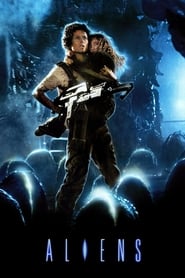
Aliens (1986)
James Cameron, Gale Anne Hurd, Stan Winston
-
8 shared topics
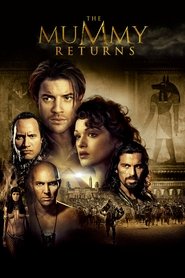
The Mummy Returns (2001)
Stephen Sommers, Bob Ducsay
-
8 shared topics
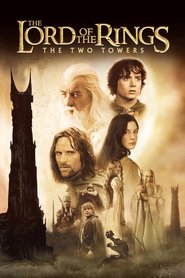
The Lord of the Rings The Two Towers (2002)
Peter Jackson, Fran Walsh, Philippa Boyens
-
8 shared topics
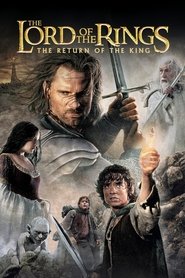
The Lord of the Rings The Return of the King (2003)
Peter Jackson, Fran Walsh, Philippa Boyens
-
8 shared topics
Dr. No (1962)
John Cork, Ursula Andress, Eunice Gayson
-
8 shared topics
Godzilla (1954)
David Kalat