director
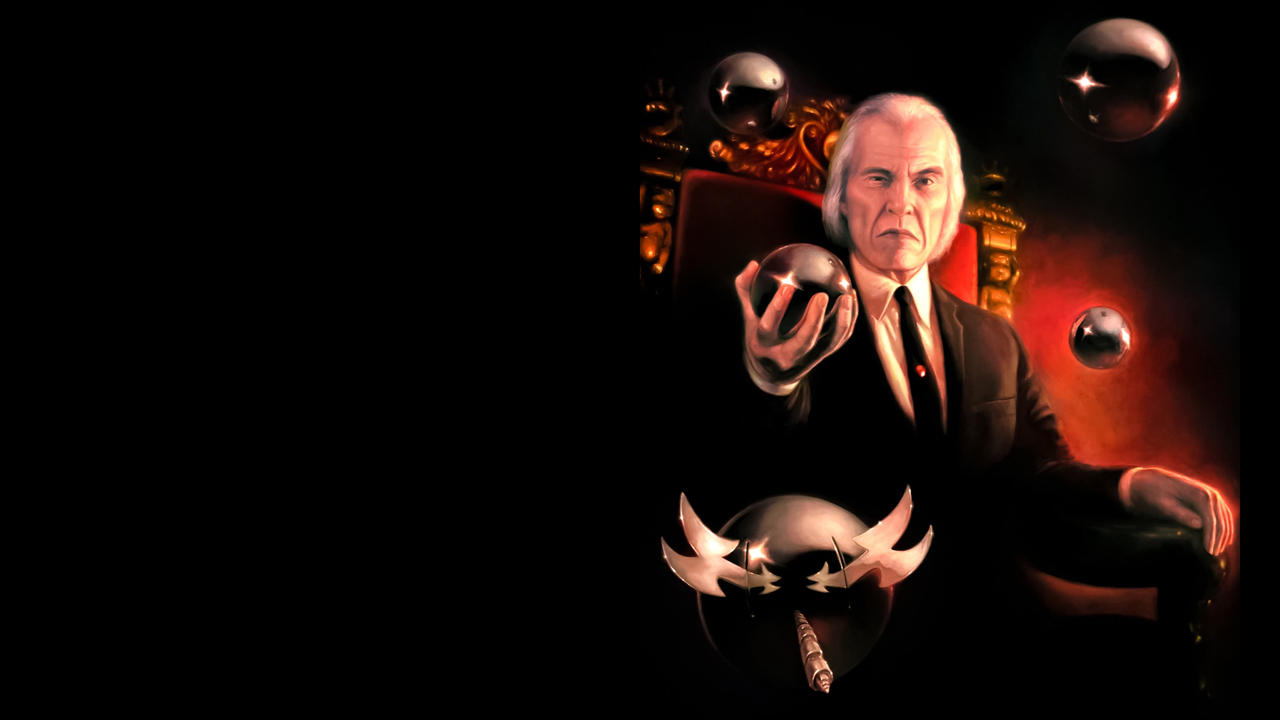
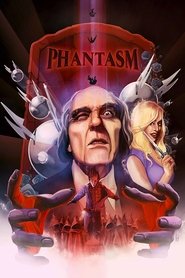
Phantasm (1979)
Release Special Edition Blu-ray (Arrow Video, 2017)
Coscarelli, Baldwin, Scrimm, and Thornbury discuss the yearlong weekend shoot in borrowed houses, mortuaries, warehouses, and other California locations. They explain effects made with contact paper, fishing line, and reverse photography. They also describe the brothers' relationship, the Tall Man's development, the construction of the sphere sequences, and the timing of humor after frightening scenes.
- Duration
- 1h 28m
- Talk coverage
- 93%
- Words
- 13,936
- Speakers
- 4
Commentary density
Highlights
Topics
People mentioned
The film
- Director
- Don Coscarelli
- Cinematographer
- Don Coscarelli
- Writer
- Don Coscarelli
- Editor
- Don Coscarelli
- Runtime
- 89 min
- Also on
- OneSheet ↗
- External
- IMDb ↗ TMDB ↗ Find on Amazon ↗
Transcript
13,936 words
Welcome to our commentary track. I'm Don Coscarelli. I'm the writer-director of Phantasm. And we'll be together for the next 90 minutes. Now, I'd like to welcome a few of my other collaborators and friends in the making of this picture. Michael Baldwin. Hiya, Don. And Angus Scrimm. Hello, Don. Now, let's be quiet. I think it's rude to talk when people are trying to watch a movie. And Bill Thornbury, who played Jody. Hi, Don. How you doing? Well, anyway, What I'd like to talk about first is any good horror film's got to start off in a graveyard. And a good tradition in horror film cinema has always been the couple making out in the graveyard. And I, from the beginning, wanted to sort of turn it on its ear a little bit and have the femme fatale actually kill our hero. This guy, his name was Bill Cone, and he was a...
a musician who had worked on a couple of our other films. And he just said that, you know, if there's any way he could ever be put in a film where he could get killed. And I gave him the opportunity here. This is kind of interesting because the actress who did this part didn't want to do any of the nudity. So this is our first stunt person that's coming up here in the next cut, I think it is. There she is. Don, did you know that the legs in that, the male in that character, is not Bill Cone? Who? He didn't do the scene. Who actually did that? Well, it's me. That was you laying on your back there? Yeah. Because Kathy was uncomfortable doing the scene with Bill because she didn't know Bill that much. Hi, Reg. There's our friend Reggie Bannister.
Man, Bill, you are a handsome young fellow in that, I must say. We shot this up in Oakland. It was a real major distant location. It took place at this... It's called the Dunsmuir Mansion outside of Oakland. And they gave us the run of the property for a couple... Actually, two days we went up there and shot all of these sequences in order. Now we cut back to Los Angeles. Actually, Chatsworth, where we... built our mausoleum set in this small warehouse. And this warehouse had just gorgeous cement floors. They were brand new. And for a low budget picture like ours, it was really great because we were able to use our dolly. And you can see the floor there was so flat without laying any track. We were able to get a lot of movement in the picture moving around, something that's difficult for independent films on a budget.
And whenever we're shooting in the mausoleum, you see a lot of camera movement because it was easy. This set was built by our construction team, which was actually a couple of film students who had worked in summers in construction. And they really knew nothing about building for movies. So consequently, they went out to Chatsworth, and we just kept sending them money and more money. And they built this edifice here. And this thing was built like a house. You could climb on the walls. It was really solid. It was really quite a job getting rid of. This scene coming up here was our first little fake jump in the film. And I thought I could get away with it. We cut to that motorcycle with a really loud crash. Because I knew that we were going to have some payoffs in this movie. And I thought, well, one cheap scare up early would be OK.
Here we are, we're out in Chatsworth. One thing we learned really early was that all it takes to make a cemetery is some tombstones and a park. So we went up to Chatsworth Park there and we basically rented out the entire stock of tombstones from 20th Century Fox and carted them up there. Dave Brown was the art director and he went up there one night and set up this really nice looking graveyard, I thought. And it was overcast luckily that whole season that we were shooting this film. And consequently, it was gloomy and gave it a nice appearance. That's the first appearance of one of our little dwarf creatures. And these guys were played by a couple of kids who lived next door to us where we were living when we made the film. And we had tried to get some authentic little people to play it, but the ones that we had seen weren't agile enough. So we got these little kids that did all of that, and it worked out.
These dwarves were conceived long before George Lucas conceived his similar looking creatures for Star Wars. Yeah, it was one of the frustrating things about that is we were shooting the film and somebody had seen a trailer for upcoming Star Wars. We had shot loads of scenes with those brown guys and said, hey, your dwarves are in the Star Wars. Actually toyed with changing them to like different colored robes. I think at one time somebody had proposed to him. a dark gray robe or something, but we just decided to go with it. I thought this was a good piece of acting on Bill's part here. He really, you know, wandered around chasing these little sounds and trying to figure out what it was. I still have the suit. Nice white lapels. So, Don, what... The film before this was Kenny and Company, right? Yes. And why did you make a horror movie?
Next. Well, for this reason right here, which is to scare people. I had had a small sequence in Kenny & Company that had a little nighttime Halloween escapade, and we had a sneak preview, and there was this one sequence where this guy in a rubber mask jumped out, and the audience jumped, and I thought, wow, you know, I'd had laughter before for my films, but a scare, that was really interesting. And it's something that I really wanted to pursue, in a film. But now, you know, in Approaching Phantasm, I really had this, it was like a quest, which was to offer some payoff, because I tell you, as a child, I loved horror films, and was frequently frustrated by, you'd see the ad or the trailer on TV, and they would be so, appear to be so suspenseful and terrifying, then you watch the film, and there was really nothing there.
And so I was determined that if I ever made a horror film, that I'd try to put a scare every five minutes. I mean, why not? You're going to make a horror film. And so this was sort of our challenge in the making of this. You had it all worked out well, because I remember in the scene that just passed, the tall man's first encounter with Jody, you pretty much spoon-fed me the action and the reading of the dialogue. That's entirely Coscarelli. Well, that and the box that we put you on to achieve that tall appearance. I noticed there you looked like you must have been seven feet. That's Reggie's father, by the way. Oh, it is? Yes. Can't you see the resemblance? Yeah, he's the minister. And there's one of our investors carrying and one of our crew members in the back there. His dad is deceased now. Yeah, he passed away. And he did a great job here in this scene. Is that your mother? That's my mother.
There's a crew guy, and there's my dad in the background, and Reggie's mother. We made this film on a very tight budget, to say the least. And it was very ambitious in a lot of ways. And so there are a few corners that we had to scrimp along the way. Now, right there, that was the first shot of the cuda, wasn't it? Yeah, well, we'll get to that in a second. But I wanted to talk here for a moment about this... lightweight casket, eh? Because I recall it still weighed about 200 pounds, didn't it? Wasn't it papier-mâché? And the handles were Styrofoam cups. I had to put one hand under and lift very carefully. There was a rope concealed on the other side so that I could actually lift it up. But logistically, it was just so cumbersome. It wasn't heavy. We took the dead body out first, but cumbersome. It fell apart on the first take. The lid fell in, the handles fell off.
But we did three takes and finally got one that worked. Now we're on to the fortune teller scene and this is, we shot this out in the valley, San Fernando Valley outside of Los Angeles. In this house, I actually drove by there recently and it still looks exactly the same. This is a good subplot. I would like this. I've gotten different responses from people as far as what exactly this fortune teller meant and her you know, the daughter, the way they laugh at the end and all of that. This is one of the many scenes I wasn't involved in. There were great gaps of three, four weeks when I wouldn't even hear from the company. You'd be out filming all these fascinating things. I'd be at home writing album notes for Angel Records, Bruckner, Mahler, Beethoven, Mozart, and in a completely different world, and then suddenly be plunged back into phantasm.
Oh, this is that beautiful Terrie Kalbus. Yeah, she and Michael had actually appeared in my prior film in the Kenny & Company. Actually, they had had some sequences together. She had played the love interest in the film. You know, the one thing that we really attempted in the photography of this film is we really tried to get motivated natural sources as much as possible. And even on a low-budget picture, we were always trying to work the lighting into how the film was made from the design point of view, even though the design was primitive in a lot of ways. And so fire came into a lot. You know, we tried to light a lot of the sequences, either with candles in that particular scene. We have a couple of scenes by firelight.
built into the story with the production designer. So this is where you learned how to drive, huh, Mike? I learned how to drive in that car right there. That Cuda. Which reminds me, had you always been in love with the Cuda? Was that a car that you particularly dug and so you thought you'd use it? I mean, everyone always loves this car. It was that stick shift right there. And you don't see them around very often. No, it's true. There was a kid in high school that had one. It was really beautiful, and I always aspired to own one. Sort of worked it into the film. What happened to this car? This car, that's a good question. Didn't you own it for, you had it for a while and drove it around, didn't you? Yeah, then Dave had it for, Dave Brown, the art director, wound up with it. And then, you know, there were some articles in the newspaper, I mean, in the car magazines about this car. And, you know, there have been numerous sightings around the country, supposedly, of this car. Occasionally, I'd say every...
five or six months, I'll get a letter of somebody with a picture saying this. The interesting thing, the point is, though, is most Cudas from that age were painted black after Phantasm came out. You'll find a preponderance of black Cudas. Oh, really? Yeah, so we had some influence on somebody. Who was this fellow? It was a guy named David Arntzen, and I had gone to high school with him. You know, other than present company accepted, the balance of the actors... in Phantasm were not actors. I mean, they had not really been in any feature films before. And, you know, we just had such a tight budget that we tended to throw the net out and bring in anyone that we could that could play a part like that. I wonder what the impact on their lives was of being in a picture that was seen and celebrated all over the world. He knows I'm going to leave. Yeah, that's interesting. You know, for instance, the fellow who was drilled in the...
Sphere sequence. I've never spoken with him since. This was a moment that was a little more expanded than the original screenplay about Mike chasing after his brother. It was kind of a subplot, which a lot of people really responded to about these brothers living alone. Well, that's what I meant before when I said that that's the subplot that I always really liked. About the two brothers. When Mike goes to the fortune teller, he goes there to talk to her about his brother leaving. I just always thought that was a pretty interesting... It's a very haunting, haunting moment. The boy chasing after his brother. A feeling of abandonment that kids all over the world, I think, identified with. And part of the effectiveness was that Mike and Bill established such empathy for each other in the course of making the picture. Well, that's the second time in motion picture history that a 12-year-old said those words. I don't think I've ever seen a film where a kid has said that word on screen.
This sequence was kind of difficult, because I wanted to have the bike actually do an endo, and we got it. Our sound man was an aspiring stuntman, and he did a good job there, because he just turned the wheels and went head over heels. He hit so hard, the wig that he was wearing went flying off. I tell everyone that's me. Oh, doing the stunt? I've been lying about that for years. Well, we'll dispel that one. The one just minor point is there was another sequence which was cut out and lost, which had to do with an aunt of the two brothers. And they went to visit. I don't know if you guys remember when we shot that stuff, but, you know, Jody went and told the aunt that he was gonna leave Mike alone, and then Mike went and the aunt spilled the beans. And this kindly old lady who played the part was really, really good in the scene, but it just didn't work out for time reasons.
And concurrently, we decided to give her a second role, and she played the fortune teller's grandmother there, so she played two parts. Originally, that was to have been played by a wonderful old English actress I introduced you to, named Bettina Viney. But the day you were to shoot conflicted with her nephew's birthday party, which she was determined to attend, so she missed her only chance to be a movie actress. It was a great party, though. Well, I think that showed a commendable family feeling. Now, how much do you think Mike pays here? I thought it was five bucks, as I remember. But anyway, that was just a simple dissolve trick. And those things always, you know, we've done them a couple times throughout the different Phantasm films. They just work great. As long as you keep the camera running, you can't tell any difference. If you ever stop the camera, you can never get those things to line up, and it looks like a jump. So what we did is we had somebody who was hiding behind the table. We turned the camera on, and then halfway through, he reached up, pulled the box out, you know, and then we just...
dissolved between the two. I've gotten a lot of comments where people don't exactly, they think that this is the Kathy Lester character, the Lady in Lavender. And to me, it was always obvious that that's the fortune teller's granddaughter, but I don't know. Well, there is the ice cream truck. And the guitar. Yeah, he's almost carrying it like a holster there, a side saddle thing.
Oh, man. Can we fast forward through this section? Derby. What inspired the derby in this scene? Yeah, I don't know. Where did that come up? Not me. Well, that was our Jack of All Trades costume designer, who also happens to be my mother and was also the production designer and makeup. She came up with that, I guess. Very An Souchant. Now, Bill, you wrote this song, didn't you? Yes, Michael, I did. Uh, we, uh... Don had approached me. We hadn't really talked about the tune. We talked about it this day, just before we shot it. And while they were setting the shot, I was sitting in the trailer with my guitar and Shirl Quinlan was in there, who was a lovely friend and a lovely lady. Did my makeup, her makeup every day. And I remember just playing the tune. I only had eight bars. and basically that's what it is. And then we added that silly minor progression at the last moment with the uh in the middle of it, but it really was just eight bars of sort of a classic sort of blues lick. I always liked the feel a lot. I never though honestly liked the sound, the way it was mic'd, and it wasn't really mic'd any different than dialogue,
I had been sort of primed to think that a recording engineer friend of mine was going to come over and we were going to overdub that and drop that in on the scene so that the quality of recording would have been better. Well, that's a cool song. Well, thanks. You're welcome. I finished it like a couple years later. Now, this is in Long Beach, this place, isn't it? Well, it was. It was in a town called Sunset Beach. It was a couple beach towns south of Long Beach. Oh. And... It was a little cantina there, and we had the run of it for that night. It was a lot of fun. The owner, I can see, is sitting down there with that hat on. That was part of it. That's what we had to pay him. We had to pay for drinks, and we had to let him sit there. Oh, I never even seen that guy. I never have either. There he is with a hat. But once again, we're back to the, you know, Mike pursuing the brother. And, you know, it's an interesting theme, you know, that he'd follow him all the way to the bar at night, you know, wouldn't let him out of his sight.
The bartender was a Coscarelli regular up to that point, as I recall, Ralph? Richmond. Richmond, that's right. Long Beach actor and very good. Played my father in Kenny & Company. That's right, an excellent role, excellent actor. Now this is the fastest pickup in history. He sits down, has one sip of his beer, and maybe lets go. Well, that's the movies. We drank a lot of Dos Equis during this. Yeah, you know, that's right. We had a promotion with that Moctezuma Brewing Company where I think our production manager, Bob Del Valle, had written to them and told them we'd give them good placement in the making of the film. And so one day, lo and behold, Bob opened the garage and we had, I think it was 50 or 100 cases of Dos Equis. I think it was 60 or 70 cases. And it got to the point, I mean, we'd drink it for breakfast, lunch, and dinner. And someday we'll have to go through and count how many appearances the Dos Equis bottles make.
I did want to make one comment about this because at the time we were shooting this sequence, both actors, Bill and Kathy Lester, each one of them were marrying other people within like a month or two. I thought they did a good job of adding some believability to the sequence without compromising their impending marriage vows. Well, we weren't particularly hung up on it. We got along fairly well. It was pretty easy to shoot stuff. You know, she looks kind of rock and roll, you know, but she's really, really quite old fashioned in a way in her approach to things of this nature. That's why she'd only do scenes with me because she kind of knew me and trusted me and she wouldn't do the nudity scenes and stuff with stand ins and what have you. In fact, she even requested a a credit in the end credits for the new double. Yeah, so everybody understood that it wasn't her. There's somebody called Double Lavender, played by Laura Mann, I think it is, and that's her. Well, we're back in Chatsworth in the graveyard at night here. And the stunt person's back.
Great grin, Mike. Thank you. This is a good moment, I think, to talk about the relationship between horror and humor. Because the thing that really amazed me, especially watching Phantasm with audiences, was how you could get them to scream at the scary parts, but then they could also laugh. And as long as we weren't making fun of the film... I mean, we stretch the edge pretty much at times. But for instance, this is a perfect example where we've got the boy. He's out at night following his brother. And now he's being stalked by some sort of horrible disfigured little creature in the dark. And basically, we're going to set it up here where the little creature is going to charge him. And it's a bit of a shock and a jump. And then the very next cut, we cut back to the brother still getting it on, and it's hilariously funny. I mean, it's something about, like, you know, people just love, and audiences love to have the relaxation, I guess it is, of a good laugh after a good scare. Well, by the way, those weren't my buns. Do you remember? That's right, Bill. We brought in a key grip. Stunt buns. Stunt buns. What the fuck?
Actually, Coscarelli kicked me off the set that night because I wouldn't do it. But he got over it and we went to the Dodger game the next week. Yeah, we're still buddies. It wasn't in my job description. I just want to point out, you have those PAs in your mouth, Bill. That was in my job description. If we got this film rated today, you would not be able to get that past the rating board, which I thought is ridiculous. Well, that's one of the things that's so great about this movie. It's in this, you know, things are so, have to be so politically correct now that, you know, you really can't do a lot of these things that we do in this film. It's true. Well, what do you mean? Just like that, like he just said, you know, you can't obviously have panties in your teeth or your rated X or something. Or drill people's heads. Yeah, or drill people's heads, right, and have their brains sucked out. Exactly. Where's that girl anyway?
Or call a kid a retarded kid. Yeah, exactly. Another one. Yeah. Right. Yeah. That's only the wind. We shot this up in Topanga Canyon. We just went up there one night. You know, we're on such a limited budget. Actually, we shot for about 10 days. Tried to shoot like a regular movie, but we were so disorganized that we just shut down. And all the actors were really good about sticking with the project. And we shot it over almost a... a year period where we just go out on a weekend usually and shoot for three intense days or nights and then continue on and you know we just went up there to this location and actually i think there was a some guy who just let us tap into his house and get the power and no permits or anything
This is a nice bit of acting on Bill's part. The other thing that I found in trying to make a film that had some payoff in it, where you'd have the scares, is that every once in a while you could throw in one of these scenes where there is no payoff, where it's just a suspense wandering around a graveyard, and it would work because the audience knew that since we demonstrated there'd be some payoff and there'd be some more later on. Now, is this a special framing for the LaserDisc? Yeah, actually, the way the film was intended and shot and released, its original version is the 185 to 1 ratio, which is sort of the wide screen version. And I think compositionally it works a lot better. This was a sequence that I, from the initiation, from the first concept, was one of the first images I had, was an idea about, you know,
Trying to sort of distort reality and having this kid having these nightmares, you know, waking up in the middle of a graveyard and really deluding the audience and thinking they're still in his bedroom. And you pull back and you find out Rory has great pains to try to match everything. There's a couple of crew members of them. And there's Rory's posture from the poster. That's right. Yeah, they used that for the original key art in the domestic release.
A lot of bell bottoms in this film. A lot of bell bottoms, yeah. Now we're coming up on another sequence, which is, in my mind, one of my favorites. And it was also one from the original conception, was of this kid wandering down Main Street. You know, and I really got to compliment Mike on his acting, because just the little details, the bits of business like that. You know, he came up with that completely on his own. This was shot in Julian, right? Yeah, Julian down near San Diego, north of San Diego. That was a fun weekend. Yeah, we had a good time. We shot a lot of stuff in Julian, though, didn't we? We were there for two or three days. Yeah, and this is the first time we've ever had Angus, or the tall man, I should say, actually appear in public. Here he is on Main Street walking down. Right, broad daylight. Yeah, it's amazing. And it really, it plays in the fact
I also want to experiment with some slow motion here. And the acting in this shot was just complete magic. It's my favorite shot. Angus to Reggie to everything. It just all came together. And then the question is, is he in agony or is he in ecstasy over this stuff? I think it's very ambiguous. It's great. Look at that. It's great. Well, I do this every time I open the freezer in my refrigerator. Do you have that same reaction? I do. My wife just loves it. Can I get one of those refrigerators? Sure. Did that chick that I left with last night ever come back in here? What happened? You get a hold of something you couldn't handle? One thing I'd really like to talk about, which comes up in the following scene, coming up with the boy underneath the car. is when you're making a film on such limited resources like we did, in terms of all the effects and the fact that we just don't have any kind of special effects team, whether that be makeup or prosthetics or rigging, you're so dependent on your actors and that's why you're so fortunate in the making of this film with Mike and Bill, Reggie and Angus, is that
they're able to bring a reality to all of this, to really focus in and draw the audience in. Because a lot of times, here we are basically just working with some kid in a robe running around the room. But what makes it real is you've got an actor who really believes there's something terrifying in that. And this was all through the film. As we go farther on, I can point it out. When we're really dealing with some really just ridiculous effects at times, and yet the actors can bring this reality to it, and it sucks the audience in. And I'm in ever and all of your debt for that. Thank you, Don. That was a chemistry thing, though. We all got along really well. That's true.
Once again, taking risks with young Michael in terms of the stunts. We never really had any stunt for any of these guys. I love this sound effect. The hammer hitting those toes. Hit anything that moves. Did you have a stand in for your feet, Bill? No, I did not. Another subplot between the brothers, which really comes to pay off later on, but at this point is still interesting, is the fact that he's continually trying to convince this older brother of what he's seeing. And the audience sides with the kid so much, and the brother just can't be convinced that there's anything weird going on. For me, this is where the movie really cooks.
I mean, you start with that shot of the knife. You know that this kid, he's not going to screw around. He's going to get to the bottom of this thing. The audiences are so perceptive, too. We had that one shot of the knife. There was a crucifix next to it. I always thought we needed to make more of a deal out of it, but it was like I sat in audiences and they just, everybody knew that he picked up that crucifix and he's taking it along, you know, just in case. Who knows what he's going to come across.
Actually, the score that we play over this, the cue, is the main title theme. And originally, there was some other music scored by the composers Fred Myrow and Malcolm Seagrave. And in listening to the whole, the score as a whole, I realized that the real guts of the music is that main title theme. And so we just took it and put it over the scene because I really felt that this is where the movie gets going and where the real momentum of the film starts. And so I felt that, you know, that's where musically we want to tie into that theme. That actually says Morningside. Where was that? We shot this up north of Pasadena, California, on Lake Street, I think it is. And it's the entrance to some old mansion. I don't know if it's still there or not. Or some public facility. We actually just put the little letters up there. There was a stop sign right in the shot that destroyed the composition, but Roberto Quezada, our visual consultant, got in the van and just happened to accelerate in the wrong direction. And the composition was perfect after that. Creative independent filmmaking. Yes.
Yeah, we're jumping all over the place. That was Chatsworth Cemetery. Again, here I think we had a little brush set up on the back by our warehouse, and then we're out in Oakland, up at the Dunsmuir Mansion, where he's running to the house. But I think this was really worth going up here for these shots, because they were spread throughout the film, and they really gave it a big feel, that mausoleum. This is a funny scene that sometimes gets a laugh. It's very quiet. He's trying to sneak around. There's no music, I don't think, right here. And... Don't be heard. Bam. Yeah. This little room here, where a large part of action takes place, is something we... you know, trying to make it like a creepy little storage room and kept it really dark. Here was our attempt at shooting using natural lighting again. We got the flame. We used like a little flickering effect, which is one guy walking along with the light sort of flickering it. It might have been a little obvious. I probably shouldn't have mentioned it. This was supposed to be a cat, but we didn't have a cat, so somebody, I think our...
Intrepid makeup designer, Kate, came up with that idea of just using a wig stand because they probably need wigs for embalming the dead bodies. Now we're down in Sunnyside Mortuary in Long Beach, which was later bought out by Forest Lawn, a big mortuary company. The guy who owned this place was a real nice fellow and he gave us the run of the place one night to come in here and film. These are real coffins for sale. Uh, you know, they had price tags, and each one of them was a really interesting night we spent there. And, uh, we're able, you know, to get these kind of coffins would have been impossible to buy them or rent them. Here's another Coscarelli regular. Ken Jones. Ken Jones. Yes. And he, uh... He actually was with the Long Beach Civic Light Opera, wasn't he? Yeah. Well, he did a little singing in this movie when he got his head drilled. Now, this is the first time on...
Thought I ever had been in a coffin. Did they ever close the lid on you, Mike? I'm sure they did. I got in one where they closed the lid, and it's wild. You scream and they don't hear you. This was done with a couple of pieces of cardboard over the lens to get that effect. Yeah, I thought it worked out pretty good. We had the run of that room that night. The funny thing was the guy they put in charge of the... place to keep us in control was one of the embalmers, and he was actually working, and then he'd come out and watch us film. And I remember he was eating a donut, and he was halfway done with it, and the doorbell in the back rings, and he goes, oh, I gotta go get a new one, and he ran out with the donut in his mouth, and he was pulling in some freshly dead corpse. It was really morbid. But I mean, we could go on. Another thing we should probably talk about is the roots of this film and where it came from, which is it's the American way of death.
I mean, it was something that, you know, I was always sort of disgusted with and fascinated with at the same time was the fact that we as Americans, we hide, you know, when somebody dies, we hide them away. We don't have anything to do with it. We turn it over to this mortician and undertaker. And that's why people are, you know, freaked out by death and freaked out by morticians. And it was just made it a ripe place for Angus to take over and really show us what a Real Undertaker could do. You should have told me that. I would have read Jessica Mitford. Well, we're back in the mausoleum hallway again with those nice floors, and you'll see that we're once again moving the camera around, able to get some really good camera moves, which, you know, in low-budget films, you just don't get that much. So this is the...
infamous sphere sequence coming up, and basically the way that we got this to work was just by breaking up every shot into its component. The first shot coming at you here is a thrown sphere in slow motion in reverse. Now he dives, and then we toss the ball over Mike's head. He gets up and starts to run, and he's attacked by the caretaker. Now the ball then rounds the corner. It's just on a string, and we just throw it around the corner on the string. Now Mike looks a little funny because he's got a mouth full of blood here. And he bites in, and that's a matte shot there. And out of the beginning of the background. And then you can see the blood coming out. And when it actually hits his head, that's a reverse jerk where he put it on the man's head and jerked it off with a wire. This is a rig that you'll see later on in supplemental materials, hopefully, the rig that actually had the drilling unit. And then this is the pumping unit, which had a little pipe going down his arm to a little drill motor pump. And he was able to...
just scored the stuff up as he was. Now here for the first time, you can see the urine that comes out of the guy's leg, which most of the other video transfers, you can never see any of that. But in fact, that's how we got the R rating. So I think if the ratings board had ever really seen what that was, they never would have asked us. This is a nice shot. Well, it's beautiful, beautiful acting. You choreographed this pavan between Mike and the tall man. How many times did we rehearse that? I don't know. I just remember talking about the sort of Western style of it. I mean, like a Western movie, you know. Like a gunfight. Gunfight kind of thing, right. It had to be very precise.
Once again, here's Angus. No stuntman. Does all his own stunts in this film. Really deserves credit. This is very scary stuff. People are screaming. Yeah. We cut a little hole there for Angus's fingers to fit through. Just hear the clatter. I stood with my fingers in that position for two hours. I remember. About between 1 and 3 in the morning. That's the first appearance of yellow blood, which I think surprised everybody. Here we've got our crew led by Paul Pepperman and S. Tyer, our production designer, and they're actually puppeting those fingers from below the landing. Here's another set of warped creatures. And this was another motion just from the outset that I had in writing the script, because I wanted Mike to go up there and have all these adventures and really escape I feel very boxed in here. The finger in the box, I think we puppeted that using like a little camera shutter release.
What location was this? This was a house out in Van Nuys that we, sort of our little film commune where we all lived while we were making the film. It was on Etiwanda. Yeah. Myself and Paul Pepperman and Roberto Quezada and Dena Roth. You guys were living there at the same time? We all lived there. Really? Yeah. We never were able to escape this movie during the entire year that way. Did that elegant carpeting come with the house? Yes. This is the payoff for the subplot about the brothers not believing. And I sat with the audiences and they really loved this scene when Bill finally says, okay. Because they've waited all this time, you know, finally now the brother's going to believe them. That's a puppeted little fake finger designed by Kate. And she puppeted that thing to make it look real and it worked well. So Don, how old were you when you made this film? Actually, I was 23 years old when we started it. I think it was released when I was 25. It was kind of a long process. The first film that I made, it was called Jim the World's Greatest. It was...
almost a student type production I got my father to be the sole investor in the film but we were lucky enough to get Universal Pictures to pick that up. Based on that success he was actually able to get a couple of his friends interested in investing in another film and this one was called Kenny and Company which 20th Century Fox released in 1976. Mike Baldwin was the star of that film. That film was very successful overseas and somewhat in America, and on that basis I was able to raise the funding from private investors, who I really would like to take this opportunity to thank profusely for staking us. Now this sequence here is a great bit of acting on the part of Michael's. You know, once again, taking rubber effects and making them look real.
this little bug creature, which all the audiences scream at. It's a legitimate effect, yet it was created by Kate Coscarelli, my mother. She made that little bug and puppeted it, and it worked beautifully. This is the humor horror meld here as well, isn't it? Once again, back to this issue of actors being able to sell the effects, because look at these guys. They're acting their hearts out in this scene, and all they've basically got is a jacket. And, you know, the audience is appreciated, because they're sort of laughing a little bit with him. I've sat through a number of audiences, but the thing that just shows that it's real is the fact that right here, all the noise stops, and, you know, then it jumps again, and the audience screams, so they're into it. You know, the acting worked, and I really think you guys did a great job. This was actually some of the fun stuff to do. I mean, I was 13 years old when I did it.
doing this kind of stuff and working on the choreography with Bill and, you know, Bill sort of was my big brother during this whole thing and we became fast friends. Still in, there you go. And we became fast friends and so working on these kind of stunt-like scenes, for me anyway, was a lot of fun. Hi guys. And Reggie really brought the comic room into the film, didn't he? He came up with that. In this line, he came up with this himself, about ice cream flying fast and furious. But we were able, and there we got the bug. We were able to really have the, you know, the horror in here. And there that thing's, it's flown on wires, just using fishing line. Now this is Reggie's first. experience with the cub going on, right? Yeah, absolutely. His response is great. He's freaked out. That's so funny. The casting on this film was really something. How long did it take? Well, it wasn't that hard because the key roles, I used people that I had always, I had worked with before, like Reggie, of course, had been in all of my films, and Mike.
In Angus, it actually starred for me in Jim the World's Greatest. Under a different name, Lawrence Rory Guy, he played the key protagonist of the father in that film. One thing here I'd like to point out about Bill's acting, the layperson doesn't always understand how difficult it is for an actor. Here, Bill's got to tell two full pages of dialogue, and at the same time, he's got to work all these props. He started with the shotgun, took the gun out, got to do all the stuff and synchronize it so it ends when he says his last line. It worked perfectly. But anyway, Bill was the new one to the bunch. I'd worked with everybody else, and he, uh, I had... Long Beach. I had a casting session down there. Yeah, I think I read at least four times. And were you sent there by an agent, or... Yeah, I was sent by an agent. Four or five times I read, and then I tested with you. And it was narrowed down to one other guy. And, uh... We read with you at Cosgrove Lee's house that day. That's right, yeah. Shot a scene in your van. Remember that? Yeah, right. People frequently ask me, why is the gate unlocked? And I have no answer.
I think it might have been because we didn't want to have Bill have to climb over the fence. Was that it? Because when Mike went up, it was locked. And then here, it was tied up. This is a sequence where we're really trying to experiment with mood and suspense. You know, we went to great lengths to actually rent this flashlight from a special effects house that had this really powerful beam. Because once again, trying to use the motivational lighting in the film. Have that lamp in the middle that's going to be an integral part of the fight sequence. Because he's going to turn the light on and it's going to be swinging around and give you some impressionistic lighting during the fight scene.
This is a good time to talk about Fred Myrow and Malcolm Seagrave, the composers of the film. Fred has been a guru to me for many years, has taught me a lot about film. And one of the things that I learned in this scene he taught me was the fact that you don't always have to add music to create an effect. You can actually take it away. Because if you listen to the soundtrack here, what happens is we have an atmosphere playing. And right now, we start to take the atmosphere away so the ear starts to reach, listening and listening for the effect of it. And all of a sudden, you got the dwarf comes out of nowhere. And it really had a really nice effect. And there you can see part of the little lighting gag. Now, Bill, who's the dwarf there? That was you, wasn't it? No, no. It was a cute little kid. His name was Lenny. He lived next door to us.
That was a really, once again, without a stuntman, Bill's shooting at a loaded blank. And that's Lenny there, too, being pulled back by a rope. Yeah, no, he's in an actual jerk-off harness. We yanked him back in there. Home sweet home. And we're shooting out here back at the Dunsmuir Mansion again. And once again, you know, when I say we didn't have any stuntmen, we didn't have any stunt drivers either. It was usually, you know, one of the more radical members of the crew would get behind the wheel. And this is a sequence in particular where Bill's really ass is on the line. Yeah, I really racked my shoulder on this one. Nice lead. Yeah, really great. We're lucky we didn't lose anybody on this film. Now, on a low budget production, independently financed, you don't have the luxury of having a lot of the technology that the big films do.
It was always a struggle to try to get some camera movement, because we couldn't afford to set up dolly track. And so consequently, a lot of this film, when you're outdoors, you'll find that we're handheld. And this is a shot which I'm particularly proud of. We shot it a number of times, just a handheld little shot, keeping some suspense, but not having to just be riveted down all the time. We were able to keep some movement. And you operated camera on this whole film, did you not? Yeah, absolutely. And at my own risk in a lot of spots. Because Bill and I were just talking about how earlier on when we shot this scene, I actually was sitting. He's going to stick his head up through that sunroof. And I was sitting in the trunk with the camera shooting. And he's firing that shotgun at me at point blank range. You were on the trunk? I was actually sitting in the trunk, yeah.
And you came out of the sunroof there. And the thing that we never didn't know about, because when we shot this, nobody had ever really known that blank weaponry could be dangerous. And actually, she's got a hot picture of it. Did you have the camera at any point in front of the car? Oh, yeah. The camera was moving. Yeah, the camera was moving all around me. But right here, I'm in the trunk. And it was shooting. Actually, we spent a lot of time on this car chase. I think we spent like three nights. Because once again, not having the experience, knowing how to do these things, we shot all these sequences inside the car, actually driving the car. Later on, as I got more sophisticated, you can let the car stay stationary, do what's called four minutes process, and actually just move the lights.
Well, that whole thing really helps give the film its realistic, you know, feel. Don't you think you can tell when you're using that premise process? Yes, I believe so. Or I should say, don't you think a trained eye can tell? Yeah. You can tell. The, uh... The dwarf here, we just had him puppeted. I think somebody was laying down inside the cabin purse. He had his hand up. It's one of those dwarfs. Dummy there, sort of. And once again, the acting is selling the effects. We didn't really have any prosthetic effects in this film. We didn't have any kind of budget for that. This is our one attempt at it, and it was just some wax. We brought in this makeup guy here just on the set. Tommy.
Tommy character up to look dead. And he, you know, of course had the yellow blood in his mouth. How did that yellow blood come about? Where'd you get the idea for that? We got one of them. I thought that the Tall Man really had to be different, and he had to have some kind of surprises, and the yellow blood was just one component of that. And it was really a collaboration, obviously, with Angus to try to create his whole Tall Man character. That was just one element of it. I'll tell you, the moment for me when it all came to, you could see that Angus was going to B, the tall man. The first time we combed his hair back and he had his high forehead and he scowled in the mirror. Wow, it really scared me. Did you know from the beginning that his name was going to be the tall man? Or did you plan on giving him a character name and in the interim you called him the tall man and it stuck? No, he was always just the tall man. He was just going to be referred to as the tall man. Now, where Angus Scrimm came from, that's an interesting story.
That's simply a name I'd used all the way back to the late 1940s when I did a play for a small theater off campus. We had a rule at USC that actors could not work in plays off campus. Knowing that the play would be reviewed, I had to come up with an acting alias. Heaven knows how Angus Scrim popped into my head. This is a sequence where we're going to introduce one of our other female characters who... She had a couple other scenes, but they were cut out for various reasons. And she comes out of nowhere here, but I was always impressed that the audience has let us get away with that. And this was the boy's housekeeper. Myrtle. Myrtle, yeah. This is actually coming up. You'll hear my voice to give that. First part. Because we need something to scare them, so I made her little noise when she came in the corner. It's my only appearance in the film. My voice's appearance.
And this is, once again, we're using the firelight as a motivational source. And frequently that wasn't without its difficulties because I remember Mike had to spend about three hours one day in front of that fire. Actually, I think we taped aluminum foil to your back. Something like that, yeah. I think some of the most agreeable moments in this film are when these three fellows interact. I see it. I see it all now. This is funny. What we gotta do is we gotta snag that tall dude. Reggie sort of goes off. Stomp the shit out of him, and we'll find out what the hell is going on up there. Yeah, we'll lay that sucker out flat. This sequence is really what, you know, iced the possibility of using Reggie in some, you know, furthering his character in the future sequels. You know, he had something there. He showed it in that scene. Reg?
This section of the film, you know, we did a lot of editing on. It was a little more structured in the screenplay, but, you know, the film was running a little long, and so we cut a few sequences out in there. Well, that's the main street of Brea, California, in Orange County, which no longer exists. It was bulldozed. Here we're in a little antique shop off of Melrose we rented for the night, and... I think it really comes into one of my favorite effects in the film, which is that photograph of the tall man. When we were up in the Dunsmuir Mansion, we canvassed the area, and we found a local mortician who was willing to help us out. And he had a gorgeous antique horse-drawn hearse in his collection. And he brought it out. one day for filming. We actually filmed it in the front of the mausoleum at Oakland. And it was just this gorgeous piece with horses and everything. And our costume designer had found this top hat, a beautiful outfit for Angus to wear. And we shot it in black and white and wanted to try to mix it. And it was an attempt to bring his character to life.
the way this turned out. It certainly suggests that he's been around for a long time. Well, it's something we weren't able to really investigate in this film, and maybe one of the future phantasms we could as to where the tall man came from. It certainly wouldn't work well in a period piece, I believe.
These two actresses in this sequence unfortunately had some other scenes that were deleted from the film. This one here, Susan played the girlfriend of the Jodi character, and the other one was her sister.
This is another sequence which involves some experimenting with sort of, I guess you'd call it temporal displacement of having our character going into like a dream state and waking up under the tall man's control somewhere. You know, we always in these scenes tried to match the close-ups and the lighting as best we could so that you wouldn't really know until the reveal that they had changed the location of that arena effectively.
We shot this sequence, I believe, in our warehouse in Chatsworth. Because the fog effect, there was just no way we could make a lot of fog that would stay anywhere outdoors. The wind would take it away. So we made our own little road in this little street and put that little telephone pole there and then flipped the ice cream truck on its side, which was a little problematic because we needed that ice cream truck for a lot more scenes and we were really concerned whether we were going to damage it. I think a 1952 truck, and this thing was just solid. Is that registered? And this lighting effect caused a lot of discussion on the set because I insisted on putting that light behind the ice cream truck, even though it was non-motivated. It was really the only non-motivated light source in the film, and yet it gave that glow, and I just thought we could do that one time and get the effect. It's a wonderfully eerie moment.
So was the earlier scene with the telephone booth. It's out in the middle of nowhere and lit so strangely. Well, that's one of the stylistic choices, I guess it was. I'm not sure that it was conscious, but it certainly, when you see the film, that's how it is, is the fact that the entire film takes place in a depopulated atmosphere. You know, there are no firemen, no police. There's no figures of authority. It's just these few characters battling one another.
This scene I always felt we may have gone a little over the top on this dwarf fight here. But the one thing that was really great is this actress could scream. I knew we had to figure out a place to have her scream in the film one time and she just let out this shriek. It was just classic.
And then these little guys just went to town in this fight. You know, they jumped in here and attacked these girls. It was a really, you know, half funny, half horrifying. Delicious kids. I think, Mike, you really took some raps in this scene, didn't you? I think so, too. I think George Singer was slamming me around. It's funny. So he pushes you out, and then that's George taking the fall. Right. That's right. Now, this was a little theme element here, which I'm not sure where it came from or why, but I was just trying to establish this sort of psychic link between the brothers. You know, we'd established this bond between them as being so strong that, you know, I always felt that maybe Jody knew that his brother was dying, or maybe he died and he willed him back to life or something. I don't know what other people interpreted it to be. That was what I was trying to attempt to communicate.
Notice the Dos Equis bottle. Big beer drinkers, the Pearsons. Audiences actually cheered when you took this swing, Mike. I think that Mike really enjoyed shooting this next scene I believe I gave him the carte blanche to basically use any profanity he wanted just to get him psyched up for the scene. Because as I recall, we had some takes where he said some really horrendous words as he was being dragged upstairs. Once again, here's a handheld shot.
What better way to lock your brother in than to have a screwdriver to lock? That's somehow believable, though. I'm not sure if that'll really work, but I buy it. I buy it right there. Now, people often talk to me about this scene. People who are my age and saw this movie when they were 13, 14 years old. And they always say, oh, man, that scene when you're locked in the room, and what are you going to do? And then they always say, of course, what I learned from watching Phantasm was how to build an explosive hammer. Well, I'll tell you, to this day, I just thank God that no one ever tried to duplicate this, or I never heard about it happening. Because I think that physically what would happen is that gunshot would not go in one direction. That's right. It would just go out. It would just be a ball of shrapnel. That book there on the desk is Roger Zelazny's book called My Name is Legion. And fans have come up to me and wanted to know the significance of that
And the answer is, there is none. It had a neat cover, and we picked it to put it there. The color, I think, was why we selected it. This is a great bit of acting on Mike's part. It was kind of daring to take this much time with this scene, but I felt that he just played it so beautifully. That's what makes it effective, is that this scene takes its time, and everything else, a lot of other things in the movie, are running, running, pace, pace, pace, and here we have really a lot of time to... Well, you see it on your face, you know, the actor's face. It's just beautiful. You see the celebration. You see him figuring it out. And, of course, everybody's thinking that he's going to make a mistake and it's going to go off, too, so there is some suspense. You know, once again, we didn't have the budget to do any of this correctly. This gag was rigged by Paul Pepperman, the co-producer, and he just put some gunpowder into an empty shell and ran a little wire in there down to a battery to heat it up and
light it off, and it accidentally shot off at the wrong time. We actually only got one take, I think, with Mike. That's correct. Because on the second take, it went off wrong. It almost blew his face off. And I wouldn't do it. And he refused to do it again. So we used the first take. It actually did work just fine. He's free. Good. Here goes our sound. Yeah, it's done. Good. Yeah. That's one of my favorite shots. See if it's one of the few. It seems when you're making a film, they never come out the way you imagine it to be. Where'd you find the cougar? Yeah, look at that thing. That was our production designer, S. Tyer. She found that at a craft house. This is the tall man's first reappearance since his fingers were cut off. Originally, we were going to use a long... phony arm with the fingers really cut off. But unfortunately, it stuck about a foot beyond my real arm and didn't work at all. So we came up with the idea of having the tall man's fingers regenerate. I remember the dolly kind of showing the way it kind of placed it in my mouth. We have that all on films in the supplemental section.
I think it's interesting that the tall man commands such a presence that he can go away for such a length of time. This is where the film, I think, really is kicking into high gear, especially this. Angus doing his own stunts, driving at high speed. Without my glasses. Actually driving without my glasses in God's hands if we didn't run off the road. I can't believe we got that safe. He had to turn and laugh. I was in the back there, hand-helping. I was flying around with Angus driving. I used to love to shoot this big . 45. That was a blast. In the back of a purse like that, it's not padded or anything. It's designed to roll a cuff, and now it's... That effect was done by Roger George. He's a known effects man. He came in just to do that. He had a lot of leftover gear from some other movie. And I remember him setting this rig up, and he had this big box in his hand. He said, I got this 25-pound naphthalene bomb leftover. You want me to put it in the front seat? I said, yeah, go for it. That explosion went off. It was near a freeway.
I think like 200 cars came out. You know, they just came out of the freeway. They thought there was some big plane crash or something. I was trying to get across, I'm not sure if it was completely understood by the audience, but, you know, once again that the The fortitude and a lot of the courage came from the young boy's character, even though they were brothers. And I just like the idea that the older brother, he gets here and he just doesn't have the nerve to actually look at whether or not his parents are there.
I guess you probably would have been able to smell it come to think of it. That's nice. Oh, that's cool. Yeah, you know, the sphere had worked so well in that other sequence that that wasn't even scripted. But in the editing phase, I just knew we had to bring the ball in in another sequence. So I just took a, you know, we had a leftover shot, and then I had this Modern Film Effects, did some... a solarization effect that got that, then we were able to add an extra sphere sequence just out of nothing, basically. And then here we see, of course, that the boy does have the fortitude to look, and obviously it is a pretty horrifying thought to think that your parents' grave has been robbed. And so it completely flips him out. Now, here, coming up ahead is I did an experimental shot here where we go into a point of view shot, and we think it's his point of view, and then we come around and it's him. And I always thought that worked pretty well. That's a mad shot. And that, we did that the easy way. That was just a little Christmas tree ornament with a firecracker in it. Oh, really? Yeah, a little red dust in it.
This mausoleum was designed by a high school buddy of mine named Mark Annerl. And he laid out this design, which really worked out beautifully, because it was just basically one long hallway. But at one end, we had that rotunda, which actually had eight entrances. So we called it the octunda. And at the other end, there was a corner, then with the corners in the middle, and so consequently. We were able to do all kinds of chases and seem like we had numerous halls just by redressing with different statuary, et cetera. The marble is marble contact paper? Yes, absolutely. We obviously didn't have the luxury of any kind of scenic painting, so we used contact wallpaper. Looks great. Yeah. Oh, that's the door. I really worked hard on getting the timing of these.
scare shots, those kind of jumps. Because it always seemed to work, you know, on an off beat. You don't want to have the person come on like one, two, three. So frequently I know that you guys will probably remember Bill and Angus, when we worked out some of those things, we'd always try to do it like either, like have the jump come at one, two and a half, the hand would come in, or one, two, three and a half, you know, always on an off beat. I snuck them out a window and they took off through the bushes like scared rabbits. All right. This next sequence coming up, which we called the Space Gate or Stargate Room at the time, it was kind of an homage of mine to one of my favorite pictures, of course, which was 2001. Me too. It was a great picture and probably what got me into filmmaking. And I always wanted to duplicate that effect of the glowing walls. And so...
The way we did it is we had to pump an awful lot of light in there. I mean, we had these little nook lights. I think we had one every five feet around there to get it so it would blow out. And we got the luxury here this time, the first time of having a transfer where the walls actually glow. The older video versions of this, they just look like white walls. We were able to get it done correctly here. It actually was blinding working in this set. I don't know. I think as I remember, everybody brought their sunglasses in. and you'd have to wear them all day long while working. I think that story-wise, this is where the movie takes a left turn and becomes not just a horror movie, but sort of a sci-fi horror meld. Absolutely, Mike. And that's because I'm a big fan of science fiction and horror. How are you going to explain some of these things except to use science fiction? We basically wrote ourselves into a corner that can only be solved by using science fiction.
This is just done with simple mirrors here, isn't it? Yeah, it was a very basic... There's a mirror on the right-hand side of the screen that lines up. There's about two feet between the mirror and the far pole that Mike's putting his hand through right there. And we just put a little sound effect in and tried to match the color. That mirror's reflecting a wall from the other side of the set. And then Mike was just able to dive right through. That was a trampoline effect. We brought a trampoline up against a red wall and it was... This we shot out at a dam in Irwindale, California. We printed a lot of that stuff in reverse motion to get that strange effect. It wasn't all the acting. But this is one of the few times that we actually explain something about what's going on here.
And how we would shoot that, you know, Mike still keeping them on fire. I think we, uh, didn't they shoot the, uh, the smoke right up into your clothes there just before the takes? Yeah. So you actually looked like you were burning. And this is the door to their planet. Yeah. These guys are all ready to go. You can hear the dwarves talking there. If you listen to the soundtrack, they're, like, saying no. No. This sequence here, this blackout sequence, was deleted for about a decade out of any video copies. It was? Yeah. I've never seen it. We've just remastered this and added it into this laser disc. So it's the first time anyone's seen it since the original theatrical release. It was a mistake on the part of the lab because they thought the reel was over, so they cut it out. These things happen. You know, these labs and... That's interesting.
Sometimes the technicians have the final cut on these things. So it just went right to this? Yes. Mike, where are you? Mike! Now, do you recall how you thought of these, how you came up with the space gate? How you wanted it to be? It was always the chrome poles, but I do have to say that I did get some help from Reggie and his... Wife Susan at the time they had given they talked about this tuning fork Maybe there might be a way of tying those things in together and because we were looking for a way that Reggie could close down the space gate And you know one time we're just gonna have him just knock the poles over, but that didn't seem so good But to actually have them vibrating and a hum emanating from them was a real Invention, you know, I thought made this this all work Those poles were so heavy
Oh, they weighed a ton. They were solid steel. Paul Pepperman's father, Joe, worked in a steel company, and he got those things chromed for us. One time, it landed on my toe, I'll tell you. Now, you know, another issue which is interesting to talk about. One thing here you got to keep in mind is when we shot this scene, you can see it in the supplemental materials. We have some home movies that shows how this scene was shot. But we had this all choreographed. There were about 10 crew people on the other side, and each one's throwing these barrels. And you can see that red spot on Reggie's head. He got nailed. He got nailed, yeah. And really, the one hit him right in the top of the head. But Reggie's a real trooper, man. He'll go through anything to get the shot. He always makes a lick and it keeps on ticking. But what I was going to say was there's another issue here which we haven't really discussed, which
transformation sequences of the Tall Man between the Lady and Lavender and the Tall Man, because I think, as you guys will probably remember, when the original script was written and we started shooting the film, they were two entirely distinct characters. And somewhere along the line, we got this notion that she could be embodiment of the Tall Man. And then we came and shot this end sequence. But it was, I think, a real revelation from the actress, Kathy, when she found out that she had shot half the film as this girl, and then the other half, she's the tall man. It was a revelation to me, too. I mean, if that wasn't in the original script, to find out the epicene nature of a tall man. Angus still has that lavender dress, I think. Here she is. Now, I'm operating the fan on this one. I used to like to have a handful of leaves and put a little pebble in there.
So try and beam poor Kathy in the head with a little pebble. Poor Reggie. There was a huge airplane propeller type fan that was creating this. Yeah, we shot this entire wind sequence. It put out, got a maybe 100 mile an hour wind stream. It was really exciting. This is a nice death scene here by Reggie, I think. It really was. Part of it may have been motivated by that. It was so freezing that night, plus with the wind.
Many bitter cold nights on this shoot. There really were. What a way to die. Look up and see this. That wind effect, we actually almost lost one of the crew members. Smiling Dave Brown, I had loaned him my muffler to wear. and he got a little, I told him to go shut the wind machine off, and he got a little too close, and the muffler sucked it right into the, it had like a Volkswagen engine with an airplane propeller, and pulled him right up to the cage, and he was staring death right in the face. And luckily, they were cheap, cheap mufflers, and it snapped. Who was this? Dave Brown, and it snapped, the muffler snapped just before his death. This effect, done by a guy named Joe Westheimer, an old-line effects man, He actually did a lot of the original Star Trek effects. And if you go back and look at that, that is the actual transporter effect from Star Trek. It is? Yeah, it's one of the elements of it. Oh, I love that. That he worked in there. That's cool. Yeah. Way down by the end of Singer's Creek. A thousand feet straight down. This is very Eisensteinian, this close-up in darkness.
We shot a lot of this stuff, this sequence in particular, very late in the film. And the reason why, there's a reason, Angus, is Mike is growing there. And he's about maybe six inches taller than he was when we started the film. So we had to keep him in complete darkness. Yeah, I'm not in this scene. What happened there? Lock up the house. It's in the dark. I never noticed that. Stay in there. I'll be right back.
Now, one of my original concepts of making the film is I wanted to do the old trick of someone behind the curtain because that always terrified me. I'd seen that in a number of films over the years. I decided I would do it second. I'd start with one window where there was nothing, you know, and lull the audience a little bit. And then, voila. There's Angus doing his own stunts, diving through windows. Breakaway glass.
This is one of my favorite sequences in terms of Mike's acting. I mean, as a young man, a young actor, his instincts were just so right on. The way he uses his hands, you know, touching the walls, moving down. You know, we did another handheld shot walking with him, and he just really gives you a claustrophobic feel for the hallway, and this is all completely generated by him. I didn't tell him anything other than just, you know, walk down that hall and make it a little creepy, and he certainly pulled this off.
Angus, do you remember how we did this effect with the door? Yes, Paul Pepperman stood behind it, and as the door blows in, as you will see in a moment, Paul is propelling it inward. Oh, he's behind it, and he just runs with it? He just runs with it. That's right, it was off its hinges.
different rates to do these tricks. Now, we just built a sort of a table. We put the tombstones under, and Randall would shove them up, just using human power. And we did a similar type of a thing, using I think it was actually the same box we built for this insert, where we could put hands coming into it and suspending them above the table. There's a lot of elements to the Tall Man's character. I love the musical score at this point. Yeah, it really works. Fred and Malcolm did a great job with that score. The one little segment of this scene that was cut out was the bug. That's true. Mike goes through a series of challenges, like recapping the film. That's right. tombstones, he's got the hands, he's got the Lady of Lavender, and then he turns right here, and there's a big web with the bug in it. Well, the bug doesn't look that great, so we had to delete it, but I think the idea was good. I think there's a little delay in it.
I remember when we shot it, I saw it on the highway. We used the music to play it. That's a good track. This tree was the Kanan Road exit off the Ventura Freeway, was it? That's right. And then here we're up in the northern valley. There's Angus doing his own stunt, diving into that. Getting a mouthful of dirt as I drive. Look at all these rocks that came down. One of them bailed me in the camera. They were only made out of styrofoam. About $1,000 worth of damage to a Panavision camera. I said, Don. And you had a huge welt on your leg. I said, Don, what if the rock hits the camera? And you said, don't worry about it. It was a one in a million. You're a good bowler, Bill, with those right here. Great image of Bill on the top of the hill there. Last time we seen him.
Now, sometimes the audience was a little, you know, sitting through with large crowds. They didn't like the ending. I could hear them. They didn't like the fact that it was a dream and there was some resistance to it. And I really thank God for the performance of Reggie and Mike here because they're able to suck the audience back in. You know, because so many films end with, oh, it's only a dream, you know, but... Actually, you know, he's talking about the dead brother and all of that. He did it in such a manner that he really drew the audience in. It was actually kind of tender. Now he's after me. Mike, that tall man of yours did not take Jody away. Jody died in a car wreck.
This was back out at Sunnyside again, out in their cemetery section. Mike, you had a bad dream. Another roaring fire. Oh, you've got the aluminum foil on your back for sure in both of these films. What does Reggie have for his head, though? Well, they look like they're really emoting and acting with all that sweat and perspiration. That was sweat coming out of your eye. That's right. Eyeballs were sweating. It was so hot. I know I can't ever take Jody's place, but I'm sure as hell going to try. A lot of people have really appreciated Angus's final... word here in the film i never realized it would have so much impact when we were first rehearsing it this thing was an afterthought as i recall and i had got a haircut and no one to this day has ever accused me they don't seem to notice that the tall man for the first time doesn't have his long hair anymore well get on upstairs get your gear that's right i didn't even remember
And I got to give Mike some credit in the scene, the fact that he was able to stand in front of that mirror with a straight face and knowing what was going to happen to him. I think we shot it five times. That's a nice tip.
over the years why we ended the film this way so suddenly and abruptly. I had to get to the most important shot of all. So my hats are off to everybody. That was my father who produced the picture, helped us with the financing. And Paul Pepperman also did a lot of the special effects and a lot of everything else. Great collaborator and friend. Congratulations to Mike and Bill.
was one of the films that, if I'm not mistaken, started a wave of modern horror films in the late 70s and early 80s. It was really a golden age. And it may have come to an end with the ratings. Because worldwide, they're just cracking down. It's become to a temporary low. It will never be stamped out. It goes through ages and ages of history. constant ups and downs of the horror film. It's here to stay on a recurrent basis. Now, Don, do you miss being the, in films that you make nowadays, do you miss not being your own DP and not being your own editor? I know that in your last film you didn't, you don't take an editing credit and you didn't obviously operate the camera. Do you, in some ways, miss those days where you were able to do so many of the key jobs? Well, in some ways. I mean, I really enjoy all those parts of it. But, you know, it's a lot of work. And I think writing and directing can completely occupy one's time. We had a lot of great people that worked on this film. A lot of them are still friends to this day. Present company, of course, included.
And a special credit there to Will Green. He is the man who actually built the working sphere model. And unfortunately, he passed away about four months after he finished work. And he never did get to see the final film. Susan Harper and Lynn Eastman were the girls. Yes, they did a great job. And there's our double lavender, the stand-in. Well, thanks everybody for sitting through this with us. Thank you, Don. Well, thanks to the audience out there. We hope you enjoy our new version of Phantasm. Yes. Let's all go have some popcorn.
Keep exploring
Other commentaries on related filmmaking topics
-
8 shared topics
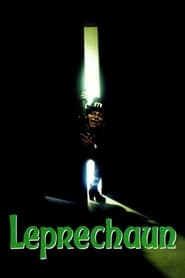
Leprechaun (1993)
Mark Jones, Gabe Bartalos
-
8 shared topics
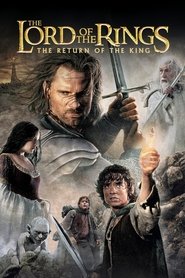
The Lord of the Rings The Return of the King (2003)
Peter Jackson, Fran Walsh, Philippa Boyens
-
8 shared topics
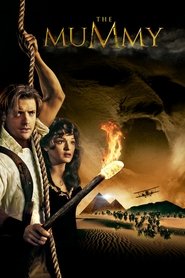
The Mummy (1999)
Stephen Sommers, Bob Ducsay
-
8 shared topics
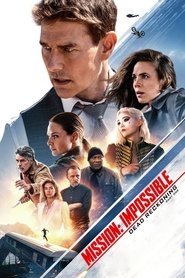
Mission Impossible Dead Reckoning Part One (2023)
Christopher McQuarrie, Eddie Hamilton
-
8 shared topics
Diamonds Are Forever (1971)
David Naylor, Guy Hamilton, Tom Mankiewicz
-
8 shared topics
The Way of the Gun (2000)
Christopher McQuarrie, Joe Kraemer