
director
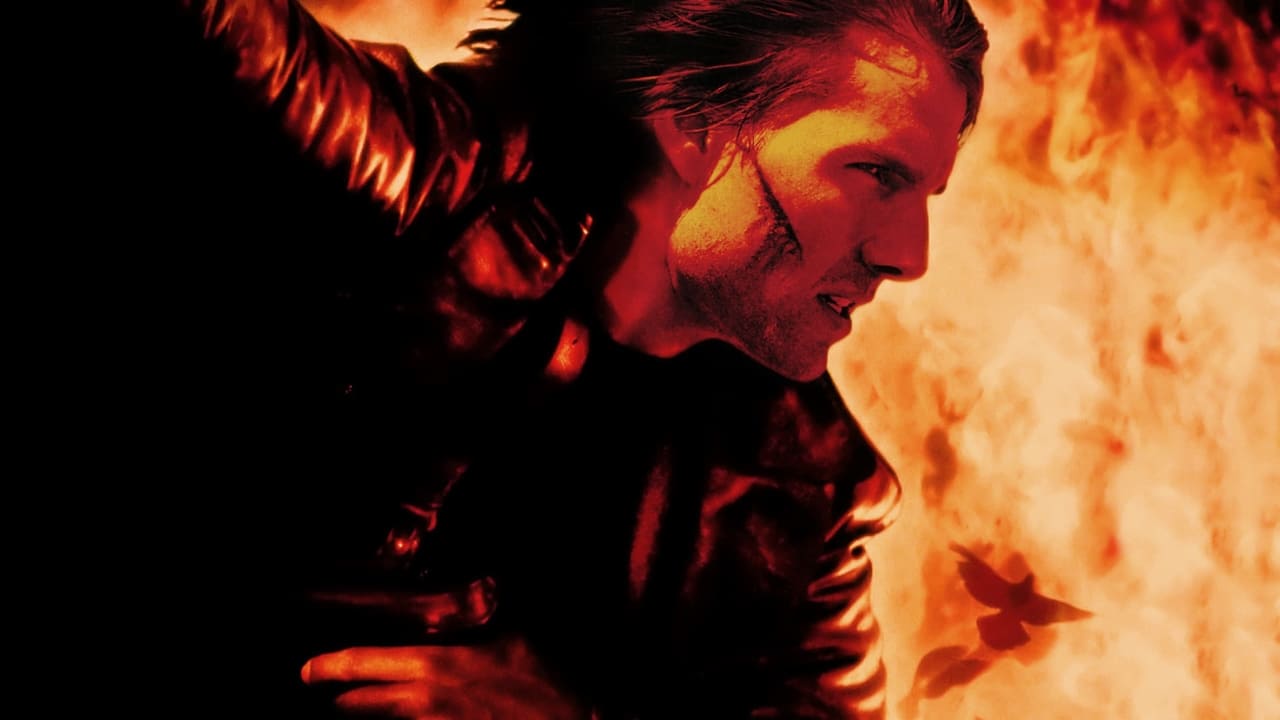
Mission: Impossible II (2000)
Release Mission: Impossible II DVD (Paramount Home Video, 2000)
John Woo explains approaching Mission: Impossible II through romance, sacrifice, and his ideas about a hero's responsibility. He discusses Spain, flamenco, camera movement, different frame rates, music, and slow motion. He also describes Tom Cruise's insistence on performing the climbing and motorcycle work and the concerns this created on set.
- Duration
- 1h 58m
- Talk coverage
- 76%
- Words
- 14,326
- Speaker
- 1
Guided collection
The early Mission: Impossible sequel commentaries
John Woo discusses romance, slow motion, and stunt work in Mission: Impossible II. Tom Cruise and J.J. Abrams explain the characters, action, and production decisions in Mission: Impossible III. Read the two tracks in release order to compare their approaches.
Part 1 of 2
- 01 Mission: Impossible II Now reading
- 02 Mission: Impossible III 2006
Commentary density
Highlights
Featured in
Topics
People mentioned
The film
- Director
- John Woo
- Cinematographer
- Jeffrey L. Kimball
- Writer
- Robert Towne , Brannon Braga , Ronald D. Moore
- Editor
- Steven Kemper , Christian Wagner
- Runtime
- 123 min
- Also on
- OneSheet ↗ OverBlack ↗
- External
- IMDb ↗ TMDB ↗ Find on Amazon ↗
Transcript
14,326 words
I'm John Woo, the director of MI2. It was about two and a half years ago when I was making a Nike commercial in Brazil. And then I got a call from Tom. He called me from London. So he wanted to set up a meeting in London. I was pretty surprised. Then I flew over to London to meet him. And I've seen his family. It's very nice to me. And then he offered this project to me. I was pretty shocked. Well, Dimitri. Every search for a hero must begin with something that every hero requires. I've never dreamed to make a spy movie, and especially Mission: Impossible. In a search for our hero, Bellerophon, we created a monster. Chimera. I just felt the first one was so good and so stylish, and I think Brian De Palma did a great job on this film. He's a great master of suspense, and he made the movie so wonderful, and I didn't want to compare with it, but Tom said to me, it's going to be a different movie. All he wants is my style. He loves Face/Off, he loves all of my Hong Kong films, and he wants this one different.
And then he also had been talking about he wanted every episode to have a different style from a different director. That made me feel relaxed. And then he said that this is a completely new story. There's no need to connect with the first one and no need to worry about the original TV series. So I had no worry. I could see it as my own movie. You keep staring at that watch as if your life depended on it, Doctor. Oh, yes. I suppose I'm a bit anxious. You'll soon be with old friends. The movie is all about character, all about romance and humanity. And I would love to do it. And I didn't want to do some high-tech thing or the special effect because I'm not good at it. And I want to see this movie a little more human and very dramatic. I didn't know before the end that you two had succeeded. Yes, can you? And Tom, he likes the idea, and he totally agreed with me. And then he and the writers and Robert Towne came up with a triangle love story, which really interests me. You can carry them together? Safely? Yes. And so that's why I accept this project.
I always dreamed to work with Tom Cruise, such a great filmmaker, such a great actor. Before Mission: Impossible, we had another project to work together in mind, the project called The Devil Soldier, but somehow that project didn't work out, you know, and he offered this rental. Not so far. Just put on your oxygen mask. I'll see what's going on. The idea was evil hiding behind a beautiful face, you know. And actually, the whole scene, the whole idea came from Robert Towne. For a spy movie, I wanted to have a very suspenseful, scary opening. I wanted to shock the audience, and I wanted to make the audience totally surprised. So, and then we have been thinking for quite a long time to make a shocking moment. Since the movie is about good and evil, We're using some kind of a face-off, you know, the makeup thing, you know, to do that. And then Bob and Tom came up with the ideas. So we started with Tom Cruise and Ethan Hunt, trying to make the audience believe this is real Ethan Hunt. So, and then things happened. All of a sudden, Tom Cruise, he takes the mask off and then reveals Ambrose, reveals the evil, you know.
And that's a wonderful idea. I was really happy about it. It seems we have a problem, Dimitri. You keep calling me Dimitri. You really shouldn't. You are not Dimitri. And it also got a double meaning. It's like the evil hiding behind a beautiful face. And then also, there's a little bit of a good and evil. They swapped their identity, you know? And also a little bit tidy in my movie, the face-off. It's pretty interesting and very suspenseful and also pretty shocking as well. So I love this scene so much. And also we did a little experiment for the scene, like for the face-off shot. Usually we'll shot it pretty static. This kind of shot for the camera, usually they shot it in a static and doesn't move.
I like to do the all-in-one shot. I would like to see Ethan Hunt, he getting up, and the camera moving around to his face, see him, you know, speaking in dialogue, and then he takes his face off and reveal the red scarf. I did it all in one shot. It's very critical and difficult to do it. If a shot without move, it's much more easier. If the camera is moving, it would cost a lot of time, a lot of money, and did it frame by frame. And I must say, Richard, the special effects supervisor, did it. fantastic style for this shot. Something interesting about Tom's makeup. I was suggesting for Tom's first appearance, he was short hair. It's the same look as the first one. Short hair, clean, and a little cold, and handsome, you know, so that kind of look. And then after he takes his face off, reveal emerald, it's going to be to shock the audience. And then come to the next scene for the rock climbing, he got long hair that make the audience feel
Oh, this is totally different Ethan Hunt. It is a new image for our hero, you know. But I think the scene is still very effective. Original idea was just right after the plane crash and it caused a huge explosion. And from the explosion, the surfing in to the match lighted off and then cut the fuse and came up the main title. Just like the same as the first one. But somehow Tom didn't feel that exciting. I said, how about after the plane crash, straight cut to the smash cuts to the rock climbing? And I thought that was a good idea. And then put the main title after the rock climbing scene. So because the main title is for Ethan Hunt, not for the bad guy, you know, so that's why we had to move it around. So after we cut to the rock climbing scene... to reveal the true Ethan Hunt and also to introduce a new kind of character for Tom Cruise, you know, make the audience feel another surprise. And then for the scene, it's a very scary and also it's the most challenging scene I've ever made.
The cliff was 2,000 feet high, and there was no protection on the ground, and Tom had to do all the stunts by himself. He needed to climb up to the cliff, and he needed to do the jump. He jumped several times and hanging up on the cliff with two hands. It was pretty scary. The scary thing was Tom wanted to do all the stunts by himself. I was very scared and worried and panicked. Because there was a shot that we needed seeing Tom jumping from the wall to the ridge, did it all in one shot. And that shot, I was set for the stunt double to do it. But Tom insisted to do it by himself. We had a really long argument about it because I tried to stop him, but it didn't work. Tom said he liked the challenges. He liked to do something he had never done before.
And he had never liked cheating. And he told me, whenever he watched an action movie, he said, it was easy to tell which shot was done by a stunt double, which shot was done by the actor, because the body movement, the timing, the performance would never match. And he didn't want to see it happen. And I let him do it. And then I was very scared. And by the meantime, I was scared of heights. So I would stay away from the cliff 20 feet. way behind, you know. And then when Tom did a jump shot, I couldn't bear to watch it, you know. I kept closing my eye and praying I wouldn't dare to watch the monitor. After the shot done, and I yelled, how's Tom? He said, okay. Because from my angle, I only could see a little piece of Tom.
When he did the jump, and all of a sudden he disappeared. And I wasn't sure he was laying on the right spot or not. And I was worried about the cable, the cable only for safety. It wasn't set for the action, you know. So after he disappeared, I yelled, hey, how's Tom? But Tom, he yelled me back from the middle of the clip. He said, I'm fine, don't worry. I want to do one more time, you know. And then he did five, six, seven times until we got a perfect shot. That really scared me and also made me so much admire him. I admire his courage. He's a man of no fear. By the meantime, the scene is very important for his character. We want to establish our hero. He's just like one of the young men in the world. He had a great passion about life, about love, and he really cared about people. Also, he enjoys nature. He's a very open, happy, normal young man.
So that's why we came up with the idea for the rock climbing. The rock climbing really could show his courage and his charm. Tom loved the scene, and everybody loved the scene. And then after he come up to the hill, and then after he come up to the top, then came the helicopter, you know, fired the rocket. For the rocket, he got a stained glass. And then for the stained glass, he got the mission, you know. We have been struggling for this idea. For the traditional Mission: Impossible, Ethan Hunt usually gets the message from the tape recorder. And then for the tape recorder, it seems to be so old and it's not interesting. And then also, I must say, I don't remember if it was the writer's idea or Tom's idea, they were suggesting using a sunglass. You know, that makes it feel a little more high-tech and more modern, you know.
which was a pretty good idea. And then we do some animation on the sunglass and also make the sunglass more computerized. We almost lose the scene because of the budget time concern. We did try to shoot it in a simple way, but we were so lucky and never give it up. So I'm so glad that we got a scene and also got a pretty good impact about the sunglass. We had decided this is the love story. And we have been thinking out, where do we start the romance? In what country? We have been thinking for quite a while. We have been thinking Rome, Russia, even Malaysia. We have to figure out a country really could represent the romantic and passion. We have to find a very interesting city that can have the romantic feel. And then somebody suggests Italy, and then me and Tom were so much fond of Spain. And we loved the music, we loved the art, and the whole atmosphere in Spain. And we thought that Spain is a very romantic country, is that the people are so friendly and so passionate, and the music was so sexy and romantic as well. So that's why we decided the romance should be start from Spain.
And then we flew over to Spain and did a lot of research. I was so much crazy about the flamenco dance. And I think that the flamenco dance, very romantic, emotional, also quite an impact. The dress, the color, so beautiful. And dancing is so sexy in some way. So I would suggest using the flamenco dance as a theme. And also using the flamenco dance to bring the two love, Ethan Hunt and Naya, and bring them together. And also, I like the rhythm. I like the very strong flamenco dance rhythm using the footstep. And the rhythm is so strong and so full of great energy. So that really excites us. I try to use the sound of the footstep as a, to represent, you know, Tom and Tim, these heartbeats, you know, and also use the kind of sound for the car chase scene.
During concerts, we also using the flamenco dance, guitar music, and the sound of a footstep. And the footstep, and getting stronger and stronger, and the concerts are getting much more crazier, and it feels so much of an energy and romantic, you know? And then I came up with the ideas, you know, of the flamenco dance, and also to make Thandie's character as a thief. In the original script, she was one of the spies or something like that. I think a spy is not interesting. And the smile is not charming at all, you know. I wanted the girl, she's a normal, and she's a civilian, and she's a thief, but she's a good thief. And the idea came from Audrey Hepburn's movie called How to Steal a Million. Because I would like to see Thandie have a little bit of charm like Audrey, you know. While she's doing the heist and trying to steal some kind of jewel, and then Tom came from behind helping her, and all of a sudden they both trapped into the bathtub.
And that's going to be very funny. Because I wanted to make a scene just like one of the Cary Grant or Peter O'Toole and Audrey Hepburn, Ingrid Bergman, you know, that kind of a sitcom thing, you know. And I tried to use that to establish these two characters, they both are very charming and they both are lovable and romantic. That's going to make a totally different from the first one. So everybody was so much fond of this idea, and Robert Towne, he came up with some very funny dialogue for the bathtub scene. And Tom and Thandie, they got a great chemistry. I always feel like for the love story, it should start with a little bit of romance and also a little bit of comedy. It would feel much more interesting and more modern. I'm so glad that we could have Thandie Newton because we have been looking for this cast for quite a long time. We had interviewed so many stars, so many good actors. We tried to find someone who had a similar quality of Audrey Hepburn or a little bit like Ingrid Bergman. We had a meeting in London with me, Tom, and Thandie. And then we find Thandie, she's so charming, so cute, and she's extremely smart.
And by the meantime, she's just exactly similar quality of Audrey Hepburn. And she looks so elegant. That's what we need, elegant and sexy, you know, and smart. And then to pair with Tom, it just looked like the golden couple and the very charming couple, you know. So we are very excited about her. And then we did some, a little bit of rehearsal before we start shooting. And we put Tom and Thandie in front of the camera. and they made up some line and do some little drama, you know, and we have found they were just perfect. They looked so natural and so lovely. We also got a lot of inspiration from both of them because of the charm that also give us a lot of good idea for how to design the romantic scene and the cautious scene and not make it traditional.
Usually I like to make the movie have a little bit of a European touch, no matter the music or the mood or the camera work or the framing. I want to make it look like a European film, you know, that kind of feeling. Under the circumstances, I think we'd recommend resetting the sensors to respond to a lighter load. How do you feel about 40 kilos, Miss Hall? Perfect. We want the movie to have the sexy feeling, but it's not necessary to see the real sex. Not because of the rating, because we all want this movie to look a little more elegant in every way. No matter the action, the sex, the love, or the good and evil, the thing. Even the whole tone, the whole movie, you know, look in an elegant way. So arrogant, romantic, that kind of feeling. So it's not necessary to see everything fairly. In a bad scene, we just make the audience know, you know, they're already in love, you know, they have a very great conversation, it's funny, and then they get into their mission, you know, that kind of thing. Can I be serious?
Whatever it is you're talking about, you couldn't possibly want me off tonight's performance. You didn't do that, Ben. After the party scene, you know, that Tom tried to convince Taney, in the original script, you know, there were only both of them talking in the room. But I just feel it's pretty boring. The scene was just only Tom saying something about this and that and then I tried to convince her to work together and then somehow they were in love and they slept together. I think it's pretty boring and all I want is something a little more energy, more romance. So I came up with the idea of the car chase. We planned everything before we start shooting. Imagine this scene gonna be romantic and sexy. and also the very symbolism. When I was working on the storyboard, so we worked on the whole scene and we already see it from the storyboard. The original idea was a lot more happening, you know, there's a lot of cars involved, you know, some of the cars you flip over side, you know, and some of them have been slammed into the cliff, you know, and Tom in the car and Tom
Almost go off to the cliff, and half of the car was fall off to the cliff, but still driving. You know, some dangerous shot. It was a pity we didn't have enough time to shoot it. But in the meantime, it was pretty scary for Thandie Newton. You know, she's English. You know, she drives on the other side. And she never get used to the left side driving. So we have our stunt coordinator, you know, who was hiding in a passenger seat. One hand, he grabbed hold of the brake, you know, and one hand pretty close to the driving wheel, you know. So just in case something happened, and he can stop the car right away, you know. So how all the stunts are for crazy driving. As soon as she was smart, she just get used to it for a couple days, and then she drove pretty well.
I was thinking Tom and Thandie, they're both on convertible, and they're chasing each other and slamming and bumping each other, you know, and at the end, somehow Thandie's car getting into the danger almost followed the clip, and Tom's car blocking her, you know, save her, some of this sort of scene. I think the car chase will look much more interesting than seeing the two people speaking in the room. And also, I wanted to make a scene like to catch a thief, or How to Steal a Million, you know, they're kind of one of a Cary Grant movie. And also want the scene to look a little more sexy. You know, like when they come bumping each other and then they spinning around and do the 360 spinning around, it just feel like making love, you know. And then after the spinning and when Thandie fall to the cliff and then Tom save her, it just seems to be the love come to the end and they both fall off each other.
The whole scene just feel like it's funny and sexy and romantic. You know, when I'm designing an action sequence, I usually like to listen to the music. And the music usually give me a lot of inspiration and how to get into the rhythm, how to get the idea of the action, you know. So when I decided the cartridge scene, I was listening to the windmill of your smile so I could get the mood and also could get the romanticism, you know, that all came from the song. What's your name? Ethan Hunt. Well, Ethan Hunt, what is it you want to talk to me about? A lot more than that, son. Hopefully short notice. So we were so lucky to have Thomas E. Sanders as a production designer. He's a great guy. He did Dracula, Braveheart, Saving Private Ryan. He's just incredible. So in this movie, all I want is a
to make it look more warm and passionate. So he came up with the idea of a color. He was suggesting using more of a red, orange, and green as a key color. That will make it totally different from the first one. The first one was a little cold and have a blue lighting, and even though the set is pretty dark, but I want this one a little more charm, more open. more warm and more passion. The thing I like about Thomas E. Sanders, all of his designs just look so real. He like realistic. He like everything look real and also have a great passion feeling. He made model for every set so we could figure out about a camera angle and the atmosphere, the lighting and how everything work. What am I doing here? And I also want every scene in Spain, you know, they're all moving. So a lot of camera movement and special lighting to make every scene look pretty much like a dancing. No matter the party scene or the cartridge, the balcony scenes, every scene, whenever we see Spain, it's all moving. It's pretty much like ballet dancing. So that's how I try to get the romantic feel of the film.
For Swanbeck, I mean Ethan Hunt's boss, we were trying to cast the English actor Ian McKellen, but somehow he had a schedule problem because he was working on a play and we all liked him so much. He's such a great actor, but somehow his schedule didn't work out. We also have a schedule problem because we got to shoot a scene right away and we tried to figure out how to use some of the actors. And we had a hard time to find, to get the right choice. And then all of a sudden, the producer, Paula Wagner, he came to me and said, hey, John, some very exciting news for you. I said, what is it? He said, Anthony Hopkins wanted to do this part. I was shocked. I was completely shocked. I was so surprised. I said, you must be kidding. I said, it's impossible. He said, no, no, no. She said that Anthony called her. He really wanted to do this part.
And then Tom, he confirmed Mr. Hopkins is going to come. I was so nervous. I was so nervous because I didn't know what to do. I couldn't sleep for a couple nights and try to figure out how to work with him. I had never worked with him before, and I didn't know that much about him. That's the problem. And then that day he came. He was such a nice gentleman. He was so humble and so charming. And when he came in the cell, he shake hands with everyone. and greeting everyone, and I called him, sir. He said, please call me Tony. It kind of made me so relaxed. And he was so happy to be on the set. He said he's a big fan of It's Impossible. He loved It's Impossible. He loved Tom Cruise, and he liked my movie. And all he wanted, just wanted to be a part of the movie. And he was very happy. And then we talked about the scene, and then
I was shaking, holding the pages of the script, make a noise, you know, and he comfort me, always smiling, have a lot of great patience. And then he listened to me and we had just a little discussion, you know, and then he do the scene. He made a simple scene a lot more interesting. He made a character more solid and also pretty much like a father figure, you know. He's a great boss, and he cares about his own people. He's a very kind man. He's a real gentleman. He had never asked any question, never tried to give anybody a hard time. And he always listened, and he just do whatever we want. And he was very cooperative, very professional, and very creative. He made his character full of life, and he made every dialogue so much interesting. and also bring a lot of a good laugh from his dialogue and from his great performance. He's a man we deserve everybody's respect. He's a very good man. He seems to have a lot of great energy. He never gets tired. In the scene, we have some kind of a lighting problem and focus problem. We have to shoot a lot of shots.
So every day he kept repeating, doing the same thing, saying the same things, until we got the perfect shot. Because the lighting is pretty critical, because we started with the anamorphic format. So the lighting, it's got to be very detailed and also more of a contrast. So you need a lot more time to do the perfect light. And he had a lot of great patients. He had never complained. Suppose it was planned for two days' work. But we extended five days because we had been trying to do some different kind of lighting to make a scene work. So he finished the whole scene without saying anything, and he had so much joy working with us. And I was also pretty surprised that he had seen the most of my Hong Kong film, and he also liked Face/Off so much. You know, when we get together, we seem to be like old friends.
Sometimes he talk about my style, and I also find out he love action movie. He wanted to do an action film. I was totally surprised. I hope one day I could work with him again in an action role. I admire him so much. He's such a great actor and also a great human being. In order to do that, I have to figure out how he plans to make money with it. That is where Miss Hall comes in.
Excuse me? Miss Hall and Ambrose had a relationship which he took very seriously. She walked away and he's been wanting her back ever since. We believe she's our surest and quickest way of locating him. And then what? Well, make sure she continues to see him, gets him to confide in her and report to you.
You made it sound as if I was recruiting her for her skills as a thief. Well, then I misled you, or you made the wrong assumption. Either way, we are asking her to resume a prior relationship, not do anything she hasn't already done. Voluntarily, I might add. No. She's got no training for this kind of thing. But to go to bed with a man and lie to him? She's a woman. She's got all the training she needs.
I don't think I can get her to do it. You mean it'll be difficult? Very. Well, this is not mission difficult, Mr. Hunt. It's mission impossible. Difficult should be a walk in the park for you. I'm open to suggestion. If you can think of a quicker way to get to Ambrose, you're welcome to try. By the way, you might want to take a look at these if you have any further qualms about getting her to do the job.
of something like that? Sean Ambrose, for one. Right. This wasn't what I had in mind.
But it is what you'd like me to do. What? Oh, let my conscience be my guide, is that it? Something like that. I don't have a conscience. I'm a bloody thief. You gonna try and force me to do this? Generally, I don't favor coercing someone, not when there's a chance my life could end up in their hands. Is that the only reason? Can you think of a better one? Me? No. But I was just hoping you might, thinking that somewhere in the course of business this got personal as well as physical. Okay, okay. Would it make you feel any better if I didn't want you to do this? Yeah, much. Then feel better!
You know, Sean will never be anything but suspicious if I pitch up saying, hey, honey, I'm home. What wouldn't make him suspicious? Oh, that I needed him in some urgent way. Dusted you in serious trouble, the kind I couldn't possibly sort out myself. Serious trouble, Maya? Something that I can always arrange.
This transponder chip is completely untraceable. It transmits your location to a satellite, which can be read by only this computer. We can then track you to within three feet. Anywhere. Since your arrest, I've been sending news bulletins to every law enforcement agency in the world. I know Sean Ambrose. And I guarantee that after that airline crash, Since we already got Spain as the start of the romance, so we have to figure out to find another city to compare with Spain. And then we have to figure out to find another city to make a contract with Spain. And then we have been thinking Tokyo, Malaysia, Hong Kong, or even Shanghai, you know, whatever. Tom came up with the idea. He said, how about Sydney, you know? I feel, oh, great, because I've been to Sydney, and I find this looks so beautiful and elegant, and the people are so friendly. And by the meantime, all the buildings are so modern, and I also like the harbour. It really could fill the contract with Spain. The Spain is so traditional, romantic, and lots of flower and color, you know. The economy looks totally different. So that's why we decided using Sydney as a choice.
and you got me in a helicopter with this man so and also try to using the Sydney to to extend the romance but the romance come to another level It's the romance with the evil, with the devil, you know, so it's a totally different feeling. Computer's up. You got him. By the other hand, I must say that we were so lucky to have Dougray Scott. He's a wonderful actor. The thing we like about him is he had a great feature, and his face was so much of a character. He looked evil, but by the meantime, He has wonderful eyes. What we like about him is that his eyes tell so much of a story. His eyes look so sad, so emotional, and so charming. I mean, that's what we're looking for. We're looking for some charm within an evil face, you know. He just got it. And by the meantime, he's a fine actor. You know, he's so much a professional. And he also has the elegant look. It's not like a typical bad guy, you know, that kind of thing. All I want is good and evil. They're both very emotional.
And then we also put the three of them together. We just feel it really is a wonderful match, you know. But, in the meantime, we try to keep the traditional of Mission: Impossible theme, you know. We team up with Ving Rhames, who played Luther in the film, and also John Polson. John Polson was recruited from Australia. He's the mechanic and the fighter. Luther is a scientist and great computer guy, you know. And these two images will create a lot of funny moments. and also so much of a character. And then Ving Rhames and John Polson and Tom Cruise, the three of them became a wonderful team. I'm incredibly grateful, Sean. How in the world did you find me? How I usually find you, Naya. Magic.
Besides Dougray Scott, we're so happy to have Richard Roxburgh, a fine Australian actor who played Dougray Scott's sidekick. He's a wonderful man, a wonderful actor, and also he's a wonderful human being. In his real life, it's totally different from the screen. He's a stage director and actor as well. From his part, we try to do some interesting things, and he likes to play with accents. Sometimes he likes to play some... American accent or South African accent or Australian accent. And he did it pretty well. And he made this character a lot more interesting. And I must say that the triangle love story was inspired by Hitchcock's film, Notorious. In that film, it's also about the good and evil, the bullshit love of the same girl. But in this movie, we try to have a little more, not only about love and also about how to save the world.
We want to make it a little more romantic and charming. We've just rolled up a snowball and tossed it into hell. Now we'll see what chance it has. Besides the romance, we also try to play a little more of a suspense in a love story. So Thandie has been saying in going back to his old lover, it seems like we're sending her back to hell. But the thing is that we don't know what... Really, she's thinking, is she going to be honest to Tom, or is she going to betray him? So that's very suspenseful, and that makes the love scenes also very interesting. So I did intend to tune it down with Thandie and Dougray's love scene and the rest of the scene, and try to bring it down and not to tell much of a story and make the audience wondering. Is she going to betray Tom or suffering something or whatever, you know, just leave the question mark. And then leading the audience, follow the story, and then when they get into the biopsy scene, and then you will see her art, her change. And then they will give the audience a totally surprise, and then you will know who is the real love for Thandie and who she really loves, you know.
This is a great moment for Tom. He's thinking of Thandie, and he doesn't know what happened to her. It's a very clever idea for using the old Greek myth as symbolism for a theme. In the story, Chimera represents the virus, and Bellerophon represents the antivirus. It has double meaning. For my thinking, Bellerophon is Tom Cruise. Chimera is Dougray Scott. The good and evil. It's a very careful idea for using the Greek myth as a metaphor. And that makes the good and evil things more interesting. That makes them, the fight, the conflict in between the good and evil, they're all in the myth. So it just feels like a legend. That simple, huh?
Why not? It's a new experiment for me. I try to play the suspense in a love story or instead of a spy thing, you know. I want the audience more involved with the emotion and the love story rather than the spy. Because for my thinking, I didn't see this is a spy movie. All I see is a love story. When I'm making a film, I just feel like I'm making Doctor Zhivago. So I never care about the spy thing. I never care about the heroic thing. I just do what I feel. I just do, I just see what I see. So when I'm making the scene, I just concentrate on the scene. So all I care is about the character and the story. For some moment, Forget about, oh, this is Mission: Impossible, or this is a spy movie. Spy movies should be doing things like that, and the camera should be set up like this and that, and all the design got to be successful. But that's not me, you know. I just pretty much focus on the love story. I think that will make this movie look so much different from the others. She wasn't exactly gagging for it when she left you six months ago.
The question is, do you trust her? One considers her timing, of course. Getting nicked within a week of the plane going down. Suggestive. Even borderline suspicious. But hardly conclusive.
or you've thought about it at any rate. Tell me, Hugh. You don't exactly hang on Naya's every word and gesture, do you? That's a fairly ratty nail, that. Sean. Sean, please. Before we started shooting, me and Tom, we all agreed to make a PG-13 film. I must tell you, this is my first PG-13 movie ever made. We are very careful about everything. So no matter the action or the drama or anything, we got to so much careful about it. And I also need to tune down about the violent thing. And I also need to tune down the bullet head and the body counts. The whole movie is all about love. It's not about violence. So we just wanted to keep the excitement of the action, you know, and without feeling grossly or too much violence. We have so many problems for shooting this scene. We have the major weather problem, always raining, and we have the continuity problem with the lighting. So sometimes we got a sunny day, sometimes we got rain, sometimes it's pretty dark, so we have to use the...
some kind of a special lighting to light up everything to try to keep the continuity. And then we have to shoot a lot of a scene and a lot of a shot, you know, because it's pretty painful. We had the second unit to shot all the race scene, horse running, you know, that kind of thing. I love slow motion. You know, slow motion sometimes can show the beauty of the action and also will make the shot look so much like a painting and poetry. When I shoot a scene, When I'm making the action sequence, I would like to use a different speed and a different camera movement to get a shot. Like if I have three or four cameras, okay, one camera maybe use 120 frames, and the second camera maybe 60 frames. The third camera maybe 30 frames, and the main camera stay on 24 frames. After I get all the shots at all the different speeds, and then I work it out in the cutting room.
So when I cut a scene, I like to base on the music. So I cut with the music, and then I follow the rhythm, follow the pace, and then make the choice. If the pace goes a little bit stronger, I would like to use the 120-frame shot, or that little piece, put it into that section. And then before that, I might use another angle for 60 frames, you know, and then put everything all together, make it feel like musical. Also, slow motion also will give me a lot of a strong impact, you know, like the horse racing. I want to see the energy. I want to see the beauty of the horse running. I want to see the muscle. I want to see the hair floating in the air, you know. So I shot the whole horse race shot with 120 frames. But in the meantime, when we cut into the scene, I need a very strong sound effect.
So I would like to start with the slow motion, all the horse running out in slow motion. And then I emphasize the great sound effect. And they will draw a lot more of our attention. They will make the audience sit on the chair. Oh, what happened? What's going on? That kind of feeling. Bids from possible Chimera buyers.
The whole scene is about betrayal, love, and hate, and suspense. So it's a very complicated scene to shoot. It's not only involved with love, and also our hero, we got the most important information from the scene. So it got to be very suspenseful. So that's why I would like to intercut with the horse race, with the drama, and then it will draw a lot more attention. and also make the scene feel more intense. But in the meantime, the scene also really showed the teamwork of the Mission: Impossible, you know, like John Polson and Ving Rhames and Tom, the three of them, and even Thandie Newton, they all worked together and tried to get that information done. They have a lot of different elements all in one scene. That's a pretty new experiment to me. We had spent...
about four or five weeks to cut the scene. It was pretty long. Because we have been moving around and trying so many different things. And I tried using the cutting to get the suspense and get the pace. And by the meantime, wanted to have some kind of a romantic moment. It's very critical. Sometimes for the suspense, you better go fast. But for the romance and love, you got to slow down a little bit. For the crisis, for the danger, you got to have a little more detail to see Okay, the bad guy is coming, but Tom intended the scene, it's not finished yet, so how to hold the suspense and how to deliver the romance is pretty critical. So that's why we took so much time to cut the scene. Would you mind telling me? Not at all. But, um, yeah, I'm gonna pay for that. And with interest. I have no doubt. Hold on.
Put down a thousand for me. DeWitt? What else? DeWitt, make sure Nye is not followed. No worries, mate. Luther, digital camera. Ready to transmit. Bedding table 12.
Whatever you're about in future, watch your step. Never know who you might run into. So where's the loo? Thanks, mate.
Tom, looking at the camera, got the information of the virus. So the scene is from his camera, transfer the information to Luther's computer. And then what the audience see is the virus and the horrible death of the professor. I mean, this scene is a pretty strong impact. In the original idea, in this scene, we only saw a little bit of the virus and not the whole thing, because We have another scene is we will let the audience to see the whole thing later. But somehow Tom and I just feel like, how about let's just see the whole thing in this scene and then cancel the other one. If you show the whole thing in this scene, that will make the audience feel a lot more scary and more frightening. I must say it's a pretty good idea, you know, so and then we cancel the other one and then put all the information all in this scene. and then let the audience see what had happened to them and what was the chimera thing look like. And it looks pretty horrifying and also got a pretty good impact. God. Stamps out of the loop. He's coming out of the tunnel, heading your way, mate.
I want you out of Ambrose's place. What are you talking about? What's happened? What did you see? Okay, he's coming up behind you, Ethan. You've done your job. I want you out of Australia. 30 steps. How do you suggest I go about it? 20, 19... Touch your heart. You're overwhelmed. You need to think it over. 15, 14, 12, 11... I want you out of there now. Give me the earpiece. 9, Ethan, 8... If you don't get out of there, I'm coming in and getting you out here. Nathan, get out of there! You place your bet, man? Just.
I thought you were going to dinner. Hugh, take care of the Nikolaevich memory cards. Where is it? In the envelope in my jacket pocket. My right jacket pocket. We at our state-of-the-art solar-powered biocide building recognize that eternal vigilance is the price of health. whether it's funding the teaching center at the Royal Prince Edward Hospital, removing aerosol products from the market, or braving the influenza quarantine at Bruny Island late last month. At Biocyte, your life is our life's work. We've got an opportunity here. I'm not going to miss it.
I hate casting process. It always bothered me. And I have never liked it, you know, because I'm the man that it's hard to say no. Sometimes it's so sad for me, you know. But for my theory, whoever could come into the room, they're all talented. They're all good, you know. And it's so difficult to make a choice. When you see somebody, they're all looking for a chance and they all wanted to be part of the movie so eagerly. And then he said no to him. I feel very sad. Just feel like I say no to my kids. Whenever they ask for me, I just give them everything, whatever they need. I usually spend not much time on casting. I usually let the casting manager to find the right one and then present to me. I rather like to just talk with them. And I hate to see them reading. I think they're all very good. So, but we only need one choice, so that's a big problem.
The way I work with the actors, I usually like to spend some time with them, to talk with them. I need to see how they feel about everything, how they feel about life and what they like, what they love, what they hate. And I also like to listen to their story. And during the conversation, I would like to watch their face, their eyes, and try to find out the special quality from them. And then to figure out to use a... the proper camera angle to bring out the great quality on the screen. And by the meantime, I like them to put the real experience from life, put it into the scene, into the character, and that makes the performance look more real, more touching. I love actors. I love performance. I like to see the great performance on the screen.
What is this? A visit from an old friend. You crashed on the plane. You're dead. Tired, certainly. But dead is a little extreme. On the other hand, when my colleague Gradsky had your pulse and your blood pressure, he had less than a day to live. I think the actors is the most important thing in a movie. They are the soul of the movie. So I respect them a lot, and also work with the actors with love. I see everyone as a part of my family. I see them as a friend. Sometimes I see them as my own children. So since you have so much love on them, then you will know how to take good care of them. I like to take good care of my actors. I want them to look great on the screen, no matter if it's a big star or a supporting role or even an extra. I all want to make them look good on the screen. So sometimes I'm not making a movie. I just feel like I'm making an idol. And also sometimes I feel like I'm making a documentary. I just want actors to bring out their experience on the screen. The way I work with the actors, you know,
I usually like to give them a lot of creative freedom. And I like them to improvise their dialogue and changing, you know, something. And I respect their ideas, you know. And I try to find a way to work it out, try to find a way to work into the scene. And I like instincts. I like they do everything by their own instinct. And I hate rehearsal. You know, I've never liked to do any rehearsal in advance. On a set, all I need is just a rough, rehearsal and, you know, walk around on the set and make everybody understand what the scene is about and make everybody feel comfortable on the staging. And then we just shoot it. I like happening. I like something unexpected thing happen. In face-off, even in this movie, I also did the same thing with Nicolas Cage, John Travolta, Tom Cruise, and Dougray Scott, and everyone. You know, I have never...
like to give any instruction to the actors. We just have a little discuss about a scene, about the mood, about some emotional thing, and then they're on their own. So I need them to give me surprise. And instead of I surprise them, I would like to choreography some good staging for the actors, leading them to deliver the great performance. For the drama scene, usually I need a couple of takes. And I hate to do more than five. I think the first couple of shots, real and natural. Some actors want to do more and they don't mind to do 20 times, 30 times. But I think if they do more, it will become more mechanic. All I want is a natural and real. So I think the first couple of shots is good enough for me.
Like John Travolta said, whenever he came to the set, he just feel like he came for vacation and feel so much relaxed, so much easy to work with me. Oh, John only need one or two takes, you know. So I've got a nickname. What they call me is One-Shot John. I also work the same way in Hong Kong, you know, because sometimes I just feel like I'm a painter, you know. As a painter, it's hard to explain to the audience or to anyone how I feel, how I... how I'm going to work. Until I see the real thing, then I could tell you, you know, okay, oh, this is right, this is wrong, and oh, maybe this is a little too much, you know, or this is not enough, you know. I usually will let the actors do it first, and then I will, okay, I think that is fine, you know, I think it's okay. Usually, I'm not going to say much. I just love whatever they do, you know. Even though the shot wasn't that perfect, even the performance wasn't that enough, but I could work it out in the cutting room.
I do know the editing magic, you know. I could put a thing together and do a little trim here and change a shot there, you know, without losing the great performance. And also make them look even better, you know. Ambrose has a cure without a disease, and we're all free. You were right. Hunt stung McCloy tonight. So he knows. He'll be going into biocide. Good. Then we know where he'll be, don't we? Well done, Hugh. Well done. Oi! You home, mate? Home.
That's George, my regular driver. Where is he? He's gone home sick. Touched the flu. Building up and running yet? That's not exactly it. Sorry, but this is a bio-site facility, a storage structure. I'll have it up in a minute. Okay, take a look at this. Start from the inside out. All storage and production of Chimera is done here, in this lab on the 42nd floor. Hunt's target will be the Chimera, stored and manufactured at Biocyte on the 42nd floor. If you look at Hunt's operational history, and I have, he invariably favors misdirection over confrontation. He'll never break into Biocyte from the bottom where security is heaviest. No garage entrances. Lobby's protected by five guards on rotating patrols. Sometimes when I need to communicate with the actors or even the cameraman, you know, I would like to use the music to express my feeling, you know. If the actor, you know, didn't get the mood, didn't get the feeling of the scene, and then I will play the music for them, let them to get into the mood and also get in great performance, you know, and get into the good emotional expression.
Even though the cameraman, sometimes I told him, okay, the camera from moving from here to there and the speed gonna be like this and that, you know. And if they couldn't get it, and then I will play the music for them. I said, just follow the beat. Just follow the rhythm. Then you will get the idea. So the camera crew, they were wearing the headset and then listen to the music and then moving the camera and then follow the music. That's how I work. And even though the action sequence, like the fist fight at the end of the movie, I was thinking some strong impact, you know, for the fist fight. I would play the rock and roll music, you know. I love music, and I love to use the music in so many ways. I know the kind of music for the scene. Every scene, different music. Sometimes it's classical music, like a strong leg or Mozart's music.
or Wagner, sometimes jazz, sometimes rock and roll, and all kind of music. Well, sometimes I really feel like I'm making a musical, and especially the action sequence. When I design an action sequence, I usually listen to the music. For a drum machine, I also need to listen to some kind of a mood music, you know, to try to get the right mood and a feeling, you know? Luthor, we're out of time. Please, baby, open up. Open up. Five, four, three, two, one. I'm going down. Ethan, wait. We have four things, put them together. The second unit shot the helicopter fly around the building on the roof, and the stunt double hang outside the helicopter. We saw all Tom's jump on green screen. And then we built a platform about 80 feet high. Tom on a cable, so he need to drop from 80 feet and descend into the camera, you know. And then we CG everything, moving background and the city and the helicopter, the all CG. So it means that Tom still need to do the real jump, you know, from the very high place. It's scary also. The original idea was that Tom need to jump from outside the building.
The idea was Tom coming down from high and Ambrose Gang coming up from the bottom. Tom is a little faster, and I help them, you know, and get into the building and do the job. But somehow we couldn't get the permission, so we have to move inside. And then I came up with the idea, so how about a drop into the shaft descending down into the building. Nine, eight, seven, six, five, four, three, two, one.
Transponder activated. Reading package and cable clear. You'll breach the lab at the only possible time, whether you break in from the ground or the roof. It's 2300 hours, one minute. When the air filtration generators will cover the sound of hunts breaking, and the rotating guards make the building vulnerable to air breaking from below.
Generator's about to go active. Just a friendly reminder, we'll be out of contact for eight minutes.
will destroy Chimera rather than attempt to preserve any part of it. He'll have to do it in two places. First, the incubation room where the growth vials are kept. And finally, in the inoculation chamber holding the last remaining Chimera virus and three injection guns. He won't be allowed to destroy the virus in those guns.
for once? Not exactly, sport.
I think we've got a problem. Naya's on the wing up early. Billy, do you copy? Yeah, I got you, Luther. Sorry, exactly where is she? In the building. Say it again, mate. Sounds like you're saying she's in the building. I am. She is. Uh, well, there she is. But in the meantime, the way I work with the composers, I usually would like to create the theme music in advance. It means I would like to get the theme music before we start shooting. Yeah, well, when's that? Not for another... That would give me a lot of good inspiration, you know, and more feeling. If they couldn't do that, at least in half of the movie, in half of the shooting, they should get the music, and then it would really help me.
Like in this movie, we have spent some time staying in Spain and looking for the wood, looking for the music. And then I found the guitar. The guitar really gets the passion and the romance. So Hans Zimmer and I were suggesting using the guitar as the theme music. While we were shooting in Australia, he brought in the guitars. He was from Brazil. And then we created on the set. So he came up with some tone and came up with the romantic tone. And then we tried a couple times and he just got it, you know. That made me forget the real passion about the movie. So that's very important to me. And then I also used the theme music for the car chase as well. You know, in the car chase scene, we were thinking using the flamenco dance and the guitar music for the whole scene. That's how we got the rhythm and the passion, you know.
What can we do? Hope he kills all the bugs before the yellow dot gets to the red one.
before you can reach him. We got 29 seconds before the generators turn off and Ethan will be back online. The two guns idea was came from the Western, you know, Butch Cassidy in Sundance Kid or John Wayne's film, you know. Even some gangster film, they're also using two guns. So while I was making the Hong Kong film called A Better Tomorrow, there was a scene where our character, he entered into the restaurant and there were 15 guys in the room. And I was thinking, one gun is not enough to bring down 15 guys. And then I was thinking, oh, how about two guns? There was a first big gun battle movie for me. So I asked the props guy demonstrate how to use a tool gun for me. And I said, I like to use a tool gun, feel like a machine gun. I like to continue firing and also have some kind of a musical drum beat feeling. And then the guy, they keep demonstrating the tool gun. I feel very interesting.
I give a two-gun for my hero, and he go into the room and, you know, shoot the fitting guy with two guns. And then he also played another two guns outside of the corridor. After he empties the two guns, and he grab another two, you know, shoot again. Tom, he liked this kind of action that he always want to do in a film. In the Biocyte, I also give him two guns. He just did like a Chow Yun-fat, you know, he dive in the air and slide on the ground and shooting with two guns. And he did it so beautifully, and he find so much fun for doing that. The hardest part of having to portray you, grinning like an idiot every 15 minutes. I always thought the hardest part was curbing that pressing need of yours to get your gun off. You were in such a hurry to knock off that 747, you never figured out where Chimera really was. I knew where it was. And you knew the only way that Corbidge could smuggle the live virus was by injecting himself and using his own bloodstream as a petri dish. You knew that while you were knocking him off, destroying the very thing you came for.
and you spray the virus all over the place. There it is, guys. The last of it. What's the top bid? Why? You gonna make me a better offer? 37 million pounds? Not really. Oh. Somebody has been slipping you our mail. Come on over here, you bad girl. Sean. She doesn't belong here. Let her go. She wouldn't be here if it wasn't for you, Hunt.
From this moment, you are responsible for what happens to her. And if you're looking out for her well-being, I suggest you advise her to pick up the injection gun and bring it to me. Balls in your court, Hunt. And we also have to try very hard to do the cut there to make the scene not that over, but still keep the great excitement for the action, you know. and didn't lose any impact. Besides destroying the virus, I think the main theme of the scene is about love and hate, and also it is Thandie Newton's great moment. We have been establishing a long suspense for the audience, and we didn't know what this girl was thinking, and was she betraying Tom or honoring Tom, and which one she loved more. There's so many questions, and then when we come to this scene, the audience will get all the answers.
And also, it's a very strong moment for Thandie. Like a scene when she's enforcing, you know, going down to pick up the injection gun. There was a great suspense in between three of them. It's about the betrayal and about love. You know, there's all the questions all in one scene. And then all of a sudden, we see the girl, she injects herself. Then everybody knows what she did is for love. And the one she really loves is Tom. And that... became a very dramatic, emotional moment. And also, there was an art for Thandie Newton's character. You know, at the beginning, we see her as a thief and a very charming, you know, nice-looking girl, and we don't know what's in her mind. But in this scene, we got all the answers that we know she is in real love, you know. This is also a very political scene. It's involved with love, hate, and romance. and dangerous and crisis and everything. But the main point for this scene is all about love. So I was more focused on Thandie's, on the camera angle and even though the music all came from her emotion. For the music, it's very interesting about the music.
Hans Zimmer and Tom came up with the idea of using some rock music for the scene. And I didn't feel comfortable with that because the rock music didn't provide the emotional element. It only could drive the scene pace faster, but it didn't deliver the emotion. And then Hans Zimmer came up with the idea, how about using the female voice? It will make the scene feel more sad and romantic. I think, oh, it's a good idea. And it's a brand new experiment. We were using the women's voice in the rock music. So when I seen Thandie Newton, she inject herself, then we came up with the female's voice. And the voice make the audience very emotional and very emotional involved. And I'm so glad the voice worked so beautifully. For Ethan Hunt's character, he did some change in this scene. In the beginning of what we saw, Ethan Hunt is charming and enjoy the nature and a lot of great energy. But after he met the girl, he's completely changed. And he had changed to very emotional. And this is pretty risky for the spy movie. You know, a spy usually never in love with anyone. And it's not allowed to love anyone.
But if you want to make a real person, a real hero, a real hero just like you and me, just like anyone in the world. He had great passion about life, about love. He enjoyed the nature. He enjoyed every beautiful thing. When he in love, he's in love. When he loves somebody, he really loves somebody. And he doesn't care. He doesn't care. And he have no rules and no theories. Just do whatever he like, do whatever he feel. That's what I'm looking for. That kind of character usually interests me, because it looks so real, so human. And I want this spy as a real human being. He's not a working machine. That also will make so much difference from all those kind of James Bond-type films. James Bond is also a very interesting character, but every episode, every series, he just looks all the same. In this one, you will see
Tom Cruise, he's getting a lot of changes. What he has changed is by love. That makes the character so more alive, so more interesting. In the script, there was not much shooting. Tom just blow up the place, just have a few gunshots with the bad guys, and then he go. But I would like to extend the action a little more because the audience haven't seen Tom to do such a big action before. And by the meantime, Tom's movement is so beautiful. His body movement, especially when he dives in the air, is pretty much like a dancer, you know.
This is the first time for me to make a very strong female character driven movie. I wanted to make a female lead film. I like to try a love story. I like to try to make a woman's story. I like to try to make a musical. And I think I'm pretty good at it. And I'm sure I will make as good as a male lead movie. I like romance. I like love. I like all the beautiful things in the world. I like the sort of beauty on the screen. Not only the faces, and also the message about the experience and the themes. Anything beautiful, you know, I just wanted to make. There's not a chance of doing that until I can get this computer fixed, and that's taking a while. How much time does she have left? Not long. But whatever happens, Nya will take care of Nya. What do you mean? Unless we dose her with Bellerophon, Nya will kill herself. So first things first.
security from here.
It's a DNA match. The blood's loaded with chimera. And they certainly have Bellerophon.
both the virus and the antivirus, which means I've got 30 million for you. Not exactly. We don't want just your cash. What do you want? Stock, Mr. McCloy. Stock options, to be a little more precise. Cut it loose. Right in the center of town. The more crowded, the better.
Naya's been dropped off. I think she's still alive. Where is she? Somewhere in Sydney. Somewhere in Sydney? Care to harden the target? I can't until I can get the GPS up on our computer. It's still down. The clock is ticking. How quickly can you manufacture more of the antivirus? No time at all, once I got it. Good. BioSite stock is just a few weeks away from going through the roof. What are you talking about? An outbreak of Chimera. Where? Downtown Sydney, for a start. You create the supply, Mr. McCloy. We've just created the demand. Three million people in Sydney and 17 million people in Australia are going to need Bellerophon within the next few days. Not to mention the rest of the world. This is how it's going to work. Wallace, the shares outstanding are... 93. 4 million. Which means, Mr. McCloy, we need to get our hands on 480,000 options. We'll borrow your 30 million to buy those options. Your stock has never sold above $31 a share. When your stock goes north of 200, which it will, those options will be worth billions. And I will own 51% of Buyside. This is outrageous. I will not let you take control of my company. Sit down.
The sound effect guy, Mark, you know, he's brilliant. You know, he worked with me in Face/Off, and he knows my style. I pretty much care about the sound effect. The sound effect is very important in the whole movie. Sometimes you make some boring scenes not that boring. Sometimes you create some kind of special sound. You make the simple scenes look different. It's better than being broke. I have terrorists and... And then I like to do some kind of experiment. For example, for the gunshot. For the hero's gunshot, we have a special sound for it. It wasn't a normal gunshot, you know. I usually like to put five or six different sounds, put them together to mix in one and create a new kind of a gunshot. So Mark is very good at it. He put some shotgun and some explosion, some Colt . 45 gunshot and the sound mixed together and created a new and powerful gunshot for the hero.
But for the bad guy, it's a different thing. For the bad guy, make it a little more simple and a little more less. For the bad guy, maybe just two or three sounds, put them together. Some of the scene, I would like to go without sound, like the pigeon flying through the burning door and letting Tom come out. The shot, the shot, I would like to shut down all the sound, only could hear the little dove flying sound, and the wing sounds will draw a lot more attention. Sign effect is very important. Sign effect, sometimes you make the scenes look so much different. And on the set, you could never get a perfect shot. You could never get a perfect scene. Sometimes because of the time or because of the budget, you only could get the major shot done. And then you have to put everything together very cleverly. Time, Mr. McCloy.
We have got to... Since there's not enough shot, not enough moment, so the scene, it looked like unfinished. It looked like we were playing. But if you could use a very special sound with a sound effect to fill in the hole, or using a sound effect to connect them together, or to use a sound effect as a certain kind of impact, that you will feel the scene seems to be complete. I mean, I would like to use the sound effect to fill in the hole to make it feel like it's all complete.
Transfer completed. My editors, they're very good about pace, about the rhythm, you know. So every scene is hard to cut, hard to cut it right. There's so many happening in every scene. Every scene need at least two or three weeks to get it done. You know, like the opening, the 747 scene, it took five weeks to cut. The car chase, it takes six weeks. Another scene also take a couple weeks, and a motorcycle chase, it took five weeks. So we have to separate three groups, and each one took care of some of the scene. And that's how we work, and then running around and going back and forth to work with them, and try to put everything all together. I believe I break his jaw. Stamp, I'm impressed. Right, we don't have a lot of time, honey. Whatever you got to say, say it now. Who about giving us a big smile? No? What are you doing? Get down on your knees. No. Cinema photographer, I must say, I have a great time working with Jeffrey Kimball. He's a great man. He's a funny guy.
I love his accent. He's from Texas. When he's talking, it's so funny. He's very easy to work with. Jeffrey and I is kind of an old-fashioned guy. We like to see the movie look like a movie. So he liked everything in a traditional way, like the shadow, the lighting, the light source, where it came from. We are very careful about it. And his lighting is pretty moody. That's what I like. We both like the performance. And he knows how to take good care of the actors. I think the great performance came from the actors' eyes. So he worked out to use a special lighting for the actors' eyes. Usually for the actors, some of them, their eyes are pretty dead. You know, I need to see the eyeball. I need to see the tear. You know, I need to see the emotional reaction. Eyes will tell a lot more story. So every shot, after he's done all the lighting, and usually we have two special lights just for the eyes. That's how we work. Because he realized that this is not just an action-packed movie. It's a very emotional love story.
So he so much care about lighting the eyes and even the camera movement. The camera movement, like I said, it all follow the mood and follow the music. And Jeffrey, he like contrast. He like the light and the shadow. It's a very high contrast. And in this movie, we want to make it a very classic, romantic tone. So we didn't use much of the blue light. We used a lot of orange and green and more of a natural lighting. For the outdoor, we like a natural light. And even though the interior, we also like to use natural lighting.
It's a real fire. This guy is so lucky his hair didn't get burned. Tom was asking to do it by himself. They were shot by the second unit, so they set up a huge fire. And Tom, he didn't need any protection and didn't use a gel. And he's just going in 70 miles per hour, and he goes through the fire, and just did one shot. Oh, he did it twice, I think. And it's sort of so beautiful, you know, when you have a shot like that. The fire is pretty scary, it's pretty big.
Motorcycle spinning shot, we have built a track to make the motorcycle spinning, but Tom still needs to do the real stunt.
In this movie, I must say that we have a very strong stunt group. I work with Brian Smrz for three movies. He's a very, very good stunt coordinator, and he always came up with a lot of good ideas. He's very well organized about everything, especially when he do the cable thing. He's the expert for the wire and cable. And lots of motorcycle shop came from his idea. We also have a great stunt double, like Billy and Keith. They are not only good at action, they also help me to choreography all the action sequence. You know, like the fist fights, I work with both of them. We decide all the action, and then we fighting each other, you know, try to work it out, the good action for Tom and the Great Scott. And we also have some of the very good Australian stuntmen to work on this show, you know, like, there was a guy very good at Bruce Lee's type of kicking action, you know, He also helped me do some of the kicking shots, you know. American and Australian, they both have a lot of great contribution for the film.
Designing an action sequence, there are three things that are very important. First, I need to know what thing I have never done before and what is the new thing. I always want it to be over the others. Like in this movie, let me try the motorcycle chase. The motorcycle seems to be, I haven't seen it before. So that's the thing. The second is based on the story. I think that the good action movies should have a great story and a great character. Without a good story, the action means nothing. The third thing is the space on the actors. I need to know the actors, what they want to do, and how much they can do, and how much they physically can do. I need to spend some time with the actors. Like in this film, I spent some time with Tom. And then while we were talking, I find he's really a charming guy. He always smile, always laughing.
He's so optimistic and he also have so much great energy. And he like fast, he like everything fast. He like speed, he like airplane, he like motorcycle, he like sport car, you know, everything. And by the meantime, he like Bruce Lee's movie. He like his kung fu, you know, he like the way he fight, you know. That really gave me a very strong idea. So I figured out to use the motorcycle, chase. Only the motorcycle could show the real speed, the energy, and emergency, you know, kind of thing. And then I started to work on the storyboard and decide the whole thing. And actually, in this film, we designed all the action sequence before we got a script. I gave all the actions idea for Robert Towne and then put it into a script, you know. So that's how we work. And then for the motorcycle sequence, I went to how to make these motorcycles look more interesting. And then I clicked the idea of how to make it look like the modern Western. Because I'm a big fan of cowboy and horseback and shooting each other. So I was thinking using the motorcycle instead of the horse. The good and evil, they're both on a motorcycle shooting each other just like the cowboy.
It's going to be very interesting and very exciting because the motorcycle has so many possibilities and can do any crazy thing. It's not like a car. A car is so limited. All you can do is crash and flip. The motorcycle, you can jump and fly. It gave me a lot of freedom to do whatever I want. I worked with the stunt coordinator, and we came up with the ideas together. And then we hired some motorcycle specialists from the States and from Australia to work on the scene. Of course, by the meantime, I listen to the music. I try to make everything pretty much like dancing, like a musical, you know. I will ask the motorcycle guy to show me the action, what they usually do and how much they can do, you know. So, and then they demonstrate some action for me, like the motorcycle nose down and heel up, you know, they got all this stuff. And then doing the 360 spinning around. Also, they could do the motorcycle burning the tire, create a smoke, you know, that kind of thing. And I found it very interesting. And then I put all those things into the action.
From the motorcycle chase to the fish fight, it was really hard to make. Because the tour scene was so complicated and the location was awful. We shot the whole scene up on a cliff. And the weather was so bad, it just kept raining every day. All the time we're just waiting for the sunlight. Whenever we get a little moment of sunlight, we get a shot right away. And then sometimes we wait the whole day just for nothing. While we were waiting for the sunlight, I told the camera, I went, okay, give me a shot of the wave, give me a shot of the close-up of the gun, you know, and then it might be useful. And I must tell you, I'm so glad that we got all the shot, all the wave, slow motion, all the shot. When I cut into the scene, it's very helpful. Like a scene when Tom holding a knife, and then we intercut with the wave and 10 newton, the waves really could build the tension. And also there's something about love, you know. And also make Tom's fight, all his fight is all for love.
Another thing that since Tom Cruise, that he loved Bruce Lee so much, I said, how about at the end of the fight, you jump up to the air and do the flip using different speed and different camera angle and indirect cut with a different kind of flip, you know, and flip, flip, flip, and twist and kick the guy. That looked pretty exciting. And he loved it, everybody loved it, and then we put it into the script.
So after the fight, when Tom walked to work to Thandie Newton, we almost gave up the shot because we ran out of time and there was no more sunlight. And that was the last day of shooting. But I said that it's going to be a very touching moment because after the fight, we need to see the hero go to, you know, look at the girl and feeling happy to see her got recovered, you know. So that's a very emotional moment. We got to shoot it. And then there was no more sunlight. It was 7. 30 at night. So Jeffrey Kimball, he using a big club, a block of everything, and then use a special lighting, make it feel like it's daylight. So actually the shot was shot at night. We wasn't quite sure in the future we will keep the scene or not. We just shot it. But I got a feeling, I got a feeling we should have this scene. No matter what, no matter how much over, you know, we got to have this moment. It's very important for both of them. So I was insist to get this shot done.
After we finished the whole movie, and then I put them together, and it worked very well. And we were so lucky to get those shots done.
In my movie, sometimes the bad guy seems hard to die, or even the bad guy never die, you know. That's my theory. I just feel no matter what you do, what you've done, you know, the evil is still alive, still going on.
In this movie, I'm pretty much related to Tom Cruise's character. You know, when I was young, I was pretty much like Tom. I mean, in the movies, you know. The rock climbing, the romance, the love, and the dream. You know, I pretty much like his character. And the other thing is, I hate crime. I hate violence. And I hate evil, you know. I always like to take a challenge over the evil. And I have no fear, you know. So I think the real hero is always care about people. Also, he had a great passion about life, about love, and really care about the people. And he always reaching out, helping hand, and he help the people, whoever they need, you know, and more of a heart. They, you know, treat everybody with love. The real hero had never afraid of a challenge. There's so much going on, so much thing to do. Never give up, you know.
And real heroes know how to take responsibility for everything, not only for the people and also the responsible for the family. The hero is not only work for the others, but the most important thing is work for the family. They know how to take good care of them, love them, helping them. I think that's a real hero. I mean, the hero is not about killing people. It's not about how many bad guys you kill, you know, how many... The thing is how much you really care and how much you really help the others. I do. In my movies, I usually like to make the real hero. But sometimes it's a little bit surreal. Because something you want to do is hard to do in real life. Like you want to fight with a gang, but it's hard to do it. All you can do is on the film. At least it's a message. At least it's a message for everybody. Just don't give up. If you do the right thing, you'll win.
The movie I make, the ending is pretty sad. I like tragic ending. For my theory, the real romance is it got to have a little bit sad. But in this film, change it, you know. I just want a happy ending. I just want, you know, Tom and Thandie, they both disappear into the cloud. They're just like anybody else. They are ordinary people. They are no different with the others. The idea is that they both walking in the cloud and the camera rise up to the whole city. Tom and Thandie, you know, these two characters, just like the others, they have their own happy life. So I must say it almost is the first happy ending movie for me.
Keep exploring
Other commentaries on related filmmaking topics
-
8 shared topics
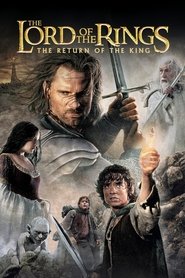
The Lord of the Rings The Return of the King (2003)
Peter Jackson, Fran Walsh, Philippa Boyens
-
8 shared topics
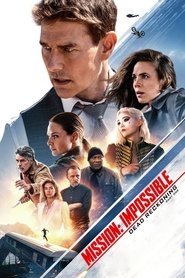
Mission Impossible Dead Reckoning Part One (2023)
Christopher McQuarrie, Eddie Hamilton
-
8 shared topics
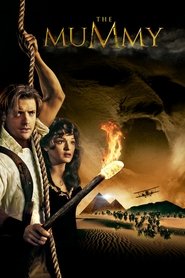
The Mummy (1999)
Stephen Sommers, Bob Ducsay
-
8 shared topics
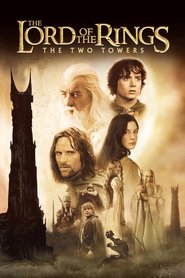
The Lord of the Rings The Two Towers (2002)
Peter Jackson, Fran Walsh, Philippa Boyens
-
8 shared topics
Demolition Man (1993)
Marco Brambilla, Daniel Waters
-
8 shared topics
The Mummy Returns (2001)
Stephen Sommers, Bob Ducsay