director
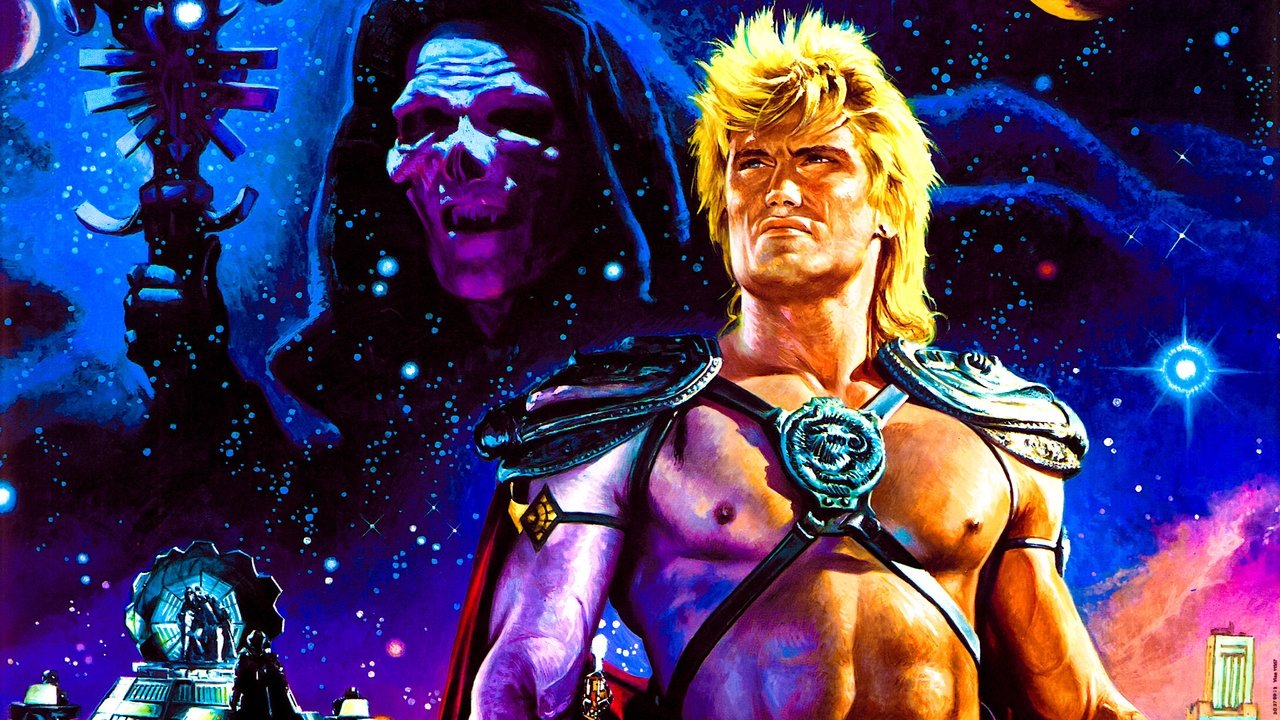
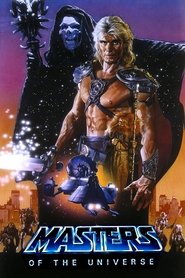
Masters Of The Universe (1987)
Goddard revisits the pressure and invention behind his first feature, a $17 million fantasy production that had to turn a toy and cartoon world into convincing live action. He explains the two-stage throne room, the practical creature and costume work, the night photography and theatrical lighting used to make the characters believable, and the budget and schedule compromises that forced the ending to be completed months later.
- Duration
- 1h 45m
- Talk coverage
- 89%
- Words
- 15,590
- Speaker
- 1
Commentary density
Highlights
Topics
People mentioned
The film
- Director
- Gary Goddard
- Cinematographer
- Hanania Baer
- Writer
- David Odell
- Editor
- Anne V. Coates
- Runtime
- 106 min
- Also on
- OneSheet ↗
- External
- IMDb ↗ TMDB ↗ Find on Amazon ↗
Transcript
15,590 words
I'm the director of the movie, Gary Goddard, and I've been asked to give some commentary about the making of Masters of the Universe, which I will be doing here as we watch the movie. Over the credits here, I'll just say that Masters of the Universe came my way because it was a very popular toy at the time, an animated cartoon show. Ed Pressman was looking for someone to be able to adapt this into a story that could be done for a budget that the studio would accept, that would also be able to bring the story to life as a live-action picture.
We were able to have a great cast headed by Frank Langella. I had seen him in Amadeus in New York on Broadway. I had already known his work from film. At the border between the light and the dark stands Castle Grayskull. This is, of course, the opening shot with Castle Grayskull. And the concept here was to create an entire world, a sense that you were in a different place. And the scale is quite epic. You see the sorceress there in the eye. We're going to come over her shoulder now, look into the stars where the titles begin. The whole idea here was just to set a mood, create a feeling, bring the audience into the story. John Cipher. We found, actually, Courtney Cox. It was her first motion picture. James Tolkien. Chelsea Field, Robert Duncan McNeil, Christina Pickles. I'm very happy with the cast and how they came together and formed a kind of a company. And again, I think that rapport between the shows and the film itself.
Ann Coates, editor of many films, Lawrence of Arabia among them. Richard Edlund had recently left the Lucas organization. We were able to bring him on to handle the effects. Bill Stout came on board as a production designer and did a fantastic job.
The Masters of the Universe project was a labor of love to some degree. I was able to assemble a pretty stellar team of people to work with me. I was a first-time director doing essentially a $17 million movie at a time when an average film was probably closer to 6 to 8 million. Okay, now here comes the movie. This is the opening scene, which we were going to film in Iceland. We had scouted Iceland, some fantastic locations. As budgets will, we wound up shooting at Vasquez Rocks. This was one of the largest sets built in Hollywood in probably the 10 years or so before that. This throne room set is the real deal. It was so large, we actually used two sound stages. And that hall right there that he's walking by, it connects two sound stages. That's actually outside. That runway you're seeing there is a real runway. Now, of course, we've matted in the upper shots on top. That's a matte painting. But the actual runway and the throne room and the scale of that is all for real.
Two sound stages combined with the doors open from one to another with the set being built from the edge of one sound stage all the way through outside into the other one to the other end. That's how we got that depth. There's Meg. Her eyes make her a perfect sorceress. He's ours.
Frank Langella, a Skeletor, and I think we wanted to establish right up front he was the power behind this. It was his need to grab the throne that set all this action in motion that you're about to see. So we started with really from the villain's point of view and got a lot of exposition out of the way through these two principal characters. Sorceress being imprisoned. This was a whole interesting set element here. how we had to move the camera to tell the story in very condensed time. Even though this is one of the first shots in the movie, these were some of the last shots that we actually put on film. The schedule was very, very tight. We had to move very quickly. We had to consolidate our storytelling and try and get as much information in as few shots as possible, especially in some of these things here. I particularly like this effect that we're...
He absorbs the life energy from her. Richard Edlund was working on this with his team. They did a pretty good job bringing a lot of things to life. This movie has everything in it. You're gonna be a first time director. This has animals, it has contact lenses, it has rubber appliances, it has creatures, it has 65 millimeter effect shots, it has matte paintings like this one you're seeing here. It was quite a challenge to do this as a first movie. and to meet the budget and schedule and get it out for summer, but we did do that. I like this shot also, this shot where you have Skeletor overpowering on an epic scale, dominating the screen, and you introduce your hero here against him as he turns in camera. It was very deliberate, pitting him, hero, who is watching the devastation of his world, Eternia, and the overpowering presence of Skeletor.
And all the shots here now establish, you know, death, destruction, the fact that Eternia has been overrun, and that our heroes are essentially on the run. Now we're introducing another character that's going to, you know, be one of the key elements in the storytelling. And that is going to be Gwildor. We'll see him in a minute. Dolph is going to rescue him. This is Dolph Lundgren. This is his first movie after the Rocky movie. Ed had already lined him up for this movie, actually, when I came on board. He was the only cast member that was actually preset. I was asked to come on board and direct Masters of the Universe with Dolph Lundgren as He-Man. This is one of the last sequences we shot. In fact, you're looking now
at the last two days of shooting. Last two days of shooting, everything you see here in Vasquez Rocks were shot in two days at the very tail end of the shoot when I was being pressured for budget and pressured for schedule. You've got to get this done. But there's a certain energy that comes from all that, I suppose, that you have to move things along and keep things rolling. So here we introduce our principal characters. And in this initial encounter, again, we meet... Tila, Man at Arms, He-Man, and we get kind of the scope of the devastation. And now we're going to meet Gwildor. That's Billy Barty. And Billy was a fantastic trooper. I'm not sure how old he was, but I'm sure he was in his 60s at least when he was doing this. And we bundled him up. We carried him around. He had to put on, you know, three and a half hours of makeup every morning. He did a great job.
And the role of Gwildor was one of the original characters we created for this. To some degree, Gwildor was created to replace the character of Orko. And if I took any heat as a director from die-hard animation fans, it was like, where's Orko? Where's Orko? Orko is an animated character, floated around, was very comical, and would have been hard to adapt into live action at the time, and also would have been prohibitively expensive on our budget because essentially every time you appear, you have to fly around. And on top of that... At that time, there were no digital effects like there are now, so it was a whole different set of rules used. Those days will come back. Oh, yes. This is one of my favorite little bits. You know, after he opens the door with the keys, he's going to bring them inside, and he's going to, you know, this super powerful door you'll see here, and when you watch him, this is a little thing we added that I added on the set that day. He'll put all of his locks in place, and then you'll see the last lock that he uses was...
I had him go to the hardware store and get this. I thought it was kind of an extra cute little bit. So here he goes. He's going to lock the door up. Boom, boom, boom. And just that last little latch. So now we're in his workshop. This is a great set. Bill Stout did a great job designing this. Look at the depth of field here and how we were able to use the space. Everything was designed to Gwildor's size because this is where he lived. So, of course, it's... It's not really working for the larger, normal-sized people here, but it works great for Gwildor. Billy had a bad leg, and you can see that he limps, and it worked well for the character, but we didn't know that when we designed the set, so we had these ups and downs here, stairs and stuff, and we had to help him along. The cosmic key, look at all the movements in this thing, and I was told at one point it was almost impossible, what I was asking. I think Ziff did this, and he came up with it. Look at the different motion there. You have motion within motion, circles within circles, all turning at the same time.
That was a very complicated little device to create. Stuart Ziff was the guy that did that. He did a great job. It worked fantastic. You can see the design here has pitchforks, basically, because this cosmic key opens up through sonic waves, dimensional door waves. So the idea here was if you took a device and it generated different sonic waves, what would it do to create that opening of doorways? And I think this is what we thought it would be, and it came out pretty good. It's a very complex piece of machinery, though, I'll tell you, and very compact. The set here took about seven weeks to build, construct, and art direct. It's a very nice set, which we then blew up at the very end. You'll see when the doors get broken into. On the last day of the shoot of this, we...
put all the pyros in and blew the place up, essentially. But anyway, I really liked this set. It was a little difficult to navigate in terms of the camera, but it all turned out pretty well. Gravitonic waves, Skeletor's key will locate us. Okay, they're about ready to be invaded, so you're gonna see this where we blow the whole thing up. No, no, no, no, no! Not that way! This way! The secret passage! Secret doorway. Hurry! Go! In the corner!
like adventures, there was a little line I put in, a tribute to Lord of the Rings. Here we go, we're gonna blow it up. They come in and smash everything up. These were original characters we created for the motion picture. Karg was the leader of a gang of new characters, Solrod and Blade. Now we're in that throne room, that throne room that covers two sound stages. I know he's here waiting for us. You're right. This was a pretty elaborate day. We're going to have tons of soldiers. And there again, you look at the depth as they pass this hallway. That's the real thing. That's not a matte painting. That is the real thing. It goes way down there to the big, massive doors. The big, massive doors at the end are actually against the far wall of the second sound stage.
We designed this with multi-levels because the ending was going to be... We were going to create a major sword battle with He-Man, and we wanted to have different levels. I wanted to have various levels to do that on. Again, because we were forced to move quickly because of... the tail end of the schedule, we didn't get everything we wanted, but we did get a lot of use out of it, not as much as I'd wanted, but that's why you see so many levels there. They were designed for what the final battle would be. The eye in the back also, that was a last add in the original script that David O'Dell wrote. There really wasn't a ticking clock. I felt a need to put a ticking clock on this, and we came up with this kind of eye, this door on the universe. The eye opens on the universe. They're coming. Get back there. Keep working. Come on! Come on! You're going to see some tall statues that line the throne room. There they are on the left and right. You saw them for a minute there. You'll see them again.
And Bill Stout designed those statues, and if you look carefully at them, each of those are almost godlike figures that represent different aspects of technology, because we felt that would be where the Eternian society was at at that time. And I have waited. Frank Langella is here as Skeletor, and this is a good time probably to mention... Mike Westmore. He did a great job with the makeup. There's a great variety of things we had to do. We had a question in our, you know, we went through many, many versions of this skull to figure out, is it a real skull? Because again, it was a cartoon character before. Do we make it a real skull? If it's a real skull, it's a hard skull. Then it's like a mask and you don't get Frank Langella's performance. On the other hand, we used some very latex rubbery masks and they were too rubbery. They look almost comical. This is a
This is what we struggled with and came up with as a compromise. It has enough rigid lines to create the shape of the skull, but yet it lets Frank's performance come through, particularly with the eyes and with his mouth. So I wanted, I have Frank Langella there, you see. You see how you still get his performance. It's not hidden behind a mask. And I wanted that very distinctly. Meg carries a lot of the key exposition in some of these scenes because she didn't have the mask. And that was, again, by design. Now, I like this particular sequence coming up, especially the one that leads up to them actually jumping out through the time window. It was a great, I think, stage and camera move, the way the whole thing, and it tells the story in, again, a very effective manner.
The challenge here is to create the sense of a battle that's ongoing on. And of course, if you're watching this, you know all these are individual shots. But when they play together, it appears as though it's going on. And they create a sense of urgency, while Gwilder is here trying to open the door against this battle that's going on, where they're trying to keep the bad guys busy long enough for him to open a doorway. Now you see the machine activating. that Stuart Ziff created. It's gonna create the window right there. I wanted a kind of a prismatic effect in the air that you're seeing there, and now it's gonna join. You're gonna see it bend time there, it's bending time. And now it's opening up the doorway. And now they're gonna say, let's get through there. Mike Westmore, the Gwildor makeup, I wanted to get as much as Billy's performance as well.
And I think Mike did a pretty good job. You're gonna see a lot of other creatures throughout this entire movie. I think the tribute to both Bill Stout as the designer and Mike as the makeup designer is no one questions them. You see Beastman, you see Saurad, you meet these characters, and you just accept them. I love this shot here. You're gonna see it right after they disappear with Skeletor's anger. You're going to see a moving camera shot that I think is very effective. Now we're following him. We're following him here. He's going to try and stop him. It gets blasted out of his hand. Gwilder's got this device. He's going to shoot it out at the last minute. He's going to grab it with that grappler. It's going to come shooting out. Grasp from the villain's hands at the last moment. They miss it. It goes in. The door closes. Watch Skeletor now as the camera moves in on him. It comes. This is all from memory. There he goes, coming on him, and he is pissed.
Now, orders his troops. We come back, we show, we take the camera way back. There's no way of telling where they might have gone. He issues his commands. Wherever they are. And from here, we move in. We move in as he's moving, as the troops are getting out of his way, and we come into what I think is a great cut. We meet him right here for him to say... Find them. We don't know where we are. We're some strange place, but we're going to find out in a moment that it's Earth. So this was the jump. Now, my feeling was if we had the audience by there, by the end of that battle, that they'll make this jump with us now. I didn't want to bring them into Earth right into New York Street or Los Angeles Street. I wanted to be a little mystery. Where are we? What's going on? And kind of bring the audience slowly into the fact that we're on this alien planet, which turns out to be Earth. Now, we're going to see Earth introduced through their eyes.
because they don't know where they are yet, they don't have their coordinates yet, and we don't know. This could be anywhere. But we're going to find out in a fairly interesting way that now this becomes a fish-out-of-water story where we have these people, creatures from another planet, who are going to have to make their way on our planet as they find a way home. Gills, water coming out, one of the gags. Oh, I'm sorry. I'm sorry. Gwildor. Gwildor, we must get back to Eternia. So if you're through clearing your gill slits, maybe you can tell us where we are? We could be anywhere. Any planet in the galaxy. Any planet in the thousand galaxies. I had no time to renominalize my coordinates. By the way, this actually was the first day of the shoot right here. This was day one. We did not start with an easy shoot. Let me tell you, to get that little creature...
halfway in the water, pull him out, have the special one sitting by with the ears that have the water tubes made for him. There's three separate different... There's two stuntmen dressed like Billy, one with the ears with the water in them. Billy's got the movable ears. You just saw them there. And, you know, this was supposed to be the easy day. Day one was going to be the easy day. This was not an easy day. Now here's how we introduce Earth. I think it's kind of a... It's a funny way. This was David O'Dell. This wasn't David's script. Of all the complicated things you can do in a movie... Believe it or not, this next shot is one of the toughest. Something's coming. What is it? Big reveal. They don't know what it is. We do. Now, that cow did nothing for about...
40 minutes, but we finally got to move its head just like that. So that's what we wanted. We wanted to move. No matter what the trainer would do, that cow would not move. But he finally moved. And now we get in there with Gwildor, with Billy and the guys. We lucked out, and Billy was a trooper because you can see Billy now is making his way over there. He's curious. Gwildor's curious about this strange creature. They're making their plans. When we finally got to the shot with... with Gwildor and the cow, the cow actually, on that particular shot with Billy, he decided to act, so that was good. The other shot took like an hour to try and get that cow to move, but this one went relatively quickly. He moves, he goes down, Billy talks to him, and he almost, see, he talks to him here. Now that was, you know, that was really good fortune there.
So, and even looks at him when he goes away. Now we have Robbie's chicken and ribs and introducing Courtney Cox in her first motion picture. And she did a great job. She had very natural quality and I liked her right away. Vicki Thomas, my casting director, brought her to my attention. She had just done the Springsteen dance video. I got a going away present for you, but it isn't wrapped. You didn't have to do that. It isn't even in the box. She had a great quality about her, and she did a great job. Shooting this whole movie, by the way, it was great. This whole company, Courtney and Chelsea and Ann Coates, the editor, it was more like a family, and it was almost like a wonderful kind of magical summer that we spent together making this movie. I think we all had a great time. It was a lot of work, and it was a lot of long nights. Half this movie was night shoots, which we'll get into later.
and those were pretty grueling, but they did tend to bond everyone together. Courtney was a natural, you can see her here, even before all of her television stardom. She has great charisma, she has great eyes, and I think she did a great job. That's Kevin. I'm gonna miss you. So now she's gonna get in with a future Star Trek fleet commander. Robert Duncan McNeil in, I think, his first motion picture role as well. He had done some New York stage acting before this. He had a nice... I definitely wanted for these two characters to have a fresh, innocent quality about them so that they would definitely, you know, be completely contrasting to our villains and creatures and even He-Man and everyone else. You know, very, very kind of Main Street, mainstream... naive kind of kids who get pulled into this epic battle between Skeletor and He-Man, the Eternians. This is where we learn about Courtney's character and her parents. We're going to find out now a bit about that in a moment. But now we're going to see the Eternians who are adapting to Earth. This is back to Fish Out of Water stuff. And this is actually, again, David O'Dell wrote this. It's pretty funny.
I forgot all about it now till I'm watching it again. This was the second week of shooting. The first four days, five days were out there in the woods and also at the interiors of Courtney's house, which we'll see later. And this was the second week where we went to Robbie's and shot this. The reason we did these shots first is we were on a very fast pre-production schedule and they were literally building the sets building the props, building the costumes, while we were shooting these things. This is pretty funny. Gwildor's the first one to discover food. He's got that little grappler hook that he used before, and he smells something. An interesting thing is we had no second unit on this. I had to shoot every frame of the film. I requested a second unit, but Canon was very tight on money. and they didn't want to do a second unit. So when you see shots that would normally be a pickup shot, like that one of the grappler hook grabbing that bucket chicken, I shot that. I mean, every single shot. Normally those would be done by a second unit, be done as pickups later. Sure you were. Taylor? Mmm, good food. Yes, I've never tasted anything like it.
I wonder why they put the food on these little white sticks. Those are rib bones. So this is more of the fish out of water. I like this part. Man-at-arms, the grizzled veteran, doesn't bother him, but his daughter, she's not too crazy about eating the bones of live creatures.
Wildor? It tasted good. Wildor? Oh, I'm going, I'm going. Now you'll see that we're losing light if you watch carefully as this scene progresses. It took much too long to get this set up. Should have been a simple day. Didn't turn out to be a simple day. So we start out, it's kind of light. You'll see if you look carefully by the end of the scene, it's getting a little dark. To combat that, I added some fake lights. You'll see a light there at the right edge of the screen. Knowing we weren't going to make the shot, I added some lamp posts so that I could cue the lights when the sun was starting to go down. And there's actually a cue where the lights go on and justifies the fact that they're there as we're losing sunlight, basically. We didn't go all the way to night, but we were definitely going to lose the sun. So that was something we added. I said, get some lamps from somewhere. I don't know where they got them, but...
I think our art director went out there and got them somewhere and had them there within an hour or two so we could use them and establish them in the shot. I wish I could change things. But you can't. It only happens... So you see the lights go on here in a second. There you go. So that as we... Because we have a lot more to shoot and I know the sun's going down, so we establish the light because we're going to start with this now. Whoa! Oh, Julie, be careful. Now, you will notice it's a lot darker now. Now, you don't notice that usually in the movie, actually, so I'm just giving that away. We've definitely lost our light, so we're now creating artificial light. Again, Stuart Ziff, great job. You can see it's got the moving parts, it's got the lights, it's got everything that I had asked for it to have.
caretaker. Oh, no way. Come on. Are you kidding? He'd just keep this for himself. The cosmic key has been activated. We have a bearing on them. How accurate? Within a parsec eon. The next time they use the key, lock in the source and open a doorway. Shall I prepare a full battalion? No. It may be a trap. We'll send an This would be a good time to talk about the costume design. Julie Weiss was involved in manufacturing the costumes based upon designs that Bill Stout did. They worked collaboratively. The tribute to the costumes here is that, you know, everyone just accepts it. This is kind of interesting.
This is some stuff we'd shot of Dolph when we knew we were going to have him looking for something. And I want, later in the movie, I want to tie him to the area. Because one thing, people would watch it and they'd say, oh, that's my old band. When I was in high school, I had a band called The Illusions. So that's the name of the band. But that's just a, you can see that in the bottom there, The Illusions. That's my old high school band. But anyway, the shots of Dolph, people were a little disoriented. Where is he in relationship to the school, in relationship to Courtney, and all that kind of thing. So
I was able to pull a shot out where he happened to snap his head in a direction, and you'll see how we were able to do that after the fact and make it appear as though he was in the area, and therefore no one any longer questioned the fact that he was in the area close enough to help save her. So just put that in the back of your mind. That'll come up later. Now they're investigating the key, having no idea that they are, of course, sending signals back to the attorney every time they turn it on.
Every time you see a shot like this, this is a 65 millimeter boss shot. We had to put a huge camera in place. We had to rock steady mount it with sandbags. Every time there's an effect shot like this, now we're in a regular shot, we're following. All these guys were extras. We said, who wants to volunteer to have their head shaved? If you have your head shaved, we'll feature you in the scene because everyone's got to be bald. You know, no problem. 20 guys stepped forward. I only needed five. Shave their heads. They're featured there.
That's close enough. Have you assembled the mercenaries? Here and awaiting your command. The introduction of the elite commando force... ... and all but Beastman new creatures that were created for the movie. That is Blade, the swordsman. And that is Saurad, a lizard-like creature. Beastman, but a different version of Beastman than the toy. And then Karg. Here we were using real-time rear projection, and I actually had wanted to have a little more active rear screen material, but time was short, and we needed to go with what we had. This must happen before moonrise. Now, you are to go through to this world where they are hiding. Find the key, do as you wish with the others, but bring He-Man back alive. You do understand? Yes, sir. Good. Open the door. Do not fail me. I can't believe this thing. I mean, did you see those lights, huh? This is going to be the setting for one of the main battles. There's a lot of battles and there's a lot of action, a lot of lasers. I don't want to spend some time here alone. This is a movie for a first-time director. I think I was 33 when I made this.
It's a textbook in everything. Virtually every scene has either pyrotechnics, explosions, optical lasers you have to put in later, just stunts. It's one thing after another. This was to establish those doors, because later you'll see the doors play into the action sequence.
The father there in that picture, her father was the actual stunt coordinator on the project. Deliberate choice. Fantasy is the theme of the high school prom. Maybe a foreshadowing of the of the Scream movies. Moving with Courtney, camera moving very carefully. Kevin, if this is some kind of joke, it's really not funny. Listen, you kids can't just come in. Don't kill him yet! Air cannon out.
This battle, we shot this over a period of two days in a high school gymnasium and we almost burned the place down, but we didn't. So I can laugh about it now. The challenge here was to make it look like a girl like this could actually escape these four attacking villains and make it look realistic so you wouldn't think they look foolish. And I think we did that in the cutting. This was the thing that I specifically asked for, the swords going through the... I like this a lot. This particular moment, we added that on the set. Boom. It actually kind of works. You actually believe that in her own way, she got out of that stage and out of that room. And here's the doors we established earlier. I want to establish those doors because of this moment here where Blade fires at her. And that scene's coming up in a minute now where we're going to connect He-Man
to the location so that you really believe he's in the area. Because a lot of people, when he actually showed up to save her, was like, well, how did he get there? You can see where we almost burned down the place here. It's starting to catch fire up at the upper frame, but they caught it in time and we were able to get it out. But that was a bit of a frightening moment. Here we are. This is what we shot. He will hear her yell here in a second. I like this, the moving camera following along on the gate, the sound of the gate rattling, everything, different lights going against her face. That was all deliberately set up. This took forever to do. We had to make a special chain link fence that looked like, I mean, obviously a sword does not cut through a chain link fence, but his sword does. She's in here somewhere.
The idea here was to create a battle that would be in this kind of maze, this rosebud-like Citizen Kane maze of crates and things. Okay, so he's connected to this scene now because of that one shot where we used her yell off camera and he heard it. And because of that one shot, no one questioned that he was in the vicinity. Without that shot, everyone was wondering how he had got here. So that was something we added later to make the story clearer and it worked just great.
Anthony DeLongis, playing Blade, was in the Conan show that I had done for Universal Studios. I asked him to shave his head for this particular role, which he did, and he's since gone on. He's a very good swordsman, and he has played the villains in a number of movies and done the choreography, sword choreography, for even more. He's quite adept with swords and fight choreography.
I like that one, we had an air ram that pulled the guy through the box, through two layers of the box.
All of these guys are in costumes. All of these guys are... You cannot believe what goes through in these scenes because things fall off and things fall apart. And you have to go back and do it again and again until you get it right.
This is all part of our night shoots. We shot... I think we shot a total of about... I actually think we shot a total of like four and a half to five months, and probably half that was night shoots. And that was, again, for a very deliberate reason. When Ed Pressman came to me with this movie, the concept was, look, we have to do He-Man on a budget, so we want to bring him to Earth. I said, okay, well, if you bring him to Earth, you've got to shoot night, because at nighttime, we can create a look for the characters with lighting... that will keep them believable. But it's very difficult to have people like Tila and He-Man, Beastman, whatever, walking down Sunset Boulevard at high noon. But at nighttime, with the streets wet, with a little bit of mist in the air, a little bit of wind, it can be believable. So the decision was made early on that when we bring He-Man and the characters to Earth, we're going to do it at night. We're going to use lighting to...
to help keep it believable. This is Barry Livingston. You may remember him from, uh, My Three Sons. I wanted to have, uh, someone behind the counter that was, uh, you know, slightly, uh, offbeat, a little bit of a, you know, 60s, 70s music nut, and so, uh, Barry came in and I thought, uh, he had a good look for that. Did a good job. Uh, so anyway, the look, the look, uh, that's another one of those 70mm shots, 65mm shots, the ones the boss does, uh, So we had to anchor off the camera again. Yeah, every one of those shots for Boss would always require at least two hours by the time you set up and by the time you do it. So back to the lighting issues. You'll see that when this door comes under attack that it's all nighttime. Soldiers played against night. Everything's played against night. We used lighting to, again, try and make the story seamless so that you're not sitting there going, you know, what...
you know, those characters look strange and they don't look right. Hopefully you don't even think about it. You just kind of accept the fact that they're there. And I think shooting at night has a lot to do with that. Also putting a lot of lights in the store. You can see a lot of, there's neon back there, all giving us keys so we can throw some red lights and blue light in different areas to kind of charge up the scene and try and make it visually interesting. Same thing here. Earlier, we established there was a nighttime pizza sign, I believe, and a few things, again, to add color, to create a few sources, that when we're doing some of these scenes, you'll see the scenes in particular later, the pizza light is used as a reference to put a bit of red in the area when Meg Foster and her villains come to the place. These patterns of light and this music coming out of it. That's it. Where is it? Kevin has it. He's in terrible danger. Let's go.
This shot here, which was this elaborate kind of truck in, and then moving with the action, was done to try and move quickly, instead of a bunch of cuts. I don't know if you noticed that, but if you just look at the shot, we just came in, we picked up Robbie, we traveled with Robbie over here, as the story's being told. Carl. Carl, what happened? You don't never want to know. Hey, listen to me, Carl. Here's the introduction of the detective. James Tolkien did a great job as the detective, the one who's trying to get the bottom of all this stuff. James Tolkien has done myriad of films. He was in Top Gun and was the principal in Back to the Future. He has that hard-nosed, kind of New York cop feeling.
And I like that shot. We moved from a, I don't know if you noticed, we just moved from a medium shot into a tight two shot with them as they move forward. If you really look at this whole sequence, I think we tell this whole story in three shots, if I remember correctly. The first one that came in that grabbed them, then this one. Now we follow them to the car, I believe. Yeah, I like the way that moves. If you listen to the back and the soundtrack there, that's my voice somewhere in there. I can't remember where, but... Somewhere in that mix of voices. And that's Freddie Blankfein, the assistant director in the blue jacket back behind the car. And Freddie was Woody Allen's AD on a half dozen movies before he came to work with me on this project. Here's the lighting sources. We got that red light on them coming from the left. That's keyed by that pizza sign. That's the main reason you see the pizza sign up there in the other shot. It was just to justify some...
some theatrical lighting. I kept pushing with the cinematographer, saying, look, this is kind of a hyper-reality. We want this to, when we're shooting these characters, it's a fantasy adventure story. It should not be like a documentary. It should be rich, and let's find ways. There's that sign I was telling you about. That sign is strictly there to let us, you have a source to throw on them. This is Gwildor. You know, finding an Earth mode of transportation, I thought it'd be funny if he had a Cadillac, and so he finds this old beat-up Cadillac, which he powers with his own power unit, which kicks it up a little bit. And I just like this image of these Eternians, you know, in an old Caddy. Here's his power unit that he added to it. It runs on neutrinos now. No hydrocarbons needed.
as Frank Langella and Meg in an intimate moment. Gelator and Evil Lynn going over their plans for world domination. The people must know that I am Grayskull. I depend upon you for these things. You know that. The people wait for He-Man. They believe that he will return to lead them. For you to rule completely, he must be destroyed. They come over their shoulders now to establish the entrance of the away team. A saint? No, I want him broken. There's those statues of the lawgivers and the gods of technology.
You look at that collection of characters, you think what it took to get those four guys there. Suited up, with the hair, with the makeup, and Skeletor. Him. They all wear contact lenses. Uh... Tell ya. I am not in the giving mood today as, uh... actually a Shakespearean line, I think, from Richard. You are all aware of the penalty for failure. Give me one more chance, Lord Skeletor, and we will succeed. I am not in the giving vein this day. Ah!
Bill Conti did the music. I think the music enhances the storytelling. And part of the story itself is about music. Music being the key to opening dimensional doorways to other worlds. Music being something that transforms and changes. That's what the whole Cosmic Key is all about. So the music was a big part of the storytelling. And the establishing of themes for the characters was important to me. Leave immediately. When you find the key, send a sourcing signal. The mask that Mike Westmore developed, allowing Frank's performance to get beyond the latex. Go! A deliberate choice. Meg, just fantastic. Always strong. Strong-willed. Here we go, back on Earth. Again, trying to get a sense of... theatrical lighting to this. Blue light on the house, warm lights inside. The calm before the storm. Let's go see. Not so fast, kid. Hello? Kevin, thank God it's you. Remember, the interiors now of this house
This was all shot the first week. This was done the first week out on that location. I've been really worried about Julie. Kevin, is someone there? Are you okay? Yeah. Yeah, that's what I thought, too. Look, Kevin, this is really important. I know you can't talk. Just say yes or no. Do you still have that thing we found? Mm-hmm. Oh, thank God. All right, listen, don't do anything. God, I've got so much to explain to you, all right? All right, just stay there. We'll be right there, okay? Stay put, all right? I love you. Bye. Okay, look, if you talk to Julie, could you tell her that... Wait a minute, wait a minute. This is the police. Talk about the Landmark Mall, the Landmark Mall. That was the company I just started, Landmark Entertainment Group. He was just a friend of Julie's. Say, are you hungry? No. We're talking about this thing. Now, this house was a real house that was built for another movie.
And it was a little difficult to shoot in very confined spaces. And so the challenge here was to find the best possible way to use the camera to get across the story points in very confined spaces. There's a great shot coming up in this place a little later with Evil In with Meg Foster. There's our warehouse. And there's the sign used to key the light for this particular moment where we got the airship in here. You'll see how the lighting's used now with Meg and everyone to give us a theatrical quality right there. For the very reason that I think if you look at this and say if this was broad daylight and high noon in Los Angeles, is that gonna play? But this way I think it plays well.
heat scan, a little effect that comes to show how she could track what was going on before. Outnumbered. Outclassed is more like it. The key has been activated. Lock onto the signal. It's close, above 10 natural. And notice the lighting in these first scenes, the theatrical lighting I'm talking about is not in these first scenes, and that was discussions that I had with the cinematographer at the time. I was not happy with this look. I said, this is too flat. This is too much like a documentary. That's not what we're doing. We need a little more theatrical. So this was a result of that first week. You'll notice everything from the first week has a bit of a flatter look, and I was not happy with it. And I think you see... The sources used here, again, are very, you know, realistic, and it has a flat look. And now, when you go to here, which was six weeks later, you see the theatrical feeling here. In a way, it worked okay, because those first scenes were very much about the two kids and their place, and so there was a difference. There was kind of a plainness to these.
that plays in contrast to the other scenes. But that part of it wasn't by design. That was a learning curve of me saying to the DP, look, we must have a more theatrical look to this. We must have some fantasy element. We must have what I kept calling a hyper-reality, not just real, but a hyper-real. If there's a red light, let's use the blue light. Let's use that to key. Let's try and create some texture to this. But as I said, it worked out okay because there is a contrast now to this and then to the fantasy thing. So I think it worked out okay at the end of the day. Now, it's a very tight, confined space here. You'll see this is a real kitchen in this house that was out on location that is used for shoots. To get the shot I wanted, there's a window to Robbie's, if you're looking at the screen now, to our left. And the way we get the shot later that you're going to see of him and Evil Lynn is we had to take the window out and put the camera in the window, but you'll see it. But it's the only way I knew to get the story told
The amount of characters that had to be in the room. Don't worry about your girlfriend, kid. We got an APB out of her. She won't get far. As far as this thing is concerned, don't worry about it. If your story checks out, you'll get it back. If. Establishing the flying ship. Today you do that digitally. That was a big miniature optically composite overshot. Okay, we're going to come up with a shot now. Robbie's going to get a big surprise.
Notice how tight this all is, it's very tight. And now we have Beastman, we have soldiers, we have a small army going through this confined space. But I needed a good shot that would establish Evil-N with him. Table breaks. Now coming up, this next shot, right after this one. Okay, we're in the window. of the house to get this three-shot here. You have the cosmic key. Working in a tight, confined space is very dramatic, I think. It's a tight three-shot, but we get all the action. We get the tension. He takes the dagger now, puts it there, momentary danger, puts the ring around him. Please! Look it, I don't know what you want! Now, you will answer my question. Yes. Yes. Tight room again, very small living room. So the camera's simply panning around to catch the destruction, the searching. Notice the flat lighting again. It kind of works because it's contrasty, but again, that wasn't really a choice. That was just something that, as I looked at it, I was saying, this is not acceptable. Look at the richness here now, the difference between this and the shots back at the house. I love this shot.
I like the fact that you see a little bit of sparkle on the eyepiece of Blade as he looks over that way. Who took it? A policeman. Where is he now? I don't know. He just left. We should be able to track the key from the air. Yes.
Prepare the transport immediately. Wait! Evelyn, I found this. This is the native girl who is helping He-Man. Notice much more theatrical look now. The pale blues against the house, smoke in the air behind, and then the red lights of the engine and stuff kind of creating a warm glow on the ship itself. Moving the camera there. All I'm doing is moving the camera to give a sense that I'm taking off, and then we go to the miniature as it moves off through the neighborhood. I think the idea here was as they were leaving, in comes the Cadillac with Gwildor and the heroes. So we follow them out and follow them in. As far as the actual shots, I had a lot of other ideas for how we would integrate the Eterni elements on planet Earth. And I think we got to accomplish maybe 50% of those things in this movie, again, because his schedules, budgets, drive, these kind of things. I like this shot here. It has kind of energy to it. Tight storytelling. Look at that. Five people in a shot, getting the exposition out, and then moving on. He's bleeding. What happened? They asked me for the key.
But I didn't have it. The cosmic key. Kevin, did they take it? No. The policeman took it. And where is he now? What is this thing? What's the matter with him? It's the Skeletor's work. The caller of Aldrabah, they've been questioning him. I'll have it off in a moment. He'll be all right. Who put this on you? A woman. Strange eyes. Eva Lynn, she's here. From the looks of this place, she definitely wasn't alone. Right. You all right? Julie? Julie, get out of here! Now! Again, I'm watching this, and I'm just reminded how flat the lighting is here, and the discussions that I had with the cinematographer to say, look, we've got to make this more exciting, more theatrical. This is a good moment.
I swear to God, these things come in here. I mean, look at this place. Ahem, ahem. Look, look. Native clothing. Lots of it. All over the place. If we dress like this, no one will recognize us. What the hell is that? The only sequences that wound up having this flatter approach were the first two weeks of shooting. The first week, when I was seeing the dailies, I said, look, we've got to make it. And then the second week, by the time we were here, we were still having discussions about it. By the third week, it was implemented. Like I said, I think we shot four and a half, five months. So the majority of the film is more on the theatrical side and more what I had envisioned when we started this movie. I really wanted these kinds of shots. And as I said, we got probably less than half of what I wanted. I really wanted the shots that juxtaposed Eternian technology, Eternian creatures, Eternian things against 20th century America. You don't think this could be Russian?
notice it's night again and that is you know again on purpose part of the design of the movie that whenever we see these characters they are lit to make them as believable as possible a lot of sources in the store to create key lights that we can use to keep them as believable as possible I've been looking for you all night I believe you have something well let me guess That music gizmo there? By the sorceress we found. Freeze. All of you. Choice. Really, choice. What is this, a circus act? Now somebody's going to give me some answers around here. Let's start with you, blondie. We're not your enemies. If you would just give us that, we would be very, very grateful. You're not getting nothing until I get some answers. Hey, man. Hey, man. Someone's following us. What the hell is that? Neutral drive. 18 Metron. Closing fast. It's them. It's him. We were shooting this in Whittier on the streets, and we had to shut down the streets every night at about sundown, around 6 o'clock. We had to turn the streets back over to the businesses at sunup, about 6 a. m. , 7 a. m. I think here now, the lighting is coming into its full kind of...
Blossom, I think we've really got our act together here now. I think everything works well. The glint of the armor, the warm backlight on the vehicle, the cold blue light on the street. I think it sells the whole idea. I think I was saying earlier, we shot this in Whittier. We had to shut down the streets. at sundown, and we had to open the streets back at sunup every day. And this created a logistical nightmare because we couldn't leave everything where it was and come back the next day. We had to basically take up all the cables, take up all the lights, clear the streets, let the businesses operate, and then do it again when the sun went down. And some nights, on the big elaborate nights, we wouldn't even get to shoot until the dinner break, which would be around midnight. So we'd set up until midnight, and then at 1 a. m. we'd start shooting, and at 7 a. m. we had to wrap. So it was...
It got dicey. On a scene coming up here later when we exploded a car out in front of this store and we blew out the windows on more than half the block. So there's that little detail in the morning we had to take care of. We had to board up all the windows for the local businesses until we got them replaced. Okay, here come the guys. Here comes the next big battle sequence. They've made a wall of amplifiers and drums and guitars and stuff. Some kind of cult. Well, the guests are arriving. Okay, so we're into the battle. Every one of these laser shots was an effect shot. The number of pyros, every time you see flame, pyro, all that kind of stuff. Elaborate setups to make all that work, and then it has to appear seamless.
I don't know. I don't know. I'd give all the chocolate I can fry billion if I could only spend two units with a master sound maker. You think they don't like us? No, they're just lonely. They miss us. Oh, I hated to see those guitars go.
There's gonna be a scene come up in a little while where Courtney is gonna see her mother out in the street. And that was gonna be an elaborate effect shot. We ran out of time to use that 65 millimeter camera. And I did it just with regular shots. Shot it one way with the mother, and then when we do the reaction, we come over the other side, we reveal it's Meg. And I think that shot, which you'll see in a minute, was the way it all worked out is more effective than it would have been had we put some optical effects in there and done what was originally in the boards. It's simple, but it's good storytelling, and it always gave a chill to the audience. So that was something that happened because we were limited, but it came out better. because of it. I'll be coming up in a minute. Okay, Corrigan, don't say I didn't give you a chance. When this is over, you're going to jail. Accessory to assault, resisting arrest, endangering lives, I guarantee you. Here again, we're shooting in a real space, a confined space. It's a small little back room that looks out in an alley, but it's a practical set. I mean, we actually were...
in this location. Here comes the, here's the setup for the shot. This is where she sees the mother. Notice we establish the mother, a little bit of wind, a little bit of garbage flying around around her, kind of slightly surreal. And look, there she comes. And she sees her mom. Now remember, her mom has died. The idea here was what would be the only thing that could get her to leave there.
theatrical lighting, exercise place there so we could have the red glow, contrasting the blue and the wind and the whole thing. So all that was purposeful. Mother? Yes, darling, it's me. But the plane. Oh, I'm so sorry. I had to go through all of that, Julie. But we had to disappear. We're doing very important, very secret work. Oh, honey, I've missed you so much.
I don't believe it. Mom. Told the actress playing the mother that you're basically the mother, but give me a few moments where we see that there's something else going on. You saw it a moment ago in the hug. You see it there in the eyes, just a little bit. She did a great job of still being the mom, and yet there's just something a little eerie, something a little not quite right. Charlie! You moron kid. I don't believe it. I've got a lot of serious work to do. You're acting like talk to me. Julie. Where's Julie? I don't believe this. They're alive. Okay, this is the shot coming up. We had to move. We didn't have time to get the shot. And that's a simple effect I added later to sell the fact that it was magically done. A quick little laser hit there.
Now here she is. Camera's on this side. Hugs. Reverse. That was probably more effective than had we done the effect as it was designed. Now off she goes. She makes a gesture. In comes the guys. We're back into the action element of the story. So I think that was a good save on the day of the shoot. And we still got it. And like I said, I think it came out better.
This is good. This is the stunt double for Billy Barty making a little hop through the fire here. I always liked that shot. Now we have the detective, and he's going to take matters in hand. He's going to get out there. This is the shot coming up that blew out the windows on all the local businesses. Another interesting thing is you're going to see a lot of aerial shots later over this street in Whittier. About three and a half months after we were done shooting, the big earthquake hit California, and most of this area, I had picked the area downtown that was most picturesque, which meant it was the old brick buildings and had kind of a nice look to it. Most of those buildings were destroyed in the earthquake, so they don't really exist anymore, most of what you're seeing along here, and definitely later in the aerial scenes. That explosion was the one that blew the windows out and the business along the streets there. I like this.
I need some backup. Holy shit. Now things are in motion, and I wanted to create a sense of energy with the way the camera would be moving. As much as I could, I tried to keep the camera moving from here on out as things began to build. I will send the signal to Skeletor.
Big ridders, big wind machines on the street creating the energy, smoke, wind, armies, a huge flying machine that Skeletor sits on, all part of what you're about to see now. It took one entire night to basically shoot this sequence here that essentially is not much more than the soldiers coming out on the street, in advance of the airship, the advance group, the airship coming out here. Not these, these were obviously digital, I mean, composite shots done later. But from this next shot here on, this was that night, and I think a total screen time of maybe a couple minutes, if even that. But it took the entire night to get this. But you can see we've got the wind blowing the trees. We've got the smoke. We had to light up the street. This is an actual moving huge set piece. This was a working control panel of the guy in front that's piloting the ship. So this was an elaborate set piece.
Again, in all this, I think it's important to note Bill Stout's contribution and also Claudio Mazzoli and Ed Eith, all the design team, because the trick here was we didn't want to do... We couldn't do what was in the toys. The toys, the airships and things in the toys all look like animals. You know, like, for instance, an airship would look like a bird. And so... But what we didn't want to do is also turn it into Star Wars and have spaceships. So I said to Bill, let's have some... It's almost kind of a... a gothic look or Victorian look, but don't go too Jules Verne, make it too much of a Jules Verne kind of thing, and yet give it a feeling that it's a technology from somewhere else. And I think with the airships, the flying discs was totally my idea because I wanted to do something a little different here. It's a combination of miniatures, models that Edlund's people came up with.
intercut with live action that the stunt team put together now you can see the cameras moving moving moving from here on out as we're trying to create the energy uh picking up there with chelsea and moving in with them here and uh and moving now here moving as much as we can keeping the camera moving to create a sense of energy um as we're building into this next uh action set piece they're turning around to come back keep moving it's kind of unique the way uh The design of these air centurions is part high-tech and part He-Man-like. And again, that was by design to try and make it something different. There's one of the old brick buildings. All these rooftops you see here no longer exist. The earthquake took all those buildings out. But I was looking for a picturesque kind of feeling.
Now we've got Dolph Lundgren on a shot maker truck, which is a kind of a truck that's made to have moving cameras. We bolted him in, you know, from the knees down and drove him at 60 and 80 miles an hour down that street. This is a complex version, again, for storytelling. To bring him in, establish he's going to fly around her, use Billy's grappler, Wildor's grappler, to grab the cosmic key back, shooting him on the curve, that little disc coming over the top, firing, grabbing it, and then getting away with it. Now, if you go back and look at that sequence, you'll see it's a lot of fast cutting. It's very judicious shots because, again, we were losing the light, and I had to tell that little bit.
of the story in as few shots as possible. But there are just enough shots, the disc going over her head at an angle to give you the feeling that he's flown in, he's gone over them and around them and grabbed it and gone off. And now we're into the Air Centurion battle. We wanted to get rid of his gun so he could use his sword only. He has to dodge the shots. This is all done with guys live on the shot maker versions of the discs, cameras moving with them. except for the shot here where we're going to use miniatures. Not there, of course. He's alive, but there you go. There's your maquette, and this is real, and off he goes. There's the big ship coming down the street. We had the real version of that and then the miniature version, which that is there for this sequence of shots.
This is one of my favorite shots here when the slow reveal of the Skeletor ship coming up here in a minute. What do you say, Gwildor? Any signal from the key? There's got to be something. They're on the rooftop. You can see we've lit up like a half a block. Notice the lens here is forcing the sense that that ship is really right behind them. I only have... Two numbers left. Once we get the key back, we'll be gone within two pretons. I think not, Wildorf. Dramatic confrontation, and I think the lighting here, again, look at him, red. Look at the heroes. Heroes are lit in blue with some warm flesh tones. He's backlit in red, the villain is, again, to basically... set up the fact that there's a conflict between good and evil. You'll see the soldiers swarming over the rooftops here in a minute. Those are the rooftops that were gone in the earthquake, so I always thought back, I thought, you know, we were really lucky the earthquake didn't hit while we were shooting. Because we were on every one of those roofs. And the roofs that the actors weren't on,
And the stuntmen were on, the lights and cameras were on. I expect him at any moment. Take them! The shot's over Dolph's shoulder with the miniature in front. Boss, Richard Edlund, 65 millimeter plate shots. Those were miniatures, maquettes there, maquettes.
but there were pyros on the guy's actual armor, so as the sword hit the stuntman, pyro actually burst from the chest to, you know, emphasize the power of that particular sword. This was actually Franklin Langella's first night. This was his first... His first shots on the picture were these shots right here. This is his first night. So this is him establishing in his own mind as an actor, I think, the role of Skeletor. I give you a choice. Return with me to Eternia as my slave and save their despicable lives. Frank was great to work with. He's a great actor. And Frank really treated the role, which I tried to get everyone to do, with respect. We weren't doing a campy version of anything. We were actually trying to tell a story, fairly straightforward, and create as much of a reality as we could. I like his version of Skeletor because we did find moments where he would have a sense of humor. We both agreed that we did not want Skeletor to be kill him, get him, destroy him, that kind of villain. We wanted to make him intelligent and smart and...
And I think that we succeeded in doing that. I think Skeletor in this movie is actually really one of the more compelling characters along with Evelyn. I mean, you sense with Skeletor that there are things going on inside his head. I like that a lot, and I like Frank's performance. I think Frank's performance elevated the picture. That was by design. I knew I wanted someone that could carry the acting and make Skeletor believable and come to life behind that mask. I think he did that. Here's another tight five shot, telling the story. Another plate shot, 65mm shot. One of that One of the last things we shot that night, I was talking about earlier, where we basically got the guys marching in and got them marching back. I should say marching out and marching in. And that was the entire night, essentially, that and the big unit of the ship coming down the street. Cover her with this. Taylor. She's burning up. We've got to get her some water. Look, there's a fountain down below. Good. Up.
Move out, let's go. I'll take the west perimeter. Unit 3, you coming from there. Okay, Lubick. Where's the army? You shut up. They were here, I'm telling you. It's the damnedest thing you ever saw. Actual location in Whittier that we found, the fountain's real, everything's real. Westmore gave me the shot I wanted here of the leg. Great makeup artist, came up with that. I wanted it to look like it was something a little bit unearthly. Oh, my God. Use the water ripple as kind of the key light source here. You see that playing against the faces of the actors in this entire scene. We bounce the light off the water to give that effect you're seeing right there. And I think it added a little bit of drama created a good mood considering what's going on here in this scene right now with her being hurt and it seemingly being hopeless this moment everything seems to be lost we're gonna lose the girl we're gonna lose everything there's nothing left for them to do and I think that this lighting keen off the water helped that that mood and that feeling the tones that was stored in this cosmic key were completely erased
Skeletor knew what he was doing. Even if I could fix it, we could search for a thousand years and never find the tones that will take us home. Wait a minute. The tones? You mean the melody the key played every time we pressed the red button? Huh. Wait a minute. Wait a minute. What is it, Kevin? Shh. Everybody like that moment where we shut the music out? Shut up.
Because this particular theme, the Cosmic Key theme, was actually used like this in the scenes, we had to create that melody. prior to the scoring being done so it would appear fairly realistic rather than having him hum something or whistle something and filling it in later. So that theme, I met with Bill Conti early on and we established that theme. That became the theme for The Cosmic Key and became one of the key themes for the movie itself when the score was being done.
Look, you've got the wrong song maker, Gwildor. I'm just a stupid keyboard player in a high school band. That's the message of the movie right there, I think. When Gwildor tells the kid, there's only one of you in all the universe, basically. And I guess if there's any message I want any kid to take away from that movie, that would have been it. When we made this movie, I wasn't... I mean, I was making this movie for kids, obviously, because kids... But I tried to make this a movie that wasn't just for kids. Behind the scenes, we had Canon Films. And Canon had never done a movie this expensive before, $17 million. We had Mattel. Mattel had to sign off on the script and on the casting, on just about everything we did. And Mattel, I think they were actually fairly workable. But we did have a lot of issues, because they had the ultimate right to approve things. And then we had all the normal involvement of the producer and studio. with Ed and everybody, so it was a challenge at times to get everything approved and to get everybody to get in line so we could get this thing done. That is Pig Boy.
And this poor kid won this contest. Mattel ran a contest to appear in the movie. And the way the contest came down, by the time we got to the final sequences, when this kid was actually flown out to be in the movie, we are essentially in Eternia. So the only way for the kid to appear in Eternia, based upon the way the script was written, was to put him in some kind of character makeup or costume. We made him that little guard there because Mattel had made a promise. This boy who won this contest had to be in the movie. I often wonder about him because I think he was bewildered. He was whisked out here. He was put in that makeup. He was put on the stage, basically stand here. You'll have no idea what we're going through to get this whole thing done in time, on schedule, and get this thing finished. In the middle of this, you know, Gary, you have to put him on film. This must happen. He won this contest. He must be shot. Okay, okay, we'll make it work. We'll make it work. So if you ever wonder why there's a shot of that one little guard, that's...
That was the boy that won the contest that would be in the movie Masters of the Universe. Look back over the mistakes of their lives. I love Frank in this particular performance. I think this is great. Just a brilliant performance there. Thank you for that bit of philosophy, sorceress. Here is my response. Yes, sorceress. The sword of Grayskull. Mine. In adapting this whole story back to the movie itself, you start out every project and you want to make it the greatest film ever. I was convinced there was a way to make the He-Man movie in a way that audiences could believe it. And there's just so many reasons going against you because He-Man was a cartoon and a toy first. Everyone had their idea of what He-Man should be or shouldn't be.
Most people thought the idea of making a live-action picture out of it was impossible. Again, I think because of the team, because of Bill Stout and Richard Edlund and Anne Coates and everyone that was involved, I mean, we had designers involved. I think I mentioned the Mobius and Ith, Claudio Mazzoli. We had a team of great people. I think we did it. And while one may quibble with this element or that element, overall, the picture worked. The people of Eternia shall see you kneeling to me. just before you die. I'll never kneel to you. The most interesting thing is that a lot of kids who saw this when they were young that are now young adults, this is one of their favorite movies, and I think it's great. It reminds me of the movies that I liked when I was that age. This is one of the more memorable moments, the laser whip. This is one of the things people always mention to me when they mention the movie.
The juxtaposition again was what interested me. I like all these things where we would take the contemporary locations on Earth and try and lay over these fantastic elements. And I think you can see the richer lighting here in the entire mall. Everything has a key source. Everything has some kind of a quality. The smoke in the back. Keying each scene to something that gives it some kind of quality that's a little hyper real. That's what we were going for in all of these scenes. and more and more as you build into the end. I got it. How is she? The same, Kevin. Okay. Now, up until this point, Eternia has been overlaid on Earth, and now we're about to take a big chunk, literally a chunk of Earth, and put it in Eternia. Excellent! I think the way we did it was kind of fun. I had a lot of other ideas for what we might be doing,
But again, time, budget constraints, schedule affect how you move ahead. But I think what we wound up with is pretty good. So this chunk of America, this chunk of Americana here, basically gets blasted to Eternia in a few moments. And again, I like the juxtaposition of the brick walls and the Cadillac and those things in this Eternian throne room. One of my favorite shots here, this is of Gwildor. And his reaction to them, I like that. The water reflection, again, I think works well here. Frank, fantastic here. Love that shot coming off him and coming into Frank. Enough. Where is your strength?
An old crone, weak, withering, dying. Are you ready to kneel? That was my voice, I believe, filtered greatly. The moon rises to its apex. Frank's great here, using the light. Watch into the light. The omega, death and rebirth. And as you die, be reborn. Look at them. What are they doing over there? We got to stop this fast. OK. Stay here and cover me. Spread out. And wait for my signal. Yes, sir. These guys are mine. This was inspired by one of the renderings that Claudio Mazzoli did, a production designer. Skeller's coming into his own, making preparations for the moment the great eye opens. Chosen by destiny! Frank delivers just a great performance. The details, the costume, look at the staff he's holding, every element, every amount combines now to the total end result. Witness to it.
The eye-opening. And master of the universe.
I actually didn't want to cut away from him at all. I wanted to stay on him. This is exactly what I said. I want this energy coming right out of his nose and eyes and stuff through his hand. I want him bathed in this power, this energy, as if he's coming into his own. And I think he does a brilliant performance. The cutaways, I reluctantly agreed to. The studio felt we needed him, but I really felt this was a scene where we could stay with Frank for the whole performance. I think if I do it all over again, I probably would have stuck with that. There's these few cutaways that slightly break the rhythm, I think. But nevertheless, it's a great performance, kind of the essence of the whole last act here as it drives forward now. From here on in, we're driving forward to the big finish. Kneel before your master! Fool! You are no longer my hero! I am more than man, more than life! I am...
You can probably tell in those cutaway shots there that I'm using a yellow filter in the lab to suggest those, because I really didn't plan to use cutaways there at all. So I was going to do it in one. So this is Skeletor's concept of a god. That's how he sees himself. No!
Now we're going to take that piece of earth to Eternia. Are you ready, Kevin? The shot here, 65 shot with wind machines, with interactive lighting, with hand animated electrical crackles, of course. And again, it looks fairly seamless and simple, but that was the better part of an entire night to get this shot, this series of shots done.
I notice the banners have changed. There were purple banners down there before, and there are now gold banners. Where are your friends now? Tell me about the loneliness of good, He-Man. Is it equal to the loneliness of evil? Bringing Earth to Eternia now. I love this, like, suddenly this chunk of Earth there, right where the blast kind of cut through it. Brick wall, part of the Cadillac, everything.
Every one of those pyros was a separate rig and a separate deal. Part of that whole period when we were shooting, where I mentioned at the very top of this, when you first saw the throne room, you know, this was done towards the very end, and we had to really move and make our way through. I think this is probably about half of what I had envisioned, but I think it works pretty effectively, for the most part. Even in the midst of the battle, character stuff's going on, his character, Jimmy Tolkien's character. I think it all works fairly well. This is a good moment for the detective. Coming up here will be the final battle between Skeletor and He-Man. Again, I intended to create the world's greatest sword fight, but as it turned out,
Cannon was having financial problems, and they needed to shut us down and get us done. So we were told, tomorrow's your last day. You're basically done tomorrow. You need to wrap everything up in a day. So we had finished all this, and I came up with the idea that overnight, you know, in desperation, coming up with something that would work. So the idea was I was going to turn the lights out, and at the moment that the sword clashed with the staff, Skeletor staff, I had them turn the lights off in the facility and go to dark. And I got Boss to agree to shoot a 65-millimeter shot that was not in their budget. I begged and pleaded to Bill Neal. I said, look, just get this shot for me, okay? And we'll use it later. I need this shot. I need you to animate over this so when the lights all go down, it looks like an energy drain from the power of the sword and the staff. And then with the room dark, I had them get a color wheel, and I told the cinematographer, Hananya, you're going to need to do this
you know, handheld camera. And we're going to have them battle with this color wheel behind them with the atmosphere. And this also, what you're looking at right now, is a rig that we did where he brings down one of those statues. That was a last-minute ad because we were actually shortening the battle in the room. We had to have something spectacular happen. So we said, let's knock one of those things, have him push one of those down. Okay, but back to the final battle, which is coming up. Taking the room down to dark, then using a color wheel... uh, cinematography, uh, having him follow them in battle with the color wheel shifting and knowing we come back later and animate over each of the hits with some kind of an animation. No! Okay, here comes the shot I'm talking about right after this one. So you can see them blinded by the light. They're gonna have their last moment, their confrontation.
Then the staff and the sword are gonna clash. In that moment, the energy will be drained from the room, and that's literally, we're pulling out all the lights with the 65-millimeter camera set up in the back. And then, basically, in about three hours' time, we shot a variety of shots of them battling against the color wheel with the mist. Here's the shot. That's the extra shot right there that we came back, and then we got that shot. Notice, lights were on, now they're off. Now we're in a different environment. Everyone bought it. Lights are off. We got color wheels behind them. Every time there's a stab, we animated that in later. There's the clashes. You can see them. There's the color wheel. Now, you're not aware of it when you're watching the movie. You shouldn't be. You're just aware of the glow around them. The interesting thing is no one ever questions those glows. They basically follow the battle. Now, what happens here in a moment is this is where we had to stop shooting. And we did not have the finale of the film. And I argued with...
Cannon and I said, look, there's no end to this movie. These guys are battling, and he breaks the staff, and that's as far as we got right there. Okay, now that was actually a pickup shot later, but the last shot, I'm coming down. This we shot, all the follow-up, everything except that insert of the staff breaking. We shot this, we got this. All of this. But now, from about the next shot on, this was shot about two months later. Skeletor. This was all later. This came later, this came later. This was all done on a soundstage at Boss, that too, all this. This was an ending that was written after the fact. This, this, all of this, that, this, and that. Okay, all of this came later. Shot in a day and a half, about two months after the shoot. And I contributed part of my salary towards that to get it done, because I felt we wouldn't have a movie otherwise. And we did that in a day and a half.
and that completed the film. Now, this was shot, obviously, from here on out. This was the stuff we shot on the set, closing of the window. So what we had at the end of the shoot of the official production shoot is we had all of this part of the movie that ends the movie, everything on the set, and we had the battle. We just didn't have that connecting piece where He-Man definitively defeats Skeletor. So that's what we went back. In a day and a half, we got that little sequence that you just saw. It was done two months after the production shoot. Now here, this was a little homage to Wizard of Oz. The idea here was this is, you know, after the battle, everyone's returned. You can see everybody's cleaned up. Detectives decide to stay there. Life is better on Eternia. Why would he go home? Gwildor is a bit of a tribute to the Cowardly Lion, the bows and the hair. And in fact, there was a larger scene here.
And the one thing I would redo if I was to re-edit this today is there's a slightly longer farewell scene that has the ring of Dorothy when she leaves the characters in Oz. And you see a piece of it here, but it gets cut short a little bit. She actually had a separate goodbye for each of the characters, to Teela and to Man-at-Arms and to each of them. And I thought it was a great moment. And it was the one compromise I made at the studio's bequest because they wanted to get to the ending faster and they thought it was a little... too drawn out, but actually I think it was heartfelt that the first preview where that scene played, people actually cried. And ever since we edited it down to this shorter version, it never quite got the emotion that it had in that first preview. So that's my one regret that we shortened the scene. Everything else, I think, turned out fairly decently, all things considered. We have the Cosmic Key coming up here again.
I will. Activate the doorway, Wildor. Are you sure you don't want to go back in your planet's history? I could take you back in time to the past or future. No, no, look, Wildor, that's okay. Just send us home. We better get home, Wildor. Now we're going into the home stretch here, and the idea was, you know, in terms of the story, that... He's basically going to say, is there someplace you want to go besides that? And she's like, no, just take me home. And that was a reference, as far as I'm concerned, it was the whole Wizard of Oz feeling here was perfect. This character like Dorothy, who's gone on this incredible adventure with these different people and creatures, and now she's going to go home. At the last minute, she has that idea, wait, wait, wait, send me back. And then it wipes, and now we're not sure. Was it a dream or what? We come back to the house. The flat-lit house, by the way, because, of course, this was shot in that same...
This is much flatter, you'll notice, than the rest of the movie. It was part of that first, that was the second week that we shot. So I always cringe a little bit in terms of the look of this particular stuff. But dramatically it plays out well, because we're not sure now. She's confused, is it real or not? And she's going down to find out. And of course now the way it plays out is that Gwilda was able to, you know, get her back to a time before she moved, before all of the stuff happened in her life, and in fact, what she's hoping to see, and before her parents died. And that's Walt. He was the stunt director on the project. That's the same room, you may remember, where Robbie...
beaten up by Beastman and Meg Foster. Evelyn came in to get him and everything. You can see it's a tight, tight space to work in and hard to move the camera in this place. Come on, Dad, please. Don't get on that plane today. The whole idea of this saga of this girl and what she goes through at this time in her life when things are changing and she encounters these strange creatures and He-Man and becomes a part of their world and everything that was a part of it. This turned out pretty good. We tried to get this right at sunrise to get a warm glow, and I think you'll see a more theatrical look to the lighting here. Kevin! And she's not sure if it happened or not, but it did. Don't let your parents get on that plane. I've already stopped them. I think what we tried to do, we succeeded in doing, we being this team that I was able to put together to work with me, on what was a fairly minuscule budget for this kind of movie. Attorney.
We set about creating an epic on a budget, and I think to tribute to the people involved, that I think succeeded to a pretty good degree. I think the magic of the movie is that we took all these fantastic creatures and we put them on Earth. And for the most part, you accept it. You go along with the story. You see the story through Courtney's eyes. and Robbie's eyes, and these fantastic creatures come into different scenes, and you don't question it. You go, well, you don't say, that looks weird, that looks stupid, that looks dumb. I think Bill Stout's contributions in terms of the design and the costumes and the look, I think the cinematographer's contributions once we got the look right, I think that Bill Connie's score was a big help. The designers involved, Claudio Mazzoli, Ed Ith, Mobius, all working with Bill Stout under his direction. I think that Dan Coates' editing, great. Overall, just a great team. I didn't mention Elliot Schick, but Elliot was the line producer, and he's the one who had to make all of these elements come together. I think we just had a great team of people.
And a great group of actors and actresses, I think the proof being that everyone involved in this particular movie, even the people who were introduced in this movie for the first time, Chelsea and Courtney and Robert, all went on to have really great careers. So I'm quite happy with it. And I think the other great thing was that I think even though there was a lot of pressure and even though we were making this movie under the most incredible circumstances, budget and schedule deadlines one could imagine. I think that the quality of the film comes through and looking back on it now, as I've just done, as I've watched this whole thing, I'm pretty happy with the way the whole thing turned out. I think the other great thing is we all formed great lasting friendships too. All of us are still friends and we all still talk. It was a great experience for all of us.
So I'd like to thank everyone for watching this and for listening to me as I reminisce. One thing the movie was always known for is at the very end, as you're going to see here in a little bit, there was, if you stuck around until after the credits, there was one final moment. And it really worked because everyone always said, stay for the movie. There's my original band, the original Illusions. That was my band in high school. Anyway, here it comes. The final, final moment. Stick around for all the credits. And at the very end, Skeletor had a surprise reappearance. I will be back.
Keep exploring
Other tracks with shared craft concerns
-
8 shared topics
Mission Impossible Dead Reckoning Part One (2023)
Christopher McQuarrie, Eddie Hamilton
-
8 shared topics
The Lord of the Rings The Return of the King (2003)
Peter Jackson, Fran Walsh, Philippa Boyens
-
8 shared topics
Underworld Evolution (2006)
Len Wiseman, Patrick Tatopoulos, Brad Martin
-
7 shared topics
K-19 The Widowmaker (2002)
Kathryn Bigelow, Jeff Cronenweth
-
8 shared topics
Leprechaun (1993)
Mark Jones, Gabe Bartalos
-
8 shared topics
The Lord of the Rings The Fellowship of the Ring (2001)
Peter Jackson, Fran Walsh, Philippa Boyens