scholar
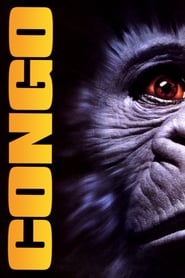
Congo (1995)
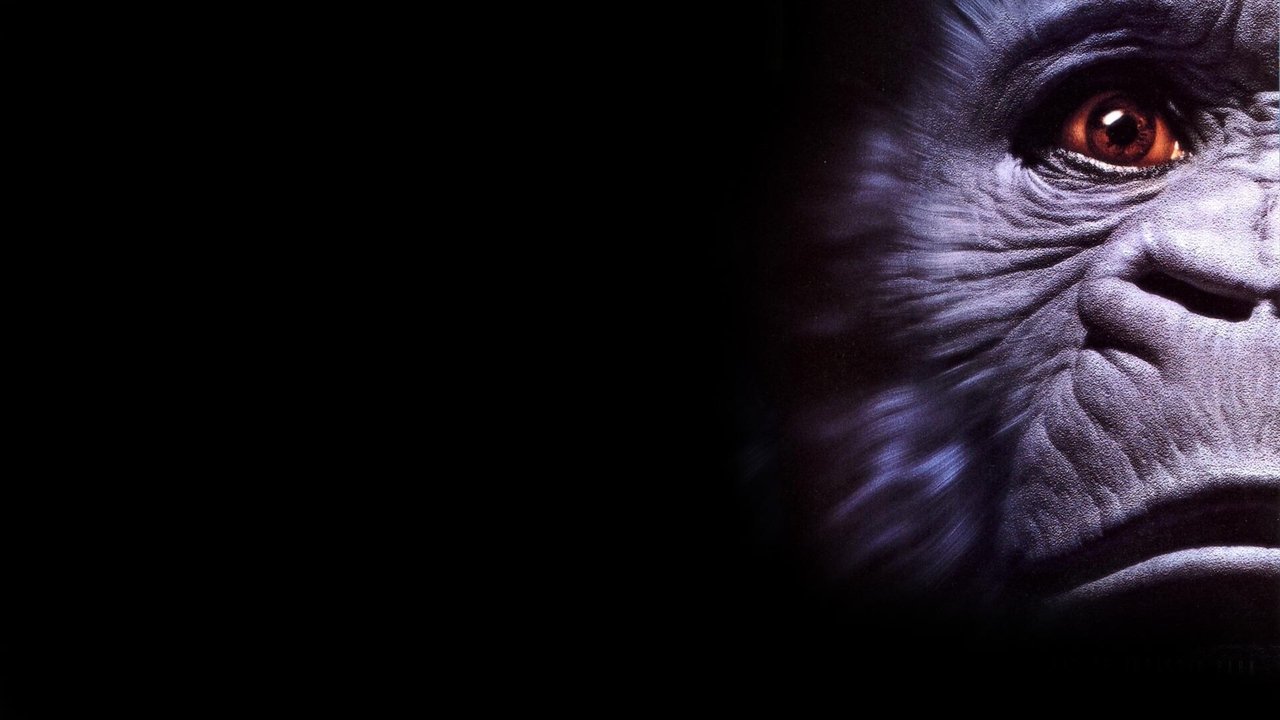
Goodner and Hemphill trace Congo from Michael Crichton's novel through John Patrick Shanley's screenplay and the production led by Frank Marshall and Kathleen Kennedy. They describe performers with restricted vision inside Stan Winston's Amy suits, remote Costa Rican locations, large destructible sets, miniature lava, and Anne V. Coates's first digital edit.
- Duration
- 1h 45m
- Talk coverage
- 98%
- Words
- 19,404
- Speakers
- 2
Commentary density
Highlights
Topics
People mentioned
- Frank Marshall 41
- Steven Spielberg 28
- Kathleen Kennedy 14
- Allen Daviau 8
- John Patrick Shanley 7
- Robert Zemeckis 7
- Anne V. Coates 5
- Stan Winston 4
- Walter Hill 4
- Jerry Goldsmith 3
- Joe Pesci 3
- Spike Lee 3
- George Lucas
- James Mangold
- John Milius
- Leonardo DiCaprio
- Quentin Tarantino
- Rick Baker
- Barry Levinson
- David Bowie
The film
- Director
- Frank Marshall
- Cinematographer
- Allen Daviau
- Writer
- John Patrick Shanley
- Editor
- Anne V. Coates
- Runtime
- 109 min
- Also on
- OneSheet ↗
- External
- IMDb ↗ TMDB ↗ Find on Amazon ↗
Transcript
19,404 words
Hi, my name's Jim Hemphill. I am a filmmaker and film historian, and I'm here with... Screenwriter and author Kelly Goodner. And we're here to talk you through Congo, which Paramount released in 1995. It was directed by Frank Marshall, produced by Kathleen Kennedy and Sam Mercer, from a screenplay by John Patrick Shanley, based on a novel by Michael Crichton, all of whom we will talk about in great detail, I'm sure, as this movie progresses. Um... you may or may not have noticed uh this movie has been rated pg-13 for jungle adventure terror it opened on 2649 screens on june 9th 1995 and seems to have had um that weekend to itself i believe um although tons of things were opening that whole summer big you know movies we still remember like apollo 13 braveheart uh batman forever Die Hard with a Vengeance, Crimson Tide, Species, Tommy Boy Clueless, Friday, While You Were Sleeping, some indies like Living in Oblivion, Party Girl, The Underneath, The Usual Suspects. And this movie was a $50 million budget. It made about $152 million, and its opening weekend was $26 million.
which were the best numbers since Interview with the Vampire, the prior November. This is a big release. Its publicity included tie-ins with Taco Bell and Pepsi, and you can watch those commercials online. If you do, you will see an ad for a volcano burrito and Amy signing for a Pepsi, which is pretty fun. I encourage you to watch them. This was the Sherry Lansing era of Paramount. And for a board of directors meeting, she brought Amy in, not saying that it wasn't a real gorilla at first. And so they're very, very proud of Amy. She's a big innovation. We'll get to how they did that a little bit later. This was an 83-day shooting schedule, which... Frank Marshall said it was pretty standard that Raiders of the Lost Ark was 73, but they had no gorillas, and it wasn't an ensemble. They started shooting September 26, 1994, and went through January. As we're starting to get into the technological aspect of this movie, and we're about to go into the Travacom company and whatever you'd call it, control room,
We should get into some of these people. It's designed by the same folks who designed Cyberdyne systems in Terminator 2, as well as the graphics in The Abyss and all of the control room stuff in those movies. And Michael Backus was the person who designed the computer sequences for Jurassic Park. So he was also on here. You mean like the stuff that's on the monitors and all that? And I don't know if that includes the DNA, you know, dino DNA or anything. But the monitor stuff, like when they're running Unix and yada yada. He was in charge of that, I guess. And Silicon Graphics Inc. , they had a product placement deal on this film for $2. 5 million for all of this equipment. And I believe they might have been on Jurassic Park also. But... One of the things that they did is they worked with Casey Cannon and Van Ling, who are the people who actually did these screens. And they worked to develop screens that were bright orange, or that read orange, you know, where computer screens always read blue. Because Alan Davia, the DP, it drove him crazy how he would have to light a scene basically for the computer monitors instead of...
getting to light the scene the way he wanted it. And, you know, nobody had ever considered why you would want to change the color temperature of a computer screen. And so that was something that they had to invent. And this became their specialty for a little while. Casey Cannon started a company called Band from the Ranch. And it's... It's kind of like an ILM, like an offshoot, and she used to work there. And the name came from one time when some workers wandered into George Lucas' office, where they weren't supposed to be, and they couldn't be fired because they were working on T2, but they got banned from ranch activities. From Skywalker Ranch. From Skywalker Ranch. So anyway, she said, if I ever have a company, that's what I'm naming it. Here we have Bruce Campbell, who you know from Evil Dead. If you're a horror fan, you've seen him a lot.
He was also on The Adventures of Briscoe County Jr. And he's also here with... Oh, yeah, this is Taylor Nichols playing his partner here. This is a guy who I was a big fan of in this period, mainly from the Whit Stillman movies. This is pretty early in Nichols' career. He made his debut five years before this in Whit Stillman's first film, Metropolitan. And throughout the 90s, that's kind of what he would be best known as was collaborator with Stillman and things like Barcelona and Last Days of Disco. This was his first big studio film. But after this, he would have a nice run of supporting roles in movies like The American President, Boiler Room. and Jurassic Park 3, which Kathleen Kennedy, this film's producer, or one of them, also produced. Right now, these days, in 2024, as we record this, he works mostly in television. You probably know him from Pen15, if you watch that show, or he was on the most recent incarnation of Perry Mason, and he was also on a recent season of The Walking Dead. I should also say just a hair about...
that computer scene also, is that another thing that this innovated, this movie, was that the computers were real computers. Because they used to film graphics and then have TVs that were dressed to look like computers play it back. And everything was completely different. But Michael Craigman is kind of known for technology, everything being super advanced. So they were like, we should use real computers. We're about to get here also into Laura Linney. We've seen her previously. But this whole thing between her and Bruce Campbell was actually added. It's not in the book. It's one of the main changes. I think it works really well. I like the ending where she blows up the satellite and everything. Anyway, in the... In the book, she was much more mercenary and she wanted the diamonds. And it was purely like to get ahead, to show she was ruthless, like I'll take the expedition. And there was no kind of human element to her at all, like what she does in her free time. There's no love interest whatsoever. But they, you know, it's a movie and you have to kind of identify with somebody. So they created that for her.
But otherwise, the characters read just like in the book. They didn't want a big-name star for this because they didn't want to throw off the balance of the ensemble. And so Laura Linney's credits up to this point were Lorenzo's Oil, Class of 61, which was a pilot that wasn't picked up, which IMDb calls a TV movie. She was in Dave, searching for Bobby Fisher, Tales of the City. an episode of Law and Order. Mostly a lot of theater, though. And she came to the project because that pilot that I mentioned, Class of 61, was an Amblin project. Which was the company that Spielberg formed with Kathleen Kennedy and Frank Marshall back in the early 80s. So they were all kind of aware of her, fans of her. So she was always in the casting pool for their movies and had been for a while. And this was the first one where it got this far.
Anyway, interestingly, her movie after this is Primal Fear, directed by Gregory Hoblet, who directed that pilot. So her two big breakthrough things happened off of this little pilot that never went, which is pretty fun. And she was kind of marveling about that in the press coverage for this. And she also, the day she was supposed to hear about Congo, she... She was trying to take her mind off of it by going to a play, and the play had a scene with gorillas in it. Can I talk here real quick about Joe Don Baker? He's this guy playing Travis. He's one of my favorite actors of all time, a great character actor, born and raised in Texas. After he got out of the Army, he went to New York to pursue his career in acting and began in the late 60s, basically. And most of his early work then...
came in television, most notably in the pilot episode of the TV series Lancer, which Quentin Tarantino fictionalized the making of in Once Upon a Time in Hollywood. The TV show within the movie that Leonardo DiCaprio is making is, in fact, the Lancer pilot, and DiCaprio is playing the role that Joe Don Baker played in the real pilot, albeit under a different character name. Baker was a staple of television westerns like Bonanza and Gunsmoke. And he got small film roles in movies like Cool Hand Luke and Blake Edwards' western The Wild Rovers. But he didn't really get noticed until Sam Peckinpah cast him as Steve McQueen's brother in Junior Bonner. That came out in 1972. And the following year, Baker had his sort of star-making role in the revenge picture Walking Tall. That same year, 1973, he appeared in two other great movies, Charlie Varick and The Outfit. And then after that, he was in a pretty eclectic role.
bunch of stuff ranging from glossy studio fare like The Natural and the low-budget teen sex comedy Joysticks to the James Bond movie The Living Daylights and Michael Ritchie's Chevy Chase vehicle Fletch. He was on a roll here in the 1990s. He started the decade with a juicy part in Martin Scorsese's Cape Fear, a movie we both love, and he also appeared in Reality Bites, Steven Soderbergh's The Underneath, Panther. and in a couple more James Bond films, Goldeneye and Tomorrow Never Dies, playing a different character from the one he played in The Living Daylights. I love when that happens. Yeah, he started to slow down in the 2000s, but he did make time for a couple. There's a Taco Bell cup. Oh, there you go. There's the Taco Bell product placement. Just to finish off Joe Don Baker, he did a couple of Adam Sandler produced comedies in the 2000s, Joe Dirt and Strange Wilderness, but his final screen credit as of this recording was Jeff Nichols' 2012 drama Mud, but he's still alive and with us. Oh, good.
We're coming up on Grant Hesloff, and he considered himself the comedian both on the set and in character, and is the guy he thought everyone in the audience, he's the one they'd relate to because he's the guy who's like, why am I here? How did I end up in this situation? He had to learn sign language to deal with Amy because he's supposed to act like he's done this for years. And he said that the two new things about this movie to him were shooting part of a scene in one country and part of the same scene like three months later in another country, which usually you have a location here, a location there, but it's by scene. You're not usually chopping up the same scene, except in huge movies like this. And also he said there were days with no dialogue where they were just filmed walking, kind of Lord of the Rings style scenes.
and Costa Rica, which is a whole other story we'll get to later. He was actually quite a big actor. He's in a number of things, Scorpion King, Birdcage, True Lies, Harry and the Hendersons, License to Drive, but he's best known as George Clooney's producing partner. A relationship that came about because shortly after they met, Heslov loaned George Clooney $200 for his first headshots. So good investment. This is Royce Hall. At UCLA, where Frank Marshall went. And this is Dylan Walsh, who is probably best known now for Ryan Murphy's second series, Nip Tuck, and for this movie. He has also been in plenty of other movies and had big arcs on other shows. At the time of Congo, he was best known as Paul Newman's son in Nobody's Fool. Yeah, it's a great movie. And Gabriel's Fire with James Earl Jones.
Oh, should we talk about those two? So those two actors we just saw were Mary Ellen Trainor and is it Stuart Pankin? Is that the guy with her? Do you want to talk a little bit about him at all? You can go on about her. Oh, okay. Well, Mary Ellen Trainor, the blonde actress you saw there playing Moira, she was a lifelong friend of Kathleen Kennedy's. There she is again. In fact, she is the person who introduced Kathleen Kennedy to Steven Spielberg, who, as I said, would ultimately partner with Kennedy and Frank Marshall to form Amblin. Trainor studied broadcast journalism at San Diego State University, where Kathleen Kennedy was majoring in film. And she worked in radio and TV news for a while, as did Kathleen Kennedy, before landing a job as a producer's assistant on 1941, which is the Steven Spielberg movie written by Robert Zemeckis and Bob Gale that came out in 1979. Trainor married Zemeckis in 1980, and she appeared in her first movie when he cast her in Romancing the Stone in 1984.
though supposedly that was not Zemeckis' idea, but Michael Douglas's. He was starring and producing in the film. At that point, the only acting credit Traynor had was in an episode of Cheers, but she quickly became a familiar face in a number of iconic movies, partially because she was a favorite of Richard Donner's. He cast her in The Goonies, Scrooged, and all four Lethal Weapon movies as psychiatrist Stephanie Woods. She was also in Die Hard, Monster Squad, Ghostbusters II, Ricochet, Grand Canyon, Little Giants. And, of course, several of her husband's movies, including Back to the Future 2 and Death Becomes Her. She was also on a TV show I know we both like a lot, Parker Lewis Can't Lose. She and Zemeckis divorced in 2000, and she passed away in 2007 at the age of 62 from pancreatic cancer. But she was a real staple in this era. Oh, yeah. I mean, I knew her as just herself long before I knew anything about Zemeckis and her together. Stuart Pankin, he was actually in Frank Marshall's other movie that he directed, Arachnophobia, before this as the sheriff.
And you've seen him in absolutely everything. But you've actually heard him in more than that. He's a big voice actor. And he's been on every TV show from the 70s to now. Well, and also speaking of Michael Douglas, he's probably like most famously known as Michael Douglas. Yeah, great in Fatal Attraction. Yeah, he's fantastic in that. We also just met without knowing it a couple of other people. I guess, well, maybe I'll finish up with Dylan Walsh for a second. He actually, until he was 10 years old, he grew up in places like Africa, India, Pakistan, because his parents were in the U. S. Foreign Service. So this is not his first time. Well, I guess he didn't even go to Africa in this movie, but we'll get to locations later. Yeah.
Something I didn't know is he was married to Joanna Going and Melora Walters. I didn't know anything about his personal life. But also in that scene, well, here we have James Caron, who is, I know him best as the bad guy in Poltergeist. He's the real estate developer in Poltergeist. He's also in Return of the Living Dead. He's a great horror guy, but in a zillion things. I think he's in all the President's Men, all kinds of stuff. Yeah, I mean, he's been in more things than Stuart Penkin. He's in a lot of stuff. Mulholland Drive. Mulholland Drive. Yeah, and also every TV show, you know. ton of things. But also, so Dylan Walsh, he's playing a character named Peter Elliott, but the gorilla choreographer on this movie is Peter Elliott. And Crichton kind of cheekily says it was not based on the real guy. I think that's probably true date-wise. But anyway, he's like the guy you call when you need any consulting on apes.
chimps, gorillas, whatever. He fell into it on Greystoke. He was auditioning as an actor and he was kind of into martial arts, things like that. And he ended up getting put in charge of like all the research into the gorillas and whether they could use real gorillas in the movie Greystoke. And he decided, no, you cannot use real gorillas. But he had like, he said, he calls it like method chimping. he really learned how to be like one. And then he taught, um, other actors to be like them too. Um, I guess right here maybe you should mention Peter Jason. Oh, yeah, before we go on, since he's only here for a second, this guy with the beard is Peter Jason. I bet this got cut down. Yeah, maybe. He was in Arachnophobia also. Yes, Peter Jason was a favorite. He was an old crony of Frank Marshall's. Frank Marshall had previously directed him in Arachnophobia, where he played the coach, and they went all the way back to the 70s. They both worked on Orson Welles' film The Other Side of the Wind. Peter Jason was in that. Frank Marshall was in it, and also kind of an all-around...
gopher helping wells and things like that um that of course you know was a legendary unfinished film for decades until marshall and peter bogdanovich oversaw its completion around 40 years after it was made and they finally got it out via netflix um Jason would also work with Frank Marshall again in 2018 when he appeared in Jurassic World Fallen Kingdom, which Marshall produced. He's probably best known to genre fans for his collaborations with Walter Hill and John Carpenter. Like he's the bartender, the racist cowboy bartender who Eddie Murphy wipes the floor with in 48 hours. And he also worked with Walter Hill and The Driver, The Long Riders, Streets of Fire, Brewster's Millions, Red Heat, Johnny Handsome, Wild Bill, Undisputed.
the TV series Deadwood. And for Carpenter, he did Prince of Darkness, They Live, In the Mouth of Madness, Village of the Damned, Escape from L. A. and Ghosts to Mars. Like a lot of these people we're talking about here, he's been in too many things really to go into. He's in something like 80 movies and 100 TV shows. But I think the Carpenter and Hill movies definitely represent his most entertaining parts. They tended to give him the most stuff to do. I guess also I should mention that, so there's Peter Elliott who's teaching people to act like apes. But there's also a woman in that Amy costume. So basically, when they're all talking to her, like there's an actual woman in there. Actually, there are two actresses who alternate playing her. So they had two Amy suits because they were an inch or two apart. But they were like 4'9", 4'10". Little, you know, smaller women. And they wanted Amy to be smaller and cuter in general and wanted a woman to play her. So they were...
know actresses gymnasts stunt women um who have gone on to do other things also but it's pretty wild and oh oh sorry well i just want to interrupt you because he's only on for two seconds this is like a blink and you'll miss it cameo that guy playing the pilot was jimmy buffett the musician uh and he was here he was he was good friends with frank marshall and had played a cameo role in the marshall and kennedy produced hook as a pirate later he would also appear in another frank marshall production jurassic world And in 2018, Marshall produced a Broadway musical based around Buffett's songs called Escape to Margaritaville. He's obviously best known as a singer and songwriter, but he has appeared in small roles in a number of interesting movies, including Repo Man, Ron Shelton's Cobb, and The Beach Bum. He passed away in 2023. So I'm sorry, go ahead about Amy.
Oh, well, you know, it's a blurring of people because it's Peter Elliott and also John Alexander, who was also on Grey's Stoke and Gorillas in the Mist. And they actually play gorillas in this movie because every gorilla in this movie is not a real gorilla. None of them are real gorillas. It's all people in gorilla suits. And so Peter Elliott and John Alexander both end up as silverback gorillas later and greys later. But Amy is played by these two women. uh, Lorraine, no, and Misty Rosas. And, um, they trained for eight months to learn how to be gorillas. Uh, the auditions took place over six weeks. Uh, they saw 800 performers who are all different things, actors, athletes. Um, and they were looking for people with long torsos and short legs and, to be a little closer to gorillas. And, um, they, uh, Another thing you don't think about, too, is they had to create her voice electronically and decide how electronic it was going to be, how female, how young, all of that. So everyone was building this character for a long time before Dylan Walsh ever showed up. And so he said that that was...
the hardest thing for him really was that, uh, he's supposed to be the expert, but everyone else had been training for, you know, eight months on this and Peter Elliott longer than that. And he had to learn sign language, you know? And, uh, so he said that was a real challenge. Um, here we're about to have a martini illusion by, uh, magician, Ricky J. Um, and you. You know, Frank Marshall's a fan. Right. Well, Ricky Jay, obviously, was one of the great illusionists. So I guess he was somehow involved in helping figuring out how they would make it look like Amy was drinking this martini. He is probably best known to movie fans for being a frequent collaborator of David Mamet in movies like House of Games and Things Change and Homicide. And he, of course, also was in Boogie Nights and Magnolia for Paul Thomas Anderson. But Frank Marshall was a fan of Ricky Jay's and is, in fact... an amateur magician himself. He performs under the names Dr. Fantasy and DJ Master Frank. I also, we haven't gotten around to Tim Curry. He speaks for himself. But he considered this a Peter Lorre role where he's like an exotic lurker.
Well, I was just going to ask you, because you've read the book and I haven't, isn't he a case where he's a character that was not in the book, but he kind of takes on a lot of the character? All of her avarice from the book, all of Laura Linney's character, they decided to create this other character. So Tim Carey's purely new for the movie. He's purely new for the movie. She was the one in the book who was obsessed with Zinj and obsessed with finding these diamonds and even the mythical aspects of it. And so they created him to, again, make... give us some likable people with her in Dylan Walsh. She said that in any role she does, there's always one line that opens the character up. And she said, this was that moment with this character that she knew who this poet was. And it made her feel like this was a character whose life has no room for poetry in it, but she has some in her. And so this experience is kind of going to bring that out of her and make her put more emphasis on that than on like getting ahead in her job and whatever.
But Tim Curry, you know from Rocky Horror Picture Show initially, but Clue, It, Legend, Annie, I mean, even as a little kid, I knew who Tim Curry was. But he said that this was one of the best crews he's ever worked with, no underlying tensions or anything like that. And at the time that he was promoting the movie, he was rehearsing a musical number for the Oscars. sing well make them laugh and they were doing a big like the theme of the Oscars is comedy this year kind of thing and here we have Joe Pantoliano also known as Joey Pants and he's probably best known we're very much in the Donner Spielberg world with a lot of these folks he's probably best known as a Fratelli brother from the Goonies or Cipher from the Matrix Teddy from Memento He's also in all the bad boys movies. And I have to point out Guido the Killer Pimp from Risky Business. Of course. Calm down. No one can forget. I have to represent Paul Brickman here. And he's in 21 episodes of The Sopranos as Ralphie. He's amazing on that.
And one of my favorite things about researching this was learning that he was offered the role of Leo Goetz in the Lethal Weapon movies that Joe Pesci ended up playing. And you think, like, nobody but Joe Pesci could do that. And then you imagine Joey Panson, and you're like, oh, no, he could do it. It would have been amazing. It would have been great. It's one of those cases where I wish you could see both versions of the movie. It's like the version of Do the Right Thing where Spike Lee wanted De Niro. It's like, I'd like to see the De Niro version and the Danny Aiello version of that movie. Yeah. No, it's... It's kind of crazy because, again, that Joe Pesci performance is the first thing I think of almost when I think of Joe Pesci. But he was also in an early screen test, Joey Pants was, for Bob Hoskins' role in Who Framed Roger Rabbit. That one's a little harder to imagine. It is, which there's a Frank Marshall connection to that, too, that I'll get to later. He also...
Joe Pantoliano studied to be a barber, which I found kind of interesting. And his character, I'm not sure was in the book. I think they included him here to update the political situation in Africa. And like, cause the, you know, book was written back in like Crichton got the idea in 78. So he was writing it, I think through 1979, a fair number of things had changed. And one of them is this character Monroe who, But I did want to point out personal connection that Ernie Hudson is the first celebrity I ever talked to on the phone. And Joey Pants is, I think, the first celebrity I ever got his autograph. And it was like within a year of each other. So, yeah. And there they are in the same scene. But anyway, Monroe Kelly, one of the screenwriter, John Patrick Shanley's criteria for signing on was that they make the great white hunter black. and, you know, show that things had changed in Africa. And that was one of the updates. And also in the book, Amy, she signs, but she doesn't have an electronic arm. So really only the people who... You mean boys? Yeah.
Yeah. Well, they have like a virtual reality armband thing. Oh, I see what you're saying. Like once you know it's there, then you notice it more in the movie. That's so funny. I've actually never even noticed it. I could tell on your face. You're like, what armband? Okay, I see what you're saying. They call it like a virtual reality arm. Oh, okay. So that's how she's speaking. So that's supposedly how the signs turn into words. But anyway, in his meeting about Congo, he said like, nobody who doesn't know sign language is going to be able to understand her. And so he wanted... everybody to be able to react to what she was saying and it not be this closed off thing just for her and Peter and Grant Heslov's character which I think was a good idea even though the first time you see it you're like what I mean I think that's some of the great things about this movie are the just what like her drinking a martini and her skydiving and some of that stuff it's just so great Ernie Hudson though
Here he's being kind of military. And he actually did a tour in the Marine Corps before starting his career as an actor and playwright. And he also went to Yale School of Drama. So some pretty fine actors here. Him from Yale and Laura Linney from Juilliard. And he said that it was pretty obvious to him that Monroe should have an accent like this. And he was very surprised when he talked to Frank Marshall, who thought he would have a Chicago accent. two totally different concepts of the character. But I guess Ernie won out. And yeah, I think you were saying too that you couldn't quite identify where... Right, I was just curious what his origin is actually supposed to be or if it is supposed to be kind of unspecified because it's one of those accents. It sounds almost like a movie accent from the 30s or something when you watch one of these movies. Yeah, well, and where it's like old schooling where you just kind of talk British. Right. But I think the concept was sort of that...
you know, he happens to be in Africa right now, but like the, he's very worldly has been around, picked up a little bit from everywhere. Um, but he said also like he initially found the character with the accent, but then he really found the character when he had to remind himself, it's not about the accent, you know, it's just play the story, play the character. Um, at this time, well, obviously he had been in ghostbusters. Um, he had been in Leviathan, which is big. Um, sizable kind of a movie. But around this time, he was in The Hand That Rocks the Cradle, The Cowboy Way, Basketball Diaries, Speechless, Airheads, and The Crow. So quite a bit. He also... Well, he was saying... Lenny and... Tim Curry and Ernie Hudson were all having to kind of remind themselves not to love Amy too much. You know, like, remember she's a gorilla. You know, if this was an actual gorilla, you would not be so lovey-dovey with her. But they all talked to her and pet her like a dog. Because, we'll get to that a little bit later, but normally...
you would have the mechanism of the creature kind of lying all in pieces between takes. And this was an actual person in there. So they kind of wanted to treat her like she was an actor and like she was always there and she was always Amy. And they kind of, you know, again, she was like their pet. But Ernie Hudson tells kind of a crazy story. It's not really connected to this movie, except that... When they get to Costa Rica and there are a couple of death-defying moments, he might have been thinking of this. He had been on The Crow where Brandon Lee had died in an accident where a blank had been shot too close, I think, to him. So it was a total accident. But anyway, then they had to finish that movie with a guy wearing...
Brandon Lee face and it was like you know death everywhere you're always thinking about it and he had a lot of sympathy for the guy who had to wear that mask but I'm sure later with this where you're dealing with deadly snakes are around and deadly bugs and stuff that he might have been thinking like please you know not again here we've got another one of my favorite actors Delroy Lindo he was having a hell of a year in 1995 in addition to Congo he He appeared in Barry Sonnenfeld's Get Shorty and Spike Lee's Clockers, in which he was absolutely incredible as the drug dealer Rodney Little. I think that role more than any other really got Lindo noticed in the industry and propelled the rest of his career. He had already been in a couple other Spike Lee movies before that. He was...
great as West Indian Archie in Malcolm X and as the dad in Crooklyn. And he would collaborate with Spike again in 2020 on Defy the Bloods. He actually had been offered a role as one of the three guys sitting on the corner commenting as a sort of Greek chorus and do the right thing. But he turned it down because he said he just couldn't connect with it and figure out how to play it. I can totally see him doing it. I can too. I don't know what his issue was, but for whatever reason, he didn't want it. Clearly, Spike didn't hold it against him, kept using him after that. But Lindo actually made his screen debut way back in 1976 in a Canadian comedy called Find the Lady starring John Candy. And a couple of years after that, he made his Hollywood debut with a small role in one of my favorite movies, More American Graffiti. But he didn't appear in any movies that I'm aware of in the 1980s. He said it was not a conscious decision on his part. That's so wild. Yeah, he just didn't get any work in film for a decade. But he did get cast on the stage. He did well on the stage in the 80s.
And it was in a production of August Wilson's Joe Turner's Come and Gone that Spike Lee saw him and offered him that part and do the right thing. And then he was on Spike's radar. In Spike's pool, the way Laura Linney was in Spielberg's pool. Exactly, he was in Spike's pool. Yes, Spike was always thinking of him. And after this movie and Clockers, then it was off to the races. He had supporting roles in a lot of big 90s and 2000s movies, including Broken Arrow, The Devil's Advocate, Cider House Rules, Gone in 60 Seconds, David Mamet's Heist. domino uh he's also been really big in television most notably as adrian bozeman on the good fight
Yeah, I feel like by the first time I knew his name, I felt like he had been around forever. Like, I feel like he never had a surge. I just felt like he was always there, but I guess he wasn't. Well, it's... I mean, it's funny because he was... I remember seeing him in Clockers. I remember very distinctly seeing Clockers opening day and just being like, whoa, like this is an incredible performance. He's great in this. I enjoy him when he kind of plays sort of light, you know, comedic. Absolutely. No, he's very funny. The thing with the cake cracks me up. Yeah. No, he's great. But it was a thing where like... in a way with clockers, it felt kind of like, you know, Oh, this guy coming out of nowhere to be great. And then it's realized, you know, no, he actually has been working since the mid seventies. Yeah. Um, we're going to get to John Hawks later. Who's a little like that too. There are a few, um, few weird careers here. Um, also, uh, Delroy Lindo and Ernie Hudson were in Lackawanna blues together. Um, um,
I guess I might as well start introducing Michael Crichton, finally. Now that I think we've introduced our ensemble. Yeah, we should talk about Crichton and John Patrick Shanley, the guys who actually wrote this thing. Yeah. Michael Crichton, it came about in a really funny way. So he got the idea initially after wrapping The Great Train Robbery. After he filmed that, he went to Hawaii to recuperate, but tore his knee instead. He directed The Great Train Robbery, right? Mm-hmm. Sorry. It has Sean Connery in it. And Sean Connery was supposed to be in Congo, but that obviously didn't end up happening. Anyway, so he ended up having to have surgery on his knee, and so he couldn't do anything except just sit there and think of movie ideas. And so he kind of came up with, he was like, it's something about apes and sign language and high technology and King Solomon's mines. And he mentioned this offhandedly.
to Frank Yablans, who was the former president of Paramount for five years during a time when they made The Godfather, Chinatown, Serpico, Death Wish, little films like that. Some obscure, unknown films. So he's big time, Frank Yablans. So there are four big producers on this, and he's the first one we'll talk about. And he also merged MGM and UA and was the chairman there. for a while. And anyway, so he got back to Michael Crichton in a couple of weeks and said, hey, I sold it. And here's a million and a half dollar advance. And Crichton was like, you sold what? You know, I don't have an idea. And he's like, well, I sold it. So that was all he had. And Michael Crichton, he said he had never done a deal like that before. He had always written the book or the script or whatever and then sold it. He had never written for hire before. And it completely froze him up. He um couldn't get anything going and so he ended up going to this deprivation pod um like in patty chayefsky's altered states and it's kind of like a meditation sort of a thing but anyway in there he sorted out that the reason he couldn't write was because
He had always done it the other way before. So getting paid already made him feel that he had already written it. And then he resented having to write it again. And once he realized that that was going on subconsciously, he could write and he got ideas. And so most of the ideas from this movie came from inside a deprivation pod. He said he just kind of... plotted the whole thing out in there, and he would go, you know, daily. So he was hired to write a movie, but you told me he actually wrote the book first, right? Yeah, the contract, because he was a novelist, it sounds like it was for the novel. the screenplay and directing the movie got it so it was a love story right it was a whole big um thing but it didn't end up happening because well initially they offered the role um of amy to coco the gorilla that had inspired the whole idea the gorilla who spoke sign language and um her trainer was like she can't be in a movie you know like gorillas don't
do what you tell them all the time. And all these people that she doesn't know are, it's going to be too much for her. That's not possible. And so that, and a couple of other things were like, this just isn't possible to really actually make now. And, um, cause he had tried not to hinder himself when he was writing, just like anything you come up with. He's, you know, he said, I wrote a hundred gorillas. Where am I going to get a hundred gorillas? You know? And so he, he had lots of things. They didn't have digital effects then. So, um, Anyway, for various reasons, they couldn't film it back then, and so it just kind of fell into, you know...
I don't even know if you'd call it turnaround, but Frank Yablans still had the rights to it until Jurassic Park. Right. On Jurassic Park, which Kathleen Kennedy produced, she was on the set with Crichton and sort of started out, he started telling her the whole saga and she began to think, oh, well, you know, with technology, like Jurassic Park obviously was a landmark film in terms of special effects technology. And so between the animatronics and the CG dinosaurs and all that, she thought, well, maybe this is the time to do it. Well, and I guess Spielberg had always toyed with Crichton's stuff, and they had considered turning Congo into a third Indiana Jones film at one point in time. So it was all, you know, again, these pools. It was always there. They were always kind of thinking about it. Michael Crichton also, to bring George Clooney back, he's the creator of ER, which is what made Clooney explode.
I highly recommend you read all of his books and then read them again a few years later. I enjoy them greatly. Well, no, I was just looking at you because I was hoping you were going to bring up some of your Michael Crichton. Oh, yeah, my fun facts about Michael Crichton. I know you have a fun fact about him that I just thought of as you were talking about reading his books because I was thinking of that Travels book you wrote. Yeah, well, okay, so fun fact number one, he's 6'9". And maybe that's part of the reason Nicholas Roeg wanted him to play the alien in The Man Who Fell to Earth before he got David Bowie, which is crazy. I didn't know Michael Crichton was that famous or that known at that time, but I guess so. On his first visit to Universal in 1971, because they were making the Andromeda strain of his, he was given a tour by Steven Spielberg, who then ended up directing Jurassic Park so much later.
He also has a writing ritual, which is eating the same thing for lunch every day that he's working on a project. So for Jurassic Park, he ate egg salad sandwiches with lots of pepper every single day until it was done, which isn't a bad idea. But the craziest fact is that in 1986, he was exercised. He has a book called Travels about him traveling the world. Exercised as in like an exorcism? Yes, he did not get physically worked out. He was exercised of demons. But it wasn't like a horror movie. He was still himself. And it wasn't that he was possessed. It was that an entity was kind of hanging around him. So when he was told this by some sort of psychic man, he...
freaked out like a normal you know reaction he was still him you know but yes he was exercised pretty crazy also I completely fell for it in the book he makes it sound like this was a real expedition that he's recounting an expedition that happened and I you know kept looking it up and being like are you sure are you sure it's not real because he really makes it sound real he did the Fargo thing where you say it's based on a true story he gives like acknowledgements or thanks or whatever to these people but they're not actually real um also another thing that changed from the book to the movie is the book is very driven by racing another company to these diamonds and so a lot of these things like rerouting and having to jump from the parachute are like to to gain time to get there before the other people and like the plane crash here they say it was them sending another mission thinking they had died or something but in the book i believe it's the competitors that you know
then that's how they get there on time. And also they removed Amy's traumatic memories of her mother's death, thankfully. Yeah. We got those in Being John Malkovich. Right. Yeah. And that was bad enough. Yeah. Well, I think, you know, John Patrick Shanley, I mean, you really can't, like, over... rate his contribution to this I mean as you say all of these because I mean I think all of these changes are part of like why he's a great screenwriter like he really did you know Michael Crichton was really good at like the cliffhangers you know read like a movie anyway but I think the the changes improved it yeah especially for a movie I wanted to really quick before we move on tell you about Sam Mercer, the other producer. Because this is like a producer's movie. Right. And they're not just producers usually, but producer's executives, you know, studio heads. So Sam Mercer's best known as having produced M. Night Shyamalan's films and being UPM on those. And he's also done things like Snow White and the Huntsman. But this was his first produced credit, produced by credit.
He had also been location manager on Witches of Eastwick, Peggy Sue Got Married, Pee Wee's Big Adventure, Vacation, Stripes, and then was a production exec at Disney overseeing Good Morning Vietnam and Dead Poets Society, and then was VP of production at Hollywood Pictures from 89 to 94. And he oversaw arachnophobia, which is kind of how he got involved in this. And then he, in 2015, became the head of ILM until he passed away this February, so just not that many months ago.
Frank Marshall, he was born and raised in Southern California. He was born in Glendale and grew up in Van Nuys in Newport Beach before going to college at UCLA, as you mentioned before, I think, where he played soccer and graduated with a degree in political science. His movie career sort of started while he was at UCLA in the late 60s. He met Peter Bogdanovich at a party. Bogdanovich was older than Marshall and already getting started in the film business working for Roger Corman. So Marshall went and worked for Bogdanovich as an unpaid production assistant and kind of all-around gopher on Targets, Bogdanovich's first feature film as a director. And he got a real crash course in low-budget filmmaking as Bogdanovich called on him to fill a variety of different roles throughout production. But he actually didn't work on a film again until a couple years later. He was sort of kicking around working as a waiter and a musician. Wow.
Until Bogdanovich called to offer him a job on The Last Picture Show once Bogdanovich got back going. So Marshall went to Archer City, Texas to work as a location manager and also play a big part in that movie. And when its commercial and critical success made Bogdanovich a major director, he took Marshall with him on his subsequent films. And Marshall kind of worked his way up. to produce At Long Last Love and Nickelodeon. That's interesting that both him and Mercer were location managers first. That is interesting. Especially for this movie. Yeah, I never thought about that. But it's, yeah. And I mean, and I don't even know. I never thought of that as a track. And I don't even know. But that's two huge people. I don't even know why Bogdanovich gave him a job as a location manager on The Last Picture Show. I mean, it's like he didn't know anything about Texas. You know, it's like I have no idea how he got that. But anyway, yeah, he worked his way up to produce a couple of Bogdanovich's films in the mid-70s.
And that led to jobs as a line producer on Martin Scorsese's The Last Waltz and to associate producer and executive producer credits on a couple of Walter Hill films, The Driver and The Warriors. But his really big breakthrough came right after The Warriors when he produced Raiders of the Lost Ark for Steven Spielberg. And it was a breakthrough both personally and professionally because it was on Raiders that Frank Marshall met Kathleen Kennedy. She was working on that film as Spielberg's assistant and she and Frank Marshall became friends and then sort of off and on romantic partners for a while. And ultimately they married in 1987. Marshall at the time thought that he was married to making movies and never imagined he would find somebody who loved it as much as he did. But when he met Kathleen Kennedy, he realized that such a person existed. Amazingly, her first credit as producer was E. T. So she began her producing career with what was at the time the biggest hit in history. Where do you go from there? One of the most beloved films ever made.
Like Frank Marshall, she's a California native. She was born in Berkeley. And she began her career in San Diego working at a local TV station as a camera operator and editor and whatever else needed doing. She ended up producing a local talk show for four years in San Diego before moving to Los Angeles in the late 70s to work in film production. And her first gig was working as John Milius' assistant on 1941, which I mentioned earlier. Spielberg was directing it. Well, again, a huge movie. Yeah, Spielberg was directing it. Milius was executive producing it. And, you know, he was kind of... And it, I think, helped Zemeckis and Gale with the script. So she was working as Milius' assistant, and Spielberg was very impressed by her and basically poached her from Milius to work as his assistant. And so...
She was his assistant on Raiders. Frank Marshall was producer. And it was a really happy experience for all three of them. And so after Raiders was done, they started developing E. T. and Poltergeist together. And working on those two movies at the same time gave them the idea to start a company where instead of just making one film at a time, like Spielberg had been doing for the previous 10 years, they could have a lot of things going at once, some of which Spielberg would direct and some of which like Poltergeist he would produce or write. So they formed Amblin together. And that production company would create some of the most iconic movies of the 80s and 90s. So Amblin was just her and Stephen? And Frank Marshall. And Marshall. All three. The three of them formed Amblin. Yeah, it gets confusing because later on...
Some of the movies, Kathleen Kennedy produces. Some Frank Marshall produces. Some they both do. I always think of them as a three, a trio. They basically were a trio throughout. But then there's George Lucas for a while. Yeah. They basically were a trio throughout the 80s. They were based at Universal, where Spielberg had begun his career directing television shows like Columbo and Marcus Welby. But they also released through other studios occasionally. The Goonies, Color Purple, and Empire of the Sun, for example, were all Warner Brothers. And as execs at Amblin... Kennedy and Marshall were involved in a staggering number of important movies throughout the 80s. Beyond the ones I've already mentioned, there are the Back to the Future films, the Gremlins movies, Scorsese's Cape Fear, The Money Pit, Who Framed Roger Rabbit, Indiana Jones and the Temple of Doom. You're listing some of the movies that I've seen more than any other movies. Yeah. I mean, these are movies that Kennedy and Marshall basically...
made happen. And they technically left Amblin in 1991. I mean, they keep working for Spielberg a bunch, which I'll talk about. But they left Amblin in 1991, not long after Marshall made his directorial debut with Arachnophobia. And they formed the Kennedy Marshall Company, which produced Congo, as well as some other movies Marshall directed, Alive, which he did between Arachnophobia and Congo, and Eight Below, which he made in 2006. Those are the only four movies Marshall's directed, by the way. He's directed some music documentaries and television, but he's only done four fiction feature films. I heard a quote from Kathleen Kennedy about her directing, and she was saying that she's seen, obviously, people do it, and it's so all-encompassing, and she really prefers to have a bunch of different projects going at the same time, and so it just kind of...
She doesn't think that it would be a good fit for her. I think that's where Marshall ultimately landed as well. He said the only reason he went back to direct on Eight Below was just he couldn't resist the opportunity of having a bunch of dogs every day looking at him adoringly as he directed them. And so he basically, you know, he made that for the dogs. But he really, I think he's kind of the same way. They were very into their golden retrievers. Like they were on the set, right? Yes, their golden retrievers were on the set. And in fact, at one point got terrified by Amy. They thought Amy was real. So, or sort of barking or something. Well, and some, you know, as much as like Peter Elliot had lived with the apes and all of this um to be so authentic some of the things from amy came from their dogs and from shanley's toddler so she's a little bit toddler a little bit dog also yeah um oh gosh this snake stuff um
Before I go on and talk about Frank Marshall anymore, do you want to talk a little bit about... I should talk about these snakes. Yeah. Yeah. So once they... After they skydive, essentially, that stuff is mostly taking place in Costa Rica. And so they had shot... By the time they got to Costa Rica, it was almost like the last three weeks of the shoot. And so they were pretty comfy, you know, the whole rest of the time. I mean, they complained a little bit about it being cold when they were shooting outside. Yeah. in Descanso Gardens and UCLA Botanic Gardens, the Warner's Backlot, things like that. They also did, we'll get to it later, but some water tank stuff. So anyway, they complained a little bit, but they were mostly comfortable. And then they went to Costa Rica. And Costa Rica, so some of this stuff is stages, and they worked months and months on stages. And their animal wrangler is Jules Sylvester, and he's been animal wrangler on...
plenty of other movies. And so he filled the sets with his own collections of bugs and snakes and birds, various things, so that the jungle would be alive and it wouldn't just be artificial plants on a set. Obviously, they're doing fancier things than that. But anyway, so he was bringing in creepy crawlies to their sets and And then also when they went to Costa Rica, he went there and was like bodyguard, kind of, because there were so many things that could kill you in Costa Rica. And so people tell stories about him saying things like, you know, calm down, scorpion stings won't kill you, they'll just give you 24-hour limb paralysis. So it was a lot of things like that going on. And he was very... A lot of attention to detail, like because they were in Costa Rica, not Africa like they were supposed to be. He dressed capuchin monkeys up to look like colobus monkeys. So, you know, to be authentic. But the only time someone did almost die was, well, I guess there are a couple incidents. There was a pit viper under the chair of a hairstylist that Jules Sylvester had to remove. And then Grant Heslov died.
There was a scene where he had to jump into a ravine and he put his hand down to catch himself in the dirt and the dirt moved. And he yelled snake, but people thought he was joking because he was kind of a jokester. And Joel Sylvester found it and it was a coral snake, which if you grew up in South Florida like I did, that's the worst one. You don't want to run into a coral snake. So Ernie Hudson and Tim Curry, everyone was looking up to them in these death-defying situations because they had done huge movies before. And they felt like, oh, they know how to handle this. And so they were kind of acting like they did. But Ernie Hudson, meanwhile, said he was praying every day. Like, don't let us die here. Don't let us die here. Because, you know, it was real Costa Rican jungle. And Dylan Walsh said that... Every time you see him coming out from behind a bush, Jules Sylvester is behind the bush shaking it to make sure there's no snakes in it. It all sounds kind of dreadful and dangerous. But everything went completely fine on this movie in that regard and technologically. Here we're about to get to John Hawks, who...
You know, anytime you see John Hawks this far back, you're like, whoa, he was around that whole time. But he also was around in 1984. That was his first movie, Police Academy. That's amazing. So even he had been around, you know, 11 years before this. And this is like, oh, you know, a gem of a young John Hawks. Yeah, this feels like an early John Hawks. I first took notice of him in From Dusk Till Dawn. He gets the big opening scene in the convenience store. And because it's written by Quentin Tarantino, it's a long scene. It's like showy for character actors. And he has to kind of put on a performance so that the sheriff, Michael Parks, doesn't know that there are robbers in the store. Anyway, very memorable screaming. He was good at screaming, I guess. Because he screams in this also. He was also in... identity in 2003 like even after this it was several more years before he started being in more stuff you know I feel like we were talking about this I feel like it wasn't really until Deadwood maybe that people really on like a mass level knew who he was
And he was 45 years old at that time on Deadwood. Because even in Miami Vice, the Michael Mann film, it's a small role. I mean, he basically comes on screen and gets hit by a truck five minutes into the movie. So he's still doing kind of very small roles in the mid-2000s. But he was for high-level people. Oh, sure. Yeah, it's a great movie. Like American Gangster. Yeah, he's doing it for Ridley and Michael Mann. Contagion with Soderbergh. The Sessions he got rave reviews for. Yeah, that I feel like was in terms of indie film world. And the focus being on him. Yeah. Three Billboards Outside Ebbing, Missouri, Peanut Butter Falcon are some recent ones, and Night Country, the new season of True Detective. Yeah, True Detective is great on that. He also, interestingly, turned down the role of the governor on The Walking Dead, who's kind of the bad guy for about two seasons or so. And he worked with Kathleen Kennedy again on Lincoln. Interestingly, though, he had no formal acting training. That's really wild. Yeah.
Although what he did instead is pretty wild, and I guess I would put up against anything. He hitchhiked around America, and he would play different characters with each ride. So I guess the stakes are higher. Pretty risky. So maybe, well, he didn't have to go to the jungle. That was Descanso Gardens, I believe. So that's good.
Can I finish what I was going to say about Frank Marshall? Oh, yeah, yeah. Just in terms of what you were saying about Kathleen Kennedy and her not wanting to direct and him kind of ultimately kind of giving up directing except for, again, his music documentaries, things like that. Even though he's known properly as a producer really more than a director, he had in a kind of unofficial capacity been directing for a while even before he made his official debut with Arachnophobia. When he was producing for Spielberg, he would often go off and direct inserts or splinter unit stuff. Like Spielberg would draw what he wanted, a piece of paper, and Marshall would go get the shots that Spielberg couldn't get to for scheduling reasons or whatever. And...
Marshall also did this for Zemeckis and Who Framed Roger Rabbit. And he always said it was a great way to learn how to direct because as a second unit director, your job is to imitate the style of the main director. And so who better to learn from than Spielberg and Zemeckis? So Marshall got his chance to sort of step into the first chair when Jeffrey Katzenberg was running Disney. And he offered Marshall arachnophobia while Marshall was producing always for Spielberg. And Spielberg was initially not happy about this because he had really come to rely on Marshall as producer and second unit director. But You know, I guess, again, he couldn't have held too much of a grudge because he ended up executive producing Arachnophobia, and he and Marshall would reunite to collaborate on Hook and the fourth Indiana Jones movie. Marshall was also an executive producer on one of Spielberg's greatest films, Schindler's List, as was Kennedy. She, too, continued to work with Spielberg on a number of big movies after they left Amblin, most notably Jurassic Park.
And then Marshall would return to the fold for the Jurassic park sequels, as well as the Indiana Jones sequels that Spielberg and James Mangold directed. And Kathleen Kennedy was involved with the James Mangold, Indiana Jones movie as running Lucas. So it's all very, they kind of keep going in and out. Um, You know, Marshall also produced the BFG for Spielberg. And as we record this, he just produced a new Amblin movie, Twisters. And Kathleen Kennedy had been a producer on the original Twister, but was not on the new one because she, of course, now runs Lucasfilm, which she took over when Disney bought Lucasfilm from George Lucas in 2012. And she became president of the company and oversaw the reinvention of the Star Wars and Indiana Jones franchises with things like The Force Awakens, Last Jedi, and all the Star Wars TV shows that are now on Disney+.
In that period between Amblin and Lucasfilm, when the Kennedy Marshall Company was thriving, some of the movies they made included The Sixth Sense, The Bourne Identity and its sequels, and The Curious Case of Benjamin Button, as well as more Spielberg collaborations like Munich and Lincoln. In recent years, Frank Marshall has also gotten into producing Broadway plays and musicals. As we record this, he has one. based on Water for Elephants, currently running. Wow. And a couple years ago, he won a Tony for Best Musical for A Strange Loop. Just to wrap up Kathy Kennedy, her role at Lucasfilm, combined with her other credits, makes her one of the most financially successful producers of all time in terms of total box office. She's number three on that list, behind only Spielberg and Marvel's Kevin Feige. She and Marshall received Irving J. Thalberg Lifetime Achievement Awards, the Oscars, in 2019.
And then, yeah, I did want to talk a little bit about John Patrick Shanley. We've kind of touched on him here and there. He also wrote Frank Marshall's previous film as director, Alive, which Kathleen Kennedy was also a producer on. And Marshall and Kennedy had worked with Shanley before that on Joe vs. the Volcano in 1990, which that's a movie that John Patrick... They like volcanoes. They do. And Shanley, he wrote and directed that movie for Amblin. He began his career as a playwright and is still probably best known for his work in the theater. most famously the play Doubt, for which he won a Pulitzer Prize and a Tony. And he also wrote and directed the movie version of that play. His first screenplay was Five Corners, the movie Tony Bill directed with Jodie Foster and Tim Robbins in 1987. And at the end of that same year, his second movie, Moonstruck, was released. And that is really Shanley's kind of masterpiece, I think. I mean, that movie is just fantastic. And he won an Oscar for it. And the movie was a big critical and commercial hit. His other produced screenplays are The January Man,
We're Back, A Dinosaur's Story, and Wild Mountain Time, which he also directed and was based on his play Outside Mullingar. He was brought onto Congo pretty late in the game. You know, they were already well into pre-production, designing sets, and casting when he was hired to write the script. So, you know, you talked about Laura Linney, and when she was cast, they gave her the book to read and just told her Shanley was writing the screenplay. You know, interestingly, in terms of the script, though, you know, I guess they...
kind of scrapped whatever Crichton had written in the early 80s I wonder if he was you know he already had the resentment feeling he had written it once now he felt like he had written it twice so maybe he was like I'm not doing it again yeah but it's funny because he actually is credited as a co-writer with Shanley on the posters and the trailer for this movie but not on the final film which leads me to believe there are a couple of things in this movie I mean it doesn't have that choppy feel I mean you've got Andy Coates cutting it but you know sometimes when a movie has had to cut down a lot it feels a little choppy and this doesn't
wasn't but there are some things like the mary ellen trainer and stewart penkin or peter jason or there's a geode room later um where i feel like did they have to cut some things you know um that just couldn't you know just be too long well it's a nice tight you know hour and 45 minutes or so when you think about a lot of movies like this tend to have this kind of bloated two and a half hour running time that's one of the things i like about this is it's nice and you know Oh, I wanted to say about Shanley also is that, fun fact, 15 years earlier, he spent a year studying gorillas to write a play called Gorilla. So maybe that was part of how he came to this. I mean, he would obviously be probably Frank Marshall's first choice because they had worked together anyway, but he did have that gorilla background. This is probably a time I should bring up this hippo. The special effects on this movie, they had a physical effects...
head that was Michael Lantieri and he is in charge of the hippo so ILM had him doing that and then they also have Scott Farrar doing the computer part and that comes in mostly in the climax and then Stan Winston did the apes so that was kind of the delineation of duties um but Michael Lantieri he had done like you know Jurassic Park kind of things um dinosaurs won an Oscar for it um Was nominated for Back to the Future Part II, Hook, Lost World, AI. So he does the Spielberg, you know, creatures and whatnot. And he's still working on Jurassic Park movies, as well as Westworld, which is a Michael Crichton, you know, story or movie. And so, yeah, he's still working on the biggest Pirates of the Caribbean, Minority Report. I think they're shooting a new Jurassic movie as we speak this. They're doing a new Jurassic World movie with Scarlett Johansson.
Wow. Yeah, pretty well. Well, and also, you know, Bad Boys, the first one came out at the time that this was released and Joey Pants was in that. And Twister came out pretty close to it, too. And now we've got Bad Boys Ride or Die coming out this summer and Twister is coming out this summer. So these people, these are all still the people. Interestingly, though, Michael Lantieri, his some of his other credits, he was on a live Bram Stoker's Dracula episode. Death Becomes Her, Nothing But Trouble, Witches of Eastwick, Poltergeist 2, Fright Night, and Heartbeats. Which is, you know, if you don't know what Heartbeats is, you should look it up. I'm one of the few fans of Heartbeats. Well, I mean, it's amazing looking, let's say that. Also, I guess, when you're seeing all these mountains...
This is Costa Rica. Part of the reason they wanted to do this movie is because they did love Africa. And they had done... Kennedy, Marshall, and J. Michael Riva, the production designer, had all gone to Africa for three weeks together on The Color Purple to do a second unit. And they wanted to go for this movie because that's where it's set in the book. But there were various coups going on in different places that they wanted to shoot. The main thing they wanted to get was real volcanoes. And Virunga... The volcano that's there that's meant to be the one in the book, they said didn't look like a movie volcano and, you know, wasn't going to register to the audiences like that that's what's happening and that's a volcano. So they ended up landing in Costa Rica where they have two real volcanoes, Arenal and Irazu. And they both are spitting ash and lava all the time. So this stuff, some of this that they're sitting on is...
you know, volcanic ash, volcanic rock. We saw it on the big island of Hawaii. Like it's a very distinct look. It's a really kind of impressive, but also sort of scary thing. You're like, when did this happen? And when might it happen again? You know? Um, but so this kind of stuff is actually there, I assume, um, all this climbing and they, this is pretty remote place. If you know, they don't really want to build a town right under a volcano. So, um, the, um, cast and crew were spread out over miles and miles. It was like three hours from San Jose where the airport was. And it was trucks on curvy, bumpy roads. They had no televisions, no faxes, no phones. They were really in the jungle. And they also, because there weren't roads to a lot of these locations, they had to hand carry their equipment up. And so sometimes it was a 20 to 40 minute hike up a mountain.
Two days for those things where you're getting those mountain views and all that volcanic ash, they had to hike up to 5,000 feet to get to where the jungle stopped and that stuff started. And they would try to helicopter things in, but weather usually made it impossible. So, yeah, it was pretty intense there. They spent like three weeks there. And they shot a couple of other things there. It sounds like the encounter with the mountain gorillas were there. This maybe is coming up. And them starting out on the inflatable boats for the hippos and the plane crash site were there. In general, the camp scenes, they didn't make the actors stay there any more than necessary in the middle of the jungle. I've also heard that they did UCLA Botanic Gardens for maybe some of this. I'm not sure. Yeah, I mean, this stuff looks like, I don't know why they would. Or maybe they, I don't know. I don't know who they've got.
being shot where you know like they were saying they do part of it one place part of it another to make it look more real but controllable um but this is a good time to bring up stan winston because all these years that i've watched this movie i maybe again i'm very naive i thought these were gorillas they look like gorillas to me like amy looked more like you know a construction she's got much more um you know emotive features and she looks a little different But I kind of assumed they were gorillas. I don't know. Anyway, Stan Winston, he's also credited as a second unit director on this. Well, weren't you telling me at one point there's like a lot of units going on this thing? Yeah. And part of that was like there would be one in Africa, one in Costa Rica. Who knows? And maybe the units changed at various times and some did apes and whatnot. But Stan Winston said that
The most positive and negative thing of doing this job, we're having to top what Rick Baker did in Greystoke and Gorillas in the Mist, because those were two huge things. And, you know, where do you go from there, basically? He and Rick Baker had actually worked together on the autobiography of Miss Jane Pittman, which was, I think, 1974, and on Starman. So they had worked together before, but Stan Winston had gotten more into animatronics, which culminated in Jurassic Park. Actually, initially, Peter Elliott, the ape man, he was hired to play Amy himself. since he had played so many gorillas, but Stan Winston really, really got into Amy's character and felt like it should be a woman playing her and she should be smaller and cuter, I guess, than Peter Elliott. And he said, great idea, you know, but he's very much the acting teacher to, you know, it's like, even though it's these actresses playing the gorillas, he's also kind of playing the gorillas. And Stan Winston started designing Amy a year before shooting.
And he designed her more like a lowland gorilla than mountain gorillas. Which, if you don't know the difference, and I didn't know the difference, mountain gorillas are a lot rarer. And lowland gorillas, which are what we have in our zoos, they're cuter. And he felt like he didn't want anyone to be intimidated by Amy. Or like, oh, I can't get into that monster or something. It was like she was always supposed to be more cute, like a dog. He said also, at the time, they used to... for a creature like that, they would have different heads that represented different emotions. Um, and with Amy instead, they just had more kind of servos, um, inside the head. So it's all the one head. Um, and they actually, they had designed like a test head and they never had to, um, never had to switch heads at all. It worked amazingly the whole time. But sometimes there was a hum from it. So they did have to loop some of this. Like they said, they had great production sound, but still there were so many...
you know puppeteers using joysticks and whatnot so many mechanisms and stuff inside of her head right well and also um what used to be done for gorillas was you would have the humans look out their eye holes you know and so it would be more like a regular mask but um gorillas and humans their eyes are spaced differently so one of the big innovations that stan winston said like he really believed in was we're not doing the human eyes out eye holes which are they're we have different types of eyes and different shapes and everything too. And he felt like that was a giveaway that it was a human. And so the actresses, when they were inside the Amy suit, they were blind. They couldn't see, you know, anything. So to practice, they'd have to memorize the steps to get to their marks, you know, cause every now and then she has to run and they couldn't see anything. They had like a tiny little sort of people camera in a nostril, which you could barely see out of. And then they would get audio instructions sometimes also.
there were three people operating the head at any given time. Um, and yeah, people said it should have been the hardest project they ever worked on. Um, but that everything, you know, it seems like a, wow, a lot of opportunities for things to go wrong, but they did not. Um, and especially with Amy, she just worked like clockwork, which I think is partially why everyone had such fond feelings for if she was delaying the shoot and, and making it hard, they probably wouldn't have liked her as much. Um, But here we should also mention, actually get back into J. Michael Riva, who he passed away in 2012, and his last films were The Amazing Spider-Man and Django Unchained that year. So he was working on top-notch stuff right up to the last moment. He also did Iron Man. He did Dave that Laura Linney was in, A Few Good Men, all the Lethal Weapon movies, The Golden Child. The Goonies. So when you're seeing these underground caves and stuff, he did the underground caves in the Goonies also. And he also did Ordinary People.
Yeah, which I always say is... He's art director on that. Yeah, which has incredible production design and art direction because it's all kind of designed to show the repression of the maritime worker. It's one of those movies that I think people... You look at a movie like this and you think, oh, production design. And I think people think ordinary people. Oh, it's just people in houses or whatever. But it's actually quite brilliantly designed. My favorite fact about him is his maternal grandmother is Marlena Dietrich. J Michael Rivas, but his father was an art director at NBC. So I guess that's where he got into that field. Um, there was also a greens coordinator on this Daniel L on Draco, um, who was also on Jurassic park and Edward scissorhands, which I assume means he did the topiary and that, um, because he was saying this was the biggest challenge of his career more so than that. And I was thinking like, Oh, what's so hard about that? But he may have had to do all those topiaries. Um, but, uh,
Yeah, so some of this, like he would design, the greenskeeper would design, just fill the place with all these plants. And some were artificial, some were real. And they did scouting in Costa Rica and Africa or whatever to... match and make sure they got the same plants on the set that would actually be there so that it would look identical and they had he had to create a misting system because the jungle is very wet and kind of steamy and that ended up contributing to the lighting also it ended up being more effective sometimes than like fog and it would sort of make its own fog um so these right now we're looking at, I'm thinking stage 15 on the Sony lot. They used stage 15 and stage 30. And this is the stage, um, where the yellow brick road was in the wizard of Oz. So, um, very exciting. I don't know. I'd be curious to know what else shot there, but, uh, so stage 15 was this outside part outside Zinj where you're looking at the eyeballs and everything. Um,
And then stage 30 is the inside where you're in the red brick dirt and stuff. They shot two months on each of the stages. And then they went to Costa Rica. They stopped on December 23rd for the holidays and then came back afterwards in Costa Rica. But all of this is, I'm pretty sure once we get... to this climax were almost totally in the stages. And these stages, it's the largest styrofoam set ever built. So all of these bricks are actually styrofoam bricks. And then they kind of coated them with concrete and mosses and things to make them look real. But yeah, and it was a set that they could... interact with but it was also rigged to fall down at the end so it's meant to kind of crumble and um be destroyed so they they crawled around on it for months and then like over the course of three weeks they destroyed it all would this be a good time for me to talk about alan daviau at all yeah sure um the cinematographer you've mentioned him uh earlier in terms of the monitors and stuff but he's definitely somebody
we want to talk about. He had worked with Frank Marshall and Kathleen Kennedy on three of the Steven Spielberg movies they were involved with, E. T. , The Color Purple, and Empire of the Sun. He basically, his interest in cinematography started when he was a young man. He worked in camera stores and film labs as a teenager. amassing whatever knowledge he could. And at one point, he crashed the set of Marlon Brando's One-Eyed Jacks and watched cinematographer Charles Lang creating the gorgeous VistaVision images of that film. And that's what really hooked him on the idea of becoming a DP. When he graduated from high school, he bought a 16mm camera and started shooting everything he could, you know, student films. he did a lot of sort of early incarnations of music videos for some pretty big bands, actually, including The Who, The Animals, and Jimi Hendrix. He was also a still photographer on the TV series The Monkees, but mostly he honed his craft shooting commercials. And again, doing these student films, the most consequential of these kind of early projects was Steven Spielberg's short film Amblin, which Daviau shot in 1967. Wow.
That movie got Spielberg a contract directing television at Universal and he tried to bring Daviau with him but the unions were really restrictive and it was impossible for Daviau to break into the system at that time. So while Spielberg kind of went through the studio system at Universal, Daviau kicked around the independent world shooting for Roger Corman and on oddities like Mooch Goes to Hollywood until he finally did get into the union and shoot some TV movies. he sent one of those TV movies, The Boy Who Drank Too Much, to Spielberg, who loved the look of it and actually thought it was how he wanted E. T. to look. So he hired Daviau for E. T. , and Daviau went from being an unknown figure in Hollywood to shooting what was, again, at the time, one of the biggest movies ever made. So wild. Him and Kathleen Kennedy. Exactly. He was nominated for an Academy Award for it, and from that point on, he really was one of the top cinematographers in the business.
He followed E. T. with the Spielberg and George Miller segments of Twilight Zone, the movie. And then in 1985, he did John Schlesinger's The Falcon and the Snowman and Spielberg's The Color Purple. He was nominated for another Oscar for that film, as well as his next collaboration with Spielberg, Empire and the Sun. And he was later also nominated for two Barry Levinson collaborations, Avalon and Bugsy. But his collaboration with Spielberg is really where he did his best work. In addition to those films I mentioned, he also shot the Ghost Train episode of Amazing Stories for Spielberg and did second unit on Indiana Jones and the Temple of Doom. Speaking of second units, you were mentioning this movie had all these units. They had an aerial unit that was supervised by cinematographer Mikkel Solomon, who was already a top DP at this point. He had shot The Abyss and Backdraft and Spielberg's Always and he shot Arachnophobia. I guess just to wrap Daviau up, in the period leading up to this movie, he shot Albert Brooks' Defending Your Life and Peter Weir's Fearless.
But this was one of his last features. After Congo, he only did The Astronaut's Wife in 1999 and Van Helsing in 2004. But mostly after this, he just shot hundreds of commercials. I guess that was probably a pretty lucrative... Lucrative, yeah. Well, even James Caron, you know, who we talked about earlier, the bad guy in Poltergeist, he apparently... You know, you've seen him in a million things, but commercials were his bread and butter and he couldn't speak more highly of them. Yeah. But he... Basically, in his later years, Daviau became active in the American Society of Cinematographers as a member of their membership committee. And he died in the early days of COVID in 2020 at the Motion Picture Home in Woodland Hills at the age of 77. He had COVID, and that's what killed him. Jeez. We've just met the gray gorillas here.
which I should explain a little bit. Those are all people also, they had 12, and they found them at the same auditions as they found Amy, but they were kind of looking for different body shapes because this is not a real species of gorilla, so they kind of had to, you know, it was really interesting for all these gorillas. I mean, Peter Elliott takes it very seriously. Like, even though they're gorillas, they each have their own... like he lets the actors improv and kind of find their own character. And that went for the grays also. And they had to kind of figure out what the gray society was like and kind of what the hierarchies were. And, you know, they did all the usual background kind of actor work. And same thing for like the carvings on the walls and how they laid out this.
this village this mine or whatever um on the production design side like everyone is doing deep background work even though you can't necessarily you know see it on the script you feel it on the screen even if it's not explained on the screen um but they decided that the grays should be like chimps on steroids which the people who know about uh apes they don't speak very highly of chimps in general like gorillas are definitely preferred um but uh Even though chimps can be trained, but they apparently have the emotional stability of a one-year-old is kind of the consensus that kept coming up. But in the book, the Greys used paddles to smash heads. That was kind of what they were trained to do by the miners. And they decided that was just going to be too weird on screen. So they kind of...
paid homage to that by giving them sort of club hands and they into the costume built these kind of they almost look like a stamp but or a stilt like connected to their fist the actors to make their arms like longer and more like clubs but they are humans in there um and uh they also did you know extreme workouts for the greys to make certain muscles big like ape muscles would be in the same places. But they let them look out the eye holes. They were like, they're not a real species anyways. And they have to do more action so they should be able to see because trying to organize 12 people to run blind would be a little much. And they said... So Peter Elliott and John Alexander, I believe, played two of the main grays, but they had kind of different levels of articulation as you went backward in the grays. So they had some that just had, like, Chewbacca heads. And other ones did have servers, you know, or servos, you know, with the joysticks and whatnot. Likewise, all these lasers, supposedly these are real, but they're also digital lasers that were created by ILM later for, like,
Blowing the arm off the gray and certain things like that. This reminds me a lot of the scene in Aliens when they have the, I forget, like sentries. I had mentioned Michael Lantieri before for ILM. The person who comes in a little bit more at the end is Scott Farrar, who was the computer guy. side of it. You know, the visual effects supervisor after they shot all of this. And he had won the Oscar for Cocoon and was nominated for Backdraft. One of the things you're going to see here, too, that Frank Marshall had asked for is if they could raise the roof on the mine to make it look a little taller. I mean, sound stages are pretty huge, but then you have lights and you have different things. And it was already just a huge, intricate set. So...
Anyway, I guess once it was done or in the edit, at some point he decided, you know, let's make it taller or deeper. They also, you'll see a geode room at some point here too that was like an intricate set that in the publicity materials they talk about a lot, but in the movie you only see about one shot of it. And I can see why they wouldn't want to cut it because it looks pretty cool and it sounds like a lot went into making it, but it wasn't really necessary because it's happening... in the climax and it's kind of fast and you know you don't have too much time to spend there um but some of the crystals that they put into the the ceiling and the walls were hundreds of dollars a piece so it was it was quite a an endeavor this so all the amy stuff here really gets me yeah no she's really adorable
I know, but then I'm like, oh, when Laura Linney says, you know, oh, she doesn't belong anywhere. I was like, no. And even the end where she stays, it's like, you know, she kind of has to, but like, no. You're used to snack time. Like, you don't want this life. I can't handle the animal thing, even if it's nice. It's hard for me to watch the animal stuff. We haven't quite gotten to the earthquake yet, but a good deal of ILM's work is all in the earthquake. And they couldn't really get to work until after the Costa Rica footage had been shot. They needed everything before they could get into it. So that was at the end of the shoot. So they didn't really get to start experimenting with what they were going to need for this climax until everything was actually totally done.
And they did some of the usual stuff of just shaking the camera for the earthquake. Right. I mean, I think... And weren't you telling me at one point, like, the actual set was kind of built on, I don't know, gimbals or something that would make it kind of... Yeah, like air compressors or something. Yeah, yeah. So that it would kind of rock, you know, back and forth like a... Not a bounce house, but a lowrider maybe. Yeah. Yeah. So it's one of those cases where it's, you know, it's like a combination of the practical stuff and the digital. You know, again, you've talked about how this... era is kind of your favorite in terms of like the you know transitional period where they're sort of using different things you know using yeah using practical for some things like they perfected practical as good as practical can get but now the effects are as good as effects can get you know you used to have to have more practical because the effects weren't as good you know um but here it's like you can't tell the difference sometimes well they um
They also used miniatures on this, which you could probably assume they would use miniatures. But not as much as you would think, maybe. Because all they really needed was this set that they were going to destroy. And so they basically, in the miniature, ran lava through it. Lava that they created. And the lava, they... they initially studied what other movies had done for lava. Cause obviously that had already been created. So if they liked it, they could just do that. It would work. Um, they weren't fans of lava and other movies. So, um, they started studying real volcanoes and real lava and like the consistency of it. And also how it glowed from within. Cause it's fire, you know? Um, and so they ended up, uh, creating their own, uh, lava from methylcellulose, which I guess is in tons of things, like even milkshakes. I don't know anything about methylcellulose. But that and plastic beads, which I guess kind of gave a bubbly structure to it. And the beads would go wherever the flow went. And it was actually white. So then they controlled the color and made it glow and made it red and different colors in the post-production process.
But even with this, they did a lot of, like some of the grays that caught on fire were digital. Some were like in the miniature, they would drop little gray forms set on fire. So it would, you know, you had real fire there to kind of distract you from the fact that the other things weren't real fire. Oh, and I should also mention here, we're going to have the big climax where Amy protects Peter. and in the book that's not the climax it does sort of happen but it happens with the mountain gorillas because initially he kind of I want to say maybe he's I might be getting that wrong with the mountain girls but anyway it's more like when she runs into that silverback it you know it happens after they've gotten into this um into the jungle but it's not the climax but it was such a good moment um and they didn't have something like that for the climax so that ends up getting moved there
Which I always thought was really cute. I always hoped my animals would do that for me. You know, I just realized I kind of talked over Grant Heslop's death scene. Yeah. And is there anything you want to say about that? I know we're way past it, but... Well... What I know about that is he had a horrible night's sleep the night before. So he was all out of sorts anyway. And had like an early, early call time. And then spent four hours getting his face smashed in with makeup. And he couldn't really see with the makeup and had to run. So there's a lot of running blind going on in this movie. Anyway, so when he falls down the stairs, that was actually him falling down the stairs. I always suspect it because it looked like a very realistic trip. That man is a professional faller. Yeah.
no he actually just that's why i wanted to ask about anything about it um i always have trouble with these scenes too where the lesson is that you're supposed to leave all the money you know it's like you have to like it might take the sting out of some of what's happened if you had one of these giant diamonds um because the same thing happens in goonies it's like you're supposed to give it back yeah it's like i don't know the gorillas aren't using it um But yeah, these gorillas also ILM... They did some traditional stuff like shoot the 12 people on this wall and then shoot the 12 people on this wall. So it looked like you have 24, not 12. The old Roger Corman trick. Right. There's the geode room. But that was a much bigger thing that I guess they spent time on and it made it into the press release thing. So it sounds like maybe a bigger deal. But here, yeah, ILM also...
for Michael Crichton's hundred gorillas thing he mentioned, they had to create the extra gorillas, but they did, you know, lots of different forms. Some actually the guys, some actually, you know, dummies and some are little miniature forms, but they would always try to, um, with the fire, they would always try to have the real things in the foreground. So if you're a special effects person, you probably already know that, but, um, put the real stuff in the foreground, because the background's supposed to be blurrier anyway, and then you won't notice that as much, you know, that's fake. And here we have poor Bruce Campbell again. Yeah, I mean, it's kind of fascinating with all of these moving parts that you're describing. that the movie did go so smoothly because usually these movies are like this. You hear about gremlins and all the problems they had getting the gremlins to work. Some days they worked, some days they didn't. Jaws and how they couldn't get the shark to work. Usually these kind of movies, it's all these problems. But it's funny that in this, everything did go so smoothly and yet...
as you've pointed out, Frank Marshall still said it was like the hardest thing he ever did. Like even with everything going right, a movie like this is really, really tough. Yeah. Well, he was saying like with Alive, you think, well, that's a survivalist kind of a movie, but it's all the one place. Yeah. You know, they're all, it's at that, you know, this is switching back and forth between so many different supposed locations. Yeah. And you don't have gorillas. Yeah, true. This might be a good time too, because to talk about Andy Coates, Yes, we definitely should talk about it. I mean, you know, again, as we've touched on throughout this commentary... Because this is probably the hardest part for her, I imagine, the climax with all of these different locations. Yeah, well, as we've talked throughout this commentary about, you know, just the sort of top level of talent involved across the board. I mean, the actors, the production designer, obviously Kennedy Marshall. You know, you get... This is a movie that represents, like, Hollywood craftsmanship at its peak, and the editor...
is no exception. This movie was edited by Anne V. Coates, who is one of the greatest film editors in history, and probably would be considered that even if the only credit she had to her name was Lawrence of Arabia, which she edited. So, you know, sort of. No, and was that her first? I don't know. Like, didn't he bring her on? I don't, you know, I actually don't know if that was her first. I should have researched that. It's early, though. It is early, for sure. And, you know, it's quite a compliment to her. David Lean began as an editor. So him bringing her on, again, to edit an enormous film. And, you know, so she cut, you know, it's like one of the most famous cuts in film history is him blowing out the match and you go to the desert. You know, that's Anne V. Coates for you. So Anne V. Coates edited Lawrence of Arabia, but...
She also cut Beckett, Sidney Lumet's Murder on the Orient Express, David Lynch's The Elephant Man. She cut Greystoke, a movie that keeps coming up in this commentary. She cut In the Line of Fire, among several dozen others. She's also, it's interesting that Lean used her and he was an editor because she's also one of the few editors to work with Steven Soderbergh, who usually, he also had a background in editing. He began as an editor and usually edits his own films under a pseudonym. But he did hire Coates to cut Out of Sight and Erin Brockovich, which in my opinion, two of his best movies. Something people might find surprising. With Clooney, he comes back. Yes, yes. Something people might find surprising today when virtually everything is edited digitally is that Congo was the first movie Coates edited on a digital system. The idea of digital editing was still pretty new in 1995. And before this, Coates had edited all of her movies on film.
Congo was edited on the Lightwork system, which at the time was one of the premier nonlinear editing platforms, though Avid, which was also in existence, kind of came to dominate in the industry. But just to give you an idea of how early this was, in a sense, in terms of digital editing, at the time that Andy Coates cut this, no digitally edited movie had ever won a Best Editing Oscar. That didn't happen until a year after Congo with The English Patient, which Walter Murch edited. He was a big early proponent of digital editing. I mean, really digital editing didn't take over as the dominant method in Hollywood until the early 2000s. And that was primarily just because of hard drive capacity limitations. But it's kind of crazy to think. That was about when I was in college and they had phased out all of their...
their old, you know, moviolas and steam vets and everything. I will say, I will say as a filmmaker, I never got to use those. I only used digital. Yeah. I mean, I will say as a filmmaker, like I went to film school, I'm older than you. So I did cut film and did visual effects with film. Like I used an optical print. We had to use an optical printer to create dissolves. And I will tell you, you missed nothing. Like, this is not something I'm nostalgic for. It doesn't seem glamorous. I don't know anyone who's nostalgic except for maybe Tim Robbins. I don't know anyone who's nostalgic really for cutting on film. It was an extraordinarily tedious process. I don't know how they made it. I don't know how the prints ended up not just totally mangled. I don't know how they did Terminator 2. A movie like that, I have no idea how they... And they edited or mixed that movie not digitally. It just is crazy to me. Yeah, I don't miss it.
At all. It's not like shooting film. Yes, I get shooting film. There's a romance to it. And the effect that you get is different. But editing film, good riddance. Anyway, just finish up on Coates. Her final film was Fifty Shades of Grey, which she cut in 2015. And she passed away a few years after that in 2018. I imagine that was quite the big challenge also. Yeah. You know, like here you can't show where the effects don't look real and very, you know, you have various things there. It's like, you're trying not to show stuff to trying not to make it too racy. Try it. You know, I imagine it was quite the, the delicate thing. thing to do yeah I mean I think for me her greatest achievement well aside from Lawrence of Arabia probably her greatest is Out of Sight I mean I think Out of Sight is just a masterpiece that the scene where it's like the modern point blank yeah it is it's very point blank the scene where Clooney and and Jennifer Lopez uh have the drinks and it's intercut with their sex scene is absolutely that's like one of the all-time great edited scenes um I should also say since you were talking about like moving on to digital
Even the interviews with Crichton and John Patrick Stanley, there's the whole thing with writers, too, of like, are you using a word processor? Are you using a computer? And the way they talk about it is like, those computers, they do everything but write the story for you. And it's like, I hate to tell y'all, but there's no... If you're not writing the story for you, it doesn't matter what you're using. But Crichton, who was so into high technology, he was on a computer. And Shanley was like, I don't need that. I type faster than all my friends who use computers. But it was definitely a time where all of the technology was getting a major upgrade. I always enjoyed this scene. This is not in the book, obviously, because she didn't have that emotional connection. Right. I mean, I think it is also just a testament to the good acting of her and Jodan that you believe this scene. Because I'm like, why wouldn't he just fake it? You know, just like, you know, that's going to tick her off. Yeah. Like, don't press her. But he's also a guy who's like, he couldn't give, you know, he's not paid any attention to anything she said. Yeah. Yeah. Well.
Yeah, it's movie logic. It works, again, when you've got these kind of actors. Well, and she is so careerist. Would you really blow it up? No one would ever hire you again. Right. I hate to be thinking these things. But Joe Don, I should also say, here he's scary to me. In Reality Bites, this was all around the same time, Reality Bites, he was kind of a doofus. And in Cape Fear, he's like the very... you know, wise to every trick kind of, you know, I don't know what you'd call it. Almost like a guardian guy. Yeah. You know, but funny. Yeah. Kind of funny in all of them. Yeah. Well, and he's like that and he's underneath. He's also funny. And, but then there's this like sinister undercurrent. You never know when he's going to have one of those explosions. Yeah. Yeah. Yeah. Oh, this, this breakup scene kills me.
Like it will. And even with him, it's like this did happen in the book where she did want to go back and live in the wild and she ends up having a baby. And like he he ends up visiting later or maybe it's at a sanctuary or something. But anyway, she's in the wild and she has a baby. And so she's like not and she's become more wild and she's not in contact with him anymore. But like but the baby knows how to sign. Hmm. So emotional. This feels very E. T. and Girls in the Mist kind of a shot. Yeah. Because we're coming up to the ending, I'm just going to slip in a little piece of trivia. Well, not trivia so much, but just one other person I wanted to mention whose work you don't necessarily... Well, basically, we haven't really talked too much about the sound design in this movie. And I want to mention the re-recording mixer on this movie, D. M. Hemphill.
Just because people are always asking me if I am related to him. And the answer is no, I don't think. I did meet him once when he was mixing Walter Hill's film Wild Bill, which I was hanging around the set of. And he had heard some similar stories from his parents about the origins of our name and things. So maybe we're like long lost eighth removed cousins or something, but I don't think so. But he is someone whose name you'll recognize if you're the kind of person who sits through the end credits when you go to the movies. because he's worked on well over 100 films, many of them very, very popular or critically revered. The same year that he mixed Congo, Doug Hemphill worked on Lawrence Kasdan's French Kiss, Walter Hill's Wild Bill, Michael Mann's Heat, which is quite a feat of sound mixing,
And Forest Whitaker's Waiting to Exhale. And he was, in fact, a go-to guy for both Walter Hill and Michael Mann. They used him many times. He won an Oscar for Best Sound for Mann's Last of the Mohicans in 1992. And some of his more recent credits as we record this include Jordan Peele's Us and Denis Villeneuve's Dune. But there's many, many other landmark films on his resume. If you look it up, it's quite incredible. That actually reminds me that, you know, the... the greys in the book they're supposed to they have kind of like a raspy wheezing communication style and so the actors playing them made up a language like a wheezing you know grunting kind of a language even though they knew that the sound people in post were going to do their own wheezing sounds and whatnot so you know basically there's all there some of the sound people were creating animal wheezes it was one of the more interesting things they had to do um
this uh hot air balloon shot it's more complicated than it really looks in this bucket they actually have them hanging from a crane and it's kind of you know moving around so they are actually moving and swirling and stuff um but there's also a lot of like the second unit stuff is in there it's composited in there there are several different elements here um that all add up to this final shot, which I don't even think when, you know, when they shot some of it, that it was intended to be the final shot. There was also in the book, like a shootout at that wrecked plane. Like they had, it was more of a, you know, we got a race to get to the balloon kind of a thing. But here they were like, let's, you know, just leave it to the earthquake, the volcano erupting. That's enough. Yeah. Yeah.
So as we come to the end here, I guess I should talk a little bit about the composer of this movie, Jerry Goldsmith, who is another one of the top. In fact, maybe I'll go so far as to say maybe the top guy in this movie in terms of his credits and career. I mean, he had one of the most incredible careers of any composer in the history of American movies. I mean, I don't know of anyone except for maybe John Williams. Yeah. I mean, if somebody had to name five. He would be on practically everyone's list of top five. Has almost more classic scores to his name than anybody else. Just to name a few, Planet of the Apes, The Ballad of Cable Hoag, Patton, Chinatown, The Omen. He won an Oscar for that. Alien, Poltergeist, Gremlins, Hoosiers, Total Recall, Basic Instinct, Air Force One, L. A. Confidential. He was a real favorite of Joe Dante's. Dante had him score just about every movie he ever made.
And he did five Star Trek movies and three Rambo movies. Wow. He was also a favorite of Michael Crichton's when Michael Crichton was directing. He did the scores for Crichton's films Coma, The Great Train Robbery, and Runaway, all great movies with great scores. He had a very long and prolific career that actually started way back in the 50s. He contributed uncredited cues. to the Marilyn Monroe movie, Don't Bother to Knock, in 1952. Then he got his first credit five years later for a low-budget Western called Black Patch. Throughout the 50s and 60s, he did a lot of TV, including The Twilight Zone. He scored The Invaders, which was a nearly wordless episode of that series. And his wall-to-wall music there was noticed and acclaimed at the time. He also started to get a higher profile in movies when he did several Kirk Douglas films, Lonely or the Brave, The List of Air, Adrian Messenger, and Seven Days in May. And in the sort of waning days of the classical studio system, he forged relationships with John Huston, Otto Preminger, John Frankenheimer, and John Sturgis that yielded a lot of jobs. That's one of my favorite things is when people are the youngsters...
as a lot of older people are at the end of their career. Yeah. Goldsmith was kind of a, he was like a young, they get to learn from them like at the last second, right. As they're starting. And I think that's why his movies do have this like classic Hollywood feel. Cause he kind of caught the tail end of that system. Um, and you know, today he's largely thought of as a horror, sci-fi and fantasy guy because of his work with Dante and on the star Trek and Omen films and alien and poltergeist and all that. But he worked in just about every genre there was. Um, um kennedy and marshall would have worked with him many times in the amblin era oh i should point out here adam shankman choreographer i looked up what he may have choreographed but i don't know what it is yeah i'm guessing i'm guessing maybe some of the ape action or something i don't know but yeah they did have an ensemble of people yeah he obviously you know is a very important choreographer and eventually director on musicals like hairspray and things like that and uh
choreographed the disco stuff in my favorite movie ever made, Boogie Nights. But yeah, Goldsmith, you know, him and Kennedy and Marshall, they would have gone way back in all the Amblin stuff because he scored a lot of Amblin movies. Again, I mentioned Poltergeist and also Joe Dante did several movies for Amblin in that era, like Inner Space and Gremlins, things like that. This period in which Goldsmith did Congo was extremely prolific for him. In the 90s, I think he worked on around 50 movies. movies and TV shows. His final credit was on Joe Dante's Looney Tunes Back in Action in 2003 and he died of cancer a year after that at the age of 75. I should point out that on this, he was in a collaboration with an African musician, Lebo M. , who also worked on The Lion King. So the famous music we know from The Lion King that's not Elton John, that's where that sound came from, and you're getting the same sound here. And it was kind of like, it would be...
Jerry Goldsmith's melodies, and then Lebo M would make them more of an African flavor, and then it would go back and forth and back and forth, and so it was very much collaboration. But that's two good movies to have done soundtracks for. Absolutely. Interesting that I just noticed that one of the set production assistants is Peter Bogdanovich's daughter, which I never realized, continuing the Bogdanovich connection, but... Anyway, well, I guess that kind of wraps it up, right? Yeah. I think we've talked about half the people in these credits. Well, that's one thing I really enjoyed about research for this is that it was a movie when they were making it, they knew it was a movie people were going to ask, how did you make this? So it was very well documented. You know, anything you want to know about this movie, there's a lot of detail on it to research and find out. It's not like people went later to find out. It was... very well documented along the way. Yeah. Well, I've definitely enjoyed revisiting it and researching it with you, and I hope everybody out there listening has enjoyed it as well. Yeah, me too.
Keep exploring
Other commentaries on related filmmaking topics
-
8 shared topics
The Lord of the Rings The Two Towers (2002)
Peter Jackson, Fran Walsh, Philippa Boyens
-
8 shared topics
The Lord of the Rings The Return of the King (2003)
Peter Jackson, Fran Walsh, Philippa Boyens
-
8 shared topics
The Taking of Pelham One Two Three (1974)
Nathaniel Thompson, Steve Mitchell
-
8 shared topics
The Godfather (1972)
Francis Ford Coppola
-
8 shared topics
Red Dragon (2002)
Brett Ratner, Ted Tally
-
8 shared topics
The Lord of the Rings The Fellowship of the Ring (2001)
Peter Jackson, Fran Walsh, Philippa Boyens