
multi
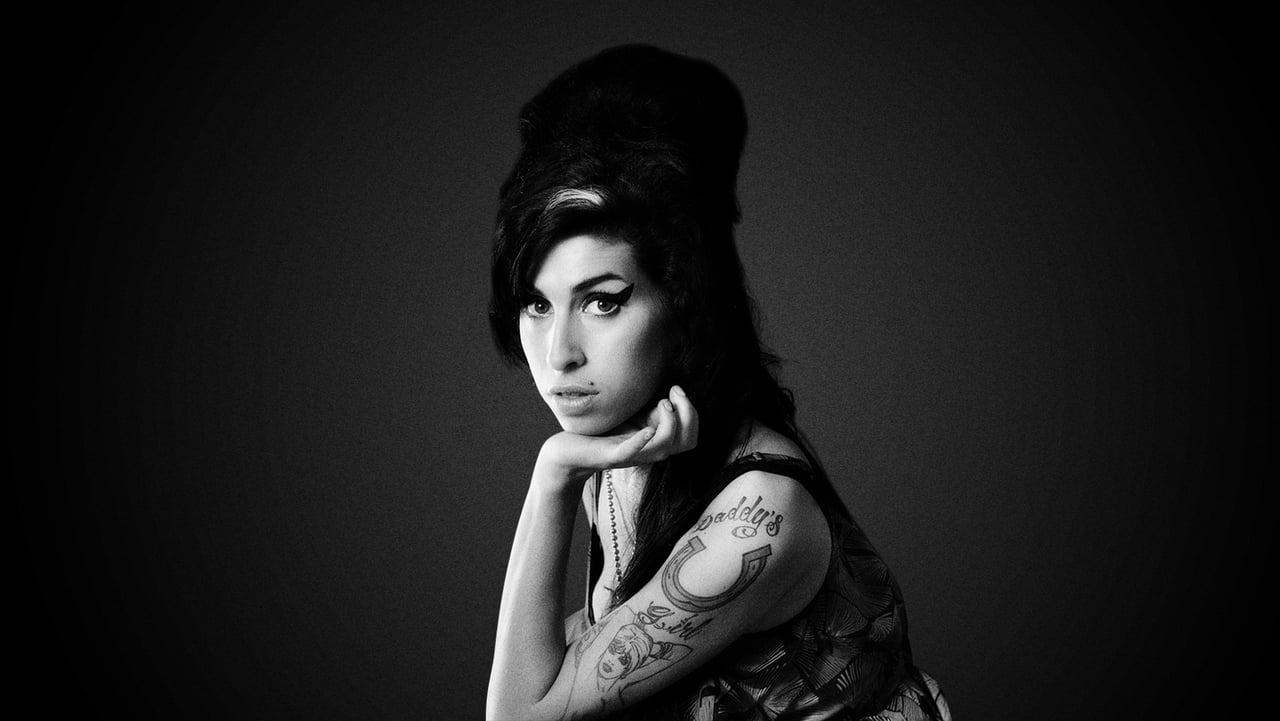
Amy (2015)
Release Amy Blu-ray (Lionsgate Home Entertainment, 2015)
Asif Kapadia, James Gay-Rees, and Chris King explain how they assembled Amy from archival images and recorded interviews. They discuss gaining contributors' trust, conducting more than 100 audio interviews, finding footage late, and matching material from different formats through sound and image adjustments. They also explain their use of lyrics, reverse shots, research into the final concert, and revisions to the death sequence.
- Duration
- 2h 1m
- Talk coverage
- 95%
- Words
- 22,927
- Speakers
- 3
Guided collection
Creating a documentary style
The Amy team describes assembling archival images and recorded interviews into a documentary. The Marcel the Shell with Shoes On team explains using improvised audio, live action, and stop-motion animation to imitate documentary observation. Compare their choices about image quality, performance, and editing.
Part 1 of 2
- 01 Amy Now reading
- 02 Marcel the Shell with Shoes On 2021
Commentary density
Highlights
Topics
People mentioned
The film
- Director
- Asif Kapadia
- Cinematographer
- Jake Clennell , Ernesto Herrmann
- Writer
- Asif Kapadia
- Editor
- Chris King
- Runtime
- 128 min
- Also on
- OneSheet ↗
- External
- IMDb ↗ TMDB ↗ Find on Amazon ↗
Transcript
22,927 words · 15 flagged as film dialogue
Hi, this is Asif Kapadia. I'm the director of Amy. I'm here with two others. I'm James Gay-Rees, the producer of this film. And I'm Chris King, the editor of the film. And we're going to talk our way through the film, give you a bit of a commentary of how the movie was put together and hopefully give you a bit of background. Yeah. Although this is the very beginning of the film, this material was some of the latest that we ever received, wasn't it? And that was mostly down to the efforts that it took you to get in contact with Lauren and Juliette. Yeah, this scene really sets up the relationship between Amy, Juliette and Lauren, who's just pointed the camera at herself. They're her two old friends who she grew up with. What's interesting, I think, about this scene is that it wasn't originally the opening. I think it took quite a while to figure out what it would be, and I think you felt quite strongly this would be a good way to set her character up. Yeah, I mean, it's just when that voice comes through at the end. Like that.
I mean, it really works with audiences as well around the world. People really love the fact that you just get from this small moment Amy and how she's just different to her friends and everyone and how she knows her references, she's just older beyond her years. Yeah, and I like the fact that it's just so... It's kids messing about. It's a really commonplace thing that you'd find on a million camcorders around the world and yet suddenly in the middle of that, that voice emerges. So, yeah, it was a very good place to start. Although... How many were there? I mean, there were probably 20 different beginnings over the time. I think that's what's interesting. The beginning is always the most difficult thing, I think, to lock down on these films. Same with our previous film, Senna. I think on Amy, the opening changed again and again and again. But I'm glad we found this one, really. Yeah, we had a different piece of music as well, didn't we? We had Moon River. No, this is Moon River. We had... Night and Day. Night and Day was the other version, I think, that she sang with the youth orchestra. If you want to say anything about how the film came together, James...
Yeah, I was contacted by David Joseph, who runs Universal Music here in London, probably three, three and a half years ago. And he was a big fan of Senna. And he just texted me out of the blue, just saying, you know, would you guys ever consider making a film about Amy Winehouse in the vein of Senna, really? And I think I had a very strong, immediate reaction. I just thought, God, we'd love to have a look at that. You know, there's clearly something very interesting about her story. And my next call was to Asif, who felt the same way. And then I spoke to Chris, and we got the ball rolling. But it didn't take long to kind of, you know, say yes to that. I mean, this scene, just going back to the film for a second, it kind of sets up our couple of key characters. Tyler, who's an old friend of Amy's, who connected her with Nick Shymansky, who's holding the camera, and who became really the first person who opened the door to kind of...
making it possible for this film to happen. He was the first one to trust us. He shot all of this material, as you can see. He really, he was key. I think without him, I was really nervous whether we had a film at all to go with. And so he became a massive part of the process of making a film. He also introduced me to Juliette and Lauren, her two friends. Yeah, and I certainly remember in the early stages when I first came in, you guys had already been working for a while, getting the research done and getting a lot of this material in. that this scene and so many other of Nick's tapes were absolutely alive and were the funniest and most brilliant thing. I think we really knew quite soon that this was going to be sort of the first biggest, at least act one, if not more of the film, because it was an Amy that I don't think anybody knew in the public, in the wider public.
And it's what you just, you know, the humour and the intelligence and the sharpness of her, which I hadn't seen before. And also kind of this kind of ordinariness, kind of issues of, you know, worrying about how you look and spots and kind of ordinary things that people have, bringing her kind of back off the pedestal of being famous to being someone that we could relate to. But always the voice. I mean, I suppose one of the other big things that I found when the film's been screened around the world, is just this knowledge she had of jazz and of old music and how she knew the history of music, which she then put into her own writing and her own songs. Funnily enough, we were talking earlier about beginnings of films. This was the beginning of the film for quite a few months, wasn't it, actually? I loved this footage. Her just talking directly to camera. Yeah, it was always lovely.
a floating head you know there's something about having amy looking straight at you straight talking to herself here but talking to her friends talking to nick talking to her boyfriend later this kind of visual motif continues all the way through the film and she's so happy and content and at peace here and you know it gets darker and darker i suppose as it goes along but it just felt like something i hadn't seen i think that's also what makes it different to What people think this footage is mobile phone footage, but it's not. It's actually all been shot on mini DV cameras. And I think it gives it a different quality. You have to hold the camera up to your eye because there isn't a screen. You've got to look for the eyepiece. This is one of the songs we found during the reset process. She did lots of demos with lots of different producers. And we think we found maybe 10 or 20 in the end. But this was a really good early tune we found, which we thought definitely deserved a place in the movie. Do you remember who produced that?
Was that Fink? Fink, I think, yeah. No, I don't think it was. I think it turned out that it wasn't Fink, wasn't it? Oh, I don't know. There were so many of them. I mean, Nick said that she travelled round kind of bedrooms for people in Greenford with a couple of brothers who run a kebab shop and all sorts of mini home studios recording things. But that was definitely the funkiest and... hookiest tune. It's also one of the people she worked with at one point was Massive Attack. Everywhere we heard about these people, everyone was blown away by her talent. Yeah. See the DVD extras for additional bits and pieces of Amy's early flirtations with the music industry. But yeah, funnily, picking up on what you said about her looking into the camera in those early
scenes that really did i mean you know a lot of what we do is sort of opportunistic stylistically isn't it that you kind of you see something that works and then if you see any other examples of it then you you work with that as well and definitely her looking directly into the camera and being very comfortable early on and then looking increasingly uncomfortable as her fame grew was something that started with that very piece of footage that we looked at the epic landscape of east finchley yeah not been put on big screen before may never be again but that's where she's tied I mean that's what's interesting yeah exactly always made me laugh I lived briefly in East Finchley so I always loved that intro I think this sequence just goes into obviously some of the technique of the film we've got lots of stills we've got archive footage you know we've got material that we found all over the world but essentially it's all found footage apart from those aerial shots apart from that footage some of it shot from a helicopter
we both knew that we wanted to move out
But we're able to go into Amy's apartment with Juliette. The whole feeling of the film becomes quite intimate because you get into places that normally you would never go. So in the next scene, you know, you're in a party, you're in a house party with the friends, hanging out with them. You get to hang out with Amy, essentially. But it's just very normal, isn't it? It's just a girl living in the suburbs, having a very normal sort of early 20-something life. Yeah. I think therefore, you know, the audience can relate to her in a way that we all live that life. We grow up, that's what I found interesting, is that it wasn't like someone from another planet, like Senna almost felt like this superhuman guy. Amy was very down-to-earth and ordinary and normal and brilliant for it.
Where are we, Amy? We're in Brighton.
Yeah, but what are we in now? And this piece of footage, and that was another latecomer, wasn't it, really? Right at the end of the edit. Because Nick... When Nick Shymansky originally gave us his footage, this wasn't included in it. This was at the tail end of one tape that he'd forgotten about. And so when we went back to actually get it to high res to include it in the film, this emerged, and she was so delicious flirting with him. Flirting with us. Flirting with us as well. Yeah, it was irresistible. And then all of a sudden... I suppose the obvious technique is, you know, we've got this archive footage that you see visually, but the voices were all recorded... You know, we recorded those interviews. We did over 100 during the process of making the film. And actually, the studio where we are now doing this DVD extra of doing the commentary was in the very studio we interviewed Nick and pretty much everyone in the film. So it feels like we've come full circle ourselves now. I love that film. So here's a very brave first boyfriend who...
from what we understood they had a very close lovely relationship but he never went near the papers or never wanted to tell anybody about his relationship it was a very personal private thing she was always very fond of him from what we understood and when we found this footage which I can't remember did we find this on her computer did it come on her computer no it came via a friend right well Yeah, we kind of convinced ourselves that there'd be no way that he would allow us to use it, really, because she once wanted to write this fairly disparaging song about their relationship. But he very kindly assented. We showed him the clip. I mean, that was the thing. I met with Chris and spoke to him, and, you know, it was really a big part of the process of earning the trust of all the contributors, and I ended up showing him the sequence. And he's older, he's moved on a bit in his life, I guess, and he felt...
Actually, you know, that was a key part of his life, and he didn't have a problem with talking about the fact that he had this relationship and friendship with Amy and gave us permission to use the footage. And most of the songs, well, two-thirds of the songs on her first album were about that relationship, really, so it was a sort of... I mean, it was the beginning of this idea of Amy writing personal songs, writing songs about her own life, about relationships, about good things, her feelings, and putting them onto record to help deal with her issues, deal with her problems. In the background there is Ian Barter, who was Amy's first MD, who helped her learn to play the guitar and play instruments, or worked with her on her first album particularly.
He's done quite a lot of this early material. When I was growing up, the music that was in the pop charts or the music that was... The interesting thing about making this film is that now that it's been shown, I've travelled around the world screening the film and then I, for example, met the person who did this interview at a screening and you start meeting the people who actually shot the footage and who are surprised when they see it in the film or they see it in the trailer and they kind of remember that's the Amy that I knew when they see the whole film because the person she became... in the press and in the latter part of her life, wasn't someone they recognised. I had friends who were actually at this show. They saw her perform before she was famous and were just blown away by her voice. And they've always remembered how amazing this girl was, who then became famous. And which gig was this? Oh, gosh. Was it Latitude? No, it wasn't Latitude. It was another festival. It'll come to me later.
I remember thinking when she walked in, she was this complete force of nature.
The other thing, I suppose, that we managed to do with the film is that we just spoke to everybody that was connected to Amy. So we've got people right away from Lucian Grainge, who's the CEO of Universal, to... Guy Moot, who's the head of publishing at Sony/ATV, and right the way down to her friends. And that became quite a tough process of getting people to talk. But in the end, everyone did want to speak about their relationship with Amy. And I think that kind of idea of getting everyone in the business, but also the friends, the management, family, everyone, to be a part of the film was a key part of trying to make it as authentic as we possibly could. So...
Let's talk about these lyrics, because this is now the third time that they've come up. And this was, I remember, one of your very first sort of thoughts about it, having picked up on what was in her diary, in her lyrics, that they were very much like a diary. You felt like you wanted to include them somewhere. It's amazing, isn't it? We all know the songs, we've heard them hundreds of times, but you can't help but get carried away by the music. And unless you read it, you don't take in what she's saying. And I just kept thinking it was a bit like old vinyl records I used to love, where if I loved a track, I would read about where it was recorded, who performed on it, but also read the lyrics. And I'd read the lyrics while I'm listening and I'd have a deeper understanding. That became, particularly with Amy's lyrics, they're so amazing and intelligent and deep and layered. It felt like we had to put them up on screen. And we found that there were a few different ways we could do that. In the early, from the first album, I guess, these early sequences...
They're pretty much unordained. It was just the lyrics and the performance. It becomes a bit more complicated as we go through and things start to sort of blend and merge with one another more. But, yeah, there was a kind of catharsis to it, wasn't there, in some things. Sometimes we just want to have people look at it and say, wow, isn't that hilarious and brilliant that she managed to, she turned that experience into that. Such sweet footage, it's so intimate, that's the thing, you know, you're in the car with her, she's having a nap. The other thing is, you know, it's just a journey of an artist, you know, this idea of you're struggling at the beginning, you're travelling, you're sleeping in the car, you're driving yourself around, there's no bus, get changed in the toilets, and then suddenly you follow her as she gets bigger and bigger and more and more famous.
That's always been the thing I think strikes me about the footage is because we all know the story so well. When you see this footage of her as a young, innocent girl just trying to find her way in the music business, when you know where it goes, it's quite remarkable. You sort of can't disassociate the two. Yeah, it's lovely to see her in service stations and student union bars. People are finger. With... 10 or 11 people, sort of mildly curious. I always like this one because when it pans round... Is this Manchester? That's Manchester, I think. Manchester student. I mean, like, under 20 people. Cafeteria. But happy, enjoying it, just playing music, going around and enjoying the whole thing. No pressure. And their relationship was always so funny and full of gags and silly, but overall you just got... You sensed the enormous affection they had for one another.
I mean, one of the things that we just heard just now was an interview that Amy gave to Gary Mulholland for the Observer. And another part of the process is we have a brilliant archive team headed by Paul Bell, who finds archived material, all old interviews, and we use those interviews in the film so you hear Amy's voice as much as possible. So we've got this footage, but then also she talks. and tells you what she's feeling and talks about fame and talks about whether she's going to be successful. So you really feel you're hearing what Amy thinks, what she wanted or didn't want. Yeah, it was revelatory listening to those because without a camera there, in a way, I mean, it kind of echoes what we're doing in here and what you did in this recording suite because when she was with a journalist and they just stuck a dictaphone on the table, she was very open and conversational and spoke at length. I mean, some of those interviews were hours long, weren't they?
We tried them in and the sound quality was quite scratchy but again there was such an authenticity and she was so open and candid and charming even just in her voice that we felt like we had to include her. I think that's one of the things I find really interesting about doing these documentaries using this archive material is that It's not about perfection. It's about feeling that moment and feeling like you're in there with someone and real. It doesn't matter technically if the stuff's not perfect. It's just there was only one moment when someone captured it and that's what makes it special. Whereas with fiction, often people get obsessed with everything looking and sounding perfect. But it doesn't emotionally engage in a certain way. I love this performance, but I know when we were grading it, the grader, Paul Lensby, wasn't happy with the colour because it was just crazy. The original footage looked a crazy colour, but I love the performance.
Yeah, there's a moment where she just goes into the music. You know, simple things. At the time, I didn't really know she played a guitar. And then you see all this early footage where Amy's just on stage, a cappella or with her guitar, and you think, wow, she's amazing. She is such an amazing artist. And most people, particularly when I go to the US or go places like that, no-one's ever seen this, Amy. This was another random one that came in, wasn't it, this radio interview? Well, I suppose when the film gets screened, it's like the first big gag that comes along and you just realise how she just said what she wanted to say, what she felt. She didn't play the PR game and that's why people love her.
I wouldn't have any fake horns on my record. I think they put fake strings on Take the Box,
but I wasn't... I think this wasn't the only interview where she went off and had a go at the label or had a go at the production and people like that. She just did it time and time again. She just said what she thought. She was a very strong personality, a strong character. No-one could really control her. Yeah, but the comic timing in this was just irreplaceable, wasn't it? His voice, as he realises he's got something going on there that he can't control, is priceless. Obsessed? Yeah. I hate that guy who did that. Oh, OK. So I was in Cannes, the film had its world premiere in Cannes, and one of the people that interviewed me after the screening said that his boss was the woman who did this interview with Amy. And she came back from the interview in such a foul mood because she thought it was the worst interview she's ever done. So she took the tape, took it out of the camera and chucked it straight in the bin.
So the guy that was interviewing me said, well, I'm the guy that took the tape out of the bin and put it on the shelf because I thought, you never know, there might be something useful on here. And he had no idea how it ended up in our film. And I have no idea how we got it, but we did, and I'm so glad we did. It's one of the biggest laughs in a film, and it's because Amy doesn't even have to say a word.
Amazing eyes. I think that's one of the things that you really found when we look at this footage, that she had this amazing, beautiful, bright eye. And didn't Salaam Remi say that he could always tell the state of her health by the colour of her eyes, because they're naturally very green, and they were dim when she was ill or suffering from addictions. But otherwise, yeah. Have they tried to mould you in any way, though, if people ask you to do things to change the way you look or speak or behave? Yeah,
one of them tried to mould me into a big triangle shape,
and I went, ''No!''
No, you know, I've got my own style.
I've got my own style and I've got my own style. Don't the conspiracists think there's some kind of weird sign language going on? The triangle reference, a reference to kind of like the Star Trek. Illuminati. It's the Illuminati. Illuminati, that's right. I think there's a sequence that she's talking about in some of our footage, wasn't she? She was reading a book about it with Ian Barter talking about that. There was a whole thing about triangles. Right. Yeah, they're all in it. They're all lizards. Shh.
They didn't stick? Off my back, yeah.
Was this home movies? Did we get this from the family? Yeah. This came from Janis. This came from Janis. Yeah, I love her. Gave her footage. I realised early on when Amy made her mind up, she made her mind up.
And I found it difficult to stand up to her.
I mean, it's quite a challenging film to make this because, you know, we're talking to... her family and to people who obviously, the whole process became quite difficult but also in the end quite therapeutic I think to pretty much everyone I'd spoken to because it was the first time they'd spoken about Amy and about their feelings and about everything that had happened to an outsider. When I met with a lot of the people that I interviewed, they all, they looked to me like they were quite troubled, like they had been quite shocked by and traumatised by the whole experience of seeing what had happened to Amy And the fact that nobody had kind of gone into it and tried to figure out what happened or why it happened. And I think that after the interviews, pretty much everyone did come back and say, you know, they felt a little bit better because someone had listened to them. It was a challenging film to put together. I met another woman when Amy was about 18. I always thought Janis was an astonishingly honest and refreshing interviewee as well. She was very candid about everything.
I was a coward. but I felt that Amy was over it pretty quick.
This footage, I think, came from Lauren. Lauren's family filmed quite a lot of birthday parties and footage like that, so there's a lot of stuff that's mixed between. So each time you see a different shot, it's almost come from a different source. Some of it's from Janis, some of it's from Lauren, some of it's from Juliette. part of the kind of genius of what Chris does really is to take all this material and to join it all together and then using the sound and using the grade to make it all feel like it's the same film. You know, it's this giant mosaic that we're putting together with bits and pieces. Yeah, with a lot of, quite a lot of effects in there that, playing with the speed of shots as well. Not just because we didn't have enough footage, but to spend the moment quite often and just let you be there and look at her and be in that world while she's
her voice is talking about the events of those times. And I think this was a kind of a very revelatory thing that she was talking about. Again, this came from one of those kind of personal conversations she had with a journalist, where she was incredibly candid and just, she had no guile. She didn't hold anything back. She was quite obviously very self-aware, even at the age of 20 when she recorded the interview. I mean, also Nick and people like that, friends of hers had said they had no idea she suffered from depression. That's the first they'd heard of it when they saw the film. Yeah, or that she'd been on prescription antidepressants. Love this song. I mean, I don't know if you want to say something, Chris, about how this sequence was put together. The first thing was the performance. When we... We knew we were going to have to explain or go into the background because this song was such a powerful song and it's very autobiographical. It's about her childhood and about her parents and so hence the previous sequence which filled you in on the kind of what she felt, the trauma that she felt from her upbringing and the various separations and the way she grew up.
We had one version of this which was shot from one camera at the front, which was a front shot, which we go to every now and then. But we then found a Dutch cameraman who had gone there and filmed some of this performance and then some of other songs as well. And so I stitched this sequence together using the front shot, some shots of Sam Best, a keyboardist, and the others in the Bradley Webb trio playing, but they're not always playing from the same performance. uh there are probably parts of three different songs here over shoulder shots but this i think is the only shot that's truly in sync it's a good kind of microcosm of what you've had to do in a lot of sequences in a film where the actual footage doesn't exist in this form you have to find it and piece it together in bits from all over the world but this was a key thing because
It was such a lovely, dark, smoky, kind of proper jazz thing. And I think originally we just laid that song over footage from another performance just because we liked the feel of it. And then eventually we realised there was no footage, we only got that one... You're always hoping you're going to find it. You keep searching and searching. You're editing away and hoping that original material will turn up and then we realised it just didn't exist. They were not shooting that performance. But, yeah, this I always loved. I thought it was the kind of... pinnacle of that first album and the songwriting on that, even though she won the Ivor Novello for Stronger Than Me, that performance of... I think this is one of the things I find myself interesting when I watch the film. You know, Bobby Womack died while we were making the film and the film's got this kind of interesting kind of cultural reference thing going on.
Wherever we are, there are moments where you think, oh, my God, that's when she met Bobby Womack, and that's when, you know, she's working with Salaam Remi, or that's when she's on Letterman or Leno, both of whom have now retired. And all the way through, she's just crossing paths with these other musicians and artists and people, and somehow it's interesting. It's just like a moment of history, I suppose. Amy seemed to touch so many people around the world somehow. What I allowed her to do was to really just... Do you want to say something about Salaam and how long it took to get Salaam on board? Yeah, Salaam was, you know, naturally very cautious, as a lot of people were about getting involved with the project, because he was very close to her, he felt very protective of her legacy, and, you know, he had cared a lot about her. And, you know, he didn't know who we were, really hadn't seen Senna, I don't think, in the beginning. And he needed a lot of convincing that we were going to make the right movie. And it took a long time, didn't it, to convince him? It felt like a year, year and a half. Yeah, at least, yeah.
But he was right, you know, because at the end of the day, you know, he did have a real insight into her, and, you know, he was right to, you know, make... You know, we had to earn the right to get that insight. Who knew that Amy was good friends with Yasiin Bey, a. k. a. Mos Def? But a really amazing guy. I had the pleasure of meeting and interviewing him, and he spoke so eloquently about Amy. Like the coolest guy you've ever met. He really is, yeah, super cool. Yeah, and both funny and poetic. Also, you know, it's just really interesting. You said earlier, Asif, you know, a lot of...
very serious musicians they saw something in her that they knew was totally unique and it doesn't come around very often and they wanted to be close to that and just kind of work with her and just you know they really sort of saw something in her i think that maybe a lot of us didn't necessarily see the beginning and she's you know she has got this incredible network of um of musical relationships she was real and a word that comes up a lot when when people see the film is she was raw you know there's something about she wasn't manufactured she wasn't put together she wasn't pr'd and In a way, the film, I hope, kind of captures that kind of rawness, that texture of her. In the background, there's Dale Davis, her new musical director, who obviously was also a very big contributor to the film. Supplied us with a lot of the early mixes of various tunes. It became quite one of those scenes where you see this and at the time you're just looking at it and she doesn't really know what Tim Kash is talking about when he says you might get handed by the press.
She's quite shocked by it. She just wants to make her music. I think lots of people say that at that stage in their career, but you can tell she really meant it. She really hadn't really legislated for mass market appeal at this point in time. The gig we've just seen was probably the biggest thing that she'd done by that stage, and that was a couple of thousand, a few thousand people. Even that would have been a stretch, even though she enjoyed herself. I mean, let's say she's still, she's a jazz singer, isn't she? She's a jazz musician. She's not a pop star. Yeah, and that was the thing that we found, isn't it? There was Salaam Remi. She worked with another guy called Commissioner Gordon, both of whom had worked with the Fugees and Lauryn Hill, both her and Salaam, on Miseducation and the Fugees album. And everybody that she came across, particularly people who worked in soul and hip-hop and jazz, were absolutely stunned by not just her raw talent, but her knowledge of that
music as well i mean what was her sort of she would describe it sort of fusion of jazz and hip-hop wouldn't she yeah but they somehow she fitted in with that that world immediately there was no questions about whether she was authentic whether she was a white girl trying to do black music or anything like that they just knew i mean i think commissioner gordon even had a very funny story where i mean some of the dvd extras but i'll tell it anyway where he um he overheard her singing and thought on the first day in the studio And he thought that he'd left a CD of Dinah Washington playing or something like that before he realised it was just her sitting in, humming to herself in the booth. I spent some time in that restaurant, Jamón Jamón, with Juliette and Lauren, reassuring them that everything was going to be fine and that they should participate in the movie. Bizarrely. This is where the film sort of changes style, doesn't it? It's quite shocking when this music comes in because we haven't heard anything like it.
Yeah, and it was definitely scene setting what was going on in Camden at the time. It was time to sort of jump out to a more, a slightly wider cultural perspective on what was going on in the world she was living in via Spiky Phil. He ended up being very helpful to us. He supplied us with quite a lot of footage and material and, you know, was a friend of Blake's and helped, was very helpful in the process of getting the film made. And I think he was right as well because he was his main motivation or one of his motivations was for us to you know, try and give a bit more depth to Blake's character and, you know, create a bit more understanding around their relationship because he was very keen for the audience to, you know, understand that it was a very sincere relationship and that, you know, it wasn't just a couple of people taking too many drugs. They actually were very in love with each other. Yeah, I mean, he was utterly demonised by the press, but in a cartoonish way, and I think by meeting him as a kind of...
man about town, a young blade, was definitely the right way to go to introduce him. You also understand Amy a bit more. I think that was the thing, is that you understand why she made choices that she made. Yeah, he was a cool guy, connected to the most happening kind of indie crossover club. And just part of the scene, part of this particular scene that was going on, there's something about Camden, that moment in time, that film, he's... kind of dipping into, you know. It would have been Carnaby Street in the 60s or Notting Hill at another point. At that point, there was something going on in Camden that wasn't happening everywhere else. Yeah, I mean, Doherty and the Libertines had a squat there and there were parties there all the time with these kind of, that wider circle. Yeah, and there was the darker side of it as well because the drugs of choice were not the happy ones that you wake up from the next morning and go on with your life with.
For me, this is a footage where you just see a slight change in Amy. She looks to me slightly different now. Something else is going on. Her face has changed, her hair has changed, her eyes are different. And the way she talks, there's something else going on. Nick Shymansky has spoken to me quite a few times where he just felt that there was a real sudden change in Amy around that time. It was almost overnight for him. He just heard her talking on the phone and just thought, she's not the same, something's going on. And she... I was looking away, she's much more guarded with the interviewer compared to the early interviews where she's absolutely engaged. She's glancing away, she's nervous. Do you want to talk about Lucian again? Yeah, Lucian is the, you know, he's fundamentally the head of the Universal Music Group worldwide. And he's ultimately, you know, was the kind of, you know, one of the people behind the movie. And, you know, he was very fond of her. They were going to forget you.
She didn't like it.
I think he, you know, he felt very protective of her and they had a very tight relationship. And, you know, he massively appreciated her talent. I mean, he was at real pains when we interviewed him in Los Angeles to kind of stress that it's a bit further down the line in the movie. She won five Grammys that year, in the year coming up. Not many English artists do that, and he really wanted it to be known that that was a real achievement in the history of this business. And so I think he was slightly baffled by her at the same time. He didn't really know how to manage her, but he knew she was an absolutely unique, once-in-a-generational talent. He's well known for being brusque and for having a kind of... sort of business-like manner. And I think that she quite liked that, really. He laid down the law with her. He told her what to do. He said, stop doing this, change, do that. And she seemed to respond to that. Not always, because she was her own person, but I think she appreciated having a kind of slightly...
strong older figure in her life. One thing maybe technically worth mentioning is that there are in this sequence and earlier on a few aerial shots and those are the only elements which we did shoot. There's some footage shot from a helicopter which actually was I shot for another movie entirely about London Olympics and so we're mixing these photographs which are taken at the time with interviews taken in the present day with footage some of which was shot recently. And Antonio Pinto's score, which was absolutely crucial to the scene as well, as were all his cues throughout the film. Amy's writing comes in here as well, her notebooks, her diaries, which I think are really amazing. I find it so powerful just looking at her handwriting and seeing how she came up with the process of creating these songs and crossing out things. And also when she sings it, she sings it differently. It's an ongoing process of the songs developing.
This particular track is one of my favourites. This isn't the version on the record. I suppose that's another thing worth mentioning. Most of the versions of the songs we feature in the film are not the version that you would have heard on the records. Yeah, I always loved the love hearts and the little scribbles. It felt like you were going into her mind when you saw these doodles and these scratchings. But doesn't Salaam say that he thinks this is one of the best recordings he's ever worked on, this particular version of the song? Yeah, and I think she felt it was too dark. She found it too heavy. too emotional, this version of the song, so the actual version on the record is much lighter. Yeah, because this was recorded in 2005, wasn't it? It's one of the first songs that was recorded for Back to Black. And at the time, you know, I guess it was the Iraq war that was going on, so she's also playing on what's going on in the news right now, this whole idea of holy wars. Clever girl. I guess this sequence also is a bit of a crossover because
you kind of step back and think, well, who took these pictures? Because at that point, she isn't massively famous yet. At that point, Primrose Hill was... Everyone was hanging out on Primrose Hill. So you'd have Oasis there and you'd have other kind of models and pop stars and people hanging around. So perhaps photographers would be on Primrose Hill photographing everyone and everyone because there'd be something in it. And at some point, they must have thought, OK, who's that girl? That's that singer. Yeah, and she'd been nominated for a couple of... Brits I think in 2004 even though she hadn't won so her face had been out there and she'd been mouthy enough in the press to kind of make a few enemies and to kind of attract a bit of attention to herself so yeah she was just snapped but they didn't know anything about Blake or what was going on but I always thought that was a very nice sequence to understand the depth of their relationship that they had a genuine bond and it was a bond based on a sort of mutual sense of loss and damage but it was a real one anyway and it wasn't
You know, there was a love there, I think. One of our favourite scenes. This is the footage that when Lauren brought us in, her friend Lauren, you know, at the beginning it was a bit of a challenge to figure out where do we put it? But it's so brilliant. It's the biggest laugh, really. Amy could have been anything. She could have been a comedian, an actress, she could have been any kind of performer she wanted to be. It's so genuine, this footage, isn't it? It's her completely at ease with one of her best friends just mucking about on holiday. And that's why I think... You know, it's the counterposition of this versus her public profile, which is so interesting. Yeah. I've now spoken to a few people who've... Even when she says, you know, the name of the cat is Cecil, there's a few quite high-powered people who are in the film whose middle name is Cecil. Even that, Amy's kind of making a little in-joke there, those that know. Cue Google search.
I think all of this just adds to, you know, that friendship with Lauren. They were like sisters. Lauren was probably, you know, like Amy's little sister that she didn't have, which makes it all the more kind of emotional later on in the story when things kind of sadly turn for the darker side. But she's still looking down the lens at this point. She's still engaging with you, the viewer, you know. She's still very intimate in this moment in time. Things are going to change, but right now she's still there. So I remember, that's what I kind of like as well, is in this footage, music's playing in the background, which we then, our people, had to clear. But those songs, I can remember when those songs came out, and you remember where you were at that moment in time. It's kind of in the past, but not that far away. I think this goes back to the kind of intimacy of just hanging out with Amy.
Lauren, listen to this message. This is a message from Blake.
I just said to her that I didn't want to leave my girlfriend. That's just an interesting example of footage that Lauren shot at the time with two interviews with Lauren and with Blake that we did. for the film, which you then get characters talking to one another, which I think is when the film starts to work, you know, she receives a message from Blake and then you actually hear Blake telling you about that message. Yeah, and then Nick comes in and picks up the story, but then mostly Amy comes in and picks up the story and that was always the crucial thing. That was whenever possible. And we would find things that were coming quite late, we would receive an interview, a radio performance that she'd done where she talks about these things. During Back to Black, the release of Back to Black, she looked back at these events and she was quite candid about it. This was one of them. I think she did this interview with a Swiss radio station. But married with the contemporaneous photographs and little bits of footage, you get an idea about how powerful the split was for her.
Just see her face changing, her body's changing constantly. I think that was one of the things about not having talking heads in this particular film is just that I just want to look at Amy. You can tell the story from looking at her and seeing what's going on because her face is so expressive when she's happy and when she's not happy. It's interesting, I read something recently where they were saying this footage was, you know, shot actually in her house. Just to kind of clarify, this is actually from the dailies or the rushes of a music video for, I think it's You Know I'm No Good. And this is something that wasn't used in the film, but it's, again, the video is also referred at times to what was going on in Amy's life. So this footage came from actually the music video. I don't think we do that anywhere else. No, it was the only time.
But would this video have been made at this point in time in her timeline? No, this would have been made later on when Back to Black came out. Right. But it's referring back to that moment when she is lying on the kitchen floor listening to, you know, girl groups and going through her kind of down depression, I guess. She hits rock bottom from the breakup. Which is, again, it's kind of completely in character with her, her writing about her personal experiences. Yeah, I think she was quite strongly involved in the image in the videos as well and what they were going to say. Now, I remember this story being absolutely gobsmacking when we first heard it, when Nick first laid it out, and you realised that rehab was an actual event, and it dawned on us as he was recounting these events just how accurate it was, but also much more profound and serious and heartbreaking than you ever thought.
I think it was this point we thought, wow, we're never going to listen to rehab in the same way again, once we knew what actually had happened and how close she came to perhaps a recovery. Really, that was a key moment where Nick's talking and you go, hold on, I might get mixed up. You're the guy yourself. And there was another, Nick was part of the team called Nick Godwin, who took Amy to see the guy, the rehab guy. And it was literally Amy... wrote the events as they happened down and turned it into a song, and it became her biggest hit. But it was all based on truth and fact, and it's almost reportage. She turned into a seven-year-old child,
sat on her father's lap and put her arm round him.
Yeah, I mean, I felt like there was only so much time that we could spend on this first incident, but we had to make it clear that it wasn't just a bit of drinking. It was... quite serious and she really did push things really quite far and suffer a lot of kind of personal self-degradation in a way you know when Lauren was saying that she went around to the house and it looked like someone had squatted in it That went on for months. That was the key thing to remember. It feels quite fast in the film, I always think, as it goes through. But, you know, I think they split up at the end of the summer and this went on for three or four months of that level of drinking. So, you know, definitely an intervention was needed. This is an interesting thing that we've got in the film. We've got a few moments which, again, really are quite powerful and haunting when you hear phone calls and phone messages. And a few people have asked me, you know, why are people keeping phone messages? Why are they recording them? And I've spoken to Nick and Salama, I suppose, is the other audio that you hear from an answer message.
What they've said to me is that Nick kind of records everything. His family always recorded everything. He has a camera. He goes away. Everywhere he goes, he takes a camera. But also, they work in the music business. They work in the business of recording. So they're just used to keeping things. They keep everything. That's audio, which kind of makes sense. And he said there are loads of other messages. Amy was famous for leaving really funny messages. And they all would. They'd do this to one another. And so many of them he didn't keep or he lost, but that was one particular one that he did still have. And obviously when you realise what happened to their friendship and their relationship, it became more and more powerful for him to have this memento of Amy. It took a lot for both him and Salaam to share that with us, I think. Salaam has never shown his pictures to anyone. He took a long time to get him on board. I flew out to meet him in his house in Miami, met him in that very room where Amy recorded these songs. Unbelievable.
It was pretty powerful to be there, actually. Never really thought about it, but I was in the space where she actually was hanging out with him to get away from London, to get away from the pressure, to have, you know, Salaam doesn't drink, doesn't smoke, doesn't do any drugs, none of his team do, so it was always an escape for Amy to be able to go there and clean up in a way and not have to feel like she has to join in because everyone else is. And that's where she really started to create Back to Black. You're very fond of this demo, aren't you, here, this recording? I love this. This is like my favourite piece of music almost, is her just working out a track and she's chatting away and saying, can I take off the reverb? It's about 20 minutes long. It's amazing. Her voice goes to places in that demo which you can't believe. I find myself just playing that sometimes when I'm working at home and just listening to her working out a track. Yeah, trying to find...
The words, which is always so charming about it. She sort of sings the same line and then, nah, try those words in a different form. Chris, why don't you explain how many different versions of the record we use here? Right, well, we've got... Obviously, on screen, we've got several very old, very initial versions of the lyrics. And then we started with the original demo version, which was just her voice and a bass guitar, which Salaam played. We then added... stems from the original recording which has got some of the other instrumentation in it and then eventually we go through to the full mix but by that stage we remixed the song really and spread it so that it was in 5-1 so particularly when you're in the cinemas you're absolutely surrounded by this music it was quite a complicated mix I think it's one of the real powers of when
people have seen a film at the cinema is you're hearing... It's almost like being at a concert with Amy. You're hearing it live, her song's bigger and around you. One of the things that people don't know is that track changed, didn't it? Because it started off in one particular style and then when Amy worked with Ronson, the kind of feel of the album changed. And then Salaam went back and changed it and he used the music from Ashford and Simpson. He got Mountain High enough for the background of it. Loved his photos. Loved his photos, wasn't he? And again, look, she's back at looking straight at you, happy, comfortable, healthy again. Although slightly haunted, I think. These shots are all over Amy's flats and houses in Camden. Shot by drones. Yeah, if I could lean in and point a word. Yeah, just up there to the left. Lots of stills in this film.
I felt like there was a lot of questions arise about why we use this footage but they for me show Amy at a very particular moment in time and without them you lose track of her and you can see even though she can be really she looks great in the studio this is not long after once she's back in Camden out drinking again this is really what she looks like and so we made a conscious decision that we would use footage shot by photographers and paparazzi because it felt like the most honest way to tell the story to show what was really going on and I feel like as a director, my job is to use all of the tools that are at hand to tell the bigger picture, the bigger story. And they began to own the narrative to some extent. It was basically being taken away from her.
and she was becoming kind of, you know, a big cog in their machine. So I think it's accurate in a way to utilise their perspective. Absolutely everything in the film was shot for a different purpose in the first place, from Lauren and Juliette mucking about with their camera at a birthday party to her appearing on Jonathan Ross late night. They're all ephemeral moments that were captured for completely other reasons, and I think we were quite confident that once we took them out of their original context and put them in our new context, that we controlled the meaning of them, and we were very scrupulous about what that meaning was. This footage is Milan, isn't it? Yeah. From 2004, when she went on a little promo for Frank. They're kids. That's the thing, you look at them, you go, oh, my God, they're so young. He's not able to kind of manage what's going on at that particular moment in time. As he said, he met when he was 19 and she was only 16. But happy again. It's already a little memory, a little nostalgic moment. But it's only been a couple of years, really, hasn't it? It's been two and a half years.
We'd spent all these years together.
I mean, this is part of the challenge of doing this process of filmmaking, is you have to find a shot that emotionally tells you what you're feeling, what you're hearing at that time. So this idea of literally Nick backs out of the story at that point. Yeah, leaving her alone. So this is an interesting sequence, one of my favourite bits in the movie. I don't know if you want to try to talk a little bit about where the different sources of all this material came from, Chris. Right, well, it was all shot by a guy called Matt Rogers, who was a friend of the Daptones, the band. Dapt Kings. Dapt Kings, who work for Daptone, who have a label called Daptone and Daptone Studios. And he would sporadically go in and record sessions just because he was a friend and a fan, and this was just one of those moments. But he did two or three...
during the time when Mark Ronson and Amy were recording. And so what we did was stitch various bits and pieces together. So I think this was when they were recording... Valerie, is it? Valerie. So this would have been December. It was all from the same year, from sessions spread throughout the year. It's probably November 06, and this is earlier. This is March... March 06, I think. Because the Dap-Kings and Amy never met. That's the interesting thing. They were never in a room at the same time when they were recording. Yeah, I remember she expressed astonishment that her guitarist was called Binky Griptite. And that was always something that they laughed about. But yeah, so we had the demo in of the music. We started with Ronson's original demo that he knocked up literally overnight when she had come up with the lyrics. And then that was another transition through to...
a more polished version that he subsequently did. Then it goes through to her in the studio, listening to it just through the cans. And then, actually, although there are several elements, when it goes through to the main song, there is the actual recording, the master recording that was released, and then there are elements of bass and other parts of the arrangement, which, again, we remixed and put around in the surround so that the audience just get that massive, massive sound and realise just how that voice grew to fill the sound and ride on top of the sound. I just love the blanket over her head. You know, there's a particular way she likes to record, I was told by somebody, and so this is like she needs to be in a little cosy nest. She's got her lyrics written out, handwritten on a kind of yellow piece of paper, and at one point she actually looks at her notes, which I really love. She's got a phone in her hand in one shot. It all seems so easy. And Ronson famously said, or not famously, said to us that, you know, she did that, she did maybe four or five takes.
And he realised that it wasn't going to be like any other gig he'd done, where he would slip together the chorus of this and the verse of that. He just said they were all so different and so wonderful in their own way. It was just the question of, wow, which one of these unbelievably brilliant performances am I going to use? Because I'm not going to edit it. Yeah, no one ever edited Amy's performances. Each take was perfect. Each take was different, which is the important thing. So it was a question of which one was the one to go with, because no one would ever hear the other ones. He was almost quite panicked by that, though, wasn't he? Because he's like, you know, they're all brilliant, so how can I not use
but at the same time, it's sacrilege to cut them together. Darkus was a very, very, very first interview that we did on this film of over 100. He was the first person that we spoke to ahead of Island Records. Yeah, at the time, I think he was head of A&R there, wasn't he? And now he's head of the label. And I think he had quite a deep relationship with her. Love this footage. For me, Amy's look later on in life is basically looks very similar to Cynthia, her grandmother. It was a key part of her life, key, strong character in her life. Yeah, it was always a shame that we couldn't explore this more, but there really just wasn't much more footage or evidence of their relationship that we could use. It was very important there, wasn't it, to Juliette and Laurel and all the key people in the movie that we did incorporate her relationship with her grandmother because she was such a formative person. Everybody said you had to include Cynthia and the effect that
her passing had on Amy at that particular time as well. Just before she gets famous. Worst possible timing. But also, I mean, you know, we know, we discovered that Cynthia used to come out with Ronnie Scott. There was a whole jazz lineage there as well. And that suddenly went. She was a strong kind of Jewish grandmother. She was a person also kind of linked to the past. Where did this footage come from, James? I think this is universal footage, actually, because I think this is shot by Mike Mooney, who was the in-house... Making of. Yeah. Behind-the-scenes kind of EPK press kit footage. But I don't think anyone's ever seen it. It's amazing. It's about 20 minutes long, and it's just Amy playing acoustic versions of her songs. Yeah, check the DVD extras, because there'll be... I think there are at least three songs. There's an acoustic version of Rehab, an acoustic version of Tears Dry On Their Own, and...
I think there's I'm No Good as well. You know I'm No Good. All performances that I don't think anybody has ever heard before. It's almost like the last time I think I noticed Amy with a guitar. Yeah. If you think about it, once the record comes out, you never really see her holding a guitar anymore. But it was one of those confluences where, again, in that very first interview, months later we saw this footage and we realised that that was... that was the session, that was the day, that it was Metropolis Studios and it was there. And then, of course, you start noticing the sheer number of large drinks that are passing through. I mean, there are some in this sequence. They're just always in shot after this, aren't they? And, yeah, I guess you're right. This footage would have come in quite late, but the interview with Darkus was the very first interview that we did. I think we had this footage relatively early, but we never really... We looked at it and we just said, OK, that's just her doing some...
recording and it wasn't until we married those two things that we understood that we actually had that sequence and I think that was common with a lot of the sequences in the film that people would tell you something and then we would either say hang on a moment that sounds familiar and we would go back into our archive and find the actual moment that had been captured or Paul Bell would go off and come back and say yeah look there's all these photos and this footage I mean it happened several times later in the film Amy would go on holiday quite a lot with Lauren and Lauren's parents, so all of this footage is kind of home movies from Lauren and Lauren's family. I think the whole eating disorder is an area that not many people are aware of in Amy's history, so we felt it was important to, you know, at least represent that in the movie because I think, obviously, it does have an impact later on on her overall health. Massive, massive impact. Also, I suppose it's...
These issues which are, you know, films about Amy, but the audience definitely, the number of people that come up to me saying that's such an important point to get across for young girls now, or, you know, the audience watching this film, fans of Amy, to realise that this was an issue that really did a lot of harm. And it isn't really talked about, it's not something that came up a lot. Amy's changing again. Her look is changing. Different attitude almost. This footage was from a show that was shot at Coco's, which I think Coco turns up a few times in the film. Used to be the Camden Palace in my day or her in Camden. I say it was more accessible. It's not necessarily more poppy. And it's the moment where she seems to renounce jazz and say, no, I'm going in this other direction. This album's a lot less like that.
And this is Jools Holland. I think that's the first time I was aware of Amy, was seeing her on a Jools Holland later show. I saw this show. I think this was the... I think having perhaps been aware of her in the background when she was doing Frank, I think then this was the next time that I saw her. She did Tears Dry on that show as well, and I remember that dress. It was really very, very... She made a big impact coming in with Back to Black.
And so we do this quite often, transitioning from a live performance into the recording and into a radio interview. I ended up speaking to Natalie Jameson, the Radio 1 person. She did quite a few interviews with Amy, actually, for Newsbeat. But she's sounding croaky, and she's already clearly... It was literally the morning after this, and she hadn't been to bed, I don't think. Another thing, I suppose, about the whole kind of cultural reference point, you know, all these people that Amy met, was friends with, that then go on to become huge stars and movie stars like Russell Brand and back to Coco's again, actually. The voice you're about to hear is Phil Griffin, who directed Amy's music videos, the ones from Back to Black. Sam Best...
Here, an amazing pianist, an amazing artist, who are really good friends of Amy. Of all of the people, I guess he's the one who was really with Amy from beginning to end in terms of her professional career. Her very first shows in pubs in North London, Sam was there performing with her, and he's there right away at the ending in Serbia. And I think his way of talking about Amy is really powerful. He's such an eloquent, intelligent young man. And it was really from the deep love of music that they both shared and that He saw in her, and that was the way that they became friends and kind of collaborators. I still had that. All the way through, she had that. Even in the darkest days, Sam would be the person I think people would call to say, you know, let's see if Amy wants to try to create again, and he'd be the person who'd have to be with her to try and get her, see whether or not she could sing again or write again.
It's a crossover here, isn't it, really? This is when fame comes along. A lot of people I've spoken to, a lot of people in the business said that literally was the moment when Amy became megastar. There was something going on, like literally you could feel her presence before you saw her. Yeah, and I remember it was Dale saying that they went on a little tour after this and instantaneously the paparazzi attention ramped right up and that's what informed the sequence. Quite shocking, you see this in the cinema, the flashing lights, the paparazzi that is very visceral, very much. This is one of the reasons why we wanted to use this footage was to put the audience in that position of feeling like you're attacking her or being attacked by cameras. And we augmented all the sound on these sequences. I mean, we did it in different ways on different sequences, but it was very much to make it feel like an attack. One of my favourite songs in the movie, Amy singing Donny Hathaway's We're Still Friends. It's from a show she did at Union Chapel in Islington.
probably one of my favourite shows of all. No footage, no one filmed it, but the audio is incredible. And again, a different way of using a song, even though it wasn't her song, this is moving the story on, this is using the song as a piece of narrative, because... It fitted so perfectly with where she was. She was scared. She was just getting that horrible exposure. She was completely nervous about that next level of fame. And it was at that point that she starts thinking and she was getting back in contact when he was getting back in contact with Blake. The song is actually about two ex-lovers who meet. Yeah, who meet again, yeah. Do you want to talk about this? It's a very technical sequence here. Well... I mean, it's a sequence composed of hundreds of paparazzi. Well, not hundreds, maybe tens at least of paparazzi photographs. And it took ages to stitch that together. It's a little bit of each shot. But I mean, it's amazing. You could probably have animated it. I mean, we watched a couple of videos that were shot. A guy did one of the Rolling Stones where he used... Michel Gondry, I think.
Was it Gondry? Who used a special sort of rig, firing 35mm stills and then animated it together. It took him ages and we didn't have the time to do that but it was something that I was experimenting with in a way to use stills as a moving sequence. But I always like the surprise when you notice who there is lurking in the background. It always surprises me when I hear this line. It's my fiancé and it's like, whoa, when did that happen? Yeah, and we had, again, what informed the way that we put this together was the absolute resounding question mark that came from every person who knew her who all said, wow, how did that happen? I didn't see that coming. It's interesting, you know, then the film switches gear, really, because suddenly she breaks America. This is an amazing drone shot of New York. I can remember with James going through that arch in New York when we were doing interviews. It's all quite crazy when the footage and real life start to cross over. Originally we had Jay-Z, his remix version of Rehab on this. It's a great track, amazing track.
which did lend it a different thing, but for absolutely justifiable reasons, he wasn't keen on having that particular... He was happy with his own rap. He wasn't happy with the lyrics. No, he just didn't think it was up to scratch. So we went back in and we remixed this whole sequence, making it sound like that track in particular was coming out of every car and every window and every van in New York. which it really was. I mean, it was coming out of every car in London, out of every house that you walked past. It's the only time we kind of have Vox Pops in the film, isn't it? It's a very effective section of the movie this, because you really do see the transition from being a successful act in the UK to just absolutely cracking America in a very short space of time. I think it's a very potent sequence. And it was really the only time that she did that from what we could work out. Such a short window. Yeah. Monty Lipman, the head of Universal Republic, said that she just didn't do anything that he wanted. She played ball briefly,
But they wanted her on Saturday Night Live, didn't they? They tried again and again and again, but the timing never worked out. The series wasn't shooting. That's the ultimate, I think, in the US, if you could be on Saturday Night Live. And they wanted her and they wanted her to do it, but she wasn't there. And then she wasn't able to go back to the US. But also they wanted her to do either the opening night or the closing night of the series, which is a huge profile. That photo was taken at Joe's Pub, which was one of the key... Shows Amy did, tiny location, she did a few beginning of 2007 and everyone that's anyone in the industry was there. That's the moment when America discovered Amy. And of course, happier times, appearing on the biggest late night chat shows, Letterman, Leno.
I don't think she did Conan O'Brien or the others, did she? Anyway, I mean, appearing on those two shows in themselves in the space of a week, which I think it was, was, you know, a sign of just how vast she was in the MTV Music Awards. I mean, she's looking stressed. I mean, the stress of junkets and interviews and press and photographs, it's not fun. You can see now she's not really enjoying it. She tries to walk off and they start yelling at her, then come back and... If you listen carefully, you know, they're basically on your own, on your own. You don't want to see anyone else, on your own. Yeah, they didn't want Blake in the camera. This is pretty dark material. I mean, this again is a whole story between every scene in the film, but this footage was shot by someone for a spin photography shoot, and then the camera person, the person who owned the camera, gave the camera to Blake to shoot. So a lot of this material was shot by Blake...
of Amy, and then you get this intimacy. You're now in the middle of her flirting with Blake, looking straight at us. It's quite unsettling and quite uncomfortable now, though. This voice that she's now got, which is very different to the voice you've heard earlier on. And it was also the glass, the cut glass and the cutting, because we know that she started cutting and scratching and hurting herself and self-harming. So, yeah, it did feel like one of many transition points where Things went one step further. It's just chicken scratch. For me, this next shot, I remember friends saying from very early on, this is the shot you can see someone madly obsessively in love. She's embarrassed by how much she's in love with him. The way she looks away there, I find that a really powerful shot. And it's just the fact that you're in there at that moment with Blake holding the camera and they're talking to one another and then start making out. And it's just this access and intimacy you just don't get.
And I think it works particularly... I mean, it works well on a small screen, but when you see it projected on a large screen and there are these close-ups, because obviously close-ups in films are enormously powerful, and to have a camera hovering inches away from people's faces, particularly her face, as it is for a lot of this film, I think you're really looking at her very, very closely. I mean, it's startlingly intimate, isn't it, a lot of it? And we like this interview with Steve Kandell because... All of a sudden, she's not talking very much, and Blake was, and we felt that that's another moment where there was something changing and we couldn't quite put a finger on it. She took a back seat almost. She was submitting to his presence a lot more, and that was through love and a relationship, but also there was something else happening. This also goes back to almost the very first song, you know, Stronger Than Me. She wanted, it's almost like she was searching for that person that would do that, and she kind of finds someone who seems to do that for her.
Because she was frightened of that level of success as well. You know, this is the point where she is actually letting him be a shield for her and answer questions for her, even though he's not entirely accurate in his description of their relationship. There's an edginess to all of this, though, isn't there? There's just something quite uncomfortable about it. He's making jokes, but it's just something. I mean, there's a whole sequence of the film which was cut out, which is Amy is in the background doing an interview with Jenny Eliscu for Rolling Stone, for the cover of Rolling Stone, which at one point we went into that. Massive gig. Massive gig, wasn't it, that one? I mean, to get the cover of Rolling Stone for an artist is... You know, people bend over backwards to get that. Their agents and everybody working for them goes for it, and Amy made it incredibly difficult. There she is. There's Jenny Eliscu.
The film used to go into that scene, and then again, a lot of great scenes were cut from the final theatrical version of the film because we just didn't have time. We're hoping to, you know, hopefully a lot of these extras will be on the DVD when it eventually comes out. You know, to be there on a boat with Amy, there's only about seven people on this boat, and we're there with them on their wedding day. That just, this is footage shot by Spiky Phil. And I think we always thought when we looked at this, I mean, it was technically... Just a brief interjection. Absolutely nightmarish to actually incorporate this stuff. It was shot on a stills camera on a very strange setting. I think it played at 10 frames a second. We were in a... It took a lot of wrangling in post-production to actually make this not look like a series of very bad jerky, jerky stills. But the thing we always felt about it was she didn't look that happy. I mean, she smiles a bit there, but mostly she just sort of...
She didn't look joyous on her wedding day. Well, isn't the idea that basically she's worried about having to tell her folks that she's got married because she's just done it on the hoof in Miami with Blake? I mean, I know what you mean. I just think that, again, what I love about this footage is that it's so intimate. It's so home movie, that footage. Different people read it differently. People read it as they're really, really happy there. It's interesting. The audience read it sometimes differently to what we do. And I like this footage as well because it's on the back of that marriage and she looks happy at this moment in time, I think, as well. And it was lovely when we realised that her and Yasin were performing together. Well, we're looking for those links, aren't we? We hear his voice in the film, but you want to find a moment when you see them actually together.
you realise you've got to show in a film that there is this relationship and friendship. And we're now using more cross-cutting when we're doing the songs as well, so we've got live performances, the lyrics appearing on screen, and more contemporaneous footage as well of her and Blake going around, and there becomes more and more of that as we go through. I've always really wondered where the footage coming up, I think the two of them on a plane here, where that came from. Because, again, I love that that's newly married kids just basically so in the moment together, taking the piss out of each other, but just, like, so into each other. It's also a bit of an edge, because when you see Blake's arm, you can see where there's lots of harm in the past. Yeah, I mean, in a way, we always thought... There's something else going on, isn't there? Yeah, we thought this was her kind of pledging allegiance. That's what it always felt like to me, that she was saying, yeah, I'm...
It was the thing that Spiky Phil said. She wanted to feel what he felt. She would do whatever he would do. Yeah. I mean, again, in the background, they're amazing musicians. That's the Dap-Kings they're playing. We don't really go into detail with the musicians and how the record was put together. It's not that kind of film. But, you know, they're hugely famous on their own. Now we're back in her flat in Camden. And again, it always made us laugh at her coming in, swearing her head off on the phone and, you know, Blake ushering her out of the room. But again... astonishingly intimate, close. I think she bought him this camera and he was testing it out. I think that's what we found out. It was a new video camera that she bought for him and he was making sure that it works and checking all the levels. Blake shot quite a lot of footage. It was one of the parts of this movie of trying to find what happened to all of the footage that Blake shot and then the challenges. A lot of it seemed to have gone missing. Yeah, I think this is obviously some of it.
And I think quite a lot of computers went by the wayside, either destroyed by mistake or trashed or stolen. I think it's pretty fair to say that Amy's flattened Camden was a bit of an open-door policy. I think lots of people were in and out all the time. For me, again, another huge change. Suddenly Amy looks different. There's another Amy now. Sadly, this Amy is the one who a lot of people I spoke to in the US, this is the only Amy they met. So they really judged her in a certain way. They thought she wasn't particularly eloquent. She didn't give an interview as well. She didn't make eye contact. She wasn't someone that really was present and it became very easy for people to judge her as someone, you know. Sadly, the word that everyone used in America was that they just called her a train wreck. She had a great voice, but, you know, she was nothing special. And it's been a big, big journey for people, I found, in the US, seeing the earlier Amy and realising who she really was and how amazing she was and how talented she was.
quite a darkness material when you see her hitting herself on the stage and trying to snap out of it. She's obviously not feeling like she's fully there. I think it was definitely a moment that we, you know, having heard her describe what she felt was her way of holding the kind of the demons at bay that plagued her thoughts via writing and singing. And that's how she held depression at bay. You know, to then start using heroin, which obviously just completely removes any of those bad feelings, to quote Blake. You know, this is a dangerous moment. I mean, that whole summer was a fiesta of terrible headlines. I think The Sun came up with Amy Disgraceland or Amy Declinehouse. And it was all jolly fun for them, but the reality was suddenly she can't speak for herself. She barely constructs a sentence in this interview.
And it was, it's beginning to get quite painful. This is just at the moment she's becoming mega famous. Is this Somerset House? Yeah. That's a big show, you know, she's starting to do bigger and bigger shows. And, you know, suddenly this album's a massive hit. So obviously the thing you do is you tour and you try and go to the US and have big plans to go to America and various international shows. Everyone wanted a piece of Amy, really. And astonishingly, these were photographs... Taken on the weekend, in question, that we found, again, on a hard drive or amongst Amy's personal effects. And, yeah, I mean, we couldn't quite believe it that we could join it up. I mean, it was a massive, massive binge they had when they came back from America, where I think that they struggled to find drugs, from what I understood, and so when they got back to home ground again, back to Camden, they piled in. There are quite a few moments where we just hold on Amy's face. There's something about seeing a close-up. The next shot particularly is just very powerful. You just hear the voice and...
You know, her eyes and her face just tells you the story. And I think sometimes it's about pulling back and holding back and not cutting the footage and just studying Amy. From the girl that we met at the beginning to the person she's becoming now. Yeah, there's very slight moves on it just to give it some animation. But yeah, I mean, you definitely wanted to hear what Nick and Juliette were describing. Obviously, they've not been in the story for a while. They kind of vanished as she became famous and became successful, and then they are the people that Blake calls when he's worried, when he is really thinking that something's happened to Amy, the person that he calls are Juliette and Nick, because they're the sensible, responsible ones who he went to first. And again, this whole story was something that we heard independently from several different interviewees.
who described the events, I think this was very early in August, wasn't it? And, you know, we heard the story and we thought that it was interesting and worthy of inclusion, but we had no evidence that it had happened. And then Paul Bell came back and I had these photographs and also found footage of it. So immediately we had a sequence and everybody was there and everybody who was speaking was there. So it was another moment where we were able to kind of marry several bits and things that had come completely independently to us and turn it into a sequence. All came out of an interview that Nick gave originally, isn't it? We didn't know about this period in Hook. And that's how the picture and the interviews and the edit and the research all kind of cross over. When one person mentions something, we then send the researchers away and they find the footage and then it becomes a sequence in the film because this is not really something that we were at all aware of. Do something so she can't go on tour. She needs help.
I can't do that. She's got a tour book. So I went into her room and I stole her passport. And then I got told, well, what have you done that for? She's got to go to America. Why have you done that? The doctor's just been around to check her blood and check everything. Again, shot by a paparazzi. When the rushes are this, you've got, there's audio on it. It's shot through a window in the hotel down in Hook. And there's a conversation going on with the guy that shot this, as far as I remember, discussing how much money he's going to get. And we went to this hotel room that she was staying in and Amy just sat there and didn't really say anything. Her manager then said something like, girls, there are lots of professionals, lawyers and doctors, all sorts of people that function on this stuff. In helping promote the album and get...
The challenge of making this kind of film is obviously it's all quite sensitive. It's very difficult to make a film about someone who died, someone with addictions. Our aim as the filmmakers really was to just try to tell the story from Amy's point of view as much as possible and to try to understand what was going on. The aim wasn't to point any fingers in any particular places, but just to show what a complex situation it became. And it was all happening very, very fast. Amy became news. She became, you know, she's on the 9 o'clock news and 10 o'clock news. She became headline news. This footage is probably technically some of the worst footage we had in the film, but again, it sunk up with what Chip Somers was saying. And we decided to keep it in. It was just something that visually fitted with what was being heard on the audio. We always have to make decisions. The footage, there is no master. It's not going to get any better. Do we not use it or do we use it and have to deal with the fact that it's not perfect? And generally, I'd go with what feels right and works and what's emotionally correct over technical perfection.
Did we de-interlace this footage, Chris? Oh, honestly, this, Jamie Leonard, the online editor, took this away and worked on it for weeks and came up with various different ways. It was torn to pieces. I mean, actually, the image fell to bits and it got worse when we projected it on a big screen. It almost couldn't work out. So it's a miracle that we can see what we can see with this. I think he blended various different versions of it but you can see it still has all that weird tearing on it. I think it was just saved in a weird format. It was shot again on a stills camera with a video setting rather than on an actual video camera, so it was saved as a strange file type. It's a crossover, isn't it? It's film takes place at a crossover when people stop taking just stills but actually start shooting video on their cameras, and so technically there's something going on. We're going to end up in the time of people shooting iPhones, but we start off with mini-DV cameras, and somewhere in the middle people start shooting footage on stills cameras.
This is back on his camera again, another piece of footage of him filming. It was amazing that they were in a rehab facility and she was able to bring a couple of friends and a hairdresser with her. It's interesting, she's still looking down the lens, but it's sort of... drifting away, isn't it? The kind of relationship with us. And that's why, again, the little freeze at the end of this was another signifying moment. She was looking, but she looks haunted. It's very sad. I don't really mind it here. I guess one of the things that happens when we make the film is there are certain images that I remember seeing these photographs at the time. I remember seeing various footage, and it's when the story somehow crosses over with when I was aware of Amy in the press actually at the time, and I think that's something that's interesting for lots of people. Yeah, I think everybody saw these photos, and again, the story that was out there was, God, what a mess, look at her, she's at it again. But to understand what was going on for her...
And how, you know, she'd suffered a terrible overdose, was really, really frightened, was wanting to get better, I think, at this stage. I think when Chip said that, you know, he felt that she was willing to go to rehab. But there was a huge confluence of bad, bad influences that were happening at the time that were preventing her from being able to do that. And so I think to recontextualise this stuff, which... It was all out there in the public domain. I think, you know, people have seen some of this material before. And they were told that she was injecting heroin through her toes of her ballet pumps and all sorts of myths were being made up. So I think to set this in a real context, and again, what we're building up to, we're laying out what was going on in her life and then, as if by magic, one of her greatest songs comes in and seems to...
describe exactly what was going on in her head in relation to all this. It sums everything up, doesn't it, the next one? I think also just that line of her saying I don't really mind it here is very powerful in the earlier scene. Just the idea that she's in a rehab facility and I think she'd be happy to be there. I think it's really great that we managed to have this particular performance in the movie because having spoken to a number of people who actually were in the room, they say to a person that it's one of the greatest live performances any of them have ever seen. You're seeing somebody in the absolute looking into the abyss but also at the peak of their powers in a kind of, you know, very sort of conflicted way and absolutely blew the room away apparently with this performance which I can easily believe because it is just her laying her soul out there for people to hear and it's just a beautiful song but it's just so on point of what she's going through. Yeah, I mean, I think she was channelling what was going on in her life at the time into the way that she sang this at this particular time.
Interestingly, Back to Black didn't win the prize, and a lot of people have said subsequently, I've met some of the judges now who are on the panel, all of whom think, why did this record not win? It should have won. It was the most amazing record on the list. I guess I don't know if Amy really worried about things like that. She didn't seem to care about awards and money. She wasn't interested in that. But do you think maybe the kind of public kind of noise around her influenced the decision maybe in some way? What I've heard is actually a few people said the record was too retro and, you know, it's all about 2007 and it sounds like an old record, therefore why should we be giving it a prize now? And there's different arguments and conversations that went on because of how she was playing with kind of classic older forms of music and making it contemporary. But who knows? Who knows? I mean, she certainly treasured the Novello Awards that
she got i think of her writing yeah yeah and again we're beginning to just cross cut now between performance and events in her life and blur it all together and the lyrics are coming in we talked about one point having different versions of this song because amy did sing lovers are losing game so many obviously so many times there were so many brilliant powerful performances but this one just sums it all up i mean this this is really You really understand a song having been all the way through his journey with her. Is this Blakes Hotel in London? Trying to escape from, and unsuccessfully, trying to escape from the paparazzi and from the camera people and to have somebody take photographs of them.
Jools Holland, who's always very, very fond of her, what he says here, and he's echoed that a number of times. He loved having her on his show. Rated her as one of the, quite rightly, as one of the greatest English talents. Now, Blake's sudden disappearance, people scratched their heads a little bit over this because it was the most convoluted and sort of grubby story, wasn't it, that we just didn't want to go into. Um... I think it's, you know, you can find out roughly what happened, his attempt to pervert the course of justice. For us, the key thing was, you know, he was accused of a crime and was off, and the moment he was off, everybody had been saying, oh, he's a bad influence, but she actually spiralled and got much worse. I remember finding this particular footage of her visiting him at the prison. She's almost catatonic.
Well, it's her greatest fear realised, isn't it? It's the kind of guy that she's chosen to sort of look after and sort of be her companion, basically abandoned her, not consciously, but obviously due to, you know, situation. But it's like it's really the last thing that she needed at this moment in time. I mean, the complexity of Amy's life at this moment in time You know, personally, she's going for a real low. And then what's happening is professionally, she's becoming huge, more and more famous. So there was always this really powerful thing when we started looking at the timeline. And Amy's getting all these nominations for the Grammys and becoming a massive, massive international star, just at a point where she kind of assumes that person is really falling apart and having a really tough time. And the joke started, I think, at that point as well.
The idea at a nominations event that you would make fun of the person who ends up with the most nominations and yet, you know, it seemed normal. It seemed fine to humiliate her. That became a recurring theme from now onwards. And I felt that it's Amy's responsibility to get herself well. This scene becomes normal. I mean, I don't know how many scenes like this we saw of Amy walking... down the street or somewhere in Soho, somewhere in London, just surrounded by 50, 60 men with cameras flashing at her and following her. And somehow this experience, it's crazy to think that became a normality. And I think, you know, it started to become that I had four or five angles to choose from in these sequences because there were so many people recording it. I could choose stills or I could go to the...
the footage that they were all shooting at the time. We went to L. A. So part of the process of making the film is I did interviews in the very studio we're in right now, in Soho Square in London, central London. We went to New York to interview people. Lucian Grainge, we went to L. A. and interviewed Lucian. Did some interviews in Paris. It was really one of those processes where we ended up travelling to Miami to interview Salaam. Literally went around... to find the people who were key parts of Amy's story, to try to get as wide a spectrum to her story, to get as many people to cross-reference and double-check and triple-check everything that we were hearing, so that therefore the document, the finished film, had as much kind of... We had to try to make sure we got it right. This footage was always delicious, wasn't it? I remember when we got this from an outside broadcast company, I think, who were hired by Universal to...
covered the kind of satellite link up. Cuba Gooding Jr. did the intro, didn't he? He did the link from America to London. And it was, it was the middle of the night. Riverside Studios, which is no longer there. I mean, that's what I mean about how London's changed. You know, this was done in a place which I used to go to quite a lot, to the cinema. It was a key kind of artistic place right by the river, and it's gone now. Luxury flats. You can see the tattoo on her arm has had the lady's breasts blacked out. It's going to go down well in America, that kind of thing, yes. I think it was make-up, wasn't it? Again, her humour. She's there. She's still there underneath, you know. The way she comments on Justin Timberlake's record title is brilliant. Such a shame she wasn't there. I think, you know, she would have got to meet Tony Bennett that much earlier.
I mean, coming up is one of the most moving moments in the film, really. Amy hearing Tony Bennett say her name. It's interesting how Tony became the sort of, you know, character that basically, you know, he's in all three acts of the movie, isn't he, really? Mm. It's part of the process, isn't it, really, of putting it together, trying to find his story. He's there recording. The last recording Amy does is with Tony, and in here, this key moment when she wins the Grammys, and then we realised that very early on she'd mentioned him as a reference, as someone she looked up to. The key theme of the film that Amy mentions here, this film is for me about London. It's one of the key reasons why I wanted to make the movie was because it felt like a film about London and Amy being a North Londoner and such a kind of key presence in all of our lives in a way. Someone who was around and we all know people who were connected to her, who met her, who were friends with people in the film.
I'm a North Londoner. Amy was local. She was someone who lived down the road. I lived in and around Camden for about ten years, and so it became, as we were making the film, the film became more and more personal. I can't remember the number of people that I ran into during the process of making it who said, oh, yeah, I used to bump into her, oh, yeah, I knew her, I met her. Which continues now, doesn't it? I mean, more and more people now have seen the film who've got in touch with us all. And this was another moment that Juliette told us this story. In fact, somebody else, I think Tyler also was witness to this. And then when we finally got all the tapes from the television company who'd covered it, the rushes tapes, not what was transmitted, and we found the actual moment that she lifts Juliette off stage, again, it was one of those wonderful moments where you realise you've actually got the material to put something very powerful together. And this long shot of her sitting on stage on her own...
lonely and isolated on what should have been the greatest night of her year. I always thought it was a beautiful shot. And all of this footage, what I found is in the US, it wasn't shown. So Amy's reaction to winning the award when Tony Bennett said her name wasn't actually shown on live TV in the US. So people over there had never seen this footage. Yeah, because they were just cut between the different nominees and the presenters and everything, yeah.
Again, a magpie approach to putting a scene together. An absolutely critical piece of interview with Yasin describing her real mindset just after the Grammys and at a point where we knew independently that she had relapsed. pretty much you know within a week or something like that but we didn't have very much to tell the story with but these stills just going back to that her eyes and her just holding on those shots it felt like you were seeing the real her again at that particular moment there's a sadness in her eyes this is someone who is trying to disappear Yassine also has such an amazing way with language that he found a way to express what was going on in almost quite poetic language. It's quite heavy, what we're talking about. And he really does sum it up as something about her just wanting to vanish from being famous. And again, a little bit of probably something shot by a paparazzi, hoping to get an image that he would be able to sell to somebody, but unbelievably telling in context. There she is, peering out from behind her curtains, surrounded by...
assailed by these people who are camped outside her house 24 hours a day. The key person in Amy's life then appears, Andrew. Andrew was someone who took quite a long time to get Andrew to talk to us, actually, but I don't know if you want to talk a bit about that, James. Yeah, he's a really, really sweet guy. He's spending most of his time in Jamaica now, and he was with her for what would have been the last three or four or five years of her life, and he became very, very close to her. He spent a lot of time, well, he spent all his time with her. And, you know, again, he was, you know, naturally wanted the film to have the right message and to base, I think, fundamentally just to really reflect her, you know, in the best possible light. And having lived through this experience with her where he saw the kind of treatment by the media that she suffered quite a lot of the time, I think he was very keen that we basically presented a more rounded take on Amy because he knew more than anybody else that there was this incredibly...
you know, charming, sweet young girl underneath this, you know, this kind of very distorted public profile. They were known as boys, weren't they? Andrew, Anthony, Neville, Chris, I think. There was a group of them, family, who basically became... They were ever-present from this point onwards, always there, kind of looking after her, and a lot of people really looked up to the boys and Andrew. Yeah, cos they definitely had her... They loved her. And she started to call herself a Jamaican, didn't she? Yeah. This came from Pete Doherty, who we did interview for the film. We've only used a little bit of the interview earlier on. As with all these films, there are huge amounts of other stories and segues where we cut things and we investigated it. The Doherty story is an intriguing one, but maybe one that he'll tell himself at some stage. But she did go there around that time and it was very telling with the Union Jack behind her swinging from a bottle of whisky.
I think you're right. That's one of the biggest challenges of making these movies is that you spend so much time earning the trust from people, talking to them, meeting them, interviewing them. I think many of the interviews may have been four, five, six hours long, but some of them are not featured in the film at all. We had to make really tough calls. Some of them have one or two lines. It's really the challenge of we have to create the essence of the story. Our job is to try to do our homework, do our research with all the footage and everything that we hear and then try to pare it all down so that the audience understands what's going on. It's a really conversation that James and I would have constantly during the making of the film of trying to bring it down to length. Yeah, I mean, there are a lot of documentaries. I mean, you'll see when the extras, the deleted scenes are probably nearly as long as most documentaries.
full documentaries. It was at least 90 minutes worth, I think. So, rehab again, but looking dramatically different. And it's one of those things, again, it's slightly opportunistic in the sense that you put these films together and you say, if you find one thing, can you find another two? And you come across two other examples of it and there's a difference between each of them. And then you put it together, then an audience will read that So we've seen her performing rehab three times now. Once in England, once in America and now finally here. This sequence could have been much longer. There were so many people around the world who kind of found it easiest gag was to make fun of Amy. It just became normal. You didn't have to think about it. And there were two prongs for it. The cameraman's just hit her in the face with his lens. Apparently that was a tactic that they started to employ at this time to get a reaction out of her. I think Giovanna's personal assistant said that he had a crescent-shaped scar on his head from being hit by a lens cap or the hood of a lens.
So she was being physically assaulted and mocked by pretty much everyone. And we wanted this sequence to be really uncomfortable and for people to think slightly guiltily, well, I did maybe laugh at jokes like that, because it was everywhere. That's a good example of the kind of point of view idea of we now are the people photographing her. She's attacking the lens, attacking us. I mean, it was a conscious decision for us to use these shots to put ourselves, the audience, in that position because a lot of people were looking at those websites, watching those shows, laughing, making those jokes, sharing the videos. And we did want this idea of the story changes. It becomes about how complicit were we in what happened. You know, there's a lot of our favourite people out there making fun of her or laughing at her, and we laughed along. And there's the audience who are laughing along, yeah. That's why we used that reverse shot.
These stills we definitely had thoughts about. These, again, were from Amy's personal photos. But I don't think without them you really understood just how lonely and isolated she got. I think there was something about her appearance that was obviously shocking. But the fact that she was filming herself and using... sort of doing selfies and looking at herself. That photo booth on her laptop. Yeah, exactly, photo booth. That's what I was thinking of. But again, she's looking directly. Under the beehive and under the make-up, that's actually what she really looks like. I think that's the thing. It's just the power of a close-up, isn't it? There's so much other footage that we saw, which is much darker, and there's a lot more going on, but there you just see how vulnerable she really is. And we're back to her eyes again, and she's actually looking in the mirror there, really, isn't she, if she's using that photo booth thing? It's just actual Super 8 footage shot by Blake Wood, her friend.
out in St Lucia. So I suppose Commissioner Gordon, who's one of Amy's producers, on Frank in New York when the film was screened, and he said, oh, that guy on the horse, that's his cousin. You know, everyone connects up. It's this crazy thing where people know people in the film, they know people in footage or they met her. Amy's touched so many people in different ways. These were Blake's personal photos, which we always loved. very good photographer of course she's going to drink it was kind of obvious that she was just supplementing alcohol for drugs so that's where the switch seems to happen in amy's life it does seem that she she stops um a lot of the hard drugs but um alcohol really takes a hold at that point which you know it's if you're an addict it's one thing or another thing it's still she's still an addict i think that was the challenging thing is that it became another way of um kind of
hiding, I guess, the issues that she had. She was like, yo, why is he bringing another camera crew to St. Lucia? Dad, you want money? I'll give you money. Why are you doing your life story, which is really my life story? This was another chicken and egg situation where I think people mentioned this repeatedly in interviews from lots of different sources and then once again we came across the footage and and had a sequence which we thought spoke volumes. I guess people, a lot of people really didn't know, you know, what Amy actually looks like. People did think, I guess I did, you know, that beehive was her hair, that's what she looked like, but actually...
She is, you know, she's a Jewish girl from North London. And I think that idea of there was an image, there was an image, and we really wanted in this film to remove the beehive, move the make-up and get to the heart of who she really was underneath it. And this is what Amy really looks like. I think that was an important thing for all of us to understand and to get across to the audience. And another moment where you don't really see moments like this in too many films, do you, really, where it's just a shot of some sand. But... It was definitely a question of just keeping in the moment and playing what was actually happening. He came with cameras and audio guys. But she worshipped the ground he walked on. And these slow-mos caused our online editor the most trouble, I think, of anything. They came up again in the game. It's sort of pitch-shifting on a lot of footage.
And given that this material came in from all over the world and some of it was saved on people's computers and it was quick times and came in so many different formats, different frame rates, different sizes, that it's quite easy to do it in modern software, editing software. You can slow things down, speed them up, retime them. But when you start turning it into a film, which always runs at exactly the same speed, then you hit technical problems. So... What we achieved quite quickly in the cutting room to get certain effects, to pause, to elongate moments, to zoom in on moments, ended up taking a lot of time in post. And I think that Jamie, who is a brilliant online editor and who's worked on some very big-budget kind of Hollywood effects-heavy movies, said that it was the most technically complicated film he'd ever done. And I kind of hold that, and I also feel that. Every shot has got something technically going on. Back to Amy's lyrics, back to her writing. A little burst again of writing that happened as she tried to write herself out of trouble, in a way. I mean, it was never going to work.
That interview we just saw of Blake is interesting. A few people have mentioned there are a few talking head interviews in the film, but all of those interviews have come from archive. So there's nothing that we've actually shot in terms of people's interviews that we feature in the movie. All of the interviews that you see where people are talking, whether it's her father, whether it's Blake, whether it's Questlove later, all of those came from actual archive. We spent a long time trying to decipher some of these lyrics, didn't we? Because it wasn't automatically obvious, some of the lines. No. A lot of debate. Fat Cam's Market Trade, we never... I mean, we worked out... We hoped that we thought it was some reference to Camden Market, to a storeholder there, but we never actually found out the complete truth on that one.
This is all quite strange because this is a restaurant in Camden. It may even be Jamón Jamón again. And there's a lot of this footage that's in there on Parkway and Camden Market and the pubs around there, which, you know, I used to live up the road, so it's always funny when you see this material and you just think you know every street. And I think a lot of people I talk to in London, you know, you just become aware of all of the street corners and the pubs and the bars. There's a jazz cafe on the right and that's Camden Tube in the background. I think it's one of the most moving moments in the film, actually. This is a conversation where Amy left a message for Salaam. And it goes to show again that she was very... She was lucid even when she wasn't in the best state and she was amusing. I always loved it when she said, I'm a samurai. I suppose it's really important to mention how...
Nobody wanted to share this material. This is so personal, having his answer messages. It wasn't an easy thing for people to share it, to know that the world would then hear it. And maybe some people would then judge that person for recording it. It was like she left a message for him and he kept it. He's in the music business. And really, I think everybody felt they wanted the world to know the real Amy. I think the reason they did it was because of their love for her and how much they cared about her. And they wanted us to try to get it right as much as we possibly could, which is why they were willing to put themselves on the line in a way by being a part of this film.
Another massive cultural music, you know, Abbey Road studio suddenly turns up. Tony Bennett turns up in Abbey Road with Amy. And I kept saying to myself, who sings the right way? It's really powerful footage. I think this gave us the potential for kind of almost like a climax to have this amazingly well-shot material of Amy and Tony together. It's a lot of people's favourite scene, this, in some ways. Yeah. Her hero, she's finally in the studio with her hero and... The way he is with her is brilliant. One of the first people that she's mentioned in the whole film, right? Way, way back. It's really the challenge. You're using archive, you're editing this film, we're doing interviews, but somewhere there is almost a bit of writing going on in the background. You set someone up, they come back in the middle in the Grammys, and then at the ending there's this emotional climax of her finally recording with him. And how challenging she finds it to get back to that place where she used to be.
Amy going back to jazz, I guess, is a big thing, isn't it? She was a jazz singer. She loved jazz. That's where she felt free. She becomes a pop star. It becomes much more challenging. She becomes famous. And then here at the ending, there's this moment where she returns to jazz. And there's a lot of dramatic tension in it. I mean, you fear, having seen the struggles that she's been through... you're really, really willing her to be able to do it. And at that very moment, Tony Bennett starts dispensing the most lovely, wise, kind fellowship to her. I think this is probably some of the footage that really was cleared last, wasn't it, James? I mean, there's always a challenge of, if we didn't get this material, what would we end the film with?
yeah it's um you know i just think it's you know it's very sensitive material and we had to you know um make people understand the context of why this scene was important because it was a it's a ray of hope this scene and um you know it's a very tender moment between two really great artists and the jazz artist doesn't like 50 000 people i was lucky enough to fly to new york and meet tony bennett and interview him in his apartment overlooking Central Park, and it was just, you know, this amazing journey of meeting a man, viewing this footage on a laptop in New York and going, this is amazing, we have to somehow find a way to get this in a movie. It gives us an ending. I think luckily for us as well, it's so beautifully shot. Lots of cameras, some of it on film, I think, some of it on HD quality material, and so there's, you know...
Chris then has the opportunity to cut the sequence because it's more than one camera, more than one source that can make it what we want to make it. Did we get rushes for this, though? Yeah. Yeah, because there was a version that was released when I think the album was released as a sort of EPK, but we got the rushes, which had that moment of them hugging, had these little conversations. I mean, it's the typical thing. We're always interested in the stuff that's around the main event as much as the main event, and so... That's Amy's humour again. It's still there. It makes everyone laugh. But we very consciously were evoking, taking the audience back to that jazz. We used jazz score here as well to put you back in to that moment where she had kind of felt like she perhaps got to the limits of the kind of pop
And she was finding herself comfortable in that conversation about never doing the same thing twice. She had spent the previous year being, or longer than that, having to do the same thing again and again and again because that's what being a pop artist requires, that you go out and deliver something that's close to the recording. That's what the audience want to hear. And she was never like that. She always wanted to improvise and do things in a different way. I think that definitely reignited that passion in her. This is how the story goes full circle. So when the film was completed, we had the early screenings in New York, and Kreslov presented the film to an audience in New York one of the very first times we showed the film there. It was the first time he saw the film. It was very emotional for everyone. Anyone that knew Amy and anyone that's in the story, it's a pretty emotional experience to see all of this for the first time because a lot of people who knew her, there's footage in it they've never seen. There's an Amy they didn't meet or they didn't know.
So it was a very, very important and powerful moment. Commissioner Gordon was at that screening as well. So you could feel perfectly fine and have heart irregularities. Her heart can stop if she started drinking again. I said, look, is this what you want? Do you want to die? And she said, no, I don't want to die.
All the signs were positive. And I thought, right, OK. I seem to remember a few. Yeah, that's a jazz book as well. It was all going on. We had the offers to do these shows. And I said to her, you don't have to do them. There's no pressure. We've got no record to promote. But she wanted to do it. She Skyped me. She wanted to do all these other projects with Questlove and... I wish I'd seen that album, her hip-hop album, with Salaam and Questlove and Mos. And Raphael Saadiq. Yeah. I think she just wanted to keep switching styles. I think she needed to feel kind of free to create. You know, if you're a Londoner, you'd know a lot of these locations that Amy's in. These are all places in Soho that she's frequenting and moving from one place to another. They're just down the road from where we are right now. But again, another very telling piece of footage that absolutely, from the time, that fitted exactly with what was going on in her life. One of our drone shots. See the messages on the tree there, on the right-hand side. Yeah, right, yes.
The footage is contemporary. It's taken... No one's picked that up yet. No, you're right. Should have spent a lot of money in post-production getting somebody to paint that out.
This is a very important set piece coming up, isn't it? Because there's always been a lot of conjecture and a lot of sort of idle speculation about what was really going on at this gig. And I think it was basically when the media got to its absolute zenith of potentially sort of lazy reporting just about, just, you know, the easy gag, the kind of, you know, the massive put down. She's drunk on stage, you know, what a useless waste of space. And it was really important for us to basically, again, give the right context to this situation because it's actually... a very, very serious moment in her story. It's kind of a big revelation to us when people started talking to us about the concert and what was going on. I mean, this footage of Serbia, everyone had seen it. Everyone was aware of it. Everyone saw it on YouTube, saw it on Facebook. Everyone shared it or commented on it. And it became, again, another set piece for us to kind of, you think you know what's going on or you formed an opinion by looking at a short edit. And then we spoke to people and we did our research and you realise there's something else going on entirely.
I think I always was struck by, after seeing her in that tiny intimate space with Tony Bennett in the studio, and it's all quite softly spoken, to then suddenly see a huge, you know, tens of thousands, maybe hundreds of thousands of people all shouting and cheering and calling again. It is an assault. I know we did a lot of work in the mix to amplify that sound, to actually make that sound feel quite frightening. I mean, this is really where we switch to the iPhone generation. This is now footage where we're going between someone who shot this material on a good quality camera to lots of other sources which were uploaded to YouTube or Facebook by people who shot them on their phones. You can start seeing the phones in shot there. Yeah, I deliberately included a close-up of one just to get that point.
Again, physically, she looks very different, doesn't she, at this stage? Her face has changed shape a little bit. She looks older, doesn't she? She's changed. She's grown up. But it's interesting because the footage that I'd originally seen, you know, years ago, was quite poor quality. And then when we started getting these masters through, you can see there is something else going on in her face. Particularly this shot, which we all liked. pretty much instantly because she's smiling and it was a big indication that there was something else going on. It didn't feel like she was just drunk and out of control at all. At that point, her friend, who she'd known a long time, who was one of her backing singers, Addie, is singing and actually is taking over the concert almost. The backing singers start other people singing during the concert and she's sitting in the back on the stage listening to Addie
know she has a problem this was supposed to be a major comeback guys and she totally blew it so there was the media perception about what had gone on and now we know that there was something else going on and that it was it was a choice few days afterwards she hits me she was like bad news I guess I fucked up and the tour got cancelled The good news is now I can go to Nicky's wedding. Yay! The 24th of July was my wedding day. All these photographs, I think, were taken by Brian Adams. Is that right? Mm-hmm. He photographed Amy quite a lot over the years. He knew her quite well. And he himself also tried to help Amy at certain points when she was at her lowest. Some of the really beautiful, iconic images of Amy were shot by Brian Adams.
She rang me up. So, you know, almost coming full circle now, story-wise, we're going back to her friends, Nick and Juliette, right from the beginning of the film. They're back in contact with Amy. Now that, you know, she... A lot of people I spoke to said that they had calls from Amy after that tour, that European tour was cancelled, where she spoke to them in a way where she felt a bit of a release, like she was thinking about what she was going to do next and was able to kind of think about the future and move on. It did feel like a change in her life. Yeah, she managed to sort of put that behind her.
And now she had choices again. But you're right. I mean, all of a sudden we're hearing from Nick and Juliette, who are the first people, some of the first people we hear from in the film. We haven't heard from them for ages. Very emotional. I mean, you know, it made us emotional when we were cutting this scene. I remember just hearing Juliette's voice breaking. I mean, the key thing was that people like Juliette and Lauren had really never spoken to anyone outside of the inner circle. So for them, these interviews were the first time they'd talked to an outsider and therefore the roaring emotion is there because they're just getting this stuff out. It was one of the processes of making the film that we kind of got lucky it worked because there were no pre-interviews. Essentially, we went into a studio where we recorded our initial conversations. Yeah, I mean, it's not normal, is it, that you would have a voice off camera with that emotion in it, unless you were doing a kind of a radio interview, perhaps. But it works just to leave it natural, I think, is the bottom line.
Obviously one of the hardest sequences to cut because, you know, what choices do you make here and how much do you show of this situation? We've had several different versions at the end that we looked at. We did and it came... Yeah, I mean, the events leading up to her death were... I mean, there were many stories. She spoke to a lot of people and there were a lot of ways that we went and we cut several versions of this. But they were all miles too long and contradictory and again took us further and further away from Amy. And so we ended up being quite simple, really, and reducing it. Because actually Nick Shymansky had got married this weekend and we had footage of his wedding, that at one stage was in this sequence, of him making a speech on his wedding day, having just found out. So...
Very difficult decision, isn't it? When you're making a film, have you gone too far to show that kind of material? Or is it something that you kind of need... The fact that it happened in public and it was photographed and that people were there able to witness, it's a very, very difficult challenge to get a balance right in a film like this. And, you know, you try and do your best, you have your best intentions. And then we go full circle again where, you know, we were there when that interview was being done for Rolling Stone and now it's been pinned up after Amy has died. Yeah, so it's creating memories within the context of the film The great Tony Bennett gets the final line. I mean, this is the line that a lot of people have now been quoting back. It's an amazing thing that he said in his interview. And of course, playing underneath the whole sequence is Antonio Pinto's Amy piece. It was the piece that he wrote. It's the first notes that you hear in the film. You don't hear it develop into what it is
as it plays out now, but those piano notes are the first sound in the film, and now it comes back in again and develops and evolves into a very huge and beautiful piece of lamentful music. It's difficult, difficult to come up with, you know, do you have a composer when you're making a film about a musician like Amy? Her music is so iconic, do you just make it with Amy's music? But I always felt we needed something else to kind of move away from her music and to keep that special and to underscore key elements, and so... Antonio did a great job. It's a beautiful piece of music. Of course, I think everyone realises that that's Nick Shymansky, although a couple of people have asked me subsequently, that is Nick, isn't it? Now we come back to those eyes again, a happier time, confidently looking into the lens and lost in her music.
Seems important, doesn't it, to go back and just to remember Amy, the kind of healthy, fun, enjoying her music in the moment Amy. Yeah, without just tacking it on the end and putting a kind of an upbeat song on. Yeah. And again, stylistically, always about getting those eyes, getting her looking directly at us if possible, locking on those moments.
Pensive. Quite a nice moment to have her there, sort of reflecting on the journey. Another key challenge of the film was just trying to get all of Amy's tracks in. You know, there's a lot of songs that people love which didn't make the final cut. And Valerie, we finish with Valerie, which is in many ways one of my more famous songs, which she obviously didn't write. It was a cover that she did with Mark Ronson, a Zutons song. We love this version. This is not necessarily the dance version that everyone knew. Apparently it was the version that she loved best. It was a similar version. Whenever she played it live, this was always the version that she preferred and she taught her band to play. It's also a tonal thing, isn't it? It's trying to find the right tone to finish the film, which gets obviously very emotional, very heavy at the ending.
and kind of finishing with a dance song didn't feel right, and finishing with any of Amy's songs from Back to Black or from Frank didn't feel right. So it's another thing we tried lots of different songs. What are you finishing? Here's Commissioner Gordon, actually, that section we just saw, is Amy recording right back in the day, doing demos on Frank, having a wee in public. Getting a text from Blake. Amy doing Sweet and Sour, doing a track with Juliette there. The very first time I think Amy went into a studio, she went into the studio with Juliette there. And that for me is, I love that final image. Amy singing with her guitar, confident, happy. I think that's a nice way to go out. Thanks for listening. And did you have to pay that fine? That you were dying all the time, are you? Since I've come home, well, my body's been a mess. And I miss your ginger hair and the way you like to dance. I want you to come on over and stop making a fool out of me. I want you to come over.
Keep exploring
Other commentaries on related filmmaking topics
-
8 shared topics
The Lord of the Rings The Two Towers (2002)
Peter Jackson, Fran Walsh, Philippa Boyens
-
8 shared topics
The Mummy (1999)
Stephen Sommers, Bob Ducsay
-
7 shared topics
The Lord of the Rings The Return of the King (2003)
Peter Jackson, Fran Walsh, Philippa Boyens
-
7 shared topics
Mission Impossible Dead Reckoning Part One (2023)
Christopher McQuarrie, Eddie Hamilton
-
8 shared topics
The Mummy Returns (2001)
Stephen Sommers, Bob Ducsay
-
8 shared topics
Aliens (1986)
James Cameron, Gale Anne Hurd, Stan Winston