director
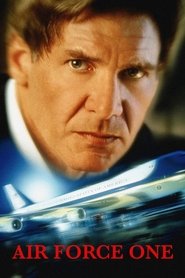
Air Force One (1997)
Release Air Force One DVD (Columbia TriStar Home Video, 1998)
Wolfgang Petersen and moderator Michael Coleman discuss the repainted 747, enlarged interior sets, models, digital effects, and Air Force advice used in Air Force One. Petersen explains casting the presidential family and Russian characters, revising the script during production, and keeping the action easy to follow. He also describes removing the traitorous agent's explanatory motive to improve the ending's pace.
- Duration
- 1h 58m
- Talk coverage
- 94%
- Words
- 19,435
- Speakers
- 2
Guided collection
Depicting presidential power and the arms trade
Wolfgang Petersen explains the aircraft, sets, models, effects, and military advice used in Air Force One. Andrew Niccol describes locations and equipment used to depict international arms dealing in Lord of War. Compare how these production choices support each film's account of political power.
Part 1 of 2
- 01 Air Force One Now reading
- 02 Lord of War 2005
Commentary density
Highlights
Featured in
Topics
People mentioned
The film
- Director
- Wolfgang Petersen
- Cinematographer
- Michael Ballhaus
- Writer
- Andrew W. Marlowe
- Editor
- Richard Francis-Bruce
- Runtime
- 124 min
- Also on
- OneSheet ↗ OverBlack ↗
- External
- IMDb ↗ TMDB ↗ Find on Amazon ↗
Transcript
19,435 words · 18 flagged as film dialogue
Well, hello, everybody, and welcome. Here we are in Los Angeles with Michael Coleman next to me and Wolfgang Petersen, the director of Air Force One. And we have the pleasure of bringing to you the director's commentary for this great film. Welcome. Yeah, I mean, what a fun thing that is to see it now all over again and talk a little bit about it. It's not that long ago, right? This was a fantastic film this past summer of 1997. And I'm sure you're very, very proud of it. And we want to know a little bit more about it. Please tell us some of the insights that I know our audience out there probably wants to know. Yeah, first of all, it was really a wonderful experience to do this movie with Harrison Ford in the lead. We really got along great. And I always wanted to do this. There's his name, Harrison. And I always wanted to do a film with him. And finally, it worked out. And look at the other names here, like Gary Oldman.
one of the best actors, I think, in the world these days. He's just fantastic. And, of course, Glenn Close. Wendy Crewson, we found her in San Francisco. She's pretty unknown, but great. Paul Guilfoyle, wonderful character actor from New York. And William H. Macy, everybody remembers him from Fargo, and he was an Oscar nominee for that. Liesel Matthews. The little princess, she starred in that film. So we got her from there. Dean Stockwell, wonderful actor, character actor again. So you can see it's a long list of just great actors. Xander Berkeley, I will later on tell you who that guy is. He's a pretty strong guy too. And then our Russians, of course. It was very interesting to find these Russian actors because they were really all Russians. And so... You know, I always like to add as much reality as I can to the film, so casting is a key already to try to get real faces, real, you know, Russians in this case. And there she is, and Glenn Close. Story has it that this movie originally was written for somebody else besides Harrison Ford. I believe it was Kevin Costner? Correct, yes. Beacon Communications, the company who developed the project,
they did it originally for Kevin Costner. And then it happened that Kevin was not available when the script was ready to go, and he was, I think, gentleman enough to say, okay, I know you want to go forward. Why don't you go with Harrison Ford instead of myself? And that's how it happened. And here we are already. So you see, this is... I'm pretty proud of this because we... First of all, I must confess, you know, the whole thing, the beginning here, it's all... takes place in Kazakhstan. It doesn't. We shot it in Ohio, in America. But it looks like kind of Russian, don't you think? You will see it a little later when we reveal it. These parachutes are stunt parachutes. I mean, it's so difficult what they did. Of course, this shot here was done on stage, but this was all done really over Cleveland, Ohio, and with incredible group of parachutists and stunt guys.
And it was so dangerous to land on that roof, what you see a little later. So it had to be stunt guys. Even not military parachuters were really willing to do this. So none of this was special effects? None of this was computerized? No, no, no, no. It's all real. It's all real. Look at this. It's all real. And, well, he doesn't live that much longer. Gone. That stage, these shots, but, you know, on the parachute. Now you see... Now we see the rooftops here at night. And look at this. They all, and it's all within 10 or 15 seconds, they all landed on that roof together. It's not because we cut it like that. It was reality like that. And that was pretty amazing. How many takes was that? Just one. We only had, you see the sky has still a little bit of light to it. We shot it in that one window you have of about 20 minutes. So there's still some light in the sky. So you do it like this.
before complete darkness, and then it's not black. You see a little bit of the sky, so we only did it once. How many camera shots? We had, I think, six cameras for that, and then we cut it together. And now we are inside here of this great... That's a building also in Cleveland, so it's not Kazakhstan, but don't tell anybody. Fooled me. Yes. And now comes for a little bit of an inside situation. I cast for Radek, the Russian general here, Jürgen Prochnow. He's the star from Das Boot. Your old friend. Yeah, and I think if you have not yet bought Das Boot, you should do it now. Especially the new director's cut. Yeah, especially the new director's cut is very, very good. So here's Jürgen, and they get him out, and...
We'll see him later in the movie, but I thought it was great to be reunited again in a movie, finally. I did in Germany five films with him, including this boat, and now it's the first American in number six, even if this is just more like a cameo, you know, a little guest part. So this was all done all for real, no tricks here in Cleveland. And this big explosion, that's a special effect we did right there on that scene. Nothing was added later. This here is a second unit shot in Moscow, Red Square, done by Michael Ballhaus, the cinematographer's son, Sebastian Ballhaus. And he did much more there in Russia and Moscow. We will come later back to that. This, of course, is back in Los Angeles in reality, even if it's meant to be in Russia. But it's a big, I don't know, banquet room somewhere here in Los Angeles where we did that.
And this is the introduction now of the president, first the Russian president, and then, of course, Mr. Ford. Did Harrison actually speak Russian there, or did you have to train him for that line? Actually, he does not speak Russian. And we had to train him for his little poem, for his little thing that he says here. And also, I must tell you, the Russian president, who looks so really Russian and talks Russian, he is an American also. That's, I told you, the only, I told you that we had all Russians in the film, real Russians. He is the only exception. I mean, he really was not, we could not find this guy as a real Russian, so we decided to go with him. He's perfect, and you don't really feel it. So here's Harrison with his speech. This speech was a very difficult thing to write.
Remember our silence. I came here tonight to be congratulated. Today, when I visited the Red Cross camps, overwhelmed by the flood of refugees fleeing from the horror of Kazakhstan, I realized I don't deserve to be congratulated. None of us do. What's he doing? Let's speak the truth. That's not the speech.
And the words, the right words. So we rewrote it 25 times, and thank God we did it at the end of the shoot. It's fairly much at the end of the whole shoot we did it. And then I think it really turned out to be great. Did you work with the writer on the script of this? Yes, I mean, Andrew Marlowe is the writer, and we worked a lot in this month before we started shooting. And even into the production, we constantly, we always do it like that. It's never really like that. You have a script, and then you shoot it, and that's it. You constantly, film is always sort of things in development to the very end. And so we work, yes, on a daily basis with the writer. And then we had also Paul Attanasio, another writer who helped us with some dialogue work, especially in all these political scenes with the White House and for Gary Oldman, some scenes and so. So, yeah, it was constant work with the script. And again, here Harrison Ford with a great speech. And I think it's a great introduction here for a movie star. Don't you think when you say he is my friend, the President of the United States, and then
Everybody goes silent and they all listen to him for quite a while. It's pretty unusual, I think, to start an action movie. And at the end, this is an action film. Even if we think it's a little bit more complex and a bit more maybe interesting than your usual action film. But it is an action film to start that with a long speech. This is interesting because you see this is Moscow airport. You know where we shot this? In Los Angeles. It's LAX. But the background, you just saw that building with the Moskowitz painting. So I think nowadays it's so great. And we come back and talk a little bit later about that because so interesting then you can do that even with moving images now so easy. Not necessarily easy, but you can do it. So the illusion is really perfect. You don't have the static shots anymore for the matte paintings. You can move the camera.
So this is back on LAX airport, but it's meant to be, of course, Russia, where Gary and his bad boys are coming. And this was, I think, Gary Oldman's first day. Yeah, it was. We shot that pretty early on. And boy, from the first day on, when I saw him doing this part, I just fell in love with this guy. Great choice. He was very good, very good. Yeah, I thought he's great. He's wonderful. Did you have a voice in the casting? That's always people ask me, do I have a voice? The real question is, does somebody else have a voice in the casting? No, it's all my voice. I mean, I cast the picture, period. And he was your first choice for that part? Yes. I mean, I would, of course, call Harrison Ford and say, Harrison, my idea for that is Gary Oldman. Is that okay with you? And he said right away, absolutely, yes. So, you know, if you have a movie star like Harrison for the main two, three parts, you double-check with him. You don't want to have somebody, when he feels totally uncomfortable, I wouldn't do it.
But that's how it works. No, the director, thank God, was still in a situation where the director, the filmmaker, cast the film. Okay, so now while Gary goes with her into the Air Force One, we are back in a second unit shot here, what Sebastian did. And we had a whole motorcade in Moscow. This is, of course, then done very simply on soundstage here. in Los Angeles. So you never went to Moscow? I was never there. It looks like I was there, right? I was not. This is all green screen. It used to be blue screen, now it's green screen. You put a green screen behind Harrison and these actors, and then you add what second unit shot these moving images, and you process them together, and then you have the illusion of being really there.
Get behind it. The Allies are going to be very upset they weren't consulted about this. They might come back and bite us in the ass in November.
Did you have to transport those American limousines into Moscow? Yes, we had to bring them there. It was quite a big second unit thing, and I think Sebastian did a great job in giving us really some good, real Russian feel to the movie. Now, in the next shot, you will see again the painting of the building. If you have a look, people have a look. Then you see it's a crane shot, a moving camera, but still the background, the building is painted. Here, you see? The whole, yeah, LAX. But the whole back there, the thing is a painting, the building. It was just nothing there, just dark. So they sent you where, to the end of the runway? It was a special, yeah, a special area of a very more quiet, deserted area of the airport. And we shot it there. Where did the jet come from? The jet was a 747 plane that we rented, and we had it painted. It was, I think, two weeks' work for, I don't know, a whole army of people who were painting the plane. And then at the end of the shoot, we had to repaint it again. So it was quite an expensive situation with that plane. But we needed it. I've read somewhere that...
They actually let you on board Air Force One so you can take a look at the interior? Yes. What we see right now that Gary gets a tour of the plane. I got the same tour together with Harrison Ford and Michael Ballhaus and our production designer. And so we, this, you know, this plane is so protected. Nobody gives you any information about the plane. So when President Clinton invited us to go and see his real plane because he just loves the idea of Air Force One, the movie with Harrison and so on. We got a tour, and we saw whatever we wanted to see. Did you get down below? We got even down below, but I must tell you, there we only saw very little and very boring stuff, just where the luggage is. And so about three-quarters of the whole area, they said, sorry, guys. So it's still the big question, is there an escape pod or not?
is my next question for my my my feeling it's still come answer the president says as far as I know there is no pod remember when he saw the film said that he said as far as I know does that mean he maybe doesn't know who knows it's it's a it's a mystery and that's good I mean people should not know too much about this plane it's a security thing and we just as filmmakers we took our licensed and created an escape pod and various other things that are or are not on Air Force One, and because they are so effective, maybe they are on the next Air Force One. Whose idea was it for the pod? Was that yours? No, that was the writer. Andrew Marlowe had that already in the script, and I just loved that idea. I think it's great if he goes off the plane and we think,
Now these poor people are all alone up there, and then all of a sudden you see him crawling around in the darkness of the plane, and we know Harrison will not leave these people alone. He will fight. I had a feeling he wasn't getting off when I first watched it. No, sure, yeah, yeah. But, I mean, when I read the script first, for a moment I really thought that maybe he would do something from the ground or whatever and get into a plane and come back or something. But he stayed on the plane. Isn't that elegant, the way it looks? This is absolutely accurate. This is how this room looks like. Because we had a chance to see all the details, everything. And it's not really like a plane. You feel more like a great hotel here. It's so elegant and so beautiful. Actually, I think that the only thing what we changed is a little bit the... You see in our film the whole length of the plane, because...
They have some separations there, some curtains and so where you cannot see the whole length. We took all that out so that we can see the whole length of the plane. So here you see that? For a moment you could see the whole length. And I think that is a little bit the license we took. So this area is what they call the press area? That's the press area, yeah. That's very accurate. That's where they sit. And right next to them is the Secret Service room. This is a real plane, right here. This is a real plane, yes. This is the 747 that we rented and painted. And later on, when we come to more to the dramatic stuff, then I will tell you, always when this is the real plane, this is the model, because we had a huge model, but really big, like, I don't know, like 10, 12 meters long or so, really long, big model.
We had, of course, a computer-generated, what you do these days in filmmaking, as you know, a computer-generated Air Force One for very special shots that you could really not do with a plane or with a model. Here's Liesl, you know, that's the daughter. I found her with the help of the casting company. That's Jane Jenkins and Janet Hirshenson. I always work with these two ladies. They are absolutely wonderful, great. I told you before, I always like to have kind of a cast, you know, that feels real and it's not too often used, especially in the smaller parts. So I think we really got a good family together here with the mother, with Wendy Crewson. I told you I found her in San Francisco with the help of the casting company. And she's fresh. I mean, we've not seen her that often. And I think she's great. And even she, I know she's very beautiful for a first lady, but, you know, we like that.
They hated your speech, didn't they? They're afraid we won't have
a chance. He's a Notre Dame football fan, I noticed. Yes, yes. Because I don't know anything about American football. I'm from Germany originally, so I had people tell me that that's what we should do. And I hear it works fine. I think he is together with a lot of other fans, right?
We were the only three people who thought we could win that. You didn't give a damn. You knew what needed to be done and you did it. And you spoke from your heart. And that's what I heard tonight. Well, it felt good. Yeah, I'll bet it did.
And so we talked about Wendy. Here's the kiss. And now I tell you a little bit about the set again because we now cut upstairs to the MCC. That's the communication room right here. You see that that's full of electronics and all kinds of high-tech stuff right behind the cockpit. That's the place we changed quite a bit, the MCC room right behind this cockpit, because it was, in reality, it's very narrow, and we need, so many scenes take place there, so we need to open it up a little bit. And then it will be interesting later on to talk how we did all these scenes in the air, because As you know, it's impossible in reality really at night to go up there and shoot a plane at night. You won't see anything. It's black, it's dark, and it doesn't expose on film. So you have to find a way to make these scenes really work. So those were not models? They were models, yeah. But I will come to that when we have a bit more of these images and tell you and explain you how we did that, especially with a company called Boss Films.
So, we're back on the plane and now we come slowly closer and closer. Here we go. A few minutes left for the big takeover with Gary and the boys. Here we are in the conference room. That's a room that we also slightly enlarged a little bit because so many scenes laid on so many people there. But it is exactly the same room, just a tiny bit larger. This is a soundproof room also. When we were on the real Air Force One, we closed the door. It was really nice and comfortable there. Because when they have their conferences, they need a little bit quieter there. Now you see, this is beautiful. See the whole length? I told you about the plane, the whole length from the beginning to the very end. And this is Xander Berkeley. We found him to play our great American Secret Service agent. But, as we all know, there's a little bit of problem with him.
Did you get any feedback from our Secret Service about his character? I think they liked me a lot after the Line of Fire film. And I think they don't like me that much after this. And you know why? Because of this. You don't do that. You don't do that to your colleagues. I mean, come on. So... And we'll talk about this also at the end of the film, probably, about his motivation, because there were a lot of discussions while we were shooting this back and forth, how much of a, you know, motivational backstory we would have to give him or not. And we had some difficulties and problems that we faced. But we'll talk about that when we are there. Because at the moment, you see, he goes back and blends with the furniture, and nobody should know that he's the bad guy. And it's all revealed at the very end. Now... We start with a takeover. And, boy, we're shooting this forever. There are so many shots here and so many always with multiple cameras. And, you know, also she explains at the beginning, Melanie Mitchell, the PR woman, that the plane is bullet-resistant so that indeed you can shoot on a plane like the Air Force One because the hull is reinforced.
Normally on a plane you couldn't do it, but you can do it here. And I hear that the plane is because of that a little heavier than the normal 747 and a little slower, just a little bit because of that. And here, this is all done, of course, in our set plane on the stage. And pretty violent stuff, but that's obviously the way it is. How long does it take to shoot something like this? This takes quite a while. I mean, I don't know exactly, but I would say this whole takeover, probably like a week and a half. Yeah. Altogether, we shot in the, I think it's like 75 shooting days or so, not counting all the second unit work, of course, and not counting all the model work. It's more like the typical principal photography first unit with the actors and the director and so on, but in the 70s.
Yeah, it's complicated because, you know, it takes a while to bring back all these shots into the wall. These are all effects, and then you have to go back and clean it all up and put these things back into the wall and make it nice and clean, and then you do it again. This was Rammstein Air Force Base, Germany, but as you probably would guess, it's not really Germany. And it's not. It's Ohio again. And this is the American base, Rickenbacker, in Ohio. And that was the reason, by the way, that we shot so much of the exterior stuff in Ohio, because first it started with where do we find an air base that could play Rammstein in Germany. And with the support of the Air Force, you know, we got a lot of support from the Air Force, we found Rickenbacker in Ohio. And then we said, okay, then let's try if we can do other locations, you know, for logistical purposes also there. And what we did.
So I'll tell you later also what we did. We talked already about the beginning with the parachutes there on these rooftops. And now here, all the airport scenes in Ramstein were done there. Here, the tower, that's done in Rickenbacker also. You see these planes, F-15s, real F-15s. Here, you see, this is a model. It goes down into the clouds. These are real F-15s. We take off. They did it for us. You know, all... You know, we did not have to pay for this just for the pilots, you know, sleeping in core hotels and so on. And per diems, that's all. So that's really enormous help. Otherwise, the budget would go crazy with all these planes. And the next shot, again, is an effect shot. And this would be the model again. And then there's the capsule going out. And these clouds you see there, we shot these clouds, or I'd say boss films, shot these clouds.
in reality up there during daytime. And then they filtered it down and made night clouds of them. Otherwise at night you cannot film up there. This, by the way, is not the White House. It is in Los Angeles. We built part in the beginning of the shot. You saw a little part of the columns and also a little bit of the interior on a lawn here in Los Angeles. And it looks like it's the lawn of the White House. So these shots are, again, These planes, the F-15s, these are partly computer-generated planes and partly models. If they come very close to the camera, it will be a model. If it's not so close, generally, basically, the first one here, foreground, model. The others, computer-generated. So these elements are then together. In the shot, we just saw our Air Force One as a model, big model, foreground F-15 model, and the other planes are
computer-generated, and the clouds are real, but shot at daytime and filtered down for night. Same here. And the background, you see this, this is really Rickenbacker again. You know, the lights down there, that's all real. So it's amazing what you can do these days, mix all these elements. And if you have some parts of these shots are really reality and moved and so, then the illusion is just perfect. It's so much fun because I think I like very much here, for example, the planes were added later. It was our real 747, and we added the planes here. We added the planes with a computer. It's so much fun today. You can create reality with these computer tricks. It does not have to be all the time just fantasy elements or something that could be really recreating reality. This is a nighttime landing.
This is a nighttime landing, yes. And this pilot, he was absolutely crazy. I mean, he did whatever we wanted him to do. And he was, there was no little fuel only in the plane. This was not this pilot, this is the actor. But I mean, the pilot who really flew the R-747 was a great guy. And so we said, now I have to explain what is model and what is, this is a real plane, this is the real plane. And then you see what this guy did with a real plane. It's pretty amazing. This is the real plane. What was the camera down there? The camera was on a car right next to the plane, racing with the plane. And here, real plane. Everything's real here. Again, this is real. All done real. How fast is that going? It's very fast. That's the way you land. When you land, you go very fast. Here also, camera very close to it. And now, you know,
Here, the next, this is a computer generated here, because you just couldn't do it. Not with somebody else's 47, right? You couldn't do it. And that was a computer. And now I tell you again what is real and then computer, because it's amazing. You don't see a difference. It's unbelievable. So here they go towards the tower. This is a real plane. This is the real plane. And this is a computer plane. Almost crashing into the tower. This is a computer plane. Yeah, it's amazing. And then this is a real plane. Real. All real. POV, all real. Nothing added, just the real plane. That's a model. That's a real plane. Isn't that amazing? You just cannot tell. And of course, now comes... A model situation. And computer, both. Two shots. Because you don't want to risk this here. This and this and this. It's a little bit, you know... Was that a model on the ground also? No. On the ground, the plane was a real plane. A real plane. This is all real. And that was, I think, probably the most difficult sequence I've ever done on film. The whole landing, the whole what we just saw in Rammstein with these...
Just the logistics to get this all together with a real plane and shooting it there with all these other planes. What a nightmare, but what a challenge. And what a fun thing at the end to get it together like this. I must tell you, I'm fairly proud of that. I think it's a very, very exciting sequence. Did you plan that out before shooting it to know what was going to be model and what you needed to shoot? Absolutely. You have to be totally precise about these things and have to work it out. and make your storyboards and we have long sessions of meetings with all the experts and where the pilot says i can do this shot i can do that shot i cannot do this that has to be a model that has been modeled that we cannot even do with a model we have to do it with the computer everything like that you know you have to work it out okay so now we are back into the air we see these nice sort of computer generated f-15s flying there and uh...
We are inside the cockpit. By the way, in the hull of the plane, we rented from Warner Brothers because they used the 747 in their film executive decision, and we got their hull, but only the hull, and then we put all our, you know, Air Force One stuff here inside. Did you build a cockpit? The cockpit was also from Warner Brothers, but we, you know, made it... A bit more sophisticated. We put more elements into it so it looked a little bit, even a little bit more like the real thing. I think in the one from Warner Brothers, that was not totally correct, what they had. So we added all that. Where's all this taking place at? This is what we call the White House Situation Room. That was built. It's a set. On the Sony lot? On the Sony lot. Good old filmmaking set. Nice, warm, no weather problems.
No, sun is going, we have to speed up, all that kind of thing. And it's, you know, it's... After all that exterior shooting in Ohio, it was just great to be on stage. Is this like the Situation Room in Washington? No. If you see the real Situation Room in the White House, it's so boring. It's just a room with a big table and not much more than that. And it's really, it's not good enough. So sometimes we just, you know... improve a little bit. So here they're looking for the pod, right? They're looking for the pod, and they get a signal here, and hope that they can, you know, rescue the president right now. He is Scary Gary, and... Did you give him that nickname? Yes, we gave him that because it was very obvious, because, boy, when he was doing scenes like this, he was so scary. And after that, when it was all over, he was the funniest guy in the world.
He has such a dry sense of humor. It's amazing. We were cracking up. We called the whole shoot Air Force Fun because we had so much fun. We had a lot of jokes. Maybe it had also to do with, first of all, the personalities was great. I mean, Harrison Ford, myself, and Michael Ballhaus, the cinematographer, a great guy from Germany also, Gary Oldman. We just... And we just were, you know, a bunch of people who like to make jokes and laugh a lot. And also maybe a reaction to this scene, like there's so much tension going on and tough stuff to shoot that we needed it as a kind of a relief. But we had a real good time. So did Gary stay character on the breaks and during lunch? He didn't, no. You know, he was so much fun in between. I mean, he switched back and forth so easy.
And he just liked switching over the light. Then he came back to being the bad guy. And also, it was amazing how fast and quickly he could switch from his accent he plays here as a Russian to his cockney English. I mean, it's like two different people. Amazing. Because of all the accents in the movie, did you have a dialect coach for him? Oh, yes. Oh, definitely one for Gary Oldman. I told you all the other guys, the Russian terrorists, they were real Russians. But Gary, of course, as being an English guy, he had to phonetically learn all that and had to coach all the time. And actually we had two. One was a real Russian lady and one was an American, but very, very into working with actors on accents and so on. So here we see the pod. Was this in Hollywood? Yeah, that was outside of Los Angeles, you know, in somewhere...
At night, actually, our last day of shooting what we just saw with the pod. And after that, it was big, you know, celebration was all over. And here we are back on our set of the plane, all in the biggest stage in the United States, or maybe even the world, but probably in the United States, definitely, yes. Stage 15 here on the Sony lot. in Colorado City is the largest stage. It's huge. We could put the entire length of the plane there and some other sets like the MCC set and some other sets we could put there. So you were saying that, for instance, that scene when Gary was speaking in Russian, he had to phonetically learn that dialogue? Yes, he had to. That must have been a lot of work. Yeah, yeah. I mean, we tried to limit that, really,
didn't have him talk too much in Russian, but sometimes when he talks to his own people, he had to do it and he had to learn it. But he's a fast learner. He's a great actor. He can do these things so good. So that was your decision to go with the subtitles? Yes. Now, Glenn Close is in the White House the entire time. Does she ever speak to Harrison Ford on your sets or anything like that? Do they ever spend any time filming together? Not really, but Harrison was so nice when they had their only scene together over the phone, because Harrison, of course, was on the plane and she was down here. Harrison came to the set and did his lines for real. So he was there on the phone, right a few feet away, and talked to her. I thought it was nice. And same with Gary Oldman, who, for example, for this scene here,
He came also to the set of the White House and did it for real. I always like that if actors do that, because it's so hard for an actor to just talk maybe to the continuity or to first assistant, and you don't have the great actor on the other side. So I like that. And it was here the same. I think this is a very, very... I think I should... mentioned this name because the set designer the the production designer did a great job here it's bill sandell and i did already my film outbreak with him and um here i think he he did a great job in in in building this plane because i told you it's not just accurately as accurate as possible to to reconstruct it and rebuild it the way it is sometimes you have to take a little bit i told you license
in opening things up, and of course the whole lower area of the plane, the so-called baggage deck, where there's not much baggage but a lot of electronics and stuff, that was more or less his and ours, but especially his imagination and creation. So I think that was a very, very good dramatic room he created there. And I like very much also this room we are in. Right now, when we go back to Glenn Close, the situation, I think it's beautiful. Imagine how boring normally a room like that looks like, and then to see what a great designer can do with this sort of boring space and make something cinematically interesting. It's wonderful. Now, where did you find your vice president? The vice president, I think that's a very well-publicized story, but for everybody who does not know Yet I can tell it again, the story here, that I always wanted Glenn Close from day one, but it's a part that's only really a supporting partner, very big. I did not have great hope that we would get her. She's a big star. Cut to Harrison Ford a few weeks later, and there was a...
a charity dinner thing, I think, in Wyoming, where Harrison lives and where Glenn Close lives, and with Clinton. And they were both invited. And Harrison, of course, knowing it would be so great with Glenn Close, asked her right there, while the president was there, if she would do the part. And the president got so excited about it. maybe the opportunity to see a woman as a vice president, and Glenn Close doing it, that he very much encouraged her to do it. So I would say she had not much of a choice if the president of the United States asked her really to be the vice president. Maybe he's got a future as an agent. Yes. And so she did it, and I thought it was just amazing. I thought she was so wonderful. and so she did it and she i think she gave the film an another dimension a real weight of credibility for this part very happy with her was it always uh cast to be a woman yes it was written like from the very beginning as a woman part i thought it was great
I love the idea. I think it's good. It's always good if you have in a film like this a little fresh element to it where you just look at that and say, yeah, that would be great. And also a little bit play with the idea of if something would happen to Harrison, she would really be president. So it can then really, as soon as you have a female vice president, it's the step from that to the first female president is tremendous. absolute possible and can happen very quickly and uh... so that was an interesting crossfires to me something that was interesting was that the stockton here is uh... inner plot being commands wasn't wanting to take over it seemed like yeah we had so much fun with it because i think it's great uh... that that to see what kind of confusion is down here in a situation like that and also we played a lot with the twenty fifth amendment situation now what will you know payoff later where then Glenn Close, if all the member of the cabinet would sign it, that the president is not able to be president at the moment, and if she also signs it, she would become the president. So you see,
This is where Harrison now comes up first. And now I think really the movie takes off and starts in a way because Harrison gets now into the action. And I love these scenes. I think it's great. You see again the whole length of the plane here. That's the reason we took all these dividers and stuff out. So it gives you the feeling of the huge space that is there. So were there multi-levels on the set? No. The levels were not like two stories. No, we had to separate that. But, I mean, the length, the full length of this main cabin here was all built in one piece. So Harrison's actually coming out of a hole. Yeah, but we had it built up a little bit, so he came out of a little bit of a hole, yes. The colors almost seem to match. You know, the hold is dark and cold and blue, and the upstairs is more warm. Right, right. This is a different set here, though. Right, right, right. And this is different again. So...
But again, don't you think how elegant it looks like, the plane? Just beautiful. Even after it was so messed up by the terrorists, it still looks pretty good. And so now it was interesting, working on Harrison's character, that we believe it, because that's the unusual thing in this film, of course, that the president of the United States himself becomes an action hero, a man of action. Normally, he is in a thriller or an action film, he is... the guy who was protected, right? Like, in the line of fire, it was Clint Eastwood, the star, who was the Secret Service agent protecting the president. Here, the president is himself the man of action. So, you know, he has this backstory that he was in Vietnam, he was a pilot there, and, you know, Medal of Honor winner, so that we believe more that he's also, you know, sort of physically, you know, fit and had a past here so that we could believe that. But it was a little bit of a risky thing.
You know, when I read the script first, I was absolutely sure that just really Harrison Ford is ideal for pulling both sides of the man off. The president is a believable president, is an intelligent man, and a man who can stand up there and hold speeches, and we believe him as the president of the United States. And at the same time, The Indiana Jones guy. I mean, the guy who can, you know... The physical guy. Yeah, can beat people up and can, you know, both parts of this character that he can really pull it off. And so I felt comfortable then that with A. Harris, I thought this might work. I'm not so sure. With Kevin Costner, maybe yes, but I think Harrison is a little bit more mature as a president, so it's maybe even from, you know, because of that, better. But other than that, I don't know if there would be actors out there who would be that...
believable in both areas, like he was. So now we have to see how we do this now. His first, this first fight, because we know now he had to lure him away, and then we will have the first fight. And we were working with Harrison and our Doug Coleman, our stunt double. Yes, not stunt double. He was a stunt coordinator with the guy who choreographed. all these fight scenes. So Harrison did his own stunts? Absolutely, yes. That's really worthwhile to talk about it, because when we see it soon, it's pretty unbelievable what Harrison does. And he does it all himself, without a double. And this guy here, he was in the fight scenes doubled, but not Harrison Ford.
But Harrison did that. We shot that fight scene one day. All day long, he was throwing Harrison to the ground. It was, I mean, it's unbelievable. And the next day, I went to the trailer to Harrison and said, Harrison, how does it look? He said, fine, it's okay. But I knew there was a lot of, you know, bruises and stuff like that. It is, look at this. Everything does itself. It's always Harrison. That's a stunt guy, the other guy. Harrison is real. That's Harrison. This was all one take? No, it was numerous takes. Oh, we shot it for one day, as I said. Here, he throws Harrison. That's Harrison. That's Harrison. There's nothing with a double. The other guy, he has a double. That's a hard kick. This is some major dental work coming up for that guy.
I think it's a terrific fight scene, and I give all the credit here to Harrison for doing this. And I think that's the reason why the audience will really like him. They feel something is real about this guy. They believe him. And it's true. He's really totally exhausted. He did it. And also, of course, Doug, the guy who choreographed that with Harrison and myself together, did a great job in all these fight scenes. Harrison said later, I think these are the best fight scenes. I've ever done in a film. And he has done quite a bit. And here you see the president is a little bit shocked about what he just did. He shot somebody. He shot somebody, but out of a reflex, out of a situation where he just had to react. And he's really kind of shocked about that himself. But what could he do? Here's a nice steadicam shot.
through the whole plane again. That's what you like to do if you have a whole set there that you go with the camera. You know, 360 degrees, and there you look the same. There's no cut here. Same set again, and where does he go? Dead end. And now we have this kid in the foreground. I like him. He always tries to look like Marlon Brando. See that? Early Brando. And he's quite close. He was Russian? Yeah. They are all Russians. He's disappeared. Yeah, and now he's disappeared. And now our effects guys, they did a great job, you know, to put all these... You see that? That's all... You had to put it into these doors before. Exploding bullets? Yeah. And you have to... And then you see there's no cut. It's all... perfectly in sync with the gun that's shooting. Pretty amazing. See, I was looking to see if they were in the back wall, and they were there. They were there. I looked for that. Yes. And where is he? Wow. So he came down with that little dumbwaiter, the little elevator, down to the lower level again.
So now we are again, you know, with the Russian president. I told you that he, with his heavy, strong Russian accent, had to work hard on that because he's an American. And Glenn Close again. I always like that when she's on the screen. I think she's wonderful. and the uh... Russian president's on a set? Yes. No, that's not a set, by the way. That was a big building somewhere here in Los Angeles where we're shooting. You know, because we only had that one day of shooting, and we had to shoot there his bedroom, and the whole area with the office is the big office where he is later on then with all his other people. And in order not to spend too much money for two big sets to be built on the stage, he would sometimes then decide to go
use a building where these rooms are there and you just decorate them. Who finds those buildings for you? That is a location manager called location manager. These people are very important people because they have to go out and look at hundreds of buildings everywhere in town and find you for example at the beginning for the big banquet where Harrison Ford has the speech to find that location and then they come back and they show you photographs and all detailed photographs and then You select two, maybe, or three out of 20, and then you go there and have a look way in advance in pre-production. It's a very important job, the location managers. But we're back here with Harrison, going through the luggage, because he's looking for something special. And there was sometimes a little bit of a misunderstanding, and maybe now I can talk about it a little bit. It's not your usual cellular phone, what you will find there.
because people said you cannot call from a cellular phone in that height from a plane. That's correct. You can't. But this is Air Force One, and he's looking for that phone, what in the beginning in the motorcade, the chief of staff was on the phone with. That's a satellite phone, meaning that you open it, and these are the so-called antennas when you open this big metal situation. We'll see it soon. And that goes via satellite. right into the United States. So you could use it anywhere? Yes. You can use it wherever you go with this thing. And he's looking for that. And unfortunately, it is not very clear in that one shot, but he opens these antennas exactly the same what this guy had in the motorcade in the beginning. And sometimes in filmmaking, this is very hard to make clear to an audience because nobody can explain here now
That, you know, he's all by himself. He cannot say to the audience, guys, this is a satellite phone, it works. You cannot do that. Okay, but back to the scene now here. Tough scene, especially for that little girl here, for Liesl. And I think great acting going on here. Look at this look. Amazing. We'll come later to Gary and talk a little bit about him and his background for this part. Because I think it's good that that we learn a little bit about his motivation also, that he's not just bad, but there is some political situation in Russia they have to deal with so that we at least understand where he's coming from and what's his agenda here. I like the scene a lot, what Gary does. He's so... I mean, his eyes, it's amazing. And this is, by the way, we've not really talked about him, it's Tom Everett, great actor, who did this national security advisory. And he doesn't live any longer. I mean, unfortunately, it's over very soon for him. And one of the toughest scenes, especially, that's because of, you know, that girl being there. I have to see all this.
It's going to take more time. More time.
Gary really does just switch from one to the next. Yeah, it's amazing. He's a good guy. Now, you said this conversation on the phone, he did it with Glenn Close? Yes, he came and did his phone calls with Glenn Close, and as I said before, I think that's a good style of an actor. If he does that, he's a good guy. You know, a lot of actors don't do it, but the real good ones, they do it. What amazed me is he hasn't blinked. He doesn't blink in this scene. It seems like he is so determined. He's frightening there. And I think it's great what comes up in the next scene with... One of my favorite scenes is with him and the daughter... ... where he explains about his motives and about his motivation. It's a great scene that comes right after this. And, you know, here he finds now the phone. And I think it's funny. I always must laugh when he has... I mean, it's the president of the United States. He hasn't... You know, he has to read the manual to see how to make this work.
It's funny. I like that always that this tension is always a little bit of humor and that we always look for that. So this is the scene now. I think it's pretty damn good. And I'm very proud that we have, you know, a villain in the film that has really the chance of some scenes to really talk about, with all his passion, to talk about his point of view. He's also a human being. He's not just a bad guy. I mean, he's been... You know, he does extreme things and kills people, and then he goes over the top, of course. But there's a reason. There's a motivation there. And that makes it politically interesting also because I think, indeed, a character like that is possible with how it looks like in the former Soviet Union now with their enormous economic and political problems and that it looks bleak for somebody like him and that they dream of getting, you know...
good old Russia in the sense of the Soviet Union as a big power in the world back. And they want to recreate that in a way. That's sort of this nationalistic sort of thing, what is absolute believable, I think. Was she intimidated in the scene? Was he overpowering her a little bit? No, she had a great time. She loved it. And I mean, she could cry on boom when you said, you know, I even didn't say it. I think she planned it right away. When she says,
my father is a great man, and you're nothing like my father,
the tear goes down, you see? That's a real tear. Yes, it's real. I don't know how she did it. And right on cue, I mean, right with the right line, it came. Well, she's good. A scene like this, did you rehearse this a lot? Yes, you have to rehearse that. And we shot it various times. Also with Gary, it's always a little different, what I like. And I just like to watch this guy. So I shot it like six or seven times. And I had six or seven totally different versions later on. So he was improvising? Not necessarily the lines, but the way he said it. You see, this is the phone where he just opened this. This is the whole antenna. And so that's the satellite phone. And here, people sometimes thought it's just your usual cellular phone. But it's not. And this is one of the biggest laughs here.
when she says it cost a dollar. And he's okay with that. I like the phone operator. I thought she was fantastic. Yes. I used her already in In the Line of Fire. No, in Outbreak. Sorry, in Outbreak I used her. And she's wonderful. She's a wonderful character. I like this whole sequence so much because it's so hilarious, I think. And I believe it, that this woman will not I think this is the present. It's just too much. And then it's always great. It always worked. You know, Hitchcock did that so often that we know as an audience, much earlier than Harrison himself, there's a danger coming up. Now he knows, of course, but before that. And now he has to deal with this. And now time is running out. It's classic suspense. And of course the woman is hesitant. And of course she doesn't believe him. And then at the end, you know, the trick Harrison does here. We worked hard on this scene because to make that believable, that, you know, this here, that he now, without the other guys seeing the phone, he has no idea that Harrison's on the phone with somebody at the White House. And we just heard from her that she recognized now it is the president.
And he slipped it in the pocket. So the line is obviously, if everything goes right, the line is open. And they would hear him. Now he has to talk in a way to the guy that the guy does not know he's really talking to somebody else. Here, you see he talks a little bit down to the phone. But on the other hand, the Russian guy thinks, of course, he talks to him. But he says strange things to him. But clever people like Glenn Close. They get it. They get it that
he's talking to us.
I did a little bit of similar thing at the end in the film, In the Line of Fire, where Clint Eastwood... In the elevator. In the elevator, yeah. Where Clint Eastwood was talking through his microphone, his wrist microphone, to Renee Russo downstairs, and John Malkovich did not know that he was not talking to him but to her. So I stole a little bit from myself. You're allowed. It's allowed. I mean, it's so effective. It's so much fun, if that works. And it works here. Especially, it works so well because what he says to them and this general is totally nuts. He goes crazy about shooting a missile at Air Force One. And that only works if the counter missile kind of program of Air Force One really works. So it's damn risky. But it's a fun scene and it's something what's great. I don't think in reality it would ever happen. But who cares? In a movie like this, I think it's great.
These are models. Foreground is stage, you know, with the actor, and the rest is like this one is a model and computer-generated planes because they're in the distance, the F-15s. Now we see the next shot. This is a model F-15 because it comes very close to the camera. You see really how the engines go all through all these steps and change color. That's all very real. We spent so much time with Boss and also Cinecide. also is another company. These two companies worked on the film to get all these shots as real as possible. This is going to be our first gimbal film. Yeah, we kind of get into the gimbals. You know, this is the big model, and here's a gimbal. You know, this is the gimbal on stage where the whole set is sort of moving like crazy. And it's always a scary situation for the actors because it feels like we're on an earthquake here. It's very scary.
And... So you're really moving the entire set around? The entire set, yeah. Like so many degrees, I don't know how much. In Das Boot we had 45 degrees, but I think it was a little less here, but it moved quite a bit. And that's what you definitely need to get some realistic movements on the plane. This is all great stuff, aerial stuff, I would say. The model again. And now the next Harrison Ford fight again without any double. He did everything himself. And, uh... Another great fight scene. Again, I said you, Harrison thinks these are the best fight scenes here. The most real. The look on his face. Yeah. Intense. He's really amazing here. And then look at the next cut. He throws himself really over there. It's so funny also that in the White House, they only can hear. And they hear some grunts and groans, and they don't know who really... who will win this fight. Bush.
And now a very risky thing, of course, again. And again, only really Harrison Ford can pull this off, that he kills with his bare hands somebody. As a president of the United States, it's very unusual, I would say. You don't have that that often. He kills, I think, four or five people in this film. And you go with it. I mean, just the situation, there's nothing else you can do in a situation like this. And they don't know who's died. And they have no idea. And now when he says, here, they say, oh, my God, thank God. This is the right guy who survived this one. So I think that was another pretty exciting fight scene with Harrison. And he is so good at physical action. And he likes it. He really likes it. And don't forget, he's 55 years old. 54 when we shot this, because it's a year ago.
I mean, Michael Ballhaus said, after we were shooting the first fight, after the very first shot we did, he, Michael, would be in intensive care with what Harrison did there. And Harrison was not only not in intensive care, but he was doing it for the entire day over and over and over again. He is in great shape. Did you ever get any bruises that you had to shoot around him for a couple of years? Yes, we will come to that scene later on when when Gary slaps him in the face. And he did that, of course, like 13 times, always for real, of course, because Harrison insisted in that. You really do it for real. And Gary Oldman was saying, I just can't do it. And he says, do it. Otherwise, you know, just do it. And the next day, you should have seen his face. It was swollen like a melon. And we had to shoot around it. We had to wait for the next close-up for quite a while. But that's Harrison. That's how he does it. He's the real guy.
So here's Marlon Brando again. Always had that look. That was funny. And now we have, you know, another suspense situation here. In the basement of the plane. And at this point, they don't know who's down there. They keep guessing that it's... They keep guessing it is an agent, probably. Because, you know, they were so sure that he went off the plane with a pod... because these two guys basically witnessed that he was going off the plane, right? And so they have no idea that it's the president. They just think it's a very tough Secret Service agent down there. Wolfgang, the question I have, did Harrison wear that suit for 75 days of shooting? Of course, meant to be always the same suit, but I think he had, I don't know, 20 or 25. You always have to have so many, because then you do a fight scene,
And it all rips apart, and then you go back to number one again and try it again, take that suit out, next suit. So you have to have so many suits, always the same look, of course, and pretty expensive suits. But it was interesting that you had to play an entire part for two hours in just one piece of costume. It's the same suit. Yes, it's very, very unusual. Easy for the customs. Yeah. You have to find that one suit that you think it's good. But it was with everybody here. They have no opportunity to change clothes a lot here, including the terrorists, everybody. This is an interesting room with all these instruments here. And now Harrison, of course, has to see is there any way to dump fuel so that they are forced to land. And there's some interesting stuff coming up. And I think one of the most intense and dramatic and frightening scenes coming up. One of my favorites. It's the scene with Melanie Mitchell when he finally kills her. And that's a tough one. Good actress. And Gary, I would say, edits best. He loves that. Just to scare people. And he really does it here.
So this is what I told you, the upstairs, the MCC, the room, the reason why we made it much wider here, you see it, than it was in reality, because there's so many important scenes up here. It seems higher. It seems higher ceiling. It is a little. I'm not so sure about that, by the way. But it is wider. Higher, it's a little bit in here, in the lower area of the plane. It would not be that high. You know, normally, for tall people, you have to bend down your head all the time, and we didn't want to do that for 75 days, you know, to bend our head down. So we cheated it up there a little bit. So this is the scene here with all these people. These are, by the way, also very, very good people. They are not all actors. They are, you know, of course, Bill Macy and some others here are actors, and Paul Guilfoyle. Most of them are.
extras. And these are not your usual extras where you go and say, I need 100 extras. So go to an agency. This is where the first assistant normally does that, goes out and really interviews people over and over again to find the right faces and also to make sure that these people can to a certain degree really act because they have to go through so many shock scenes and fear. So you need, they are kind of actors in a way, even if you call them extras, but they don't get much money for it. But they did in this case, again, they did a wonderful job here. So the first assistant is somebody, when you make a movie that's really crucial for a director, very, very important. My guy is Peter Cohn. I did my last four films with him. And he is really your right hand as a director.
You need him in all kind of respect, also creatively and from an organizational point of view. He is your guy. This is a very tense moment here. I remember when I first saw the film. Oh, absolutely, yeah. I kept thinking he wasn't going to shoot her. It is the most unexpected moment. Yes. And the toughest thing also for Harrison, what can he do? Shall he all of a sudden give up? But on the other hand, you know, what's at stake here? Sacrificing a life for the greater cause, so to speak, that's a tough decision, oh boy. And I think from here on you feel that in the film when this happens, this shot. The character Harrison played is a different character. He becomes really a warrior now. This is no fun anymore.
I like the fact that you actually did not see the violence. We didn't see the shot. We shot it. We shot it, but we didn't use it. You got rid of it in the editing? Yes, we did it, and it was... It was just too much. I mean, you really saw him shooting at her forehead, and it just... It's more powerful without it, just like Shakespeare. It is just... Leave it to the imagination of the audience and just don't show it. You know, violence... Sometimes you just don't go beyond a special thing. It's just not right. But the sound effect was just plenty. And then this scene right here. Yes, this is tough enough to see this, you know, and the girl, you know, crying and so, so. I think that's really enough. And also I have the tendency at some point really to say, okay, leave this to our imagination. Don't dwell on it. Don't show it. Did you have a body count on this film?
I've never really did the count, but it's a lot. I think it's a lot. I said that Harrison alone, I think, you know, as a president, I think he has to kill four or five people. I'm afraid to say that, but it's true. I like this scene. This is an interesting thing here because Paul Guilfoyle, the actor, he basically wrote this scene. He all of a sudden had an idea and came to me in the morning with what is if we see that my character is losing it. All of a sudden, he gets totally freaked out after what happened to Melanie. And he thinks he's the next. And he wrote it down and came and showed it to me. And I liked it. So let's do it. Let's shoot the scene. It's a powerful scene. It's very good. So when you asked before about, do we change sometimes things with the script, you change all the time. I think it's always a constant work in progress.
And sometimes, you know, like here, it's an unusual case that an actor writes a scene and says, what do you think? But, you know, hey, if it's good, let's try. Let's shoot it and let's see how it works. And it worked fine. This is one of my favorite scenes when his phone runs out of battery. Yeah, it's because everybody can relate to that. I think everybody had that case. And here it's, you know, and what I like, it's also the, I hope that a lot of people get that, especially outside of America, they won't get that with the
red, white, and blue.
Yeah, the color thing, that he finally makes the right decision, and it's a 50-50 thing. And
red, white, and blue
saves the day. I know that this is all these sort of American, very American elements in the film. Okay, cut.
But on the other hand, this is what the story is all about. It's about the American president taking things in his own hands. And he's a heroic guy. And that's what you mean, yeah. No battery, yes. And now he has to make a decision. He has to make a decision, yes. And
red, white, and blue
does it for him. Now the next scene where you're actually seeing the fuel being dumped out of the airplane. Yes. Did you actually have to... Did you do that or was that a model? Because I thought that was... No, I mean it's all... All these scenes in the sky at night had to be models or CGI. CGI means computer. So that's not the airplane, that's the model. It's the model, yeah. It's the model. Here, that's the model. And again, the computer put the fuel in and the clouds are real clouds. shot at daytime and you know made into night and uh that's all these shots are done but i think it looks really up very real the reason that you asked that question tells me it looks obviously very real did you have to see a lot of footage of that did they keep showing and you worked with them and made some changes yes oh yeah we we were constantly i mean a shot like this
From the moment they give it the first try and put it together to the very last moment where I say, okay, that's a final for me. I approve the shot. Let's go on to the next. It takes months. And you have to do it over and over again. You add a little bit of detail here, add a little bit of detail there. People think it's just maybe, oh, you put the elements and shoot it and that's it. No, it's hard work. And you have to always go back and back and, you know, try to make it better and better. I was very, very strict with with, you know, the effects people are saying. It has to look like reality. I want to have a reality. It's just not. Sometimes you see, you feel a little artificial feel about computer graphics and so on. But this is basically, you know, a real movie. It's not like a pure fantasy situation. And, you know, the people are real. It's the president of the United States. It's Air Force One. If you say it's Air Force One the way Air Force One really looks like, you set a standard for reality. And then everything else in the film has to match the standard.
Did you have any effects that they made that didn't work while you were editing, you had to edit out? No, no. I mean, it was well planned. Everything what we wanted to do, effects, we pulled off. I mean, the biggest problem always was for me the crash of Air Force One at the end into the water. Will that ever look convincing? Because that's one of the most difficult shots ever made and done. And I would say, finally, I would say the day before the very last day was possible, deadline, they got it right. But that was a process that was at least going over half a year. Work over half a year. And that one, the two shots actually, not two shots, cost together I would guess something like $800,000 to do these shots. Because you don't, you just don't stop. You have to go on and on and a lot of people are working on that. A lot of machines and computers and all that. A lot of time goes into that. And
And that explains why at the end it costs so much money. So that 10 seconds of film took six months to film, and the rest of the movie took two and a half. Yes. Did you at any point feel like maybe that scene wasn't going to work? Yes. And you'd have to do like a faraway shot? Yeah, well, I was just praying a faraway shot would dramatically not work. So what you do in a situation like this, pray that at the end we do it. Because you had a deadline. We had a deadline. Of course, you have to release the movie. And at some point, you would say, okay, that's it. We have to go to make the prints now. And so, of course, we had a deadline. I said it like a day before. Finally, they got it right, and I was really pleased with it. But it took a while. Well, it seems your prayers were answered. Pardon me? It seems your prayers were answered. Were answered, absolutely. So here's young Marlon Brando again.
Were these plastic guns or were they real guns? Because he's been holding that thing up all movie. Well, we had both. We had for the fight scene sometimes you had a fight and guns were involved. You have these kind of rubber. Right. They're much lighter? They're much lighter and also they don't hurt you. But normally in a situation like this here, for example, what Harrison holds, that's all real guns. Because they get heavy. They're very heavy. Even with these fake, you know, ammunition in it, they are so loud. Oh, boy, it just drives you crazy. Oh, absolutely. That's another thing I like very much. And with Sound Deluxe, the company here in Los Angeles, I always work with Wiley Stateman and his boys. They also did the amazing job on this boat, the director's cut sound-wise with a complete new sound. And here they were involved in every aspect of the sound also. No, they are doing amazing things and working on these gunshots and make them all sound so powerful and real at the same time. But they always add a little bit to it so that it goes a little bit beyond the real reality. But it doesn't take you out. It is still a gunshot, but it just sounds so much more
interesting and better. And so that's an important part here. Looking at this again, I think the beautiful set here, Bill Sindel's set, just very nicely. You really have the feeling you are on a plane, I would say here. And here she's going to use the fax. Yeah, one of my favorite characters. She was so sweet that we made her part bigger.
And so we gave her more lines like this, you know, lines with the president, I'm glad you stayed with us. And so it's all added. She didn't have that in the beginning. And then I also put in later on when she's rescued and flies off the plane on the parachute through the sky, we added that. And that always works great for the audience. They just love that. During this whole scene, one of the thoughts that I kept coming up with was, when is the Secret Service agent going to pop up? When is he going to show his true colors? That's what we expect all the time from the audience. What will happen with him? He's still sort of playing the good guy, but when is that over? When will he come? That's kind of a suspense thing you deal with all the time. And also very, very helpful at the end when Gary Oldman is off the plane, that we still have something going there. Still there is a bad element, and we have to solve that.
So it was very, very helpful to do it that way. We had, by the way, versions, I can say it here now, in the process of writing the script, where he was right away fighting from the very beginning after he shot the other colleagues, the three colleagues. Then he was joining the Russians and was fighting with them. And I never really liked that really that much, because I think there was an element of what you just described of suspense missing there. What is he playing here? When is he coming forward? That suspense element was not really there because he was all of a sudden right away a bad guy like the others, and everybody knew it. So I think we added that dimension, saying, no, he just does that at the end. So we as an audience, right? It's an Hitchcockian kind of thing again. We as an audience know...
that he's the bad guy. So in every scene where he shows up afterwards, we also, Harrison or other people, be careful with that guy. He's bad, but you don't know it. Oh, my God. And it worked so well in the scene we just saw when Harrison gives him the gun and says, you watch the door here. And the house comes down. They scream and yell, oh, no, don't give him the gun. When I was at the theater, the lady next to me screamed that out. Don't give him the gun. Yes. So that worked so wonderfully. But we will come to that. At the end, at some point, you have to really explain or, you know, we have to see that he all of a sudden comes forward and shows that he's on the other side. But we'll get to that. So does Air Force One have a ramp like this where you can parachute out the back? No. Also, when President Clinton said after he saw the film, and he saw the film twice within three days, he loved it, that he said,
that we don't have a rap like that. And I believe that. I think that's probably not true. But for our story with the escape scene with all these hostages flying off the plane, we just invented that. But they don't have that now. This press conference, by the way, was a little bit inspired by that Alexander Haig press conference in 1981, remember? When Ronald Reagan got shot. Yes, especially at the beginning of it. The secretary there was talking about, I have no idea what happened, I don't know, blah, blah, blah. It was done basically, you know, it was very much inspired by that. Alexander Haykin of press conference. Great job here again with Glenn. And you see also, if you take, again, the work of the first assistant director, if you get the right extras, look at how real I think this press conference really feels. And they're all extras. They're not even actors, they're extras.
So it's, again, the magic of finding the right people and selecting them, test them, talk to them, and find out who could really do it. It makes all the difference in the world. Sometimes these scenes are so bad because you feel it's sort of bad extra acting, or it just feels good and real. Here we're back in the airplane. Yeah, back upstairs in that MCC room. Gary Oldman's figured out that they don't necessarily have the president. Yeah, this is something smells bad to him now, and he is onto something. And now we are going crazy because will he go downstairs and check it out what something is wrong? But then he will find, you know, our people going down there. So talking about suspense, there you go. I like that touch there with the second gun to his head. Yes. Here we see the model again, you know, the 747 model, and
Maybe I should explain that, by the way, this is the great shot, but now this huge other plane, that's another big model, comes overhead, the tanker, to refuel Air Force One. The model Air Force One, I told you that Bostrom had, they had actually, they built that for a different film, for the film Turbulence. And because we knew they had that big plane of a 747, it was one of the reasons that we decided to go with that company, Bostrom. Richard Edlund, who won, I think, four Academy Awards for the Star Wars films. And he was running, as I told you, they are now out of business, and what's very sad, but he's a genius. And so he was involved in all that, together with the other company, Cinecide. So, but back to the scene here. Something is coming up now that I think we can all be pretty proud of, the whole...
with the exploding of the of the of the tanker up there the the plane that refuels f1 and harrison hanging there and all that that took again month and month and month of work to get this all together and it's i think it's pretty beautiful and also you know i should not forget jerry goldsmith jerry goldsmith music i think it's outstanding it's so good i really hope you will get an academy nomination nomination for this because it's it's a great great great great job he did and uh Basically, I would say he did the entire score and recording all together in something like four and a half weeks.
Where are your sheets? We stay with the president, sir. Thank you. That's close enough. Here we go.
These are very, very spectacular shots here right now, with the parachutes going off. We had all kinds of advisors, for example. We had David McIsaac, who is a pilot for the whole F-15, especially F-15. material we had to shoot and for the pilots dialogue for all kinds of aerial things who worked with us on that and helped us a lot and here is the secretary you know the scene I told you we added and that's always a great cheering moment with the audience they love that and it's very soon now comes the this is also the theme of the music oh this is so beautiful Did the advisors tell you that you had to bring the airplane down to 15,000 feet for the jump? Yeah, but that's pretty obvious. Look at this now here. This is all, again, Harrison does all that himself. You see that hanging there. And we did that on stage, the shot with Harrison hanging there against a green screen, and then we added later on the whole explosion stuff and the flames and everything. Now look at this sequence. I think this is pretty dramatic.
This is now all models? Yeah, it's models outside. This is model, right? And this is models. This is a model. This is a big model. Look at this explosion now. And now look at this. And here, this is Harrison Ford. This is done on stage when these people all fall down. There was a big sort of, how do you say that? This is rubber stuff down there where... Padding? Yeah, padding there where they all fall on top of that. And so nobody gets hurt. And Harrison was, and that's interesting, Harrison was on wires here. And that's what you can do nowadays with a computer. He's hanging on wires. Otherwise, how can he see this? Otherwise, he would fall down. Because you have to simulate this sort of slipstream here.
And then later on, the computer takes the wires out. That's also pretty amazing these days, that you can do that, can do a lot of stunts and you arm wires. We'll talk about that also later toward the end of the film when Harrison's hanging on that plane. That also is done with a lot of wires. And then later on, frame by frame, the computer takes the wires out. It must be quite a difficult task to edit together the different footages, your live shots, the computers, and the models. It is, and the whole idea about that is make it seamless. That's the goal, so that later on an audience forgets about all kinds of techniques you use to just follow the story and that you get the feeling of reality. That's what I always like, that you have a feeling of reality to it, that it feels real and not, oh, we watch a movie here, look at that, great shot, great effect here, great effect there. You should forget that. You should just go with the story and the drama. Who was your editor?
Oh, Richard Francis Bruce, brilliant guy from Australia. He did films recently like Seven, and he did Shawshank Redemption. He did The Rock. He is a great guy, and I will continue to work with him because we got along great here. And I think he did pretty spectacular work with his editing. Are you pretty hands-on in the editing process? Yes, I'm there all the time. I love that process. I just love it. My favorite time in filmmaking is shooting, because it's such an adrenaline thing going on when you shoot for three or four or five months. That's my favorite time. And then it's editing. And the least is pre-production. I found that all that process of putting it all together before it gets really to the work, it's hard. So now we come to the scene where Harrison...
gets this slap in the face. And I think we did it 13 times. And 13 times, as I told you, it was real. So it's not normally what you do with these scenes. You just fake the cut. I mean, not fake the cut. I mean, fake the slap. It's real. And I love this scene between these two guys. I think you wait all movie long for this to happen, that these come together, these two. There, you see? Look at Harris' face there. You see really the pain. And, yeah, pretty violent business. You were saying he took 13 of those slaps? Yes. And then his next day, his face looked like a melon. He was swollen, and he had a little bit of a black eye situation there. And we had to shoot around it. I mean, we could shoot with him, but not close-ups, of course. And... Were you shooting this in sequence? Yes, we actually were. So it was okay if he was...
little bruised yeah i mean we we we we this stuff we could not shoot right away next next day because we had to wait we had to shoot other things with him and then come back to it because it was just his face was was just uh too swollen and look at this that's all really himself and and he likes things like that he likes it he said it's good for the audience they love that if you see that i get all this sort of things done to me, then they wait for me to come back and do the revenge thing. Harrison knows his audience. He really knows what they expect from him. And he delivers. I mean, they know when they see a scene like this, Gary, he will get back to you for this. Payback. Yes, he will.
How did you get attached to the film? Did you come before Harrison? I heard I always wanted to do a film with Harrison Ford. I told you that in the beginning. I heard there is a script out there called Air Force One where Harrison Ford is attached playing the American president. And right away I thought I wanted to see that script because maybe that's something we could do together. I read it. I loved it. I thought Harrison, as I said to you before, is ideal for the part. And in this case, I said to my agent, I think we should try to get it. That's the other way around. And my agent then went on the phone. And finally, we arranged a meeting. Actually, Armin Bernstein, who is the producer, one of the producers, and he runs Beacon Communication, they developed this. I met with him. We got along great. And he asked me if I would go to New York to see Harrison this year so we can talk about this. Because
if you have nothing to do with this, this is all you're doing. This infection you call freedom without meaning, without purpose.
So I went with Armian to New York. We sat together in a hotel room with Harrison. Talked for three hours, had a great time. And then we decided to do it together. It was that simple. That was the first time you met Harrison? Yes, first time. First time. You were just a fan. I was a fan. And it turned out he was a fan. He loved us both. He loved In the Line of Fire. So it was all just like perfect. And then we did it together. And as I told you, we became really close and good friends. And I had a great, great time with him. And I love this man. I think he is a great professional. He gives you everything. I mean, he's so intense and he has no star thing going. He's punctual. He's on time. He does the job. He is really good. Look at this. This is my favorite scene from Harrison's acting scenes. This scene with the daughter and him. I think it's very moving and very powerful. And I think...
Talking about nominations, if somebody really deserves a nomination, that's Harrison Ford at this point in his career, for a part like this in Air Force One. I think it's a very mature, great, very believable character. But you never know. You never know at the end of the year when all kinds of films come out and whatever. This is a film from the summer. It's maybe forgotten by then, but let's hope it's not.
So I told you that this is the other Russian thing we had in that building in Los Angeles. Not built, but we decorated it. So we only were here for one day to shoot his bedroom and this office situation. So this is like a movie set that rents out? No, it's like an empty big house. Yes, and they rented out for movies. So you had to furnish it and decorate it. Yes, so you have seen this room probably in 25 films already, but always with different decoration, different kind of furniture and all that kind of thing. This is her... Yeah, this is a 25th Amendment. This is now the big scene where she could, with one signature now, become the President of the United States. And that's what makes this scene so interesting. And Dean Stockwell, of course, is all for it. And Glenn's instincts tell her she should not do it. And boy, is she right. But it's that moment, Glenn, with one signature, you could be first female president of the United States. Very tempting. Yes, it is. And, you know, look at this. She's about to do it.
And then she says, no, and then we come to another location, a very interesting one, looks very Russian, deep, deep in Russia, but it is Ohio again. Here. This is the prison. This is the prison in, I think it's called Mansfield in Ohio. And look at this interior. This is all real. Nothing is built. This is Jürgen Prochnow from Das Boot again here. Now you really see him. And in the next shot, it's an amazing shot, one of my favorite shots. It's a Steadicam shot in that whole prison here. And it goes wider and wider and wider. And the sound is building. This is a hellhole of a prison. And you think stuff like that you can only find maybe really deep, deep in Russia. You find it in Ohio. Is that a prison they use now? It is closed since, I think, five years or six years.
But it was a prison until then. It was built in 19th century, I think in mid-19th or late 19th century, as an institution for, how do you say that, for kids, bad kids? Juvenile. Yes. And then later on turned into a prison. And there are hundreds and hundreds of these tiny cells. And it's just brutal. It's just brutal. I mean, it's like chicken, people. I mean, you just cannot believe it. I mean, on both sides of the prison, I would say like a thousand cells or so. It's huge. Imagine they're all filled full with people and the noise and the smell. And it's a nightmare. And that we found. Again, talking about location managers who drive around and find locations for you. It's amazing how they find in the huge... Look at this. This is again the prison. That's only half of the prison. And you're back here, back to the camera. It's the same thing again.
And wonderful location. And these location managers, they find that for you. It's pretty amazing. These are all extras you found in Ohio? Yeah, in Ohio, yeah. A lot of these were actually Russians because then later on when they sing the Internationale, they could sing it. So not all of them Russians, but a lot of them. That's a lot of Russians in Ohio. Who would have thought that? Oh, Gary now listening to the Internationale. And as I told you, we recorded it there with these people in Ohio. And then later on in Los Angeles, we added a lot of real Russians again who sang on top of it. So we mixed it so it sounded really huge and put a lot of echo to it and so on and so on. But we really got the impression of hundreds of people singing in that prison. And now, of course, Harrison is preparing himself for the big fight. Look at this location again. Just...
This is still the prison. Oh, yeah. It's that prison. Isn't that amazing? It looks like that. They shot parts of Shawshank Redemption here. But they didn't use the interior. They used some exterior stuff of the prison. But it's the same location. And now, Carrie, it's soon over for you. But always before the end comes, you want to have some, you know... Great moment of victory, and then it turns around. Now another big fight for Harrison. And again, choreographed by Doug Coleman and Harrison and myself. I think that's something we basically all did together. You just lost your pilot. Yes, big mistake, probably. We'll find out later. But he is very effective here, Harrison, in getting rid of some terrorists right there. Great stunt here, by the way. I thought it was very good. Good work, yeah. Stunt people, what they did. That was a stunt man? And a stunt woman for the first lady. So he was hit, but he was hit in the... Yeah, he was protected by the Kevlar vest. So it didn't really do too much to him. And now comes the great, great build-up to the big fight. And why we hear the international...
and so on. It's good stuff. Here in the basement again. Of course, my experience I had with this boat helped a lot. Sometimes it looks a little bit similar. Yeah, the passageways. Yes, and also what we did, a lot of long tracking shots with the camera and running shots and so on. It's a little bit similar. But okay, hey, that's good. You're allowed. Yeah, sort of a little bit quoting myself. Were these military helicopters? This was a Russian helicopter, yes. Were they available in Ohio? We had to fly them in from someplace close. Not in Ohio, someplace else. I'm not sure. Sometimes, you know, again, you don't know where the hell get these people these. As long as they get it. Don't ask too many questions. Just shoot it, you know. This is a great scene here.
Yeah, this is good, though, because Dao, that shot, it gets the green screen again on stage. So in reality, on the stage, it's all green. And then later on, you know, boss film or Cinecide, in this case, put the background in the clouds. And we had wind machines going here. So you have to dub all the dialogue later on one more time because you couldn't understand a word because of all the wind machines making all that noise to create that wind. Do you direct your own ADR? Yeah, I mean, at least I try, because sometimes it's so time-pressed situation in post-production that you have, especially if it's sort of not so important dialogue with smaller parts, you give it to your editor, you know, who does the dialogue. But no, normally I would try to be always there, especially with the big parts and the important stuff, yes. Because it's, you know, it's acting. It's important to be there. That's a big part of post-production. Yes. So here's the big fight now.
So now the kiss. And now it gets really... It's an interesting situation and very risky again because the bad guy, the villain, is dead and is out of the picture and so much is still to go. And I will talk to you a little bit later about what kind of little trick we use to keep still things going, that still tension is going, how this whole thing will end. Because first of all it's this, because the erratic card here... What's with the journal has to be played out. Will he get away with it or not? So I think it works fine here. But then when he's been shot, then let's see, what else can we do to keep the tension going? This is Jürgen Prochnow. He has no line in the film, but we really cast him for his great looks because we wanted to have a real charismatic leader kind of guy with no lines. But not an extra, but a great actor. I think the idea, I think Gail Katz, one of the producers and my partner in my company, I think she came up with the idea to cast Jürgen. And I thought it was a great idea. Even if it's over now for him, he's dead.
So now, you know, what we needed, because here it looks like movie's over. It looks like, you know, it's solved. But it's not, of course. The drama goes on that the plane has no pilot. And also here, this was important. You still have the Secret Service guy. You still have to solve that problem here. And that helped a lot to keep the audience still on the edge of their seats. But I agree, it's an unusual structure. to you know for example in a film like in the line of fire of course the end of the movie was when michael which was dead and then you have another couple of scenes and movies over here it's a lot still to come and uh we always were a little nervous about that because it's against the rules and uh it seems to work fine at least uh you know a lot of people went to see the movie so something must be right about it and uh but again it was whiskey so the next thing is now coming up um
That was a great model shot again, I thought, is the danger of the other MiGs coming, right, of people who are still loyal to Radek and who would go and go after Air Force One because they are still kind of out there and aggressive towards Air Force One. By the way, it's very interesting. In the script originally, it was not, you know, MiGs from Kazakhstan. It was Iraqis. It was more like they, more or less by accident, now run into Iraqis because they go just over the border to Iraq, and now the Iraqis come and fight Air Force One. And it was a first try to do something like a dogfight, but I think it didn't really work that well, because we were then thinking, what can we do to connect it more to the story, and to say, well, why not just
do it in Kazakhstan on their way out basically that still there are some people who maybe even don't know about that he was shot or even if they know they would still go after Air Force One because they are the head is maybe cut off but the body is still sort of moving right and going after them and so we decided to go keep it closer to the story and go with Kazakhstan mix with loyal people and I think that made it more dramatic and then we came then you know into this big dogfight there was a long discussion at some point if we should just drop the dogfight altogether. It's because we were going higher than we originally thought. Beacon Communications also, a company that did a really great job for an independent company to put this big movie together. But it was sort of a little bit borderline with what they could afford and money, and we went a little over.
One of the dangers would have been, for me, dangerous to drop the dogfight. I was fighting hard to keep the dogfight in. And finally, they went back to the partners also, to Columbia and to Disney, because Disney, you know, is the film for international. And they all decided to spend the money for the dogfight. So I could do it. And this is a result now. And I think it's a pretty spectacular sequence. It's very, you know, it's not very long. It's, I don't know, like maybe two minutes or something like that, two, three minutes. But I can tell you, so many shots in that and so spectacular ones. I mean, this is one of the big, big sequences in the film from the effect side. And I think it's well done. I must tell you again, Ba's film and Cinecide did a real good job. I like the way you put the green light on the big fighter's face.
to identify the difference between the Americans and the Russians. Yes, because it's tough. Very often these quick cuts, you just don't know who's who. With the helmets and everything. Yeah, and these planes also, they don't look that much different. So it's always the question, how do you make it clear for the audience without doing any kinds of verbal explanations, of course. So here we have these... missiles going off. And that's funny, they just go up and they look for their targets, you know, fly around. And now I think we see the first guy getting hit. These are all models? This is basically always, again, models, if they are with an effect like this, yeah, of course, that has to be a model. The background ones, for example, might be more CGI. But if it's closer to the camera or if they explode or so, this is CGI, what you just saw. What's CGI mean? CGI is computer graphic images. I mean, it's done in the computer. But you are kind of limited. If you go with a movement of like this here, foreground, plane, that's a model. You wouldn't get it that great in the computer. And... Yeah, now comes the great sequence where...
Well, it's again a little bit in the line of fire because he takes the bullet and throws himself into the line of fire here. He takes the bullet for the president. Instead of a Secret Service guy like Clint Eastwood taking the bullet for the president here, it's a plane taking it. It has kind of a little bit of an irony to it. I always liked that a lot. But he gets it, of course. He will not be too happy too long. Again, with the engines in the back, you see that when he goes full throttle and the engines go up, it all feels so real. I'm very, very proud of this, these visual effects. And now it's amazing. It never stops. Now that one is over. And now the next right away, there's no breathing time. The next problem comes. And it goes from here basically all the way to the very end. And still with that clock ticking with the Secret Service agent, the bad guy, where we still wait. What the hell is he doing? When will he come forward and do something? Now here comes the scene where they decide that
The airplane's not going to make it, and they're going to come and rescue them. Yes, and rescue them, but it's a very, very, very tricky rescue. The whole rescue sequence, we really discussed back and forth and worked on that with the Air Force, and a rescue like that is possible. So the Air Force agreed with you? The Air Force came up with that with you? Not came up with. You mean with the idea to do it like this? Well, the idea was yours, but then the plausibility of it. Yes, and we got a lot of advice here how they would do it how it would look like in a case like that. I mean, it is borderline when you look at that, but it is possible. They could do it like that. They never have done it like that, though. Not that I know of, let's say, not out of a 747 or so, but they have done rescue things or at least trained these kind of situations and have done probably something quite similar like that.
I could have done like a second decision or connected to the bottom. I was thinking at that point you can mix the two movies together. We would like to be on our own here. Yeah, you couldn't use that idea, right? Right, right. This is a scene we improvised on the set. I mean, Andrew Marlowe came all of a sudden and came up with this scene. I think that's sometimes sweet, and just find something where all of a sudden we had the feeling, wouldn't that be great if the hero Harrison Ford is sort of demoralized and knows this is bad news, and she now comes forward and says to him, you know, don't worry, it will be okay. So I thought to just switch it, I thought it was kind of nice. This was another second unit shot, by the way, in Washington, D. C. , in front of the White House.
And we didn't do that first unit. So sometimes you see second unit can do some really important job. So that was in Ohio. You used to hire for everything else. No, that was the real White House. That was really in Washington. Now comes probably the trickiest thing, the whole rescue. The planes, by the way, were put in through the computer, the F-15s. This now, this whole sequence, you probably think it's a lot of... Model work there and computer work, it's not. I will tell you, it's all basically real with the planes. And we shot it here outside of Los Angeles over the water with two planes, with our 747 painted as Air Force One and with the rescue planes, I think the C-130. These are real planes here. This is shot outside of Los Angeles here. It was a special unit that shot that.
Because I didn't have to be there. I mean, it was all sort of worked out with storyboards. This is all true. What we added here, of course, is the rope and the person hanging on the rope. That's the computer put that in. This, the person on the rope, is put in later. So this, you believe it or not, put in later. The plane is real, but the guy here sliding down shot on stage and put the computer, put it together. Same thing here, the foreground. this is all done on stage but we're pretty proud that we did most of the whole rescue stuff basically everything with the real planes and therefore it feels pretty real see our secret servant agent he's not ready yet not ready yet he's still well i mean if if this works out and they they are rescued and everything is fine
Nobody will ever know. So why say anything? So he's still playing his game. Because what he wants to do is that nobody will ask questions because he is the good guy. He's a good agent. It only has to come forward if something goes wrong. And what it does at the end, right? We'll come to that. Look at this spectacular stuff. So planes are real. Person and the rope put in later. Done here. Here, for example, this is done on stage, right? And again, screen, screen. The green screen is behind the door. And the sky is put in later. This is on stage. We did the guy coming towards us on stage. But the plane you saw there is the real plane. So it's all put together later by the computer. The same thing. Both planes are real. And now... Were you up there shooting then? I wasn't there. That was second unit? Second unit. It was a special unit. Now watch when she flies through the air. I think it's a pretty...
unbelievable shot and we shot her on stage you see the next cut this is on stage she was flying through the entire stage 15 against a huge green screen and then the plane was put in later this is all this stuff is done on stage and the plane in the background it's a real plane but was put in later it's fun stuff it's tricky tricky tricky also to get the colors right and everything Did you take a ride yourself when they had it all hooked up? No, I didn't. Who
next, sir? Him next. He's wounded.
Here comes Shepard. Now, now it's a difficult thing to make clear that the plane, they go to, the air force goes too low now, so, and now the engine fails. It goes too low, so it looks like they cannot even get this guy, Shepard, over, because they have to go up. Otherwise they crash, and now this poor guy is sliding back to F-41. You know, he was about already to get in. But they give him one more shot and get him in so that he's safe. But then now we learn, and that's the drama, where now the Secret Service agent has to do something. They learn they
can only take one more
person off the plane. And he wants to be the guy. Because dead, he doesn't want to be dead. So that's the reason he has to take the gun and do something. So that's why he finally revealed himself? Yes. That's why he has to reveal himself because otherwise, you know, he has to kill these people now. And probably he would have said to the other people there that the president just died and that maybe the other guy, he, this guy, was the bad guy. And he had to kill him and that he got away with it and is the only survivor. But that plan, as we know, You don't do this with Harrison. Now, was there any additional information about the Secret Service agent? We had originally. We had at this point here some lines in the script where he was explaining why he was doing it. And you know what? We tried everything. We shot it. We shot it. Also, it was always awesome. And always like a tact on explanation in such a dramatic situation like this.
where a guy honestly tells him why he was doing what he was doing. There's no time to say all that. So finally, we said, let's go just with the drama, with the incredible speed here and the pacing and the tempo and the time clock that the plane would crash any second that people can think about. He did it for the money or he did it for politics, whatever. Whatever the reason was, he just did it. And I think most of the people accepted that. Isn't this spectacular? These are the real planes again, of course, Harrison has put in. This is an incredible shot. Yes.
Blue Star, Air Force One is down. I repeat, Air Force One is down.
And it looks really damn good. So you didn't think about crashing the real 747 at that point? Well, not really. And he is hanging. We shot that on stage with Harrison and the rope going all the way up into the ceiling and then we added, of course, the real plane in it. Same thing here on stage. It gets blue screen and put the water in. So now the big question, will Harrison make it or not? Do you have the president? Yes. And you know what? He makes it. Were these real Air Force guys or were they all actors? No, they were actors. They were actors. Actors or extras or some stunt guys, whatever. Nice mutual. I always love this moment. What a great relief that is. And she's so good here. This is where she tears the paper up. Yeah, Glenn Close. She could have been the president. She forgets it. Next time. Harrison. He's so good at this stuff. Here, that's the second unit in Washington again, what Sebastian Ballhaus did. And here it is. If there would have been the signature, she would have been the president. But she had the right instinct, and she did the right thing. Good for her. Thumbs up, Siskel and Eber.
And now the final shot is coming up. This is a very American thing. It's only five now. One is shot in the dogfight. The movie is over. I hope you had a good time with us talking about it a little bit. And that's it. Goodbye.
Keep exploring
Other commentaries on related filmmaking topics
-
7 shared topics
The Mummy Returns (2001)
Stephen Sommers, Bob Ducsay
-
8 shared topics
The Lord of the Rings The Two Towers (2002)
Peter Jackson, Fran Walsh, Philippa Boyens
-
8 shared topics
The Lord of the Rings The Return of the King (2003)
Peter Jackson, Fran Walsh, Philippa Boyens
-
8 shared topics
The Blob (1988)
Joe Lynch, Chuck Russell, Mark Irwin
-
8 shared topics
Mission Impossible Dead Reckoning Part One (2023)
Christopher McQuarrie, Eddie Hamilton
-
8 shared topics
Mission: Impossible III (2006)
Tom Cruise, J.J. Abrams