Topics / Production
Costume & wardrobe
111 commentaries in the archive discuss this, with 315 total mentions and 52 sampled passages on this page.
Filter commentaries
Filter this topic by the film's decade or the type of commentary.
By decade
Across the archive
ranked by mentions · click any passage for the moment in the transcript
-
-
Rob Cohen
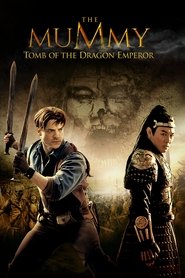
So with the magic of movies, we basically made three locations into one. And again, here's Rick about to get a blast from the past and look at this costume of his from the French Foreign Legion, which is the actual costume he wore in the first Mummy, and to long for the days
11:00 · jump to transcript →
-
Rob Cohen
give you the feeling of life and people on the streets. But the costumes that Sanja Milkovic Hays did for the whole movie are, I think, rich and textured and befitting and becoming to the actors, as well as descriptive of who the actors are. And the 500 costumes, the nightclubs, the armor, the tunics, the entire
46:27 · jump to transcript →
-
Rob Cohen
a good example of costume designer working together with director and D.D. Jet's fight choreographer working all of us together to make something balletic and pretty or, you know, beautiful to watch at the same time, hopefully gripping. Michelle Yeoh sacrificing herself to get the dagger, the only weapon.
1:30:08 · jump to transcript →
-
-
-
Francis Lawrence
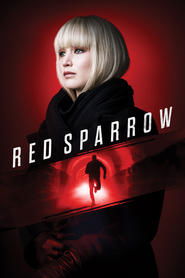
Red Sparrow was a novel by Jason Matthews, and it was sent to me by Fox as I was finishing working on the Hunger Games movies. I think we were actually in post-production on the final Mockingjay, and had actually started to promote the final Mockingjay film when the book landed on my desk. I took a look at it and immediately fell in love with it. I've always loved spy movies. And this spy story I thought was quite unique. It's by far I think the most genre-specific story that I've ever done. But I just found the character of Dominika, as you can see here, played by Jen Lawrence, to be quite a unique and unlikely hero, and a really unique way in to a spy Story. It becomes a much more personal spy story with her in the lead. I actually, even while reading the book, Started to think of Jen immediately for the part. You know, she and I had done three Hunger Games films together over the course of five years. I thought she was a fantastic actress, and we had a great time working together. So I thought it would be fun to find something new to do together. And specifically, because we had done this... We'd been working together with the same character over the course of five years it would be really fun to do something totally different, use different muscles. And I thought she could also look Russian, but thought it would be fun for her to look different and speak differently and move differently, and push herself into new territory. So when I had read the book, and I was gonna go pitch the studio, I actually called her first, and said, "Hey, hypothetically, would you be into doing a Story like this?" And she said yes, and, you know, I just pitched it very briefly. And then made my pitch to Fox about my approach in the story, which was to make Dominika the kind of heart and soul of the story, and to follow her story, and I had a couple of tweaks that I wanted to do to the last act of the book. And also spoke a lot about the tone, and the kind of hard-R quality that the movie... I thought the movie was gonna need. And everybody agreed. We got cracking, and I went to work with Justin Haythe, who is a writer that I've known for a long time, and we had developed something together before that had never been made. But we had a great time working together. And he also saw eye to eye with me in terms of the tone and the point of view of the story. And so we got working and it came together really quickly. So that by the time we had finished and released the final Mockingjay film in the Hunger Games series, we were pretty ready to go, and we were almost ready to start prepping this. We ended up bringing a bunch of people from the Hunger Games film with us. Jo Willems, the cinematographer that did my three films came with us, and our camera operator, who's worked with me since I Am Legend, and has also done numerous other films with Jen, 'cause he does the David O. Russell movies, came with us, and Trish Summerville, who did costumes. The new big addition for me, in terms of crew here, is Maria Djurkovic, the production designer. She had done Tinker Tailor and many other great films, and I just really enjoyed her work. And we really bonded over the references that we had found, and the kind of color palette that we both thought that the movie should follow. And she joined us, and we shot the film in Budapest. And primarily all practical locations. Some little set builds within locations, but primarily all practical locations.
0:22 · jump to transcript →
-
Francis Lawrence
One of the things that Trish and I worked on, Trish Summerville, the costume designer, and I was, the different kinds of looks for Jennifer. Because when you think about a character like this, right, she's actually playing two completely different people, right. You've got Jennifer the dancer in the beginning, right. And so dancers have their own culture and sense of style and how they dress when they're not at work and how they dress in rehearsals or how they dress on stage and things like that. But that's the real Dominika. And then you've got the Sparrow, right, in the uniform, and that's a bit utilitarian. And then you've got the young woman who's sent to Budapest that's playing a part, right. And so she's not supposed to be a dancer, she's actually supposed to be somebody else. So, the decision of how do you dress and how do you present yourself to the world when you're supposed to be a young woman from Moscow who's a translator at the Hungarian embassy. It's really interesting to dive in to doing different kinds of things. And also thinking about the seasons, because, you know, we Started in just before the dead of winter and then Sparrow School! took us through the dead of winter and then we decided that Budapest, it was the end of winter, and into spring. We never really wanted to see leaves on the trees at all, but we wanted to sort of get in at a slightly nicer, I would say maybe sort of damp weather, as opposed to icy weather as the story progressed. He told me about what happened at the park after I established trust. Hmm.
1:11:09 · jump to transcript →
-
Francis Lawrence
This was a nice little gag piece of furniture that Maria and her propmaker made. It's a little tough to light to see the black discs in the black drawer underneath. So, they gave Jo Willems quite a challenge. But worked out really well. You know, Jo and I have worked together for a really long time as well. I mean, we go back to the music video days, I think, you know, pre-2000, doing music videos and commercials. And then I went off to do movies, and he went off to do some movies, and so we went kinda separate ways for a while. And then started working together again on a couple of pilots. We did a couple of pilots together, and then I brought him in for the Hunger Games movies, and we really haven't stopped working together since. But we decided to do, really, a completely different approach to the movie, visually, this time. Again, we had done three Hunger Games movies over the course of five years, and there was sort of a similar feel to all of that. I mean, one of the things that I wanted to do was handheld, to sort of maintain some of the naturalism that was in the first one, but sort of more along the kind of style that I had done in something like I Am Legend where there's a hint of immediacy and naturalism, but it was actually still rather formal in terms of shot selection. The other thing that we did was use a lot of kind of medium-wide lenses up close on people, so we felt very intimate with people, but still maintained a little sense of geography in those movies. But a lot of those movies played in medium and close-up shots, or very wide, but a lot up close. And we wanted to be completely different with this movie. I mean, I wanted, quite honestly, for it to have a bit of a colder approach, a much more formal approach. I mean, the color palette was certainly gonna be different. The landscapes, and costumes, and characters were all gonna be completely different and much more grounded. But I wanted the cameras to be much more formal, too. So, locked down. So, either on dollies or Steadicam, or cranes, or Sticks. No handheld. But also to let things play a lot wider. I went in close much more rarely and let things play in wider shots for a lot longer. It was something that I'd wanted to do for a long time, but it was not an aesthetic that I had kicked off on the Hunger Games, and so I didn't want to kind of change that partway through. But it was an opportunity that I wanted to take advantage of here, and I'm really happy about it. You see it quite a lot in places like Sparrow School, and at the ballet, and things like that, that I really stay back and let things kind of play out in a much wider way. And also try not to cut quite as quickly as we may have. I wanted there to be, you know, an aspect of a slow burn to this movie. I wanted it to take its time a little bit, and not play just to the people who have attention deficit disorder.
1:34:37 · jump to transcript →
-
-
director · 2h 43m 3 mentions
Mission Impossible Dead Reckoning Part One (2023)
Christopher McQuarrie, Eddie Hamilton
-
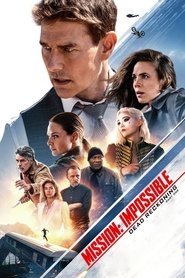
Hair and makeup are done with Hayley, all of which is very subtle. And the wardrobe on Hayley. The wardrobe is sensational. And all of it is just playing to her strengths. And it wasn't until much, much, much later that we found the music. Do you remember? Oh, my word. The music in the nightclub. Yeah. We originally had a track which the dancers had choreographed their movements to.
1:19:10 · jump to transcript →
-
they all subtly kind of bring in that sense of adventure. Even Hayley's costume, the wardrobe she's wearing, has a slightly pirate feel to it. Same with Rebecca. God, I remember when you were shooting this and how dynamic all these different moves were and these moments with Pom. And the intercutting that we then had to do. And also, I feel for Hayley, because the fight with Gabriel was originally quite a bit longer.
1:36:58 · jump to transcript →
-
Great cinematography is relying on great production design, and great production design is relying on great locations. And costume design, hair and makeup, it's all working together to make the image you see. And it's a really important thing to remember that when you're looking at the work of one sensational person, one sensational performance, one sensational credit,
2:37:32 · jump to transcript →
-
-
-
Nia DaCosta
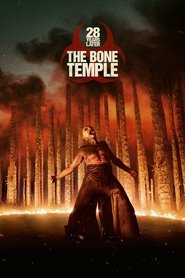
Yeah, developing this with the prosthetics was super fun. But the first time I saw... The first person they showed me was LA, who plays Jane Ji. And Gareth and Carson, who are the amazing production designer and costume designers, they also were super inside of, like, those sorts of looks, like anything that was full-body like that in terms of prosthetics, they were really inside of that process creatively. And they called me in to see LA in her skinned look, and LA was, like, had tears in her eyes and she was performing, basically. And I was like, "Oh, my God." It was so disturbing. I was like, "This is very distressing," and I'm looking at it and I know it's not real, but it just felt so real. And that's just like a testament to the amazing work that the prosthetics team, John Nolan and his team, do on this film. That's real. Well, not... Obviously, it's not his skin, but that's, like, prosthetics. That's all in-camera. With a little bit of help from VFX to clean up anything.
35:03 · jump to transcript →
-
Nia DaCosta
This was so fun to shoot. This... Our amazing stunt performer, who we lit on fire, I think, three times. And the crazy thing about this, which I didn't know, is basically he gets covered... His body... Like, underneath the costume, he gets covered in something that protects him from fire. And then he gets... puts on the costume, puts on a gel that was supposed to light up. And then he wears a mask over his face so that he doesn't, you know, his face doesn't burn off, obviously, and... But he has to hold his breath for the entire time that he's on fire, which I didn't think about. But obviously, you wouldn't want to be inhaling and burning your lungs to shit. So I was so impressed. And I always am with everyone I work with, but especially him being lit on fire three times, I think, on that night, and then three times on this night, to do the shot that's about to come.
48:04 · jump to transcript →
-
Nia DaCosta
So, yeah, pretty much all of this is practical. Like, we... A couple of the candles went out, so we added them in VFX. But just... Again, Gareth and Carson, our production designers and costume designers, did an amazing job with this set and also with saving some of... some things to discover for me so that in this film, the audience wouldn't just be like, "Okay, been there, done that," but would really feel like, "This feels like a new place," or, "I'm seeing more of this place," which is really great.
1:23:18 · jump to transcript →
-
-
-
Tim Lucas
He's played by Jose Marco, who you may have seen in the Richard Harrison costume pictures, The Invincible Gladiator, Gladiator 7, and The Secret 7, all pretty good pictures. He also played the role of Paris in Ricardo Freyda's now rarely seen 1964 adaptation of Romeo and Juliet. In later years, you could find him in Compañeros, The Horrible Sexy Vampire, several Paul Nash-y werewolf films, and toward the end of his career, Women on the Verge of a Nervous Breakdown.
15:02 · jump to transcript →
-
Tim Lucas
Indio gives us a great deal of verbiage to prepare us for a single, simple visual, proving that a picture is literally worth a thousand words. And there is a bit of Alfred Hitchcock in this moment as well, because Leone cuts from the maquette in Indio's hand to the disguised safe as it presently appears in the office of the El Paso bank manager, who is played in a winking cameo by the film's production and costume designer, Carlos Simi.
40:00 · jump to transcript →
-
-
-
Tim Lucas
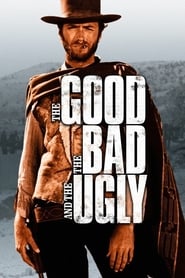
and that he died wearing his Once Upon a Time in the West costume. He had only one shot that remained to be filmed, but evidently he couldn't wait. Sergio Leone never forgave him. He reportedly stepped over Mulock's dead body, telling the wardrobe man to take off his costume, which was then handed to a stand-in who took his place in that last shot, viewed only from behind. There is some masterly interplay with props here on the part of Mr. Wallach.
1:46:19 · jump to transcript →
-
Tim Lucas
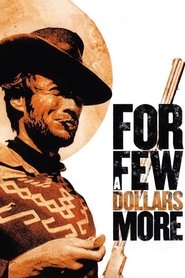
As was not unusual in Italian cinema, the production designer was also responsible for the film's costumes. In both capacities, Simi specialized in westerns, ranging from that early Franco and Ciccio spoof to Minnesota Clay, Django, the big gun-down face-to-face, Sabata, and Kiyoma, not to mention Once Upon a Time in the West. Was this the first sideways gunshot in film history? You tell me.
1:47:12 · jump to transcript →
-
-
multi · 1h 59m 2 mentions
David Naylor, Guy Hamilton, Tom Mankiewicz, John Barry + 14
-
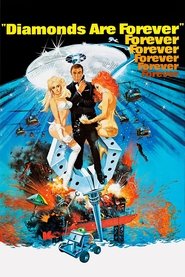
Lois Maxwell's agent negotiated a perk for her in Diamonds Are Forever, that she would be able to keep her wardrobe. Unfortunately for Maxwell, the only time she's seen it's in a customs uniform. Now back to director Guy Hamilton. I wanted to get Moneypenny back into the story, get her out of the office so that I could see her in a uniform. Tom Mankiewicz recalled shooting the hovercraft on location.
15:38 · jump to transcript →
-
They used to do wonderful decorative pieces, and they had this huge iron-bound kind of chest. It was more of a kind of semi-wardrobe. It was so big, but it was tremendously heavy. And we rented it. Ronnie, again, has got very good kind of liaison with this fellow in German Street.
1:17:40 · jump to transcript →
-
-
director · 1h 28m 2 mentions
Don Coscarelli, A. Michael Baldwin, Angus Scrimm, Bill Thornbury
-
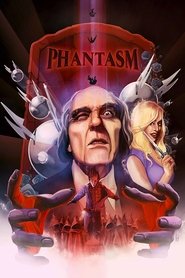
Oh, man. Can we fast forward through this section? Derby. What inspired the derby in this scene? Yeah, I don't know. Where did that come up? Not me. Well, that was our Jack of All Trades costume designer, who also happens to be my mother and was also the production designer and makeup. She came up with that, I guess. Very An Souchant. Now, Bill, you wrote this song, didn't you? Yes, Michael, I did. Uh, we, uh...
16:12 · jump to transcript →
-
one day for filming. We actually filmed it in the front of the mausoleum at Oakland. And it was just this gorgeous piece with horses and everything. And our costume designer had found this top hat, a beautiful outfit for Angus to wear. And we shot it in black and white and wanted to try to mix it. And it was an attempt to bring his character to life.
55:15 · jump to transcript →
-
-
-
He would write me these little notes that was like, you know, aim, you know, costumes went very. Wow. And then when we were going to rehearse, and I had never rehearsed before, so I didn't know what you were supposed to do. And I thought, okay, let's just all go to high school and we'll have a pretend class. Oh, wow. I didn't call it rehearsing, I called it pretending.
28:03 · jump to transcript →
-
Okay, these were your buddies, right? The Martin brothers? Yeah, Doug and Steve Martin. And they're just two six-foot-tall, red-headed, identical twins. And they got a big laugh just on sight. It was a little lesson. I love his outfit. The pirate outfits, our costume designer, Marilyn.
48:44 · jump to transcript →
-
-
cast · 1h 36m 2 mentions
The Garbage Pail Kids Movie (1987)
Mackenzie Astin, Katie Barberi, William Morris
-
Kevin Thompson. Kevin Thompson. Now, we should mention, we should mention, some of these guys, they were all hired to be inside these costumes, but they were not hired to have their voices on the film. And Kevin Thompson was one of the actors who was so great at creating this character, Alligator, that he did his own dubbing, his own shooting, I'm sorry, his own sound. Yeah. For Alligator. Yeah, Kevin...
20:38 · jump to transcript →
-
And that's what I'm talking about. Like they were very, they were very well organized. Phil was at the head of that. Everybody, all of the, all CG, I mean, I'm sorry, all animatronics, all art, all makeup, all wardrobe, they all kicked ass. They were all very good at their jobs. They all worked very hard on a very small budget. Everybody did their very, very level best on this project.
1:34:25 · jump to transcript →
-
-
-
Paul M. Sammon
Now, Tommy Noonan goes through a lot of changes in this film's costumes, and interestingly enough, they didn't develop this in the final shooting script, but the idea was that he was not only a very powerful drug dealer, but he was a religious figure. In fact, that first shot you saw him sitting in the dark surrounded by the wall, the actual scripted version had him in a priest costume in an auditorium with 2,000 followers who were on their knees singing hallelujah.
11:30 · jump to transcript →
-
Paul M. Sammon
anti-smoking campaign. So I guess this is one way of doing it. Whenever you see the, this is one of the one that says avoid Orion meetings. Whenever you see a close-up of Robo putting his gun back in his leg, that is a separate construct of cable control that is not connected to any part of the Robo costume. That's why you always see it in close-up.
56:37 · jump to transcript →
-
-
-
The running sequence was really the most complicated sequence to incorporate to shooting this movie because we had to create a timeline for Forrest taking this extraordinary run, crisscrossing the country a number of times. And he went through a whole evolution of his hair and makeup and wardrobe and found characters along the way that followed him.
1:53:14 · jump to transcript →
-
opening a new set every day because that meant you had to go into something new. You had to light it. You were, you know, you had a whole new group of atmosphere people. You had a whole new group of costumes. We had so many different periods of time that the movie wove through. That was hard. And the other thing that was hard was designing the run at the end in terms of beard continuity and
1:54:12 · jump to transcript →
-
-
-
But there's also a woman in that Amy costume. So basically, when they're all talking to her, like there's an actual woman in there. Actually, there are two actresses who alternate playing her. So they had two Amy suits because they were an inch or two apart. But they were like 4'9", 4'10". Little, you know, smaller women. And they wanted Amy to be smaller and cuter in general and wanted a woman to play her. So they were...
18:26 · jump to transcript →
-
paid homage to that by giving them sort of club hands and they into the costume built these kind of they almost look like a stamp but or a stilt like connected to their fist the actors to make their arms like longer and more like clubs but they are humans in there um and uh they also did you know extreme workouts for the greys to make certain muscles big like
1:19:27 · jump to transcript →
-
-
-
The paintwork on Evie's costume there was a little bit too sheer. That shows my professionalism. I was so concentrating on her performance and her face that we didn't realize until we got the dailies that basically it looked like she was completely naked because, well, the white little gauze thing she's wearing, when wet, it's completely see-through. So we had to do a paint job, which many of my assistant editors were not happy with.
33:12 · jump to transcript →
-
And actually, it kind of worked well for the scene. Afterwards, they all told me they were just wondering if they should continue on or what they should do. And their lack of reaction actually makes it more humorous. Now, this next scene coming up with the warden, as we mentioned earlier, he was supposed to, as he was coming around one of the corners, he was supposed to moon us, meaning, you know, that his underwear and pants were pulled down. For some reason, the costume department thought that maybe it would be better that if he wasn't wearing any underwear at all. And so, which turned out to be
45:55 · jump to transcript →
-
-
-
That point where the soldiers shoot him is actually an end point where a different version of the film, which we hope to be able to show you on the extras, storyboarded, kicks in before the soldiers shoot him. But I won't say any more about that. Hopefully that will appear on the DVD extras. Those costumes that the soldiers were wearing are actually done by...
1:06:25 · jump to transcript →
-
Rachel Fleming, our costume designer. I remember when she first showed me them, I thought, oh, wow, these are way too extreme and it won't get away with this because they're totally in total bio gear, you know, to protect themselves. But actually, of course, she was right. When you get the energy of the scene up and they actually come into the scene, it's exactly that kind of alien thing that you want. You know, their first sight of other survivors is almost like they come from a different planet, you know, to begin with, before they begin to kind of get to know them as they do here.
1:06:48 · jump to transcript →
-
-
-
Barry Sonnenfeld
Hi. I'm Barry Sonnenfeld, the director of Men in Black II. And I'm gonna talk you through this movie from my perspective. First of all, I thought it would be fun to make the Statue of Liberty's torch... ...because I view her, the Statue of Liberty, to have its own neuralyzer. It's actually the Columbia logo, but you'll see... ...at the end of the movie how that comes back around in a circle for us. This is the second time I've used Peter Graves in a movie... ...to play the same exact role. He was in Addams Family Values... ...and was also the host of a strange reality television show. I love this thing we did here, this Steve Martin bow-and-arrow thing. And I love that the cuts are purposefully missed. They're not really smooth cuts. in order to escape the clutches of the evil Kylothian, Serleena. Mary Vogt, the costume designer, created that really cheesy Serleena... ...out of a bunch of tubes. This was all shot in Van Nuys, and we built this corn... ...not knowing that the corn would rise to 18 feet high... ...SO all that corn is higher than any corn you've seen in your entire life. I love-- We call him Link, and he looks like Gary Martin... ...Who's a head of Sony production. And Gary Martin is one of my many idols at Sony. We left all the strings in on the spaceship, so we... Here's a Jump cut here. We wanted it to look as cheesy as possible... ...so that you would feel you were watching an old TV show.
0:03 · jump to transcript →
-
Barry Sonnenfeld
Obviously, this is all computer graphics element... ...done by Industrial Light & Magic. Mary Vogt is a wonderful, sweet costume designer... ...who worked with me on Big Trouble and Men in Black I. Elfman did a fantastic score for this movie. VICTORIA'S SECRET This is probably the longest shot in production. This took over eight months of work in the computer. We kept trying to make the heads better and the eels wetter... ...and figuring out the speed that both the foreground guys should move... ...and how quickly the deep background stuff... ... should look like flesh and underwear... ...as this creature is creating... ...What will become Lara Flynn Boyle. Graham Place, the co-producer, has done about 20 things with me. He's my best friend. Just last night, I bought him dinner at Chinois on Main... ...With his wife and daughters. Hey, pretty lady. We're back in Pasadena. This was done with a series of shots which were seamlessly connected. For instance, that thing where his legs went up. Now, this is a separate shot. We've made a perfect dissolve. Rick Baker designed Lara's stomach here. She realises there's a problem between the picture she wants to look like... ...and what she turned herself into. It's all about Lara's stomach. I love the way Lara walks across there, just kind of trampy. Again, this was another dissolve. She walked across... And this is about an hour later... ...because we had to take her stomach off and add makeup to her. Robert Gordon was the first writer hired. Then Robert and Barry Fanaro, who worked on several movies with me... ...and went to film school with me... ...did a lot of work on the movie as we progressed. Now we're at New York City... ...on Sixth Avenue in the upper 40s, lower 50s. Patrick Warburton, who is Agent Tee, was also The Tick... ... which I directed the pilot for and produced... ...and also had a role in Big Trouble, a movie I really am quite proud of.
4:50 · jump to transcript →
-
-
director · 1h 45m 2 mentions
Eternal Sunshine of the Spotless Mind (2004)
Michel Gondry, Charlie Kaufman
-
I like how she's a little more like of a rock chic now. Melissa told the costume designer has a great way to describe the character without making a statement. She's wearing this kind of velvety jacket with a lace in the back and it's a nice contrast with her at the office.
43:37 · jump to transcript →
-
It was even longer in reality, wasn't it? Yeah, we cut some of it. He changed his costume more times. Yeah, from here, this is one cut, but from here, it's all done in one shot. So... Here, Jim would go behind the camera, change his clothes and sit there. And it's amazing, it's there already. And then he would come back behind the camera, put his clothes on and be here.
55:53 · jump to transcript →
-
-
-
The character, the idea that I got to work with Keri and have her kick ass and have a gun. Look at how tough she is. She worked for three months. She really did an amazing job. Now, there's Buster. There's Buster. Buster trained me into fighting. Yeah, he trained you and he made a number of appearances in the movie later on, you know, in different costumes. I love this moment.
19:53 · jump to transcript →
-
The way you see this piece, the UAV coming. Just watch the water in this shot. The way they had the smoke move. I love the music also. Okay, now this shot coming up, I love this shot coming up. And it was this one right here. This was on a separate piece of the bridge. That was the elevated piece, yeah. With these guys the first day. Look at the costumes also. Looking...
1:04:11 · jump to transcript →
-
-
director · 1h 37m 2 mentions
John Cameron Mitchell, Justin Vivian Bond, Sook-Yin Lee, Paul Dawson + 1
-
was perfect. You're doing an homage there. That was a filmic reference. I didn't want to tell you because I didn't want to make you self-conscious about laying, but it happened anyway. Remember, it just fell out of your panties. Look at how gorgeous Justin looks. This is not a shot of Justin. That's Justin. That's Kurt and Bart. I have to say, yes, thank you, Kurt and Bart. They did a good job on making me these fantastic costumes. I was so jet-lagged and tired and
54:03 · jump to transcript →
-
We were in rehearsal and you had something sort of like that. I walked down, I walked into one of our early rehearsals. I had gone to Girl Props in Soho. I bought a big freaking flower and then it started to become part of our improvisation and we ended up incorporating it within Sophia's ensemble. Kurt and Bart are costume designers who were known for their rock and roll stylist's work and videos from Britney Spears, etc. This was their first film.
55:22 · jump to transcript →
-
-
director · 1h 42m 2 mentions
Len Wiseman, Patrick Tatopoulos, Brad Martin, Nicolas de Toth
-
A lot of these blood hits are CG that are put in just so you don't tear up the suit and go through numerous different costumes just by putting a squib blood hit in them. So that was Scott. Yeah. And through a lot of the sets on the location, you'll notice there's a lot of rocks that we actually brought in. I wanted a bit more of a claustrophobic, narrow, dangerous-looking...
30:50 · jump to transcript →
-
you know, that I possibly needed, and just a great guy as well. There's Simon, Soft-Hand Simon. Soft-Hand Simon, very good. And who's that guy? Craig Patrick. I'm worried that we can't distinguish my voice from your voice. Who's that guy? I'm worried about that. Wendy, the costume designer. Yes, very good. So we're just going to do this for every single time. Oh, Margo. Oh, Margo. Fantastico. Yes. Margo. Patrick. Hey.
1:39:01 · jump to transcript →
-
-
director · 1h 26m 2 mentions
Underworld Rise of the Lycans (2009)
Patrick Tatopoulos, Len Wiseman, James McQuaide, Richard Wright + 1
-
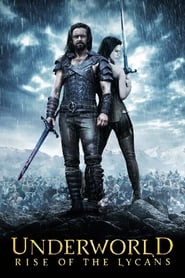
This was part of what we described as our Spartacus sequence... ...where we wanted to have the slaves working on the rocks. Yep. This again, Dan Hennah and his.... It's an astonishing scale that we were able to get for the limited budget. Look at Larry. Larry's got the cruellest villain face. Ever. - Yeah, he was. I mean, Larry Rew's fantastic. He's just great, great expressions. And he was a local New Zealand actor, right? We found good actors in New Zealand. He was from there, and when we started to consider him... ... he actually decided to move to England. He came back from... What's the deal? - Yeah, that was weird. You will not always be his favourite, and when you fall... ...I will be there. I gotta say about Michael, really, because I was talking about Rhona. We just went through this. Michael... The first thing when I did the movie, I thought this is a bit of a fun little ride. He took the character and the part so... You guys saw that. He was so into it. And he was a real, real strong.... He was very big part of actually the way the character developed. He was very professional. Completely professional. And brings so much to the-- Yeah. I think you have to, you know, for these, it's.... You know, It's a different kind of film, but, you know, people that are... You know, If you were really into this kind of genre... ... you'd take it as seriously as anything else. And he is, actually. When you ask him what he likes, he likes Stephen King. He like that kind of stuff. - Oh, yeah, oh, yeah. These two actors are actually very well-known New Zealand actors... ...normally doing theatre and considerably more high-brow stuff. But they had a great time playing these roles. Orsova and Coloman. - Yeah, he's great. I remember seeing him early on... - David Ashton, yeah. David Ashton, yeah. Yeah, when we were going through all the casting and everything. He popped out. He was great. They're very solid actors. They're fantastic people. We're very lucky to have them onboard. And Elizabeth as well. - Yeah. This is so different from the type of roles... ... that she normally gets to play. They had such a good time, though. And who was the--? I Know we had a couple of different... . like, arrangements for their costume design. Who was doing for this stuff here? Who did these--? - Because I know that... Beanie did all the costume except for Rhona. Except for Rhona, right. Wendy Partridge did Rhona. Jane Holland, New Zealand? - Yeah. She did absolutely every costume in the movie. The only thing she didn't touch was basically Rhona's wardrobe. I remember when I showed up on set telling Gary that, you know... ...producing this one rather than, you know, directing... ... that I was jealous of the detail that you guys got out of it. It's like, in the costumes, in the sets, everything. I wanted to make you jealous about some things. I heard that, and you did, and you did. I'm already terribly, over the accent itself.
9:10 · jump to transcript →
-
That, if anybody is interested... I called that on the day when I saw that bloody scar. That was actually the same one that Guy used for Singe. For Singe. When he gets busted by... - Exactly. When Viktor punches him in the crypt in number one. You see, if you never said that, nobody would have known. Now they... Hey, cost-effective. - That's right. There's a lot of recycling like this in makeup effect. If you're clever, you know... - Of course. I love this scene between them. - Yeah. And just the tension and, you know. And the next time you see them together... ...when they go in that room is one of my favourite moments. That one was like the little homage I wanted to make... ...at Murnau's Nosferatu. You know that creature that comes into that room. It feels like you don't know if he's gonna strike at him or stuff. And then we were really worried about this whole daylight. Forest daylight. Not Knowing what colour to get. We'd never gone outside before in the Underworld series at all. It just popped out and felt kind of, we had our... ...Xena conversations and worries. You know, with the combination of just... The costumes could only be but so different, you know. These guys are supposed to break out of prison and grab what they can... ...from the other soldiers. And then putting them in the forest. You know, Lucy Lawless comes in and it's all over. So we finally got, like a... Went with a bit more of a green stylized than normal daylight. That's the shot. What's funny is that Steven and Bill were actually very, very close friends. And they had dinner every night together... ...and in between takes they'd be sitting there talking to each other. And then get time to get back on the set. And then Bill would be bullying... I need to make a-- Oh, yeah, here. Just to make a little note, we haven't talked about the music here. Paul Haslinger was just... That was a challenging one. You don't wanna be too over-the-top with the music. Yet you wanna create a little suspense. And I think... He did the first Underworld as well. He did the first one as well. - Yeah. I love that. That was a... It's a perfect display of what Viktor is about and what he's like. And then Tannis' reaction to that I really loved. This was another shot that was vastly improved... ... after Clint fattened the visual-effects budget. Before it was like three guys standing around. It was seven guys. Don't be... - There was smoke, no flame. And no fire. It was nothing. The whole mountain behind Michael was CG.
47:34 · jump to transcript →
-
-
technical · 1h 22m 2 mentions
Måns Mårlind, Björn Stein, Gary Lucchesi, Richard Wright + 1
-
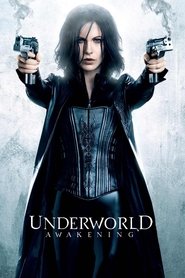
I think in the very early draft... ...we actually started cutting her up. Yeah. And then we realized, but she's healing instantly... ...SO actually that will just be a problem. It'd be kind of comical. Cut, cut, cut. - "She's healing!" Also here we.... I remember we just had scrubs on them, but Monique... ...who did the costume, she made this Antigen Labs.... The scrubs. Yeah. - Yeah. They were special. Michael Ealy's big moment. The blooper gun. This is the first time that this gun is used on film actually. Is it? - Yeah. We're trendsetters. Yep. Yep. This big black one. - Yep. Parking Level 3. Doesn't sound menacing, though. Blooper gun. No. It sounds like a joke. - Yeah. But the gun guys, who are really cool guys in Vancouver... ...when they were talking about... ... there had been this convention in Las Vegas. A gun convention in Vegas, and I said, "I actually wanna go there." God bless America. Yeah. God bless America. Here's a shot while we're in... While editing... - Great shot. While editing, everybody hated this because it looked so silly. And James, when you came in, "I think it looks pretty bitchen." And it does. - I know. It's funny when you go through all editorial with gray-scale animation... ... approximating what people are gonna look like... ...and then you finally see it done... ... it transforms the movie. It goes from being really bad to go to very exciting. It's... Yeah. - That's a huge step. That's a nice step, though. I like it when that happens. I remember shooting this. Kate was like, "Where's the camera?" "It's right behind here." "Naughty. Naughty." And also, you know, seeing all the gray scale and stuff... That's why we didn't test the film because it's pointless. You can't see what it looks like. It does look silly and just like a bad cartoon... ...So there's no point in testing it. Because, you know, even we, who are supposed to be really good at this... ...when you see it all together... ... you know, the final product, so much happens... -.,.be@Cause... - Let's be honest. And James can speak to this better than anybody... ...but my recollection was that in the last week prior to delivery... ... there were still 200 shots you hadn't received. Easily. - Yeah. I'd walk into his office every morning and it was like... These are things... - "How is it?" What's it like?" "A hundred and forty shots left." It was Wednesday and we had to deliver it Friday. The studio was saying, "You have to deliver the film three weeks earlier... ...than you thought you had." - That was a blow. There are versions of the visual effects that are different in the IMAX version... ...to the theatrical 2D to theatrical 3D, the video master. It was all depending on what the schedule would allow for. We kept working until... ...we couldn't do any more. I'm very happy here. We never shot the reverse of the guy getting shot. And people were angry at me because I was directing this day. But it's because the effect is there. When the effect wasn't there, it didn't work. I Know. But I think that's cool. Because I think it looks very '70Os. - It's like, "Shut up. Just get out of my way." - Yeah. Yeah. Yeah. Shaft kind of cool. Then this is one of my favorite blood splatters. That one. - That's real, actually. That was beautiful. Real? Did we shoot those guys? - Yes. Yeah. I love them. I will now resign. Did we kill people? - They meant they had squibs. Selene has to make the choice, does she go back to her husband or lover? Or does she go after her daughter? - Yep. Or does she try to have both? - The dilemma. One of the things that we were struggling with... ...In this script was that we thought, "Can we have a good third act?" Because the second movie, it's... The setting is so beautiful... ... with its old castle and underwater and so on. And, I mean, we scouted so many parking lots, it was obscene. Yep. Another example of how we wanted to hurt her so much. Yeah, that was Alicia, our stunt double, taking that hit. She landed on it. She's insane. - Yeah, well... Here's a shot that we don't think Is silly. No. No. It works. - Works. At least we think so. I hope you guys watching this think so as well. But it was always like: "Oh, so only his hand will grow very, very large and hairy. This will look so extremely silly." But it actually worked. This is when I think homage is really in a good way. Yeah. - It's not a fucking steal. It's you take something from 7... ...and you do it... - Underworld 7. The drop through the floor, right? - Yeah. And you update it. - Invert it. It's inverted. So I think that that's... That works really good. Len's-- That was Len's idea. The whole-- It's very scripted... ...how he shoots it.
1:04:06 · jump to transcript →
-
Now you got it, right? - This is what I love. Once the gre... That's it going off. Okay. - Yeah. Well, I didn't know. Last night was the first time I had seen this shot finished. The MPAA, remember, was really worried... ...we were gonna put a giant set of genitalia on him. Oh, they did. - Oh, they did. Yeah, that's the director's cut version. This was hard, I think. Because we had just been in this violent extravaganza. And now for emotions. But I think it works. - It works great. Because Kate is good and India is good. "You came back for me." - Yeah. And I remem-- This-- All... The tears and so on on Kate is completely real. Yeah. - But this is why she is, you know... This is why Kate is a movie star. She times it so the tear comes exactly where you want it. And I remember.... You only get that from professional actors. They know their body like, you know, true musicians. Go. I'll send them... ...on a different path, buy you some time. This is a part of the movie where we struggled... ...tried to figure out what to do now. How do we end the movie? - Yeah. We went through so many different permutations. We did film Michael watching them. - Yep. From the roof. - Yep. This scene was always in the film. - Yeah. That she comes back and finds the.... There was a period where we weren't. No. This was actually decided... It was not in the script. This was halfway through the shoot, we realized we needed this scene. We didn't wanna end on a rooftop... ...because it's kind of cliché a little bit. We did it in our Swedish film, Storm, actually... So then we ended it on a rooftop. - So-- But, you Know.... Sometimes cliches work. - Yeah. I think it's better than a forest. lt worked for the voiceover. Yeah, it was in a forest. Yeah. That was-- Yeah. But you want a nice wide shot. - Right. You see the city, see the world. And.... - The close-ups. I remember waiting for Len to write this voiceover, it took forever. But then he got it, and it was great. - Then he delivers. Because you get this "fuck, yeah" feeling. I've always thought that it's Kate that writes them... ...but Len actually does write them. Well, we'll never know, will we? I like those guys. That's those Swedish guys, isn't it? Yeah, yeah. Wonderful writers, John Hlavin... ...Michael Straczynski, Allison Burnett. Yep. There's Len again. - Len and John Hlavin. Kevin Grevioux, shout-out to Kevin. - That's right. Anyone fancy a pint? - We have to trash everyone. We have to trash those guys for sure. - Producers. David Kern, there he is. - And David Coatsworth. Good on you, mate. Yeah, that's it. - That's it. Scott Kevan, DP. Excellent. Yep. - In the house. Claude Pare. - Yes. Award-winning production designer. Jeff McEvoy, the gentleman. - Yes. He was there the whole time. - Monique Prudhomme, costumes. Paul Haslinger, Underworld veteran. Are you gonna go through all of these? I'm just reading. It's not that hard. Tricia and Deb did all of the Underworlds too. Couple of small words here. - Needs no introduction. India, she was the third girl or second girl in the room. Remember that? - Yes, absolutely. And we just looked at each other. "This is the girl." "This is the girl." In, like, five seconds. Me and Bjérn never did big Hollywood movies. But you sure as hell had before. - Yes. "Does it work like this? Can we say yes?" You were like, "Yeah, yeah. I think we should go." That was amazing. That'll be the last time that ever happens in your career. When we saw Theo, we all liked him... ...from the very beginning too. - Yeah. But India was... She was the first day of casting. But Theo we cast in London, though. Yeah, but the moment we saw the tape, it was done. But that was after going through a lot of people in L.A. Yeah. A lot. - Yeah. Richard Wright. - Yeah, how about that? Yeah. Love that guy. Yeah. - Yeah. Paul Barry. I Know it sounds funny but... We forgot to shout-out to Paul Barry. Paul and Nee Nee. - Best first AD ever. And here it says.... - Brad Martin. Gets his own card, damn it. - Yes. As he should. You should work with him if you wanna do good action. Oh, you know-- I actually am right now. How about that? Good for you. I thought this Evanescence song worked too, quite frankly. Yep. America's biggest Goth band. They're Americans? Yeah. - Yeah. Dude. - Yeah. "Dude." - What? But there's-- It's... When you sit here... ...and look at the names of all the people that worked on the movie... ... you realize what a collaborative effort these things always are. The fact that the five of us can sit in a room... ...and talk about it is one thing... ...but the filmmakers are really everybody on this list. Well, but the other.... I agree, but at the same time l.... After we finished shooting the film, which was a very difficult shoot... ...we came back to Los Angeles and we cut at the Lakeshore offices... ...and Mans and Bjérn were there religiously every day... ...putting their heart and soul into the movie. And I think they were... They put their heart and soul into the movie... ...from the moment we met them to the moment the movie was finished. So as producers, I think we have to really thank them. Thank you very much. - Yeah. That was very nice words, Gary. Thank you. - You're welcome. We are as tall as we are... ...because we stand on the shoulders of giants. Yeah. - And I kept saying to myself... And this is the part where everybody turns this stuff off. Nobody's listening right now. - We worked our asses off. But James McQuaide delivered on those visual effects. I Know. I gotta tell you, man.... It only took five years off the end of his life. Oh, jeez. The best he's ever done. lt was fantastic. It is very therapeutic to watch this. It is, isn't it? Yeah. - Now it is done. We can move on. - It's done. Yep. And it's Friday night at 6:20 p.m. And.... Film's opening tonight. - Yeah. Have we got numbers back? Have we got numbers about how it's doing? Yeah, very good so far. The advance New York early-screening report... Excellent. Didn't you say that it did great in Thailand? Taiwan. - Taiwan. Thank you, people of Taiwan. - Yeah, thank you, Taiwan. Shout-out to Taiwan. All right, so this is pretty much it. Thanks, everybody, for listening to our babbling. And have a good night or a good day or whatever. Are you gonna say something in Swedish?
1:16:16 · jump to transcript →
-
-
multi · 1h 39m 2 mentions
The Grand Budapest Hotel (2014)
Wes Anderson, Roman Coppola, Jeff Goldblum, Kent Jones
-
Wes Anderson
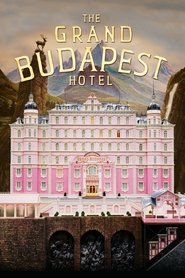
But he has such an interesting voice as a painter that this painting, it has a-- There's an aspect to it where you know it's not exactly a period painting, but he brought so much detail that is like Holbein, and the way he did the furs and the velvet. And he actually-- We cast a boy-- His name is Ed Munro. --who sat for him. And the whole painting was done-- Milena Canonero made a costume for him, and the boy sat for him. And anyway, he's a wonderful painter.
33:14 · jump to transcript →
-
Wes Anderson
Here's Willem. He has a very good costume, I have to say.
39:15 · jump to transcript →
-
-
-
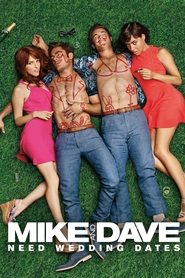
By the way, check out those horses. Another big training stunt. We had to ship horses in from the mainland to get the properly-trained horses. 'Cause, again, there's a whole horse sequence of stunts that didn't make it into the movie, but that should be in the cut features here. We did so much work with those horses. And now it just seems like, "They have one scene where they let horses out." We spent, like, a whole week of nights filming horses. And there's so much more footage on the DVD. But that's how it goes. Got to learn to not be precious when you get in that edit room. And just follow... Make the story work. Follow the jokes, follow the story. Clean it up. This is a fun scene to shoot where these two actually connect and get serious here. We shot this over two different nights, I think. Which I was worried about breaking up the flow of the scene, how we had to shoot it. But I think we shot all the wide shots one night. And then we went in for these close-ups another night. And we shot this towards the end of our schedule and towards the end of our stay at Turtle Bay. And I remember the actors, there was a little bit of how, "We've been so goofy and crazy for so many weeks shooting this, "how are we supposed to get a little serious and shoot this scene now?" It was like we all had to take a moment and reset and Say, "Okay, how are we gonna shoot this "like a real connection and still get some jokes in there, "but make sure we don't undersell the connection here?" Can I assuage you a few questions? That's always a little tricky, to switch modes when you're kind of used to doing one thing. Pop into another. You got to make sure everyone's on the same page. ...8O people listen to me. And it's fucked up. Me, too. I'm a natural born leader. Like George Washington. Yeah. Or another leader. Oh, she's back, she's back. - Jake. Oh, yeah, hey. - Hi. Hey, Margie. All right, here's one. I had to go to the bathroom. Okay. You don't have to tell me that. - I had to pee. You don't have to Say... I don't know, why would you tell anybody that? A stranger, me, but definitely at work. Why would you... You don't have to tell me that. I just want you to know. I had to pee, okay. I was not overwhelmed, emotionally. Sure, okay. I'm not gonna press you on that. I'm just gonna let you say that and I'm gonna give that to you. I peed in there if you want fo... - You don't have to keep saying it. The more you Say it, the more it's pretty obvious that you're lying, in fact. So I would just... - Okay, why would I lie about pee? That doesn't make any sense. You were gone a long time. lll say that. I will say that. If you really want to get into it, no, I don't think you left to pee, 'cause you were gone way too Iong. And I heard very heavy breathing and heaving outside the doors. These doors are supposed to be soundproof and I heard you. Okay? So there. I don't... That must have been in your movie or something. It wasn't in the movie. Ooh! My little cameo in the movie. Margie... - Who was that guy? Not important. Listen... Dave! Hi. Now I have to pee. 'Cause you have... All this talk about pee. What's going on? Are you okay? - Me? Um, I should have done this before we started. There's no way to stop the recording? - No. We cantt. Once we start, we can't stop. It's just like a Snickers bar. Okay, I'm just gonna run really... "Just like a..." I'm gonna just run really quick. Will you, um... I know this is crazy and probably something you haven't done before, but would you just mind filling in commentary for me for the next minute here? - OA, uh... Okay. Sure. - Okay, I'm gonna run. Okay? - I've never done the... Okay. Okay, just keep it... I just don't want there to be a blank spot in this. So I'm gonna run to the bathroom. Go for it. Okay. This a really good time. Uh, Jesus. This is a naked woman. There are horses. Um... I'm a woman, Dave. Deal with it. I done... It's vagina, vagina hair. I didn't come from that bush. There's, um... He's in a Suit. This is an attractive woman. Hi, Becky! - God, your bush is huge. And then... Margie, I'm sorry, I actually don't know where... Where's the bathroom? I'm so sorry. I ran down the hall. I went to the... Where... Oh, sure. It's down the hall and it's to the right. Down the hall, to the right. Okay, is it going okay? It's going really, really good. -/ think I'm doing well. - Okay, awesome. I will be right back. Just keep going. Okay. Why the fuck would you do that? I don't think you're supposed to go into the mystery bag... the night before the wedding. This is excruciating. Um... But Mike was right about you two. Uh, different gestures. Dave, I'll be honest with you. This is a scene that was shot at nighttime. There's fire in the background. The wind feels so nice. They... You have to be careful when you shoot with fire 'cause you might get burned. I'm so thirsty! Dave, we should get in the ocean. Um, and there's a bridge. Just be quiet. Oh, my God. What is the point of any of this? /, um, can't swim. That's a fun fact about me. I never learned. Okay, okay, okay. Thank you. - Oh, God. Hey, thank you very much. Did that go okay? Yeah, my pleasure. It went really well. -/ think I got some really good info in there. - Good, good. I'm trying to think of where we're at. Where did I leave? I left in the horses scene. So, I know you didn't know a lot of the same details I know. But, uh, just fun facts about that scene. Got... What... If was shot at night. Jeanie had to be naked. There's a vagina. There was fire. You got to be careful when you shoot with fire. People got to be worried about that. And there's a thing on a bridge. And here... - I covered all of these points. You know, I'm gonna listen to this at some point. I'm amazing. What? Really? You covered all that? Yeah, I got all... I got about how fire is dangerous. Fire is dangerous. You got to have a special fire guy on set when you have any fire. Talked about naked. - They were naked. Really? Did you really talk about that? Yeah, I... Yeah. Wow. But you didn't... I mean, they're real naked... You probably didn't go into the detail of we had to cover the vagina with a merkin and all that. You probably didn't say that word. - No... Yeah, I did. Yeah, I did. It's not important. I don't even know why I'm saying that word. But mostly just sad. Listen, this is a really emotional moment of the movie here. Dad! - Don't! And, gosh, Zac doing that Rastafarian accent will always get me. And you can see behind the parents in that shot a little hint of our deleted scenes. There was an exploded pig in the background of that shot right there that is part of an entire story line about a roasted pig that did not make it into the movie. And, again, is on the deleted scenes. And it's still left over, you can see that. That scene was initially horses running through and destroying the place and digging up a roasted pig that Eric was so excited about doing a traditional pig for his Hawaiian wedding. And it's all gone now. A little 'round-the-horn here of everyone depressed the next morning. This is a real hotel room that we're shooting in here. We changed the walls, changed the furniture a little bit. By the way, have I taken the time to just stop and say how wonderful of a person Zac Efron is, and how fun it was to make an entire movie with him? Zac is one of those guys, just one of the sweetest dudes you'll ever meet. And you're not... You know what I mean? And I think it's good for people to know that he is one of the nicest, nicest guys I've ever worked with. And so good at what he does. And takes it so seriously. And always has thoughts to bring to the scene. And it was a pleasure. When I first... I actually first met Zac years and years ago for a very guerilla-style Funny Or Die video back in the day. I think, around when the 17 Again movie came out. We made a little Funny Or Die video that Zac was in. And when I first met him for this, to talk about doing this movie, which is, you know, six years after that thing. He was like, "Wait, do we know each other?" And I was like, "Yeah, back in the day we did this little Funny Or Die video "for an hour one day. It was real quick," and da, da, da. And he goes, "Yeah, yeah, I remember. We shot that that Funny Or Die video." He goes, "Man, people really thought that video was cool. "I got some, like, good props for doing that video. "Thank you so much for doing it." I was like... That was the first kind of thing after being a Disney star that people are like, "Hey, man, that's really cool that you did that." He was like, "I always loved doing that video." And I was like, "I got him." I was really, really excited and hopeful that we would actually be able to get him in the movie after that. And we did. He was in after our conversation that day. And it was really fun to spend time working on the character and working on the movie with him. It was fun to spend time with all these guys. Aubrey Plaza, I mean, come on. Who else can play the crazy Tatiana? 'Cause Aubrey is so funny and so good. And also a legit weirdo who can be a very weird person in the... And I mean that in the best way. I love Aubrey. And she's Tatiana in a way that, I think, other people, you would have known they were acting to be the crazy girl, a little bit. And I believe Aubrey somehow, a little bit more. Um... But I think occasionally... we should think about how we make... Here we go. We did a lot of work on this scene. This scene is kind of cobbled together from another scene that's not even supposed to go here that we put at the end, put at the end here. I love these girls here, kind of, learning empathy for the first time. Learning to feel for other people. Deciding they have to run off and save the wedding. Poor Mike. He's less special, but I played him so hard. They must be so mad at us! They must hate us. Fuck! I would hate us. I would fucking hate us! I hate us, man. I hate us! Believe it or not, that cut was not planned. Originally, the guy scene and the girl scene was very separate here. And then we decided to put the girl scene in the middle. 'Cause our guy scene was getting a little long. And we found that footage where they both said the same stuff and it seems very planned, and it was not. It was a very happy accident. Don't let your loser older brother... This was actually, this entire ending here was exactly what I mean about how great Zac is and how much thought he puts into it. And when we were about to film this scene, Zac called me into his room before we shot and he said, "You know, I really feel like these are brothers "and this is about them loving each other and trying to build each other up "and they should be talking about stuff from childhood." And Zac was a big part of writing a lot of the options we shot here and that it made it in the movie. Like, the whole Ninja Turtles run to do here was Zac's idea about doing a run about the Ninja Turtles. We had a couple other ones that we cut out. But it's like I can't imagine the movie without it now. And that was all, that was all Zacky. We're not going anywhere... until our little sister, Jeanie Beanie Weanie... The best compliment we got about this movie when people started seeing it is like, "I actually believe these two guys are brothers." I actually, it's not one of those movies where people feel forced together. And I think that speaks to, um, how good they both are and how well they both got along. I love them high-fiving over breaking a TV. We are so stupid. This scene right here actually, end of the movie here, one of my favorite scenes to shoot, and one of the first scenes we shot right after the meet and greet, after we had already made the mistake of starting with everyone in the meet and greet, we went to this location, this is week one of shooting, and shot six characters in a small room together. So it was a real fun first week for me as a director. Just dealing with, figuring out all our characters right away. We want you guys to love each other. Love each other. This is a fun one to shoot. I think, actually, I love this scene. I think the Fox execs saw the dailies from this scene, and they said, "Jake needs to move the camera more. "We're nervous. It's week one. "He's never done a movie before. "Is this going... Is this going okay?" And, I think, in fairness to them, I did a lot of long takes where we did many runs of different takes and it seemed very Static. But I think it turned out okay. I think the scene works. Pacing's in the editing. I hope it does. Maybe I should have moved the camera more. I don't know. ... read this same paragraph for 20 minutes. Another early talk that was fun to have of notes that came in were about the outfits. And I think there were some people who were worried that Mike and Dave were wearing too many crazy floral prints or that seemed too crazy. And I was a big, big believer that that is exactly who those guys should be. And they should be excited about their Hawaiian vacation and wearing big prints. There's something kind of dumb and loveable about the costumes in this movie that our main four wear. That I'm very, very glad we kept in. And that I fought to keep in on these guys. I'm hoping when Halloween comes around I will see two dummies in Hawaiian suits, walking around, pretending to be Mike and Dave. We'll see. If that happens, that is all 1 need. That is my measure of success on making a film. Will anyone, the following Halloween, be dressed as anyone from the movie? We shall see. I was drinking puddle water and I had to go to the hospital... 'cause puddles are really dirty. One time I was on peyote... and I signed up for a T-Mobile plan. One time I got high. Listen, I don't want to be too rough on T-Mobile here. I got a T-Mobile plan on my iPad. And it was just a, maybe it was an easy joke to go for. We went for it, guys. I'm sorry. Damn it! Sixty percent of my investments are in some pretty... It's so satisfying to see Eric here just get mad and blow up. You can hear the whole, when we did our test screenings, you just hear the whole audience kind of open up and love it, and just love to see him get mad after this whole movie of being kind of timid and polite to everyone. And, God, Sam does it so well. This was one of the audition scenes for sure. Bam! Two hot air balloon tickets for our honeymoon. Saving the day. Saving the day with that hot air balloon. Surprise. Aww! Now another thing about shooting this, one of our first days, again, and we were doing really long takes. It was week one on the shoot and I was, again, wanted to make sure we got everything, got all the options we could get to make sure we could cut it together any way we wanted. And we spent the first half of the day shooting Zac and Adam and Anna and Aubrey. And Sug and Sam, Jeanie and Eric were just kind of waiting off-screen, feeding their lines to everyone. Being great, great actors and great partners. And then all this coverage on them we kind of shot in the last 45 minutes of the day. And I felt bad we had to rush through it. But while they were waiting off camera the entire day, they came up with this wonderful hand-clapping to do and pitched it to me to do it. And I think it was literally because they were bored all day just waiting to be on camera, that they started doing this. And, of course, immediately put it in and wanted it in the movie. And it's such a wonderful little accidental by-product of making them wait all day to shoot. Do you have Zac Efron's number? This way! What was that, Margie? Do you have Zac Efron's number? I'm good. So what part you like, brah? We need the whole pig. Mmm. No. But we need to feed 100 people. Could we please, please have the wedding here? Just wondering if he might be interested in going in on freezing my eggs with me. You can't ask Zac to help you freeze your eggs, Margie. You just can't do it. You don't know him. Please? You asked me but you don't really know me. You can't just go asking people to help pay to freeze your eggs. That's not how it works. Start a GoFundMe page or a Kickstarter if you're gonna be asking strangers, but don't just ask for people's numbers in my phone so that you can call them and ask for money. Come on. Okay, /'m sorry. And don't... You got a little nest egg built up, I'm sure, a little savings account. You've been working... How long have you worked here? I have a gambling problem. Oh, Margie, you can't bring a kid into that world. You got to get that straightened up before you're even thinking about the kid thing. I can't swim. What?
1:10:07 · jump to transcript →
-
And I think I like that we did this a lot. And I'm thinking a lot of other movies we may have... They may have celebrated this a little more. And I kind of love that the audience is not into this song. And they are going way too far. Didn't Aubrey have an ear infection during this? Yeah, that's weird that you know that, Margie. But she did. She actually showed up very sick. It was very hard for her to physically hold that pose. And she was miserable between takes. And then just putting on that smile. Ooh, here we go. Real fireworks, by the way. We got to go out there and shoot and film, which was great. You know, there's also a great deleted scene I recommend looking at before the fireworks go wrong here of our masseuse Keanu and our bridesmaid Becky having a little moment in the crowd there. That's very funny, that didn't make it in the movie. And then, of course... And this whole, this entire ending was not the original ending. We actually... This was like an alt that, halfway through filming the scene, I was like, "Wait a minute. What if the fireworks go wrong?" And it's kind of crazy 'cause it feels like such the end of the movie to me, and it was something we just tried on the day, and so then we had to do all the fireworks in post. We didn't have any of it ready to go wrong. I didn't know you could do it this way. And then, of course, the reversal here, which I really wanted to see. Felt like I had never seen this joke in a movie before. I'm sure, immediately, now that I've said that, people will tell me it's been done a thousand times. But I really was excited about trying it here. And, guys, that's it. That's Mike and Dave Need Wedding Dates. We got some bloops. We got some fun bloops here at the end. And I really don't know where the time went on this. Um... Okay. Well he's dead, and so is Jon Snow. I think Margie ate up a lot of it, frankly. Um, and I'm just gonna Say it, Margie. Yeah. I take back the nice things I said at the... A moment ago. You kind of ruined my first DVD commentary. Oh, Interesting. - So, thanks for that. Um, but you know what? This is... By the time you are done making a movie and going through the editing process, you've probably seen the movie about 200 times. So when I watch this now, I'm so used to everything in the movie. It's... It can be... It just flies right by. It's hard to remember what to talk about. I hope there was one shred of something that was interesting to someone in this. And I want to thank my editors very quick. Jon and Lee, and Jon who did great work dealing with all the footage I gave them. I think they counted it, they said... We shot digitally on this movie, but they said we had shot the equivalent of 1.4 million feet of film on this movie. Which they said was more than Apocalypse Now. And I don't know how we did that for a 90-minute comedy. But thank you, guys, for going through that. I think you're forgetting to thank someone. What are we doing? Oh, yeah, well, our costume designer, Deb McGuire, who's great with all that. I mean, there's so many people to thank. I mean, really everyone on the crew was fantastic. Nan, my first AD, Lisa. I mean, we really had a really, really good strong crew. Someone in the... Someone who is here right now, talking right now. Well, Zac and Adam are on there right now and I... Maybe I didn't thank them immediately. But, obviously, our whole cast's... No, I mean, Margie. Oh, yeah. Well, first of all, again, I feel like you're faking an accent, randomly, Margie. And you don't need to. You've got enough going on with you. I'm Margie from Ohio. I can't swim and I need my eggs frozen. Zac Efron, call me. Margie, what is going on? You know what? I will thank you, Margie. By the way, got this little gem in here. Which I do want everyone to know, Zac Efron freestyled this rap. This was after we recorded, this was after we recorded them doing tracks for the songs at the end of the movie, at the wedding. Doing This Is How We Do It and You Are So Beautiful. And Zac was just in the booth and he was like, "Yeah, you know, I'd kind of like to try to freestyle." And we were like, "Let's hear it." And we just gave him a beat and this is what he did. And it's amazing. He did a little freestyling and I said, "Let's try it as Dave. "Let's freestyle in character." And then he started doing this. And we mixed it into a song and put it at the end of the movie. I can do that, too. - I done... Hey, ya'll, ['m Margie I'm real tall I like monkeys and I like the... And I like books It's not even hard to rhyme "tall," Margie. All, mall, fall. But it's... You went with "books"? My name is Margie and I am a mall Oh, my God. It's like, if I weren't in this situation, if I were watching from the outside, I'd be fascinated. I'd love what's happening here. But because I'm one of the people involved, it just, it's too much. My name is Margie and I play basketball I like it a lot because it's fun The worst, maybe the worst freestyle rapping I've ever heard. And you've had, you've given yourself three... I see you writing on paper. So it's not even freestyle, first of all. I know you're trying to come up with rhymes. And then they're not rhymes! But you know what? We came back from that... Anyway, Zac is very good at it and I was very happy he let us put this at the end of the movie ina... I like to say, it's, this is the Wild Wild West of our movie. This, the Wild Wild West song of our movie. Which I'm very happy to have. By the way, Snappers Bar & Grill in the special thanks. It was right across from our, where we stayed in the hotel. And they were a Packers bar that I found in Honolulu and they served cheese curds. And I was in. We had a lot of meetings there. Thanks, guys. All right, thanks, and, Margie, thank you. My pleasure, thank you.
1:32:15 · jump to transcript →
-
Related topics
Other topics that frequently come up in the same commentaries.