director
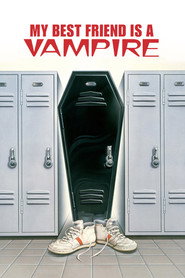
My Best Friend Is a Vampire (1987)
Release Vestron Video Collector's Series Blu-ray (Lionsgate, 2023)
Thompson and Huston discuss casting Robert Sean Leonard, filming around his mononucleosis with a double, hiring Fannie Flagg and Kathy Bates, and creating mirror effects and a practical car chase. Huston explains the added parallel with coming out and its intended reassurance for young viewers. They also discuss distribution problems and the film's later audience on cable and video.
- Duration
- 1h 27m
- Talk coverage
- 94%
- Words
- 13,386
- Speakers
- 2
Commentary density
Highlights
Topics
People mentioned
The film
- Director
- Jimmy Huston
- Cinematographer
- James Bartle
- Writer
- Tab Murphy
- Editor
- Janice Hampton , Gail Yasunaga
- Runtime
- 89 min
- Also on
- OneSheet ↗
- External
- IMDb ↗ TMDB ↗ Find on Amazon ↗
Transcript
13,386 words
Hello and welcome to the audio commentary for My Best Friend is a Vampire. My name is Nathaniel Thompson from Mondo Digital. And more pointedly for this particular film, I'm also the author of the 2022 book, The Fright Fest Guide to Vampire Movies. And it's my pleasure to be sitting here today with the director of the film, Jimmy Huston. Hi, Jimmy. Hi, how are you? I'm good. How are you? I'm okay. How long has it been since you've seen this film? A while. I don't even know. Now, do you remember how this film first came to you? It had been a while since you directed your prior film. Do you remember how this came about? Basically, I was working at MGM, and there was a lady who had left MGM, who had gone over to Kings Road, and she sort of did her best to bring me over in terms of doing this film.
So it was a cross-pollination between the two companies. Now, do you remember how the film was pitched? Because at the time this came out, there were a lot of sort of teen-oriented kind of supernatural movies. You had things like Teen Wolf and My Demon Lover and Teen Witch. Do you remember what the concept was when you came on? It was just a script was just handed to me. There was no pitch. So I read it and liked it. Did you have anything to do with the casting of the film at all? Because the cast is very interesting for this kind of film. Yeah, I did with some of it, and some of it happened when I was out scouting for locations and things and doing pre-production. But, yeah, a number of people I had interviewed or cast, and Bobby Leonard may be the most interesting of those because he had...
been flown out. We'd been struggling to find somebody for this role. And he'd been flown out to Los Angeles from New York by Steven Spielberg for an audition for one of his movies. And by the time we heard about Bobby and that he was here, he was packing to leave. And we were in Century City. And so the producer and I grabbed a couple of scripts and raced over to Universal where he was. And the limo was waiting to take him to the airport as we rushed into his hotel room. And we did a very, very quick audition in which it turned out the two scripts that we had didn't match. They were different versions. And so as the producer was reading, was feeding lines to Bobby, Bobby had to figure out how to adjust them for the script that he had on the run. And it was pretty impressive how effortlessly he did it. And so we were impressed. We cast him, and it was a really good decision. He had a lot of, for somebody his age, he had a lot of just understanding of how to be practical about stepping through dolly tracks and hitting his marks in front of the lights while still trying to carry the scene.
I assume he was auditioning for Empire of the Sun before this. I don't know what it was. And, of course, this is before he really hit it big with Dead Poets Society, so it must have been cool to see him make it, you know, suddenly have a big hit not too long after this came out. Right. And he really carries this whole film. I mean, he's in virtually every scene in the movie, you know, so it's kind of a make or break based on his performance. Well, yes, and that became a problem because during the movie he came down with mononucleosis. Oh. And... So we had to pause while he got well because he was supposed to be kissing girls in his various shots. And what we had to do, we were afraid they were going to just cancel the film, the insurance company. So what we did is we sent people out looking for somebody to be a double. This is in Houston. And some of the crew people found someone.
in a shopping center a kid from a very rural town in Texas he'd never been to the big city before of Houston he was in the shopping center and he looked enough like Bobby that we brought him in and continued filming the shots that we could over his shoulder so he was he was the back of Bobby and then later when Bobby was well we had to come back and relight and redesign everything, and then shoot the other half with Bobby in the shot. So it was quite a logistical series of problems, but it worked out well. He was really good, and we really had a good experience with him. Well, you certainly can't tell. It seems you don't show at all. Yeah, it was difficult, I'll tell you.
Now, one of the more interesting things about this cast, not at the time it came out, but later, is the fact the two moms in this movie have a really great connection together. You've got Fannie Flagg, who wrote the novel Fried Green Tomatoes at the Whistle Stop Cafe, and then you've got Kathy Bates, who starred in the movie version of it. And, of course, Fanny was also one of the people who adapted the screenplay. So just kind of a funny coincidence that they had a huge hit after this together. Yeah, well, oddly enough, Kathy had been our original choice. for Jeremy's mom, and we cast her, and we had everything settled, and she called me one day and said, I have a really great opportunity on another film. It's really important, and I would like to do that. And I said, by all means, go and do that, and I released her from our situation.
sort of at the end of the call, and I said, now, if you would like to, we have another little part, if it works out in your schedule, that you can come in and do in a very brief little period. And she said, yeah, I would love to, and she did it. And so that was great. And then later, as we were looking for a replacement, and I was using Fannie Flagg as an example of somebody that I would like to see in this. I forget who, said, well... I said, I don't know how to get in touch with her. And someone said, well, her agent is the same agent as Bobby Leonard. And so all of a sudden we had a connection there. And I had watched Fanny for years on comedy shows, The Tonight Show and things like that. She was from the South. I'm from the South. And so she was a little older than me, but it was fun to...
to see her and she was quite a talent and she was actually writing um her book on while we were doing well she's written a series of books uh but fried green tomatoes she was writing uh while she was doing this and there's actually a story that i had told her that she included in the book which i thought was kind of fun really yeah and uh She is actually my favorite author. I love her books. And she writes about the period where I was growing up and when I was growing up, so that's always fun. Yeah, I'm a southern boy as well, so I love the way that her language sort of just captures the flavor of the South so beautifully. It really does, and the characters. Yeah, yeah, really well. Particularly old women. Mm-hmm.
Yeah, something that some people may know is she's been very vocal about it, but that before she wrote that book, she didn't realize that she was dyslexic. So that was something she had to deal with when she became an author. Well, now I write children's books, and one of my books is called The Dyslexic Handbook. Oh, cool. So we have that sort of connection, too. Now, what were you doing in the interim? Because the film you made before this was Final Exam, which is a very different kind of... This is even a horror movie, just barely. But that was sort of a cult horror movie. Now it's gotten a big fan following. But there was a pretty long gap between the two. So what happened in between? I was doing writing. And it takes a long time sometimes to get another job. Yep. And so it took a while. I wrote a lot of different things. And I guess the...
The thing that sort of led to this was Running Scared. And so that came out during this period as well. And that sort of had tied me up for a long time and has had a couple of other projects. And so when this came available and I was available, I jumped at it. Could you talk a little bit about how Running Scared came about? For folks who don't know, that's the MGM film that was directed by Peter Hyams with Billy Crystal and Gregory Hines. Well, Gary DeVore, who was a writer, was having a lot of success at the time. And he came up with the idea and wrote the first, I think, the first two drafts. And then he just felt burned out. And he just said, I've done enough. Bring in somebody else. And he sort of retired. And they brought me in to sort of redo it. And we changed it quite a bit, quite a bit. It was originally set in New York in Chinatown. So that's a long way from where it ended up. Yeah, I mean, now it's considered one of the all-time great Chicago movies, especially the scene on the L. It's pretty legendary among action fans. Well, that's nice to hear.
if we get back to the beginning how did you first become involved in filmmaking especially around the Carolinas because that has sort of interesting filmmaking history in and of itself and I know you bump shoulders with a lot of folks over there yeah I was an art major in college and drifted into photography and the last quarter I was there I made a little film in a I got a good reaction, and so some people said, you should consider going into film, and I said, well, how do you do that? And they gave me a list of studios in Atlanta, and I made the rounds, and one of them hired me, and I worked there for a few years, and then I moved to Tallahassee, worked for a different studio for a few years, and then moved back to Atlanta and did some freelance directing, and then eventually... moved out here. You're naming a lot of places I've lived in as well, like Tallahassee and Atlanta. Now, you had some involvement with Earl Owensby. How much do you remember about that? Well, I remember a lot. It was a really interesting experience. It was basically film school for everybody, not just me. It was an interesting situation. He was a
producer who also acted in his movies and he did sort of low budget production he created a studio there and did a whole series of films and I did I did a few there and then it was great fun it was sort of go out and do the best you can with what you got do you remember any films you worked on with him Three. Yeah, yeah. He sort of paved the way for his studios, sort of became what Dino De Laurentiis did in North Carolina later on. He sort of turned it into like a mini movie empire later on. Right. Dino actually came there at one point before he moved to North Carolina, his stuff, and thought about going there and decided he could do it on his own and did. Yeah.
Yeah, it certainly did. It became kind of, especially in the 90s, it was like a really big hotbed of filmmaking, all the Stephen King adaptations and a lot of other films that were made over there. Now, how did your first films come about? Because this is far from your first film, things like Death Driver and Dark Sunday. How did those films come about? Well, they were just things that he had come up with there and had been just things he wanted to do, and so I... I said, yeah, let's do it. And we did it. I mean, were they kind of intended to be sort of for the regional kind of drive-in circuit at the time? Was that the idea? Well, at the time, there was a whole different distribution set up everywhere. And it wasn't just drive-ins. There was four-walling, which he didn't do that. But there were other kinds of distributions. Particularly, he did a lot of overseas sales. And then it
He did national sales as well, just they weren't huge hits, although some of them did quite well. But you just pieced it together back then. Rather than having a studio fund something, he would get a little bit from here and a little bit from there. He put up his own money, but he made it back that way. Did they play that widely outside of the South? Because I know... Things like that would play in Georgia, North Carolina. No, they played, I won't say everywhere, but they played a lot of places. They played nationally. I don't know how much they did in the big cities, but they played a lot of places, yeah. I think your third film, I believe it was your third one, which was Buckstone County Prison. I think that probably played the widest of those first three, as I recall. Yeah, yeah, it did. Which was, you know, that's kind of a fun sort of,
Down South prison movie, kind of in the Roger Corman mold, I guess you'd say. But do you remember anything about that one? Because, again, that's one that people like. It's kind of hard to see now, but that's one that people enjoy as well. Well, I remember a lot of that. But it was grueling, let's put it that way. But we had David Allan Coe was in it. He was a singer-songwriter from the country world. But there were two old cowboy stars, Don "Red" Barry, who had been Red Ryder in the old days, and a guy named Sunset Carson, who was from really far back in the Western things. And Don "Red" Barry had been Earl's hero as he was growing up, watching movies, and so he was able to finally play cowboys with his... hero in a movie, so that was kind of a fun thing to watch. And they had been rivals for the affection of one of the leading ladies of the time, whose name I can't remember, but that was fun too because they would each call her and sort of rag on the other one even at these advanced ages and boast about having the bigger part and so forth.
Boys will be boys. Exactly. You're one of the few filmmakers who actually shot around the Gaffney, South Carolina area. What was it like in Gaffney at the time? It was, I would say, wide open. We were able to get basically unlimited use of the little college there. But an interesting thing happened when we were... looking for locations for dark sunday and the sheriff of the county was showing us around and we went down into downtown gaffney and picked out an alley and then after we'd agreed on being able to use that and shoot it and it was in downtown gaffney as we were walking away i said you know we're going to be staging a gunfight here. And he sort of mulled it over a second. He said, no, that's okay. He said, there'll be a lot of noise. He said, that's fine. And I said, and we'll be using some live ammunition for some of the things. And he mulled that over a second. He said, yeah, fine. So we did. We were using live ammunition to shoot up, I think, a car at the time.
And instead of drilling it and implanting squibs and painting over it and everything, we just took the cheap route, which was just blow it up. We cut a lot of corners. Well, of course, now we've got to talk about Final Exam, which, again, is a film that always seems to have a new life. Every generation keeps discovering it. It's amazing how popular that film is today. First of all, when you watch that film today, probably the most shocking scene is actually where they pull a prank, where the frat guys pull a van up and they stage a school shooting. How did that come about? How did you film that? We just went to the school and told them what we were doing, and they agreed to it. The college that you see in the movie is actually pieced together from three different colleges, one in Boiling Springs, one in Gaffney, and... I forget where the—oh, the other one was in Spindale or something. But anyway, they were—or Forest City. And so we just got them to clear the area and went in and did it. And it's a little out of time today. Yeah. Yeah, it's—as are a number of things in there. Yeah.
Yeah, I know. I've shown that film to people for the first time when they're watching that scene. They kind of go, oh, my God. It's very different than when it came out at the time because it was a silly scene, but now you're like, oh, my God. Exactly, exactly. But times change. Yeah, they certainly do. Now, were you aware of slasher movies at the time you made it, or was it just kind of a job you took and just shot the movie? Well, I was aware of them. I think Halloween had come out and Friday the 13th had come out, and they'd both done really well, which is why – The distributing company wanted to do one like that, and they had some pretty strict guidelines that they wanted, and so we sort of came up with a script based on the things that they wanted to do, and they wanted to copy both of those movies to some degree, which is The Killer with a Knife, and they wanted basically just this lumbering,
monster walking through killing people and uh... and then you have to do something to fill the rest of the time so created all of the characters and spread them out and made a little story well it does it does have more developed characters than usual for slashers around that time in fact it's not a terribly gory film for the most part it's actually pretty restrained it's actually more character and suspense oriented Right, particularly compared to something like Texas Chainsaw Massacre. Yeah. It's pretty light, but it did what they wanted, and yet I like to have a little lightness in there, a little comedy, and so we got what I wanted as well. Well, now when you watch the film, it's hard not to think about the fact that it kind of anticipated Scream, especially with the character of Radish, who unfortunately, I won't spoil what happens to him if you haven't seen the movie, but he's kind of like almost a character who Scream would take off from later on. Yeah, and again, he says some things in the movie that now would be considered way inappropriate in terms of violence and things like that, so...
There's another situation in which the changing times have made that movie stick out in an odd kind of way. I think people take it in the right spirit, though. Like I said, it has a huge following, especially among younger slasher fans, so it doesn't seem to bother people too much. I think they're just sort of surprised by a few elements, but nobody gets all that hot and bothered about it. Yeah, I would think so. So now, going back to Robert Sean Leonard, did you... The idea, I guess, is that as his vampirism increases in this film, he sort of gets paler and he actually starts getting eyeliner later in the film. Was there any discussion about how far you were going to push the vampire look with him? Well, it's mostly skin tone and things like that. And some of that may have been because he was sick. But... They didn't need it. As you see in this, he looks a little peaked, but...
But, no, we weren't overly technical about any of this stuff. We weren't sticking to any one set of vampire rules. In fact, we watched a lot of vampire movies, and the rules changed from one to the other, and so we kind of compiled what was convenient and disallowed whenever we needed to. Yeah, you sort of, especially with the daylight thing, that's pretty fast and loose with vampire movies around this time. Like The Hunger is one that came out earlier where they kind of just ignore the daylight thing completely. Yeah, we just did what we wanted. Because as people would say to me, you know, a vampire would or wouldn't do this or whatever. And I would just say, well, you know, there really aren't any vampires. And that would sort of end the conversation. Right. Was it a conscious choice not to use fangs? Well, actually, he has fangs. But they don't really use it, though. It's like it's not a big part of the character. No, it's not. But there is a scene in the car with Darla where you can sort of see it's there. And so it was just, yeah, just underdoing it rather than overdoing it, I guess. Yeah.
Yeah, I mean, compared to something like, say, Fright Night, for example, which is loaded with lots of fangs and people going, you know, there's a lot of that. Yeah, yeah. So, again, it may be obligatory, but we didn't do it. And it's interesting looking at David there. He was living in England, so we didn't actually cast him from a casting session, but from his career. He's had a wonderful career doing a lot of... great things I think well I remember seeing him in Morgan which was a huge movie for him back in the beginning of his career but and a lot of other things he'd been in so when he showed up we had been filming all night it was like six o'clock in the morning when he arrived and we were just coming in and so we went to breakfast just to sort of
get to know each other a little bit and in that breakfast he started just raving about how much he liked the script and in particular one particular scene that he just was the reason he wanted to do this and I had to tell him that he had the wrong version of the script and that scene was no longer in the movie but he took it very well and he was He was great. He was quite the gentleman about everything. He was a very elegant and wonderful man and a very serious actor. I used to joke that in order to get him to cross the room, I had to tell him a story about when his character was a child. Something had happened to him that now, these years later, he needed to cross the room. because he was that kind of an actor. And Paul, who was Grimsdyke, I would just say to Paul, stay next to David. And that would keep the two of them together and do whatever we needed to do. But I really loved working with David. And René here was great, too. He did come through the casting process and did a really terrific audition showing a whole lot of different possibilities.
But I had been a fan of his, from his work, particularly in the Robert Altman films, where he did some great things. I love the bit he did at the beginning of Brewster McCloud and in MASH and things like that. And he's obviously had a huge career anyway, but he came on and did a really interesting interpretation of This kind of odd character. Yeah, there's another Altman film I love that he's in, a lesser known one called Images as well. He's really, really good in that, if you haven't seen that one. Do you remember what the scene was with David Warner that was cut that he loved so much? I don't. I'm just curious. I know it's been a long time. It has. I think David is one of those people who makes any movie better just by his sheer presence alone. He's just so great. And interestingly, he and René both did work for Star Trek as well. Right. Got covered in lots of makeup. I do remember one scene that was cut, but he wasn't in it. It was Jeremy going to the doctor because he wasn't feeling well and the doctor couldn't find any life signs. And it became more and more perturbed.
But the scene ended up getting cut. I liked it, and some people liked it, but the studio didn't like it, so it went away. That's the way it goes. And this is Ken Kimmons, who's had a really interesting career of tons and tons of work, different pieces. It was interesting. He and the other three actors palled around quite a bit whenever they... They were off and had a little mini club. They called them the 40-ish. And they had a great time. Yeah, like what did people do to socialize? I mean, you know, hanging out in Houston like off hours, like after you'd wrap, what would happen? Like did they just go out on the town or what was the... I don't know because I wasn't part of that. I was... If I was not shooting, I was probably doing something on the next day's shoot, either working on the script in some way or designing something or looking for locations or whatever. It's pretty relentless. I remember one day was we were going from one situation to another. Even though it was an off day, I finally had to say, stop, I need a sandwich. I need something.
and then we'll go on. It was pretty relentless. I mean, yeah, filmmaking is pretty arduous, especially behind the camera. It's like it never really stops when you're doing it. Well, on the one hand it is, but on the other hand it's the easiest job in the world. Well, it's fun. All you're doing is you're basically giving your opinion of what should be next. And unfortunately for people that have to execute it, it may or may not be what they would be interested in doing. Now, do you happen to recall what they used to make all the blood products in this movie? Because later on we're going to see all the bottled blood and everything like that. Do you remember how they put that together? No. I know that blood, not for actually drinking, but blood that's used in the movies is usually, at least back then, based on Karo syrup, clear Karo syrup with something in it for pigmentation. I don't remember exactly what.
And that's what's typically used. But when you're drinking it like they are, I'm not sure what they were using. Now, how much did Rene talk about his, like, why did he take this part? Because, I mean, it's a fun role, and it's not sort of your normal vampire part. And I kind of like the way that he plays it. I don't know. I don't remember having that particular conversation with him. He probably just wanted a job. Most of us do. I assume he didn't need background. Like, what's in the actual book? Because we never really get to find out too many of the rules. He just keeps saying, I've got to read that book. Well, that book is blank. Yeah. Not much. It's whatever we made up as we went along. It's a good thing the book doesn't fall into somebody else's hand. That's a dangerous thing to have lying around. Well, I thought about that.
That's a whole other movie. It becomes a MacGuffin in some other story. Yeah. It could have been in part two if there had been one. Yeah. Do you remember how the release plans for this film? Because, I mean, it did really well on VHS. I remember it was all over the place when it hit the video stores. But theatrically, I don't recall it playing too widely. Well, there's a sad story there. One of the things that you don't ever want to hear when you're making a movie is that the producers or the... production company have decided to go into distribution and that's what happened with this they they had a package of four films and they decided to release them themselves and we were the fourth one and the way distribution works if you don't have something else coming behind you they don't give you very good treatment unless they want something else that you've got. So we came in last there. It was not a very good journey in terms of distribution. It was distributed and it played in theaters but it didn't get the same kind of treatment that it would have gotten with an experienced and real distributor. And then after it was over they stopped distributing.
Although they handled the VHS as well, you know, the Kings Road VHS line. Yeah, it's done well there, and I, from time to time, encounter people who enjoyed it. Yeah, I mean, it seemed like this really took off, you know, like I said, well, once it hits VHS, and then also it played, you know, Comedy Central ran it, you know, a few times. I think that's where a lot of people discovered it for the first time was that way. Yeah, yeah, no, it's been interesting to watch it continue. almost growing rather than dribbling away. Yeah. I mean, there's such a fondness for 80s films in general now. People love discovering these, especially younger audiences. They kind of love the nostalgia vibes. So again, I think now this is hitting Blu-ray, I think it should definitely get a good reception now that even younger people are going to find it again. Right.
Now, when you said you watched other vampire movies, did you watch any? There were other vampire comedies before this, things like Love at First Bite and Once Bitten. Did you watch any of those, or were you watching the straight vampire ones? We did both. We watched basically everything we could find and trying to find the common thread that we could milk for this. And we took a little bit from a lot of different ideas from different places. And, of course, a lot of it was already in the script that Tab Murphy had done. He did a nice job. Was Tad actually involved? Was he there for the production at all? He was there occasionally just as a curiosity, as a spectator. You just wanted to see what was going on. But mostly he was not there. Did he give any, like, did he see the film and give any feedback at all? Like, was this pretty close to what he had in mind when he wrote it? I don't remember a reaction one way or the other about that. There are things that were certainly changed. The whole gay theme is added after his script. And there are various other things that get changed for either practical reasons or...
budget reasons or whatever. So there are always changes. But I don't remember his reaction in particular. Yeah, the way the sort of the gay subplot comes up is interesting because especially in the 80s films, it was usually handled... not as kindly as it is in this film. Like if you watch, again, like something like Once Bitten, for example, it has a pretty nasty attitude to that. Whereas this film is actually pretty nice, the way the parents think that he's gay. And there's kind of like, oh, I wish I had grandkids, but they're actually like pretty sweet about the way they handle it in this one. Yeah. In fact, that's the reason some of the people wanted to do the film, as I was told. But it also just makes sense that there would be some confusion there if you design it right. And so we just did. And that whole thing, well, the environment has changed. It's more friendly now than it was for most people anyway.
Well, again, in hindsight, it's also kind of funny in that, you know, the grandchildren line comes from Fannie Flagg, who herself is actually out, so it's... Right, well, yes, exactly. She's one of the people that I think was attracted because of that. I believe she said that. I remember her saying she really wanted to do this film. And I loved her for it. Yeah, she does it really well. I mean, it's almost like you expect her to join P. Flagg at the end for a minute. Exactly. And, you know... One day in the hotel, I ran across her in the lobby, not in the lobby, in the hall, and she was in her bathrobe and curlers and all, hair curlers and everything, and I said, Fanny, would you be willing to dress like that in the shot? And she said, I am dressed like that for the shot, which was great. Even though she'd been a beauty queen and Miss Alabama,
She had no problem dressing down for the scene, and it was great. Yeah. Even when she's like that, though, I mean, she's a very, like, she has that real classic Southern beauty about her. I mean, you can't make her look dowdy. It's just not even possible. No, I'm a huge fan of Fannie Flagg. Yeah. Yeah, I mean, she just, like, has that luminous quality on film, no matter what she looks like. Do you remember, especially shooting in the city, like you have all these car chases and crashes and all that? I mean, there's multiple scenes like this. Did you have to go through city permits? How hard was it to pull those off? Well. Or did you ask? Oh, we asked. This was all set up. But it was a bit of a point of contention with the city. In other words, we had permission. But when I mean the city, I mean the population of the city because apparently the radio stations were being deluged with calls of people complaining because we shot that big chase thing on a Friday afternoon. And everyone was trying to get out of town for the weekend and we had everything roped off. Although on a film like this...
the chases don't compare to what they can do today in terms of scale and budget and special effects, where these are all practical things that we actually did there in the city. But we were told that they had complained all the way to the chief of police, and he got right in his car and came down right to where we were so he could watch. Was there a lot of local news coverage? Because usually cities tend to get, especially back then, cities would get really excited when there was a movie being shot in their town. You know, I don't remember anything like that going on. I don't remember any interviews, any press people around. We had a press guy from L. A. who came there, but he was doing national press, and I just don't remember much local interest. But Houston was great. We had...
Actually been in Atlanta, looking at Atlanta when we got a call from the Houston Film Commission. And they flew us in to look at Houston and show us around and showed us we could do everything there. And so we moved there. It was great. And you don't even disguise the fact that it's in Texas. I mean, see lots of Texas license plates and everything. It's very much set in Texas, you know, which I appreciate. I like movies where they don't really. Now, this scene here with the mirror. Yeah. Again, we don't have CGI. This is a real reality thing that we built the other side of the mirror. So you're looking through a window. So there's no special effects in terms of CGI. It's just practical. And there were, I think, three different mirror gags in this. This is the second one. And all of them were real rather than special effects.
Did someone just shoot some steam on the glass when he's wiping it? Is that how that worked? Yeah. Yeah. It's really nicely done, though. Oh, there she is. Yeah. This is... Okay, now, so I've got to ask, was this a real house? Because the stairs we're going to see in a minute, that is some pretty insane design work. It is actually a real house, and that's the reason I selected it, because it was just so odd. And the scene is so odd that it just sort of made sense. The parents are kind of quirky. The house is odd. It's unlike anything else in the movie. Yeah. This is like the most 80s architectural design I've ever seen. You haven't seen it yet, folks, but you're in a minute when we see the other side of the room. Right. And this is John Chappell, who is also from Atlanta, and that's where I knew him, in North Carolina.
He was in a lot of films at the time as a supporting actor. Yeah. They make a fun couple. Yeah, yeah. Yeah, those are the stairs I was talking about. I've never seen a house with stairs like that in my life. It's something else. So again, like most of the film, it has a very realistic feeling to it, and you don't really lean into the whole gothic horror that much. Like the scene where he gets bitten, you've got the candles and all that, and at the end, you know, when David Warner's going berserk. But for the most part, it's very down to earth. How did you decide to get that balance? Well, for one thing, if you're dealing with reality, it's easier to find locations and shoot. And philosophically, it just made sense to start in reality and then end up in the horror world. Yeah. I just think it's interesting that this
This actually, this is a vampire movie, but this feels more sort of connected to reality than something like, you know, Heathers around the same time, which has nothing supernatural, but it feels very surrealistic. Uh-huh. You know. But I do love how it sort of detours into crazy town at the end, though, when David Warner, you know, when he's repeatedly just trying to, he wants to kill somebody by the end of the movie. Like, he doesn't even care who at that point. Right. You know, but yeah, then it just really, then it feels more like a sort of a Hammer film gone bad, but. But, yeah, for the most part, it feels like just a real normal teen movie, like the scene right here we're seeing in the pizza parlor, you know. Well, they're real teenagers. Yeah. So now what happened when this film came out? Obviously, you know, it didn't get a whole lot of theatrical play. But, like, what happened? What were you working on after that? I mean, you did some more writing and directing. You did a film called The Warfrat after this. I did, yeah. That was for Showtime. And a lot of writing in between. And...
Again, these projects take a long time, and then it takes a long time between projects to find the next one. Yeah, that was Lou Diamond Phillips and Judge Reinhold. You've had really good luck with your casts, though. You really know how to pick them. Well, you do what you can. Like, what else? Was there anything else you were writing or directing that didn't come about that you wish had happened? Oh, there's tons of stuff. But I think maybe my favorite was a project with Mickey Spillane. It was called The Sleuth Slayer, and it was a comedy detective story that we were going to do in South Carolina in Myrtle Beach. And it never came about, but it was great fun to prepare and get to know him. We went deep sea fishing once. No way. Just various other adventures. Oh, that's amazing. At the time, he was really hot from the beer commercials he was been doing as opposed to his writing. It was Miller Lite. Well, I'm sorry that didn't happen. That would have been a really cool movie. Oh, it would have. It was really fun. And there's project after project that for one reason or another can go away.
It seems like the filmmaking scene in South Carolina is pretty minimal now. It seems like it's mostly ingrained over to Atlanta, as far as I can tell. Well, Atlanta and Louisiana and New Mexico. And Mississippi has a pretty decent... Those are all the places that have the tax incentives. Right. And so that's where people go. I do a lot of work with the Big Ben Film Commission in Texas. And... They're constantly competing with people who can offer huge tax incentives, and it makes it really hard. We have a website called shootbigbend. com. Yeah, it's too bad because, again, it just gives you this kind of nice flavor. And, again, also just shooting in Texas. Now it's like films are trying to sort of take place in a very nonspecific area, which I don't think works as well. I like having a bit of regional flavor in a movie like this. Right.
So Evan, as Ralph, does a really good sidekick job. He's broad but not too broad, I think. Yeah, he doesn't overplay it. He doesn't get fully goofy. He's just sort of like your average slightly obnoxious teenager. Yeah, yeah. So that was always fun. And Paul, if you watch these little moves that he makes that are just... He's really an improv specialist, and so a lot of times we would flounder over the way a line was working, and he'll just say, I'll make up something. And I said, what's it going to be? And he said, I don't know yet. And then we'd roll, and he would do it. There was a little thing there. Yeah, little baby things. But he would come up with something on the spur of the moment. And it was always better than what we had planned. So that was good. Did you do any like test screens with, like a test screening with him and Robert Sean Leonard at all to see how they played off each other? Or did you just? No, no, we just had to make it work. Yeah, just cross your fingers and hope the chemistry's there. Yeah, yeah. And this was, it was Bobby's first movie, but not his,
first acting by any stretch of the imagination. And Cheryl had been, I think, the Jordache girl at the time. She was not a lot of experience, but she was reasonably hot based on that commercial that she had been in. And that was where she came from. And her haircut is about as emblematic of the era as you can get, I think. Well, it's always... tricky when you have a female lead who's supposed to be both plain in one part of the movie and gorgeous in the next it's you have to find a middle ground and she she made it work it was great yeah it's not it's not too extreme yeah right Also, did you have any input on the songs in this film? Because you actually have some pretty high-profile songs. You've obviously heard Blondie's One Way or Another at the beginning. You've got The Future is So Bright I've Got to Wear Shades actually gets dropped in a couple of times. Well, Stephen Dorff did the movie, the original stuff in the movie, and there were times when we found something that worked, and he was able to go and get it, and so we used it. There were other things we couldn't get.
But we had some luck with Oingo Boingo and some of the other groups. Yeah, it's like you were lucky because some other films have had a pretty hellish time with some of the songs they try to get in their movies and always cause problems later on. But yeah, this one kind of lucked out. By the way, I love seeing one of the original Whole Foods shops in here. It's a little... Compared to what it turned into, it's kind of fun.
Did you, when you cast David Warner, did you know how much he could do as far as comedy goes? I mean, because he had done Morgan and like Time Bandits, but mostly he was kind of a straight dramatic guy for the most part. Well, time after time was kind of light. A little bit. Malcolm gets the funny stuff, though, because he plays Jack the Ripper and he's really scary. Yeah, but he knew how to take... who he was and where he came from in terms of the other roles. It was sort of the amalgam that created him and go off on it. And that was good. He was game. And this guy's great, the guy running the butcher shop. Yeah, he was local. Yeah, he definitely feels like a local face. He dropped in the movie. He's fantastic. A little wink that he gives him.
Now, do you remember rounding up locals for things like the high school and all that? Did you do a call for extras just to come and be high school students and things like that? Or a few crowd scenes in here? Well, there was a local casting guy named Gary Chason, and he was in charge of all that. He had the local contacts, and he brought in people for those kinds of things. I assume this has got to be probably beet juice or something like that that he's drinking. I don't know. I can't tell from the way it looks. I don't remember. Now, when this movie was over, did you have any kind of cast and crew screening, or everybody kind of dissipated by the time it was finished? There was a cast and crew screening, but by then, by the time you'd gone through editing and gotten a print and gotten it organized, a lot of the people were on to other shows in other cities, and so it was a...
A mixed group. And it was fun, but it wasn't everybody. Did you ever, like, I mean, because obviously Robert Sean Leonard and Kathy Bates had, you know, huge careers after this. Did you bump into them again at any point later on? I have not. I just wonder if they ever get fan mail about the movie or anything like that. I don't know. It's one of the strange things about working in the movie business is that you have these Intense, intimate relations with people for weeks and months, and you spend every day with them, and you do all kinds of things that are involved, and then it's over and you never see them again. Big city, you don't run into them, and there are people that I still am in touch with, but there are plenty of people that you never see again.
I mean, someone like Rene, I mean, he worked so much, you know, then it's probably hard to stay in touch with a guy like him because he's bouncing around, you know, constantly. Well, I did run into him once, but generally speaking, not so much. But Paul Wilson, I see. And there was a couple of little lunches that we did with the guys that came together later. But generally speaking, not so much. Now, when you're talking about... You were talking about character motivation earlier on with David Warner. Did Rene come up with any sort of background? Because he drops these little funny comments about how old he is and all these famous people that he met over the years. Did he ever talk about maybe who his character was, where he came from? No. All those things came from the actual script. And I don't remember having those particular conversations with him.
Yeah, it's just sort of fun to contemplate. Had there been a part two, like where he might have wandered off to with David at the end of the movie, you know? Yeah, yeah. Yeah, that's an interesting thought. And maybe we could get Bobby and Cheryl back together and do a sequel now. Except Bobby wouldn't still be the right age, I guess. Unless we set it in the future, we could do that. Right, his son could be half vampire or something like that. Yeah. Yeah, unfortunately, René and David are no longer with us, but, yeah, I think everybody else is. Yeah, no, they were both great gentlemen and very special talents that I was lucky to work with them. I had watched them for a long time. And, I mean, they really are just a huge advantage to this film. They just bring so much, like, I don't want to use the word gravitas, but they kind of just give it this sort of, like, weight to the movie, I think, that it balances out nicely with the kids. Well, without them, it's a low-budget movie. And there's nothing wrong with that. I've done my share of low-budget movies, but they elevate it and make it real, if you will. And that's fun.
Well, it served as my final exam, which had no famous actors in it, but it still got pretty good national play. I mean, it even got a soundtrack release, which is pretty rare for a slasher movie around that time. Right. Well, we were lucky there, too. And so you just have to both spend a lot of time looking and then get lucky. Did you like the horror genre at all? I mean, when you did final exam, like after that, did you think about maybe doing something else horror-related? Because, again, this is sort of like maybe... 10% horror in this movie. I'm not a big fan of horror. I'm more of a comedy sort of person. Or action. Comedy or action or a combination is what I really like. But horror is a little grueling for my liking because when you're working on it it's a long time of being in that world and that mindset
and it's much more fun to me in something that's a little lighter, although that's hard, too. Well, you've got some pretty good action stuff in this movie, too. Again, that car chase, especially through town, is pretty ambitious for a film where you wouldn't normally expect that to pop up. Yeah, well, for its time and budget, yes, but you can't compare it to the things that go on these days, and they're just unbelievable movies. Well, yeah, I mean, it's not like Fast and the Furious, but, you know. Exactly. Those are things, I mean, what they've done with special effects is rewrite the laws of physics so they don't apply, so that things have, things happen in action sequences that could not possibly happen just in terms of the weight and speed of things. Yeah, it's just kind of funny. I remember, like, when this hit, blockbuster video, you know, you walk in, you run a movie called My Best Friend is a Vampire. You don't expect to see this big.
fairly large-scale car chase in the middle of it. That was kind of a surprise. Right. Well, it's fun. Yeah, exactly. It's part of the character, too. I mean, his sort of attitude. Do you remember how you found this house as well? Found the house? Yeah, this house. It was just one of a series that was offered to me to look at. Mm-hmm.
And you look for various things that are inherent in the scene and that you need for the scene, but you also, the part that most people don't think about when they're watching is you have to have enough room in the room for a cast and crew. So a room has to have a whole other side to it that you don't see. Right. And what's funny is you can always sort of tell something that's shot like in the southern suburbs because it still kind of looks the same, especially if you're in like Texas or Georgia, South Carolina, et cetera. The architecture and everything, it still has that kind of look to it. Right. Well, the houses were built a long time and they stay there a long time. So it doesn't change a lot. But Houston had some great neighborhoods to choose from.
So do you remember the rapport between the two of them while you were actually shooting? Did they get along well? Did they actually become friendly? As far as I know, again, I only see them there on location or on the set. We're not going out and partying together. And, of course, Bobby was in every shot, so he didn't have as much time to go out with people either. And this is a situation where that's another mirror gag. The guy he's looking at is a different person altogether. And so we just... That's an incredibly good match, though. Well, that's... It's hard. Yeah? It's hard. So we do what we can. So was the bathroom... The bedroom was a real bedroom? Yeah. Is that right? But then the bathroom was a set? Exactly. Yeah. We didn't have many sets, but we had a few in the bathroom being one of them. And a lot of the interiors of the van was shot in a studio as well. Listen, if we go back to you were talking about the rules of vampirism that you decided to include and not include. So you keep the garlic in the mirror.
Do you remember, like, you never really talk about the whole, like, you assume that the staking is the only way you can kill a vampire in this version. Like, you rule out silver bullets and all the other stuff like that. Well, the silver bullets are ruled out in the story because that's a werewolf thing. And so, yeah, we did that. But the stakes are visual and more so even than garlic, although you can demonstrate the garlic. But the stakes were the thing that... everybody recognizes and the whole idea of having like a living vampire versus a dead vampire I think is an interesting one because that doesn't I can't think of another film where that specifically has been said I don't even know what that means but it was useful so yeah like I say we made up our own rules and we didn't do the bat thing we didn't do the flying thing but for some reason he can attract
wolves and dogs and things, which I don't even understand that. I think some of that was in the original script, and we just didn't contest it. Yeah, I do like when he asks, can I turn into a bat? And he's like, don't be silly. Yeah, exactly. But they do turn into wolves at the end, so I don't know. If we had to explain it, who knows? But we don't. We just keep moving. I did appreciate that you kept the idea of a vampire being able to crawl upside down or just hanging upside down in the window. That's always one of my favorite vampire images, you know, when vampires do that. And it's a cheap special effect. It's easy, yeah. Some rope. Yeah, and it's a pretty sweet-natured film. I mean, I think this was rated by PG, I think. Oh, I'm sure it was. PG-13. I mean, was there any talk about...
about the audience you were going for with this? I mean, I assume you're aiming for like a teen audience, like around mid-teens? Yeah, yeah. It's basically for young folks, and so there's no reason to push it. Yeah, because there's not a, I mean, it's, a lot of other teen movies around this time, they're much more sort of sexually frank than this one is. It's actually like pretty mild. I mean, it's a show on TV with like very few changes. Right, right. Not by today's standards, but at the time, there's a little bit of language in it, but today would be nothing or is nothing. Yeah, so now here's the scene. Yeah. So if this wasn't in the original script, do you remember at what point this was put in and who wrote the scene? I put it in pretty early on in my time. It's kind of funny. It's almost identical. There's a scene in the second X-Men film where they have another parent-child scene where they're like, have you ever thought about not being a mutant? But the dialogue is almost the same as what's in the scene.
I think that I'm not meaning to overstate it but it sort of makes it sort of about something for whatever that's worth well at the end of the film he says he's retaliating against Dave Warner for hunting people because they're different anyone who's marginalized is represented here and that was the idea yeah but yeah but that's an idea that turned up a lot later on you know shows like true blood for example that's kind of the whole thesis of that show you know so in a way you're kind of ahead of the curve with that idea that's an interesting thought do you remember what did you what did you do to like hang him upside down for the scene she had like some harnesses on him or I don't remember. It couldn't have been much because he comes in like that. Yeah, and he kind of disposed of the cross thing pretty quickly, too. Yeah, well, we...
just touch on those things and move on because if there's a gag, you do it, and if there's not, you just move on and get to the next one. Now, when you came on to the film, you know, you said that Kings Road had decided they were going to distribute themselves, but was there anybody else in mind to put this film out when you were first working on it? No, no. It was always them. Now, this scene was added later. Oh, okay. this and a couple of scenes with the crossbows. We'd finished and it was a little, it needed a little punch and so we came up with this and this was shot in L. A. instead of in Houston over on Melrose at a club there. And
Well, luckily you didn't have to have too many of the cast members there, so it's probably pretty easy to do. Yeah, it was chaos. Because everybody who works on the movie was not working on this scene, so it was like working with a whole completely different group of people who had no sense of what the movie was or anything, and so it was just a complete, discreet difference, except for the cast members that were in it. And I remember at one point sitting on the dolly and just this madness going on and thinking, what am I doing? Why am I here? Do I really want to be doing this? It was a grueling day. Well, you would never guess it was shot later. But I'm surprised this actually wasn't in the script because it was kind of like a tradition at the time for a vampire movie. You'd have a nightclub scene, something like, you know, Fright Night. And, you know, again, once in all those movies, they always had like a vampire nightclub scene in them. Well, it was late, but we got it in. Now, the one L. A. giveaway, I think, is the hair because this isn't really tech. The women don't really have Texas hair. Oh, no, absolutely not.
Although you could find people like this in Texas, particularly now. Yeah. But not so much. At the time, yeah, this is total. Not the general population. Yeah, these are definitely LA extras, though.
Could David Warner actually shoot a crossbow when he came on? He did in one of the scenes, yeah. Yeah, it's just funny. It seems like he was somebody who was born to play a vampire hunter. Are you talking about Paul? No, David Warner. Oh, David is, yeah. Paul was a little off the mark. Yeah. Well, he doesn't really want to be a vampire hunter, so it's okay. Yeah. No, he...
He was great. This is an interesting low-budget touch. BMW, that's a 735, a pretty expensive car that they're going to wreck. BMW had one that had been wrecked, but it wasn't obvious and that they had to destroy anyway. And so we were able to get that from them. and use it in the film and do anything we wanted to as long as we gave it back to them so that they could complete their record keeping as a crash. The fact she's reading Are You Still My Mother? Yeah. Great touch.
So when you're looking back at the film, like you said, you hadn't seen it in a long time, but looking at it now, I mean, is there anything in it that you especially are proud of or anything that you would change if you had to do it all over again? I just like the fact that it's really cute and amusing and light and harmless. Harmless fun. And I've been approached by a number of people who... have told me that this film was really important to them when they were young. And that's always nice to hear, particularly people that were dealing with gender issues. And this sort of gave them not an anchor, but just a point of reference that was favorable. Well, I mean, it feels like a very reassuring film. It's like it's okay if you don't fit in. It's actually not a bad thing. Exactly, yeah. And that's not a lesson that it's preaching. It's just in there. And it's really just about silliness, which is sort of the way I think.
And the romance in it is really sweet. I mean, the fact that she sort of comes around fairly open-mindedly to his condition is also nice. Yeah, well, I think at that age there's a lot of confusion anyway. So it all sort of fits in. And also you can't look at it and try to make too much sense out of it because it's not there. Right.
Yeah, I mean, their relationship would hit a few snags down the road, I think, you know, but... Absolutely. Yeah, I still think we could use, like, you know, a belated sequel, you know, for a Netflix sequel or something, catch up with these guys, because I'd really like to know what happened to them. Well, we could figure that out, but I think you'd have to have a bigger audience than this probably has to make that happen, because the young audience that it would have... are not old enough to have seen the first one. Right. So you'd have to make some sort of package deal. Right. Well, it's what they call a requel. It's like a reboot sequel where if you haven't seen the other movie, it doesn't really matter. Yeah. But yeah, we'll see. When the Blu-ray comes out, we'll see how it does. You never know. Well, it would be fun.
But yeah, when the movie came out, did you get any kind of feedback at all? I mean, especially when the VHS hit? Because like I said, it really was everywhere. I mean, it was in every video store that I ever went into. They had multiple copies of this. Well, the people that I know had already seen it, so not a huge amount of feedback at the time. Like I say, just through the years, people from time to time react. But in general... there was not a big reaction at the time. And it's one of those films that it was everywhere for a long time, but then it was actually, it became really difficult because it wasn't indie, and again, Kings Road, you know, they didn't, they weren't a big player, so, you know, it's still around. I mean, it was, you know, it was one of the, YouTube had it where you could, you know, pay to stream it or watch it with ads or whatever, so that helped. Well, Kings Road was an interesting little company because, uh,
At the time, they were doing independent films, and they were always trying to make a good film. They weren't into exploitation and some of the kinds of films that a lot of people were making just to make money. They were honestly attempting to make good films, some with more success than others. But it was an interesting little company with good intentions.
Now, again, this was obviously your most high-profile cast to this point, especially after something like Final Exam. So did being with MGM for a while, did that sort of acclimate you to sort of handling sort of like bigger-name talent like that? Or was that just not an issue? You just figured acting is acting? No, the MGM didn't really have much to do with it because I wasn't working with actors there so much other than just knowing them. Mm-hmm. But it's really all the same. You have to just communicate and on some level agree and just work your way through it. The thing about filmmaking is even though it's fantasy on one level, On another level, it's pure reality. So you've got to make everything actually work. Like the little crash you just saw actually had to happen. They had to roll that car over in such a predictable way that it would come back onto its wheels. And that's a real thing that has to be made to happen. And each of the little scenes have to happen. So everybody's... constantly being grounded with problems, both technical and just dealing with staging and getting things to match. So it's a collaborative effort, as everybody says, and it really is.
Do you remember anything about shooting, again, that's your action, Loving Side, coming out again in that scene. Do you remember doing the tilted car driving? Because I think that's always a fun visual gag. I think the first movie that did that was Diamonds Are Forever, the James Bond movie where they did that. Well, they've been doing it in thrill shows for years, and so it really comes from that. And actually the first movie, Death Driver, that I did was dealing in that world. But I remember it very well because it is a tricky sort of thing to do. But I assume it went off without a hitch, though. Well, it did. And the stuntmen were really good in this. A guy named Spiro Razatos was in charge of it all. And he brought in good people and they did good things. And I like action. I used to race cars myself. So I have a little background in that sort of thing. How long did you do that? Pardon? How long were you doing that? Oh, for a few years. And it was fun. That was in South Carolina? No, that was here. In Texas? No, here in Los Angeles. Oh, cool.
Well, I mean, your love of it definitely shows on film, because again, I love the car gags in this are just so much fun. And again, it's just the fact that it's all practical, that you don't have, you know, CGI cars and all that kind of stuff. Exactly. I mean, so it's, on the one hand, it doesn't compare to the big things, but it was an honest effort for time and budget. That's part of the job on these kind of films is to make it on budget. You've got a certain amount of resources and a certain amount of time and you've got to keep moving. I see all kinds of things that I would like to have done differently or had another shot or another angle but you've just got to keep moving. You don't go for perfect, you go for getting everything because if you don't finish then you don't have anything.
So do you remember, where's the exterior for this scene where you had all the fog coming through? Do you remember where that was? Yeah, this, well, there's a cemetery in which this was the chapel for the cemetery. And then there's another cemetery that we use also. This is interesting because David had trouble with this scene for some reason because it was kind of rote, things he's going to be saying. This.
because it was sort of rote and it didn't really mean anything. And at one point he said, well, let's just compress this or drop it or something. And I said, well, if you do that, you have to understand this is the most important scene for Paul, his character in the movie. And once David understood that and it became about Paul rather than him, then he was able to just do it. And it was interesting to see the actor in him who was giving things rather than being about him, if that makes any sense. But that's why I like this scene because it's so different from the norm because he plays it like an annoyed boss. He's sort of like, come on, just do it. He doesn't want to get his hands dirty himself. Right. Because normally with vampire staking scenes, that's not how it goes at all. So, yeah, it's a nice twist.
I mean, I think this I think David just does a great job in this whole sequence, like the next 10 minutes. I think he's fantastic. Yeah. And that the smile he's got right now is is both out of character and absolutely in character. Yeah. So it's a breakthrough in a way. Yeah, because like he's again, he wants to get his stake on basically. He's just so like, yeah, I want to do it. Like his blood's really up in the sea.
You can see his whole career fueling this part. He brings a lot to it in terms of who he is. What else have you got? That makes a Jewish vampire. Yeah, I mean, you can see a little bit of his time after time acting in this scene just a bit. Holy water, right? Good idea. Nothing worse than a dirty...
Yeah, it's always just fun when David sort of really gets into a scene. You can tell when he sort of gets his mojo on, which he really does here, I think. Yeah, yeah. A mistake? That's all? No apology? No irony?
Do you remember scouting for this chapel? Was it a working chapel? Was there any issue? It's absolutely a working chapel. That's for the funerals that go on at the cemetery. And it's fairly large, as you could see earlier. So it was a nice space to work in. And it had the look. It does have that classic hammer kind of look to it. Yeah. This part of the cemetery is actually in a different cemetery, as I remember. Did they want to vet the script before you shot there? No. Because, yeah, sometimes when you shoot in a chapel or a church, they always want to make sure there's nothing too blasphemous in the script. As far as I know, we did not. And I've never really run into that in the South. They're so happy to have somebody there doing something that sounds exciting that there's very little...
of that, even when we were actually killing students in a college. The college had no problem with that. And I was, like, baffled by that. But three little colleges in a row that said, oh, sure, whatever you need. Yeah. Andrew's going to come in at night and have people getting, you know, killed up and down the hallways, no issue whatsoever. No issues. Yeah, that's something, especially in the South, I remember as a kid, you know, in the 80s, but it's like, Everybody would get really excited when a movie was being shot, you know, no matter what it was. Oh, yeah. I mean, even like a lot of European companies would come in. They'd shoot movies in Georgia and Florida and Alabama and things like that. And people just got really psyched, you know, even if the movie never came out there where they could see it. Everybody was always buzzing for a few weeks. It was so unusual back then to run into that that it made it a big deal. Mm-hmm. I wonder how recognizable David Warner and René Auberginois were in Houston. I wonder if they had many fans in that area.
Well, it's a big city with a lot of different kinds of people, so they would have had all kinds of fans. Now, Cecilia is another one that she has a Hollywood pass. Her father is Gregory Peck, and that made a... interesting addition to the cast. I bet. Do you remember if there was any more with her character in the script? Because she sort of shows up at the beginning and then she just vanishes until the end of the movie. No, there wasn't. Just sort of a bookend cause and effect. Great.
Yeah, so the reason I was asking earlier about the silver bullets is, you know, in some books and movies, silver bullets actually do work on vampires, but you opted for the werewolf only option. Well, they get to make their rules and we make ours. Right. Of course, you've got to bring the vampire brides in at some point. Yeah. Yeah.
But, yes, I think you could have, like, a really fun, like, Buddy Road movie with David and Rene after this. Yeah, yeah. Maybe they could go on a chase of Jeremy and Ralph. Yeah. Yeah, Rene's reading of that line, that'd actually feel like something out of his Benson character as Clayton, the way he sort of goes, mm, werewolves.
So I guess according to the vampire rules in this film, so David and René are both living vampires. Is that correct? I suppose. I think if a good lawyer went through this movie, they could probably find some discrepancies and inconsistencies that would get us in trouble. Yeah, I'm just sort of curious by where the line is, because I don't know if there are any dead vampires in this movie, actually. Well, the line is wherever you need it to be. We needed this particular idea, so we did it. Where did these clothes for the Vampire Brides come from? Do you remember? They're just some pretty wild outfits. I do not know. Just the wardrobe department just put them up from someplace? Yeah. Rona was our wardrobe lady, and she managed to do magic.
But yeah, so the big question, if you're a living vampire, I guess you can still have kids. So like when they go off at the end. Sure. So this could go on for, this is like gremlins. Like, you know, you can figure out like what the rules are like for hours. Yeah. Yeah. Well, again, there are no vampires. Right. So you're starting with a lie. Right. What's another little lie? Yeah, it's just funny. Especially in the 80s, every vampire movie kind of sort of cherry-picked its own vampire lore. And as long as you stick to whatever rules you have, you're good. Or at least stick to them for any given scene. Right, yeah.
I know you said you did research watching vampire movies. Did you watch any teen comedies as well to research for this at all, like any of the John Hughes movies or things like that? Well, I watched them all. I don't know if they were researched, but they're certainly background.
Like I said, I mean, again, I think this is a really good film that a teenager at the time could watch and actually, you know, it would be a positive experience for them. You know, it's a little more, it's a little deeper, more perceptive, I think, than your average teen movie at the time. Oh. Oh. We're very, very happy. I don't know. And they're so confused. Yeah. Yeah. That's the idea. Well, thank you, folks. This has been My Best Friend is a Vampire. So what are your thoughts looking back on it now all these years later? It was fun. Yeah. It was fun. And it's my favorite of the movies that I did. Kathy D. Bates. Or she dropped the D.
Yeah, I think it's a film to be proud of. And again, I'm really happy this is getting a new audience. This was a movie that I also hadn't seen since it had been on cable. And yeah, it's a nice surprise that it's getting a new life. Well, let's hope so. That'll be fun. Yeah, I think it will. Looking at it now, again, I think it's something anybody any age could watch now and they could become a big fan of this movie. It's so sweet and so much fun. Well, I appreciate that. Well, thank you for joining me. I really appreciate you talking about your career. And, you know, you've really made some just fantastic films over the years. And I hope some more of your earlier stuff comes out, too. We've got this and Final Exam, but let's hope we get some more down the road, too. Well, that would be good. And in the meantime, I'm just going to keep writing children's books. That, too. And keep on trucking. Oddly enough. Which makes sense with this. It makes a lot less sense with Final Exam, doesn't it?
You can actually make this into a children's book almost, you know? Awesome. Well, thanks, folks, for listening. Again, this has been My Best Friend is a Vampire. This is Nathaniel Thompson signing off, and have a good one.
Keep exploring
Other commentaries on related filmmaking topics
-
7 shared topics
The Godfather (1972)
Francis Ford Coppola
-
8 shared topics
Goodfellas (1990)
Martin Scorsese, Nicholas Pileggi, Ray Liotta
-
8 shared topics
The Lord of the Rings The Two Towers (2002)
Peter Jackson, Fran Walsh, Philippa Boyens
-
8 shared topics
Red Dragon (2002)
Brett Ratner, Ted Tally
-
8 shared topics
Demolition Man (1993)
Marco Brambilla, Daniel Waters
-
8 shared topics
Aliens vs. Predator - Requiem (2007)
Colin Strause, Greg Strause, John Davis