director
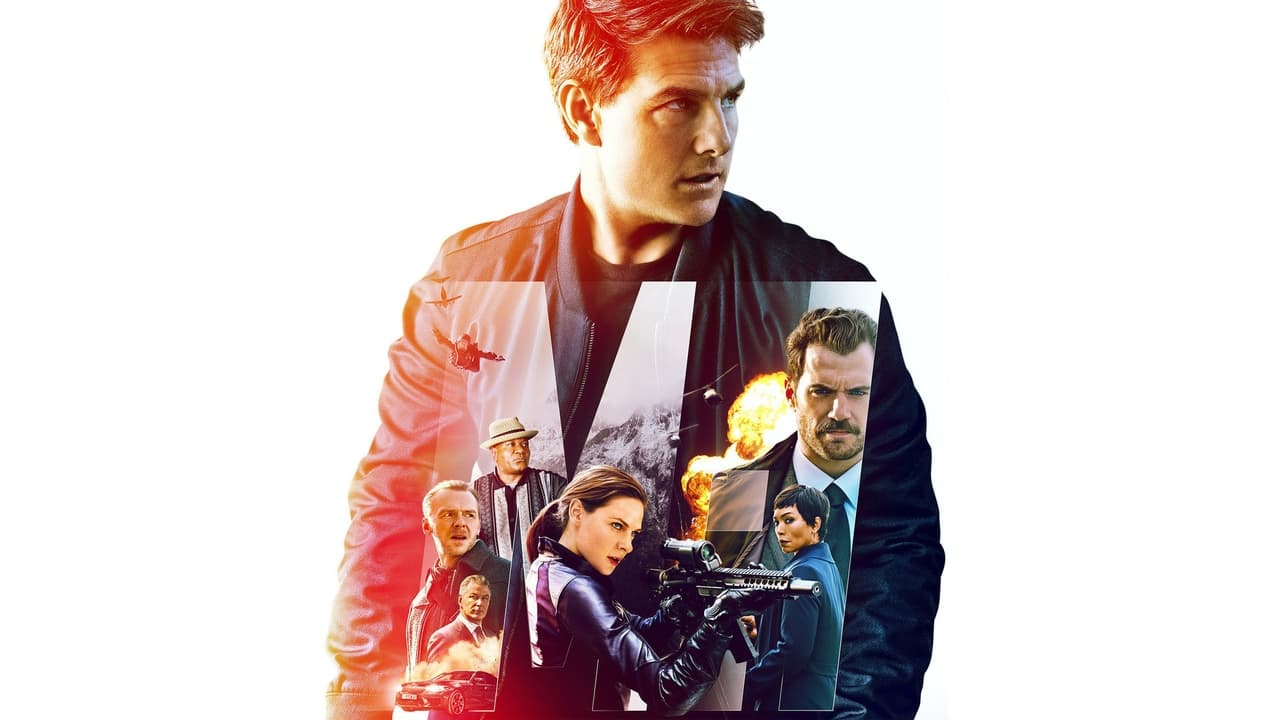
Mission: Impossible - Fallout (2018)
Release Mission: Impossible - Fallout 4K Ultra HD + Blu-ray + Digital (Paramount Home Media Distribution, 2018)
Tom Cruise and writer-director Christopher McQuarrie treat Fallout as both an epic action film and a sustained exercise in audience point of view. They explain how Ethan and Julia's unfinished story established the emotional arc, how previews and editorial objectivity reshaped pacing and team dynamics, and how the bathroom fight, Paris chase, HALO jump, helicopter pursuit, and Pulpit Rock finale were repeatedly redesigned around real locations, physical limits, weather, injury, and whatever the footage revealed. Their warm, exacting exchange makes the film's scale legible as thousands of choices governed by one rule: story is king.
- Duration
- 2h 27m
- Talk coverage
- 98%
- Words
- 27,585
- Speakers
- 2
Guided collection
The McQuarrie Mission: Impossible commentaries
Tom Cruise and Christopher McQuarrie establish the working method on Rogue Nation and Fallout before McQuarrie and Eddie Hamilton expose how that method evolves in the edit on Dead Reckoning Part One.
Part 2 of 3
- 01 Rogue Nation 2015
- 02 Fallout Now reading
- 03 Dead Reckoning Part One 2023
Commentary density
Highlights
Topics
People mentioned
The film
- Director
- Christopher McQuarrie
- Cinematographer
- Rob Hardy , Hugues Espinasse
- Writer
- Christopher McQuarrie
- Editor
- Eddie Hamilton
- Runtime
- 147 min
- Also on
- OneSheet ↗ OverBlack ↗
- External
- IMDb ↗ TMDB ↗ Find on Amazon ↗
Transcript
27,585 words
I am writer-director Christopher McQuarrie. I am Tom Cruise, writer-director's friend, co-worker. Why, thank you. I'm honored, sir. Likewise. This is number nine for us. This is the ninth film that we've collaborated on in some capacity or another. Yes, and third time on Mission: Impossible. Yes. Came on and saved my bacon in Ghost Protocol. We're all very grateful. And this is Mission: Impossible Fallout. And this is Mission: Impossible Fallout. The first scene that we really discussed in this movie was this scene. Yes. Strangely enough, it was very much like the scene that you're seeing here, with one small exception. Alec Baldwin was originally going to be the minister. Do you remember that? Yeah, that's right. And Alec Baldwin was unavailable. He couldn't come to New Zealand. And Sean Harris was available, and...
Now it is unimaginable to me that it could be anybody else. No, that it could have been anyone else. And also, we were talking about at some point maybe having Benji and Luther there also. Yes, that's right. And it was originally going to be much more long-lensy, esoteric, hard-to-see-the-background white. It was going to be less about the environment, a much more dreamy effect. And the more we refined the situation, the more it really became clear that it had to be. And I can't imagine not doing it without... Sean. And what it came from was this, of course, is that the very first conversation that you and I had at the very beginning of all of this was I asked Tom, what do you want to do? And Tom said, I want to resolve the story of Ethan and Julia. People are still asking me about this story wherever I go, whenever I'm promoting movies around the world. And I want to give them some closure. And I said, okay, well, in order to do that, we have to reintroduce that character. And we've got to
Let's not do it as something that's just going to get cut out on a DVD. And that dictated the entire emotional arc of the story. It really allowed that emotional arc that we were always talking about, which was how do we get, without compromising what mission is, build in more emotion. Emotion. You know, how do we take them and pull back who Ethan is, where he's at, but without compromising what Mission: Impossible is, the team, the action, the suspense. And also, I love that you chose this, the Odyssey, as the book at the beginning, because we also talked about this being an epic. Yes. That we felt that the franchise had earned it, that it's where it needed to go. And also visually, you're talking about, you know, this is your second mission that you directed, and you approached it right from the beginning. You said, I'm going to approach it as...
as another director to honor the franchise, but also evaluating and looking at your lens choices, looking at how the locations that you chose throughout the picture, I thought were absolutely perfect. But when you talk about length and design of even the rooms, look at the width of these rooms, the length of them, and the lenses that you chose to shoot this. even the size of the wall at the beginning. It's just right from the beginning. I like, you know, I mean, you and I are very much in the same way. It's like in the first minutes of a movie, you're telling your character story and you're educating them to the style and tone of the movie that we're making. Yes. So immediately it's like we're just, you know, they've trusted us to come in and we're saying, okay, you know, we're going to slowly take you through this. Here's the movie. And we're also taking you down... A very dark time. Yes, exactly. And you and I were always laughing as we were watching this, thinking to ourselves, if this works...
If this works, they're going to be in that hospital room going, Mommy? What is happening? Kids going, is this Mission: Impossible? The last one was really funny. And there's fans in the franchise going, oh, this is where they blow it. This is the one where they totally blow it. Oh, those poor guys. They took themselves a little too seriously. They forgot what Mission was. They blew it. And really what it is, is we want to take you down a road of Ethan's worst fears and his deepest regrets that the first 15 minutes of the movie. Which we dreamed of being five minutes, but we just kept putting other ideas in. Yes, exactly. We kept going and going. Yes. Well, believe me, we want to be as abrupt as we can. How long before the credits go? Originally, it was 20 minutes before the credits. And so we were looking for other moves. The Departed was slightly longer than ours, and we felt justified. Oh, that's good. Yes. Die Hard. Die Hard. Yeah, it's fine. They all did it. And this location, this scene, to your credit, this scene, we shot it.
We went to this location multiple times because of technical issues. And we were able to cut this scene together. You remember? Yes. Because of the ankle break we'll get to. And you were able to watch the scene and you said, I'm not feeling the team. This banter wasn't at the beginning of the scene. We played it all for suspense and all for speed. We were just trying to get into the story as quickly as we could. And we violated our rule. Which was, you cannot assume that the viewer has seen another Mission: Impossible. And we were assuming it. We were taking the team for granted. And you watched it. You came into the editing room and watched it. The biggest gift a filmmaker can have, a filmmaker's greatest skill, is having some level of objectivity when you're watching the scene. Say, well, how is an audience feeling it? Not, what do I want them to feel? But what are they feeling? What am I feeling when I watch it, if it wasn't my movie? And you watched it and you said, he's not connected to the team.
At all. And as soon as you said it, then everybody we showed it to was, without being able to articulate it, was feeling the same thing. We just weren't in it, and we were able to go back. Look at these guys. Yes. I mean, great actors. And you remember, one of the last cuts we made to the movie, we moved that moment to after the guy pointing the gun at you. That was awesome what you did. Showing the money, doing it. So now we know... Well, and Ethan felt oblivious. Yes. If it came earlier, the audience was ahead of Ethan because he's nodding like it's okay when the audience knows, no, it's not. Yes. And just by shifting that, Ethan says, it's okay. And then a second later, we realize, oh, no, it's not. No, it's not okay. And now we're going, look out, Ethan. Yes. You know, we're always talking about how do we invest the audience in this story? How do we get them to feel? You know, it's a structural, I think, really quite extraordinary what you did, McQ, because it's...
How do you get the audience to feel what Ethan's going through? Yes. Subjective as opposed to objective storytelling. It was something I learned from you, actually, going all the way back to Valkyrie. Valkyrie was almost a documentary-style movie that was telling the whole story from orbit. And when you came on to Valkyrie, one of the first big lessons I ever learned in that respect, in Valkyrie, you... The bomb went off, you drove away, and we went back to the compound to see Hitler. And you said, no, no, no, no, no, don't go back. And I said, but Tom, everybody knows this is not how Hitler died. And you're like, they will not believe Hitler is alive or dead until you show them, even if they know the story. And that was true. And it kept us in Stauffenberg's point of view. Tom Cruise University.
Excellent, excellent film school, by the way. And here you are, by the way, for another symposium of Tom Cruise University. Here we are. I had a broken foot. You were incredibly patient through all of this. Oh, my God. Oh, my gosh. A broken foot. I was standing there. I have a box off screen in between takes. Just resting on your knee. Oh, my God. And what's really amazing is keeping that in mind is how uneven it was. all these cobblestones are. And the other thing to remember is the phenomenal lighting by Rob Hardy and Martin Smith, our Gaffer Martin Smith cinematographer, Rob Hardy. The choice of this sort of greenish light on one end. White there. Yes, well, it's tungsten. He's got a tungsten color that he really likes that's given this entire movie this feel, this almost...
It's an almost sepia feel. That looks like it's straight outside of West Side Story. I love this stuff. And it gives us geography also. Yes. As we're going, I know where I am. Yeah, well, and that first shot where Benji walks in and the camera does that 90-degree move around was all about familiarizing you with the space. This is a big obsession of mine. As you watch the scene, you'll see that the camera is constantly moving. setting you up for the three-dimensional space before moving on to the next shot. So that the audience knows where they are. Yes. Which is, you feel the space in it, but we're still feeling the character pressure. And look at the length. The design of the film, having those lengths. First of all, great actors, Ving. So phenomenal. Every time you just go to these guys, it was such a pleasure, always a pleasure, working with them. Anytime you put the camera on them...
Well, you're talking about two actors who understand, A, the characters they're playing so well, but understand the genre so well. Yes, and how to make this movie. Yes. And Ving landing on his knees like that. Gosh, take after take. I was like, I never complained. No. And you remember that your line, that's an ADR line. You say, I didn't know what else to do. We were doing a lot of this on the fly and we would feel these scenes and you'd say, okay, we want to make clear what your intention was. And we added little lines like that later. And then this, you remember, in our effort to make the movie shorter, we didn't let these moments breathe. And that's a very important moment in the movie when Tom says, why aren't we dead? You want the audience to know something more is coming. You want to feel Lane. You want to feel...
It was one of our things we kept reminding ourselves because we knew the film we were making, it was always, let's not cut it too tight. Let's let these scenes breathe. I mean, we really had to, you and I really kept pace on that and going, it doesn't matter all the pressure that we feel in terms of length. What's important is story. People make that mistake all the time thinking, well, I make it shorter. It's going to feel shorter. It's like you make it shorter and it feels longer. And I feel less involved in the story. Well, you said something very wise when the studio was coming at us and wanting the movie to come down in length. You said it doesn't matter how long it is. It matters how long it feels. And when we cut a shorter version of the movie and tested it, the scores were lower.
Yes. The scores went down. It went down. The emotion of the moment was landing. Was not in. This phenomenal Kristoffer Joner. Fantastic. He's an amazing actor. Fantastic. Such a lovely guy, too. And this scene, this was, again, one of the earlier scenes. And you remember, in Rogue Nation, we kept trying to write a scene like this. We were trying to figure out a way to make a mousetrap scene. Yep. Where the audience didn't know it was a mousetrap. We had it, we started out in a train. We also had the box, the box car. That's right, that's right. But look at, I love Ving in this scene, by the way, and I love him in this movie. So this is, well, coming into this movie, the last one was kind of a buddy movie with you and Ethan. I mean, you and Benji. Yeah, Benji. And there was a relationship between you and Ilsa and a relationship between you and Benji.
This is one where I wanted Ving to really, after five of these movies, to have his moment. And that very quickly fell into line with all of these scenes because no one knows you better than this character. And this is the scene that we started with. Do you remember? Yes. We started with this scene and Ving came in and we're like, no, man, this is... this take it take it you know take it and he did he was like oh do you remember that morning yeah because look when you're making a mission movie it's a lot of stuff is writing every day these actors are incredible but also when you have an idea you want to seize it and not just go well this is the way it is and this is but if you have something so we're constantly working on things and you're constantly writing and updating and really what i love about you as always as a as an artist is you're looking at other artists and you're celebrating them so
You always have that story in mind, but you're looking at this actor and you're going, what's going to really serve that actor? So I love that because you and I share that same love of a movie where you want all of these actors to score, but also for the audience to have these characters that are... that you care about and you're interested in at every scene, every angle. Well, everybody's got to have their entrance. Yes, we talk about that. It's like, what's that entrance going to be? If you look at it, it really serves these guys up and ladies up. You remember here, there was more of a moment between you and Ving. There was some great acting, but the audience started to suspect when there was too much conflict, they started to suspect something was up. They're like, Ethan and Luther, they're too...
Yes. They're too close. Yes. You know? And the trick of this scene is that while the audience, as you, somebody watching the movie for the first time, you're looking at where is this all headed? You might be figuring it out. You might know that there's a trap. You might know that something is afoot. And we're hiding from you what our real intention is, which is we want you for the first 30 seconds to think that something terrible really happened so that you feel... what Ethan feels. Yes. This is the first time... This is the structural... You start with the thing at the beginning, now here, and the audience is going, oh my gosh, this is going to be a really depressing film. That's just it. These guys really... Oh my God. McQ and Cruise, this is terrible. They've gone off the rails. And the truth of it is, you never get to see the doomsday scenario play out. In any movie, you never get to see the horrible ending come, so you never get to feel the villain win. And what I love about...
This is, we haven't even met the villains of the movie yet, and we've already met in Casper, the European at the bomb exchange, and in Christopher, you've met two fantastic villains. You've entered a world, and you realize at this point, God, these guys are functionaries. They're not even the big bad guy of our movie. But more importantly, we are still in Ethan's nightmare. We're still up until this, right until this second, it's all... Ethan losing and then suddenly Ethan says go and now the Mission: Impossible movie starts and the time we took and how we were biting our nails through all of it of how much can the audience take how long can we do this to get deeper into the character and Wolf Blitzer was so fantastic I never thought we'd get him I never thought I was incredible. When he showed up, we were we were high fiving. So good. And he loved it. He was great. Worked hard. He was so delightful. And we gave him a mask. We we sent him we sent him a gift of a fantastic of a wolf mask. Yes. He's got his own wolf mask. Yes. Here we go. Credits, of course.
I love these credits. This is the work of the Filmograph LA. These guys are so fantastic. Oh, my gosh. Great work, guys. Really awesome. And you, McQ. Look at this. Oh, it's great. This burning motif where we were kind of, the discussion we had was one of, imagine if the film itself is melting. You know, the movie itself is burning. And which speaks to the very last frame of the film. I hope I remember to mention it when we get there. But this whole idea that the movie itself is being consumed, that the series itself is coming to some horrible ending. And what we realized when we cut it all together, it was, my God, there's a lot of action in this movie. That was the first time I really had a sense. You know what? It's interesting because we're in it. Yeah. And we're constantly wondering, is it enough? Yes. Are we going as far as we want to go? Yes. And here is the phenomenal Alec Baldwin.
Phenomenal. And here's what's amazing is all of this detail, all of this sky and all this, when you're watching this film in the editing room before you've gone in and doing what we call color timing, which is where you actually pull out the fullness of the negative, none of this color was there. This was a very gray scene, you remember. Yes. And Asa Shoul and the nice guys at Filmograph, or not Filmograph, Molinare in London, who are our colorists, They brought out all of this color and detail. It's so gorgeous, too. And one of the things, as Lorne Balfe, brilliant composer, one of the things that they were trying to do was bring out more detail in everybody's face. But in doing it, faces started to look muddy. And I said, no, let it be a darker scene. The light is going to come. And so I love the scene. It's got this very unusual...
dusky feel had some beautiful shots. And, of course, I love the shot inside the aircraft house. And you remember here, there was more plot after this. He says, don't make me regret it. And there was a little joke about, and find out where the plutonium, who stole the plutonium in the first place. There was a whole subplot we had introduced in case. And ultimately what we realized is this scene's really just about the friendship between these two men. Yes. And this was before we were really certain that Alec's character was going to die. We were still debating that. All the way to the end. It was something that we ultimately knew we had to do, but didn't want to do it because... We loved Alec. Love Alec. Can the movie recover? Can the movie recover? Yeah. But look at her. She's great. And that's Rob Hardy...
That hallway is Rob Hardy's nod to Point Blank, John Boorman's Point Blank. It's awesome. It's a film he loves. And so I built him that hallway so we could do a Point Blank shot. Everybody thought I was crazy for building that corridor. That's fantastic. Oh, it's such a great introduction. Look at her. She's got so much power. She's really phenomenal. This was another amazing, didn't think we'd get her. very much at the last minute. I know. And you needed somebody who, from the very first moment they appeared on screen, had power. And I love how you... I love the design of the shot. Also, you have the two... It's an over into an over into an over. And it's about, here are the two power brokers. Yes. You know? Yes. And they're players behind them. Yes. And they are negotiating the fate of... That's right. ... the world. Right here, who's going, how it's their pawns, their players. Yes.
And right away, you just know the division. One's on one side, one's on the other. I will give credit where credit is due. You watch this scene. And originally, there was a slightly different cutting order. And I was playing it as a sort of moment between you guys. I was playing more in the close coverage of you. And you said, no, no, no, no, no. It was like, make it about them. Don't worry about us until Scalpel and Hammer. You remember? Yep. And I thought that was a really great note. And it created this... It made more of these compositions. Which I love those compositions. And it's very rare that you have a star of the movie come in and say, stop cutting to my close-up. Cut me out. Push me into the background. And see, that's Angela's natural temperature when she's playing a scene like this. And Angela and I were always working together. I was like, hold on to that. You know, just let...
Let that come out. Let's get to that. This shot is awesome. Entirely CG? I can't believe it. It was like the first time I've seen an entirely CG shot where I don't want to shoot myself. I know. Great work of Jody Johnson and all the people at D-Net. Great, great job. I have a real problem with CG shots, especially when the subject of the shot is CG. You can put computer-generated backgrounds all you want as long as what the eye is looking at is real, and that's That's a very important rule to me. And there was simply no time to get that shot. There was no physical way to do it, to go from one C-17 to another. And Jody assured us that they could do it. And he did it. That blew me away. When you showed me that shot, I was like, what? Oh, I know. And part of what made the shot work, sorry we're dwelling so much on a 30-second shot, is all the imperfections that we poured into it. It's all the heat distortion, the planes. I said, this is the perfect shot. Now show me the shot I would really get
know you because you have you just was like okay that's all i have yeah and there's and when you're shooting air to air there's the shot you want there's the shot you end up with and i just said give me the shot i end up with now look at henry cavill he's like 1940s like movie star this guy is just a movie star he is a star and he's he is a great actor also when he came on this guy works so hard yeah dedicated uh Every day, up for anything. It was very challenging. Always positive. Always positive. You know, very challenging film to make, Mission: Impossible. Well, Mission: Impossible, every day you come to work not knowing what movie you're making. And whatever movie we were making yesterday, we're not making today. Yes, and the character kept changing, and he just kept right pace with us and on with us. Yes, never questioned it. Never. He came to learn. And, by the way, the vapor on your helmet.
All of that, that's all CG. That's all incredibly artful. That is real oxygen that I'm taking. That is real oxygen. That whole stuff there. This was a obviously challenging sequence, the halo. The halo was, you know, I skydived. It was a lot of work. It was a lot of work. But I had to really get my skydiving up again and put in the hours. We're jumping out at 25,000 feet. We have to do, we did an hour breathe up. going up to altitude. There's many different things that can go wrong, hypoxia, many things that could lead to death at this altitude and jumping the way that we're jumping. And also, there's a lot of debate about, I'm doing the jump, everything's live, the whole thing. Now this is from, right from, this is all one shot. This all begins. We talked about this for a year. How are we going to get this shot? First of all,
You have to have someone that knows how to skydive. The camera's on top of his helmet. It's Craig. Brilliant. Craig's not looking through the camera. Craig is a camera operator, brilliant skydiver, camera operator. He's never done anything like this before because it's narrative storytelling. Still one shot. Now, he's backwards. He leaves backwards. I'm coming right at him. Now, I have to get... From there, I have to get to within three feet. Not two feet and ten inches. Not three feet and two inches. I have to be right at three feet. To be in focus. To be in focus. Now, I go past him in that, and we had really a window of a minute every night to try to get that shot. Three minutes. We had three minutes. Three minutes to get that shot. To get the whole sequence. And the rule with mission is everything is subjective, which means I need to see Ethan's face when he jumps out of the plane. We could have followed you out of the plane, but we...
We would not have been with Ethan. And now you're due to spin. Now you're in my face. I'm up on my back. He's going up and around. It really is a dance between the two of us. I had to always make sure that the sunset was on my left shoulder. That's actually a guy there. And Craig is having to keep the frame for all of that storytelling. It's nothing he's ever done before. He hasn't done narrative storytelling. So keeping that frame open. And we're traveling at 200 miles an hour at times toward the ground. I'm coming in. It's like a sprint. Boom. I have to hit him. When I hit him, I have to hit him. I don't know where I'm going to hit him on his body. I just have to try to take him out and down. And not break your neck doing it. And not break his neck, my neck, not entangle the chutes, deploy his chute or my chute. Any of those things could have led to serious, serious problems. And what's amazing here is Craig is keeping him in frame all the time.
And what you're looking at here is actually not shot over Paris. It's shot over Abu Dhabi. And thank you, Abu Dhabi and the UAE military for this. We could not have gotten this sequence without them. So many, many thanks to you guys. Many thanks. And so people are saying, well, if it's all CG in the background, why didn't you just do it CG? You can see the horizon in the background. And what you end up with By jumping out of the plane, the relationship between you and the camera is in a way that we could never have duplicated on a stage. No. No, we could not have gotten what we'd gotten. We actually... The bottle exchange... Oh, God. The bottle exchange is something that we actually... We built the largest wind tunnel in the world to train... for this and actually we were planning on shooting some of some of the sequence there we were talking about it and when we did it we did it it was just it didn't work it what was amazing is it looked like you were on wires yes it was re it was real but it wasn't real and uh and that's and you we took one look at it and you went well i know the
I know how we got to do this. I remember the tent was like, how are we going to do this? Everybody standing in the room was like, oh, my God. I know what he's going to do. It was straight out of a Mission: Impossible movie. It was like, oh, no. Except in a Mission: Impossible movie, Ethan is the one going, oh, no. And in making a Mission: Impossible, everybody else in the room is going, oh, no. We're actually going to jump out of the plane, aren't we? We have to do all of this for real. For real, while you're falling. While I'm falling, we're going to have to get and switch the tanks. Yes. This is the Grand Palais in Paris, France, which was kind enough to let us shoot there. Beautiful. DJ Harvey. Great, great choice. Thank you. Thank you. Look at this lighting. Awesome. Now, Peter Wenham, our production designer, was really amazing. We only had a limited amount of time in the Grand Palais, and so I said to Peter, I want you to build a set.
that you can build in two days and strike in two days. And all of this stuff was stuff that we could very quickly roll in and roll out again to give us the maximum amount of shooting time inside the Grand Palais. So what he's built here is fairly simple. He's just using those plastic screens, the mirrors, all of these projection screens. All of this stuff was portable. And the only complicated thing really to bring in was that light ring. And you'll see in the DVD extras, there's shots in this sequence that we cut out of the movie. There was a whole entrance into the Grand Palais. And a whole swinging how we got there. It was a big stunt. And that was before we had the rest of the movie together. And it was a fantastic stunt. And when the whole movie was put together, we realized, no, we don't need it. And I was like, let's cut that out. This sequence, we were supposed to shoot it in three days.
And we shot it over the entire production of the film. The last day of filming, we were shooting. And every time... This shot was a reshoot. We went back and reshot it because we needed to make the geography clearer in the bathroom. Geography is just a little bit confusing. With all the mirrors and everything, it was really... Yes. This is like Henry, the training, and you're going to see Liang Yang, who we met on All You Need Is Kill. Yes. Yes. Who was, all you need is kill. He was Emily's stunt double. And incredible Wushu champion. And we kept thinking about who do we want for this? We were going to cast an actor. It was going to be a misdirection. But it was just too much. What we wanted out of this scene was, you know, that this guy basically kicks the living, you know.
Somebody was going to get hurt. It kicked out of me and Henry. Or more hurt, I should say. Now, the important thing, this is not only a very entertaining scene, but it's also, what the audience doesn't realize what we're doing here is we're telling the audience, first of all, they're human. And Henry can get beat. Do you know what I mean? Like he's, this is first just brutal. You're seeing two different styles. Henry breaks the mask. Scalpel and hammer. Walker, he's a scalpel and a hammer. You're seeing it instantly. Okay. Okay. But it's also putting into the audience's mind that as much of a hammer that Walker is, he is beatable. He's vulnerable. He's vulnerable. And you still have this brutality. And the way that the scene was shot, McQ, is fantastic. Because if you look at the cuts, we're only cutting when we have to. And that's what we went in saying, how we want to do this scene.
death by a thousand edits it's playing out character which meant for the actors the takes have to be perfect and we have to be in like there's no cheating so the burden is on you so i'm allowed to just oh look here's a mask machine there's no shaky cam there's no all of that the reason why this is not shot in the style of scenes you're seeing that is because the three actors were so were so exhaustively trained and that also you guys were really putting a beating on each other. There was nowhere to hide. No, and we wanted... You're looking for the accidents. And so there's moments where I really get kicked and I'm down on the floor and almost in the latrine. That was improvised. Those guys were so fantastic. All of their dialogue is improvised. I didn't know anything they were saying until...
A week before we finished the movie when somebody put the subtitles in. I love this scene. I laugh every time I see it. It's just, look at Liang. Look at this move when Henry's doing it. It's just unbelievable. And this is the great thing that you do not see in a lot of these other action movies. It's the vulnerability that you're both showing in the scene. It's a testament to the both of you. The fun of the scene is watching these two guys that we know are the heroes of the movie getting their asses beat. Yes. And there's... It's just... And it is. We're just... With every time, we're not just doing the choreography. We're... How do we...
And that kick to the chest. Also, Henry just delivers. Now, of course, here's the reloading the biceps that he did on that day. Just awesome. Total improv. Just awesome. Just creating that character, these moments that he just created are fantastic. Look at this. Look at this. I love how you double cut this. Yes, it's the same action repeated twice. Yeah, it's the same action repeated twice. So you could see it all. It was so good. So you could see it all, and you also think, that kick, that hurt. Oh, that's got to hurt. My face in the latrine. And I remember that slip. That slip was not... No. That's literally just... It's very slippery in there. It's uneven. And you guys just let the space kind of... Yes. The space is beating on you as much as... But also, and it's like, look at what Henry did to sell everything. Oh. Just... Yes. Into it. Yes. You know? And then... Into the character, like this moment you picked up on the last day. That was a reshoot later. Boom. To focus on... I threw focus to the gun. Yep. And it allowed me to show him getting shot in the head. Now, we introduced...
Ilsa earlier in the club, and we cut that and made this her introduction, which is fantastic. Look at that. She's so phenomenal. Look at her. Amazing Rebecca Ferguson. I know. It's just... Talk about charisma. Also, movie star. You look at these guys. All of them in the film, just so talented. And also, in a white room with bright light, there's nowhere to hide. There's no... What it... Both literally and figuratively. You look at the light on Rebecca's face and what we're... Looking at all of you guys, there's such a... These are such fantastic close-ups, which are all provided by the environment. It's hard to look that good in a big, bright, white room. This blood was added later so we could control the amount of blood and where it went. It wouldn't slow production down. And until we had the blood in the scene...
The scene wasn't getting any laughs at this point. And suddenly when people saw the blood in the scene, it had a whole other layer. This got a laugh. Yes. Where it didn't before. And that's always how I pictured it. And I was always frustrated when we had to show this to test audiences without the blood on the floor. Oh, there's so much. It's amazing how well the film played with it. People don't understand music, how... how that affects this we picked up again. We picked it up again. And you were like, you watched it and you went, I can do, let me try that line again. And you gave this, it was like, and now we have to hope they never met. The delivery you're giving is like, and you just everything. Are we allowed to say it? Yes, exactly. But it gave a nice energy because now I could hold on you guys in these moments. And the way we had shot it before, it was forcing us to be cuddier.
We were cutting around things. Do you remember? Yep. To try and give pace to it. And we said, no, let's go back. We have the bathroom. We're going back there anyway. We're going back. And let's shoot this so we don't have to cut it. And Henry and I, any time, like at the end, when you're doing a fight scene, first of all, you never admit how painful it is. Ever. Like when you're doing stunts, you never say it hurts. Oh, I always hear about it a year later. No, it's a year later. But on the last day when we were in the bathroom, I looked at Henry and he was like, you know, both of us had that moment of admitting.
how painful it was every day. This is one of the first things we shot with her. And this line, you came up with on the day. On the day, but we talked about it. We kept talking about the relationship and I said, I don't know what it is, but it's in this moment. And I came to work that day and went, ah, I got it. And it was this. You should have stayed out of the game. You should have come with me. And that was their entire relationship from the last movie. done in two lines and remember there was a whole multi-page scene we met and we cut that down to just a look we had with each other and then cut the look out i know all about their relationship this i love this opening shot it says we are entering a different part of our film a different part of the movie i love this there we go the rule for new vanessa vanessa kirby okay vanessa
She originally, the entrance, she was singing. Yes, we had a whole song. But she was fantastic. It was a number. She's fantastic. This we picked up later. This close up. And what we realized was the audience was just saying, just get us to the story. And the song was saying, okay, well, what's going on? It actually worked against the tension of the scene. And so I said, well, take out the song and see what's left. And it was all of these shots. And I said, oh, I get it. She can be... she can be giving a speech and watch her hand. You can see with her hand right there, she was actually, that's the one indication that she was actually singing. And we needed to feel the threat, but also we always talked about her and her brother, her character's brother, as being the daughter, son and daughter of Max from the first film. And that was always going to be a secret between us. Yeah, it was always like stuff that McQ and I loved and we cut the song out and he put it right there. I was like, oh man, you're going to do it. If you're listening. I loved it. I loved it.
Yeah, it was a lot of fun. People that know the boobies, their friends are calling me going, ah. My family was calling me going, that's Max's daughter. I love it. Now, if you want to treat yourself, watch the background in this scene. Rewind the scene and watch the background from when Tom first walks in until when she finishes her speech. These were shot months apart because we were shooting this scene and we took a one-day break to go foot. to go shoot the foot chase. Yes. And that was the day you broke your foot. Yes, that's right. And we came back to this and shot all of this months later. So we couldn't get all the same extras back. And I was agonizing over it. And the producer, Jake Myers, our producer, he said, if they're looking at the background, if they're looking at the extras, you have bigger problems. And these extras were actually phenomenal, incredibly patient. Yeah, they were. They were awesome. And Vanessa in this scene is so good in...
In portraying someone just in her behavior as somebody who's excited by chaos. Yes. And not at all intimidated by this person. By the danger. I love the brother-sister relationship here. It's really fun. Frederick Schmidt playing Zola. I want to go and make a British gangster film. We always talk about that. He's just fantastic, this guy. And I love their relationship. It's just a nice... color to have there. Yes. And we shot, remember all of this business at the bar was shot with three cameras simultaneously so that it was a profile shot. Look at that close up. Fantastic close up. Look at her. And Rob Hardy's use of short framing. Rob Hardy likes to do what's called short framing where he leaves a lot, you'll see everybody's pushed over to one side. There's always a lot of depth in the frame. Now this shot, Tom Cruise, you remember we were talking on the day.
And what we really wanted to do was make clear that Ethan walked in here knowing there was a problem and how to use the problem to his advantage. Yeah. It was a very complicated idea. And we were saying, how do we express that? We came up with this line. So remember, I came to work that day. Yeah. And I said, here's what you do. You say, I know what you're thinking. And by saying, I know what you're thinking, you're telling us what you're thinking. And you said... Oh, dude, okay. And we started playing with lenses. And that's where we put this big, long lens on it and designed that shot. An intimate shot between the two of you, separate from everything else. That was a shot that you, me, and Rob all worked together from lenses to lines to camera. To figure that out. Now, I love this where the audience is like, you think she is a maiden in distress. Do you know what I mean? The first close-up, here she is. You're just thinking like, okay. Oh, he's holding her and keeping her away. He's holding her and keeping her. Now you go...
Now, listen to the crowd. I love what you did with the crowd noise, too. The crowd's like, whoa, and I love that look. Well, I went through with the sound department, and I said, there was a lot of just wild reactions. And I said, no, no, no, no, no. This is spectators watching a sport, and it's getting crazy. It was fantastic. First time I heard it. And I also, I love New's look. You know, great job, Rebecca. I love New's look at the chest, because we're always talking about how this, it's like, I could do this, too. Yes. Like, hey there.
Yes, and what was nice is... And now you've got Henry come in and just the hammer. And it brings everybody together. Yes, I love it. And remember, we almost cut this out of the movie. I know, dude. I was so glad we got it back. Oh, it was out. In our haste. And then there was a scene here that we just picked. And look, I love that close-up again of hers. Just, like, this is exciting. Well, there's all this dialogue in the car, and we realized you don't need any of it. It's just feeling them together. And she's like, this is dangerous, and you're fun, and I'm having fun, and now we're going into... Another world. It goes from the club to here to this shot that you created. The whole thing. Remember, it was all set up in a different way. This was the hardest location in Paris to get. We insisted on it because we needed the space. We wanted to feel her environment. Her power and her environment. And you sort of hit the nail on the head.
There is a constant evolution of space. You're constantly, everything, every scene, you're moving into another world. You're going deeper and deeper. And she's taking us into a deeper place. It's like, okay, what do you think of this? Now she knows he doesn't know. And all of this. And she's got to get him to do what she wants. That's right. And so she's very excited by this. All of this camera work, it's all calculated. This is actually... You restructured and redesigned the whole room in the morning. That's right. And that whole opening shot in there. I cleared out all the furniture and put all the guns... Because the furniture was getting in the way of the guns. But most importantly, this scene, essentially what you're feeling is Ethan has walked into a trap. Yes. And the trap is not springing. The trap is slowly closing around him. And so if you look at all the framing of all the shots...
Ethan is surrounded in every one of these shots or the ceiling is above him. Each one of these angles is calculated to create a sense of gradually closing entrapment. There's a guy behind him, a guy in front of him. And Lane there. This is reintroducing Lane. And then look, she's completely free in the frame. Yes. And she's in total power. She's come in and changed, made herself comfortable. Yes. And is, and is sort of, yes, she's completely at ease and comfortable. All of this is very, Henry is standing in front of the door. There are men outside the door. That's the one door Ethan could exit. And so every, there's no exit for Ethan. And there's a, and that moment in the scene where we cut to the wide after you look at the lane picture is the moment when you realize, I realize what, I've stepped into something now. This is bigger than I thought. And his whole nightmare that he had at the beginning of the movie, it's,
Yes. He knew this was, he was afraid this was coming. And then here's the shot we both love. It's this two shot coming up. I love it. Right? I connect a buyer and a seller. Where is it? There. That, oh my God, fantastic. And it marries the two of them in such a great way. Puts her in the foreground. All of these shots are about power dynamic as much as they are about, you know, here it is right here. It's Ethan realizing... I'm had. But he has to keep going. We don't dwell on the moment. But I love how she just leans. She just knows. It's like, show him. I'm drawing you in. Oh, and you remember this. We had three plutonium cores at the beginning of the movie. And we had two plutonium cores at the end. And that's why. And we were driving ourselves crazy going, well, what happens to the other plutonium core? And
People kept saying, well, just get rid of the plutonium in the beginning. I'm like, no, you have to have Mecca, the Vatican and the Temple Mount. And we came up with the idea of the core as a down payment days before we shot the scene. And that took us to this was when I when I wrote the breakout scene. You were the one that said, remember, in mission, it's always about showing what was supposed to happen. And these scenes, what we call a what if they always happen with narration over them. It always happened with Ethan in a room or Benji in a room saying, here's what we're going to do. And it tells you that it's safe. It tells you that it's not really happening. Look at this shot. Look at your whole design. We rehearsed this at a track out in France. And your whole idea was this. And you'll remember that when we were in Paris and we were being very sensitive to Paris with our presence there, there were paparazzi across the river
taking pictures of us shooting. We were there for several days. And within an hour of your showing up, you're seeing images of your own movie online. And this, we were supposed to shoot first. And you came up to me and said, we're going to be killing all these cops. And there's people across the street watching. What do we do? And you remember, we shot the other part of the scene first. We shot part two as part one. And the next morning we came in and Martin Smith put silk up along the entire side of the bridge. Everything you're looking at is actually added in post. And that's why there's this eerie light. The sunlight is coming in through 300 feet of silk so that no one in Paris would know that this scene was being shot there. Because we didn't want people seeing us killing police. That's not what the movie's about. And it's...
It's the exact opposite. And I didn't want that for France. We didn't want it, you know. No, we said, well, eventually they'll know it wasn't real. But yes, we don't want to wait. And also with the mission movie, we come in, we want to celebrate the culture, celebrate the town, the city, the people. And that's the purpose why we went to France. It was wonderful. You saw the thing. Oh, God, yes. And none of the guns had any blanks, you remember? And the explosion wasn't there. It was all added later. We shot it silently. And we shot that gunfight entirely under the nose of everybody above us. And nobody ever knew it was taking place until they saw the film. And the music in that scene, it's worth going back and listening to. It's Lorne Balfe's, the first piece of music that...
that really resonated. He sent us a whole bunch of music, and that piece is playing over your dream at the beginning. It's playing over that scene, and it became... It's haunting, and it's so big. Oh, it's lovely. And it's a completely original piece of music that came to represent... Lorne, thank you for what you did. It's just amazing. Yeah, Lorne, really phenomenal. And you guys work so well together, McQ. I had such a great time working with Lorne. You guys worked brilliantly. The surprises that you would send me as a... Yeah. As you're editing it, go ahead and send me those surprises daily. I just look like, oh, my gosh, this is just amazing. This was originally not a hard cut. This was originally a long establishing shot, and there was more dialogue at the top of the scene. Great shot. And you're talking about 6 o'clock in the morning. You had to go there. You only had about an hour to shoot the establishing shots of the scene before you went into close coverage and we could hide that the sun was coming up.
So all of these close shots. And you can see in the background, the sun is starting to come up on the stones behind Angela. This is beautiful. We were racing to get out of there before it was in direct sunlight. Is it the Trocadero where we had our premiere? Yes, we had our premiere. Congratulations. That was such a great night. Thank you. Congratulations to you too. Look how beautiful France looks. Look how beautiful Paris. It's not hard to make look Paris. No. But I thank you. Thank you, Paris. Thank you, France, for trusting us. Yes. For allowing us to shoot at these locations. locations to celebrate you. For allowing us to fly over the city, for giving us all the street closures. It's amazing. It's really incredible. And they were incredibly gracious, very trusting. And I don't think we damaged too much of the city. No, nothing. No, we didn't damage anything. No. We left some rubber marks on the street. Yeah, some rubber. I was very nervous driving past those churches, 14th century, 15th century. I was like, I am not going to...
drift into one of these walls. That is not going to happen. This would be so bad. This would be so bad. I would feel horrible. It's a great moment for Henry. And it's one in which Henry is talking about, Walker is talking about Ethan, but he's really talking about himself. And it's the only insight into it. And what I love about... It kind of goes back to, you and I talked about it, Mission One. Yes. You know? Yes, that's right. That inspired this kind of moment. That's right. And the notion that this movie gets away with things that I never thought we would. There's no point in the movie where Ethan explicitly explains the plot of the movie to the audience. And without that, it's a very dangerous dance. Because until Ethan says it, the audience is not reconciled. We notice that an audience, when we're testing the movie, they're always trying to outthink and outsmart Mission: Impossible. Yes.
And until Ethan says it, it's not true. It's very interesting. Sometimes we try to allow others to have that. Yes. But you and I realize it's like, if Ethan doesn't say it... Well, because mission's all about fooling you. And it's like, until Ethan tells you the truth, this is all lies. It's all just a web of lies. This sequence... Oh, this opening shot. Come on. I love this. Introduction of a character. Talk about introduction. The reintroduction of Lane. Seeing where he is. And the difficulty that one has flying over Paris is restricted airspace. It was very generous of them to let us shoot there. And we landed at the building. And you remember these shots were all done months later on stage. We had such limited time in Paris, we had to choose our shots very carefully. And so the first time you saw the sequence cut together, there was nothing of Ethan in the truck.
Right? So you felt the action sequence, but what was really interesting is you felt no character. And just these few close-ups of Ethan in that truck as the motorcade is coming, it suddenly gave stakes to the scene. What I love is this scene actually obeys a real 360-degree geography. You and Lane are actually looking at each other. In real geography. And he is in that helicopter. Yes. That was shot in the helicopter. Those are real French Special Forces who come with the helicopter. Incredible, incredible guys. It's a great box set. You get the helicopter, the French Special Forces. I know, and the helicopter, he couldn't bring all the weight on it because the structure, so he had to keep it just a little off. Yeah, it was weighted for four tons, and I think that helicopter was 14. Yes. And no helicopter had ever landed on that helipad.
And that's the Ministry of Finance, which is... Thank you for allowing us to do that, Ministry of Finance. Look at this. I love all this stuff. Look at him. He's fantastic in this. Oh, he's extraordinary. And then here you go. This shot was on a stage done a year later. This was on location. And you remember, this was really the first day of you and Henry working together. Yes, and we're finding the characters. We didn't really know who Walker was yet. I know, didn't know who Walker was. And then he just started doing it. You'd go... When he goes, he's like, you're the one who caught him with a smile on his face. And I said, go home tonight and watch. It happened one night and gone with the wind. I said, you're Clark Gable. And we started talking about actors from another era. And you see that, that smile he's got, the confidence he had. Henry starts to become, he shows elements that he's a little bit of a rake. All of that was...
was just discovering on this day when we started going through it. And also, you see the mannerisms that Henry brings to it. Just the bruteness, the kind of... You see he's a brutal kind of fighter, a brutal kind of guy. Just how he cracks his neck, you know, just stretches his neck right before he's going to go. But not a gorilla. No. He's really... No, he isn't. There's an elegance. It's very interesting. Yes. And we... Here's the lovely Rebecca Ferguson again. All of this was worked out in this geography, and we shot it over two Sundays. Chris, the design of this is fantastic. Again, the length, the depth. The trains. The motion. It's just the choice of locations, how you shot it. I saw this. I was just... I'm so...
I never tire of looking at these shots. And look at this, the design. You come over, here she is. You're just wondering, who is that? You have so much going on. And you know who it is, but you don't. But you don't. And it's taking your time, allowing the audience to absorb that. Now it's a perfect shot to have that here. And a shift in Lorne's score. When the truck tips over, it stops being the mission theme and it tells you, now it's on. And that you discovered... Right at the end. Way later. As you just kept honing the music and honing the story. Incredible work. A big thank you. A big thing about this sequence is the sound design and the music and how they're mixed together. We were getting a lot of notes that the sequence was too long. And we couldn't understand why. And we realized that the music and the... That moment there. Yeah, it's great. The music. That it was all coming at kind of the same volume. And you were exhausted by the time you got here.
And we still had a whole chase sequence. You were already, your ears were punished. And so we spent days mixing this sequence so that it was right to the edge but never too far. And you had to pick your moments. When did music matter? When did sound matter? When did they both matter together? Look at this. All this here, Sean in there. Caged in. Caged in in a great rig built by Neil Corbould. our amazing special effects team. Fantastic, been wanting to work with him forever and finally had this opportunity to work together. This rig too, there's a rig that had casters underneath it, do you remember? And it was impossible to control. It would blow as I was just going out to help me make that turn. This hurt. Oh, these guys come out like that, that hurts. Yes. And we shot this on a really sunny day and this we shot on a tank at Leavesden.
These were all things we couldn't do in the Seine River. That's a tank. There's a tank. That's Neil Corbould's rig, which is revolving at 180 degrees. And look at that. The water comes in. Sean had to do that several times. And then look, it's pouring rain. And I was, remember, we were shooting it. I was agonizing. I know. And we kept wiping off the windshield. Nobody notices. No. Nobody cares. If you're on story. That's exactly it. Yeah. Here's Simon Pegg. Simon Pegg learned how to swim with a rebreather. Yep. Got certified in a rebreather. He's certifiable anyway. It's fantastic. Love him. And that was right before it started raining. I know. All the cars coming in. And then this alley. It's a very old alley. Part of the alley I'm driving into. Yes. And I just, I did want to hit the walls. I'm going in fast. Yes. I did not want to touch those walls. No, it was so bad. We had to build out. Well, and then to wedge the truck in there.
they weren't going to give us the permission. So I said, well, what would it take for them to give us permission? They said, well, they don't want that truck coming down the alley. And I said, well, what if we did it in a way that the truck doesn't have to go down the alley? And so that's him going in. And then all of this we did later. And we built on the back lot this right here. We built that so that we could wedge it without damaging the old architecture. And remember the first time Henry kicked the windshield? He kicked it and it just went flying out in one kick. It flew down the alley. I was like, hey, Superman, try to make it look hard. Exactly. Give it some effort. And this was the beginning of our, you know, things going wrong for Ethan. And all of it, of course, is the necessity of we've got to separate these two guys. This is high speed.
And the alley, it actually, it's not an alley, it's a brick wall. And you remember you had to take off and stop before you hit the wall. And we added the alley later. And then this is you just headed in the opposite direction. Benji, Simon learning the boat. Okay, not as easy as it looks, I just want to tell you. Definitely not. And when we, and it was the sort of thing that our, we had our heads down and we were shooting so quickly. that it wasn't until Paris was done that we were like, this scene had boats and trucks and cars and motorcycles and helicopters. It was crazy. Trains. I love that train. I love that train. Tommy Gormley, our amazing AD, had timed the trains and knew when they were coming, knew when to call action. And then here we go. You were supposed to have a rig. It was a safety rig so that Tom wouldn't have to drive on these cobblestones on a motorcycle with no helmet.
The rig failed, and this was the first day. I said, what do you want to do? And he said, my brother, we've got to shoot. He got on the motorcycle and took off. We're going to go like hell, man. And that's it. And the whole design of the motorcycle chase went out the window on day one, and we went to old school, practical, we're doing it all for real. High speed. Yeah. No helmet. No helmet, no stuntmen. Averaging. Stunt drivers in these cars. Yep. These cars coming in, boom. And Lorne's score. It's fantastic. Me coming down through here, hammering. I'm hammering through here. This is the Rue de l'Opéra, and we shot this on the same day. That Rue de l'Opéra is where I had the idea for the Opera House. Yes, that Rue de l'Opéra that inspired the Opera House for Rogue Nation. I love that. I love that we were coming back to that. This is high speed. I'm driving in between these cars at high speed. That was... Scary. It's uncomfortable. It's uncomfortable. I mean, when we finished this day...
You'll see, there's just, we're all high-fiving each other that I'm still... Oh, my God. Cobblestones are cold. Which we shot the same morning. Yep. Cobblestones are cold. It's due. I'm just, I'm hanging on to this bike as best I can, keeping the speed up. Car's coming at me. You should have wiped out. I'm saying, please just hold your line and don't hit me. Just don't try to avoid me. I'll avoid you. And I just going... full tilt through here as fast as I possibly can. Now, sharper eyes will notice that the sun is rising. Yeah. In those early shots. They gave us the Arc de Triomphe for two hours at dawn. And by the time the sun came up, we had 90 minutes to shoot. So any attempts of making that safer and easier for you or waiting for the cobblestones to warm up, that wasn't an option. No. We just had to go. Yeah. And we got all of that in 90 minutes. I had bikes with tires warmed up. Oh. Oh. Catapult. Oh.
And everybody asks how we do that. We do it. Tom is on a catapult rig that hits that car and throws him over it. It's a pretty painful stunt. That's not acting. Take the credit. Take the credit. You're a brilliant actor. I love this shot, man. Lots of discussion as to which angle, will they see the net? How to reveal it. How to reveal it. Look, I love this moment, McQ. This is pure McQuarrie right here. And you remember. I was thinking, I thought, I love that look between these guys. And it was originally that music. The music that was playing over the, the Lorne music that was playing over the what if sequence. And it was very emotional. It worked very effectively here. And at the last minute. You changed it, which is like, McQ, I love this cue. It's one of my favorite cues in the movie. Lorne did this in an hour.
And it was so fantastic. And it gave the whole movie, what it does is we were so in love with that other piece of music, we lost sight of what mission is, which is pulling the rug out. And what we were leaning into was the regret that Ethan had in having to do this mission. And it's like, no, they won. Let's give them that. And it's much more effective. And I love that you took out all the sound. It's just the music. You did a brilliant job on this mix, McQ. It just keeps it. And you feel the team I love. Simon did this. It's like looking at him, it's like, okay, he's good. That's Walker. It's all the communication. And a whole thing of the team has been introduced with no waste of time. And this is Alex Benachek, who is just this phenomenal, phenomenal actor. This scene was originally written as you and a man. And you read the script and said, make it a woman. It'll be a lot more impactful if it's a woman. And he made her, she's just a traffic, doing traffic.
You know, cop, and it's just... Wrong place, wrong time. And it's... No, that is not a reference to Pulp Fiction. Everybody asks me that. What? No. It's Ving holding a guy with a hood on his head. They're like, is that a reference to the gimp at Pulp Fiction? No, it is not. I never thought of that. And she's so wonderful in the scene. And a lot of what we did, a lot of the dialogue, we did in post. You remember? Yes. Some of the off-camera lines. And this shot of Henry, to add tension to the scene... we added this shot right here. That was shot months later. And because I kept watching the scene and feeling like there's no danger in the scene before the shot. And you want to feel it come from Walker. You're constantly hitting. And I'm thinking it was Walker. Now, we haven't had this in a mission before. This whole story and what you've done by putting this emotion in here, McQ, I absolutely love it. Oh, thank you. It's so...
you're just telling people in a way there's consequences. Yes. There's consequences. It's like, this is dangerous. The whole intention was that Ethan, the notion of the one life over millions and not wanting anyone to get hurt, and it's not clean. No. It costs, and it makes it, it's not easy. And that's... That's a great response, you know, great reaction by Simon going, you know... It's Simon... The mission team, they're not killers. They're trying to do... It's the least amount of damage. Well, it goes back to mission one. It goes back to you grabbing the knife with Jean Reno and saying zero body count. Zero body count. And not wanting that to... And never wanting there to be casualties. And I thought, let's just... I want all of this to cost Ethan. And how far can we take that? And then when your suggestion was make it a woman, I was like, really? You want to leave a woman behind? That's really a little hard. And you were like...
It's hard. It's hard. He can't fix everything. Yes. And you're feeling that, like he saved her. First of all, I love this car. When you chose this car, you chose this car. I'm so glad we have. It's Paris. Look, we love Rendezvous. McQ and I, we love movies. We watch movies all the time. Check it out. It's Claude Lelouch's Rendezvous. And so the thing is, is that it's also, you know, our whole homage... You know, and a classic, gorgeous city. You want a classic car. Yes. The green, you know. The green was, you remember Graham, who does our vehicles. He brought a BMW that's slightly older than this one. And it was that color. Oh, it's fantastic. And Peter Wenham, our production designer, he said, but that's, it's retirement green.
It's like your father's BMW, I said. Exactly. Exactly. It's great. And look at this. Yeah, this car has no ego. No. It's a... No. It's just, we're saying, this is... It was so much fun to drive that car. Yeah, it's not a flashy... I had a flash driving it today. No. It's a strangely non-flashy, very conservative car. It's got a lot of power, held the road well, and I just... In Paris, driving... Look what it looks like. It just looks right. You look like... It just pulls me into the movie. It pulls me into the movie. Yes. And I'll tell you why. It's character. We had some pushback because they were like, don't you want a newer car? We're like, no, this is the movie, man. This is character. It's timeless. Yes. And more importantly, newer cars, because of all the safety equipment in the newer cars, the way they're designed, the windshields are sloping. They're smaller. It's actually harder to see. Yes. And I wanted the car with the biggest possible engine and the biggest possible windshield.
And that's how we ended up with that car. And then, of course, Graham brought us the green one. It was like, oh, this thing is so great. I had so much fun driving through all of this stuff. Look at this. This is Jenny Tinmouth, who was driving the motorcycle. She also did Rebecca's doubling on Rogue Nation. Love drifting around that. Yeah, Jenny's genius. She's a two-time champion of the Man TT, which is the hardest, most dangerous motorcycle race in the world. And the loveliest person. And hardworking. She's a total killer on the bike. Now here's, I just didn't want to crash and hit any of these things. Now, we only had a few cars, so I had to do that move and dance it off the stairs. Everyone was like, how do we do it? I said, I've got it, I'll go off backwards. They were like, what? No, you said, I know what's wrong, I'll go off faster. Yes. Everybody's going, no, no, please don't. You were like, I got it, I got it, I'll go faster. And you were originally supposed to go the other direction. Yes.
And we realized, oh, if you overturn it, you'll stick the landing. This location, the French were very nervous about giving us this. And thank you to the city of France for giving us that. And again, Jenny, this is incredibly dangerous. She has to get up to speed and has to stop in time. It was really difficult to do. And this was a moment. This was one of the earliest moments we talked about in the movie. In fact, breaking Lane out, we talked about in... in Rogue Nation. That's right. During the very last nights of Rogue Nation. Yes, yes, yes. We were talking about breaking him out and how we're going to do it. Because Sean Harris was so upset that he wasn't going to be killed because he only wanted to do one movie. Yeah, Sean Harris who plays Lane. Yes. He's like, I only want to do one movie. Promise me you'll kill me. Promise me you'll kill me. And then at the end of Rogue, we couldn't figure out how to kill him and realize it's not the right thing to do. Yes. And then he was like, oh my God. And Don Granger, the producer, said, oh, you don't have to worry. Sean's character's never coming back. And I said, well...
Unless Ethan needs to break him out to accomplish his next mission. Don said, oh my God, oh my God, I want to see that movie. And I ran to you. You were in your trailer. Sean was waiting to shoot the scene where he's chasing you. And I went to your trailer and I said, Tom, I've got this great idea. And you turned around and said, I got to break Lane out in the next movie. I was like, what? She said, I've been thinking about it all night. What else are we going to do with him? So I said, great, let's go tell Sean. And he was like, you bastards. I'm never going to get out of here. Now this location. is on the other end of the alley where we shot the plutonium scene. At the beginning of the movie. It was all in the same location. And for all these, we kept having a camera issue and a focus issue, and we kept having to go back. We actually shot this scene three times. Yeah, we had focus problems. We had to reshoot, unfortunately, Sean's close-up. But the value of that was it allowed us each time to get deeper into the scene.
and find different things. And you remember the first time we shot it, and this is, my credit goes to you, the first time we shot it, he doesn't say you should have killed me until Walker picks him up. And you watched the scene and you went, I think we should move that line sooner. That's the line that gets Ethan, is the line from the dream, and we're losing it by having it come later in the scene. And so we went back and reshot it, and we reshot your performance. And it's, to your credit, Tom Cruise... You're very generous. Tom Cruise, big movie star. This is Mission: Impossible. It's his franchise. At only two times in all the years that I've worked with you, have you ever come into the editing room and gone, I gave you something better, man. And it was this. You came in and you were like, I gave a very subtle reaction. And you were like, no, dude, he's freaking me out. I gave you a better reaction than that. I was like, what? And I went in and I pulled up all the takes and I was like...
Oh, he actually did. I was like, to your credit. It's like, you're not the kind of guy who comes in and interestingly enough. He's got great taste. Well, but you are also, you will often say, I acted it. I can't judge it objectively. It's hard for me to feel to be the effect of my cause. That's right there. Boom. You were like, no, dude. And so we recut the scene so that you were more distracted and looking away more. and it affected, it radiated out and affected the whole cut of the scene. And you hear the music, I love the music, and his performance here. Yes. The fallout of all your good intentions. And there's the movie, and there's the story. What I love is you see his performance in Rogue, and then you see him here, you see the change that he brings. Yes, and Sean, who is a very gifted actor,
And not an actor who wakes up in the morning dreaming about being in big Hollywood movies. Sean, when we would say to him, this is for the trailer, Sean. He'd be like, ah! He didn't want to hear it. I was like, come on, man. Go for it. Let's go. Go for it. Be the villain, man. And he's trying to bring something authentic. And we're like, it's time to be in a movie, Sean. Yes, exactly. And right here is where he originally said it. Yes. And he said, you should have killed me and pulled him away. And here, Walker said... I can kill them all. As they're walking away, there was a shot where he said, I could kill them all. And we can walk away right now. And we can walk away. And he says, death is too good for Hunt. We got rid of that. This is the first scene we shot with New. Yes. With Vanessa. Look at, we're finding the character because really, we're discovering like what, who is that? And you, this was earlier in the story when we were playing with this idea that the movie was about how you were going deeper and deeper into a hole as John Lark. Yes.
To get what you were really after. And Ethan was forced to become more of a villain to catch the villain. And we were going to play it that way. And you had a whole character you were playing. And Vanessa, when she showed up, the dynamic between the two of you changed. Do you remember? Yes. And suddenly the scene started to become more authentic. And as a result, I'm actually more connected to Ethan in this scene. I'm feeling his vulnerability. And thank God, we just went with what felt right, even though we thought the story was going somewhere else. It's just the scene was better. And do you remember her, these moments? He's on his back foot. Look at the power that she has. Yes, the comfort and confidence that she has. And remember, we played different versions. We're finding it in stuff where it's... And she was having more fun and being more flighty. And we were like, no, you should be threatening, but not...
I mean, there's nothing malicious. It's just, I don't know what's going on in her head. She's just a dangerous person. You wrote this line. You're going to bring her to me. I love this. I'd hate for her to come between us. And we felt like we owed a payoff to this. Yes. And we agonized about it. Yes. And we were thinking, well, this whole movie has to boil down to a conflict between her and Ilsa. And we realized that's not really the conflict of the movie. This moment. This kiss was, I love this because it's, first of all, I love the thing, her line about family. What are you going to do? And I love this kiss. Like, I own you. It's not like. She's achieved what she set out to do. And there's more coming. And there's more coming. And that kiss is, I own you. And I love, you know, we're finding it. You know, we are finding that where it's not flirty. It's. It's dangerous. You're mine.
And now this... Oh, this I love. I love. You son of a bitch. You were like, you know what? Before this scene, there should be a scene where she's following me and I get the drop on her. I'm like, I don't have time for that. I don't just... I just want to get to the scene. And this whole location is right next to where Jenny was driving down that colony. Yes, it's so good. And I went there with an hour and walked around and found this choreography. And I'm so glad we did it. So thank you. Because what's beautiful is look at her performance that you have too. It's... It has a yearning. She has a problem, and it's a problem in conflict with Ethan's. Yes. And the other beautiful thing... And there's a yearning that she just has. There's a romance. There's an emotion there that you feel. And they're trapped in a maze. They're trapped. And I love your design of this, because here's the problems. It's like, here are these obstacles that we have, and will we ever connect? Yes. And can we see the forest for the trees? Yes.
And the interesting thing about this, all of which, there's something that Tom has said more than once, which is, I'd rather be lucky than good. She's wearing green, you're wearing green. We have all this beautiful green. None of this was planned before we shot it. She chose that outfit, and you chose that suit, separate of each other, when you did the white widow scene, which was... Yes, and remember, I didn't like the suit at the beginning. And then you're like, we went the day before. I said, keep it. Keep tailoring the suit. I was like, Jeffrey, thank you very much. Jeffrey Kurland, our costume designer. Fantastic, fantastic guy. And then look at that. Thank you, Jeffrey. It all looks like design. Yes. And it's actually the movie gods smiling on us, right down to Rebecca's eyes, your eyes. Look at that, the lighting. Yeah. And by the way, some of that is natural light.
And a lot of that is Martin Smith or Gaffer and Rob Hardy as the light was changing throughout the day. Tricky. A scene takes a minute to watch, but it takes all day to shoot. And the sun is very uncooperative in that regard. And we always wanted someone like Ingrid Bergman. Yes. You know what I mean? That was who we wanted always. She has a timeless vulnerability and she has the great it that an actor like Rebecca has is I don't know what she wants. but I wanted her to get it. Yes, exactly. Whatever it is she wants. Boy, she just draws you right in. She really does. She's very strong that way and very trusting. Yes. Our dynamic, many people have pointed out, we've made so many movies together and are after so much of the same thing that... A lot of times we've had the conversation without actually articulating it. And Rebecca is often there going, you know, no one understands what you're doing except you. Just tell me. Yes. But she never gets frustrated by it. She's just great. It's like, OK, boys, boys, come back to Earth. Tell me what's going on. Let me in. Let me in. And originally here.
At the end of this scene, there was another scene to remind you of Angela Bassett and Alec Baldwin, who had been out for a while. And as we were compressing the scene, as we were compressing the movie to make the movie shorter, I experimented with lifting that scene out. And another thing that's going on in this scene is that same music is playing over the wedding. But now what's playing, we've taken out all the high strings. And now it becomes this same music, but more emotional. And as you walked away, this dissolve that originally took us to a scene about you takes us into this dream. And this was Rob Hardy and I, we came to work that day going, we have had no time to plan this dream. And it was originally, it was in a black space and she came out of darkness and you came out of darkness. So we didn't know how to actually shoot that with the elements we had. And this is all leftover stuff from,
The Grand Palais. That was just sitting on the stage. I showed up on the set. I'm like, what the hell are we doing? What are you doing? You guys threw this together in about 20 minutes. Oh, yeah. It was literally 20 minutes. Trust me. It's going to be cool. It's going to be cool. And it is. Oh, it's this whole section. And then to wake up, and it's another rule we've broken in Mission: Impossible. We've jumped ahead to another place before we've established it. And you come out of it going, how much of this has been a dream? It was a really impactful cut. that we discovered in the editing room and just went with. This we shot right next to St. Paul's, shot it in about half an hour. Same day. Yeah. And this is one of my favorite cues in the entire movie. But also structurally, taking Angela out, I love this cue. I love this cue, I love this shot that's coming up, by the way. Oh, well, all of this business, I'm feeling the team. Yes. But nothing is stopping. No. And I'm feeling all of their collaboration together. And...
The choreography is excellent. I love this, how the lights go on. And revealing, bringing in Alec. We had a whole, we didn't have enough time to talk about it. We had a whole different story point that we were going to go through here. But then having Alec here. That's right. It was going to go someplace else entirely. And the movie was struggling to get there. And interestingly, Alec in the wide shot there was not holding the dossier. Do you remember? We moved on to the closer shot and I went, oh my God, I forgot the dossier. We'll fix it later. and they put it in his hand digitally later. So much fun. And all of this, you remember, we had to shoot this location. We had no time. My foot, my ankle, I couldn't even walk because we'd done the running. The day before. The day before, and I couldn't walk. In any of these things, I literally couldn't walk. Like in between takes, I'm sitting down. So here, Tom has a broken foot and had finished the foot chase the day before, and Alec is overdue for a double hip replacement.
To come and shoot this scene. So the both of you are out of your minds in pain. And by the way, to understand the pain of a hip replacement, it is like having a knife stuck in your hip when your hip is given out like that. And Tom is absolutely blind with pain. He had finished the foot chase on an ankle that he had broken five months before. And that's why I blocked the scene the way that I did. I was like, okay, I got an idea. How about you don't walk in this scene? Yes, exactly. How about the whole scene happen around you? Let me lean on the table. Please, just anything to support myself. Yes. And this location we had in our pocket. Oh, it was a great location. And we never knew what scene we were going to shoot. Didn't we know about this location on Rogue? Yes. So we knew about this location on Rogue Nation. We did. And you had to design this? On the bike.
And the entire gunfight. On the morning? On the morning. Again, because our schedule is so compressed and because we were still figuring out the story right up until days before we did it. Your performance here is great. And what's lovely about this scene is, and Eddie Hamilton watching it, he was going, but they would already know this information. And I'd look at him and say, yes, Eddie. And he goes... Oh, I get it. Okay. This is all for Walker's benefit. It's all real. It's all true emotion, but it's all a performance. And Eddie was so caught up in the scene that he kept saying, why would Hundley be telling them this if they already know? I know. So you see the second time how we're all performing. Everything is for Walker. And this is why you have Alec Baldwin. He's so good. Oh, God.
This guy just brings such gravity to everything that you do. And again, you remember this scene was originally written as him coming to help you. And I realized there's no conflict in the scene. And when we changed that, when we turned it into this battle. Now, two things I got to give credit to Alec Baldwin for. Alec said, he said, I have one request if I'm going to do another one. I said, what? He goes, I want to die. Yes. I want to die helping eat them. And then in this scene, on the day, I said, okay, so Ethan's going to pull a gun on you and they're going to take you into another room. And he goes, why? That's like another half a page of dialogue of why are you pointing a gun at me? And he goes, just take a needle and jab it in my neck. And I was like, wait, we have a needle. We established it at the beginning of the movie. And that's the kind of collaboration you get out of Alec Baldwin. He's on story. Yes. And he's like, look, if it gets me out of the scene faster, it makes the story better. Make the story better.
And also it meant he didn't have to walk around on his hips. But he just also understands story and understands this movie so well that he was able to... I mean, look at the stuff that he brings. Yes, and this whole scene was shot over two days. All this dialogue took so long because of all the coverage and all the little bits of storytelling that are required. And... I love your performance in this, and Alec, too. Rob Hardy, who loves to shoot in wide lenses. For people who don't understand focal length, a wide lens is like the human eye, and a long lens has a much softer background. And Rob... had started to get more comfortable with long lenses. And he shot this entire scene on one long lens, even the wide shots. It's what gives it this unique look. And when I came to the location, I said, we're going to have all these pages of dialogue here. When the gunfight starts, the environment needs to change because we've had this motif of evolving, but we can't leave the space. So let's turn off all the lights. And Rob and Martin Smith, the gaffer, were absolutely horrified because they said, well,
Well, then it's going to be dark. And I said, no, you remember when we came and scouted this location, there were these two construction lights, and it was the only light in the space. What if we have these emergency lights come on? And that changed the whole space without really changing it. That was a fantastic idea, because you feel this progression in story and visual progression. And I wouldn't have thought of it if those construction lights hadn't been on. That's making movies, you have to be able to relax. It's intense, but you have to be able to relax and know a good idea. Relax and don't get comfortable. Exactly. Relax and get to a place where you're just like, I'm looking at the space. Don't get comfortable, but you've got to be in present time, seeing what you're seeing, seize opportunities and seize mistakes and turn them into opportunities. That's exactly, yes, and accept disaster. Yes. You've got to welcome chaos because it's coming one way or another, as this movie proved.
And so here's a shot done in camera. Yes. We used a motion control camera so that you could do the same shot two times. And we are always trying to find a fun way to do the mask gags that isn't CG. And none of this required any CGI whatsoever. That shot's all done practically. And it's just a simple split screen. It's one of the oldest techniques there is.
And all of this. This you wrote right the morning. Right when we were, this whole staging, it was just, how do we get out of here? The whole thing of how much do we see Lane? How do we not see Lane? And what's Lane's behavior? Yes, and what's Lane's behavior? If Lane is Lane and not Simon, and you can see he's like handling him there, but wasn't handling him earlier. We played with all these. We have to keep honest and then go, okay, we're going to be off. Yes. And Sean Harris, in the moment coming up, He said, oh, here we are establishing, this is all taking our time to establish this, to establish the knife. That was the shot you kept saying, I want to see the knife. I want to know it's there. And I want to know, I want to tell the audience something's coming. So that even when Walker's been caught, he's still dangerous. We know it's there. Still subconsciously thinking about the knife. Now look at this. This scene is so much fun. This is so much fun.
Playing Benji. Playing Benji. Playing Sean. It's so much fun. Yes, and Sean's method was to say, well, I think I'm Benji now, and Benji thinks he's giving the performance of a lifetime, so he's overdoing it. And I said, Sean, no offense. You should overdo it more often. You're really good at it. You're really good at it. And you remember we shot a much longer scene that explained the whole movie, and you didn't need it. And nobody asked for it. No. But we made clear what everything, how did the plutonium end up there. That's the first swear word in a Mission: Impossible movie. That is true. My apologies to all the mothers and fathers out there who brought 12-year-old kids who didn't know that word. I'm sure there was at least one of them. I really like their performances. They came on this day, and they just, each take, they brought it. They brought it. Every take. I was so worried we'd be in the cell for a long time finding the scene. We didn't have the time. Oh, they crushed it.
They crushed it. And when you have those moments, and there's one coming up later, which I'm going to point out involving you. When you have those moments, when you have a complex scene in very little time. Look at his eyes. And there's the plot of the movie. The apostles will give you the plutonium. And people, I love the response to this has been either it's the most convoluted plot or it's the simplest plot. Yes, exactly. Depending on... Who reviews the movie? Okay, now, hold it. I love this moment from Sean. I love this moment. Henry realizes. Yes, I'm starting to tremble. And I like this. And I like his. What? I'm sorry. It is. I love the what. Yes. When you wrote that line, it's just, look at him. It's just the job. No hard feelings. Everybody here was having fun. Okay, now, Alec. Alec, improvised line.
That was improvised as well. And it was, again, just Alec, what he brings to it. Just having so much fun playing this character and being in the movie. And the audience are in the palm of his hand. Every time I've watched this movie with a crowd. They just, and you just love it. And the choice Lorne made here. This music is the end of a movie. Yes. And it was a really bold one. And you remember, we pulled it back a little bit because it really felt like the end of the movie. But it was a great instinct of his to feel like it's all over and this is what the movie was about. You feel the team together. Again, you feel like, okay. You're feeling delivery and all of this sense of delivery is bringing you to a – it's unpreparing you for what's about to happen.
And that's all very much, that's a calculation. And again, a sense of being surrounded. And you're looking very carefully. Walker is not the one surrounded. In that shot, he looks surrounded. But the truth of the matter is, the trap is actually going the other way. And you remember, we spent a lot of time about, well, where will the table be? And where will they be standing? What's the depth of the space? It all radiates outward from this moment and everything else. It's very tricky. him walk, also. Where is he walking from? Where is he walking from? You and I had, oh God, too many discussions about what, I don't know where I am in this space. Yes. Where is he walking from? Yep. And we argued about which way. Yes. Which way we debated, which way do they come from? Yes. Was he here, was he there? And we ultimately wanted him to land in that space without too much shoe leather. And these shots of Angela, we stole in a scene that we ended up cutting out of the movie. Originally, she was just on the phone.
This was tricky. The cue, the design of this. Now the lighting, it becomes enter the nightmare. And you'll notice all of the light is provided by flashlights or these bright lights that you're seeing in the background where everything becomes silhouette. We had to move those lights constantly. And when do you bring Ilsa in? At which point? That's right. Editorially and also getting these shots. And making Angela's agenda clear. Yes. Remember, we added a lot of the lines in post. Yes. So that you understood she was not in league with Walker. People were starting to think they were in it together. Yep. And that she's not. She's got her own agenda. Now he knows what's coming. Yes. And this is one of the earlier shots we designed in this sequence. Now, how much time to take to know this is going? And all of this was shot in a day.
for all of the gunfight, everything. We had no time. And it's little pieces, but they can't be cut in. You remember, I said, we don't have time. I'm going to do shaky cam. I'm going to get us out of here. It's going to be silhouettes and confusion. And I tried to do it, and I simply couldn't. The camera just kept settling. It didn't work. It didn't work. It just didn't work. And we're like, okay, we have to stick with what we know. And we just keep going. We're all just, let's go. We're in this area. Just look at that. And you guys had to leave this day early. To go to Graham Norton. Oh my gosh, that's right. To remember, so we had extra pressure. Yes, yeah. Here it is. Boom. Great performance. Fantastic. And... All of this, all of this was happening. Some of these shots where you're not in, you're already gone. Because you guys had to leave and go to Graham Norton. Yep.
It was all such chaos and little shots on the table that we got months later. But again, all of this was figured out, choreographed, and shot in a single day. And it was only from having experience of shooting gunfights that I had confidence to do it. But also, we'd never had a real gunfight in a mission movie. No. And had deliberately avoided it. Yep. We were very sensitive to guns and gun handling, but the movie was sort of saying, this is where it was going. This is where we needed to go for this one. Yes. And I love this. I love that necessity provided us with, that Luther ends up saving you. It takes him into a different place than we've seen him before. And then these moments with you guys were really nice. And originally, you remember, we did it all silently. And you called me in the middle of the night. And the audience was saying, we want more of a moment between Ethan and Hunley.
They wanted him to say something. And we were like, what's he going to say? And you called me in the middle of the night and you said, I know what it is. I know what it is. And it was go. And it worked beautifully. So Alec actually recorded that on an iPhone. Is that the final? Yeah. He did an iPhone recording. He was in Long Island, I think. And he gave me several versions of go. And emailed them to us. He texted it to me. That's technology. That's amazing. Look at that. And again, the dynamic of Ethan saving Ilsa, or Ilsa saving Ethan, and then Ethan ultimately delivering Ilsa. That motif that we brought back from Rogue Nation. And we wondered... I love the editing. They're already there. I wondered how... Come on.
You know, we talked about it. How's the movie going to recover from Hundley's death? There's a broken ankle. Every time I look at this, I'm thinking, ow, ow, ow. His right foot is broken in every shot of the foot chase except half of one shot, which I'll point out to you. Broken foot. St. Paul's Cathedral, thank you so much to everybody at St. Paul's who let us do this. It was an enormous act of good faith. And this shot here was originally coverage. We were going to cut from this shot. And when we watched it on the monitor... we realized it's the first part of a very gradual reveal of what's actually happening in the church. And we saw this and started laughing. And we said, oh my God, this is... And most importantly, we debated wedding or funeral. Do you remember? Yes, yes. There was a lot of debate as to which one it was going to be. And the funeral is what got you out of... It helped the transition. It helped the audience. And frankly, it's a little more inappropriate. Yes. Broken foot.
Ow. Look at this. Again, St. Paul, gorgeous location. And all of these shots were shot later. We came up with this. Well, because, again, you were, every day you'd come to set, and you'd be like, okay, what's Benji saying to me here? And we would play with different things. So everything that you improvised to Benji, we then had to shoot later. Yeah, you would throw me lines, and we'd just keep playing. Yeah, we were just playing with what your conversation was. None of it was really planned. And this, this was the day you broke your foot. We had nothing better to do. You went and shot Henry after I broke it. I was like, let's just shoot Henry walking around to burn up the rest of the day. And I shot versions of it with the case and without the case because we didn't know what had happened yet. Is he going to have the plutonium? We didn't know. We didn't know there was going to be an exchange. We didn't know, is this where they lose the third plutonium? This is actually 120 feet from one building to the other, but magically it doesn't look like it. Nope.
And we were originally gonna have a crane that you were gonna get on and swing over. And when I was scouting that roof, I went, wait a minute, this looks like it's 10 feet away. Of course, everybody in London knows how ridiculous that is. And again, 360 degree geography. We started on that roof, this roof right here. This is where it happens. This is part two of a two-part shot that we stitched together. And Tom's ankle is broken. This is shot five months after. Here it is, this. This is the start. And here's where it happens. I go in, take three. That hurts. First time I grab the pole, broken. I know it. And all of this is being shot simultaneously. All these cameras are rolling at the same time. And it's all done in one take. I have to get past camera. Yes, exactly. I've got to get past camera. And I went to see you, and you were laying on a couch with your foot up and a bag of ice on it. And you said, did we get the shot? And I said, yeah, yeah, we got it. You said, good, because we're not coming back. It's broken.
And this woman, Fionn, she is so perfect. The extra casting in these scenes, it's a very big deal. You don't think much about it. But look at all the extras, especially the extras in the church. They're extraordinary. A shout out to all of them. It's one wrong extra can really take a scene apart. Everybody in this was really excellent and helping to convey. We came up with this right before. Improv. And originally, the jump was only eight feet. You were gonna smash through the window, and you were just gonna keep going. And then we were looking at going, well, why is he hesitating? I love this. It's the lady in the black dress. Black and white dress. Oh, yes, the lady putting her hand in her mouth. And again, that was you and I sitting there riffing on different reactions. Riffing on different things. Let's go through different reactions and coming up with an idea to go, how do we start winning the audience?
But without breaking character. That's right. Finding the character comedy that we love. It's not jokes. No. It's humor. It never breaks. It's character comedy. It's wit. Yes. So how... I love doing this, but it hurt. It hurt. And you remember, you were originally going to jump through the glass, bounce off a train, and tackle a guy in the train station before we knew that the tracking thing was in his neck and you couldn't do it anyway. Yep. And I said to you... This is a cool shot, McQ. I love the design of this. So cool. That was the last running shot right there. So you see me going, I'm going for it. This is it. That's right. That's right. That was in the morning. Lorne, by the way, talks about this in his commentary. There's a really nice piece about how this is all composed. You should definitely check it out. But you remember, you were going to jump through the train bridge. That's right. And you and I talked about it, and I said, you know what? Here's my problem with the stunt.
Two things. I can't see your face. And it isn't that great a stunt. Why are we going to do this? And there's so much other stuff coming up. And thank God we did. I know. Because that was when the tracking device was on his coat and not on his neck. And we would have cut it out of the movie anyway. And it was how you and I are constantly evaluating how is this stunt subjective. But more importantly, it was before we had the idea of you jumping out the window. That's true. So we still got the jump, but we got it with character and not spectacle. And not spectacle. And seeing something that... His performance here. Performance is wonderful. And then this, remember, we originally... Dude, I love your design, though. Always, you write it, you're like, okay, no, he's staring at me when I get there. And it's just so funny. Every time, we get a laugh. And I was totally inspired by that, just in the writing of the scene.
Because I thought, we've seen this scene before. We've seen other characters jump on the bottom of elevators. But this notion that our expectation is that he's not going to know you're there and to have you, and you're totally vulnerable, puts a vulnerability on you. And also, the way we originally edited the scene, we saw the photograph before you did. And it forced a cut that took away the emotion from Ethan. And by following Ethan's emotion in these scenes and letting Ethan's emotion dictate the cuts. It pulls you in. Lighting in this is extraordinary. Yeah, lighting is exceptional. It's really great. It's all great cinematography. I loved filming this. We built this roof on a back lot. And this was real. And everybody was saying, you don't need to go on the real thing. We have the back lot shot. I was like, really? Really? Wait till we get there. And you wouldn't have this. And this shot.
We shot on the fly, no pun intended. There was no time to coordinate it. We had so much to do that day. We were doing it all by walkie-talkie and we were finding the shot on the day. We basically climb up the side of the building. On that rickety ladder. Yes, it was the day, the last running day that I had. It was horrible. And we did this shot. Yeah, there is no elevator up to the top of that. You actually have to climb a wooden ladder. That was so cool. And then, and this was, we originally had a scene in between this. Five megatons. that got into character and subplot and all of this other stuff, and we took it out, and it kept on story. Just made it much more effective. There's a lot of, you and I debated back and forth, the relationship, the choreography, and kind of went, I'm glad, I'm happy with the decision. I'm really, I think it was absolutely the right decision. It was a whole scene between you and Ilsa, and it didn't need to be there. We always wanted to have some sort of
combat with Ethan and Ilsa in a way that feels just that romance. It comes from how they care about each other. It's the conflict between how they feel about each other and what they must each do. I think what we realized is there's more of their story to tell you. It was kind of resolving their story. At the end, we felt that the story that's going to come with Michelle. That's just it. It's what you felt. The way into the scene, people were saying, well, what about Julia? We were asking that same question again. What about Julia? And we need to resolve that story for future missions. I'm sure you've got at least ten more in you. And this scene was when we talked about bringing Julia back. This was the second scene. I knew that if we were going to introduce her, someone had to tell the story to Julia, or to Ilsa, rather.
And that's Ving. It's Luther. And I knew it should be Ving. And the day they showed up, you know, Ving's never really done anything like this in Mission. And I didn't really know. It was another scene like when Sean and Henry showed up. Rebecca and Ving were just crushing this scene. And something I like to point out, what's being said is often just as important as who is listening. And as good as Ving is in the scene... Rebecca's reactions to what Bing's saying are... What Rebecca's doing in the movie is communicating emotions that Ethan can't or Ethan won't. And you're deepening their relationship by showing the understanding that she... that she has of him. It's a very fine line you have to walk, because you don't want to make her weepy, either. She's talking about characters. Or compassionate. It's compassionate. There's an empathy that Rebecca has, that Ilsa has for Ethan. And Rebecca is just so good at communicating that without ever sacrificing her character. And Ving was so good here. Both of them. Yeah. Really. Look at that look. Look at it.
I love that reaction, Luther I. Yes. And that reveal, that shot was, and look at this great location. It was this parking garage that was just filled with water. And one of the challenges of that is there's a lot of lights in there. And it's freezing. And space heaters and everything. That's a very dangerous environment to work in. You guys think the helicopter chase is dangerous. Everybody could have been electrocuted. The movie could have, everything could have ended this day. That could have been it. I don't care how many rubber boots you're wearing. And the other thing about the scene that we just went through, it's the exposition that's setting you up for the third act of the movie. We're introducing new stakes yet again. And these scenes are always a challenge. And normally we tend to shoot these scenes in as confined an environment as possible so we can go back and reshoot them and retweak them.
And we didn't have the option to do that. We really... We had to nail it. We really had to know. And a lot of times we'll overshoot the story so that we can cut it back. Always. But... And this, it was... It was right there. It was right there. Yeah. We felt by now... After three of them? After three of them. Well, in your case, six of them. Six of them. But also by now in the movie, the rules were clearer. Yeah. And the options were fewer. And... and what needed to be made clear. And also, we'd spent a couple of weeks in the editing room during the break. That's right, during the break. We had a hiatus. To go through how... We had a hiatus when Tom broke his ankle and it allowed us to cut... Time to cut working. Yeah. But what I love about a mission movie also is you could go cashmere, push in the computer screen, and then cut to these beautiful shots. This is actually, we're shooting in New Zealand for cashmere. There was a whole great scene that you wrote and shot
that we loved where we come upon a camp where you see the border and you see that Lane and Walker basically annihilated these people at the border and it was haunting and it was in the first trailer and in our deleted shots reel we've included some shots from that scene which you'll see and the truth of the matter is it's just not mission however and what it was for but what it was for It was before Walker killed Hunley. Yes. And it was to establish what kind of villains they were. It was before we decided that Lane killed Hunley. That's right. And the scene was meant to establish the brutality of Walker and Lane, and they had murdered all these people. But again... You didn't need it. You didn't need it, and also it's better to see the character do it. That's correct. That's where I feel it. That's right. And so all of this, this dialogue...
was, and you'll remember, we went back and shot it again. This is a typical scene where you're getting an information dump and we shot it a little earlier in the London part of our shooting when we were at the studio. And because you shoot it in this confined environment, you're allowed to go back and change it. And we had to tweak little bits. And you remember, we debated long and hard about motive. This is really the only nod to the villain's motive, their plot in the movie, which is always a very difficult thing. And originally, Kashmir is actually a very complicated political environment. And we thought, yeah, they would all know that. So why would they be explaining it to each other? And we decided what people understand is water. This is my apology to...
Apparently, when we did the map, even though we vetted the movie, saying Indian-controlled Kashmir was actually an insensitive way of wording it. And some people approached me on social media, and so I apologized, you know, going back to the map. If I offended anybody with the way... It was really all just a matter of making people understand the different countries that were involved. Where we are, the geography. I just, as an ignorant American, I didn't know enough. But we did vet it, and nobody said anything. For example, when we did Russia, the Russians, when we showed it to them, they said, this is how you be careful with the map of Russia. Yes. Yes. So we did check. We just nobody gave us the flag for anybody upset about that. This is where it ends for me. Love the score here, by the way. This is New Zealand. And this camp, except for the deep background, all of this is built practically.
And all of it is arranged around a single shot. When we went down to that location, we still hadn't worked out a lot of what was happening on the ground. But we knew that Ethan had to meet Julia. And we knew that Julia, we wanted to put her in the absolute best spot we possibly could. The sun rises behind those mountains behind them. And as a result, it only gives us five hours of light a day because it was the wintertime. So it's very low light, very warm and very beautiful, but there's very little of it. So I went a couple days before and arranged the entire camp around where Julia would be standing. And for this moment. Right where time is now. And all to give you this moment. Ethan? And this was the third moment. That moment right there. Yes, knowing first was the dream, second was the scene with Luther, and the third thing we knew was this scene. So this is one of the earliest scenes we actually wrote for the movie. The shot I love. Look at her.
Well, it's all... Look at the light. First of all, she's a brilliant actress. Michelle Monaghan is incredible. And came to us at a point when we hadn't worked out a lot of this business in the camp. We knew this scene. Remember, they were going to have a baby at one point. Yes, they were going to have a baby. Two days before, we lost that. Oh, I cast a baby. I looked at it and was like, this is just too much business in this scene. It's getting in the way. And it was also Luther who said... He's fantastic, too. Oh, he's amazing. Please, it's like... Well, this is a very tricky scene because all the actors are playing... a lot of subtext along with the text. And you have to do one of the most challenging things in the movie, which is you have to tell the audience you're lying, but not lie. You don't see what I'm saying. And also to tell her, no, I'm working. Yes. And so you look at the way we've positioned the cameras. There's a camera over Wes's left shoulder that becomes about the conversation between the two of you.
And there's a camera over Michelle's right shoulder, which becomes a conversation between the two of you. There's two separate conversations happening. And part of the thing about the light that's really tricky is we shot this later in the day. Great performance by Rebecca again. We shot it late in the day. We shot it late in the day. So they had lots of time to do their side of the scene. And you had. Eight minutes before the sun went down. For my whole take. For all your coverage in the scene. And you said, just shoot them first. You can shoot me later. I'm standing in front of a tent. Get this light. Get this light. That's very generous. But that's what you and I do. We know it. It's like, serve them up. That's it. And eight minutes, you and I looked at each other. We'll get it. We'll get it. Let's go. Well, I was like, it's eight minutes. The sun's really going down. I'd like you to have more time.
And also, keep in mind, in that eight minutes, you have to play the scene three different ways. Because remember, we said it's like play one where you're just being totally straight, play one where you're completely lying, and play one where you're kind of in the middle. And it gave us color to play with, and we used all the middle. It's so well acted. This is a really, what we used is one take. And it's really a testament to how great you are in this scene. I mean, everybody in the scene is phenomenal. See you soon. Well, thank you. And the tricky part of it is, where do you cut and when? Because it could be totally misdirecting if you got it wrong. The editing on this is so good. The design, where you place the team. Michelle came in and she just, she's unbelievable. And I love what you did with Rebecca and having Ilsa feeling for Ethan, her friend, this person. Man, she cares about this relationship. And to Rebecca's credit, she didn't know what that story was yet. So she's like...
What am I doing? Aren't I looking for a nuclear bomb? I was like, no, no, no, no, no. There's a whole other thing going on here and I need you to trust me. And so everything she's doing there is getting emotional about the scene and going, why am I getting so emotional? There's a bomb. Why? What am I? Okay, I'll do it. And she's really wonderful that way. She's very supportive and very trusting. And this, you remember, we had minutes to shoot some of these things. And all of this was under the pressure of the fact that you had to go train. the helicopter because i'm also training every day you do come with me obviously is before i broke my ankle i'm training every day for the helicopter so all the stunts on the helicopter i've been i went to airbus i got my license in 12 days but spent the next year and a half training to become my favorite cut in the movie i love that cut oh that's great sorry you were no no i trained after that to be commercial pilot aerobatic pilot
There's a story there that Wes is telling. Oh, yes, go on, no. The story that he's telling, sorry. No, no, no. There's not jealousy in that scene. It's an understanding that his wife's past has come back, and I don't know the story. Lorne's score here is unbelievable, landing on these entrances. It's really wonderful. I love the sense of team that was coming together here. And this is as the movie—this is early in the movie— And it's our second location and it's as we're starting to find the team rhythm of the movie. Yes, and the story. Yes. Shot that in New Zealand. How to make this truck look fast? Lots of cuts. Yes. There's Henry. I'm going down. Down the hill. And we forgot to shoot this dialogue. So this is months later on a hillside. And she's pregnant. She's pregnant. And that was the hill that was going to be where your helicopter rolled down.
Great. And this was back in New Zealand. I'll figure it out. That's the mission motto. That's the mission motto. It's like, that should be cute. I was like, what do we do now? I'll figure it out. And that was your suggestion, by the way. It was, don't look, don't look. And I was like, I know what it is. I know what it is. He goes, it's something. It's like, tell her not to look. What did he say? And I was like, I know exactly what he said. Yes, exactly. Great note. And you remember, originally, when the helicopter took off, we didn't follow you We cut to that shot sooner to show your face. And it was Eddie Hamilton who was like, no, no, no, stay with the helicopter. And that was not our instinct. Our instinct was, boom, how do you get to the shot sooner? And it actually had real impact. And this is one of the lovely discoveries that the teams that begin forming in this third act all came from the necessity of who's where and doing what. And the whole design of the bomb and the doomsday scenario all...
came about from well I need Ethan and Ilsa to be I need Ilsa and Benji to be doing something yes I need Luther and Julia to be doing brilliant design McQ that's the stuff that you do so damn well it's and it's all character it's all story it's all necessity yes and it's it's all comes that was tricky to figure out actually that hurts that does hurt that was tricky to figure out like instead of just letting go and I have to say you don't want to let go going down your back That shot on the day, you were like, and you were saying, you were just like, you had this shot and you were trying to articulate it and you were like, how do we show Ethan on the bag? And it's like a hill somewhere. I go, I got it, I know what you need. And we went and scouted and we got dropped off on the side of a mountain and it was cold. And you were waiting while we were trying to get the camera in place.
And what you've got to appreciate is how close Tom is to that hillside. And if that bag snagged on those trees, the only option the pilot had was to cut the payload with Tom. I love this pull-away shot. We got that the second day. Do you remember? Second day, yeah. We did it once, and I was like, we can do it better. He wasn't close enough as I was climbing up the bag. Do you remember? And it was too long. Yes. It was too long, and that other helicopter wasn't in the background. Yes. And I said, guys, we can do this better. And we went back and got it. And we ended up using all the shots. Oh. in conjunction with each other. But a lot of our obsession was- Now, I'm glad you wait. Editorially, it's like, I like your taking time with me breathing. It was exhausting climbing up that rope. And the movie is taking its time here. Well, what I was about to say is our obsession was anywhere we can hold in the shot. Yes. And we were being discouraged from shooting this moment.
Yes. They're saying, oh, it's boring. They're saying, no, it's boring. Don't do it. And you could see in the EPK, I'm yelling at them. This is what I'm going to do. It's like, I can do it. Just get out of my way. Just get out of my way. Yeah. This is really great. This is all fun. Adrian, you and Adrian worked on this forever. It was so much fun. And another thing is that this is obviously all stuff that everybody would be dead if they were doing it for real. And so we had to find our moments in the story when we were doing things that were not real. I like that shot. Yes. And what's really incredible is you can't tell the difference between that's real. All that's real. And that's what's really effective about the work that Jody Johnson and his team did. Because we had to get you to the place where it was real. I'm in a helicopter.
All this is practical here. How did you get in the helicopter? Oh, some of it. You'd be surprised. Some of it you'd be surprised. And then what's really nice, you remember we shot a whole bunch of stuff on a back lot of close-ups of you. Because we felt like the more close-ups we had, the more connected we were with Ethan. And we shot a ton of it. We threw it all out. It just wasn't working. Remember the first preview we had, everyone's like... It's talking too much. It's talking too much. Yeah, exactly. Why is he talking so much? Which we're grateful. We just threw it out. We thought audiences needed it. And so look at all of this stuff. All these camera angles are designed to show you that not only is there not another pilot in the helicopter, there's not another seat for another pilot. And it creates visibility that creates completely unique shots for you. And then, of course, we have to teach the audience just a little bit about flying a helicopter and how difficult it is.
And we had, we shot a lot of stuff of how much did Ethan know about flying a helicopter. So we could shoot... Ethan knew nothing? Yes. I performed I Know Nothing to different levels of I Know A Little Bit. I have some sense of how you were. I have to say, this is all in New Zealand. When we were flying out, we had, I don't know how many helicopters, 11, 12 helicopters get out there. Yeah. The design of this with the bag, it's... Great tension, great design. I want to also thank all the helicopter pilots. Mark Wolf. Yep. Andy, Q, Andy, all the guys that taught me how to fly, that trusted me to fly, that trusted us to be able to do this. And getting these locations. Coordinating these locations and coordinating that shot. Yes. The amount of work of three helicopters and a counter move, all of this stuff is incredibly painstaking, very dangerous. And then, of course, there's just luck. The fact that when we went to that lake, that's called Lake Quill, and it was mirror smooth.
It was, because there you can see the wind is starting to kick up and the texture of the lake changes. But it was very smooth, which also, as helicopter pilots, makes it a little difficult when we're flying that low over it. You can't tell how far you are over the water. No, so you really have to know. So watch, when Tom does this dive, what Tom doesn't understand, to Tom, it looks like he's flying into the sky. And this shot will get, look at that. That's a reflection. Yeah. And that, so when Tom's looking down, he can't tell how far away he is from the water. It looks infinite. And so you had to do this bank away and this wing over. We were very nervous. It was one of the scarier shots. Knowing the instruments. It doesn't look it. Now the spin, of course. The spiral. Don't try this at home. No, please. And I'm trying to keep as close to the side of the mountain as possible and go as low as possible and keep it moving. I mean, it's a very tricky maneuver. And he's doing all of that. There's no stunt pilots used in that. All of that.
Every shot you see, gosh, this was fun. That shot from a boat. Do you remember that? Yes. Now, we're so close. Look at Henry also doing this. He's hanging out of that helicopter. And again, it's very cold. It's so cold. And it will only get colder. I at least had heat, Henry. My hat's off to you. Guys. He's Superman. He's awesome. Yes. All of this, not all of it, but quite a bit of it, was shot on our backlog. This was another thing where I knew with these tents, if we couldn't finish it in New Zealand, we could finish it at home. And so we had these tents built on the location, but we would only go there as weather cover or anything else. And the rest of the time we spent with Julia and Luther.
And this, we spent a whole day, actually more than a day, because we got rained out, you remember. Yes. Just shooting little bits and pieces and talking about their relationship. And we shot a little bit more of it. I'm surprised we used most of it. This is a place called Purity Glacier. It's very... That's hairy. The rotor blades are just... Super narrow. Sometimes a foot, two feet, three feet off the rocks. Either one of us made a mistake. And the balance of the editing of this sequence. You remember we... We were in a place where we were testing the movie, and there were times when it felt too long. And it was always about finding the right mix of what was happening on the ground, what was happening in the air, and how did the two things intercut so that they felt like one was affecting the other. Well, we go back to Valkyrie. Yes. Which is the end of Valkyrie. The editing, the last, you know, ten minutes of Valkyrie, the last five minutes of Valkyrie, really...
the skill that you have in terms of balancing that many characters in this kind of story. Uh, well, and it's about that moment with Simon, nuclear bomb. He's just fantastic. And watch this cuts like that. Yes. What we do is what Eddie Hamilton and I will do in, in post is we will experiment with cutting from one thing to another. And once you find a good cut, it tells you, well, what happened before and what happened after. And, uh, And we experimented many times with what cut to what. And there are numerous versions of those cuts, and this is the one we ultimately said, this shot, I had to take out a whole wall behind the camera to get this. And so it took hours to get. Haunted house. It's deceptively complicated.
Getting a shot like this, the timing of everything just right. It's so good. And I originally did it as a one-er from the time she came all the way down the steps and into this. I got carried away, let's be honest. But again, you hear this intercutting. Okay, now this cut. You made a very good suggestion here. From there? Which was, he says, she gets hit, and he says, Ilsa, come in! And you were like, you don't need it. Cut to here. Keep the stories. Keep the pressure going. What's happening? And we realized, yes, you didn't need... to know that her comms, I said, well, her radio has been knocked out. And you were like, nobody cares. It doesn't matter, man. We're on story. We got to move. And I really didn't think we'd get away with it. It just goes. It's what a balance act to come up and be able to. And all the other material that we shot, which we just.
we ultimately looked at and said, what's really on story? We were very, very ruthless about it. There were things we really loved in here. And a lot of those that you'll see in this, again, in the deleted shots reel. I don't like deleted scenes. They just give you a little sense of, there's a lot more work behind it. And each cut is painful because each shot took so much to get. And the ruthless efficiency of making movies like this is saying, I love that shot, but I don't need that shot. Story is king. Yes, story is king. That line, Michelle improvised on the day and did it as a joke after we yelled cut. And I was like, that's a good line. Let's put that in the scene. And this, Rebecca originally woke up in this scene and she startles when she opens her eyes because Lane is right in front of her. And they're having this dialogue that ultimately led into this. And I realized...
It was just all too much of a scene between them and we didn't need it. We needed very, look how great Rebecca is in that moment. She's really strangling herself in that. And all of that is Rebecca just feeling the scene, the contempt she has for Lane. She's so effective. Both of them are so effective in this moment. There's a whole history between these characters that's expressed in just a moment of screen time. I love the set, too. Yes. And all the weight of the movie comes to this point where you're not quite sure, are they going to do what I think they're going to do? Yes. Are we going to kill Benji? Are we going to kill Benji? And I had a delightful time on social media with people. When I posted the picture of the funeral, they said, who do you kill? And people were saying, you're going to kill Benji. I know you're going to kill Benji. There will be rioting in the streets. And I would reply, oh.
maybe that was a mistake that I shouldn't have done that so to everybody I tortured I enjoyed that this is so well shot this moment Rebecca here oh my gosh and yes the intensity of that amazing camera work that's going on in that because again we have very little time in these locations and we didn't know what was happening when we were shooting the helicopter chase we didn't quite have the scene in the house worked out yet A lot of this stuff, when we were shooting this, we were feeling our way, even with the aerial stuff. We don't know what's going to happen with the team. We shot this. We had this. Simon is so good here. And Rebecca. How quickly they become a team at this point in the movie. And a very important thing. I almost didn't have her tied up in this thing because I didn't want the damsel in distress. And I realized what a damsel in distress really is
is a damsel who needs to be saved. And if you're taking it too far, Rebecca never ends up in any real danger. And so we made friends with that idea. And it was just, it's not how she gets into trouble, it's how she gets out. All of this, we had so many miles of footage around these glaciers. There was a place called Volta Glacier. And this, this is real. That's really Tom and Mark. They're a rotor width away from one another. when they're doing that shot. It's incredibly, incredibly dangerous. Look at this. And a lot of these shots are very, very, very difficult. The fine line between what you can really do and what's going to kill somebody. Yes. And we tried to push that.
As far as we could. For the audience as far as we could. And as a result, some of the rigs we built were the best amusement park rides that no one will ever get to ride except you. They were some really cool rigs. I was like, we could charge for this. Yes, we could give them on the... Look at this. Seven months pregnant. At this point in the movie, Rebecca ended up getting pregnant right around the time you broke your ankle. Yes. And the movie should have been over long before this was an issue. And... Because of the ankle break, she's seven months pregnant. And, I mean, gave it her absolute all. Mikio, I just love the story that's going on here, too, though. Look at this. Okay, she's getting hit, and Benji gets the kick, and that kicks him off. And you remember, a lot of this was workshops. I know. With you and me and Wade. Wade came to us with a choreography, and we came up with the idea of the box, and we would just add layers to what was a pretty simple fight choreography.
We weren't trying to be stunty and showy. We were just trying... And this dilemma of trying to choke the villain... That's just McQuarrie. I love it. All... You came up with that. It's just... But it all came... And do you remember what it came up from? Is that Sean Harris early on said, I want to kill Benji. Yes, exactly. That's it. He goes, the only thing I want to do is kill Benji. And I go, you know what, Sean? You can't kill him, but that gives me an idea. And I knew I was going to have Sean some way or another... choking simon and that's all i had going into that room and i said to wade find a way for him to choke him and wade came up with the hanging fantastic and it was one layer after another all because sean was just sean was so funny he goes i'm the funny one he's not funny i'm funny i could be funny way did a great job thank you my friend thank you so much
Now all of this chaos, all of this mayhem, where it's just one thing on top of another, is the simple problem of how do I get these two guys together in the same place after they've been in a helicopter? And you said, this was great, you said, you know what, five days before we went to shoot Pulpit Rock, you said, I think, what if we messed up Walker's face? Like what if he was more of a monster? And I said, well we can't cut him because it'll be blood and there's a rating issue. You came up with this. So what if we burn him? And then we found out where the oil tanks were in the helicopter. And Sarah Monzani and her team, they built this prosthetic for Henry five days before he was on camera. Incredible. To get him to a point where he is a monster by the end of the movie. And Henry, to his credit, was like, yes. Yes. He loved it. Yes. He was no hesitation. He was like, absolutely. He was like, let's do it. Okay. And we were throwing things like, you know, hey, today your face is going to be...
Hamburger. All right. Yeah. Okay, I get it. That'll be cool. That'll be fun to do. Cool. I love this moment. Yeah, so wonderful. The two of them. Lovely. Yeah. Just two great actors. So great to work with. I know. Such a fun time. And this was 15 minutes. before wrap on the last day. 15 minutes to midnight. That was it. And I put three cameras. I put a camera between their feet and I put a camera pointed at each of them. And all the energy you're feeling in this scene is the actors knowing that if we go one minute over, it'll cost us hundreds of thousands of dollars that we don't have in the budget. We can't go one more day. We pushed it to the absolute limit. And the crew was amazing by, you know,
working so hard to get it I gotta tell you incredible so look at I love this shot that you have this is at Pulpit Rock this is now we're now in Norway now we're in Norway Rock and what what I asked for and it was the only time I asked for a location after the fact everything I scouted the movie I said shot it's Henry so wonderful in it and how we managed to kind of hold that as a reveal even though his face is burned much sooner everything was sort of designed around coming to that moment But here at Pulpit Rock, I said to Ben Piltz, our location coordinator, I need something they can fall off of, not down. And New Zealand didn't have a straight drop. They had a lot of sloping drops. And he brought me a picture of Pulpit Rock and I said, this is something we can fall off of. And it's a real testament to Jake Myers, the rest of our production team, that they were able to absorb the enormous physical difficulties of shooting a movie,
on top of this location. Everything had to be brought out by helicopter. A whole camp had to be built up there. It's a very, very, very challenging shoot. Very challenging. And we got lucky with the weather. With the weather. Because my broken ankle, I still have a broken ankle here. Oh, this was your first day back. Yeah, this is actually... After breaking your ankle. All the climbing, everything. My ankle's broken here. I'm wearing a brace. If you can see, my right foot is much bigger because I'm wearing a little brace. I can't tell. I know. And I... All that... Right ankle's broken, and... And you remember when you went over the cliff, I said, he's holding your ankle, and you looked at me, and you went, my left ankle, right? That's right, yes, yes, my left ankle, right? Yes, yes, your left ankle, you'll be okay. But I couldn't pivot on it, and you remember the weather.
Because we were supposed to shoot this in September. And now we're in November. November, and you had... This was like eight weeks after I broke the ankle. And we had three, six weeks after. Yes, six weeks. And we had three days on Pulpit Rock. Three. And we lost a day and a half to weathers. Everything that you're seeing that we shot actually on Pulpit Rock... We shot in a day and a half. It's incredible. A day and a half. And then other pieces we shot, little tight things, all the tighter stuff, we shot at Leavesden. Again, great visual effects work, great production design. This is a moment we came up with. Later. Later. Look at that. Smudge. I like the Walker smudge. And do you remember that look to the left? That's Pulpit Rock. Yes. But the other shot, now look at this. This is real. This is real. And remember, Tom's right ankle is broken. Pivoting on his ankle is extraordinarily painful. This is all, that is your first day back on the job after breaking your ankle. Look at his, oh, that's painful. Just to watch. But look at that. So beautiful. Gosh. And Lorne's score there is really wonderful. Fantastic. Look at these guys walk.
We were coming towards the end, and Lorne had scored all of this, and you said, I'm missing the theme. And we went back in and just tweaked so that the mission theme was starting to repeat through it. You could feel it. Yeah, we got so focused on the drama, you're like, don't forget. Mission. It's mission. And here's where we found it. We found these little places for it. All the score was done, and Lorne was able to just surgically drop the moments in. All those shots are in 10 minutes, I just want to say. I remind you guys who are listening, this is all in the last 10 minutes. The clock is literally ticking. And they were yelling at me. They were like, stop interrupting! And I was like, say the line right! The clock is ticking. Oh, my God, there was so much stress, and you could feel it. Rebecca is so mad at me. Rebecca is so mad at me. Can we make a decision on this? Can we make a decision on this?
Yeah. They're so good. And this moment of, what do we do? McQ, elegant. Thank you. Elegant. Necessity. This is in the script, but it's elegant. But it's necessity. You don't need to see me take the thing. It's cut to the white. Yeah. Well, there was no dramatic way to do it. There wasn't a cliffhanger way of you pulling that out with your teeth. Now, here's where we got lucky. We knew all of this in the script. One of the few things we did know in the script. was that you were looking at the sun. Yes. But in Pulpit Rock, it was cloudy, foggy, hazy. It was never, there was no sun. We didn't even know where the sun would be when we got to this moment. And on the day, and by the way, your note, this was originally cut different. And you were like, no, no, no, cut from Ving. This was one of your great suggestions. It was cutting from my man. Originally, it was my man to screw you, Lane. And now, and we rearranged it.
so that it went from here to here. And it bonded the two of them together. That cut is about their friendship. And here, what's amazing is the shot coming up, the clouds parted as we were lining up the shot. And that's real. That's it, we were so lucky. We were so lucky. How lucky were we? Oh my God, I'd rather be lucky than good. That's exactly it. Now this shot. Again, all these things, it started raining right after we got that. No, we got that shot. And it started snowing. Well, when we got in the helicopter to leave, it started snowing. It started snowing, and that was it. That was it. It was snowed in for the rest of the season. We had to leave equipment up there. Yes. For the whole winter. For the whole winter. Yeah. And some of our crew had to hike down in the snow. Thank you to our crew who did that. Yes. I wish I could have done it. Broken ankle. And this was... Okay, here's... So this was... Michelle Monaghan again. The fourth scene.
This was the thing, like in terms of the very earliest days, we knew this is where the movie was going to end, or at least this relationship was going to be resolved. And so when you have something this specific, the whole movie has to build up and work to it. And then you remember we shot this and we shot the wedding at the beginning of the movie on the same day. That's right. And this scene had to be finished for us to get on helicopters and fly a skeleton crew. To film the opening. Yes, to film the opening. And in between, I was training, and I was falling off the bag in between this. That's right. When you guys were shooting those other things, I was off, and you were running from both things. And you literally are beat to hell in that. Yes. You've been hitting the bag. That was already me going. Oh, yes. Now look at Michelle just, it's like... She's so wonderful. Oh, my gosh. She's wonderful in the scene. And...
The thing that was really funny is if you go all the way back to Mission 3, where Ethan and Julia are having a party at the beginning of the movie and talking about where they met, or Julia's talking with her friends about where they met, and you're reading her lips in the other room, they met in Lake Wanaka. And to fly out to the Milford Sound location, we actually took off from Lake Wanaka. From Lake Wanaka. That's right. That was amazing. That was a moment. We took off from Lake Wanaka. Did you remember? Yes, when I saw the Lake Wanaka sign, I was like, hey, look where we are. Yeah, she's so good in this scene. And we couldn't bring Michelle back. You remember, she had a commitment to her show, The Path. And there was no way to bring her back. And you'll see that some of these shots are just slightly a little soft. And there's an opportunity there to reshoot. We didn't have it. And there was an opportunity to use shots that were more in focus.
But the truth of the matter was the performance was so much stronger and overpowered that. And so you... And no one... Look at this. Who cares? Also, you'll see intercut in this scene after this scene with Michelle and Rebecca ad-libbed this moment coming up. That was really quite beautiful. And these flash-forwards. This is a lovely moment. These three actors really understand... the kind of film they're making, the kind of story they're telling. There's such a warmth. And look at that frame with Ving, Rebecca and Simon, like every time. And there's Michelle. And that's all real. That's all shot in New Zealand. That's in New Zealand. I love what Rebecca does here. But it's interesting. Oh, this is great. And this was an improv moment. I'm watching it on the monitor and I saw her do this. What is she doing? And it was so lovely. It was such a nice moment of a connection. It was such a great instinct between those two actors. Now this, these shots.
It was a whole scene. We thought it was a whole scene, and we thought potentially it was going to be the end of the movie. Well, you said to me, you said, the movie can't end with Ethan Hunt lying in bed. It's just not like... It's an action movie. I know. And we want to feel like... Let's talk. Where are all these characters? Yes. You were like, what's it? You were like, there's all this unresolved stuff. And I was like, you're right. You're absolutely right. And we wrote the coda. We shot it. We shot it. Didn't include it. Didn't work. It didn't... Well... You felt clearly that the movie wanted to end here. And when you saw it, you went, oh, yeah, I totally see it. Because that's the end of the movie. But then the audience was asking, where are the other people? We had this dilemma of what are we going to do? We were there in the editing room. Oh, I was lying in bed. No, we were in the editing room. We left. We were like, what are we going to do? And then the next morning.
I came to, because I suddenly realized, well, what of the scene do I need? I just need her dialogue, and I need to see the widow, and I need to see Lane. And I came in that afternoon, and you were like, I'm not going to tell you, I'm just going to show it to you. And this is what he did with all of that. It's just fantastic. Those great McQuarrie gifts. And then watch this. This last shot of Tom was originally a profile. And Eddie Hamilton, I said, get me a close-up instead. He goes, well, I have one, but it's not long enough because it rolls out. And boop.
That's the camera rolling out, that flash. And the typical of Mission: Impossible, you delivered the last line of the movie as the camera rolled out. Congratulations, my friend. Oh, look at this. Look at this cast. Our friends again at Filmograph. And the curtain call. And the curtain call. Which you and I talk about on every movie. We love curtain calls. Yes. And we tried to do one on Valkyrie. I know. And it just, it was the wrong kind of movie. It was the wrong kind of movie. But, you know, I just love having it. It's just to be able to celebrate these actors and as an audience to be able to Just give me the highlights again that I could relive. And it's so much fun. And well, and the Mission: Impossible theme and the feeling one gets, the punch you get out of, and again, being able to go back to moments like this is really fun. And it takes you out of the movie with the same feeling that brings you in. I gotta tell you, it's number nine with us, McQ. It's such an honor to work with you. I just think...
I love your sense of story, your taste. You're so elegant as a filmmaker, as a storyteller. I have so much fun working with you. It's constantly like to be able to like hit that ball back and forth. I have such respect for you. You're my dear friend and I just greatly admire you and I feel very privileged to work with you. I think it's, I'm so, I look at this movie and you know, it's, all the years of love of story and character and just filmmaking. Because you gotta be very passionate about filmmaking to make this. You never get lazy, you never rest on your laurels. Every day we're swinging and I just greatly appreciate it. I really thank you, thank you so much. Well, thank you. And I mean that most sincerely going all the way back to first movie we worked on, which was Valkyrie, and coming at it with a very different sense and a very different sensibility. And anybody who wants to look at the four films I've made to date can see an evolution, and that evolution is owed very much to both all of the wisdom that you've brought from all of the films you've made and all the filmmakers you've worked with,
You come with an enormous wisdom, but you don't come with a set set of rules of how to make a movie. You come very much in the spirit of a mentor saying, this is something that will serve you. Do what you want to do. And so you create, on the one hand, a very challenging environment. You're always pushing people beyond what they think their boundaries are. But you also have a safety net for them. You're there going, you're going to be okay. We're going to get through this. It's going to be all right. We're going to live. Come with me if you want to live. And you can see, I would not be the filmmaker that made this movie had I not been making movies with you since Valkyrie. And you can see a clear delineation between the first film I made and the three subsequent films I made with you. And so all of those things that you're saying, which are on the one hand very kind, they're also greatly influenced by...
my collaboration with you. So I thank you. Well, I'm very honored by what you said. And it's really just from the moment I met you, uh, you know, in Valkyrie, typewriters are going, he just knows so much about filmmaking and you honor filmmaking and storytelling. And it's, I, as I said, it's a great privilege. Oh, well, thank you. You've, you've said something before you said it in the when we were promoting this movie, in that one clip where you said, I'm addicted to making movies. And that really is what it is. We can't really help it. No, we can't. We just start on a story and you just can't let go. And of course, we really thank the whole crew, guys. Ladies, gentlemen. This is a film that belongs to each and every one of the people that you're seeing here. you know, going all the way back to our amazing sound department, James Mather and all of his mixers, the stunt team, the art department, the costume department, Wade and Jake, all of you guys. Thank you. Tommy Gormley, assistant director. Thank you so much. It really is a team effort. And this movie, more than any other movie I've worked on, either one that I've directed or worked on with other people,
This was the most difficult, the most challenging. It's so ambitious. The most challenged. Yes. And so many things being thrown at the movie. And every single one of the people. Oh, my God. Pregnancies, weather. Two winters. Two winters. No, actually, we lived through three winters. Yes, you're right. And it was three winters because of New Zealand. Yeah. And just the cast. Guys. Brilliant actors, a privilege every day to work with you all. I know, you know, McQ and I, just every moment, like, just thank you. Grateful, grateful to have every single one of you. And by the way, Eddie. Eddie Hamilton. Eddie. Our amazing Eddie. Eddie and I, you'll find it on this disc. Eddie and I did a separate commentary, which you should listen to, just to listen to Eddie, who was absolutely wonderful. And also Lorne Balfe, our composer. Lorne Balfe. Lorne also has a commentary on this disc. Incredible. Guys, it was like A-plus across the board, guys. Can't wait for the next one. Oh, God. Stop.
Enjoy the credits. You remember a minute ago when you said I never rest on my laurels? I want to. And you call me and you start talking. And then I'm in a helicopter. And it's on a mountain. Yes, and now we're working on Top Gun. I guess the secret's out now. Or it will be out by the time I listen to it. McQ's, we're now working on our next one. Joe Kosinski. Joe Kosinski. The brilliant Joe Kosinski. Jerry Bruckheimer. Jerry Bruckheimer, Ehren Kruger. We're all tinkering on the script upstairs. I can't wait. Our next one, and we'll be talking about Mission. Many other stories. Oh, God. Many other things. You bastard. You bastard. The adventure never ends. Oh, no. There's always that moment. And you have such, you take such delight, you son of a bitch. You take such delight, because Tom knows that I would literally never make a movie again if he did not create.
The pressure cooker that makes me go, oh, all right. You know, every time you're pitching me, I don't want to hear this. At the premiere in Paris. I know. We always sit next to each other at the premiere. So at the premiere in Paris, it's you, me, and Heather is next to you. And right here, as the movie, as the credits come on, what did you say to me? We could do better. You went, yeah, we could do better. You're like, yeah, like whatever. Yeah, we could do better. And cut.
Keep exploring
Other tracks with shared craft concerns
-
8 shared topics
Mission Impossible Dead Reckoning Part One (2023)
Christopher McQuarrie, Eddie Hamilton
-
8 shared topics
The Lord of the Rings The Return of the King (2003)
Peter Jackson, Fran Walsh, Philippa Boyens
-
8 shared topics
Mission: Impossible - Rogue Nation (2015)
Tom Cruise, Christopher McQuarrie
-
8 shared topics
The Mummy Returns (2001)
Stephen Sommers, Bob Ducsay
-
7 shared topics
The Lord of the Rings The Two Towers (2002)
Peter Jackson, Fran Walsh, Philippa Boyens
-
6 shared topics
Underworld Evolution (2006)
Len Wiseman, Patrick Tatopoulos, Brad Martin