director
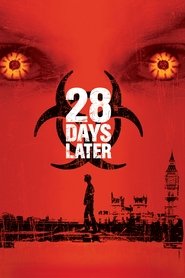
28 Days Later (2002)
Release 28 Days Later Widescreen Special Edition DVD (20th Century Fox)
Boyle and Garland reconstruct a film that kept discovering its final shape during production, from briefly closing central London with student traffic marshals and multiple digital cameras to scheduling scenes almost sequentially so the actors could inhabit the journey. They explain how the Canon XL1's unstable texture became part of the infected's visual language, how real locations and a small camera encouraged improvisation, and how the story moved away from pure genre while borrowing openly from Romero, Alien, Apocalypse Now, and other touchstones. Their most revealing revisions concern the quarantine premise and the ending: a worldwide outbreak became an isolated Britain, Fox funded a later Lake District shoot, and 35mm replaced DV to give the final images a new texture of nature, freedom, and qualified hope after audiences found the bleaker version too punishing.
- Duration
- 1h 49m
- Talk coverage
- 91%
- Words
- 16,342
- Speakers
- 2
Commentary density
Highlights
Featured in
Topics
People mentioned
The film
- Director
- Danny Boyle
- Cinematographer
- Anthony Dod Mantle
- Writer
- Alex Garland
- Editor
- Chris Gill
- Runtime
- 113 min
- Also on
- OneSheet ↗ OverBlack ↗
- External
- IMDb ↗ TMDB ↗ Find on Amazon ↗
Transcript
16,342 words
Hello, this is Danny Boyle, the director of 28 Days Later. And I'm Alex Garland, writer. So actually we shifted the, I don't know if the folks ever noticed this, but we shifted the timing of the music on this opening credit sequence on their logo like that. This is stuff we mocked up.
This is based on... When we first started this, Alex wrote all these images for the beginning, a lot of which were based on Soria Samora's footage from Sierra Leone, and we debated at one point about using the real footage of terrible civil unrest and death and violence, and we decided rightly, I think, that we wouldn't use anything that involved any real deaths, and the footage that is in there... It does involve deaths like the necklacing there. It was all mocked up. Yeah. In London? In Docklands, actually, yeah. On a very nice day in Docklands. We tried to make it look like real footage from the past. We shot the film on DV and we used the news footage at the beginning helps you into the kind of slight different quality of the visuals. And this is Johnny, who's a chimp from... Stuttgart, which is where we had to go to film this sequence. There are only two working troops of chimps now for use in the film industry. One's in Los Angeles and one's in Stuttgart. It's a kind of family circus place there. Amazing people who were very kind to us while we shot there over three or four days.
We did debate, in fact, having them have different nationalities. Like, for instance, we were going to make them German. At one point, we were going to make them Scandinavian. We were going to make them Japanese. And even at one point, we thought of making them American. But the quarantine idea eventually locked them down to the UK. And this was really where we were going to try and get as much exposition as we needed just out of the way. in this opening sequence. And I suppose we've got a little bit dropped in later, but we had this idea which was really just to set the premise up as quickly as possible and then return to it as little as possible. It looks very distressing for the chimps, the cages that they're in and the bed that he's lying on, that Johnny's lying on there.
We did all this, obviously, with... We were guided completely into what we were allowed to do and the sizes of the cages and things like that by the guy who looks after the chimps, who breeds them, really, brings them up from birth, really, and keeps them until they're in their 40s. Interestingly enough, one of the reasons there are so few working chimps anymore is that because of recent legislation, they're not allowed to put down chimps anymore. because you can only work them until they're about seven or eight years old. And they live to about 40 or 50. But for the last 20, 30 years of their life, they're very difficult to work with. But this man works with them right the way through. And they adore him, they were wonderful. So this is the setup, as Alex was talking about. And I remember when I first read this scene, I thought what a wonderful premise it was for a film, this idea. of a psychological virus. We've all seen movies with viruses escaping, but they're usually some kind of biological, chemical agent. But the idea, which is fantasy, which is a slight sci-fi premise of a psychological virus, I just think is a brilliant original idea and a fantastic premise to start the film.
This is sort of interesting for me, this sequence, because I think this scene more than any other is pure genre in the way that it's written, but in the way that it's shot and the way that Danny executed it, it sort of pulls it away from that. And it was quite strange for me watching this for the first time, because I think I had to get used to that, different approach. With the rest of the film it was supposed to be moving away from genre but this felt almost like a set piece but actually the execution of it I think is terrific.
The other thing I remember, it's always useful to remember the very first time you ever read a script, because that's the last time you're as close to it, you have as close an experience as the audience are going to have, seeing it fresh. And this was the thing that stuck in my mind, the use of the title as a subtitle. There was no title, if you like, I thought was brilliant. I loved that. And so we were determined not to have any names up front or things like that. It's also that that's our Tootsie cut, where I think in Tootsie, Dustin Hoffman realises in order to make it as an actor, he has to dress as a woman. And then you just cut to him walking down the street as a woman. And you never show him dressing up. I think they show that later. And that's sort of what we did here, was we tried to cut to the chase. But we put him in green pyjamas instead. Or no pyjamas. Or no pyjamas as it starts off.
So this is shot in a... There's two types of hospitals in Britain, really. There's the more Victorian type and then there's the modern type, which are usually associated with private health care. But actually this is a national health hospital in Acton and it's a day hospital where people come in for day operations and had a wonderful kind of modern quality about it. We always try to emphasise the modern, really, in British life, really, I suppose. It's just a choice, really, rather than... looking backwards, and it has a feeling about it almost of a hotel, almost, somehow, kind of modern hotel, especially in the wider shots coming up. Killian was very worried about doing these scenes naked, as actors always are, but we have the usual clothes set, et cetera, all that. Nobody was allowed to make any jokes all day, in case they were misinterpreted.
Obviously, we made a big choice about whether there were going to be bodies anywhere. And indeed, we did shoot some bodies in this opening sequence. But we decided to follow one of our instincts, which was that we were better, rather than trying to litter the world with corpses, that we were better to kind of try and make it almost symbolic, really, that the emptiness of the place stood for something that had gone wrong, rather than specific reality, really. corpses lying around and blood everywhere or whatever sort of um uh atmosphere and surrealism over plot requirements really it's uh it's like an aesthetic decision i suppose in a way but it's something that we've been picked up on a few times while there are more bodies around and there's not really a good logical reason for it in storytelling terms it's just because it feels more interesting and uh Hopefully that's a legitimate reason. So my life since I've become involved in making films has centered around two questions so far.
one of which is, how did you get Ewan McGregor to come out of the toilet in Trainspotting? The second one was, what was it like to work with Leonardo DiCaprio? I'm grateful that both of them have been replaced by, so how did you shoot the London scenes on this one? And the answer is, in the most obvious way you'd expect, really, is that we managed somehow to close the streets down, albeit only for brief moments of time. We used multi-cameras, the digital cameras, and we'd... filmed for maybe 90 seconds or two minutes where the traffic was held back by these wonderful traffic marshals that we used who were students and friends and my daughter Grace was one of them actually holding back the traffic at different times so and we managed to get this footage that is a great advert for the film I think really in a way is one of the things that's helped us sell the premise of the film really enthrallingly I hope I think
Somewhere around here there's one of our deliberate mistakes coming up. I've always imagined that there's a car moving somewhere in the background. It's not here. Where is it? It's along the embankment. Alex is convinced there's a car somewhere there. It was while you were talking. We think he's just trying to undermine the film.
You wouldn't be allowed permission to do this. We did this before September 11th, and to put a bus on its side in Whitehall, literally just outside Downing Street where the Prime Minister's residence is, you just wouldn't be allowed to, no, I don't think. We only got away with it by the skin of our teeth and by the inventiveness of Mark Tilsley, the designer, who swore blind to them that he could get it in and out of there in 15 minutes, and he proved himself right. I think they were really surprised that we kept to our word. We said to these places, look, we'll go in and we'll shoot... And we'll be out of there by 7. 30 or 8 o'clock in the morning. And they're used to, I think, the bullshit that film people are full of, you know, where actually they end up taking 18 hours to shoot it. But actually we did each day, we kept to our word. This stuff is based on a photograph out of Cambodia after Pol Pot was driven out of Phnom Penh. And there was money all in the streets because it was useless. And there's various kind of...
references like that that we had you know which just gave us a kind of visual image to kind of add to details of the story as he makes his way through the city.
This is a very busy part of London, Tottenham Court Road and Centrepoint, famous empty building, or partially empty now. When we originally, we used, we didn't use music at first in this sequence and that used to, that moment with the alarm going off used to give you a heart attack if you didn't have some kind of background music. So we used this track from Godspeed You Black Emperor, this French-Canadian anarchist who gave us permission to use their music, this driving, apocalyptic music. Climactic music, which I think is a wonderful addition to the film. This is this image that became, I don't know, prescience is not the right word because it's after the fact, but this was shot pre-September the 11th. What was it from? Was it Peking? It's an earthquake in China years ago where they'd done the same thing of trying to contact each other when normal communication breaks down, yeah.
But we did it literally because there were, we came up with the idea because there were billboards round Eros, the statue in Piccadilly Circus. And we thought, how can we use that? So if you're flowing one kind of good, something good comes out of things always really in a way. Good ideas come out of even problems, you know, stuff. And I have to thank the girl who spent three months writing up all those notices for that board. This is a church, we did a lot of filming in East London. This is a church in Spitalfield, not in Spitalfield, in Limehouse in East London. It's one of the famous... Hawksmoor. Hawksmoor churches, there are seven of them, which is supposedly in the shape of a pentangle. Something like that. Something like that, some satanic thing. I don't know whether that's true or not. Well, if you read From Hell by Alan Moore, he goes into a lot of detail about those churches. He goes into all that.
This was fantastic fun explaining to the warden of the church what we were going to write on his wall. But we were honest and he gave us permission. And you can just about read it, which is how we wanted it to look. So what we were saying earlier about the bodies in the street, when you decide on that and you clear them all out, then we came up with this idea that we'd put them all, we'd suddenly put all the bodies in a church then, you know. which was sort of influenced by stories that we'd heard about, particularly like stuff you read about Rwanda and places like that with corpses ending up in churches and things like that. And we thought it'd just be a dumping house for corpses, some kind of mortuary or makeshift cemetery for the corpses. And it gave us the next kind of... It felt like the film was evolving then out of the circumstances and that he was understanding as he went along in the way that we are as well because he knows nothing like we know nothing or virtually nothing.
All the people lying down, all those corpses that you see in the church are actually volunteers who turned up for us and I think we gave them a free cup of tea or something, some huge generous offering to ask them to turn up for a couple of hours. They were students because we couldn't afford to hire extras in a conventional way. We didn't have the kind of money to do that. There were people who just turned up and helped us. The man who played the priest was an enormous help to us. He did lots of workshops with us early on about movement. He's a brilliant kind of movement artist. I did all these different states showing the actors. I haven't really got time to go into it here, but he was an enormous help in developing the kind of physical movement of the infected, which he starts off there and is a kind of erratic, frenetic, violent, kind of impatient gesture, a bit like the feeling of rage, really. And this was the day everyone wanted to be on set to see this petrol station blow up.
200 grand or something. It was the most expensive single thing we did, wasn't it? Apart from your fee, Alex, yeah. No, I'm only kidding. Was I earning over 200 grand? Actually, I think it cost £250,000 in total. But the thinking was, which seems like an enormous, and is an enormous amount of money, obviously, but what we've always feel is that when you put the film out to be for a mainstream audience, they're not going to take... They're not going to say, oh, it's a British film, we won't mind if the explosions aren't very good. They want it to be as good as a Mel Gibson film, as whatever's out there, really, that you're competing with in the multiplex. So I think it's money well spent and it's the end of our first reel. So you have this extraordinary sequence which starts with London empty and builds eventually to this incredible explosion across it. We used many, many cameras. It's brilliantly cut, I think, by our editor, Chris Gill, who did some wonderful...
to make the best of our limited resources always. That's based on a photograph, a famous photograph from Northern Ireland of some people escaping from a bomb blast by just happening to be in the gaps between windows as the bomb goes off inside. This is Canary Wharf tube station on the Docklands Light Railway, which is one of the modern pieces of infrastructure in London. And the idea of this, although we built this in the studio, well, we partly built some of it in the studio, was that it was a shop underneath in one of the tube stations where they hide, where they're kind of living for a bit, these two other survivors that he's meeting. It was a weirdly difficult scene, this one. I never felt that from my end I cracked it really at all. It was a tricky one because, like the opening scene, it required exposition and... fitting exposition into conversation and dialogue is a nightmare really and it's an art and I was really struggling here. Danny did a shot from Jim over to Selena which is coming up quite soon that allowed for us to play around a bit in ADR to mess around with what was being said and it never
it never felt quite right to me. And in fact, we shot this scene twice, didn't we? Yeah, we reshot a whole section of it. We rebuilt half the shot in the studio later and reshot a section of it, really, to take a slightly different exposition, yeah. I think there's a couple of lines that work. One of them is when Jim starts asking about where are people's parents, and they just say, well, they're dead. And it seems like If you can convey information through something as simple as that, that's the best way to do it. It gets a lot across very quickly. The audience fills in all the gaps around that quite quickly. And I think it's something to do with confidence, really. Knowing how much and how little you can put in. And this is that, what do you call this? It's not a tracking shot, is it? What do you call this? You know what I mean? You left me lots of space to sort of piss around. It's just a pan. It's an interminable pan.
I love the idea of them living in the idea that they're living off Maltesers and coke and kind of junk food that would remain that has an endless best by day you know best before so that they can they end up living off that kind of that kind of stuff really rather than fresh food I thought was a great image for it I love that
There was a different joke at the beginning of it when the guy with the mask came in. Didn't he used to come in and he used to... Wasn't it Luke said to Darth Vader, I know what you got for Christmas? He says, why? I felt your presence. That's right. So it's like that one, but it was too short or something. It was too short, yeah. Better joke, actually. That was a different one, yeah. Kill's very good here because he has to kind of take on board so much information, you know, and keep you rooted in his... In his world, really. Because your instinct would be to think these people are bullshitting. It's some kind of mighty trick that's being played upon me by... Who's that guy who plays that trick on you, you've been framed? Beedle. Beedle, he thinks. That must go through his mind at some point, then. It's some mighty TV reality stunt. But he kind of keeps you rooted in his own dilemma, really. And it's the first moment where he...
This thing about a father figure for him is crucial, that he will not believe that his father, especially, is dead, and that that will have to be proved to him. And then through the film, he has a whole series of different father figures that he relates to, really, as he searches for himself, I suppose, in some way. He'd never go anywhere alone unless he got no choice. We had lots of rules for the infected. which we basically thought were terribly important and then ignored them whenever we wanted, i. e. you don't travel at night, only travel during the day. Yeah, I mean, I don't know. I never saw that as a rule, that night one, in a way. But yeah, we took lots of liberties with the things that we set up for ourselves, really. There's a big sequence here which is missing, which is in the deleted scenes, which is they go through a railway train that has been turned into a temporary hospital.
And we cut it eventually because it poured down that day, absolutely poured down, and we couldn't film it in any way that disguised the fact that it wasn't raining. It's important to the plot that it doesn't rain in London for quite a long time, as you'll see later. But we got permission from Docklands Light Railway to let us walk on the railway, which is very unusual in Britain to get that kind of permission. Very grateful to them for that. And this is his parents' home with a nice Volvo, which is a... insisted upon by Anthony Dodd-Mantle, the cameraman, the Scandinavian. The guy lives in Denmark, our cameraman. Any product placement car-wise has to be a Volvo with him. I don't know whether he has some deal with Volvo or perhaps he'll let us know about that. And this is, yeah, so this is his family home, which we wanted to feel like it was the kind of ideal family home, really. Comfortable and warm and, you know, a place that you would want to...
even as an adult, always returned to as part of your childhood or something, the feeling of going back there. Hence it's kind of lit to be yellow and the feeling of warmth and, you know, the way you remember your childhood really, I suppose. So the music here is Abide With Me, which is a... which has just stopped, actually, even as I say that, but it starts up again in a minute. We wanted to give, again, some way with the music that you thought about the history or the culture of the past in Britain, really, what had gone. We thought these haunting songs, these hymns, would be a nice way of doing it. And John Murphy did the music for us. Got this girl he knows, this singer in Liverpool, to sing them for us. He gave us these very beautiful renditions of that and Ave Maria later.
The prosthetics, those two bodies are prosthetics, which are just dazzling. The prosthetic guys, what they're capable of now is incredible, really. They're very unnerving things to be with when you're in the same room as them. They're so real. This was something we invented later. This wasn't in the original script, and Alex wrote this when we inserted it. We wanted to kind of connect with him more emotionally at that point, to feel his loss more, really, so that you're more... moved by him really. Something I feel that you learn as a filmmaker is that you not to be frightened sometimes of being emotional. You have a tendency sometimes to be quite cold or cool. You're scared of being sentimental, but there's also a danger that you don't give people the emotional trip they sometimes want really, especially with a story like this. And Killian was playing it quite...
quite blank in a way, which is a strength, but there just needed to be something just to give it a little point of contact really with the audience so that they were in his head in some way. I love the way this scene is shot. It's always a problem with... This is a huge dialogue scene with, again, a vast amount of information in it about the past. And it's static, people in a room, and you've always got that thing, what do you do then? Do you track round all that? And we just gave this impression of these faces just being crushed into the screen, just so that you went right inside the people's minds, really, about what has happened, you know, the scars that are on their brains because of what's happened in those 28 days, yeah. And performed very well by Noah and... Naomi as well. Before things begin to really move on. And I saw my dad. Not my mum or my sister. My dad. His face. Selina's writing.
Selina being tough and pragmatic and there was a kind of idea that we had that if Selina had met the character played by Christopher Eccleston who appears later in the film if they'd met each other at this point in a way they'd be quite compatible because they're both these pragmatists who don't really give emotion and humanity much leeway in their pragmatism. And traditional storytelling terms, she's got a character arc that by the time they do meet those two characters, they're in a different place. By this term, we wanted to make it feel like, although there's a hint at the end of that scene there that Selina is not... sleeping with Mark we wanted to give the impression that they were a couple an indispensable couple if you like so that you felt like you were going to go forward with three people now and they were all indispensable and that was one of the reasons so that Mark who is shortly to die I hope I'm not spoiling it for you anybody has such a long speech because we wanted to make you feel totally attached to him because of what's going to happen in a moment and
Sorry, I was just going to say, I think this is one of the most successful sequences in the film in a way. It just all seems to work so perfectly. This flashback, which I always think flashbacks are very difficult, but it felt so right here. You shot it on what? This is shot on Super 8, to give it a very different quality. You've got to be very careful about trying to... Use technical terms. But we wanted to kind of put him in that world as well. It wasn't just, you know, he's literally there as well in his pyjamas. And then, of course, you get some scary bits. That's my back garden at home. There, very quick. And there's my back garden and there's my door. And then the first time he came in through the window, that guy tripped and fell, which was pretty funny. We had three balsa wood doors for him to come through.
Bit of gratuitous violence there for everybody. Yeah, but, or not gratuitous. Sort of, it says something about the stakes, this sequence, that it makes the audience feel that this won't be entirely comfortable. Yeah, yeah. If they haven't felt that already. I think probably quite a few won't have felt that already until this scene. You know, we had a Tootsie moment earlier and this is, bit of psycho i suppose where you get rid of someone who you think or hopefully think is going to be a key player the next minute they're gone mark see look it's the shower scene isn't it there's a longer version of that which is pretty unwatchable i have to tell you um again the prosthetic guys can just do anything now it is very scary they can almost do anything and convince you somebody's arm is being chopped off
There's a lot of blood around and there's a kind of madness around as well because she says, did any of it get in your mouth? And it's a warning about how infectious it is. And yet there's a kind of abandonment on her part in terms of, you know, she doesn't try and shield herself from blood the whole time. And I always thought she had that kind of, that had been a decision she'd come to. If she got, if it happened to her, it happened to her. But she wasn't going to, the only way that she could protect her life was being as... extreme as possible in the way that she dealt with threat. She wasn't going to be inhibited by fear of infection itself. This is the Docklands. Again, we did a lot of filming down here because they're very friendly, or they were before September 11th. And it's possible at the weekends to make it feel deserted. And also it gives a sense of a different kind of London, a kind of slightly more plastic, modern London, rather than the...
some of the more traditional stuff you saw at the beginning of the film. We didn't stop the clocks. They are stopped, the clocks. Don't know why, but they are. That was a useful, cheap addition to the film. A bit of paper drifting through shot is always a good way of suggesting... Desolation. Apocalypse. It's very cheap as well. LAUGHTER
This is one of the scenes that was part of the casting process, wasn't it? Yeah. It was Selina's fall in love and fuck lines. Yeah. There's a bit of Danny's writing coming up here. Did we keep that? ADR line as they're climbing over the shopping trolleys about... What was it? It's not hope we don't have to get out of here. What is it about supermarkets and shopping trolleys or something like that? It was about tower blocks and shopping trolleys. Yeah, there you go. This is a... Here he comes. He's about to come now. I don't know why I chose that one to highlight. You've got lots of lines in here. I just always remember that one. It's a brilliant line. She just wants to get on with it. This is a tower block which has since been pulled down, right in the centre of London, actually, this was, or just south of the river. And when we got there, there were people, it was just a security guard, but he was letting about a dozen people sleep on the ground floor of it, obviously charging them rent as well before they pulled it down.
That was quite a bit of an amazing little moment, a glimpse into inner London life there. What's up? Nothing. I've got a headache. Bad? Yeah, it's pretty bad. Well, why didn't you say something before? Well, because they didn't think you'd give a shit. You've got no fat on you, and all you've had to eat is sugar. So you're crushing. Unfortunately, there isn't a lot we can do about that. So pump me full of painkillers and give you more sugar. As for sugar... I think we spent hours with this scene once, trying to figure out a way of her saying that she was a chemist. Do you remember? That's right. She says it later, doesn't she? There's a few hints there that she knows what she's talking about, though. Although I think you can pick all that stuff up from... Elle magazine and Prima Donna, can't you, or whatever it's called these days. This is pretty exhausting, running up and down these stairs. I think this is the most knackered they ever got, especially Naomi, who had to carry this battery pack up to power that lamp. There was a kind of 50-pound battery pack in her backpack, but she had to keep running up and down stairs, of course, while the endless filming goes on.
Martin Amis once said that filming is a series of delays interrupted by repetitions. And it's very, I think it's the truest thing that's ever been said about it. As a stranger watching a film being made, that's just what it looks like. She could not understand why we wanted to do it again and again and again. This is the first sight of this merciless butcher, who's the wonderful man, Brendan Gleeson, wanted he really wanted it to feel um mercilessly you know how he dealt with them and then when you get to actually meet him he's the most gentle amiable man or appears to be and is the next father figure really that killian comes to kind of depend on really
I think that's Frosty the Snowman you can hear in the background there on the music. That's the most expensive bit of music in the whole film. It's cost some phenomenal amount of money to pay for that. Really bizarre the way these things trip you up. Later on you suddenly find out something's hugely expensive. And suddenly there's just this big injection of warmth into the film as soon as Brendan Gleeson appears. Big smiling guy. Come on, sweetheart, say hello. With his daughter, played by Megan, Megan Burns. His lovely, shy daughter. So they're a real, already you get this feeling there's an oddball foursome. Bit of an odd mixture of characters, really. And they're going to be together for a bit of a while. If you want to see Brendan in something else, he did an amazing film called The General. John Borman film, where he plays Martin Cahill. If you want to see that for a performance, fantastic performance by an actor. This is his tower block, and this is where we were filming during September the 11th, so it was very bizarre doing a scene with green creme de menthe and salutations on the day when the world was turning around, really.
But you just kind of carry on really, you'd never know would you look at them as actors for you. The world was turned upside down but you kind of get on and do the script really. So this is life without water really. the realities of Life Without Water. We did have a long sequence in here, which I don't think has made it into the deleted scenes, because it's just bits, really, where he actually cut all his hair off and shaved his beard, which were real at the time. And, of course, it being a film, we had to go back later and make a wig for him, because we had to pick up some stuff that was shot before we cut his hair. And Sally, our makeup designer, did a great job to coordinate all that.
But we were able to film almost sequentially. Those moments accepted where we had to go back for occasional things. Basically everything was done in sequence, which is very unusual for a film. And I think it's because of the nature of the story that we were able to structure it like that. Schedule it like that. Bob, our production manager, and Richard Stiles, our first, kind of scheduled it like that so that it gave the actors the opportunity. It's great for actors. Ken Loach does that... religiously on all his films and it is one of the reasons I think that, well he's a brilliant director, but he also, one of the reasons he gets brilliant performances out of amateurs, people who've never done it before, is they can work sequentially so that they know where they are each day. The fish have got the last of the water. Now he reappears as Johnny Depp, very handsome.
So this scene, we did shoot in two bits. There's a kind of moral moment here that Alex wrote in later between them, where this bit now, these close-ups, where he's basically saying, I think they're decent people and I would wait around for them. And she says, you'll get yourself killed. And he won't back down on it, really. He's kind of growing a bit, really, and finding it. He's been lost, really. no surprise, waking up like that. And he's kind of just finding a sense of himself and sort of standing up for himself. And it was a set-up for one of our potential endings where she says, if you think like that, you'll get yourself killed. And in one of our endings, that's exactly what happens. Yeah, well, come on to those. We've got all those different variations. No, no, no, we've got all those variations of those to talk about. You think I don't get it?
And that's back to the old scene, isn't it? Yeah. Seamless. Well, that's the old scene and that's the new scene. Good night, Jim.
So then we got this scene on the rooftop where there's these buckets and when I turned up in the morning there were only like a hundred buckets and it looked like three on the rooftop. I don't often get very insistent about things but I insisted on a thousand buckets being got by the afternoon. That's why some of the buckets are a bit dodgy for collecting water. There's like a laundry basket or something with huge holes in it which wouldn't be very useful. You have to forgive the art department. They did manage to get a thousand buckets in a couple of hours ready to shoot the scene. Which is a wonderful idea for a scene, I think, too. And that was why I was referring earlier, why it was important that it hadn't rained yet for this scene. Jim, we're not going to be able to stay here.
I think on the bad writing front, the scene has some of the worst, probably the worst in the whole film. And every time I see Megan, who plays Hannah, doing her lines here, I feel a terrific surge of guilt for having given her these impossible lines to say that come straight out of the worst kind of TV drama, really. As opposed to good TV drama, there's lots of that, but there's also bad TV drama, and some of this would be right at home there, I think. It's really towards the end of the scene where it begins to collapse. It was originally set inside the house, this, but because we were shooting sequentially, we were really bored by then, by the inside of the house, and we just thought, let's put it out on the balcony. And there was this storm coming as it happens, and we didn't want it to rain, obviously, because of what I've said, so we had to shoot it very quickly to...
before it started pouring rain, and we would have been forced inside then, in some way. We'd have had to invent a reason to go inside. Something might have happened to me. I had to be alarmed. I couldn't risk it. But with other people... If it's a recording, for all we know, the soldiers who made it a day... But they are beginning to kind of bicker and bind together as a unit, really, in a way, before they know it, because they don't really have a choice. They've got to sort of stick together, really, or they're going to. They're sort of being stuck together without them knowing it, really. And this is the second hymn that's used in here, very craftily snuck in by Murphy. This is Ave Maria. Which actually is a steal, really, from the end of Fantasia.
Which I don't know if you've ever seen that. You should watch that as well. The end of sequence of that. Have you ever seen that? The end of sequence of Fantasia? No, you keep telling me to watch that. Oh, absolutely unbelievable visually. It's an incredible sequence. It's nearly Christmas. It's a good time to see it. No, I meant it as a present. There's lots of taxi driver cab jokes. In fact, I think I gave you a book, didn't I, of taxi driver cab jokes. That was an idiot. That was one of his old. There was a line where he said, I won't go south of the river. Oh, yeah. That's the one we should have kept, but of course they were south of the river. This was filmed actually in Croydon, and then this is back to the Blackwall Tunnel, which is one of the main routes under the river in London. And we were very lucky to get... The actual tunnel itself is not one of the real tunnels, it's a disused tunnel.
Or it was an unopened, it's since been opened, an unopened section of tunnel in Limehouse and part of the Limehouse link. And we were very lucky to get that because this kind of thing is impossible to do without a real location. And again, Tilsley and the art department did a brilliant job piling up these cars. And again, we got this idea of where are all the cars then? There'd be so many cars around. So we thought we'll put them all here as though there's been some huge pileup. some massacre or some terrible tragedies happening here that's blocked the tunnel, or people have created a barricade to try and keep things out. And of course, then when you have that idea, you think, well, we drive the taxi over it, which is impossible, of course. It has to be a special rig built to actually get it to drive across. And it's cut very cleverly by Chris Gill to make it feel like it lasts a long time. Not like it's a real journey over it, like that. It was a hell of a place.
to film that as well. I remember the exhaust fumes just filling up the whole tunnel, everyone wearing masks and feeling their brain cells evaporating every minute. So this is such a cliche, isn't it? Getting a flat tyre in a tunnel. In a horror movie or a zombie movie or whatever you want to call it. Such a cliché. But you must never be frightened of clichés sometimes because they're very enjoyable. That's why they are clichés. Open arms, I say. We had two... I mean, given the kind of film this is, there's a moment which is people walking into cellars holding only a sputtering candle. This is a bit like that, I suppose. The wide shots of the rats are done brilliantly by the digital effects house, Clear. He did us a fantastic job there on those, and they're intercut with closer shots of rats. We actually did get complaints from a magazine called Rodent and Marsupial Quarterly about the stereotypical portrayal of rats. They're actually very friendly creatures, and why do we keep portraying them as horrible things? Fair's enough. They are very nice. But they wouldn't run. They wouldn't run. They're too nice. They wouldn't run for us and look scary.
to get away, of course. There you go. Yeah. You can see the fumes chugging out the back of that cab. So that took two days, that whole sequence in a tunnel. This is Tottenham Court Road, and we're very fortunate. Budgins were very keen to give us, especially the manager of this particular branch, he was a big film fan. And he agreed if we signed some posters for him. He's a big fan of train spotting. He would let us use the store too. And we filmed through the night in it. And we did this very interesting thing, which is that we didn't light it. It's actually self-lit by overhead neons. And what we decided to do is that the only way that we could do it in the time to get a scene shot was to actually remove, avoid the neon lights as much as possible. And then in shots like that,
the clear, the digital house, we'd paint them out, the neon lights. So they're actually self-lit by the lights in the supermarket store. So we didn't have to do any lighting, but they just took it all out in post and we tried to avoid it as much as possible. That was a little Homer Simpson homage there. And in a way, the whole scene is a respectful nod towards George Romero's Dawn of the Dead set in a shopping mall, which is... one of the great bits of post-apocalyptic wish fulfillment that you hold yourself up in this consumerist fortress. And this is just a little tiny nod towards that. One of two big Romero nods in the film, and this is the first really. I mean, other people would say the whole thing's a nod towards Romero, but maybe it is. But consciously, there were two very specific ones, and this was the first.
There's an American band on the 7-track, Grandaddy. Fantastic band from America. And I love that ending to the scene, the plastic. Redundant plastic. Yeah, again. More shopping trollers. This was the first shot we ever shot, actually. Andrew and I did this on our own in Cambridgeshire. we went up and shot some flowers because we had this idea of the flowers had just sort of almost gone, they'd not been cut because they'd just blossomed and almost waned and died almost on their own. And then we turned it into to look like a bit of a Van Gogh, really. And it's one of those mad moments people say, well, you should cut that, it's ridiculous, what does it mean? And then other people go, oh, no, I love that, and you can't really explain it, and I love things like that. I think you sometimes should go with things that aren't necessarily rational or explicable, really, in a way.
Well, we do that the whole time, I suppose, really. The film sort of lives in its own world, really, sometimes, which is a very healthy place for it to be sometimes. I sometimes think this sequence is one that we might have found harder to do if we'd been making the film for more money and that it required a larger... audience in a way because our protagonist kills a kid with a baseball bat and I remember writing this wondering whether we were going too far at this point but actually it works out fine really it's not as it's easier to accept that this guy has done that than than you'd think a hero killing a child, it goes against what one would expect one could get away with, but actually it feels quite comfortable. Just like, yeah, well, of course he's going to kill the kid. What else is he going to do? Yeah. Now, that finger, is that a nod or a reference? No, it was just there. I know it looks like Nightmare on Elm Street, doesn't it, or something like that. It is a finger, isn't it? Yeah, it is, yeah.
As a coat hook? Yeah. That's from when Saddam Hussein gassed those people. The Kurds. The Kurds. That's a kind of reference to that. And the kid here is played by a very good friend of my kids, Grace and Gabriel and Caitlin. He's called Justin Hackney, and he's incredibly acrobatic. Hello? He does a great job here of doing this, getting whacked with a baseball bat. We put all these... On the soundtrack, we put all these... Whenever you see the... You probably heard him saying, you can hear it probably a bit too clearly there, I hate you. We put all these kind of... This rolling kind of incessant... vocabulary of the infected kind of screaming at people like rage and we put that on them the whole time and most of the time it's not decipherable really what it is apart from I suppose an attitude. There were lots of gags that we had in about her being a racing driver's daughter. Chucking the two and a half ton cabaron.
Danny wanted it to be Michael Schumacher's daughter because he's a big Formula One fan who insists that Schumacher was a much better driver than Senna ever was. Well, I think, yeah, I'm afraid so. This was, we sent Andrew McDonald, the producer, was sent off to Cornwall to get that shot. I read somewhere that they said, oh, that's a CG, hang on, what is it, CG or CGI, what do you call it? You can call them either, yeah. CG... shot those windmills were dropped in but they weren't no they're real the second one is dropped in the one where it's very close up that's creative but the other one is actually we sent them to Cornwall for them and again it was a lovely idea that ironically something that kept going that there's no use for anymore in a way this is an Abbey we had to shoot this within the M25 or just beyond the M25 because of financial reasons with your crew and things like that and the
The location manager, Alex Gladstone, phoned this for us, which I'd never seen before. It was a fantastic... When you get a good crew working, people add things to the script, in a way. And he brought this idea up of someone with them to stop for a picnic. And, of course, I loved the idea of the past, really, again, that they were surrounded by something very, very old, and obviously the horses, very beautiful. But one area that almost looked like... It had been destroyed before in a previous generation. A previous civilisation had kind of collapsed, really, in a way. It looks like that Max Ernst painting called After the Rain, Après la Deluge, which the next scene does when they're walking around. That was done after the war, you know, to suggest the ruin in Europe. Anyway, that was the idea of it. But that's what happens when people get involved in the script of Run Out of Space. Oh, no!
And in this scene, it's really our first attempt, having laid a little bit of groundwork to try and create a relationship, a spark between the two of them. I probably went over this scene in a way more than any other because this was the scene that we were using in casting of the two of them. And so we heard this scene again and again and again with lots of different actors and After all of that, for a while, we dropped it out of the film. This was cut for a while, obviously. And then it came back again. Because something needed to happen where the two of them just got closer in the sort of boy meets girl way of things. And it's just something... In a way, it's more to do with Selina than it is to do with Jim. It's part of her moving away from this machine-like take on the world. And it's as much to do with her noticing Hannah and Frank messing around on the cab that then comes back later. Yeah, I love this look she gives here, like that there. Really great.
So this is the Valium scene. At one point, this was going to be a much harder drug. It was going to be Class A drugs at one point. Danny and his trainspotting history wanting them shooting off. Because I thought, well, if it was 28 Days Later and she was a chemist and you had access to all that, you could use stuff like that, but it was too extreme, really, and it moved the film into a different world, really. But if you wanted pain relief or to be able to create... Yeah, Valium works for pain relief, I find. Absence in your brain, then. This is how they do it in this, yeah. And actually, it's a dad moment. Yeah. Really, it's Jim... having decided now that Frank is his surrogate dad and he talks to him like he's a kid and he's the brother of his younger sister Hannah here in a way. And sort of saying, treating the Valium like it's chocolate cake, sort of, oh come on, you know, let her have a bit. Yeah, it's sort of family. The idea of family in it is very important throughout it all really, I think. And soon he'll actually, he'll call him dad.
Subtly. Blink and you miss it. But he does, yeah. Night, night. You're a big softy, Frank. That's probably, this is like their rest, really. Inside it, of course, because that's probably like the most relaxed they'll ever be. Inside it, of course, is a slight poison, really, which is...
Which is this. His paranoia, really. That he thinks, obviously, because the scar of being left alone at the beginning of the film has left its mark, really, and his worst nightmare is that he's being left alone again, is that they've gone and left him. It's more of Andrew's camera work. There's a bit of Andrew scaring some sheep, and I can't guarantee that he didn't harm the sheep in that particular shot, everybody. I think he just shouted at them, but I can't guarantee it, to make them run away from him. No, they actually did it with some dogs, some sheepdogs, and then they took them out later. Here's the bit that Alex was referring to, where he just... He wants a dad, really. But he can't, really. He's got to... The idea of it was that he's got to take... I mean, eventually he finds another father figure who's a much more patrician figure.
played by Chris Eccleston later. But he has to kind of do that work himself, really, in the end. You know, he can't keep relying on the father figure. One of the questions that I keep getting asked about this is why it takes them two days to drive up to just north of Manchester. And Danny has the answer to that. Do I? Yes, don't you? Because I don't. No. Why does it take them two days to drive up to Manchester? It just does, you know. It's just we sort of thought, well, they should spend the night somewhere. And so they do. I mean, you can get obsessed about, I mean, as anyone can tell, I suppose, we're quite cavalier about that kind of thing. If we sort of think, well, let's make it take two days, then that's sort of what happens. There's actually just one of my favorite moments here, which is Jim putting his hand out the window.
It's something I always used to do when I was a kid. I still do it, actually. Treating your hand like an aerofoil and long journeys. Motorway, you know, going on a holiday with the family and dad sort of saying, stick your hand back in or it'll get ripped off. This is the M1, which is the busiest motorway in Britain. And we were unbelievably fortunate that we contacted these police officers men and they were very keen to help us do it and they created what they call a rolling block in both directions where they drive in front of traffic coming in both directions very slowly and create this kind of corridor this diminishing corridor where there appears to be no traffic it's just being held back by them you know driving at 10 miles an hour so the stuff in front of them clears and then they're bringing up so you have we had about seven or eight minutes where we could shoot and again we used lots of cameras like i'm on a camera there inside the cab on that particular shot
And Anthony's kind of following this cab in another cab. And Andrew's up on a crane, I think, getting a wide shot. So you can give... This is actually picked up later. We did this somewhere else later. But it does affect the actors to see something for real rather than just paint it all out afterwards. You do see it affect them. It helps them enter the world of it. This was very tricky, this, because how do you show it? city burning from a huge distance and still make it look dramatic still justify the long uh pan yeah tails actually love it long tilt the long tracking shot upwards yeah so um That's Manchester burning, and that's my hometown, Manchester. So what better town to burn than your hometown? And Alex actually went to university there. So there's a common thread there. This was the most amazing set? Yeah, this is our roadblock, which we did on a test drive track where they test out car tyres and things like that and braking distances and stuff like that. And you often see those shows on televisions where they're,
kind of testing different cars from those Jeremy Clarkson type shows. This is where they're all filmed. And Tilsley, our designer, did a brilliant job creating with very little this sense of a blockade which has been abandoned. You could look at it from any angle. There was never anything... It never felt like now you've walked behind it and you're seeing all the scaffold that's holding it up. It was a completely contained 3D world. And walking around it, you'd suddenly feel as if you were walking into the film as you walked past some burned-up corpse or upturned car. Yeah. So again, the images that we always tried to use was that things have been abandoned, sort of just... I mean, it's that Mary Celeste image, isn't it, which is so evocative that things have just been left. and just abandon, rather than again seeing corpses everywhere. I mean, we have to have corpses at certain points, like we do later in this sequence, where you have to have them, but it was more a feeling of just kind of desolation, really, because they always say hell is other people, but actually, of course, the premise of this is that hell is no other people, really, that when you're truly, truly alone, it's a terrible, terrible thing.
Love. This is one of my favourite moments in the whole film, really, I guess, is where he just snaps at them. And he is dad. And he's such a total dad, Brendan. And I just think his performance here of snapping at them and then he walks away and regrets it, you know, and he thinks, why did I do that, you know? And they also did very well, because it's a wonderful moment of them being totally kind of three told-off children, you know? Dad's in a bad, bad mood and he's got a big, heavy lead pipe in his hand. But his regret then, and of course what happens ironically to him, is sad. But he gets a chance to apologise to her, which I love as well, the fact that he apologises for what he'd just done. He knows he's going to die, but he gets a chance to actually say something, something that his daughter can remember.
him by really this death as well this came quite late in the day because for a long time it was dogs but dogs really screwed around with a few things one was that they were very expensive to use but also if they were infected dogs then everything all animals would be infected whereas one of our the many wounds that we ignored was that it was primates it's a fantastic shot this or other emotional, second emotional point in the film, really. Yeah, this is... I loved how emotional this scene was. In something that you could call a zombie film or a horror film, that you did get the chance to actually emotionally really grieve for these people and get put on the spot about what is going to happen now. Not just in terms of violence or who's going to get killed, but actually just emotionally in terms of how they're going to say goodbye to each other and what's happening here anyway.
people trying to work out what's going on, and then having to do something about it. It might be a measure of me and Danny being a bit sad, I don't know, but there was one rehearsal. Do you remember this? They were rehearsing this scene a couple of months before filming it, I suppose, and we got choked up. That was pathetic in a way, but it happened. I shouldn't say that. Cut that.
That point where the soldiers shoot him is actually an end point where a different version of the film, which we hope to be able to show you on the extras, storyboarded, kicks in before the soldiers shoot him. But I won't say any more about that. Hopefully that will appear on the DVD extras. Those costumes that the soldiers were wearing are actually done by... Rachel Fleming, our costume designer. I remember when she first showed me them, I thought, oh, wow, these are way too extreme and it won't get away with this because they're totally in total bio gear, you know, to protect themselves. But actually, of course, she was right. When you get the energy of the scene up and they actually come into the scene, it's exactly that kind of alien thing that you want. You know, their first sight of other survivors is almost like they come from a different planet, you know, to begin with, before they begin to kind of get to know them as they do here.
This is our really big continuity error coming. Oh, yeah, you mean Marvin there on the right. That's Marvin there, who you'll see later appearing as the chained-up Mailer, already infected. That's because we changed cast after we'd shot that film and promoted Marvin into the part of Mailer. And we had to... keep that material and we hoped people wouldn't notice because you haven't met Maile yet. And your focus, your eye is really taken by the introduction of this character, Chris Eccleston, really, who's one of my personal favourite actors. I've worked with him a number of times and Chris has always been something extraordinary to parts that he plays. And this is the next father figure really for Killian to put his faith in really and this is a much more authoritarian figure obviously because he's got the might of the British army or a section of the British army with him to protect them you know and invites them into the British country house you know and it wouldn't be a British film without a country house in it would it?
He was sort of trying to set up different characters there with the soldiers, with Jones standing there with his shopping bags. And this was moved around, this actually in one cut of the film. In fact, originally it was a lot further back and it was brought forward, this whole scene used to appear much later in the film. And it was interesting for me. watching this editing process and seeing just exactly how much one can change the thread of the story in the edit suite. And they weren't in the same room. They weren't, in fact. When we put them in the same room together, we kind of... As you often do, concertina things that you keep separate. It's often better to, especially once the film... it's moving on into its second or third stage that you need to concertina things rather than lay them out too leisurely, really. So you start to crush things together because the audience is kind of up to speed and can take kind of those shorthand ways of crushing things together. 20 drafts before Danny could persuade me to have a kiss between them. So you heard our broadcast.
So here's your kind of British country house scene, you know, and ironically, of course, it's all filled with barbed wire and floodlights and barricades and stuff like that, but it's still the Jane Austen country house. Originally, we wanted it to be a very feminine, Queen Anne-type house. This house was actually built for Lord Nelson, although he never got to live in it because he got killed, obviously, at Trafalgar. I think his brother took it on instead, but it was built for him, I think, by the state, by the country. You know, it was given to him. And he's buried in the grounds down the road. But we wanted it to feel, like, slightly feminine because of the kind of gender stuff that all comes up, starts to come up in the film from now on. We wanted it to feel a slightly feminine place, really. That's Eccleston ruffling his hair, which is just picking up. I mean, that's just him doing that. But it really reinforces the...
The father thing. Yeah. You wouldn't want to mow the lawn, but if they get in, we hear them. More exposition. Secondary to protection, our real job is to rebuild. Feels a bit more natural here, I think. And this was another shot that Danny set up so that we could change dialogue, put more in in ADR and add to what wasn't there in the script when we were shooting it. It's very difficult setting up. These are fantastic actors, all these guys, really impressed with them. The problem is that in a film, it's very difficult to differentiate them. You tend to caricature them slightly so that you can, you know, so we put Leo in a penny and stuff like that so that you've got a code that the audience can cling to to separate them. The guy you don't need to, you don't have any worry about here is Mailer, who you know straight away. You'll always remember throughout the film.
This scene changed and changed and changed in what was said. And I have to admit, for me, I always felt it should be more... It should be more theoretical about the kind of... The pulse that lay... I suppose an intellectual pulse that lays behind the idea of the film and rage and our responsibility for rage and that kind of... psychological sickness we have with each other. But we ended up, it's always felt plunky. That's the danger of that. And we ended up with a much more matter of fact, a much more matter of fact scene, I suppose, really, in a way, which is about the progression of the narrative. And in some way, he's experimenting on this guy to see how long it'll take him to starve to death. For what it's worth, this is the second very conscious nod towards Romero.
With the third in the trilogy, the first nod was towards the second of his dead trilogy. This is in the third with Bubba, the chained-up, infected in the underground compound of Day of the Dead. Always a character, an idea that seemed very strong. I never know with that kind of thing if it's theft or what, but it's there anyway. It's not if you acknowledge it, I don't think. Right there. You get away with it.
You sort of hope that people who know those films will get that. Just while on the subject of other films, this, I was personally thinking a lot about the cut scene in Apocalypse Now, this dinner party, surreal dinner party on a plantation, French. sort of Indochina plantation. Ever since watching Heart of Darkness or Hearts of Darkness, the documentary they're making of, I hadn't really seen the scene properly until Apocalypse Now Redux, but I just loved the idea of a surreal dinner party, having a dinner party here with soldiers in dress uniform and trying to maintain, cling on to some notion of civilization and this and this italian fresco behind them and right yeah and eating was a much longer scene as well um uh this got messed around a lot so obviously there's something slightly problematic about surreal dinner parties i love the way chris does the bad omelette acting
These scenes are always a nightmare for when you film them. Dinner party scenes, because it's all about left to right, right to left. Who's he looking at when he's looking that way? And you end up, basically, the truth is, no matter who you are, you end up going round the table, shooting everybody, and you double up sometimes because you want to make sure the editor's got enough in editing where the editor can control the pace of the scene and shape it a bit, you know? But it's basically... pretty bog standard you know you just have to get there and cover it as any director will tell you about dinner party scenes and it's an acting scene as well really you want to you don't want to the danger because you have to repeat it so much is that the actors get bored with it or they lose their freshness with it but Eccleston's fantastic at keeping control of the scene and giving enough to other people so that when we do their shots they've got enough to act with but actually keeping enough back for his own takes really if you like
that's Stuart Macquarie he's the American tourist in Trainspotting who was kicked and assaulted in the toilet in Trainspotting by Begbie he's a wonderful actor and it was great to get him for this to have this other presence this different view really which you get to hear a bit more of later I think he's got the hardest lines in the film to say clunkiest written And I think he copes with them extraordinarily well. But I like that because it sort of stops dead, really. You're kind of like, oof, it's like big lead weights dropped on the table, really, of something different. So I think that's good. But if you'd given it to another actor, it would have been a car wreck, I think. He's one of the people you're talking about. I love this moment where Chris actually acknowledges her, that she's right there. Yeah, before madness takes over again.
There's the penny again, just so you know, little clues like that. One of the problems is they're all in uniform, and uniforms are sort of designed to make, to remove characters, different characters. Yeah, that's right. And you very rarely remember character names anyway, beyond maybe the hero and the heroine or whatever. Sure.
Big attack sequence. There's me running across the foreground, waving my arms, trying to make up the numbers, really. We didn't quite have enough people to do it with. And actually, the numbers were increased a bit by the digital house, clear again, kind of doubling up people, if you like. Cold night. Yeah.
This is the bounce. Oh yes, the double wormie. I don't know whether people ever get that, because I don't know whether they hear him say he bounced. Anyway, he does. But you've never seen that before. So they come in, they're obviously fired up by that kind of slaughter, really. And the film obviously from then on begins to take on a very different complexion in terms of agendas are kind of revealed, really, if you like. It's inevitable that they sort of start to come out, first jokingly like this, but then on a serious level as well.
There's a good example coming up of what you can do in the ADR as well with the Chris Eccleston saying, slow down to his men, which says that he's complicit and understanding of what's happening. But not the way they're going about it just now, yeah. Yeah, it's a line he says to... Clifton. To Clifton, yeah, slow down, which is just added in ADR because he happened to be in shadow, but it works brilliantly for that. And again, there's the standoff between those two, the two alternative authority figures, if you like, or the two worldviews. It was also meant to be linked to a special affection he had for that particular soldier. He's the guy who takes his hat off when he walks into the dining room scene. We eventually cut it. He had to kill that man himself, when you'll see it in the deleted scenes. And they play it beautifully together, the two of them. There was a kind of special bond between them.
For reasons I'll talk about later, we had to cut it. This is two actors playing beautifully together. Yeah. This, I think, is a cracking, cracking scene. And it was in jeopardy at one point. Yeah. Goes to show, really, that everything's up for grabs. Yeah. But it's pivotal in terms of plots, in terms of plot, and it makes me surprised that we even discussed dropping it now, really. Yeah, I think you just go into a kind of, you challenge almost anything really in a way and sometimes that's not a good thing sometimes. But I guess sometimes it is. I loved it when Alex brought it in and it obviously developed the idea of what had happened with the kid, him killing the kid. I thought that was fantastic. It actually came out of an argument with Chris Eccleston and Cillian Murphy where they were saying essentially that the scene that existed beforehand wasn't good enough and they were right. And I remember we wrote this the day before it was shot, that night, I think, in the hotel room up in Salisbury. It was reverting to an earlier scene, really, but there was a scene that could have been shot here that would have been terrible, but Chris Eccleston and Killian kind of mutinied correctly.
And the way they play it, there's something almost homoerotic between them. This bond between them, really. You know, can Killian break that bond, really, which is being... Not least because he talks about sex in terms of procreation. Rather than recreation. This is a very good hit. Killian takes a good hit here. us that very well.
So this is Killian's last chance. This is his last chance to join, really. And this is for all the things to be said or left unsaid between them. Okay, Jim. Okay. Him too. And then we move into the cellar where you hear the sergeant talking about the fact that there are that that it's not a worldwide contagion that it has been contained and that life normal so-called normal life is going on elsewhere and this was this was something that developed as we did the film really we came up with this idea of um quarantine quarantine yeah and as a as a way of actually kind of what was great about it is that is that we set out really when we started it to say it was a worldwide contagion and in fact we were going to shoot some scenes at one point of it of infection getting on a plane to America and things like that so it was spreading worldwide across seas and oceans and then as we worked on the film we decided to actually make it that Britain itself would be quarantined and it gave hope that there might be some way out of this and also it's curiously appropriate because we were making the film while foot and mouth
foot and mouth had very recently just kind of paralysed Britain. There was this concept of Britain being diseased with BSE and foot and mouth and every time he turned around it felt like there was something else and of course that also affects people within England and Britain. It's not just how other people perceive you, it's how you perceive yourself. That was a hell of a bit of ADR because Stuart had to I remember that day because he had to time it, so that when the camera came onto him, he was saying the right words, so that was a real bit of professionalism. That's a scene that was actually shot by a different cameraman, because Anthony wasn't available to do our pick-ups, and we did that as a pick-up later, a kind of sort of reshoot, really. They were shot by this cameraman, Alvin Kuchler, who was very generous. He stepped in because Anthony wasn't available, and shot that and a number of other sequences that you'll see, especially towards the end of the film. I love the way this looks. And this was another of our conscious references. They've been Rwanda and... And Bosnia. This is a lot of the photographs that came out of Bosnia. It was a bit... Especially the kind of...
grave area that they're taking them to it's not really a grave it's just a kind of open pit of bodies really that have either died and been dumped there or they've killed they've shot and the idea was to invoke some of those images that we got from photographs of bosnia everything that had happened in in central europe in the last few years come on in your And this was also a kind of write yourself into a corner scene where your hero's just about to be shot and there's no real clear way to escape. You've just got to sit down and try and think of something. How can he get away? It's a good way of propelling a story is just write yourself into a complete corner and And then just sit with it for a bit. The old double bluff. And then this. This sequence here came late in the day as well because this followed the decision about quarantine. And we talked a lot about where this plane could be. Do they see it out of a window in the house or is it just the noise of a plane? And this just felt like the most natural. In fact, now it seems like the only place you could possibly put it.
garden again oh yeah that shot yeah that's um I shot that in the back I had I just spent a few days looking for planes all the planes go overhead my house and I just shot them through the trees that's the one of the great things about DV cameras is that you can do a lot of you can improvise a lot of stuff and bring it in and if you've if you've done it well enough it'll you know you can use it in the film you don't have to have a whole film crew out doing stuff like that yes sir
This was one of the most problematic scenes we had. I mean, this was the cause of many, many, many arguments. Not necessarily between me and Danny, but just general arguments about how far this scene goes. And there's another cut of it. There's a way it can be cut where it's considerably more disturbing and harder to watch than it is now. And we pulled back. We did. In fact, we had a screening, a very small screening with a few people and a couple of women walked out. As soon as the scene began, they just got up and walked out straight away, which is fair enough. And we toned it down slightly. But actually, the scene, of course, once you get over that initial impact, is actually about... Empowerment. Yeah, and her empowerment, really. And her controlling the scene and winning the scene, really, in a way, and protecting the girl. And herself, ultimately. But only if you allow yourself to get to that point in the scene, in a way. That was the thing, wasn't it? That's Clifton, who did a great job. They were good, the guys. He's an unbelievably gifted actor, that guy, isn't he? Yeah, very, very good. That's Sanjay just going through there.
Are you trying to kill me? And this keeps the thread of the Valium going. Which I don't know whether people pick up on enough at the end of the film that she's off her head on Valium, the little girl, by the time we get into the end sequence there. But anyway, that picks up that thread, keeps that going. Well, let's go! Go! He went over the wall! And this is Jim lures them to the blockade, really. Brings them to the blockade by creating the siren, which will bring hundreds of infected, unless, you know, it's quietened down because if they respond to anything, the idea of the infected is what kind of alerts them or what gets them going. It's sort of like, we always had this idea that it was the human voice kind of makes them, kind of sets them off into the killing fury, if you like, which is why he, like when he kills that kid, he says hello. He sort of deliberately knows there's one of them in there and he wants to confront it. And, you know, the use of the human voice in it is sort of what, but in this case it was the siren or the idea that the siren might bring them all there.
Again, the effects guys did a brilliant job here, because rain is always... Unless you've got a lot of money, rain is very difficult to make look cinematic, because there are so many films, especially American films, where the rain is phenomenal, you know? And I was adamant that we wanted it to be really thick, thick rain. because the idea of the deluge and there being no rain and, you know, the whole idea of the ark and all that kind of stuff and the rains and, you know, so that it was an absolute substantial, you could feel it, you know, it's a visceral contribution to the film. That's an alien moment there. As soon as you look through the camera, you look at the shop, you think, that's alien. Harry Dean Stanton. Goes looking for the pussycat in Alien. We use this technique in the camera to do with anything to do with the infected. We use this frame ratio thing, which I don't know quite how to explain it because it actually...
When you use these cameras, we use this Canon XL1, and it has this frame setting, which suggests that it shoots not just at 24 frames a second, but it'll also shoot at 48 and up to 300, 1,000 frames a second, 16,000 frames a second. Now, it actually isn't doing that. It actually isn't... It isn't actually slowing the film down when you look back at it, but it's capturing the images in a more kind of... almost in a more obviously static way. And when you run it... They appear slightly kind of jerky or they're slightly... They're not quite true in the way that you normally watch films in the cinema. And we used the technique whenever anybody was infected and we also used it, obviously, for these infected here, but most also for Jim towards the end of the film when we wanted to give the impression, to give the sense that he was infected, and indeed he is infected with rage, if you like, with a kind of vengeance. And we wanted to visually suggest that as well as show it really. Say it. So this is, this begins the whole end sequence really of the chase around the house and Jim arriving back. The girls
set up in their red dresses as a kind of image of fecundity in this beautiful house. This scene's an example of how you work with a cameraman. I staged the scene. I had them sat there and I said, I want them in front of that picture, the beautiful picture of the woman, the elegant woman, the portrait. And I wanted the soldiers here like that. And then Anthony said, right, what we'll do is we'll track. And he used this huge track, which you'll see used a couple of times. Alex will be interested in this because he can use this word, track. And I'll say, there, that's where he's tracking. And it gives a tremendous dynamic to the scene. And you'll see, we've used it once already, and you'll see it coming up again. And it sort of binds together the different elements of the room.
And cameramen are wonderful at that. Sometimes you think of them as directors, but you don't really, not in the way the cameraman does. And it's because they're always looking through the camera. That's their job, their life, really. And they feel it. You know, they suddenly have a feeling for a scene that it needs to be like this. And you'll see when he crosses back now. And it sort of keeps them all connected in the room, really. It's all around a pivot. Love that. What you've got to do with a sequence like this is basically direct the shit out of it. which is basically what I tried to do with this end sequence. We spent a lot of time and money on it so that you'd have something to get excited about, really, I guess.
This is horrible for the guy underneath, obviously. But it's actually coming out of a pipe at the side of his mouth. It's just being pumped through, it's very pleasant. Kind of Ovaltine, red Ovaltine or something, I don't know what it is. It's something very pleasant anyway. Although the whole idea of this isn't very nice at all. This was a sort of gag, this shot coming up. This left to right, like a tennis match. And it's risky because if people laugh, Does that destroy the tension? And if they don't laugh, have you failed to provide a gag? Yeah. This had some cuts in it on grounds of taste. Yeah. This death of Bedford, wasn't it? Yeah. I love Marvin here. He's full of such malevolence there. It's fantastic.
And he gets jumped by the guy who's actually just got infected on the floor earlier on. I don't know whether people have time to take that all on board. And they put him on the table here and basically kind of sodomise him, or it sort of looked like that at one point. And in fact, that was one of the ideas that somebody had for the infected, is that they should be just raging sex machines, you know, with constant erections and naked and stuff like that. Alex is telling me to calm down, ease down a bit on this side of it. So, okay, this is more Alice in Wonderland. This is a very nice Alice in Wonderland moment as she disappears off into the house. But it's a... There was another. At one point, there was another Alice in Wonderland with a white rabbit earlier on. Yeah, that's right. God, we never did that, did we? There's lots of bits that you... Some of which we got in the deleted scenes, which you can see, which used to be in this. It was a longer sequence.
but we honed it down in the end to the essential ingredients, really, which is basically Jim's return, Jim's entry into the house. Although you'll see this man, Jones, here, was killed a different way in the deleted scenes at one point. But I love the way... I do love the way this has been edited. This is the way this has been shot and edited, really, to... It's a... It's kind of not, it's not just, it's visually, it's some wonderful things to look at, but it isn't a kind of pictorial thing, it's a visceral thing that you kind of feel. You don't necessarily grab hold of things perfectly sometimes, but you kind of get a feeling of running through it yourself. Having said that, this is the only static moment in it, really, which is a soldier saying goodbye to another soldier.
So this is the picture of her family that we saw earlier and she'd obviously taken from the house, although you never saw her take it from the house, but it felt like a natural thing that you would understand in retrospect that she would do. And this is a moment of confusion where he calls for her and he could almost be the infected coming towards her, the idea of Jim being infected in some way, although we know he's not in the way that these guys are.
Love the idea of this, of the infected kind of drawn to his own image really, his image of himself and staring at it. And whether he's doing that or whether he's sensing her behind it, I don't know. This is this, You've got that jerky camera, that slight sense of it being not reliable, the way it captures the information. That sequence, there's a very good example of it. This is a real bit of film license as well, that this very light sofa holds these two infected at bay just for the crucial minutes that you need for your seconds for your hero to escape out of the window. Leaving poor old Belle. Yeah, Junior gets it there, I'm afraid. Does a very good job of... Most of those deaths, they feel gruesome. A lot of it, there's nothing really happening. A lot of it is sound, you know, actors just begging for their lives in the sound of their voices. What makes you... What makes it almost unbearable to watch, really. So this is obviously the final, leading towards a kind of final confrontation or...
the lieutenant of the, the left tenant of the, the left tenant was, he's the representative at this point of. Well, he's the real evil sod, isn't he? Yeah, I guess he is, yeah. So he gets reserved for him as the best death, I suppose. This was all shot in all these houses in Salisbury, although we, there's a number of pickups in it where we went back later to pick them up. I love the way this, this, put together by Chris Gill, his run across the floor here, and just the sense of him arriving there. And the idea is that for Selina, what she's seeing is an infected guy, that in all his movements and actions, he's indistinguishable from... from their enemy. So this looks horrible. That's actually, that is Ricky on the floor there doing a brilliant job of allowing his eyes to be pushed down into their sockets. That's method acting. You just go for it. And again, one of the things that, if you listen to it without sound, if you watch it without sound, it's okay really, but you can sort of, it's the sound that makes it so unbearable in a way. Yeah, and his thumbs being right in his sockets adds something. Yeah.
So here's where you have a problem, because you have a continuity issue, which is that his thumbs have just been in his eyes, so they'll be covered in blood. His thumbs have just been in his brain. So that when he kisses her like this, his thumbs have got to be covered in gore. So they're doing this kiss, and I'm going, get your hands down, Kelly, and get your hands down, because I thought nobody's going to want to watch you kissing her with gore all over your thumbs, because they'll just be thinking about the previous scene, whereas in the manner of film, you always want to move on and leave that behind and move on to... next thing but he couldn't keep his hands off us so there you go there is one shot where not used obviously where his thumb is absolutely covered in bits of material it does sort of draw your eye to it yeah this is a very tricky shift of tone here to say the least yeah i like stuff like that though i think you should
take those risks with the shift of tone you know and after something horrific like that then you put in a kind of then you just kind of let people off the hook a bit really by gagging really I suppose in a way this is all very well manipulated by everybody because of course Megan can't drive and legally she's not allowed to drive because she was 15 when she did the film and it's very cleverly put together by drivers and people pushing the car with her a hold of it, you know, and all that kind of stuff really. It's also the thing that led to a lot of these multiple endings because Jim has been shot and that was the key point. It was what happens from that moment in a way. Yeah. This was as far as we got with our first budget. In fact, this next shot was our last.
No, not this one. This was how the film ended for a long time until we showed it to Fox and then they gave us some more money. And we were able to shoot this sequence, which actually takes them out of the groans, which gets them out of the place. This was all done, yeah, months and months later. Yeah, yeah. In fact, this was the very, very last thing shot in the whole film. Yeah, it was, that particular bit, yeah. And then a lot of people thought the film should end there. for instance, like that. And that was the end of the film. I loved bringing back the 28 Days Later. I think that, again, that use of that subtitle is a great, it's just a really neat way of doing it. And this sequence you see here is part of a much longer sequence, which we'll talk about later in the deleted scenes. And we kept a little bit of it in and the upside-down moment there. And Jim wakes up again. So it's all binded together, obviously, by him. All boned together, binded, boned together by him.
Waking up. And Fox gave us the money to go to the Lake District and actually shoot this ending and another ending that you'll see on the deleted scenes, really. But to be fair, this was always, this scene, although in a slightly different way, was always in the original script, the idea of going to the Lake District. In the shooting script, it was there, yeah. But the film changed so much during the filming. I mean, quarantine and... We had all sorts really. And this is film now. It's not a movie. So now we've moved to 35mm because we wanted it to feel like the film had opened up nature and freedom and some kind of hopefulness, yeah. So that there was a different textual quality. It's actually, on the days we shot on it wasn't very great weather. It was very cloudy and so you don't feel it as much as you'd do if it was a sunny day. For instance, when we
wrecked this cottage which belonged to these wonderful people and has been there since the 15th century this cottage it was a sunny day and it was absolutely looked magnificent it doesn't quite look so wonderful in the cloud but nevertheless it was lovely to be there with them I can't think of a bigger contrast to the rest of the film than the solitude and peacefulness of this place really Personally speaking, it would drive me insane to live there. But you could see for an afternoon, it was absolutely magnificent. You've definitely heard it, haven't you? Yes! I can't hear anything! I told you, I heard it! So, of course, you're asked to believe that this lettering has been made up from just sheets around the house. Where there's kind of like... the equivalent of 4,000 parachutes laid out on this field. And this was another good day to be on set because of this plane that wasn't dropped in by special effects afterwards. It was really there flying around, and it was a hell of a sight. And the sound of it was incredible. Unfortunately, the only one we could get was an RAF jet. It's not meant to be the RAF. It's actually meant to be the Danish Air Force. Finnish. Finnish Air Force, yeah.
because we got a friend of ours, Jukka, to do the voiceover at the end of the finished pilot. But sadly, we couldn't change the markings on the plane either. So that's a moment of hope, really, at the end of the film, and it's interesting because we'll talk about the deleted scenes when we come onto those, which is that we did have a very different ending, which was a much bleaker ending. And I know a lot of people think you change things because of the influence of Hollywood or America on movies generally, and hopeful endings, happy endings, all that kind of stuff. But actually, the truth of it was that I think we all felt when we watched the film with an audience with our bleak ending on it, that the film was such a grueling experience to get through that it felt like you had a responsibility, especially on a journey film, which this particularly is, you felt like you had a responsibility to kind of end with at least a note that the journey might continue in some way, that these people could go on in some way.
Thanks for listening. That's a lot, really. We'll try and put some commentary on the deleted scenes, and we may not be able to put some commentary on something that we hope will be in the DVD for you, which is this storyboard of a very different last quarter to the film, really, which is something that we considered at one point. So, see you there.
Keep exploring
Other tracks with shared craft concerns
-
8 shared topics
The Lord of the Rings The Two Towers (2002)
Peter Jackson, Fran Walsh, Philippa Boyens
-
8 shared topics
The Lord of the Rings The Return of the King (2003)
Peter Jackson, Fran Walsh, Philippa Boyens
-
8 shared topics
The Lord of the Rings The Fellowship of the Ring (2001)
Peter Jackson, Fran Walsh, Philippa Boyens
-
7 shared topics
The Mummy (1999)
Stephen Sommers, Bob Ducsay
-
7 shared topics
Mission Impossible Dead Reckoning Part One (2023)
Christopher McQuarrie, Eddie Hamilton
-
8 shared topics
Underworld Rise of the Lycans (2009)
Patrick Tatopoulos, Len Wiseman, James McQuaide