
multi
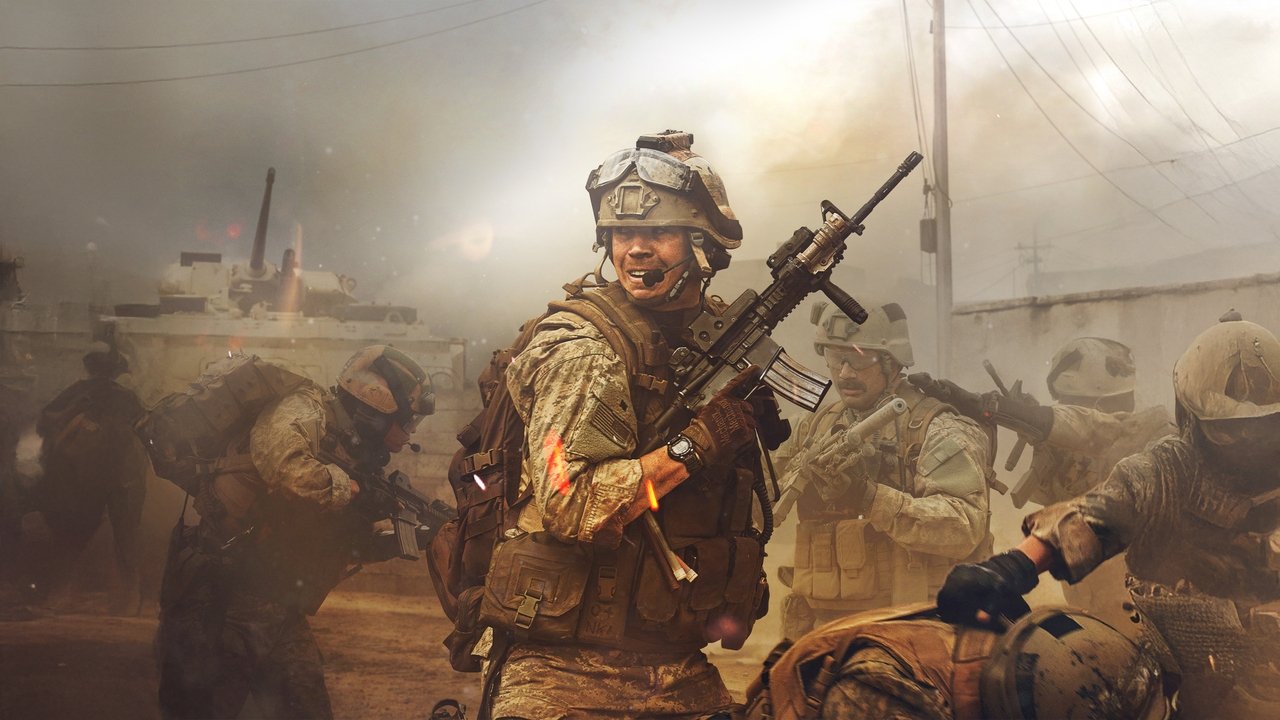
Warfare (2025)
Release A24 4K UHD and Blu-ray (2025)
Mendoza, Garland, and Philpot discuss recreating the 2006 Ramadi firefight from participants' memories. They describe a chronological five-week shoot, boot camp, a working radio network, a full street set, multiple cameras, blank fire, and rehearsals. They also explain how gaps in recollection, concussion, and the presence of the real participants affected scenes and sound.
- Duration
- 1h 22m
- Talk coverage
- 95%
- Words
- 13,096
- Speakers
- 3
Commentary density
Highlights
Topics
People mentioned
The film
- Director
- Ray Mendoza , Alex Garland
- Cinematographer
- David J. Thompson
- Writer
- Alex Garland , Ray Mendoza
- Editor
- Fin Oates
- Runtime
- 95 min
- Also on
- OneSheet ↗
- External
- IMDb ↗ TMDB ↗ Find on Amazon ↗
Transcript
13,096 words · 6 flagged as film dialogue
Hello, I'm Ray Mendoza, former Navy SEAL, 17 years in the Navy. And this is my directorial debut with Alex Garland, who's sitting next to me. Hello, I'm Alex, and I was, yeah, I was Ray's co-director and co-writer on this film. Brian Philpot, shipwreck, military consultant, SWCC, JTAC.
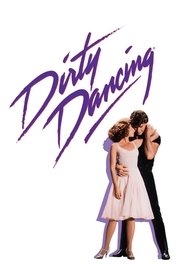
We chose this video. This came up, like, maybe halfway through filming. It's a... Anyone in the military who watches this is kind of an anchor point for time. I know you... It's a GWOT standard. We picked for lots of reasons. Back in that time, we were kind of more in an analog phase, so we were more into magazines. Hard drives. Magazines and hard drives. So it's not like... We didn't have the streaming capabilities like these spoiled kids do today. So this video was kind of a morale booster for us. It was really the only source of entertainment we had being in Iraq. And we would watch it out. We would watch it every time we went out because we honestly felt it would be the last time we would see such beautiful dancing. Everyone has their pre-op ritual. Ours was Russian techno, but Alex...
Would you like to speak on that? I never had any moves. Yeah, which is cool in this scene. Luckily, we shot this at the end. So by this point, the camaraderie was there. The brotherhood was there. They'd been hanging out, getting to know each other. So it was really almost like the last week of filming. And so I felt the timing of it was great. And I just let them go at it. I did have three versions of this. I did a calm version. a medium version of what you're about to see right now, I said, just go apeshit. Which is what we see now. They had a lot of fun with it. Go straight to apeshit. Yes. The lesson learned. And hard cut out. But it had a very useful function because in this film, we were making it in a certain kind of way, which didn't involve traditional film techniques of creating backstory through dialogue and
giving people, giving the audience ways to connect with the characters and understand them. And in a way, that sequence does a shorthand of introducing this entire group of people in one go and allows people to see their faces and make certain kinds of sort of instinctive value judgments. Almost assumptions, yeah. Yeah, assumptions, exactly, yeah. And also, in a cool way, that dancing scene prior was one of the last things we shot, and this is actually one of the first scenes we shot. Day one. We shot this chronological for the most part, right? Like 90% of it? I mean, yeah, 90, 95% maybe was shot in sequence. Which is a gift. It helps everybody, I think it helps. It certainly helps me, because you always know where you are exactly within the story, but I think it helps... Taylor John. Oh, yeah. But also...
This was a really nice byproduct of using that bit of film because to my memory, you can correct me if I'm wrong about this, but this actually began by you explaining to me about being on patrol, doing dance moves, the guy on the other street responding to it and finding moments of humour. And again, in a film that is not going, which is actually stopping itself by introducing false bits of humour backstory, here's something genuine, something you guys did do as a way of just saying something about the age of these people, their humor, their bond with each other, their ability to mess around even in tense situations. Calm under pressure, yeah. Yeah, there's a lot of information just within that little exchange that happens, I think. Evan rehearsed that for so long, his little dance move, and it showed.
I'd like to give him a shout out to that. You did a... You guys... We had dance-offs. You did have dance-offs. Tryouts. Evan, you made the cut. Yeah, rolling in. So a lot of this stuff, a lot of veterans would appreciate kind of the dance that you just saw there. Just them moving around to the door, and that comes out of just the three-week training boot camp that we did. So this entry here, you know, it's your standard... Mark One MOUT, four-man room entry, but... A little buttonhook, cross cover, backfill. So yeah, a lot of these scenes, even when we get to the dynamic stuff, it's all a dance. And when you apply principles, you can kind of do the dance to any song, really. Yeah, because you get to know what song you're going to use. It came down to, like, the last second. Yeah, well, I'm referring to dancing as in the choreography of their movement. Oh, they're dancing. For me, there's a very interesting thing coming up right now, which is as these guys move up the stairs, they find a brick wall that is separating the bottom of the house from the top of the house. And the reason it interests me is because it's central to how this movie...
works and how it was put together which is that the entire uh film and everything you see in the film is a product of people's memories and this wall at the top of the stairs did not feature in many people's memories we had some photo evidence that showed what looked like a broken down wall but we puzzled over it because uh some of these guys including you ray were like no no there was no wall at the top of the stairs so that that sort of puzzled us, but then we got absolute complete rock solid confirmation the night before the first day of principal photography that there was a wall. And so the next morning called the production design team, said, you need to build a wall at the top of the stairs and it's just gonna have to be a real wall. And Taylor's gonna have to knock it down with a sledge just as you would with a real wall. And the whole thing was, that thing dried
this sounds like one of these movie anecdotes but it really did it that that that mortar went off like an hour before yeah they were like blow drying it yeah yeah yeah taylor really sent it on that wall but that was also in that the whole film exists in that wall in a way because once we knew it was there we had to put it in because that those were our rules and without knowing it was there we couldn't put it in whole film is sort of wrapped up in that and the uncertainties of memory absolutely and then another hard cut out to our amazing uh replicate of isr footage which um simon and his team did awesome job with building this and this was kind of a last minute pivot as well a lot of the isr stuff that you're seeing that overhead black and white white hot imagery is was kind of a last minute addition well we tried to get the real
but we just never could. But it looks awesome. And there's a real photo. Yeah. Not bad. Yeah. Warfare. We messed with a few titles on that one. War of Conflict. Real Time. Real Time. Yeah. In my head, it's Warfare. It was on the board. It's a good title. It's like... It does what it says on the tin. It's straightforward. Dolphins. My favorite thing, the dolphins. I added the dolphins in there because oftentimes there's these huge shipments that come into Iraq. It could be Felix's cat clocks. It could be weird stuff. So you'll see just, you know, depending on what shipment of just like this bulk item that comes in. Random pop culture item. It'll be like, oh, looks like a shipment of dolphins came in because everybody just has dolphins. Just whatever the flavor of the week is. You'll see kids like a whole town have like Chicago Bulls shirts on. Yeah, okay. I'm just like...
Yeah. Like what? The losing team. You guys like basketball? No. The team who lost the World Series who didn't get to wear the shirts. Sledgehammer. Yeah, so we didn't feature that in the movie, but we decided a sledgehammer, and I put that there just as a shout-out to the guys. But we normally use explosives, but we used a sledgehammer in this day, which actually created a lot of noise for a really long time. And even the other OPs were just like, what the fuck are you guys doing? Um... Like, are you building another fucking house over there? What are you doing? And you'll hear some kind of communications later in the movie where they're like, well, you were making, you know, we didn't want to make noise. Like, you know, we heard you sledgehammering, like, all night, blah, blah, blah. How did the people get in that house to begin with? I guess it was on the other side? Yeah, there was a staircase, which we never accessed, and I never got to see it. But it was actually on the other side of the building.
It was a normal pattern of life. Simon, again, built this whole, the scope and the reticle. Cosmo. Killing it. He kept cycling the gun and the dust cover would pop open. And it was frustrating me for continuity. So I had to threaten the use of his hands. I was like, if you do that one more time, I'm going to break your hands. There's a lot of push-ups. We're done. I wasn't really going to break his hands. He thought I was serious. which is kind of where a lot of my power came from. They all thought it was serious the whole time. Ray kept a dad move, and they were definitely scared of him. Who's that? Bono? Little Baby D'Pharaoh playing me. Who's on the radio? Yeah, that might be. But the initial voice is you guys. So this is kind of where Shipwreck comes into play.
We created the comm shack. It's the comm shack. It's short for communications. Correct. And when the guys who weren't on camera did an amazing job, we had this building. The comm that you see on camera here, there were wire to receive just basic two-way radios. But they were actually in real time communicating with some of the other cast that we had trained, communication etiquette and whatnot. But Shipwreck, you should talk about about that because this was this also ties into the principle about how the film was made like often if you're shooting a scene where someone's talking on a phone or on a radio very often uh either nobody is at the other end or there's an actor just off camera yeah reading the lines but but for this we wanted all radio communications to be happening as they would be happening so you guys were all based
off in a room very nearby and communicating constantly with the actors, which was ultimately incredibly useful because it taught them actual radio technique and the immersion that they felt was amplified hugely. It would be good if you could talk about what was going on in that room. What was the vibe like? Was it always just tense the whole time? Well, we ran a two-day comms course along with the boot camp, so they learned the ground up from radio fundamentals. to verbiage to chain of command to procedural stuff with the proprietary radios uh and we even brought some walkie-talkies on set and i had them run out in various distances and and by the end of the course these guys were running nine lines it was it was pretty incredible gandalf for those out there a nine line is essentially a kind of a list or a protocol of like how you call an aircraft it's got these like line items of critical information the pilot needs to to either drop ordinance or two that's just like i was just that's the standard i mean that's his that's what a jtech does so we were considerably far away from the house the set
So they had to deal with all the radio organically. So if they didn't hear it, they had to repeat it. And so they knew the verbiage to repeat it. And it created this kind of raw that I think, you know, I think it translates. It definitely translates. And it gave them that confusion that... You can see it in their eyes. When they can't quite hear what's coming in, you can hear, you sort of see that slight glaze as they focus. Yeah, exactly. It really helps a lot. And for me, I mean, and Ray can notice as well, when... When your right ear or your left ear, depending on it, could be intra-team, and then the left ear in your peltor is your air platforms. So you're having both ears going at it. And you're also talking with guys in front of you or next to you. So it's three forms of communication all happening at once. It gets super overwhelming. And so that was the point, is to overwhelm. And the guys asked for it. Like, you start out small, and the guys were like, no, no, bring it, bring it. So you'd have to come up with these big scenarios of...
What's OP2 doing? What's Profane doing? What's Bushmaster doing? And just really clog their ears. It's a big source of anxiety. This is the intro of Tommy. He was our youngest. Probably one of the best machine gunners I've actually ever had the privilege of working with. That scene there was just to show how we treat new guys. I was always busy, to your point, missing on comms two years. But, you know, Tommy shows up, and I kind of give him the hold. I think a lot of comrades would relate to the, hold on, I'm listening to something. Yeah, yeah. Shut up. I really wasn't listening to anything. Oh, my gosh. No, Tommy's Greg Gunner. Typically, he's, you know, his main, his primary job is to hold security. Even previous, the scenes, you know, we're looking at pattern in life and essentially what we're doing. We're just cataloging movements, what people are doing, any suspicious activity. So that's kind of what you saw D'Pharaoh doing. And then there was a radio call that went out essentially identifying that the mission, why we were there, which is overwatching Marines moving through the city, a certain sector, which is Papa 10, and the operations are complete. And so now we're just kind of...
really just waiting for them to fully exfil off back rtb to base return to base and then at some point typically we would wait till the night uh to exfil, being that we came into the night we're gonna exit at night and so typically we just bunker down and hold security until it's time to leave alex why is this scene important um i was actually i was just watching joe quinn run his finger on the dust there and there's And right here, Aidan about to scratch the back of his head. Oh no, they do the thing with the bottle, that's right. So we're trying to make a film, the three of us and all the people we work with, as hard as possible about truth and as hard as possible about reality. But this happened many years ago, but even if it was something that happened a week ago, if somebody tries to remember every single thing they did, I ran my finger along the dust, I scratched the back of my head, they're just...
That's not what brains are equipped to do. That's not how memory works. So these guys had to inhabit a space. There were touchstones and waypoints where we knew this thing happened at this moment, and we know this guy's like this, and we know that guy's like that. And the actors could talk to their real-life counterpart. And of course, you guys, and in particular, Ray was there to download enormous amounts of information. But they are also acting. They are also creating. moments themselves that are true to their characters now whether that stops it being truthful or not i i don't know but but that's what that little sequence is about we're seeing what those guys have inhabited was that callous from uh training oh it's a great like little detail because every guy has one of those like from flipping safeties or fascinating yeah there's what i'm just gonna chuck in one thing here so it's said because it's about the production design because we're looking down the scope and we're seeing
These buildings, whatever they are, 300 meters away, thereabouts. And what we had was a film set, which was built just outside London in an abandoned airfield called Bovingdon. But what Mark Digby and Michelle Day and their team did was they built an entire street and some sort of streets off the street, replicating the real street in Ramadi. And so although we were on a set It felt to me like we were on location a lot of the time, because wherever you looked, it was true to itself. And we could then take these strange decisions, like we're very much locked with their experience. This whole section of the film, we never really step outside the house and what is happening inside the house, but if we wanted to, it's there. So then when we pop out,
or we see through a scope, or when we actually go out into the street, it's a little bit like the radio stuff. It's just another layer of reality that there aren't. The isolation, yeah. Yeah, and also there aren't six locations or sets spread over Pinewood or some place where they shoot films. It's just in one spot. And if you looked out of a window, you would see what you saw out of the window. It was super helpful, and they did a great job. Yeah, the attention to detail that I typically put in the military stuff, they did as well. And I've been on a lot of Middle Eastern, like, sets. Yeah. And this is by far, you know, smaller, but it, like, fine details. This is a critical part of the story. This is, like, probably, you know, one of many. Typically, when catastrophic things happen, it's never just, like, rarely is it one thing. It's typically, like, a series of events, whether those are just unforeseen events or...
accidents or bad judgments maybe some people may make. I think this is one of the critical moments where, well, we're not getting into it yet, but we're just getting suspicious activity, and so we're kind of refocusing our ISR platform, which is the aircraft in the air, to focus on something. And this is, like, at the time, it wasn't strange. People were always, you know, they knew we were there. Obviously, there's a big-ass hole in the wall, so they knew we were there. When we occupy these homes, when the neighbor doesn't come out, like, hey, you know, normally Bob comes out to have tea with me in the morning. And he's not. They're like, right off the bat, no. 12 Americans must be in there. Speaking with serious intent to probe. How many times are you going to let this guy do this? I don't know. Relay to OP2. Cheers, buddy.
There you go, give me heads up if you see this guy come to your position. Headscarf, red-green jacket.
Ray, you should talk about how we set these up because another difference, I'm going to keep going with this sort of nerdy film stuff because that's what I am. Send it. So normally in a film like this, one would kind of treat this exchange as a discrete moment. and you would shoot the exchange between the snipers and then you'd come back for this moment and shoot it separately and break everything up into these bite-sized pieces. And what we did was we ran sometimes 15, 16, 17-minute takes where the camera would be moving from one room into another. When we edit it together, the effect is much the same. But on the day, it's another part of the immersive thing. It's more like being in the theater where all actors are functioning at the same time. So while two people are talking on one side of the stage, someone else might be making coffee on the other side of the stage. And that was the approach we took here. It meant that actors who were not on camera were never shutting down. Everybody was always on.
Between takes, between setups, nobody went back to trailers. Nobody vanished off the set. People arrived at the beginning of the day. They pretty much stayed there apart from maybe a break for lunch the whole day and then left at the end of the day. all of these things in subtle ways inform the texture and the the sort of like the dirt under the fingernails of the film i would say you're giving away the secret sauce alex even the guys that were off like if they were on hold that day they came in hung out in the comm shack and then uh or like they would hang out they would just hang out on set it was incredible i've never seen that before Yeah, and it's very similar. I mean, that's how we do it in the military. We rehearse when we go through these scenarios. We are applying principles, which is with these, to your point, is what they're doing. In Civil War, they'll buy a house scene. They'll bring this up all the time. That's essentially what we did. I would just run them through the whole thing. And it was very similar. Yeah, it was. Almost exactly the isolation. We just stayed in the house. No one went away.
All the assaulter guys, our group, just stayed in the house. And actually, this film comes out of that sequence in Civil War, I would say. Sort of organically comes out of it. So I guess your next movie should be called Civil. Finally, Civil. Just Civil. Yeah, that sucks. Yeah, that does suck. So the tension's ratcheting up here, obviously, as the cascade of things going wrong that Ray was referring to, they are continuing to cascade. Yes, correct. We had a few different versions of this scene. I know there was an aggressive, like, the takes we did was, I don't know, I was always, I guess for me, we were always discussing how to interact with the Iraqi scouts. Like, do we be assertive? Is it more a gentle touch, especially with... Joe Quinn's character. There's a few who we just decided to go more with a gentle touch. Fuck. Yeah, it varied. I mean, to me, it really, it goes to the heart of what I think is the most strange and interesting thing about this film, which is its relationship with truth. Yeah, this is like the hardest part, at least for me, it was. I learned a lot, especially from you, but it was just really difficult
like just the eye line component to it, which I learned a shit ton about eye lines, just editing, trying to, you know, you have all of these people who are jumping from different cameras and there's three guys and the eye lines, I remember it being oddly, like the most. I mean, normally eye lines and sides of the line and stuff like that, you've got two people talking in a room, even with two people in the room, sometimes I'll sort of stop and think, oh, hang on a minute. Then I'll hold up a hand like, this guy's the person on the left, this one's the one on the right. And I'll sort of think it through. Here, how many people we got up there? Like, 10? It's... I remember when we were rehearsing, it was like the first time I saw you actually ever get... Like, I don't think you're upset at me, but...
kept like adding things and you're just like hold on hold on stop stop because like i know you're trying to track the eye lines and i was it's something i was wasn't aware of until you i just i saw that you were starting to get frustrated like stop adding so good stop adding movements that look is so good like the one ellie's looking at you oh yeah yeah we added that too because everything is based off looks and there's not a lot of dialogue yeah i think yeah but you guys shot that when i was gone That was a good one. Yeah, Ray was gone very briefly. I mean, it was three days, and you were going for a very good reason, which was your daughter's graduation. Baby girl, going into the world. Best reason.
Beautiful John Taylor. I kept mixing up his name the whole time. I was calling him John Taylor. He has three names, so three first names, basically. I went with Taylor. I called him John. He's like, you know my name's Taylor, right? I was like, shut the fuck up. So I got it right. You did. I was like, shut up. Go pick up your gun. He was great. He's good, yeah. Such an absence of vanity and people trying to sort of occupy light. Just... that there was a great attitude between these guys. And honestly, that, I embarrass you, Ray, but that came from the top. That was something that you set very, very early on as a tone. And they really went with it. But I've worked with actors before and not had that happen. So I was quite interested to observe. That's Ray's superpower. Yeah, fear. You fear Ray, shit will get done. PKM. And that, oh, no, I can't say. I just realized I can't say. That's while you're away. Someone stepped in at that moment. One of your colleagues who dropped by to help us out. No, I have to be all mysterious about it. I'll shut up. Loose lips, Alex. Sink ships. National security threat over here.
But we're ramping up now, having spent, I don't know, broadly the first third of the film in one state, and everything is about to change. And I think that this is worth saying now, so we're not saying it. Ten minutes' time. The pressure on the crew and the actors suddenly ramped up at this point because we were about to start representing... something horrific that happened to real people. And many of the real people were around the cast and the crew. Which, even if they weren't there, it would have been quite an extreme experience for those actors and for the crew as well. But they were there. And this is that transition moment just about to start. Yeah. I remember from here on out, I was like, yep. I almost had to emotionally prepare myself, but here we go right now. Yeah. Oh, fuck. Grenade! Yeah, when I heard that, I've never heard a grenade hit concrete ever, but when I...
heard that sound, I knew exactly what the fuck it was. I don't know why, just instinctively, Joe and I, or Sam and I, looked at each other. And it was just like, we read each other's minds. It was like a fucking grenade. It was a weird, odd silence, as it was depicted in the film. And then the next thing was just what you're about to hear was deafening sound I am familiar with.
kind of conflation or maybe time tends to start to fluctuate a little bit. It starts to stretch out and compress at weird times for me and for everyone. Yeah, when that Mark 48 opens up in the house, it's just... Very good. Very good work by David J. Thompson there. Yeah. Who would put himself right next to those muzzle flashes. And, uh... you know, they're quite brutal. You don't want one of them hitting your face. Yeah, he cut his teeth on Civil War as well, and he did a lot of action stuff, but I think on this White House piece, which we're going to talk about a lot, he cut his teeth on just on, like, how close, the close proximity stuff I do, the training I put into the guys to be able to execute those kind of things. So a lot of trust there between both of us, but knowing, you know, it's one thing to be a good camera operator, but you also have to, like,
be aware where weapons are. So, you know, great, you can composite a shot, but can you walk and chew bubblegum as well? And Dave is one of those rare, I think, camera operators that can do both. Very, very rare. He's kind of brilliant because in and around all of that, he will just also have this framing instinct at play. So there's noise, there's danger, there's movement, there's complex choreography, but he's framing at the same time. And other things besides as well. And he's tough in a good way. He sort of like runs to it. You know, he's a man. He took some hard falls. Yeah, he ate shit a bit one time. He went fucking flying a few times, yeah, absolutely. He ate shit on Civil War too, I think, didn't he? He did. Yeah, he did. Yeah, he did. Sir, sir, sir, sir, sir, what are you doing? Gotta get the receiver. What I, something I like here, I'm obviously observing this, unlike Ray and Shipwreck as a civilian who's got no experience with anything like this is it's an interesting transition point. This, a grenade has gone off, the almost casual way it drops into the room and everything changes from there, but you are seeing
These guys are rattled as Kit is playing Tommy there. There's, you know, definitely adrenaline and a degree of confusion and sort of an element of how bad is this? What is about to happen? But very much still functioning. Observing protocols and going through training and it's like climbing a ladder and some of the rungs broke and they went ba-ba-ba, but then... three rungs down, they held, which is then building up for the next part of this, I suppose. But in this section, what I think the film does and what I think, Ray, you showed in a way that I haven't quite seen before is the sense of soldiers with adrenaline, with fear, but also with training and with professionalism and...
just continuing to operate. And being infallible. Like, that was one of the things I appreciated most about, even when he was getting the rover antenna. It's like, yeah, he could have just dragged it in, but it's not where his mind was. Like, I need to go get it. But, I mean, you can look at it in hindsight, like, why didn't you just pull it the first time? But we don't get that opportunity because it's just how it happened. Yeah, I mean, like, on top of the, all the factual, you know, talking to each each guy that is being represented here and saying like, hey, what did you do? Where were you? What did you feel? I think like, you know, you probably always saw me walking around with a notebook because there's so many guys and I was essentially like trying to track, I guess, for their arc for them. And it's like, hey, at this point, this is where you need to be. If it's a leader, this is where you need to be. This is what you need to be doing. So, you know, and I didn't like, sometimes I would do a lot of like line reads for them, but
I think they did a great job of just really embodying, like, what they needed to do as a leader. I was like, hey, man, I can't, I just, you know, just remember what we learned and all the training we're doing and apply those principles, but make it your own. And they all did a good job. But I did have to, like, make sure each guy was kind of from a acting standpoint, which I hate to use that, but this is where you should be living right now, whether it's fear or, you know, trying to get, the the frustration of like i have to get a bunch of information out in 20 seconds and how frustrating that is like you there's which normally will take two minutes you have to get all that stuff out so i need you to feel that urgency of like you there is just not enough time to get the information out that you need because you're doing multiple things at once so just really constantly reminding each guy of like where they should be kind of mentally yeah to speak to that there was a lot of emphasis and work on
A lot of those guys, they've never even used walkie-talkies before. So to get the brevity in the heat of the moment and to get the thought too, like they need to think about what they need to say. And also the cadence of the radio. It always goes wrong in every single movie. It's always wrong. And they never spent, like, a dialect coach can't do that. And it plays out.
Yeah, that's one of the things I remember both you guys spending a lot of time teaching, which to me almost sounded like slightly sing-song cadence, if that's the cadence you're referring to. Yeah, yeah, yeah. Because people expect it on the other line, too, so it's not... And anyone that's been in the military knows that rhythm.
We're up! Copy. Go, Mac.
This would be explosion number two coming up for us. There we go. We pop outside the house. First time for a long time. It's just sort of... Breath of fresh air. It's sort of like oxygen, but it creates a strange kind of... There's been this claustrophobia, and then something else is happening. It's almost like agoraphobia, because the threat from this massive outdoors. Yeah, you don't know what's out there. The Iraqi guys did pretty well, too. Oh, yeah, they were awesome. They were so good. Everybody, everybody. It sounds cute because, you know, in effect, what we're doing is sort of part of publicity for the film in some respects, and the job of publicity is for everyone to say everyone was great and everyone did a good job, but they really did. The atmosphere on this set... The commitment. And I can't stress it enough, everything that you guys are saying about the cast, it's equally true of the crew. Like the speed things would get turned around or cleaned up or reset. It was incredible dedication. And just to chuck this in there, another bit of film nerd stuff. We did shoot in sequence. We also shot it in five weeks, which is a very, very short period of time to shoot a whole movie.
Efficiency was crucial. No talking. Do you think that's because of two directors or? Yeah, I think so. Twice the oversight? That definitely helped because there was a whole, just to speak for myself, there was a whole bunch of stuff and it really related to the actors that I just didn't really have to think about. So I'd be thinking about camera and I'd be thinking about SFX or VFX or... really technical stuff. And Ray would be working on the stuff that I think, what I think is when people think of directors, they think of someone in earnest conversation with an actor and trying to get something right in a particular kind of way. That was all Ray's job. And so not having to do that was, yeah, yeah, it did help efficiency. I think I was like a, I think I was really like an assistant director is what I was, you know.
I've always wanted to ask you this. I never got to ask you. Do you think, because when we were building this, you know, the windows, like obviously we made the windows bigger. We wanted more light. Do you think we went too much on the light? I think the windows make them too big? Yeah, again, this goes to my private obsession, which is this film's relationship with truth and what truth is. So we knew we were not going to be sticking lights in this house. so light had to be available light. I think there probably was slightly too much light. Yes, I do. I also think that with doorways, we increased their size so that Dave, with a camera, would be able to fit through that doorway along with whoever he was following. Cut us down on time, too.
It does, like the dance that Ray was talking about with the guys as they enter the house, there's another dance that happens with film crews and camera crews, which is the one I'm familiar with. And just adding a few inches the size of a doorway really, really helps because the kit is bulky. A lot of stuff to get snagged on, yeah. But even the back room, like that's still, I mean, that's still had the effect. And, you know, we've, we had lengthy conversations on the reds and, you know, we didn't want to feel too, know art house or two two movie the reds that you mean as in the color there's a camera called a red but but yeah yeah the actual like just the red curtains that create this like red overtone um and for me like that though i think talking to the other guys that were really there watching it they're like we nailed that part like just that dark contrasty red dark deep reds which
gives it this kind of hellish feeling, which I've talked about a few times, just it being a lot darker from the upper deck, which is added to the hellish fucking scenario we were in anyway. Yeah, I think, but retrospectively, I think these camera sensors are very good and we could have actually trusted them a little bit more and reduced the light slightly more, but I don't think it matters. And I think that there are more important things to get right. that you were getting right. Two minutes. Yeah, it's really good that you don't see the standard Middle Eastern vibe that you see in every other military movie. I was going to say one thing about this sequence because... So Ray had a story he wanted to tell, which was this story, and it was for Elliot, who didn't remember the sequence of events, and Ray wanted to be able to show him that.
And I had a sort of adjacent idea, which was to do with just trying to show something as accurately as possible. And that included shooting it real time. So not in oners or anything like that, but just in real time. And the first conversation we had, I was saying, we'll do it like this. If you guys sat tight and didn't say anything for five minutes, that's what the camera will do. That's what the film will do. And this sequence is like that because They are waiting for Bradleys to arrive for the casserole. Yeah. And it takes a long time. And they're just standing there for a long time. Now, normally in a film, that is exactly what would get compressed. They'll speed it up. The sequence would last like a minute and a half. But actually having it last the amount of time it takes, I think, adds to the sense of truth and actually adds to the tension of it.
It unsettles audiences because we're not functioning in the normal rhythms of cinema, and it makes them uncomfortable in a good way. Yeah, I mean, hey, we rehearse it that way. When they call that two minutes out, and if you follow the time code on it, it's pretty dead on. They're, like, right on it. This is another, like, infallible moment where you threw the smoke, and it was too close to the house. Fallible. Fallible moment. Fallible, right? Yeah, I mean, even on the day, in real life, It was a lot thicker. We can't do that. We can't replicate that because you wouldn't fucking see anything. For people unfamiliar with WP, white phosphorus, it's super thick and it burns your lungs. That's a Willie P. That's a Willie P. But if it gets in your lungs, it's bad. Down to the next level of hell coming up.
This is the other huge axis shift that happens in the film. Also in all you guys in your lives. So, Ray, why don't you talk about, to put you on the spot, what it was like to recreate this moment and this sequence?
Well, there's, I think, two parts to this, which is the editing portion and then the filming of it. Yeah, this is probably the most challenging of all the filming, of all the scenes. Just because it's, yeah, it's where it became the most emotional, even on the day, post-blast, waking up, the confusion. It's really, for me, it's like where the cognitive decline started to happen. So when you're confused in a hostile environment as this, it's like a very, very scary, terrifying fucking feeling. And I was just like, I'm going to fucking die on the street. I know I'm going to get shot in the face. Something's going to happen. Because you just, it takes a while to regain, kind of just regain that focus, no matter how much will you have. And it was just like a weird battle between just like this, the will of like,
The pride of being a SEAL and, like, pushing your body. What we've been taught is what we were screened for. It's what we were selected for. And when I'm not able to do that... And knowing that you may be shot at any time. It's a very lonely... And I didn't see anybody. I felt alone. I've never been so alone in my life. And so it's a weird... It's just a... You can't see anything. You can't hear anything. And it's a very... It's just a scary feeling. So seeing this stuff and, you know, the houses, the house, it looked, everything looked the same. So watching it, this is like, it started to crack that kind of shell, like with this, this shell that I created to embody those, those feelings started, it's like, it started to crack filming this. So this was like seeing all this stuff was, it was starting to ramp up and then we'll get to kind of
the next scene where it kind of, it just busted open, causing me to leave the set for a little bit. But yeah, you know, talking about these things with Joe, or Sam, as his name is in the movie, when he screams out for the first time, even I can still hear it in my head, and when he says it, you're about to hear it here soon, it cuts through. It just takes you back. And I'm sure if anyone's experienced something traumatic, it's a sensory recall, whether it's something you smell, something you see, just the way it is. And you get that instant. What you're hearing him now, him screaming, is...
One thing I would say is that this process after we'd agreed to try this began with Ray and I sitting down for a week and all day every day just Ray remembering everything he could and talking through everything. And then Ray and I also interviewed many other people involved in this day. And the degree of honesty and courage of reaching back into incredibly difficult, truly traumatic memories and times and feelings was extraordinary from my point of view. Very, very humbling. And I've never had a greater sense of obligation, I think. a film to get something right and yeah i and i i keep saying this but i think it's that that was true of everybody involved very very strange filming days very very intense very strange filming days yeah it's still a blur for me even now it's weird like the event itself is a blur even filming it even uh filming it it's like there's a surreal
Great firework by G. Helped with that. Yeah, you know, it's not even replicated here, because you can't, because you wouldn't see anything. But in reality, it was so smoky. There was so much dust that was kicked in the air. Even just how the colors that you're seeing, we had to even find that very unique, because it does create a different color when, like, tons of dirt is in the air and the sun's trying to penetrate through. It just had this weird, like... Yeah, it has a very fine sand. It's almost like a moon dust. And when it gets into the air, it stays in the air for a while. And we did this cool thing, you know, it's just like, you know, if you really, when you watch it, you can start to see, we did the slow creep with just the sun slowly making its way back, back into this, this whole sequence. Which kudos to... Who would have been responsible for that? For what? The sun? That's God, right? Jesus. He really helped out. Thank you, JC. This is using...
film and editing and some of the grammar of film to try to convey something about disorientation and the effects of concussion. I think the concept of concussion is really crucial to this sequence. And so when we cut back inside that room, those other guys are not concussed. And suddenly sounds are changed and colors are changed and intensity is changed. And then we drop back into Ray slash D'Pharaoh's world. This is, so much of this is us just trying to exactly replicate what you told us, what you said when we first sat down together, which is that as you started to pull Elliot, you could see his legs were very damaged, but suddenly you could hear radio chatter. And the radio chatter had been coming through your headphones the whole time, but you hadn't been aware of it. You hadn't been hearing it. So we just literally try to recreate that. And all of these impressionistic moments are that. They are allied to something. In fact, everything in the film is pretty much allied to something someone said. Yeah, even here, I was terrified that I was going to rip his leg off. And I don't know why. I just, they got caught in that wall.
I was like, I don't want to be the guy to rip. Like, I knew it was barely hanging on. Poor Tommy. I feel bad even now because I remember I yelled at him. But, you know, it was just so good. Like, we never saw each other. Like, I think when I conveyed to Kit, who did an amazing job. Holy shit, that dude's... Kit's incredible. He's phenomenal. Extremely talented. I explained, like, just the look of just shock of him not realizing that there were still guys out there, which is, like, as a SEAL... Like, you don't fucking do that. And I'm describing it to Kit of just like, you know, think of someone that you love and just like, in a state of emergency, you just leave without them. Like, how would you, like, no one, if you love somebody, you wouldn't do that. And so he's, you know, that expression is essentially expressing disappointment. Not that he, it wasn't out of being a coward. It was just,
He just wasn't aware that there were still guys out there, and I think the shock on his face comes across. And he was concussed. Incorrect, yeah, and also concussed. The makeup department really killed it with the dust on everything, and it's just like being caked with the blood. This is one. We have taken massive casualties. We're anticipating coordinated... Yeah, and then continuing to track these arcs, you know, this is, again, having to manage my emotions still, but just... know will again kind of taking the taking the lead here and you know really conveying the you know when you're concussed and you're having to make complex even just simple decisions you know you know dexterity goes away the ability just to complete you know mental acuity just basic sense basic senses or even just basic forms of information is hard it's hard to do So yeah, he did amazing conveying that. As did the props guys and the SFX guys. The SFX guys setting up these grenade explosions. So typically what has had to react to was something that felt right. A sudden sort of blast of depressurizing air jamming into the room, big wave of dust, loud noise.
And I think this is, at this point, the film starts to get in some, I don't know what the right word is. The word I keep wanting to use is like transcendent, but that's got the wrong connotations. It's just a very strange space that the film exists in for a while. After the idea's gone off, after pulling Joe and Elliot back into this hallway area, We were in this section for about a week. A week of just sort of confusion and blood and scrutiny. And that's what the audience is feeling too. If the film has a function, it sort of lands here, I think. Yeah, it allows us to be, I guess, artsy, for lack of a better word. Because it's... I don't know if that is the right word. Because artsy sort of implies like interpretation or like... Well, yeah, but we use like that lens that you like. You know, you get into the... I guess it gives us the freedom to kind of go into this, you know, what you're about to see, which is like things go quiet. It's like slow-mo, dreamy world. I guess maybe artsy is the wrong word, but it gives us... By framing it of like they're concussed, it allows you...
I think, to explore it. It was such a sort of odd question. So you would, in your description, you would talk about this thing of sort of phasing in and out of just not knowing when you dropped into the phase-out points, but more being aware when you came out of the phase-out points and realizing retrospectively that for maybe a minute or a minute and a half, you'd been just... staring into space or whatever it was, and how we show that while there's all these other concurrent experiences happening. Yeah, you're a filmmaker. I challenge you to convey a blackout because in a blackout, you don't remember anything. And then, so how are we, some people may look at that like that I am aware of what's going on, but in reality, I am not aware of what's going on in these dreamy kind of scenarios. Michael Gandolfini did a good job on this.
Yeah, he has a slightly different role in this film because the real guy was a helicopter pilot. Is that right? Yeah. And he was doing this because it was part of a... It was like a way of getting promotion or something like that. Yeah, most pilots, even fixed-wing pilots, both rotary and fixed-wing pilots, meaning helicopters and jets, they'll do what we call a ground fact, which is a... Forward air control. have to do their tour uh providing something outside of flying so you know in needs of the war they would apply their expertise in other ways as in being attached to anglico which is artillery naval gunfire liaison company who are amazing doing that stuff so he got attached to that so they're Essentially like JTACs, but they specialize in artillery as well, calling in artillery fire, naval gunfire. They're supplying their technical knowledge, and they're great because they know all the pilots, and when you're trying to request air, what we call pulling in like a JTAR, there's a lot of relationships that we leverage there, and they're great. And so they're just a great asset, which frees up, like if you're a communicator, and in my case as a SEAL, which you'll see D'Pharaoh tasking those jobs away.
So it just frees me up to do, you know, other shit.
Manchu-6 X-Ray, advise on casualty. Manchu-6 X-Ray, This is Frogman 6 Romeo. We have two severely wounded. We need another CASEVAC as soon as possible. Be advised that IED caused the injuries. Over.
Yeah, but a lot of people don't know that we're like, Elliot had these huge quads, you know, prior Marine, came to the SEAL teams, kind of like a power lifter, you know, a 5'7 power lifter type body, just more round than anything, but super heavy. Like, his legs are just as big as Alex's torso here. And so, you know, as you can imagine, that's hard to put a tourniquet around. And that did amazing.
We got air back. We can't do gun runs because the bad guys are right on top of us, but we can coordinate a show of force. Do you want me to do it? Do it.
I'm just going to shout out here to Fin as well, our editor, because this was, like you were talking about eye lines before, this was a very, very complicated sequence just to shoot, make sure that we were getting what we needed to get. And every day she would call, having looked at the previous day's rushes and say, hey, grab a shot of this. We could use a reply on that, and she was on it the whole time. And I just wanted to mention what a crucial part of this. You should talk about these shows of force so people understand what they are, and also just mention something about the Bradleys, because these fucking idiots online who spend their life fucking picking shit up. Shout out to Tank Porn on Reddit. Exactly, yeah. They're right. They're not the Bradleys. Yeah, sure. You can't criticize them, I can. But just explain why the Bradleys look the way they look and also explain what a show of force is. Great job using that show of force to kind of segue into this, my first, what we talked about, the blackout stuff. Yeah, so a show of force is a non-lethal, essentially, tactic that an aircraft can use
To create windows or deter the enemy from either moving in more in our position. So when you saw the aircraft doing that run in, they don't know if it's about to drop a bomb or it's about to do a gun run. And so if you're a bad guy running in the streets, you see that. You hear it and see it. And at this point, they're very familiar what follows after. And so, yeah, typically they'll take cover. They'll run and hide, which if you're in the street, All it does is provide a window to maneuver. Yeah, it creates an incredible amount of cavitation. Like, you feel it inside. Yeah, and it's loud. Dust, everything, so a lot of cover. Yeah, and the Bradleys, you know, just even going back to where and how we were going to film this, one of our first things was, because I knew, just working on military films a lot, assets are hard to come by.
And if you want to get real Bradleys, you either have to get DoD support or find somebody who has purchased some and refurbished them. So we looked at New Mexico. We looked at a few places, but we just weren't able to do it there. So the decision was to do it in London to kind of essentially stretch the budget to where we could get it done. So now the next challenge is like, all right, well, we have these Bradleys, right? That's going to be a fucking problem. And I knew it. which I expressed to you. So we started going on the hunt, and we found this place that did, like, I think they did, like, events, like, parties that people can get in tanks. They had different types of tanks from different eras, and they would get them running, and they outfitted them with, like, paintball rigs. And so people ran out for birthday parties because it rained so much in fucking London. It's just, like, fucking mud everywhere, and so people just rip around in these
Fucking World War II era tanks. Sounds cool. Yeah, it looked cool. And so, yeah, I went over there. I just tried to find the closest one, and there's... I found these two that, right off the bat, I was like, oh, man, that looks like a Bradley to me. And I'm not an expert in Bradley. I've spent enough time inside, but I think just at first glance, it's old. I have a question. If you guys had... 10, 15 million extra, well, would the film look different or how would it be done differently? That's a really good question. I'm going to say it wouldn't look a lot different. Say in the case of getting hold of the Bradleys, that was just a practical thing that they weren't there. My bank account. Right. Yeah. Yeah, actually, I think what Ray just said is right. The film would look the same, but people would have been paid more.
after party would have been better i i i think i'm glad you said that thing about the bradleys because i wanted you to say it because i think it's important for people to understand these decisions aren't made cynically or stupidly they're made for practical reasons and you just you do what you can i think given the parameters if you do what you can i think that this film uh and this is more than anyone that is to do with ray is achieves its exact aims and I regret nothing about it about the way we executed it and how it played out so Ship I think it would I think it would be the same I think it would be the same movie this is this is the movie when Ray and I first sat down this was the movie we we talked about making I'm pretty proud of it yeah good yeah now we're getting to where Elliot wakes up played by Cosmo which fuck
Cosmo did amazing. Incredible. Never broke once. Yeah, with Cosmo, I think one of the two, though, you know, people may look at it and like, oh, we don't see these guys acting, but, you know, him, these two guys set, like, really made, like, making it intense, keeping the actors, you know, D'Pharaoh, Will, Michael, Taylor, keeping them engaged. You're not even the one we're worried about. And it's challenging. I know, like, they're not doing, you know, a lot of dialogue. But, man, like, being in that hole, you know, we had to create these holes in the ground. And for them to be in there and constantly screaming and being engaged in that way, it's really difficult. And they did great. Like, it's, I don't know, it's just, like, that was, like, the heartbeat for me. It just always kept it. Kept them engaged. Yeah, you could tell they wanted more, but it's just...
Those guys, they're tough guys. And those are the most important ones for me because those are my two friends who were injured. So portraying them was the most important. So yeah, now we're getting to the guys coming to us again. Simon Reid, you know, we did this. This is actually the last thing we did. And how we did this was new for me on how we did this. Alex, can you speak on the technical? um we couldn't get hold of the original uh footage so we needed to recreate it and we shot uh were you one of these guys that was yeah so so we shot with a drone um so you see real people because digi doubles uh that is say digital doubles uh still never look quite right people's eyes are very brilliant at recognizing real human behavior subtle differences that an animation just quite easy for it to give itself away and um i love this sequence because we have really extended you almost get lost in the the detached space of the pilots and then bang you are
back down on the ground. Yeah, this expands the ecosystem a bit, I think. It does. It also challenges the audience to understand what is happening through another perspective. Indeed. It says something about how the same point, the same incident of combat is experienced very differently by different people. Point of the movie, yeah. Yeah. And then this is what I call the Avenger shot. Great mag. Reload, yeah. Even this, this wasn't, we didn't plan on this, but I think due to just us powering through these scenes, we're gaining days, as in gaining days meaning we were getting ahead of schedule because this was never planned. We always wanted to, but I think we just felt we had an aggressive schedule, ambitious schedule. It was kind of like, man, I don't know if we, we may get to it, we may not, but I always wanted to do this piece. But I think just, again, time and money was it.
It wasn't in our favor, but as we started to chip away at it, we started gaining days. And then it started to become a reality, like, oh, shit, I think we may be able to do this really long gun sequence. And so, luckily, that was in their training already. So we, I think on the last few days prior to this, we just started running it through and it came out excellent. It sort of was in the schedule. Like we knew it just wasn't going to be as big and as involved. Yeah, it was just like them coming through the front gate. Yeah, it was just like, you know, the last 30 seconds of it. And you could mention Tim here because Tim was really super helpful. While Ray and I were on set, he was doing a lot of work with these guys off set. So you should talk about Tim. Yeah, Tim, who's a green jacket, also a gunner.
understood all the tactics and the maneuvers, and we had rehearsed this. So yeah, so I kind of went down and was just like, all right, instead of us just going through the gate, we're actually going to start from way down here and just run it. So he kind of cut his teeth on choreographing a lot of this stuff, and then I just kind of came down and refined a few things. But he did a lot of the heavy lifting. Like you said, as we were rehearsing, he was just running them through it. And then he'd be showing me videos. He'd be coming up and like, You know, he'd be adding little things. You know, the idiosyncrasies of a gunfight. He was just, it was great because he just took initiative. And I'm just like, just all the little details, everything's in the details, and he just ran with it. Crucial.
All right, check it out. We've got multiple leg injuries here. I need morphine.
So this is another big shift in the film because now OP2 and OP3 have arrived, and... that creates another big tonal change. And it's also structurally, this is me talking as a sort of film person. Normally beginning of a film, you will show a few characters and the audience knows we are going to stay with those people through this film and track them. But actually, because this is based on reality, some of the people who, you know, people would make an assumption that is the lead of the film or this is the second lead or whatever. It's not really true because in what you could structurally call the third act of the film, this whole other group of guys turn up and in effect, this is sort of crass terminology I think for this, but become leads. It's a dumb word to use in this context, but it's to do with the way the film does not function structurally at all with the rhythms of normal cinema.
And this is where it started getting really complicated. Because now we just added eight more guys to the ARCS added track. And all these are all my friends, so they're all equally important. Help me. I'll get it to you. Let's go. And they'd had their own experience. I mean, one could easily have made this film about their experience in OP2's house. Oh, 100%. Yeah, absolutely. I hate both of his legs. So, yeah, so I think here we're just trying to convey, even in the editing room, we were just like, all right, how do we, again, remind, you know, people watching this that it was just constant bombardment of the insurgency just maneuvering in our position. Someone's always doing something. Yeah, and so whether that's using the sounds of gunfire or just, you know, what we're about to see coming up, it's just, again, conveying, you know, they now collapse. We're now all in one position.
And kind of the feeling here, you know, talking to the guys in the interviews was like, I think we were all on the same page, was like, we are all in one building now. Either we're all going to die or we're all going to go home. But at no point in time, really until Bushmaster showed up, like, I think the consensus was like, just the feeling of just us being concussed, the guys coming in, it was just, it's a lot to hold down and being in one building. And so it's... Yeah, I think a lot of guys were just thinking that someone else is going to get hurt. The odds of someone else getting shot, ex-filling, just because there was so much time for the enemy to maneuver around us and, yeah, essentially just surround us in all directions. I think there's something else in this section for me at any rate, which is... And this would be the difference between veterans watching this film and civilians watching this film, which is the character played by Charles Melton makes a couple of really bold, unusual decisions. And I think for civilians, exactly, the kind of thinking outside the box element of those decisions would just go straight over our heads. I wouldn't have understood them
unless he and you guys hadn't explained to me why it was so unusual. But I think, I suspect veterans will have a completely, will almost be seeing a different film because of the extra information that they will be able to access. Correct. Trey, was there any fallback from that, from this bold move that I was talking about? No. No one seemed to notice? No. I'm sure they'll bring it up now. There's some paperwork, I'm sure. This is where Alex got mad at the other Alex. I just want to give a shout out to Fin. He did a great job on the comms work here. He really worked his ass off with that stuff. And it shows.
Solid copy. Stand by.
The real John was a STV guy, I would say his name, Ryan Johnson. I couldn't find Ryan Johnson for the film. He's similar to me. He went off the radar for a while, or went off the reservation for a while. But when the trailer came out, he actually reached out. And we ended up talking. And he'll be watching the film here soon. But I feel I represented him well. This was actually his first combat deployment. He was an SDV guy. Damn. He was just on submarines. So he showed up in theater, I think like two weeks prior to this. So he hadn't done any MOUT training. Damn. Any of it. So this was... Cherry. Yep. Charles did really good, too. Shout out to Charles. I don't fucking know, though. There's another whole story. that could be, I mean, there's so many stories, but the Bushmaster guys. Like you said, that we weren't able to speak to Ryan until after we'd shot this. That was also true with the Bushma, the tank team. Yeah, I didn't realize how significant this event was. I just, you know, I'm trying to not brag about it. It's nothing to brag about, but I just, you know, there's 20 year war.
You feel like this happens all the time, which it does, but I think the house and just this scenario was so significant. People were just like, once they watched it, they immediately knew what event it was. So the Bushmaster guys thankfully sent an email out to us saying like, hey, we're the ones that drove you out. And yeah, we started talking and they gave us a lot of other insight on just what was happening from their end, listening and seeing them observing. from Eagle's Nest, which is a combat outpost. From Eagle's Nest, they're like, you know, we could see these, like, unusual movement of these people on a rooftop. They were getting reports from the security elements of, like, hey, we got a lot of people moving on rooftops. It's like, what the fuck's going on? Then, ultimately, they heard the radio traffic about us being hit. I just want to draw attention to this moment here because it was just a very...
It was an interesting point in filming. The action that you are seeing Charles doing right here was taught to him by the guy who did that action, and he flew in. We see a little bit of it later on in the end credit sequence. It's in the featurette. Probably also on the DVD. It's this weird space that the film exists in where... You have people replicating precise actions, taught to them by the people that did those actions. And I don't know, I've been working in film 25, more than 25 years. Never, never had an experience like this one. Nothing like it actually. There's a bit, there's a moment coming up. I think it's right here. It's a tiny detail, but I always appreciate it. Noah Centineo crawling back here, gets snagged up in this cable, and it stays with him. And because we're doing these continuous shots with several cameras, it remains true and snagged around him until he gets into the doorway there. And he just does that little move to try and shrug it off. And that is the texture that makes this film come alive for me.
that it doesn't have the polish. It has the opposite of polish. It has contacts with messy reality. Yeah, everything's so perfect all the time with other movies. Yeah, that cable would be like, oh, shit, we've got to do another take. Back to one. Yeah. Yeah, and some of this ISR footage is just like, we actually just took, you know, it's actual, the map of the area we're in. i wish simon was here to talk about like i don't know if he used the actual map and then they or did it simon was our vfx supervisor so he and he he did a great job building that and also doing the set extensions on the set we had a whole street but there were a couple of blue screens and he would create the extensions of those streets yeah but like that map that you're seeing is like is is actually the actual like like that water tower if you're in ramadi And you're based out of Cop Eagle, so you know exactly what that water tower is. Good job, Simon. Thank you, sir. Yeah, this is another piece. We were rolling pretty light back then, so we weren't carrying Israeli stretchers or anything. And so oftentimes, and I regret this now, it's like,
Like, why should I? We should have went and found another fucking carpet for Joe, for Joe Quinn's character. And I didn't. We just grabbed him by his legs. Another thing I regret. Was there consequences to that? Yeah, it just hurt. And it just, we probably did damage to the legs that needed to be done. But then rehearsing this again, that was another sequence, which in the rehearsals of them just running through that whole thing, it was pretty cool seeing them figure it out. But it was like, we weren't rushing them. It was like, hey, don't just, if it takes two minutes, it takes two minutes. Like, just treat them as he was really injured and Cosmo was playing it to his, to the point we were talking about earlier, how he, you know, Cosmo, if he didn't sell it, I don't think these guys would have been able to, I think, it wouldn't sell, I think. So it's one of the more freakish scenes for me, actually.
And then later, I know Mac, the Marine working on it, I remember him reminding me, which we added at the last minute, was Elliot thought his arm wasn't attached. Elliot had a huge softball-sized hole in his shoulder. And when they were loading him up, he couldn't feel his arm. So I think he felt that his arm wasn't attached. So when they were loading him up on the carpet, he thought it was just there. So he's like, don't forget my arm, bring my arm with me. And so you'll hear it in the scene where he's like, don't forget my fucking arm, because he thought it wasn't attached. This is a bit we never got right. It bugs me. The snag? Yeah, that Matt got his radio snagged up. And what name did we give Will's character? Eric. Eric had to rip it out, and it was a big moment for the real guy that Eric represents, and I feel like we didn't quite land it. There are beats like that, but I guess in a film like this, there's 10,000 beats, and some of them get... Yeah, so here we're carrying him out, and I feel bad.
In reality, his pants came off. They were just ripped off. So he's just dick and fucking balls. Winnie-the-Pooh in it. I was like, well, I hope you don't get shot in the dick, bro. I'm sorry. But yeah, to the training, these guys, I don't know. Why didn't we do that? It was the prosthetic, wasn't it? Yeah, it was ripping near the taint area. But these, man, this is like one of the proudest moments for them. They all did great, but the close proximity shooting, if you've dealt with gunfire, if you're a movie maker. Solid stunt for not being a stuntman. Yeah. Blank fire, proximity, I challenge anyone to beat this. If you do, good fucking job. Hey, come on, man. Giddy up. But it's the dedication, the hours, the repetition. I remember training ops, having them do some pretty boring shit, and they were wanting to get into the cool shit. I was like, it's going to come, yeah, but just thousands of repetition of just making sure their weapon was clear. That was my, especially when you're doing this stuff, which there have been many accidents with blank fire and stuff, it was like safety is paramount. It's not worth anyone's
face getting blown off and so we're we're not going to move on until everyone uh is is aware like where their muzzle is and you know everyone needs to feel safe yeah all real ammo like which is incredible in today's world no one wants to do that well we did that on civil war as well and we had and it was crucial to do it here i think um without the noise without the muzzle flashes it's the actors behave differently everyone behaves differently the camera behaves differently um and luckily you know again this is to do with this is really to do with ray obviously you had backup but enemy on our building and all surrounding buildings you trained them so that we could safely shoot in that way and they they took it seriously and they listened and people yeah it really takes trust and they earned it you have to earn trust right it's not given even with your armors like
Being an armorer and doing this kind of stuff, people get fired for that. People never work in the industry. You make a mistake. And Tony and Will, we built that trust. And they were there with the training and observing. And they saw the progress. And they're just like, all right, cool. We feel comfortable. Yeah.
Keep exploring
Other commentaries on related filmmaking topics
-
7 shared topics
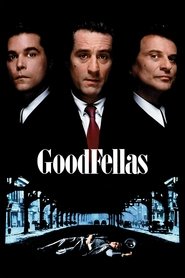
Goodfellas (1990)
Martin Scorsese, Nicholas Pileggi, Ray Liotta
-
7 shared topics
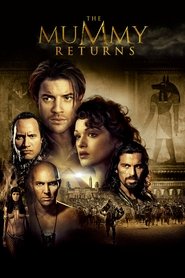
The Mummy Returns (2001)
Stephen Sommers, Bob Ducsay
-
6 shared topics
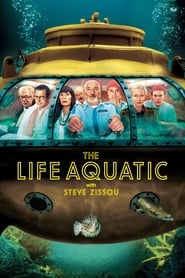
The Life Aquatic with Steve Zissou (2004)
Wes Anderson, Noah Baumbach
-
6 shared topics
Dirty Dancing (1987)
Eleanor Bergstein
-
7 shared topics
Demolition Man (1993)
Marco Brambilla, Daniel Waters
-
7 shared topics
The Way of the Gun (2000)
Christopher McQuarrie, Joe Kraemer