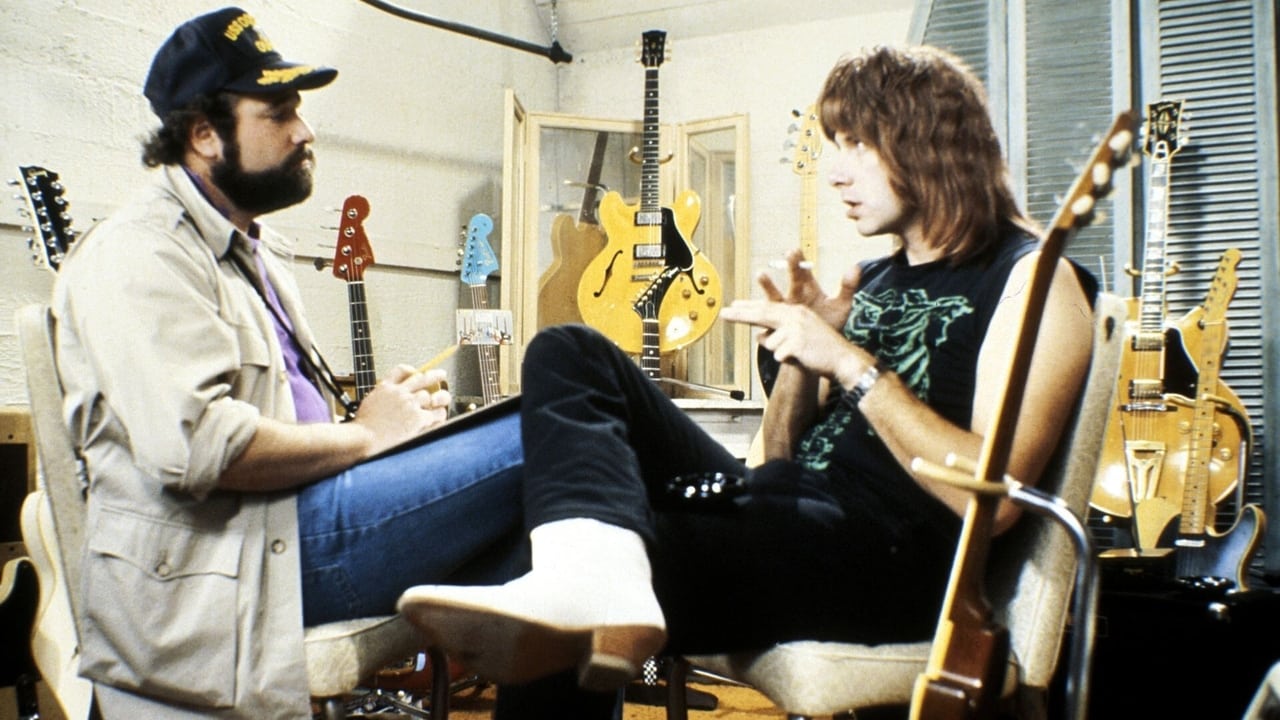

cast
This Is Spinal Tap (1984)
Release Special Edition LaserDisc (Criterion Collection, 1994)
Guest, McKean, and Shearer describe developing the film from a television sketch and a demonstration reel. They explain agreeing on scene structure and facts while improvising dialogue, preserving surprise in first takes, and coordinating documentary-style camera work. They also discuss concerts, interviews in character, disputes over performing rights, and the Writers Guild's treatment of the ensemble's contributions.
- Duration
- 1h 22m
- Talk coverage
- 96%
- Words
- 14,474
- Speakers
- 3
Commentary density
Highlights
Topics
People mentioned
The film
- Director
- Rob Reiner
- Cinematographer
- Peter Smokler
- Writer
- Michael McKean , Rob Reiner , Christopher Guest
- Editor
- Kim Secrist , Kent Beyda
- Runtime
- 82 min
- Also on
- OneSheet ↗
- External
- IMDb ↗ TMDB ↗ Find on Amazon ↗
Transcript
14,474 words
Welcome to Criterion's special edition of This is Spinal Tap. Commentary to the film can be heard on both analog tracks. On this track, you will hear Christopher Guest, Michael McKean, and Harry Shearer. Hello. My name is Marty Di Bergi. Hello. Hello. Hello. interesting chord. A portrait in sound. A portrait in sound. I'm Harry Shearer. I play Derek Smalls, the lead bass player in Spinal Tap. Hello, my name is Bill, and I'm an alcoholic. How's that? Hi, I'm Michael McKean, and I play David St. Hubbins, lead guitarist. Hi, I'm Michael McKean. No, you say your own name. Oh, well, you didn't have to be. Hi, I'm Christopher Guest, and I play the role of Nigel Tufnell, lead guitar player in Spinal Tap.
That band was Britain's now legendary Spinal Tap. Rob, as Karen Murphy, the producer of the movie, recalled, he ended up directing this because he didn't look good in spandex, so he couldn't be in the band. He works on lyrics. He works on lyrics, yeah. The three of us wrote the music, and the four of us wrote lyrics together. One of the reactions that we had from the embassy people when they saw this picture was, don't you have to, in this 30 seconds, wink at the audience to let them know that you're joking? And we said, if they don't know from, you know, we thought that this was... plenty of tip-off, this opening, what we had in mind. But I'm sure a lot of people don't understand this strange joke here. Walking by every piece of movie equipment that has ever been made behind him. It's like, what shot are they setting up for? Yeah, but also there's a pretentiousness to this opening that smells. Yeah. But hey, enough of my yakking. What do you say? Let's boogie.
We had known each other for years. Michael McKean and I had gone to college in the mid-60s in New York City, and we had played music together starting in about 67. When we were all located here, Harry, Michael, and I, we started working on the TV show. It was 78, wasn't it? Yeah. Near the end of the show was a parody of a popular late-night rock music show of the time called Midnight Special. Rob Reiner played Wolfman Jack. And we played this with Loudon Wainwright and Russ Kunkel. We played this band called Spinal Tap. And that's the first time they existed. With a totally different logo, too. Oh, this girl. She's the wife of Timothy B. Schmit of the Eagles. But she was not taught to speak this way. No. She was on her own here. Yeah. Yeah. My recollection of what got us into the first step, all we were doing...
ostensibly was playing the song we'd written called rock and roll nightmare and the last shot or one of the last shots in the in the piece was we're on the floor cameras over our heads were doing like June Taylor dancers stuff with our legs as part of the finale of the song and they're supposed to be smoke billowing around us but the prop guy the hot oil which is supposed to generate smoke instead was as we're lying on the floor just generating droplets of hot oil on our faces and we had a choice between killing the prop man or talking to amuse ourselves while he worked out this problem and we started talking as these guys that later on fed our desire to do more with these people. Not the prop guy, but the characters. If the prop guy fed your desire, Harry, we have to talk. Anybody remember where this is? Pasadena? Is it the Pasadena Club? Perkins Palace. Perkins Palace, I think you're right. I think we shot for 25 days. Five weeks, yeah. Two-hour days. French hours. We never left the confines of Los Angeles County. Let's talk a little bit about the history of the group. This was a man's house in the Hollywood Hills who wanted to be considered a...
landed gentry, but had to live in the Hollywood Hills for some tax reason. And Rob was living at the L'Hermitage Hotel in Beverly Hills, and we gathered at his hotel room. He'd gotten a deal from Marble Arch Productions, which is Lew Grade's company. He had $50,000 to write a first draft screenplay of the movie, and we gathered in his hotel room for about three days trying to write a screenplay. And just at the end of the... The third day or something, he said, this is like a stupid thing to be doing. Nobody's ever going to be able to make sense of this on paper. Let's see if they'll let us take the money and make a demo of the movie instead. They didn't care what we did with the money as long as... As long as they didn't write or do anything. Yeah. You know what I need. This was actually shot during the demo shoot. So this is the earliest piece of film that's in this collection. You look so young. That was my real hair, too. Yeah.
How sad. That's Ed Begley Jr. on the drums, of course. And that's Danny Kortchmar on bass. Danny Kortchmar on bass. We made a 20-minute demo of the movie with Stonehenge was in it. We shot some audience. Richard Belzer's ass. Had a lot of attractions to it. Rebecca De Mornay in a bathing suit. Yes, she played a groupie. We thought this would be the sales tool for this project. One of the good stories regarding this was taking this to David... Begelman. Begelman, over at Columbia, was it at the time? Yeah. We showed this to him, and I don't know if he watched the whole thing, in fact. I think sort of two-thirds of the way he said, Oh, boys, boys. And then these words came out of his mouth, I'll be honest with you. Hey. Hey, right, hey. He said, we already have a...
I've already given a million dollars to the Eagles to do a rock and roll movie. Of course, they never made the movie, but... It was the Eagles, wasn't it? Yeah. It was for... Yeah, that's right. And that was worth the whole price of admission of this thing anyway. We could have all gone home happy after that meeting. I'll be honest with you, meeting. And he wrote us a check, he wrote us a check, and he signed it Cliff Robertson, and it left. You can't really dust for vomit. Here we go. Servo, they call it, servo. This is the Hollywood Athletic Club. Which was at the time called something else. This was the penthouse of the Hollywood Athletic Club. The Berwyn Center. The Berwyn Entertainment Center. That's right. Thank you. Fran Drescher really does talk like that. And this was one of the amazing discoveries because we had used some people in the film that we knew.
and who knew it could improvise, and Fran came out of nowhere, and this is her. She's just going here. She has no... None of these lines are written. She's just... She's so perfect. She's just smacking it. Yeah. We went to every major studio in town, I think, with this 20-minute demo under the four of us, Rob and Chris and Michael and I, and you've never seen blanker stares on the faces of major film executives after they'd seen this 20 minutes, and they'd say... Yeah, so? And your point is? Word being. What they actually said was, I can't sell this. And there was one guy who looked at it and he said, you know, it's really, really funny, but what you need, it's in the very beginning you need a joke like they have an airplane where you see the shark fin style tail fin go through the clouds so that people know that it's a funny movie. We thought that we had left a few tips that it was supposed to be funny in there in the 20 minutes. Zane Busby? Zane Busby, director Zane Busby.
Who's that mime? Dana Carvey. Billy Crystal and Dana Carvey. So the next step was Norman Lear's company at the time. Embassy, I guess. Well, what about United Artists? We were at UA for a minute. Ultimately, Norman Lear said, I'm just going to have to trust you on this and go away and do this. And he gave us 2. 2, as I recall. 2. 7 is what I remember. 2. 3, I thought. Now this scene... was also done in the demo version of the movie, and the girl with the book in the demo was Nina Blackwood, one of the first MTV VJs, who still lists that scene on her resume. Yes, I can. Frank Sinatra says it's okay. This is, of course, Bruno Kirby Jr. In the demo version, yes. In the outline that was written, what was important was the arc of the scene, what was going to happen in the scene, so we all know
where the scene begins and where it ends, and what happened in the middle happened. Every person was told the information that they needed to know so that we wouldn't contradict each other, but this all came from Bruno, Fran Drescher's all came from Fran, and so there was a big load on all these people's shoulders, essentially, to basically write their own pieces. And to listen to each other like people should, and like actors always should too, but in this case it was essential to avoid talking over each other. And a lot of times we would use the first take. We would use the first take in as much as possible because there was something about the surprises of it happening for the first time that really looked good on film. Yeah, I think that's one of the things that you see in this picture is that people really are listening to each other because they have to. Are you sure that the album will be available all through Philadelphia?
Tony Hendra, I had worked with at the National Lampoon starting in 1970, and we had done a series of albums together, and we knew in some cases that these people could just take off and do it. Bruno is an exception for someone who is an actor who can do that. Most actors can't do that. Bruno's nails are never featured, but he had a great manicure at all times. Yeah, Bruno is about the most thoroughgoing guy. He had the limo driver's manicure. He studied limo drivers. He hung out with limo drivers, and he went to the place that they had them polished. The double bass. B. C. Rich. I think they built this. No, they had this sitting there in their warehouse in East L. A. , and I said, that I have to have. What's the point of it? They said, no, there really isn't one. I said, that's perfect. This is perhaps Spinal Tap's most covered song, covered by other bands. Soundgarden had a live album or a live E. P. ,
One of the things we had in mind and talked about a lot and had to keep working on throughout the course of making the picture was that as people who played and who had gotten tired of seeing rock and roll movies where people's hands were in impossible positions when they're supposed to be playing, we wanted to get it right. We wanted to do a movie that got the scene and got the thing right. At the time we were trying to sell this movie the conventional wisdom in Hollywood and I'm using wisdom advisedly, was that rock and roll movies didn't make money and you shouldn't make them, the same as with baseball movies. And we kept saying, you know, Rolling Stone and Entertainment Tonight and all these media have shoved every minutiae of rock and roll down people's throats for 20, 25 years. Even if they don't care, they know all this stuff. They know all these stories. We're just distilling and feeding it back. There were times when, like, the film editors, to make a pretty picture, a shot that they liked would move a piece of a song, a shot from a song,
to a whole other section of the song. And now suddenly fingering was way out of whack. And we went in and re-recorded parts that tried to match that fingering so that people could see that, yeah, we were playing and it really did look right. Let's talk about your reviews a little bit regarding Intravenous to Milo. These covers, when were these generated? Do we remember? I have the Intravenous to Milo cover. What size is it? What do you mean? I mean, it's LP size. Now, you can see I'm laughing because we'd never heard this. That's nitpicking, isn't it? The gospel according to Spinal Tap. This pretentious, ponderous collection of religious rock psalms is enough to prompt the question, what day did the Lord create Spinal Tap, and couldn't he have rested on that day too? We had never heard this material. Rob wrote these reviews and sprang them on us.
One of my favorite times of seeing this movie was when it was shown in midnight in Oslo, and I was invited to, like, come there and just open it and, say, wave at people. But I stayed long enough to see the Norwegian subtitle for Shit Sandwich, which was, I think, Schlett Schmorbrud. He opened for us once. Yes, he did. He may be our new drummer. Oh, Brink Stevens. Brink Stevens, now femme fatale horror movie scream queen. It's a very unimportant reason. They're just experimenting with some new packaging materials. This is the Bonaventure Hotel in downtown Los Angeles. The other thing is that the Boston gig has been canceled. What? Yeah. I wouldn't worry about it, no. It's not a big college town. We looked at several films. We looked at The Song Remains the Same. We looked at the Scorsese film. Give Me Shell, too. Last Waltz. Last Waltz. I think it's other people's egos that make them say, you're doing us. We have had a million people come up and say, you're doing Black Sabbath, or you're doing me. And people have always said to me, you're doing Beck, you're doing Jeff Beck. And I didn't model this after Jeff Beck, but in people's minds, that's what it was.
I went on the road a little bit with Saxon in England before we shot, and I copped a couple of things off their bass player. But basically, I think we were very self-consciously trying to make this its own band as opposed to a Rutles kind of thing, which is very visibly traceable to some other band. As far as longevity goes, we always thought, like, Status Quo or Uriah Heep, who always seemed to be breaking up and changing personnel. But musically, we just kind of... said let's go for the core here let's go for the real the true mediocre in her face to sniff it you don't find that offensive you don't find that sexist this is 1982. that's right it's 1982 get out of the 60s we don't have this mentality anymore well you should have seen the cover they wanted to do i don't care what they want my favorite moment from the from the pre-production process was we were looking for a cinematographer to shoot it and needed to have somebody with documentary experience and
Peter Smokler walked in with a couple reels of his documentary work under his arm, and he had shot a movie that had played one week in Los Angeles and I had been dying to see and had not gotten to see. It was a documentary about Werner Erhard, the founder of Est, learning to race Formula One cars. He just took a year off, and it was called Today is for the Championship. That's right. And Peter brought that in, and I just said, well, as far as I know, he's got my vote. He would be running around the room like a real documentary cameraman. That's why he had that documentary experience. Rob would be walking, you know, crab walking with him, whispering in his ear, you know, because he might have a better sense of whom... Of where the focus of the scene was going. But Peter's instincts were very, very good. And those pans off of people, because the improvisation mimics what would really happen, he was able to instinctively just do what he would do as a cameraman if this were a real documentary.
Well, so what? But what's wrong with being sexy? I mean, there's no... Sexist. There was a very big subplot with a band that was supposed to be opening for us, and Cherie Currie was the lead singer of this group called the... The Dose. The Dose. First thing we say is, you know, Ian's, like, trying to sell us on this band package with us, and we go, oh, shit, what are you talking about? This is a stupid idea. Whoa! And then we see the girl. When you caught to her, she had this big herpes sore on her lip. And you would see us on the bus and periodically we'd each pop up with this sore. So what remains is that scene with Michael and I in this room where the camera pans across us and you see us with these sores. And some journalist said to me, he said, I think it's very interesting that one of the subplots here is that you, Nigel, and David are gay. Or lovers. Yeah. And I said, yeah, okay. Well, I said, let me just explain where this comes from.
You guys were schoolmates? We're not university material. Harry, you were gonna play a southern guy that came into the band... ... but then it just became more fun to do accents from another country. It's just more fun. I was living at the Chateau Marmont. This was in the 70s, in fact. And a band came into the hotel lobby. I happened to be sitting there. and an Englishman, and they came in with the manager. And they were checking in, and the manager said to one guy, do you have your bass? He said, what do you mean? He said, do you have your bass? I left it at the airport. He said, you left your bass at the airport? He said, yeah, I left it there. He said, well, go and get it. What? He said, your bass. Where's my bass? I don't have it. He says, you left it at the airport, you nit. He said, did what?
You said you left it. Left what? And I'm not exaggerating. This went on for 10 minutes, and I was just entranced with this. And finally he said, go and get it. And he said, go and get it. What? It's your bass. Go and get your bass. Where is it? At the airport. So finally, this went on for 10 minutes, and I thought, well, you know, this has to be, we need to do this here. This was about 70... I think I was living there when I saw this unfold. I had first played my character on a National Lampoon record in 75 called Goodbye Pop. He wasn't called Nigel Tufnel, but it was basically the same guy he was interviewed. I played actually a character named Nigel on the Lenny and the Squigtones band. That's right. Lenny and the Squigtones was an album my partner David Lander and myself put out, and Chris was our guitar player.
And I was... And he was Nigel Tufnel, because we were all in character. We read, there was an article in Rolling Stone about somebody's... Van Halen. Van Halen's writer. It was no Brown M&Ms, was that what it was? Something like that. The show business is rife with stories about, you know, this stuff. I mean, Jerry Lewis's writer, which I got a copy of at one point, is pretty funny. Yul Brynner's was famous. Yes, Yul Brynner's was great. Under no circumstances must white eggs be substituted for brown. It's just that. That's an inside story, but the fact, the rock and roll element of it, through Rolling Stone and other media, has leaked out to the public, so they're aware that rockers are like this. Actually, everybody in show business is like that. You've got this. You'd like bigger bread? Exactly. I don't understand how... You could fold this, though. Well, no, then it's half the size. No, not the bread. You could fold the meat. Yeah, but then it breaks apart, like this. We are fortunate that, since we each have musical ears, I think that made it more...
possible for us to lock into the music of the way these people talk than if we were actors without a musical thing going on. My particular thing was I didn't want to be doing the same kind of thing that Chris and Michael were doing. And I was more amused by the guys who had this kind of transatlantic sound, because they'd just been back and forth too often. I remember feeling before we went to England great trepidation that we were going to be caught out and that the English press was going to say, you know, get these yanks out of here. Who do they think they're kidding? Yank these yanks out of here. Yeah, and I just remember being really stunned at the reception that we got in Britain. And in no place do they buy it as thoroughly as they do in Britain. Don't worry about it, all right? I just hate it. Really, it does disturb me. But I rise above it. I'm a professional, all right?
The drummer is Rick Parnell, and the keyboard player is David Kaffinetti, or Dave Caff or Dave Ewer. Both Englishmen. We were not allowed to be on American Bandstand to perform this song because they didn't want us to say the word hell. The joke that we're trying to make is that these guys have bad taste as opposed to being musicians that can't play. And that is a kind of a paradox for people. They don't really understand music. To this day, when we've played, journalists will say to us, are you really playing up there? This guitar is my 1955 Les Paul Gold Top. And this is Moke, by the way. People say, who's Moke? In the end credits, there's one character who has a box around his name. That's Moke right there. And that's Moke. That's our roadie, Robert Bauer. Robert Bauer is the name of the actor. He was the sole purveyor of Spinal Tap Goods and Services for a while there. Yes, and he's an actor now. He was in a series on Fox a couple years ago.
The irony of all this is that there are a lot of big bands that go out on tour... ... where they're not playing. There's a dat playing. And the irony of all ironies is, of course, this is us. The joke band really plays. Do you play all... I mean, do you actually play all these, or...? I play them, and I cherish them. And most of these guitars are from Norm's rare guitars. Some of them that I play in the movie are mine... ...' cause I have a collection, a real collection, in fact. This is a 58 Sunburst. These are worth about $60,000 now. This is exactly where Nigel and Chris intersect. This is the overlap point right here. I've done a million things for Guitar World and Guitar Friends or whatever they're called. Guitar Babies. No, I have some of my real guitars in these magazines. This is truly the intersecting point because I've collected them for a long time. This one, of course, is a custom 3 pickup.
Paul, this is my radio unit. So I strapped this piece on, you know, right down in here when I'm on stage. It's a wireless. Wireless, exactly. We knew that the wireless thing had to be set up to pay off the joke when we do Sex Farm. That was clearly intentional. That had to be laid down here so that later on you'd understand what happens. I wasn't going to touch it. No, don't touch it. I was just pointing at it. Well, don't point even. Don't even point? No. It can't be played. Never. Can I look at it? No. No, you've seen enough of that one. This is a top. This section here, which is the 11 business, Marshall made a special plate for me that went up to 11. Subsequently, they have done some ads with me, and now the new amp that they made for me actually goes up to infinity on the dial.
They made a real amp that goes up to 20. That's the one that people can buy in the stores now for real. But mine goes up to infinity. This has been ripped off just big time. Almost every amp company now sells knobs that go to 11. And guitar knobs. Where can you go from there? Where? I don't know. Nowhere. Exactly. What we do is if we need that extra push over the cliff, you know what we do? Put it up to 11. Do we know where this was? It was backstage. Was it also at Perkins Palace? Or was it a venue? I don't remember where this was. This is the Holiday Inn in downtown Glendale. This is Paul Benedict as the desk clerk. A well-known actor from The Jeffersons and many other... Yes. God bless him. Brilliant wig, brilliant glasses. He wore thick lens glasses in a couple of pictures. In Sibling Rivalry, he wore thick glasses. He knows they're funny. He knows how to use them. He's another example of an actor who hasn't had this kind of training, but can just fly with this kind of premise. Here's the silent Duke fame.
It's that Loudon Wainwright song, there wasn't a man who couldn't speak. And who's this woman? Wasn't she actually married to someone like... Oh, she sure was. She was married to a real rocker. I thought she was... Was that Jackson's girlfriend? Maybe that was Jackson's girlfriend, but she'd been married before to someone else. As far as the casting goes, there were situations like, for example, Howard Hesseman. His character did not exist until the day before we shot it. Originally, it was going to be a rock and roll... a rock and roll performer, Duke Fame, that they run into. But the guy we got to do Duke Fame couldn't talk at all. I mean, it was just like, he was just, he was just terrified and he couldn't, he looked great, looked perfect. And so it was like, can you get Howard over here in eight hours? Can he be here and can we shoot him? Think he'll be able to like to be a manager or something? So Howard walked in and of course, you know, knocked one over the fence. You know, it's like, that's why we had him in the picture. Because another guy couldn't talk.
This particular scene points up, of course, the idea that we did a record called Bitch School in 92, and the cover was a woman on all fours, and MTV saw it and they said it was too sexist to show. Can I ask you something? Have you seen Duke Fame's current album? Um, yes, yes. Have you seen the cover? Uh, no, no, I don't think I have. It's a rather lurid cover. The story we heard was that the guy who was in charge of what videos they were gonna show this week was fired for sexual harassment, and his job was filled by two women. So you know that there was a no-nonsense cloud hanging over that building, at least for a couple of days, and that's when we submitted our video. This is a scene where you can see just how small our wardrobe budget was, because I think most of us were wearing our own clothes at this point. I had dredged out this strange down coat that I'd bought to wear in New York a couple years before. We really were, you know, operating on a shoestring. We had this wonderful wardrobe lady named Renee.
who just had a crazed sense of weird stuff to find in odd places, but even so, we had to patch it together with a lot of our own stuff. This scene probably took maybe three hours tops. We'd have, like, three setups, three major setups a day, I think. The last time TAP toured America, they were... I said the record player. Where we had filmed a part of the demo... We had filmed a scene in the jacuzzi of the record plant, and we came back. We didn't use the jacuzzi, but we used this office because it had a lot of gold records. Tony Hendra went back to the lampoon, and he's written a number of books, and then briefly was the editor of Spy magazine. I had a one-man show at Lincoln Center for which he took out an ad in the New York Times that said he was the creator of Spinal Tap. It was an oversight. It was strictly an oversight. No, it wasn't a one-man show. It was a Ronald Reagan operetta. A one-man lawsuit.
There was a scene that was only a bit of which came into that montage, but there was a piece in which we were so blasé and tired and weary of the road that we had the girls destroy the hotel room because we were too tired to do it, so we just told the girls to do it. And the only thing left from that was Tony hitting the TV set with the cricket bat. I miss you too, darling. This is again the Bonaventure Hotel downtown. We had great casting sessions too. Actors came in, and since there was no script, we couldn't ask them to read, so we'd talk to them. We couldn't teach them to read. We'd ask them why Johnny couldn't read, but that was merely a conversational tool. And then basically just, you know, saw what kind of ad-libbing or improvisational facility they had in a situation with the four of us. That's not until April. Great! We'll do it! Oh, fucking great, we're...
What guitar is that, Chris? That guitar we got because at some point... It was smashable. We were going to break it, so we wanted to get a cheap imitation Strat. Oh, God, I love you too. Okay. Bye. Well, my problems was solved, mate. Who's that? Janine. She's going to come meet us. Enter the Yoko plot. This was part of writing the scenario for Norman Lear. We'd had a lot of these ideas. During the process, it was from 1980 to 1982, taking the 20-minute demo around. As we'd gather, we'd add ideas for songs and add ideas for plots. So this was all accreting in archaeological time. But in June of 82, we all finally wrote it down. When we were talking about doing another...
Doing a sequel, we thought for a minute about doing a plot film like Help, which purported to be taking place in 1967, when they were in their first flash of fame, a quickie American international film. We didn't make any money off the first film, so who's gonna ask us to do a sequel? After a while, we did. I mean, as the 80s rolled along and the film had some kind of adherence, people came up to us and said, when are you gonna do the sequel? You can't do the same form again. I mean, that was clear. We weren't going to do another backstage documentary about this band. So, like, a sequel just seemed to be out of the question. We looked too old to do the thing. Well, that's true, too. I think if we had done it right afterwards, we could have gotten away with it. But like I say, the profits were not the point. I'm not really sure this was such a great idea. I mean, I don't feel any better than I did at the hotel. He was going to do a TV special from here. This was shot...
Griffith Park? No, Pasadena. Or Alhambra, actually. Or Altadena. Yeah, some park in the smog belt. This was about the most elaborate art direction in the movie, recreating Graceland. Got a copy of the tombstone. And the gates. And also, we had the correct spelling of Aaron. There was some mistake on this. There's some way it's not accurate. It's very small. And this was the only Elvis Presley song we could get the rights to. If I'm going, since my baby left me, me. No, you can't hit that note. Since my, since my baby left me. Well, I found a new place to dwell. That's all right. This was written by, what's his name's mother? That actor. Hoyt Axton's mother. Hoyt Axton's mother wrote this. Wrote Heartbreak Hotel. Absolutely true. That actor. Interesting. Well, he was. No, I know. But I mean, basically known as a singer. There was also another scene.
It took place at the gates of Graceland, where we were trying to get in, and it was locked, because it was a Sunday or something, and we're yelling, Mrs. Presley! There's too much fucking perspective now. 1967, that was the first time Spinal Tap came into existence. The whole world was changing in those days. Also, we had the world's ear, because we had just released an enormous selling single. Listen to the Flower People. We toured the world, we toured the states. We toured the world and elsewhere. It was a dream come true. First thing we ever shot on this movie. Shot on tape and transferred to film to give it that horribly oversaturated but under-focused look. That's Russ Kunkel playing the drums, the famous studio drummer. Because it was in documentary form, if you have a written script, there's no way to really make that seem spontaneous. There's just no way to act that. And we just knew that that was not going to work. And we knew enough people that could improvise convincingly to portray this as a real life experience that we felt confident that this would work. I did go to one screening where they showed the four and a half hour version. There's a bootleg copy of the demo that's around.
And also there's a bootleg copy of the four and a half hour version of the film. Is that true? Yes, there's a... I'll tell you about it. There's also a bootleg copy of Run Silent, Run Deep, but nobody wants it. But not Letterboxd. No, French Letterboxd. French letterhead. It was in the Isle... Isle of Lucy. The thing about this kind of anecdote is that a lot of these guys, if you've looked at scene interviews with these real guys, is they do have interest in the... either the afterlife or in the paranormal. The paranormal is a big thing. They have this mystical kind of connection. There's a little green globule on his drum seat. It's like a stain, really. It's more of a stain than a globule, actually. You know, dozens of people spontaneously combust each year. It's just not really widely reported yet. There is now, in fact, a Shank Hall in Milwaukee named after us, a music venue which we visited and blessed on our tour.
This is the... Perkins. No, no. Is it? Yep. This, I believe, is the only piece of music that we're actually playing live as it's filmed. Jazz Odyssey. Right. All the rest were pre-recorded and... Us playing to ourselves. Oh, maybe you don't How do I have to come right smack damn out and tell you everything June Chadwick, the actress, had adopted a working-class, attempting-to-be upper-middle-class dialect, and she could improvise like crazy. She's English. That was it. Hello, darling. Hello. Janine walked in, and she had the part within seconds. She was just so perfect. June was very funny, and she also, she looked like me. We had the same hair in this movie, so we wound up looking a lot alike. You see that in rock and roll sometimes, guys who marry women who look just like them. It's an elevated form of narcissism. Yeah. Narcissism with a spare pair of hands.
We saw a few people, some just weren't right. Tova Borgnine was the leading contender, but... But her skin photographed so badly. Whoopi Goldberg was there for a moment, but there were hair problems. Susan George. You know who else was... Victoria... No, not Victoria Principal. Steve Martin's wife. Victoria Tennant. Victoria Tennant was the other real serious candidate. David, Smell the Glove is here. Hello, Steve. The moment we've all been waiting for. We had a few musician friends that were in on this joke, basically, but it really wasn't until the film came out that this became the tape for all the band buses, basically. The reactions were split. There were probably 50-50 between severe depression and people seeing this and saying, That's us, and why would they want to make us feel worse about this? I mean, really, I've had many, many people come up to me and say, you know, this is just way too painful to watch, and people obviously enjoying it. And then some people not really realizing... They were kidding. That we were kidding, and just thinking... I mean, one of the first comments at a screening, I think it was in Seattle, was, you know, on a card, was, why would they make a movie about a band like this?
You know, because they thought it was a real documentary. The other note was, why is the camera so shaky? Mm-hmm. This was before all the AT&T commercials. I frankly think that this is the turning point, okay? I think, I think this is, we're on our way now. You know, it's time to, it's time to kick ass. Where was this? I don't know, but this sound was created by John Sinclair on a Prophet 5. That's right.
There are people underneath these pods, opening them up. This was not mechanical at all. I mean, this was not electronic or anything. There's guys under those platforms, guys crouching under or lying down under each of those platforms, opening them up on cue, except for mine. When there was darkness and the void was king and rose the elements... One of the trickiest parts of this is that aside from David Kaffinetti's keyboard playing, is that because it's a guy underneath, he's having to pull as hard as he can to keep the thing closed while everybody's acting as hard as they can to try to get it open. And it really, there's a lot of faking going on trying to avoid pulling it open because it was too easy to open, really. It would have opened at the merest touch because the guy is in a very difficult position down below trying to hold it closed. Mutation
There was an argument between Rob Reiner and me over when Moke's hammering to try to get the pod open, and we were at the sound mix, and Rob wanted the hammering louder, and I was always the stickler for absurd reality, saying, how are we hearing that? It's a rock and roll band playing very loud, and a guy's hammering. How would we be hearing it any louder than the instruments? And Rob went around the room and asked everybody who was there, all the assistant editors and stuff, What do you think? Should it be louder? And they said, yeah. I think it was a compromise. I have in my possession, not today, a scrap of paper from one of the writing sessions where I have written down various rock and roll band names. And on one side it says S-P-Y-N-A-L-T-A-P.
And then on the flip side, as it's written today, Spinal Tap. That's the first time that we came up with that. Some of the other names were on there, which I can't remember, but we ended up with that. The Poodle People. No, it was not. Jumbo Prawns. Jumbo Prawns was written down on that piece of paper, yeah. Kind of a Jethro Tull feel to it. In the past, do you have any fears for your life? Hyatt House. There's an interesting... omission here in his speech. Listen. You know, it's like this. And it did kind of freak me out a bit, but it can't always happen. Right. To every candidate. Right. To every. To every. Not every drummer. Or everybody. He left the subject out of the... It can't happen to every... Oh, how exciting. Joyce Hyser plays my girlfriend in this. Vicki Blue, who was one of the... Vicki Blue's a persuasion. Grunaways. One of the Runaways. Grunaways.
who is now either a real estate broker or a school teacher. Really? Or both? I believe a real estate broker. This is Cindy's first moustache. Is it? Can I take it off? Where did you get that shirt? It was made by a woman. It was made by the mother of one of my son's friends at school. She made these. Well, you were reading. You can read here. There it goes. Yeah, but they've got the game back there. I can't remember. During one of the times when the band broke up, we all had separate things that we did. And one of the things I did was get involved with... Derek got involved with Marco Zamboni, a great Italian film director, and did this Spaghetti Western. And it was like a gangster thing. A gangster movie, yeah. Futuristic gangster thing. I'm in an all-white suit, assembling this futuristic gun, pointing it, aiming it. Weren't you trying to get Rob to do it?
To look at it? And weren't you showing it to him? To try to get another job. I think that's what it was. Possibly. I just wanted to... Yeah, Marty, I've got a minute. Where is this? This was Janine's first day, actually. I know that. And I believe it may have been in the same park where we shot the soccer stuff. We did a montage that we wrote a song called America, which is on the album, but it's not in the movie. And we thought that there might be this very pretentious montage of our trip across America. And so we shot a bunch of things like us playing soccer with cops. That song ended up in the tour, the second tour on the second video. This was the same day as Graceland. This is that same big park in Altadena. Oh, that park in Altadena, yeah. But we also did some stuff in Griffith Park when we got on that little... We went to the zoo and we rode around on... Rode an elephant. ... pretentious montage. It's just blocked or something. Was this the record plant? I think so. Yeah. The same place where we did the session, recording session scene later, right? Right. Mm-hmm.
Was that the record plant? I think so. This was another room in the record plant. This was not the big room. It's pretty. Yeah, I like it. Just been fooling about with it for a few months now. Very delicate. There would be times when people would laugh because no one had ever heard what anyone was going to say. And you can see it subtly in some of these shots where... And it happens still because we've been doing this now. When we do interviews together, Harry and I were doing these interviews in Australia. And he came up with this line that was like a moth... Oh, shit. Moth to a flame. They're drawn to it like a... A moth to a flame. No, like... No. No, it was a... They're drawn to it like a moth to a fly. It's amazing doing this form because you get to hear it for the first time as well as the audience. It's like a mach piece, really. What do you call this? Well, this piece is called Lick My Love Pump. Oh.
This is at the Imperial Terminal of Los Angeles Airport, which is the luxury terminal away from the regular airport where, like, the basketball players fly through and you fly MGM Air. This was the only part of the airport they would allow us to film at. There were a lot of scenes that were cut out of Derek's zucchini fetish. As a matter of fact, there was a scene where I was teaching Moke how to wrap it for the stage. There was actually a scene that prefaced that with us having a meeting with... With Derek saying, you know, look, we don't know how to say this. You're a bit light downstairs. You need something more up front. What do you mean? Project more. Yeah, more projection, that's it. Exactly, yeah. Trying to diplomatically explain it. You've got to reach out to the audience a bit more. The fruit basket's a little light. What do you mean? It's just the guy's refusing to take the hint.
I couldn't quite tell whether they were talking about me or my character, but I chose to believe it was about the character. Do you have any artificial plates or limbs? Not really, no. Would you... In the demo version, the lady with the wand there was Lorna Patterson. This was actually the first song written for this movie. because this was written for Lenny and the Squigtones. We did it, maybe didn't record it, we did it once or twice. These were also mixed specifically for this purpose. In other words, when we did these prerecords of the music, we wanted them to sound like they would in a hall as opposed to a record mix. The movie The Rose was being done around the same time and we talked to one of the sound guys and he said they were having a big problem because
The tuning in various takes and through the show was changing, and they were having a lot of trouble editing, and they were having to go back and... Rerecord. Rerecord over what they had done. Because we had talked about just doing it live. It created more technical problems than it... You have to play to a click, first of all, which is a drag. Annoying. Yeah. There were other problems, too. You couldn't play at the right volume level. Cameramen couldn't hear directions, so, you know, if we had played live, we would have had to play, I think, that we were told we would have had to place softer than it would have been practicable to do so that people could hear instructions and stuff. Extras had to be given directions. It was a major can of worms. It was our first choice, but there was no way we could end up doing it. Hi, Artie Fufkin. So many promo guys that we've run into since then have said in so many words,
I'm kind of the Artie Fufkin of the Northwest region, like it's a thing to be proud of. There's a wonderful scene not in this movie where the ostensible purpose of this visit is to get us to do a radio station appearance the following morning at 7 a. m. Joyce is already laughing. This is an example of the camera starts to pan. It starts on the woman that plays my girlfriend and she's just laughing. Who was it that came in with the food? Archie Hahn comes in with food, and there's a great eating scene that didn't make it into the movie. Archie is in the film. Yeah. Here he comes. Oh, thank God! Civilization! Where do I put this? That scene didn't pan out at all, but between this and that, he sticks around the room. And it ended with Paul Shaffer. You want me to show you how much I want you to do this gig? Watch, I'll break an egg on my head. And he breaks an egg on his head.
What record store is this? It's in the Valley. The original Moby Discs. Long gone. On Ventura. Now called Colors. What are you doing to me here? Chuck? Levine. Chuck Levin. Wonderful actor. He was in a play with you, wasn't he, Harry? Yeah. He was in... Beyond Therapy, I believe. No. This scene is a virtually literal recapitulation of an experience that Michael and I had with the credibility gap in Tucson in front of a convention of audio tape wholesalers, Larry Finley's International Tape Something, And we told them exactly what we needed for sound and lights and stuff. And absolutely none of it was done. Nothing was done. Lou Dennis of Warner Brothers Records came backstage after the show and just literally played that scene. Guys, I want you to do this for me. Kick my ass, please. Listen, it's my fault. Please, kick my ass. I would feel so much better. Wouldn't give us the satisfaction of getting mad at him. And we gave credit to him on our album on Warner Brothers, Lou Kick My Ass Dennis.
did this scene, and he now brags to everybody that he meets, you know, I'm the guy. I'm the real artist. I'm the kick-my-ass guy. Come on. I'm not asking, I'm telling with this. Kick my ass. The drug use in this scene is sort of a rare occurrence of that in this movie. We had a big discussion about that, and one of the reasons you don't see it happening more is that they wouldn't have allowed that. They would have gone over to the cameras and said, you know, go away now. We don't want to see you. It wouldn't have been realistic to show that. They would let it be peripheral at most, but never would you see a scene of them getting high. There was also the idea we'd spoken about that these guys had been together already for so long that they had already even passed that
They may have gone through that stage and they were probably, one of them was probably AA and they were probably not even doing that anymore much. This getting lost sequence, we saw a tape of Tom Petty playing somewhere in Germany where he's walking backstage and a door is opened and he ends up on an indoor tennis court. And there's just this moment of stunned, you know, where am I? And then he continues looking for the stage. Wonderful Smith. Originally cast in the part was a man named Spodey Odie. But he died right before, you know, his call time. I also had this experience for real. My friend Danny Rifkin is occasional manager of the Grateful Dead, who have years of occasional management to their credit. And he invited me to see them at Madison Square Garden. I was living in New York. Madison Square Garden has a circular rotunda to it. And I went around and around and finally went in the wrong door and was in Felt Forum and watching two light heavyweights boxing.
What happened here? So there's plenty of precedents for this. Where is this? Do we know? This is the basement of either Variety Arts or that other big theater, the Embassy. The Embassy. The Embassy of the Autorium. Which is no longer there, probably. Yeah, it is. It is, really? Mm-hmm. I've seen it in Alaska. Shot a lot of stuff from the demo there. I think all the concerts. Which is where? On Figueroa and on Seventh. I thought it was on Spring. Variety Arts is on Spring. Other way. Other way. I hate to keep talking about this, but I think... This is in the valley. Yeah. What is this place? Seasons. Seasons. Yeah. Which is now probably a J. K. Frimple or something. J. K. Frimple? We're too embarrassing to even talk about. This was early on in the shoot. Yeah. Yeah. We were purely dependent on the availability of locations. Actually, there's a lot more continuity going on here that there's a woman comes and takes our order.
A woman played by... Chair's sister. Ms. LaPierre. Georgia. Georgia. Georgette. Georgette LaPierre. Georgiane LaPierre. Georgiane LaPierre. Thank you. Who was very funny. She was a waitress and everything, and she came, interrupted this argument to take our orders, gets them all wrong, comes back to check on them, they're all wrong, comes back with the wrong orders anyway. So it's like a running thing. It was a long, long scene. But the meat of it was always the Janine's suggestion for astrological signs, and then the counter move of let's do Stonehenge. There was no new age at that time. It's more about the idea that the stereotype of the woman that breaks up a band is of this ilk, more than the fact that it was a widespread, generic thing in Los Angeles. This is... Just bear with us for one moment, please. This, I love this. I wish I were the counter. This is your crab face. As long as we've known the rock and roll scene... ... there have always been people of this consciousness. It wasn't called New Age, but it was definitely the same stuff. Crystals and I Ching and all that. This is the heart of what happens to bands... ... where a woman comes in, girlfriend of one of the guys...
whatever ensues is the heart of what happens to these groups on these tours. Every group that we've ever met who's seen this has said that to us. It wasn't Yoko at all, really. That's something that's so specifically Beatles. It's not just, oh, a woman broke up this band. There's a very specific kind of boys club atmosphere and a relationship that goes back years and years between Nigel and David, for example, that really couldn't take the stress. And it's not so much women are bad because they do this. It's like, guys, these guys haven't got a clue as to how to, you know, how to handle this or how to be real in any sense. They're all just, they're playing at something. And if anything, you know, gets in the way, it's trouble. They treat it like trouble and they run from it.
So you're going to take care of it like that? You're going to find someone to design it? Let's try. If you can do it, I'll do the number. Do you feel that in collaboration with David that you are afforded the opportunity to express yourself musically the way you would like to? Well, I think I do, you know, in my solos. My solos are my trademark. This is still my favorite scene in the movie. This was live, too.
You did one day for about 20 minutes, I think. I think I did this for about probably half an hour. That was the setup. That was directly off of Jimmy Page's playing with the bow. This looks absolutely perfect. I mean, it's the right proportions. It'll be this color, right? Angelica Huston. She wasn't a known actress at the time. She was a known daughter. And girlfriend. And girlfriend. This is also the Bonaventure Hotel, I believe. We had a problem with this prop, didn't we? No, this was good. Oh, okay. This was the embassy, I believe. We did a stonehenge that was too large for the room. At the Albert Hall. We went the other way. And you see this prop being just... Trying to jam it through the door. Trying to jam it through the door. It can't even get in the building.
We did a couple of things on the road where the prop would arrive by Federal Express in an envelope. Just in time, in the number, a man in a uniform would come out and bring a delivery, and Harry would open it. This is what I was asked to do. 18 inches, right here, it's specified, 18 inches. I was given this napkin, I mean... Forget this! Fuck the napkin! Another alternative title for the film, Fuck the Napkin. In ancient times... Hundreds of years before the dawn of history. We played Guzzeri's, we played The Central, and a place down in Orange County, was it? Radio City. Radio City. Opening for Killer Pussy. That's right. Teenage Animal Nurses in Bondage. Right. The Guzzeri show was sort of the clincher. Was that the one with... Iron Butterfly. Iron Butterfly, yeah, was also on the bill. We were supposed to open for them.
And they decided that they had to go home early. Well, they had a dental problem. The bass player had dental work done that day and was under heavy sedation. Yeah, like a matter. Like a fish, he was under heavy sedation. That show was kind of the convincer for us that this absolutely was like just another band coming in there. Nobody had any idea that this was, we just played very loud and whatever. And I remember some kid as we were walking off saying, you guys shred. And I thought, well, that's kind of good. Of course, that was my agent at the time. No, this was a 15-year-old kid. So it was your manager. And we were on our way. Stonehenge, where a man's a man And the children dance to the pipes of time Gee, we should have had Rick playing that hood a lot more often than we did. That leather hood. Well, now he can do it. Now we'll bury him in it.
Now he could do it and he wouldn't notice. Rick, our drummer, the real drummer in this film, when we went on the road, one of the things that he expressed most amazement and delight about was the fact that we were staying in pretty first-class hotels. They give you all this free shampoo. I've got a two-year collection of it. He had this huge, this bag full of, like, dozens of little bottles and packets of shampoo. And he really thought he was getting away with something. Like, they don't have a clue. I'm taking all this shampoo home. I mean, that's the other thing, is going on tour after doing this movie, there were a number of times and junctures where you're stupefied by the awareness of how absurd it is to have made fun of this and then to have to experience it for real. The little children of Stone Age Beneath the haunted moon For fear that daybreak Might come too soon
This song, I, Chris, actually have an interest in Celtic music, and I play the mandolin, and the genesis of the song came from one of my doodling around on the mandolin. Of the middle bit? Yeah. Yeah, the middleman. That's the intersection of Rick and his character right there. Intersection of Rick and Sepulveda. That's his girlfriend, Sepulveda, right there. That is his wife. That was his wife, the harpo wig. Yeah. whom we met in Denver. Rachel. Rachel. To be able to do the Spinal Tap Tour in 1992, we had to take this thing that we had created between 1980 and 1982 and to put it on the road in 1992. We had to follow a trail that went through the bankruptcies of three movie studios to this company called Parafrance, which is a subsidiary of L'Oréal Cosmetics, and negotiate a deal to buy back the rights to use our own creation.
which was an 18-month process. We would have gone on tour the previous year, except that we had the negotiations for the rights to be Spinal Tap hadn't been completed by then. It was the most arduous, crazy, expensive, lunatic part of this thing, is, like, to buy back the rights we're on creation, because to make the movie, we had to give up all rights to everything excepting our firstborn. We don't own the publishing on the music, and we didn't even own the right to be Spinal Tap. And when we went on tour, our manager approached the people who had the publishing... the original songs because we'd written a whole bunch of new songs we said well listen why don't you give us a piece of of these songs it'll be kind of an incentive for us to perform them on the tour their response was we are in the business of acquiring things not giving them away the fact is that we could have probably done all this without them ever knowing that they even owned it because it was just buried you know people buy up
catalogs of things, and they would never know this ever happened. They would never have been able to track it down themselves. We're still paying the morality. We have to pay Frenchmen every time we say hello. And that's not a euphemism. No. We have a license, a limited-in-time license to use the characters and the name, and every time we use it, the license is automatically extended. But if we... go through a period of three years without using the characters in any way. It reverts, and we have to go through the whole thing again. So that, in a way, is a strange incentive to resurface from time to time just to keep our right to be these guys. Wow. Free to be, you and me. Well, they also test our cosmetics on animals, so what do you want from them? That's right. Something we've never done.
You were asking about comedy antecedents, and there's one that, I don't know if it's for everybody, but at least for me, was kind of an antecedent of this, which is a very obscure sketch by Peter Sellers on one of his records, where he interviews a rock and roll star named Twit Conway. With Irene Handel. Or does he do both forces? No, he does both. He does the women and the manager. Yeah, he does a... Major Ralph. A BBC woman interviewer. interviewing this idiot rock star, Twit Conway, and his Svengali-like manager. It's from the 60s, this record, right? Yeah, yeah. And she says to him... What have you done to your blue jeans? And he says, I've cut the hole out. Cut the knees out of them. Cut the knees out. They were too tight, so I cut the knees out. And she says, well... He says, well, take my fountain pen and ink in where the flesh shows. It's a very funny sketch. We are just good friends. That is the answer to another question. The answer to this one is...
I want to become an all-round... We all know this, of course. I want to become an all-round entertainer. No, he has to finish the... Entertainer. Yeah. My dream is to one day play Ol' Vic in Shakespeare. Now we're not going to fucking do Stonehenge. We had auditions for musicians. For the demo. We had an original keyboard player who left us because it was taking us so long to get a movie deal. He called us. He was a marvelous player named John Sinclair who ended up doing some tracks on the soundtrack. And he called up and he said, guys, I'm sorry. I got to go on the road with Uriah Heep. And he went off with Uriah Heep, came back before we filmed the picture, but we'd had to replace him in the meantime. But he told us the story of Uriah Heep being booked into an Air Force base, which we said, thank you very much. We'll use that.
Virgo is one of the most highly intelligent signs of the zodiac. We're going to pull through this with great aplomb. It's so clear. This is the real LAX, the real terminal at LAX. This is available light, I think. Most of it's available light. Everyone's on the move. This is a gorilla. This was done just the way you would do it, so you're not traipsing in there with that many trucks or anything. We had a very small crew. There was virtually no crew as you would know a movie crew. Once we were going, we were going, we were on our own thing. They couldn't ask, how many pages did you get today? Because we had no idea. It's like, usually it's like, we got five and three eighths pages. There was no being ahead or behind. The brothers always fight, sort of disagreements and all that. And we really have a relationship that's
way, way past that. This was the record plant? Yes. This was a very long scene. Obviously, this is live as well. Everybody in the music business has heard this Troggs tape, where the Trogs are having a very difficult time trying to get a guitar part down. That was sort of our template for what was supposed to be happening here. And we just did it for a very protracted period of time, built it as a very long scene, and this is... the distilled version of it. Without some fucking angel hanging over your head, you know what I mean? Jesus Christ. This is fucking all we need. You can't fucking concentrate because you're a fucking wife. Simple as that, all right? It's your fucking wife. There was a cut that was even more like this. There were something like 40 hours of footage to cut down. We were all in on the editing process. This was a group effort.
Robert Leighton was the editor who's obviously gone on to do a lot of pictures. The final version, the film veered back and forth before it got to this point. And following this scene, there was another scene that took place just between David and Nigel after the smoke had cleared. And it's the two of them kind of like talking about old times and talking about what's the problem in here and everything. It was just, it was too much. But I think out of that... came the intensity that we did this other scene. It was because we knew it was about something bigger than just, you know, that two and a half minutes or whatever it is on the screen. And you really do need, you have to get a sense of not just a series of scenes that are funny strung together. So this helped add a dimension. There was also another subplot of another guitarist that was hired to replace me. After Nigel stalks out. So they find a very handsome...
flashy lead guitar player who could also sing a million times better than David. And so what happens is we shot some scenes. We found this kid who was in fact this rock and roll guy. What was his name? I don't remember his name. Lucky? Peter, I think. Lucky sounds good. Not because that was the name, it just sounds good. But he really had, I mean, all the women on the crew. Yeah, very handsome, blonde, dazzling guitar player, could sing. And we shot scenes where David tries to sneak up to the mic to sing, and he basically gets pushed out by this new guy. I guess I have that footage somewhere at home. Really? It was never, it wasn't even in the four and a half hour version we saw recently. He's never amounted to anything? I don't know. I don't think he has. Maybe his name is, you know, George Michael or something, I don't know. Although I shouldn't talk, my hair's getting a little shaggy too. Better not get too close to you, they'll think I'm part of the band. I'm joking, of course. Shall we go in and I'll show you around?
I'm joking, of course. Well, we're gone at that point. Michael and I had done a tour with our group, the Credibility Gap, had gone on tour with Fred's group, the Ace Trucking Company, and we had closed at least one nightclub with that tour. Mr. Kelly is in Chicago. I had done Little Murders in 1969 with Fred in New York City. So we know Fred Willard's rich tapestry. Sucker for it every time. Fred Willard is one of the great, great improvisers. Never heard any of this? No. He's got us on the edge at every moment of this thing. He had done Fernwood Tonight. Post-Fernwood, yeah. And pre-History of White People. This was some warehouse? No, I believe this was a real airport. This wasn't White Man Airport, was it, in the Valley? I don't think so. I don't know. It's like we're... you know, talking about a movie that was made in the 30s. We can't even remember. Well, that was back when Monogram was on the corner of Sunset. Yeah. That was before they took the streetcar tracks out. Oh, the old red car. Remember that? Yeah. Now, I still remember going to Cal State Dominguez to do the scout of that location. Mm-hmm. I do, too.
This premise here, I saw a production of, I think, Midsummer Night's Dream in the park in New York City, Shakespeare in the Park, where this happened. A Shakespearean production where a guy comes out and saying, and justly so, so that you bequeath, and you hear, please hire a taxi over on the Amsterdam and 79th Street at 10. 30, please. The corner, the northwest corner. And the place, of course, you could not continue. You totally ruined the gig there. He walks off and, you know, I mean, he can't be expected to sit home and get money, so we've got to get someone else in there. This is the lobby of the Hyatt. So that might have been the same day or the next day. Mm-hmm. Yep. You know, you've got to understand that, like, in the world of rock and roll, there are certain changes that sometimes occur.
And you've just got to sort of roll with them, you know? I mean, you read that, you know, you saw exactly how many people have been in this band over the years. 37 people have been in this band over the years. Rob is punching behind Peter and tapping him and whispering in his ear to move if he's not in the right place. But then Peter put the camera on and... Yeah. And that was during lunch. That was right. If Marty Di Bergi wasn't in the scene, Rob had free reign. He didn't even have to wear the hat. Although he did every day, just in case we saw him. But you also know, as actors, to sense where he is with the camera, so you can stall lines, and everybody's working as a sort of a team to know when it's back on you and to finish a line. What do you mean? He's not going back? No, we shan't work together again.
Listen. Magic. You think that's video games? No, that wasn't video games, but video games is in this sequence. This was Magic Mountain. Magic Mountain. There's two tracks playing. There's two pieces of music playing, and one of them is video games. We've got a big dressing room now. What? We've got a big dressing room. Oh, we've got a bigger dressing room than the puppets, so that's refreshing. I've got some Mendocino rocket fuel. That's supposed to be... A real line from Mr. Caffinetti, which we said, you have to say this in the picture. Mendocino, rocket fuel. He would say this to us on occasion. Double that. If you recall the lines, it fits. Oh, yeah. I've got two hands here. It's not enough. It's what the hands can do and can't do. Becoming a cult phenomenon is not like taking off. Like taking off is when you make $15 million over the weekend and you cost one. That's taking off.
It's been so gradual. I mean, it's like watching a person, like watching a child you see every day grow. You don't really notice it. It's like watching a Chia Pet. Very much. A slow Chia Pet. A very slow Bonsai Chia Pet. I just think it's because there's a certain amount of reality to it. Even if you've never been in the music business, don't know anything about the music business or don't know any rock and roll people, you know, firsthand, it still has that kind of quality of this is really happening to us. I ran into somebody recently who was there, who was an extra. I was there. Oh, no, no. This is live, too. Yes. Yeah. These were extras. The park wasn't really open for business that day. This was wintertime. Yeah. This was November, so the park wasn't open during the week. He wrote this. Top of the Hyatt. Top of the Hyatt YouTube, Chris.
This is the last show of the tour. How's that feel? You know, it's like this is your last waltz. Are we talking the end of Spinal Tap, or are you going to try to milk it for a few more years in Europe? One of the people at this party is one of the more notorious figures in the record business, Artie Ripp, who was one of the major guys in Buddha Records, and there's a million stories about Artie Ripp. We cast him in this, I think, basically just for the authenticity of having a real record business character in it. And also Donahue, Rachel Donahue is also... spotted briefly, DJ and widow of Tom Donahue, who invented underground radio, progressive rock radio. It's a good crowd, good crowd. It is, isn't it? Yeah, it really is. John Sinclair's wife. Right. And Lindsay. Lindsay Doran. Lindsay Doran, executive producer. Executive producer of the movie. And now vice president of Paramount, right? Yes. Yeah, of charge of production. The interesting thing now is when we made the film, it is actually in the time that has gone by that
I have friends that live in North London, in Tufnell Park and that area. The East Ender accent has now spread all over London. And the middle class and even upper middle class are speaking the way that the Cockneys used to speak up until probably the early 80s. And then it started to spread. And I have friends now, it's all like that. And these are kids going to good schools and going to university. And you can barely understand what they're saying. It's really extraordinary. And then you could very much define in a given section of London, and we invented this Squatney area, and we actually found it when we did our special in 92. We went past the Docklands, and we found, was it E14 or whatever it is, and we found this Squatney area. I own the house. Yeah, I do. Me too. This is the embassy. This might be the embassy. Yeah.
Specifically in this location, we were all kind of trying to nail the art director because the graffiti didn't look very realistic for backstage rock and roll graffiti, and we'd been in enough toilets. He'd written, gosh darn it, on the wall. Go to the whiskey, go hang, go to the top of the troubadour. How about go to the borderline, where was that place in London? Oh, the borderline. That had the best graffiti in it. Yeah, and CBGBs. Those two places. Hand me another Freddie Mercury. This one's dead. This one's cold. This one's cold. Hand me another Freddie Mercury. Pass me another Freddie Mercury. This one's cold. Pretty amusing. That jacket now is the jacket I'm wearing in this film. I traded to Jeff Beck. He gave me one of his guitars, and I sent him this jacket, so he has that somewhere in England right now.
So did you just come here to hang around backstage like a real rock and roll? Is that what you're doing? That sedative reading is just... Well, he's back off the wagon here. Every character I play has a drinking problem. It's a personal choice. It's a tax thing. Spinal taps recording, sex part. It's number five last week, actually. So he asked me... to ask you, Tap, if you'd be interested in reforming. We talked about how much stress do we place on, how much emphasis do we put on this type of scene? And we thought it was, I mean, we had arguments about this as to how much we needed to do that. I think in retrospect, it helps because it really shows, you know, they're so familiar now with the camera crew being around that you don't get the feeling as if that's a problem. And that you do see this kind of, I mean, it's kind of pathetic and poignant to see this arc where I leave the band and come back. And I think it adds a level that you wouldn't normally have. This is a huge backstage area, this at this embassy. It's a very weird place.
mainly used for religious events which this was really david do a good show right yeah okay it has this great sepulchral echo yeah being so huge which really added to the flavor of this scene but was total accident just it was a place we were shooting at but it has this everything just echoes like sound of doom we've seen over the years is when we've played live recently is that people want to feel as if they're part of the movie because they were the audience watching this movie the audience that comes to the shows this sort of is a circular thing feel as if they are now in the movie in a funny way and they become the audience in the movie and it's very difficult to separate it's a very bizarre phenomenon it's hard to explain but they know all the songs and they feel as if we can never tell if they are at what point this leads
you know, separate the idea that they think they're... Are they joking? Or are they... Do they know that we're... Because when we play real shows now, it's a two-hour show. It's a rock and roll show. It's loud. At what point does this become real and imagined, you know? The harness I wore during this picture is now hanging in the HBO Comedy Hall of Fame in New York City on permanent loan. Fans can't stay ahead of us. Usually they can't even find us. Yeah. No, I mean, we've had to do so much for the promotional tour. We did a whole new set of histories of what had happened in the intervening period of time and kept embellishing it as we were being interviewed. So there's no way that... I mean, we've had so much more time to work on this stuff than they have, you know. Nobody's really brought us anything new. Generally, we haven't spoken out of character
about the film or the parts. We have spent hundreds and hundreds of hours in motel and hotel rooms with wigs on talking to journalists about the film. But basically as the characters. It basically, especially when we were touring, felt it was incumbent on us to maintain the reality of the band much more than to acknowledge that these were fictional characters. And I think it paid off in the sense that Chris is talking about audience feeling part of the movie as opposed to part of a performance by some fake people. That wouldn't sell at all. Tonight only, a performance by some fake people. Well, the Archies did it. Monkeys did it. Yeah.
That is Sadaharu Oh's jersey I'm wearing, the actual one. And that was the extra call for extras in Los Angeles, for Asian extras, virtually none of whom were Japanese. I think they were all Korean. Mostly Filipino and Koreans. Oh, well. This, for all of us, because we're actors and musicians, is the ultimate fantasy, is that you can do a movie where you're acting and hopefully being funny and playing music. Give me a break. It's like show business camp. The extension of that when we go on the road is being let loose in front of, you know, thousands of people is absolutely. And it fulfills a number of levels because we're playing songs that are fun to play where you get to play and you're really playing and you're having fun and singing and you're cavorting, cavorting. Romping. And cavelling. Anticking. Also, I mean, when we're on the road, especially when we're doing media stuff or being observed, we're staying in character. So the tour and the buildup to the tour was actually a much longer period of acting
as these characters than the movie. The movie was five weeks out of our lives. Yeah, the tour and the build-up to the tour was like three-quarters of a year. Most of the days... The second tour. Yeah, the second tour. Most of those days spent in character, improvising with each other in front of strangers. Another element in that is that the three of us like to make each other laugh, and that's a huge part of it, because, you know, you're sitting with morning men, because they get it. And so we're basically... Playing to each other. Playing to each other, and again, we've never heard what we're going to say, and that becomes that kind of little challenge. There was a day where we were interviewed by a lot of people in London. There was one guy, I remember, almost the last person that came into this hotel room from one of the papers who just took it as a personal insult that he was being required to talk to people in character. It was as if he was being required to interview puppets, and he had to speak to pieces of fluff, you know, and it was beneath him, and he refused to do it. Well, it is pretty surreal. We've done...
maybe 500 interviews sitting in hotel rooms wearing wigs. It is an odd idea, actually. It's an odd life. The specific reason why he was knighted was for the founding of Hogwood, which is a summer camp for pale young boys. We wanted to avoid that Bob Hope movie thing where Reynolds... These aren't outtakes. These are all interviews, as you notice. It was a thing in the 70s that was happening in the mid-70s with Burt Reynolds movies where it was just him and Dom DeLuise making each other laugh. We tried to avoid that. Yeah, the end of Hardly Working had that, too. Kent Beyda, the assistant film editor, is a big film editor now as well. Kent Beyda. Cary Gleiberman, the Gleib. That's right. That's the man you shot in Roma 79. Don Newman and Erwin Mucas, as you called him.
On occasion or another, the second A. D. I haven't seen this in a long time. Michelle Payne did the hair. Wonderful. And Annie Rapp, the continuity director, who had a real challenging job since there was no continuity. There was no script, so she was the script supervisor. She's become a huge script supervisor. Not well-known, but she's just 400 pounds. No, she's very, very prominent in the industry. She would write down every single thing that happened. A thankless job on this particular occasion. No, it was like being the comic strip editor of the New York Times. It was a job you really kind of defined as you went. Have a good time all the time. That's my philosophy, Marty. I believe virtually everything I read, and I think that is what makes me more of a selective human than someone who doesn't believe anything. I like watching the credits. Yeah, I'm trying to see these people. Who did Julie Payne play? Oh, she was a mime waitress. That's right. Yes, she was. My God. My God.
Paul Shortino, wasn't he the guy that used to hang around us and wanted to be our keyboard player? Yeah, yeah. And Gloria Gifford and Nancy Giles. Which ultimately ended up as the store on 3rd Street. No bones. Musical stylings. Apropos of the writing credit, because of the way this movie was created, the four of us went to the Writers Guild and said, we really want to acknowledge the contributions of the actors... in creating the dialogue for this picture. Is there any credit that we can give that will acknowledge that? What about additional dialogue? They said, no, that's a TV credit. We said, well, who cares? It's what happened. No, we really don't want you to denigrate the importance of the writer. Well, we said, we're not trying to denigrate anything. We're just trying to give credit where it's due. There was a vote by the board of directors of the Writers Guild, 15 to nothing, against anything but us taking this writing credit. That's why that credit appears in this picture.
They were against acknowledging that anybody but writers could think up anything. That's all we could figure out. What time is it? It's seven after one. Well, I was supposed to be somewhere at one. You know what? You are, Michael. You are somewhere at one. It's not the right place. Okay. Pressure's off. The bad news, I was supposed to be somewhere at one. The good news, I am somewhere. I am somewhere. You are somewhere! You ain't nobody, but you're somewhere. It's Jesse Jackson Jr. trying to launch his own career. You are somewhere. Chicken and waffles for everybody.
Keep exploring
Other commentaries on related filmmaking topics
-
8 shared topics
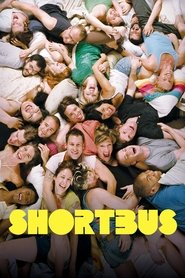
Shortbus (2006)
John Cameron Mitchell, Justin Vivian Bond, Sook-Yin Lee
-
8 shared topics
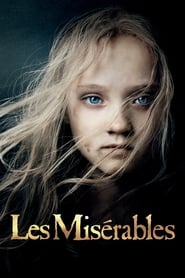
Les Misérables (2012)
Tom Hooper
-
8 shared topics
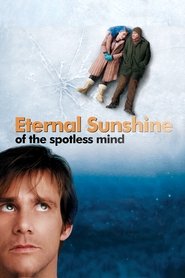
Eternal Sunshine of the Spotless Mind (2004)
Michel Gondry, Charlie Kaufman
-
7 shared topics
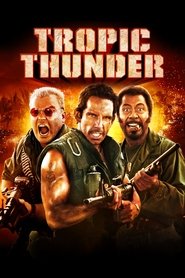
Tropic Thunder (2008)
Ben Stiller, Jack Black, Robert Downey Jr.
-
8 shared topics
Mission Impossible Dead Reckoning Part One (2023)
Christopher McQuarrie, Eddie Hamilton
-
8 shared topics
Home Alone (1990)
Chris Columbus, Macaulay Culkin